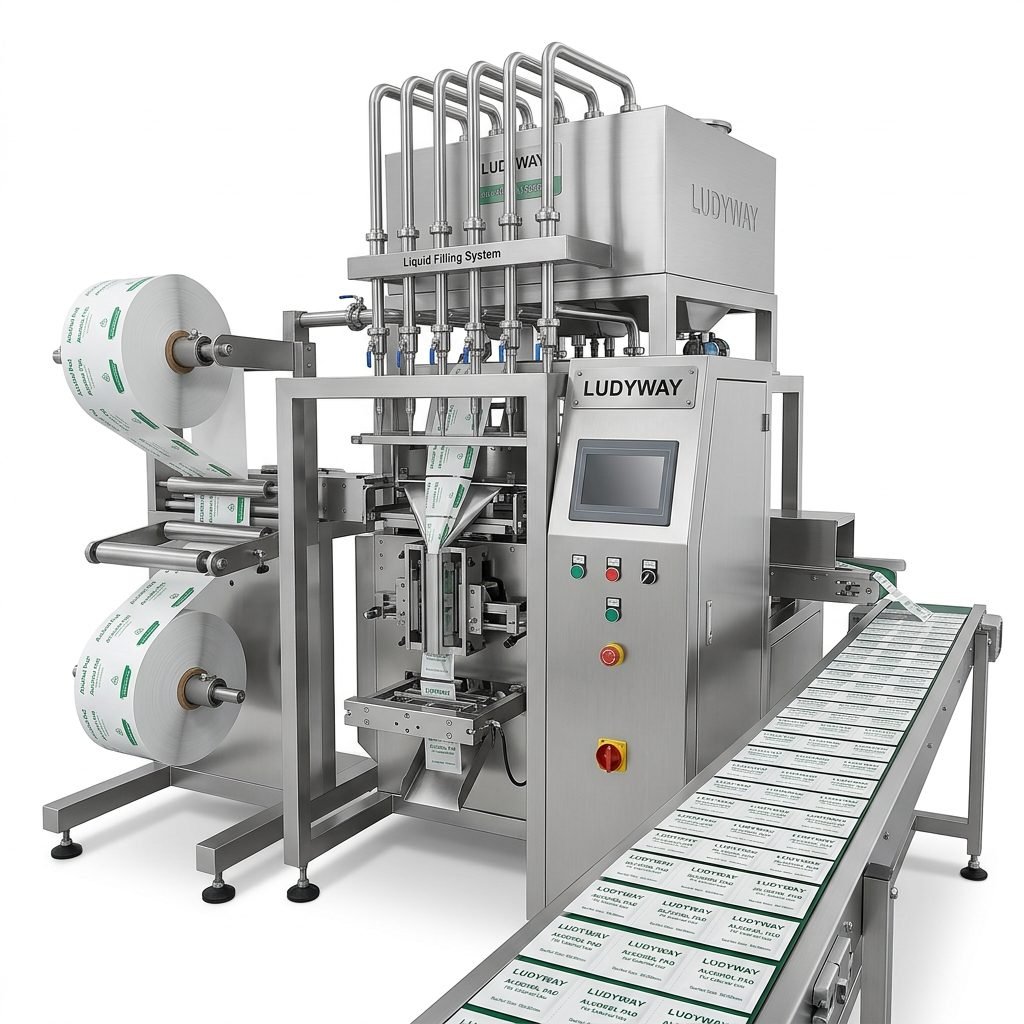
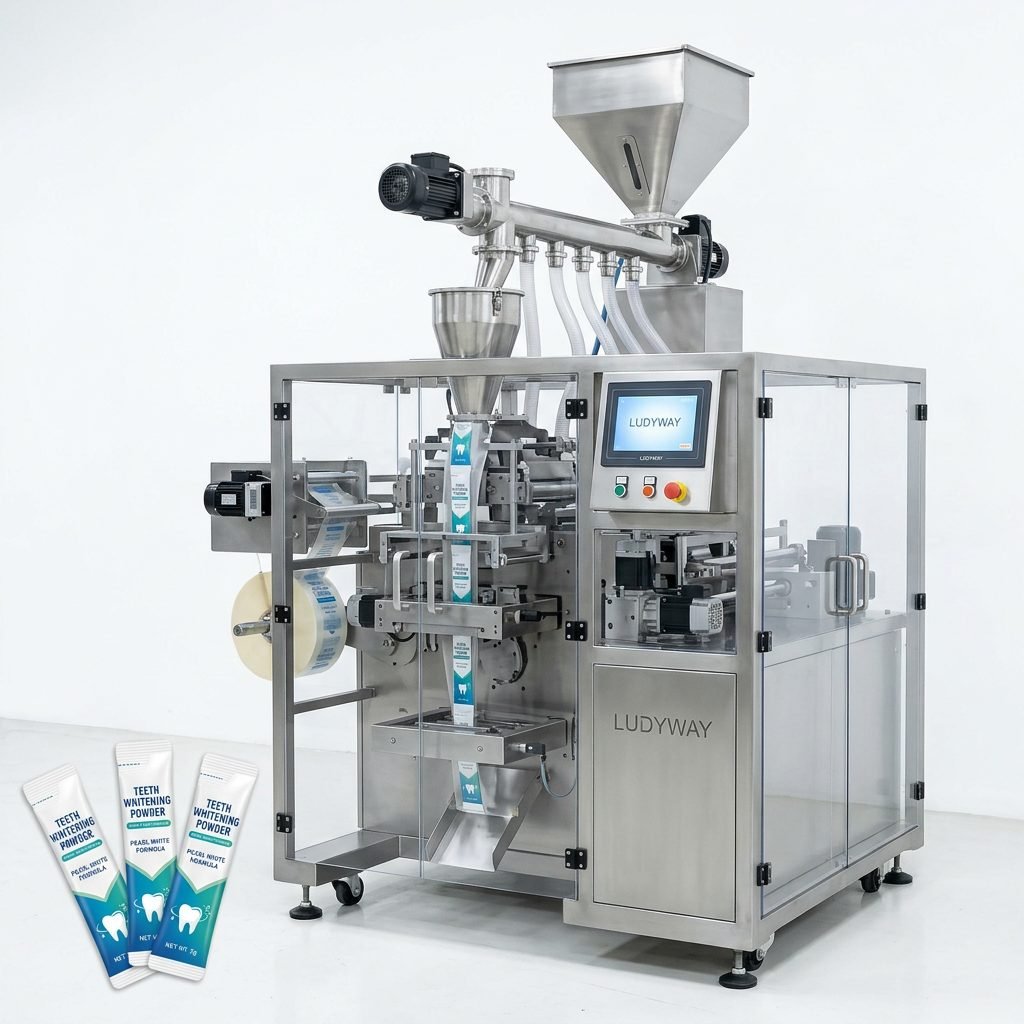
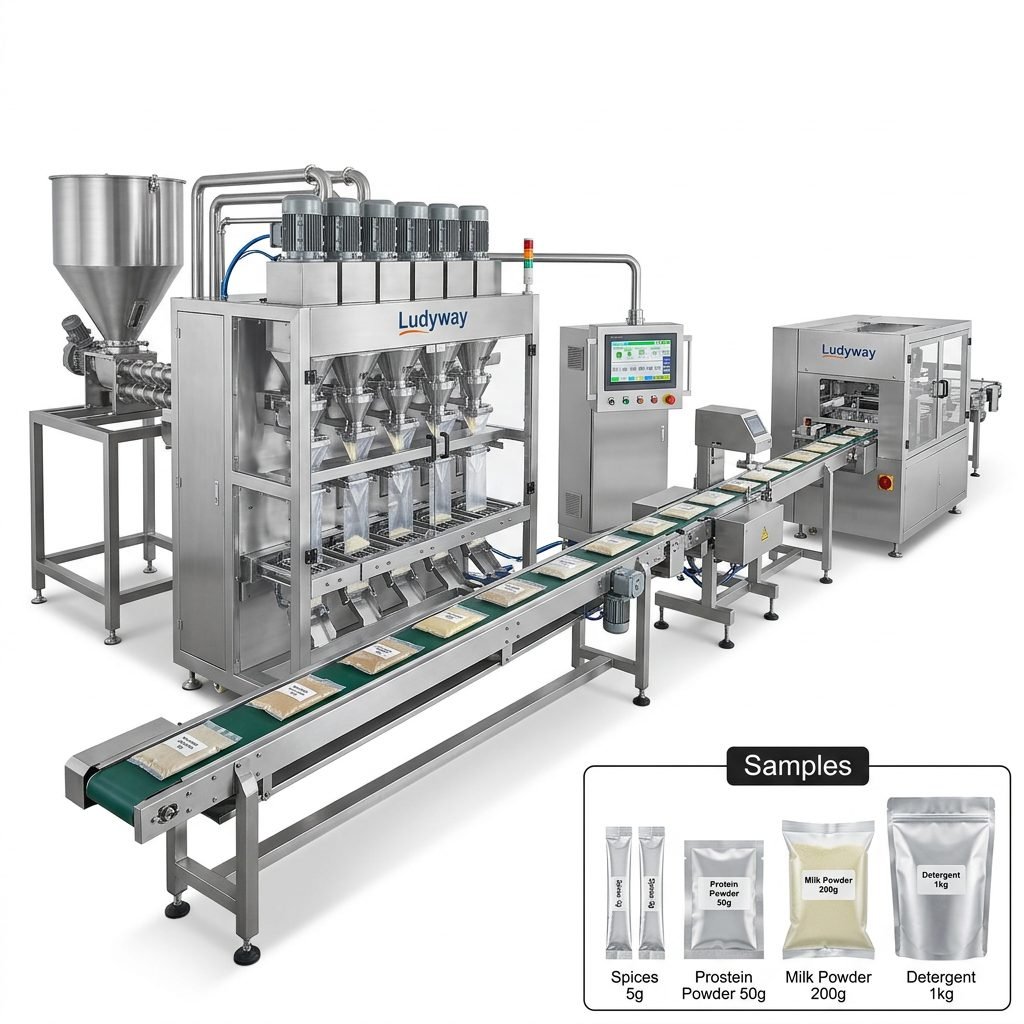
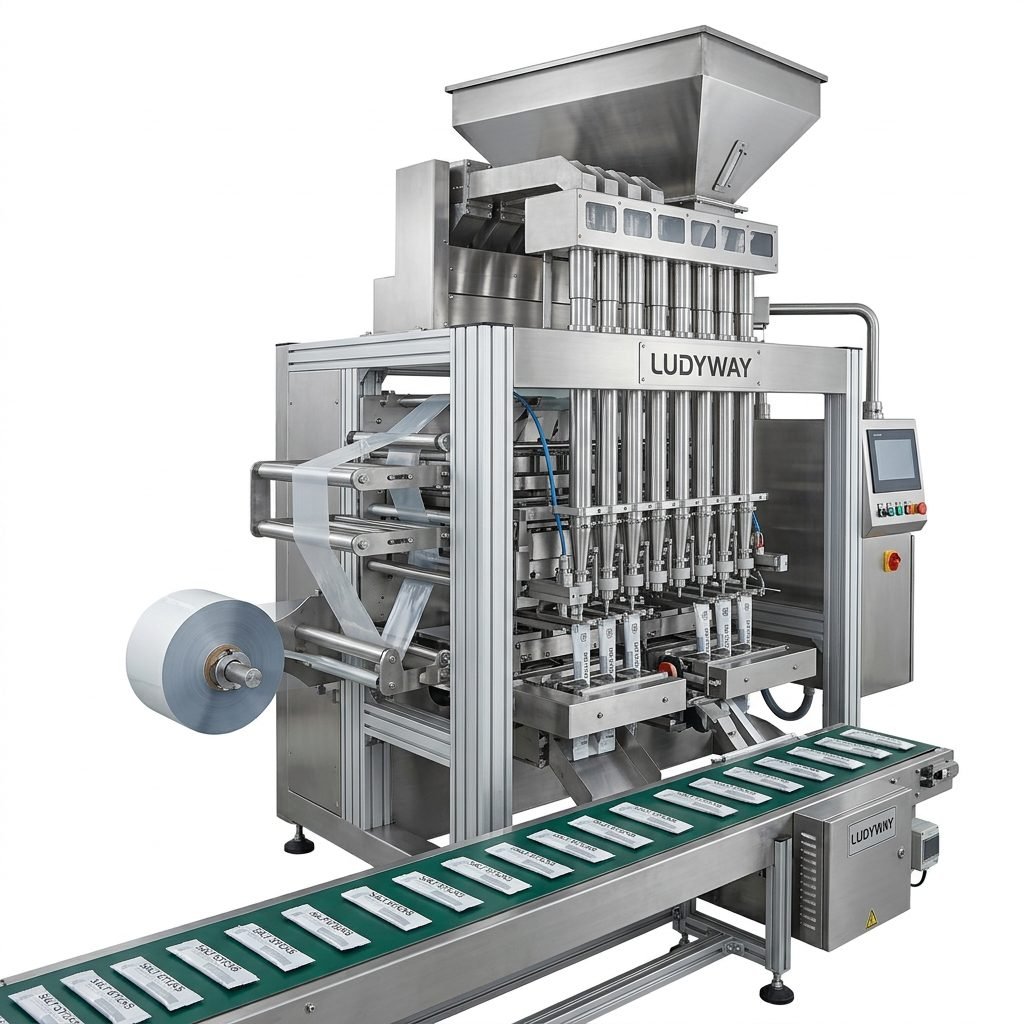
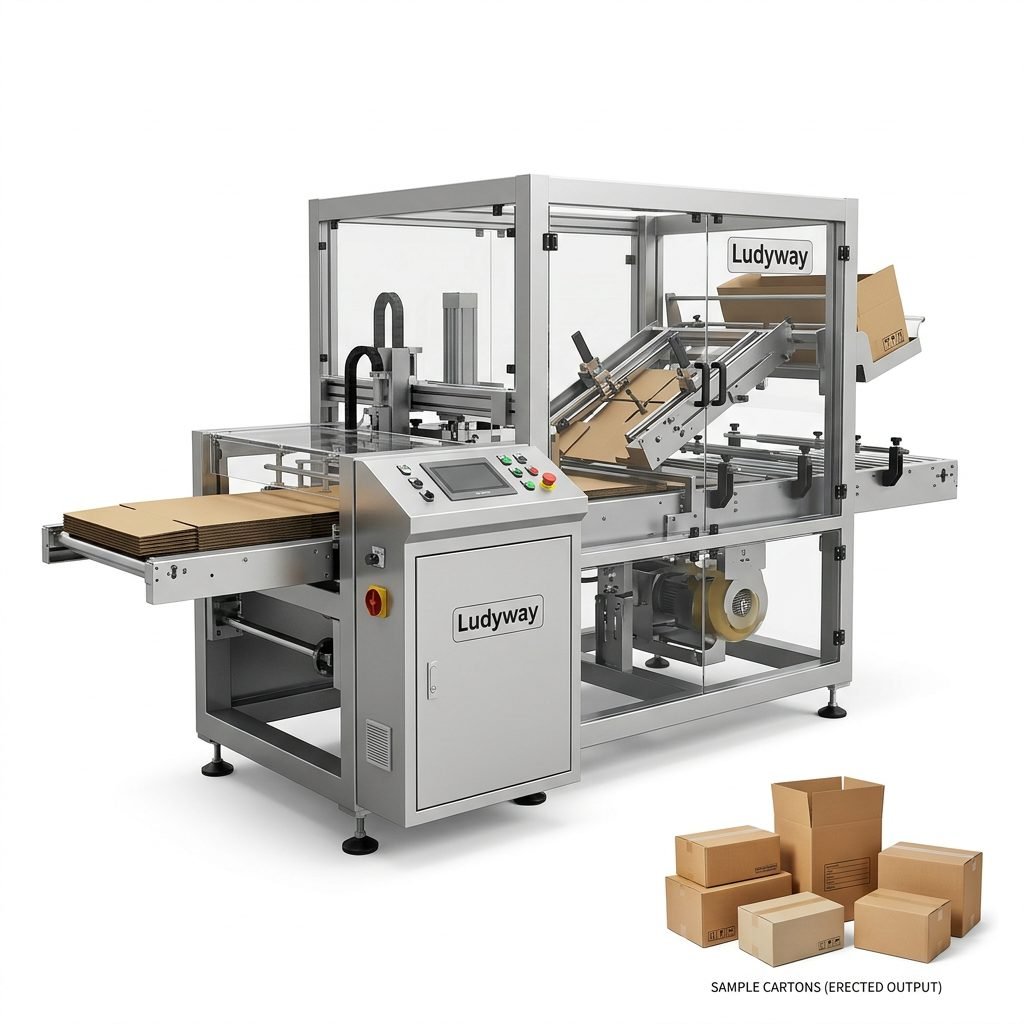
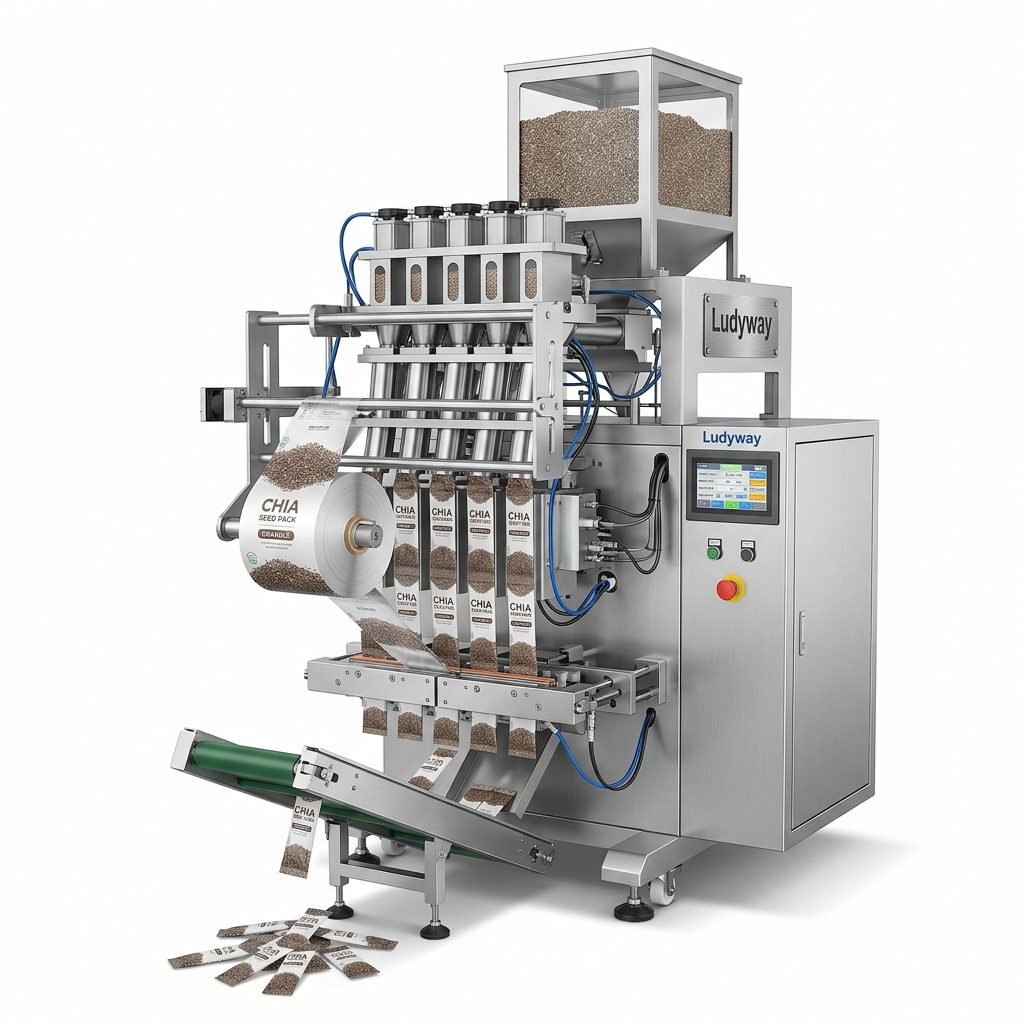
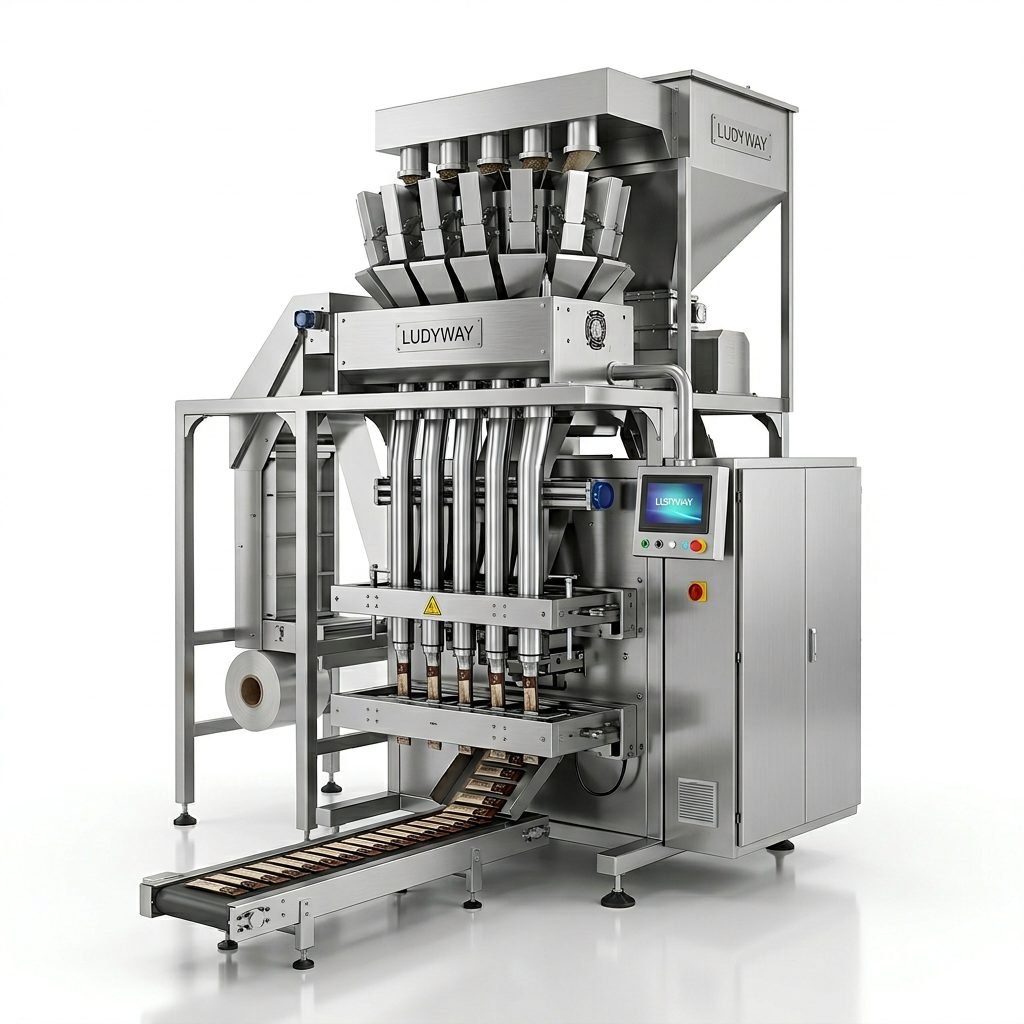
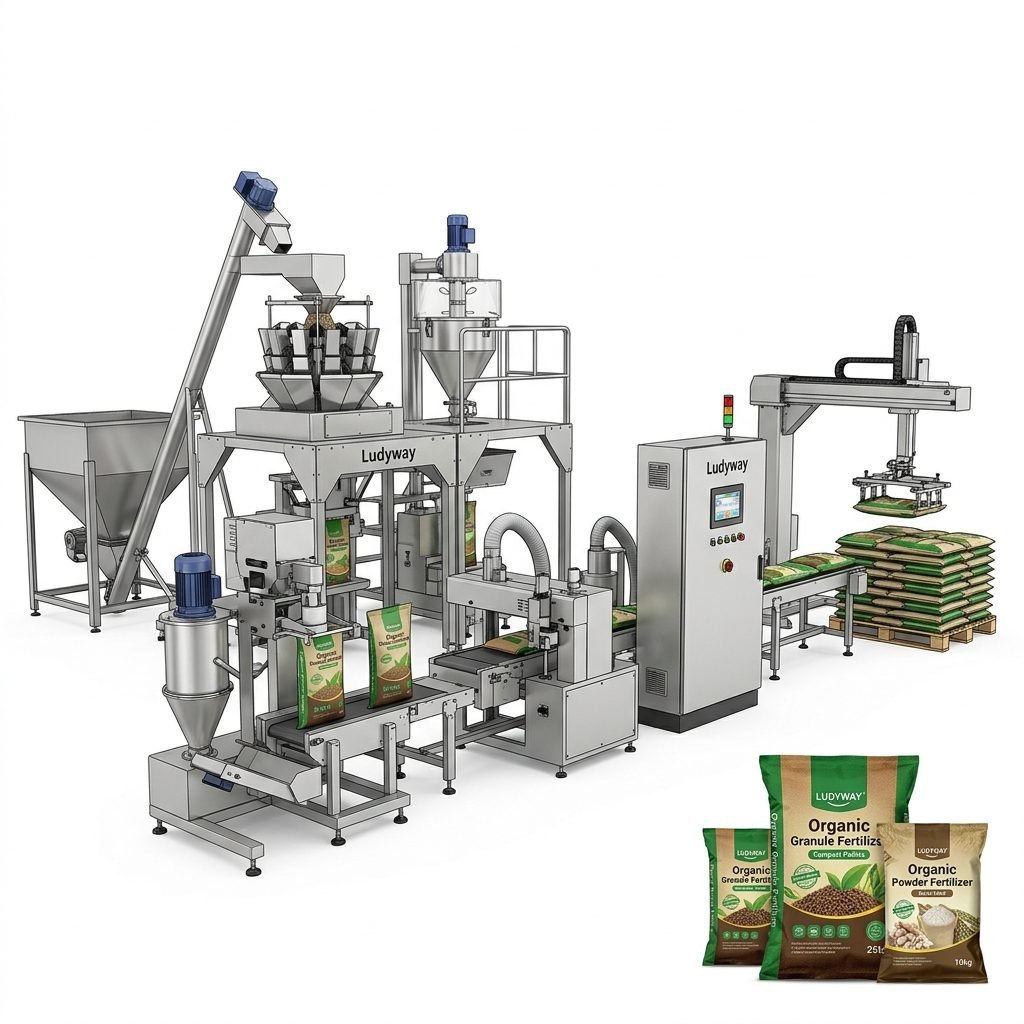
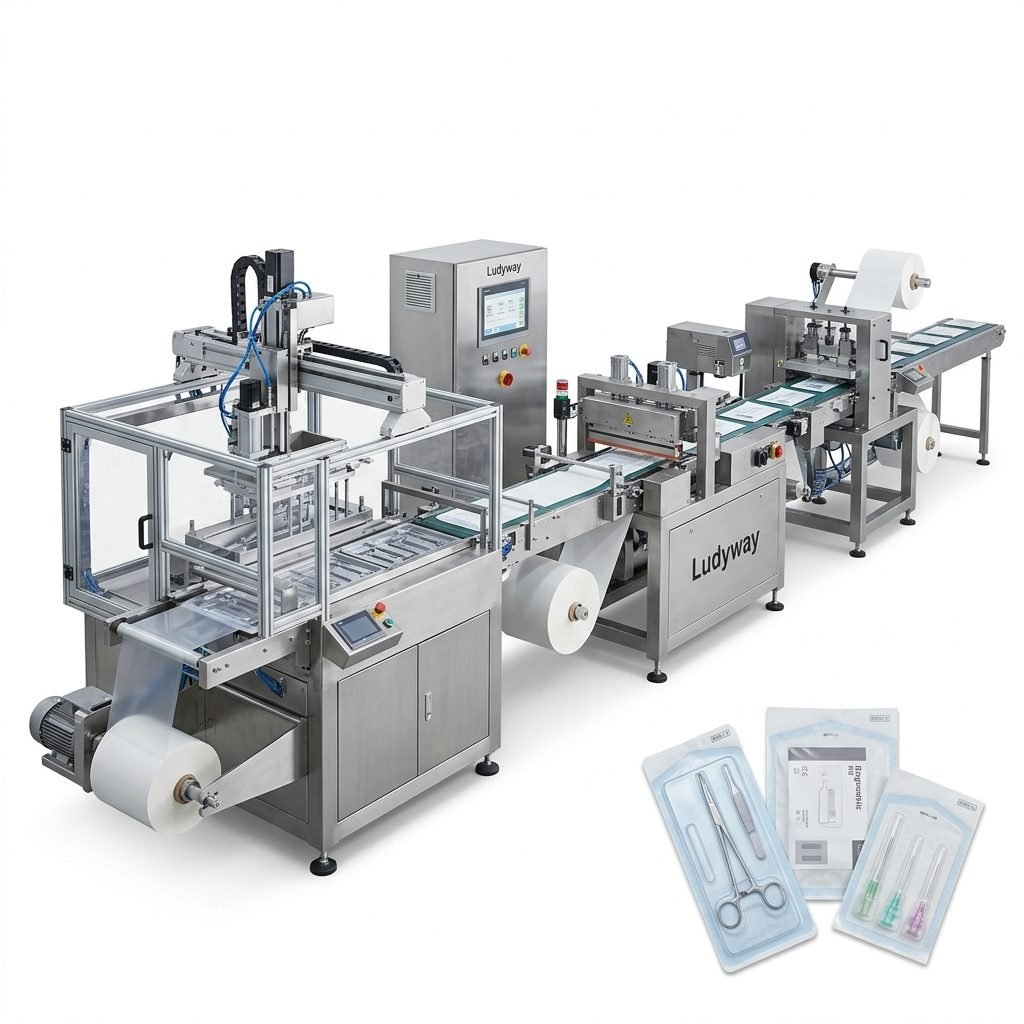
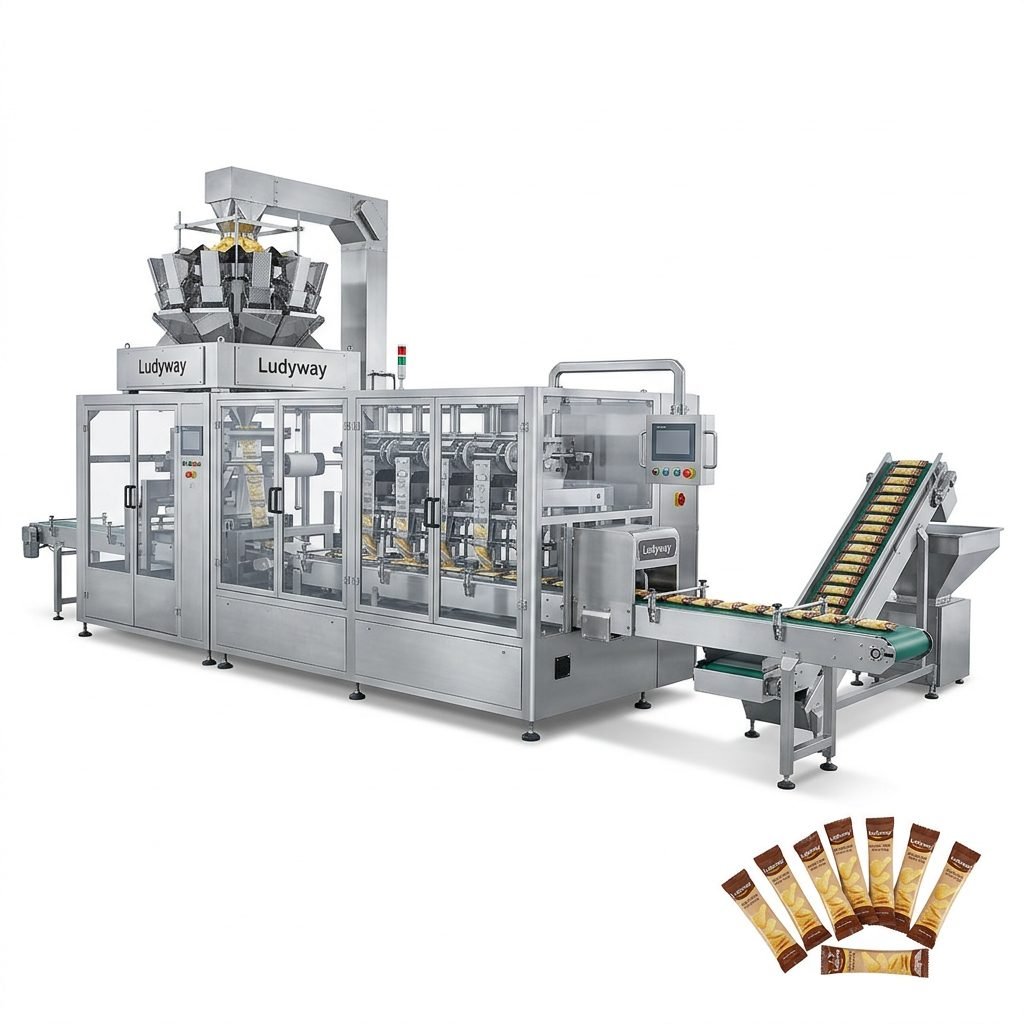
Proper maintenance of a potato chips packaging machine is essential for ensuring consistent production output, extending equipment lifespan, and minimizing costly downtime. Whether you operate a multi-lane stick pack system or a high-speed sachet packaging line, a structured maintenance program can significantly improve operational efficiency and product quality. This comprehensive guide covers everything from daily inspection routines to annual overhauls, helping you keep your snack packaging equipment running at peak performance.
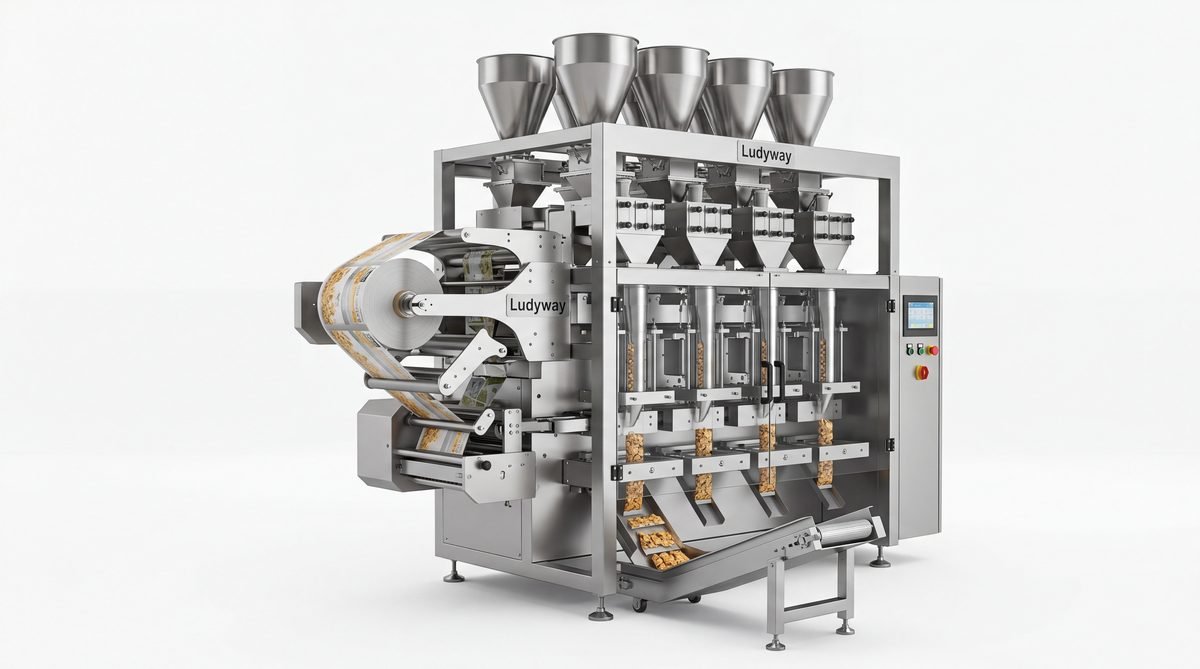
Why Preventive Maintenance Matters
A well-maintained snack packaging machine delivers numerous benefits beyond simply avoiding breakdowns. Regular maintenance helps maintain sealing integrity, prevents product contamination, reduces energy consumption, and ensures accurate weighing and filling performance. According to PMMI packaging industry standards, preventive maintenance can reduce unplanned downtime by up to 45% and extend machine service life by several years.
For snack food manufacturers, particularly those producing potato chips, the packaging environment presents unique challenges. Oil residue, salt particles, and seasoning dust can accumulate rapidly on machine components, affecting sealing jaw performance and sensor accuracy. A proactive approach to equipment care is therefore critical.
Daily Maintenance Checklist
Daily inspections form the foundation of an effective maintenance program. Operators should perform the following checks at the start and end of each production shift. Consistency in completing these tasks is key to early problem detection.
- Visual inspection of all accessible machine surfaces for wear, damage, or loose components
- Clean sealing jaws and remove any product residue or film debris
- Verify temperature settings on all heating elements and sealing stations
- Check film tension and tracking alignment to prevent包装material waste
- Inspect safety guards and emergency stop functionality
- Monitor unusual noises, vibrations, or odor during operation
- Record all observations in a maintenance log for trend analysis
Daily Inspection Data Recording
| Inspection Item | Acceptable Range | Action If Out of Range |
|---|---|---|
| Sealing Temperature | Per material specification ±5°C | Calibrate or replace thermocouple |
| Film Tension | Consistent unwinding without slack | Adjust tension rollers |
| Filling Weight Accuracy | Within ±1% of target weight | Recalibrate weighing system |
| Compressed Air Pressure | 6-8 bar (per machine spec) | Check compressor and filters |
Weekly Maintenance Procedures
Weekly maintenance tasks go deeper than daily checks and require more time and attention. These procedures help prevent gradual deterioration that may not be visible during daily inspections.
- Thoroughly clean all forming tubes and filling nozzles to remove oil and seasoning buildup
- Lubricate all designated grease points according to the manufacturer’s lubrication chart
- Inspect and clean photoelectric sensors and proximity switches
- Check belt tension on all drive belts and replace if frayed or cracked
- Verify date coding and printing system functionality
- Test all pneumatic cylinders for smooth operation and leak-free performance
- Clean or replace air filters on the pneumatic system
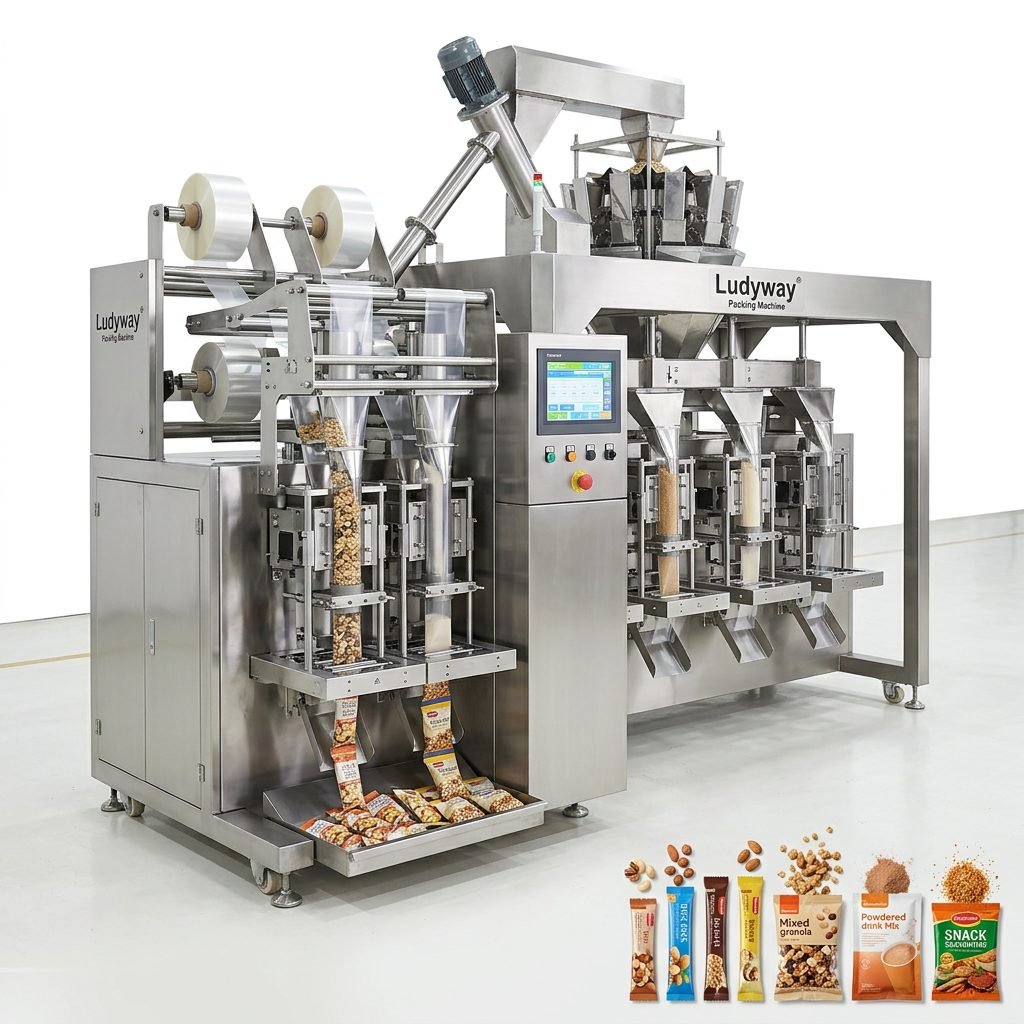
Lubrication Schedule Reference
| Component | Lubricant Type | Frequency |
|---|---|---|
| Sealing Jaw Bearings | Food-grade grease NLGI 2 | Weekly |
| Chain Drives | Food-grade chain oil | Weekly |
| Linear Guide Rails | Light machine oil | Bi-weekly |
| Pneumatic Cylinders | Food-grade pneumatic oil | Monthly |
Monthly Maintenance Tasks
Monthly maintenance provides an opportunity to conduct more comprehensive inspections and address issues that develop over longer periods. These tasks often require the machine to be partially disassembled for thorough cleaning and inspection.
- Inspect all electrical connections for tightness and signs of overheating
- Remove and deep clean weighing and dosing units, checking for wear on augers and measuring cups
- Calibrate load cells and verify weighing accuracy with certified test weights
- Inspect sealing jaw Teflon coatings and replace if peeling or worn
- Check all heating element resistance values and compare to specifications
- Test emergency stop circuits and safety interlock systems
- Clean and inspect the electrical cabinet, checking for dust accumulation and proper ventilation
- Review maintenance logs for recurring issues that may indicate developing problems
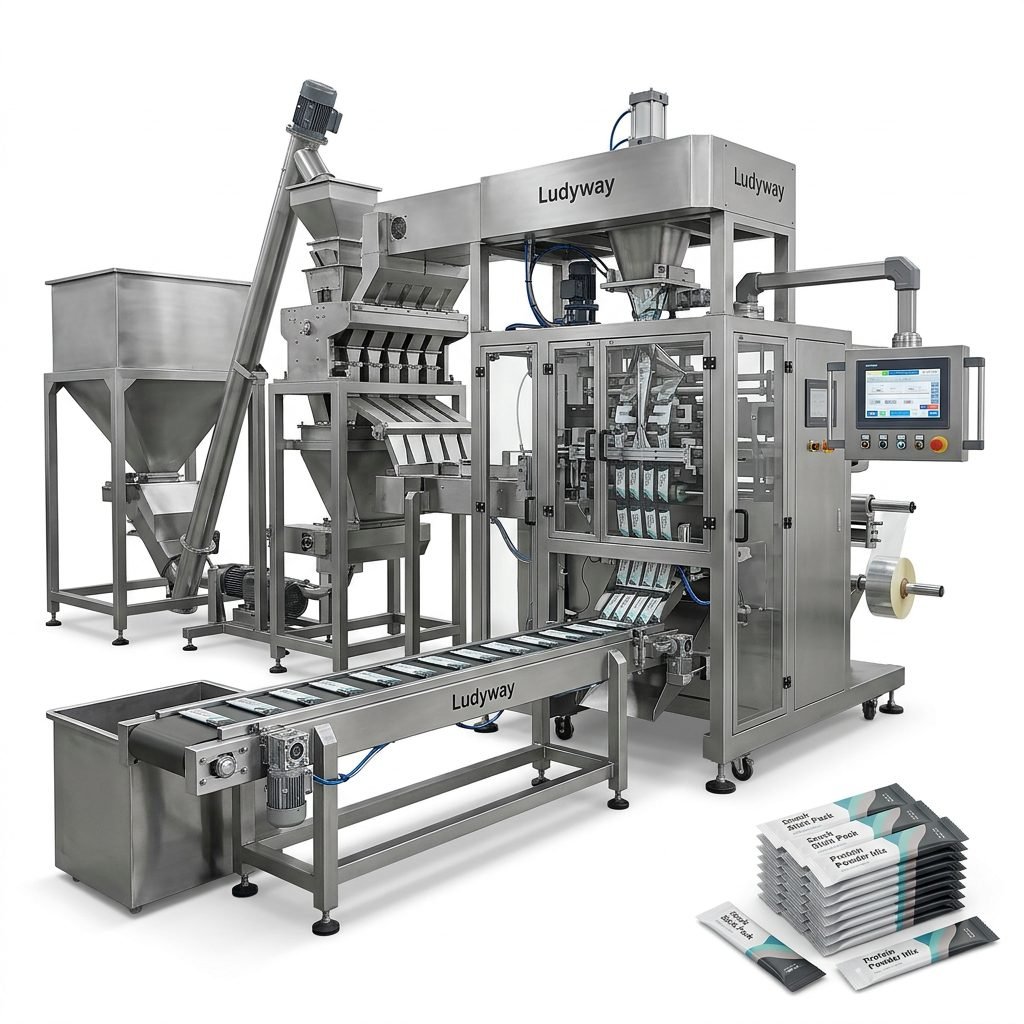
Quarterly and Semi-Annual Maintenance
Every three to six months, a more extensive maintenance procedure should be scheduled. This level of service often requires trained maintenance technicians and may involve coordinating with equipment suppliers. For high-speed potato chips packaging lines, quarterly maintenance is particularly important due to the abrasive nature of snack food particulates.
Key Quarterly Inspection Points
- Replace all wear parts including sealing jaw Teflon, cutting blades, and forming collars as needed
- Perform a complete pneumatic system inspection, including cylinder seal integrity tests
- Calibrate all temperature controllers and verify with an independent measurement device
- Inspect gearbox oil levels and quality; replace if contaminated or degraded
- Check all roller bearings for smooth rotation and replace any showing roughness or play
- Update machine software and firmware if applicable
- Conduct a comprehensive safety system audit
Common Troubleshooting Guide
Even with diligent maintenance, occasional issues may arise during production. The following table outlines some common problems encountered with potato chips packaging equipment and their likely solutions. Quick diagnosis can significantly reduce production interruptions.
| Problem | Possible Cause | Recommended Action |
|---|---|---|
| Weak or leaking seals | Incorrect temperature, worn Teflon, contaminated jaws | Check settings, clean jaws, replace Teflon coating |
| Inconsistent fill weights | Worn auger, product bridging, load cell drift | Inspect dosing unit, recalibrate, check product flow |
| Film tracking off-center | Misaligned rollers, incorrect tension | Realign rollers, adjust tension settings |
| Excessive noise or vibration | Worn bearings, loose mounts, misalignment | Inspect rotating parts, tighten fasteners, realign |
| Machine stops intermittently | Sensor malfunction, loose wiring, air pressure drop | Test sensors, check connections, verify air supply |
Annual Overhaul and Major Service
An annual comprehensive overhaul is critical for long-term reliability. This procedure should be performed by experienced technicians and may require several days of downtime. The scope of work should be planned in advance, with all necessary spare parts procured beforehand to minimize equipment unavailability.
- Complete disassembly of forming, filling, and sealing sections for detailed inspection
- Replace all wearable components including bearings, belts, seals, and gaskets
- Perform gearbox oil changes on all drive units
- Comprehensive electrical system testing including insulation resistance measurements
- Replace pneumatic hoses and fittings showing signs of aging or cracking
- Update all control system parameters and backup configuration files
- Full recalibration of all measurement and control instruments
- Structural inspection of machine frame and welded joints
Spare Parts Management Strategy
Effective spare parts management is integral to a successful maintenance program. Maintaining an appropriate inventory of critical components can drastically reduce downtime when repairs are needed. Reference ISO packaging standards for guidance on parts management and equipment documentation requirements.
For potato chips packaging machines, the following spare parts should typically be kept in stock:
- Sealing jaw sets with Teflon coating
- Thermocouples and temperature controllers
- Drive belts of all sizes used on the machine
- Common sensors including photoelectric and proximity types
- Heating elements for sealing stations
- Pneumatic cylinder seal kits
- Cutting blades and forming collars
- Control board fuses and relays
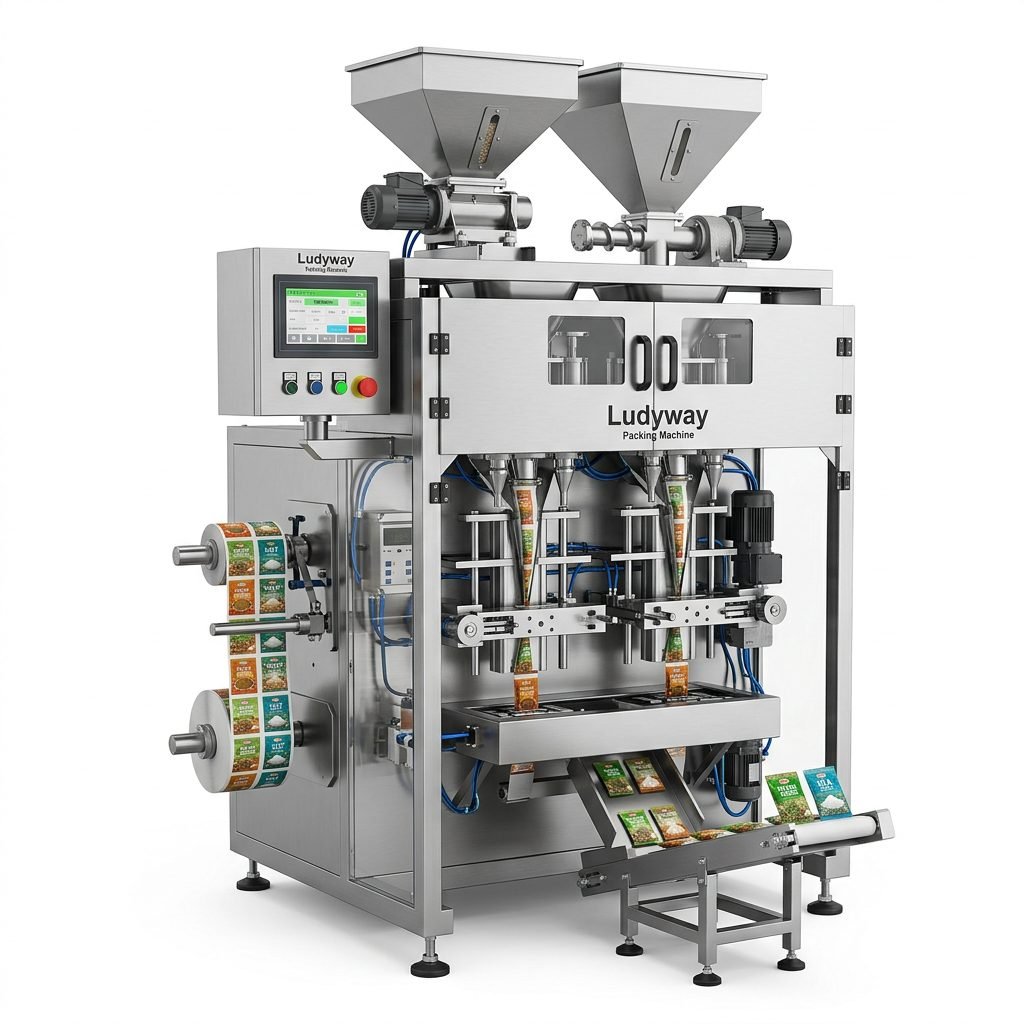
Cleaning and Sanitation Protocols
For food packaging applications involving potato chips and snack products, maintaining hygienic conditions is not only about machine performance but also about food safety compliance. The FDA food packaging regulations set clear requirements for equipment sanitation in food contact applications.
- Use only food-grade cleaning agents approved for use on packaging equipment
- Establish a cleaning schedule that distinguishes between dry cleaning and wet cleaning zones
- Pay special attention to product contact surfaces including hoppers, chutes, and filling nozzles
- Ensure all cleaning residue is completely removed before restarting production
- Document all cleaning activities as part of the HACCP or food safety plan
- Train operators on proper cleaning procedures and the importance of personal hygiene
Safety Considerations During Maintenance
Maintenance activities present unique safety hazards that must be properly managed. A comprehensive lockout/tagout (LOTO) program is essential for protecting maintenance personnel from unexpected machine startups or energy releases.
- Always follow lockout/tagout procedures before performing any maintenance
- Verify zero energy state before entering guarded areas
- Use appropriate personal protective equipment (PPE) including cut-resistant gloves and safety glasses
- Never bypass safety interlocks or guards during operation
- Ensure adequate lighting when working inside machine frames
- Keep the maintenance area clean and free of slip hazards
- Post clear warning signage during maintenance activities
Training and Documentation
A maintenance program is only as effective as the people implementing it. Operator and technician training should be an ongoing priority. Well-trained personnel can identify potential issues before they escalate into major failures, significantly reducing total cost of ownership for packaging equipment.
- Develop standard operating procedures (SOPs) for all routine maintenance tasks
- Provide hands-on training for new operators on daily inspection procedures
- Schedule periodic refresher training for experienced staff
- Maintain detailed maintenance records including dates, findings, and actions taken
- Use maintenance data to predict component life and optimize spare parts inventory
- Encourage a culture of proactive reporting rather than reactive problem-solving
Working with Equipment Manufacturers
Establishing a good relationship with your packaging machine manufacturer can provide valuable technical support and service resources. Reputable manufacturers like Ludyway offer comprehensive after-sales support including maintenance training, spare parts supply, and remote troubleshooting assistance. Regular communication with your equipment supplier ensures you stay informed about packaging machinery best practices and any recommended updates or upgrades for your specific machine model.
- Schedule regular service visits from manufacturer-certified technicians when possible
- Keep an updated list of manufacturer contact information for emergency support
- Stay informed about technical bulletins and product improvement notifications
- Consider extended warranty or service contracts for critical production equipment
- Participate in manufacturer-organized training programs and workshops
Environmental Factors Affecting Machine Performance
The operating environment plays a significant role in how well a potato chips packaging machine performs and how frequently maintenance is required. Factors such as ambient temperature, humidity levels, and air quality can all impact equipment reliability. Snack food production facilities should monitor and control these environmental variables to optimize packaging machine performance.
- Maintain stable ambient temperature in the packaging area (typically 20-25°C)
- Control humidity to prevent product clumping and film handling issues
- Install adequate ventilation systems to remove airborne oil mist and seasoning dust
- Keep the machine area clean and free of debris that could be drawn into moving parts
- Ensure compressed air supply is clean, dry, and properly filtered
Conclusion: Building a Maintenance-First Culture
Maintaining a potato chips packaging machine is not merely a technical requirement — it is a strategic business practice that directly impacts productivity, product quality, and profitability. By implementing the structured maintenance approach outlined in this guide, snack food manufacturers can achieve higher equipment availability, consistent packaging quality, and reduced operating costs over the machine’s entire service life.
A successful maintenance program combines daily discipline with thorough periodic inspections, supported by proper documentation and ongoing personnel training. When these elements work together, the result is a reliable, efficient packaging operation that meets both production targets and food safety requirements. For more detailed guidance on packaging machinery maintenance strategies, consult industry resources and your equipment manufacturer’s technical documentation.