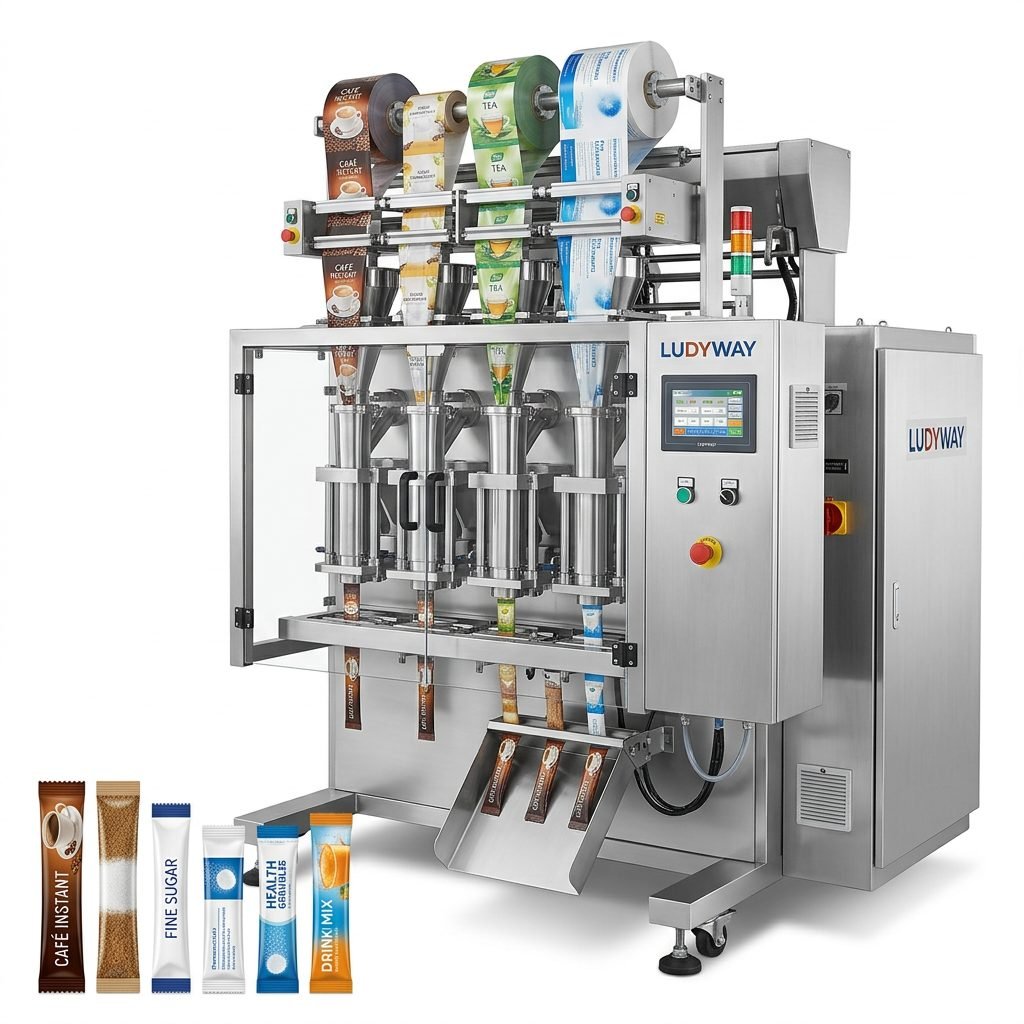
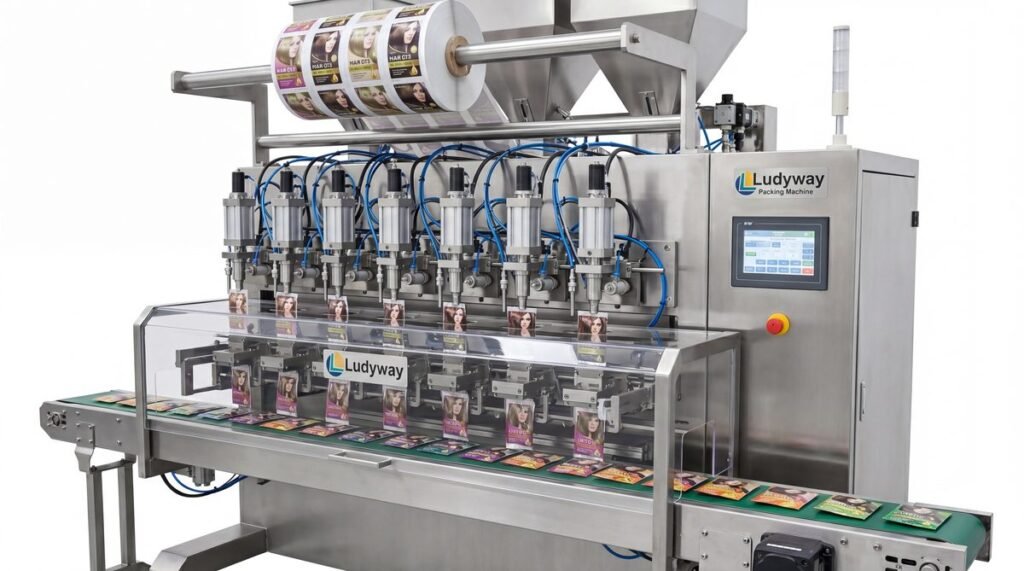
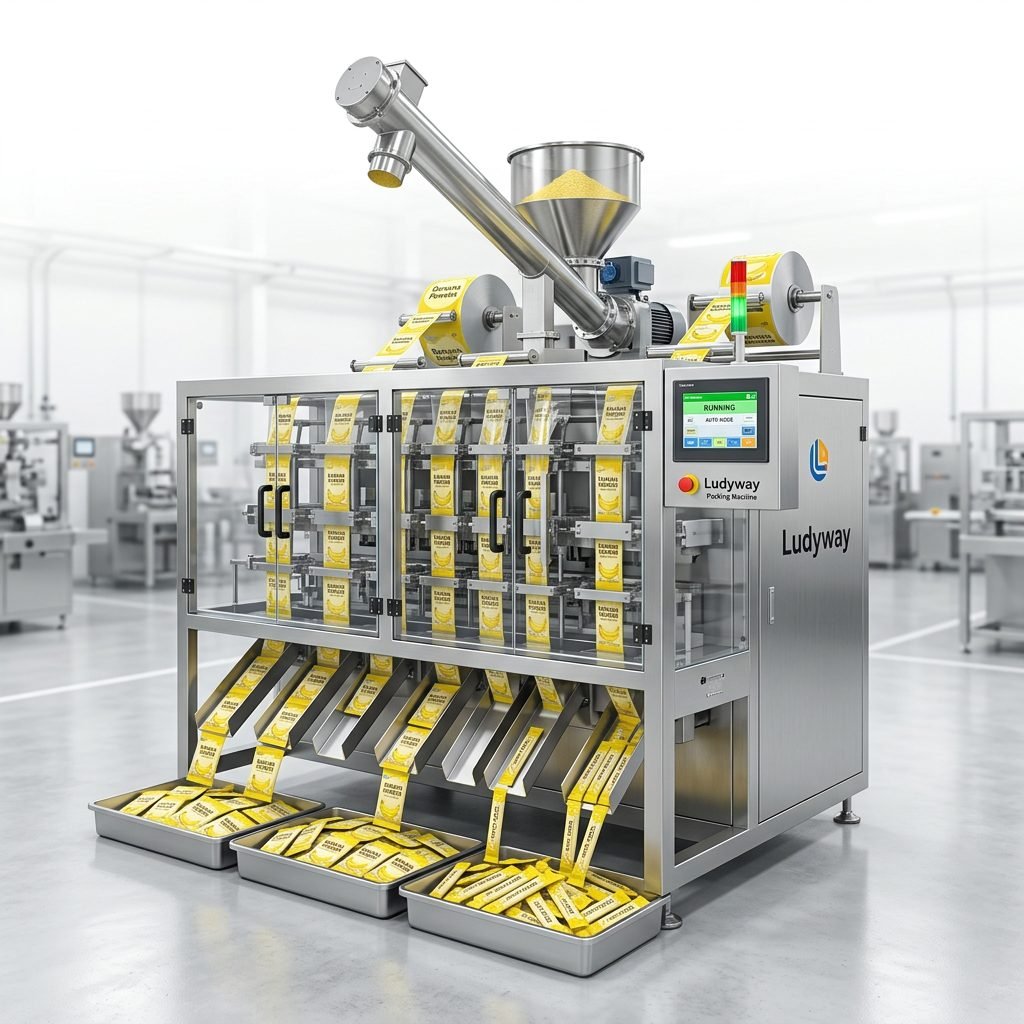
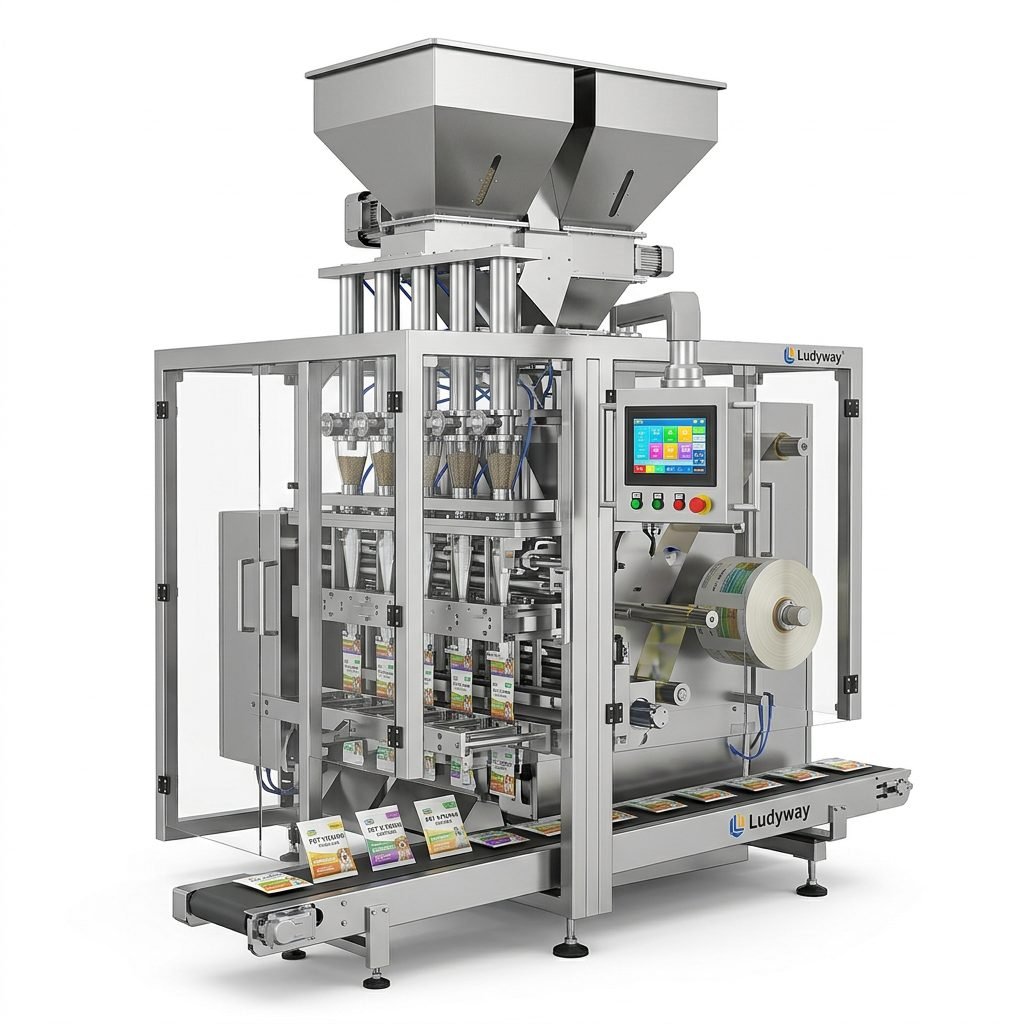
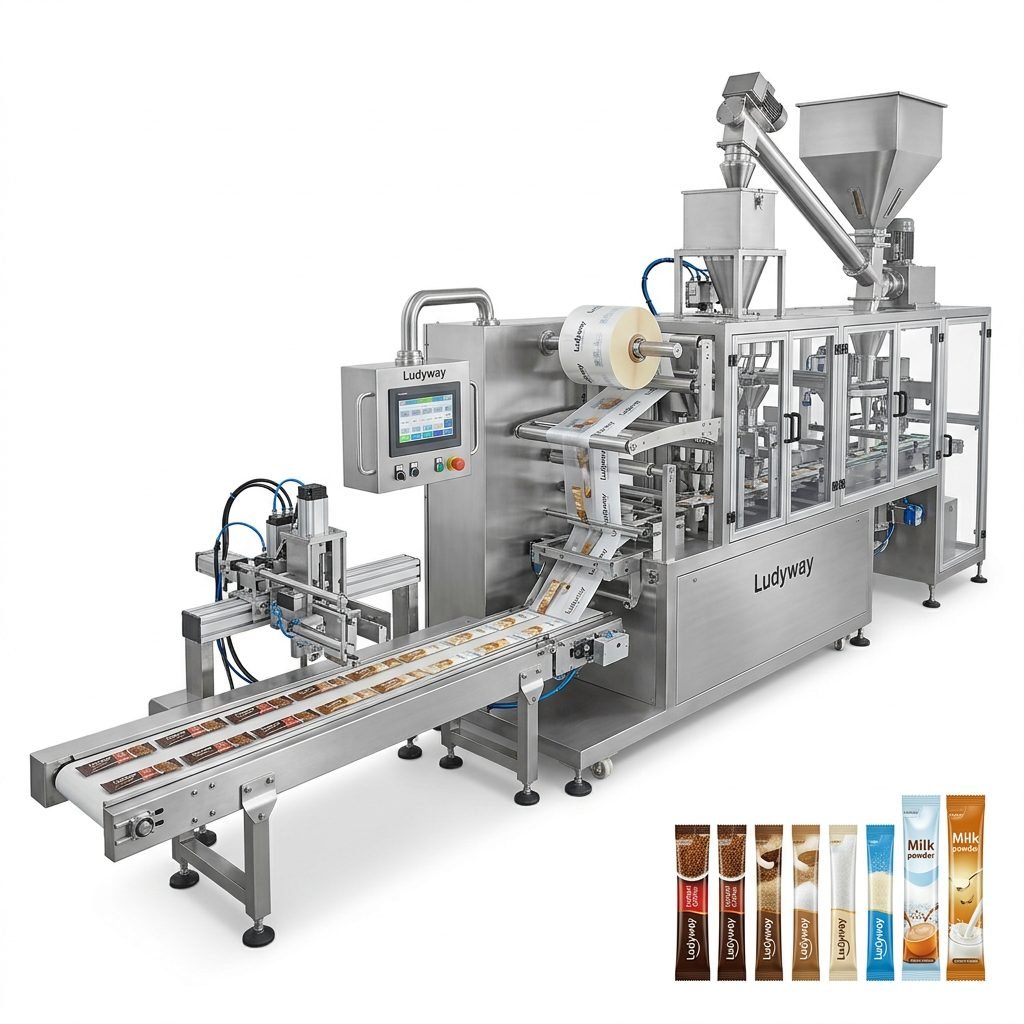
Proper maintenance is the cornerstone of long-term performance for any liquid packaging machine. Without a structured upkeep routine, even the most robust automatic liquid packing equipment can experience downtime, inaccurate filling, seal failures, and costly repairs. This guide provides essential, actionable tips to keep your machine running at peak efficiency year after year.
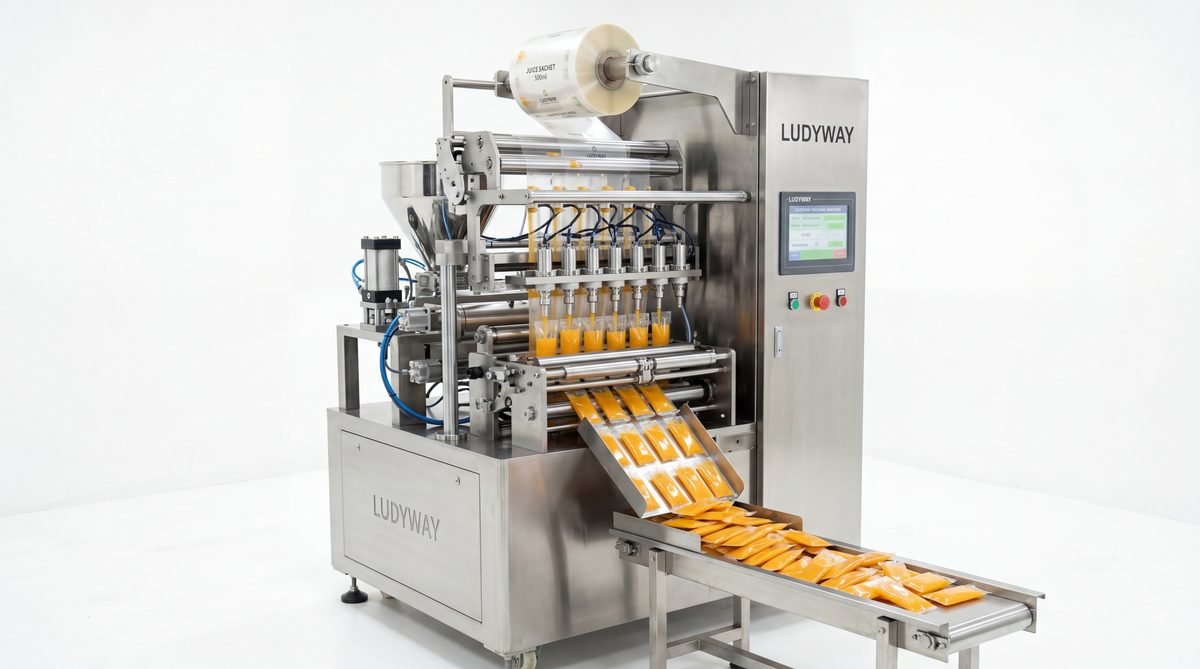
1. Daily Cleaning and Sanitation Protocols
Liquid products leave residues that can clog nozzles, degrade seals, and attract contaminants. A daily cleaning regimen is non-negotiable for liquid filling machine maintenance.
- Flush the filling system with warm water or an approved cleaning solution after each production run to prevent product buildup in pipes and nozzles.
- Wipe down all contact surfaces including conveyor belts, sealing jaws, and drip trays using food-grade sanitizers where applicable.
- Inspect and clean photoelectric sensors and level detection eyes — dust or residue can cause false readings and machine stoppages.
- Remove and wash hopper components if the machine handles viscous or sticky liquids such as syrups, gels, or concentrated detergents.
Skipping daily cleaning is one of the most common causes of premature wear in liquid packaging systems. Residue hardening overnight can damage precision dosing mechanisms and lead to inconsistent fill volumes.
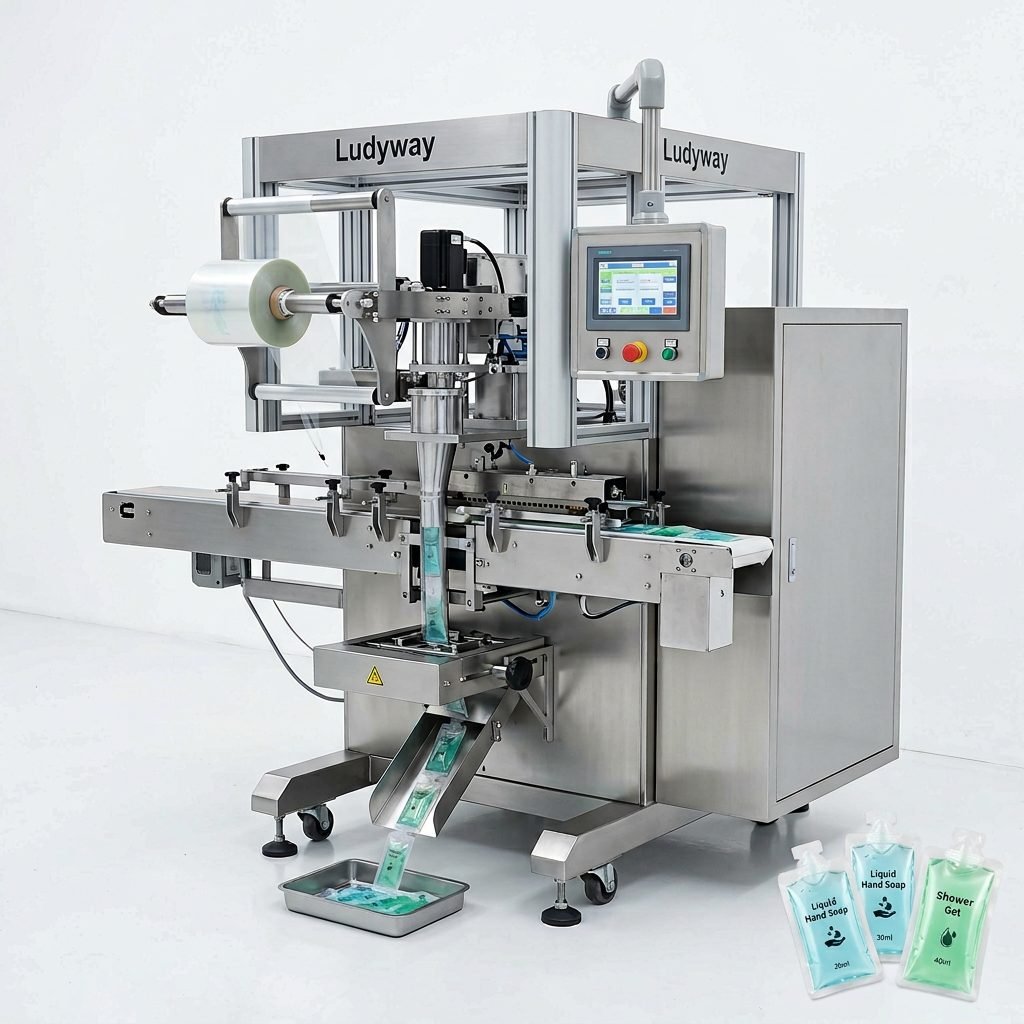
2. Critical Component Inspections
Certain parts of an automatic liquid filling machine demand more frequent attention. Identifying wear early prevents catastrophic failures during production runs.
Sealing Jaws and Heating Elements
For machines using heat-sealing technology, temperature calibration should be checked weekly. Inconsistent heat distribution leads to weak or leaky seals. Examine Teflon coatings for scratches or peeling — damaged coatings cause molten film to stick, jamming the entire line.
Filling Nozzles and Pumps
Worn piston seals, cracked O-rings, or partially blocked nozzles directly impact fill accuracy. For piston fillers, listen for air hissing during operation which indicates seal leakage. Peristaltic pump tubing should be replaced according to the manufacturer’s recommended interval, not when it visibly fails.
Pneumatic Lines and Actuators
Many liquid packaging machines rely on compressed air for cylinder movement. Moisture traps and filters must be drained daily to prevent water from entering actuators, which causes corrosion and erratic motion. A sudden change in cycle speed often signals a pneumatic issue.
3. Scheduled Maintenance Calendar
Adhering to a preventive maintenance schedule dramatically extends the service life of liquid sachet packaging equipment. Below is a recommended framework adaptable to your specific production volume.
| Interval | Maintenance Tasks | Key Check Points |
|---|---|---|
| Daily | Clean product contact surfaces, drain air filters, inspect sensors | Nozzle drips, seal integrity, display error codes |
| Weekly | Lubricate guide rails and chains, check belt tension, verify temperature calibration | Unusual noises, vibration levels, heating element resistance |
| Monthly | Inspect all O-rings and gaskets, test emergency stops, review PLC error logs | Pump flow rate consistency, pneumatic cylinder speed |
| Quarterly | Replace wear parts proactively, deep-clean tanks, recalibrate load cells | Fill volume deviation >±1%, seal peel strength, film tracking alignment |
| Annually | Full service by a qualified technician, major component overhaul if needed | Overall equipment efficiency metrics, control system firmware updates |
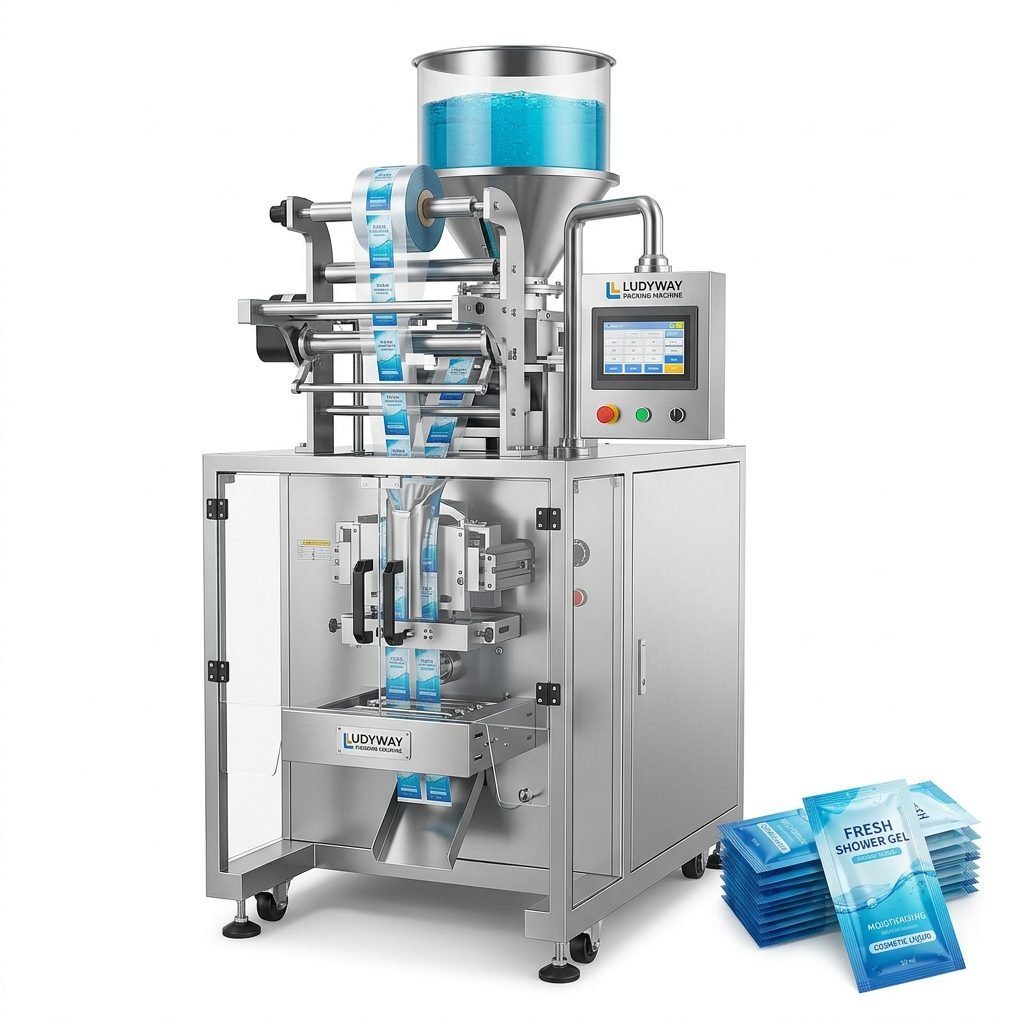
4. Lubrication and Mechanical Care
Moving parts in liquid packaging machinery operate under constant friction. Proper lubrication minimizes wear on bearings, chains, cams, and linear guides. Use only food-grade lubricants (NSF H1 registered) for any application where incidental product contact is possible.
- Identify all grease points from the machine manual — typically including main drive bearings, cam followers, and sealing jaw pivot points.
- Apply lubricant sparingly but consistently; over-greasing attracts dust and creates abrasive paste that accelerates wear.
- Check gear reducers and oil levels in drive units every quarter; contaminated or low oil overheats gears and leads to costly replacements.
- Inspect timing belt teeth for cracking or missing sections during monthly checks; a snapped belt can cause a full shift of lost production.
5. Electrical and Control System Checks
Modern automatic liquid packaging systems depend heavily on PLCs, servo drives, and sensor arrays. Electrical faults are often intermittent and can be the most difficult to diagnose.
- Inspect cable connections for looseness or corrosion, especially on terminal blocks near washdown zones where moisture intrusion is common.
- Keep control cabinet doors sealed and verify that cabinet cooling fans are operational; overheating shortens the life of VFDs and power supplies.
- Back up PLC parameters and recipes regularly to an external device — a control failure without a backup means hours of reprogramming.
- Test all emergency stop circuits and safety interlocks during monthly inspections; safety system neglect is both dangerous and a regulatory violation.
6. Common Issues and Quick Troubleshooting
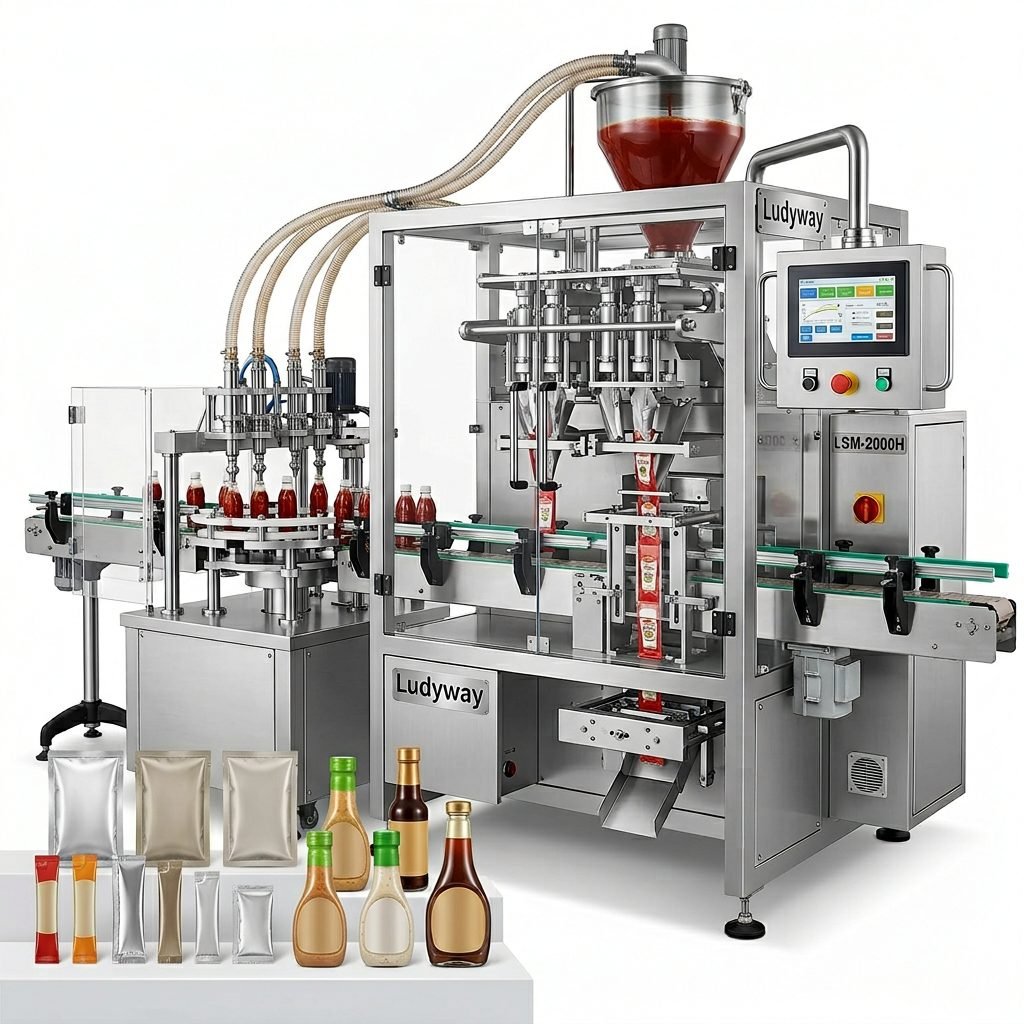
Understanding frequent problems with liquid pouch packaging machines empowers operators to resolve minor issues before they escalate. Refer to the table below for rapid diagnosis.
| Symptom | Likely Cause | Immediate Action |
|---|---|---|
| Inconsistent fill volumes | Worn pump seals, air in product line, clogged nozzle | Bleed air from lines, inspect and replace seals |
| Leaking or weak seals | Incorrect temperature, dirty sealing jaws, film tension too high | Recalibrate temperature, clean jaws, adjust film tension |
| Film tracking off-center | Misaligned rollers, uneven film roll, worn guide bearings | Check roller alignment, replace film roll, inspect bearings |
| Machine stops intermittently | Sensor fault, loose wiring, air pressure drop | Clean sensors, secure connections, verify air supply |
| Excessive noise or vibration | Loose fasteners, worn bearings, unbalanced rotating parts | Tighten all bolts, schedule bearing replacement |
7. The Value of Professional Maintenance Services
While in-house teams handle daily and weekly routines, annual professional servicing by certified technicians identifies hidden issues that operators may overlook. A professional service visit typically includes:
- Comprehensive diagnostic testing of all electrical and mechanical systems using specialized tools.
- Precision recalibration of filling volumes, temperature controllers, and timing sequences to factory specifications.
- Replacement of high-wear components such as belts, bearings, seals, and heating elements before they fail.
- Firmware updates and control system optimization that improve cycle speed and energy efficiency.
Investing in professional maintenance typically yields a return through reduced unplanned downtime and extended machine lifespan of 3–5 additional years compared to reactive repair approaches.
8. Documentation and Spare Parts Management
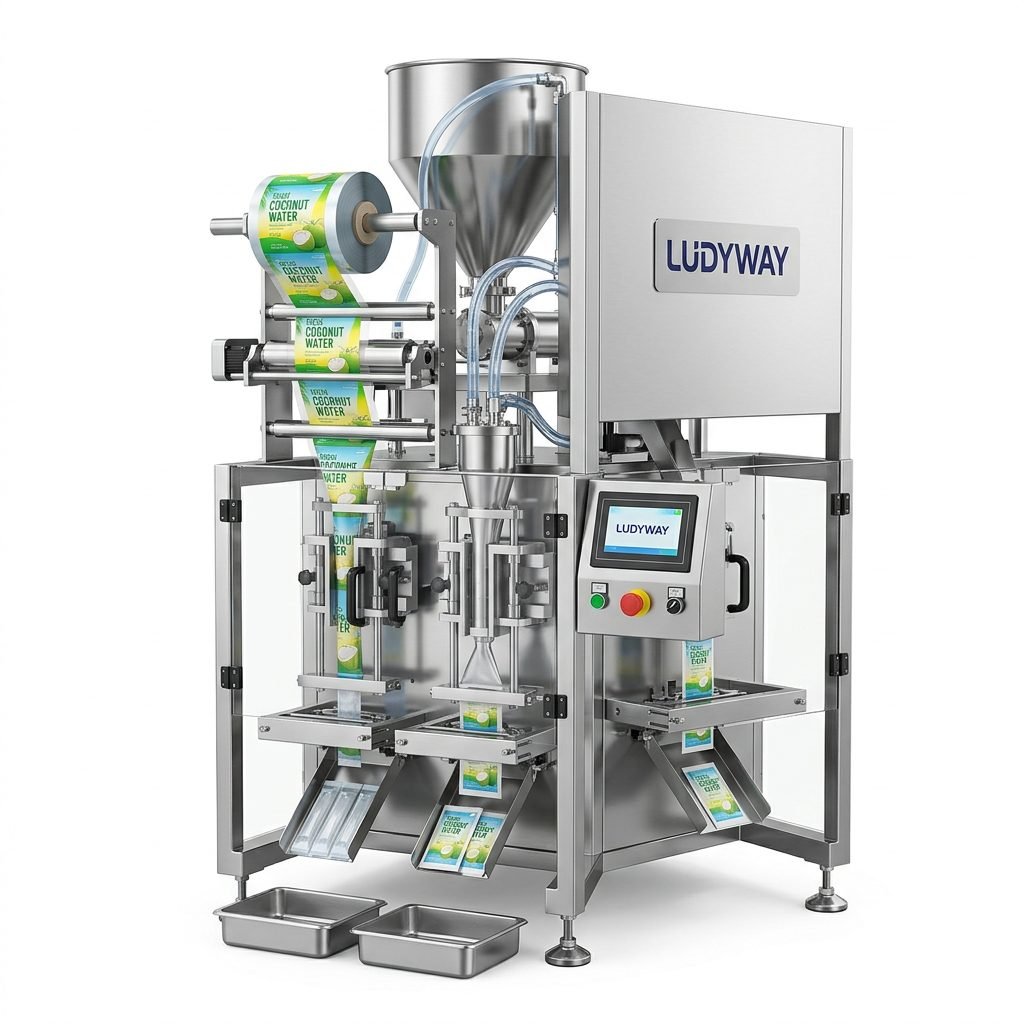
A well-organized approach to packaging equipment maintenance includes thorough record-keeping. Document every service action — date, technician name, parts replaced, and observations. This historical data reveals patterns that help predict failures.
Equally critical is maintaining an inventory of essential spare parts. Stock items with known lead times: heating elements, O-ring kits, drive belts, sensor assemblies, and commonly replaced pump components. Waiting days for a critical part during a breakdown can cost far more than the inventory investment.
Key Spare Parts to Keep On Hand
- Filling pump seal kits and O-rings
- Sealing jaw Teflon tape and heating cartridges
- Photo-eye sensors and proximity switches
- Timing belts and drive chains
- Pneumatic cylinder seal rebuild kits
- Emergency stop buttons and relay modules
9. Operator Training and Best Practices
Even the best liquid packaging equipment underperforms when operated by untrained personnel. Comprehensive operator training should cover:
- Startup and shutdown procedures — incorrect sequences can damage sensitive components.
- Recognition of early warning signs such as subtle changes in sound, speed, or product appearance.
- Basic troubleshooting steps that prevent minor issues from escalating into major repairs.
- Proper clean-in-place (CIP) protocols where applicable, ensuring no chemical residue remains.
Refresher training conducted annually keeps skills sharp and introduces operators to any machine modifications or updated procedures.
For expert guidance on automatic liquid packaging machine selection, maintenance support, or to inquire about professional servicing, contact Ludyway — a leading packaging machine manufacturer with over 30 years of industry experience, serving customers in more than 100 countries worldwide.
Additional resources: PMMI Business Intelligence | ISO Packaging Standards | FDA Food Packaging Regulations