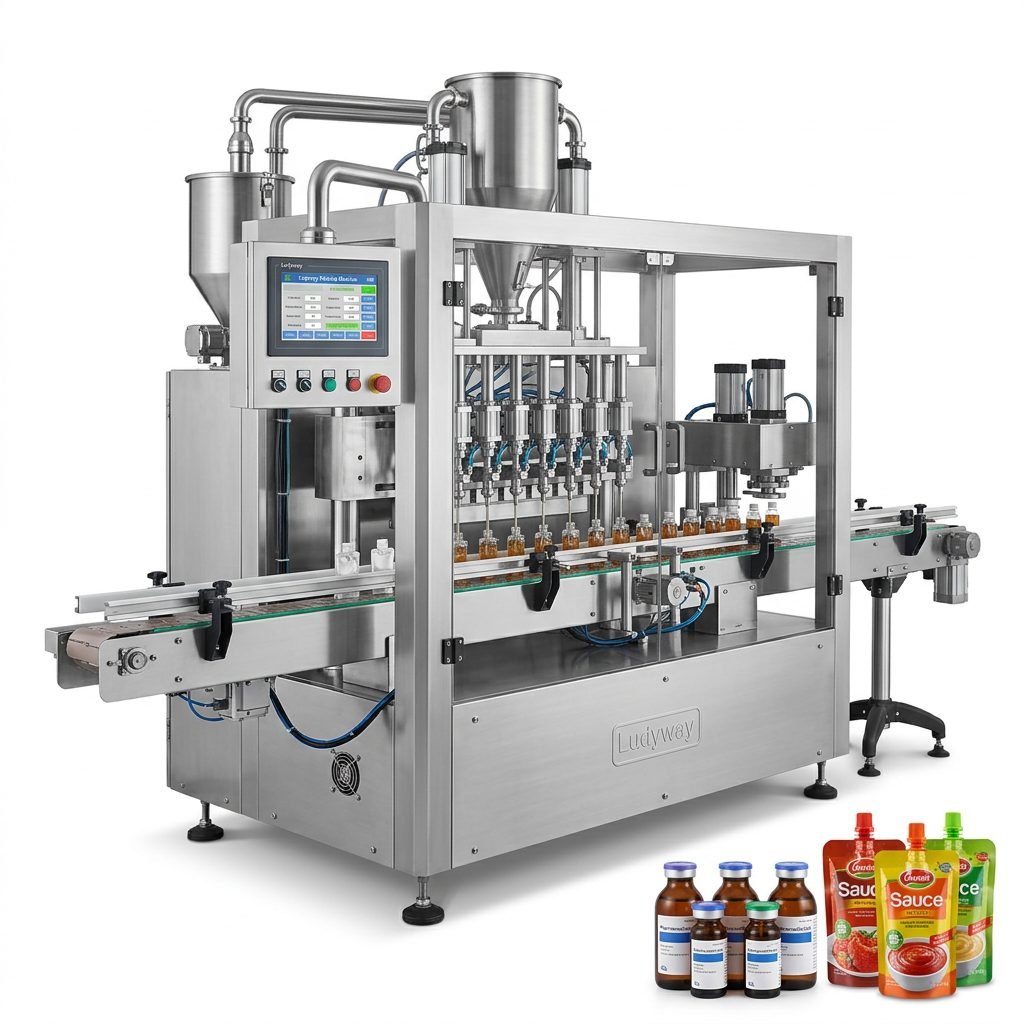
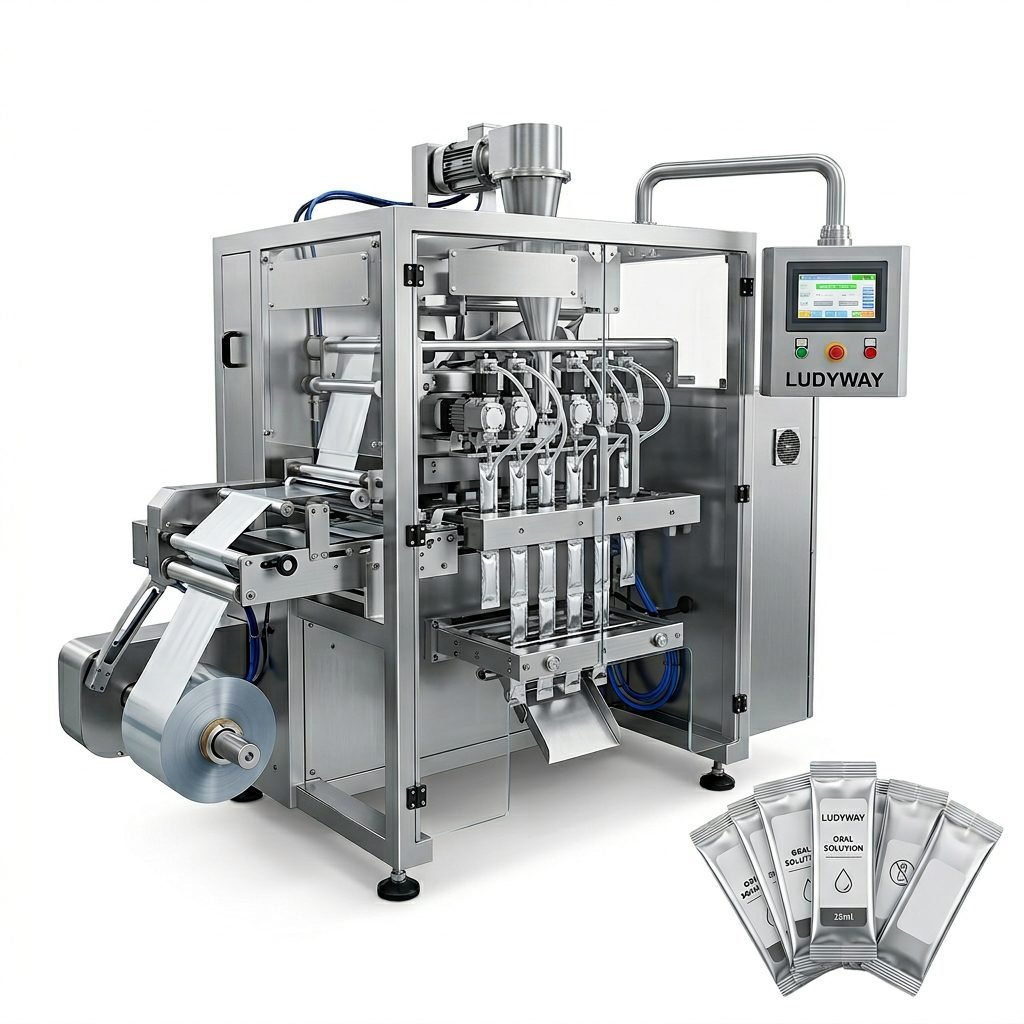
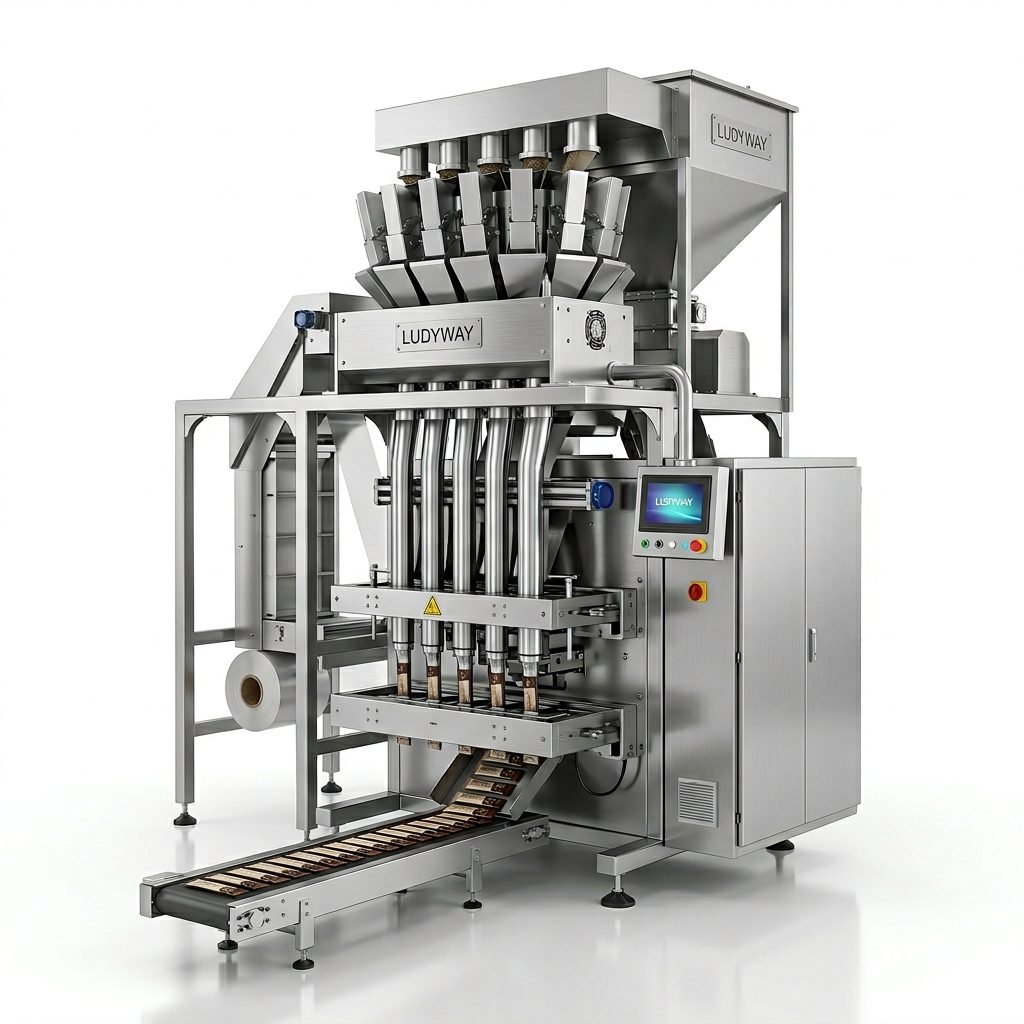
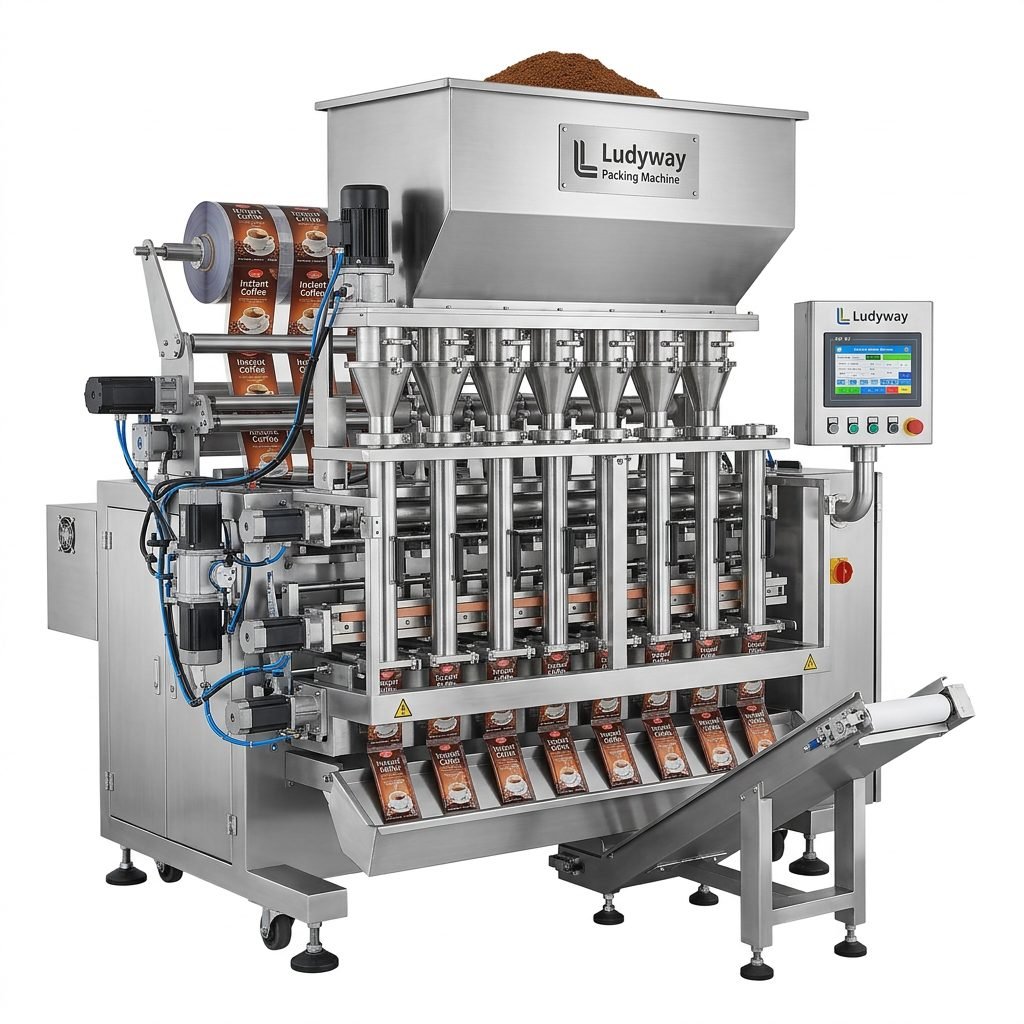
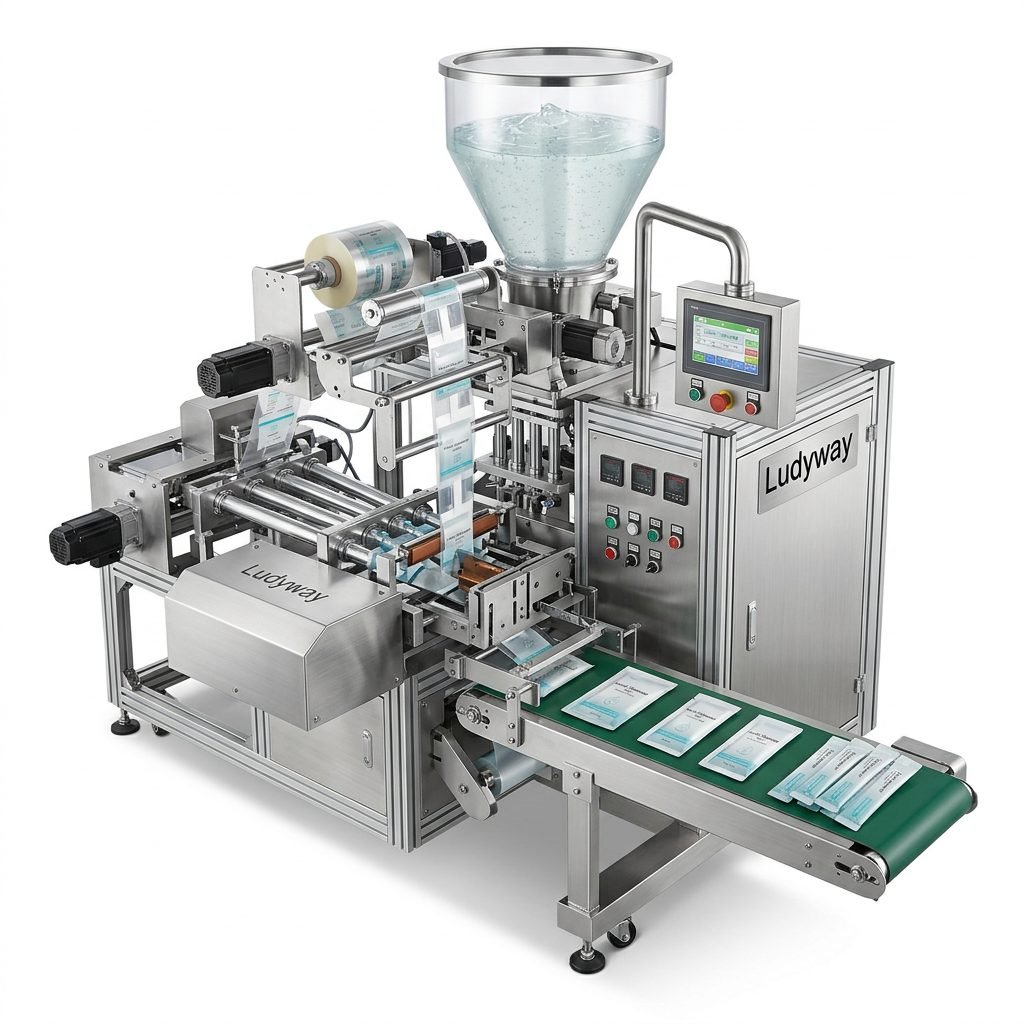
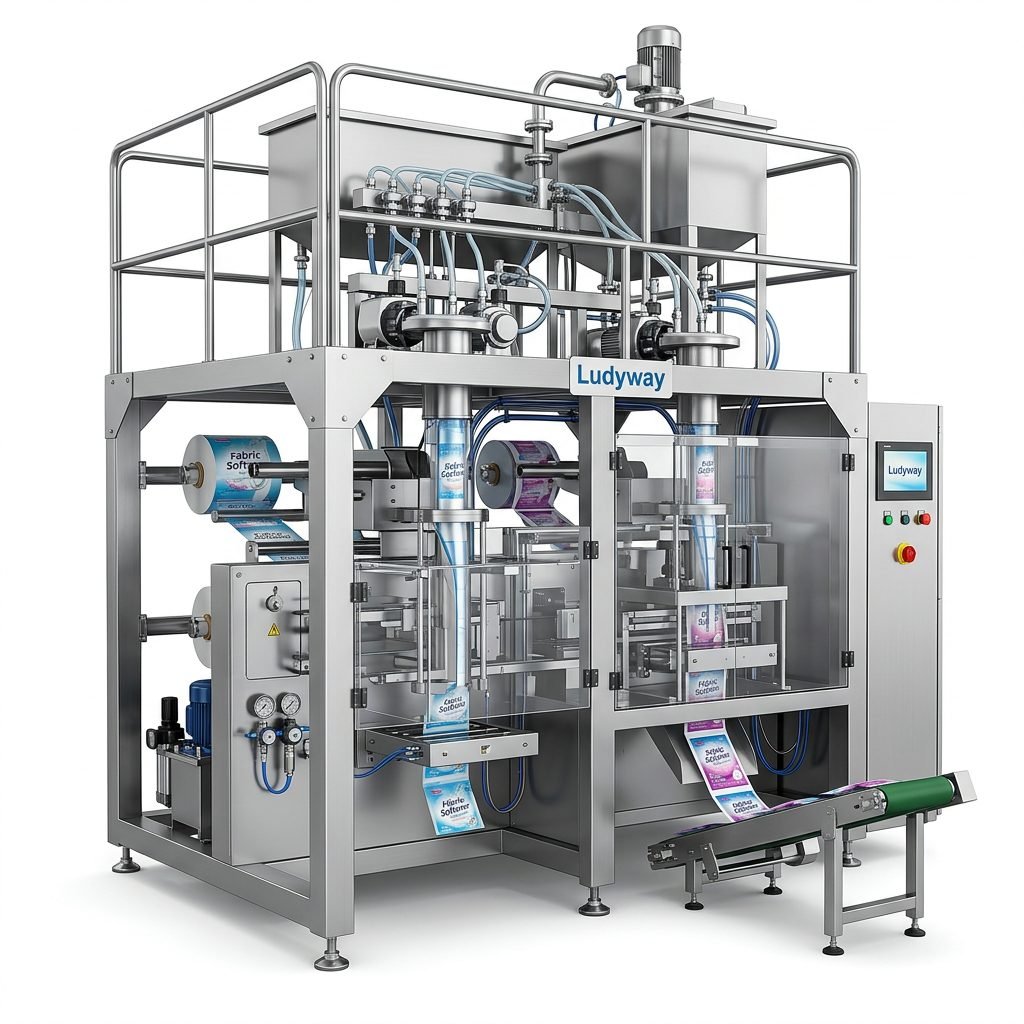
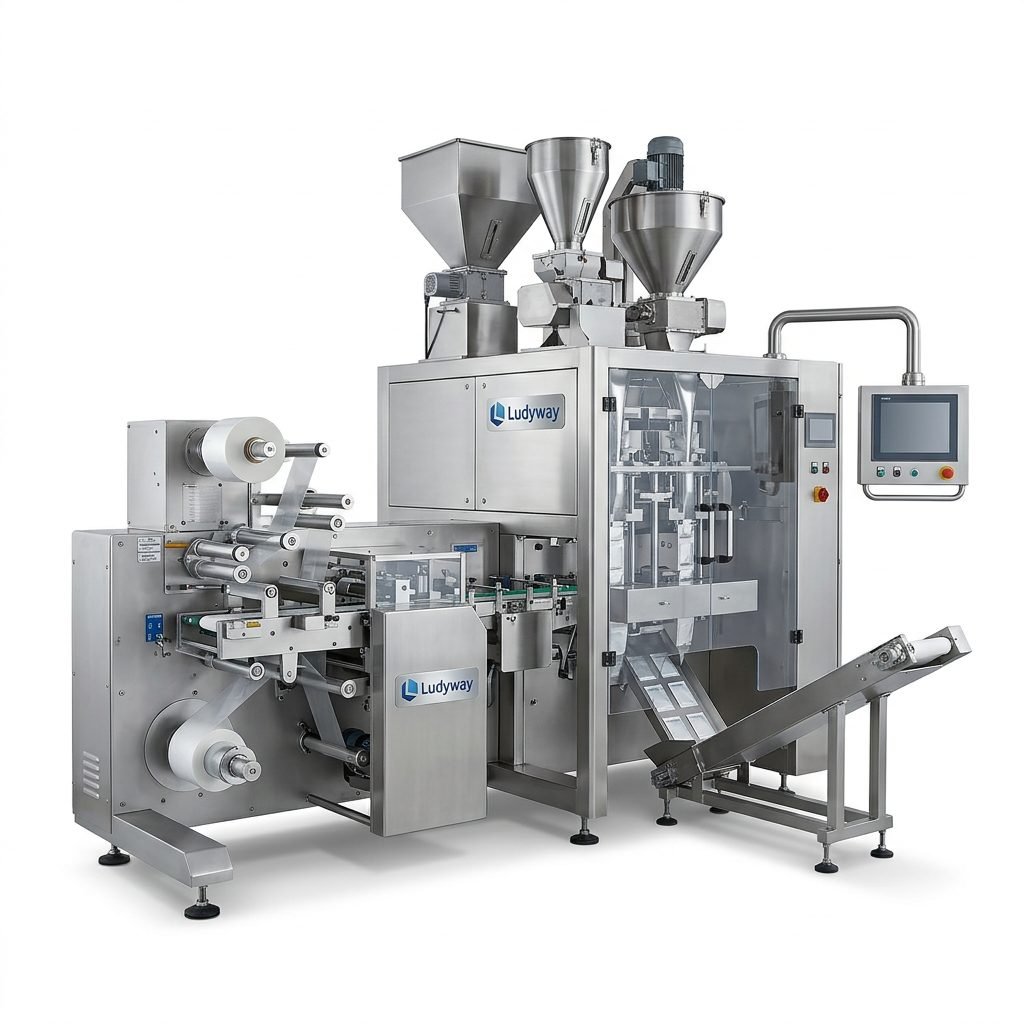
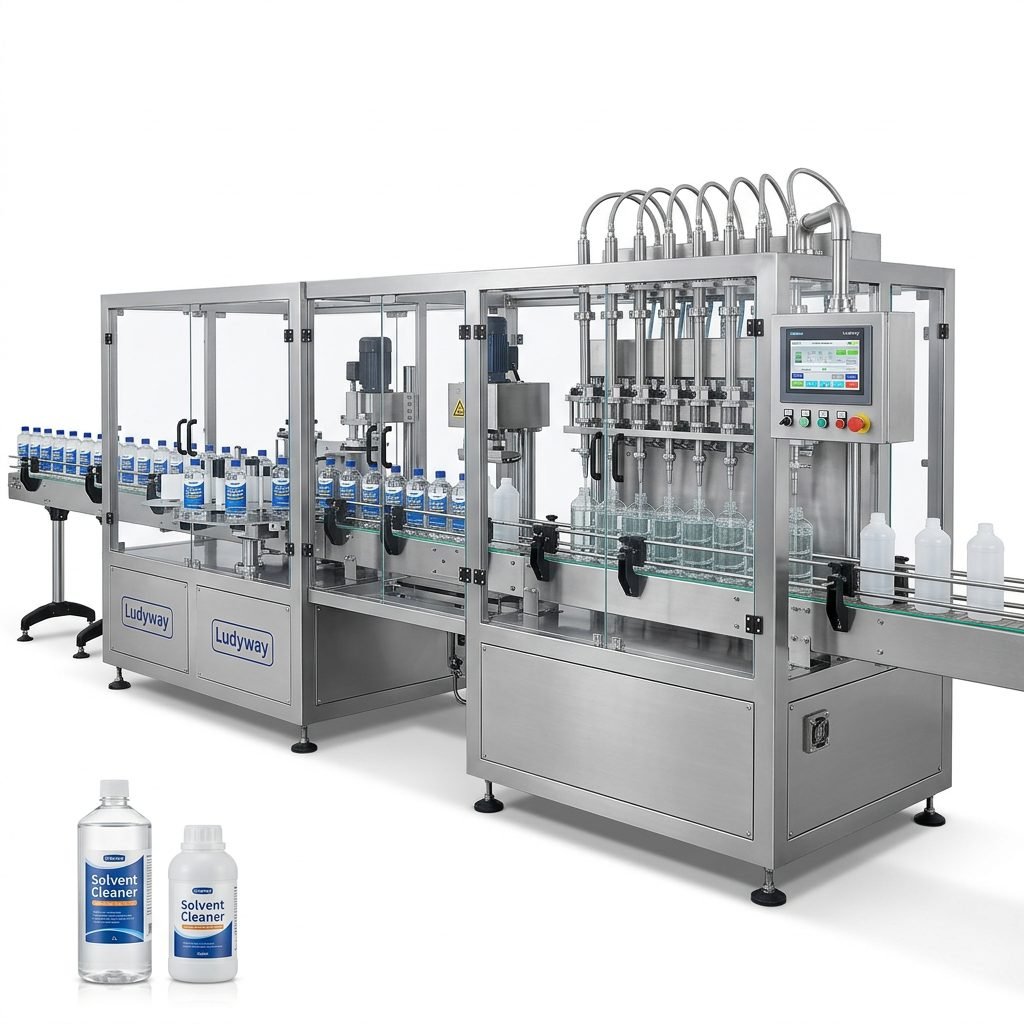
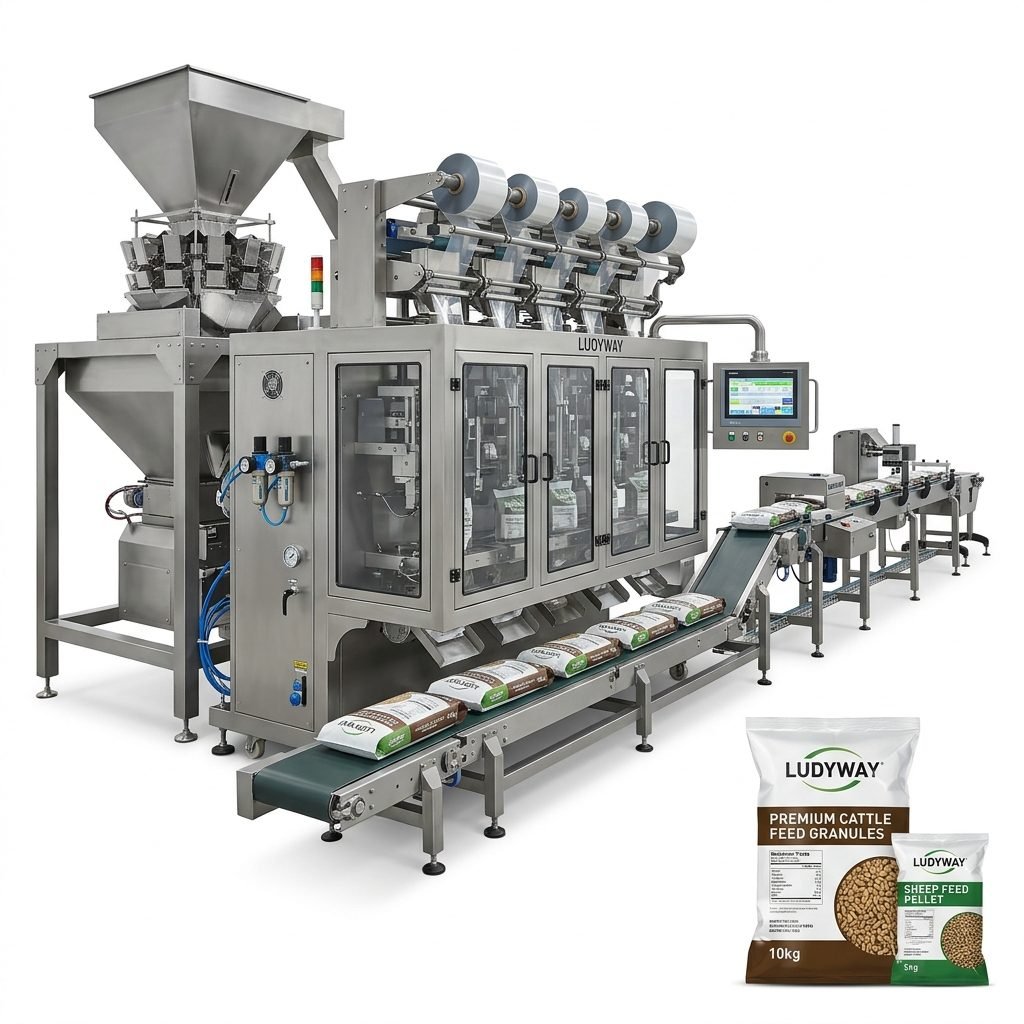
An electronic packing machine is a significant investment for any production facility. Keeping it in optimal condition ensures consistent output quality, reduces downtime, and extends the equipment’s service life. Without a proper maintenance routine, even the most advanced packaging machines can experience unexpected failures, leading to costly repairs and lost productivity. This guide walks you through essential maintenance practices that every operator and maintenance team should follow.
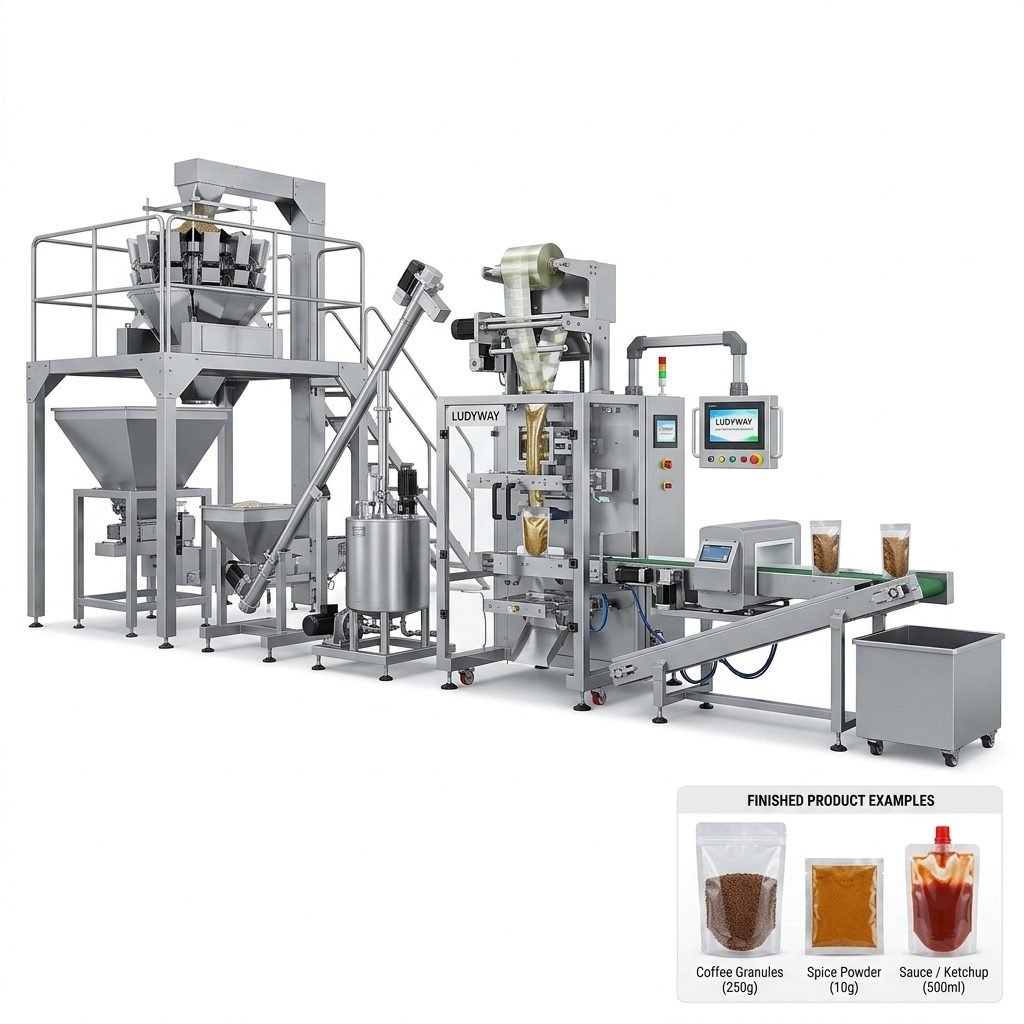
Why Regular Maintenance of Your Electronic Packing Machine Matters
Regular maintenance is not just about fixing what is broken. It is about preventing problems before they occur. An electronic packing machine consists of numerous sensors, motors, sealing components, and control systems that must work in harmony. When one component falls out of specification, the entire packaging line can be affected. A well-maintained machine delivers higher efficiency, better seal integrity, reduced product waste, and a safer working environment.
Daily Inspection Checklist for Electronic Packing Machines
Daily checks form the foundation of any effective maintenance program. Operators should perform these inspections at the start of each shift before running production. Catching small issues early prevents them from escalating into major failures. The following table outlines the key daily inspection points:
| Check Point | What to Look For | Action Required |
|---|---|---|
| Sealing Temperature | Verify actual temperature matches setpoint | Calibrate if deviation exceeds ±2°C |
| Film Tension & Alignment | Check for wrinkles, misalignment, or uneven feed | Adjust rollers and tension settings |
| Sensor Cleanliness | Inspect photoelectric and proximity sensors for dust buildup | Clean with a dry, lint-free cloth |
| Sealing Jaws & Cutters | Look for product residue, wear marks, or damage | Clean thoroughly; replace if worn |
| Air Pressure | Confirm pneumatic system pressure is within range | Check for leaks; adjust regulator as needed |
| Emergency Stop Function | Test all emergency stop buttons | Repair immediately if any fail to respond |
Tips for Effective Daily Inspections
- Use a standardized checklist to ensure consistency across shifts
- Document all findings, even minor observations
- Train operators to recognize abnormal sounds, vibrations, or odors
- Keep a maintenance logbook near the machine for quick reference
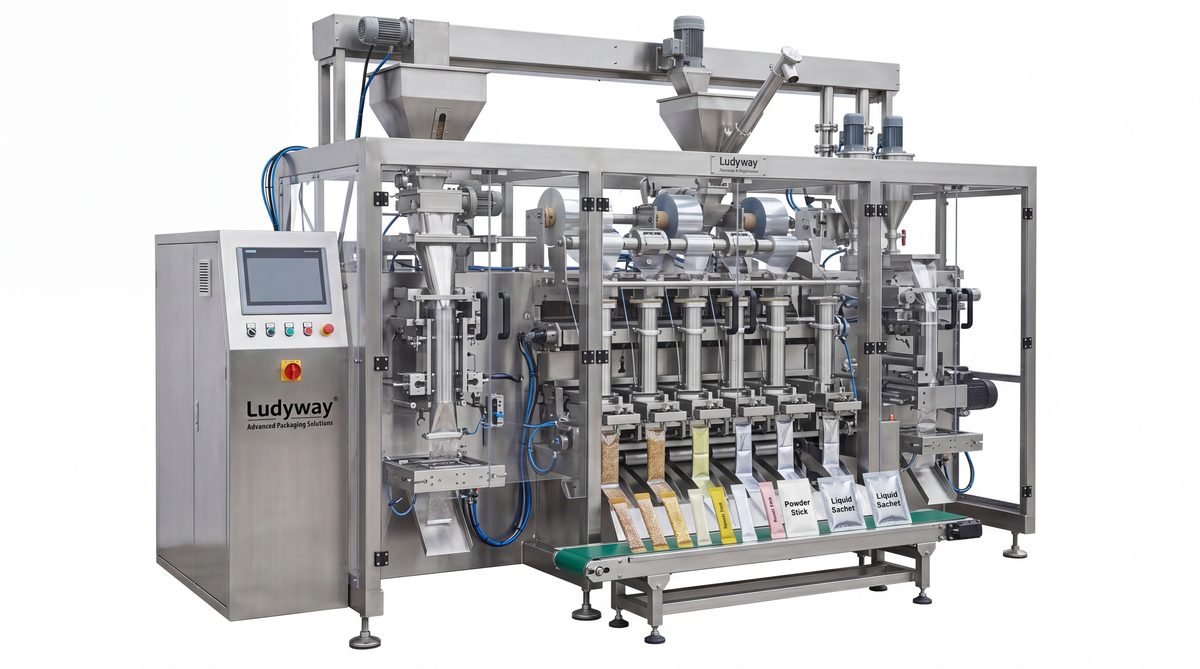
Weekly Cleaning and Lubrication Procedures
Deep cleaning should be performed at least once a week, or more frequently if the machine handles powders, sticky substances, or abrasive materials. Product residue accumulation is one of the leading causes of sealing defects and sensor malfunctions in electronic packing machines. Follow these steps to maintain cleanliness and proper lubrication:
Cleaning Protocol
- Power down and lock out the machine completely before any cleaning activity
- Remove loose product particles using a vacuum or soft brush — never use compressed air, which can force debris deeper into components
- Wipe all surfaces with a food-grade cleaning solution appropriate for your product type
- Pay special attention to sealing jaws, forming tubes, and filling nozzles
- Clean photoelectric sensor lenses with a microfiber cloth to maintain accurate detection
- Allow all parts to dry completely before reassembly and restart
Lubrication Guidelines
Proper lubrication of moving parts is critical for reducing friction and preventing premature wear. However, over-lubrication can attract dust and cause buildup. Use only manufacturer-recommended lubricants and follow these practices:
- Lubricate bearings, chains, and cam mechanisms weekly or per the manual
- Apply food-grade grease to sealing jaw pivot points
- Check oil levels in gearboxes and vacuum pumps monthly
- Wipe away any excess lubricant to prevent contamination
Monthly Preventative Maintenance Tasks
A monthly maintenance routine goes beyond surface-level checks and addresses the core mechanical and electrical systems of your automatic packaging equipment. These tasks help identify wear patterns and potential failure points before they disrupt production.
| Component | Task | Frequency |
|---|---|---|
| Belts and Chains | Inspect tension, alignment, and wear patterns | Monthly |
| Electrical Connections | Tighten terminals; check for signs of overheating | Monthly |
| Heating Elements | Measure resistance values; compare to specifications | Monthly |
| PLC and HMI Systems | Backup program parameters; check for error logs | Monthly |
| Pneumatic Cylinders | Check for smooth operation; inspect seals | Monthly |
| Film Roll Holders | Check bearings; verify smooth rotation | Monthly |
Common Problems and Troubleshooting Tips
Even with diligent maintenance, occasional issues can arise. Being able to quickly diagnose and resolve common problems keeps your electronic packing machine running efficiently. Here are some frequent challenges and their solutions:
Sealing Problems
- Weak or incomplete seals: Check temperature settings, dwell time, and sealing jaw pressure. Contaminated jaws can also cause poor seals — clean them thoroughly.
- Wrinkled seals: This often indicates film tension issues or misaligned forming tubes. Adjust the tension settings and verify proper film path alignment.
- Burnt or melted film: The sealing temperature is too high or the dwell time is too long. Reduce settings incrementally until optimal seal quality is achieved.
Filling Inconsistencies
- Underweight or overweight packages: Recalibrate the weighing or dosing system. For auger fillers, check for wear on the auger screw. For volumetric fillers, verify cup alignment.
- Product bridging or clogging: This is common with powders. Consider adding vibratory assistance or agitators to the hopper system.
Sensor and Control Issues
- False readings: Clean all sensors and check for proper alignment. Verify that reflectors are clean and undamaged.
- HMI display errors: Restart the control system. If errors persist, check all cable connections between the HMI, PLC, and sensors.
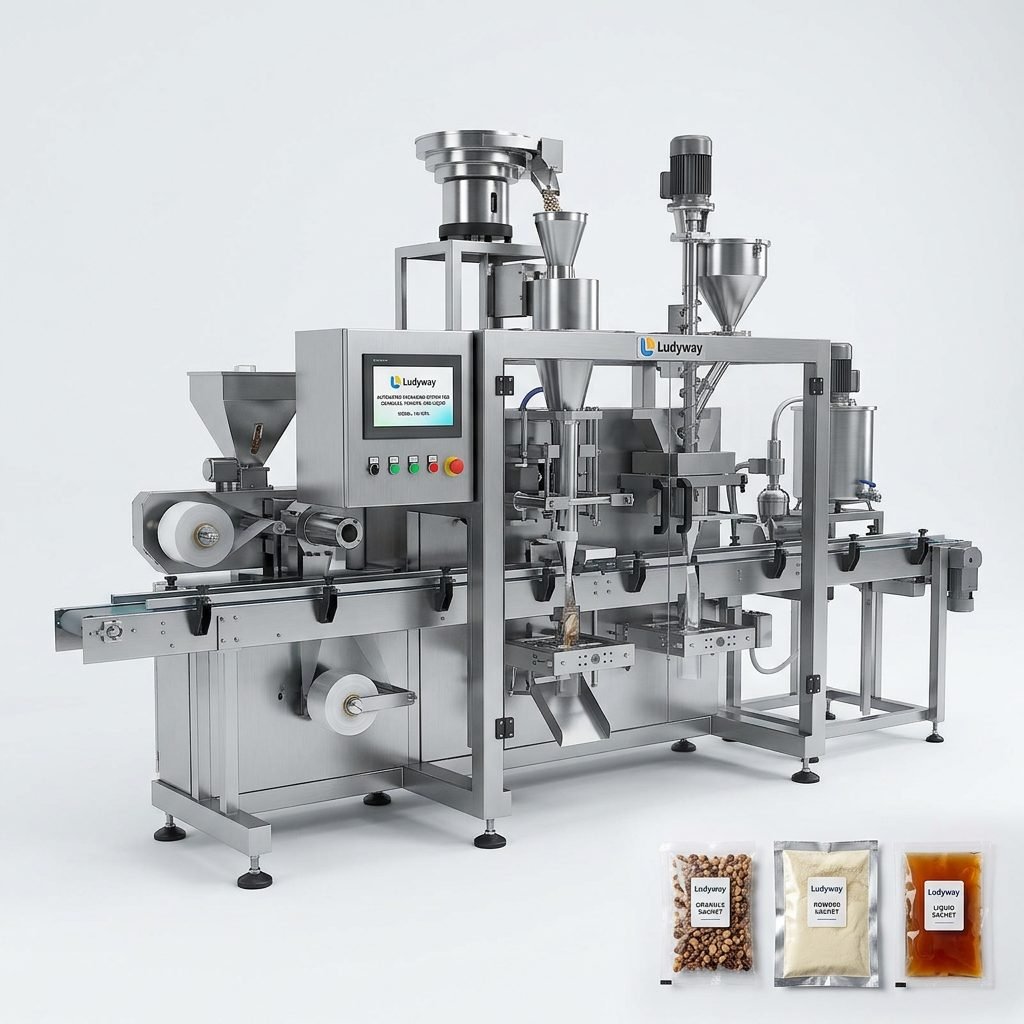
Establishing a Preventive Maintenance Schedule
A structured preventive maintenance schedule is the most effective way to maximize the service life of your electronic packing machine. Rather than waiting for components to fail, preventive maintenance replaces parts at scheduled intervals based on manufacturer recommendations and operational experience. The table below provides a recommended framework that can be adapted to your specific production environment:
| Interval | Maintenance Scope | Responsible Personnel |
|---|---|---|
| Daily | Visual inspection, cleaning of accessible surfaces, sensor check | Machine Operator |
| Weekly | Deep cleaning, lubrication, belt tension check | Operator + Maintenance Tech |
| Monthly | Electrical inspection, heater testing, software backup, pneumatic check | Maintenance Technician |
| Quarterly | Gearbox oil change, bearing inspection, chain replacement if needed | Maintenance Team |
| Annually | Full machine overhaul, seal jaw replacement, control system diagnostic | Manufacturer Service Team |
Training Your Team for Better Machine Care
Even the best maintenance plan will fail without properly trained personnel. Operators who understand how their electronic packing machine works are far more likely to notice early warning signs of trouble. Invest in regular training sessions covering:
- Basic machine operation and control panel navigation
- Daily and weekly cleaning procedures specific to each machine model
- How to identify abnormal sounds, vibrations, or visual indicators of wear
- Proper lockout/tagout procedures for safe maintenance access
- Documentation and reporting protocols for maintenance logs
When to Call a Professional Service Team
While routine maintenance can be handled in-house, certain situations require professional expertise. You should contact a qualified service technician when you encounter PLC program faults, servo drive errors, major mechanical failures, or persistent sealing issues that cannot be resolved through standard troubleshooting. Attempting complex repairs without proper training can cause further damage and void your warranty. For advanced packaging solutions and comprehensive after-sales support, companies like Ludyway provide technical assistance and genuine spare parts to keep your production running smoothly.
Recommended External Resources
For additional industry standards and best practices on packaging machinery maintenance, you may refer to:
- PMMI – The Association for Packaging and Processing Technologies
- PMMI – Packaging Industry Resources
- ISO – Packaging Standards
- Flexible Packaging Association – Industry Resources
Key Takeaways for Long-Term Machine Performance
Maintaining an electronic packing machine is an ongoing commitment that pays dividends in reliability, product quality, and operational efficiency. A successful maintenance program combines daily operator inspections, weekly deep cleaning, monthly mechanical checks, and annual professional servicing. By following the guidelines outlined in this article and adhering to your manufacturer’s specific recommendations, you can significantly extend the service life of your equipment and avoid costly unplanned downtime. Remember that prevention is always more cost-effective than repair, especially in high-speed production environments where every minute of downtime impacts the bottom line.