
How to Reduce Packaging Machine Operating Costs
A comprehensive engineering roadmap for optimizing Total Cost of Ownership (TCO), eliminating film scrap, accelerating format changeovers, and boosting Overall Equipment Effectiveness (OEE).
The True Cost of Packaging Machine Ownership
In modern automated packaging plants, capital expenditure accounts for only 15% to 25% of lifetime equipment expenses. The remaining 75% to 85% stems directly from ongoing operating expenditures including film roll waste, utility consumption, unscheduled downtime, and wear component fatigue.
Five Core Engineering Pillars to Lower Operating Costs
Systematic cost reductions do not require sacrificing line speed. By implementing modern automation principles across drive architecture, thermal management, and raw material feeding, manufacturers can attain lasting cost efficiency.
Eliminating Flexible Packaging Material & Film Waste
Roll stock film constitutes up to 60% of recurring operational expenses in high-speed form-fill-seal (VFFS/HFFS) and sachet machinery. Misaligned web tracking, poor registration mark sensing, and continuous mechanical cutting errors multiply scrap. Integrating multi-axis servo web guide systems alongside closed-loop tension controllers keeps film centered at ±0.3mm tolerance, immediately cutting film edge-trim waste and startup scrap rolls.
Replacing Pneumatics with High-Efficiency Servo Drives
Traditional compressed air systems suffer from 20-30% parasitic pneumatic leakage, high compressor power draws, and erratic sealing pressure. Upgrading critical axes—such as horizontal sealing jaws, cross-cut knives, and auger dosing drives—to direct-drive servo motors lowers dynamic power draw by over 40%, yields sub-millisecond motion synchronization, and completely eliminates pneumatic cylinder maintenance costs.
Transitioning from Reactive to Predictive Maintenance (PdM)
Unplanned machine downtime costs large facilities upwards of thousands of dollars per hour. Traditional preventative routines replace parts too early or too late. By retrofitting IoT multi-sensor modules on seal bearings, vibration monitors on vacuum pumps, and thermographic sensors on sealing jaws, maintenance teams identify cavitation, thermal breakdown, and gear backlash 300+ operational hours before catastrophic failure occur.
Precision Dosing to Prevent Product Giveaway
In powder, liquid, and granule applications, standard volumetric cup fillers or rudimentary piston pumps can drift up to ±3%. Over millions of pouches, this product giveaway drains gross margins. Implementing high-resolution load-cell multi-head scales and digital servo-driven augers with integrated feedback loops ensures packaging weight tolerances within ±0.2g, maximizing yield per batch.
SMED Principles & Rapid Toolless Format Changeovers
Shifting between stick-pack formats, sachet widths, or SKU weights frequently consumes 2 to 4 hours of idle downtime. Employing Single-Minute Exchange of Die (SMED) mechanics, quick-release forming collars, modular sealing bar cassettes, and recipe-driven HMI recall shrinks changeover windows to under 15 minutes, adding hundreds of productive hours annually per machine.
Conventional Machinery vs. Cost-Optimized Packaging Systems
Quantifying the operational and maintenance variance between legacy packaging lines and next-generation servo-automated platforms.
| Operating Cost Vector | Conventional Packaging Line | Optimized Packaging Architecture | Financial & Operational Advantage |
|---|---|---|---|
| Motion & Drive System | Pneumatic cylinders + mechanical cams | Fully synchronized Multi-Axis Servo motors | 38% lower power use, zero air leak loss |
| Material Web Handling | Manual tension brake, static web tracking | Closed-loop ultrasonic tension + auto-centering | Film scrap reduced from 3.2% to <0.4% |
| Filling & Dosing Precision | Mechanical volumetric cups (±2.5% drift) | Load-cell feedback servo augers / peristaltic (±0.2%) | Saves 4,000+ kg bulk material per year |
| Changeover Protocol | Manual wrenches, trial-and-error (90-180 min) | SMED toolless modular swaps + HMI recipes (<15 min) | +18% shift capacity uplift |
| Maintenance Lifecycle | Reactive repairs after line jams and breakage | IoT condition monitoring & automated telemetry | Eliminates 70% of unplanned downtime |
| Thermal Sealing Efficiency | Continuous heating bars with high thermal dissipation | PID-controlled impulse heat bars with sleep mode | 25% heating power reduction & longer bar life |
High-Efficiency Packaging Machinery Solutions
Explore precision-engineered packaging lines designed to minimize energy draw, eliminate raw material waste, and maximize throughput efficiency across food, chemical, and pharmaceutical operations.
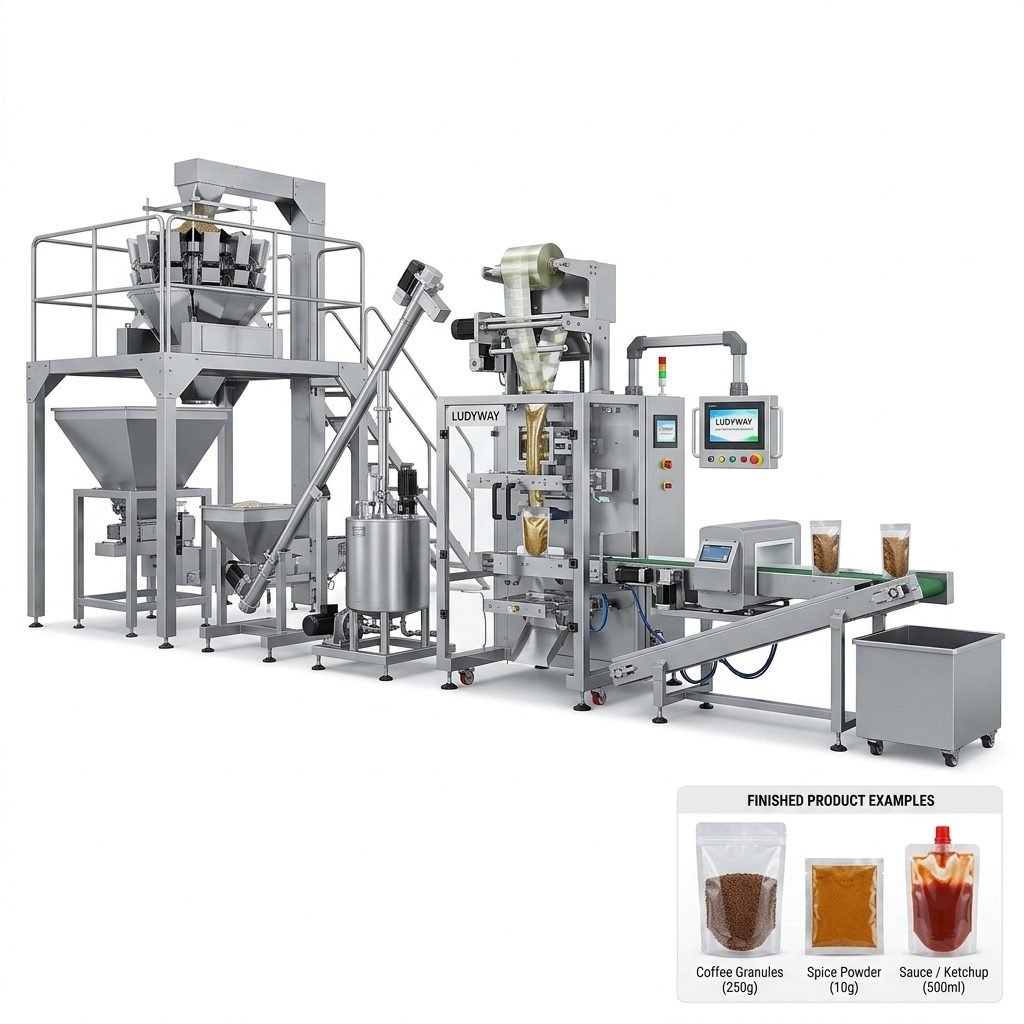
High-Speed Automated Packaging Systems for Granules, Powder & Liquid
Multi-lane synchronized drive technology delivering rapid format adaptation and reduced electrical power consumption.
View Specifications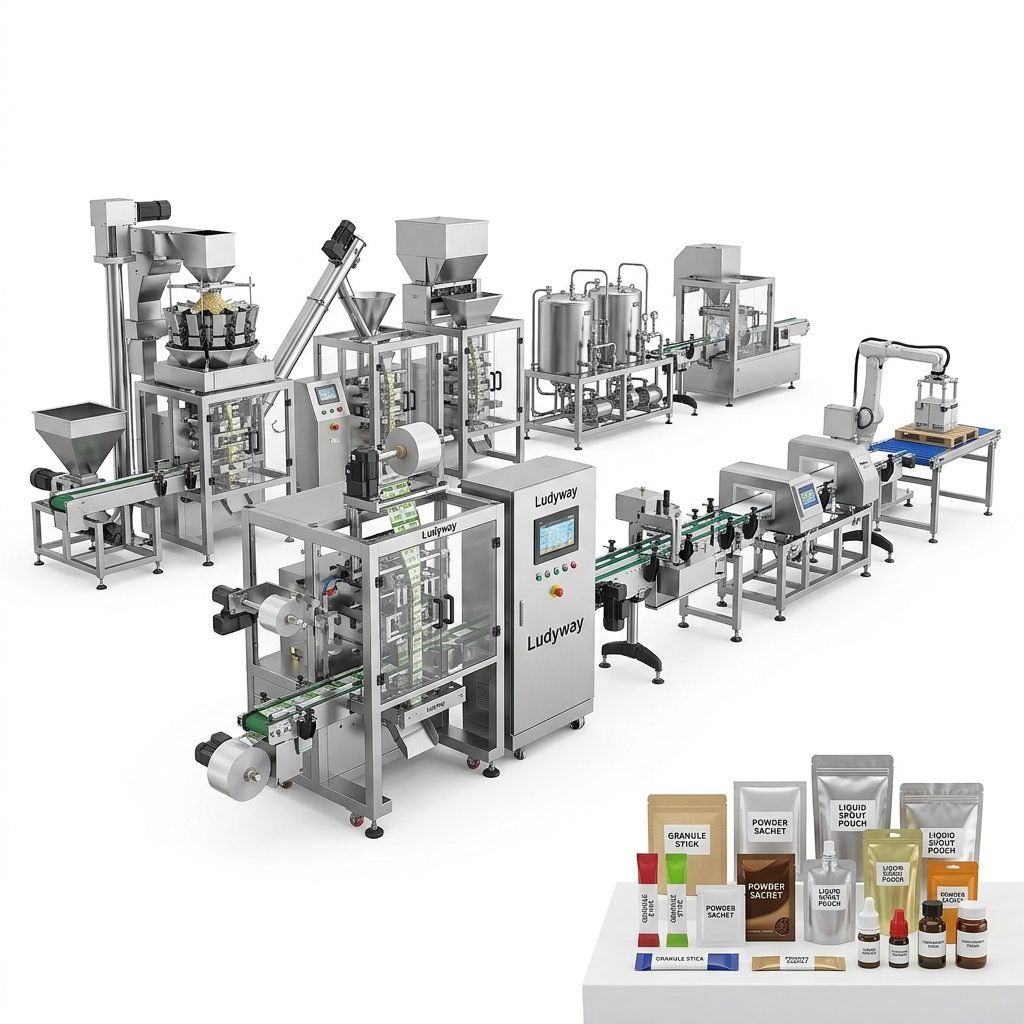
Automated Smart Factory Packaging Lines for Granules & Liquids
Equipped with centralized IoT telemetry, automatic tension regulation, and self-diagnostic predictive maintenance sensors.
View Specifications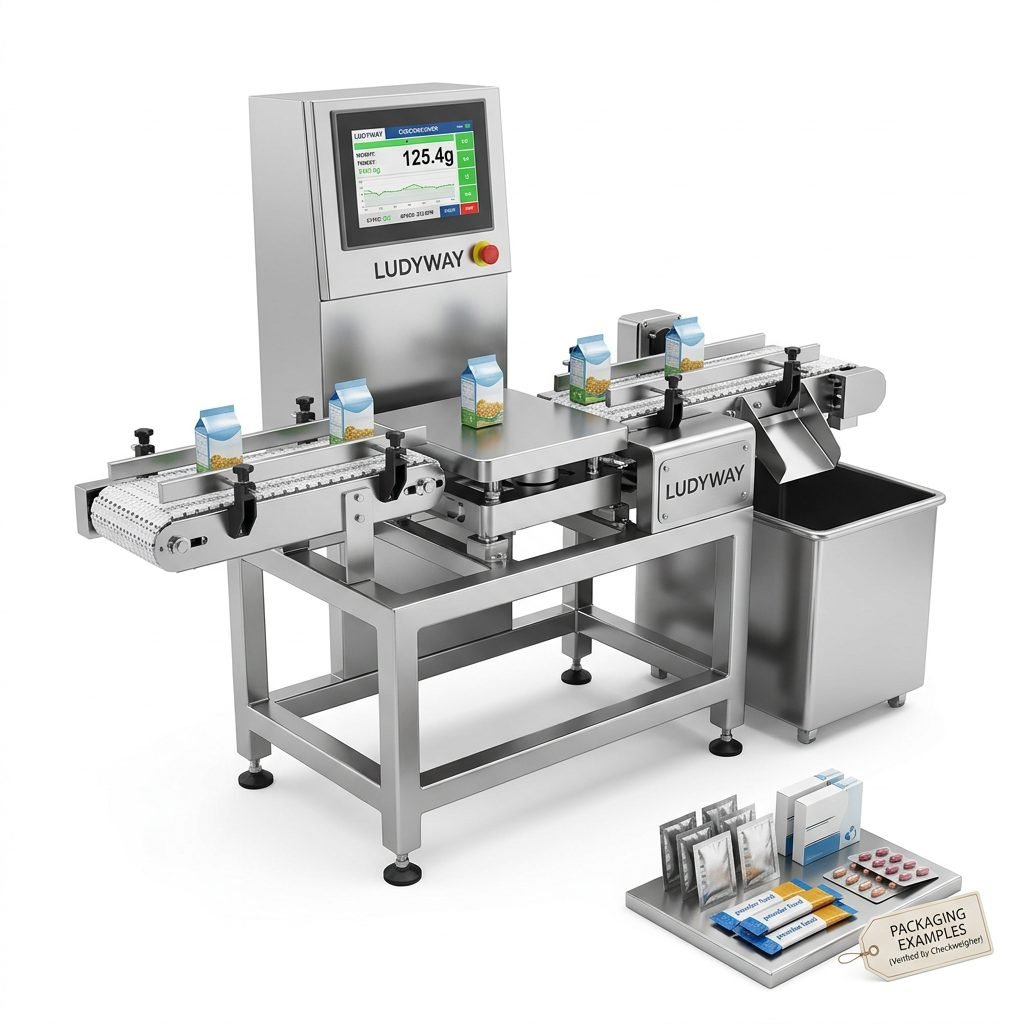
High-Precision Checkweigher for Food & Pharmaceutical Lines
Ultra-sensitive dynamic load cell system eliminating product giveaway by providing real-time feedback to filling augers.
View Specifications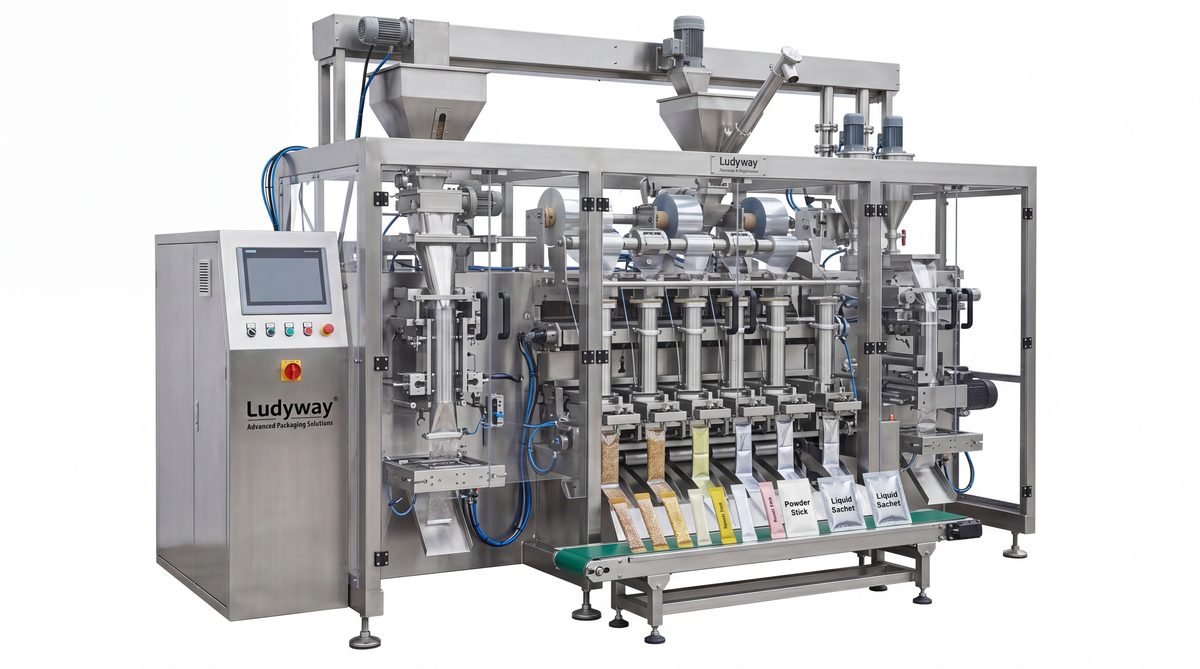
Multi-Lane Stick Pack & Sachet Packaging Machine
Continuous-motion multi-lane packaging with independent lane temperature control to eradicate film seal failures.
View Specifications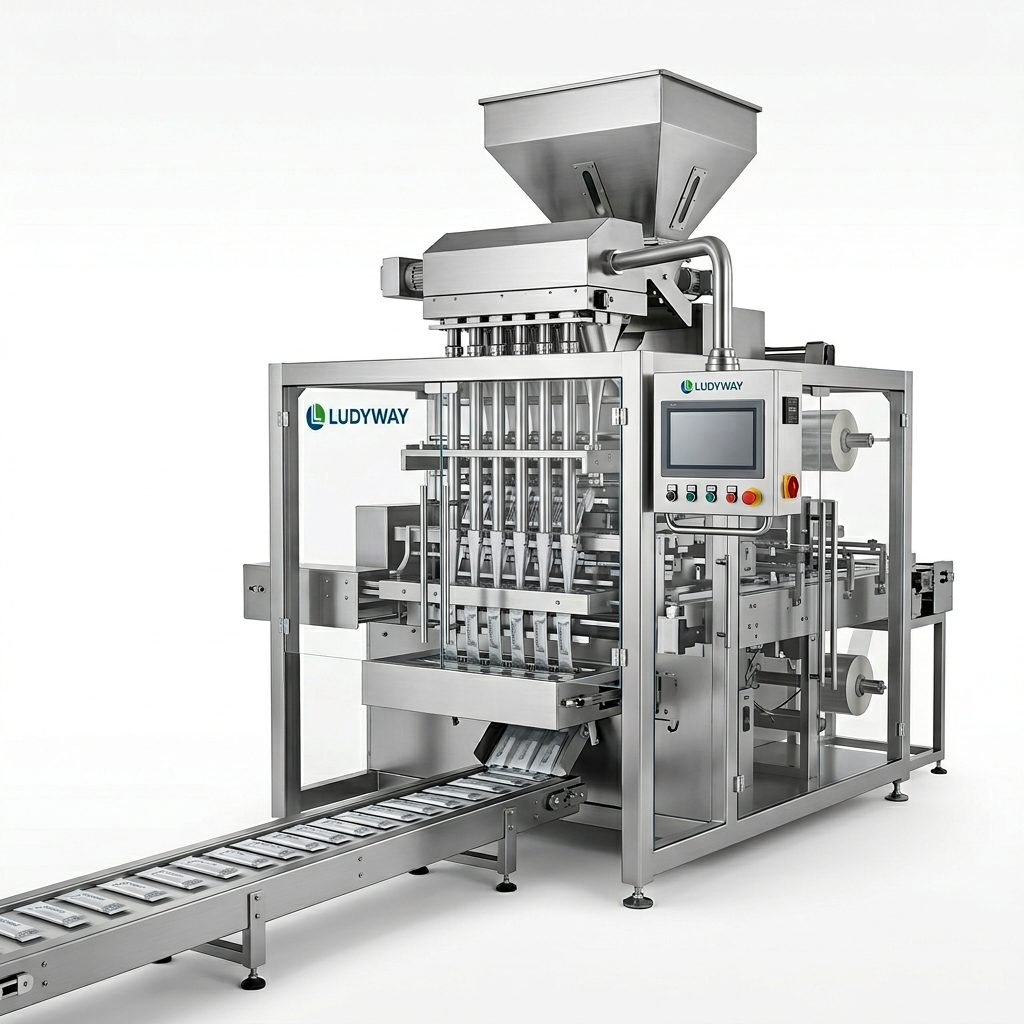
High-Speed Multi-Lane Powder Packaging System for Pharma
Hermetic sealing architecture engineered to reduce dust contamination, filter replacements, and product cross-contamination.
View Specifications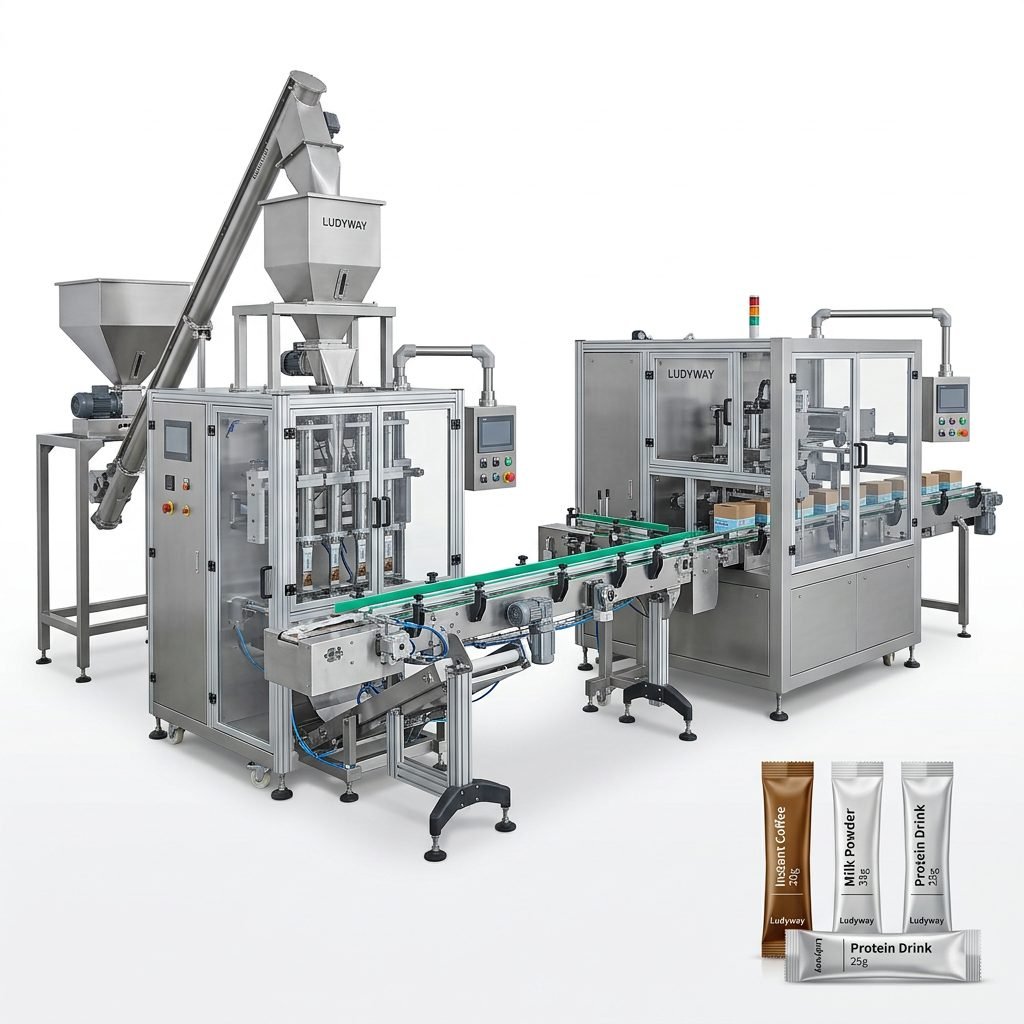
Fully Automated Beverage Powder Packaging Line
Integrated multi-lane stick pack line featuring toolless forming collar swaps for minimal downtime during SKU batch changes.
View Specifications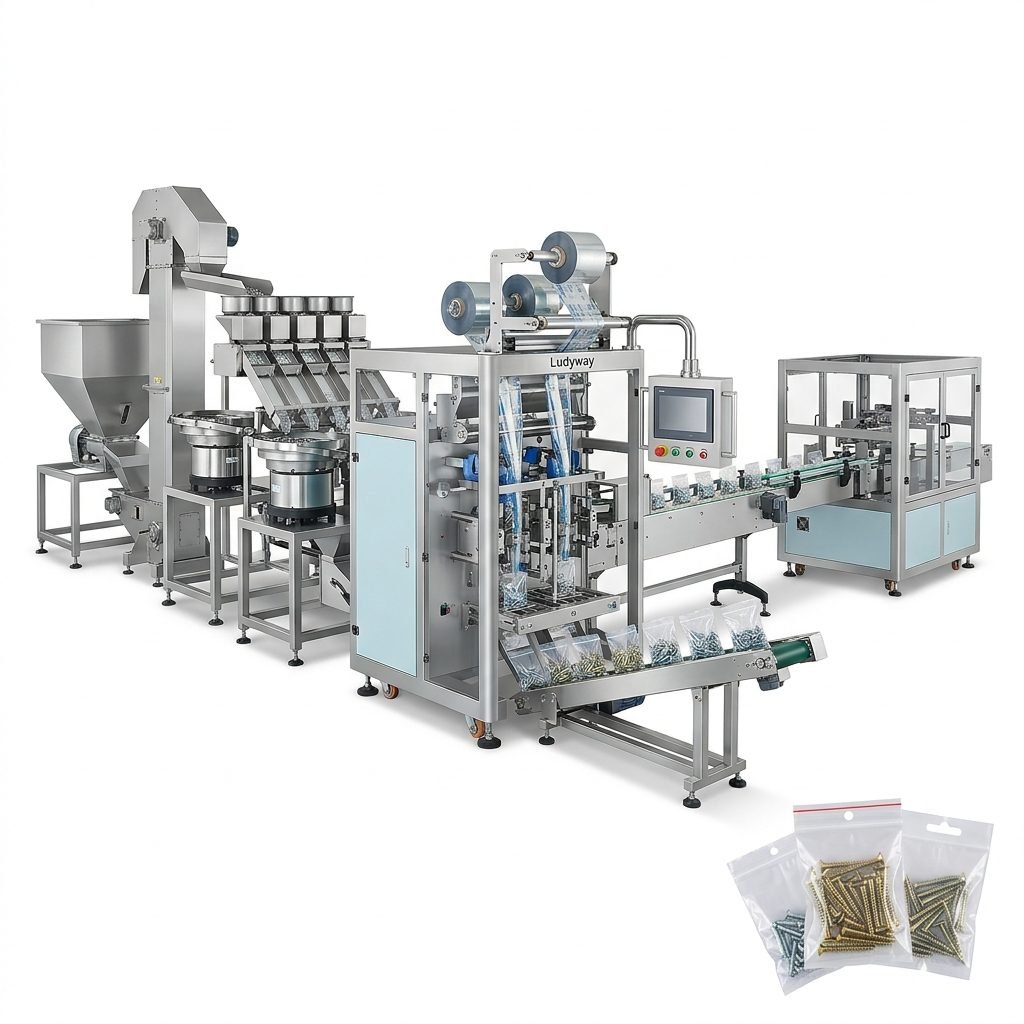
Automated Multi-Lane Screw Packaging Lines
Precision auger dosing engineered for abrasive chemical and granular products to extend drive and cylinder service intervals.
View Specifications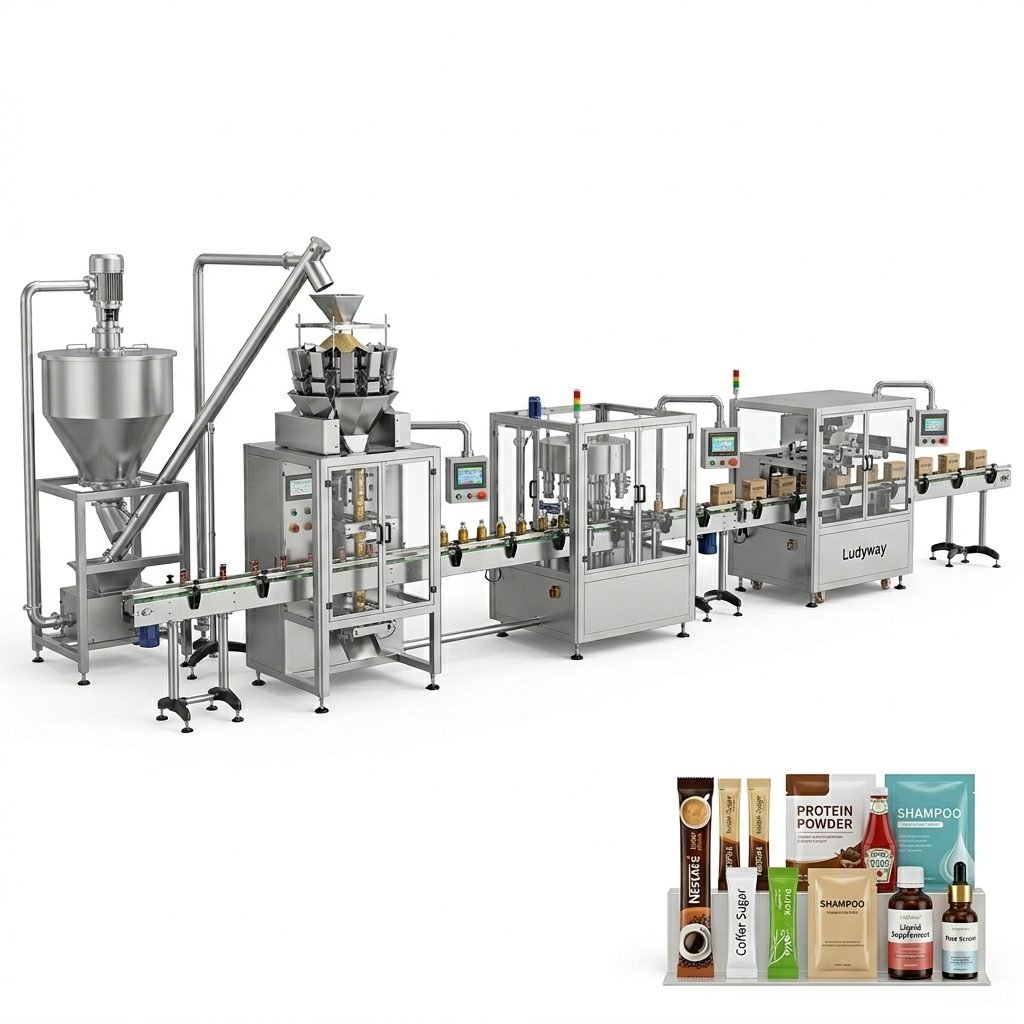
Complete Turnkey Packaging Solutions for Multi-Product Lines
End-to-end integration including upstream feeding, primary bagging, and downstream robotic cartoning to cut manual labor overhead.
View Specifications1. The Geometry of Material Savings: Reducing Film Scrap in Form-Fill-Seal Operations
Flexible packaging laminate films represent one of the largest single continuous expenditures on any automated packing line. When converting large rolls of barrier film into sachets, stick packs, or standard pillow pouches, even a minor drift in web alignment can result in hundreds of meters of discarded scrap roll.
Standard machines utilize friction-based web brakes and manual tracking dials. Under acceleration and deceleration cycles, tension fluctuations cause the web to wander, inducing seal fold-overs and misaligned eye-mark cuts. By upgrading to closed-loop ultrasonic web guides connected to digital dancer arms, the film tension remains continuous regardless of the roll diameter.
Key Takeaway: Film Slit & Seal Waste Reduction
Shortening the seal flap width by a mere 1.5mm to 2mm per pouch across an 8-lane stick pack machine running at 60 cycles per minute saves over 1,200,000 linear meters of packaging film annually, directly injecting tens of thousands of dollars back to bottom-line profitability.
2. Energy Optimization: The Transition from Pneumatics to Direct Servo Drive
Pneumatic actuators were long preferred for packaging equipment due to low upfront purchase costs. However, from an operational cost standpoint, compressed air is the most expensive utility in a modern factory. A standard 7.5 kW air compressor consumes massive electrical power while converting less than 15% of that electrical energy into usable pneumatic mechanical work.
Multi-axis servo platforms eliminate compressed air dependency entirely for sealing jaws, knife cutting, and film pulling. Because modern servo drives utilize regenerative braking to recycle kinetic energy back into the internal DC power bus during deceleration, total line electrical consumption decreases by up to 45%.
Compressed Air Audit
Identify pneumatic leaks, pressure drops, and replace continuous pneumatic cylinder actuators with electric ball-screw or direct-drive servos.
PID Thermal Regulation
Implement solid-state relays with zone-specific PID thermal controllers to stabilize heat bars and reduce idle electrical energy loss.
Automated Eco Modes
Configure HMI sleep states to reduce heater standby temperature and throttle conveyor speeds during upstream product pauses.
3. Precision Metering: Eliminating Expensive Product Giveaway
In the packaging of premium coffee powder, infant nutrition formulas, active pharmaceutical ingredients (APIs), or cosmetic creams, small overfills compound into catastrophic economic losses over time. If a 10g sachet consistently weighs in at 10.4g to prevent regulatory underfill penalties, the line is operating with a 4% giveaway rate.
Modern volumetric auger fillers paired with integrated dynamic in-line checkweighers employ continuous trend-tracking algorithms. If ambient humidity or bulk density changes cause product weight to increase, the PLC automatically recalibrates the servo auger rotation angle in micro-steps, maintaining exact product weight without operator intervention.
4. Implementing OEE-Centric Operator Training Protocols
Equipment longevity and operational efficiency are deeply intertwined with shop-floor human factors. Unclear standard operating procedures (SOPs) often cause improper seal jaw cleaning, abrasive scraper damage, and incorrect blade clearances. Setting up visual management standards, color-coded lubrication points, and digitized HMI maintenance checklists ensures wear parts operate under optimal design clearances throughout their engineered service life.
Engineering High-Yield Packaging Technology Since 2010
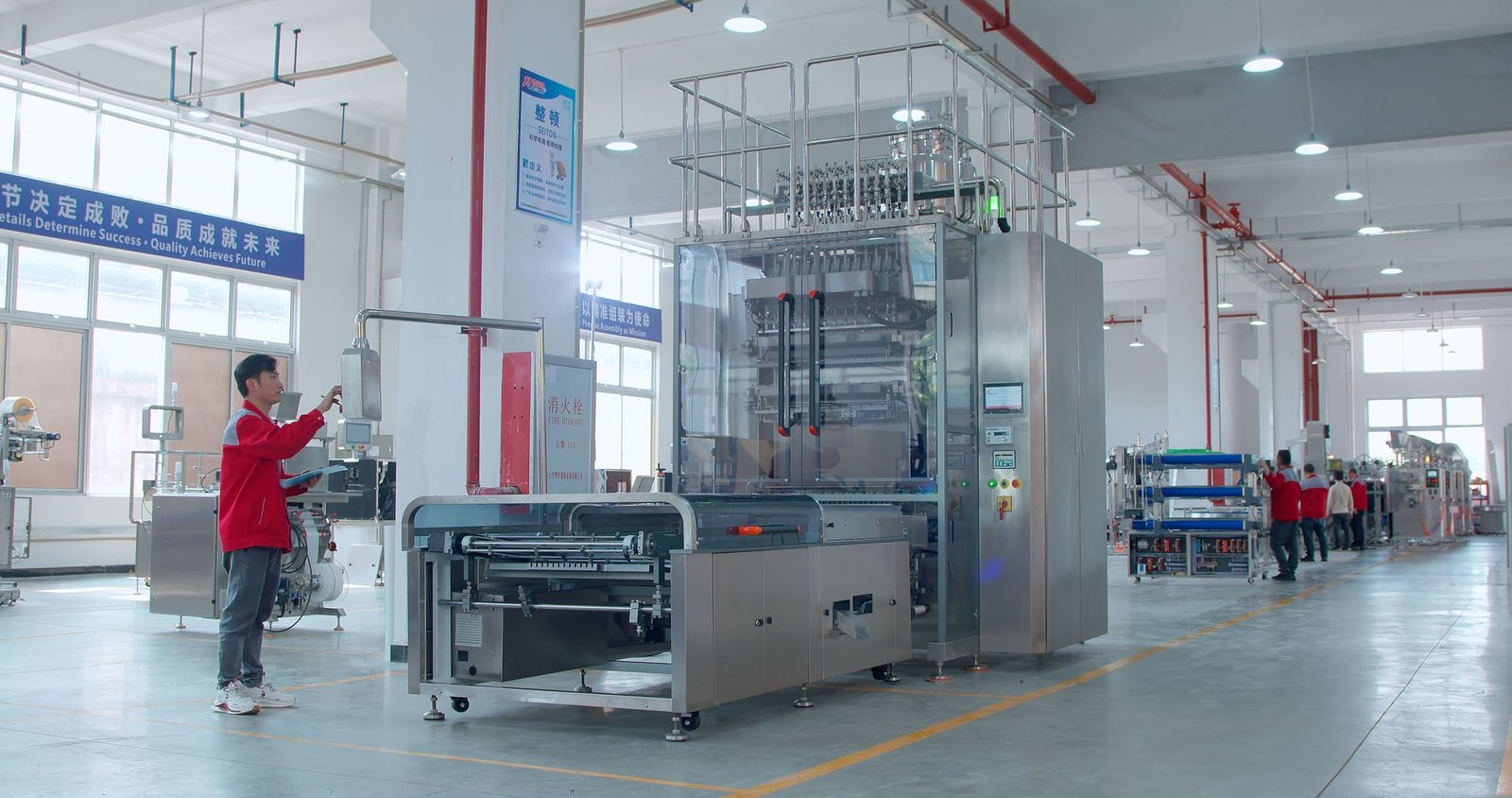
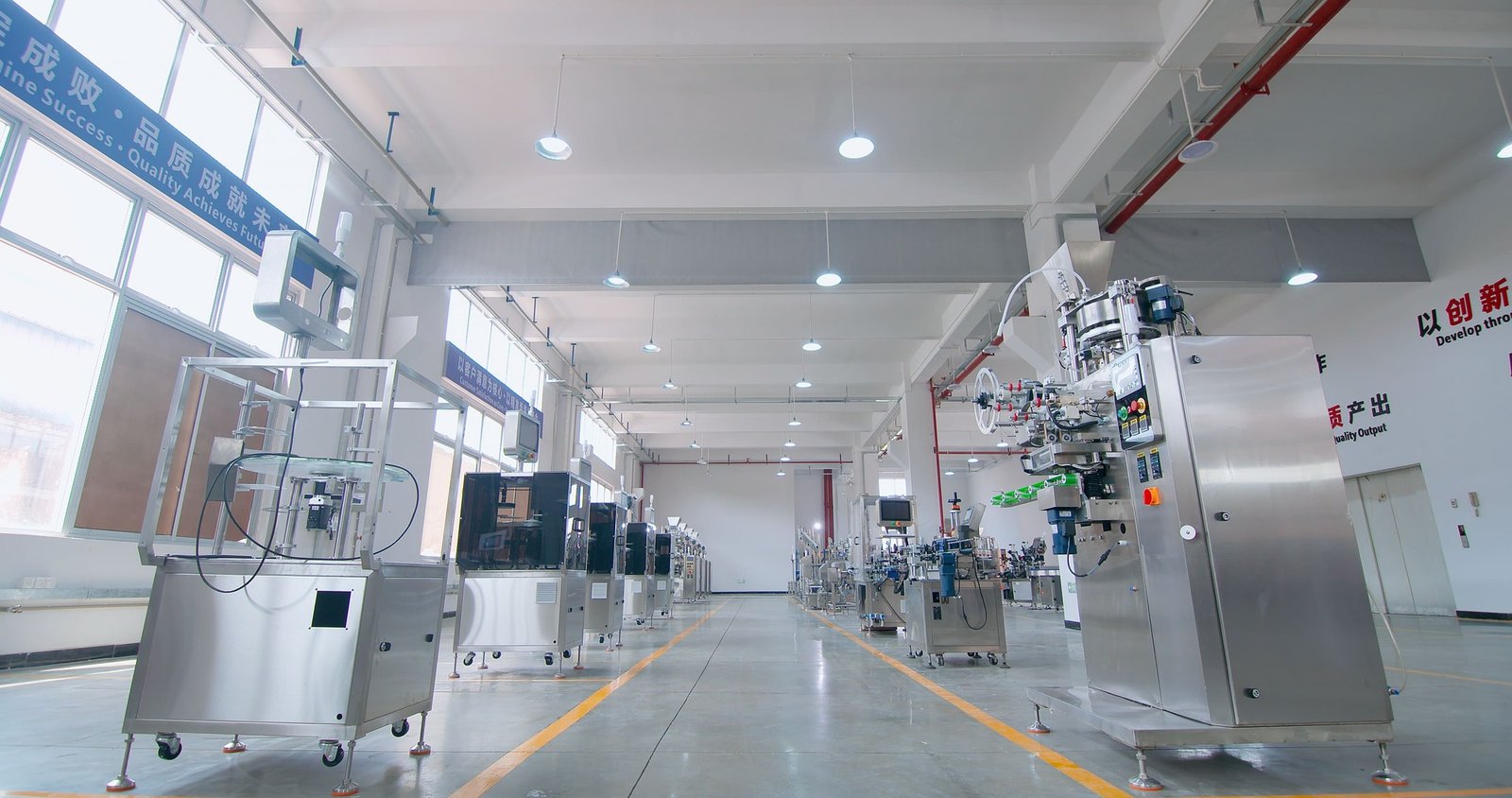
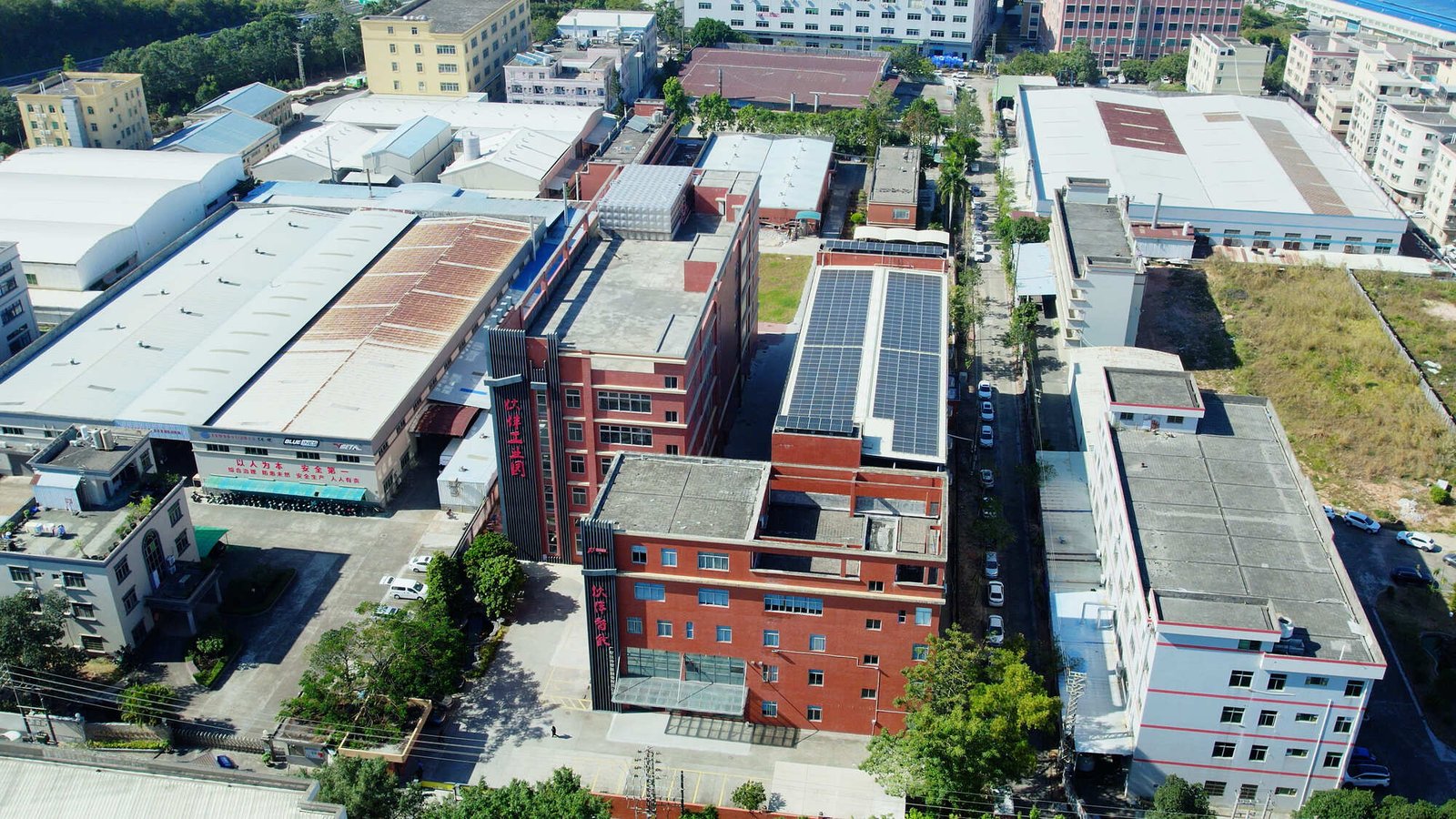
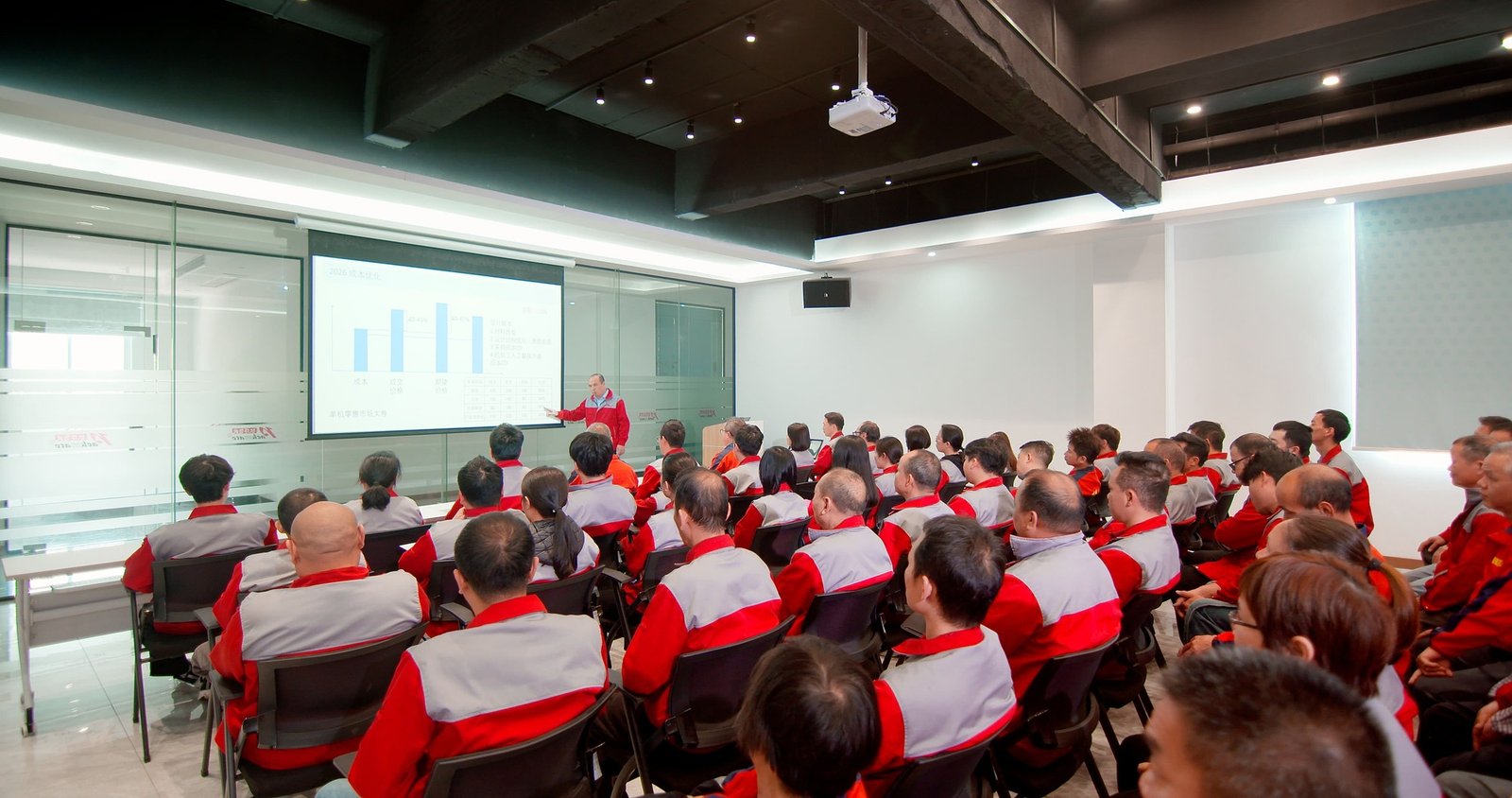
Ludyway is a world-class packaging machinery designer and turnkey automation provider. With over 30 years of collective industry expertise and a modern 20,000㎡ manufacturing facility, we engineer smart solutions that eliminate downtime and reduce life-cycle operating costs for food, pharmaceutical, and chemical brands in over 100 countries.
From precision multi-lane stick pack machines to automated primary-to-tertiary robotic cartoning lines, our equipment integrates robust mechanical craftsmanship with energy-efficient servo motion architecture.
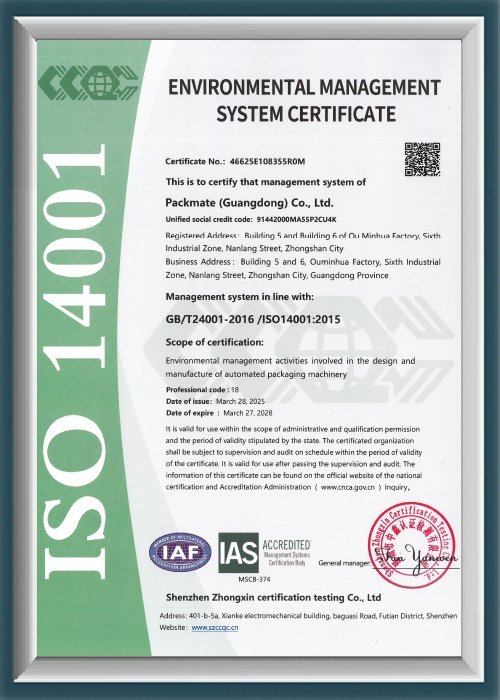
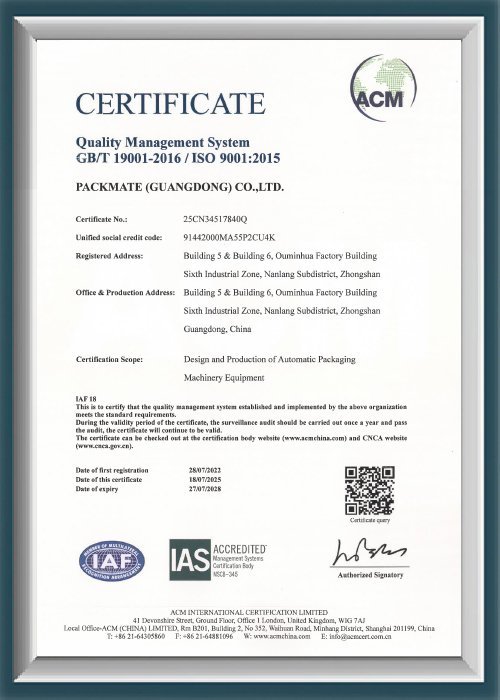
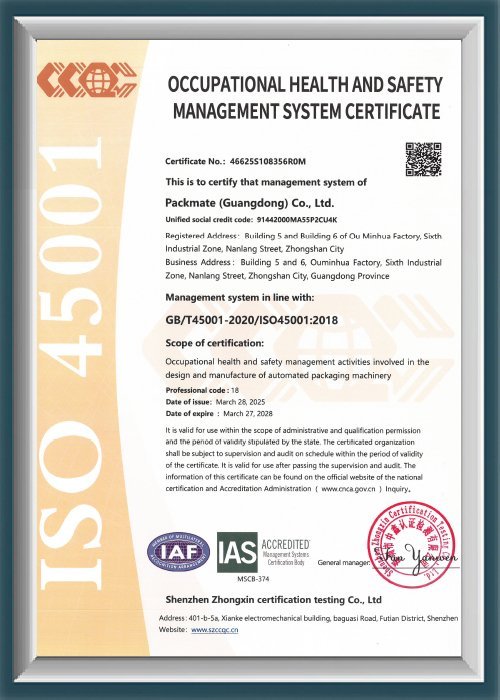
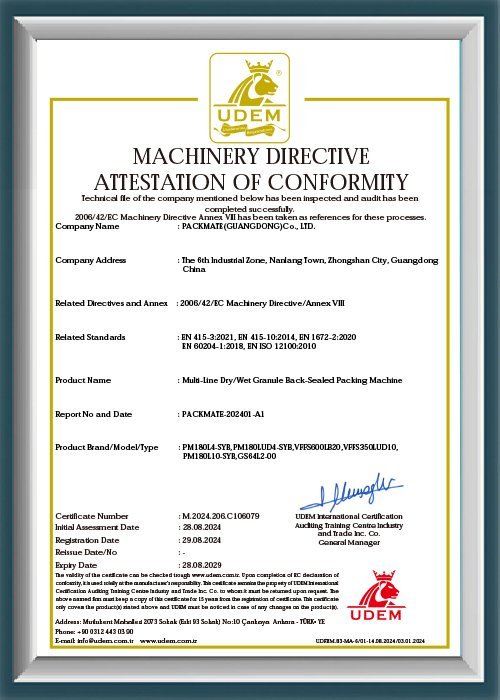
International Quality Certifications
Every Ludyway packaging machine is engineered according to stringent CE electrical safety mandates, ISO9001 quality management standards, and cGMP hygienic design guidelines.
Frequently Asked Questions
Clear technical insights on reducing packaging expenses, managing OEE, and choosing cost-effective equipment.
What is the fastest way to reduce operating costs on an existing packaging line?
The fastest return on investment comes from retrofitting mechanical film tension brakes with closed-loop servo or ultrasonic tension controllers and replacing worn volumetric dosing cups with load-cell feedback systems. These upgrades immediately cut film scrap rolls and stop costly raw material giveaway.
How much energy do servo-driven packaging machines save over pneumatic models?
Fully servo-actuated packaging machines consume between 35% and 45% less electricity than comparable pneumatic systems. Furthermore, eliminating compressed air removes the continuous cost of operating high-power air compressors and repairing pneumatic line leaks.
How does toolless format changeover impact Total Cost of Ownership?
Toolless changeover systems reduce SKU format change times from 2–3 hours down to under 15 minutes. In facilities running multiple batch runs per day, this frees up hundreds of operational hours annually, directly lowering per-unit packaging labor overhead.
Can Ludyway integrate custom automated packaging lines for unique pouch formats?
Yes. Ludyway engineers custom turnkey production systems for granules, powders, liquids, and multi-lane stick pack requirements. We specialize in tailoring primary packing, inspection, and secondary cartoning to match specific factory floor geometries and target OEE metrics.
Optimize Your Packaging Operations & Cut TCO Today
Connect with our senior engineering team to conduct a comprehensive line cost analysis. Discover how Ludyway’s intelligent multi-lane packaging machinery can increase your line productivity while slashing material scrap and energy expenses.
