
Understanding the Modern Automated Candy Packaging System
A candy packaging line is not a single isolated machine—it is an interconnected, cyber-physical automation network engineered to preserve texture, ensure chemical stability, and maximize unit yields.
Primary Packaging
Direct product contact enclosing hard candies, gummies, chews, or powders into airtight pillow pouches, multi-lane sachets, stick packs, or flow wraps with optional modified atmosphere packaging (MAP).
Secondary Packaging
Intermediate bundling converting single pieces or sachets into retail display boxes, display cartons, or bulk multi-packs using high-speed pick-and-place robotics and automated cartoning units.
Tertiary End-of-Line
Final logistics consolidation featuring case erecting, tape/hot-melt sealing, industrial checkweighing, laser date coding, and automated robotic palletizing for distribution logistics.
Setting up an automated confectionery line requires solving unique engineering challenges. Confectionery goods vary drastically in physical characteristics: hard boiled candies are brittle and hygroscopic; gummies are sticky and deform under compression; effervescent candy granules generate ambient dust; and chocolate-coated products suffer from thermal sensitivity. Engineering a continuous high-speed workflow demands seamless synchronization between feed conveyors, multi-head weighers, vertical or horizontal packaging platforms, and visual inspection sensors.
Step-by-Step Methodology: Setting Up a High-Throughput Candy Line
Follow this structured, standard-compliant technical deployment blueprint designed by turnkey machinery engineers.
Formulation & Product Rheology Characterization
Before selecting hardware, calculate the product’s physical and environmental sensitivities. Confectionery items require precise handling based on surface tackiness, sugar bloom potential, and fragility.
- Hard Boiled & Pressed Sugar: Low moisture tolerance; requires anti-shatter vibratory tracks and immediate moisture barrier films.
- Gummies & Jellies: Prone to static cling and blocking; requires dimpled contact plates, Teflon/PTFE-coated chutes, or oil mist lubrication.
- Powdered / Sour Candies: Hydrophilic micro-particles; requires dust extraction shrouds and precise vertical auger filling.
Packaging Format Selection & Film Barrier Engineering
Match marketing objectives with machinery kinematic capabilities. Different formats require entirely different machine chassis, forming collars, and thermal seal jaws.
- Multi-Lane Stick Packs & Sachets: Ideal for single-serve energy candies, mints, and granulated candy powders. Uses continuous web rollstock.
- Pillow & Gusseted Bags (VFFS): High-capacity bulk packaging for family packs, gummy assortments, and bite-sized pieces.
- Premade Stand-Up Doypack Pouches: Premium retail display with reclosable zip locks, utilizing rotary pouch fill-and-seal machines.
Cleanroom, HVAC & Environmental Engineering
Confectionery manufacturing fails if relative humidity (RH) is uncontrolled. Candy centers rapidly absorb moisture, causing clumping, machine jamming, and seal contamination.
- Maintain cleanroom packaging zone at 20°C – 22°C with relative humidity below 40% – 45% RH.
- Integrate positive pressure HEPA filtration to eliminate airborne contamination and sugar dust accumulation.
- Deploy stainless steel 304/316 construction compliant with FDA, GMP, and CE food-contact sanitation mandates.
Precision Dosing & Feed Synchronization
Achieve exact target weights without damaging candy coatings or breaking fragile extruded shapes. Synchronize feed conveyors with weighing heads.
- Multi-Head Combination Weighers: 10 to 24 head radial weighers compute mathematical combinations within milliseconds (accuracy ±0.1g to ±0.5g).
- Volumetric Cup / Piston Fillers: Cost-effective for uniform hard candies and compressed tablets.
- Multi-Lane Auger Systems: Optimized for effervescent sherbet powders and sour candy crystals.
Bag Forming, Sealing & Modified Atmosphere Packaging (MAP)
Eliminate leaks and burst seals during shipping. The sealing jaw profile must be optimized for polymer, foil, or recyclable mono-material substrates.
- Incorporate Nitrogen Flushing (MAP) to drive residual oxygen levels below 1%, preventing lipid oxidation and discoloration in coated candies.
- Utilize ultrasonic sealing or servo-driven constant-heat jaws to prevent pinholes and seal burning on thin bio-based films.
Inline Quality Assurance & Traceability Integration
Protect your brand reputation and ensure strict regulatory adherence with automated rejection mechanisms operating at line speeds up to 300+ bpm.
- Multi-Frequency Metal Detectors & Industrial X-Ray: Detect ferrous, non-ferrous, stainless steel, glass shards, and calcified bone fragments.
- Dynamic High-Speed Checkweighers: Automatically blow-reject overweight or underweight packs.
- Continuous Inkjet (CIJ) / Laser Coding: Print dynamic 2D DataMatrix codes, lot numbers, and expiration dates.
Secondary Packaging, Cartoning & End-of-Line Palletizing
Bridge the gap between primary packaging and logistics shipping containers through fully integrated automation.
- Direct individual stick packs or sachets via automated collating conveyors into vertical or horizontal continuous cartoning machines.
- Consolidate retail boxes into corrugated shipper cases with automatic case erectors, side-belt tapers, and robotic palletizing arms.
Candy Packaging Machinery Architecture Comparison
Select the optimal kinematic platform based on your target confectionery physical state, speed requirements, and secondary workflow.
| Machinery System | Primary Candy Types | Speed Range | Key Dosing Tech | Seal Style |
|---|---|---|---|---|
| Multi-Lane Stick Pack Machine | Gummy pellets, candy powder, sour granules, mint tablets | 200 – 600 packs/min | Multi-channel slide gates or auger servos | Micro-perforated 3-side / fin seal |
| Vertical Form Fill Seal (VFFS) | Hard candies, gummy bears, wrapped toffees, lollipops | 60 – 160 bags/min | 10/14/20-head combination weigher | Pillow, gusseted, flat bottom |
| Rotary Premade Pouch Machine | Assorted premium gummies, sour chews, luxury chocolate | 35 – 80 pouches/min | Multi-head weigher with anti-stick dimples | Doypack, zipper stand-up pouch |
| Horizontal Flow Wrapper (HFFS) | Candy bars, individual lollipops, nougats, chews | 120 – 500 packs/min | Lugged chain / smart belt infeed | Fin-seal crimped flow pack |
| Multi-Lane Sachet Packaging Line | Effervescent candy drink mixes, liquid candy gels | 150 – 450 sachets/min | Multi-piston pump or vertical micro-auger | 4-side hermetic seal |
Featured Industrial Packaging Equipment for Confectionery
Engineered for ultra-high uptime, precise dosing, and rapid changeover across gummy, hard candy, powder, and treat applications.
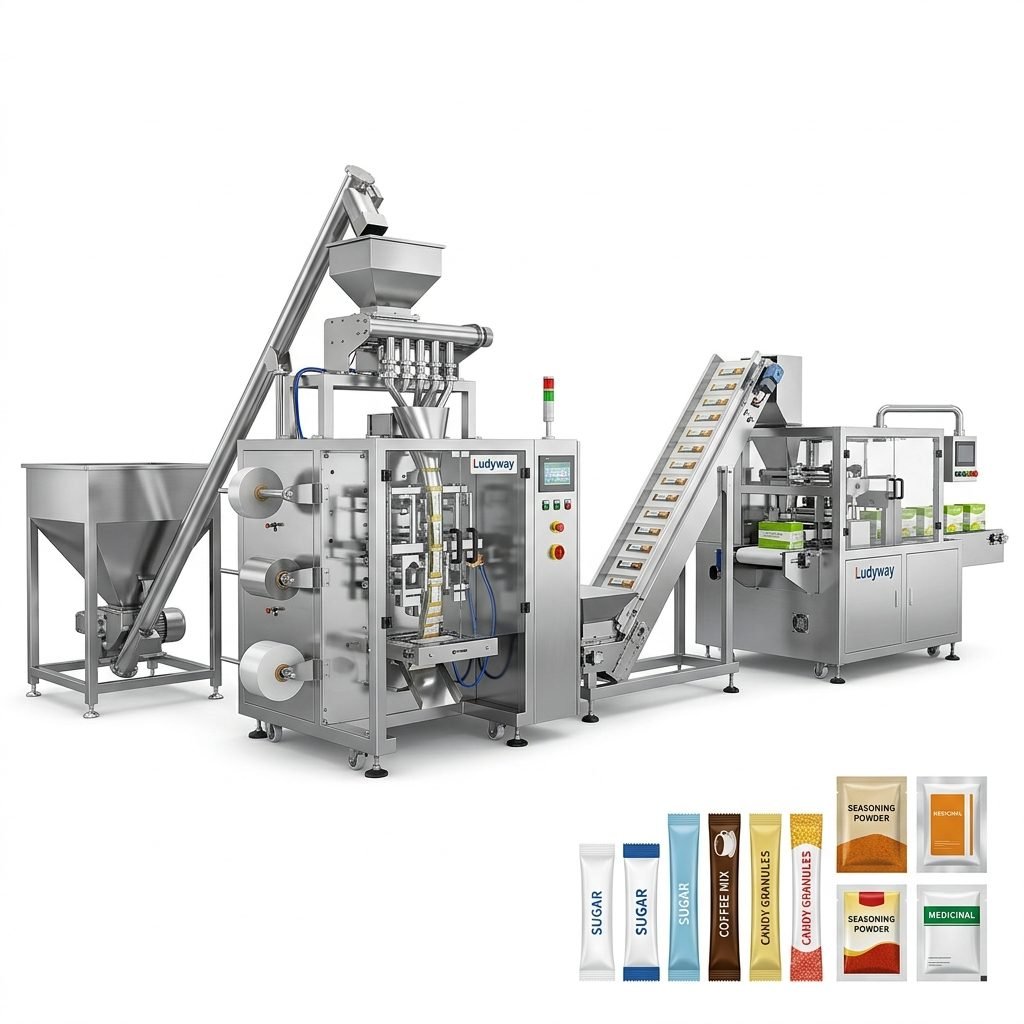
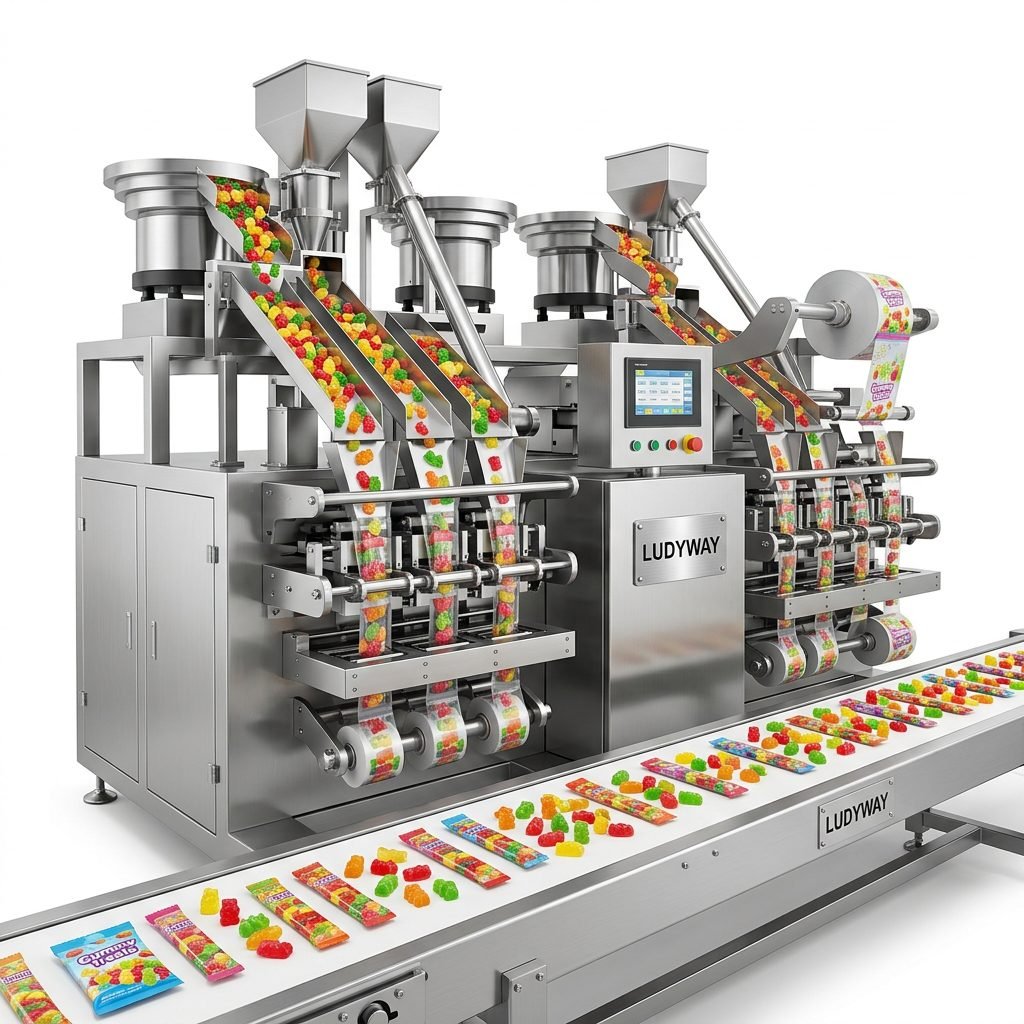
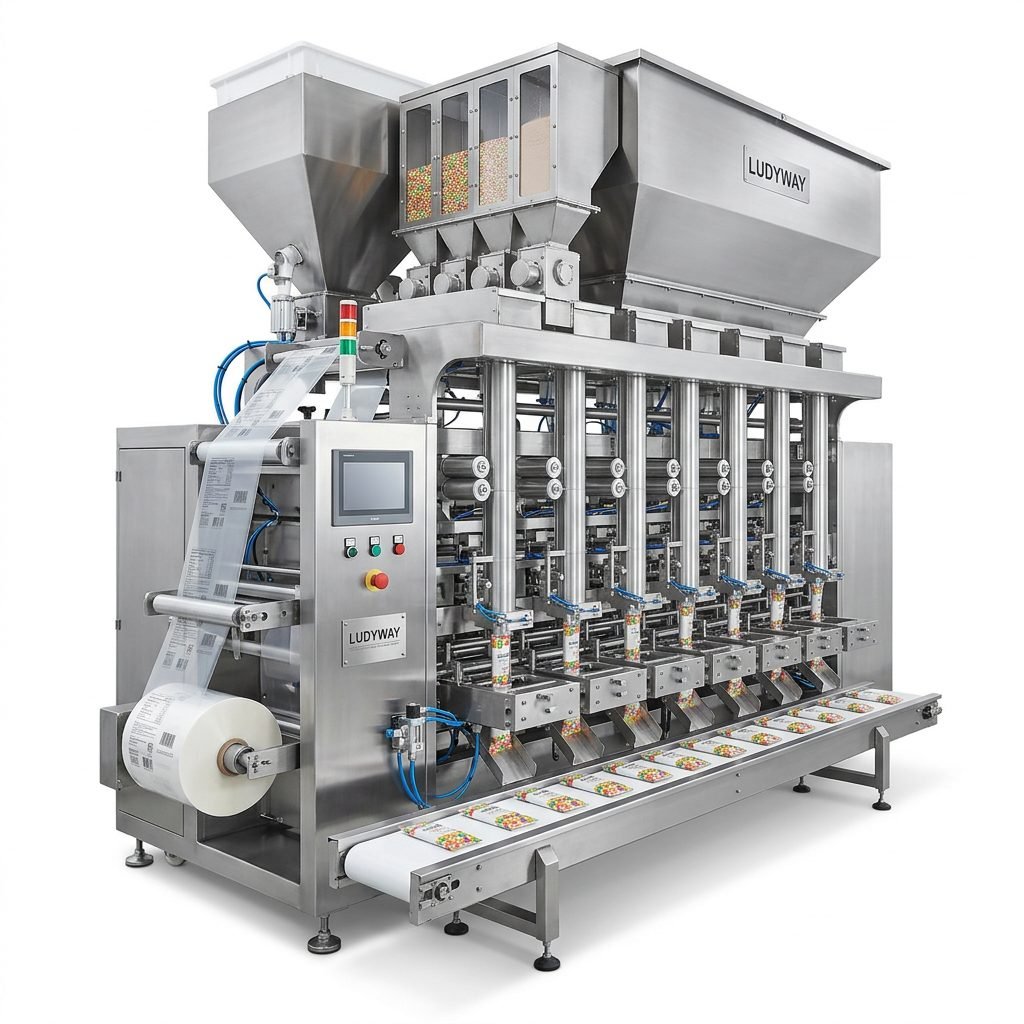
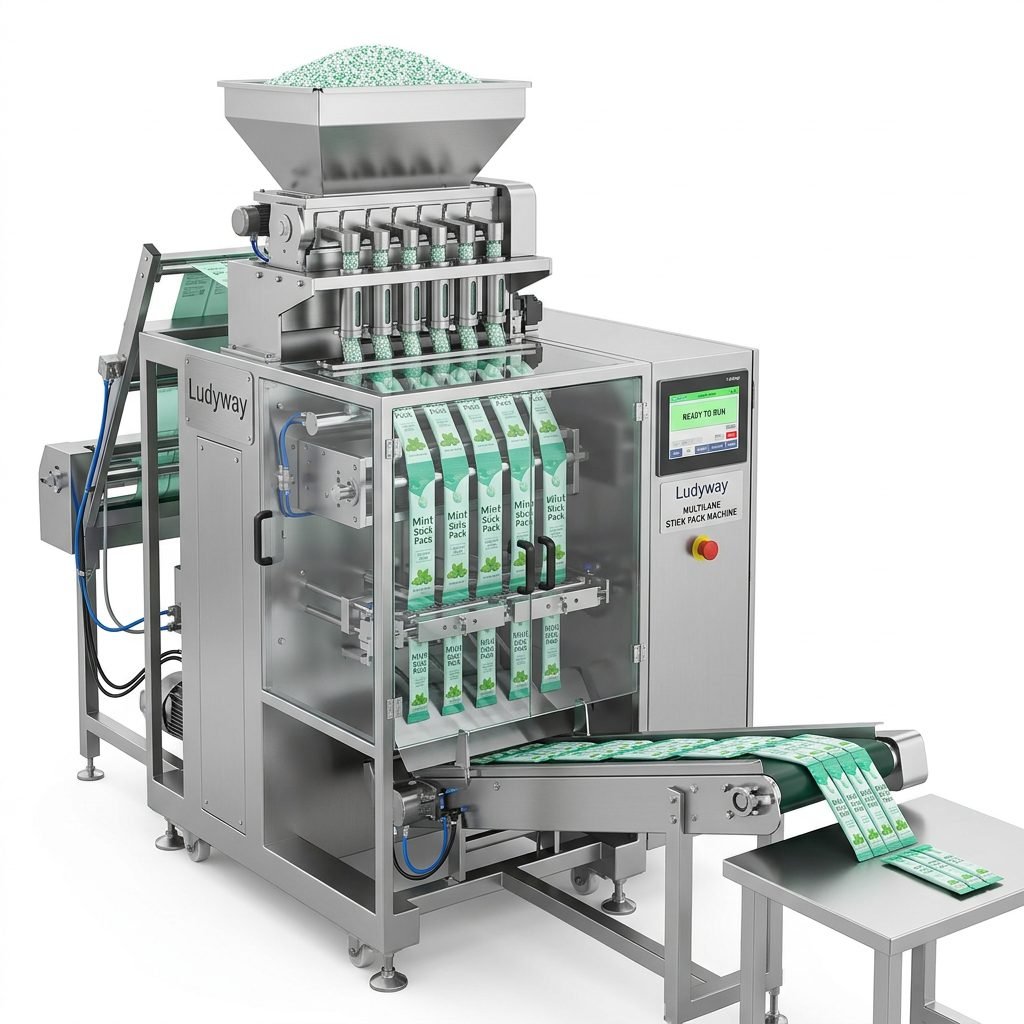
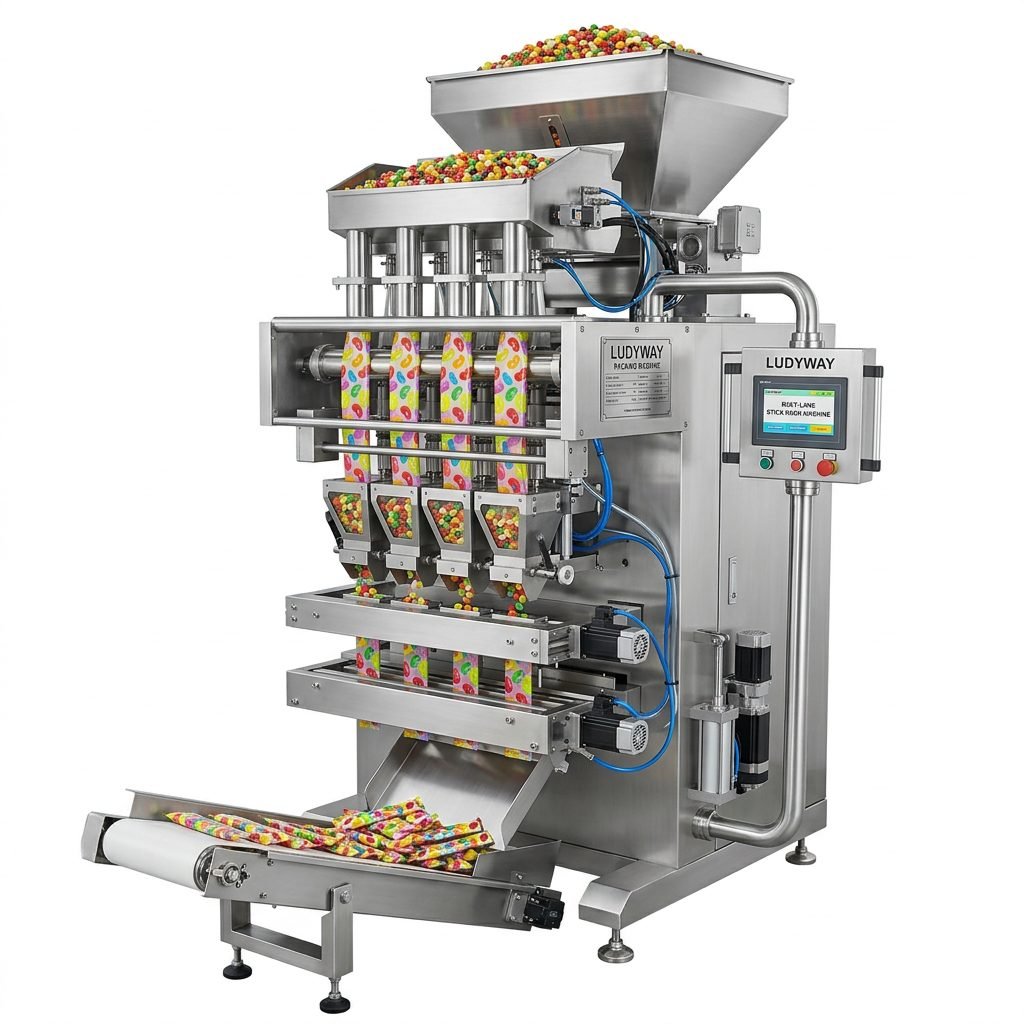
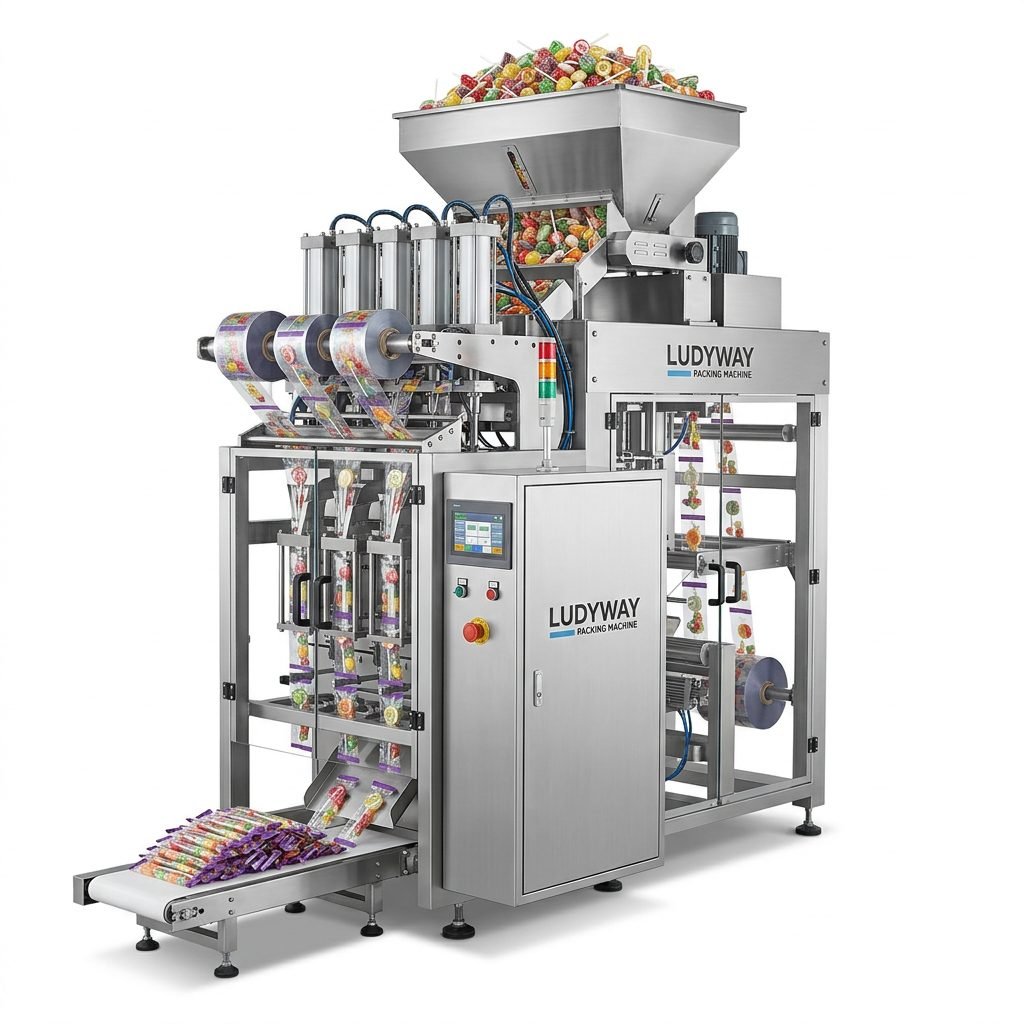
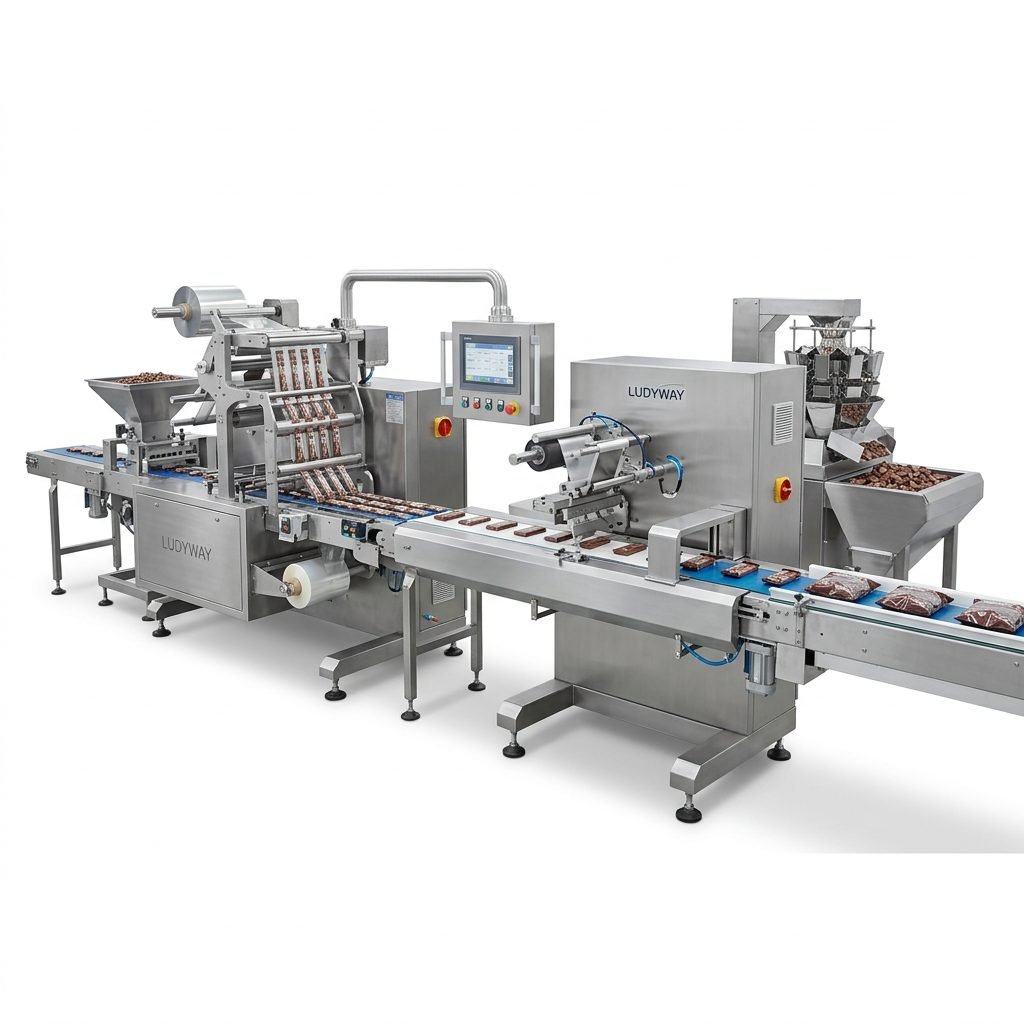
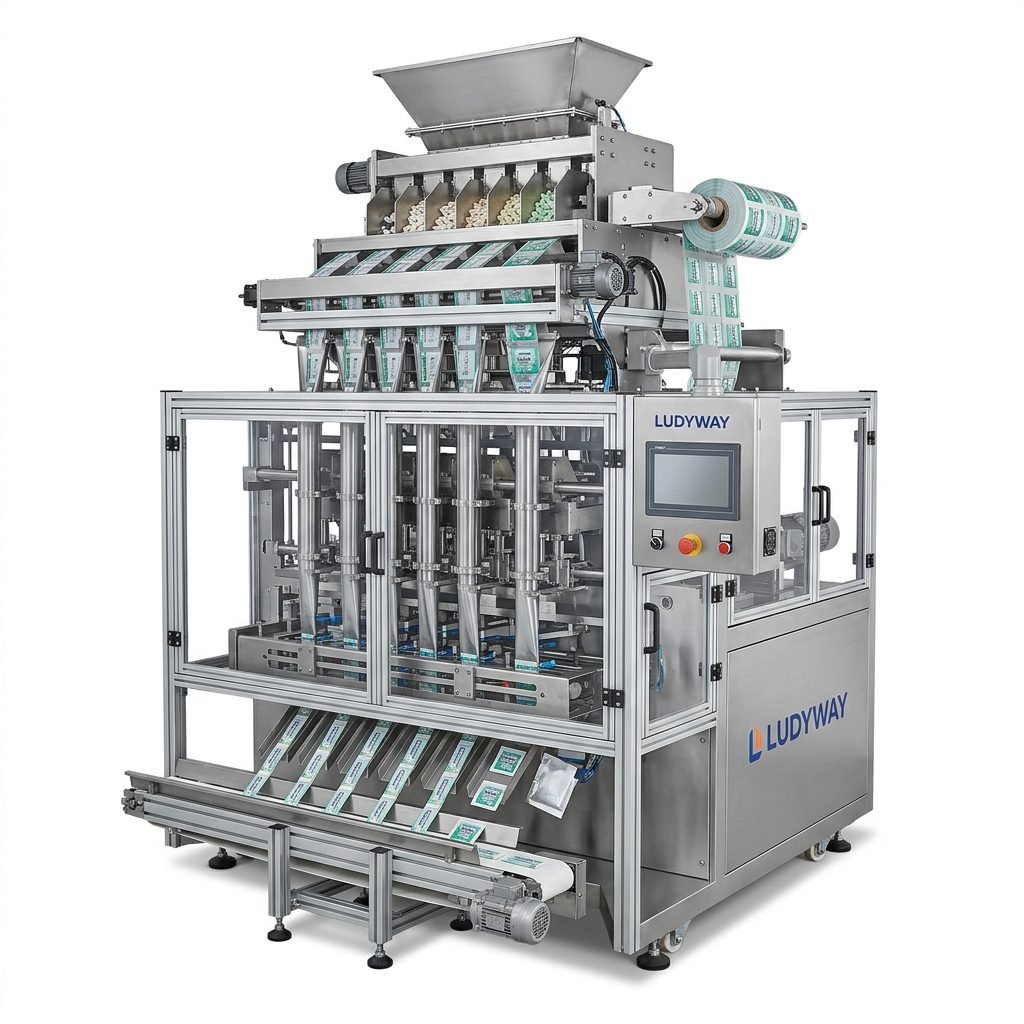
Ludyway Engineering: Precision Packaging Solutions Worldwide
As one of the world’s leading packaging automation manufacturers, Ludyway provides turn-key engineering, servo-driven packaging lines, and dedicated confectionery automation systems.
With over three decades of engineering experience, Ludyway has engineered state-of-the-art confectionery packaging lines for international confectionery brands, nutraceutical gummy processors, and industrial candy manufacturers.
Operating from our modern 20,000㎡ production facility with over 200 high-precision machining units, our technical team specializes in solving complex packaging issues such as product sticking, thermal degradation during sealing, high-speed bag collation, and end-of-line robotic cartoning.
Read Company Profile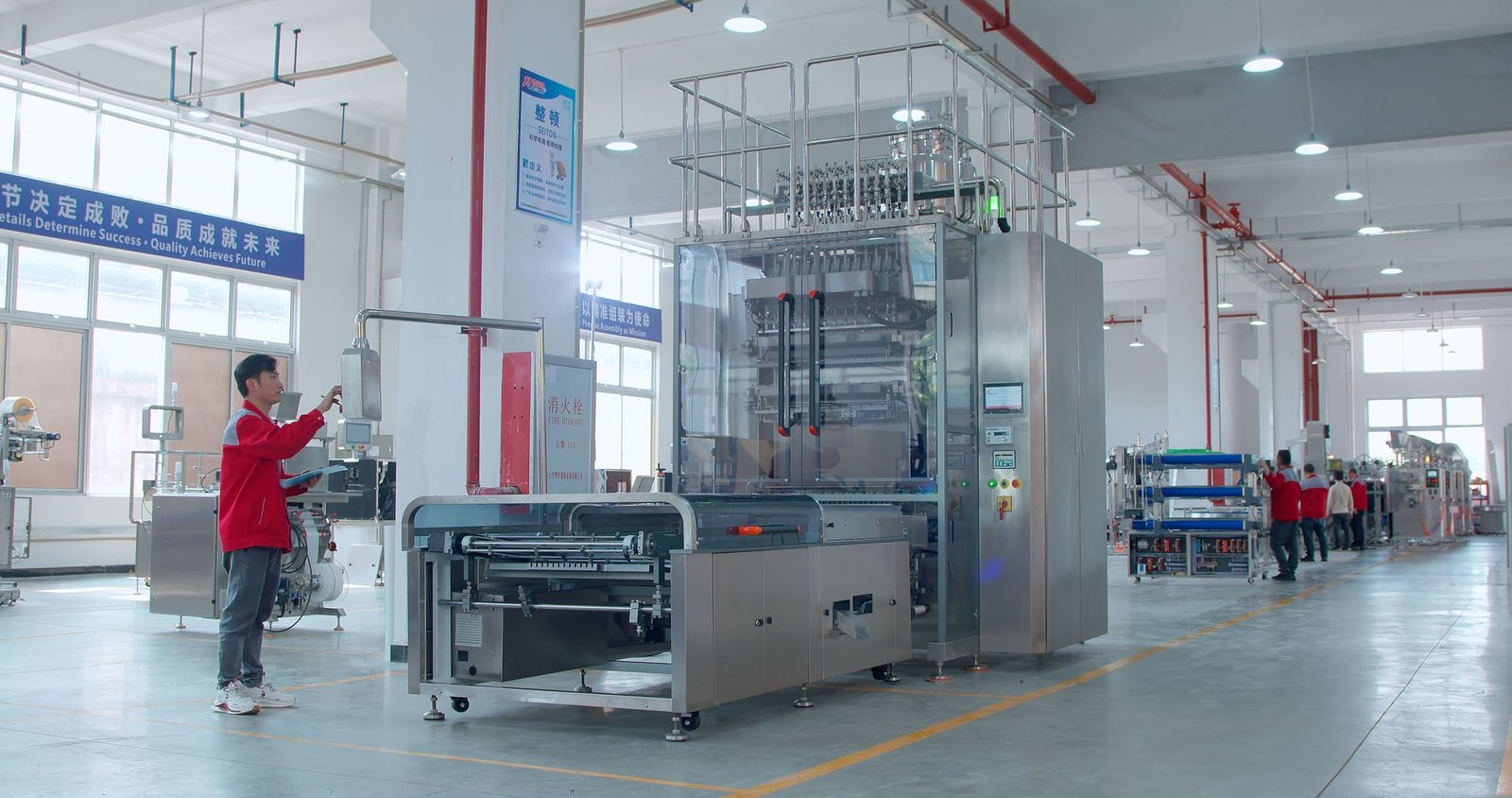
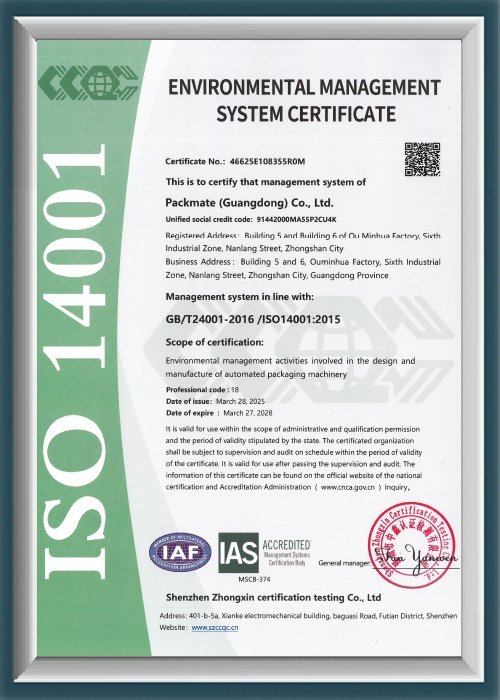
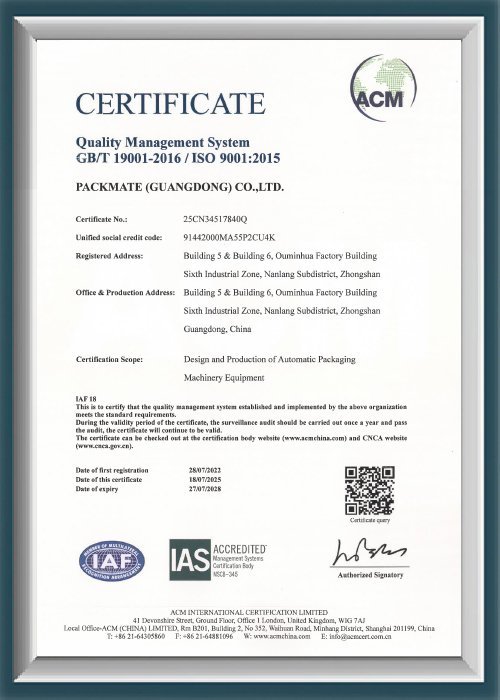
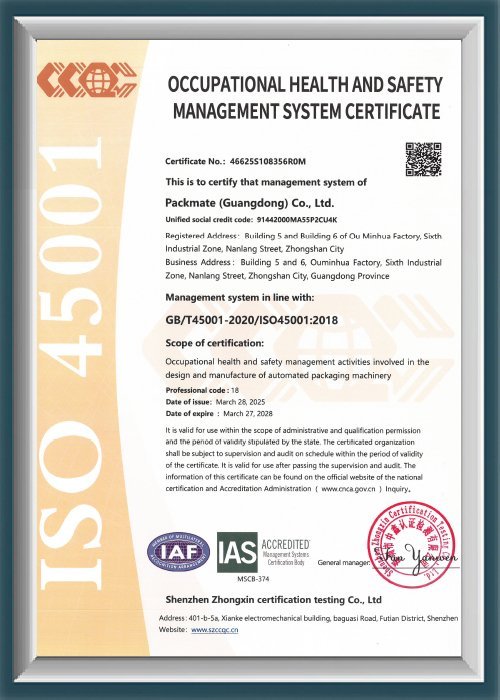
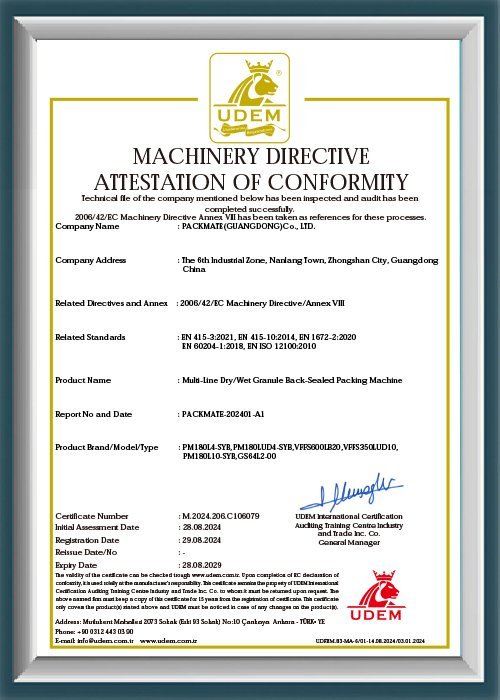
Certified Engineering Standards for Worldwide Confectionery Plants
Every machine manufactured by Ludyway undergoes rigorous FAT (Factory Acceptance Testing) and adheres to international food hygiene, electrical safety, and GMP standards.
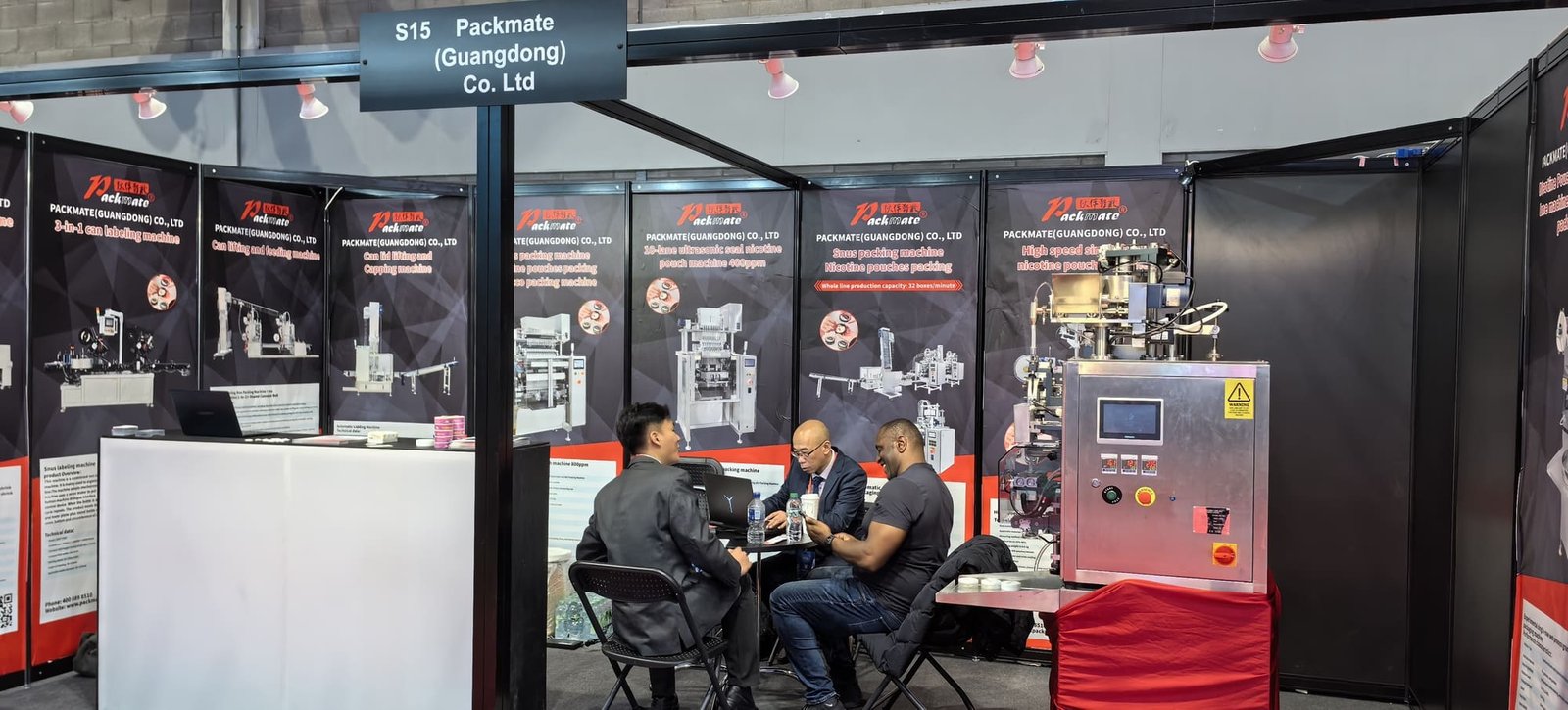
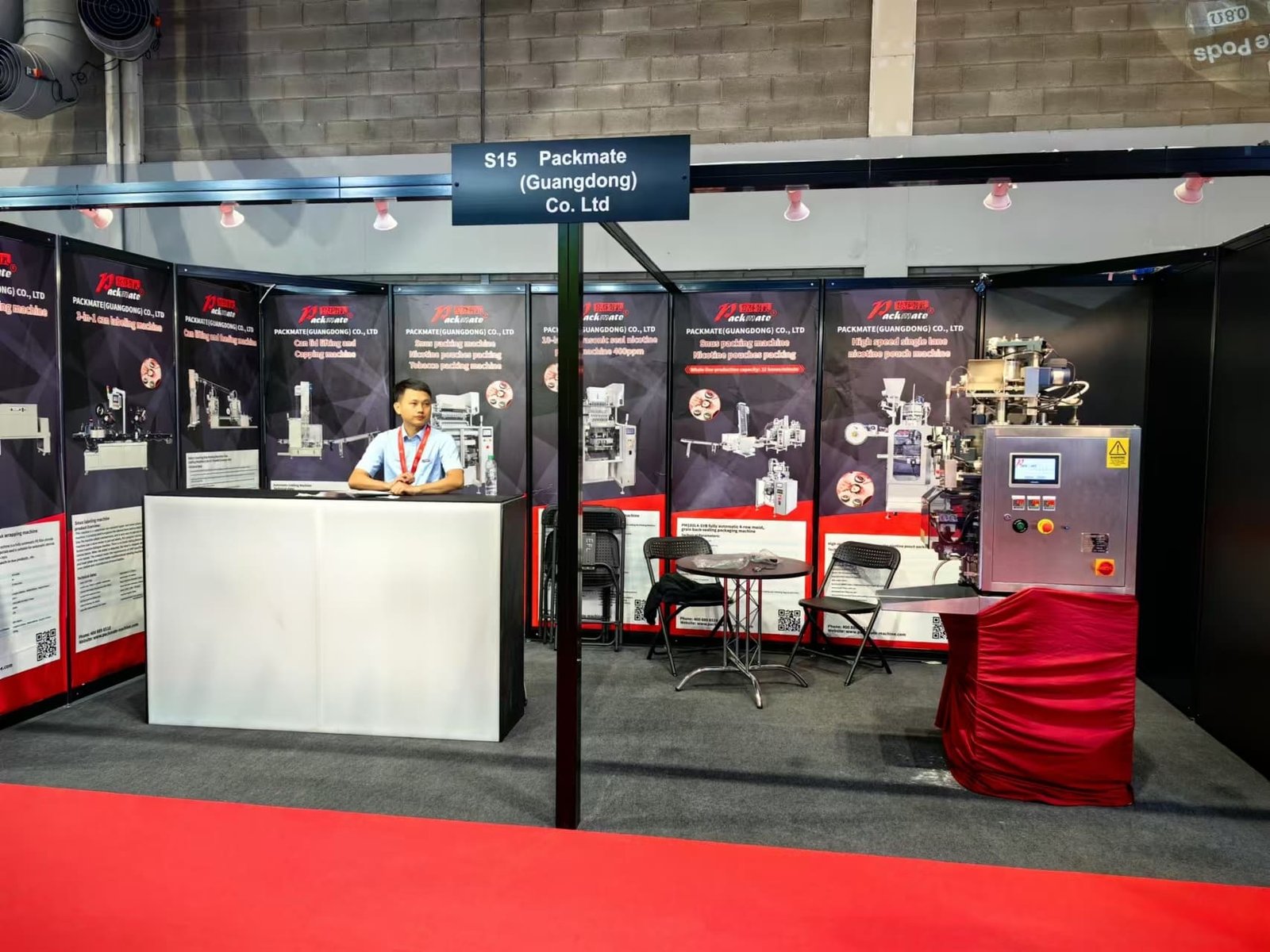
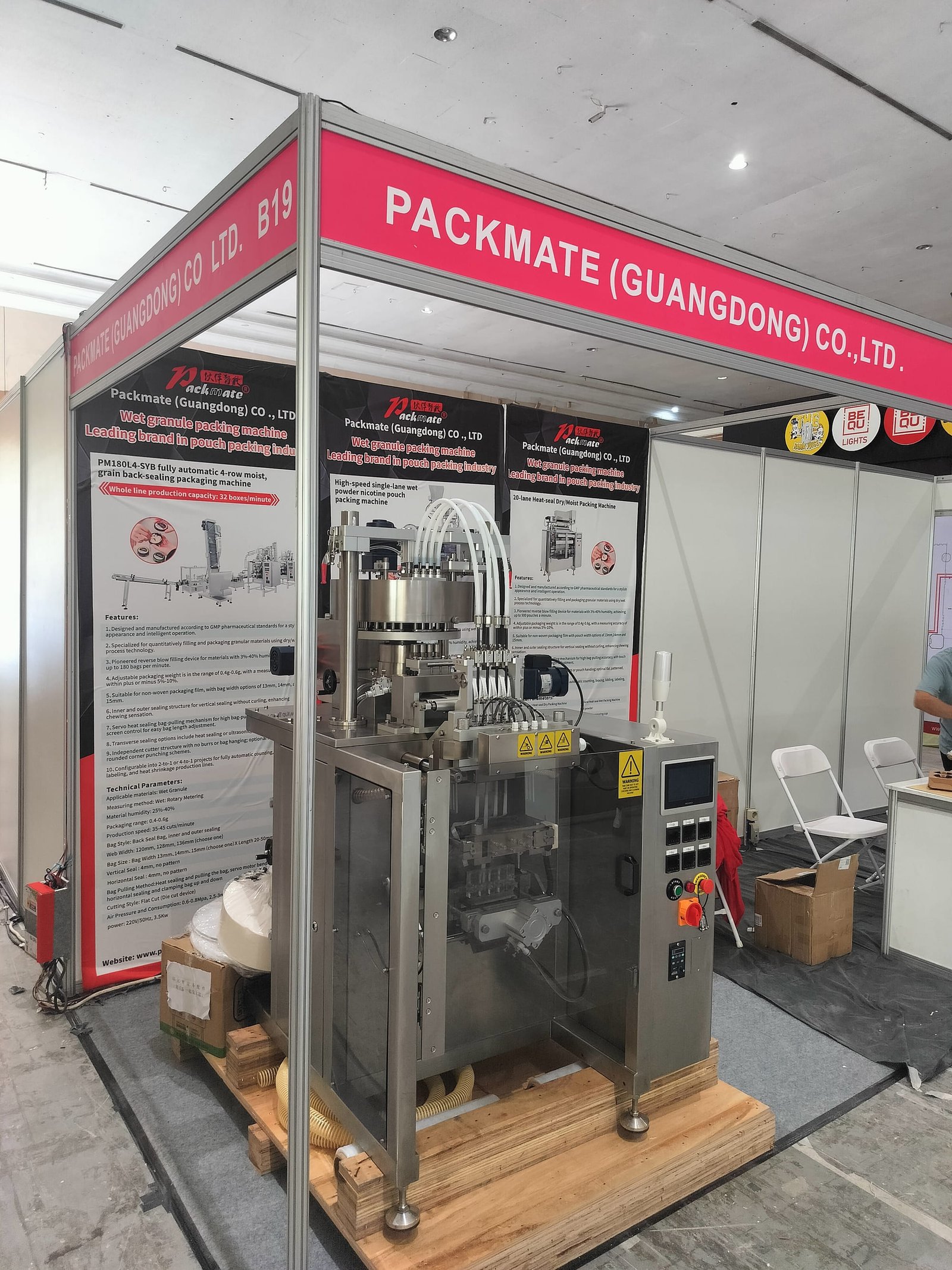
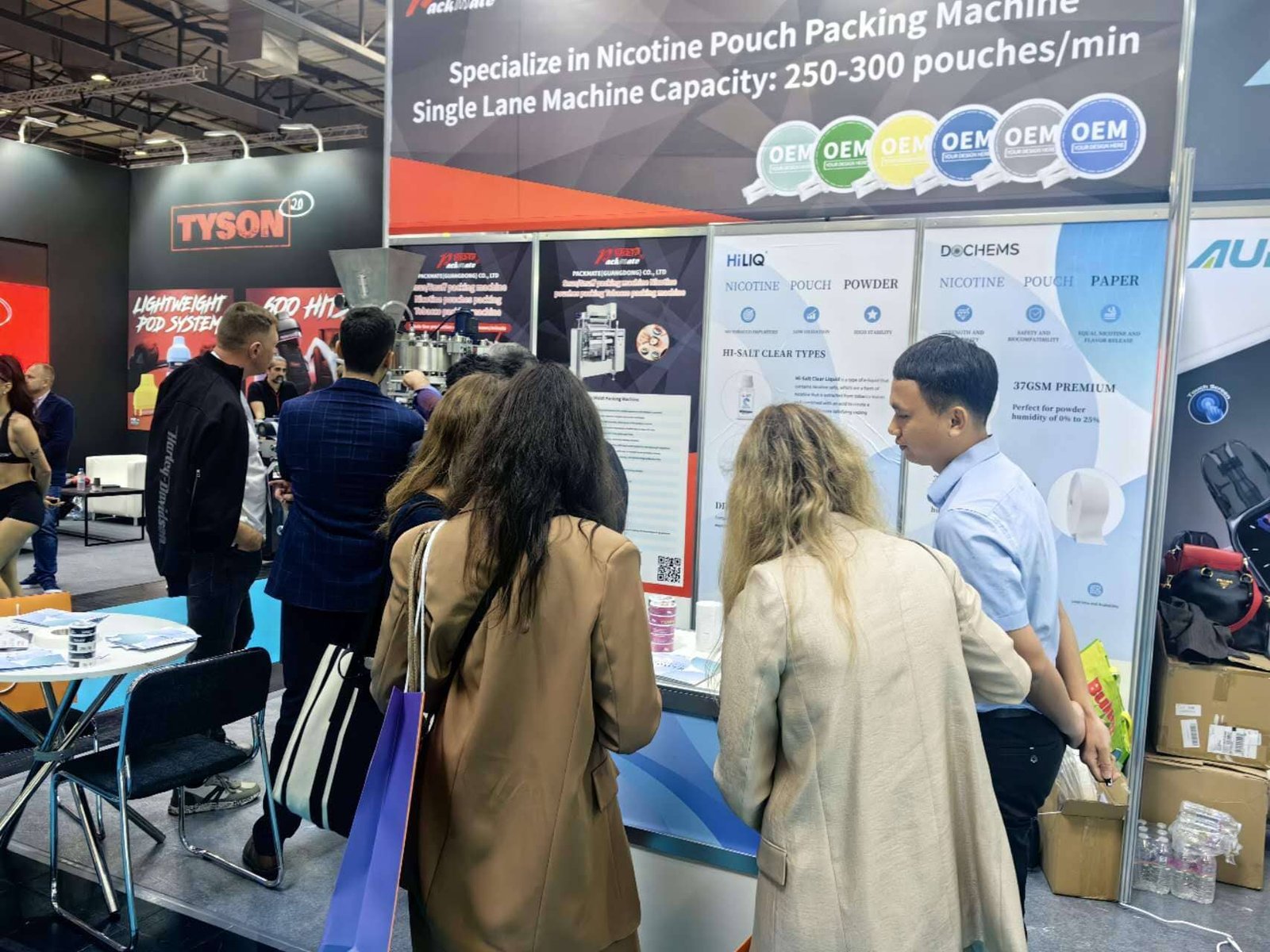
Global Packaging Exhibitions & Client Installations
Meet our automation engineering specialists at international confectionery and packaging expos.
Frequently Asked Questions: Setting Up a Candy Packaging Line
Clear, engineering-driven answers to common confectionery packaging setup questions.
How do you prevent sticky gummies from clogging weigher buckets and chutes?
Gummies exhibit high surface cohesion. In our packaging systems, we use dimpled/embossed 316 stainless steel contact surfaces, PTFE (Teflon) non-stick coatings, steep discharge angles, and synchronized vibratory feeder tracks. In specialized environments, food-grade oil misting or sugar-dosing feeder units maintain consistent product flow.
What is the ideal floor space required for a complete turnkey candy line?
A standard turnkey primary-to-secondary packaging configuration (Bucket Elevator → Multi-Head Weigher → VFFS/Multi-Lane Machine → Outfeed Conveyor → Checkweigher/X-Ray → Automatic Cartoner) typically requires a linear footprint of 12 to 18 meters in length, 4 meters in width, and a minimum ceiling height clearance of 4.5 meters for weigher overhead gantries.
Why is Modified Atmosphere Packaging (MAP) critical for confectionery?
Many functional candies, chocolate-infused products, and vitamin gummies degrade in the presence of oxygen and ambient humidity. Injecting food-grade Nitrogen (N2) displaces oxygen to <1%, eliminating oxidation of active vitamins, preserving vibrant colors, preventing sugar crystallization, and creating an internal gas cushion that shields fragile candies from crushing.
How fast can an automated multi-lane candy stick pack machine run?
Ludyway multi-lane stick pack and sachet machines operate from 4 lanes up to 12 lanes simultaneously. Running speed depends on confectionery dosing volume and film characteristics, typically achieving between 200 to 600 finished packs per minute with servo-controlled sealing kinematics.
What changeover time is required when switching between different candy bag sizes?
Modern Ludyway packaging lines feature tool-less quick-release forming tubes, adjustable bag length settings via touchscreen HMI, and recipe memory presets. A standard size changeover takes between 15 to 30 minutes, minimizing production downtime during batch transitions.
Ready to Architect Your Automated Candy Packaging Line?
Get in touch with Ludyway’s senior packaging engineers for tailored floor layout blueprints, sample testing, equipment validation, and turnkey project quotes.
