
How to Set Up a Canned Food Packaging Line: Step-by-Step Guide
A comprehensive engineering roadmap for food processors, co-packers, and manufacturing directors seeking to plan, specify, install, and optimize a high-efficiency automated canned food packaging line.
Understanding Modern Canned Food Packaging Systems
Setting up a canned food packaging line is one of the most critical capital investments a food processing plant can undertake. Whether canning ready-to-eat meals, soups, legumes, sauces, beverages, or infant nutrition, a modern packaging line must seamlessly blend extreme operational efficiency, hermetic seal integrity, microbiological safety, and regulatory compliance.
A turnkey canning line operates as a synchronized ecosystem where raw containers travel from depalletizing through cleaning, precision filling, liquid topping, nitrogen purging, vacuum seaming, thermal retort sterilization, labeling, and robotic case palletizing. Any minor throughput bottleneck or seal failure can lead to catastrophic downtime or commercial recall.
Core Objective: The target of a contemporary automated canning line is to achieve minimal human intervention (<2 operators per line), maximize Overall Equipment Effectiveness (OEE > 88%), and guarantee absolute sterility under FDA, HACCP, and ISO 22000 mandates.
Before procuring hardware, engineering leaders must balance production parameters including container geometries (2-piece vs. 3-piece tinplate, aluminum, or composite cans), food rheology (solid chunks, viscid pastes, particulate slurries, or liquid broths), and required cycles-per-minute (CPM).
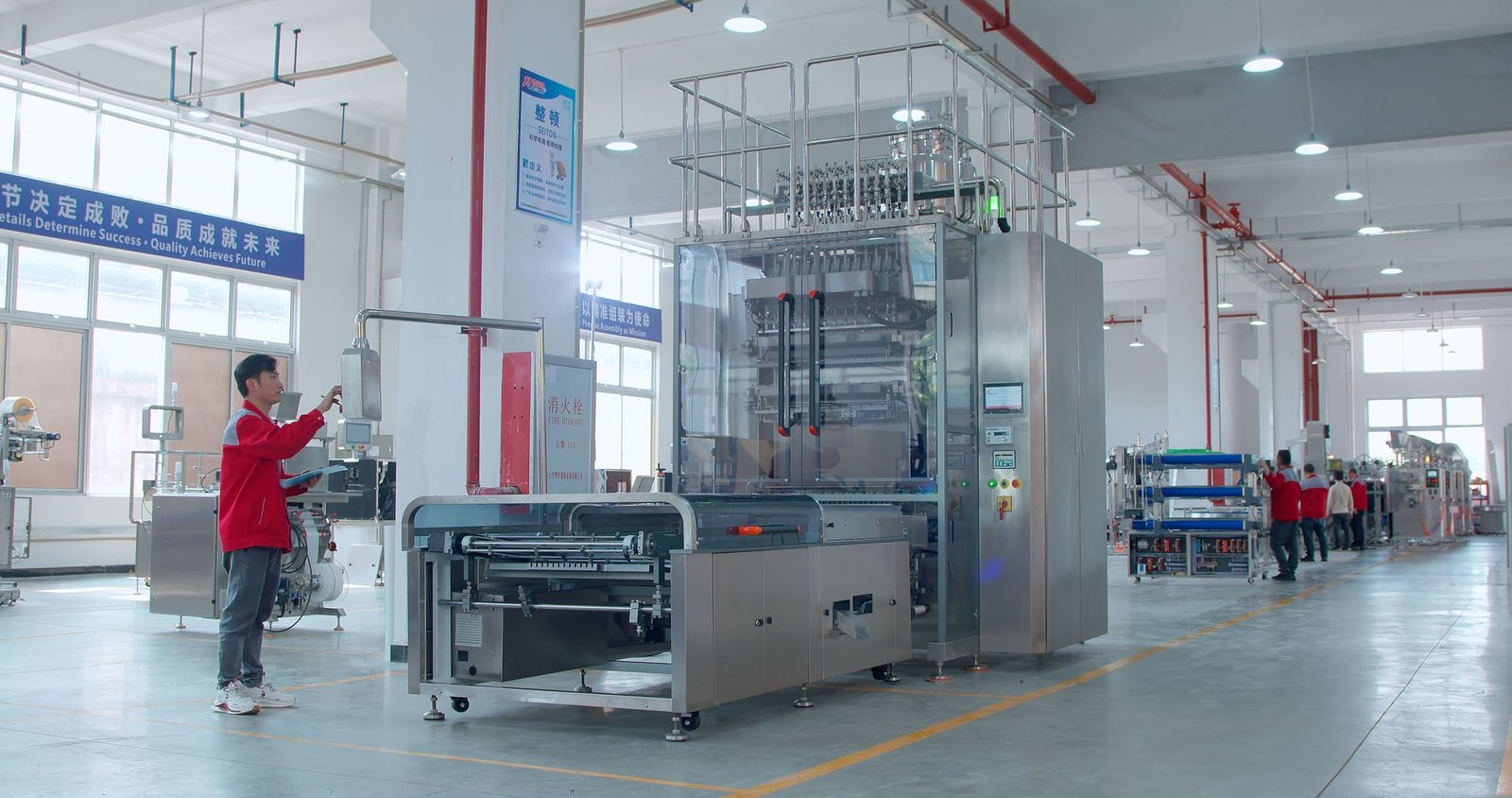
Step-by-Step Guide to Setting Up Your Canning Line
Depalletizing, Can Feeding & Inversion Sanitization
The packaging line begins with automatic high-level or magnetic depalletizers that sweep empty metal or composite cans onto accumulation tables. From here, single-filing conveyors channel containers through an ionized air-rinsing or steam inversion tunnel to purge dust, metallic particulates, or foreign matter before entering the sanitary processing zone.
Multi-Head Solid Dosing & Liquid Filling
Depending on food characteristics, filling operates as a single-stage or dual-stage process. For composite canned meals (e.g., meat chunks and broth, or beans in brine), multi-head combination weighers or volumetric piston dosers accurately deposit the solid phase, followed by rotary vacuum piston fillers delivering sauce or brine at controlled temperatures (80°C–85°C) to displace oxygen pockets.
Nitrogen Flushing, Headspace Control & Vacuum Seaming
The seamer is the beating heart of the canning line. Cans receive liquid nitrogen dosing or steam vacuum evacuation immediately before the lid is pressed. Rotary seaming chucks execute a double seam (1st roll curl interlocking, 2nd roll compression ironing) to form a hermetic, microbial-proof seal capable of withstanding retort pressures.
Post-Seam Washing & Continuous Retort Sterilization
Sealed cans pass through hot-water exterior wash tunnels to strip residual grease and food particulates before loading into retort baskets. Steam-air or water-immersion retorts subject the batch to commercial sterilization temperatures (121.1°C / 250°F) to eliminate Clostridium botulinum spores while maintaining uniform internal counterpressure to prevent container deformation.
Drying, Online Quality Inspection & Non-Destructive Testing
Sterilized cans are blasted by high-velocity air knives to eliminate surface moisture before inspection. Cans pass through inline dynamic checkweighers, acoustic/proximity vacuum testers (detecting flat or micro-leaking ends), and dual-energy X-ray or metal detection systems to guarantee physical purity.
High-Speed Labeling, Sleeve Application & Date Coding
Dry, validated cans move to roll-fed hot-melt glue labelers, self-adhesive pressure-sensitive systems, or full-body shrink sleeve applicators. High-speed continuous inkjet (CIJ) or fiber laser printers apply production timestamps, batch codes, and expiration data on either the can bottom or lid with machine-vision verification.
Secondary Packing: Wrap-Around Case Packing & Robotic Palletizing
The end-of-line system automatically groups cans into 12, 24, or 48-pack configurations, forming wrap-around corrugated cartons or corrugated trays with heat-shrink film. Cartons are sealed, inspected, and directed to a high-speed gantry or articulate robot palletizer, followed by automatic stretch wrapping and RFID pallet labeling.
Canned Line Configurations: Low, Medium & High-Speed Systems
| Line Classification | Target Output (CPM) | Primary Filling Technology | Seaming Head Count | Sterilization Method | Recommended Application |
|---|---|---|---|---|---|
| Craft / Pilot Line | 30 – 80 Cans/Min | Linear Piston / Semi-Auto Weigher | 1 – 2 Rotary Heads | Static Batch Retort (Manual Load) | Specialty sauces, craft pet treats, trial batches |
| Medium-Scale Line | 100 – 250 Cans/Min | Rotary Volumetric Piston / Multi-Head | 4 – 6 Rotary Heads | Automated Basket Batch Retorts | Canned fruits, vegetables, chili sauces, broths |
| High-Speed Industrial | 300 – 600+ Cans/Min | Multi-Stage Solid + Gravity/Vacuum Liquid | 8 – 12 High-Precision Heads | Continuous Hydrostatic / Rotary Retorts | High-volume tuna, infant formula, ready meals |
| Nitrogen / Aseptic Line | 150 – 400 Cans/Min | Flowmeter / Multi-Nozzle Cleanroom Dosing | Servo-Driven Vacuum Seamer | UHT + Aseptic Tunnel Can Sterilizer | Dairy drinks, nutraceuticals, liquid coffee |
Essential Auxiliary Equipment for Turnkey Operation
Dynamic Checkweighing & Metal Detection
High-speed dynamic inline checkweighers and high-sensitivity conveyorized metal detectors identify underfilled cans and foreign metallic inclusions, preventing out-of-spec goods from reaching distribution.
Material Handling & Bucket Elevators
Sanitary vertical Z-type bucket elevators and screw conveyors convey raw food solids, grains, powders, and ingredients into multi-head weighers with zero product degradation.
Secondary Carton Erecting & Sealing
Automate your line’s end section with heavy-duty carton erectors and automatic case sealing machines, supporting high-throughput transit packing for domestic and export retail channels.
Featured Food Packaging & Inspection Systems
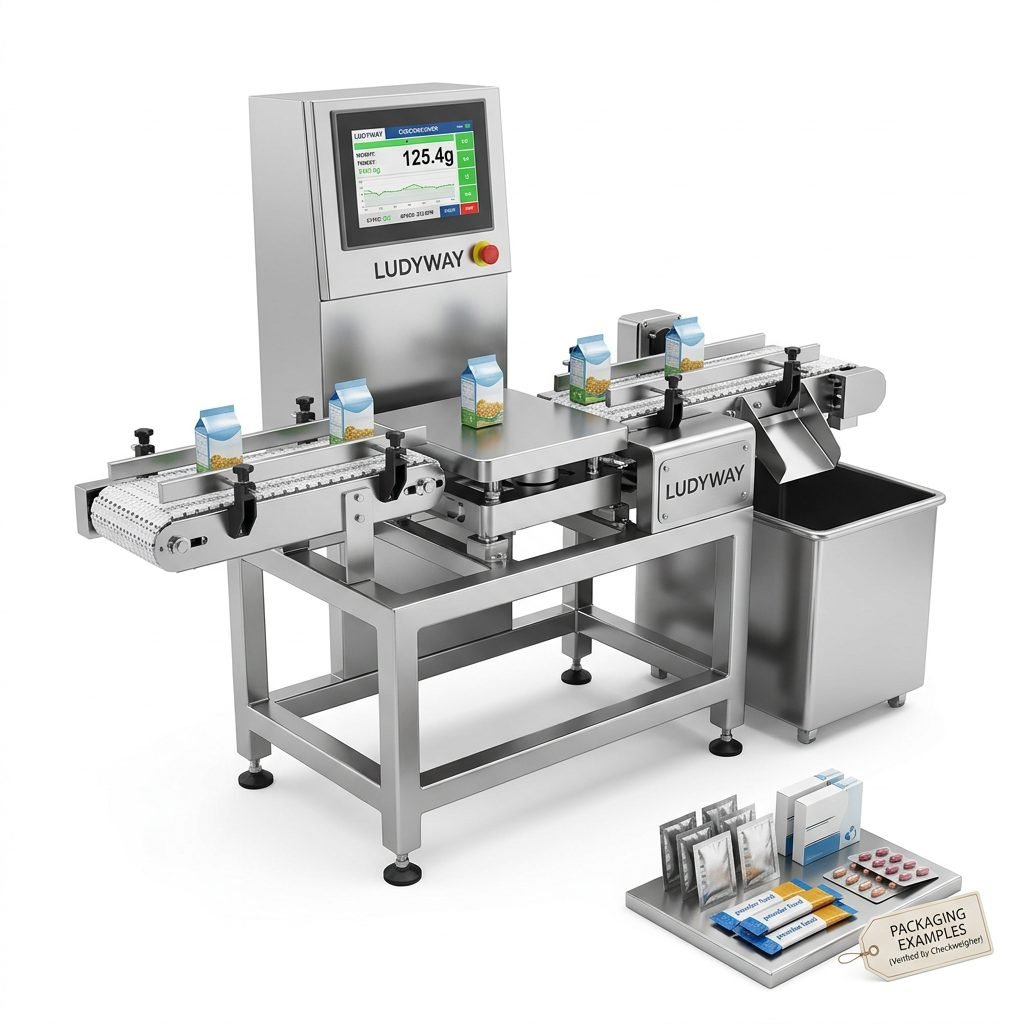
High-Precision Checkweigher for Food Lines
View Details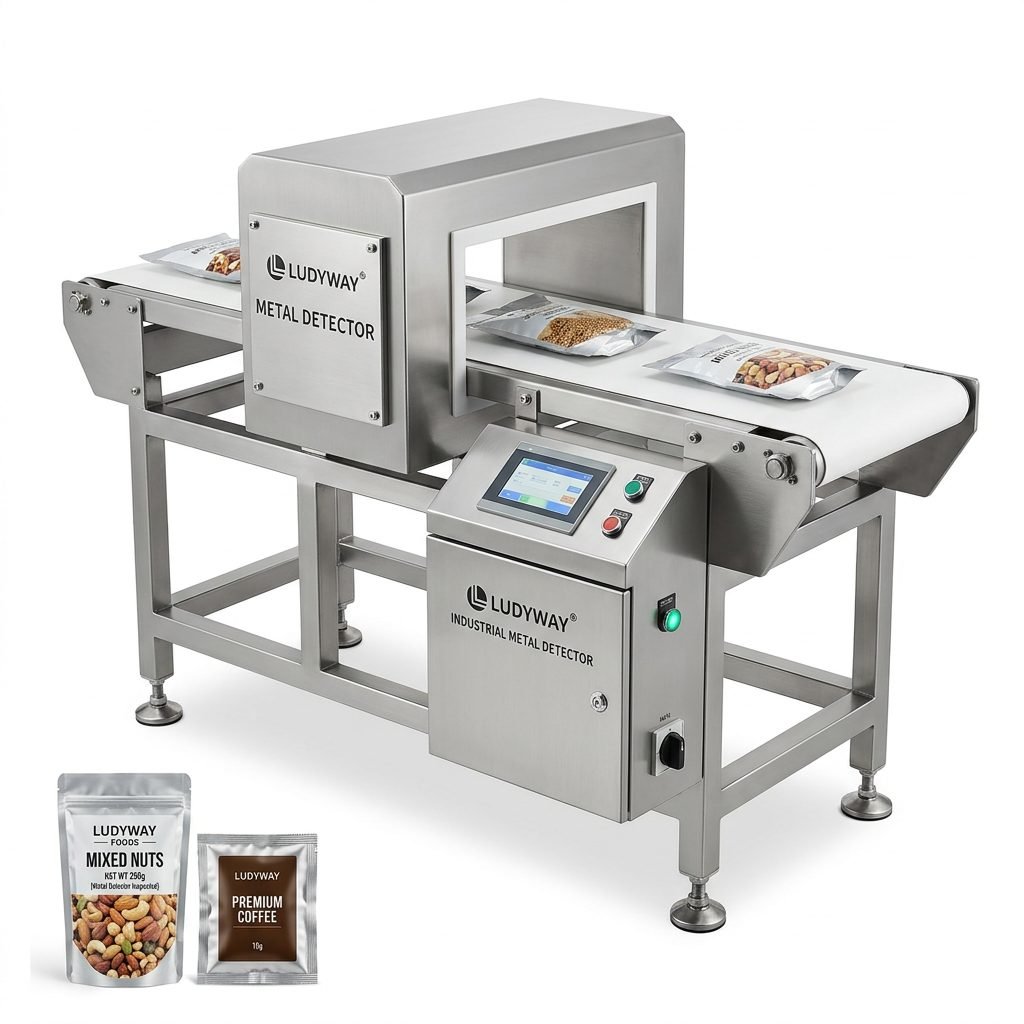
Industrial Metal Detector for Food Processing
View Details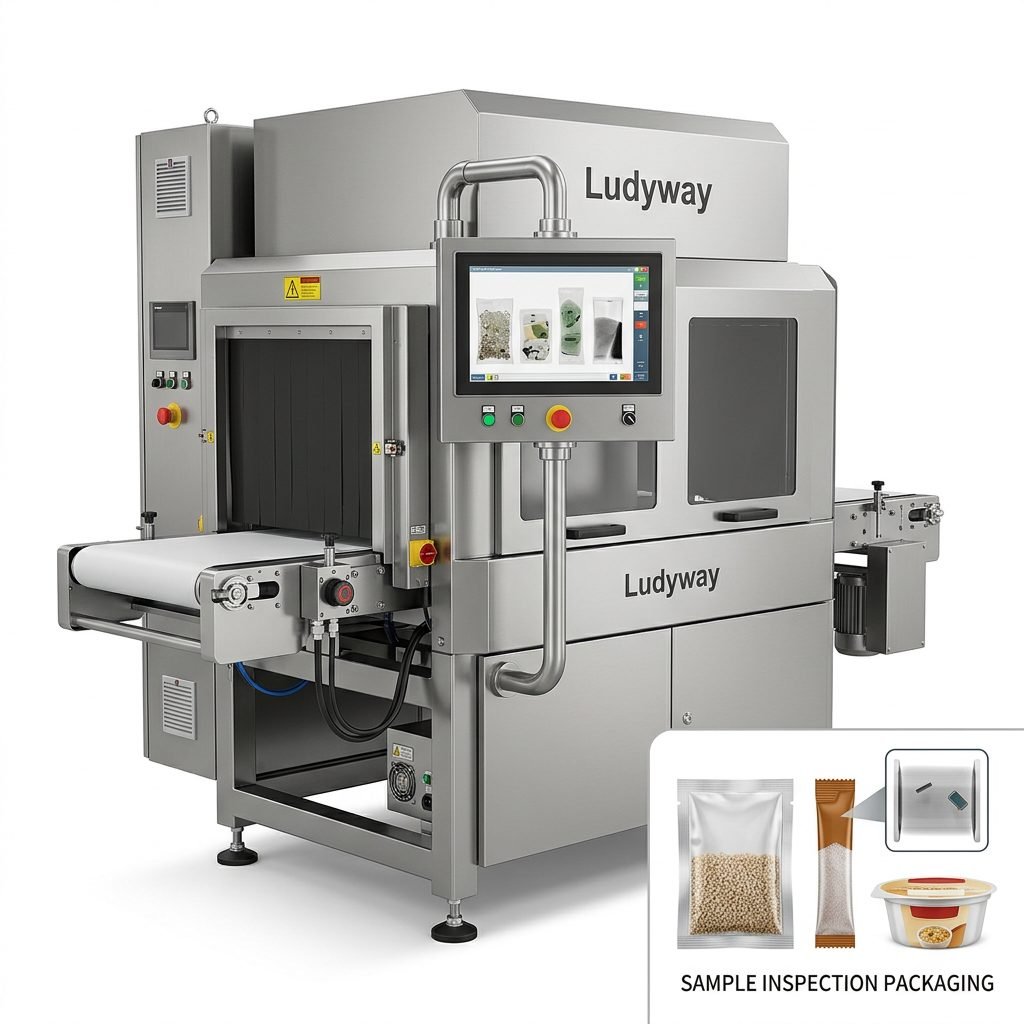
Industrial X-Ray Quality Inspection System
View Details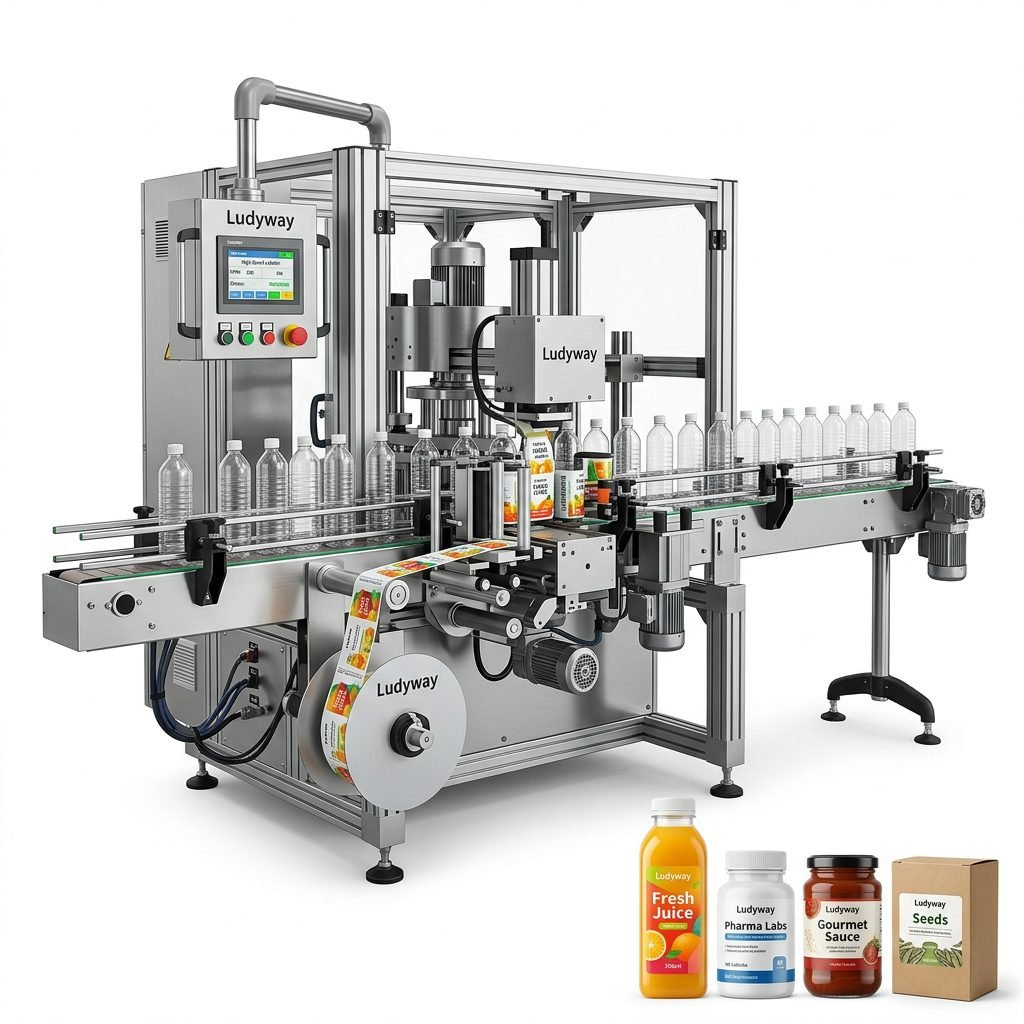
Automatic High-Speed Container Labeling Machine
View Details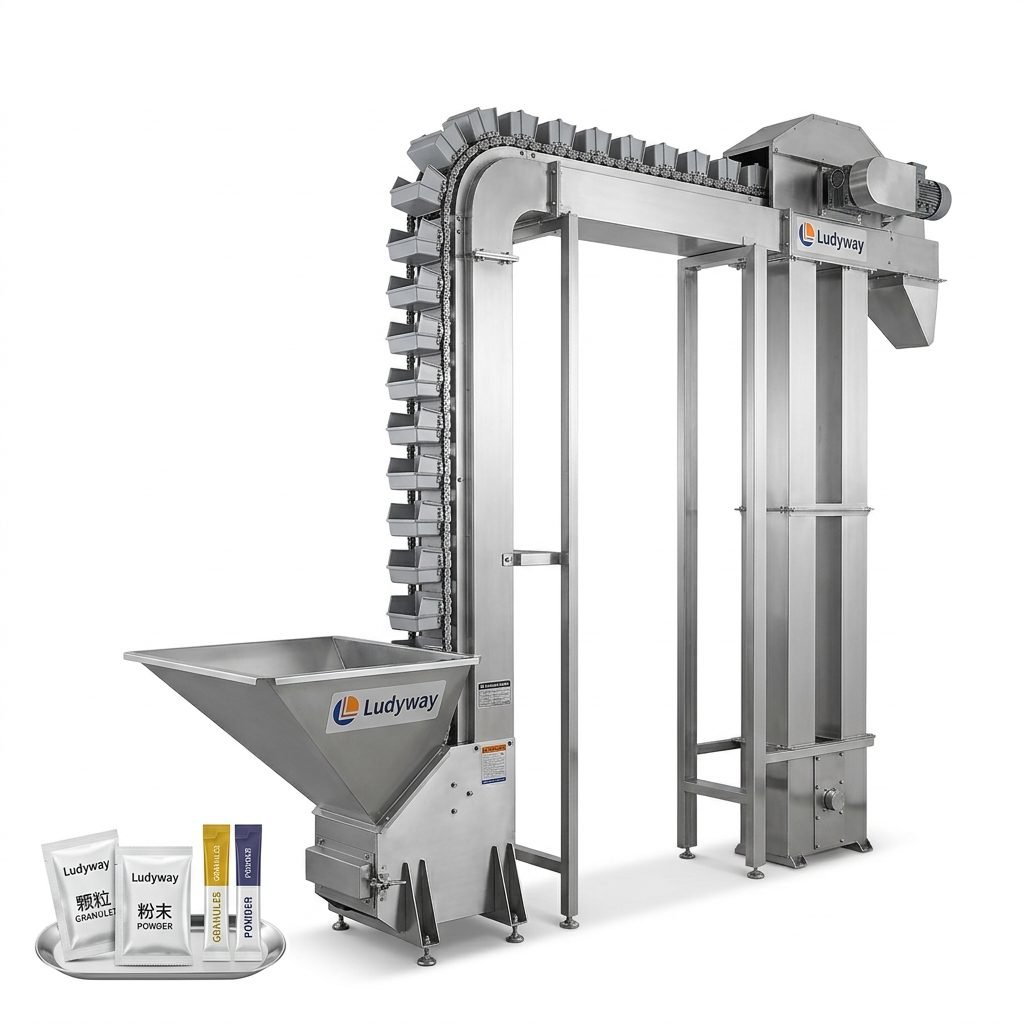
Z-Type Bucket Elevator for Food Feeding
View Details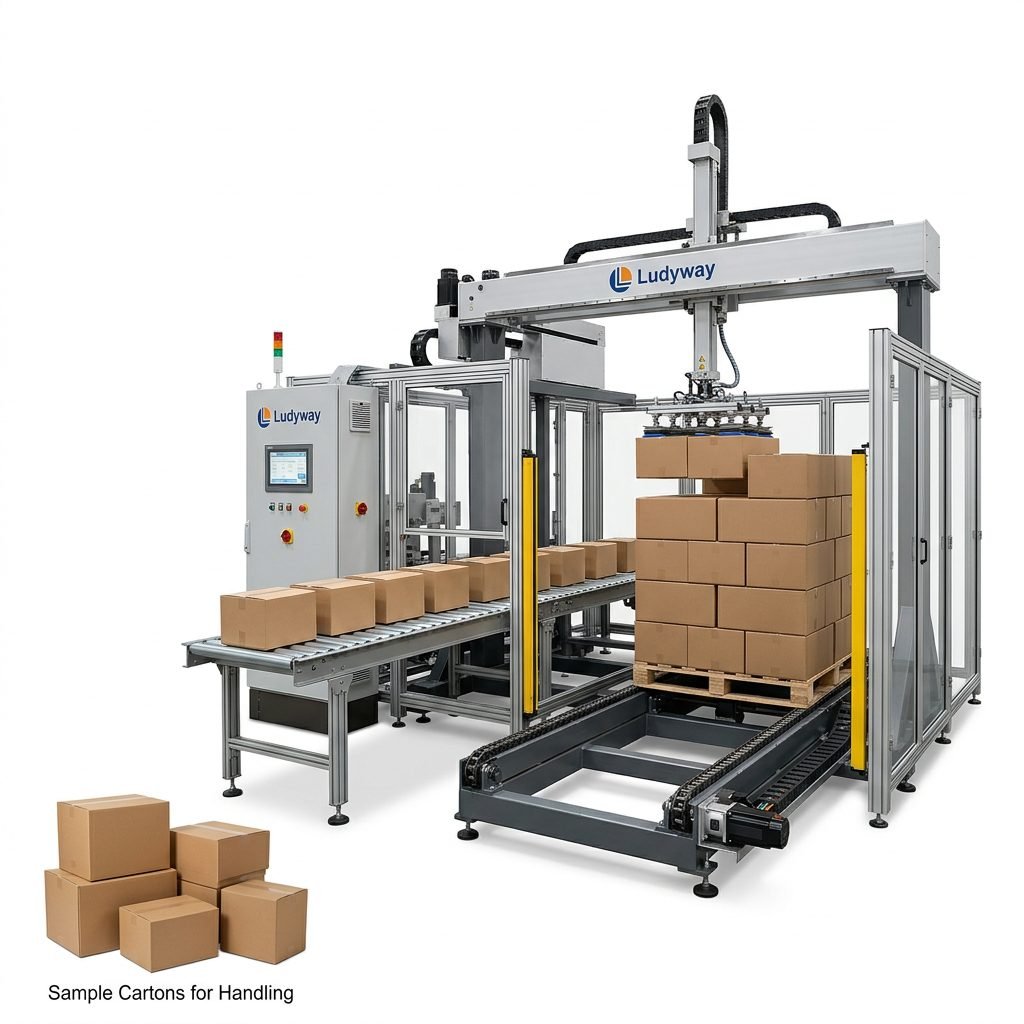
High-Speed Automatic Line Depalletizer
View Details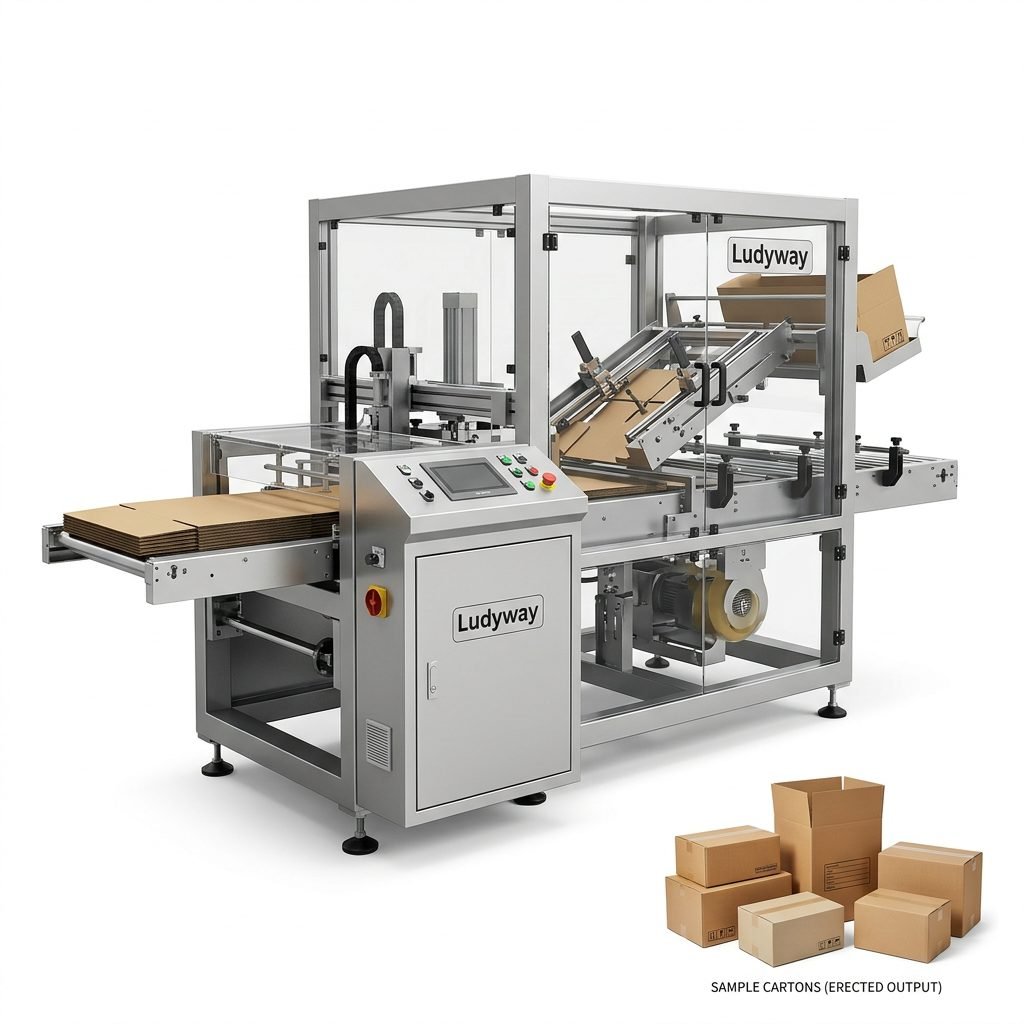
Automatic High-Speed Carton Erector Setup
View Details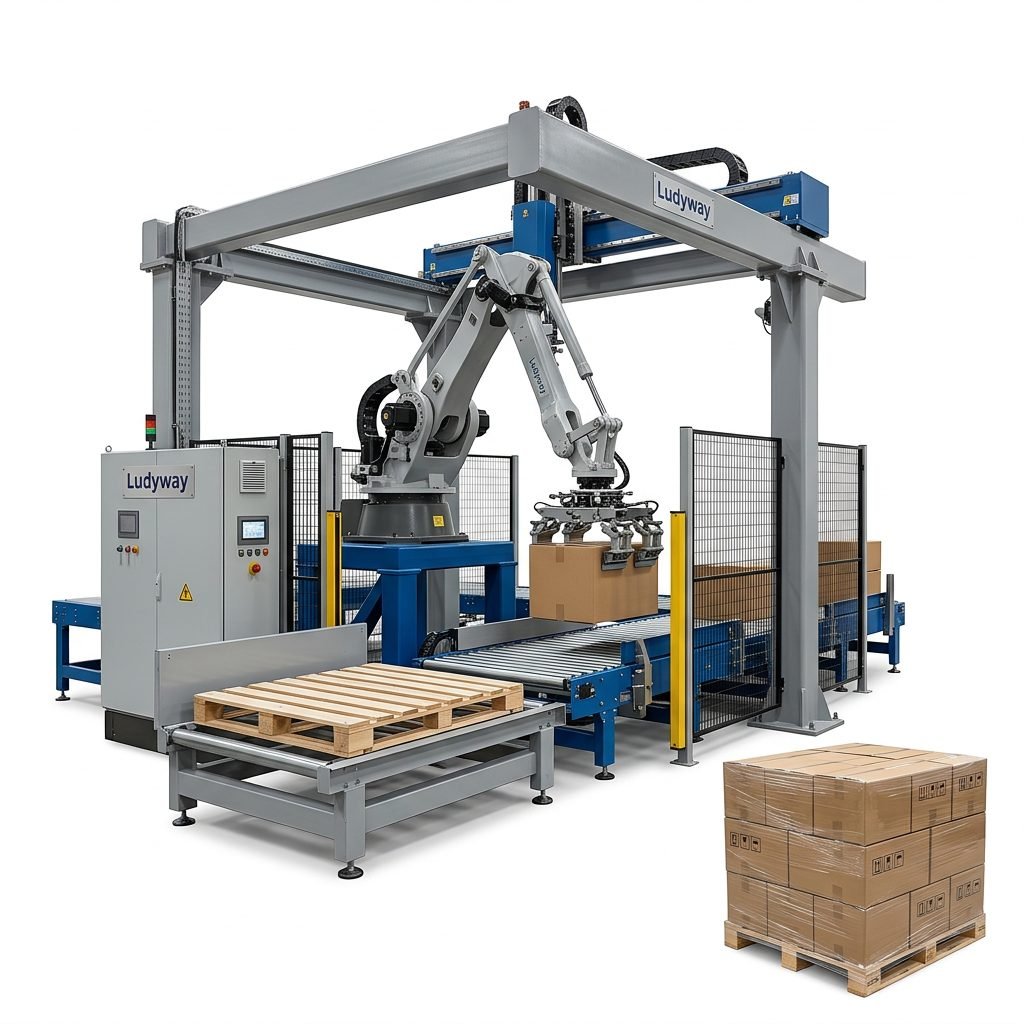
Industrial Palletizer for Automated Stacking
View DetailsWhy Global Processors Partner With Ludyway
As one of the industry leaders in packaging automation, Ludyway specializes in turnkey production lines for the food, beverage, health, and pharmaceutical sectors. Backed by 30+ years of engineering heritage and a state-of-the-art 20,000㎡ manufacturing facility, we provide end-to-end line integration, FAT testing, and overseas commissioning across 100+ countries.
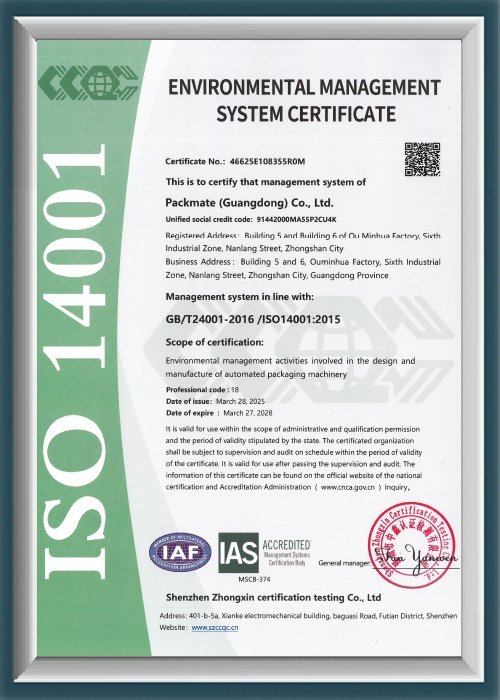
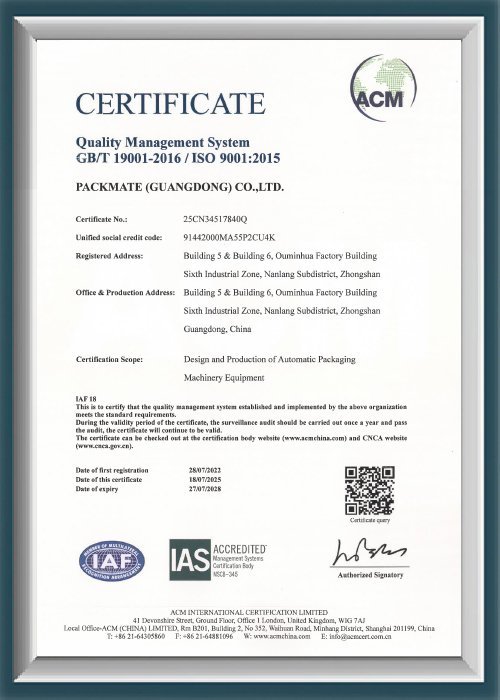
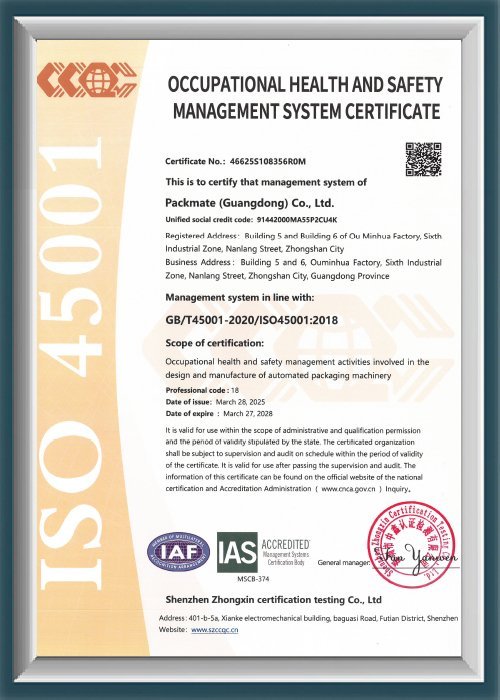
International Quality Certifications
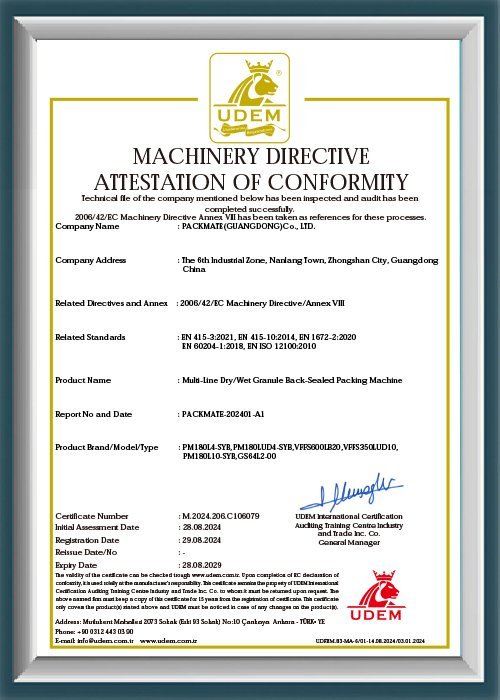
Trusted by Industry Leaders Worldwide


Frequently Asked Questions: Canned Food Line Setup
What is the total footprint required for an automated canning line?
A standard medium-speed canned food line (100–250 CPM) including depalletizer, filling-seaming block, retort loading, batch retorts, labeling, and robotic palletizing typically requires 350㎡ to 600㎡. High-speed continuous lines with spiral hydrostatic sterilizers may require 800㎡+ with minimum ceiling clearances of 6 to 8 meters.
How do we prevent double seam leakage and micro-leaks?
Double seam integrity relies on three factors: precision tooling tolerances (1st and 2nd seaming rollers), consistent flange dimensions of incoming empty cans, and routine destructive and optical seam projector inspections every 2 to 4 operational hours to verify body/end hook overlap and tightness ratings.
What utilities are required to operate a commercial canning plant?
Key industrial utilities include high-pressure industrial steam (6–8 bar) for retorts and vacuum seaming, filtered compressed air (6–7 bar, dry & oil-free), clean culinary water with high flow rates for cooling and CIP systems, and high-capacity electrical supply (3-phase 380V/440V, 50/60Hz).
Can one canning line handle multiple container sizes and heights?
Yes. Modern lines feature quick-changeover change parts (starwheels, timing screws, seaming chucks, and height-adjustable conveyor rails). Diameter changeovers typically require 45–90 minutes, whereas simple can height adjustments take under 20 minutes with servo-motorized synchronization.
Ready to Engineer Your Automated Canning Production Line?
Connect directly with Ludyway’s turnkey systems engineering team. We deliver custom 2D/3D plant layout designs, complete mass-flow calculations, and fully integrated packaging machinery tailored to your output goals.
