
How to Set Up a Chocolate Packaging Line: Step-by-Step Guide
Discover the complete industrial engineering blueprint for configuring, integrating, and optimizing a high-speed, temperature-controlled automated chocolate packaging line. From primary wrapping and cold sealing to automated robotic cartoning and inspection systems.
Why Chocolate Packaging Requires Specialized Automated Engineering
Setting up a chocolate packaging line differs substantially from packaging standard dry confectionery or solid pharmaceutical tablets. Chocolate is a thermo-sensitive, rheologically complex confectionery product with a low melting point (typically 30°C to 34°C / 86°F to 93°F) and a high susceptibility to fat bloom, sugar bloom, moisture absorption, and physical breakage. A poorly engineered packaging environment or improper machine mechanics can destroy product gloss, snap, aroma, and shelf appeal within seconds.
Thermal & Melting Point Sensitivity
Cocoa butter undergoes polymorphic crystallization. Excessive friction along product guides, motor radiant heat, or traditional hot-jaw sealing elements can trigger partial melting. This forces unstable Form IV crystals to migrate to the surface, causing chalky white discoloration (fat bloom). Automated packaging lines must incorporate contact-free cooling plates, cold-seal films, or ultrasonically cooled sealing jaws.
Structural Fragility & Surface Aesthetics
High-cocoa solid chocolate bars and molded hollow figures exhibit brittle fracture characteristics when subjected to sudden mechanical acceleration, conveyor transfer gaps, or excessive clamping pressure. Modern chocolate lines utilize intelligent servo synchronization, hygienic sanitary belts, and vacuum pick-and-place delta robots to safeguard immaculate surface shine and delicate structural integrity.
Step-by-Step Guide: How to Set Up a Chocolate Packaging Line
Executing a successful packaging line project requires systematic alignment between food technology, mechanical automation, and plant infrastructure. Follow these critical engineering stages:
Product Profiling & Packaging Format Strategy
Define product physical geometry, production capacity (PPM – packs per minute), and target barrier packaging material. Different chocolate configurations dictate specific primary packaging architectures:
- Solid & Filled Chocolate Bars: High-speed horizontal flow wrappers (HFFS) using cold-seal BOPP/metallized films or traditional double-wrapper units (aluminum foil inner wrap + cardboard paper outer band).
- Pralines, Truffles & Bonbons: Multi-lane pick-and-place robots, automated foil bunch-wrapping, double-twist wrappers, or blister thermoforming systems.
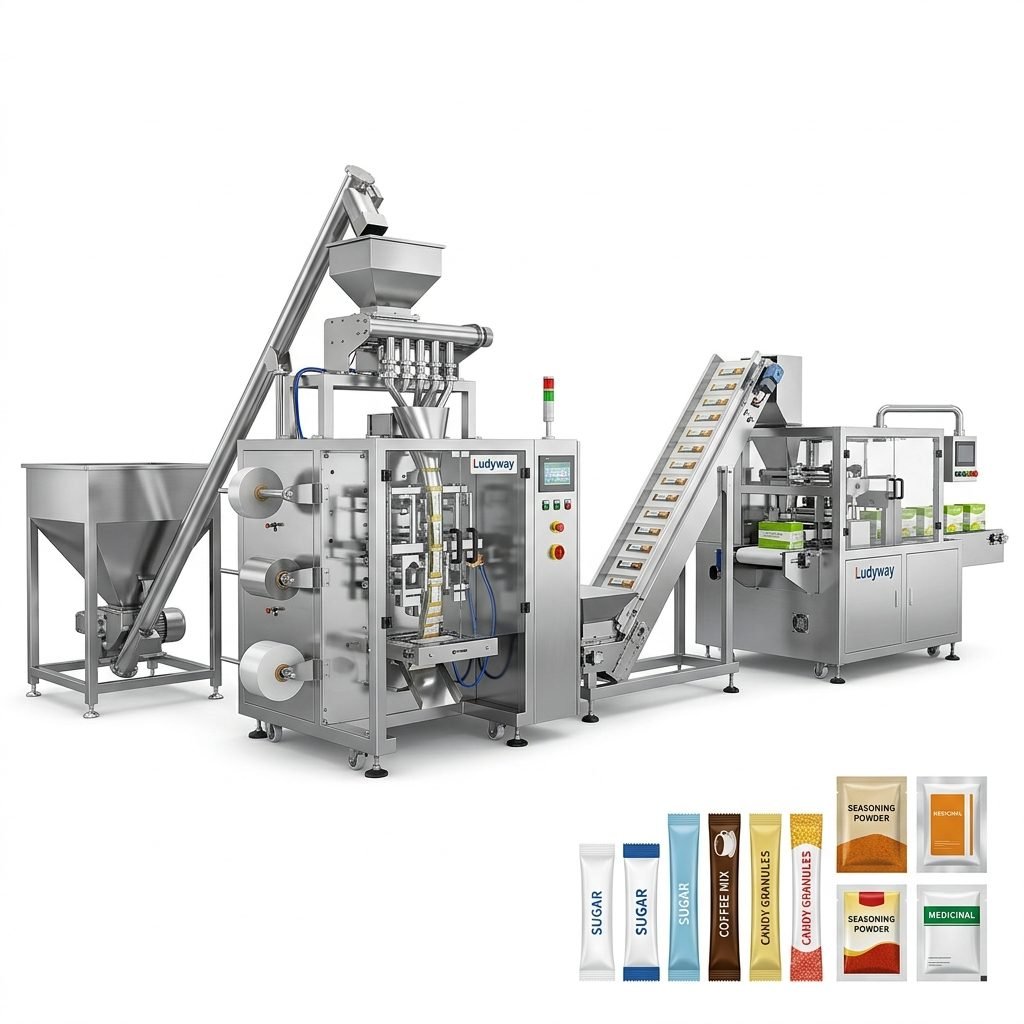
- Chocolate Drops, Chips & Beans: Multi-head weigher vertical form-fill-seal (VFFS machines) or multi-lane stick pack and sachet systems for single-serve retail distribution.
- Hot Chocolate & Cocoa Beverage Powders: Precision auger filling rotary sachet or multi-lane stick pack lines engineered with zero-dust extraction hoods.
Facility Cleanroom & Environmental HVAC Engineering
Controlling environmental ambient conditions is paramount before any machinery is positioned on the manufacturing floor. The packaging hall must be treated as a controlled hygienic cleanroom zone:
- Temperature Control: Maintain stable room temperature strictly between 16°C and 18°C (61°F – 64°F). Elevated temperatures soften chocolate surfaces, inducing jam-ups in feeder guides.
- Relative Humidity (RH): Keep relative humidity consistently below 45% – 50% RH. High humidity causes condensation on cold chocolate emerging from cooling tunnels, initiating sugar bloom (dissolved sucrose recrystallizing into a rough, dull surface).
- Positive Air Pressure & HEPA Filtration: Maintain positive room air pressure to prevent the ingress of airborne contaminants, dust, and wild yeast spores.
Cooling Tunnel Demolding & Infeed Synchronization
The transition from cooling tunnel discharge to the packaging line must eliminate physical handling and minimize thermal exchange. Implement seamless infeed mechanics:
- Pneumatic / Vacuum Demolding: Automated mold turnover systems that release tempered chocolate bars gently onto food-grade PU/silicone conveyor belts.
- Multi-Lane Aligning & Phasing Feeders: Dynamic servo-driven belt conveyors that convert disordered chocolate rows into precise single-file, synchronized streams without surface scratching.
- Buffering & Accumulation Tables: Inline multi-tier dynamic accumulation systems that buffer product stream during momentary packaging roll changeovers without stopping the upstream chocolate molding plant.
Primary Packaging Equipment Configuration
Select the primary wrapping station engineered specifically for confectionery handling to avoid heat transfer to the chocolate:
- Cold-Seal Flow Wrapping: Utilizing pre-applied pressure-sensitive latex adhesive on film reels, eliminating thermal sealing jaws entirely to safeguard delicate chocolate surfaces.
- Foil Wrapping with Top Banding: High-precision mechanical folding turrets that encase chocolates in embossed aluminum barrier foils followed by automated adhesive paper label sleeves.
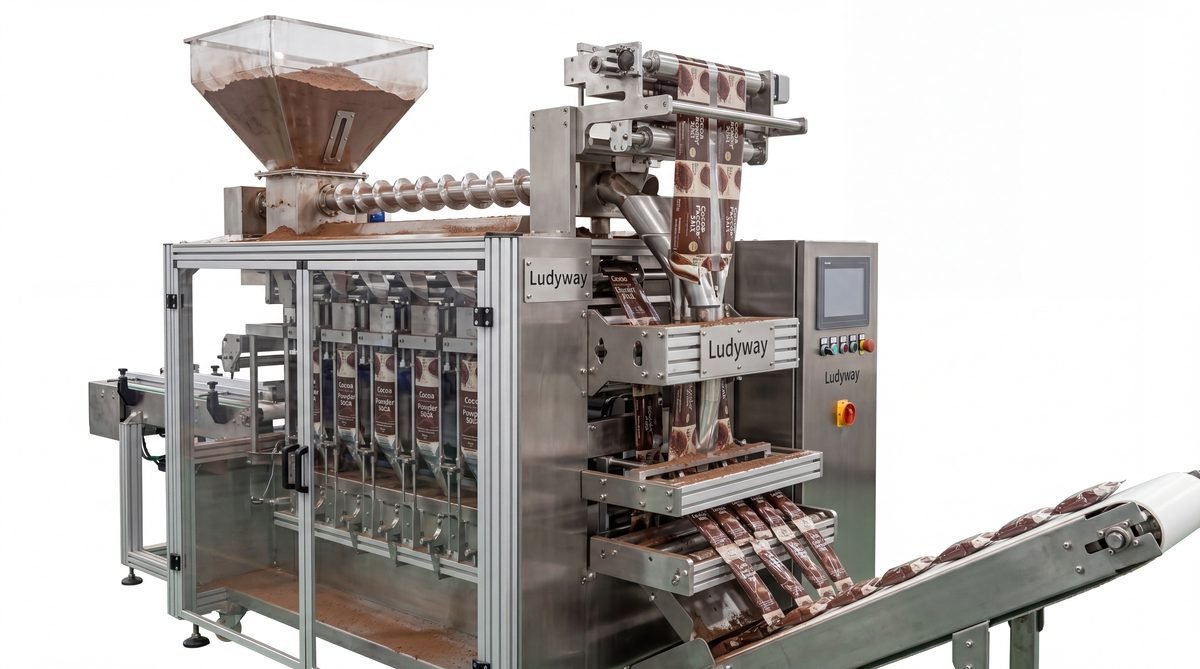
- Multi-Lane Sachet & Stick Pack Machinery: For mini-confections, chocolate powder, and cocoa granules, multi-lane continuous or intermittent systems ensure high output speeds up to 600+ sachets per minute.
Secondary Cartoning, Inspection & End-of-Line Palletizing
Automating the secondary and tertiary operations ensures total factory throughput consistency without bottlenecking:
- Automated Vision & Seal Integrity Inspection: 360° high-speed optical cameras verify bar surface defects, correct wrapper centering, and seal tightness.
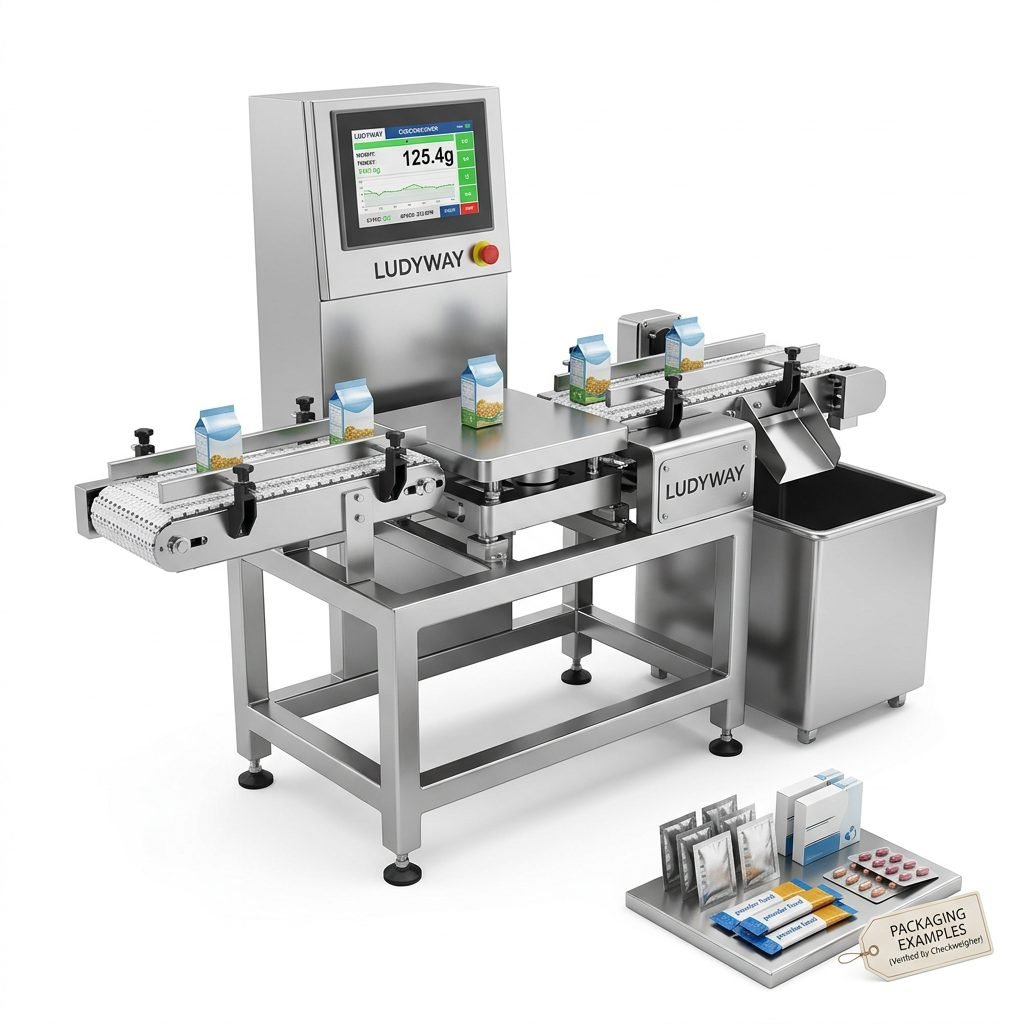
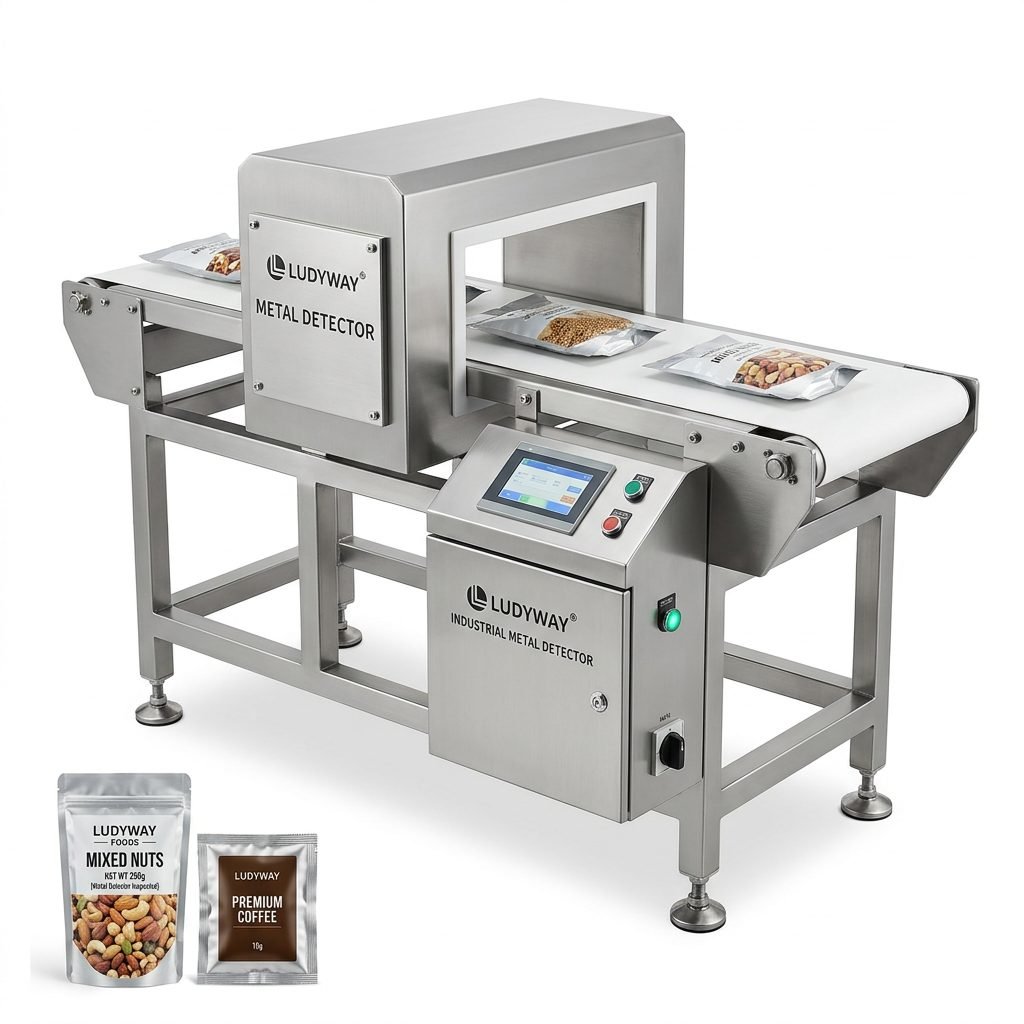
- Inline Metal Detection & Dynamic Checkweighing: Multi-frequency industrial metal detectors paired with ultra-sensitive checkweighers automatically reject out-of-spec products without interrupting line cadence.
- Robotic Top-Load Cartoning & Case Packing: Delta robots or side-load continuous cartoners insert wrapped chocolates into shelf-ready retail boxes and corrugated shippers.
- Automated Palletizing: Heavy-duty articulated robot arms stack master cartons onto pallets with automated stretch film wrapping for distribution.
Primary Chocolate Packaging Technologies Compared
Selecting the right packaging methodology depends on chocolate geometry, shelf-life demands, barrier requirements, and targeted packaging speeds.
| Packaging Technology | Target Product Format | Typical Speed Range | Sealing / Wrapping Mechanism | Primary Benefits | Key Engineering Considerations |
|---|---|---|---|---|---|
| Horizontal Flow Wrapping (Cold Seal) | Chocolate bars, enrobed wafer biscuits, countlines | 150 – 1,200 PPM | Pressure-bonded rotary cold seal wheels | High speed, hermetic seal, zero heat transfer to chocolate bar | Higher film substrate cost; requires climate-controlled film storage |
| Foil + Cardboard Band Wrapper | Premium tablets, artisan chocolate bars | 80 – 400 PPM | Die-fold turret + cold glue spot application | Classic luxury appearance, tamper evidence, easy reclosing | Complex mechanical folding heads; requires precise cardboard stiffness |
| Twist Wrapping (Double / Top) | Pralines, spherical truffles, solid drops | 200 – 800 PPM | Mechanical gripper rotation with fan fold | Iconic aesthetic, economical wrapping film usage | Non-hermetic; shorter barrier shelf-life in humid climates |
| Multi-Lane VFFS / Sachet Lines | Cocoa powder, hot chocolate mix, chocolate granules | 200 – 600+ Sachets/min | Ultrasonic or low-heat vertical & horizontal seal jaws | High volume single-serve output, multi-lane footprint efficiency | Requires integrated anti-static bars and auger dust extraction |
| Pick-and-Place Robotic Box Line | Assorted gift boxes, advent calendars, praline trays | 60 – 250 Boxes/min | Vision-guided delta robot vacuum end-effectors | Gentle handling, zero cosmetic scuffing, infinite recipe flexibility | Higher initial capital expenditure; requires vision algorithm calibration |
Core Machinery for Chocolate & Confectionery Packaging Lines
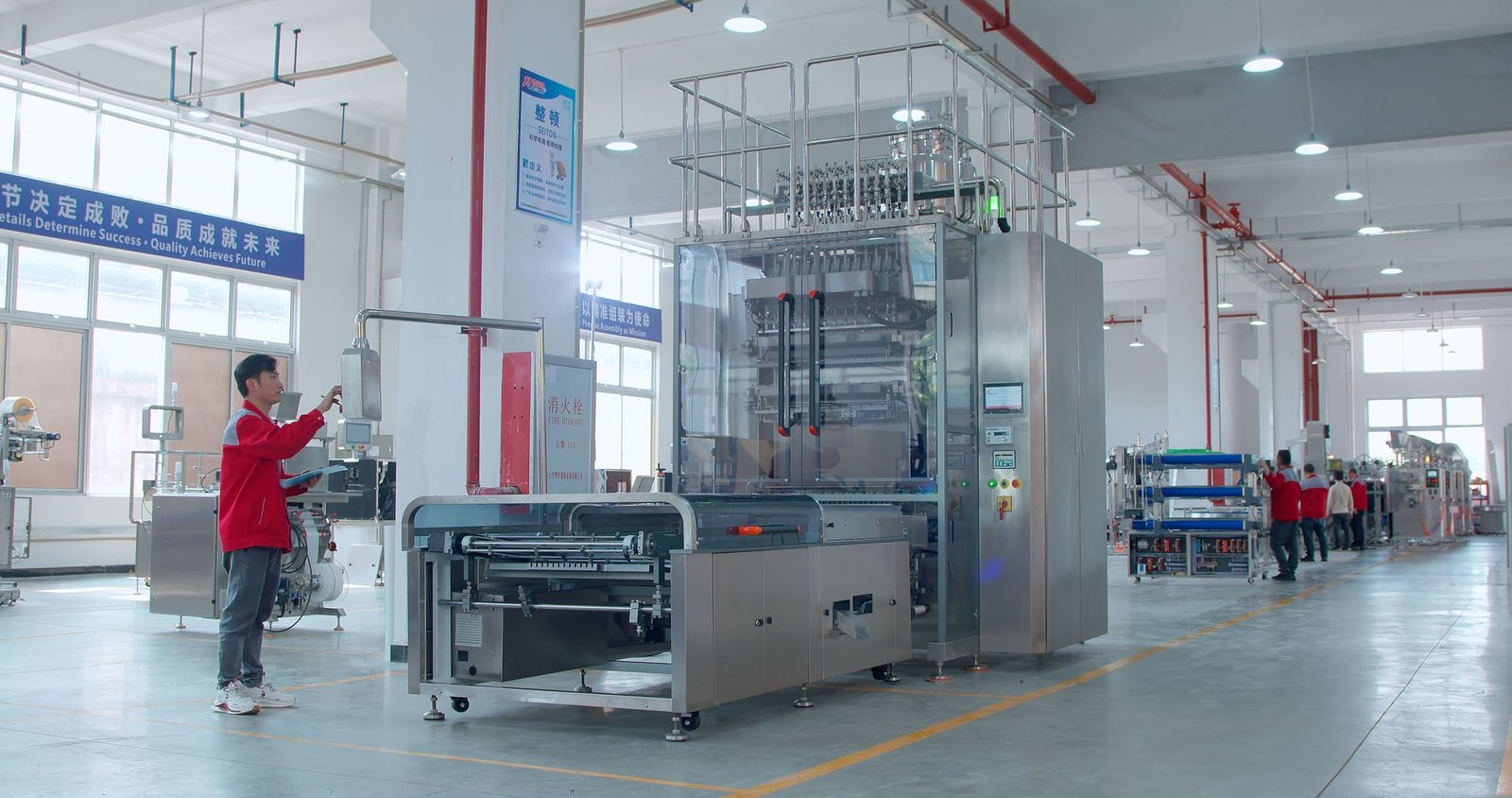
Ludyway engineers high-speed automated packaging machinery specifically configured with sanitary stainless steel, servo tension control, and cooling options for chocolate processing plants.
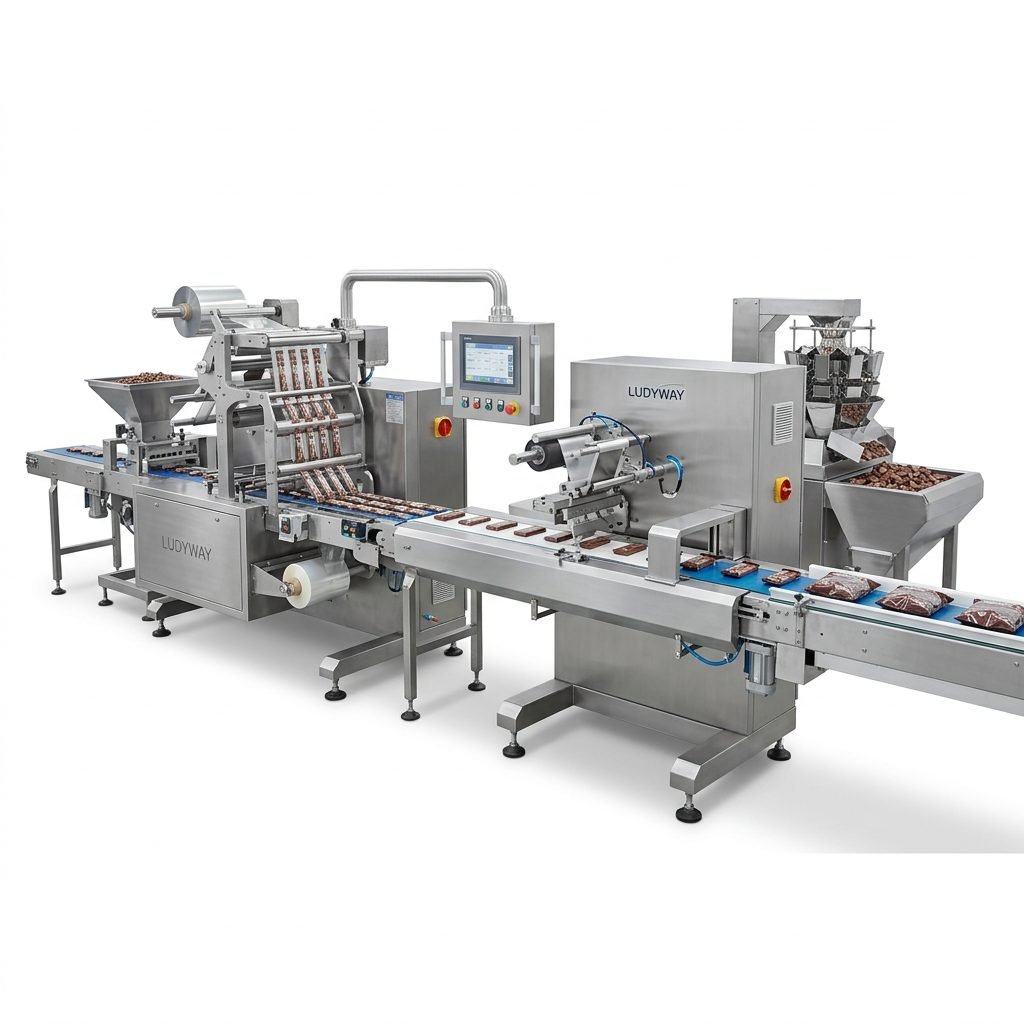
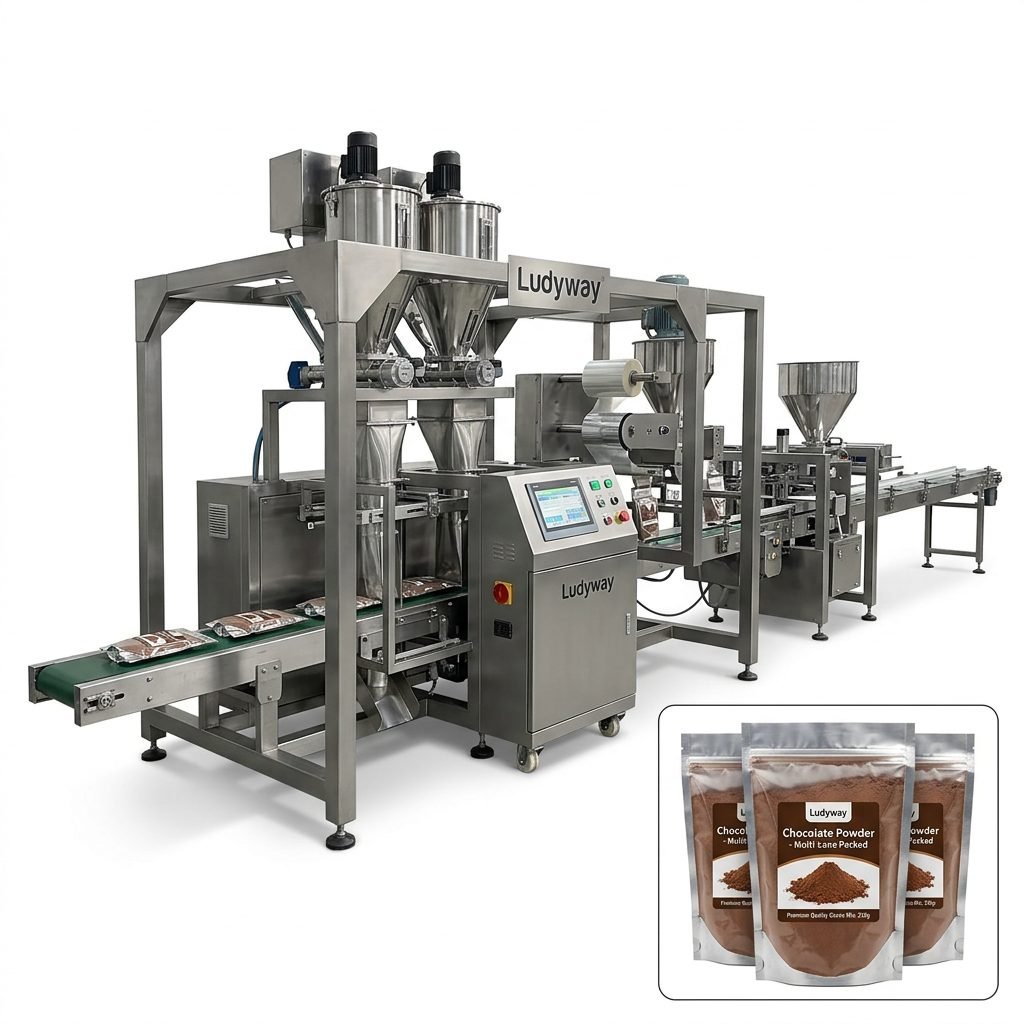
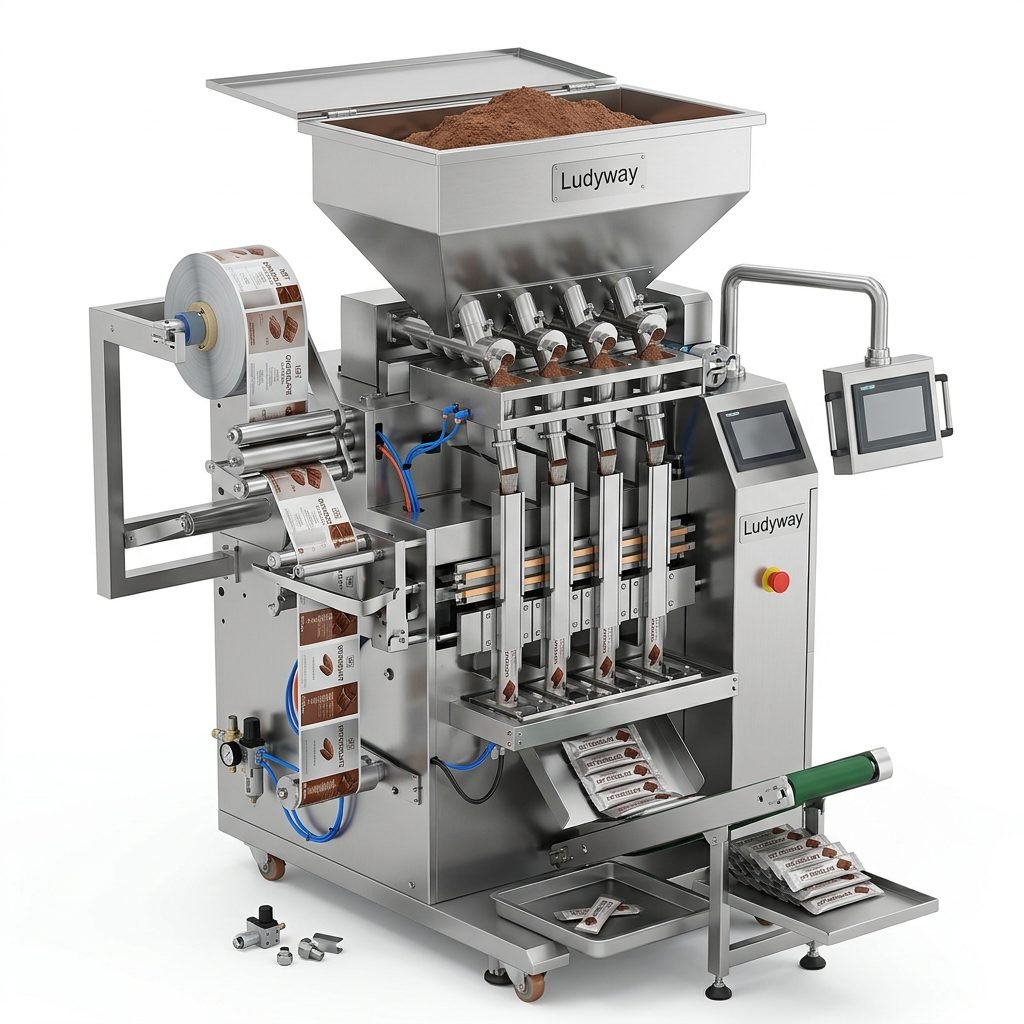
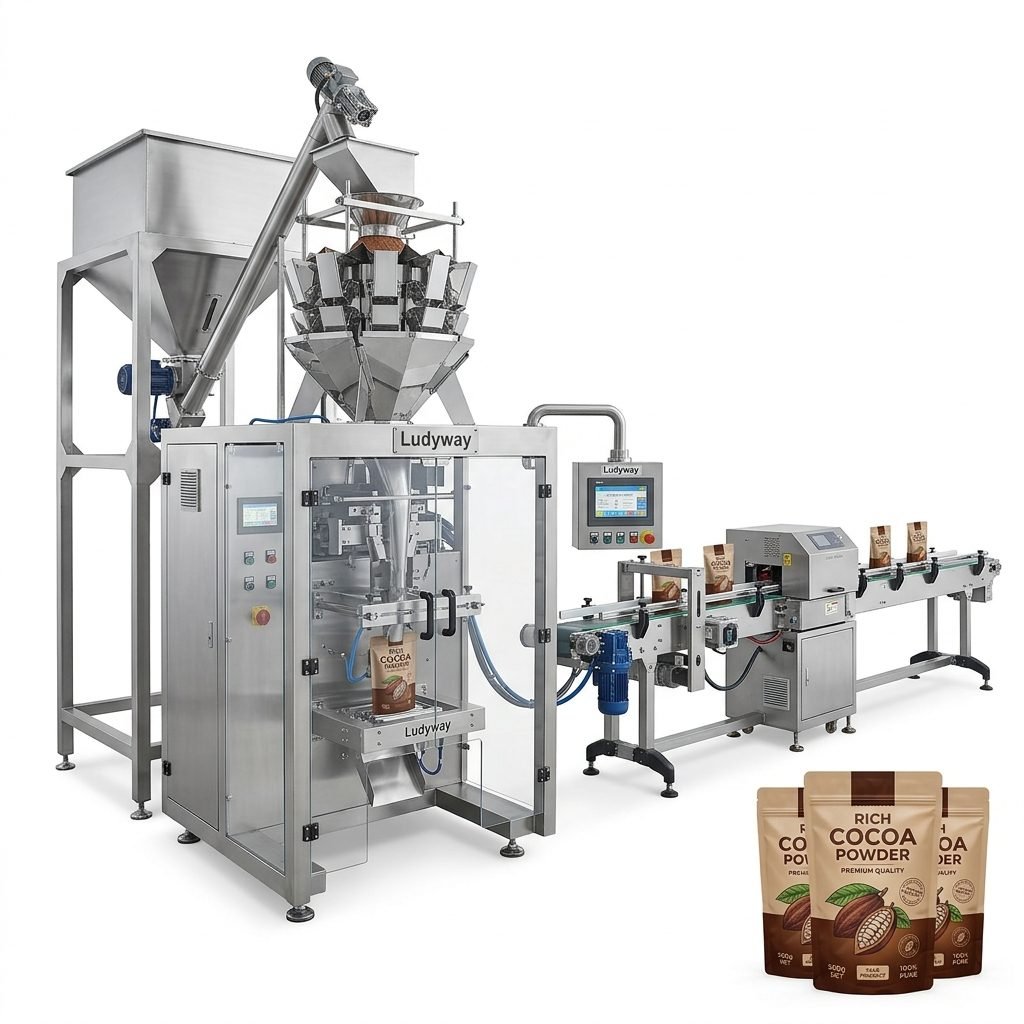
Maximizing OEE and Line Efficiency in Chocolate Manufacturing
Achieving an Overall Equipment Effectiveness (OEE) above 85% in automated chocolate packaging requires intelligent synchronization across feeding, wrapping, carton loading, and data telemetry.
Multi-Axis Servo Synchronization
Modern chocolate packaging systems rely on centralized PLC and multi-axis servo controllers. By replacing mechanical chains and gear linkages with electronic camming, machines adjust feeder speeds millisecond-by-millisecond based on upstream product flow. If one mold cavity misfires and drops a missing chocolate bar, the flow wrapper automatically suppresses film feed for that cycle (“No Product, No Bag” algorithm), cutting film waste to near zero.
Hygienic Toolless Quick Changeover (SMED)
Consumer confectionery requires rapid SKU agility between 30g snack bars, 100g family tablets, and bite-size miniatures. Ludyway packaging lines integrate Single-Minute Exchange of Die (SMED) principles. Operators execute complete format transitions in under 15 minutes utilizing quick-release folding boxes, snap-in belt guides, motorized film reel splicing, and pre-programmed recipe recalls on industrial touchscreens.
Inline Vision & Quality Control Rejection Loops
Automated reject bins must be paired with high-speed pneumatic air blowers or drop-flap conveyor segments. The quality control architecture detects broken bars, incomplete cooling, incorrect barcode/date printing, trapped chocolate fragments in end seals, and metal contaminants. Defective units are ejected without slowing down the continuous secondary cartoning process.
Why Choose Ludyway for Your Chocolate Packaging Lines
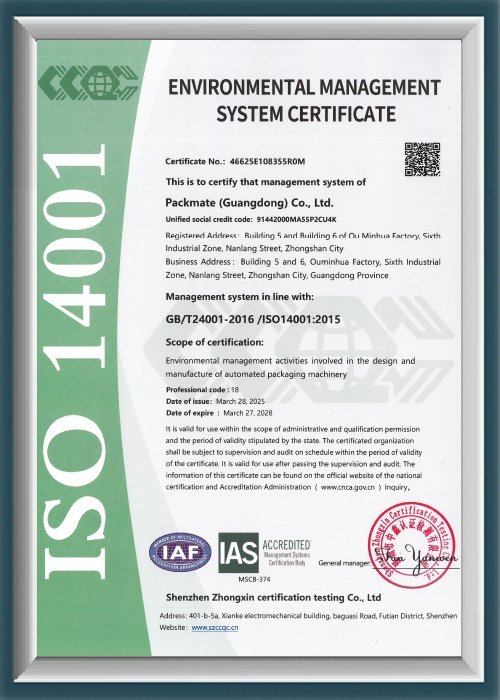
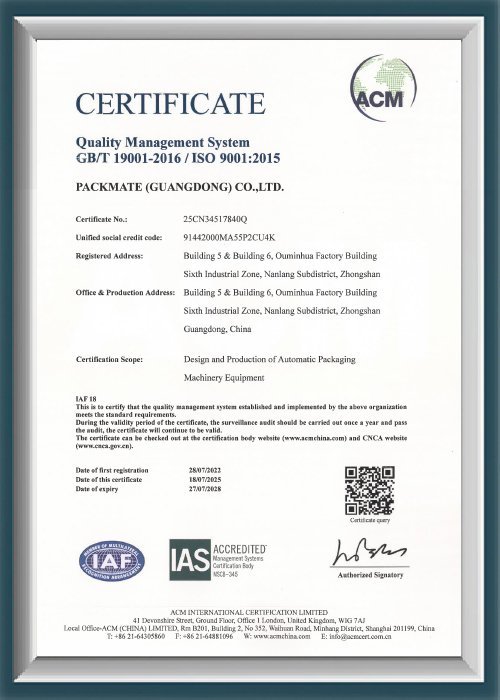
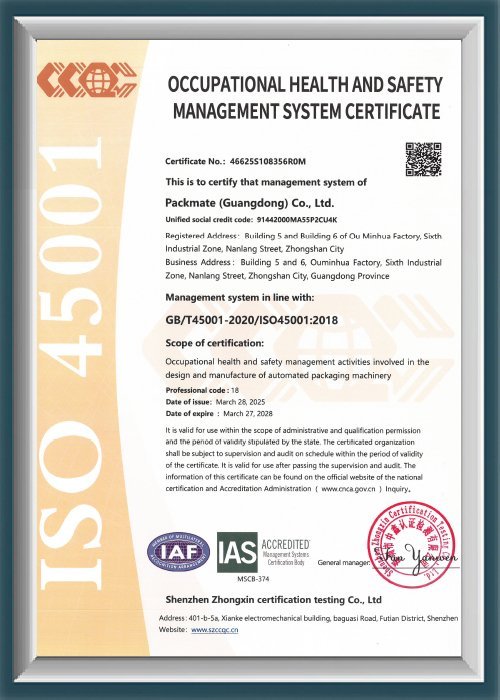
Ludyway is a premier packaging machinery manufacturer specializing in advanced turnkey packaging automation for food, confectionery, and health industries. Backed by over 30 years of engineering expertise and a modern 20,000㎡ manufacturing plant, we provide over 50 intelligent packaging models.
Our global solutions have helped chocolate, food, and pharmaceutical manufacturers across more than 100 countries and regions maximize output, preserve product organoleptic qualities, and achieve seamless factory automation.
Essential FAQs on Setting Up a Chocolate Packaging Line
1. Why is cold seal film preferred over heat seal film for chocolate packaging?
Cold seal films utilize a pre-applied rubber or synthetic pressure-sensitive adhesive. When running on high-speed horizontal flow wrappers, the rotating sealing wheels exert pressure without heat, bonding the film instantly. Heat sealing introduces radiant and conductive thermal energy that melts the chocolate bar’s cocoa butter surface, leading to ugly fat bloom discoloration and melted product deposits on the sealing jaws.
2. What ambient cleanroom conditions are mandatory for a chocolate packaging area?
The packaging hall must maintain a controlled temperature between 16°C and 18°C (61°F – 64°F) and a relative humidity (RH) below 50%. Relative humidity exceeding 55% causes atmospheric moisture to condense onto cold chocolate exiting the demolding cooling tunnel, triggering sugar bloom where sucrose dissolves and forms coarse crystal granules on the chocolate bar surface.
3. How does a turnkey line manage production stops without halting the cooling tunnel?
A properly engineered turnkey line integrates dynamic multi-tier belt buffering and non-contact accumulation systems. When the flow wrapper or cartoner stops for a film roll splice or downstream carton jam, the buffer automatically absorbs incoming chocolate bars from the molding cooling tunnel without thermal disruption or mechanical scratching.
4. What inspection systems are required to comply with food safety standards (HACCP / BRC / FDA)?
A compliant chocolate packaging line requires three core inline quality stations: (1) Industrial metal detection or X-ray inspection to detect ferrous, non-ferrous, stainless steel, and dense foreign bodies; (2) High-speed dynamic checkweighing with automated reject arms to ensure weight compliance; and (3) Optical vision systems to inspect film print registration, date code readability, and seal hermeticity.
5. Can one packaging line handle both solid tablets and filled pralines?
Yes, by utilizing modular infeed systems and flexible delta robotic top-load cartoners. While primary wrapping may require dedicated flow wrappers for bars and twist wrappers for pralines, secondary cartoning, case packing, checkweighing, and palletizing can be integrated into a unified multi-format end-of-line packaging architecture.
Trusted by Global Confectionery & Food Enterprises
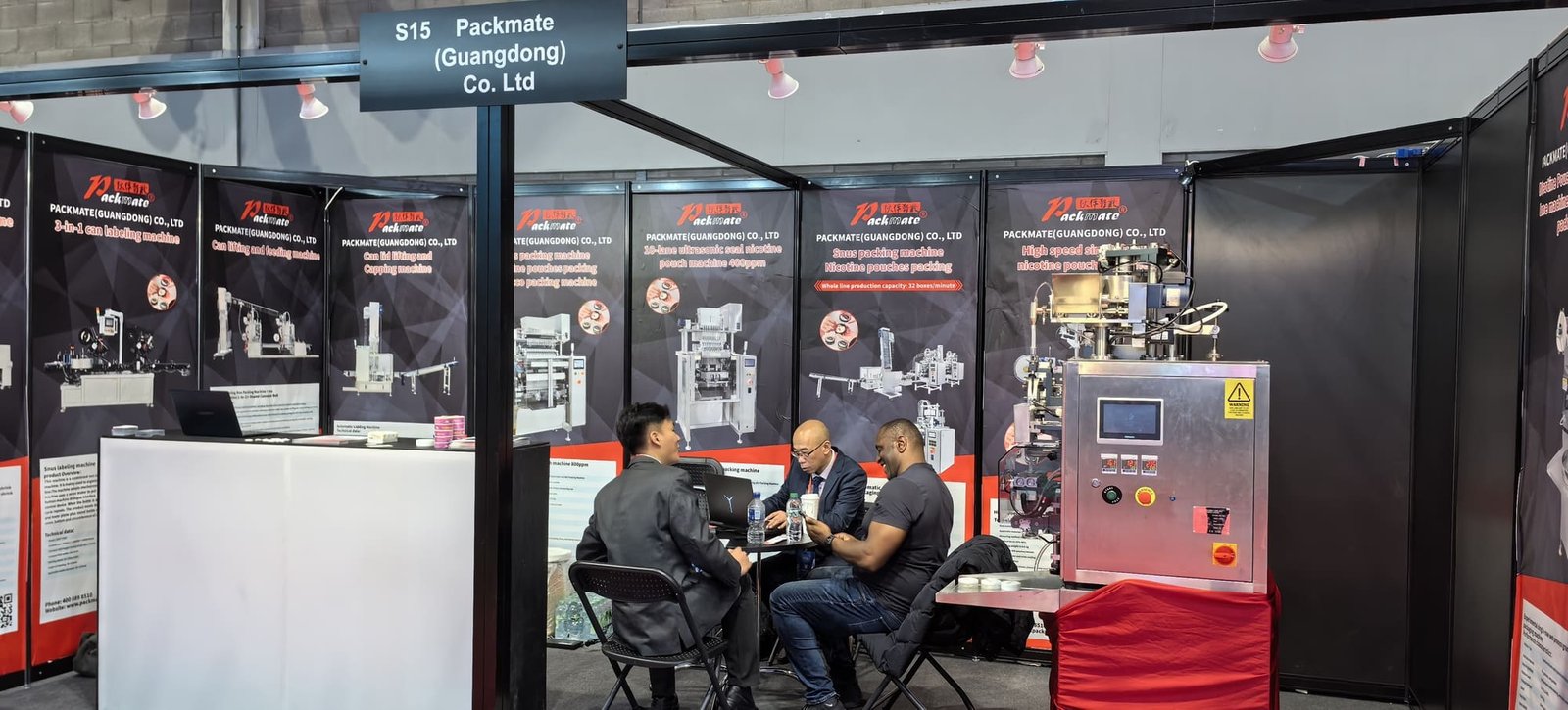
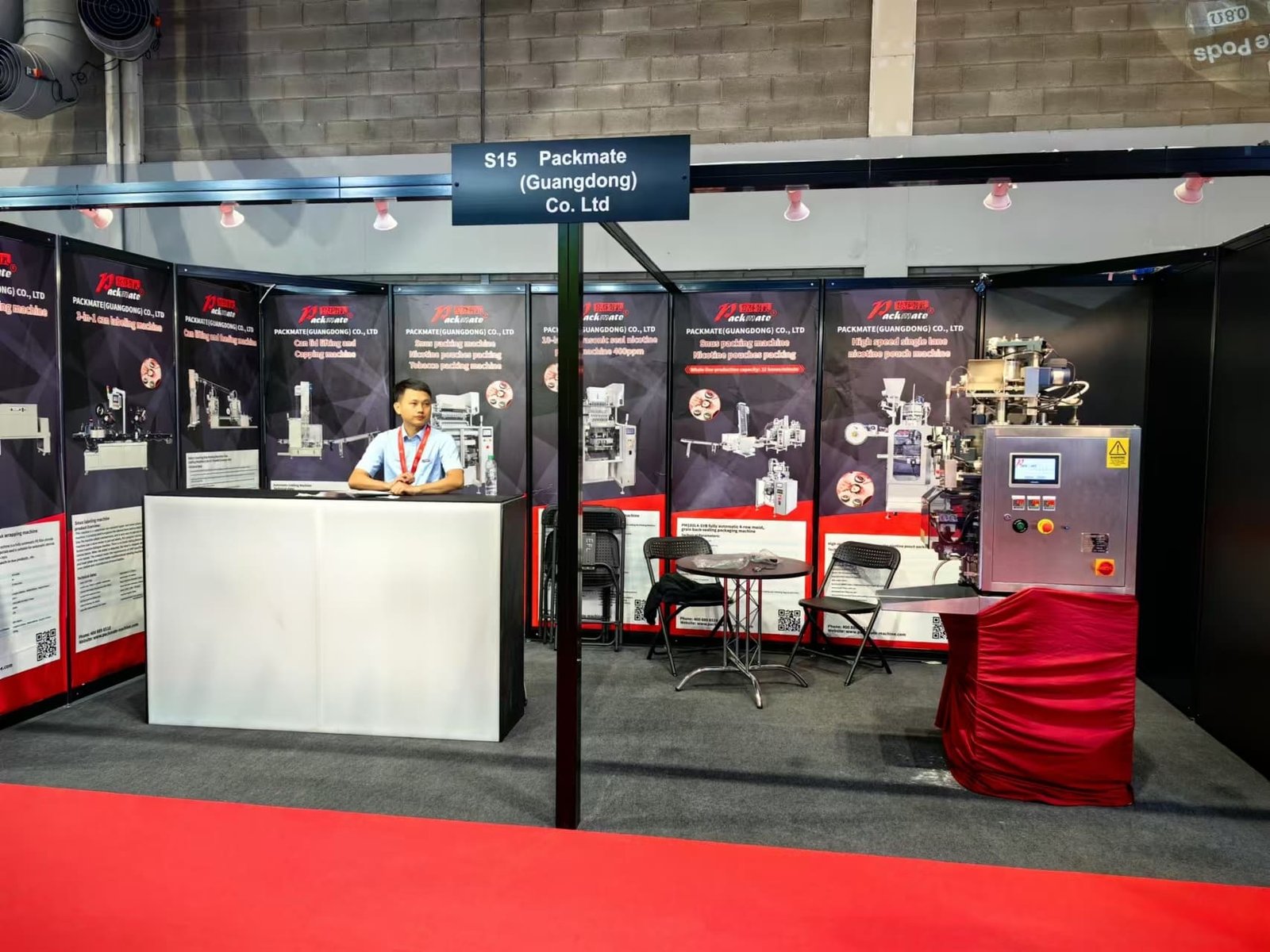
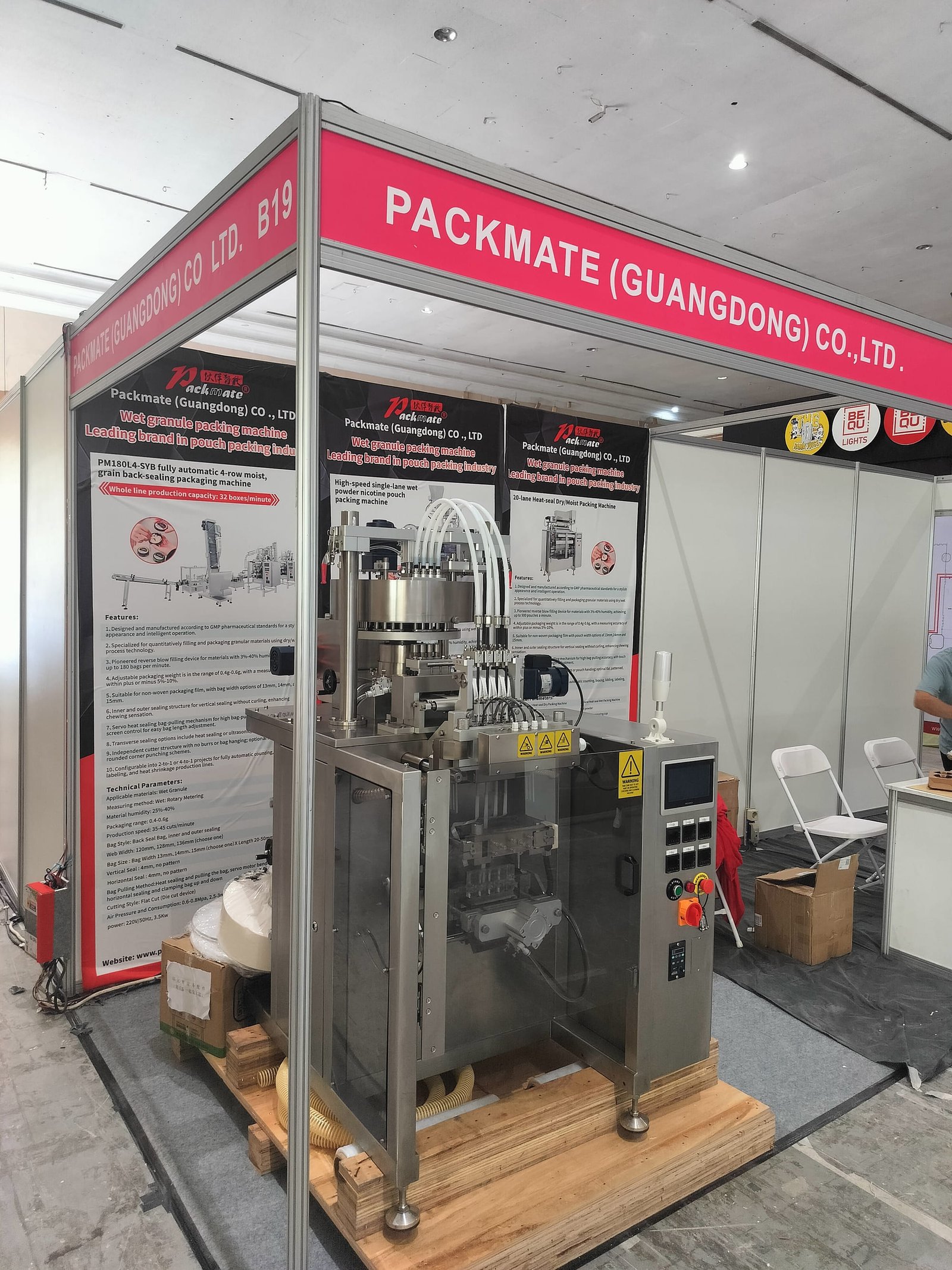
Ludyway packaging machines and turnkey systems operate in leading food, confectionery, and chemical processing facilities across Europe, the Americas, the Middle East, and Asia.








Ready to Engineer Your Automated Chocolate Packaging Line?
Consult with Ludyway’s senior packaging automation engineers for custom layout blueprints, line balancing calculations, and turnkey confectionery packaging machinery.
