Setting up a chub packaging machine production line requires careful planning, the right equipment, and a clear understanding of your product, production goals, and market requirements. Chub packaging — widely used for products like ground meat, butter, dough, and certain industrial pastes — offers a cylindrical, sealed pack format that is both space-efficient and consumer-friendly. This global guide walks you through the key stages of building an efficient and scalable chub packaging line, from initial concept to full operation.
Understanding Chub Packaging Technology
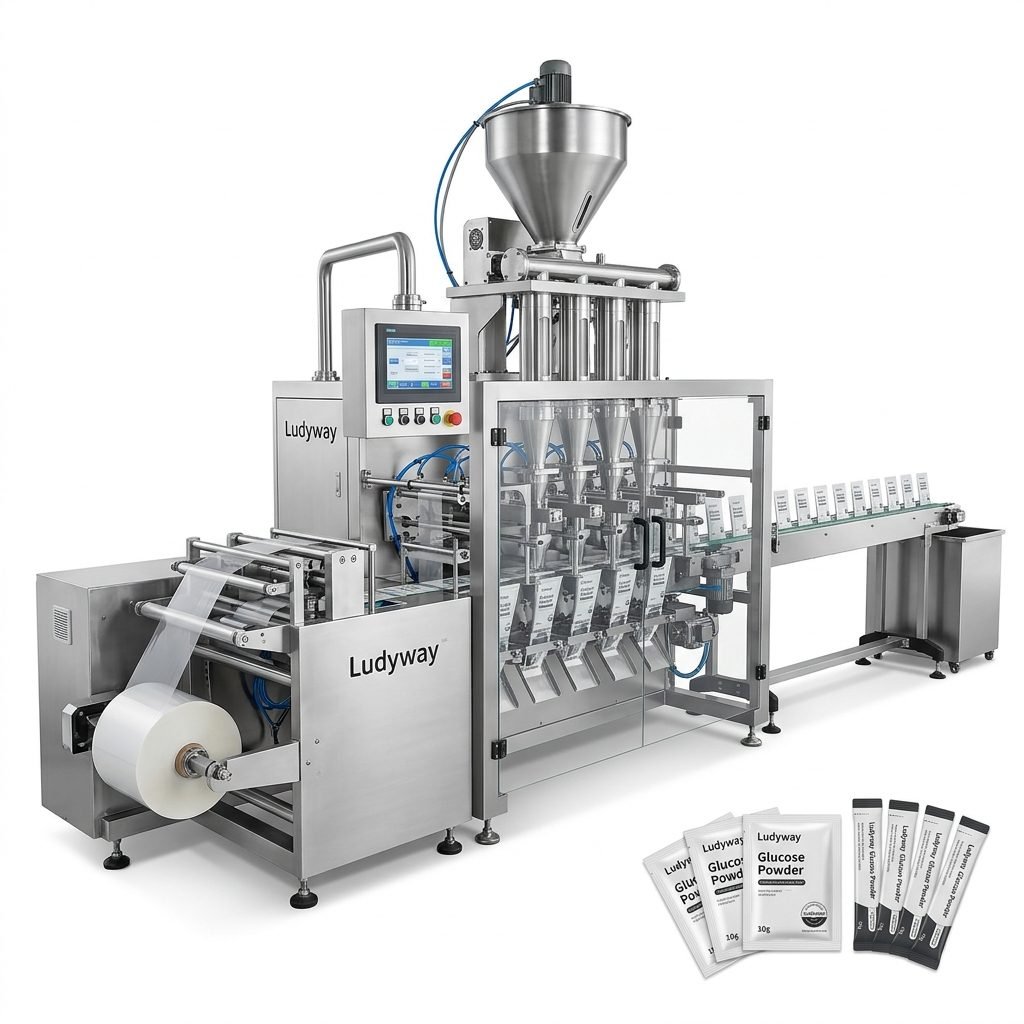
A chub packaging machine forms, fills, and seals a continuous tube of film, typically producing pillow-shaped or cylindrical packs. Unlike traditional flow wrappers or vertical form fill seal (VFFS) systems, chub machines are specifically designed for viscous, paste-like, or semi-solid products. Common applications include fresh and frozen meats, dairy products, cookie dough, and even certain chemical compounds. The machines can handle a range of film materials, including barrier films for extended shelf life.

Key Features of Modern Chub Lines
- Continuous motion filling for high throughput
- Precise length control and seal integrity
- Compatibility with multi-lane configurations for increased output
- Integrated date coding and labeling systems
- Quick-changeover capability for different pack sizes
Step 1: Define Production Goals and Product Specifications
Before selecting any machinery, you need to define your target output (packs per minute), pack size range, product viscosity, and packaging material. A line designed for high-speed continuous production of 50-120 packs per minute will look very different from a smaller batch-oriented setup. Product density and flow characteristics directly influence the type of filling system required — piston fillers, pump fillers, or auger-based systems each suit different product types.
Essential Pre-Project Checklist
| Parameter | Considerations |
|---|---|
| Product Viscosity | Paste, dough, semi-solid, or high-fat content |
| Target Output | Packs per minute, shifts per day, annual volume |
| Pack Size Range | Diameter and length variations |
| Film Material | Barrier requirements, printability, seal strength |
| Regulatory Compliance | FDA, EU, ISO, or local food safety standards |
Step 2: Selecting the Right Chub Packaging Machine
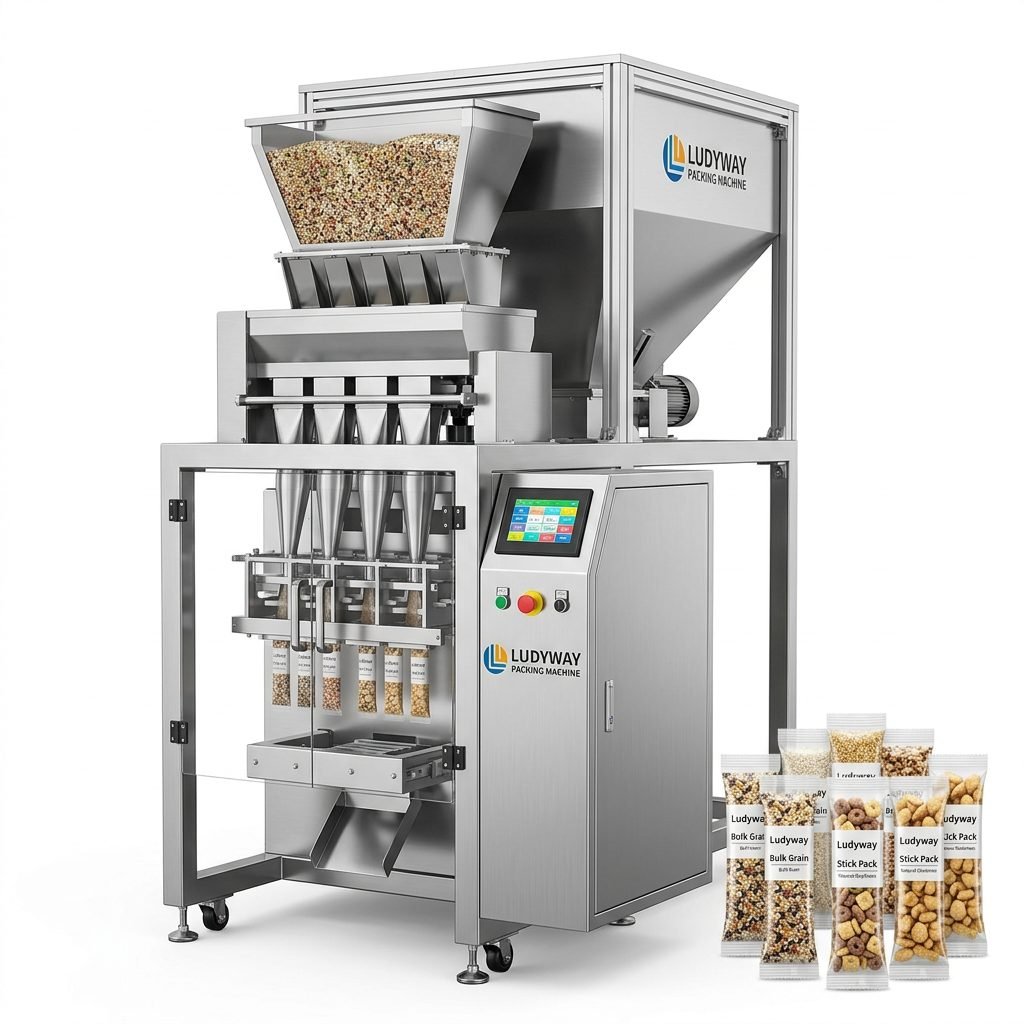
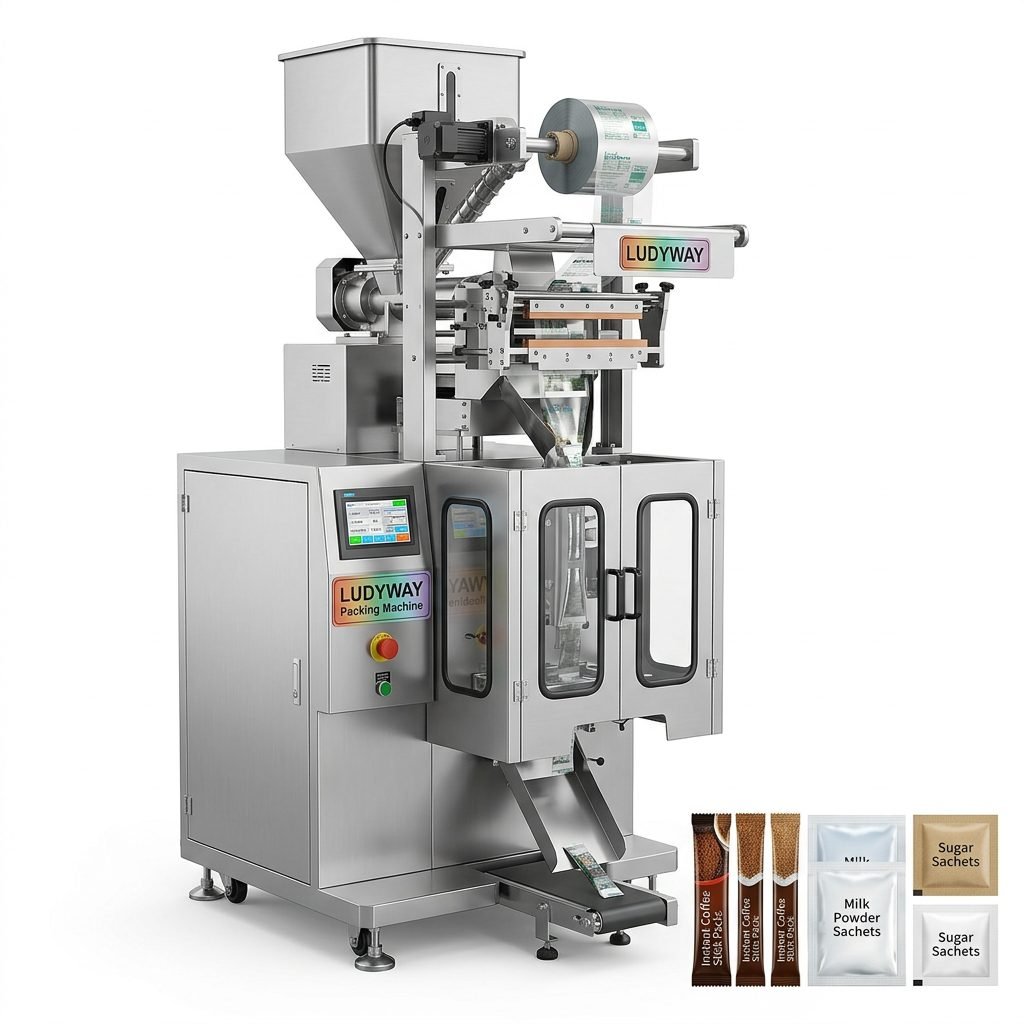
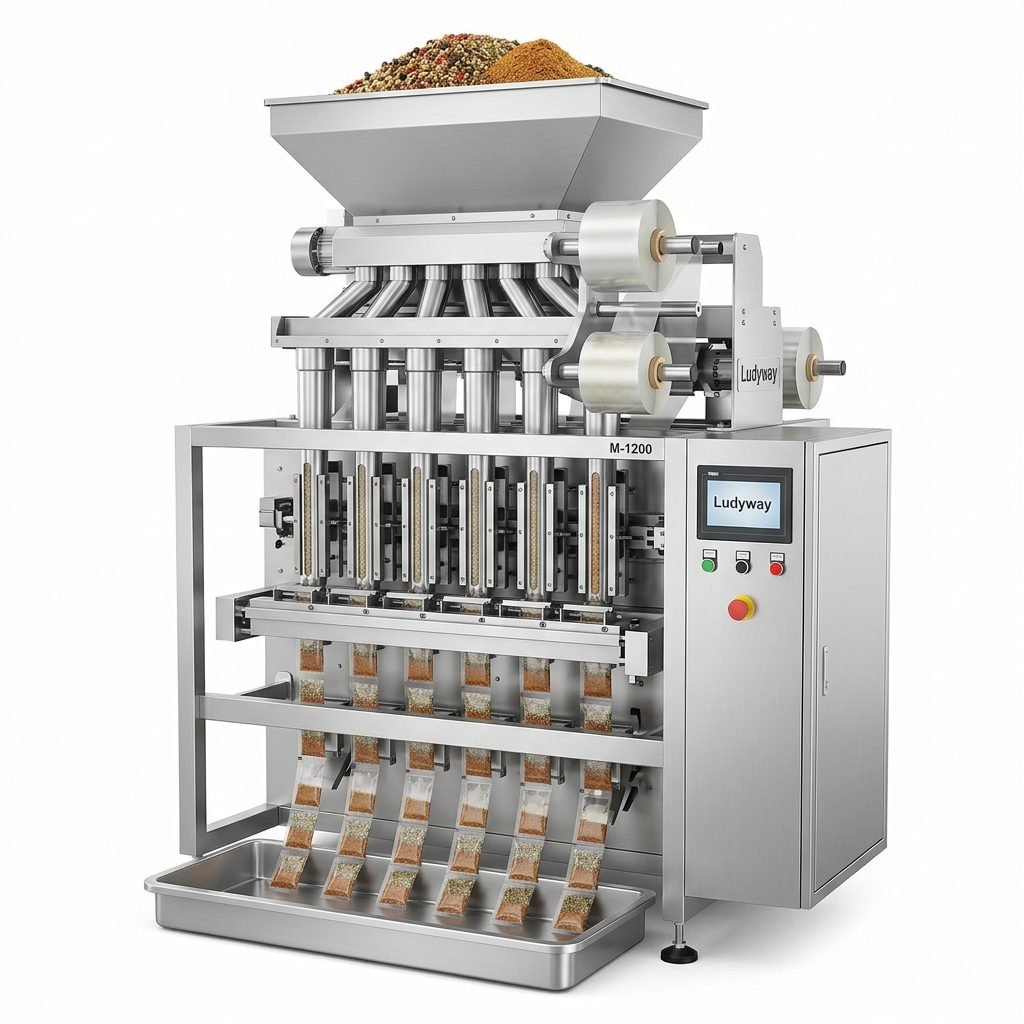
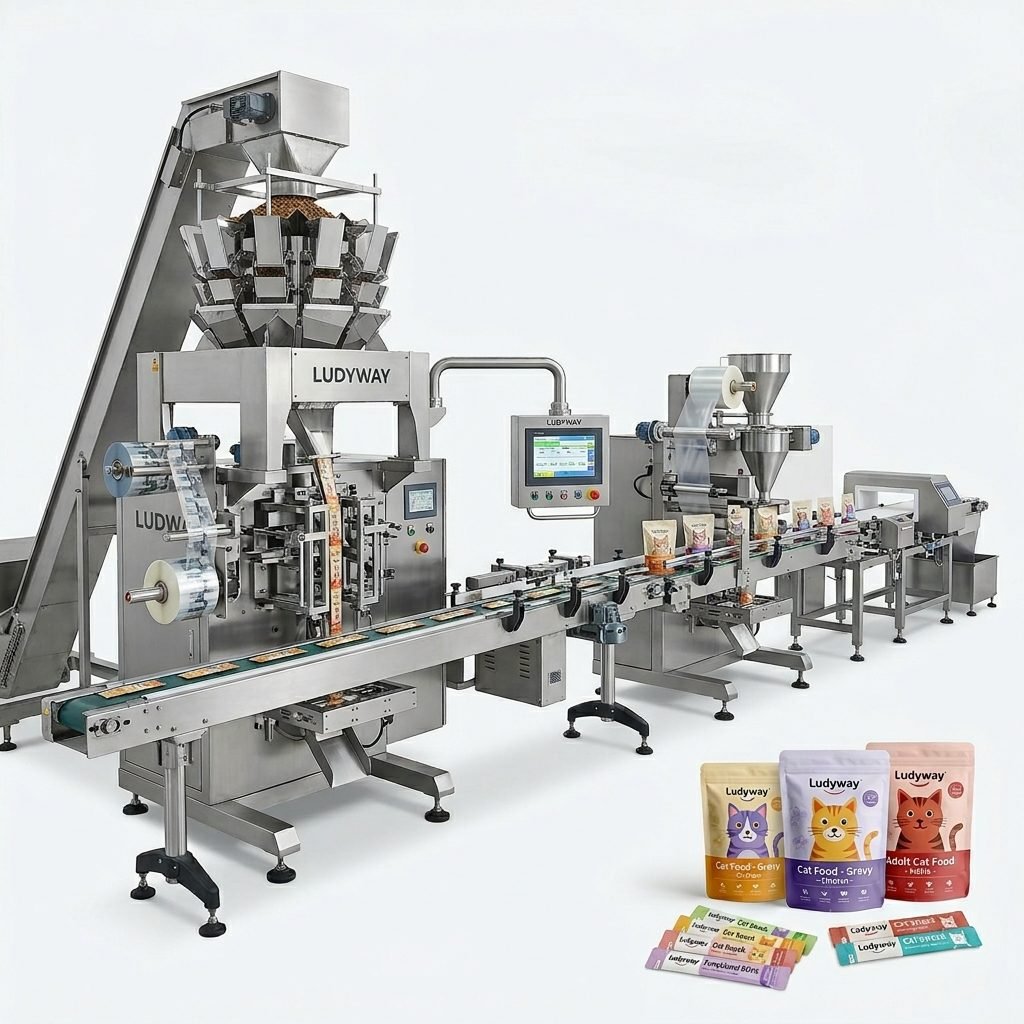
Your equipment choice forms the backbone of the entire production line. Look for a packaging machine manufacturer with proven experience in chub-style packaging and a track record of delivering turnkey production solutions. Evaluate machines based on their sealing technology (hot bar, impulse, or ultrasonic), ease of sanitation, and ability to integrate with upstream and downstream equipment. For operations expecting growth, modular designs that allow lane additions are highly recommended.
Critical Machine Specifications
When comparing different models, focus on seal integrity, speed range, film registration accuracy, and the availability of servo-driven controls. Advanced machines now offer real-time monitoring, remote diagnostics, and predictive maintenance alerts — all of which reduce downtime and improve overall equipment effectiveness (OEE). For companies serving global markets, ensure the equipment meets international safety and hygiene standards including ISO 11607 and FDA requirements for food contact materials.
Step 3: Planning Your Production Line Layout
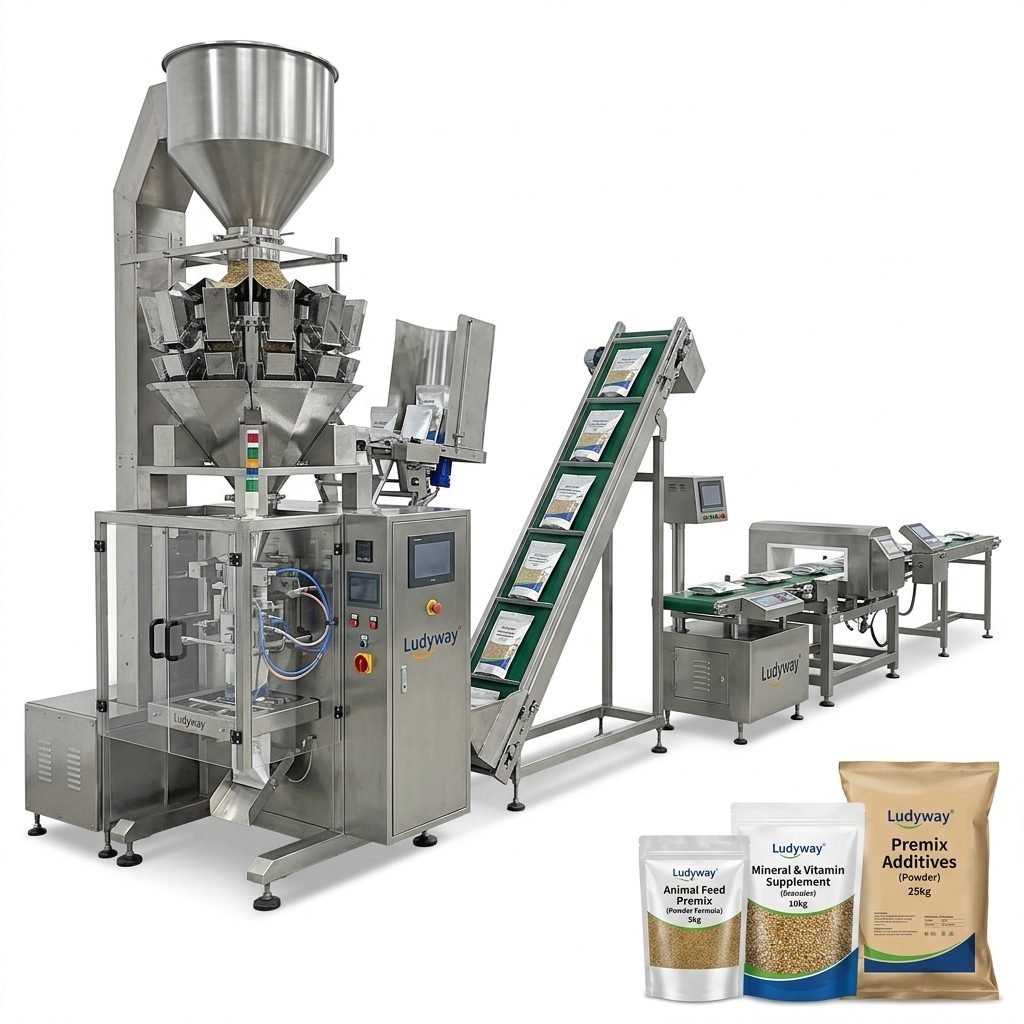
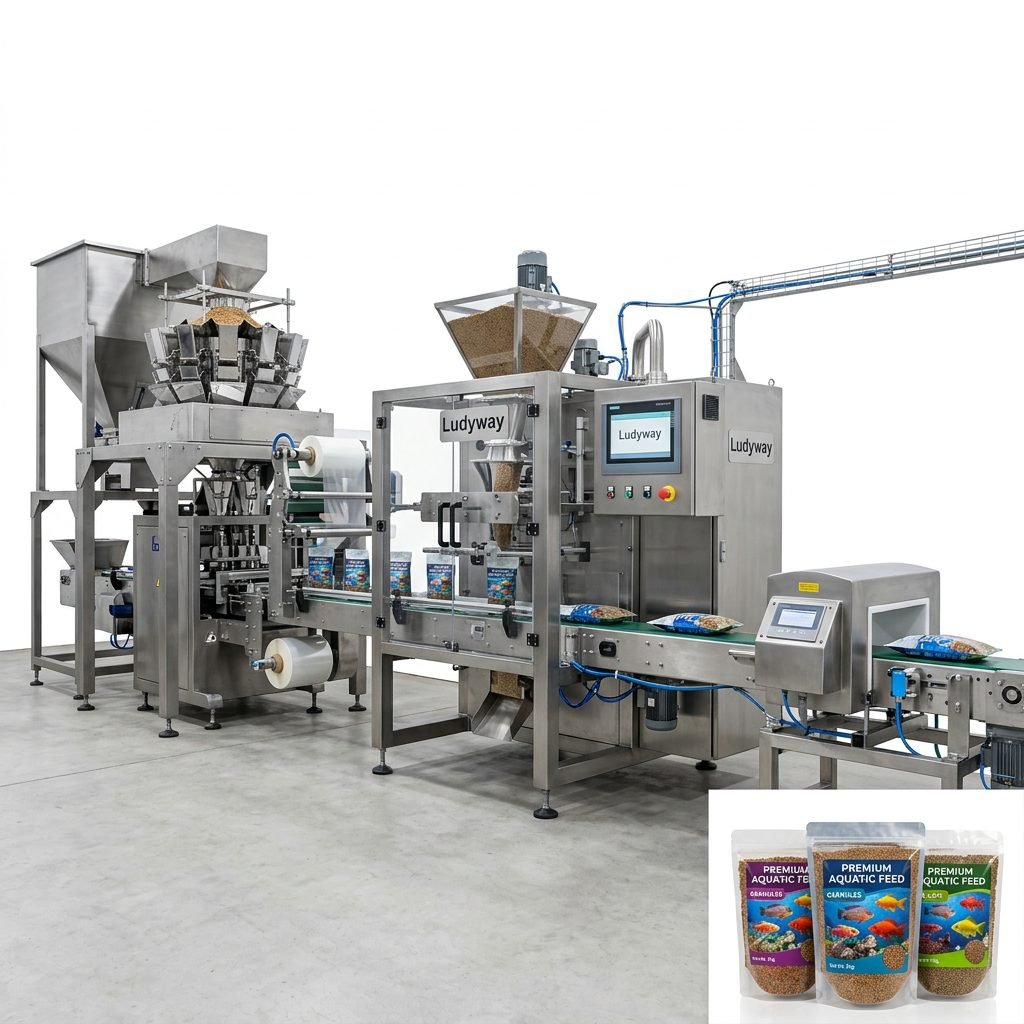
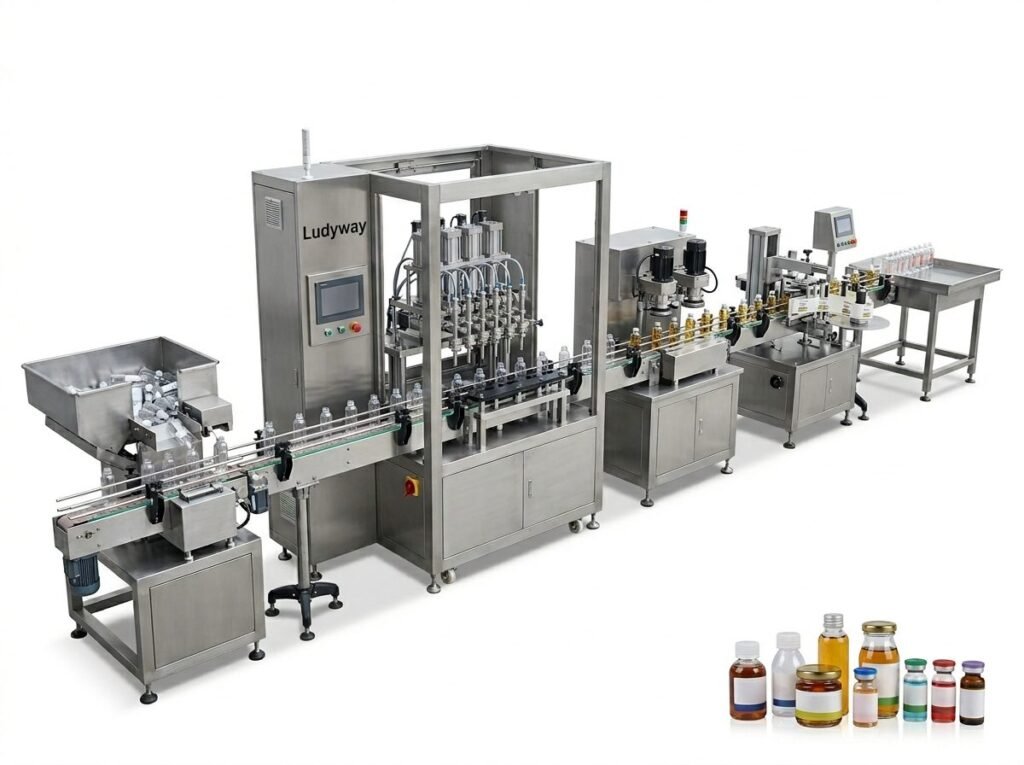
An optimized layout minimizes material handling, reduces contamination risks, and supports efficient workflow. A typical chub packaging line includes product preparation, conveying, the chub machine itself, inspection systems, secondary packaging, and palletizing. Design your floor plan with linear flow in mind — raw materials enter from one end, finished goods exit from the other — and allow adequate space for operator movement, maintenance access, and future expansion.
Typical Line Configuration
- Product Holding Tank / Hopper — maintains consistent product supply
- Transfer Pump or Conveyor — delivers product to the filler
- Chub Form-Fill-Seal Machine — core packaging unit
- Checkweigher and Metal Detector — inline quality control
- Date Coder / Label Applicator — traceability and branding
- Cartoner or Case Packer — secondary packaging
- Palletizer — end-of-line automation
Step 4: Installation, Commissioning, and Operator Training
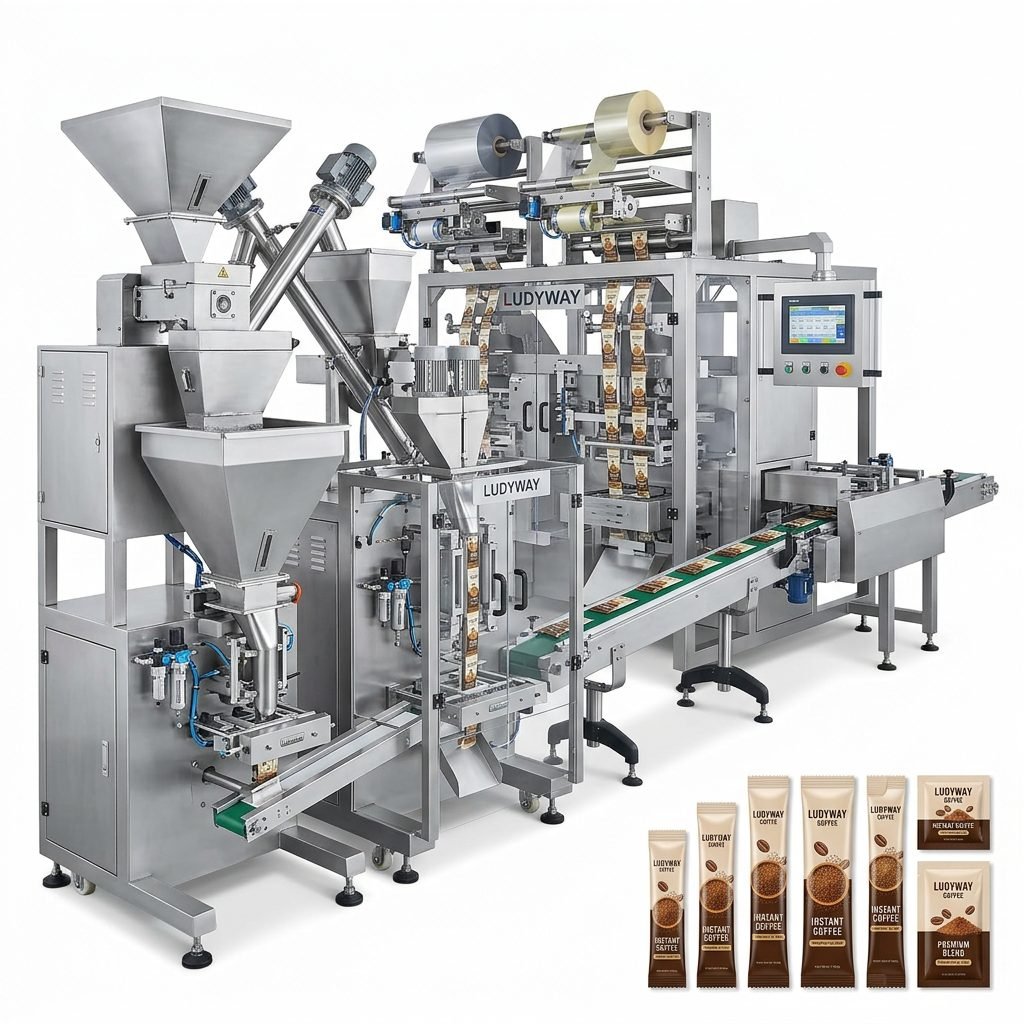
Professional installation is essential for long-term reliability. Work with your equipment supplier to schedule on-site commissioning, which should include mechanical setup, electrical integration, and dry-run testing before introducing product. A comprehensive installation plan covers utility connections (compressed air, power, water if needed), safety system verification, and initial calibration of all sensors and drives. Operator training should cover daily startup procedures, cleaning and sanitation protocols, basic troubleshooting, and emergency stop procedures.
Commissioning Milestones
- Equipment placement and leveling
- Utility hookup and system checks
- Film threading and initial sealing tests
- Product trials with quality sampling
- Line speed ramp-up and stability testing
- Handover and documentation sign-off
Step 5: Implementing Quality Control and Inspection Systems
Consistent product quality depends on robust inline inspection systems. At minimum, every chub line should include a checkweigher to verify fill weights and a metal detector to catch foreign objects. For high-value or regulated products, consider adding vision inspection for seal integrity and X-ray inspection for density-based contaminant detection. These systems should be integrated into the production line with automatic reject mechanisms to remove non-conforming packs without stopping production. Data from inspection systems can feed into your quality management system (QMS) for trend analysis and continuous improvement.

Step 6: Maintenance Programs and Spare Parts Management
A preventive maintenance program is essential to keep your chub line running at peak performance. Develop a schedule based on manufacturer recommendations that covers daily, weekly, monthly, and annual tasks. Critical spare parts — including sealing bands, forming tubes, belts, and common wear components — should be stocked on-site to minimize downtime. Many modern packaging lines now support condition-based monitoring, where sensors track component wear and alert maintenance teams before failures occur.
Maintenance Planning Essentials
| Frequency | Tasks |
|---|---|
| Daily | Clean product contact surfaces, inspect seals, check film alignment |
| Weekly | Lubricate moving parts, inspect belts and chains, verify sensor calibration |
| Monthly | Replace worn sealing bands, check pneumatic systems, test safety interlocks |
| Annually | Full mechanical inspection, servo drive diagnostics, film tension system overhaul |
Navigating Global Standards and Regulations
Chub packaging lines serving international markets must comply with various regulatory frameworks. In the United States, FDA packaging regulations govern food contact materials. In Europe, the EU Packaging and Packaging Waste Regulation sets requirements for material sustainability. ISO standards including ISO 11607 provide guidelines for packaging validation. Familiarity with these standards early in your project planning helps avoid costly retrofits and ensures smooth market access. Resources from PMMI – The Association for Packaging and Processing Technologies and the Flexible Packaging Association offer valuable guidance on industry best practices and emerging trends.
Partner Selection: What to Look for in a Supplier
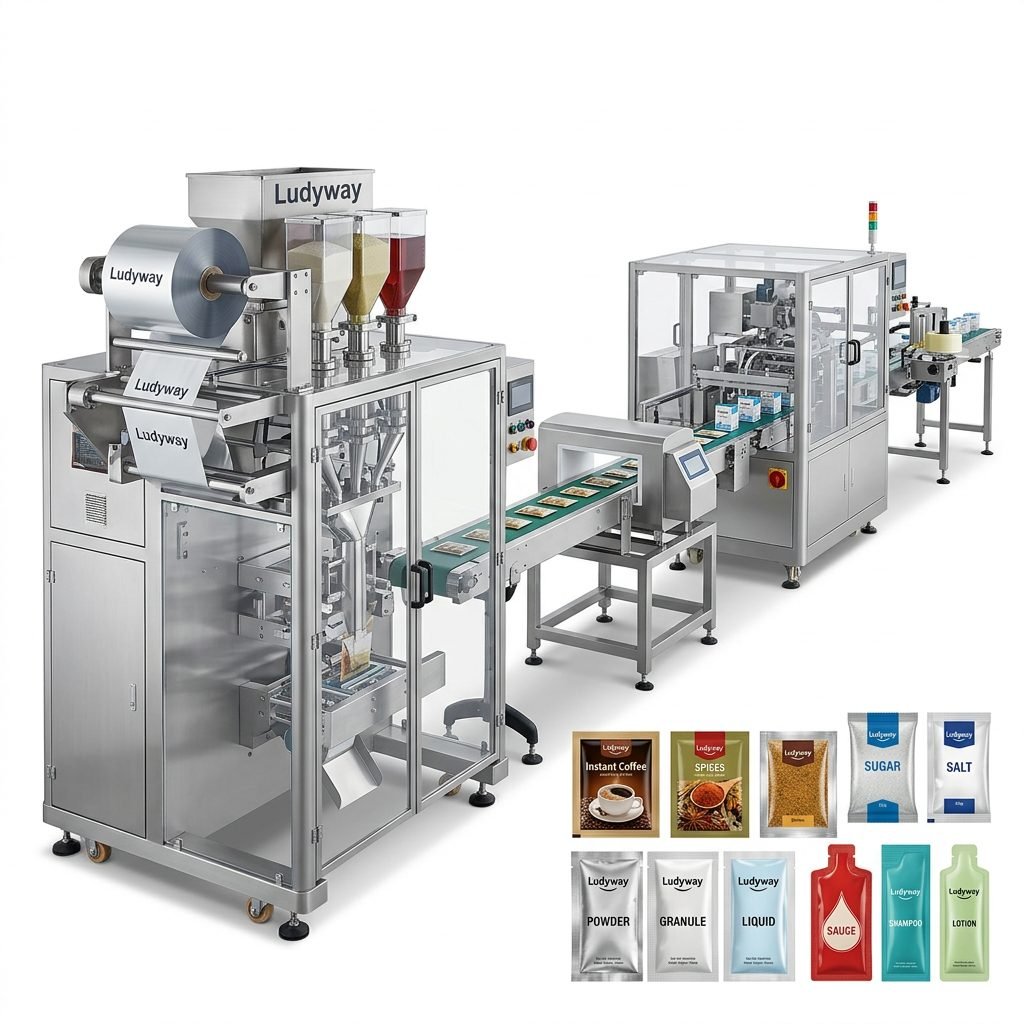
Choosing the right equipment partner impacts your project timeline, budget, and long-term success. Look for a supplier that offers end-to-end support — from initial consultation and line design through installation, training, and after-sales service. A strong partner will have a comprehensive portfolio of packaging machine models and the engineering capability to customize solutions for unique product requirements. Ludyway, for instance, has grown significantly since its founding in 1993, developing over 50 intelligent packaging machine models in a 20,000 square meter facility and serving customers in more than 100 countries. When evaluating any supplier, request details on lead times, warranty terms, remote support capabilities, and local service representation in your region.
Future-Proofing Your Chub Packaging Line
As consumer preferences shift and sustainability becomes increasingly important, your production line should be adaptable. Consider investing in equipment that supports recyclable film structures, reduced material gauges, and mono-material laminates. Automation is another key trend — robotic case packing, automated film splicing, and integrated production data systems reduce labor costs and improve consistency. Open-architecture controls and IIoT connectivity enable seamless integration with enterprise resource planning (ERP) and manufacturing execution systems (MES), giving you real-time visibility into production performance.
Emerging Trends to Watch
- Sustainable Packaging Materials — compostable and recyclable films
- Smart Factory Integration — data-driven production optimization
- Flexible Line Configurations — rapid changeover for multiple SKUs
- Energy-Efficient Drives — reduced power consumption and carbon footprint
- Advanced Serialization — track-and-trace compliance for global markets
Setting up a successful chub packaging machine production line involves far more than purchasing equipment. It requires a holistic approach that considers product characteristics, production goals, facility layout, regulatory compliance, and long-term scalability. By following the structured steps outlined in this guide and partnering with experienced suppliers, you can build a line that delivers consistent quality, operational efficiency, and the flexibility to grow with your business in an increasingly competitive global marketplace.