
The Core Anatomy of a Modern Automatic Packaging Line
Deploying an automated packaging line transforms intermittent manual batch handling into a continuous, cyber-physical production loop. Integrating physical mechanical components with IoT sensors, servo synchronization, and dynamic feedback architectures creates high overall equipment effectiveness (OEE).
1. Primary Packaging (Form-Fill-Seal)
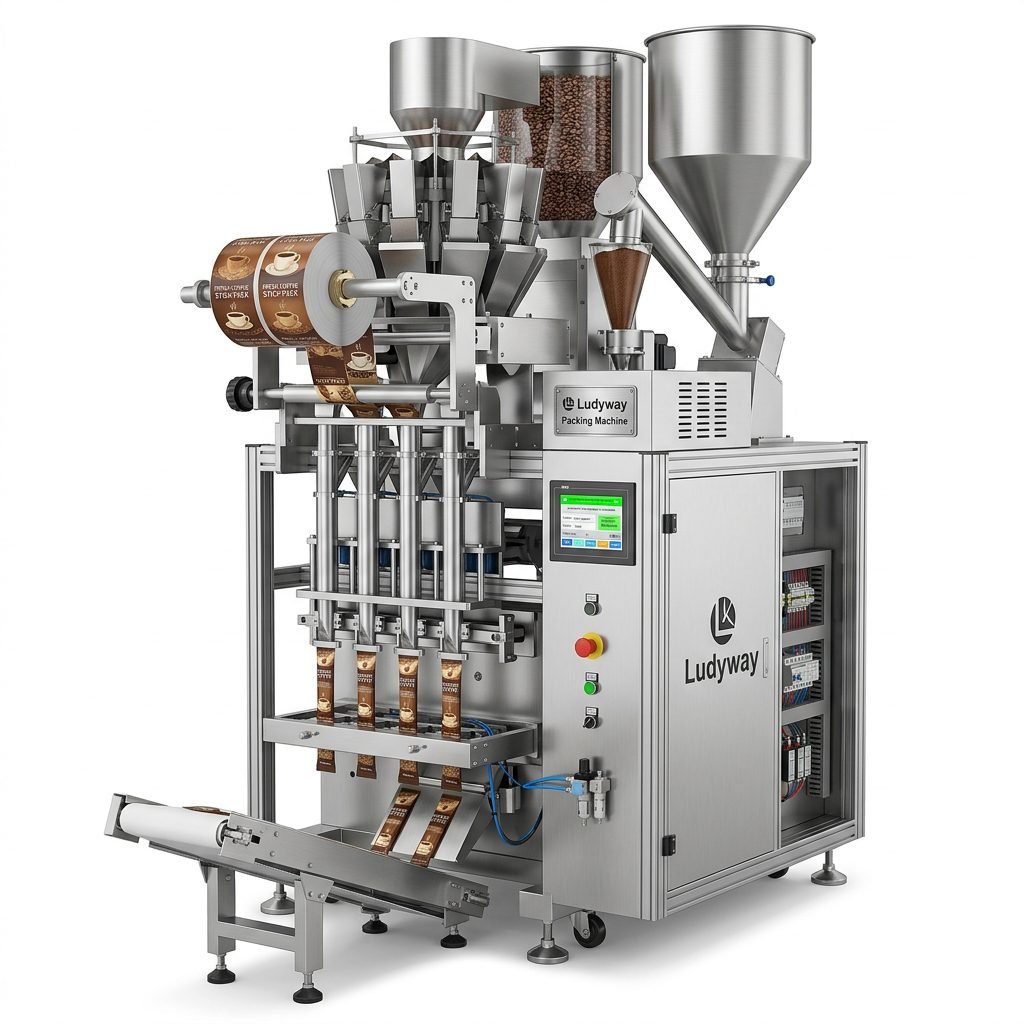
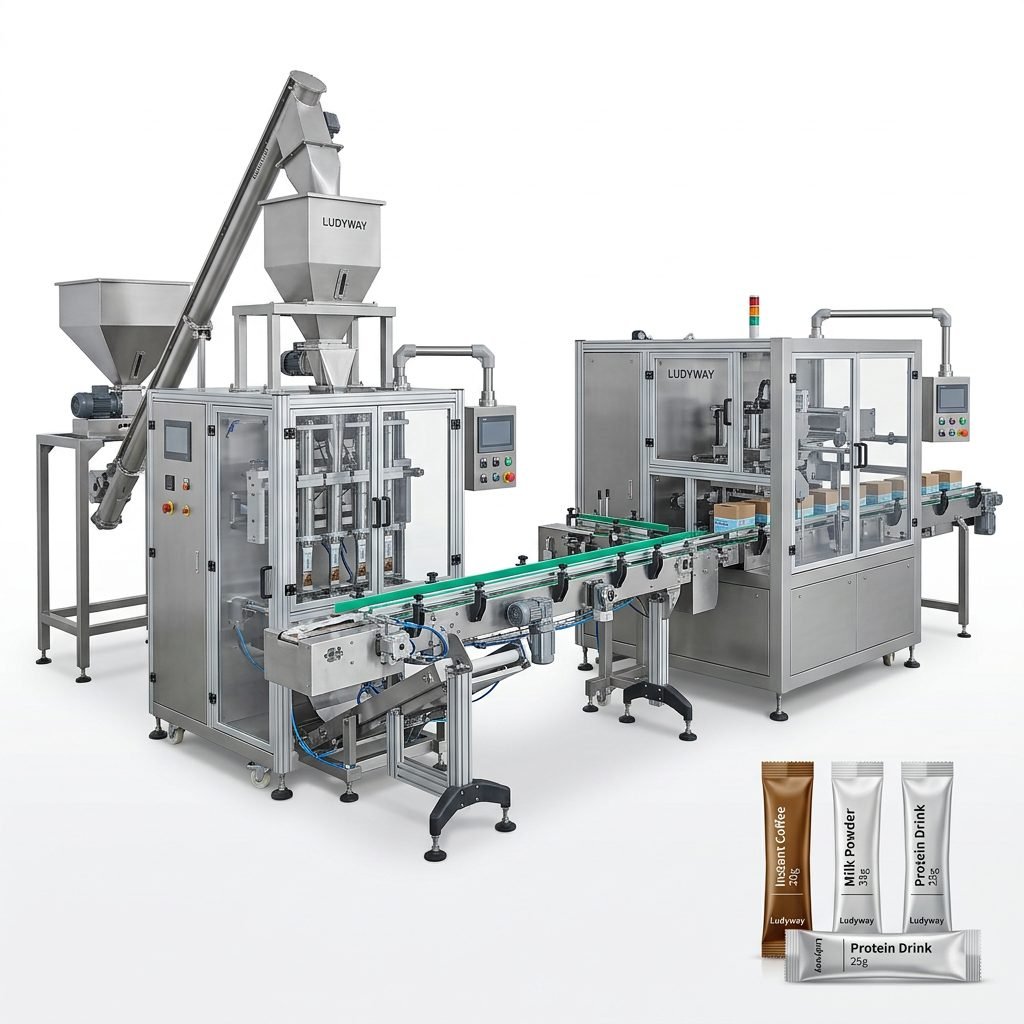
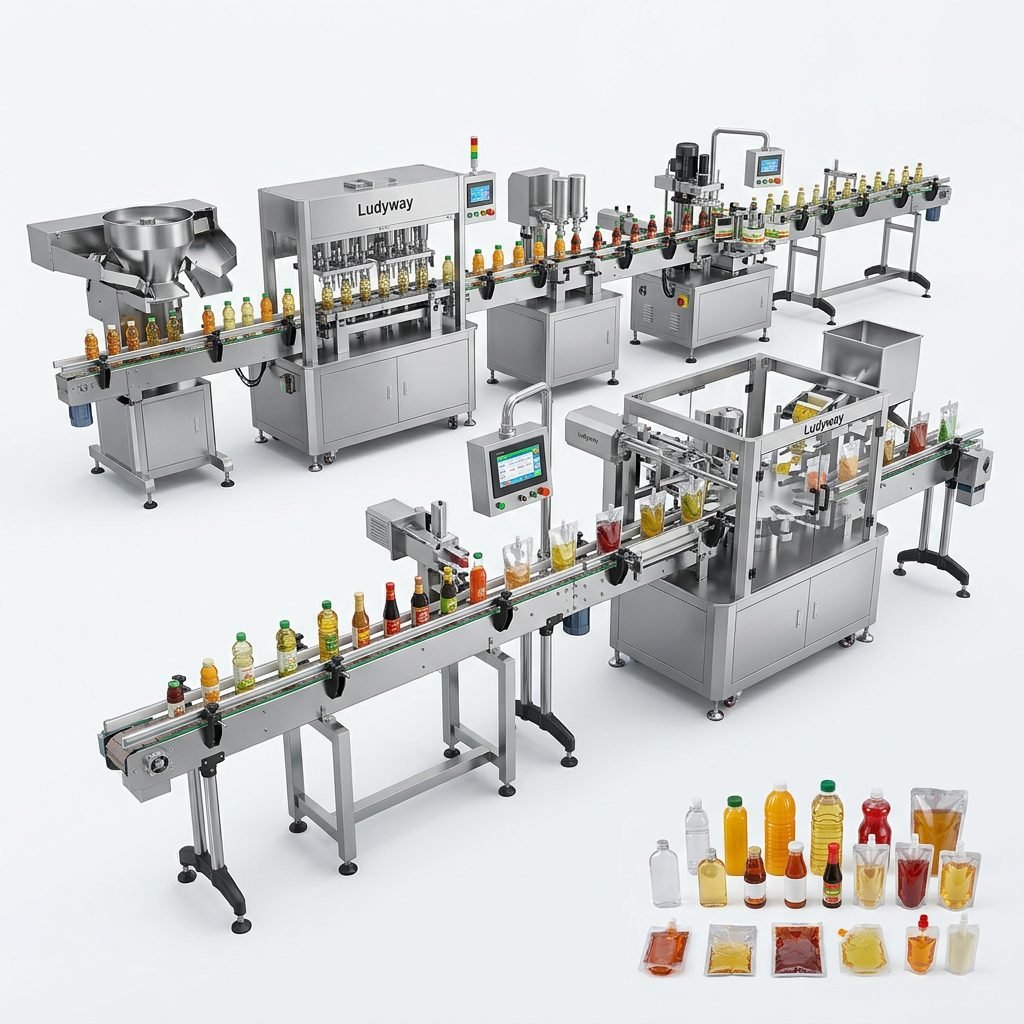
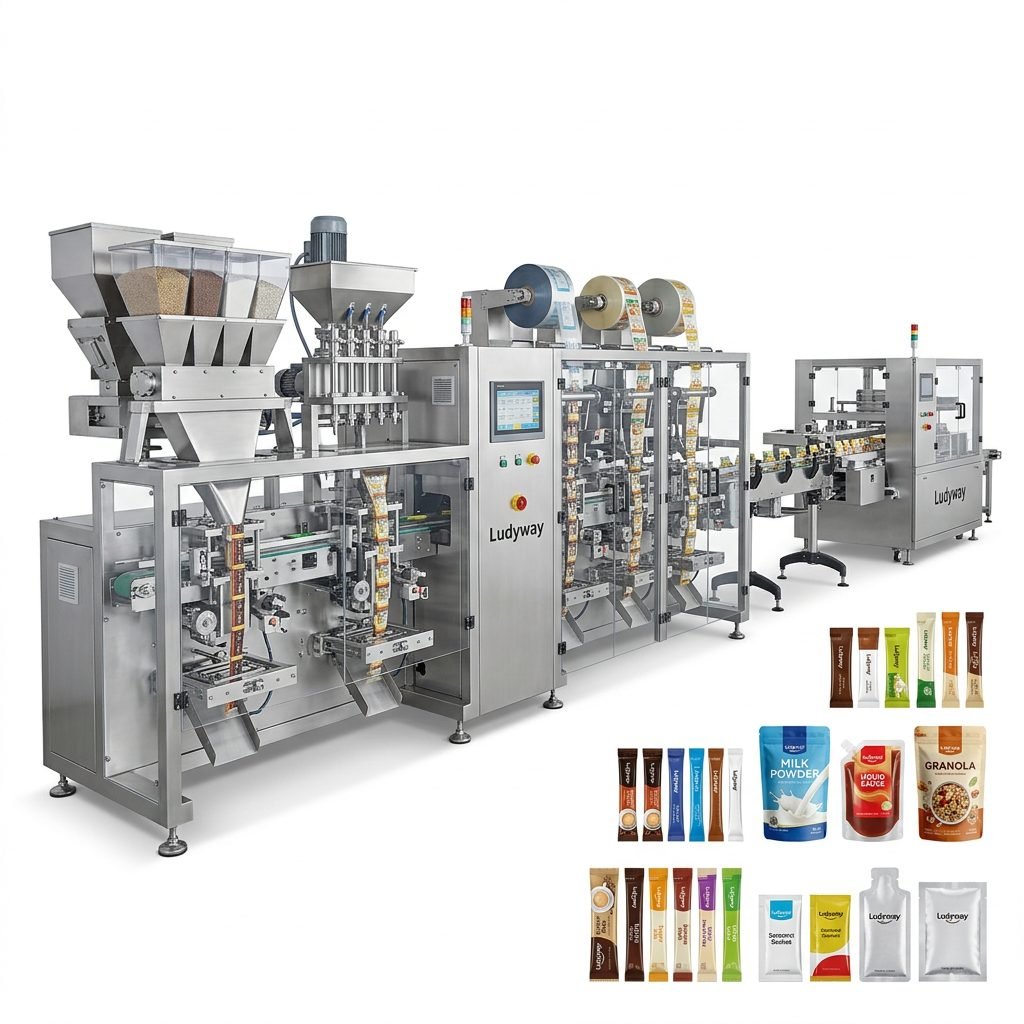
The core unit directly interacting with granular, powdered, or liquid raw material. Utilizes vertical multi-lane stick pack mechanisms, sachet formers, or rotary premade pouch grippers to deliver precise volumetric or gravimetric doses into hermetically sealed barriers.
2. Inline QA & Inspection Systems
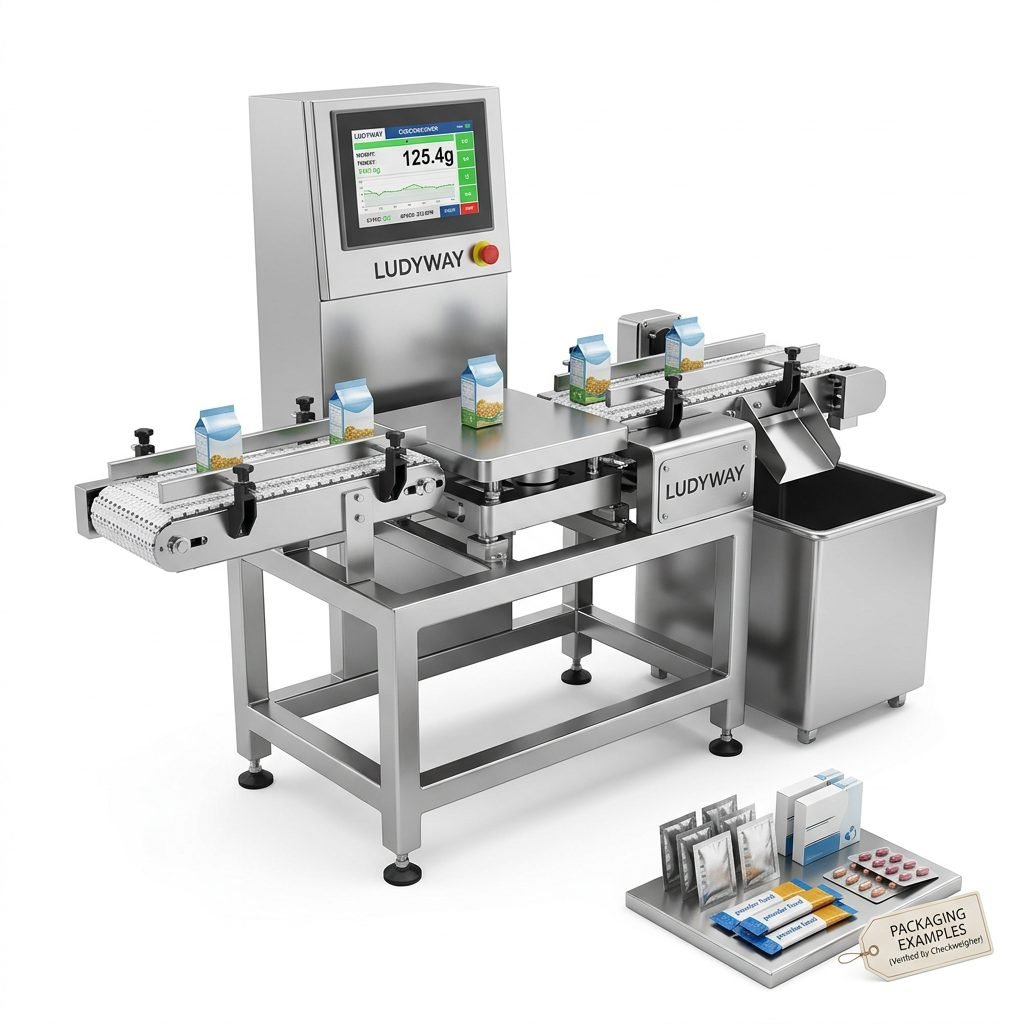
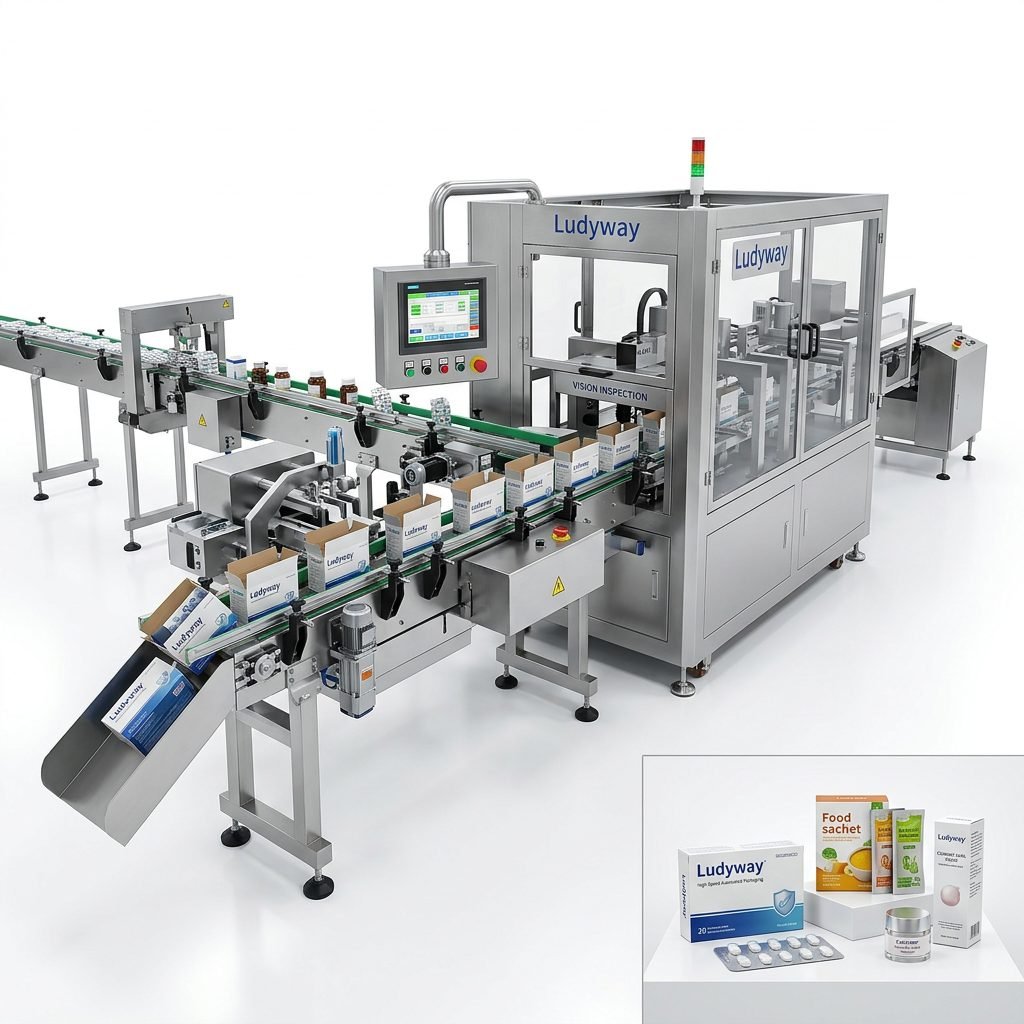
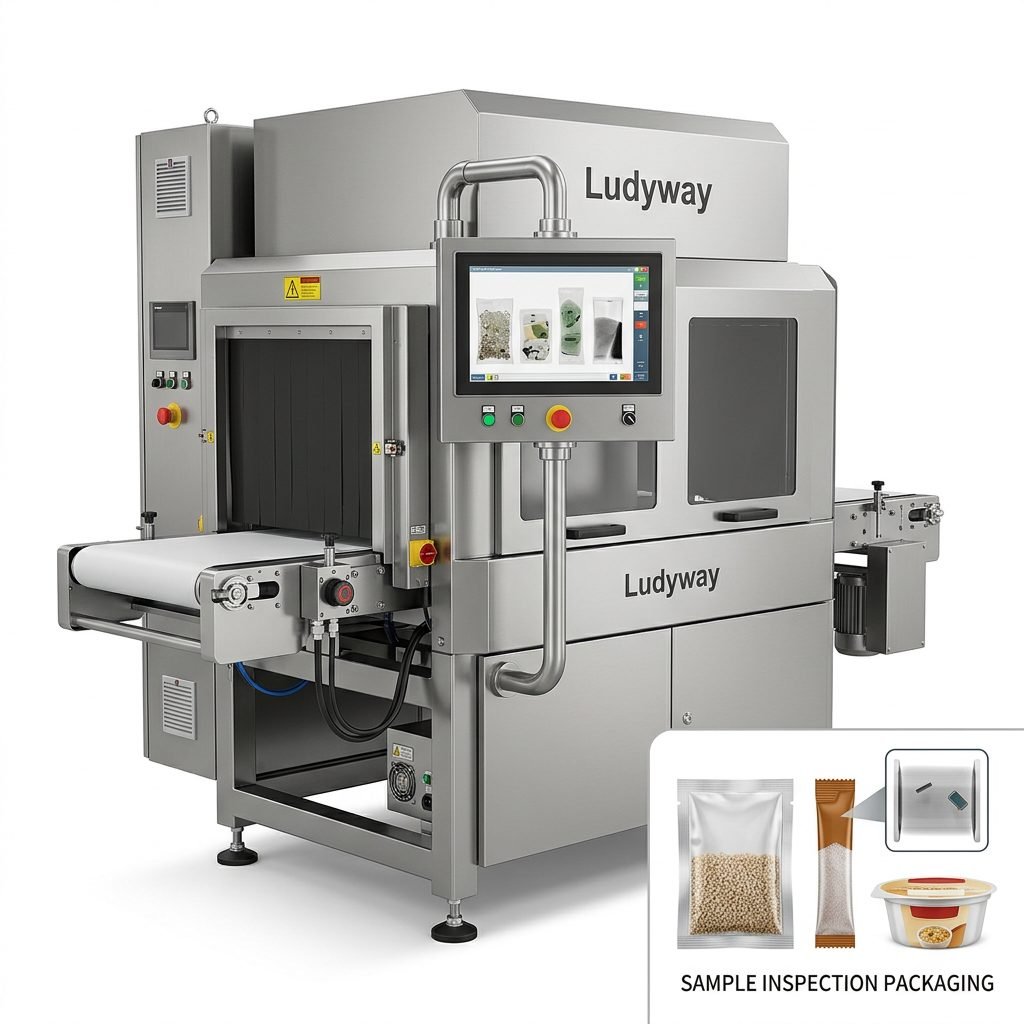
Dynamic checkweighers, industrial X-ray systems, and vision cameras monitor weight deviation, micro-seal leaks, foreign particulate contamination, and barcode readability at rates up to 600 units per minute with pneumatic reject flippers.
3. Secondary Collation & Cartoning
Automated pouch collation grouping, continuous-motion horizontal cartooning, blister packaging, and tray loading that package primary packages into master retailer display cartons with variable date code printing.
4. Tertiary Case Packing & Sealing
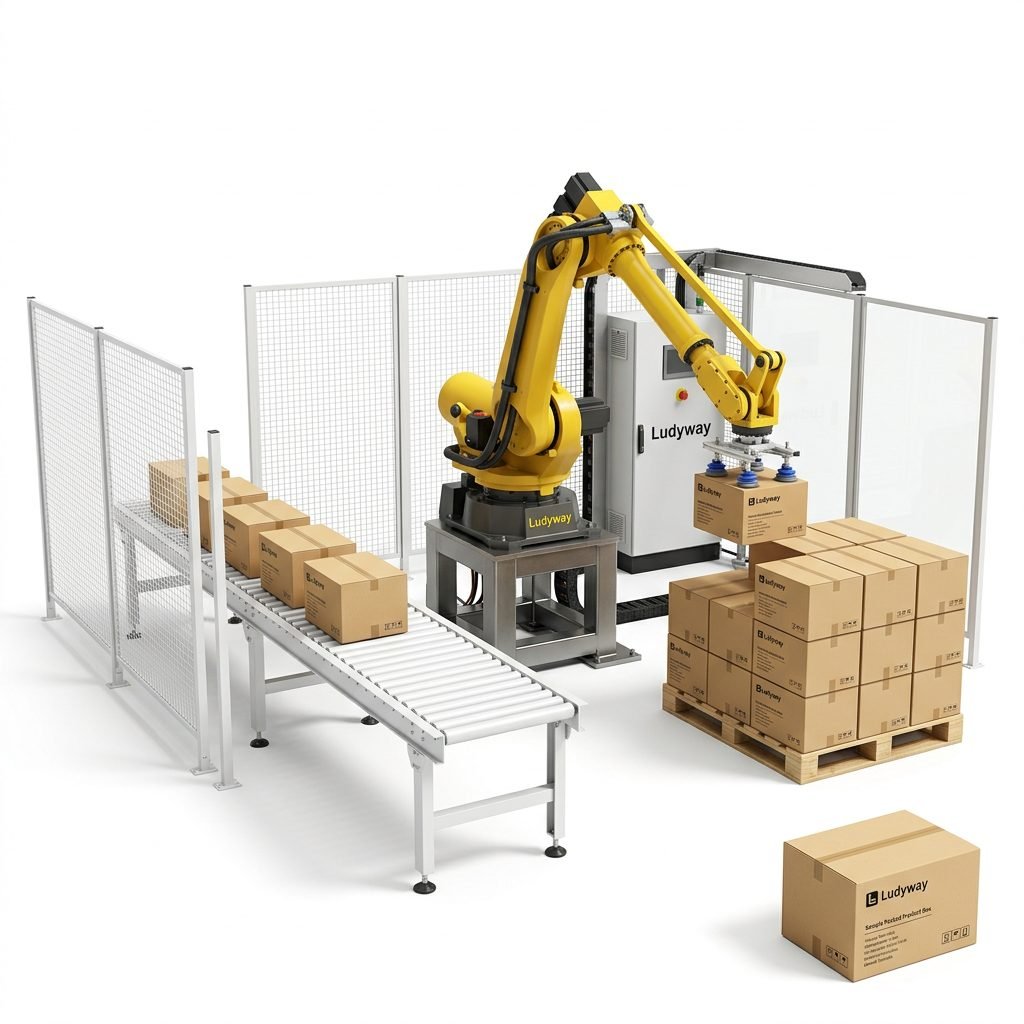
Heavy-duty carton erectors, pick-and-place robotic case packers, and dual-side hot-melt glue or tape case sealers built to handle corrugated shipper boxes with rigid dimensional tolerances and anti-tamper security.
5. End-of-Line Robotic Palletizing
Articulated robotic arm or high-level gantry palletizers calculate optimal stacking interlocks. Integrated stretch film rotary wrappers secure pallet payloads for international freight and heavy warehouse transit.
6. Central PLC / SCADA Interconnect
EtherCAT/Profinet communication backbones linking all servo drives, HMI panels, dynamic buffer tables, and upstream mixers to balance throughput across every station without bottleneck stalling.
Step-by-Step Methodology to Commission an Automated Packaging Line
Executing an enterprise-grade packaging automation installation requires meticulous phased planning. Below is our engineering-backed procedure for architecting turnkey packaging lines.
Phase 1: Material Rheology & Packaging Metric Characterization
Every packaging line setup begins with analyzing bulk raw material behavior. Granules, micro-fine powders, hygroscopic botanicals, high-viscosity pastes, and shear-sensitive emulsions require distinct mechanical feeding solutions. Calculate precise bulk density (g/cm³), moisture equilibrium, target packaging speeds (PPM), and film barrier specifications (PET/AL/PE, Kraft laminate, or water-soluble barrier films).
Phase 2: Plant Spatial Footprint & Workflow Layout CAD Drafting
Map facility spatial constraints including cleanroom envelope ratings (GMP Class 100k or ISO 8), ceiling elevations for vertical bucket elevators, drainage slopes, compressed air drops (6-8 Bar), and electrical sub-panels. Design smooth in-feed product conduits and out-feed pallet routes to eliminate cross-traffic and material cross-contamination risks.
Phase 3: Machine Selection & Filling Technology Integration
Match output goals with specialized machinery. For multi-lane single-serve packaging, select servo-driven multi-lane stick pack or sachet machines equipped with multi-head augers (for powders) or piston-servo manifold pumps (for viscous liquids). Ensure upstream material feeding leverages dust-tight vacuum feeders or z-type elevators to maintain uniform hopper head-pressure.
Phase 4: Automation Synchronization & Downstream Line Balancing
Prevent downstream bottlenecks by calibrating throughput across linked machines. If primary packaging runs at 400 sticks/min, secondary cartoning must handle 450 items/min surge capacity. Integrate zero-pressure dynamic buffering conveyors, vision inspection cameras, continuous date-coding printers, and case sealers into a central PLC via Ethernet/IP protocols.
Phase 5: Factory Acceptance Testing (FAT), Commissioning & SAT
Conduct rigorous multi-hour dry and wet runs using real production materials before shipment (FAT). Perform Site Acceptance Testing (SAT) on your production floor to validate continuous sealing integrity, checkweigher rejection reliability, dust containment, safety E-stop responsiveness, and overall OEE metrics above 92%.
Automated vs Semi-Automated Packaging Line Configuration
Review the performance, yield, and workforce requirements across common packaging plant deployment strategies.
| System Parameter | Manual Batch Setup | Semi-Automated Line | Fully Automated Turnkey Line |
|---|---|---|---|
| Production Output (PPM) | 15 – 35 units/min | 60 – 160 units/min | 200 – 600+ units/min |
| Labor Headcount Required | 6 – 12 Operators per shift | 3 – 5 Operators per shift | 1 – 2 Supervisory Technicians |
| Dosing Accuracy Margin | ±2.0% – ±3.5% (High loss) | ±1.0% – ±1.5% | ±0.2% – ±0.5% (Servo Precision) |
| Quality Inspection Depth | Random spot checks | Inline checkweighing only | 100% Dynamic X-Ray, Checkweigh & Vision |
| Hygiene & GMP Compliance | Frequent human contact risks | Moderate contact areas | Zero Human Contact / Enclosed CIP Options |
| Changeover Down Time | 3 – 5 Hours | 1.5 – 2.5 Hours | < 30 Mins (Tool-less quick change) |
Essential Machines for High-Speed Packaging Lines
Select from our field-tested packaging systems designed for foods, pharmaceuticals, cosmetics, and industrial materials.
Crucial Pitfalls to Avoid in Packaging Automation Projects
Even high-grade machinery can underperform if integration variables are overlooked. Avoid these common engineering pitfalls when commissioning a packaging line.
A frequent error is coupling machines tightly without accumulation zones. When downstream case sealers pause to replenish tape or change ink cartridges, upstream multi-lane fillers are forced into instant stops. Implementing bidirectional accumulation tables or looping conveyor buffers ensures primary fillers run continuously at maximum thermal sealing efficiency.
High-speed form-fill-seal equipment demands strict roll film coefficient of friction specifications. Inconsistent slip additive levels cause web drift, improper registration mark tracking, and jagged fin-seal cuts. Always validate film COF values (typically between 0.20 and 0.25) during early material acceptance testing.
Micro-powders and spice blends generate airborne dust during high-speed vertical drops. Without integrated vacuum suction hoods and sealed auger tooling, powder coats sealing jaws. This creates micro-channels in pouch cross-seals, compromising product shelf life and sterile integrity.
Purchasing individual standalone machines from mismatched vendors without establishing unified communication protocols causes operational fragmentation. Ensure all line modules share a unified PLC communication platform (such as Siemens TIA Portal or Rockwell Automation EtherNet/IP) for consolidated recipe handling and predictive maintenance alerts.
Ludyway Machinery: 30+ Years of Packaging Innovation
As one of China’s premier automated packaging equipment manufacturers, Ludyway engineers turnkey packaging solutions for the global food, pharmaceutical, and chemical industries. Operating from a modern 20,000㎡ precision manufacturing facility, our dedicated team of over 130 technical specialists develops more than 50 advanced packaging machine models, including multi-lane stick pack systems, sachet form-fill-seal lines, and high-speed robotic cartoning ecosystems. Serving clients across 100+ countries, we deliver reliable, high-yield packaging automation that elevates operational efficiency and ROI.
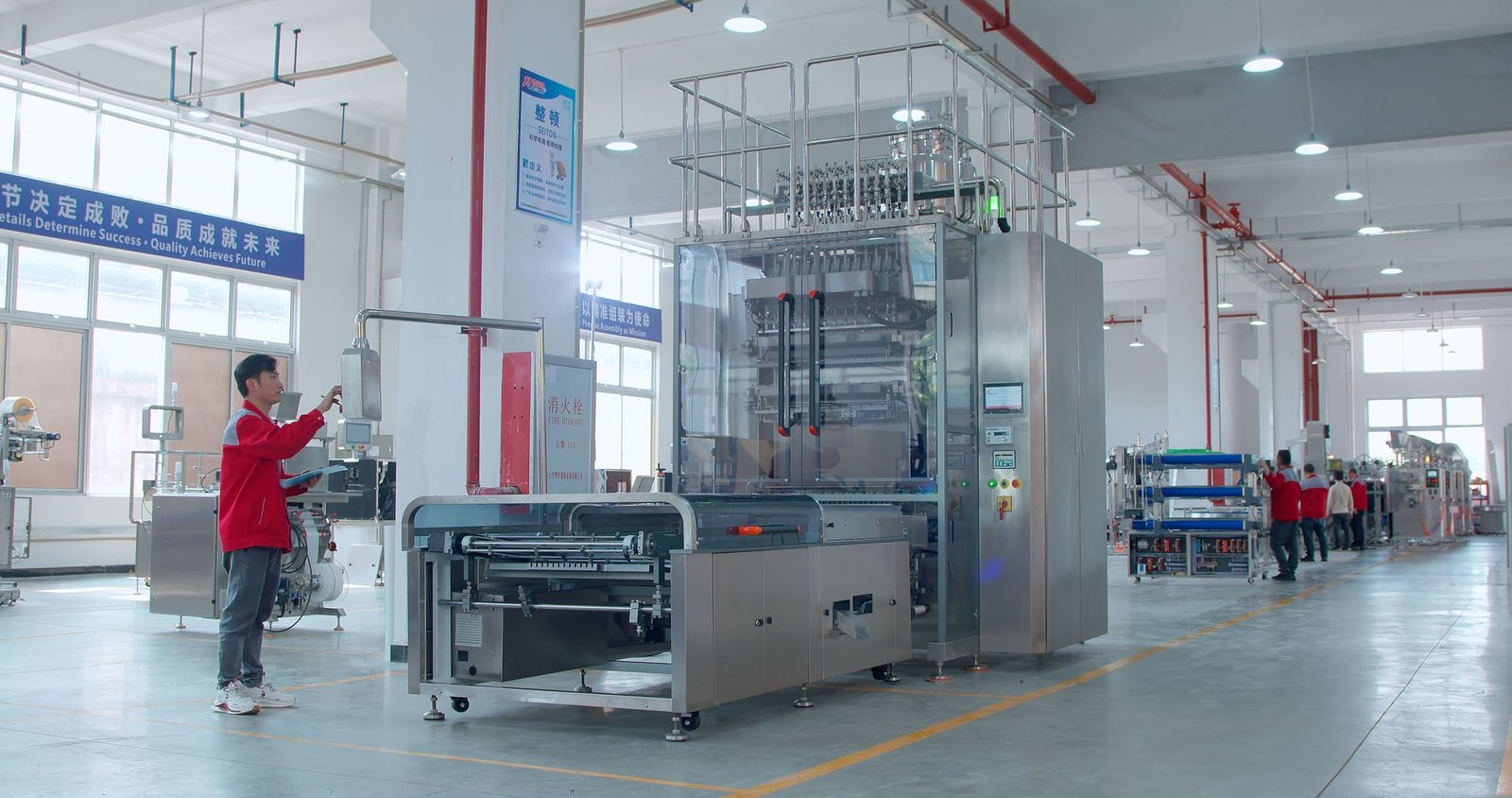
International Quality Certifications & Standards
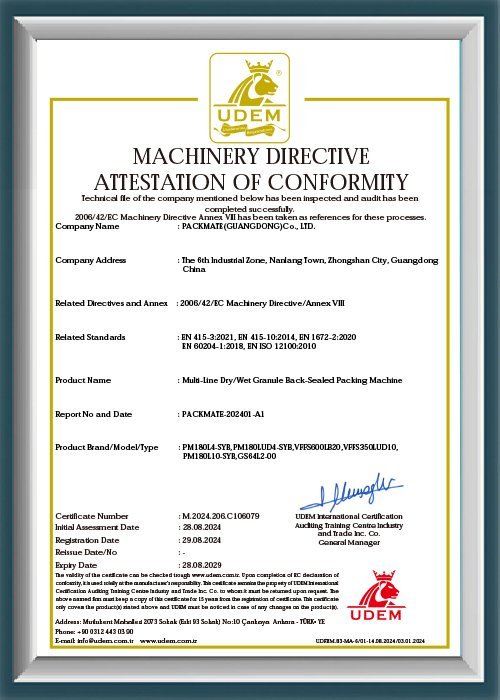
Every Ludyway automated packaging system complies with rigorous international manufacturing, electrical, and hygiene codes including CE, ISO9001, and cGMP sanitary standards.
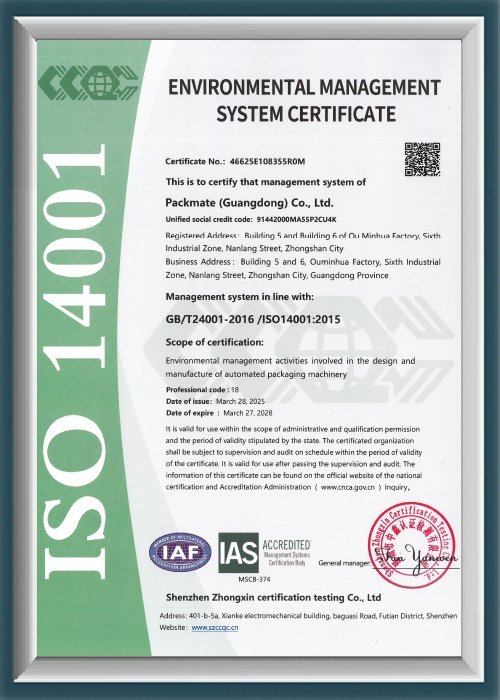 CE Safety Compliance
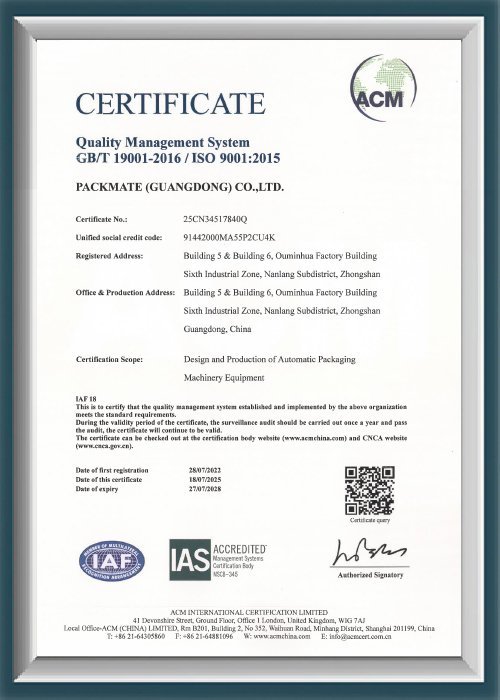 ISO9001 Quality System
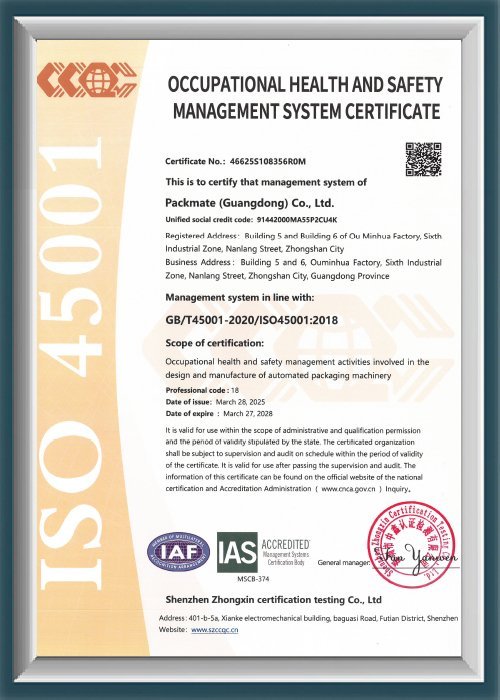 cGMP Sanitary Standard
 Global Export Verified
Global Packaging Machinery Trade Exhibitions
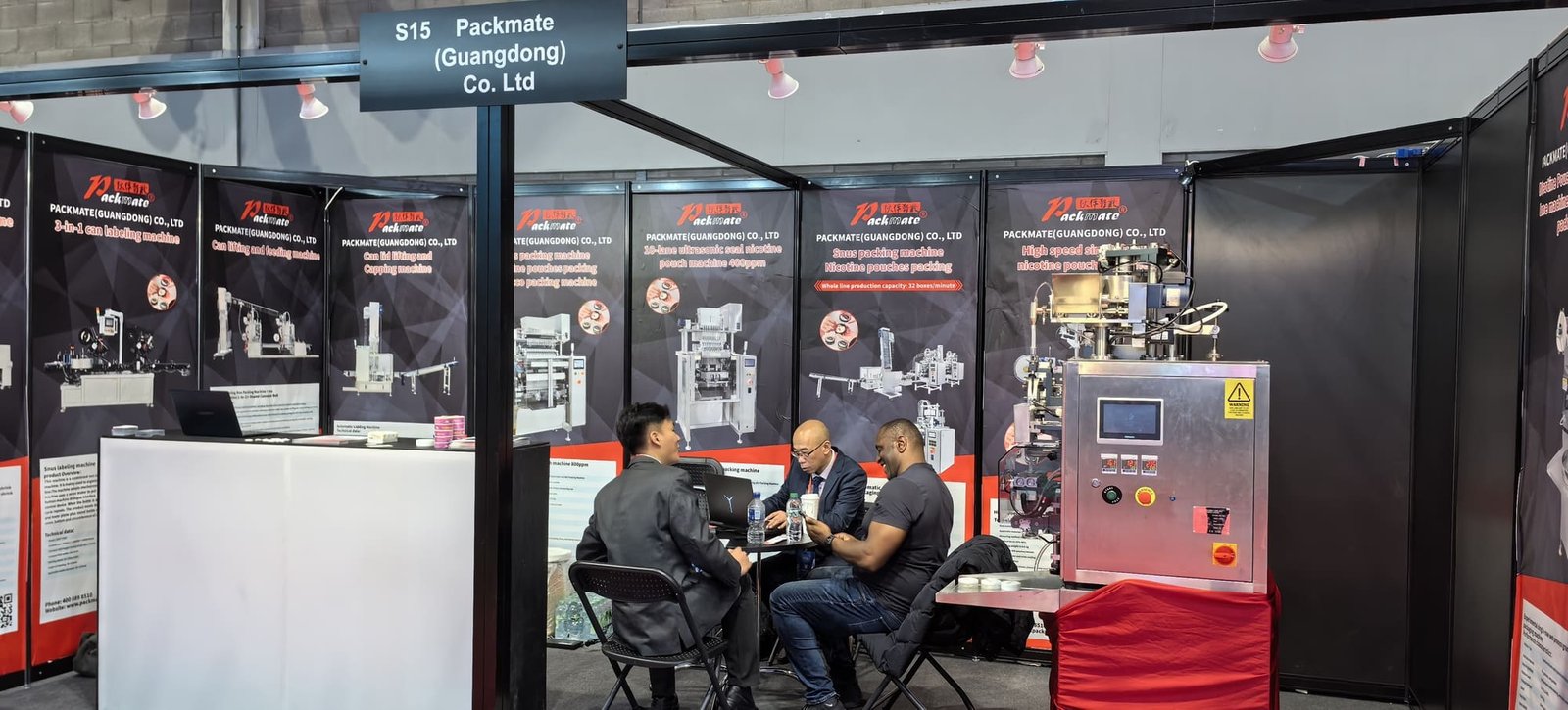
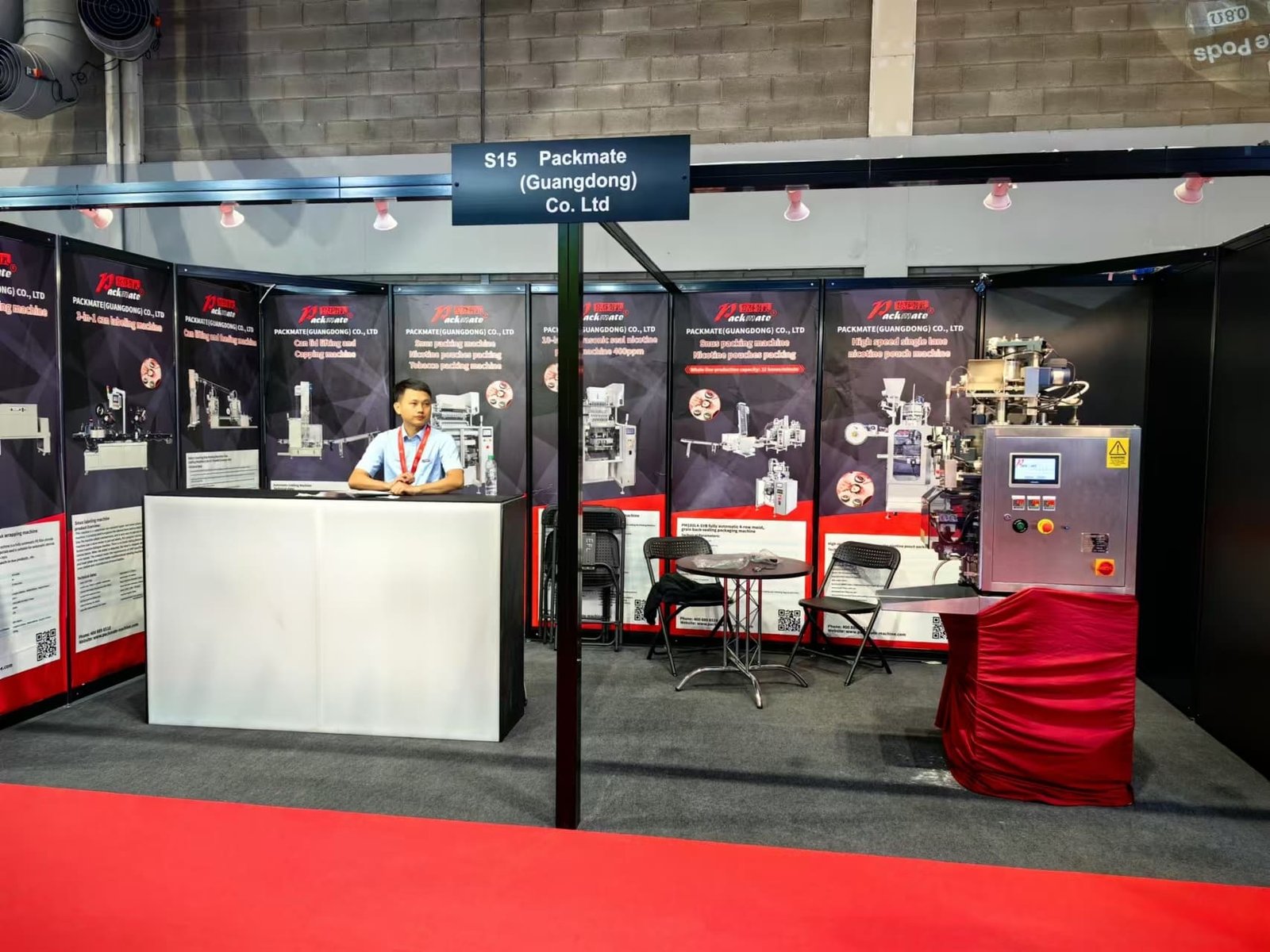
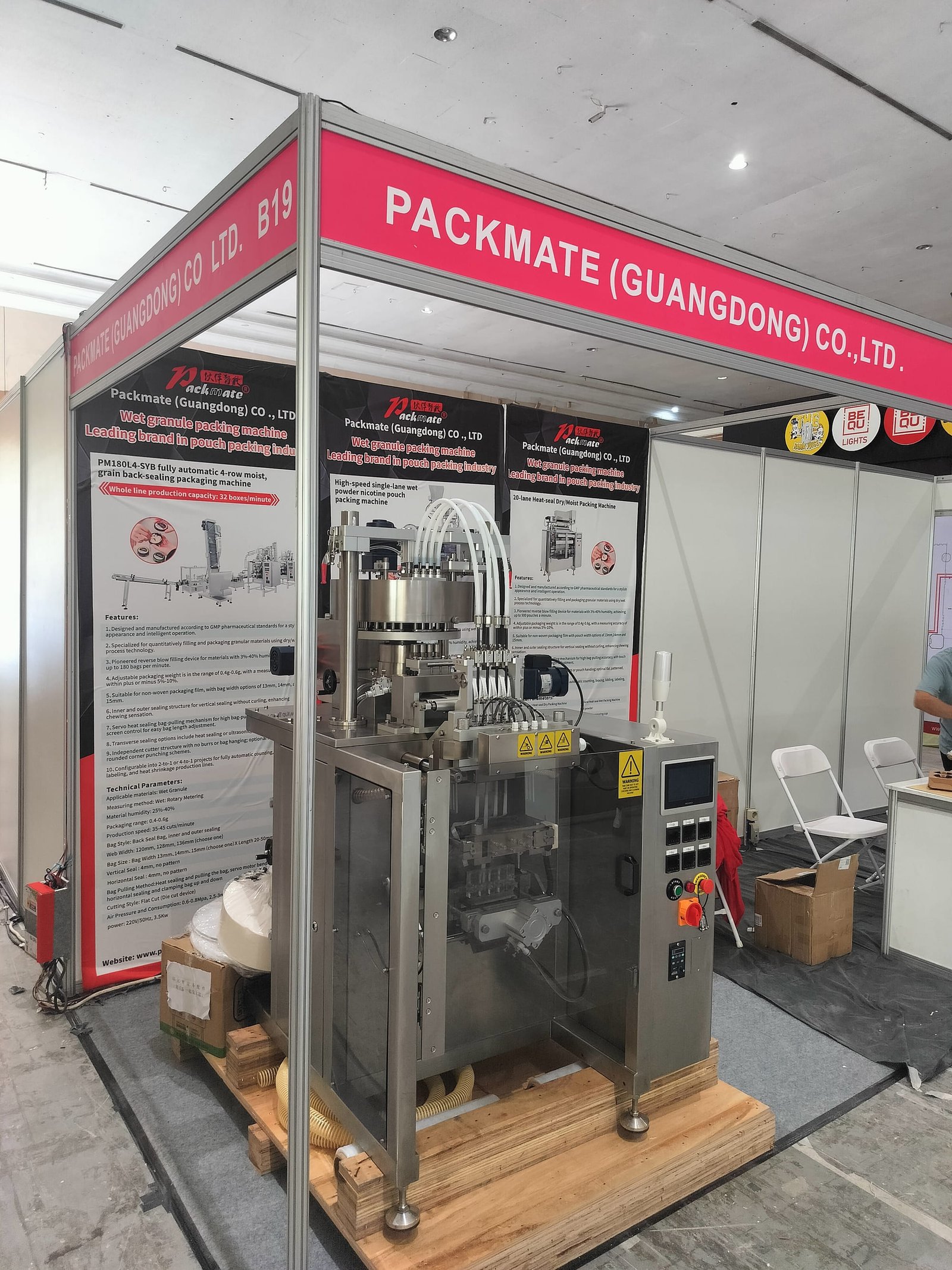
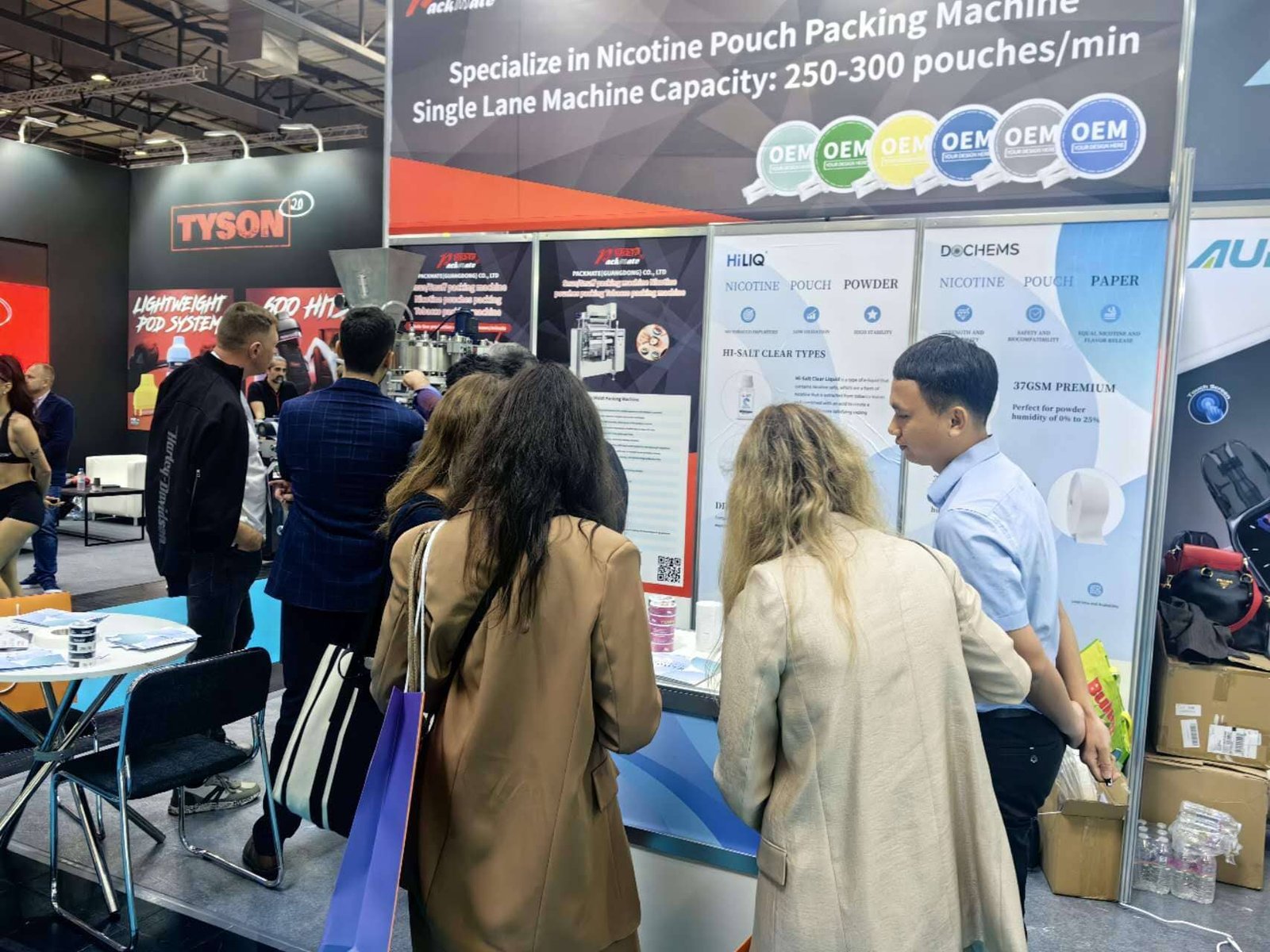
Ludyway showcases next-generation packaging automation at major packaging expos including Interpack, ProPak, and Pack Expo, building long-term partnerships with leading manufacturing brands worldwide.







Frequently Asked Questions on Automatic Packaging Lines
Key considerations on lead times, line integration, film compatibility, and maintenance protocols.
What is the typical lead time to engineer and commission a custom turnkey packaging line?
Depending on custom automation levels and upstream/downstream integrations, standard multi-lane packaging lines require 45 to 75 business days for fabrication, PLC programming, and rigorous Factory Acceptance Testing (FAT). Complex turnkey lines with integrated robotics and automated case cartooning typically require 90 to 120 days.
How are product changeovers handled across multi-lane packaging machines?
Modern Ludyway multi-lane systems incorporate quick-release, tool-less changeover parts. Operators can switch between different sachet widths or dosing formats within 20 to 45 minutes by loading pre-saved digital recipe parameters on the central touchscreen HMI.
Can one automated packaging line accommodate multiple product formats (powders, granules, liquids)?
Yes. Modular packaging frames allow interchangeable dosing heads. By swapping a multi-head auger filler for a servo piston pump or multi-head weigher, the same base form-fill-seal and downstream cartoning infrastructure can package powders, liquids, and granular products on demand.
What utilities and infrastructure are required before delivery?
Facilities require standard 3-phase electrical power (220V/380V/480V, 50/60Hz), dry compressed air supply delivering 0.6 to 0.8 MPa with adequate air reservoir tanks, cleanroom ambient temperature/humidity control, and dedicated dust extraction ducts for powder formulations.
Ready to Design Your Turnkey Packaging Automation Line?
Partner with Ludyway’s senior packaging engineers to configure, simulate, and install a custom high-performance packaging line tailored to your exact floor plan, product rheology, and throughput targets.
