
Strategic Planning for Automated Face Mask Packaging Lines
Setting up an industrial face mask packaging line requires bridging the gap between delicate material feeding, high-speed primary pouch forming, airtight liquid dosing, and integrated secondary case packing.
Whether manufacturing medical 3-ply surgical masks, N95/FFP2 protective respirators, or high-viscosity cosmetic sheet masks (serum/collagen/clay), setting up an efficient packaging line determines your entire production yield, unit cost, and regulatory compliance.
A poorly configured line leads to film jams, serum spillage, micro-channel leakage, and inconsistent cartoning feeds. By configuring modular turnkey systems tailored to production volume and cleanroom geometry, plants achieve overall equipment effectiveness (OEE) above 92% with minimized downtime.
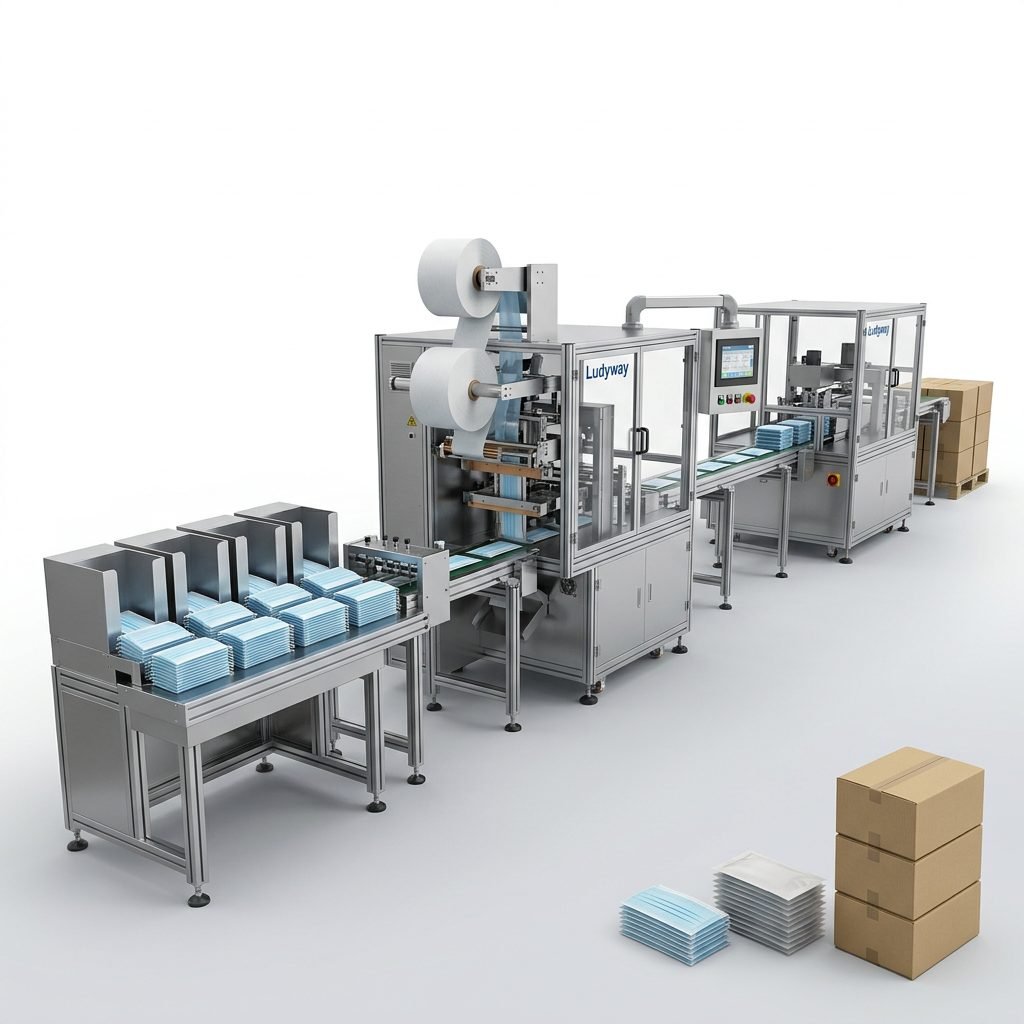
Selecting Your Target Mask Packaging Line Format
Packaging kinematics and sealing mechanisms differ significantly based on the substrate physical properties, fluid absorption rates, and primary barrier requirements.
Cosmetic Sheet Mask Line
Designed for non-woven, silk, or hydrogel sheets folded and placed into 3-side or 4-side sealed aluminum foil sachets followed by precise liquid essence filling.
- Multi-stage folding & automatic pouch inserting
- Servo peristaltic/piston pump liquid filling (15-35ml)
- Nitrogen purge displacement & thermal embossing
- Continuous weight verification feedback
Medical & Surgical Mask Line
Horizontal continuous flow wrapper (HFFS) optimized for individual or grouped (5/10/50 pcs) sterilization packaging of pleated surgical masks.
- Ultra-high speed up to 120-250 pouches/min
- Photocell sensor film tracking with date coder
- Sterile breathable Tyvek/paper-poly sealing options
- Direct multi-stack transfer to cartoner
Cosmetic Clay/Mud Sachet Line
Vertical or multi-lane pouch systems for viscous peel-off masks, clay mixtures, and exfoliating pastes in single-use sticks or contoured sachets.
- Heated jacket hoppers with screw-assisted feeding
- Multi-lane volumetric positive displacement pumps
- No-drip cut-off nozzles with suction suck-back
- Shaped die-cut contoured edge styling
Step-by-Step Engineering: How to Build Your Face Mask Line
Setting up high-yield automated packaging lines requires a sequential approach from workshop infrastructure validation to integrated commissioning.
Cleanroom Facility Layout & Environmental Engineering
Face masks—both medical devices and wet cosmetic treatments—are subject to strict hygienic criteria. Establish an ISO Class 7/8 (Class 10,000 / 100,000) cleanroom environment. Calculate HVAC air exchange rates (minimum 15-20 ACPH), implement differential pressure zones (10-15 Pa) between compounding and primary packaging, and establish dedicated air showers and pass-boxes for non-woven fabrics and roll films to eliminate particle contamination.
Primary Forming & Folding Integration
Configure automated rotary or plow folding mechanisms to fold dry facial mask fabric (cupra, tencel, non-woven, micro-fiber). Align the folding system with high-precision servo feed arms to tuck masks into premade pouches or inline form-fill-seal (FFS) foil webs. For medical mask lines, link the ultrasonic earloop welder discharge conveyor directly to the horizontal flow wrapper intake lugs via optical positioning drives.
Fluid Formulation & Dosing Integration
For facial sheet mask lines, connect sanitary 316L stainless steel holding tanks to high-speed multi-head filling pumps. Employ ceramic piston or peristaltic dosing units that prevent liquid shearing and maintain dosing tolerance within ±0.3ml. Integrate automatic nitrogen gas flushing before top sealing to depress dissolved oxygen below 2%, ensuring 24-36 months of cosmetic shelf stability without oxidation.
Hermetic Sealing & Inline Quality Inspection
Thermal sealing stations must utilize PID digital temperature regulators paired with pneumatic proportional valves to deliver constant pressure (0.4-0.6 MPa) across laminated foils (PET/AL/PE, PET/VMPET/PE). Downstream, position dynamic checkweighers to reject under-dosed sachets and add continuous vision inspection systems to identify improper sealing margins, earloop pinching, and laser/inkjet lot code anomalies.
Secondary Packaging, Cartoning, & Palletizing
Complete the turnkey setup by bridging primary pouch outfeed to high-speed cartoning machines via vacuum pick-and-place transfer units. Collate sachets into predetermined quantities (e.g., 5 or 10 masks per retail carton), insert leaflets/brochures automatically, seal carton flaps via hot-melt adhesive, and route through an automated case erector, checkweigher, carton sealer, and robotic palletizer.
Medical vs. Cosmetic Sheet Mask Packaging Parameters
Detailed mechanical specifications to benchmark your automation line configuration.
| Parameter / System Metric | Cosmetic Wet Sheet Mask Line | Surgical / Medical Mask Line | Clay / Gel Sachet Line |
|---|---|---|---|
| Primary Packaging Machine | Rotary / Linear Sheet Mask Bagging Machine | Horizontal Flow Wrapper (HFFS) | Multi-Lane Form-Fill-Seal (VFFS) |
| Standard Operating Speed | 40 – 120 pouches / min (multi-lane: 240+) | 120 – 260 pouches / min | 150 – 400 sticks/sachets / min |
| Liquid Essence / Dosing Range | 15ml – 40ml per bag (±0.3ml precision) | N/A (Dry Substrate) | 5g – 30g per pack |
| Packaging Material Barrier | PET/AL/PE, Matt Foil, Holographic Film | OPP/CPP, Non-woven, Paper-Poly, Tyvek | PET/AL/PE, Multi-layer Barrier Film |
| Atmosphere Control | Liquid de-aeration & Nitrogen Purging | Standard air / Cleanroom filtered air | Optional inert gas blanketing |
| Secondary Packaging Line | Counting, Leaflet inserter, Cartoner, Overwrapper | Multi-stack counting, Box erector, Shrink wrapper | Sachet collating, Cartoning line, Case packer |
Recommended Packaging Systems for Mask Production
Explore precision equipment engineered specifically for medical mask flow wrapping, cosmetic mask sachet filling, and integrated cartoning lines.
Face Mask Packaging Lines: Automated, Multi-Lane Turnkey Systems
View System Specs →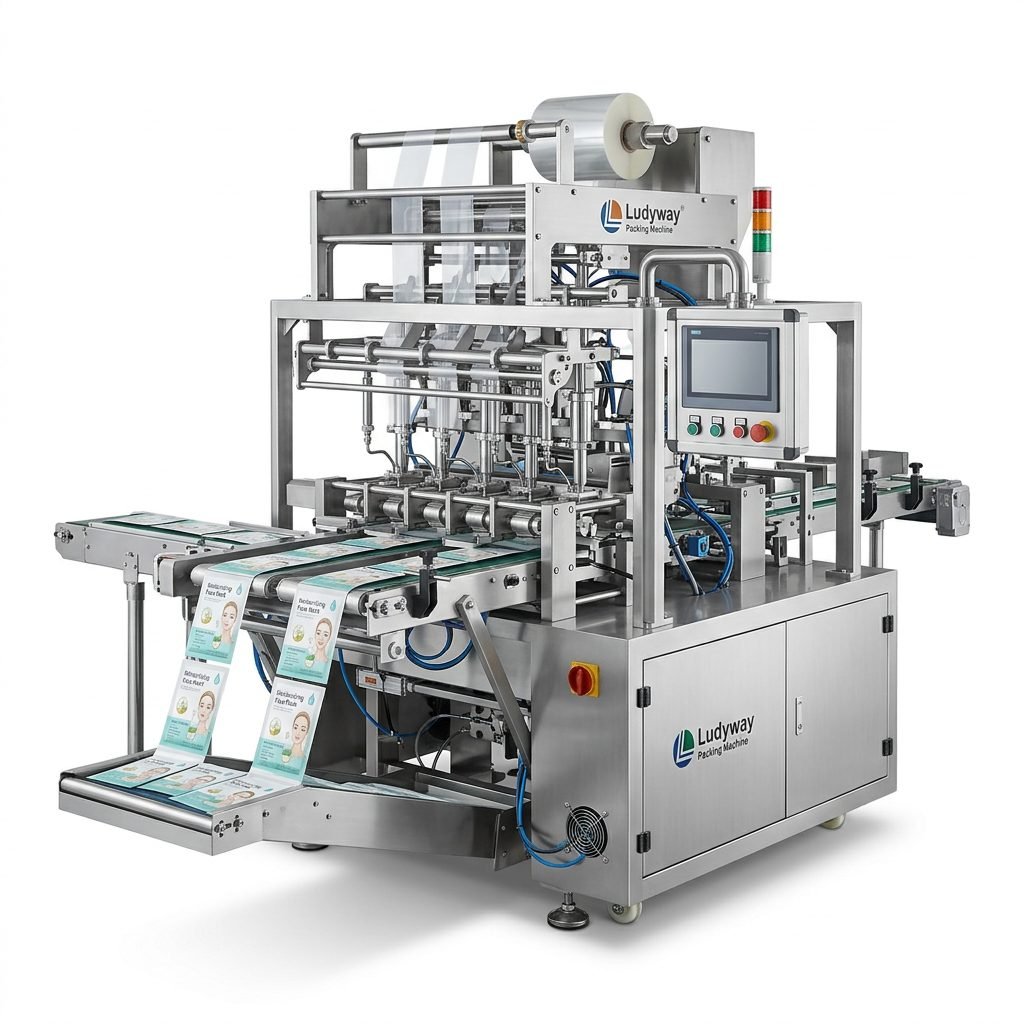
Facial Mask Packing Machine with Multi-Lane Sachet System
View System Specs →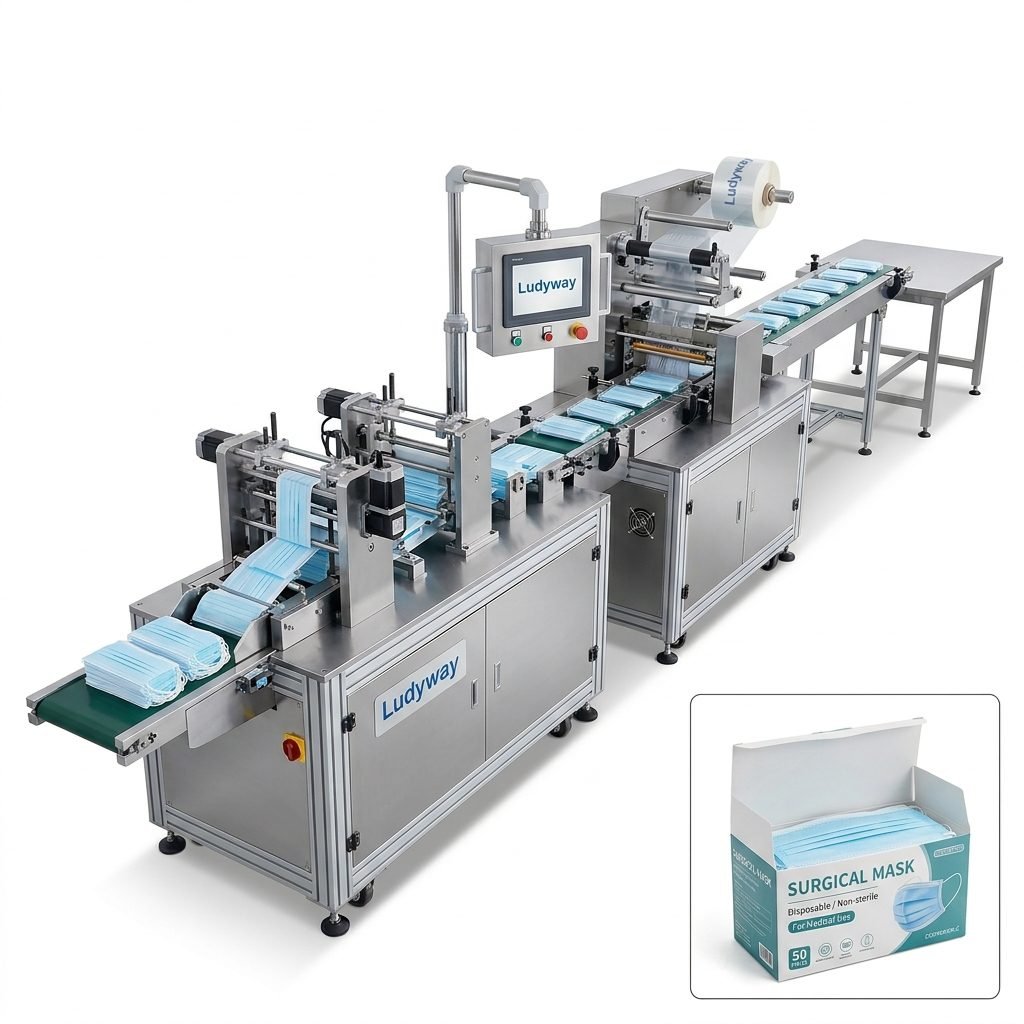
High-Speed Surgical Mask Packaging Lines for Medical Use
View System Specs →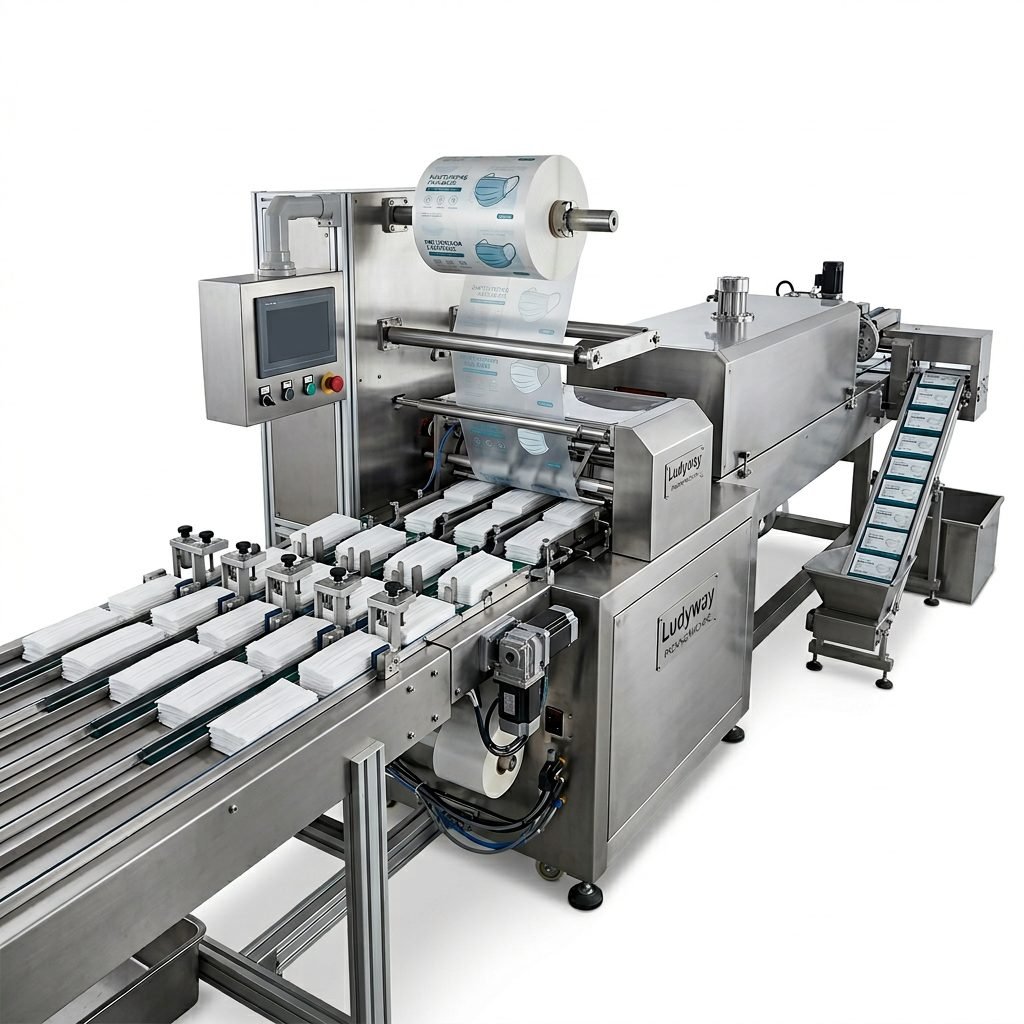
Face Mask Sheet Horizontal Flow Wrapper with Multi-Lane Feeding
View System Specs →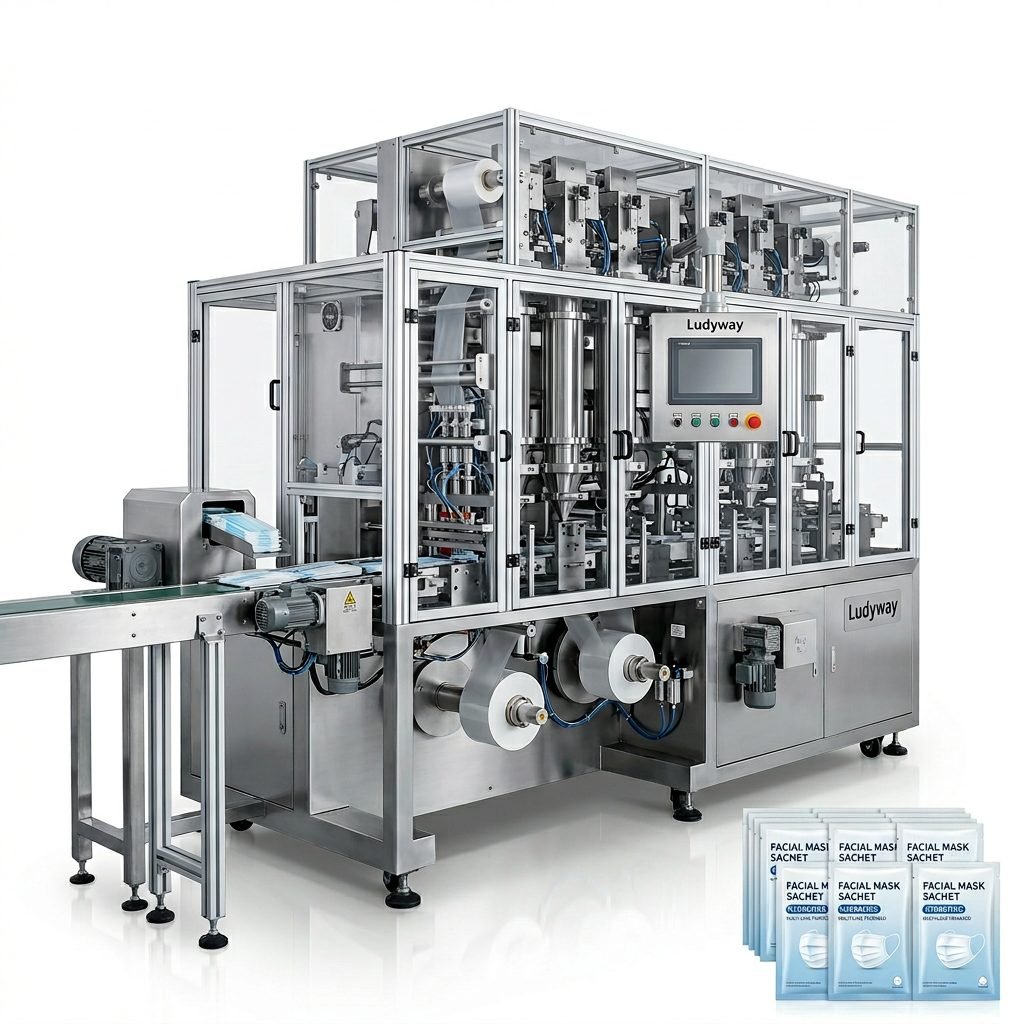
Mask Sachet Packaging System for Face Mask Production
View System Specs →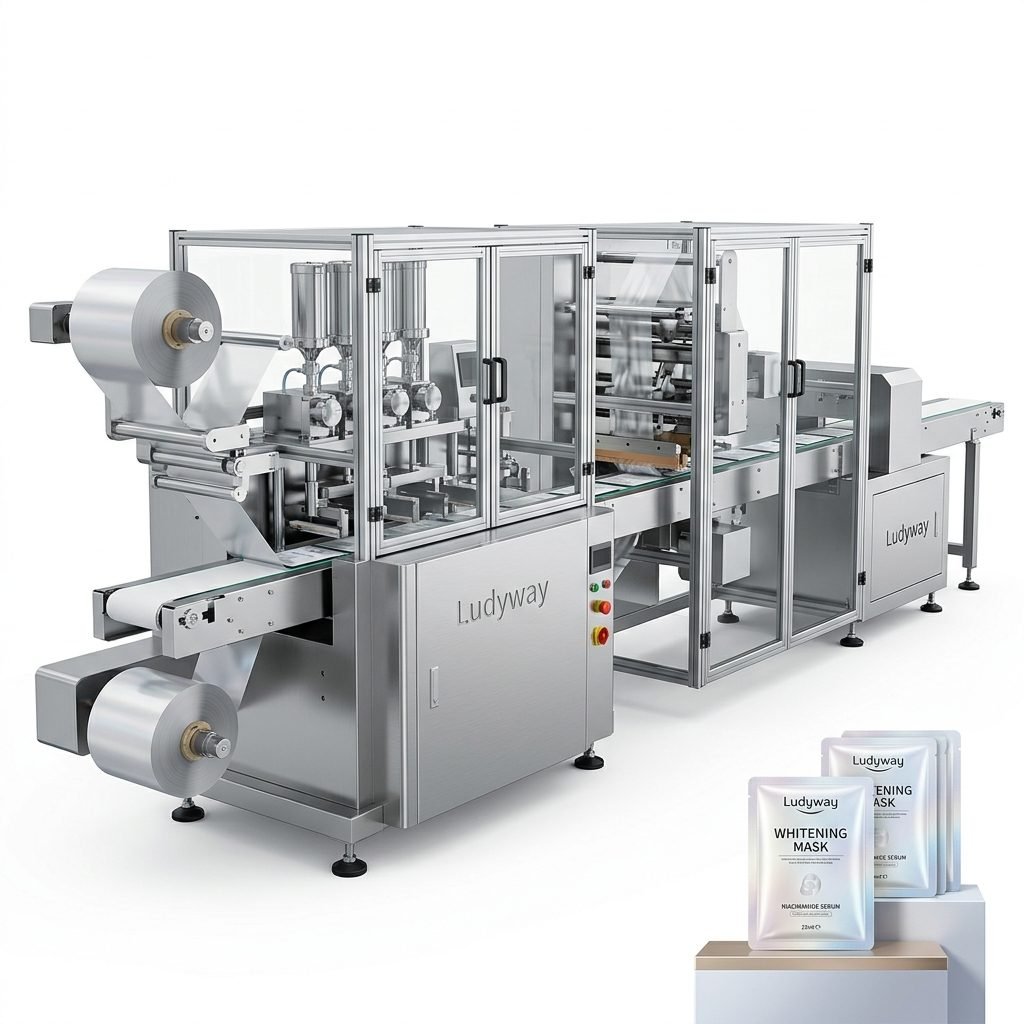
High-Speed Whitening Mask Sachet Packaging Line
View System Specs →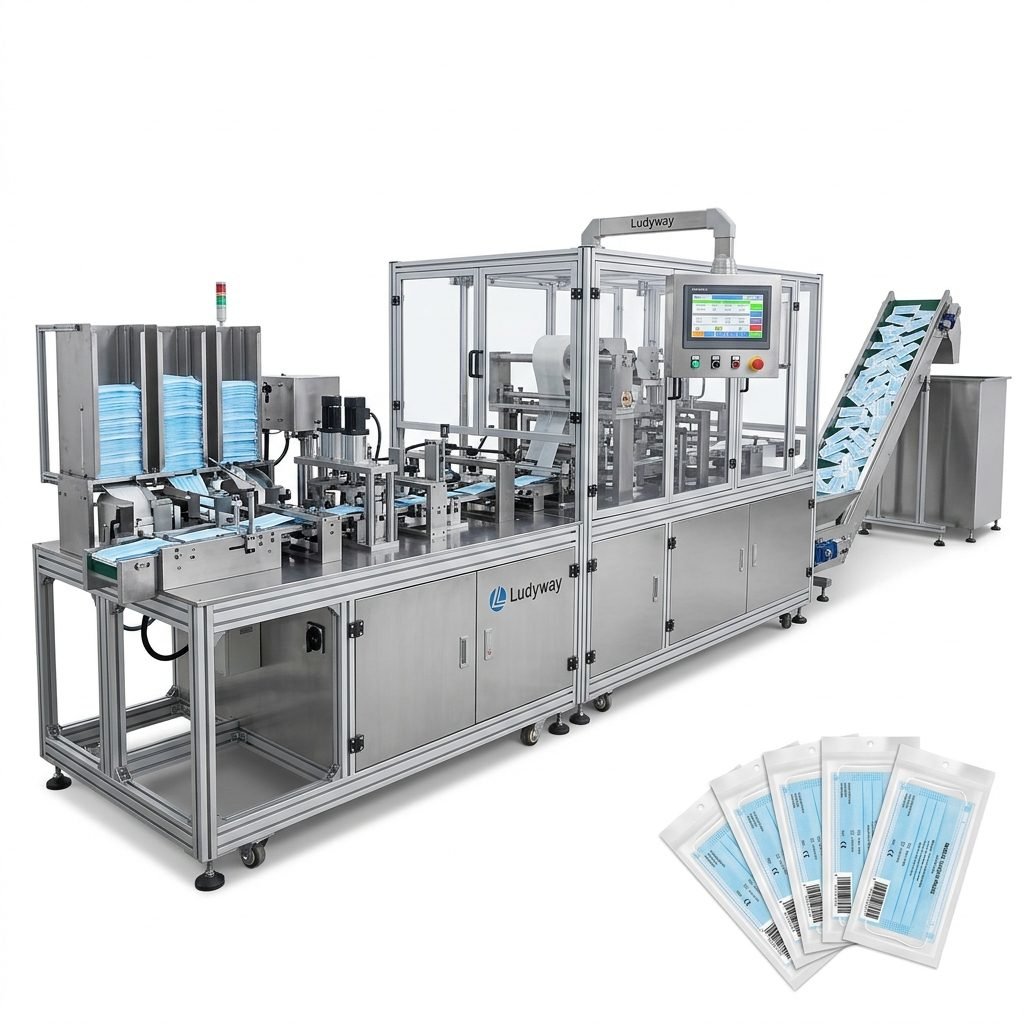
Surgical Mask Packaging Lines: Automated High-Volume Systems
View System Specs →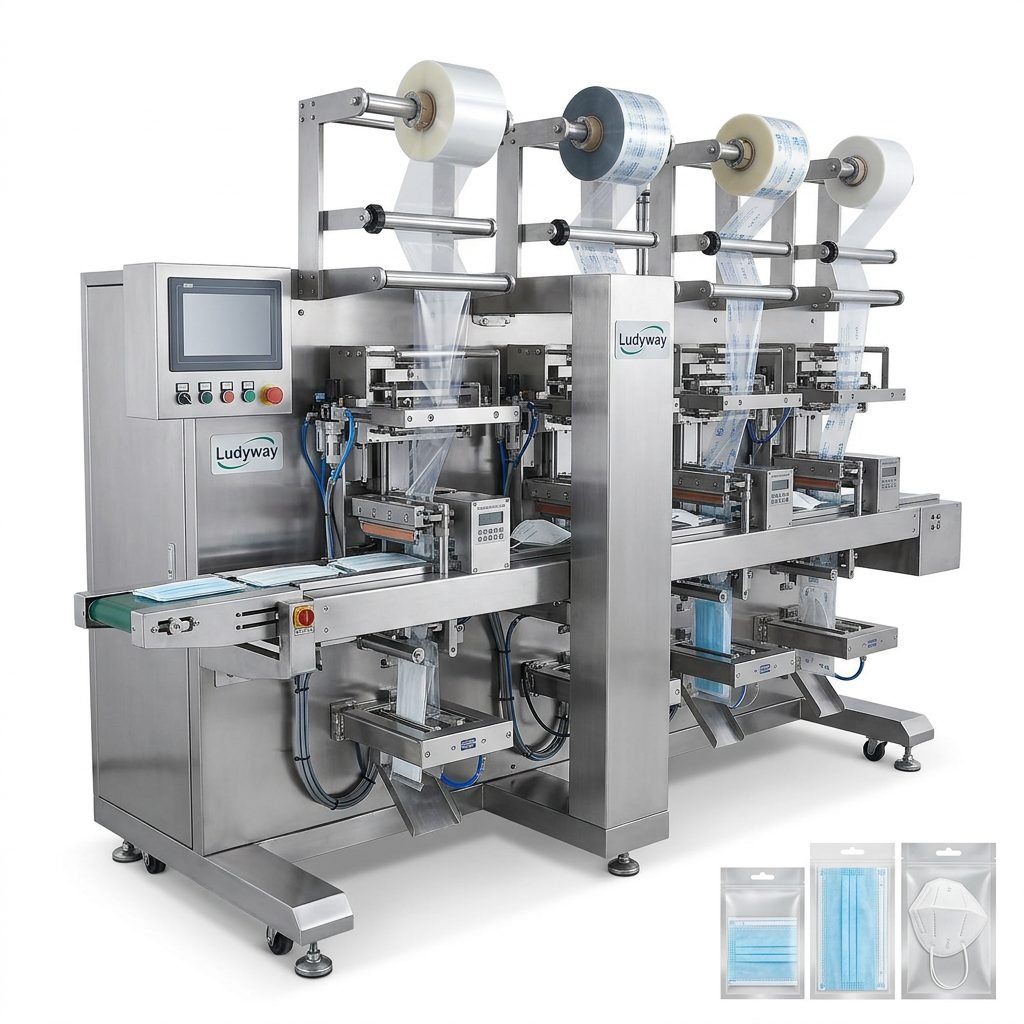
Automatic Multi-Lane Face Mask Packaging Machine
View System Specs →Critical Quality Control & Troubleshooting in Mask Packaging
Avoid costly batch recalls, micro-channel leaks, and machine jams with robust inline monitoring and preventive system design.
Common Operational Challenges
1. Liquid Clamping in Seal Area: Excess serum splashing during bag clamping creates thermal seal weakness, leading to oxidation and bacterial growth during distribution.
2. Static Charge Accumulation: High-speed non-woven sheet feeding induces electrostatic charges, misaligning mask placement into the foil bag opening.
3. Foil Tension & Wrinkling: Asymmetrical film unwind torque distorts optical print registration, producing tilted pouches and poor aesthetics.
4. Earloop Jamming: In surgical mask HFFS wrapping, loose ultrasonic loops can catch on horizontal seal jaws, stopping line throughput.
Automated Remediation Systems
Anti-Static Ionizing Bars: Install active ion neutralizers across fabric uncoilers and folder feeds to guarantee perfect drop alignment into pouches.
Bottom-Up Servo Nozzle Filling: Utilize diving injection nozzles equipped with negative vacuum draw-back to eliminate liquid drip across sealing lines.
High-Resolution Machine Vision: Deploy multi-spectrum camera sensors over the heat seal zones to immediately detect clamped fibers or wrinkled foil margins.
About Ludyway: Global Packaging Automation Leader
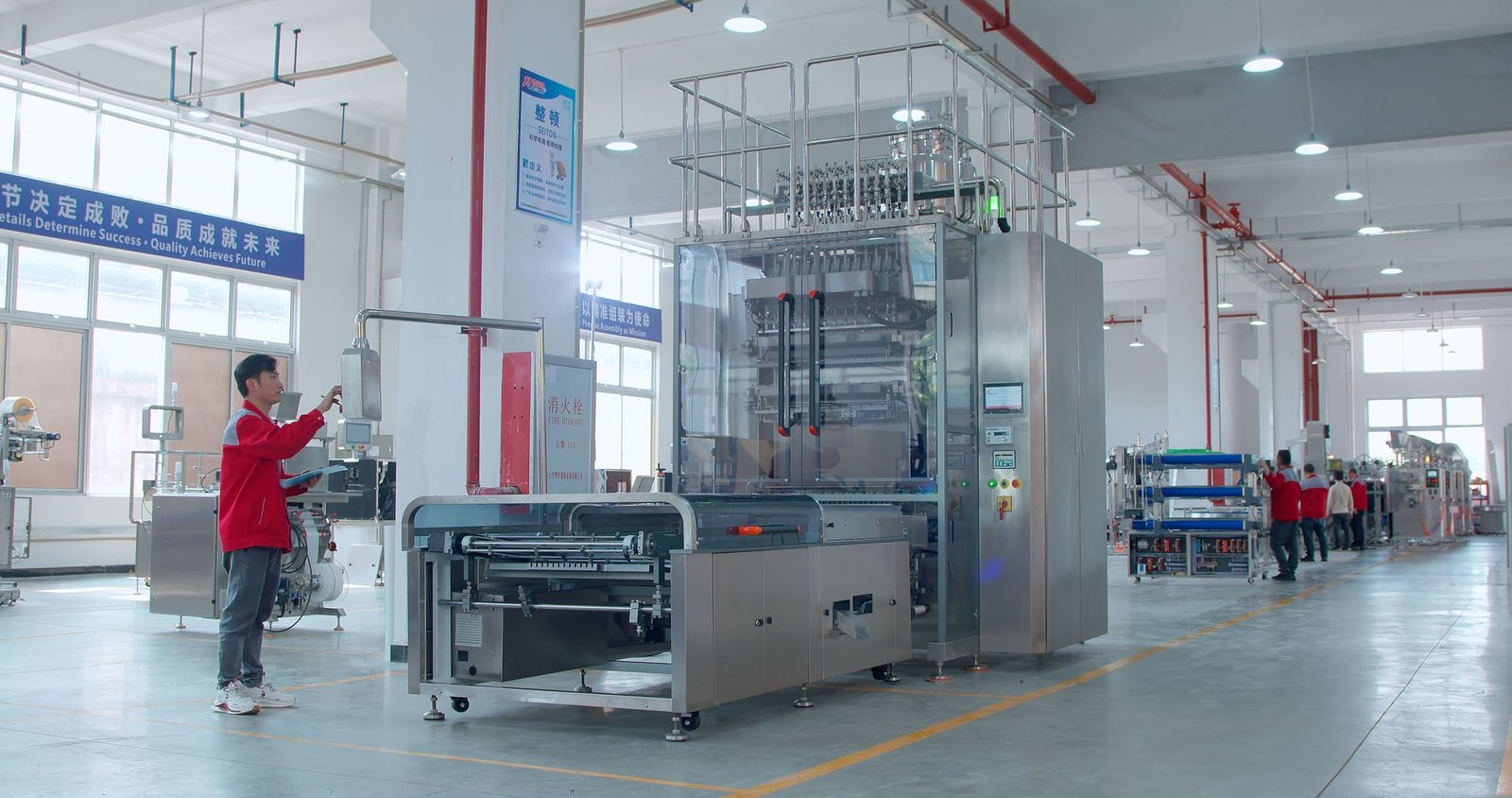
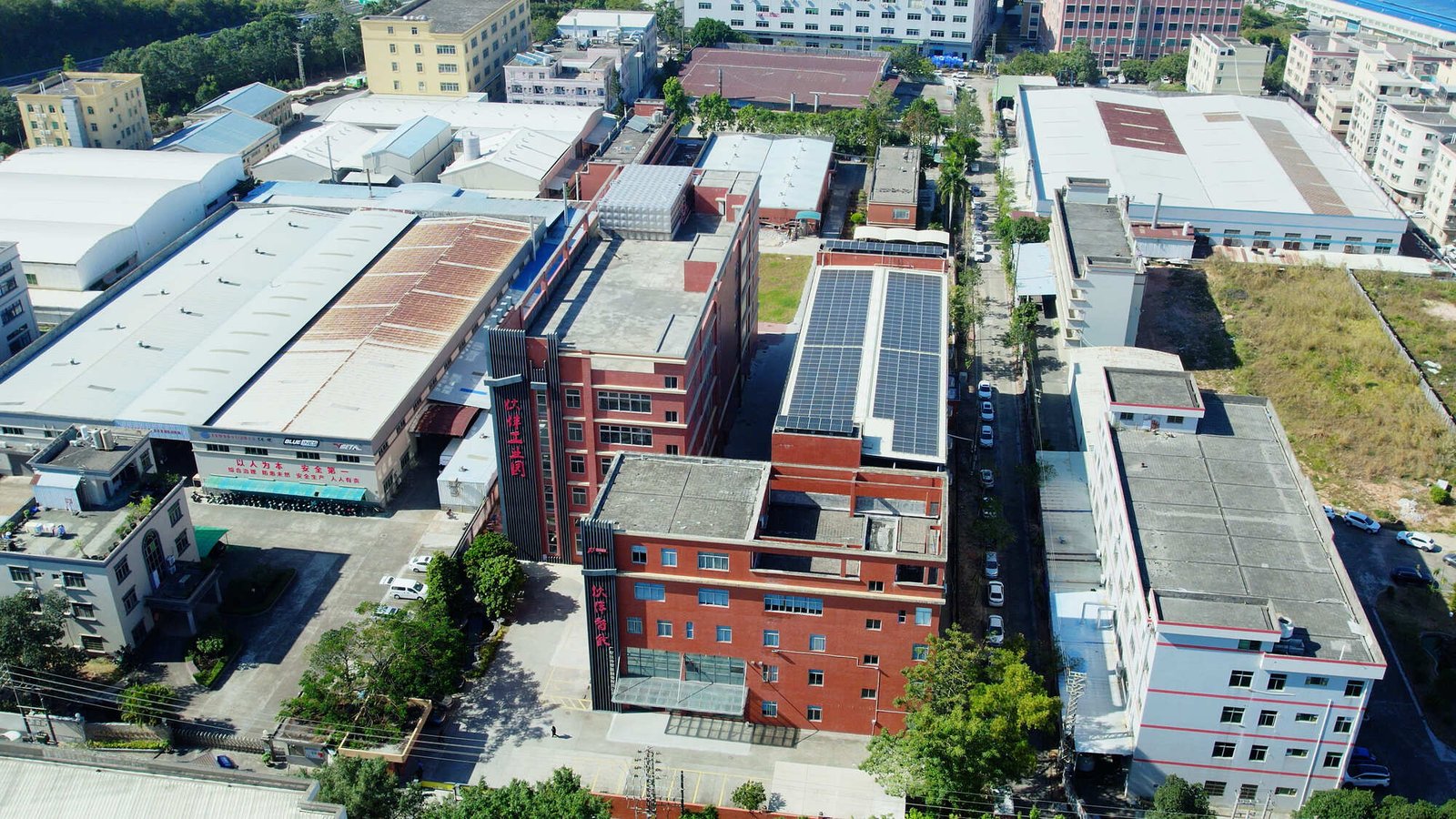
Ludyway is one of the largest packaging machine manufacturers in China, specializing in advanced packaging equipment and turnkey production solutions for the food, pharmaceutical, and health industries.
Founded with a dedication to engineering precision, Ludyway provides over 50 intelligent packaging machine models including multi-lane stick pack, sachet, horizontal flow wrappers, and fully integrated smart-factory lines. Supported by over 200 high-precision manufacturing equipment units, our team delivers custom turn-key mask packaging lines tailored to international cleanroom standards.
From initial facility schematics and PLC software integration to on-site commissioning and GMP validation, we assist medical and cosmetics producers across 100+ countries in achieving unmatched line stability and rapid market deployment.
Engineering Inquiries for Mask Packaging Systems
Key technical answers regarding capacity planning, cleanroom compliance, and machinery customization.
Medical mask manufacturing and packaging lines generally mandate ISO Class 8 (Class 100,000) cleanroom environments to maintain bioburden limits. For sterile surgical masks, ISO Class 7 with terminal gamma or ethylene oxide (EtO) sterilization is required. Cosmetic sheet mask essence filling operates under ISO Class 7/8 with HEPA laminar flow hoods over open liquid filling zones to avoid fungal contamination.
Cosmetic formulations rich in botanical extracts, peptides, and vitamin derivatives rapidly degrade upon oxygen contact. Automated nitrogen purging reduces oxygen headspace concentration inside the sealed pouch to below 2%, preventing formula discoloration, active oxidation, and pouch ballooning over an extended shelf life.
Because 3-ply pleated masks are thin and rectangular while N95/FFP2 masks possess a 3D folded or cup-shaped profile, a single horizontal flow wrapper requires quick-change forming boxes and adjustable infeed pushers. While dual-purpose flow wrappers exist, high-throughput manufacturing plants typically deploy dedicated flow wrap lines to maximize production speed without frequent tooling downtime.
Standard standalone packaging machines are engineered and tested in 25 to 40 days. Fully customized turnkey lines—including fabric folding, essence filling, rotary vacuum sealing, automated cartoning, and case packing integration—generally require 60 to 90 days including Factory Acceptance Testing (FAT) and validation documentation.
Ready to Engineer Your High-Speed Mask Packaging Line?
Speak directly with Ludyway packaging engineers to review your non-woven sheet properties, fluid viscosity, and line capacity targets.
