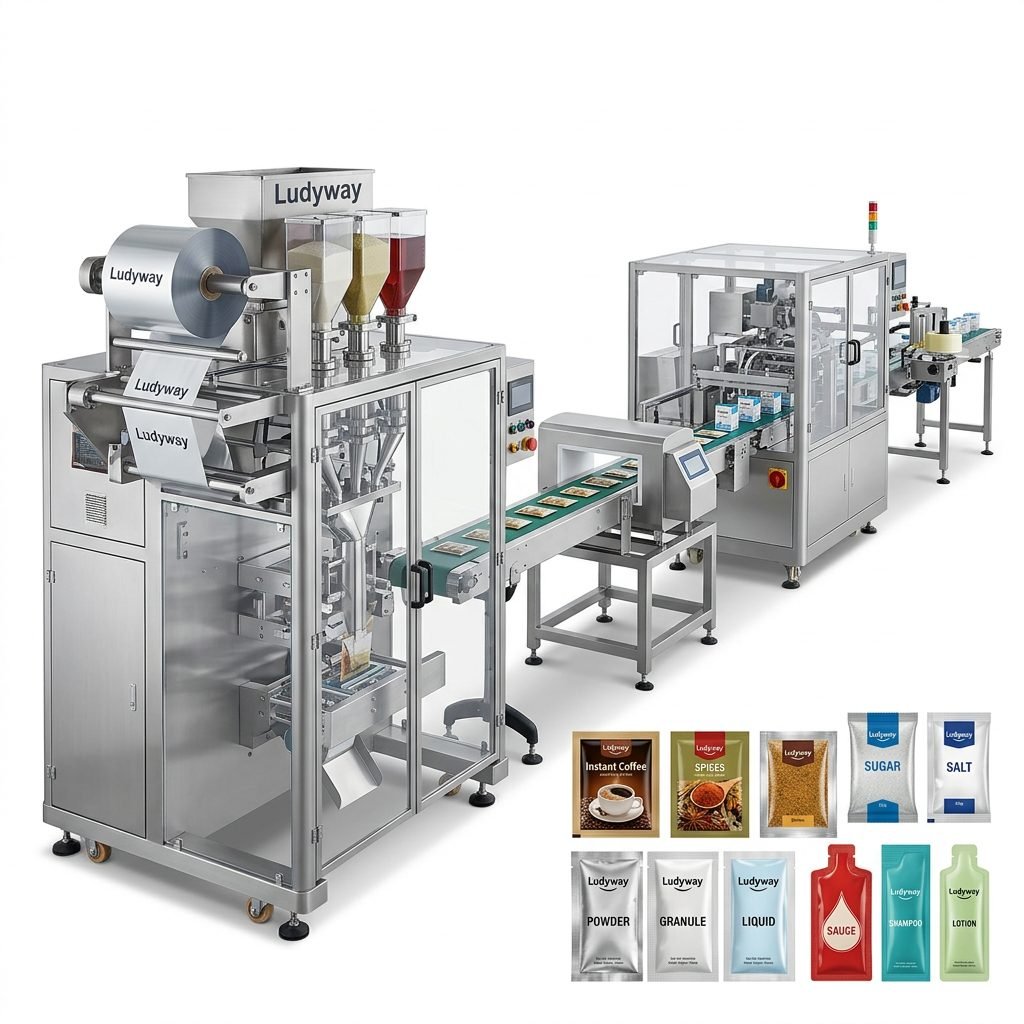
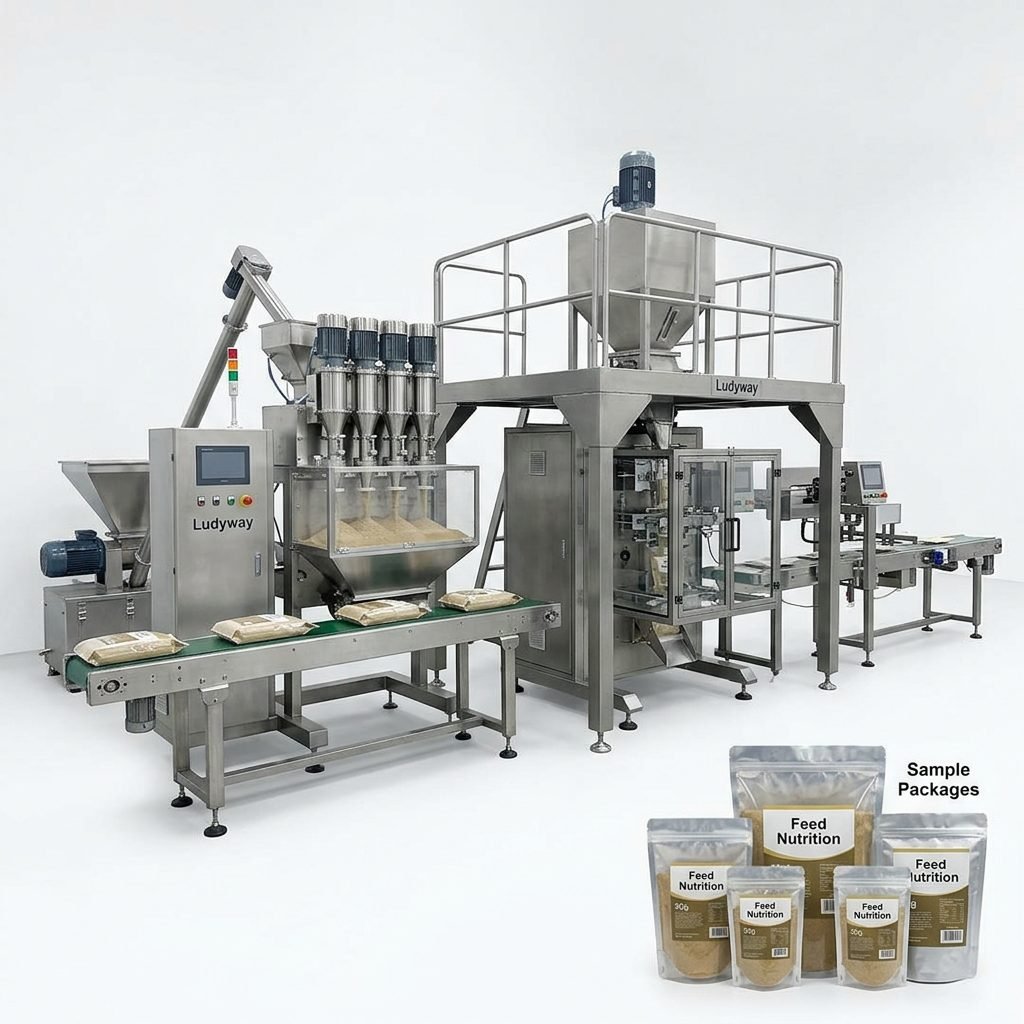
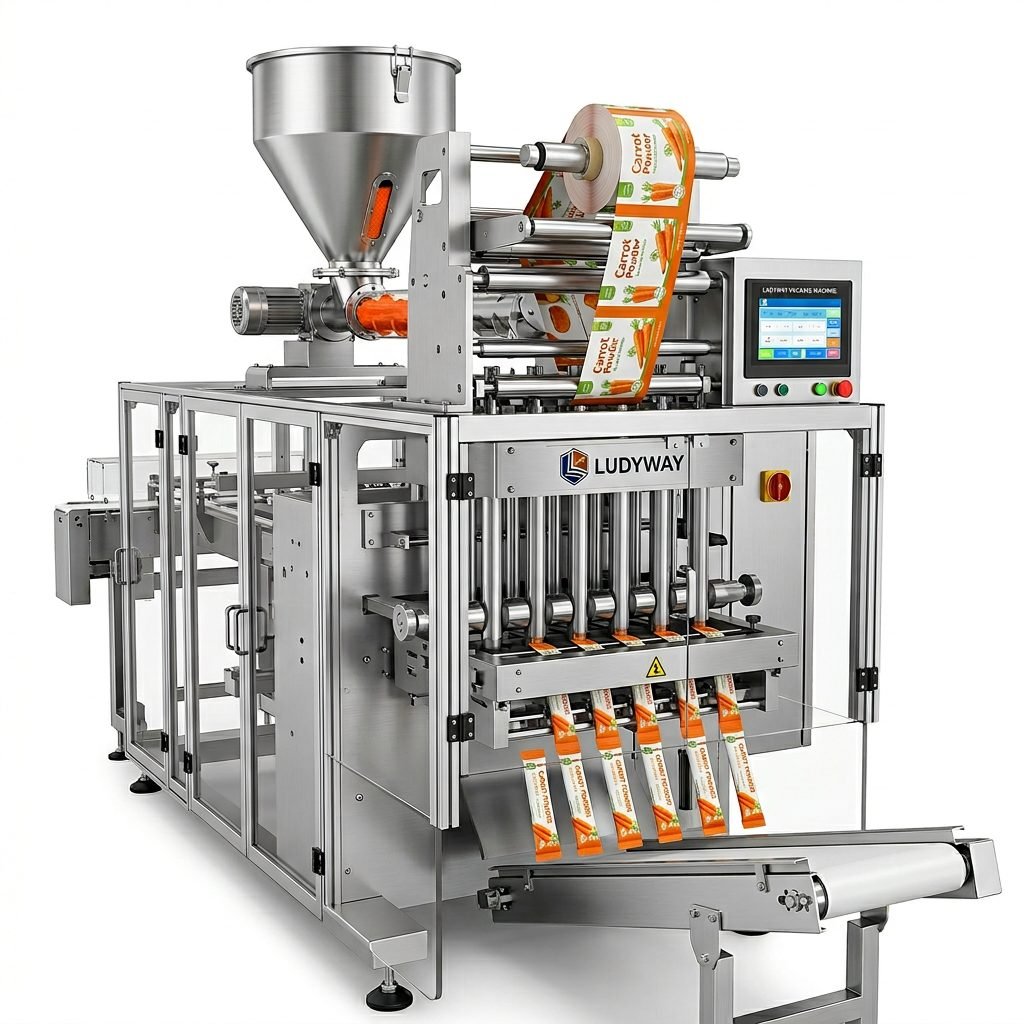
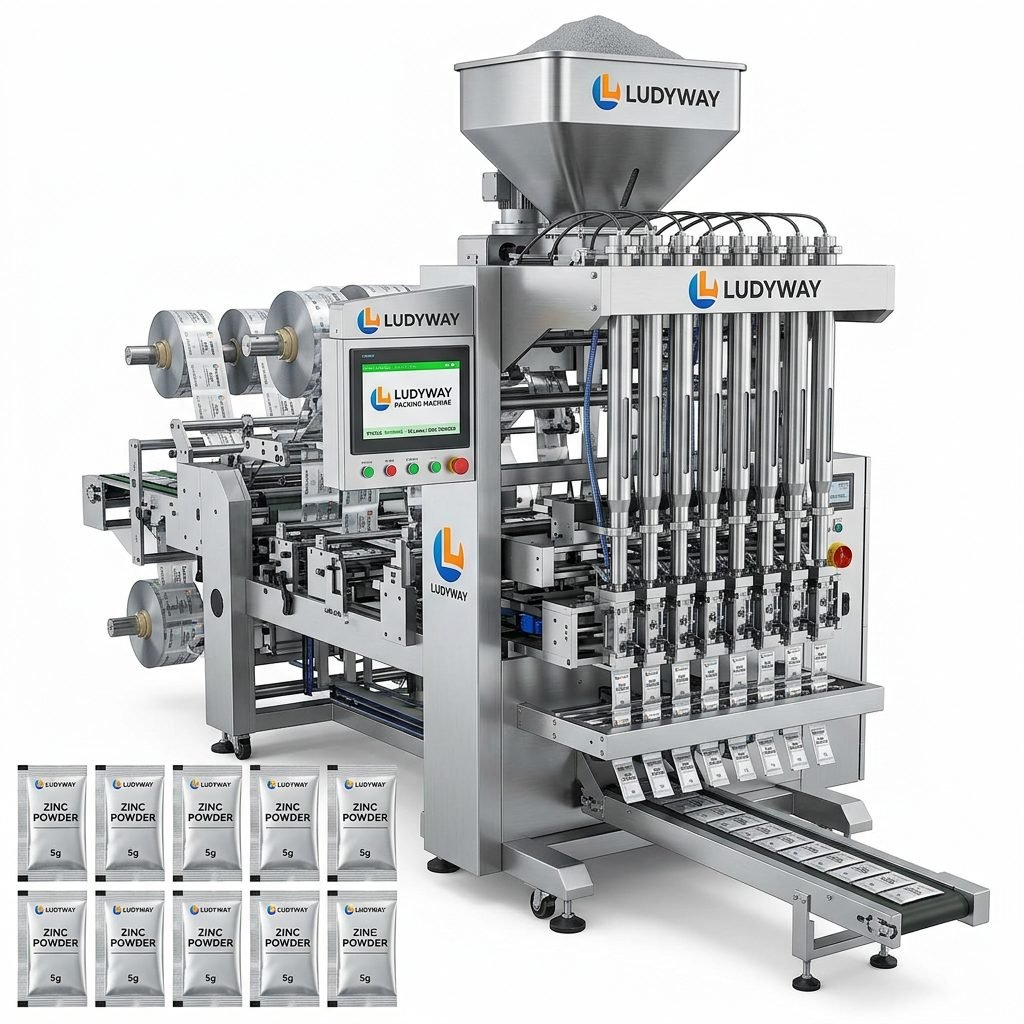
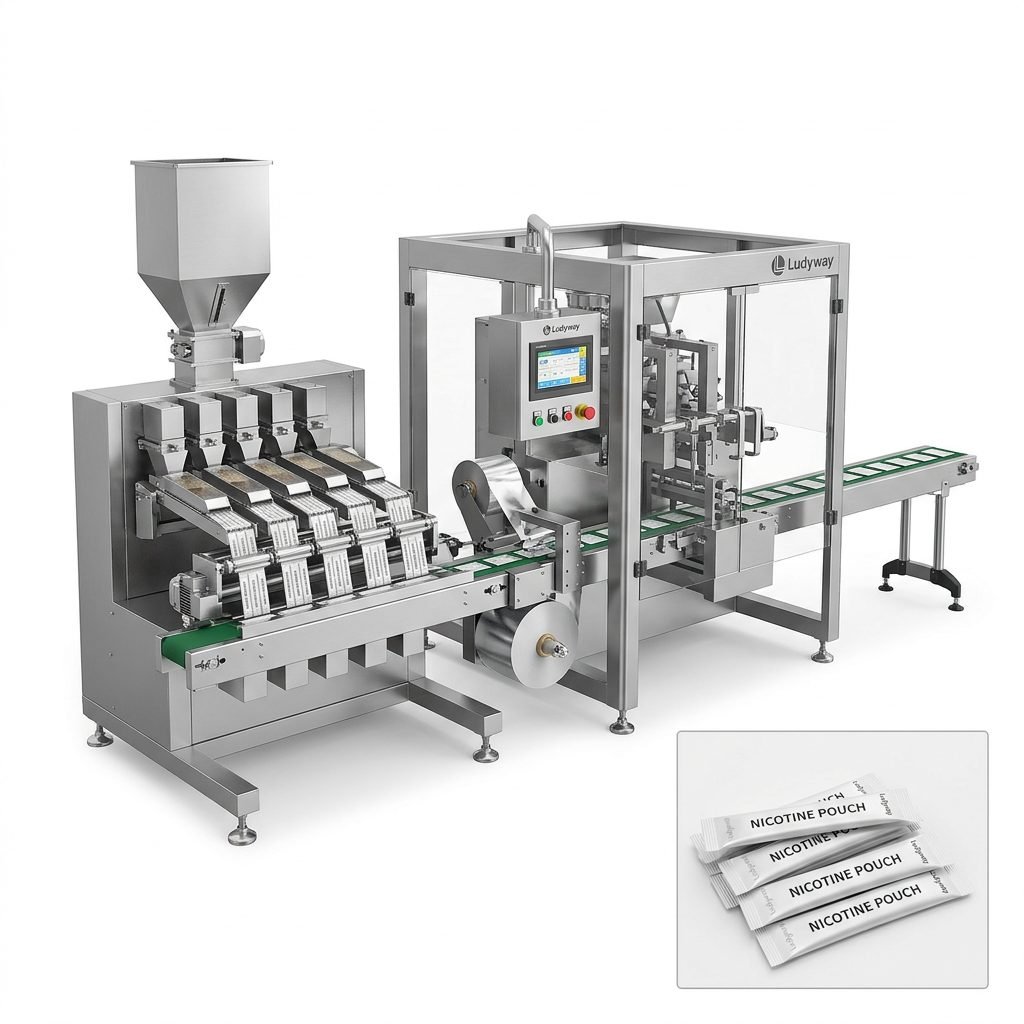
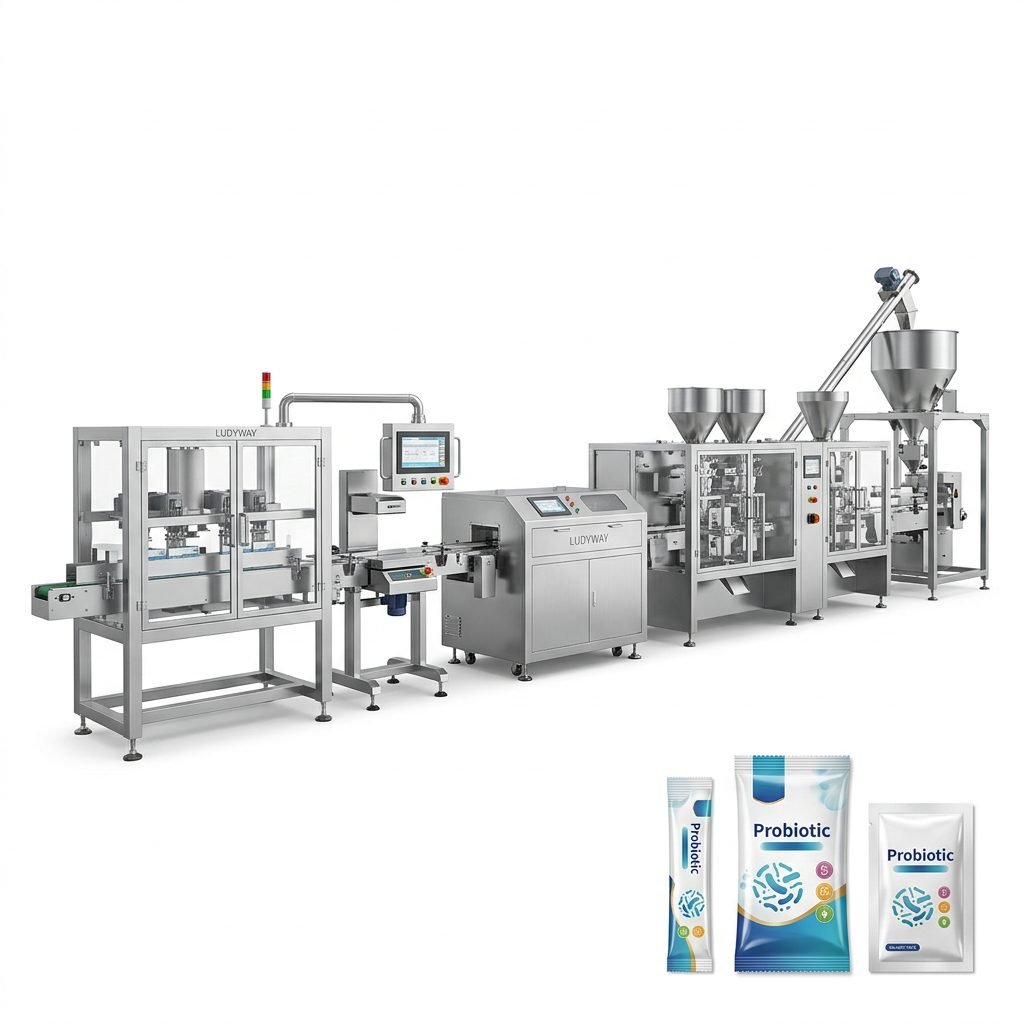
Setting up a food packaging machine production line is a critical investment for manufacturers aiming to scale operations, ensure product consistency, and meet rigorous food safety standards. Whether you are transitioning from manual packing to automation or expanding an existing facility, a structured approach is essential to avoid costly downtime and inefficiencies. This guide breaks down the end-to-end process of planning, integrating, and optimizing a food packaging machine production line.
Phase 1: Define Your Production Goals and Requirements
Before procuring any machinery, you must map out your operational objectives. Vague goals lead to mismatched equipment and bottlenecks. Start by documenting the following key parameters:
- Product Characteristics: Identify the physical state of your product—granules, powders, liquids, or pastes. The particle size, flowability, and density directly influence the type of filling mechanism you need.
- Target Output: Calculate the required packs per minute (PPM) to meet market demand. A small start-up might only need 40-60 PPM, while an industrial player may require multi-lane stick pack machines capable of 400+ PPM.
- Packaging Format: Decide on the final pouch style. Common formats include stick packs, sachets, gusseted bags, or doypacks.
- Budget & ROI Timeline: Understand the total cost of ownership, covering not just the equipment but also maintenance, spare parts, and potential facility upgrades.
Phase 2: Optimizing the Factory Floor Layout
An efficient food packaging line is not just about the machines; it’s about the flow of materials. A poorly designed layout can lead to cross-contamination and safety hazards. At this stage, you should consult an engineering team—like the experts at Ludyway—who specialize in turnkey solutions. The layout must separate raw material intake from finished goods dispatch, ensuring a unidirectional flow to comply with Hazard Analysis Critical Control Point (HACCP) regulations.
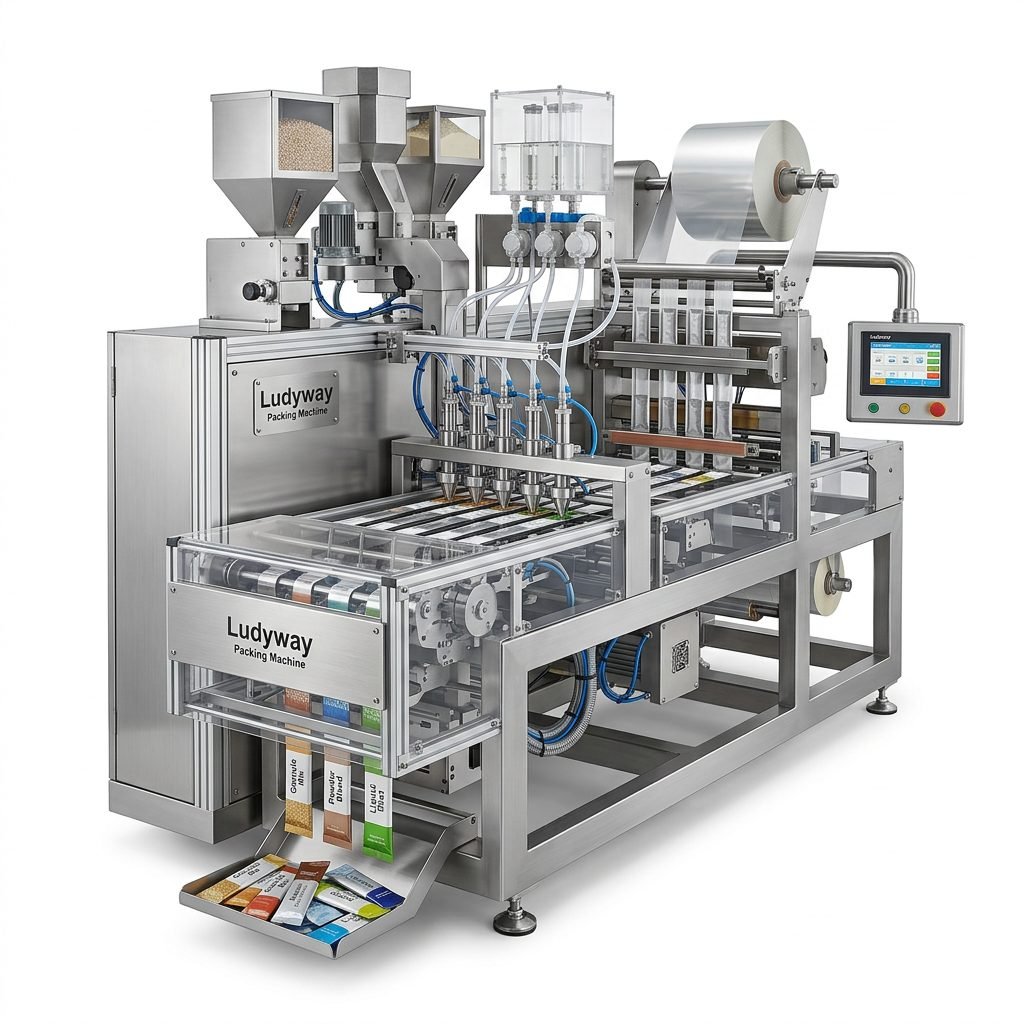
Consider the following spatial zones when sketching your blueprint:
| Zone | Function | Key Equipment |
|---|---|---|
| Raw Material Storage | Safely storing ingredients before processing | Silos, sealed containers, dehumidifiers |
| Feeding System | Transferring product to the scale | Z-type bucket elevators, vacuum feeders |
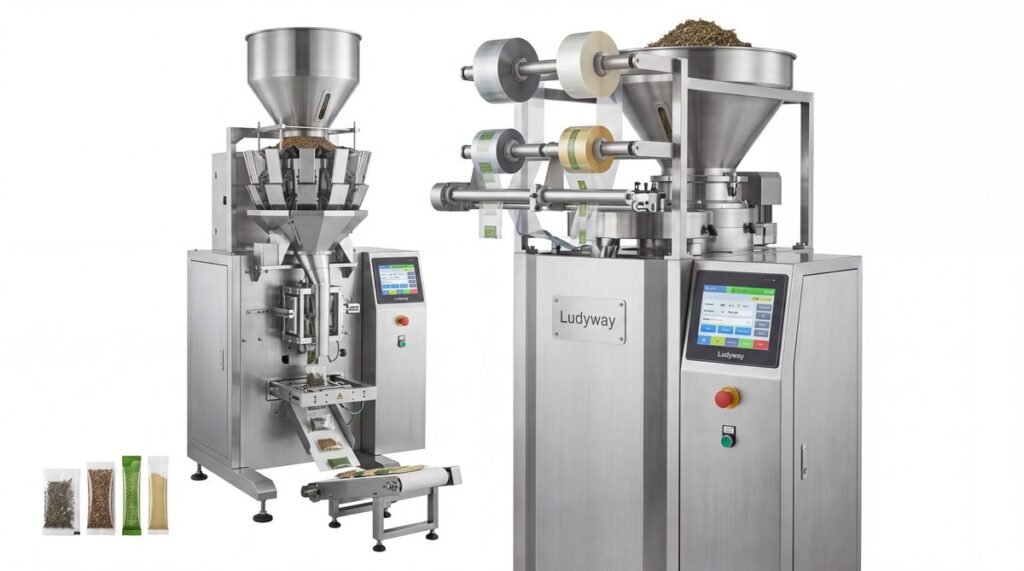
| Weighing & Filling | Dosing precise amounts into pouches | Multi-head weighers, auger fillers |
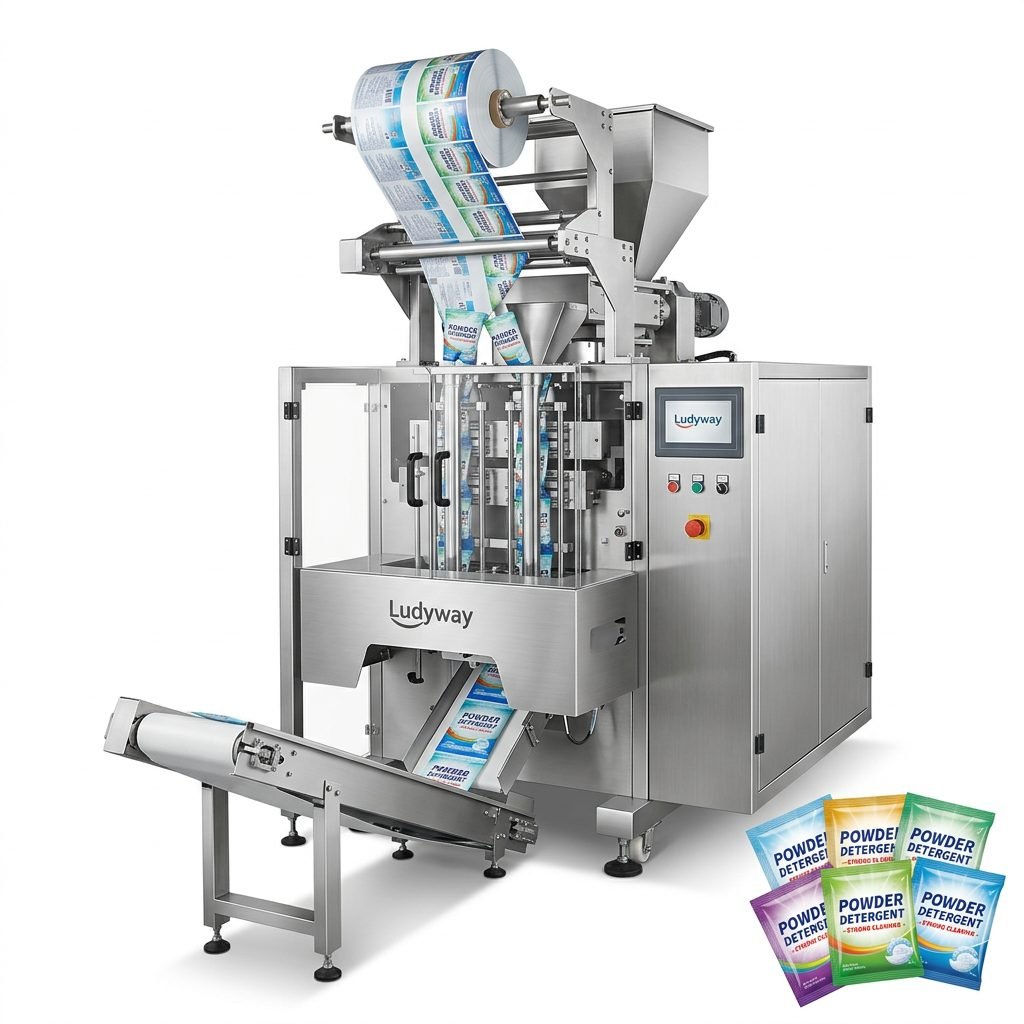
| Packaging Core | Forming, filling, and sealing the bag | Vertical form fill seal (VFFS) machine |
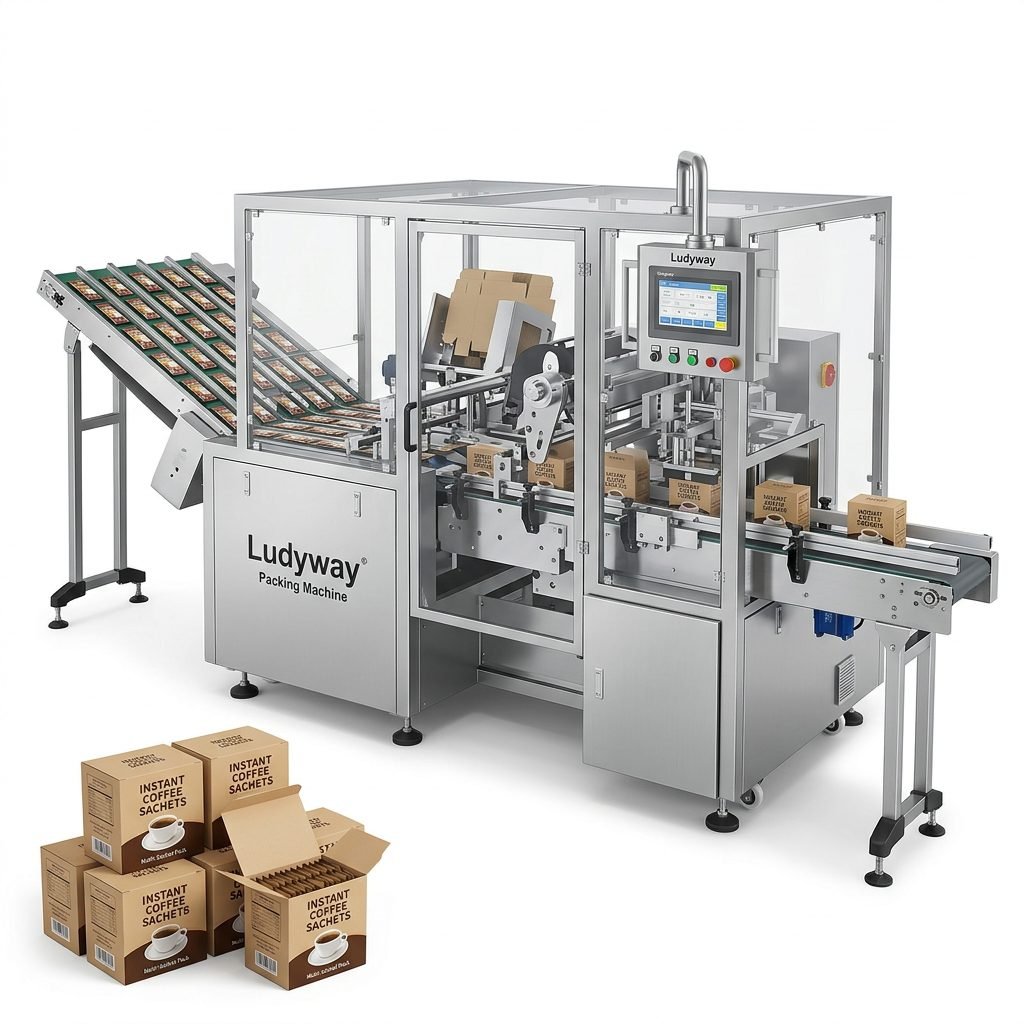
| End-of-Line | Counting, cartoning, and palletizing | Conveyors, cartooning machines, palletizers |
Phase 3: Selecting the Core Packaging Machine
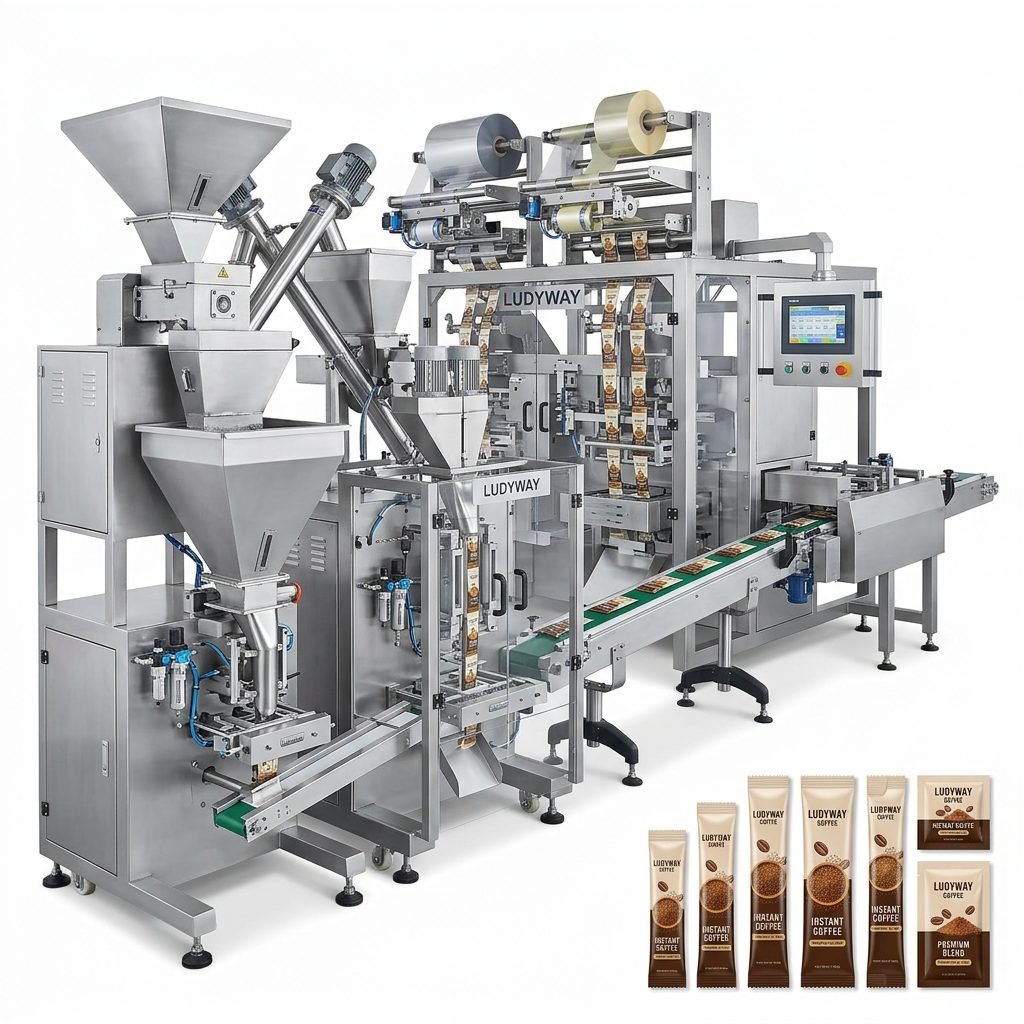
The heart of your food packaging machine production line is the primary filler. The packaging speed and flexibility hinge on this choice. For versatile, high-volume production, multi-lane machines are currently the industry gold standard.
Understanding Multi-Lane Stick Pack Technology
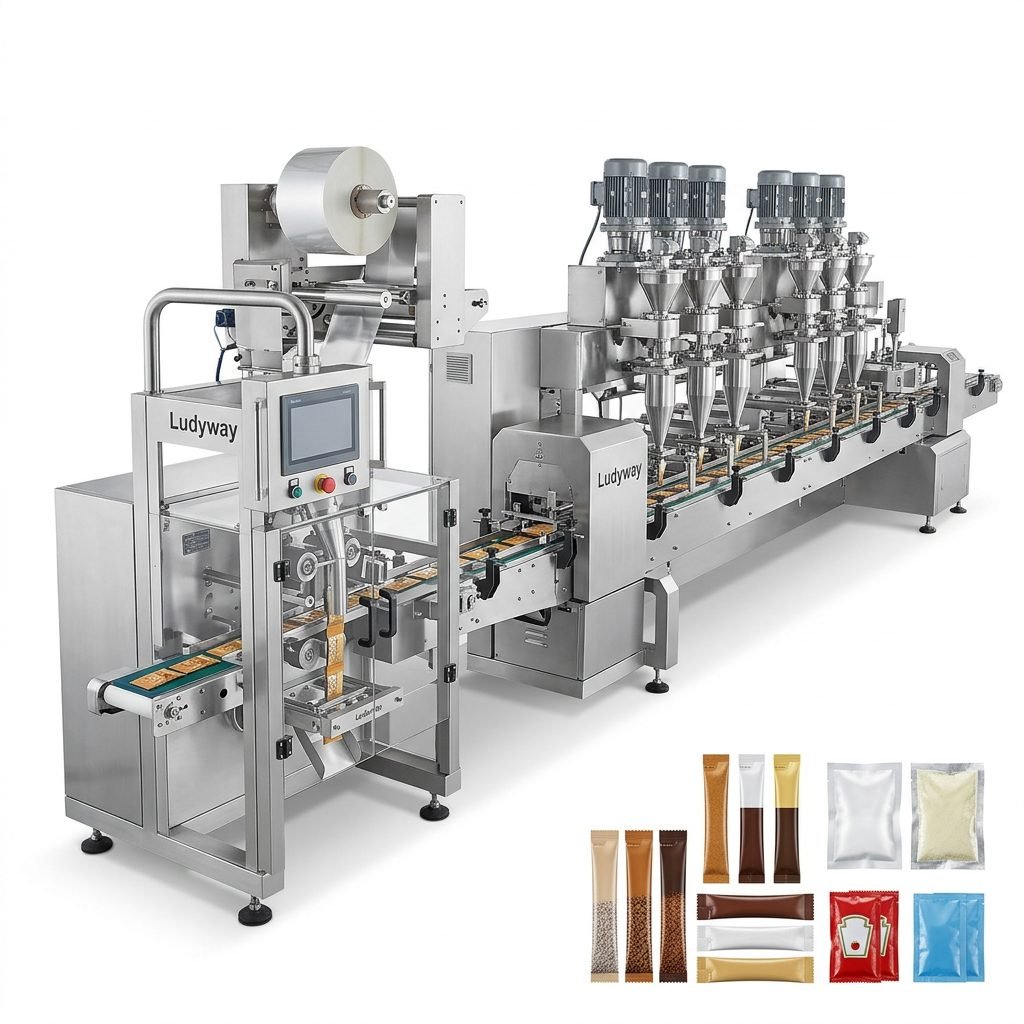
For powder and granule products like sugar, coffee, spices, and supplements, a multi-lane stick pack machine is often the most efficient solution. These machines form multiple pouches simultaneously from a single film web, drastically cutting cost per pack. Look for machines featuring servo-driven motors and user-friendly PLC touch screens for rapid lane switching.
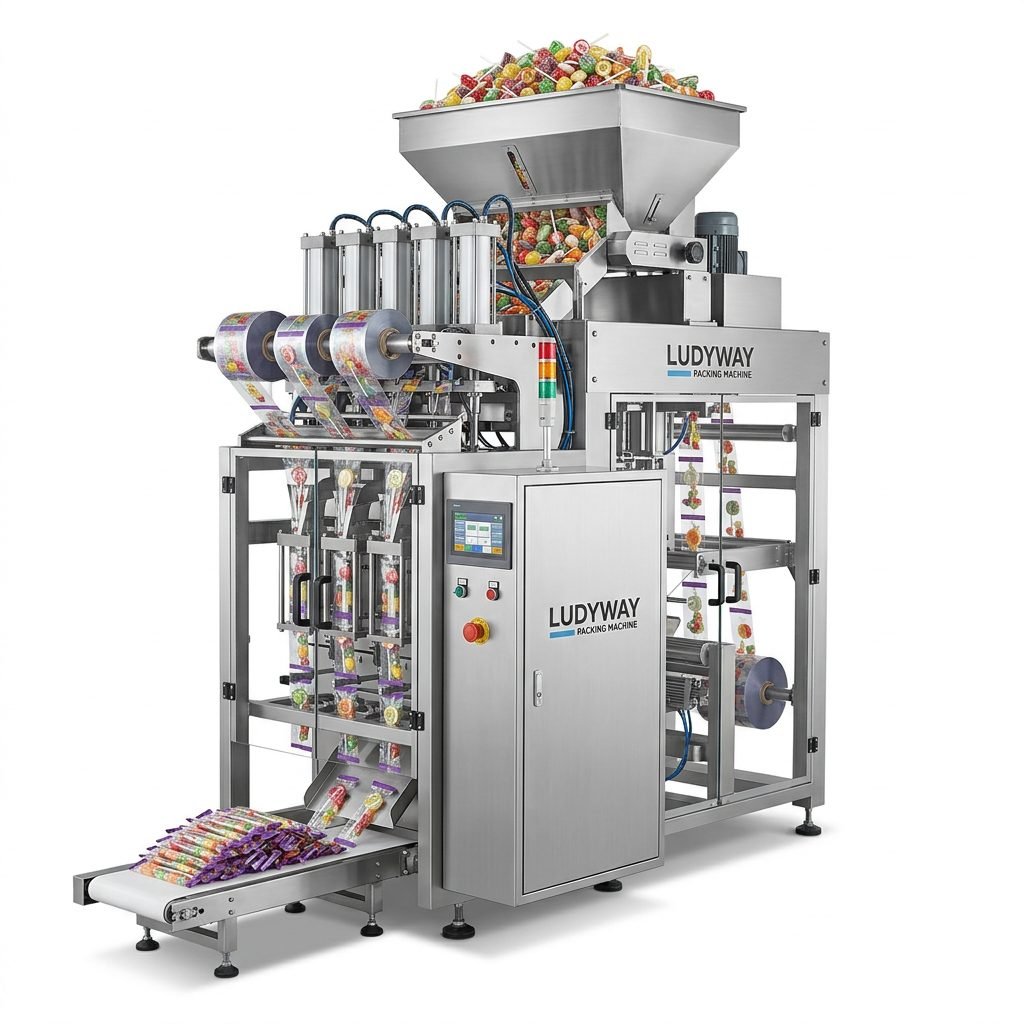
Sachet vs. Pouch Packaging
While stick packs are popular for single-serve, larger pouch packaging machines offer substantial real estate for branding. If your product is a pre-made pouch format (like a resealable coffee bag), you will need a rotary pouch filler rather than a vertical form fill seal machine. Ensure the selected machine supports secondary features you might need, such as nitrogen flushing for shelf-life extension or zipper applicators for resealability.
Phase 4: Integrating Auxiliary Equipment
A stand-alone filler cannot run a line alone. A robust production system requires seamless integration of auxiliary components. Don’t overlook these critical modules:
- Checkweigher: A legal requirement in many jurisdictions for net weight compliance. It rejects underweight or overweight packs to protect your margins and brand reputation.
- Metal Detector: Critical for food safety, detecting ferrous and non-ferrous contaminants before products leave the factory. Often mandated by global retailers like Costco or Walmart.
- Coding & Marking: Thermal inkjet (TIJ) or laser coders apply batch numbers, expiry dates, and barcodes. Traceability is non-negotiable in modern food logistics.
- Cartoner and Palletizer: Automated cartoning and robotic palletizing reduce labor costs and prevent repetitive strain injuries in your workforce.
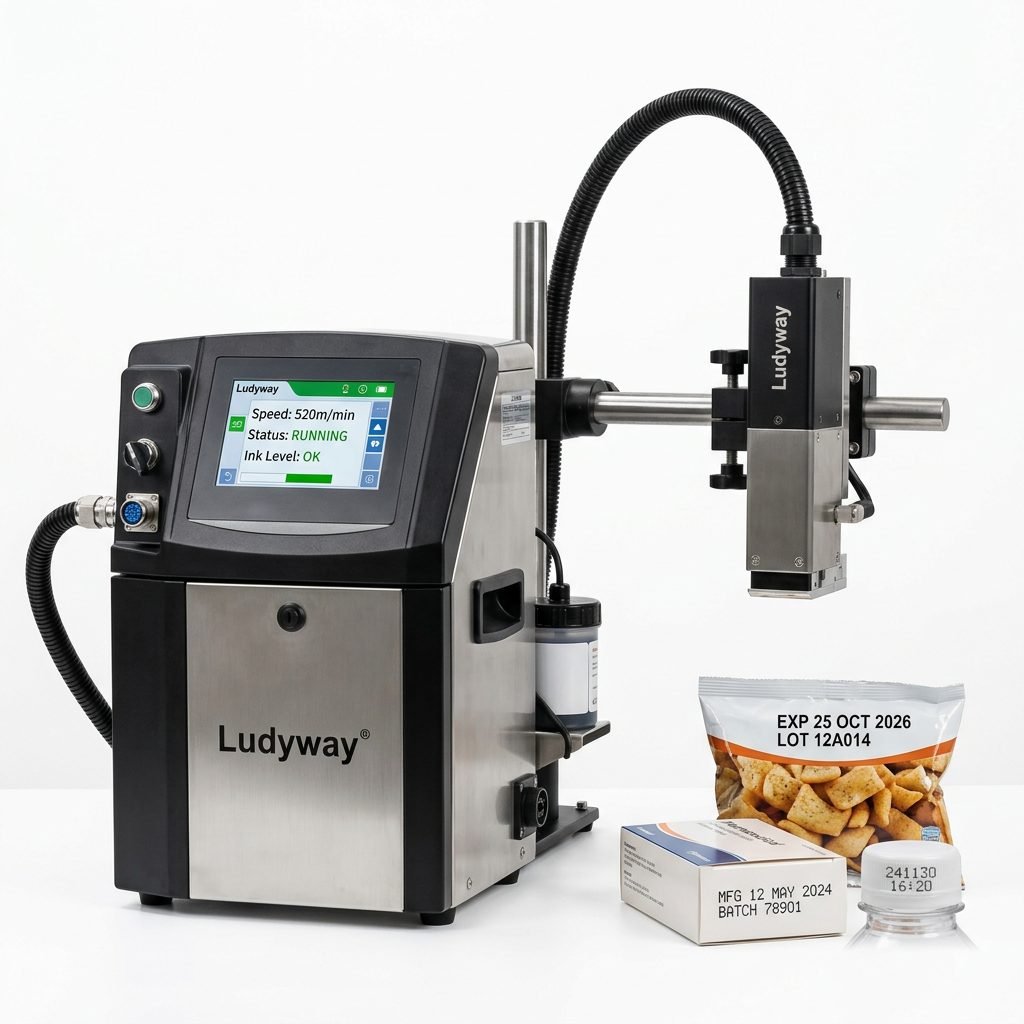
Phase 5: Installation, Calibration, and Validation
Once the equipment arrives, the setup phase determines your long-term operational stability. This phase typically involves the mechanical assembly, electrical wiring, and software configuration of the food packaging machine production line. Never rush the Factory Acceptance Testing (FAT) or Site Acceptance Testing (SAT).
| Validation Step | Description |
|---|---|
| IQ (Installation Qualification) | Verifying that all specified equipment has been delivered and installed correctly against engineering drawings. |
| OQ (Operational Qualification) | Testing the equipment through a range of operating parameters (speed, temperature, vacuum) to ensure robustness. |
| PQ (Performance Qualification) | Sustained runs with actual product to confirm consistent output and seal integrity under load. |
Training your operators during this stage is equally vital. They must understand the human-machine interface (HMI) for recipe management and basic troubleshooting to avoid minor issues escalating into major breakdowns.
Phase 6: Maintenance and Spare Parts Strategy
Unscheduled downtime is the biggest profit killer in the food industry. As you set up the production line, establish a preventive maintenance schedule. Crucially, source high-quality original equipment manufacturer (OEM) parts. Because packaging lines operate at high speeds, components like forming tubes, sealing jaws, and cutting knives experience significant wear. Using parts specifically engineered for your machine—such as those provided by established manufacturers with large-scale testing facilities—ensures precision.
Ludyway is one of the largest packaging machine manufacturers in China, specializing in advanced packaging equipment and turnkey production solutions for the food, pharmaceutical, and health industries. With over 30 years of industry expertise, they provide reliable support and spare parts access, backed by a modern 20,000㎡ manufacturing facility.
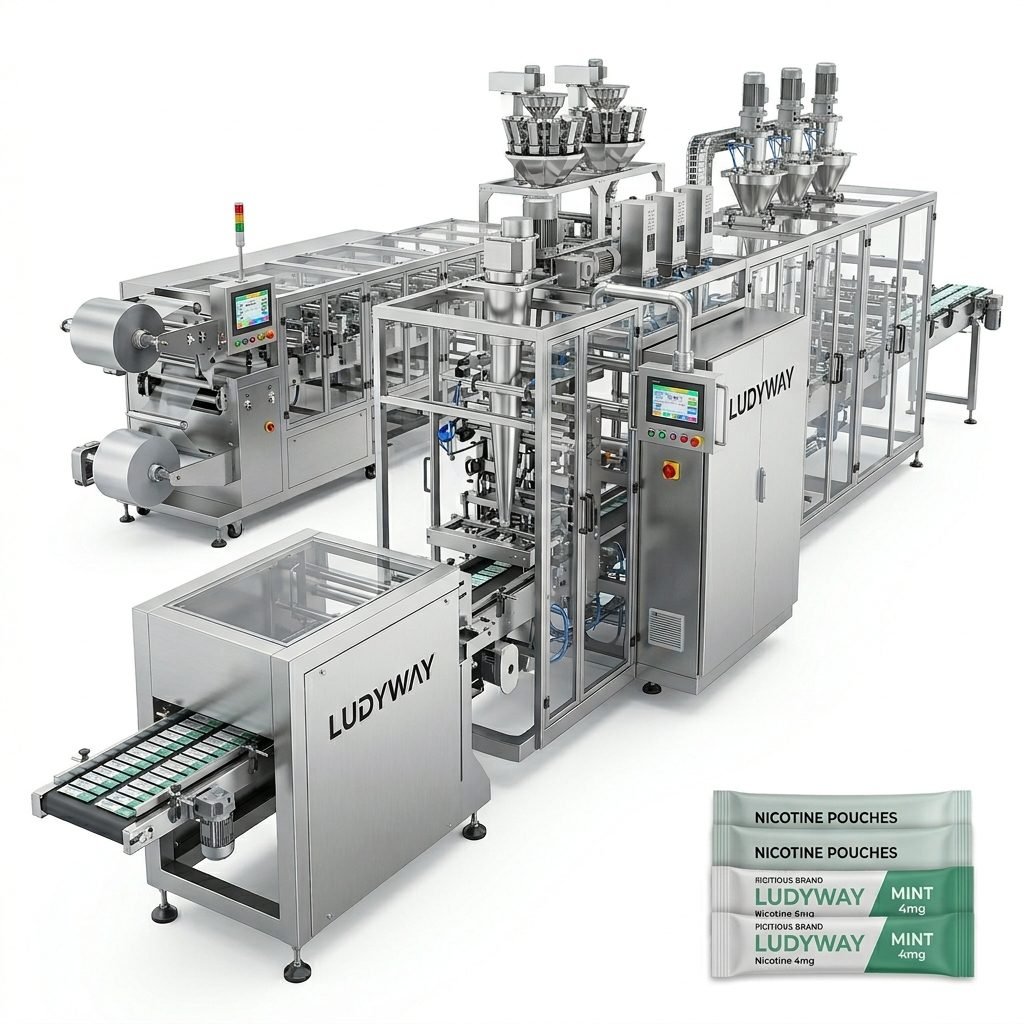
Common Pitfalls to Avoid
When learning how to set up a food packaging machine production line, knowing what not to do is just as valuable. Avoid these frequent mistakes:
- Ignoring Film Compatibility: The packaging film structure (e.g., PET/AL/PE) must be tested with your machine’s sealing temperature profile. A common error is sourcing cheap film that shrinks or creates leakers.
- Insufficient Air Supply: Pneumatic machines require clean, dry compressed air. Ignoring air filtration and drying leads to valve failure and erratic seal pressure.
- Overlooking Floor Load: High-speed liquid fillers or multi-head weighers are heavy. Ensure your factory floor can handle the static and dynamic load, or you will face vibration issues affecting weighing accuracy.
- Skipping Dust Extraction: For powders like protein or flour, dust is not just a nuisance; it’s a respiratory hazard and a combustion risk. Integrate dust collection hoods over hoppers.
Embracing Automation and Smart Packaging
The future of food packaging machine production lines lies in Industry 4.0 integration. Modern lines now offer real-time monitoring through cloud platforms, allowing remote diagnostics of your granule packaging machine and other equipment. This technology reduces the need for on-site technicians and increases overall equipment effectiveness. When finalizing your setup, consider future-proofing by opting for machines that support network connectivity and industrial IoT standards.
Final Checklist Before Going Live
| Category | Check Item | Status |
|---|---|---|
| Safety | Emergency stops function on all modules | ☐ Passed |
| Hygiene | Stainless steel contact parts verified; no food traps | ☐ Passed |
| Accuracy | Checkweigher feedback loop calibrated with filler | ☐ Passed |
| Integrity | Seal strength tested via burst test; no leaks | ☐ Passed |
Related Resources: