
How to Set Up a Frozen Food Packaging Line: Complete Industrial Guide
Engineer cold-chain resilience, optimize sub-zero automation, and eliminate condensation hurdles. Learn step-by-step how to establish a high-yield, hygienic packaging line for IQF vegetables, meats, prepared meals, and freeze-dried perishables.
Engineering Architecture of Modern Sub-Zero Packaging
Establishing a commercial frozen food packaging line requires far more than placing standard packing machinery into a cold room. Processing individually quick-frozen (IQF) products, pre-cooked frozen proteins, ready meals, and frozen dough presents extreme mechanical, thermodynamic, and sanitation challenges.
Operating temperatures fluctuating between -18°C and 4°C cause severe thermal bridging, condensation accumulation, and material embrittlement. A successfully engineered line balances product throughput, hygienic design (3-A/EHEDG), exact weighment accuracy, and hermetic seal integrity to guard against freezer burn and microbial growth.
Core Objective of Cold-Chain Packaging Integration
Preserve product crystalline structure and organoleptic properties while preventing moisture vapor transmission (MVTR) and micro-channel leakers through precision sealing and automated inspection systems.
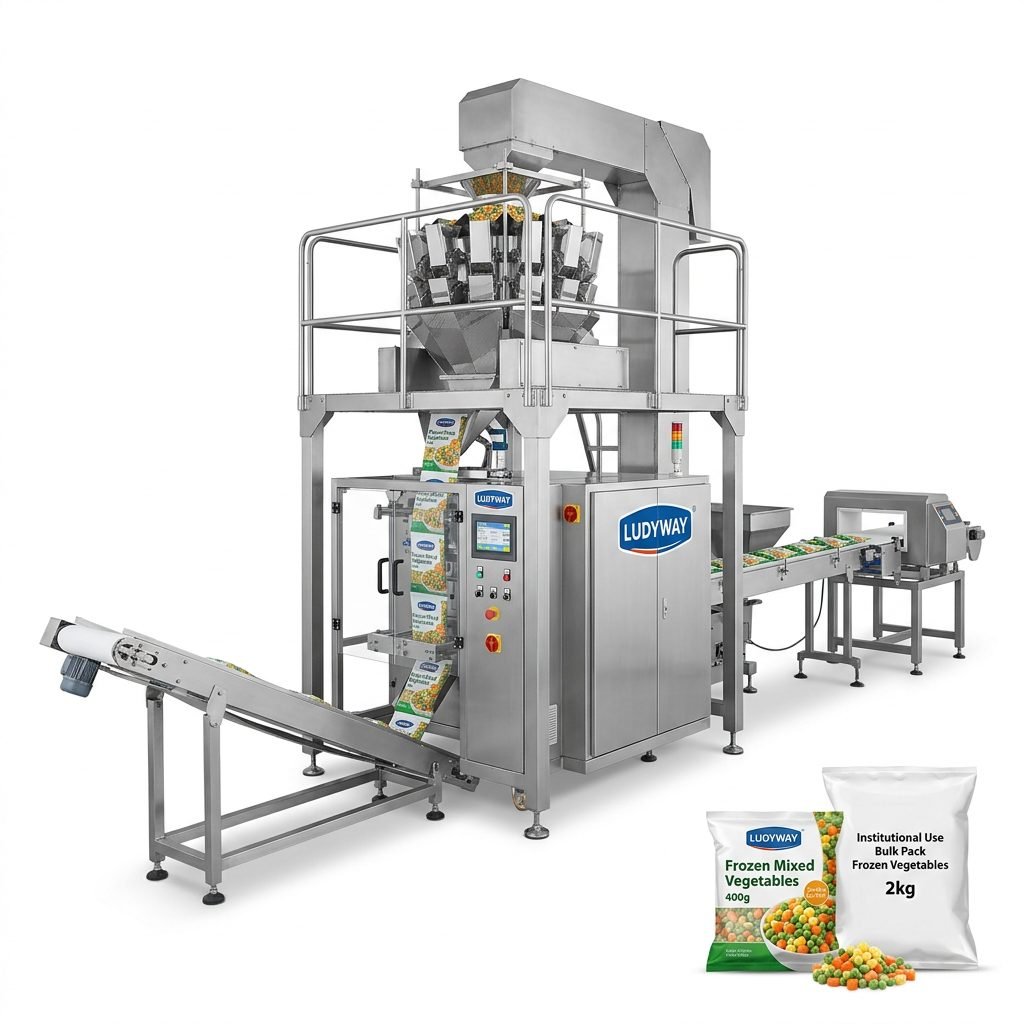
6 Critical Steps: How to Set Up a Frozen Food Packaging Line
Deploying a reliable packaging line requires strict adherence to project phases from facility thermodynamics to downstream validation.
Product & Thermal Profiling
Identify whether handling IQF bulk granules, sauce-coated frozen dishes, or raw proteins. Quantify product stickiness, glaze loss tolerances, bulk density, and maximum allowed ambient exposure time before thawing starts.
Environmental & HVAC Zoning
Establish insulated production cleanrooms with dynamic dehumidification. Mitigate condensation on machinery frames and packaging films by maintaining positive air pressure and dew points below equipment operating temperatures.
Primary Machinery Selection
Choose between continuous-motion Vertical Form Fill Seal (VFFS), Premade Pouch rotary fillers, or Multi-Lane stick machines equipped with dimpled sheet surfaces and anti-condensation heating elements on seal jaws.
Infeed & Material Handling
Integrate sanitary Z-type bucket elevators or washdown vibratory feeders featuring tool-less breakdown. Ensure continuous flow to prevent frozen pieces from clustering or bridging in hoppers.
Inline Inspection & Sealing QA
Incorporate multi-frequency industrial metal detectors, X-ray inspection systems, and dynamic checkweighers designed to handle wet, cold pouches without false rejections from product moisture.
Secondary Packaging & End-of-Line
Implement automated case packing, carton sealing, and robotic palletizers capable of handling cold corrugated cases. Seal cases rapidly prior to transferring stock into -25°C deep-freeze storage.
Frozen Packaging Machinery Types & Performance Specifications
Selecting the correct machine platform dictates line output, film compatibility, and maintenance intervals. The table below compares primary industrial configurations for frozen food packaging lines:
| Machinery Category | Primary Frozen Applications | Speed Range | Sanitary Washdown | Cold Packaging Advantage |
|---|---|---|---|---|
| High-Speed VFFS Systems | IQF Berries, Peas, Diced Meats, French Fries | 60 – 180 bpm | IP66 / IP67 | Continuous motion with heated seal jaws preventing frost buildup on sealing strips. |
| Rotary Premade Pouch Fillers | Frozen Dumplings, Seafood, Meal Kits | 30 – 80 bpm | IP65 Washdown | Superior retail shelf appearance, handles reclosable zip locks and thick multi-ply barrier films. |
| Multi-Lane Stick / Sachet Lines | Instant Soup Powders, Frozen Concentrates, Purees | 200 – 600 spm | Sanitary Design | High-density output for portion control and foodservice single-serve distributions. |
| Multihead Weigher Systems | Bulk Frozen Granules & Chunky Vegetables | Up to 200 wpm | IP66 Waterproof | Embossed/dimpled contact surfaces prevent cold products from adhering to weigh buckets. |
| Automated Case Packers & Palletizers | Cartons, Bulk Corrugated Boxes, Shippers | 15 – 40 cases/min | Industrial Class | Heavy-duty pneumatic handling for moisture-compromised cold corrugated cardboard. |
Key Technical Hurdles in Frozen Food Line Integration
Cold chain packaging equipment functions under rigorous thermodynamic stresses. Overcoming these mechanical and environmental bottlenecks is critical for uptime:
1. Condensation & Thermal Expansion Control
When sub-zero products enter warm packaging zones, moisture rapidly condenses onto metal forming collars and mechanical rollers. Integrating internal cabinet heaters, purged electrical enclosures, and positive dry-air overpressure shields sensitive servo motors and electronic sensors from short-circuiting.
2. Packaging Film Selection & Seal Jaw Mechanics
Standard biaxially oriented polypropylene (BOPP) shatters at low temperatures. Frozen lines necessitate multi-layer polyethylene (PE) blends, metallocene PE, or laminates with excellent cold-crack resistance. Sealing jaws must feature precise PID temperature control and ultrasonic sealing options to seal through cold residue.
3. Product Stiction & Anti-Bridging Geometry
IQF food items often lose surface ice during transfer, causing individual units to fuse together into clumps. Weighing scale feed pans and chute surfaces require dimpled, Teflon-coated, or rigidized 304/316 stainless steel to facilitate smooth product slide without static cling or ice crystallization.
4. IP Washdown & CIP Cleanability
Frequent sanitization using caustic foam and high-pressure hot water causes thermal shock to cold machine components. Frames must be designed with open, slope-draining tubular steel, IP69K-rated enclosures, and hermetically sealed load cells to eliminate bacterial harborage niches.
Essential Machines for Cold-Chain Packaging Integration
Discover specialized packaging equipment engineered to maintain high-yield operational efficiency under demanding sub-zero manufacturing environments:
High-Speed Frozen Food Packaging Lines for Bulk & Portion Control
View Machine Spec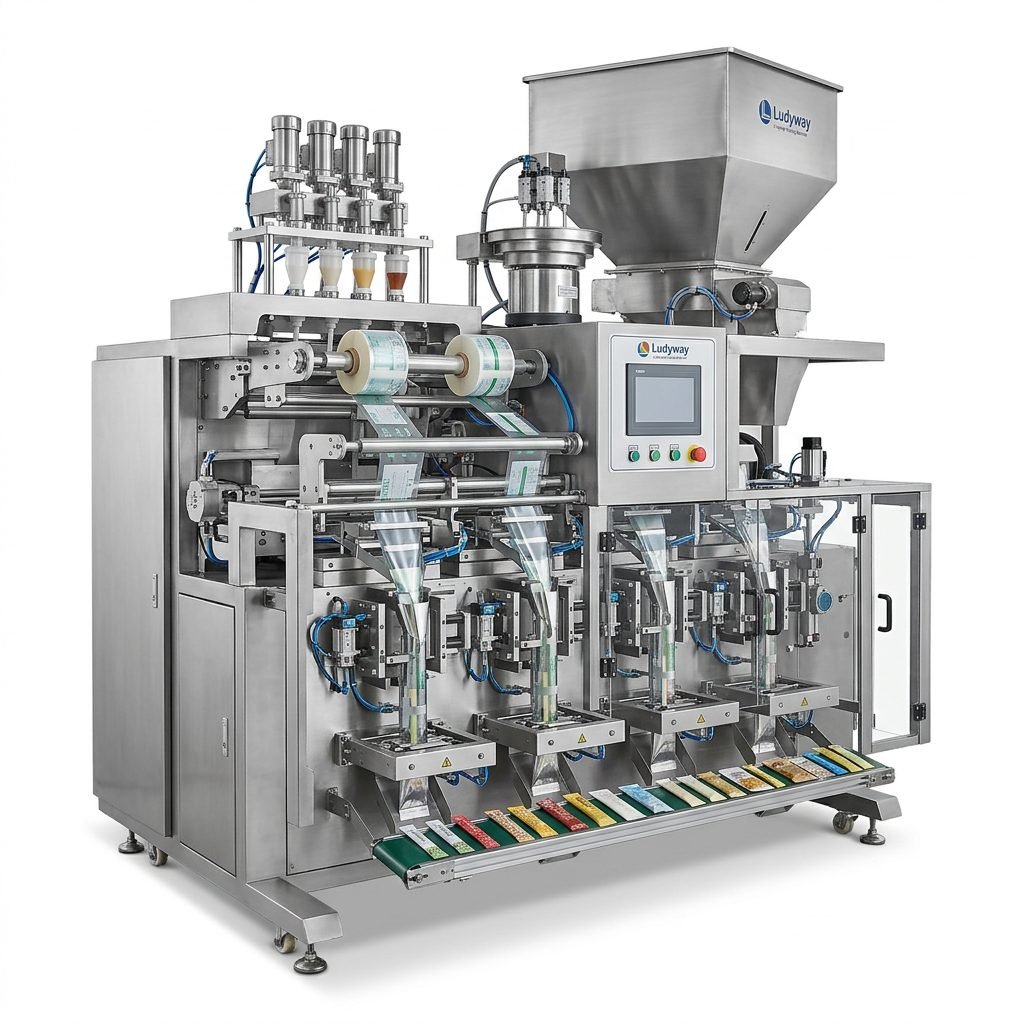
Multi-Lane Frozen Food Packaging Machine for Sachet & Stick Packs
View Machine Spec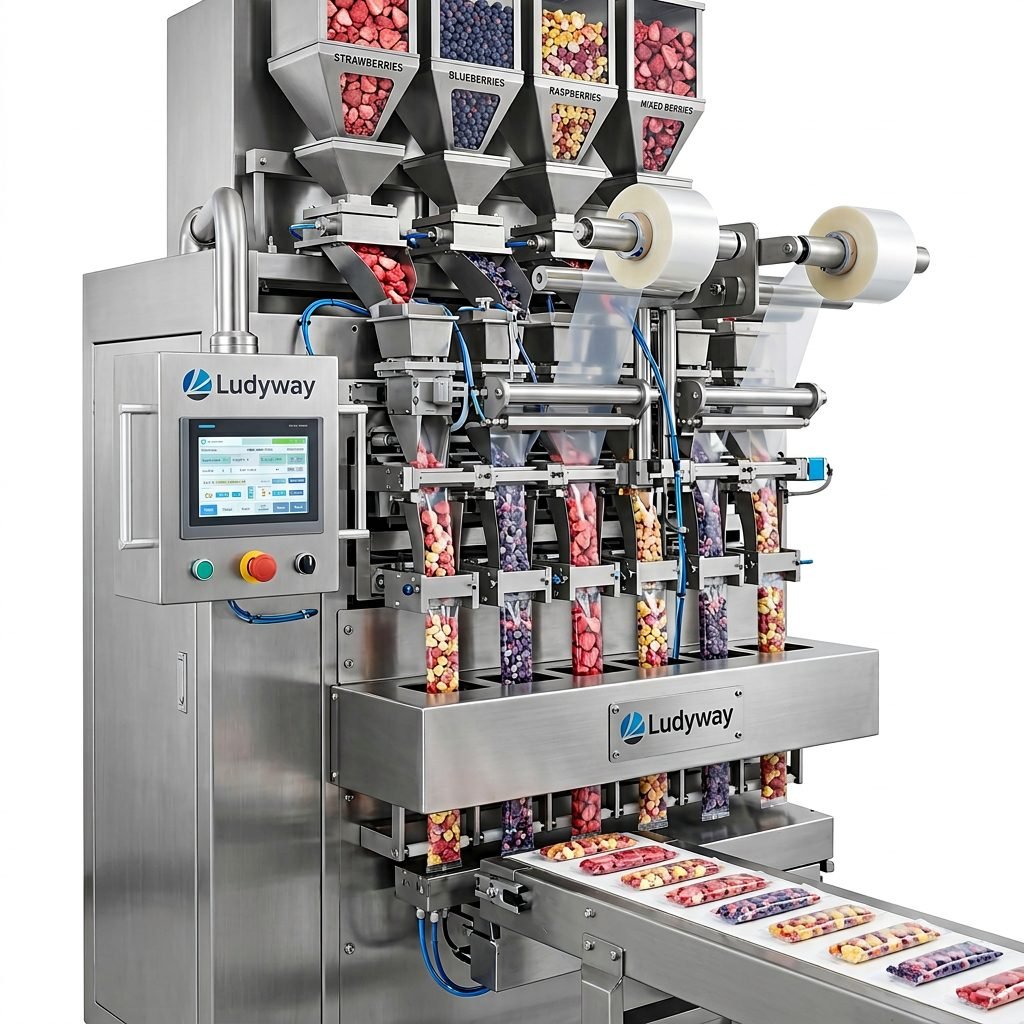
Freeze-Dried Fruit Stick Pack Machine for Granule Packaging
View Machine Spec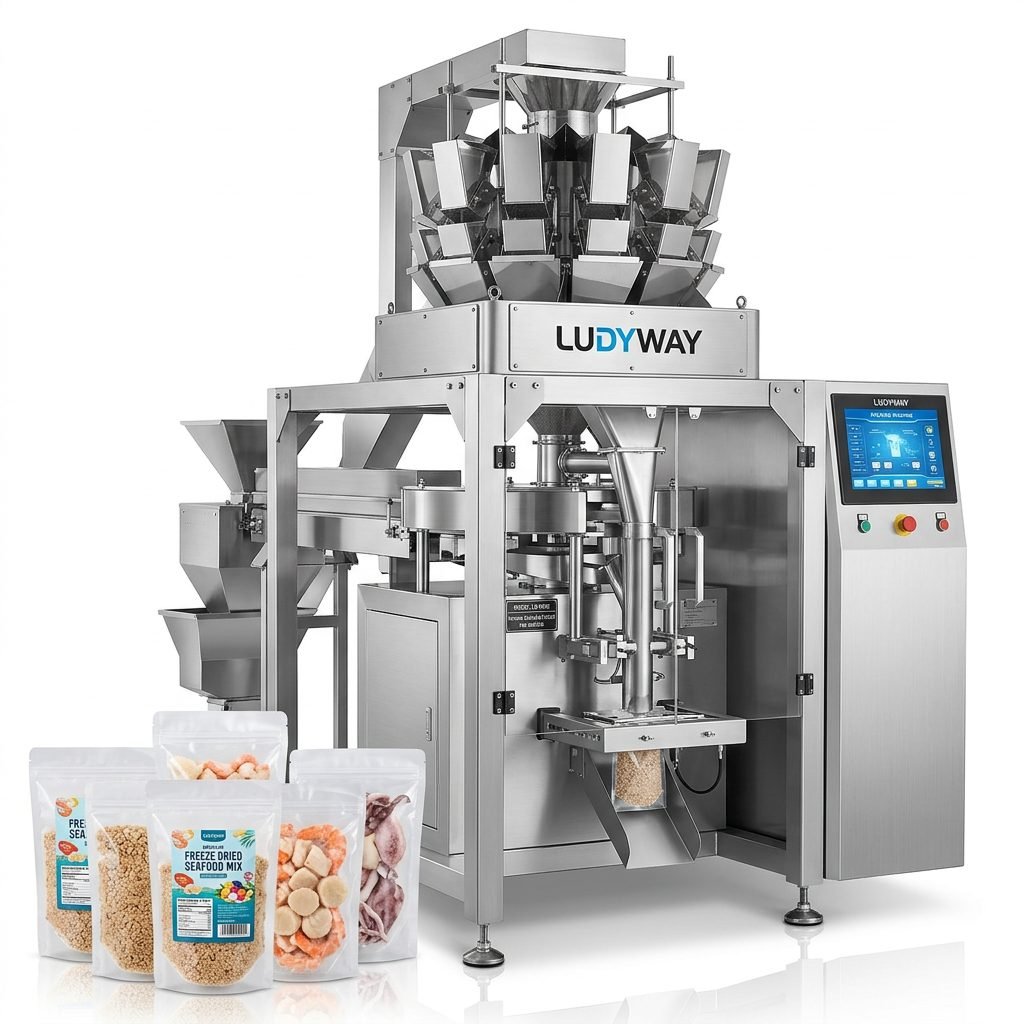
Freeze Dried Seafood Vacuum Sealing Machine for Granules
View Machine Spec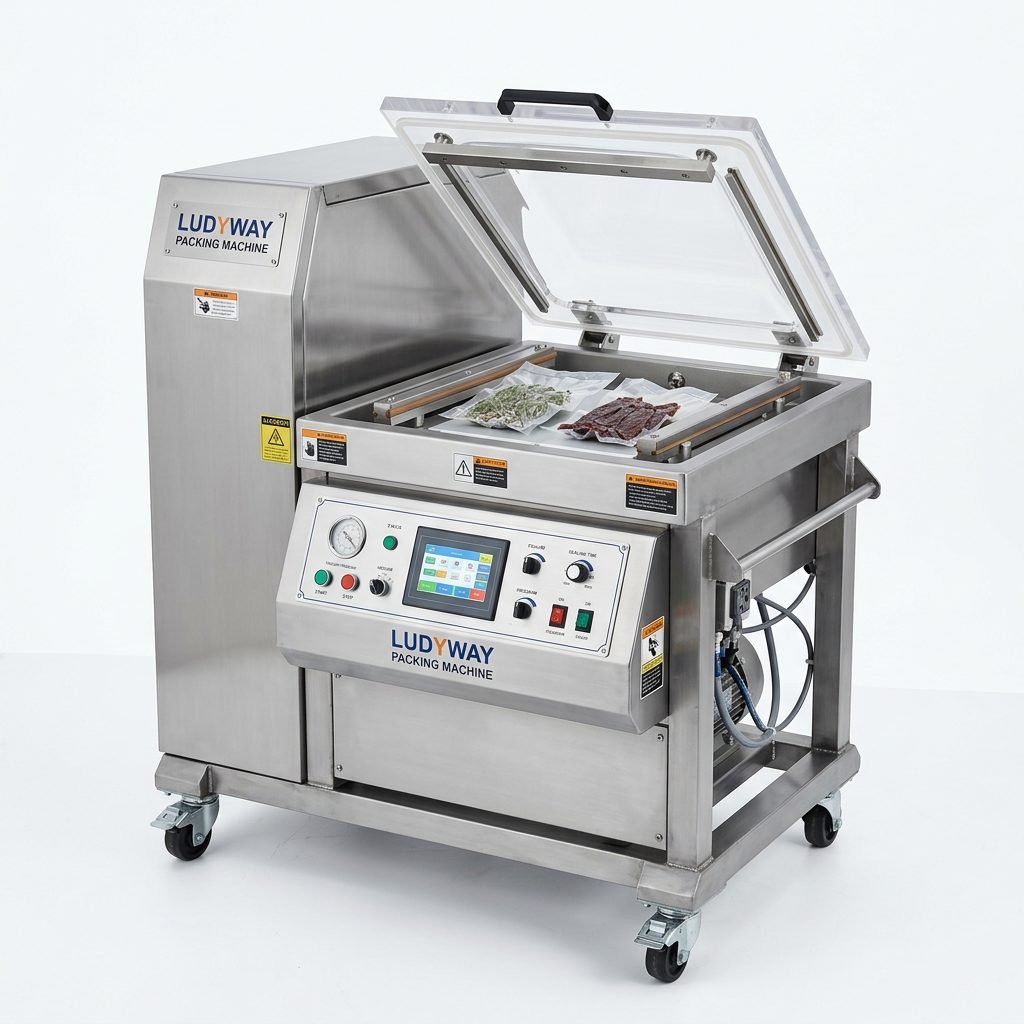
Industrial Vacuum Packaging Machine for Food & Perishables
View Machine Spec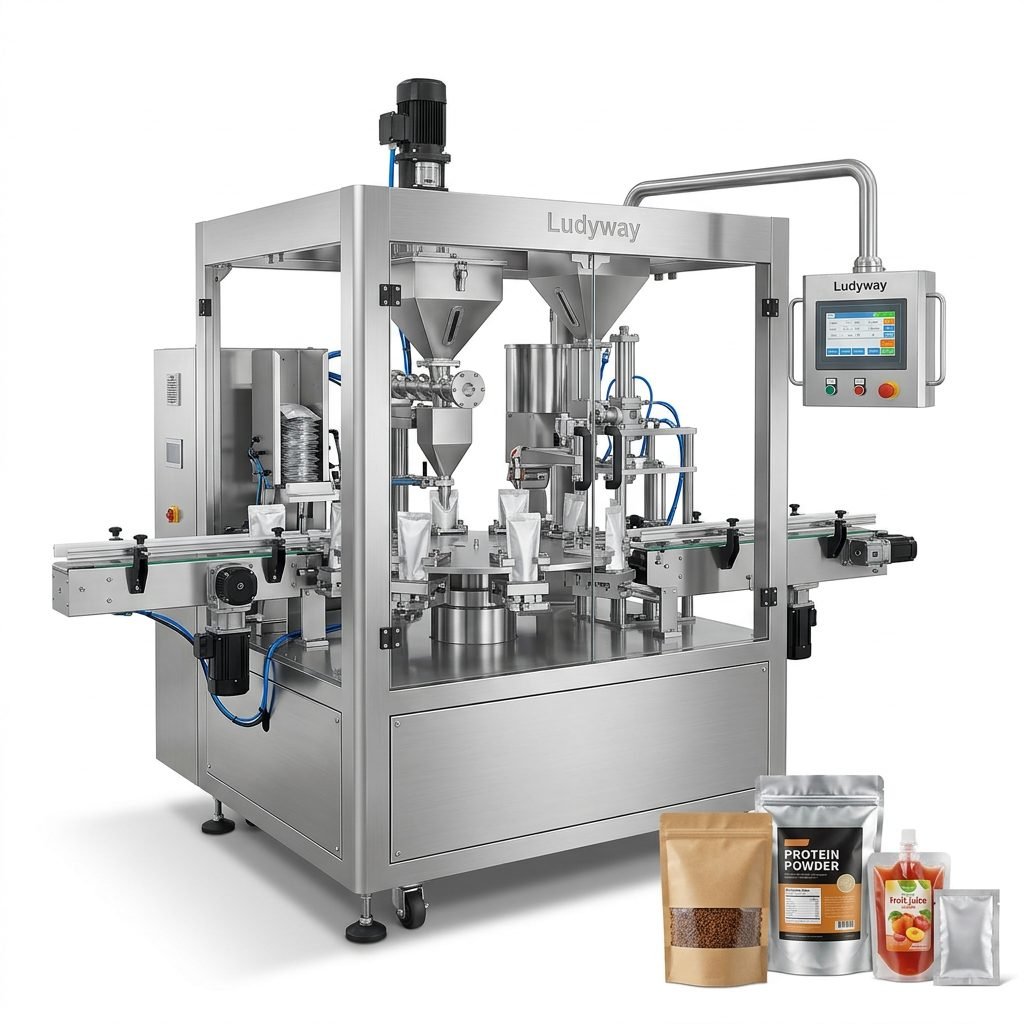
Premade Pouch Packaging Machine for Granules & Frozen Meals
View Machine Spec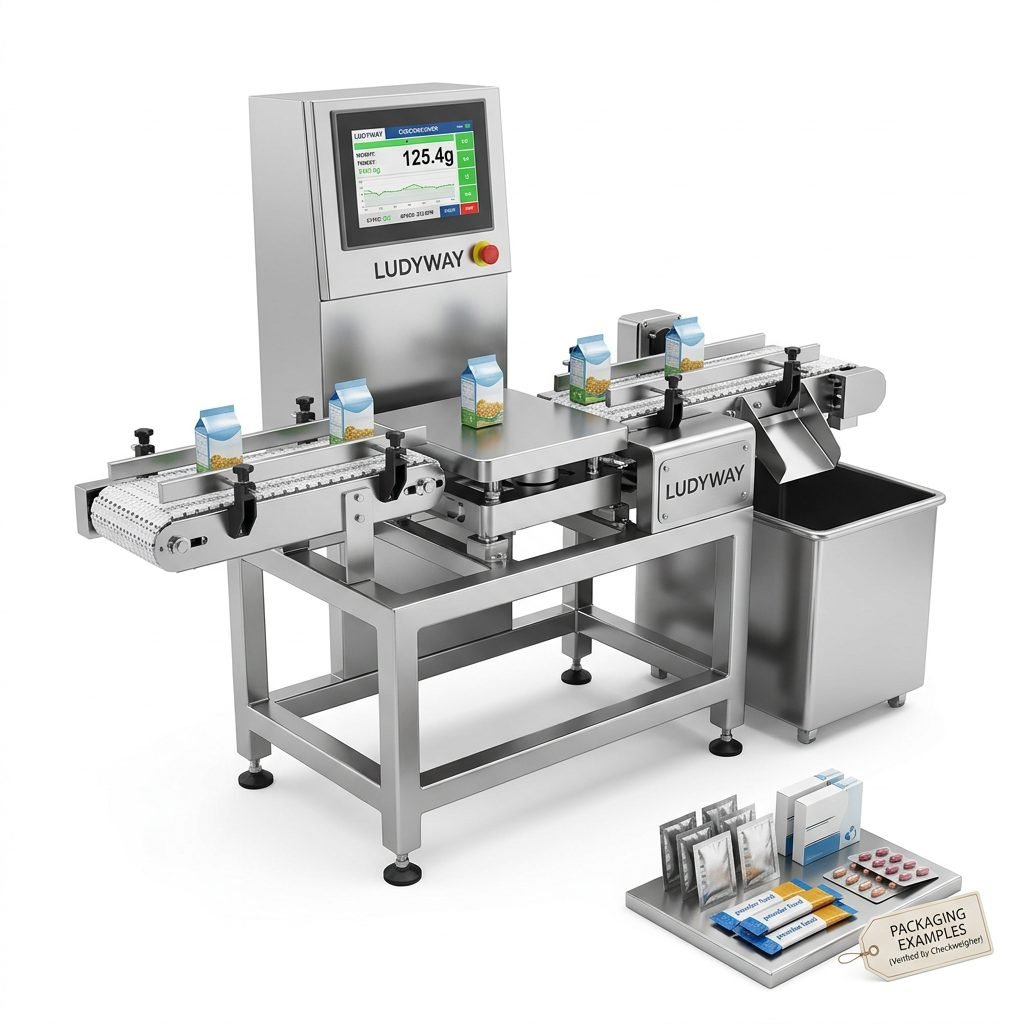
High-Precision Dynamic Checkweigher for Food Lines
View Machine Spec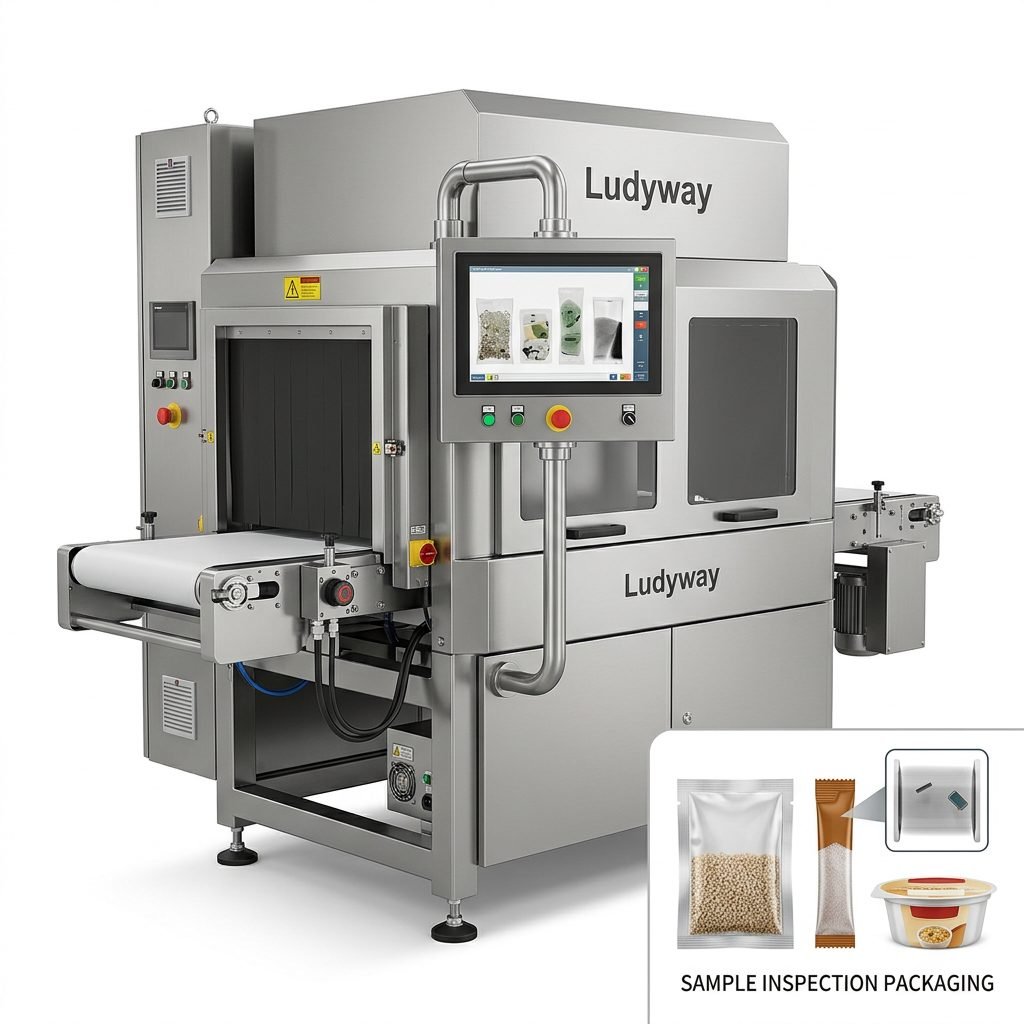
Industrial X-Ray Inspection System for Quality Control
View Machine SpecQuality Assurance, HACCP & Cold-Chain Compliance
Compliance with FDA, USDA, and EU food safety standards requires that frozen packaging lines incorporate rigorous inline critical control point (CCP) management:
Seal Integrity & Leak Testing
Micro-channel leaks permit sublimation, leading to rapid freezer burn and dehydration. Inline vacuum decay leak detection or vision-based seal inspection confirms hermetic seal boundaries without slowing production lines.
Foreign Object Detection
Ice shards mimic bone and foreign fragments in standard optical systems. Deploying multi-spectrum X-ray inspection alongside high-sensitivity metal detectors ensures precise detection of ferrous, non-ferrous, and stainless particles in frozen matrices.
Automated Track & Trace
Thermal transfer overprinters (TTO) and continuous inkjet (CIJ) systems must use specialized cold-resistant, quick-drying inks to prevent code smearing under sudden dew condensation upon palletizing.
Engineered by Ludyway Machinery: 30+ Years of Manufacturing Leadership
With a modern 20,000㎡ manufacturing facility and over 130 technical specialists, Ludyway is a global leader in intelligent automated packaging systems. Having engineered and deployed over 50 advanced packaging machine models across 100+ countries, our engineering teams understand the critical balance required for cold-room automation.
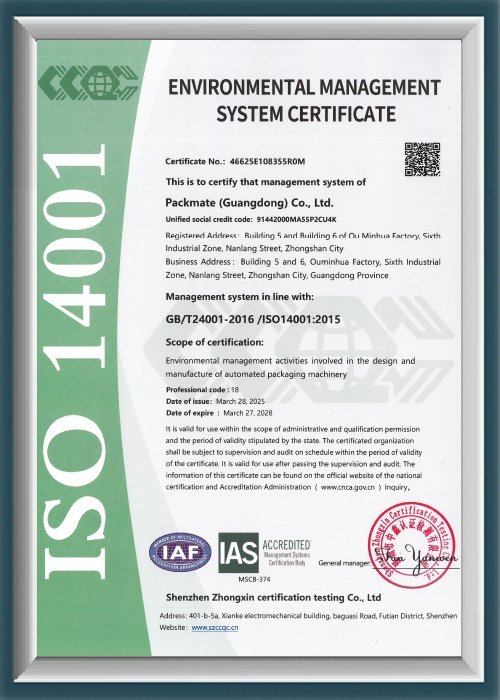
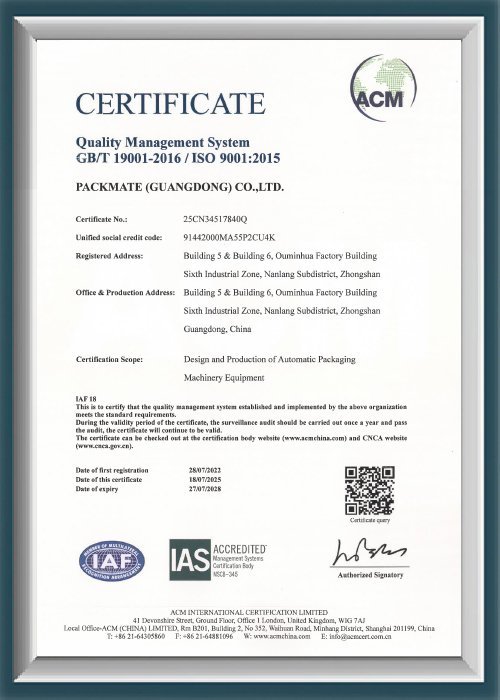
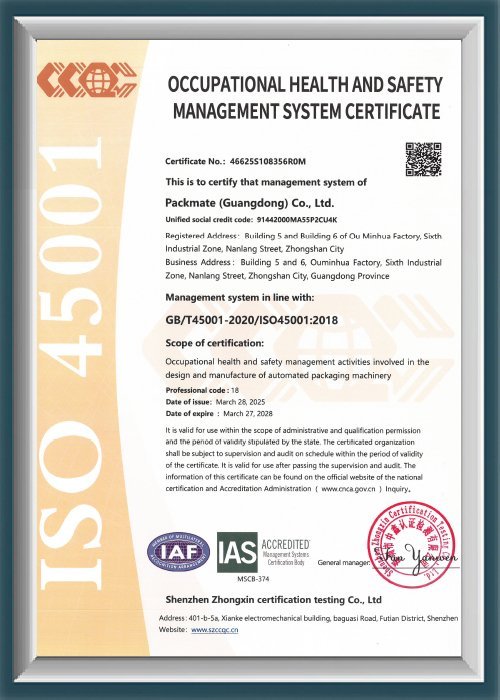
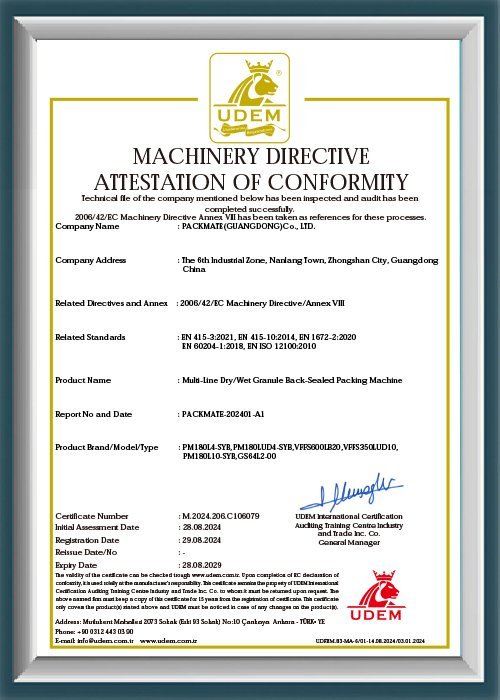
From single-lane portion sachet systems to high-speed multi-lane turnkey packaging plants, our equipment complies with stringent international quality standards, backed by CE, ISO, and sanitary food certifications.
Frequently Asked Questions: Frozen Food Packaging Line Setup
What is the optimal room temperature for a frozen food packaging area?
The standard operating ambient temperature for frozen food packaging rooms is between 0°C and 4°C (32°F – 39°F). This prevents surface thawing and glaze melt while allowing human operators and mechanical components to work without extreme cryogenic wear. Specialized desiccant dehumidification systems must maintain low relative humidity to prevent frost accumulation on machinery.
How do you prevent film jamming and static in cold packaging rooms?
Low humidity and cold temperatures generate high electrostatic charges on plastic packaging films, causing them to cling to metal formers and tracking guides. Anti-static ionizing air bars, Teflon-treated metal contact points, and heated vacuum pull belts eliminate film mis-tracking and slippage.
Which packaging materials are best suited for deep-freeze storage?
Co-extruded Multi-layer Polyethylene (PE), linear low-density polyethylene (LLDPE) blends, and laminated nylon/PE films provide high puncture resistance and flexible tensile properties down to -30°C. Standard polypropylene (PP) tends to crack easily under deep-freeze transit conditions and is generally avoided for secondary frozen logistics.
How does washdown IP rating impact packaging line reliability?
Frozen food production lines require frequent sanitary washdowns to prevent Listeria and cross-contamination. Machinery rated IP66 to IP69K ensures that electrical cabinets, servo drives, load cells, and HMI touchscreens survive high-temperature, high-pressure chemical sanitization cycles without seal degradation.
Ready to Design Your Frozen Food Packaging Line?
Consult with Ludyway’s senior packaging engineers for custom layout blueprints, thermodynamic assessments, equipment selection, and turnkey integration tailored to your cold-chain facility.
