
How to Set Up a Medical Product Packaging Line: Engineering, Cleanroom Integration & Validation Protocol
A comprehensive technical roadmap for medical device manufacturers, pharmaceutical producers, and cleanroom packaging engineers seeking cGMP compliance, ISO 11607 validation, and ultra-precise automation.
Engineering High-Integrity Medical Packaging Systems
Setting up an automated medical packaging line requires balancing cleanroom contamination control, sterile barrier system (SBS) integrity, and stringent regulatory compliance. Unlike standard food or chemical lines, medical packaging equipment must ensure 100% sterile seal reliability under ISO 11607 standards, meet FDA 21 CFR Part 11 electronic audit trails, and guarantee complete traceability across all batches.
Whether you are packaging single-use surgical kits, pharmaceutical powders, pre-filled syringes, or wound dressings, this technical guide explains every stage—from cleanroom floor layout and machinery selection to validation protocols (IQ/OQ/PQ) and digital machine vision inspection.
Regulatory Standards & Sterile Barrier System Requirements
ISO 11607 Part 1 & Part 2
Dictates requirements for materials, sterile barrier systems (SBS), and packaging process validation. The machinery must provide repeatable heat seal temperatures, dwell time, and pressure with verifiable process limits to guarantee sterility during distribution.
FDA 21 CFR Part 11 Compliance
Requires automated packaging machinery PLCs and HMIs to record all operator events, electronic signatures, parameter recipes, and alarm timestamps to ensure full data integrity and prevent unauthorized recipe alterations.
ISO 13485 & cGMP Guidelines
Demands strict contamination prevention protocols, clean-in-place (CIP) accessibility, 316L stainless steel contact parts, oil-free pneumatic actuators, and electro-polished surfaces to avoid particulate accumulation in cleanrooms.
Cleanroom Layout & Production Line Architecture
Cleanroom Environment (ISO Class 7 & Class 8)
Medical packaging must occur in controlled environmental conditions to restrict bioburden and particulate shedding. Line footprint planning requires strict separation between raw material intake, primary sterile packaging, and secondary outer cartoning.
- Differential Air Pressure: Maintain positive cleanroom cascade pressure (+15 to +30 Pa) from primary packaging zones to secondary areas.
- HEPA Laminar Flow Hoods: Integrate localized ISO Class 5 laminar air flow (LAF) over open filling and heat-sealing stations.
- Hygienic Machine Surfaces: Sloped machine frames and internal cable ducting prevent dust settling and facilitate chemical sanitization.
Primary to Secondary Line Architecture
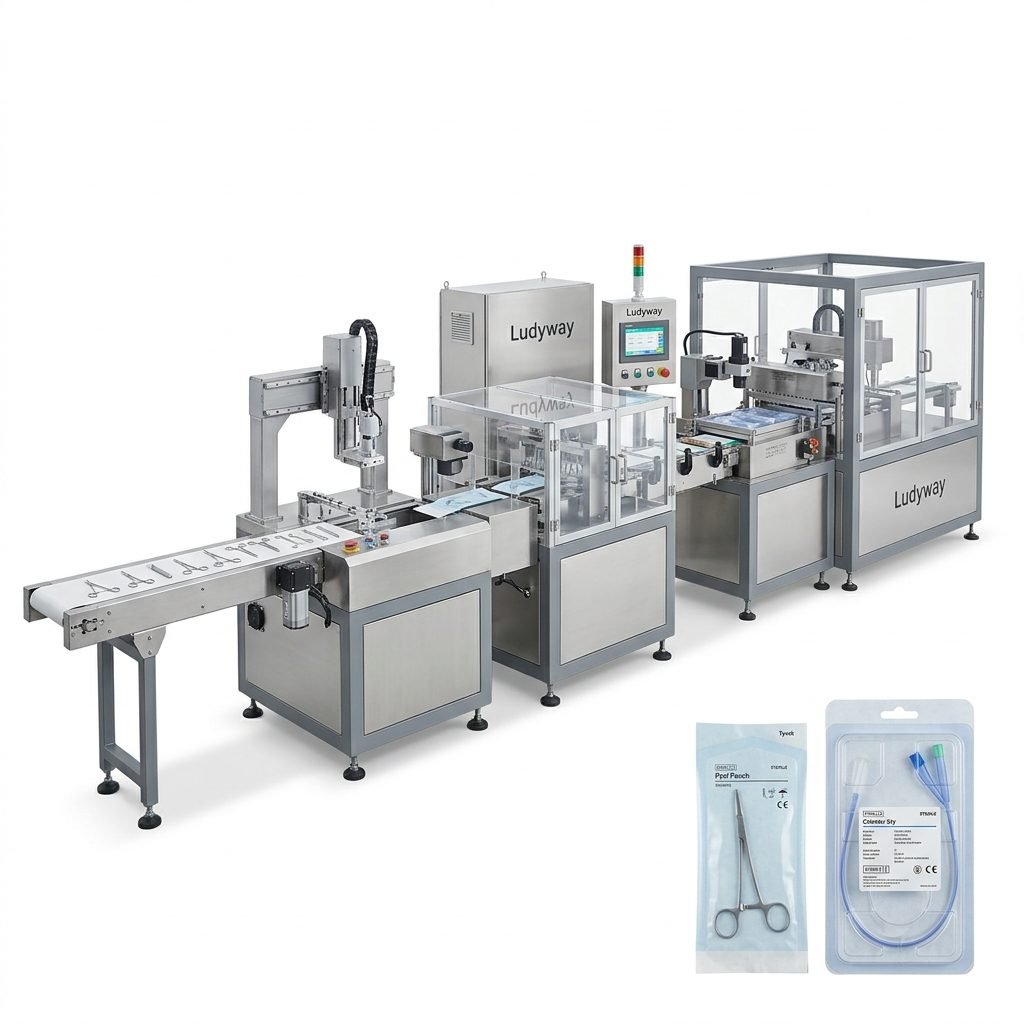
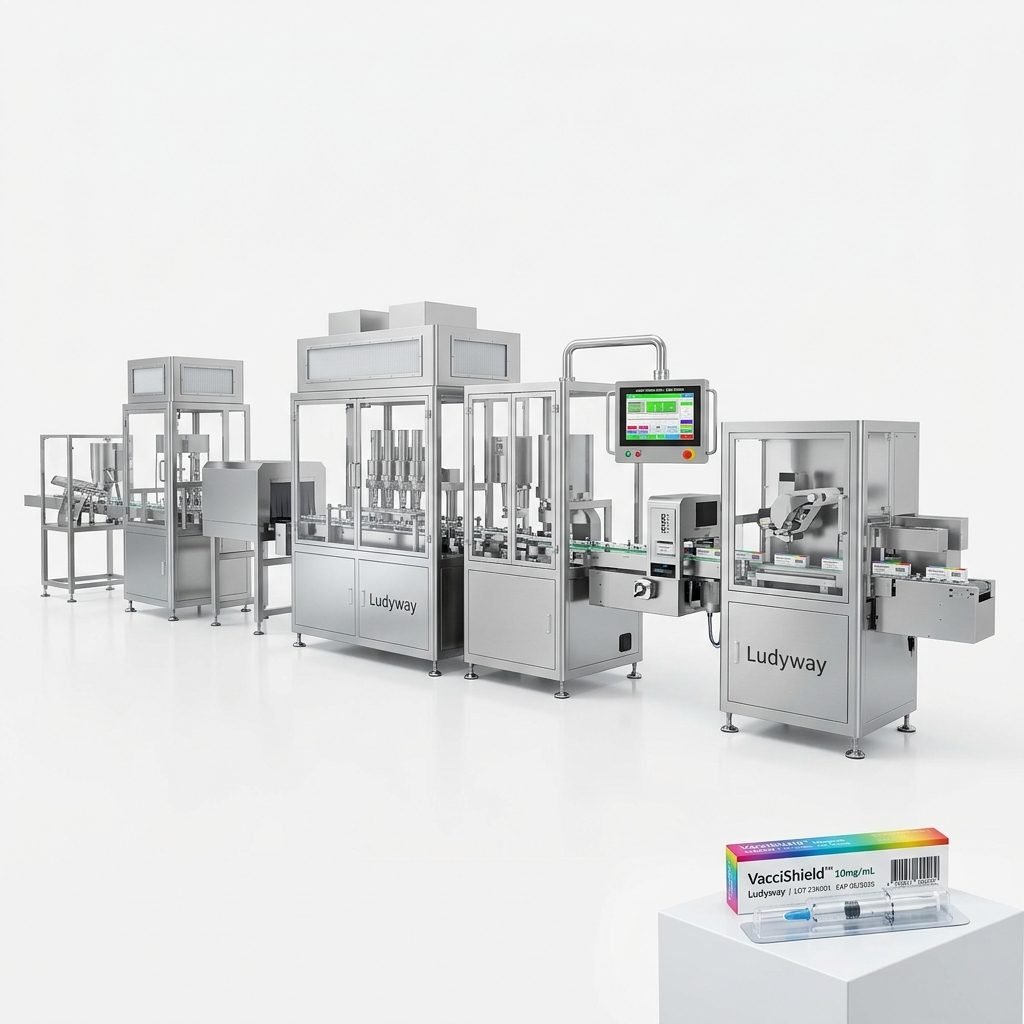
An automated medical line consists of synchronized modules that feed, orient, package, seal, inspect, and bundle items at high speed without human contact.
- Primary Packaging: Multi-lane stick packs, sterile peelable pouches (Tyvek® / medical film), thermoformed blister trays, or vial filling.
- In-line Inspection: Real-time seal width sensors, thermal imaging for leak detection, checkweighing, and metal/X-ray inspection.
- Secondary Packaging & End of Line: High-speed automatic cartoning lines, leaflet inserters, tamper-evident case sealing, and robotic palletizing.
System Validation & Quality Qualification (IQ / OQ / PQ)
User Requirement Spec
Define product dimensions, sterilization compatibility (EO, Gamma, Autoclave), line speed, cleanroom footprint, and UDI barcode symbology requirements.
Installation Qualification
Verify electrical wiring, pneumatic supply, 316L SS material certifications, calibration of temperature probes, and software version documentation.
Operational Qualification
Challenge operational envelopes: upper/lower seal temperature thresholds, vacuum limits, dwell variations, emergency stop safety circuits, and alarm logs.
Performance Qualification
Execute multi-batch trial runs under full production conditions. Validate seal strength (ASTM F88), dye penetration (ASTM F1929), and sterile barrier integrity.
Medical Product Packaging Machinery Comparison
| Packaging Technology | Target Medical Products | Primary Material Format | Throughput (PPM) | Sterilization Method |
|---|---|---|---|---|
| Medical Sachet & Stick Pack Lines | Pharmaceutical powders, oral electrolytes, medicinal syrups, diagnostic reagents | Multi-layer foil, PET/AL/PE, Paper-Poly | 120 – 600 PPM | Aseptic filling / Terminal Gamma |
| Automated Sterile Pouch Sealers | Surgical sutures, catheters, orthopedic implants, sterile dressings | Tyvek® / Medical grade film, foil pouches | 40 – 180 PPM | Ethylene Oxide (EO), Steam, Gamma |
| Syringe & Vial Filling Lines | Pre-filled saline syringes, vaccines, anesthetic ampoules | Glass/COC vials, pre-sterilized syringe barrels | 60 – 300 PPM | Aseptic Isolator / Autoclave |
| Blister Thermoform-Fill-Seal | Tablets, capsules, disposable medical devices, diagnostic chips | PVC, PVDC, Aclar, Alu-Alu cold form | 100 – 450 PPM | Terminal Sterilization / Non-sterile |
| Wound Care & Mask Wrappers | Surgical masks, hydrogel bandages, antiseptic wipes | Non-woven, cold seal / heat seal laminates | 150 – 500 PPM | EO gas, Radiation, UV sterilization |
Featured Medical & Pharmaceutical Packaging Machines

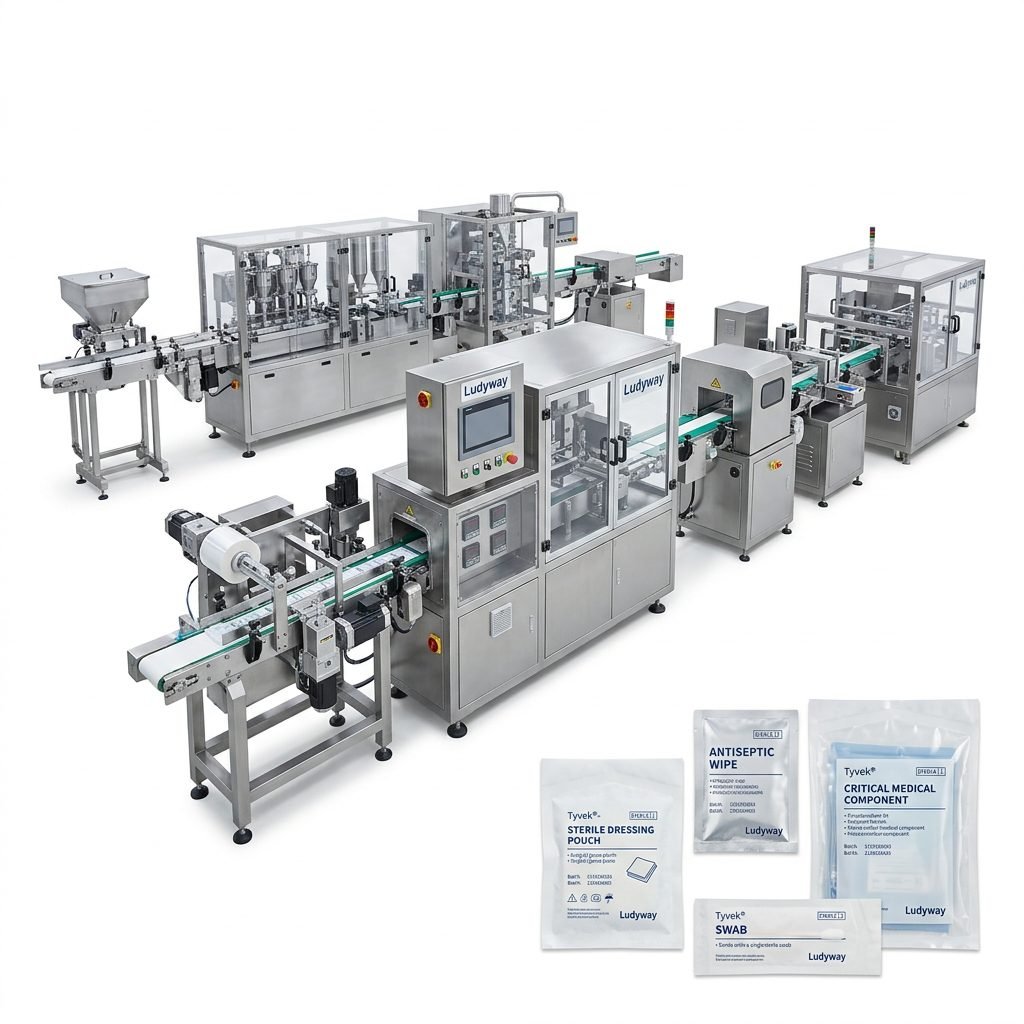
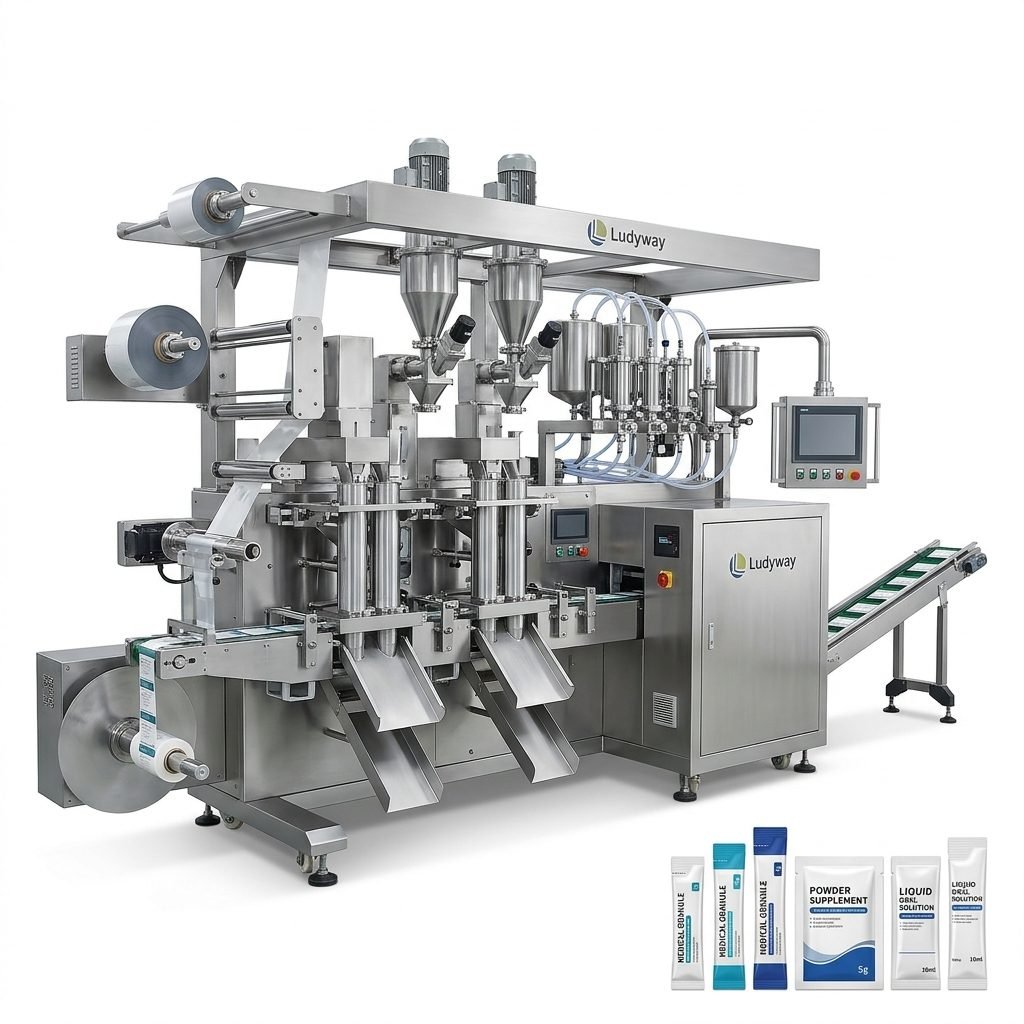
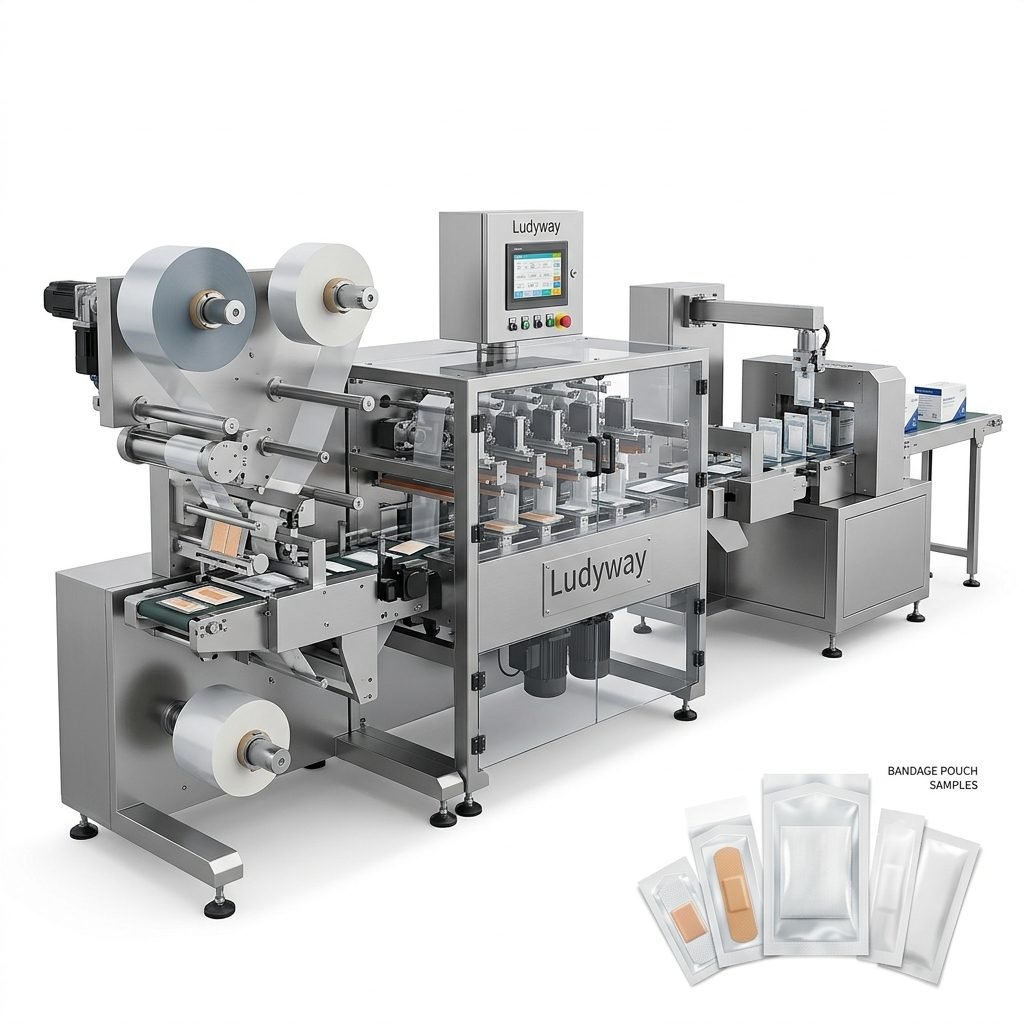
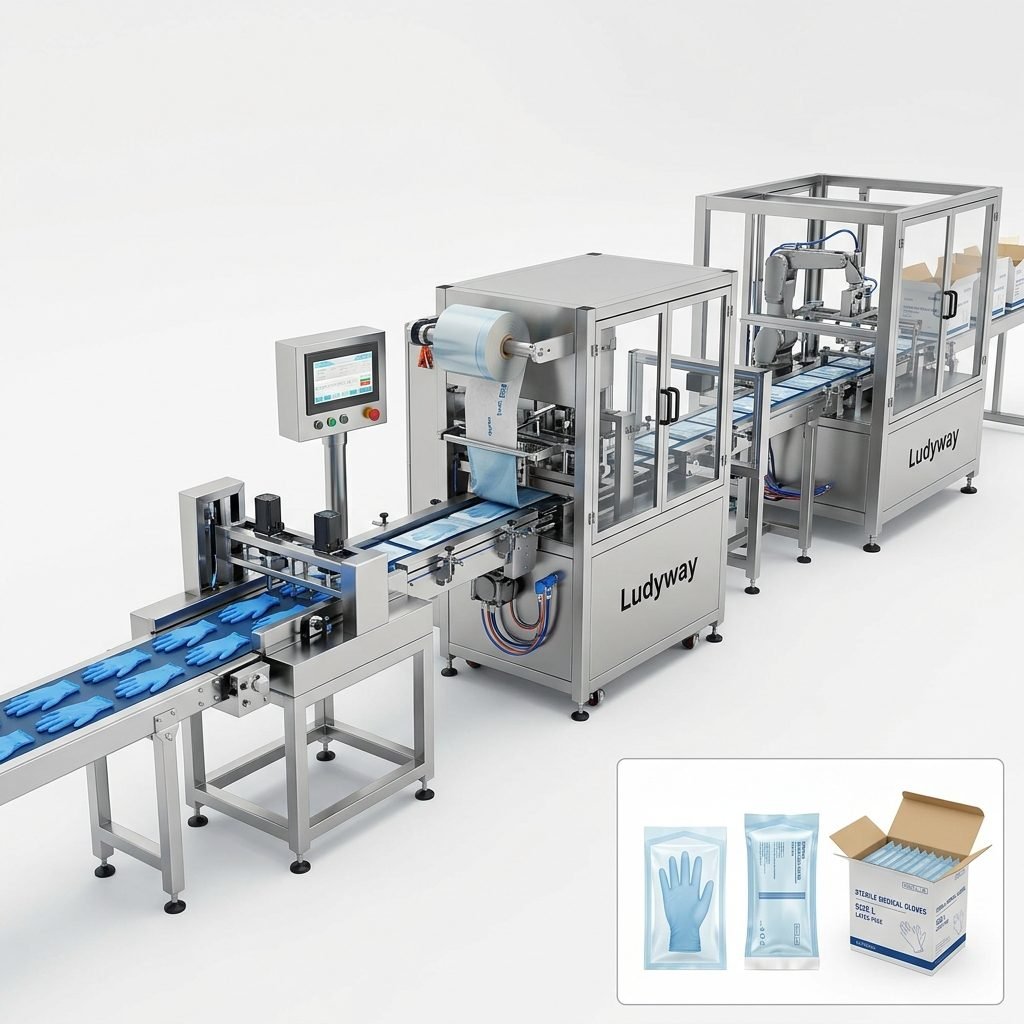
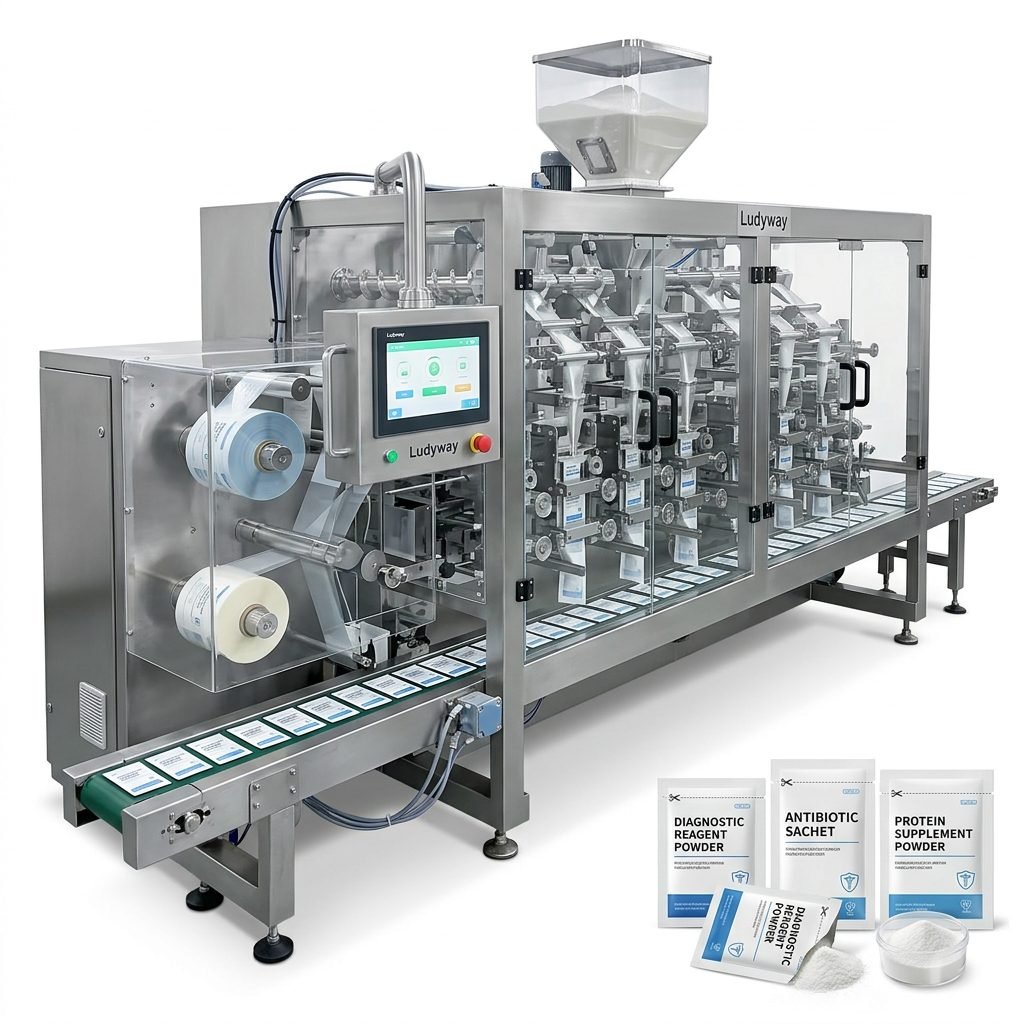
In-Line Inspection, UDI Serialization & Reject Mechanics
High-Resolution AI Vision Inspection
Integrate telecentric lens cameras to scan 100% of heat seals. Detect micro-channels down to 50 microns, seal wrinkles, product entrapment in the sealing zone, and print alignment flaws prior to secondary cartoning.
UDI Laser Marking & Verification
Ensure regulatory traceability with GS1-compliant 2D DataMatrix laser etching. Optical Character Verification (OCV/OCR) verifies lot numbers, expiration dates, and GS1 UDI codes directly on medical foil or Tyvek® surfaces.
Positive Reject Tracking & Air Blow Systems
Equipped with fail-safe reject verification sensors. Non-compliant units are positively diverted to locked reject bins with encoder-tracked confirmation to prevent non-sterile packs from bypassing inspection.
Engineered by Ludyway: 30+ Years of Precision Machinery
Turnkey Medical & Pharmaceutical Solutions
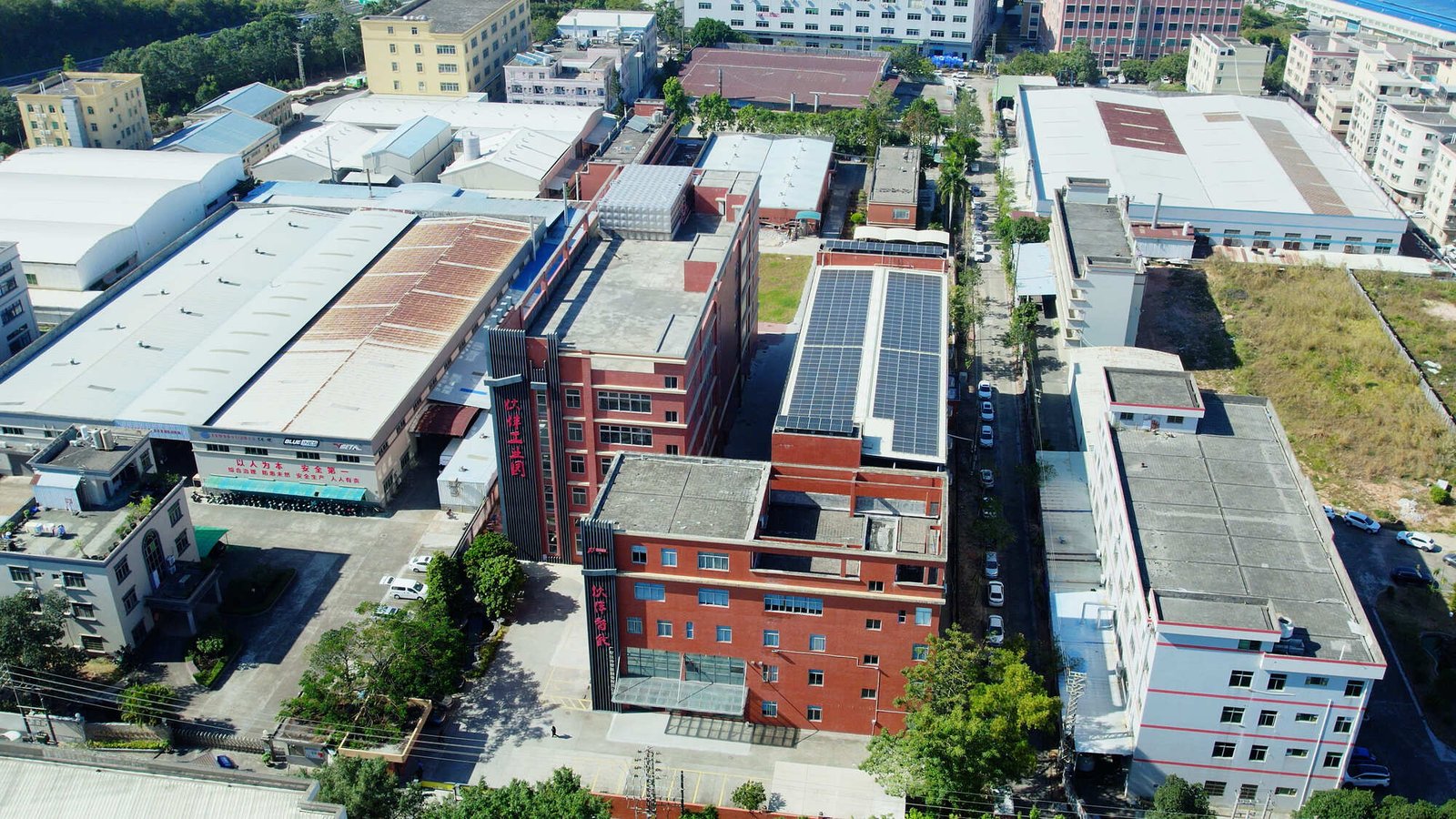
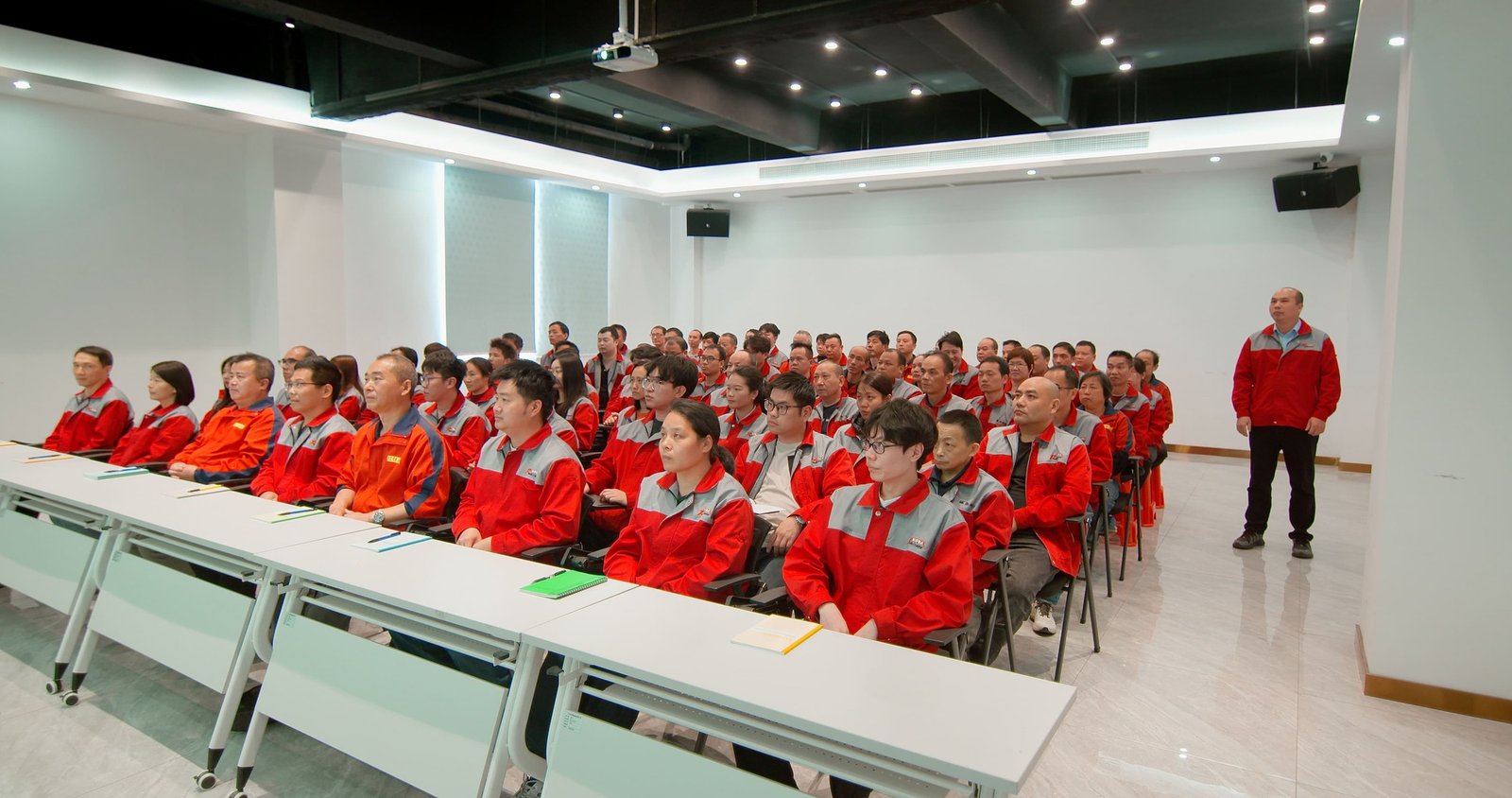
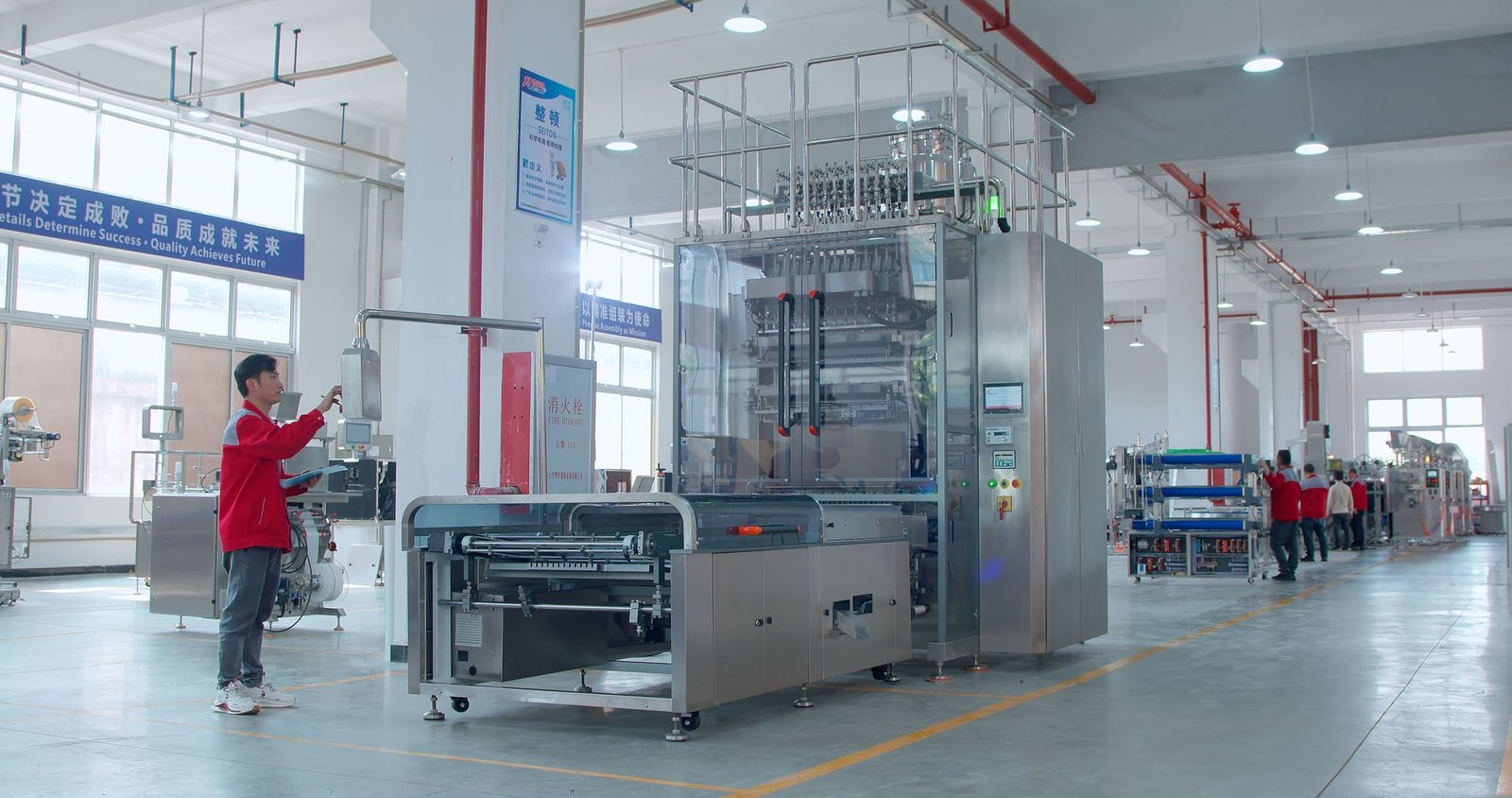
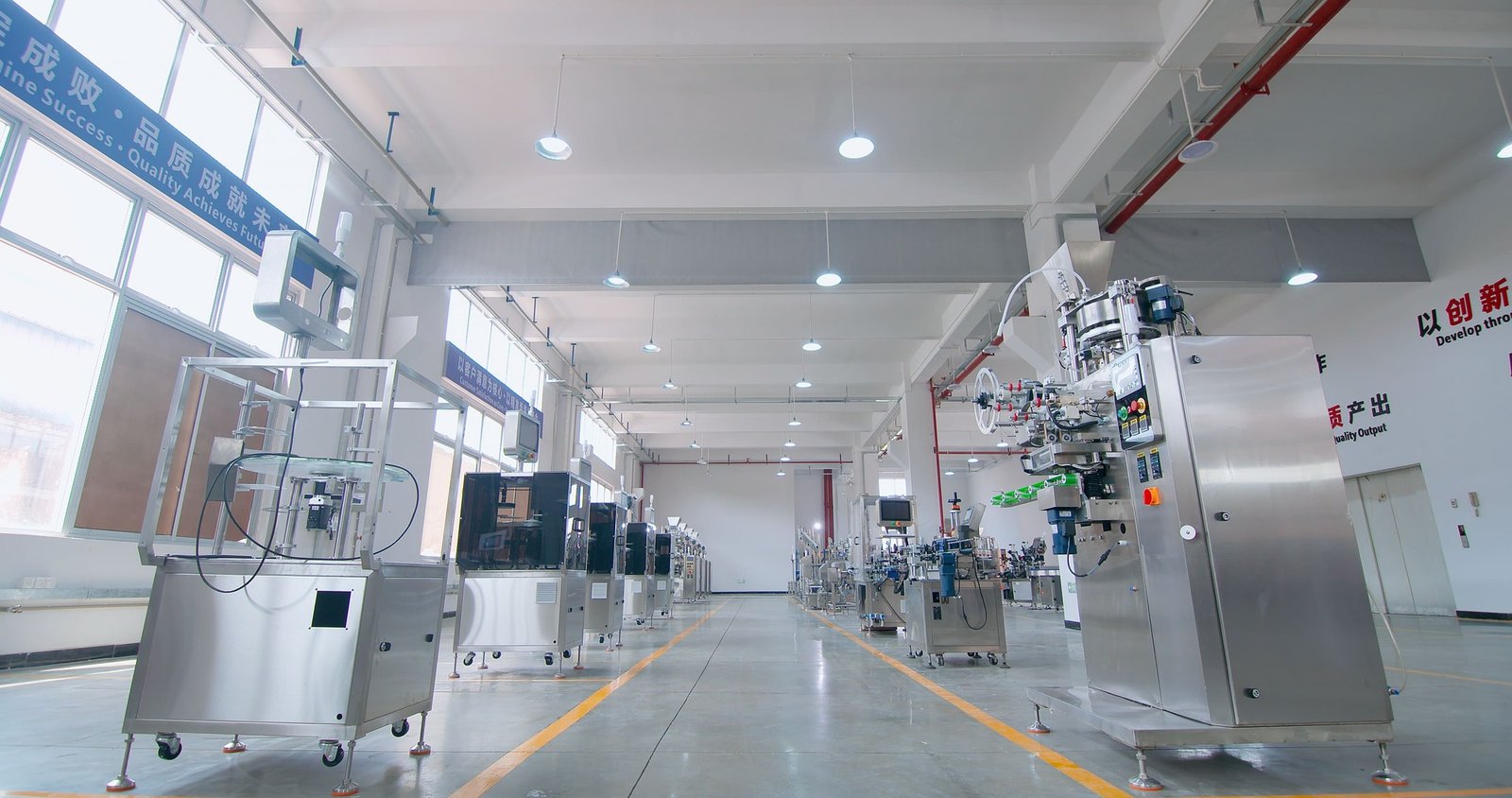
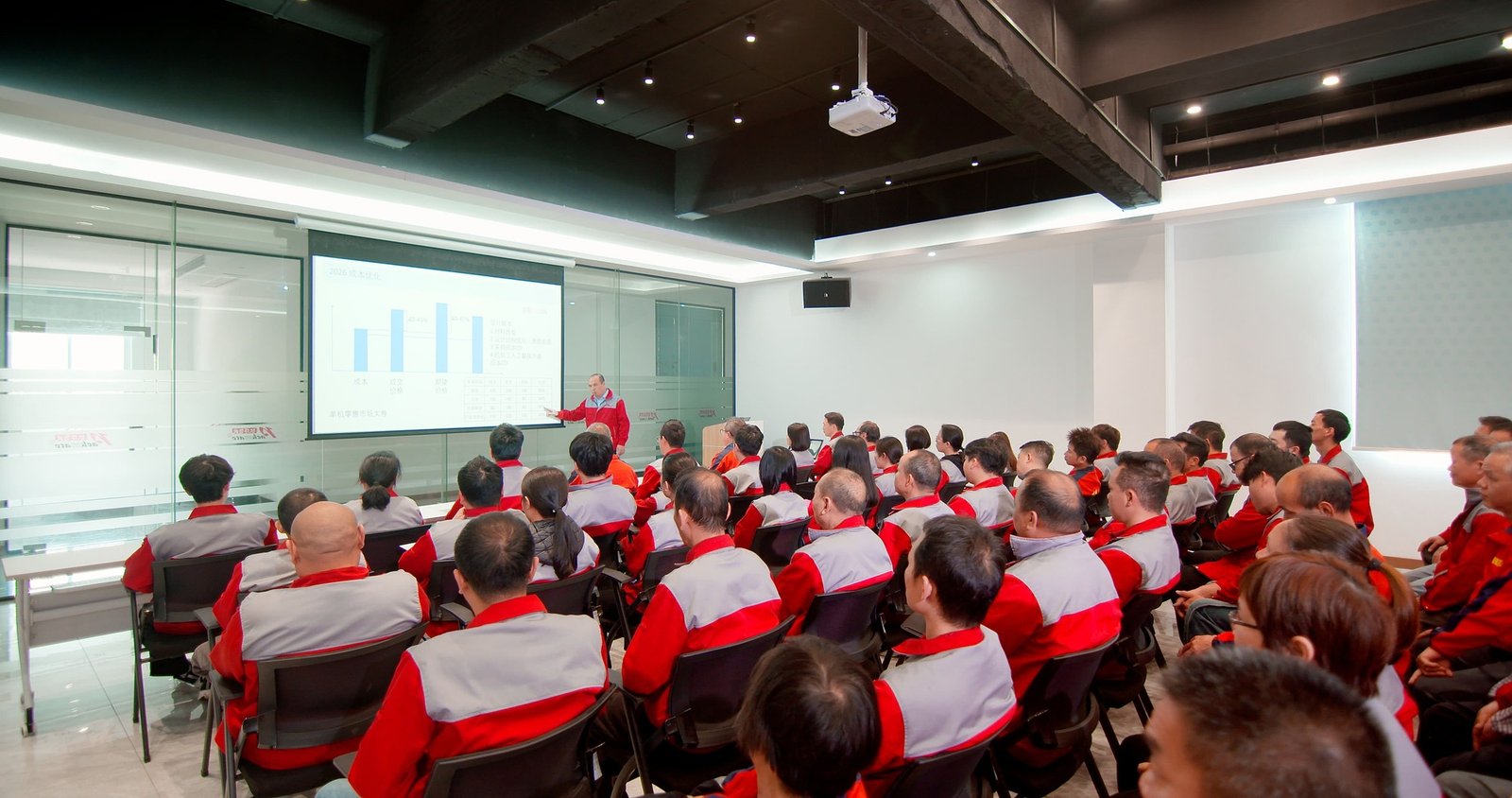
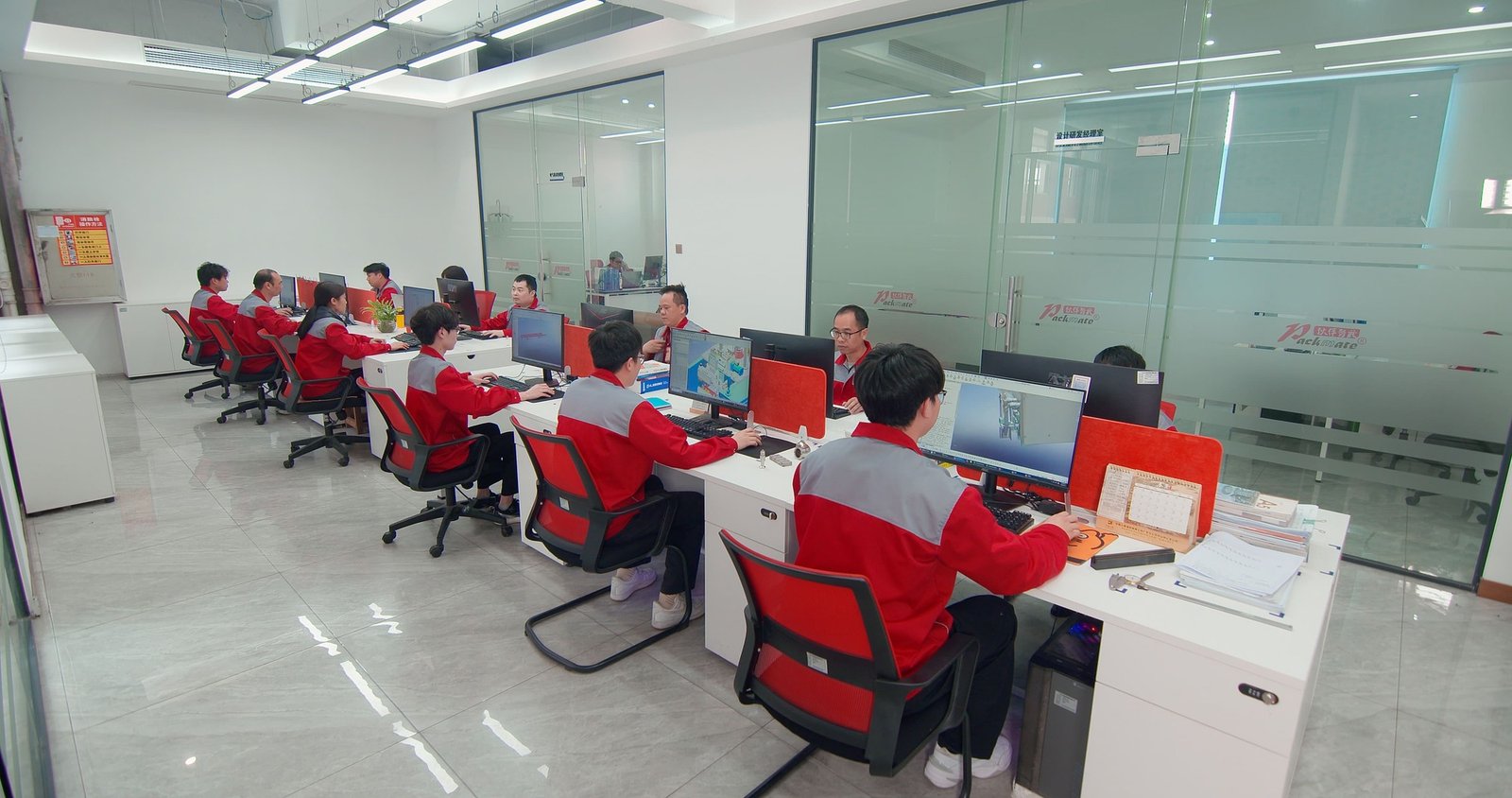
Ludyway is an industry-leading packaging machinery manufacturer operating a modern 20,000㎡ production facility with over 200 high-precision CNC machining centers. With 30+ years of dedicated engineering and a team of 130+ automation specialists, we deliver turnkey medical packaging solutions to clients in over 100 countries.
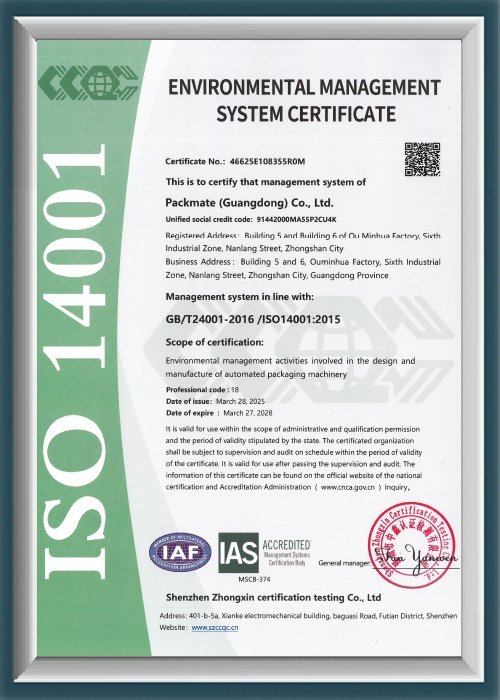
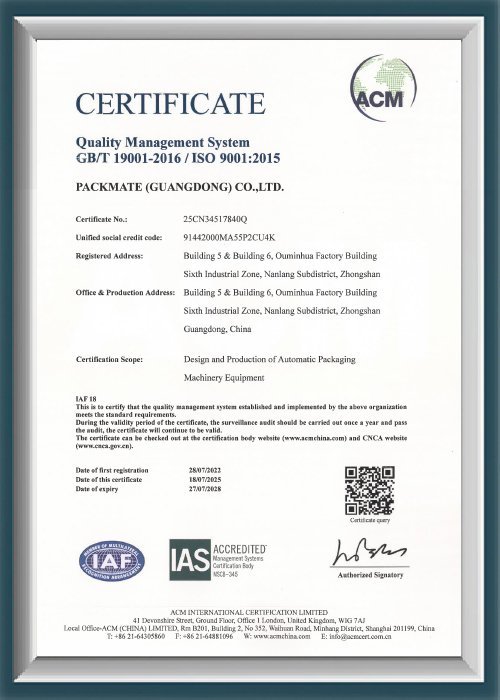
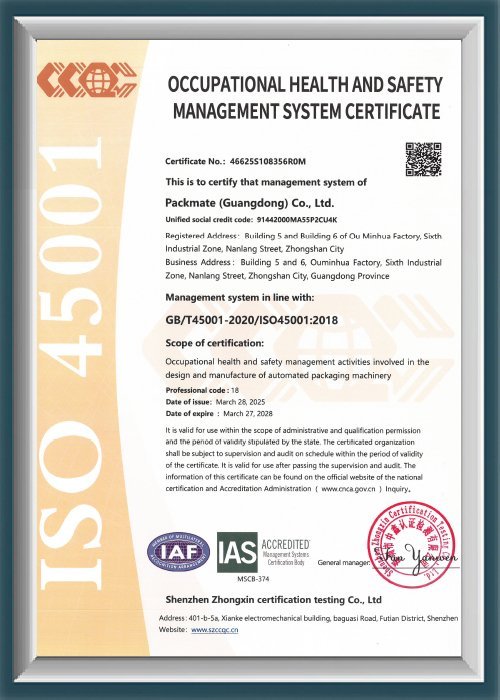
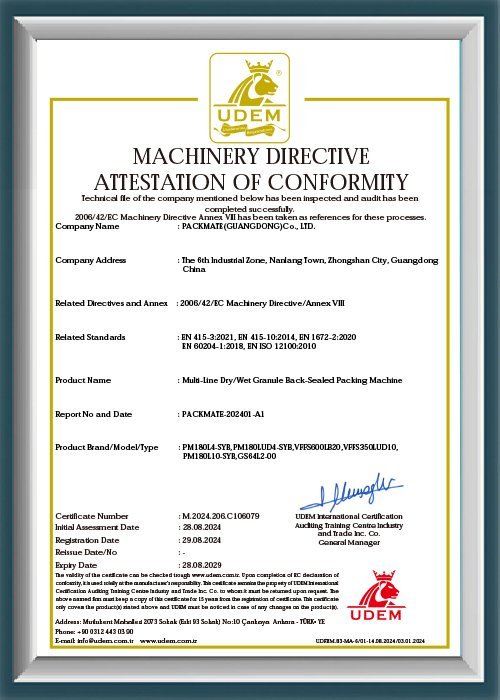
From custom multi-lane stick pack systems for pharmaceutical powders to high-speed sterile pouch lines for surgical consumables, our machinery adheres to ISO 13485, CE, and cGMP standards, backed by full FAT/SAT and IQ/OQ validation packages.
Frequently Asked Questions on Medical Packaging Setup
What is the difference between ISO 11607 Part 1 and Part 2?
ISO 11607-1 focuses on the requirements for materials, preformed sterile barrier systems, and sterile packaging systems. ISO 11607-2 focuses strictly on the validation requirements for forming, sealing, and assembly processes, including IQ, OQ, and PQ validation.
Why is 316L stainless steel preferred over 304 in medical machinery?
316L contains 2-3% molybdenum, which provides significantly superior resistance to pitting and corrosion caused by aggressive cleanroom sanitizers, chloride solutions, and clean-in-place (CIP) chemical washes.
How do you handle audit trails for FDA 21 CFR Part 11?
Ludyway PLCs and HMIs integrate encrypted database logging, multi-level password security (Operator, Supervisor, Admin), timestamped electronic event logs, and automated alarm records with no manual overwriting allowed.
Can the same packaging line handle both Tyvek® and clear foil?
Yes. Our medical pouch and form-fill-seal machines feature programmable digital sealing parameters that switch recipe-controlled heat profiles, platen pressures, and cooling cycles tailored to Tyvek®-laminate or foil-foil combinations.
What tests are mandatory during the Performance Qualification (PQ) phase?
Standard PQ testing includes ASTM F88 (Seal Strength Tensile Test), ASTM F1929 (Dye Penetration Integrity Test for porous materials), ASTM F2096 (Bubble Emission Leak Test), and accelerated aging shelf-life verification.
What lead time is required for a complete turnkey medical packaging line?
Standard single-machine systems ship in 4-6 weeks, while fully customized turnkey packaging lines (including infeed robotics, cartoning, vision inspection, and validation documentation) typically require 10-14 weeks including factory acceptance testing (FAT).
Trusted by Healthcare & Medical Manufacturers Globally





Ready to Architect Your Automated Medical Packaging Line?
Consult with our lead packaging engineers to configure a custom cleanroom layout, select compliant machinery, and obtain full validation support for your medical or pharmaceutical facility.
