
How to Set Up a Peanut Packaging Line: Step-by-Step Engineering & Automation Guide
Discover how to design, integrate, and commission a high-speed automated peanut packaging line. From handling oily snack granules and nitrogen flushing to multi-head weighing and high-speed multi-lane bagging, this comprehensive industrial guide delivers the blueprint for high-yield, hygienic nut packaging operations.
Core Engineering Considerations for Peanut Packaging Automation
Setting up a high-efficiency peanut packaging line requires a deep engineering understanding of product rheology, food preservation chemistry, and electro-mechanical packaging synchronization. Peanuts—whether roasted, salted, blanched, coated, or crushed into granules—present unique material handling challenges that differentiate them from standard dry grains or confectionery items.
Peanuts possess a high lipid content (approx. 45-50% oil) and fragile cell structures. Exposure to oxygen leads to rapid rancidity, whereas aggressive mechanical conveying causes breakage, skin separation, and particulate dust generation. A modern peanut packaging line engineered by Ludyway bridges delicate product handling with ultra-fast industrial automation to deliver consistent bag integrity, precise dosing, and extended product shelf life.
Lipid Oxidation & Rancidity Control
Roasted peanuts contain polyunsaturated fatty acids prone to oxidative rancidity. Setting up an integrated Nitrogen Flushing Packaging System is vital to displace atmospheric oxygen inside pouches below 1.0%, extending commercial shelf stability up to 18-24 months.
Fragility & Kernel Integrity
Dropping roasted whole peanuts onto steep stainless chutes creates cracked kernels, skin shedding, and unwanted fines. Line layout design must incorporate low-angle transfer transitions, dimpled contact surfaces, and food-grade urethane linings to cushion product cascades.
Salt, Oil & Dust Infiltration
Seasoning salts and peanut powders cling to mechanical sealing jaws, degrading thermal seal integrity and causing micro-leaks. Advanced lines utilize positive air-scavenging dust hoods and servo-controlled horizontal seal bars to guarantee hermetic packaging closures.
How to Set Up a Peanut Packaging Line: 7-Phase Execution Guide
A turnkey peanut packing line requires systematic integration from bulk storage up to final case palletization. Follow this certified engineering roadmap to commission an efficient, cGMP-compliant peanut packaging operation.
Step 1: Automated Infeed & Bulk Material Elevation
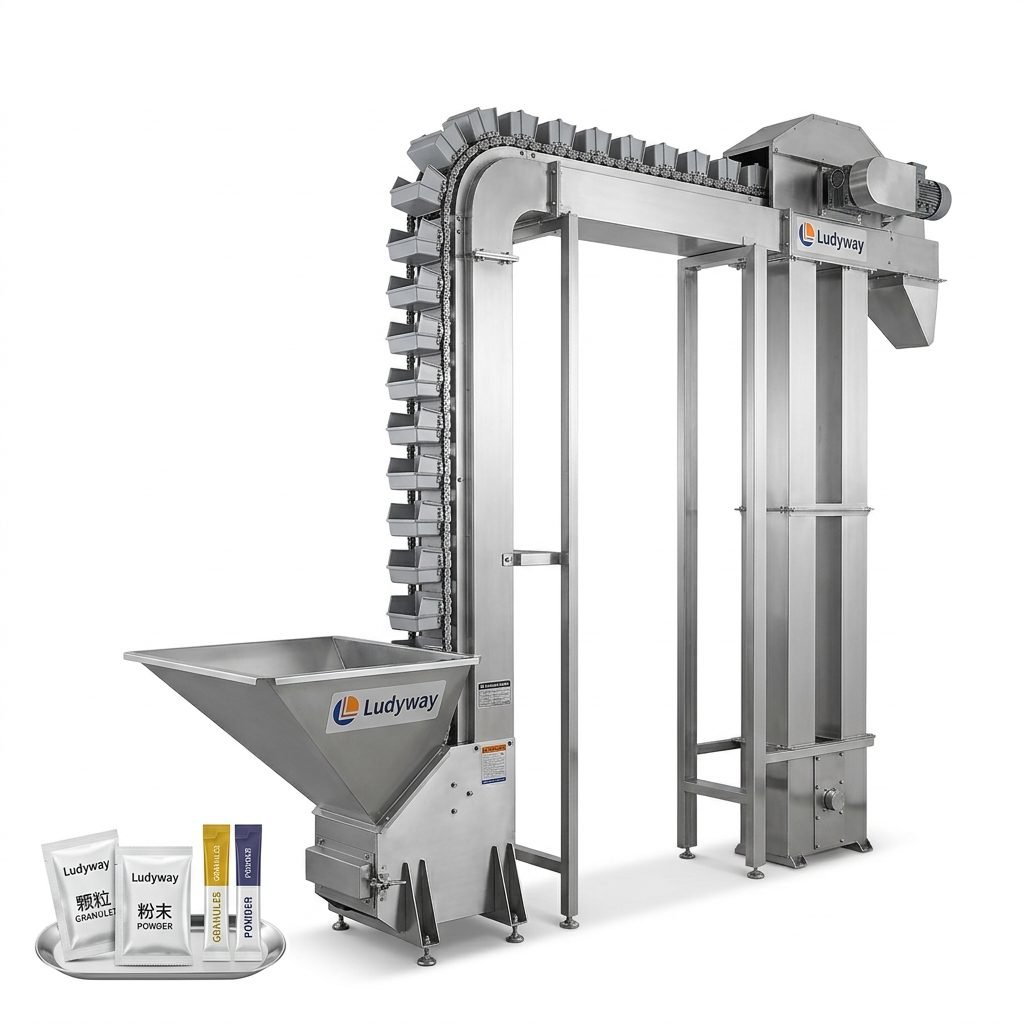
Raw or roasted peanuts are discharged from bulk holding hoppers into an automated infeed system. To avoid mechanical breakage common with screw conveyors, install a food-grade Z-Type Bucket Elevator or gentle vibratory conveyor. These systems gently lift whole or granulated peanuts into the weighing mezzanine hopper with zero friction-induced degradation.
Step 2: High-Speed Multi-Head Combination Dosing
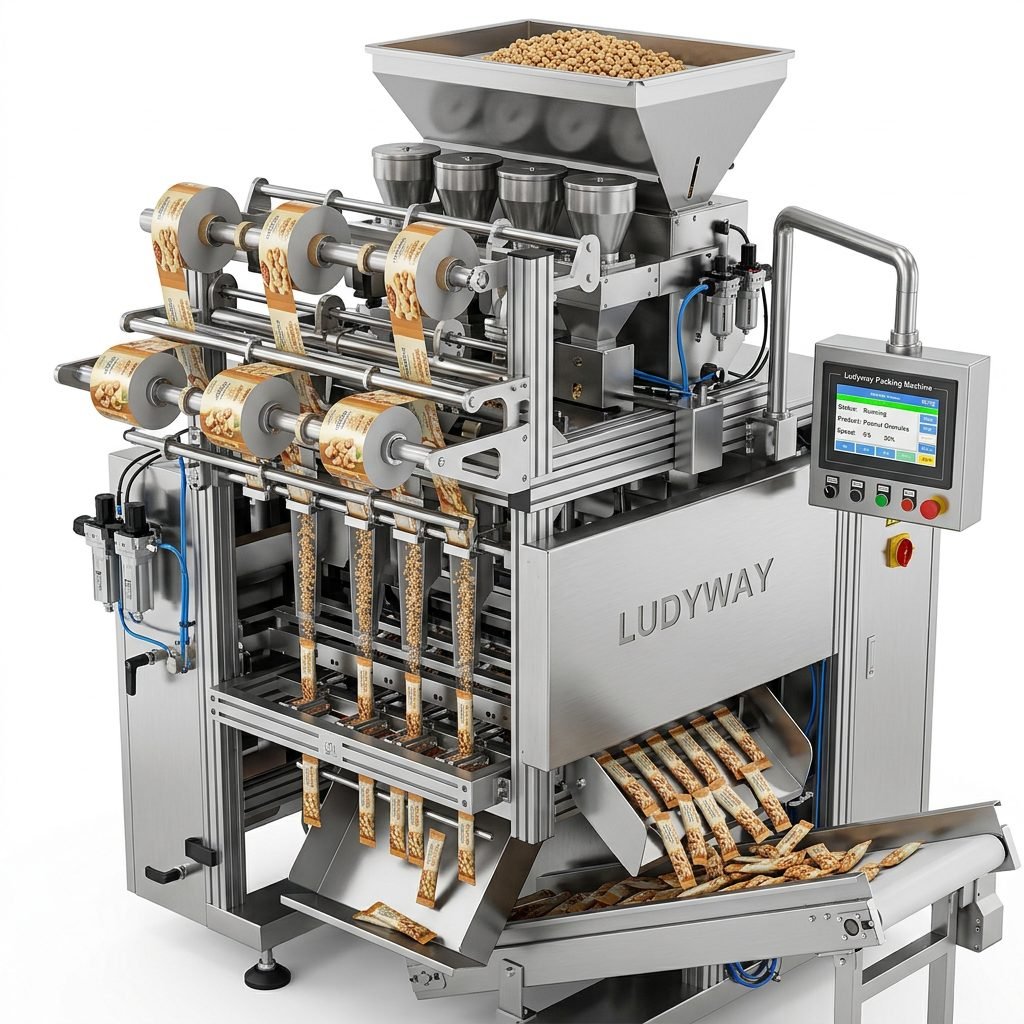
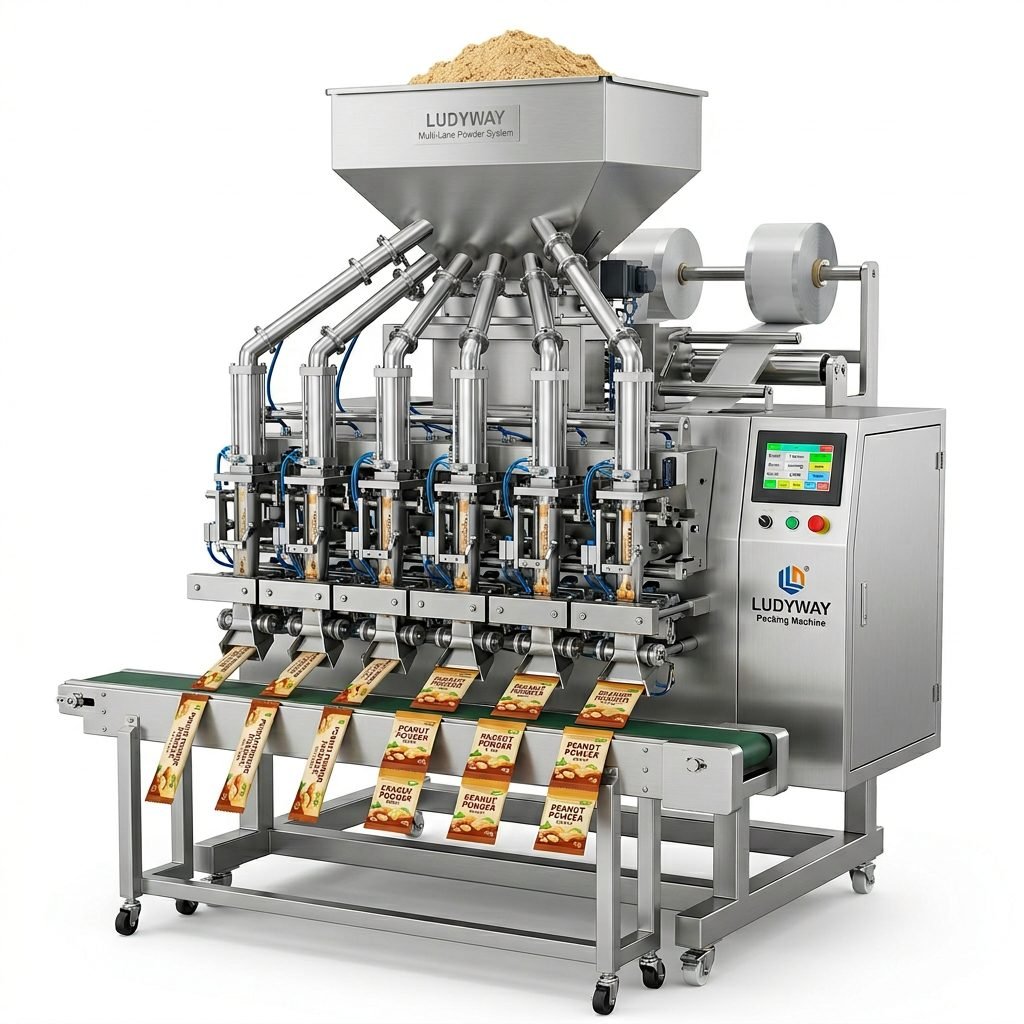
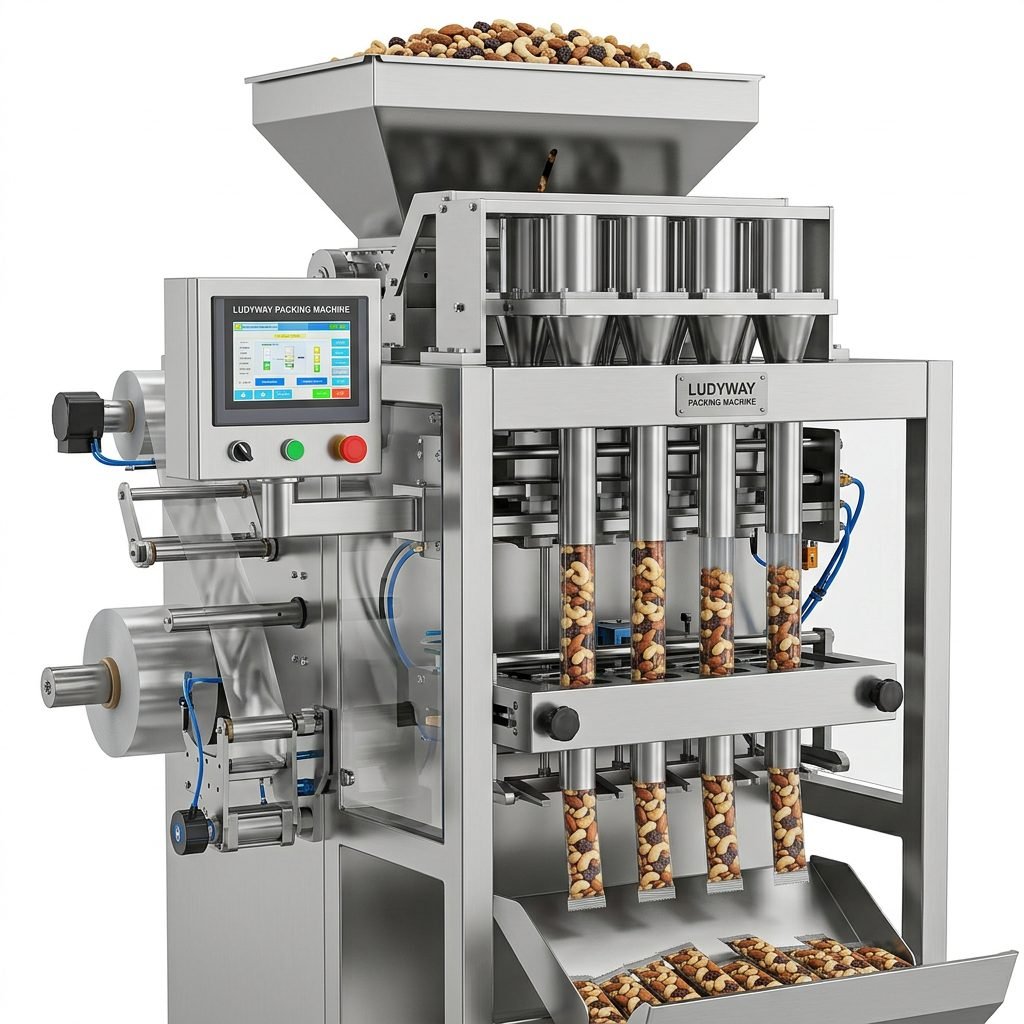
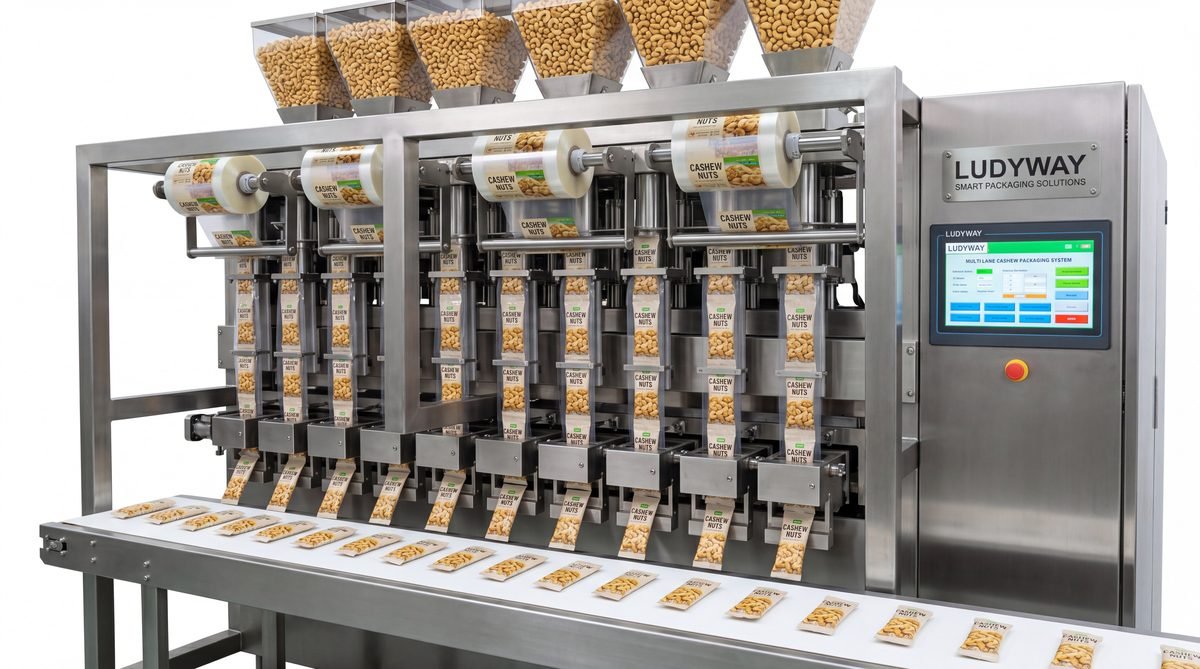
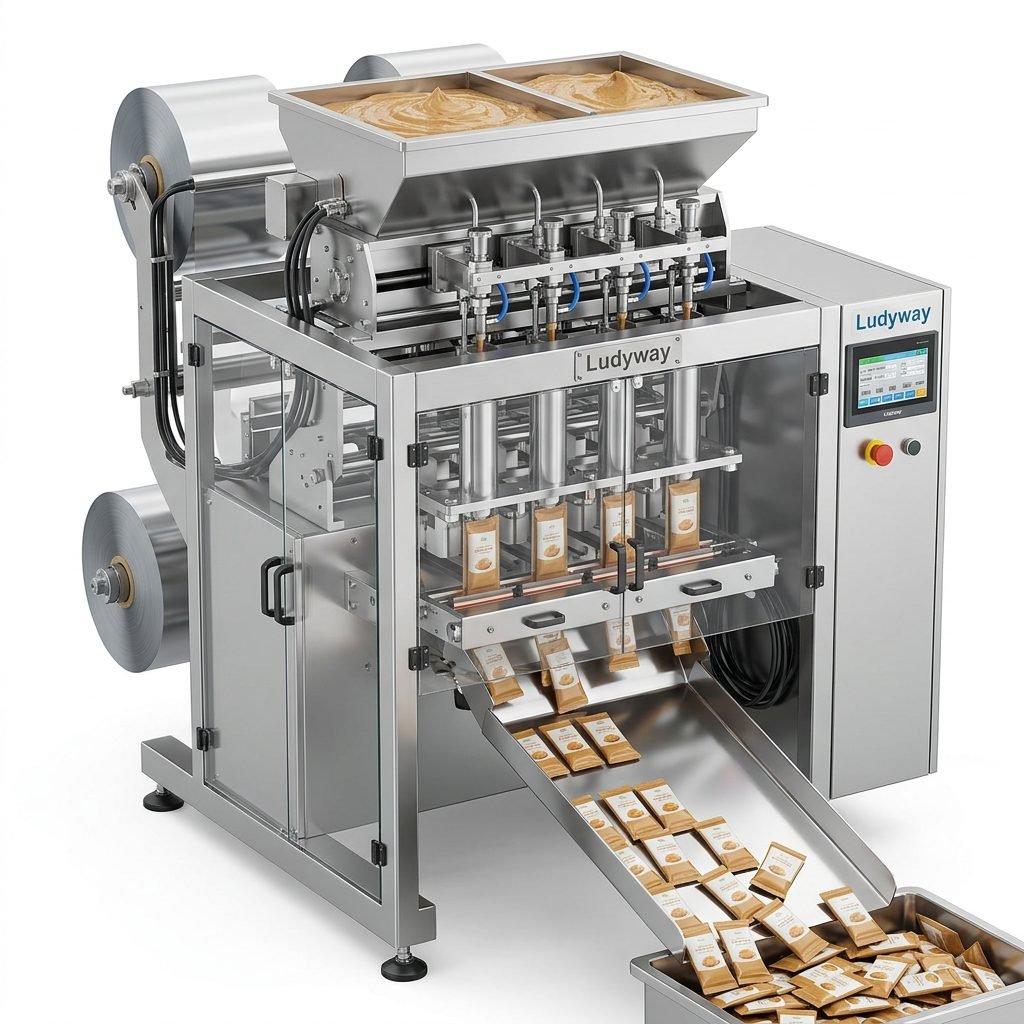
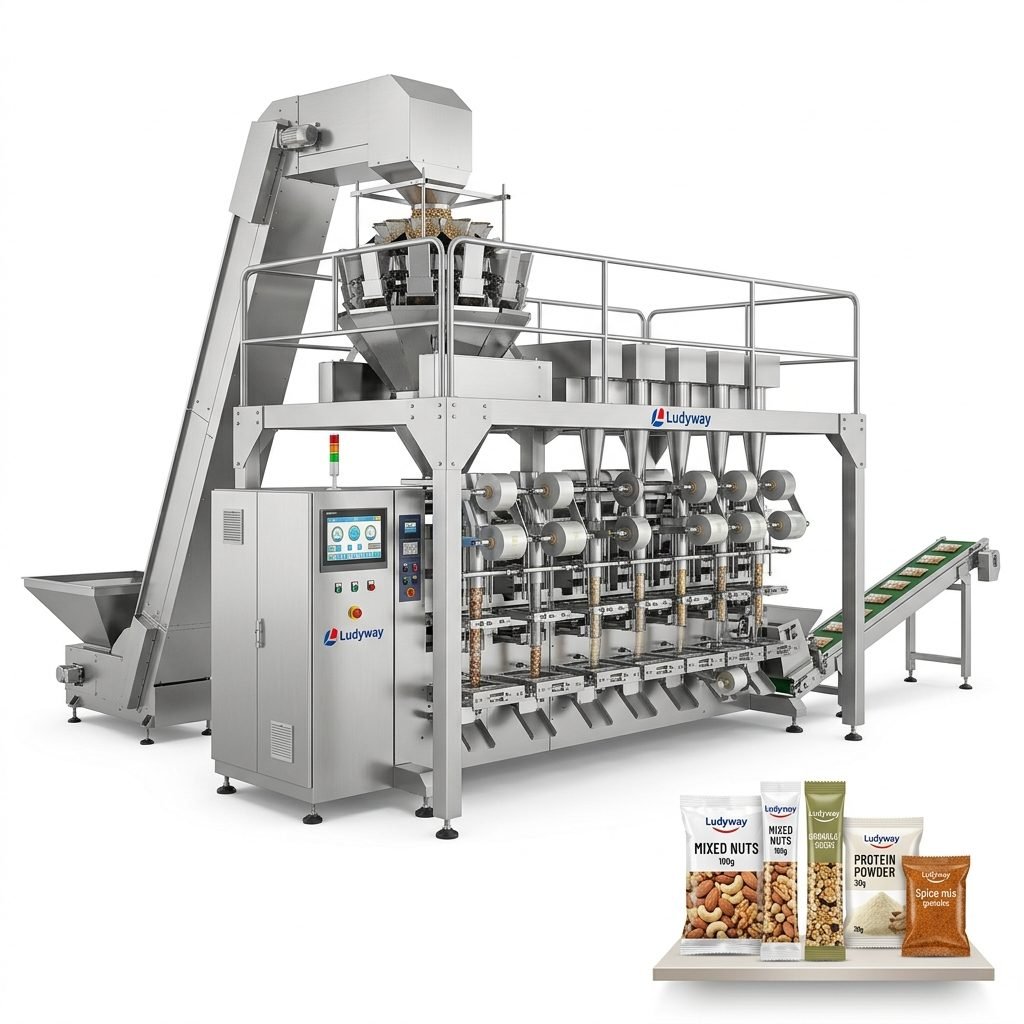
Accurate portioning is vital to prevent product giveaway. High-speed 10, 14, or 20-head computer combination weighers calculate mathematical weight permutations within milliseconds. For granular peanut crushed pieces or single-serve nut packs, choose specialized multi-lane feeders such as the Peanut Granule Multi-Lane Stick Pack Packaging Machine for high-density multi-lane dosing.
Step 3: Primary Pouch Forming, Filling & Sealing
The weighed peanut batch drops into a Vertical Form-Fill-Seal (VFFS) machine, a rotary premade pouch packaging system, or a multi-lane sachet packer. The film is drawn via servo pull belts, formed around the collar, and sealed horizontally and vertically under precise PID temperature controls.
Step 4: Modified Atmosphere Packaging (MAP) Nitrogen Injection
Simultaneously during product filling, an inline gas diffuser introduces high-purity (99.99%) gaseous nitrogen directly inside the pouch. Nitrogen displaces oxygen immediately before horizontal sealing jaws close, preventing rancidity and adding bag cushioning against transit crushing.
Step 5: Dynamic Inline Quality Assurance & Inspection
Food safety regulations (HACCP, BRC, FDA) necessitate strict inline verification. Packaged peanut pouches pass across a High-Precision Checkweigher to reject over/underfilled units, followed by an Industrial Metal Detector or X-ray inspection unit to identify ferrous, non-ferrous, and calcified shell fragments.
Step 6: Secondary Cartoning, Case Packing & Sealing
Individual peanut sachets or pouches are accumulated, counted, and loaded into retail display cartons or master corrugated boxes using automated systems like the High-Speed Automatic Case Packer and Automatic Carton Erector.
Step 7: Automated Robotic Palletizing & Stretch Wrapping
Finished shipping cases travel down motorized roller conveyors to an Industrial Palletizer that stacks cartons according to pre-programmed layer patterns, finished by an Automated Pallet Wrapping Machine for secure warehouse dispatch.
Peanut Packaging Line Machinery Architecture & Parameters
Selecting the right machinery configuration depends on target bag weight, production rate, and pouch geometry. Review the industrial performance matrix for Ludyway automated peanut packaging lines below:
| Packaging Machine Station | Target Peanut Format | Throughput Speed | Dosing Accuracy | Key Technical Features |
|---|---|---|---|---|
| Z-Bucket Conveyor System | Whole Roasted, In-Shell, Granules | Up to 15,000 L/hr | Continuous Infeed | SUS304 Polypropylene buckets, variable vibrator hopper |
| 14-Head Multi-Head Weigher | Salted Nuts, Nut Mixes, Coated | 60 – 140 WPM | ±0.2g – 0.8g | Dimpled anti-stick hoppers, staggered dump mode |
| Multi-Lane Stick Pack Machine | Crushed Peanut Granules, Powders | 120 – 360 PPM (Multi-Lane) | ±0.15g | Multi-lane servo auger/slide gate dosing, compact footprint |
| High-Speed VFFS Bagging Unit | Pillow Bags, Gusseted Pouches (15g–1kg) | 40 – 100 BPM | Hermetic Seal | Servo film draw, gas flush lance, touch PLC panel |
| Rotary Premade Pouch Machine | Stand-Up Doypacks with Zipper (50g–2kg) | 30 – 60 BPM | Zero Spillage | Pouch opening clamp, zipper opener, nitrogen purge chamber |
| Inline Dynamic Checkweigher | All Finished Pouch Formats | Up to 150 BPM | ±0.05g | High-sensitivity load cell, automatic air-jet reject arm |
| Automated Case Packing Line | Secondary Box Cartons (12–48 bags/case) | 10 – 30 Cases/min | Continuous Motion | Auto bottom folding, tape sealing, barcode label applicator |
Featured Peanut & Nut Packaging Equipment
Explore Ludyway’s specialized equipment engineered for handling whole peanuts, crushed granules, nut mixes, and nut butter applications with high automation reliability.

Operational Challenges & AI-Driven Process Optimization
Industrial peanut packaging operations face tight margins and stringent food safety audits. Implementing proactive engineering practices ensures maximum equipment overall equipment effectiveness (OEE) while eliminating common packing line bottlenecks.
Engineering Best Practices (Must Do)
Critical Operational Pitfalls (To Avoid)
Why Global Food Processors Trust Ludyway
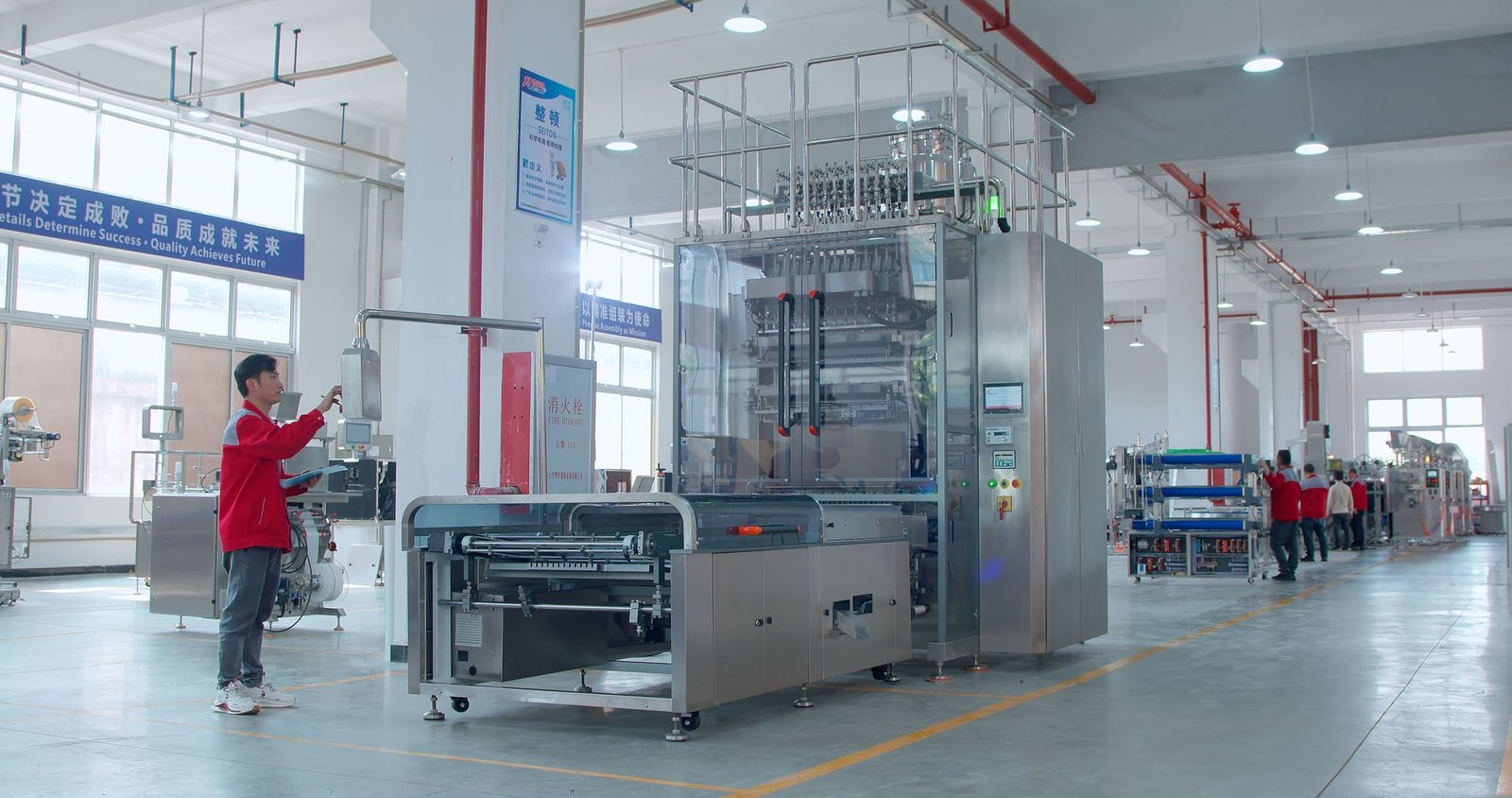
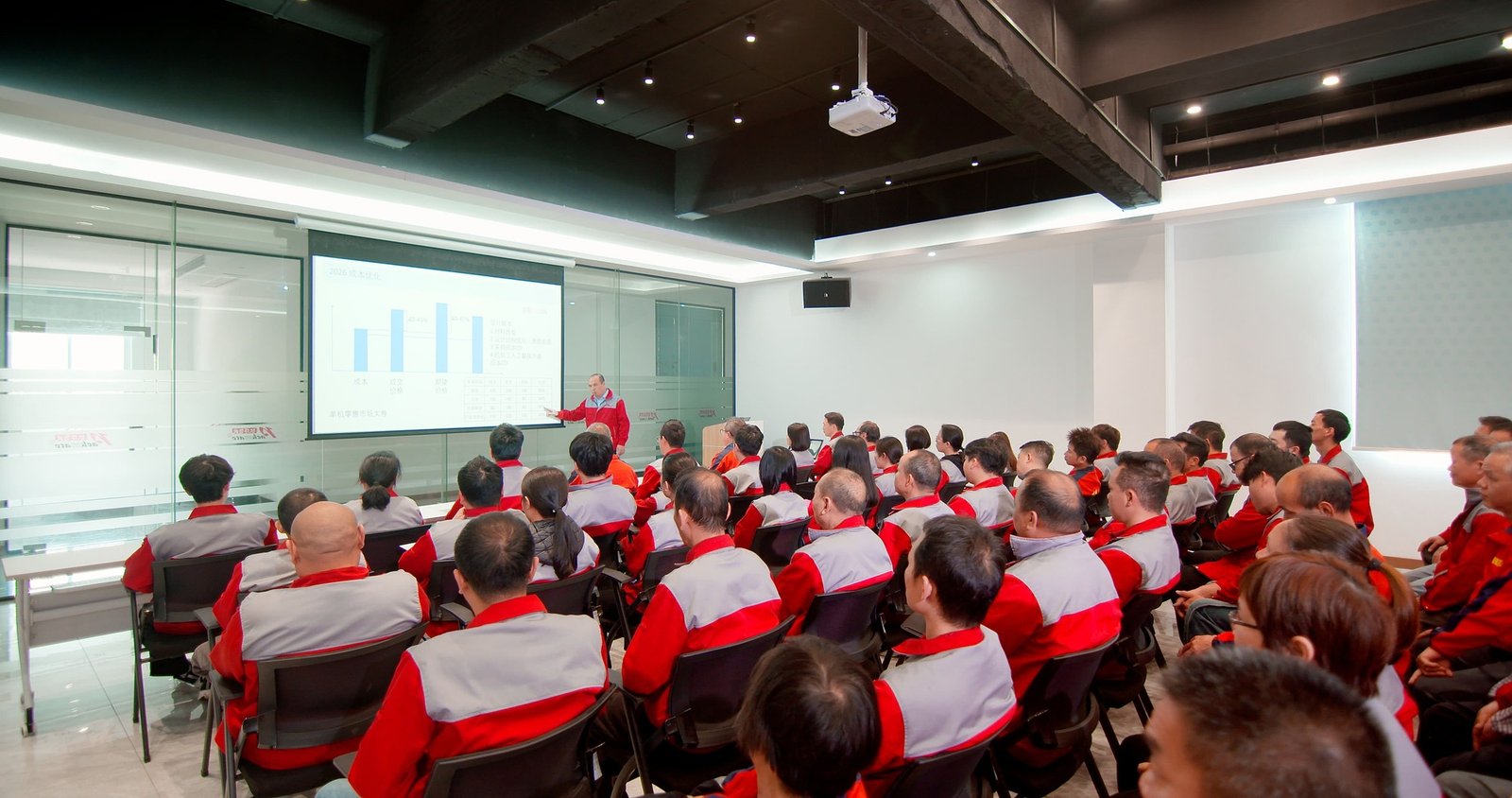
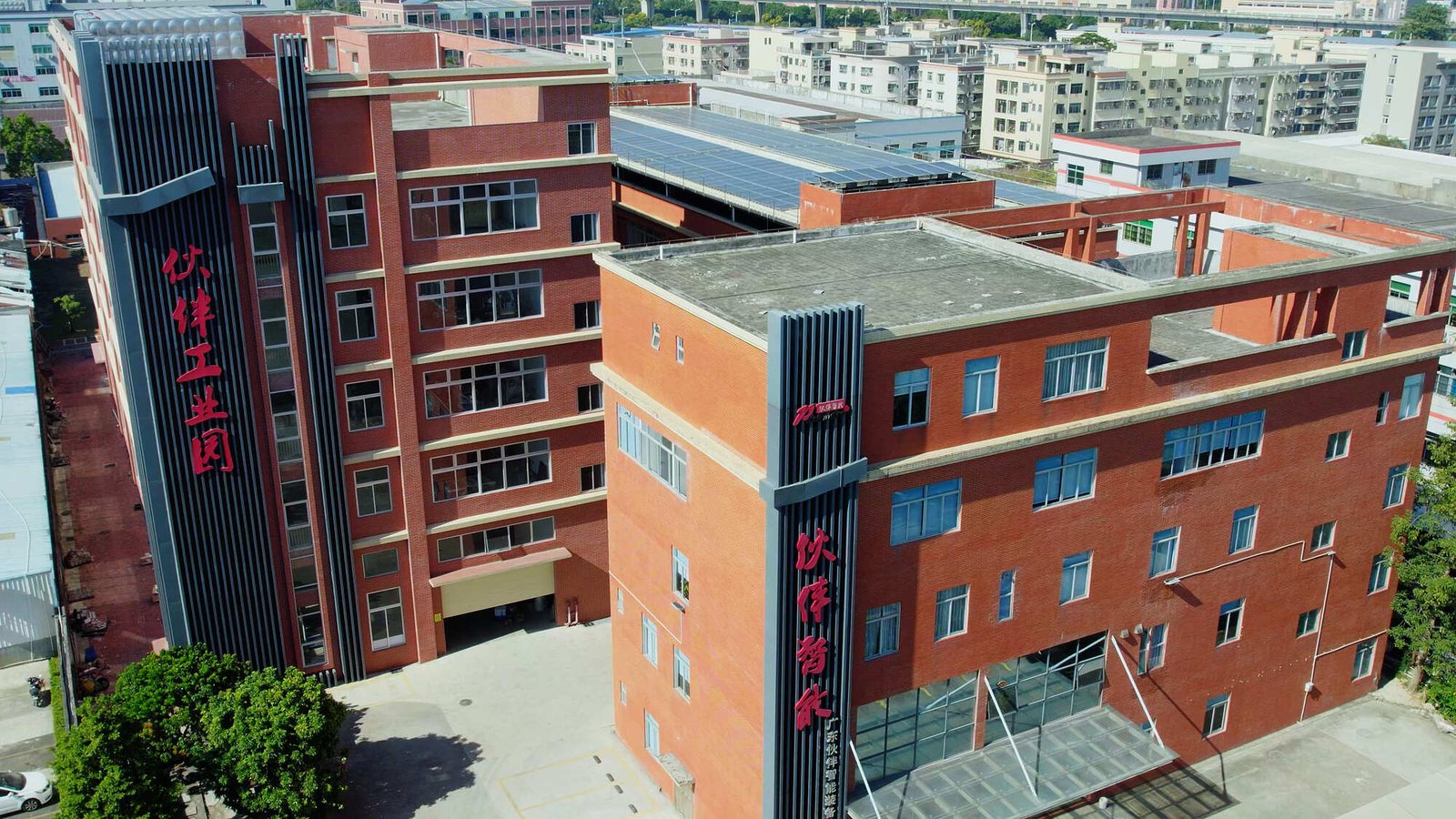
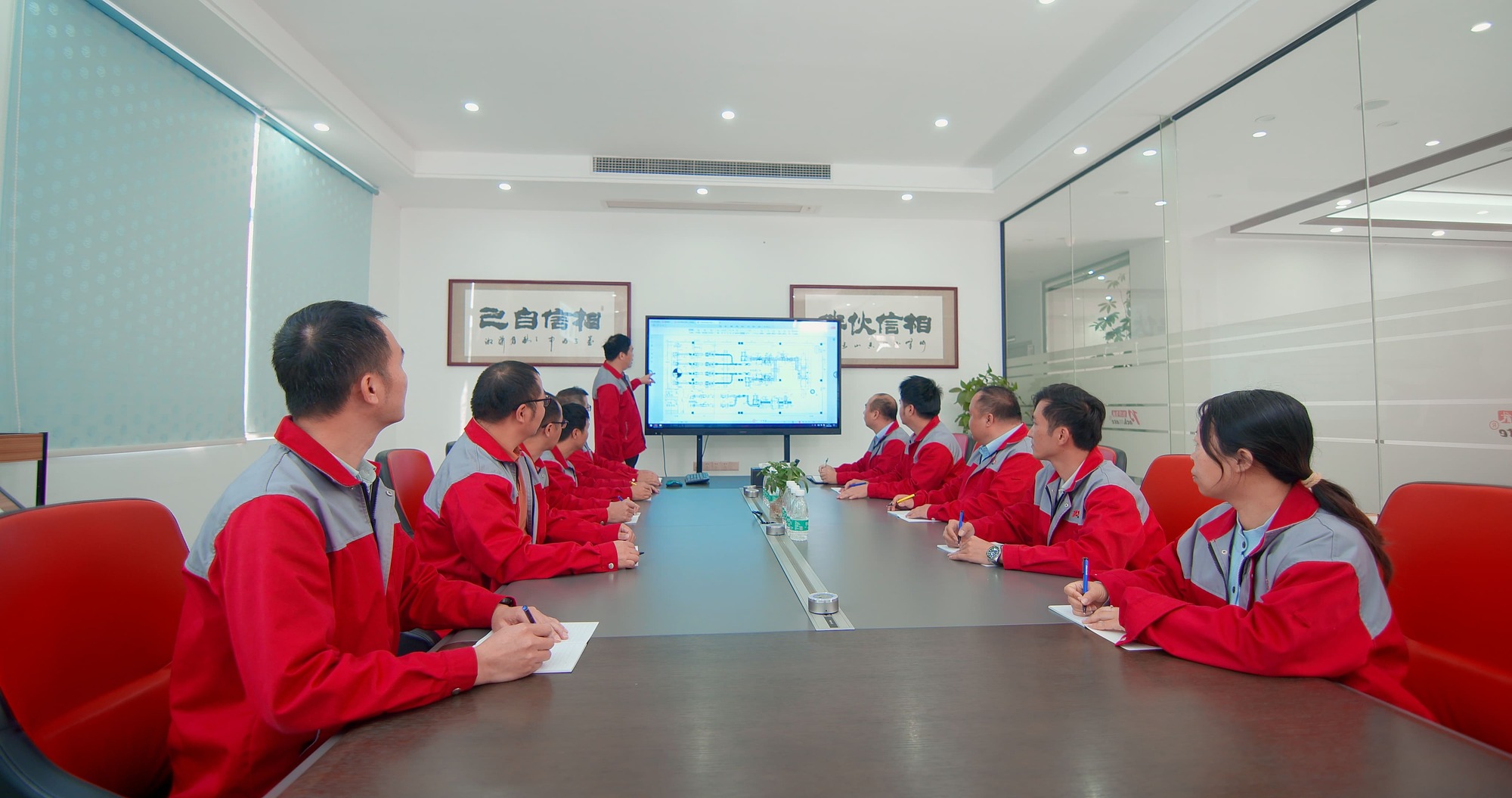
As one of China’s premier automated packaging machine manufacturers, Ludyway provides end-to-end turnkey solutions for granule, powder, liquid, and pouch packaging applications. With over 30 years of industry experience, our engineering team custom-builds turnkey peanut and nut packaging systems tailored to specific product geometries and throughput demands.
From primary stick packing and sachet sealing to secondary cartoning and robotic palletization, Ludyway equipment operates in snack, confectionery, and food manufacturing facilities across more than 100 countries.
International Quality Certifications & Compliance
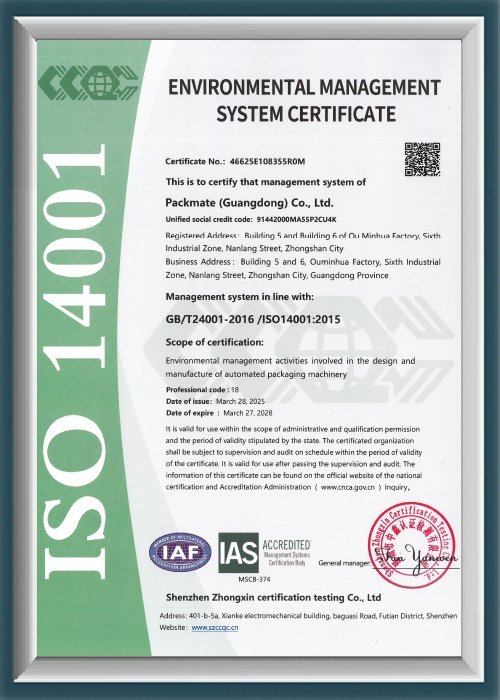
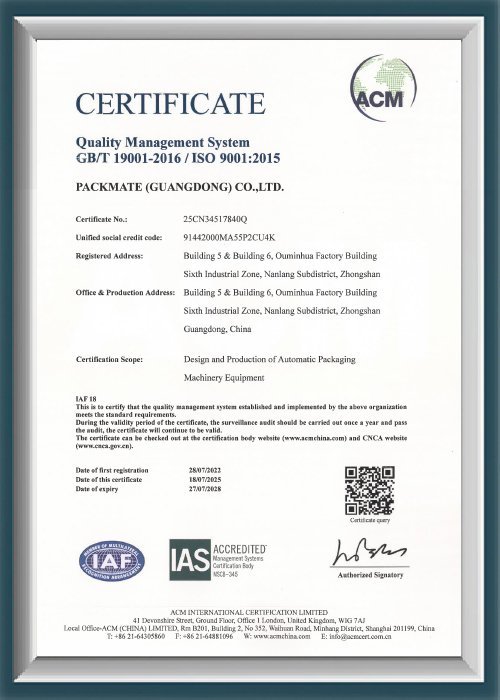
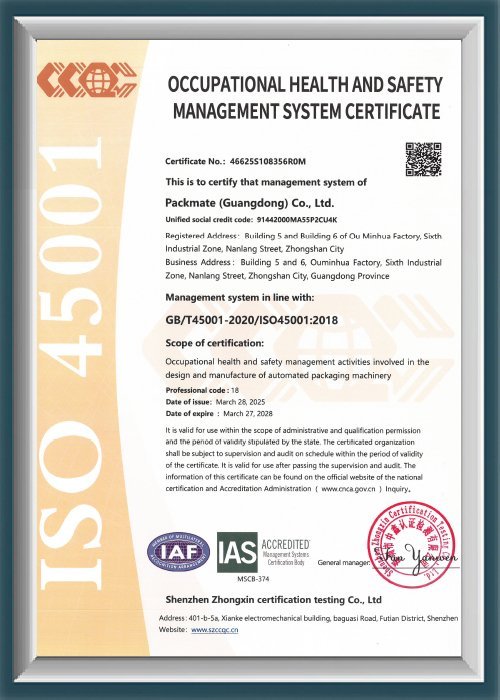
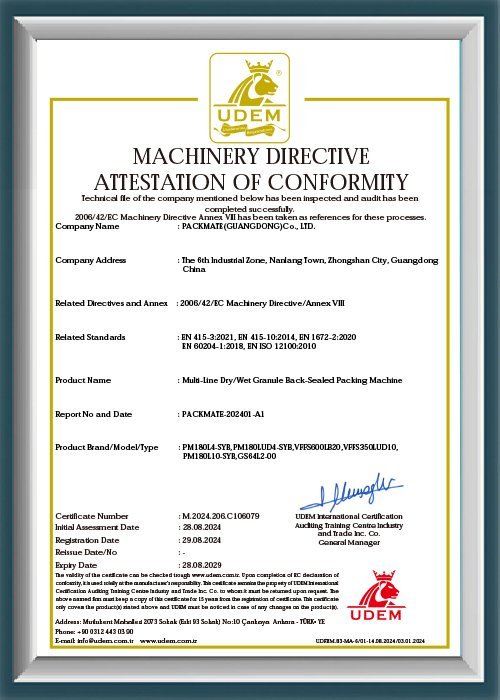
All Ludyway packaging machinery is manufactured under ISO9001 quality management systems and strictly complies with international CE safety standards and cGMP sanitary guidelines.
Peanut Packaging Automation FAQ
Find direct engineering answers to the most common questions about designing, configuring, and maintaining an automated peanut packaging line.
Ready to Build Your Turnkey Peanut Packaging Line?
Consult directly with Ludyway senior packaging engineers to get a customized plant layout, production speed simulation, and itemized equipment quotation tailored to your factory requirements.
