
How to Set Up a Potato Chip Packaging Line | Step-by-Step Guide
Setting up a commercial-grade potato chip packaging line requires precision synchronization between gentle material feeding, high-accuracy multi-head combination weighing, inert gas flushing (MAP), vertical form-fill-seal (VFFS) machinery, and automated end-of-line verification. This comprehensive technical guide walks you through every engineering phase to minimize product giveaway, virtually eliminate chip breakage, maintain crispness, and maximize throughput efficiency.
Why Potato Chip Packaging Demands a Specialized Engineering Approach
Potato chips, crisps, extruded corn snacks, and root vegetable wafers present distinct mechanical packaging challenges that separate them from standard dry granule packaging. Due to their extreme structural fragility, high oil content, and susceptibility to moisture and oxidative rancidity, designing and establishing an automated potato chip packaging line requires tailored component selection and seamless synchronization.
Fragility & Anti-Fracture Kinematics
Unlike robust grains or hard candies, fried and baked potato slices crack under direct vertical drops exceeding 300mm. An optimized chip packaging architecture relies on shallow-angled vibratory feeders, specialized cushioned transition chutes, dimpled contact surfaces, and stepper-motor-driven discharge buckets that ease product descent at velocities engineered to keep breakage rates strictly below 1.2% across the entire line.
MAP Preservation & Nitrogen Dosing
Potato chips are highly prone to lipid photo-oxidation and moisture absorption, turning stale and rancid in ambient air. Deploying a regulated nitrogen flushing system ensures residual oxygen concentrations drop below 1.5%. Simultaneously, precisely pressurized nitrogen creates a pillow-cushioning barrier inside sealed bags to protect fragile chips during logistics.
How to Set Up a Potato Chip Packaging Line: 7 Core Engineering Steps
Building a high-output, low-waste potato chip packaging line involves connecting raw frying discharge to case palletization through an unbroken chain of automated technologies. Follow this systematic engineering walkthrough to configure your facility.
Raw Snack Infeed & Gentle Elevation Delivery
After seasoning and oil-draining drums, chips must be transferred to overhead weighing platforms without vertical impact fractures. Install a food-grade continuous bucket elevator or low-vibration Z-type conveyor equipped with dimpled 304 stainless steel buckets. Vibratory cross-feeders with electromagnetically controlled amplitudes regulate mass-flow rates, preventing clumps from overwhelming downline combination scales.
Multi-Head Combination Weigher Calibration & Tuning
Multi-head weighers (14, 16, or 24 heads) represent the mathematical core of chip packaging. Dispersion cones and radial vibratory pans distribute chips into weigh hoppers. The CPU algorithm calculates combinations within milliseconds to achieve target net weights with deviations under ±0.5g to ±1.0g. Dimpled and teflon-coated hopper walls prevent oil and flavor residue buildup that could distort strain-gauge load cells.
Vertical Form-Fill-Seal (VFFS) Machine Integration
The calibrated chip charge falls through the forming tube of an automated continuous or intermittent motion VFFS machine. Rollstock barrier film (such as BOPP/VM-PET/PE laminates) is drawn over precision-machined former collars by servo-driven vacuum pull belts. The former tube must feature polished, low-friction transitions and gas ejection manifolds to streamline product drops directly into newly sealed pouch bottoms.
Nitrogen Gas Flushing & Modified Atmosphere Packaging (MAP)
Continuous food-grade nitrogen (minimum 99.5% purity) is injected through gas dispersion needles embedded directly inside the forming collar tube. By replacing ambient atmospheric air containing ~21% oxygen with inert nitrogen gas just prior to horizontal jaw closure, the packaging line preserves crispness, inhibits oil rancidity, and inflates the pouch to a protective gas volume of 35% to 50%.
Hermetic Ultrasonic or Thermal Sealing Execution
Heated sealing jaws with custom serrated profiles clamp the top and bottom film margins while an integrated pneumatic knife severs the bag. Because flying chip crumbs and seasoning dust can contaminate the sealing surface and cause microscopic channel leaks, modern lines utilize synchronized rotary jaws with crumb strippers or ultrasonic sealing units that vibrate debris away from the seal zone before sealing.
Inline Inspection: Metal Detection & Dynamic Checkweighing
Discharged sealed bags pass over high-speed outfeed conveyors directly into an integrated high-precision checkweigher and industrial metal detector. Packages exceeding weight tolerance or containing trace ferrous/non-ferrous contaminants are instantly diverted into locking bins by air-blast reject arms without slowing down line velocity.
Secondary Packaging, Case Packing & Palletization
Finished potato chip bags travel to automated drop-packers, pick-and-place robotic cell units, or rotary packing tables. Automatic case erectors assemble corrugated master cartons, automated case sealers apply adhesive tape, and robotic articulated arms stack boxes onto pallets according to pre-programmed layer arrangements ready for warehouse distribution.
Potato Chip Packaging Line Configurations: Standard vs. High-Speed Systems
Selecting the right production capacity depends on your frying line output, pouch sizing diversity, and target capital expenditure. Review our engineering comparison table below.
| Specification Feature | Standard Semi-Automated Line | Industrial High-Speed VFFS Line | Turnkey Multi-Lane Snack System |
|---|---|---|---|
| Target Production Speed | 30 – 55 Bags / Min | 80 – 150 Bags / Min | 160 – 300+ Packs / Min |
| Weighing Technology | 10-Head Multi-Head Weigher | 14-16 Head Dimpled Multi-Head | 24-Head High-Speed Matrix Combination |
| Weighing Accuracy | ± 1.0g – 1.5g | ± 0.5g – 1.0g | ± 0.2g – 0.5g |
| Nitrogen Flushing (MAP) | Manual/Intermittent Valve Injection | Proportional Continuous Mass Metering | Integrated Dual-Manifold Nitrogen System |
| Residual Oxygen Content | < 3.0% | < 1.5% | < 1.0% |
| Bag Style Capability | Standard Pillow Pouch | Pillow, Gusseted, Flat Bottom Bags | Sachet, Stick Pack, Pillow, Quad-Seal |
| Material Compatibility | OPP/CPP, PET/PE | BOPP/VM-PET/PE, Aluminum Foils | Recyclable Monomaterials & Multi-Laminates |
| Secondary Automation | Manual Packing Table | Inline Checkweigher & Detector | Full Robotic Pick-and-Place & Palletizing |
Featured Packaging Equipment for Snack & Chip Production Lines
Explore our precision-engineered packaging machines, weigher integrations, and inline auxiliary inspection stations tailored for fried, baked, and extruded snack processing lines.
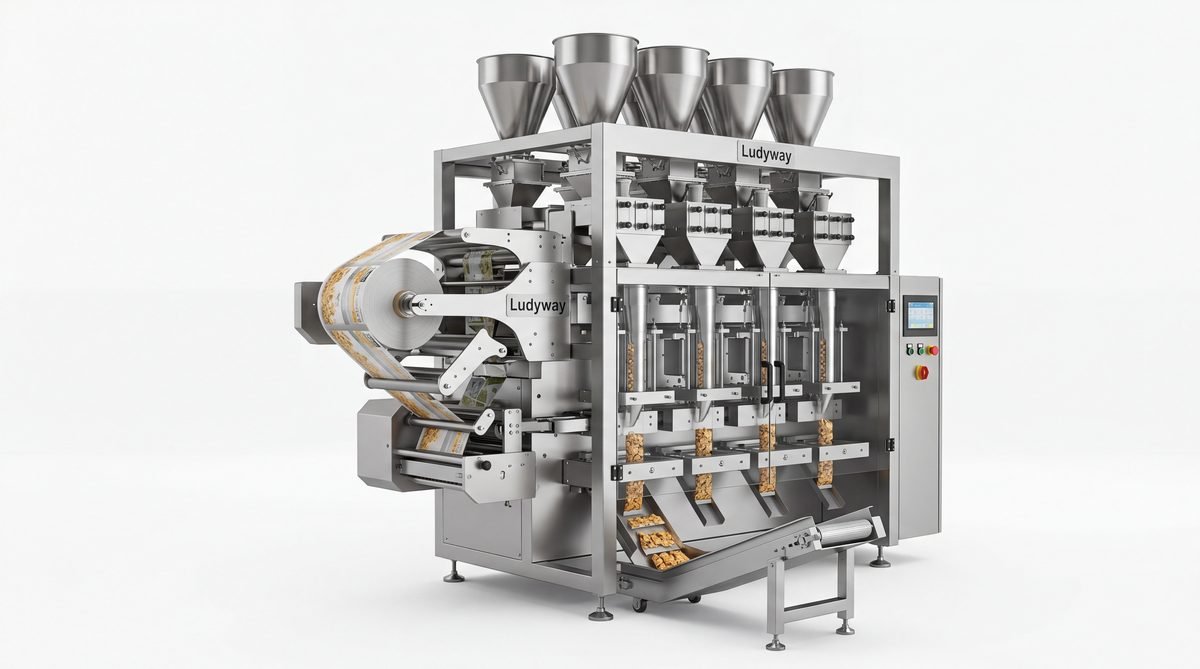
Potato Chip Packaging Machine for Granule Snacks
View Machine Details →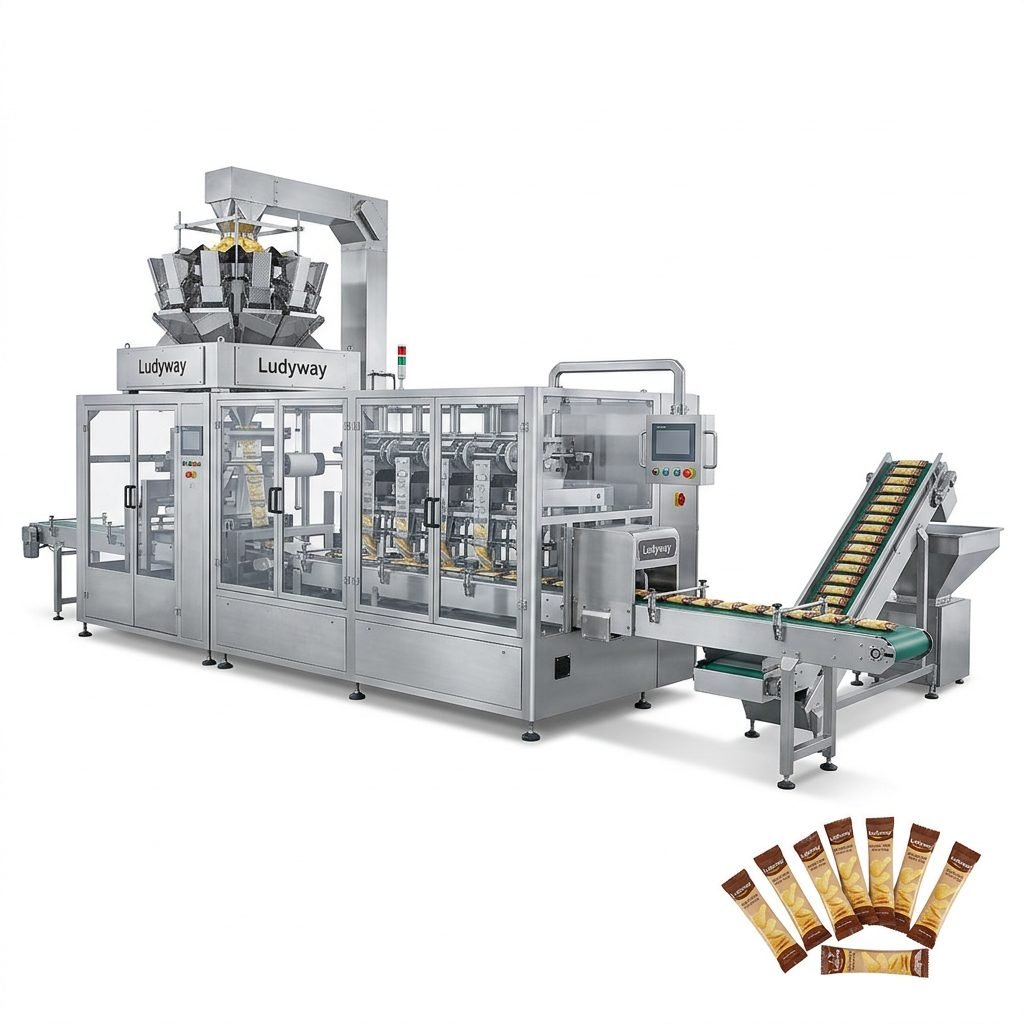
Potato Chips Packaging Lines for Multi-Lane Production
View Machine Details →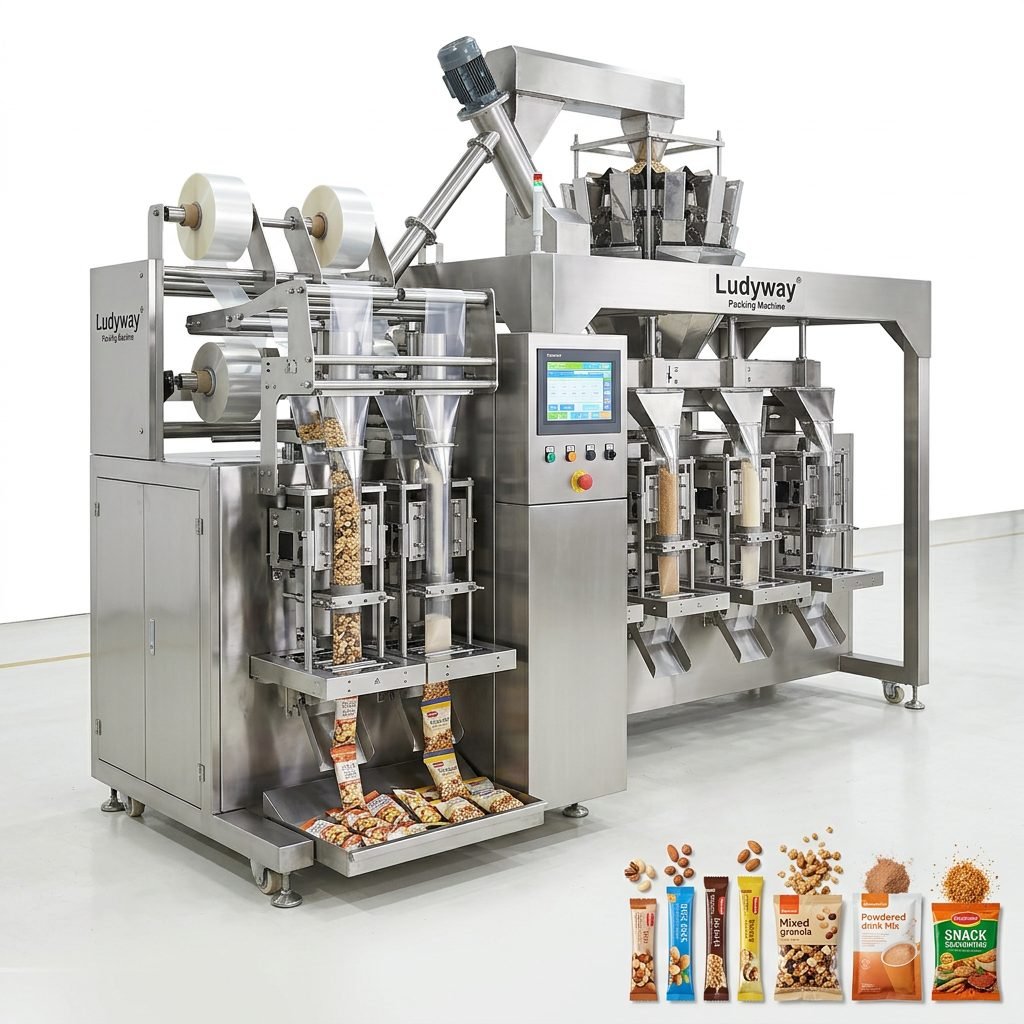
High-Speed Multi-Lane Snack Packaging Machine
View Machine Details →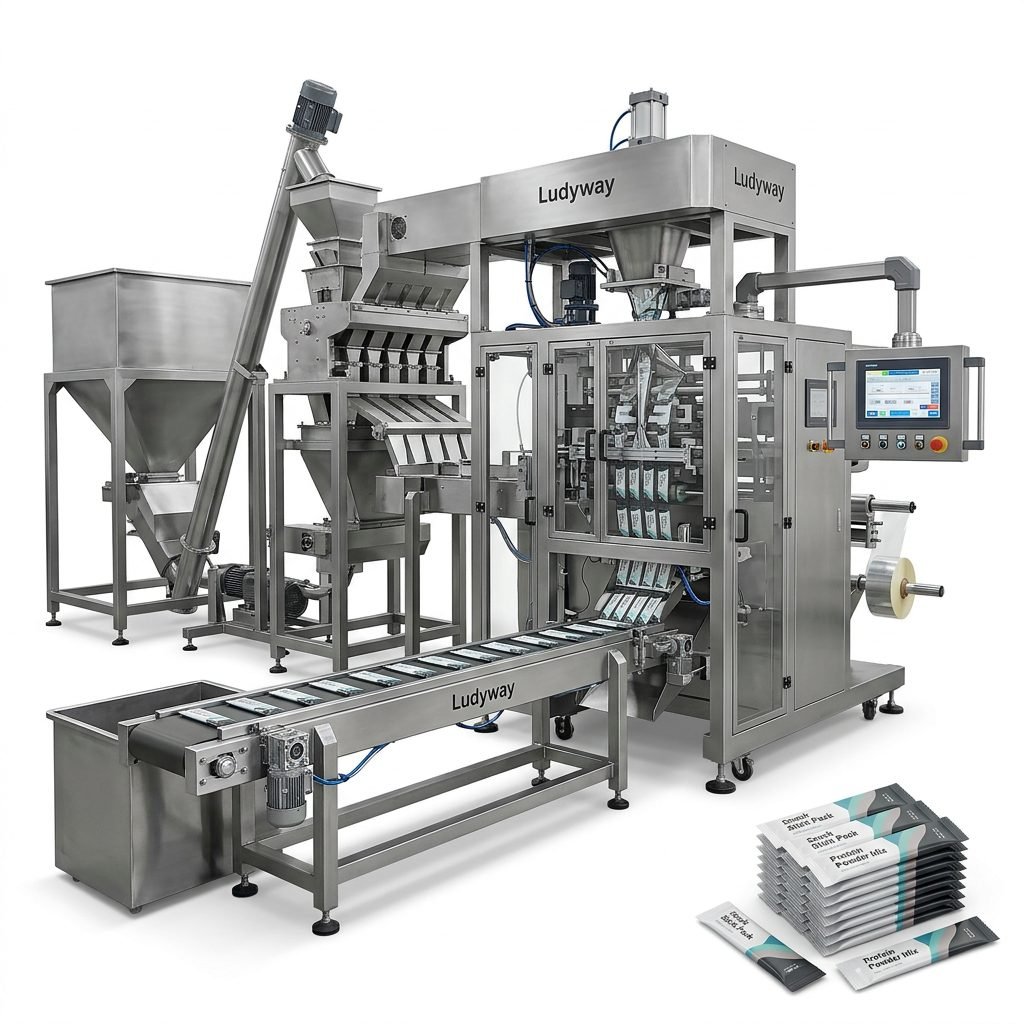
Multi-Lane Snack Packaging Line for Granules
View Machine Details →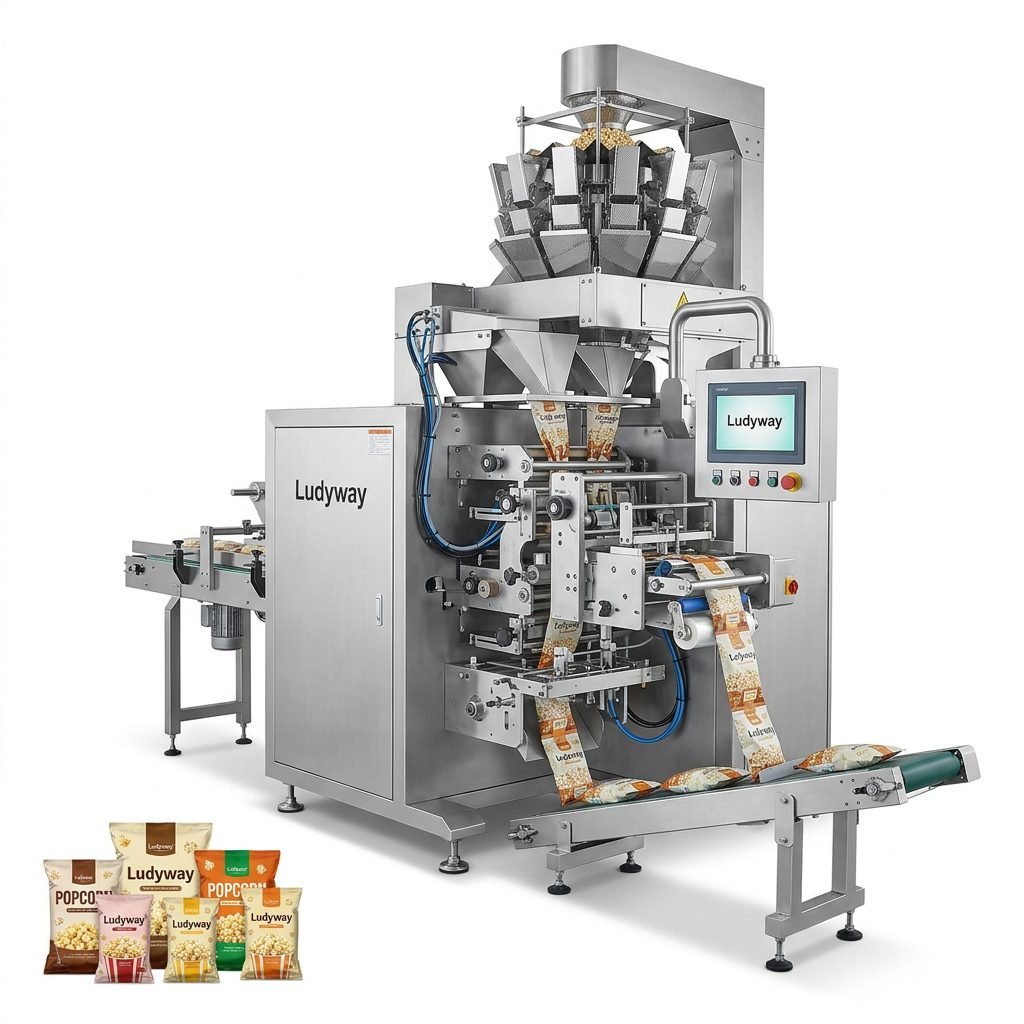
Popcorn Multi-Lane Packaging Lines for Granules
View Machine Details →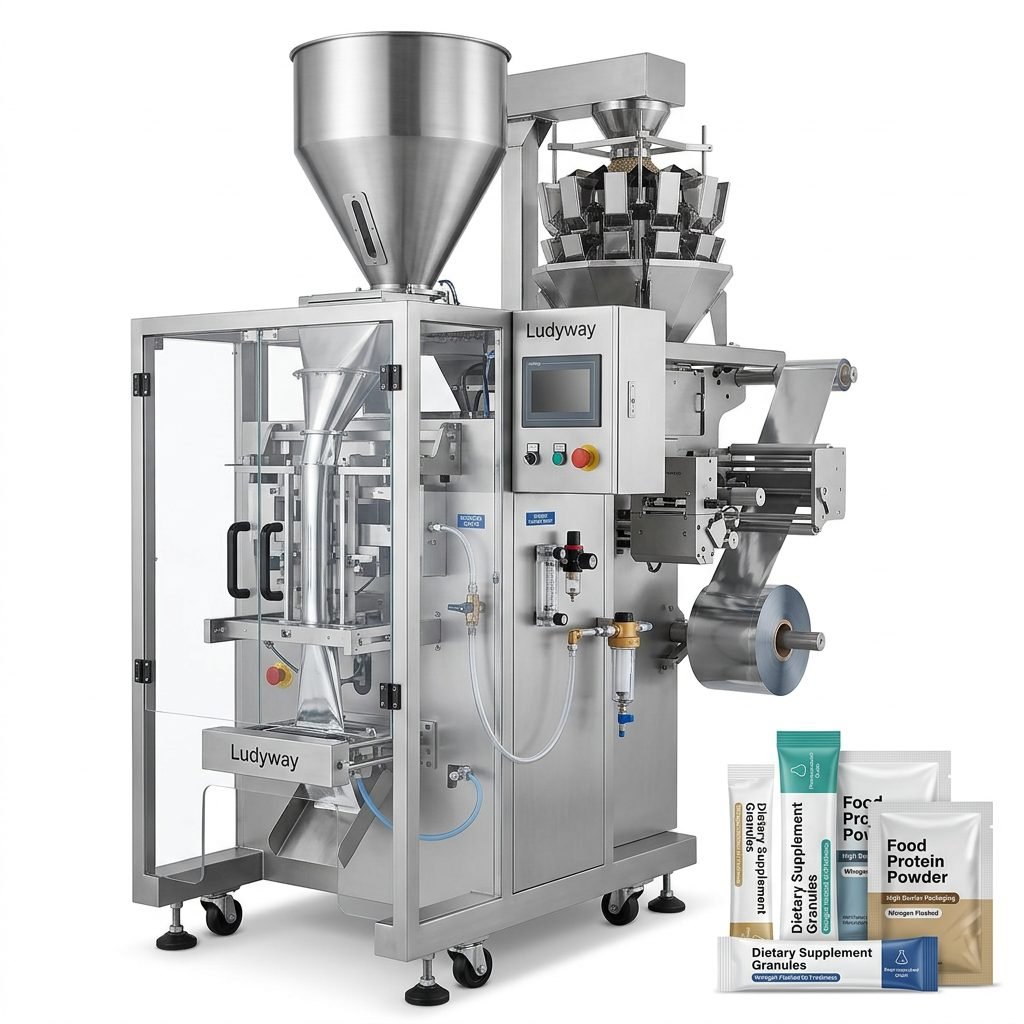
Nitrogen Flushing Packaging System for Food
View Machine Details →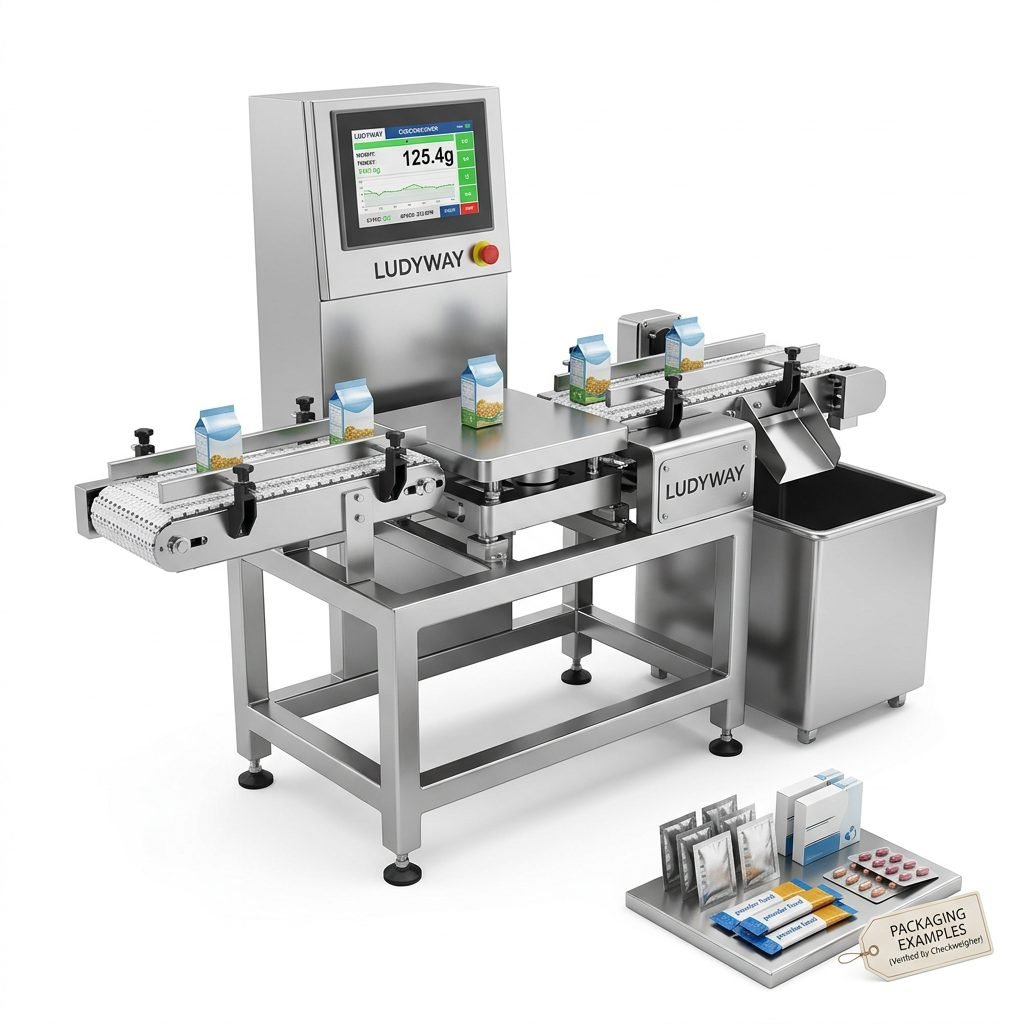
High-Precision Checkweigher for Food Lines
View Machine Details →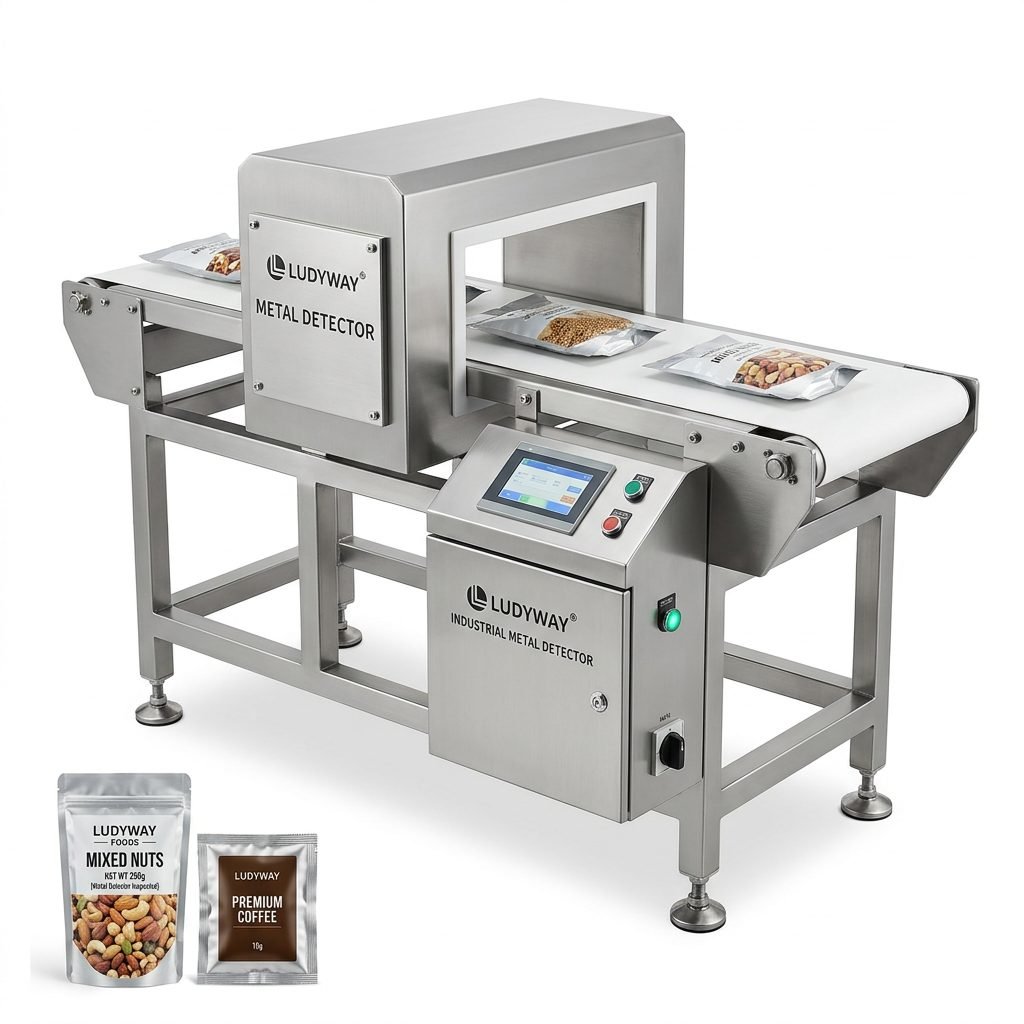
Industrial Metal Detector Conveyor Type
View Machine Details →Solving the Top 3 Bottlenecks in Potato Chip Packaging Automation
Prevent line downtime, product loss, and package rejection by implementing robust engineering controls for the most common snack packaging failure points.
1. Seal Contamination from Seasoning & Oil
Finely milled seasonings (paprika, sour cream, salt) and surface oil become airborne during the drop and adhere to inner film margins, causing micro-void channel leaks. Solution: Install synchronized vacuum dust extraction hoods at the forming collar, incorporate mechanical crumb strippers on the jaw assembly, or deploy ultrasonic sealing systems.
2. In-Transit Bag Bursting vs. Insufficient Cushioning
Over-inflated nitrogen bags rupture under air transport or high-altitude mountain freight pressure differentials, while under-inflated bags crush chips under carton weight. Solution: Employ digital closed-loop gas pressure regulators calibrated to ambient barometric logistics profiles, ensuring consistent 40% head-space volume.
3. Film Tracking Drift & Static Buildup
High-speed metallized barrier films generate electrostatic charges during rapid unwinding, causing lateral web drift and uneven vertical lap seals. Solution: Integrate dual-channel ionizing anti-static bars over unwind rollers combined with photoelectric edge sensors and automatic pneumatic web guide correctors.
Ludyway Packing Machine: 30+ Years of Engineering Turnkey Packaging Precision
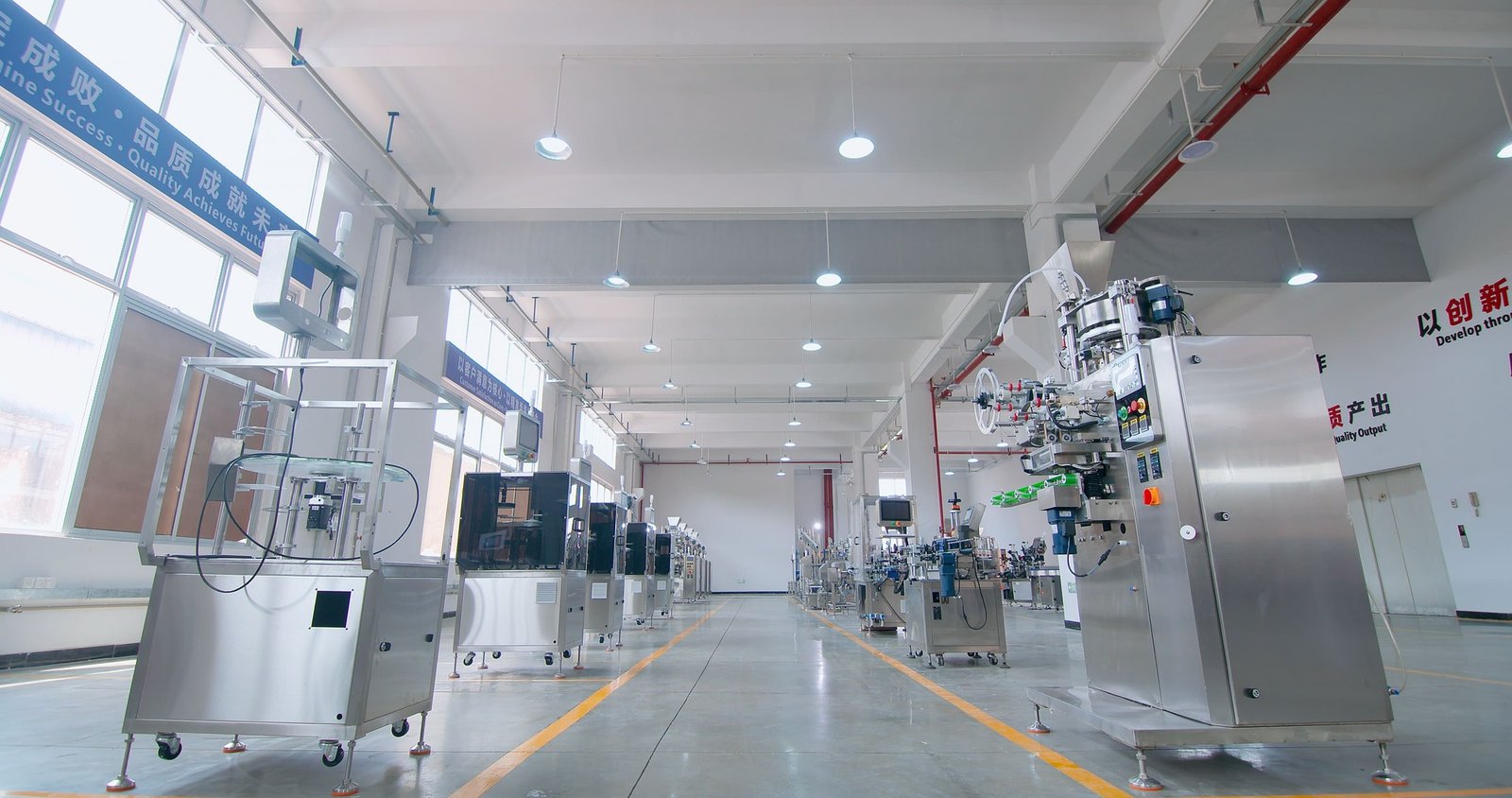
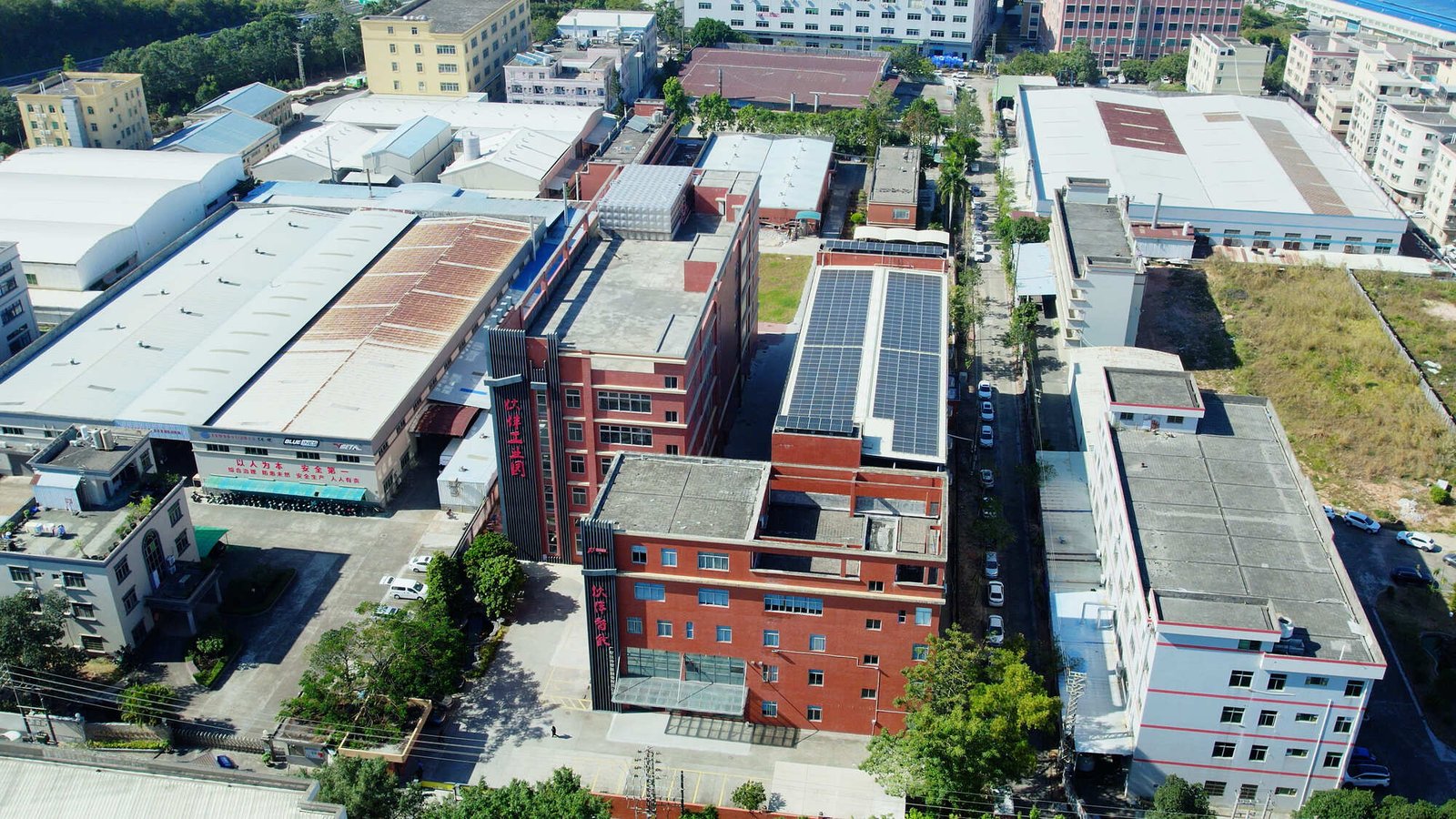
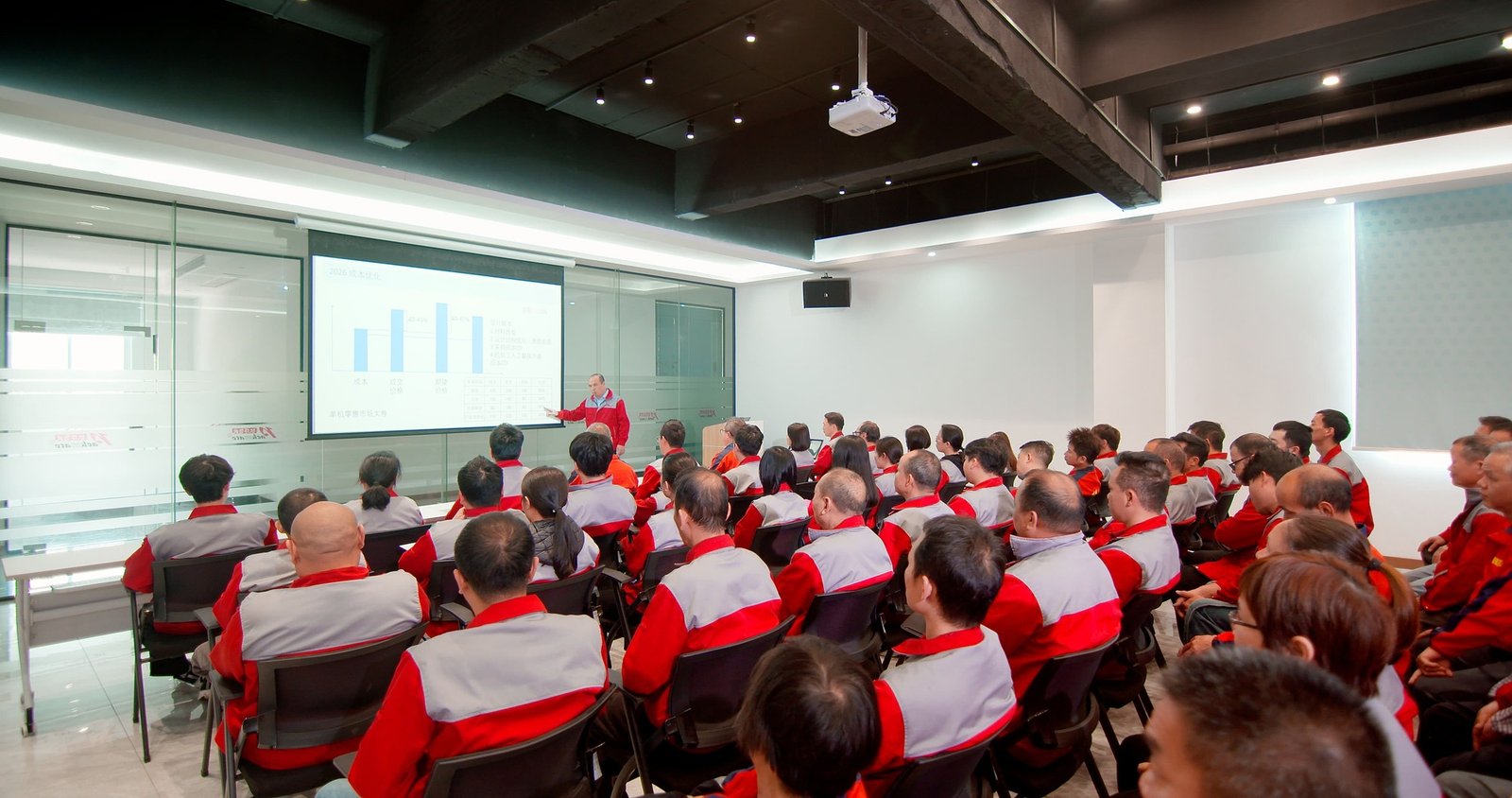
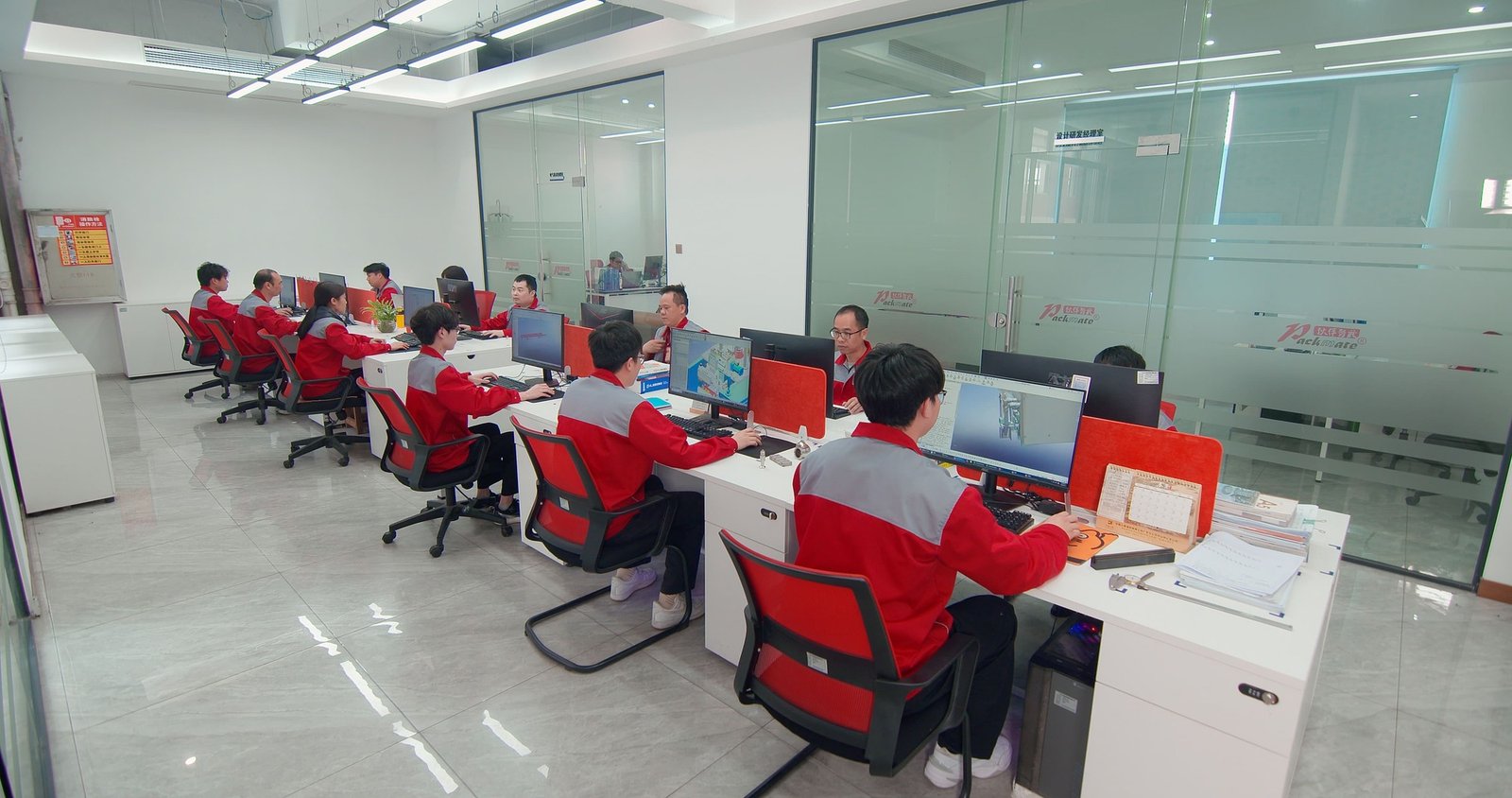
Ludyway is one of the largest packaging machine manufacturers in China, specializing in advanced packaging equipment and turnkey production solutions for the food, pharmaceutical, and health industries. Supported by a modern 20,000㎡ manufacturing facility and an expert engineering team of over 130+ packaging professionals, Ludyway designs and manufactures more than 50 intelligent packaging machine models.
From high-speed multi-lane stick pack and sachet machines to fully automated vertical form-fill-seal lines and robotic case packing integrations, our equipment operates in over 100 countries and regions worldwide, delivering peak reliability, minimal giveaway, and long-term durability.
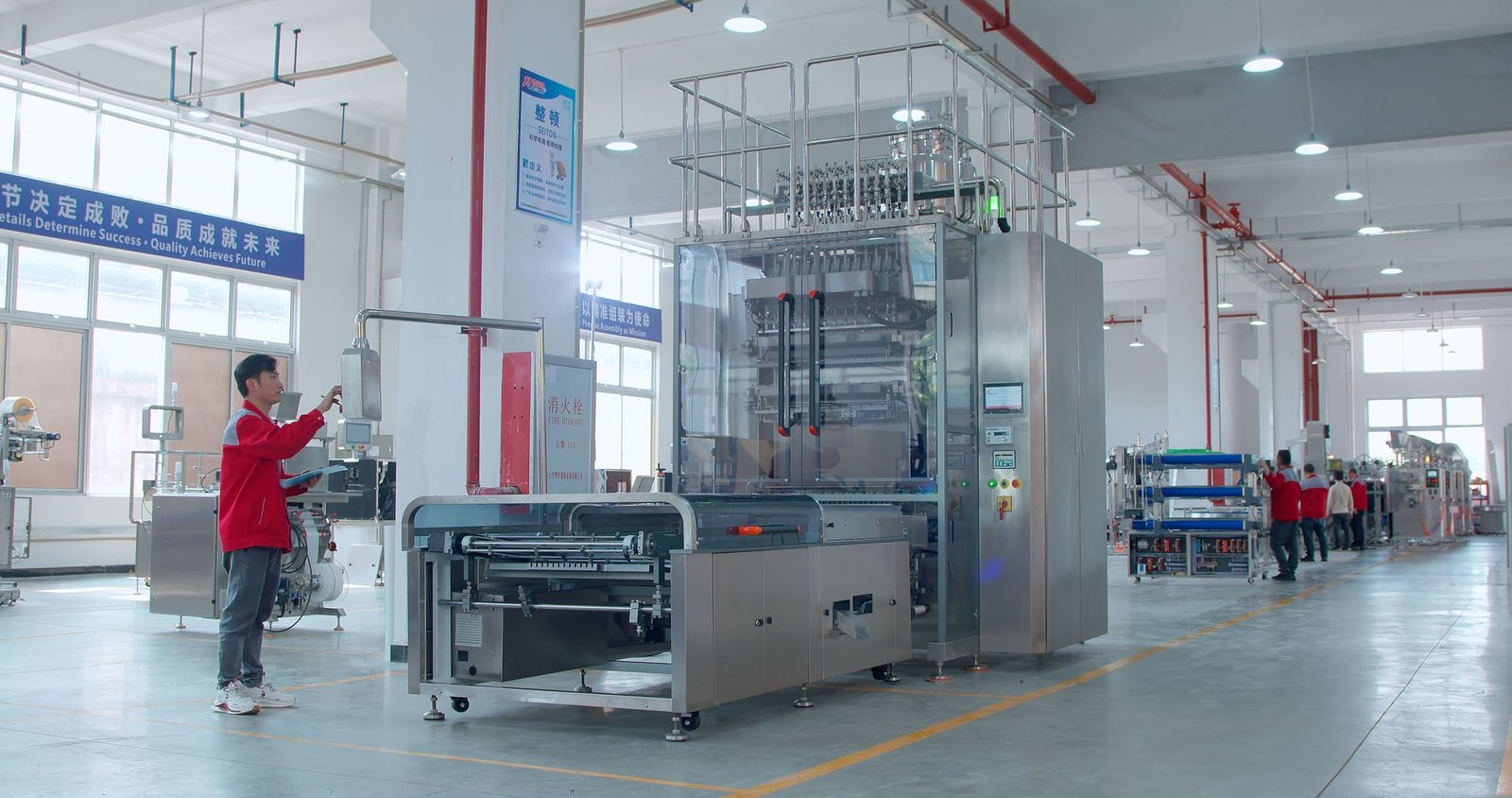
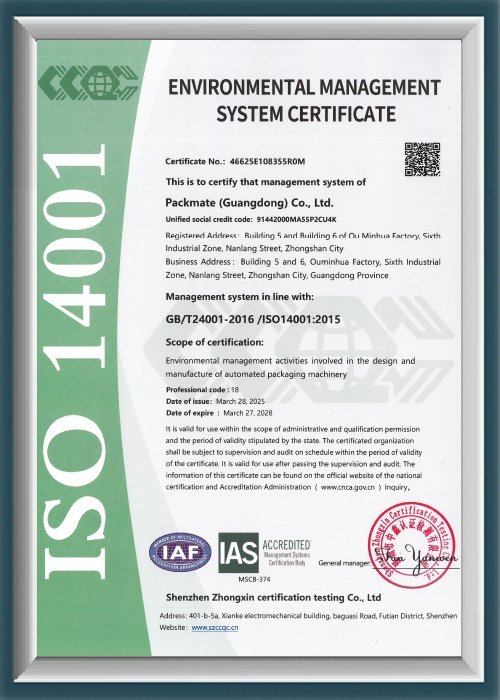
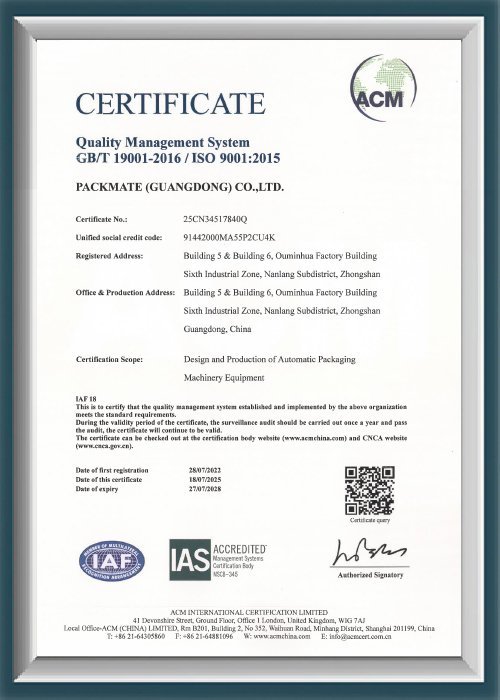
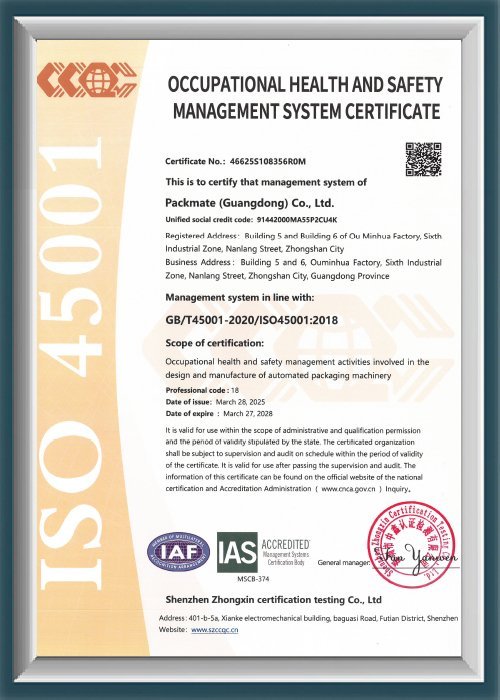
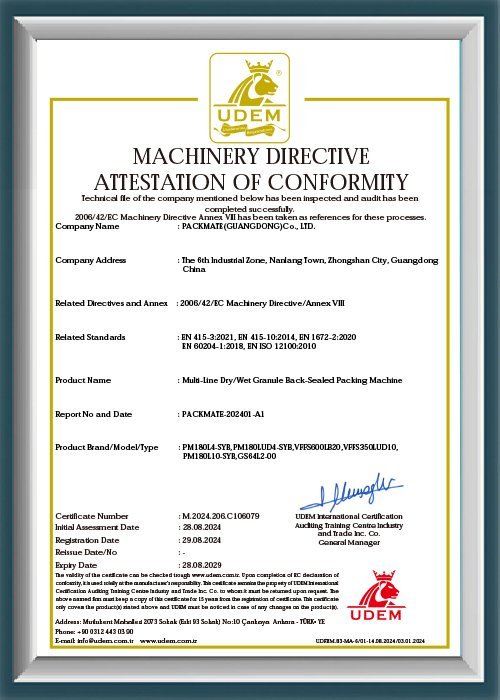
International Quality Certifications & Compliance
Modern Production Facility & Machining Centers
Trusted by Global Food Processors & Worldwide Exhibitions
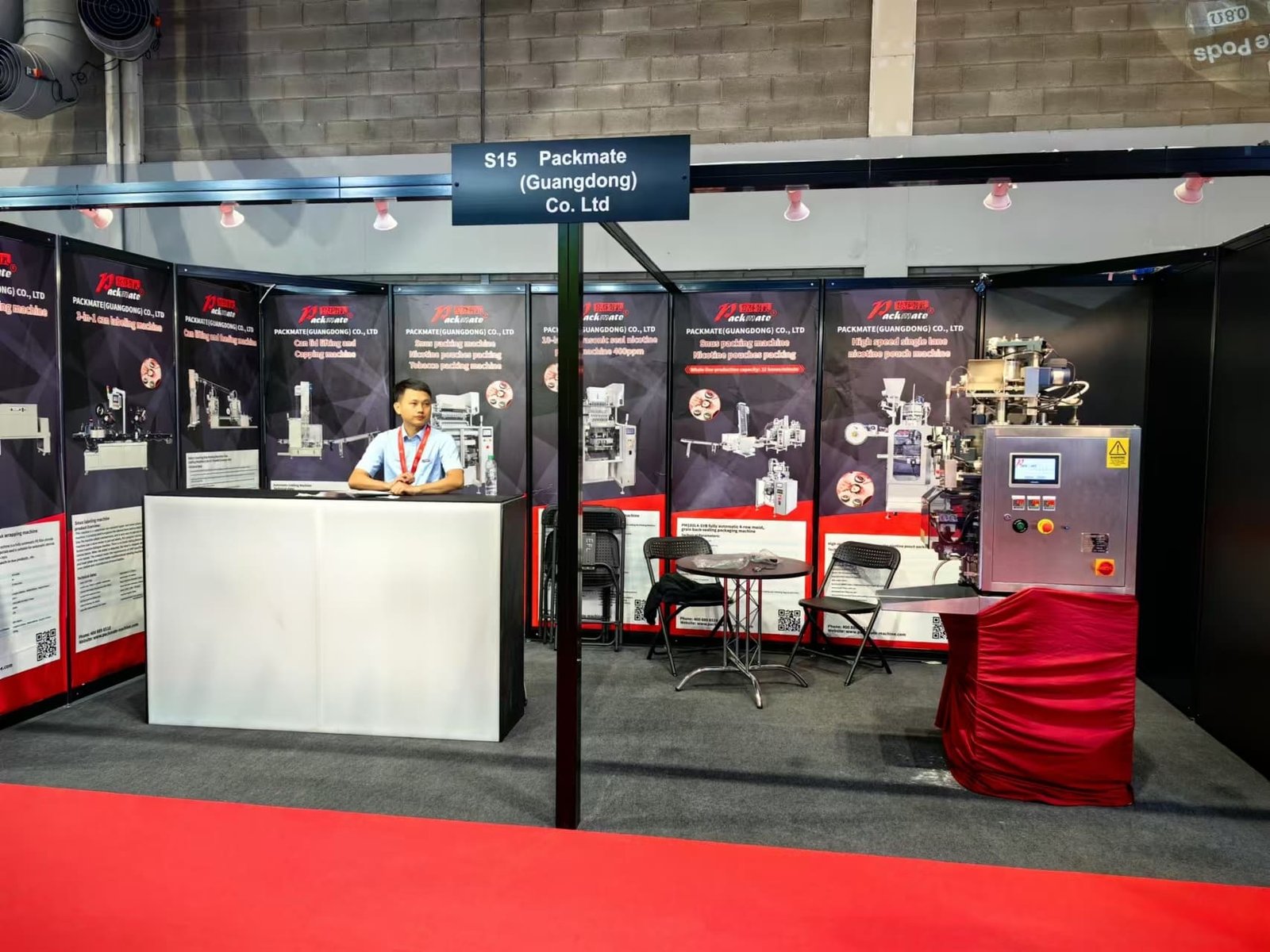
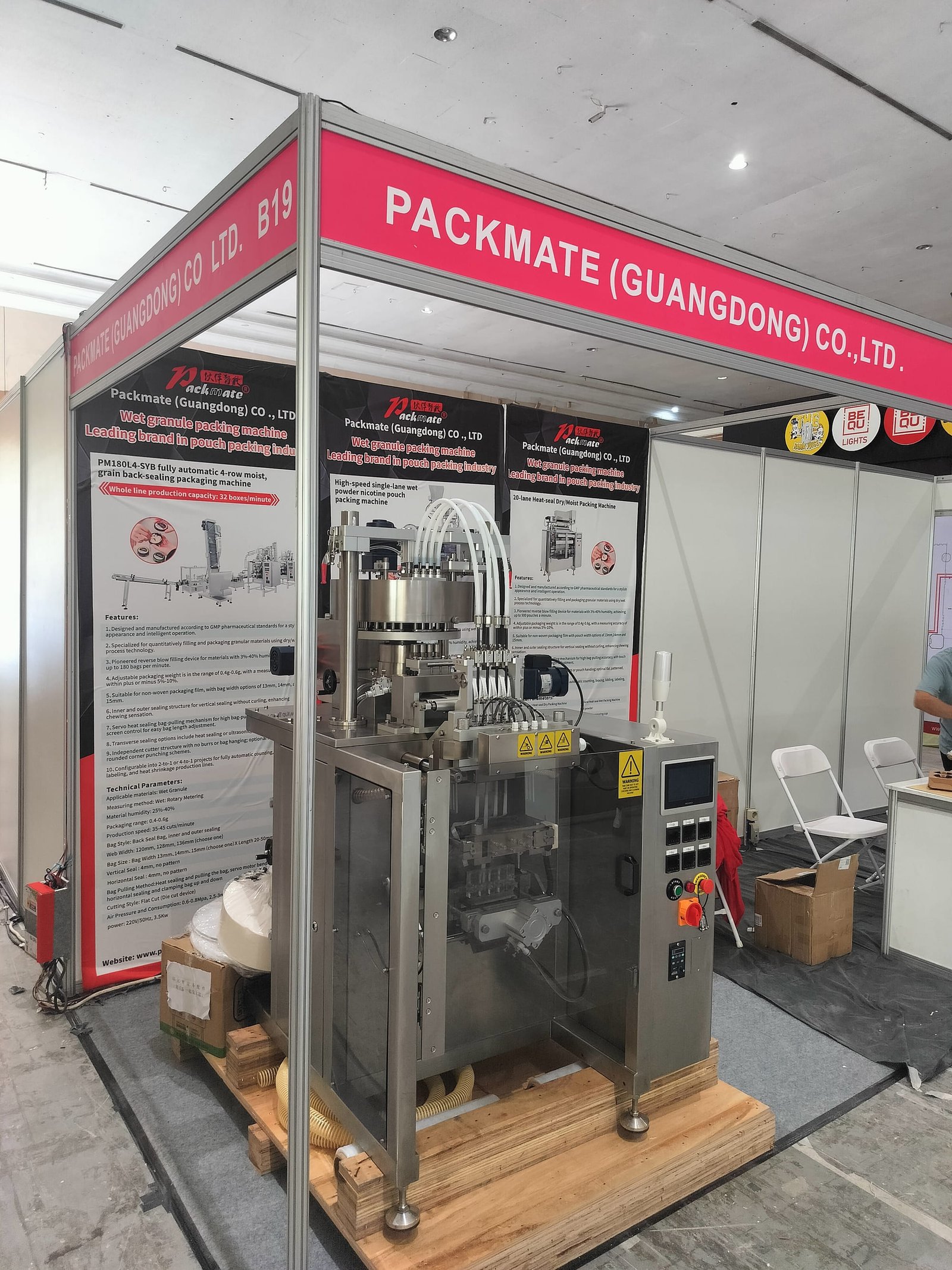
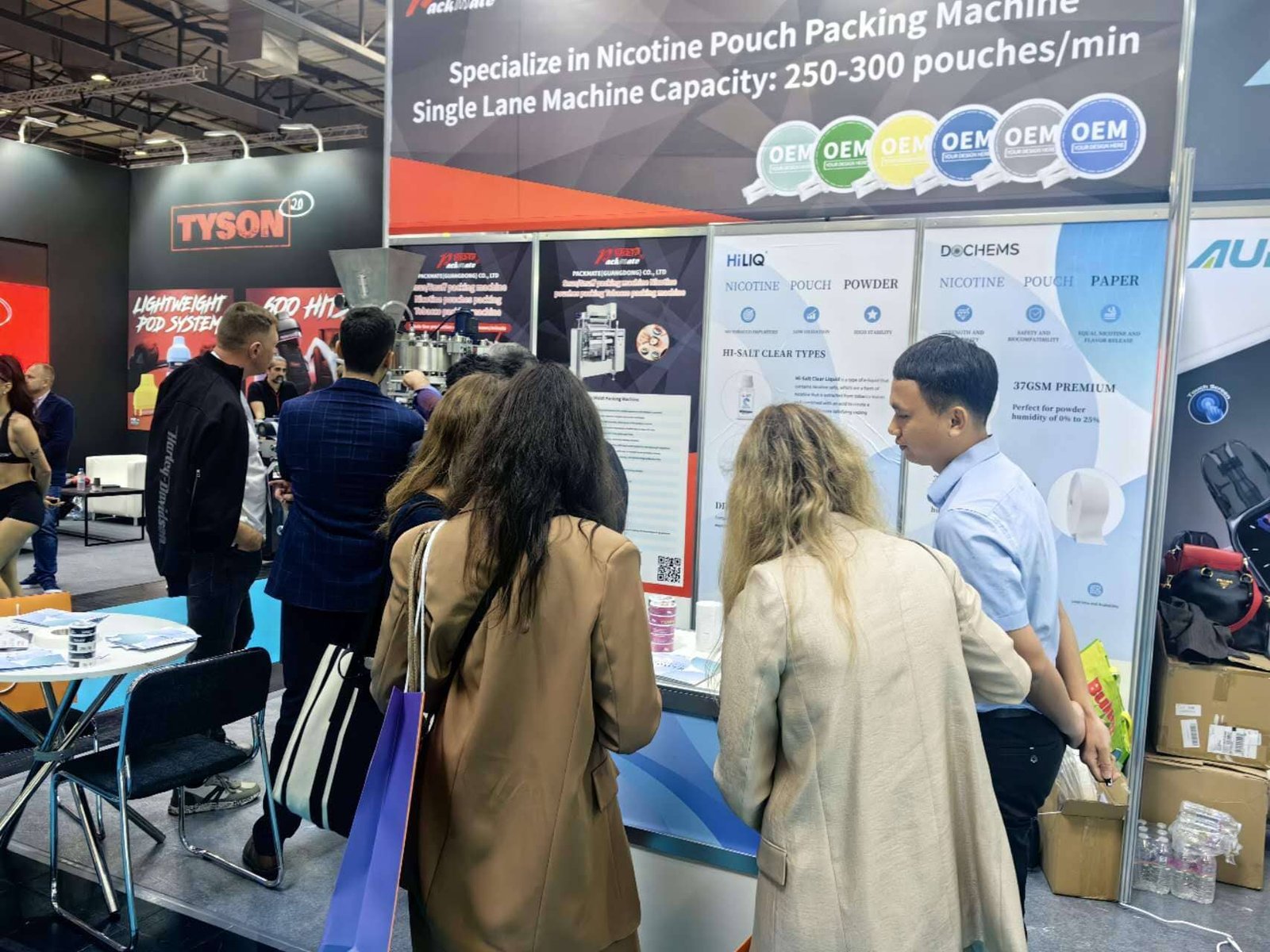
We collaborate with global component innovators and regularly exhibit our automated snack packaging technologies at leading international trade fairs.





Worldwide Packaging Industry Exhibitions
View Exhibition Schedule →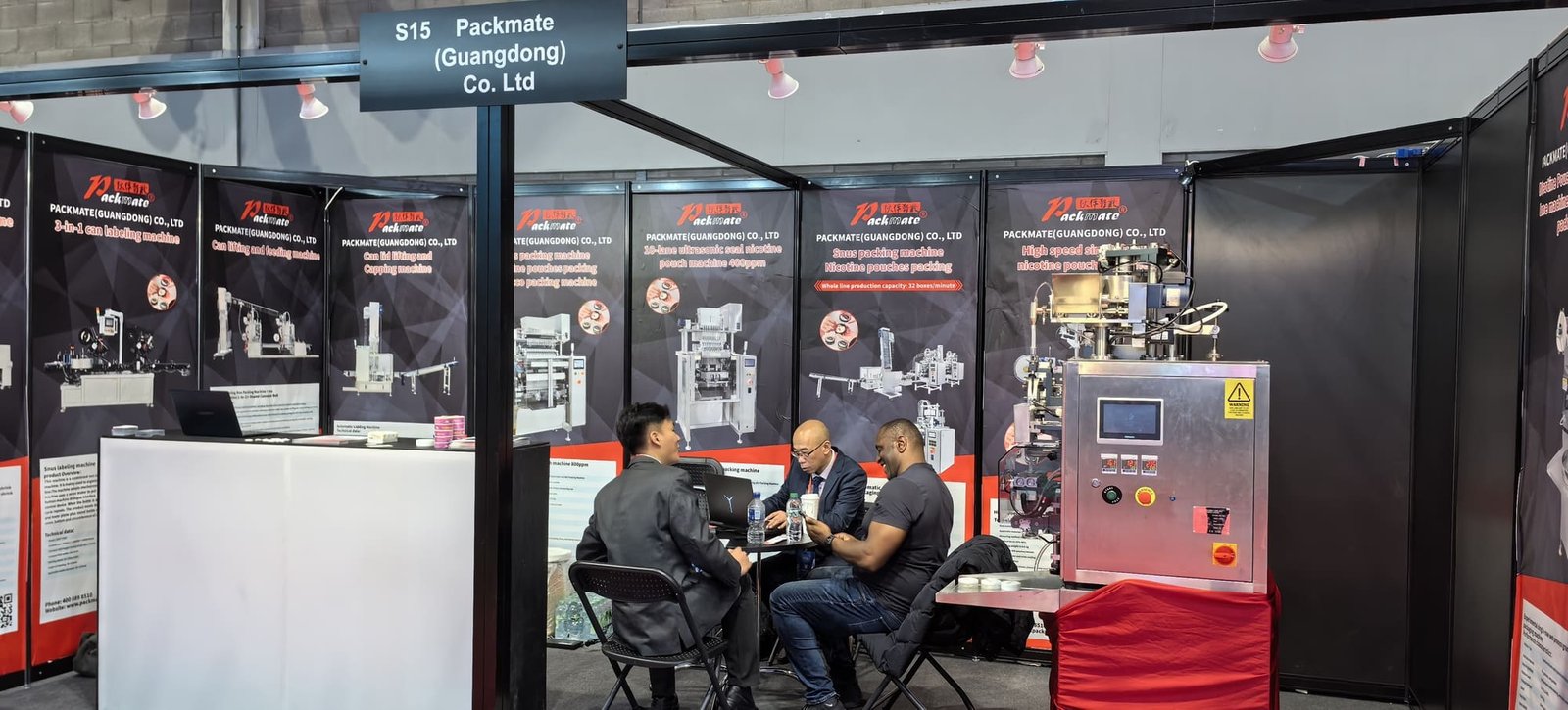
Frequently Asked Questions: Setting Up a Potato Chip Packaging Line
Clear answers to crucial engineering, operational, and procurement queries regarding automated snack packaging line setup.
What is the ideal floor space required to set up a complete potato chip packaging line?
A standard single-VFFS potato chip packaging line (including infeed bucket elevator, working platform, 14-head combination weigher, VFFS bagger, outfeed conveyor, checkweigher, and rotary pack table) requires an area of approximately 8 meters (length) × 4.5 meters (width) × 4.2 meters (clear vertical height). High-speed turnkey lines incorporating automated case erectors, robotic drop packers, and palletizers generally require 18 to 25 meters in linear layout length.
How can chip breakage be minimized across high-velocity packaging lines?
Minimizing breakage requires controlling drop heights and material impact surfaces. Ludyway packaging lines utilize dimpled 304 stainless steel sheeting, shallow-angle vibratory trays (<15° slope), silicone-cushioned transition chutes, stepper-motor-controlled hopper gates that open smoothly, and matched forming collar angles that guide chips along an elliptical descent rather than a harsh direct vertical drop.
Why is nitrogen flushing mandatory for potato chips and what purity is required?
Potato chips possess a high surface area of fried vegetable oil that quickly undergoes lipid auto-oxidation when exposed to atmospheric oxygen, leading to rancid off-flavors within days. Injecting high-purity food-grade nitrogen (99.5% to 99.9% purity) lowers residual package oxygen below 1.5%, increasing commercial shelf life from a few weeks to 6-12 months while providing structural gas cushioning against handling damage.
What barrier film structure works best for fried potato crisps?
The most widely used and cost-effective barrier film structure is a laminated tri-layer composition: BOPP (Biaxially Oriented Polypropylene) / Metallized PET or VM-CPP (Vacuum Metallized Cast Polypropylene) / Low-Temperature Seal PE. This laminate guarantees an ultra-low Water Vapor Transmission Rate (WVTR < 0.5 g/m²/day) and Oxygen Transmission Rate (OTR < 1.0 cc/m²/day) with reliable hermetic sealing.
Ready to Design & Commission Your Turnkey Potato Chip Packaging Line?
Whether you are expanding an existing snack manufacturing facility or setting up an entirely new potato chip production plant, Ludyway provides full-lifecycle engineering support: customized plant layout CAD drafting, multi-head weigher synchronization, factory acceptance testing (FAT), and on-site global commissioning.
