
How to Set Up a Protein Powder Packaging Line
A comprehensive technical blueprint for nutraceutical manufacturers and contract packagers. Discover how to engineer high-speed, dust-free, and compliant filling lines for whey, plant-based, collagen, and dietary supplement powders.
Understanding Powder Behavior in Automated Packaging
Setting up an automated packaging line for protein powders—ranging from whey isolates and micellar casein to plant proteins like pea, soy, and hemp—requires addressing unique physical powder properties. Unlike free-flowing granular products, protein powders are characteristically hygroscopic, cohesive, compressible, and dust-prone. Designing a high-yield packaging operation demands a harmonious integration of material handling, servo auger dosing, dynamic dust containment, and hermetic sealing.
Bulk Density Variance
Protein powder aerates during transit and settles inside feed hoppers. Precision lines must feature constant-level agitation hoppers and servo-controlled dosing screws to prevent weight inaccuracies caused by fluidization.
Dust Management & Cleanliness
Airborne protein dust compromises sealing surfaces and creates sanitation hazards. High-speed lines require localized vacuum dust aspiration collars and closed-loop pneumatic feeding to maintain clean seal integrity.
Oxygen & Moisture Sensitivity
Fat and lipid contents in whey or plant blends oxidate rapidly in ambient air. Integrated Nitrogen Gas Flushing (MAP) systems are essential to displace residual oxygen below 2%, ensuring extended retail shelf life.
Step-by-Step Architecture: How to Set Up a Protein Powder Packaging Line
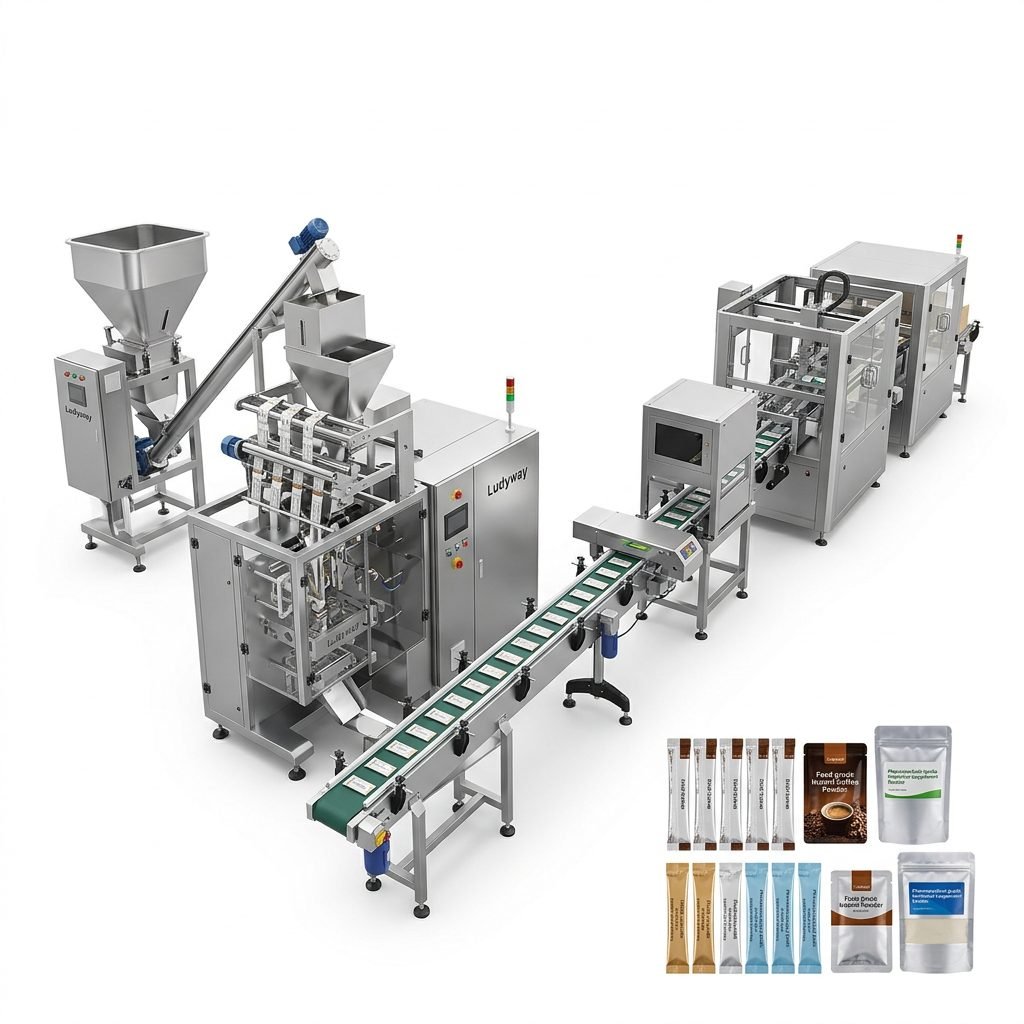
Configuring an industrial packaging line requires synchronizing upstream bulk feeding with primary filling, quality validation, and secondary cartoning. Below is the proven modular engineering workflow deployed in world-class food packaging machines and nutraceutical cleanrooms.
Bulk Infeed & Vacuum Pneumatic Conveying
Raw blended protein powder arrives in bulk bags (FIBCs) or stainless mixing bins. The line initiates with an automated dust-free vacuum feeder or a sanitary screw conveyor. Utilizing enclosed vacuum conveying prevents cross-contamination, eliminates worker exposure to airborne fine particles, and maintains consistent product flow to the filling hoppers.
Servo-Driven Precision Auger Dosing
The core filling system relies on independent servo-motor auger drives. Each lane or filling nozzle features a custom-machined flight screw tailored to powder density and flow characteristics. Horizontal slow-speed agitators maintain uniform powder head-pressure inside the funnel, while pneumatic cut-off valves prevent dripping or tailing on pouch seals.
Primary Forming, Filling, Sealing (Stick Pack / Sachet / Pouch)
Depending on commercial product packaging format, rollstock film is pulled via vacuum-assisted belts over precision forming collars. Multi-lane vertical form fill seal (VFFS) platforms slice and seal multi-layer barrier films into single-serve stick packs or 4-side seal sachets. Alternatively, rotary premade pouch machines grip, open, nitrogen flush, fill, and ultrasonic-seal stand-up doy-packs.
Integrated Nitrogen Flushing & MAP Verification
To prevent rancidity of branched-chain amino acids and fatty profiles, gas flushing nozzles inject high-purity nitrogen directly into the pouch cavity during forming and powder discharge. Inline gas sensors monitor oxygen residuals in real-time, instantly rejecting packages that exceed pre-set thresholds.
Quality Inspection: Dynamic Checkweighing & X-Ray/Metal Detection
Each finished sachet, stick, or pouch traverses a high-speed dynamic checkweigher operating with milligram sensitivity. Out-of-tolerance units are automatically rejected by air-blast or push-rod diverters. Downstream industrial metal detectors and X-ray systems inspect for ferrous, non-ferrous, stainless steel, or glass contaminants.
Secondary Packaging: Counting, Cartoning, and Case Packing
Qualified units pass through automated collating and counting systems into continuous or intermittent-motion horizontal cartoners. Stick packs are neatly grouped into retail display boxes (10, 20, or 30 counts), leaflets are inserted, and carton flaps are sealed with hot-melt adhesive before entering final corrugated case packers.
Protein Powder Packaging Format Comparison
Selecting the appropriate machinery topology depends on target retail volume, market segment, and packaging format. Review key technical metrics across common protein powder packaging configurations:
| Packaging Format | Primary Machinery Type | Speed Range | Dosing Accuracy | Recommended Application | Line Automation Level |
|---|---|---|---|---|---|
| Single-Serve Stick Pack | Multi-Lane VFFS (4 to 12 Lanes) | 160 – 600 packs/min | ±0.5% – 1.0% | On-the-go fitness nutrition, samples (15g–35g) | Fully Turnkey Automated |
| 4-Side Seal Flat Sachet | Multi-Lane Sachet Packaging Line | 120 – 480 sachets/min | ±0.5% – 0.8% | Meal replacement, single dose mixes (20g–50g) | Fully Turnkey Automated |
| Stand-Up Zipper Pouch | Rotary / Linear Premade Pouch Machine | 30 – 80 bags/min | ±0.2% – 0.5% | Retail bulk bags (500g, 1kg, 2kg, 5kg) | High Automation |
| Rigid Plastic Jar / Tub | Rotary Auger In-Line Jar Line | 30 – 100 jars/min | ±0.3% – 0.5% | Classic bodybuilding tubs (1lb – 5lbs) | Modular In-Line |
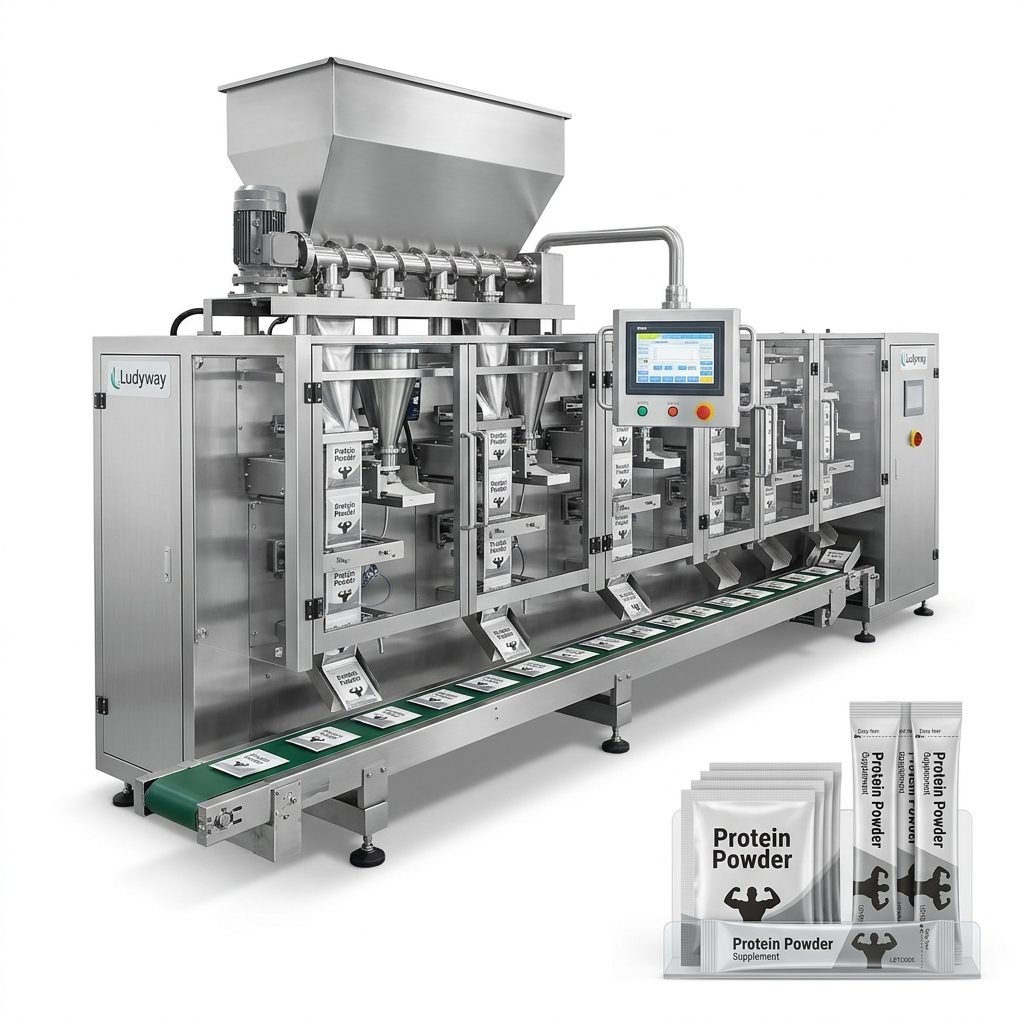
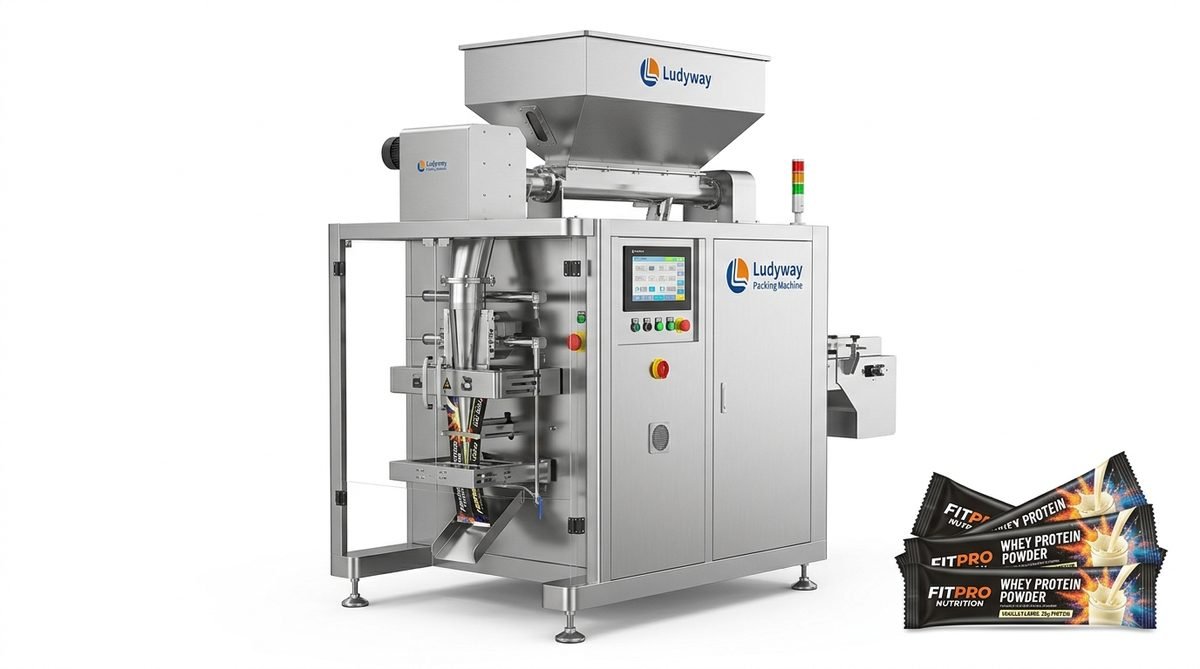
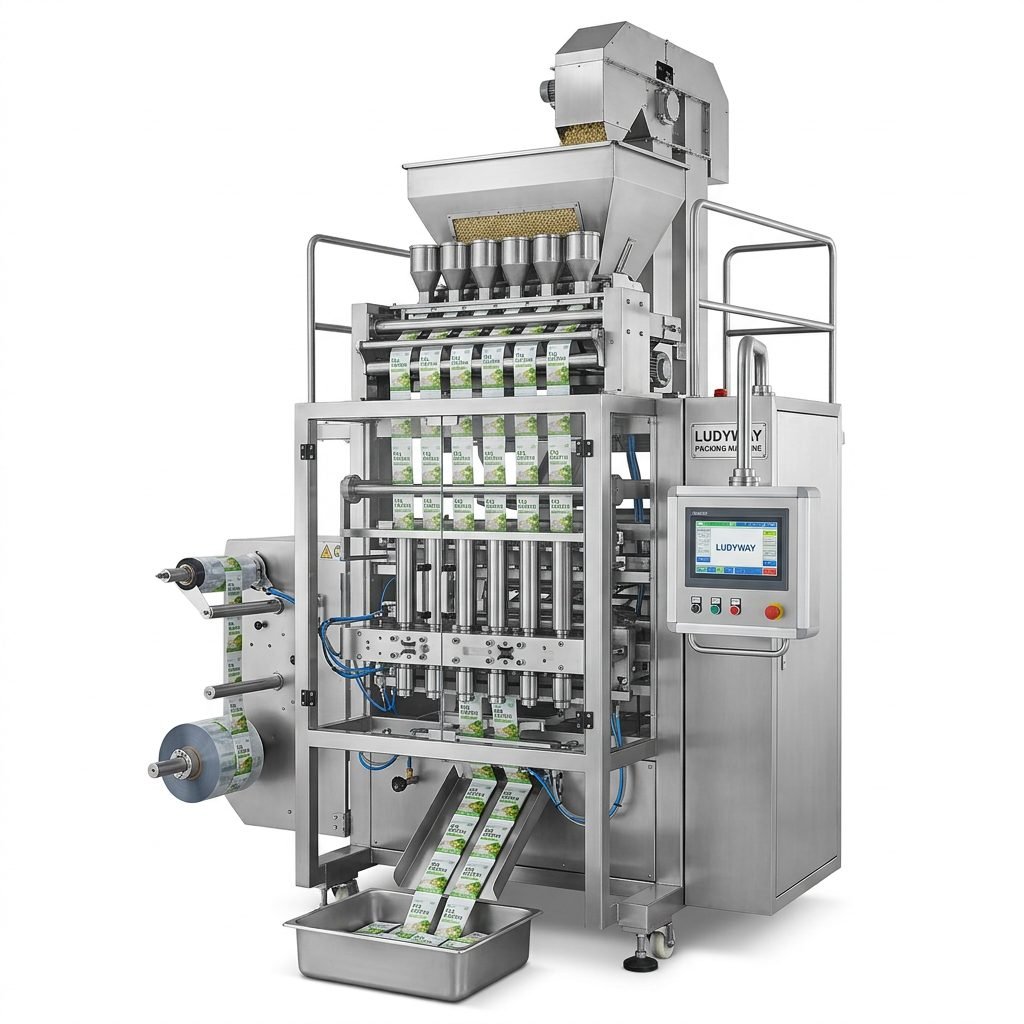
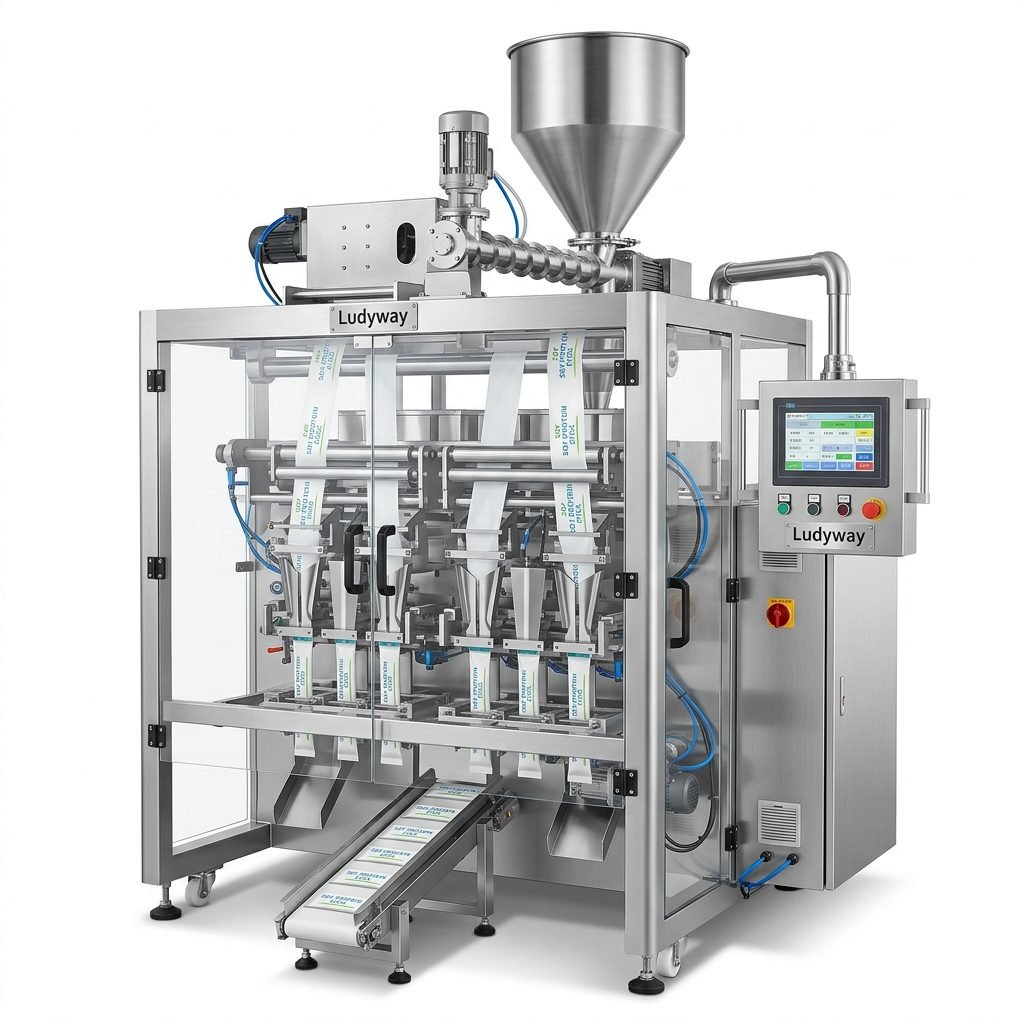
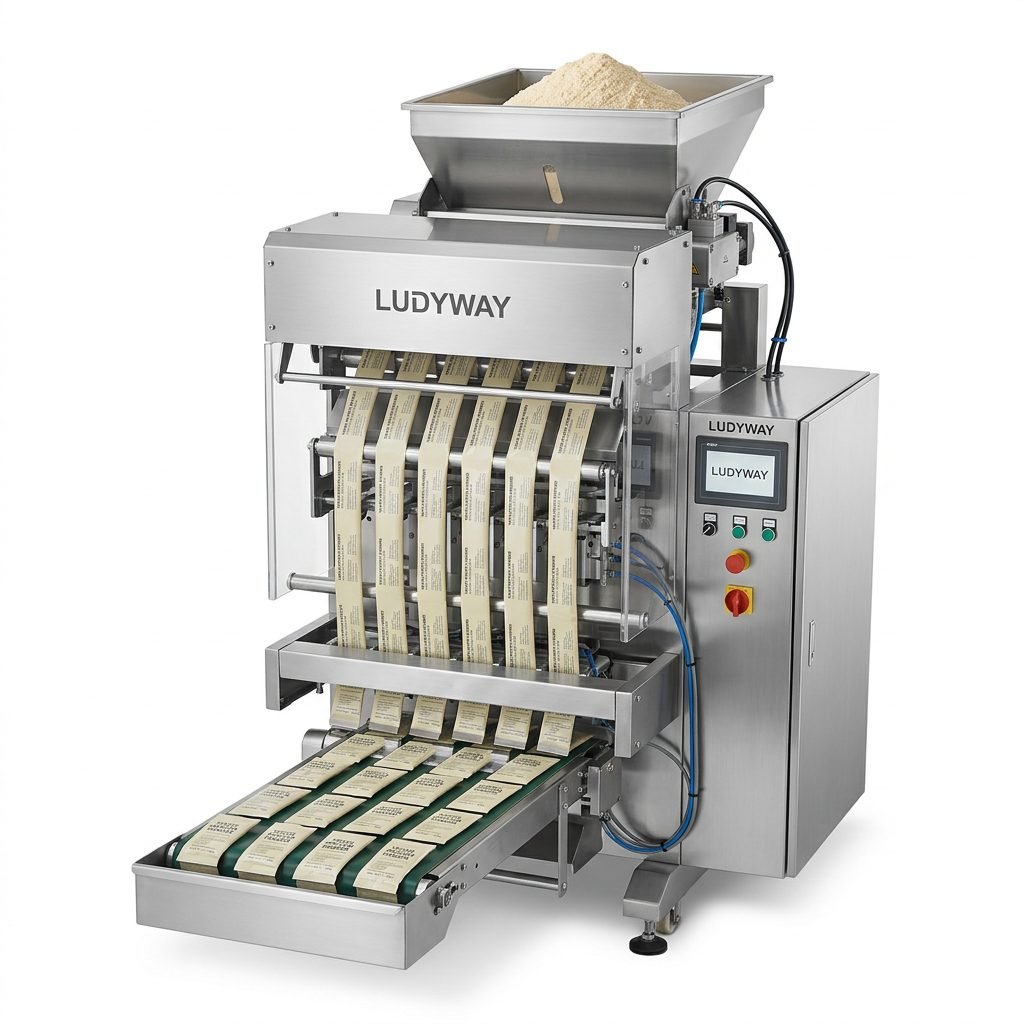
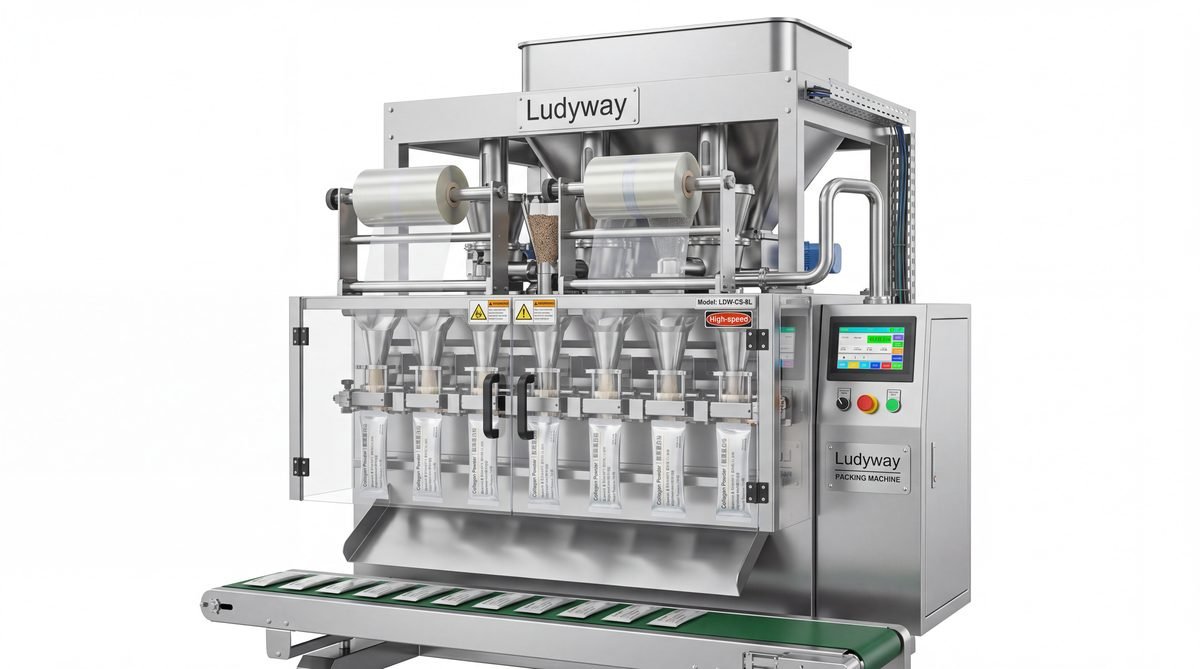
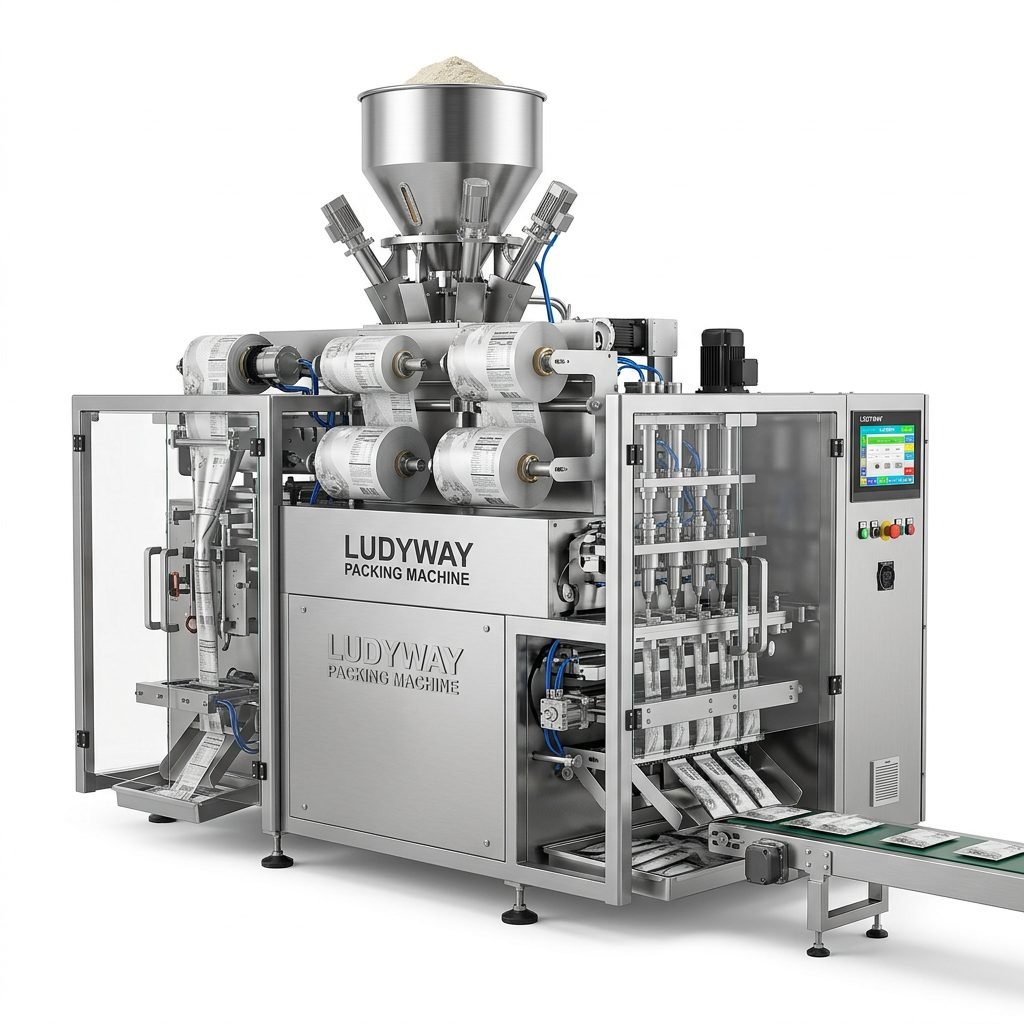
Featured Protein Powder Packaging Machines
Engineered with food-grade stainless steel, high-precision servo augers, and smart PLC interfaces. Explore our industry-leading machine models designed specifically for powdered sports nutrition and health supplements.
Solving Crucial Powder Engineering Bottlenecks
High-throughput packaging of protein formulas is notoriously vulnerable to minor mechanical miscalculations. Overcoming these hurdles requires specialized engineering designs built directly into the packaging line.
-
Static Charge & Fine Particle Dispersion: Rapid film web movement generates static electricity, drawing micro-fine protein dust into the vertical seal zones. Anti-static ionizer bars and active grounded film tracks prevent sealing layer contamination.
-
CIP (Clean-in-Place) & Rapid Toolless Washdown: Allergen prevention (e.g., separating whey dairy from soy or egg isolates) demands toolless split-hopper opening and rapid auger screw disassembly for sanitization within 15 minutes.
-
Consistent Aeration Control: As powder falls through hoppers, entrapped air changes bulk density. Variable-speed horizontal agitating blades and de-aeration vacuum funnels ensure homogeneous density across all active filling lanes.
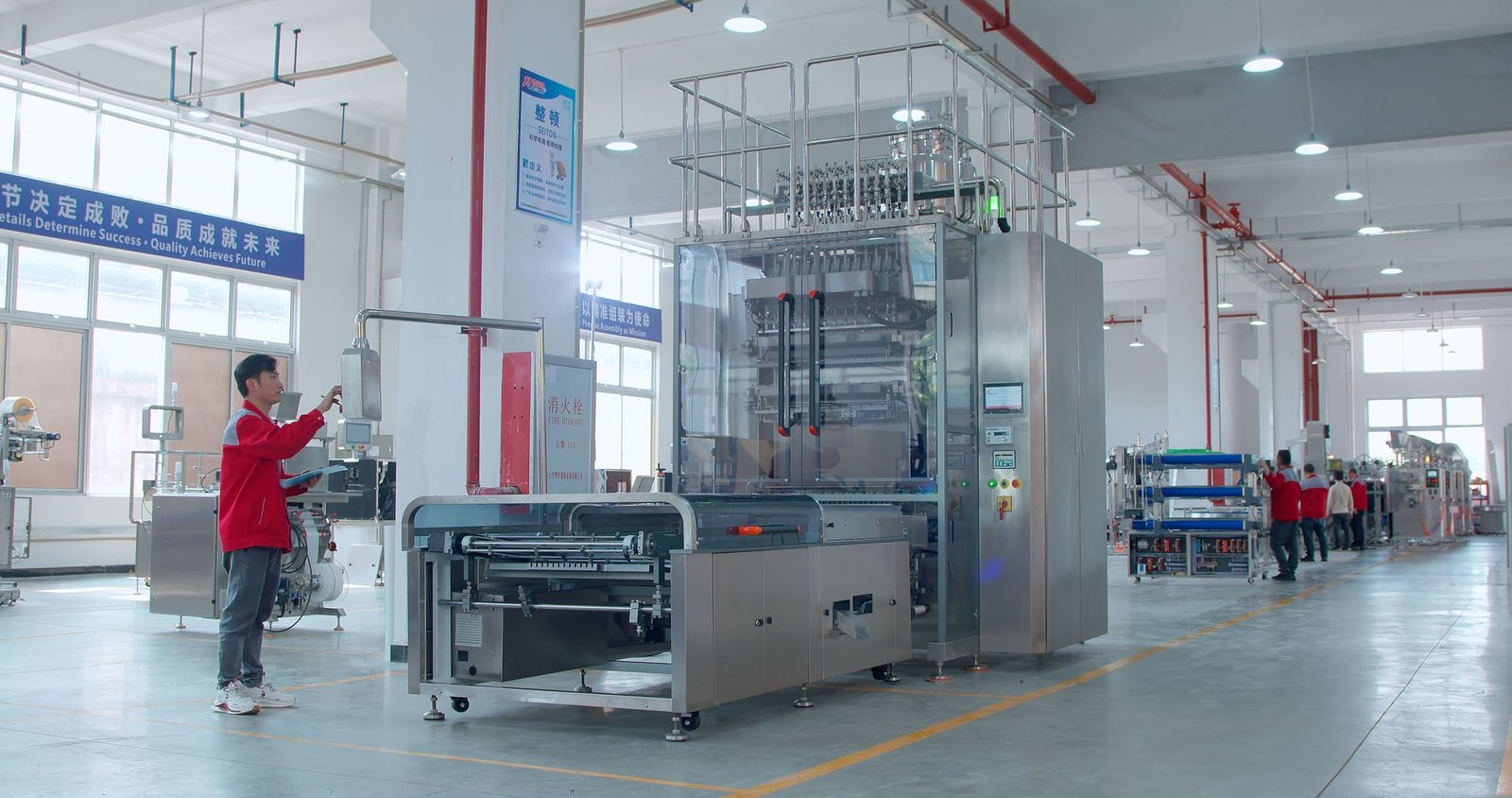
Facility Layout, Cleanroom Setup & Regulatory Compliance
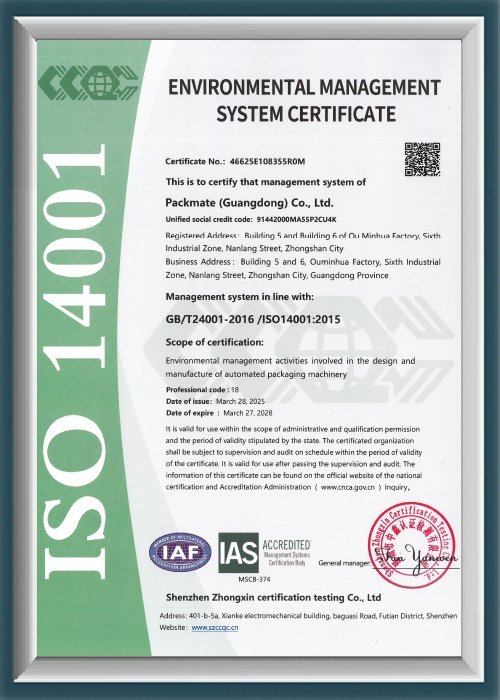
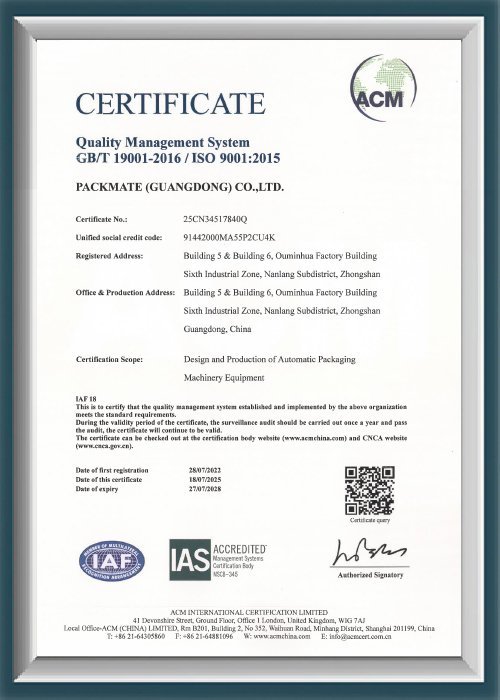
Meeting international standards such as FDA 21 CFR Part 111, cGMP, and ISO 22000 requires your facility environment to align with your automated machinery design.
HVAC & Humidity Control
Protein powders are susceptible to clumping if relative humidity rises above 45%. Production cleanrooms must maintain 40–45% RH at 20–22°C with positive air pressure to prevent ambient moisture infiltration.
Zoned Cleanroom Isolation
Segregate the Primary Powder Filling Zone (Class 100,000 / ISO 8 Cleanroom) from the Secondary Cartoning & Palletizing Zone to avoid corrugated cardboard particulate ingress into open product areas.
Food Contact Compliance
All direct contact metal surfaces must utilize electropolished AISI 316L stainless steel with surface roughness Ra < 0.4 µm. Gaskets and flexible sleeves must conform to FDA 21 CFR 177.2600.
Engineering Excellence with Ludyway Machinery
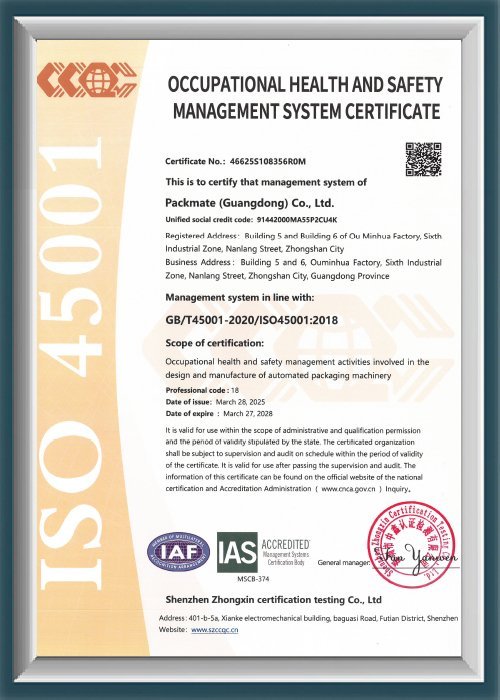
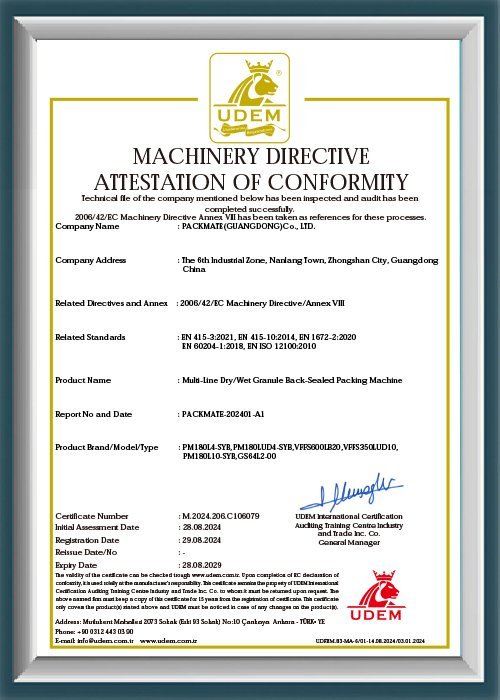
Ludyway is recognized as one of the largest packaging machine manufacturers in China, specializing in advanced packaging equipment and turnkey production solutions for the food, pharmaceutical, and health industries.
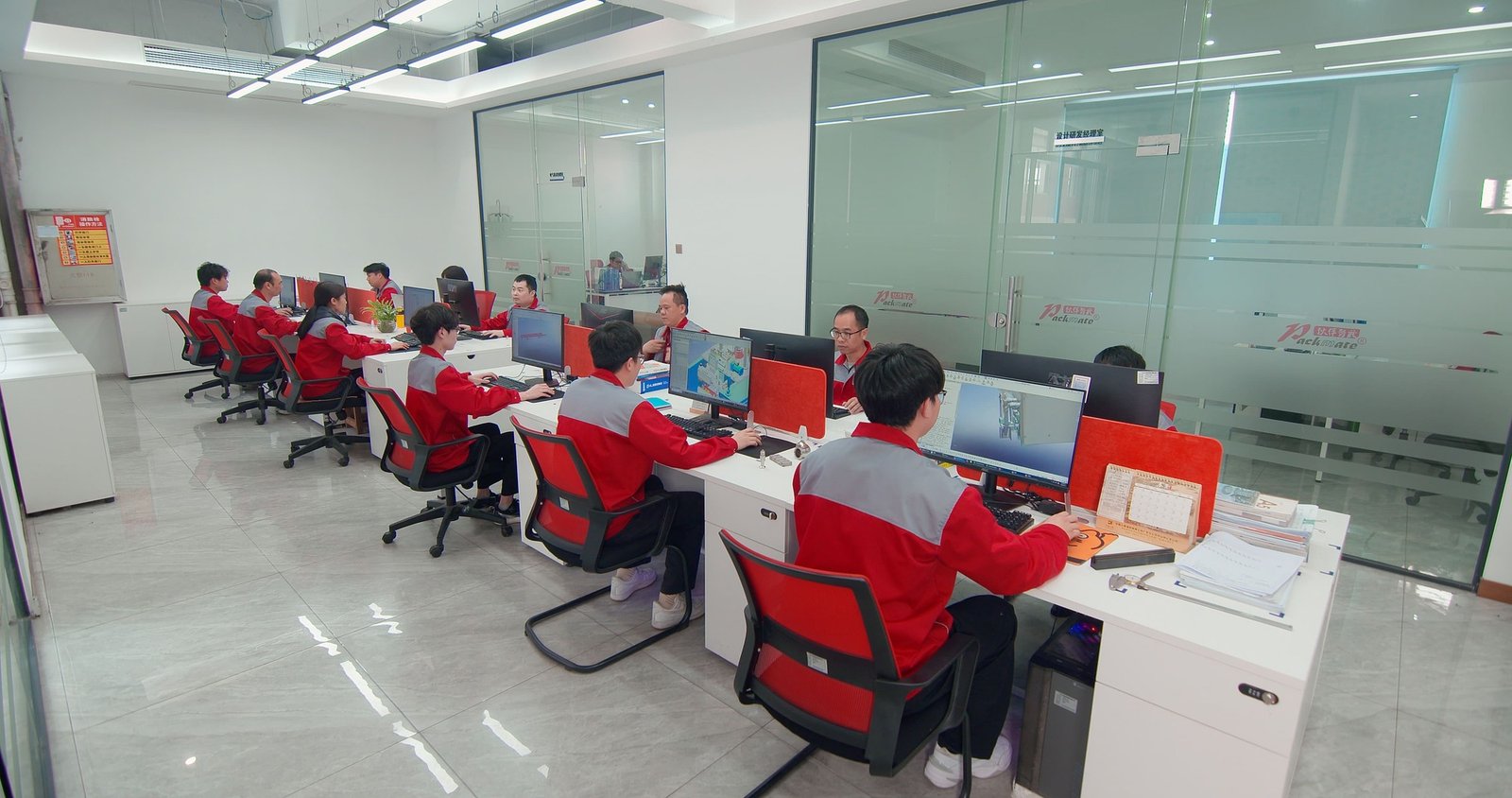
With over 30 years of industry expertise, Ludyway provides reliable, intelligent, and cost-effective packaging solutions for powder, granule, liquid, and pouch packaging applications. Operating from a modern 20,000㎡ manufacturing facility staffed with over 130 professional packaging experts and equipped with more than 200 high-precision manufacturing units, we engineer over 50 intelligent packaging machine models.
Serving brand leaders across more than 100 countries and regions, our engineering team manages the complete lifecycle: customized plant design, multi-lane servo tooling, factory acceptance testing (FAT), and seamless global commissioning.




Turnkey Line Execution: From Blueprint to Validation
Executing a successful protein powder line installation follows strict engineering milestones to eliminate downtime and ensure validation compliance.
1. Engineering Analysis
Bulk density testing, flowability index profiling, film barrier evaluation, target throughput definition, and cleanroom footprint 3D CAD modeling.
2. Precision Fabrication
Machining food-grade stainless contact modules, servo-axis integration, PLC logic programming, and custom multi-lane tooling manufacture.
3. FAT (Factory Testing)
Simulated dry-run and live powder test runs under speed, verifying ±0.5% dosing precision, gas flushing residual O2 levels, and seal integrity.
4. SAT & IQ/OQ/PQ
On-site cleanroom installation, electrical & pneumatic synchronization, IQ/OQ/PQ validation protocol sign-off, and comprehensive operator training.
Frequently Asked Questions: Protein Powder Packaging Lines
Explore critical technical and operational questions encountered by plant managers and packaging engineers.
How do you achieve ±0.5% dosing accuracy with cohesive whey or plant powders?
Dosing accuracy is achieved by combining high-resolution servo motors with constant-torque planetary gearboxes and precision-machined vertical augers. Constant-level hopper agitators prevent powder stratification, while inline checkweighers feed real-time trend data back to the PLC to automatically adjust screw rotational pulses.
What is the ideal residual oxygen target for protein powder sachets?
For lipid-containing whey, collagen, or vitamin-fortified protein powders, residual oxygen should be maintained below 2.0% (and ideally below 1.0% for extended 24-month shelf life). This is accomplished through multi-point nitrogen gas flushing inside the forming tube and bag sealing station.
How fast can a multi-lane stick pack machine run for protein powder?
Depending on target filling weight (e.g., 20g to 35g) and powder flowability, a standard 6-lane stick pack line operates reliably between 240 and 360 sticks per minute. A high-speed 10-lane platform can exceed 500 to 600 sticks per minute under continuous production.
How long does a recipe changeover and clean-down take?
Ludyway packaging machines feature toolless quick-release hoppers and slide-out auger shafts. A complete allergen clean-down and mechanical recipe changeover (e.g., switching from chocolate whey to unflavored pea protein) can be completed in under 20 to 30 minutes.
Ready to Engineer Your Automated Protein Powder Packaging Line?
Partner with Ludyway’s senior packaging machinery engineers to design a custom, high-speed, dust-free turnkey line tailored to your specific powder density, pouch format, and production targets.
