
Navigating Industrial Sauce Packaging Line Architecture
Liquid seasoning, condiment, and paste packaging demands rigorous physical rheology management, hygienic integrity, and ultra-precise volumetric dosing.
Industrial sauce processing transforms raw agricultural ingredients into consumer-ready table condiments, portioned fast-food sachets, cooking pastes, and bulk culinary bases. However, moving semi-viscous and non-Newtonian liquids from holding tanks into flexible sachets, stick packs, pouches, or bottles without drippage, oxidation, or weight variations is one of the most demanding challenges in liquid automation.
Setting up an automated packaging line requires deep coordination across multiple mechanical disciplines: positive displacement fluid dynamics, hot-fill thermal control, anti-stringing nozzle mechanics, multi-lane web tracking, and Clean-in-Place (CIP) sanitization. Whether your facility produces high-acid tomato ketchup, particulate-heavy chili pastes, oily emulsified dressings, or savory soy seasoning, this blueprint outlines every phase required to commission a world-class production cell.
Key Engineering Objectives in Sauce Automation:
1. Hermetic Seal Reliability: Preventing micro-leaks caused by liquid splash across pouch cross-seals.
2. Particulate Preservation: Metering garlic chunks, chili seeds, and herb flakes without shearing or clogging nozzles.
3. Thermal & Rheological Control: Preserving product viscosity under hot-fill (85°C–92°C) or cold sterile packaging conditions.
4. OEE & Line Velocity: Achieving 95%+ Overall Equipment Effectiveness with high-speed multi-lane servo machinery.
Sauce Rheology, Fluid Dynamics & Thermal Behavior
Before selecting machinery hardware, you must map the fluid mechanics of your sauce formulations to choose the right pump, valve, and nozzle geometries.
Viscosity & Shear Sensitivity
Sauces range from free-flowing fluids like soy sauce (1–10 cP) to non-Newtonian, shear-thinning pastes like ketchup and mustard (5,000–50,000 cP) and thick dressings (100,000+ cP). High shear forces can break emulsions (causing oil separation in mayonnaise), necessitating low-shear rotary lobe or servo-driven piston filling systems.
Suspended Particulates
Chili oils, tartar sauces, and salsa contain diced vegetables, seeds, and solid botanicals. Packaging lines handling particulates require non-clogging positive displacement rotary valves, enlarged nozzle orifices, and continuous agitation hoppers to prevent particulate sedimentation and guarantee uniform product weight distribution.
Thermal Packaging Conditions
Hot-filling (85°C–92°C) pasteurizes both sauce and packaging material in real-time, ideal for high-acid sauces (pH < 4.5). Hot-fill setups require double-jacketed heated hoppers, thermal recirculation loops, and heat-resistant barrier films. Conversely, cold-fill lines for dairy or preservative-sensitive dips demand sterile nitrogen flushing and HEPA laminar air enclosures.
Selecting the Right Packaging Format for Your Sauce Line
Packaging formats dictate line speed, machinery footprint, barrier laminate requirements, and retail consumer experience.
| Packaging Format | Target Applications | Typical Volume Range | Optimal Machinery Type | Production Speed |
|---|---|---|---|---|
| 4-Side Seal Sachet | Ketchup, Soy Sauce, Chili Paste, Fast-Food Condiments | 5 ml – 50 ml | Multi-Lane Liquid Sachet Machine | High 120 – 600 pcs/min |
| Liquid Stick Pack | Energy Gels, Honey, Vinegar, Single-Dose Syrups | 2 ml – 30 ml | Multi-Lane Stick Pack Machine | High 150 – 500 pcs/min |
| Stand-Up Pouch (Doypack) | Family-Size Cooking Sauce, Pasta Puree, BBQ Sauce | 100 ml – 1000 ml | Rotary Premade Pouch Machine / HFFS | Medium 30 – 90 pcs/min |
| Rigid Bottles & Jars | Salad Dressings, Mayonnaise, Hot Pepper Jars | 150 ml – 2000 ml | Linear / Rotary In-Line Bottling Line | Variable 40 – 180 bpm |
Core Machinery Modules in an Automated Sauce Packaging Line
An industrial sauce packaging cell combines primary dosing, hermetic sealing, dynamic inspection, and secondary packing into a synchronized digital production flow.
Product Feed, Storage & Jacketed Agitation
The upstream sauce transfer system balances holding pressure and product homogeneity before entering metering valves:
- Sanitary Buffer Hopper: 316L stainless steel construction with electric/steam heating jackets for constant temperature.
- Continuous Agitator Paddles: Low-RPM scraped-surface stirrers prevent particulates from settling or scorching.
- Level Sensors: Optical or tuning-fork level sensors trigger sanitary diaphragm supply pumps to maintain consistent hydrostatic head pressure.
Volumetric & Servo Piston Dosing Technology
Precision liquid dosing prevents giveaway while eliminating splashing and sealing contamination:
- Servo-Driven Piston Pumps: Individual stroke adjustments per lane ensuring ±0.5% dosing accuracy across multi-lane configurations.
- Anti-Drip Shutoff Nozzles: Pneumatic pull-back suction valves instantly snip the liquid stream, stopping tailing across seal jaws.
- Rotary Valve Blocks: High-tolerance sanitary ceramic or 316L valves designed to handle high viscosity and abrasive seed mixtures.
Form-Fill-Seal & Nitrogen Gas Flushing
Forming the pouch from roll stock film under continuous tension with active shelf-life preservation:
- Multi-Lane Web Guide: Optical edge guide control and servo pulling belts ensure micro-aligned multi-lane slitting.
- PID Temperature Controlled Heat Sealing: Independent zone heat controllers for vertical and horizontal cross-seals.
- Modified Atmosphere (MAP): Integrated nitrogen gas injection reduces residual oxygen below 0.5%, preventing lipid oxidation.
Quality Inspection & Secondary Packaging
Automated downstream assurance protecting brand reputation and streamlining retail palletization:
- Dynamic Multi-Lane Checkweigher: High-speed weight verification with pneumatic air-jet rejection of off-spec sachets.
- Industrial Metal & Vision Detectors: Inline detection of ferrous/non-ferrous contamination and optical print verification.
- Cartoning & Case Packing: Robotic collating, carton erectors, and case tapers for automated boxing and pallet wrapping.
Featured Sauce & Liquid Packaging Machinery
Explore industry-proven multi-lane sachet packers, liquid stick pack fillers, and turnkey condiment production lines built by Ludyway.
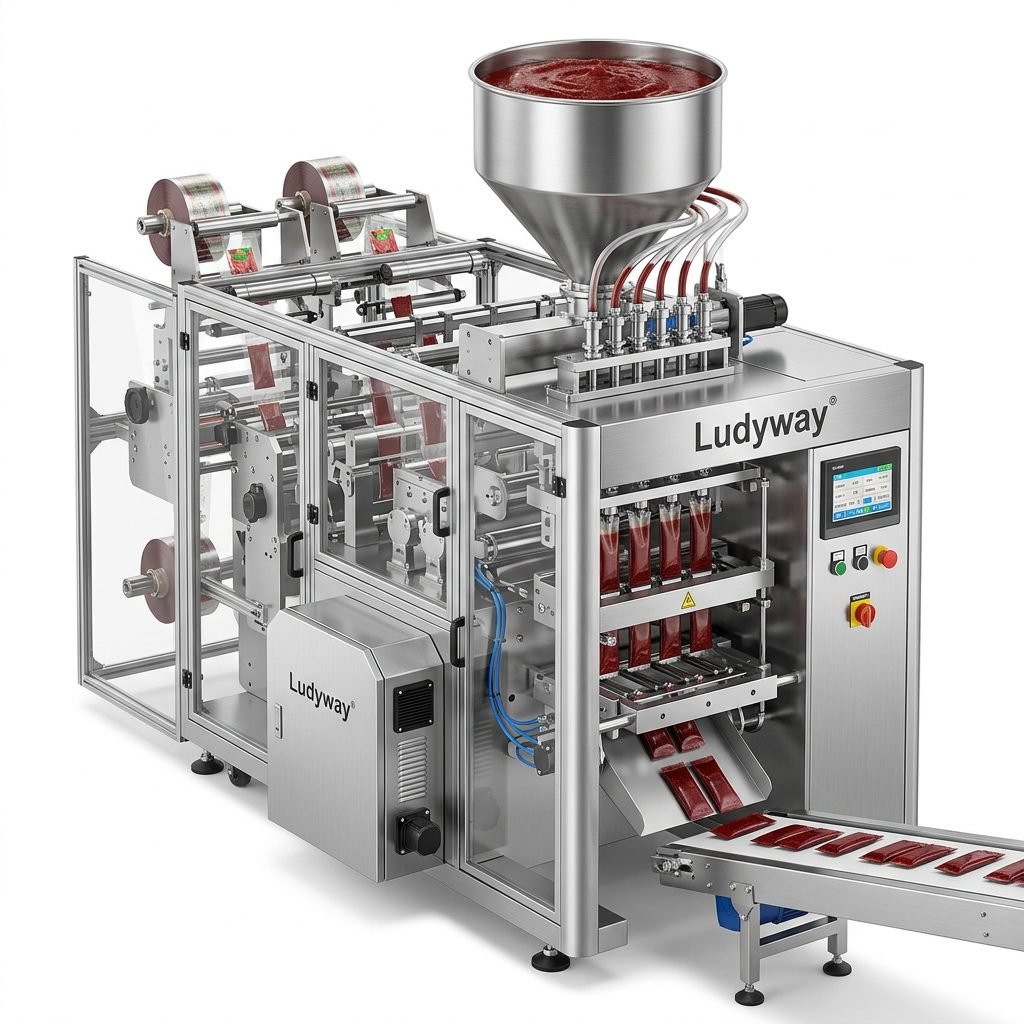
Chili Sauce Multi-Lane Stick Pack & Sachet Machine
View Specifications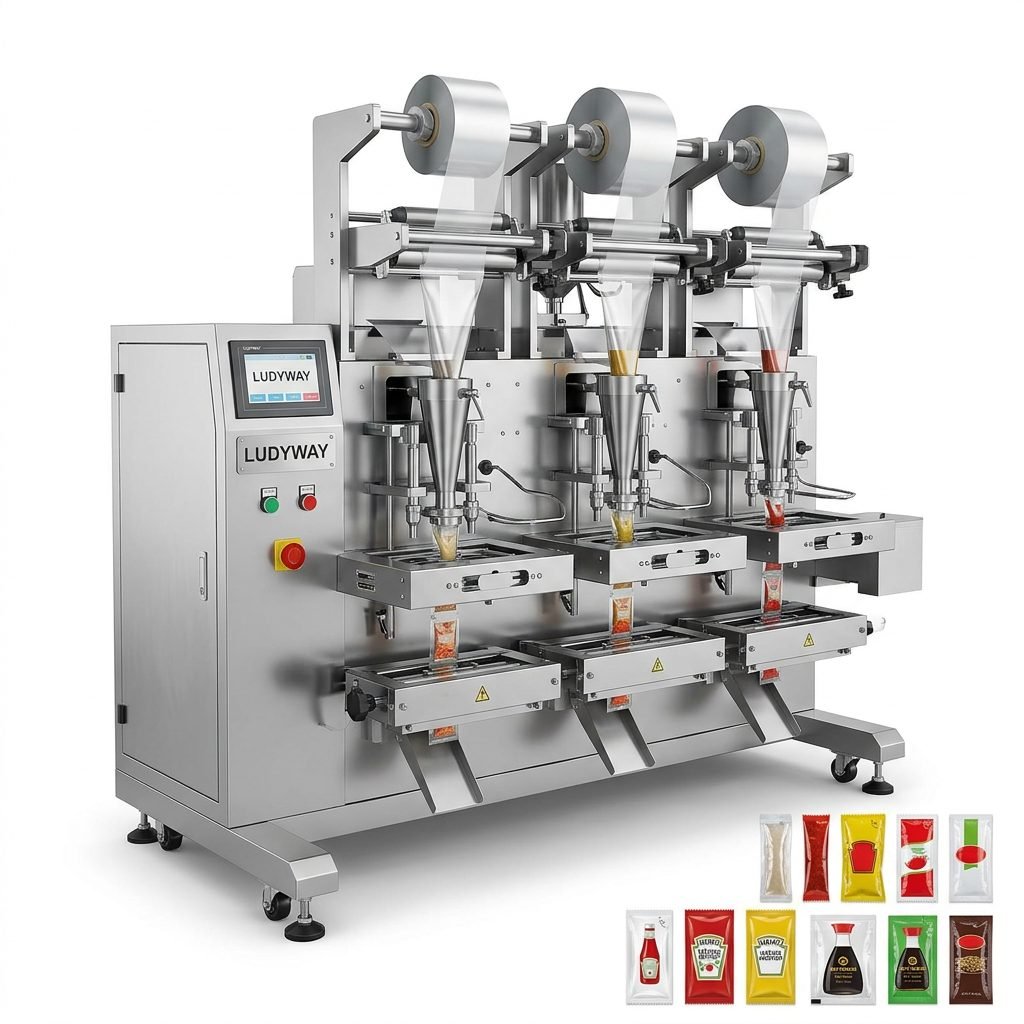
Multi-Lane Sauce Sachet Packing Machine for Paste
View Specifications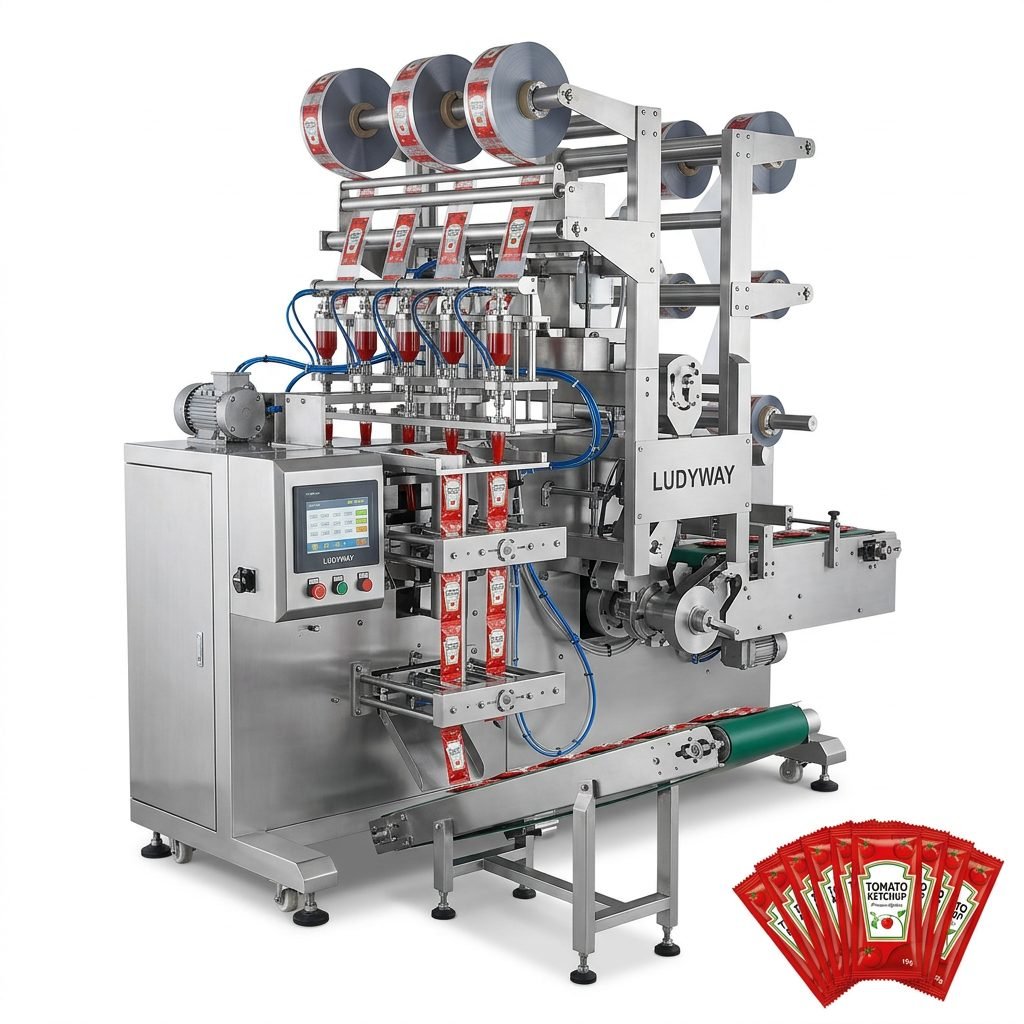
Ketchup Multi-Lane Automated Liquid Sachet Packer
View Specifications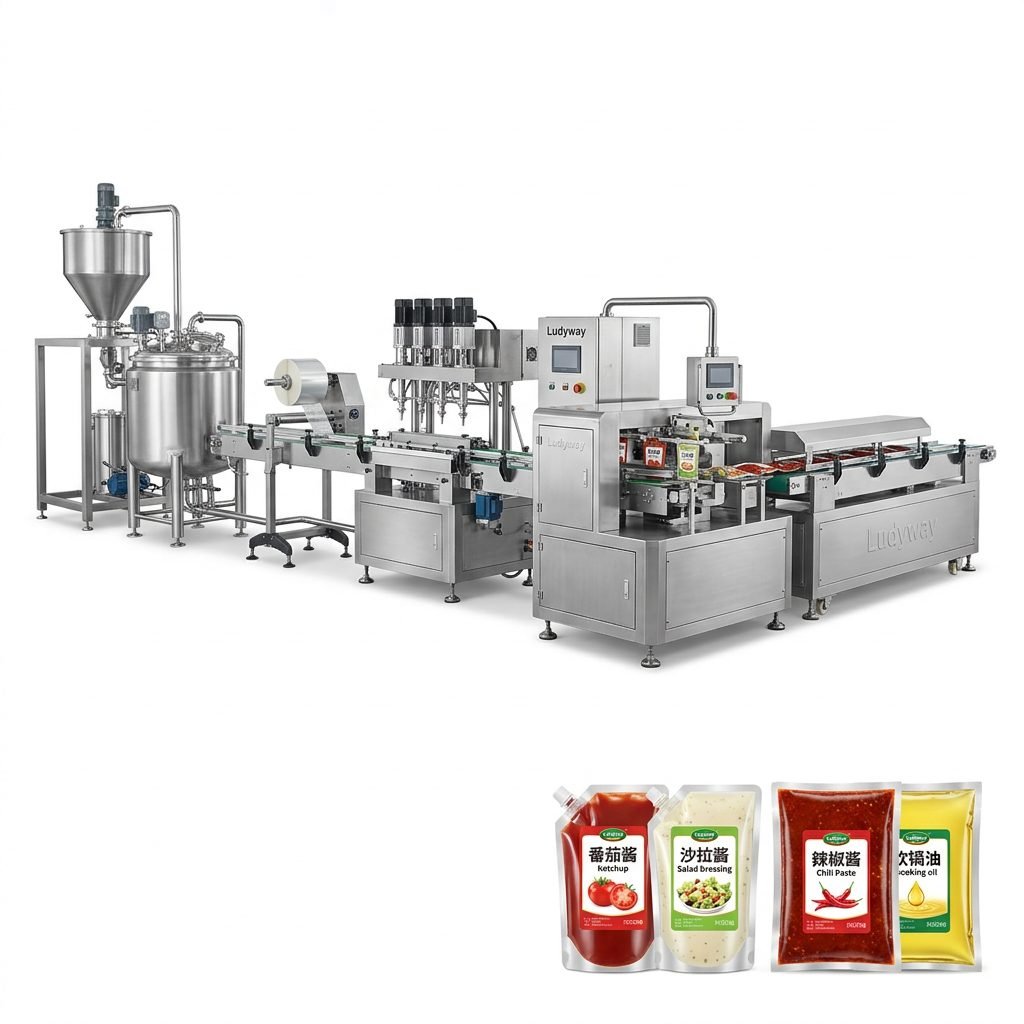
High-Speed Sauce Filling Line for Liquid Products
View Specifications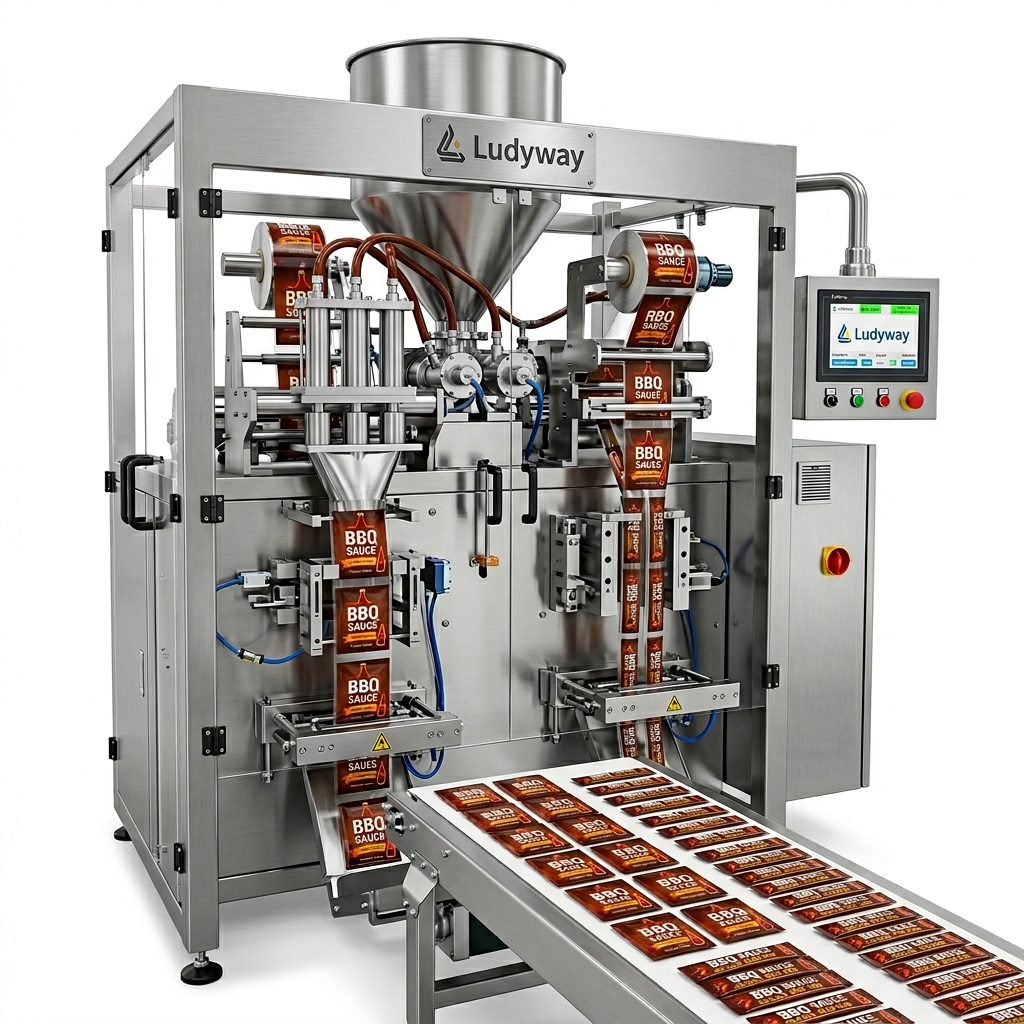
BBQ Sauce Sachet & Stick Pack Packaging Machine
View Specifications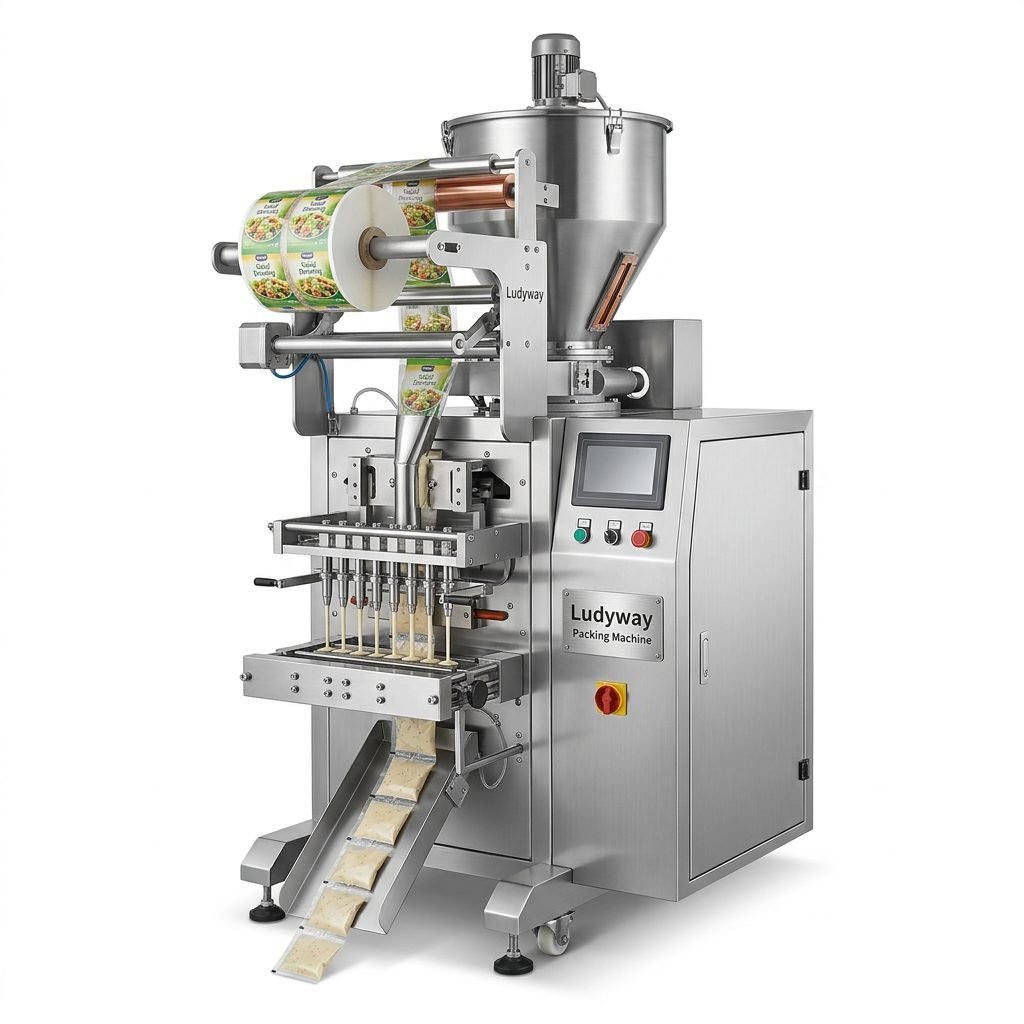
Salad Dressing Automatic Sachet Filling Machine
View Specifications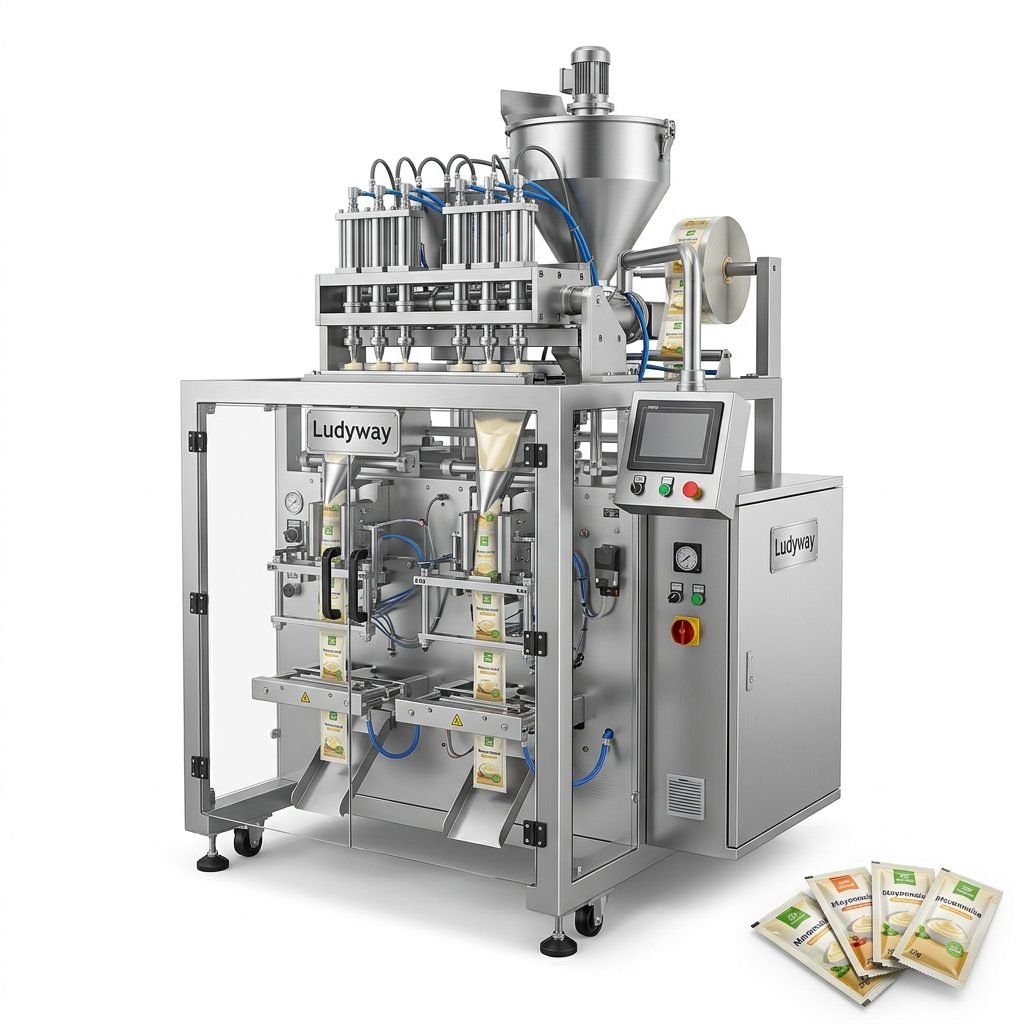
Mayonnaise Multi-Lane Sachet Packaging Machine
View Specifications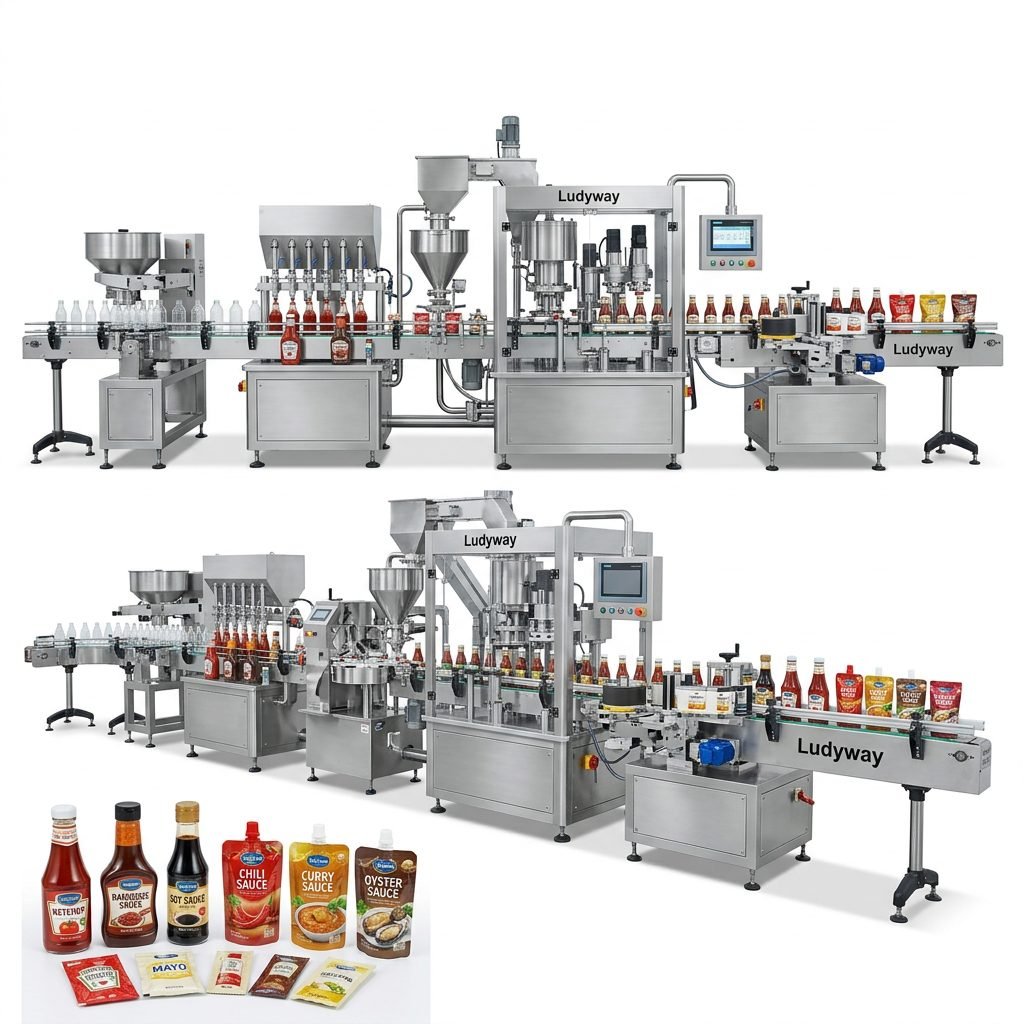
Turnkey Cooking Sauce Pouch & Sachet Line
View SpecificationsStep-by-Step Sauce Line Setup Blueprint
Follow this structured five-stage commissioning protocol to ensure seamless factory integration, food safety compliance, and zero unplanned downtime.
Factory Cleanroom Layout & Hygiene Zoning
Designate strict physical separation between wet processing/cooking zones and dry packaging areas. Ensure epoxy-coated non-slip flooring with central drainage channels (slope > 1:50) to facilitate daily high-pressure washdowns. Install sanitary positive air pressure systems in the primary packaging cleanroom to prevent airborne fungal contamination.
Sanitary Piping & CIP (Clean-in-Place) Loop Integration
Install electropolished 316L stainless steel piping with orbital welding to eliminate dead legs where bacteria can harbor. Connect the packaging machine’s hopper and filling manifold directly to a multi-stage Clean-In-Place (CIP) skid offering automated caustic wash (70°C–80°C), acid neutralization, and sterile hot water sanitization cycles.
Pneumatic, Steam & Electrical Infrastructure
Sauce lines have rigorous utility demands: oil-free dry compressed air (0.6–0.8 MPa) for pneumatic shutoff valves; culinary steam or electric thermal oil for jacketed hoppers; and stable 3-phase electrical power. Isolate high-frequency servo drives from sensor circuits to prevent electromagnetic interference.
PLC Programming, Sensor Calibration & Recipe Management
Configure the industrial PLC (Siemens/Omron/Mitsubishi) touch HMI with recipe memory for distinct sauce varieties. Calibrate servo filling speeds, suck-back valve strokes, film pulling speed, and sealing dwell times per recipe. Enable real-time telemetry via Ethernet/IP or OPC UA for Industry 4.0 data acquisition.
Factory Acceptance Testing (FAT) & Seal Integrity Validation
Conduct rigorous FAT at the machine manufacturer’s facility using actual customer product samples. Test for volumetric dosing accuracy (CpK > 1.33), seal integrity under vacuum burst testing (ASTM D3078), and continuous high-speed endurance runs before shipping and Site Acceptance Testing (SAT).
Ludyway: 30+ Years of Precision Packaging Engineering
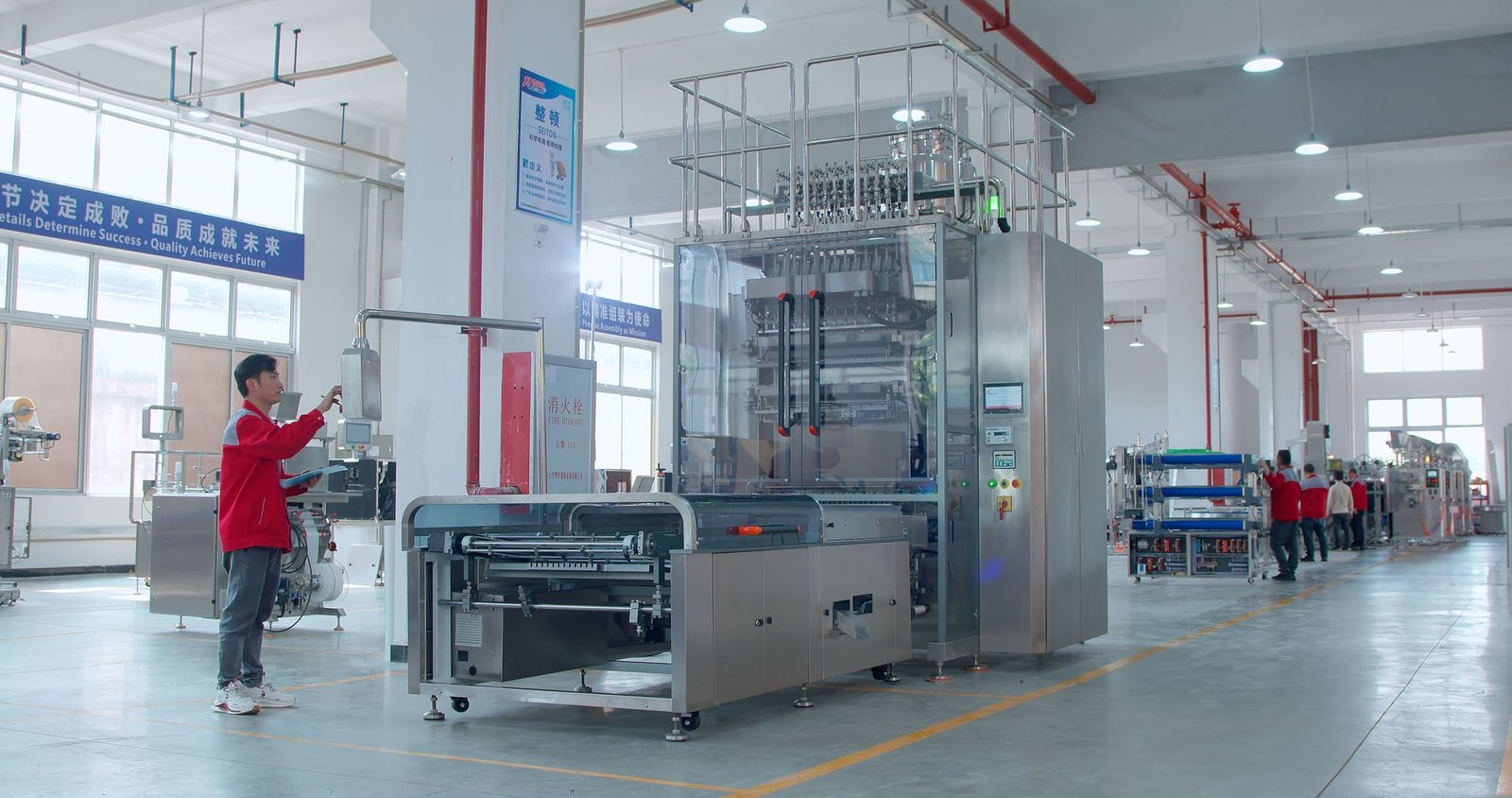
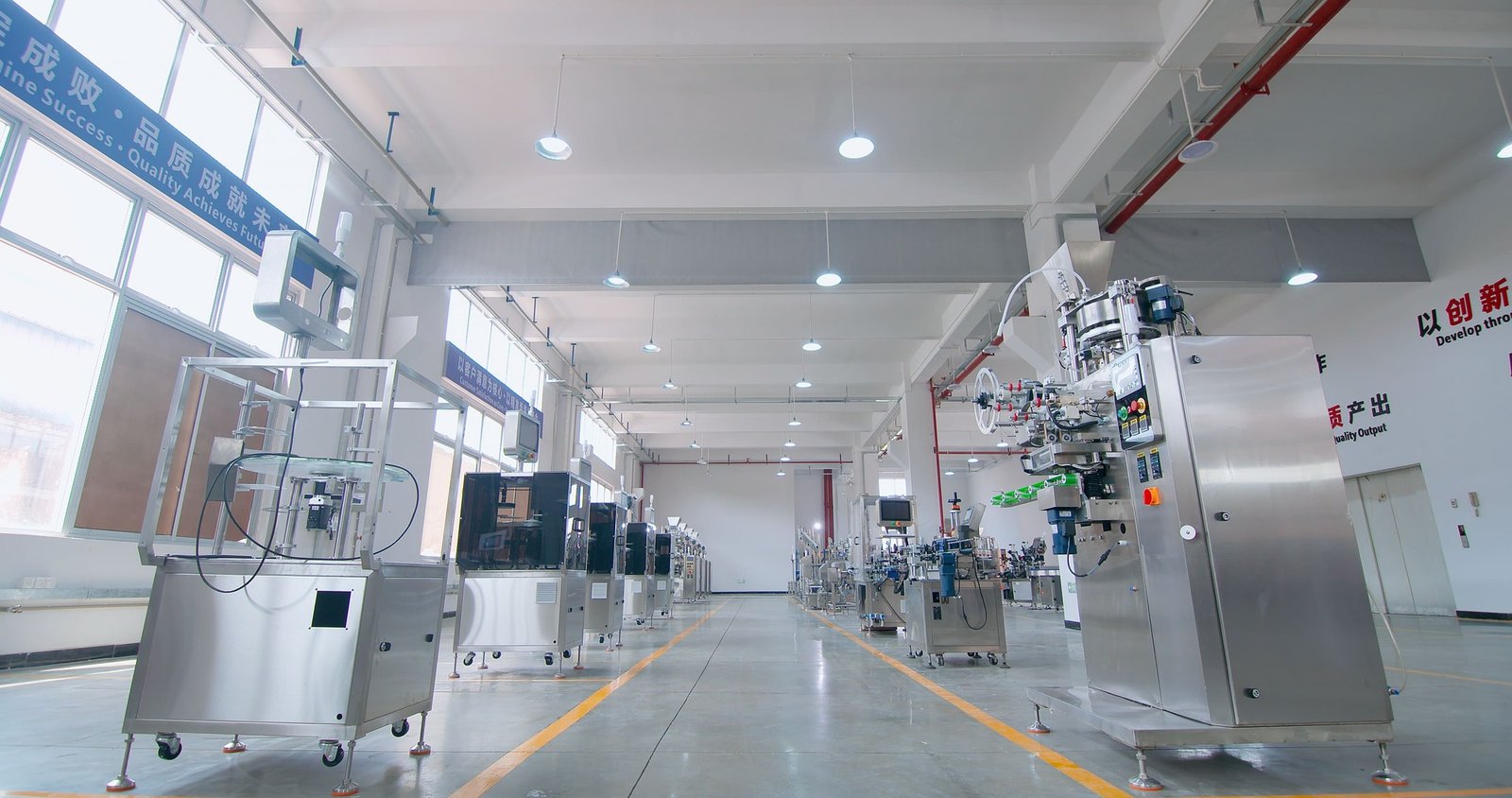
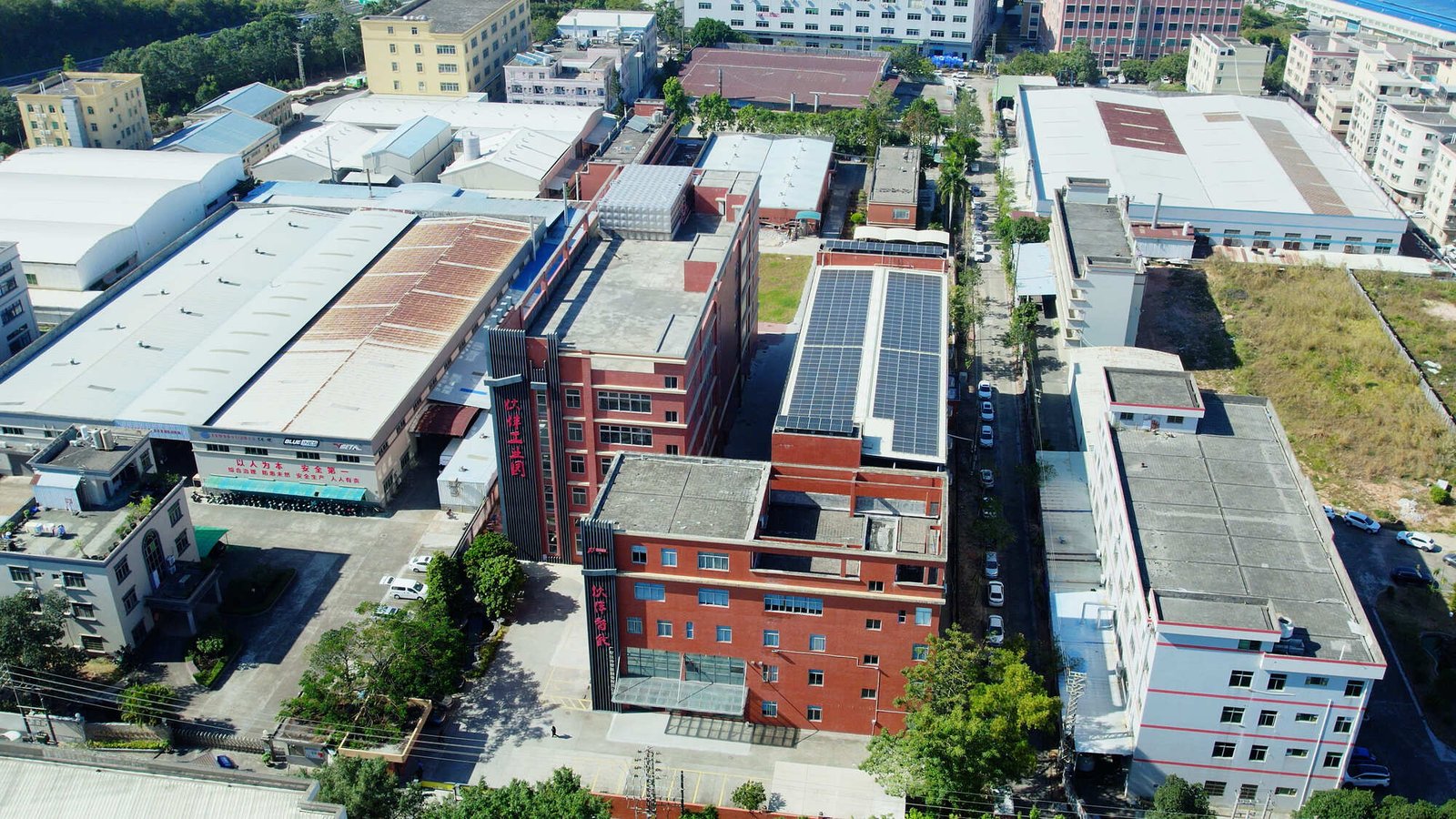
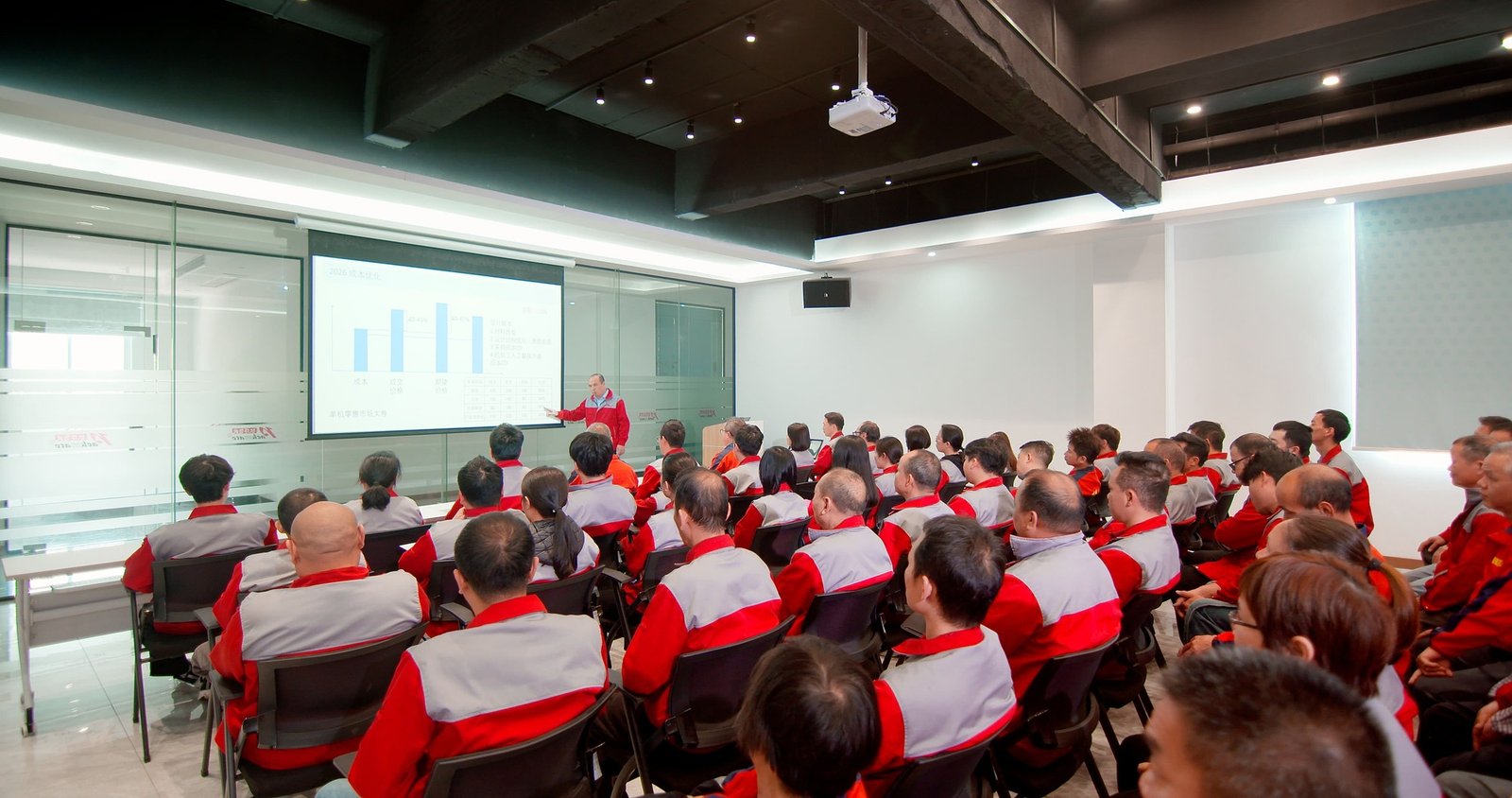
Ludyway is one of the largest packaging machine manufacturers in China, specializing in advanced liquid, granule, powder, and pouch packaging solutions. Supported by a modern 20,000㎡ manufacturing facility, 130+ packaging engineers, and over 200 units of advanced CNC fabrication equipment, Ludyway delivers turnkey automated production lines tailored to international food and pharmaceutical standards.
With more than 50 intelligent machine models operating across 100+ countries and regions, Ludyway empowers condiment manufacturers to maximize yield, achieve airtight hermetic seal reliability, and reduce packaging film waste.
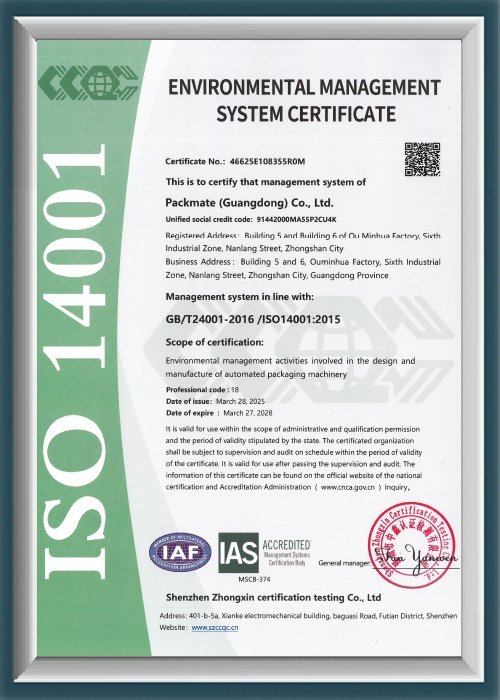
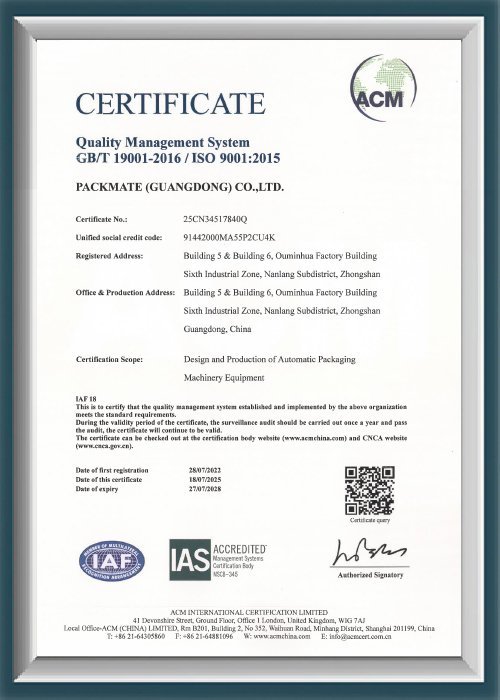
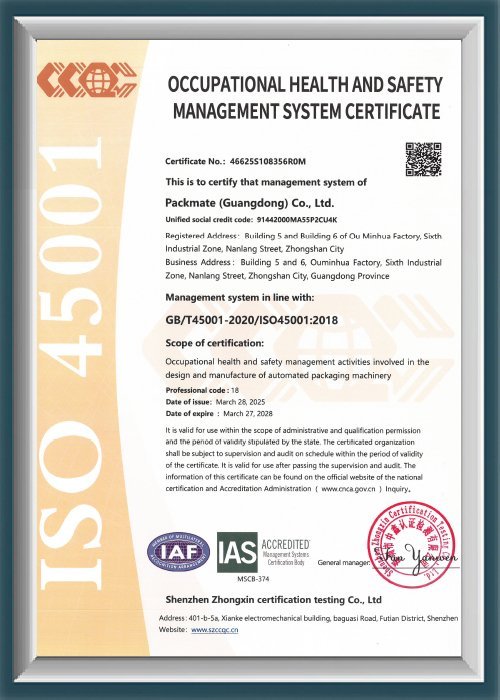
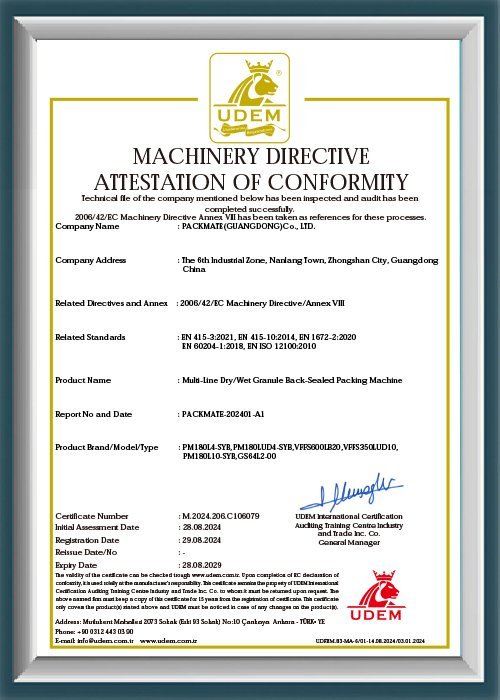
International Standards & Safety Certifications
Trusted by Global Food & Pharmaceutical Producers








Frequently Asked Technical Questions
Get answers from Ludyway senior packaging engineers regarding sauce line configuration, viscosity adaptation, and sealing reliability.
Q: How do multi-lane packaging machines prevent sauce from contaminating horizontal seals?
Contamination on the horizontal seal area compromises barrier integrity and causes leaks. Modern multi-lane sauce machines prevent this using three synchronized mechanisms: (1) high-response servo-driven suck-back nozzles that instantly create negative pressure at stroke completion; (2) bottom-up filling stroke profiles where nozzles track the rising liquid level; and (3) precision-timed mechanical wiping bars that clear residual film area prior to heat jaw clamping.
Q: Can a single packaging line handle both low-viscosity soy sauce and high-viscosity chili paste?
Yes, provided the machine is engineered with modular quick-change dosing pumps. Liquid soy sauce relies on magnetic flow meters or gravity/pressure dosing systems, whereas thick chili paste requires positive displacement rotary lobe pumps or servo piston fillers with wide-bore rotary valves. Ludyway packaging lines offer interchangeable sanitary dosing carts that can be swapped and CIP-cleaned in under 30 minutes.
Q: What barrier film structure is best for acidic sauces like hot sauce and ketchup?
High-acid sauces (pH < 4.0) containing vinegar, salt, and capsaicin are chemically aggressive and can delaminate standard polyethylene layers. We recommend multi-layer co-extruded laminates such as PET / AL / NYLON / Linear Low-Density Polyethylene (LLDPE) or aluminum-free high-barrier structures like PET-SiOx / BOPA / Cast Polypropylene (CPP) formulated specifically with acid-resistant sealing resins.
Q: What is the advantage of hot-fill vs. cold-fill nitrogen packaging for sauces?
Hot-filling (85°C–92°C) pasteurizes the container surfaces during filling, allowing 12–24 months of ambient shelf life for acidic products without chemical preservatives. Cold-fill packaging, by contrast, preserves fresh volatile aromas in delicate sauces (like pestos or emulsion-based dressings) but requires strict cleanroom aseptic enclosures, UV film sterilization, and nitrogen flushing to displace oxygen.
Q: What maintenance schedules are recommended for high-speed multi-lane sauce lines?
Daily maintenance requires executing the automated CIP sanitization cycle and inspecting nozzle seals for wear. Weekly protocols include lubricating mechanical cam drives, checking pneumatic line filters, and calibrating thermocouple heat sensors. Monthly maintenance involves replacing piston PTFE O-rings, verifying knife blade sharpness, and auditing load cell accuracy across all lanes.
Ready to Engineer Your Automated Sauce Packaging Line?
Connect directly with Ludyway’s mechanical engineering team to receive a tailored line layout, fluid rheology testing report, and comprehensive turnkey proposal.
