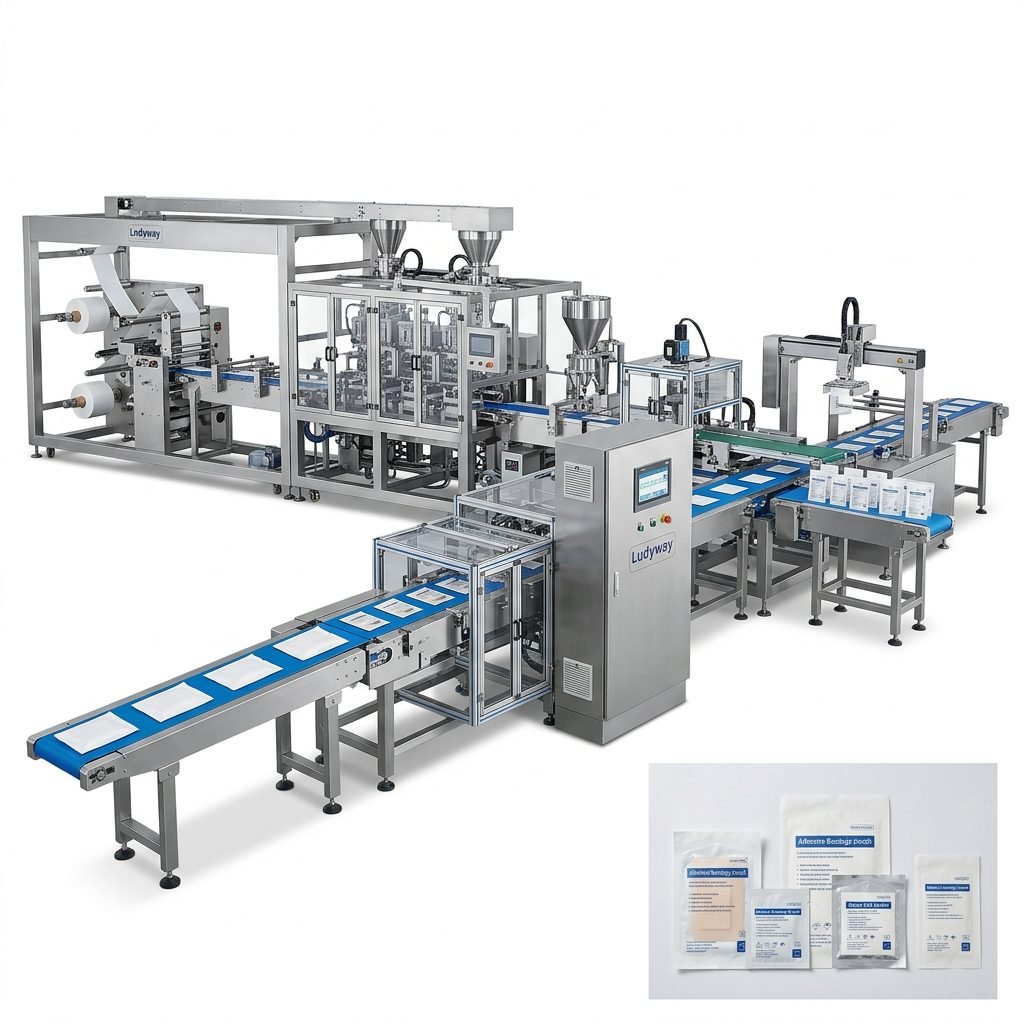
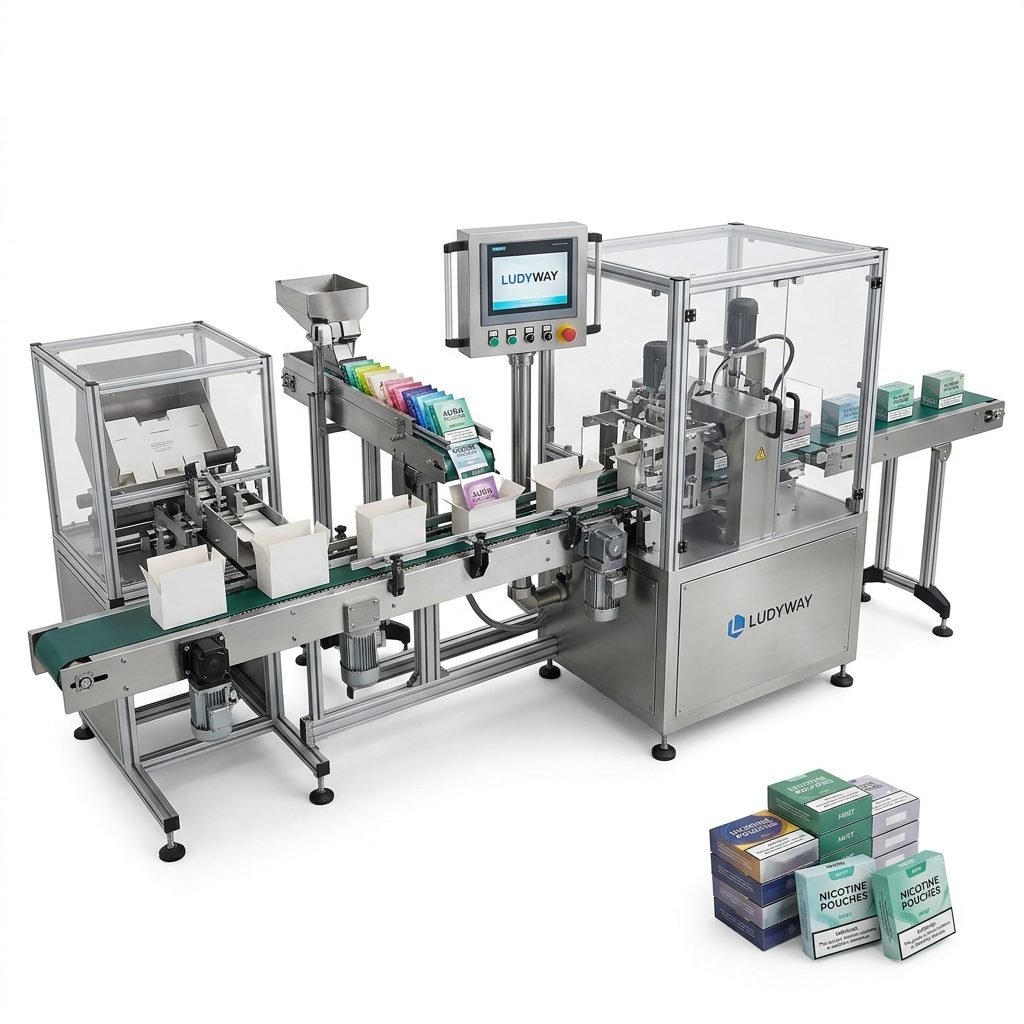
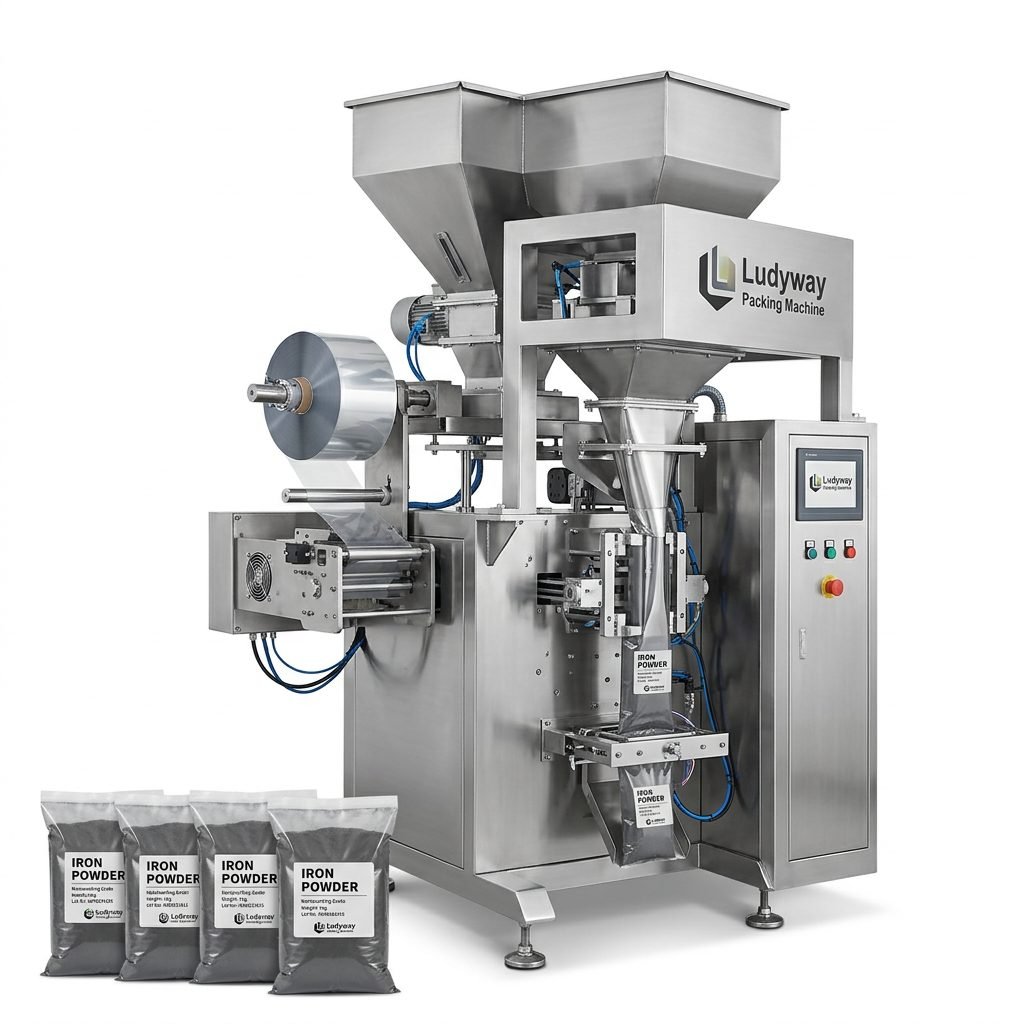
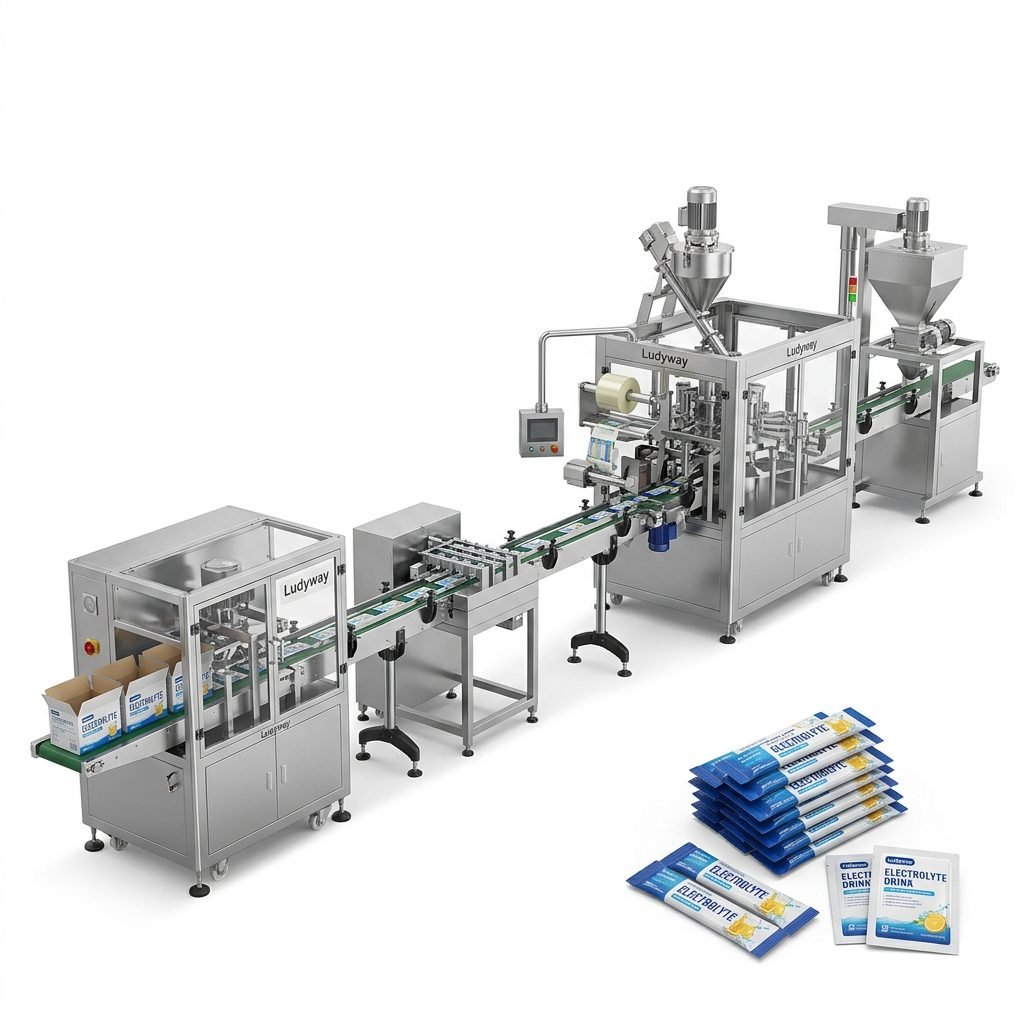
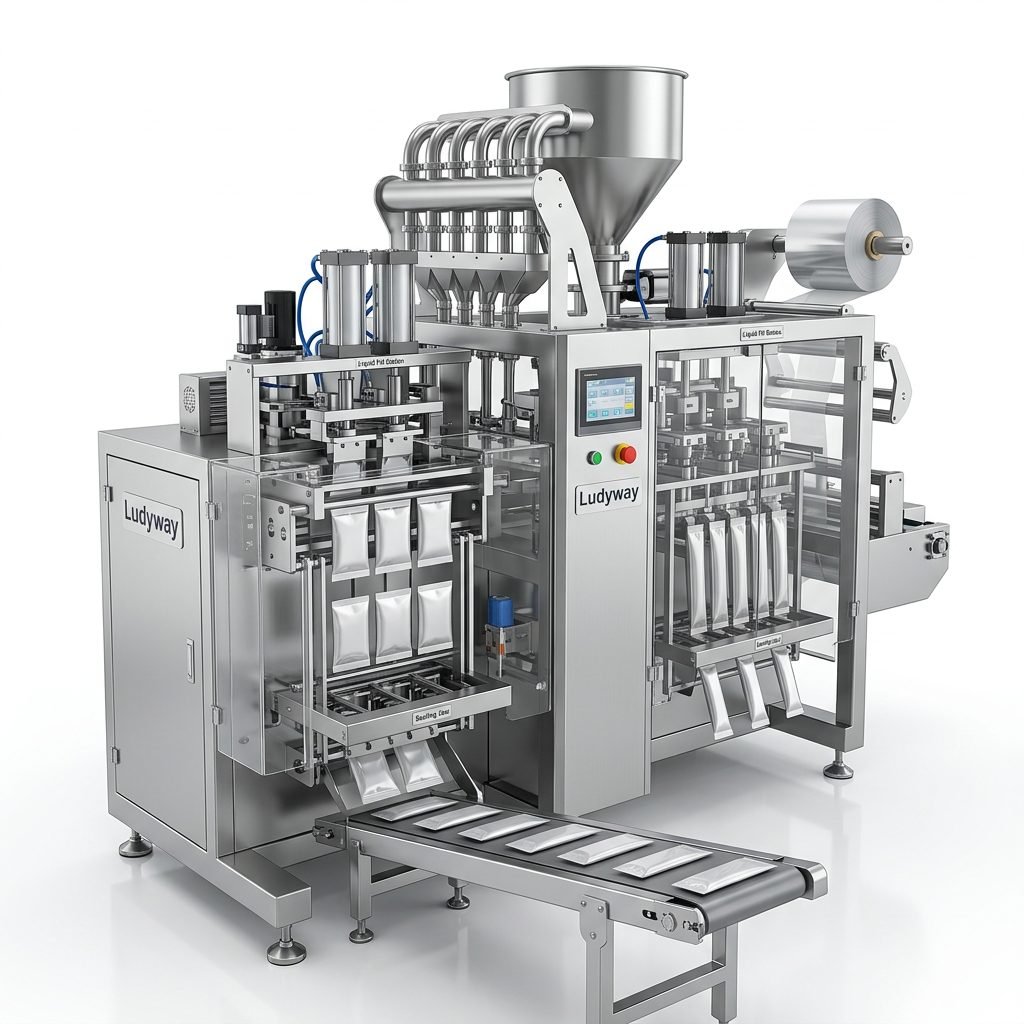
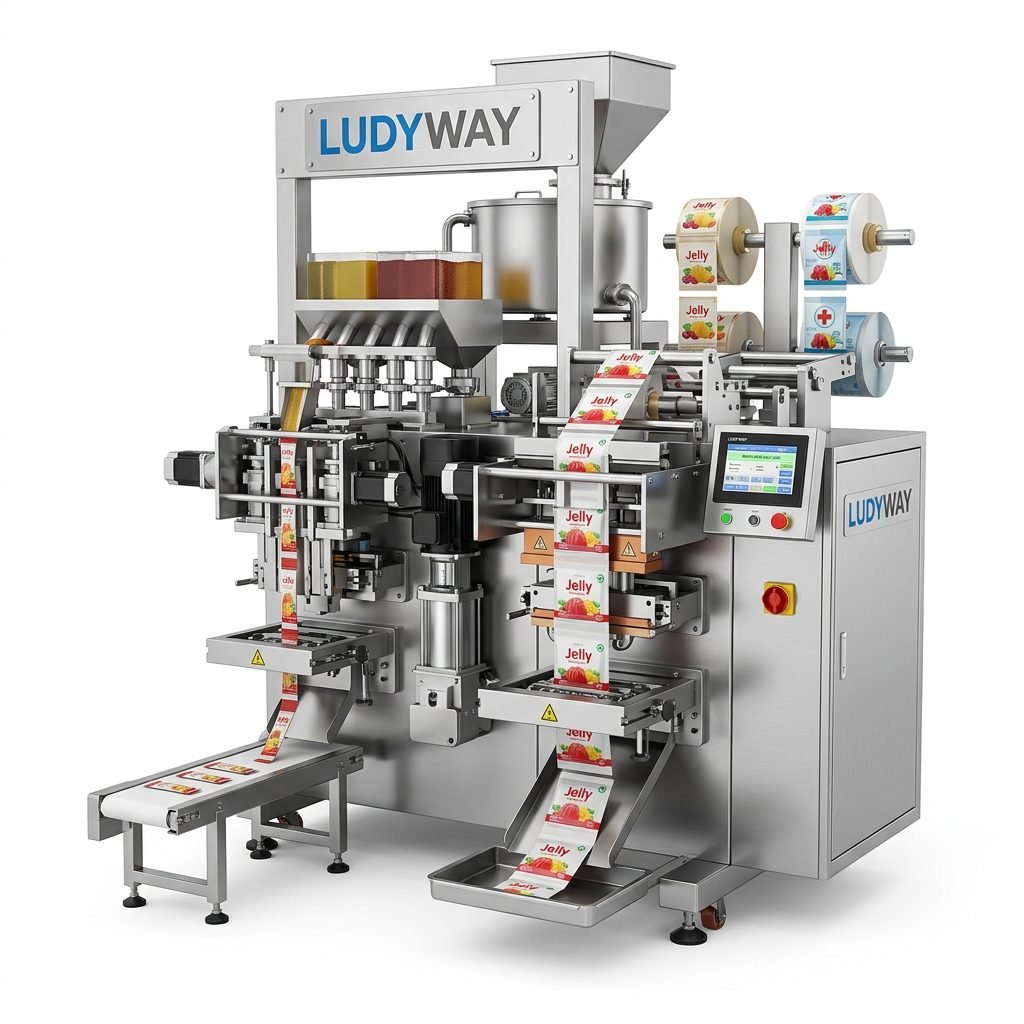
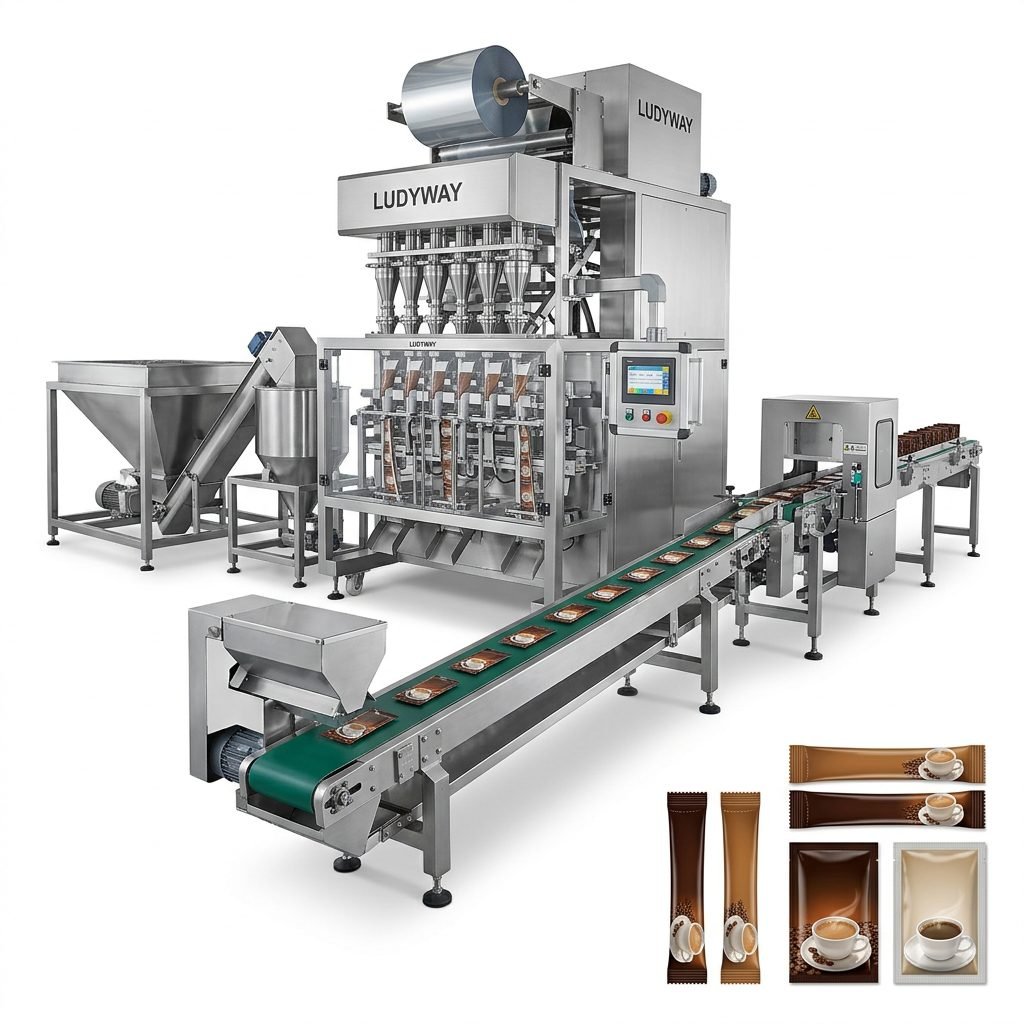
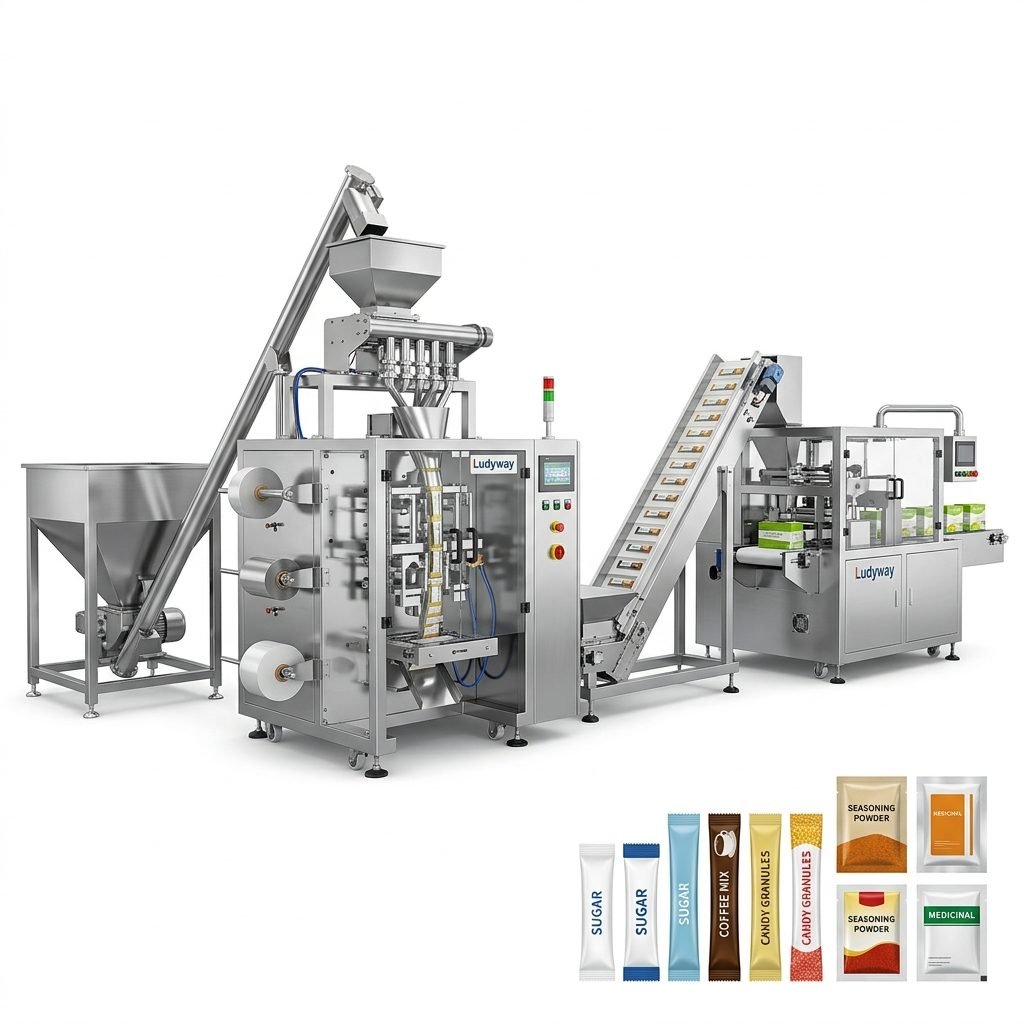
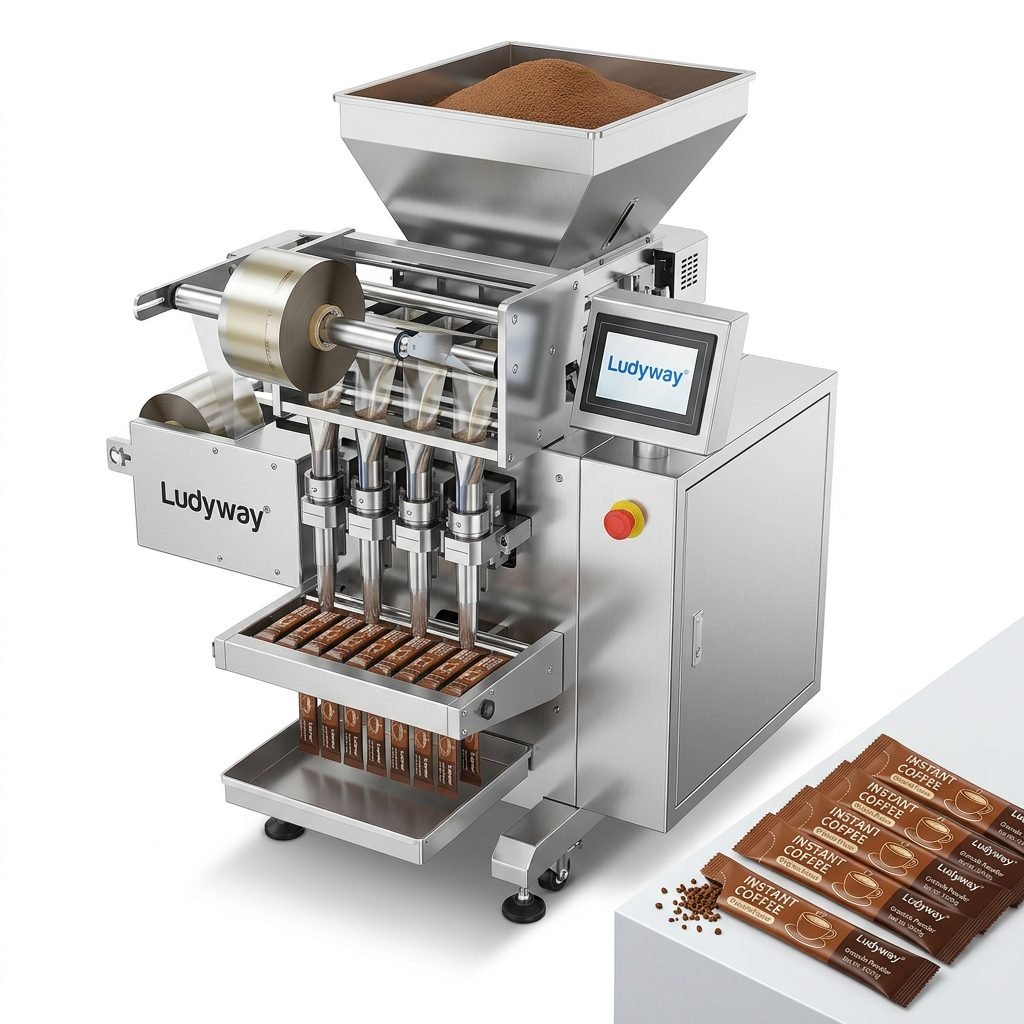
Setting up a sauce pouch packaging machine production line in Asia offers manufacturers a significant competitive advantage. The region is the global leader in food processing and packaging exports, driven by rising consumer demand for convenient, single-serve liquid products like ketchup, soy sauce, mayonnaise, and hot sauce. Successfully launching a production line here requires careful navigation of local manufacturing capabilities, supply chain logistics, and strict food safety standards. This guide outlines the step-by-step process for establishing your operations efficiently.
Understanding the Asian Sauce Packaging Market
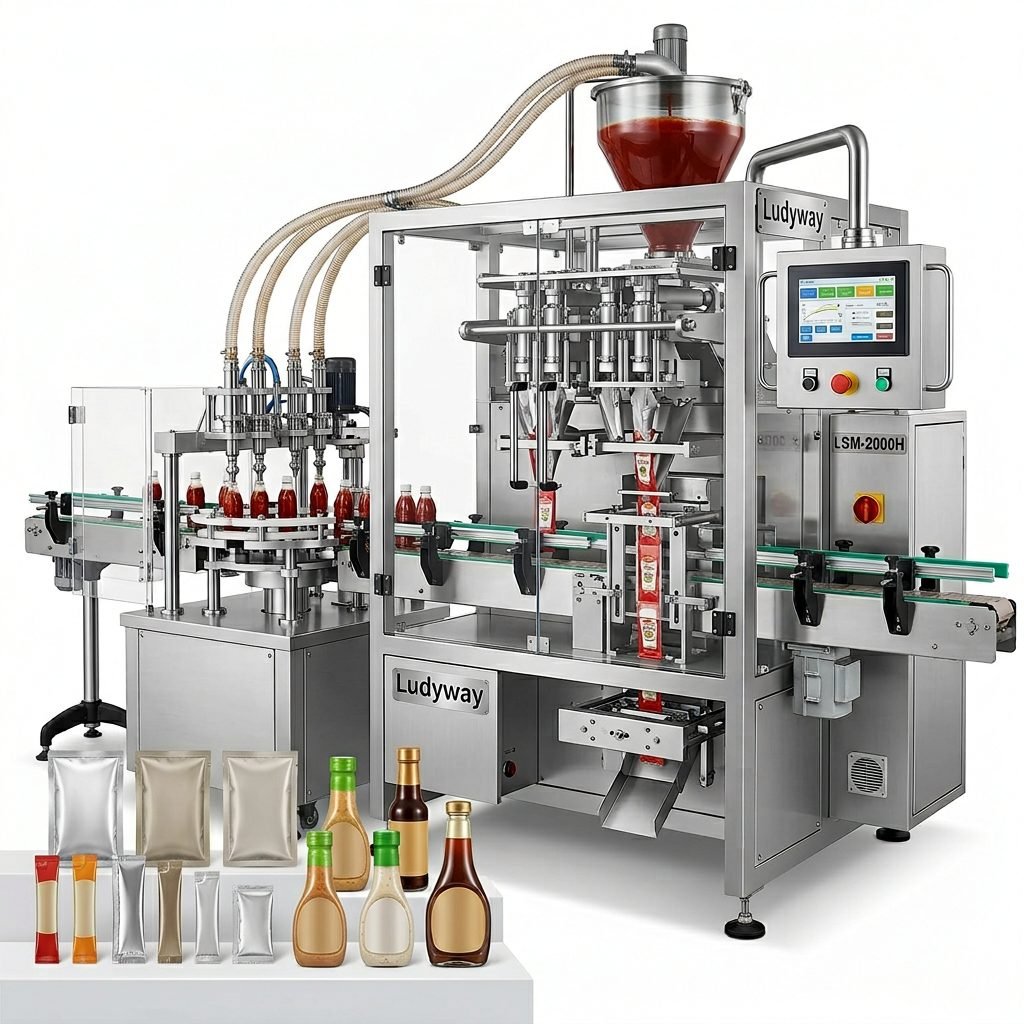
Before investing in machinery, it is essential to understand the unique demands of the Asian market. The trend toward sachet and stick pack formats is booming due to their affordability and portion control. From street food stalls to high-end restaurants, the demand for corrosion-resistant liquid packaging lines is skyrocketing. Products like chili paste, curry sauce, and vinegar require machines that can handle varying viscosities while maintaining high-speed output.
Popular Sauce Types and Packaging Requirements
- Low Viscosity: Soy sauce, fish sauce, vinegar (requires high-precision nozzle filling).
- Medium Viscosity: BBQ sauce, ketchup (requires piston fillers to handle particulates).
- High Viscosity: Mayonnaise, garlic paste, chili bean paste (requires positive displacement pumps).
Step-by-Step Guide to Setting Up Your Production Line
1. Production Planning and Capacity Assessment
Start by determining your required output (pouches per minute). A standard sauce pouch packaging machine in Asia typically ranges from 40 to 80 packs per minute for single-lane systems, while multi-lane automated systems can exceed 400 packs per minute. Consider future scalability to optimize your return on investment.
2. Core Machinery and Equipment Selection
Your line should integrate the following core components:
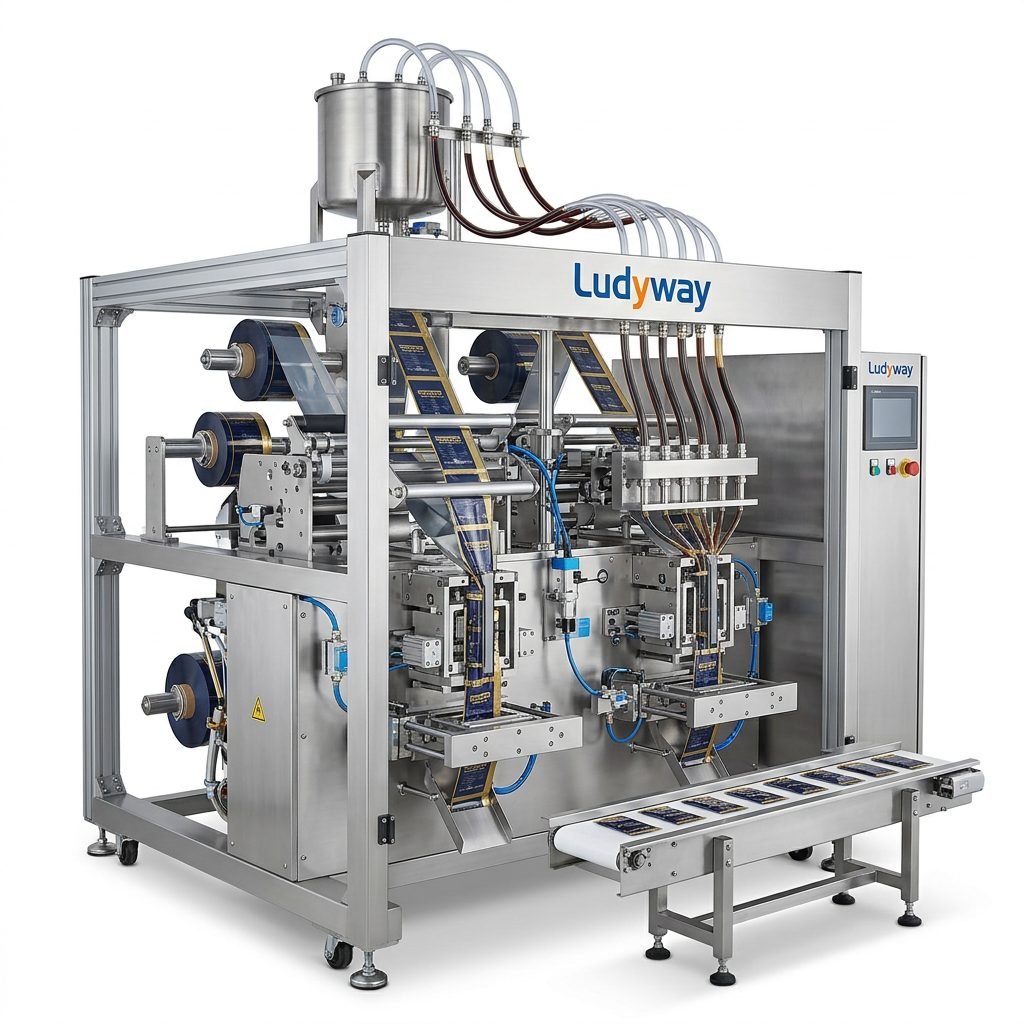
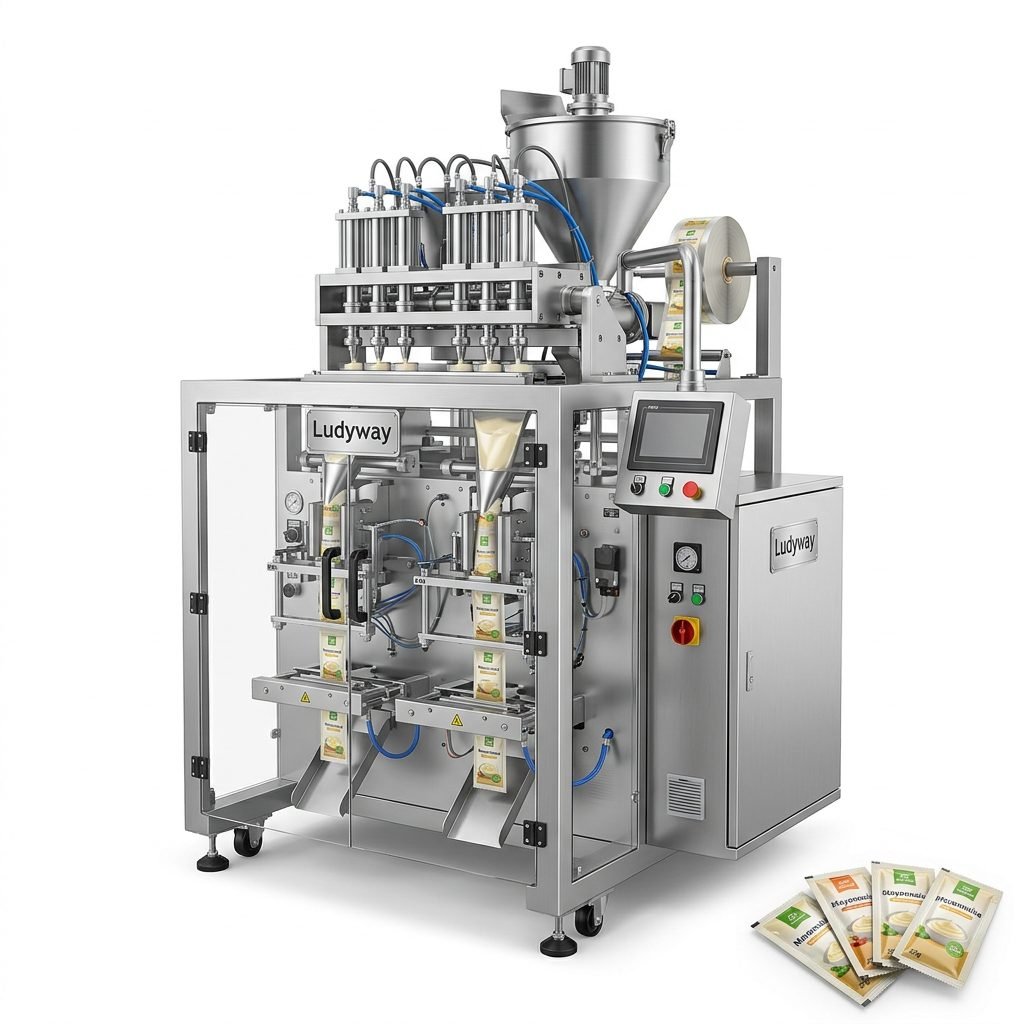
- Liquid Filling Machine: Select a servo-driven piston or gear pump filler for accuracy. For high-speed production, multi-nozzle configurations are critical.
- Sachet Forming Unit: The vertical form-fill-seal (VFFS) system must handle laminated films to protect against moisture and oxygen.
- Quality Control Systems: Integrate checkweighers and metal detectors to comply with regional food safety laws.
3. Regulatory Compliance and Safety Standards
Adherence to food-grade standards is not optional. Ensure your equipment is constructed with SUS304 or SUS316 stainless steel to prevent corrosion and bacterial growth. Machines designed for the Asian market often require certifications such as CE and alignment with ISO packaging standards and FDA food contact substance regulations. Clean-in-place (CIP) functionality is a major advantage for sauce lines to reduce downtime between product changes.
Key Considerations for the Asian Market
| Consideration | Impact on Production Line |
|---|---|
| Supply Chain Proximity | Choosing a manufacturer in China drastically reduces spare parts lead times. |
| Humidity & Temperature | Electrical components must be sealed to withstand tropical climates common in Southeast Asia. |
| Diverse Packaging Sizes | Machines must offer quick-change tooling to switch between sachet sizes (e.g., 5g to 100g). |
| Workforce Technical Skills | Prioritize user-friendly touchscreen interfaces for ease of local operation and maintenance. |
Choosing the Right Equipment Partner
For businesses seeking turnkey solutions, partnering with an established manufacturer like Ludyway is paramount. As one of the largest packaging machine manufacturers in China, Ludyway specializes in advanced packaging equipment and turnkey production solutions for the food and health industries. With over 30 years of industry expertise, a modern 20,000㎡ manufacturing facility, and a highly experienced engineering team, Ludyway delivers reliable systems specifically designed for high-speed liquid and sauce applications, ensuring your products meet the highest quality and performance standards.
Installation and After-Sales Support
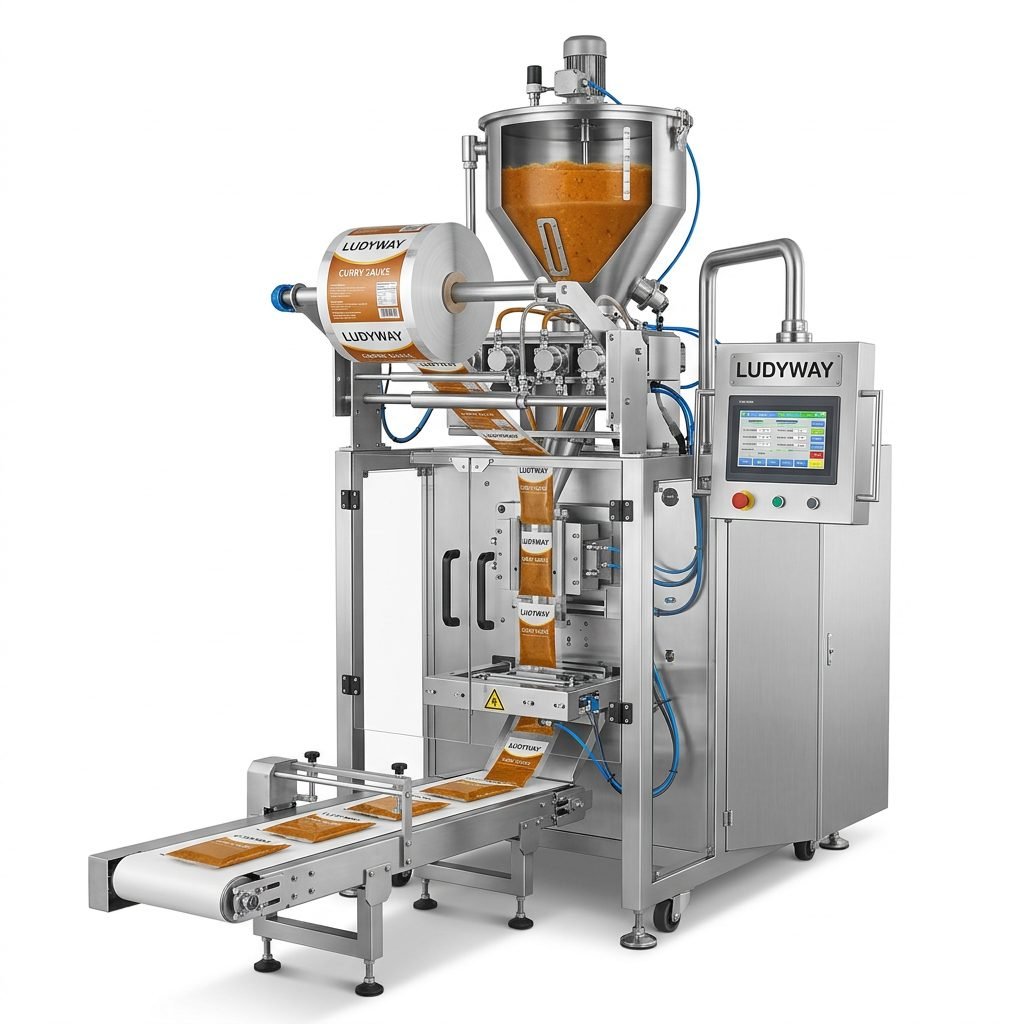
Downtime is the enemy of a growing sauce brand. When setting up in Asia, verify that your supplier offers strong technical support, including remote diagnostics and readily available spare parts. A comprehensive turnkey sauce packaging line should come with on-site commissioning and operator training to ensure your team can maximize throughput from day one.
Maximizing Efficiency and ROI
Integrating automation, such as robotic pick-and-place systems for cartoning, reduces labor costs. Leveraging flexible packaging resources can further optimize your material costs. To stay competitive, many factories integrate real-time monitoring systems to track overall equipment effectiveness (OEE).
Cost Analysis Breakdown
While budgeting, move beyond the initial purchase price. Focus on the total cost of ownership:
- Energy Efficiency: High-performance servo motors reduce electricity consumption significantly.
- Film Waste Reduction: Advanced tension control systems prevent material loss during long runs.
- Maintenance Contracts: Ensure local service engineers are available to minimize unexpected shutdowns.
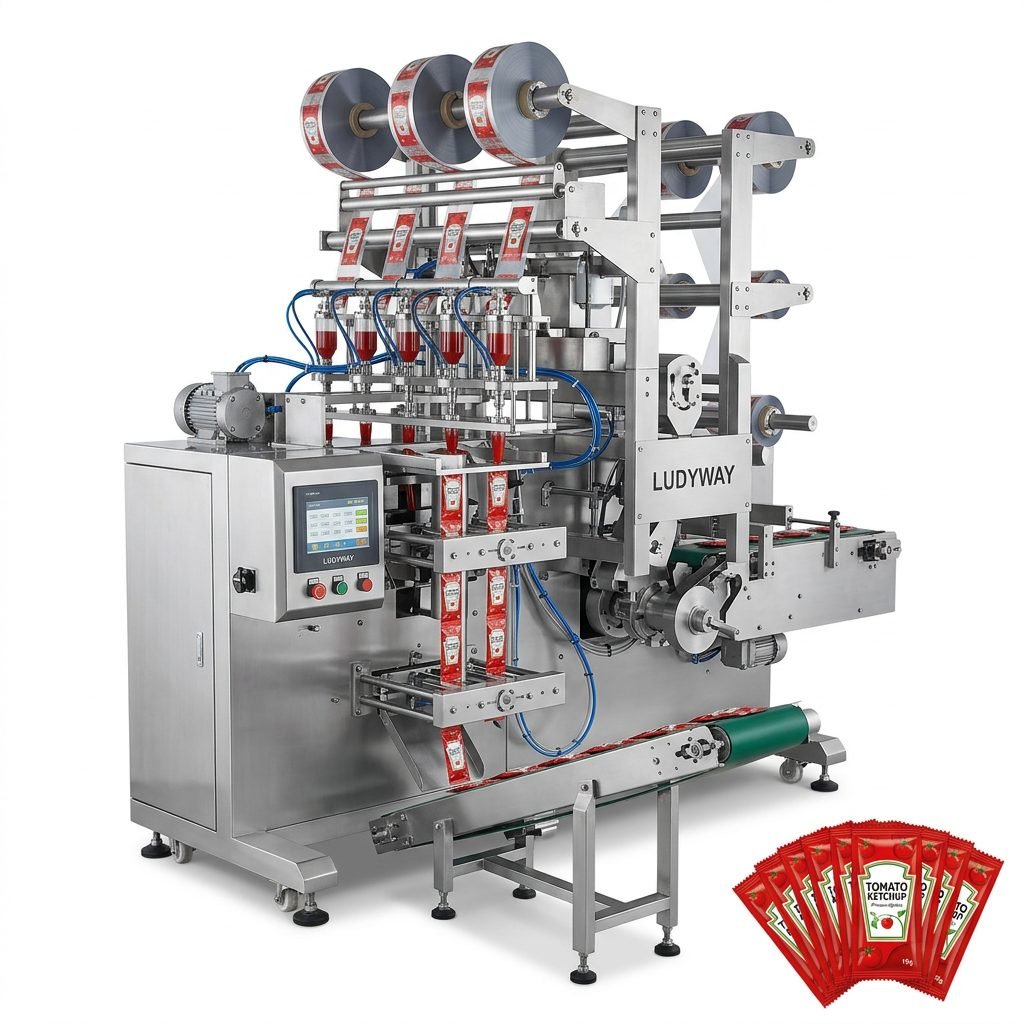
A well-structured production line establishes your brand in the highly competitive Asian food sector. By utilizing reliable machinery tailored for high-speed liquid and sauce packaging, you can scale your production rapidly to meet the region’s insatiable demand.