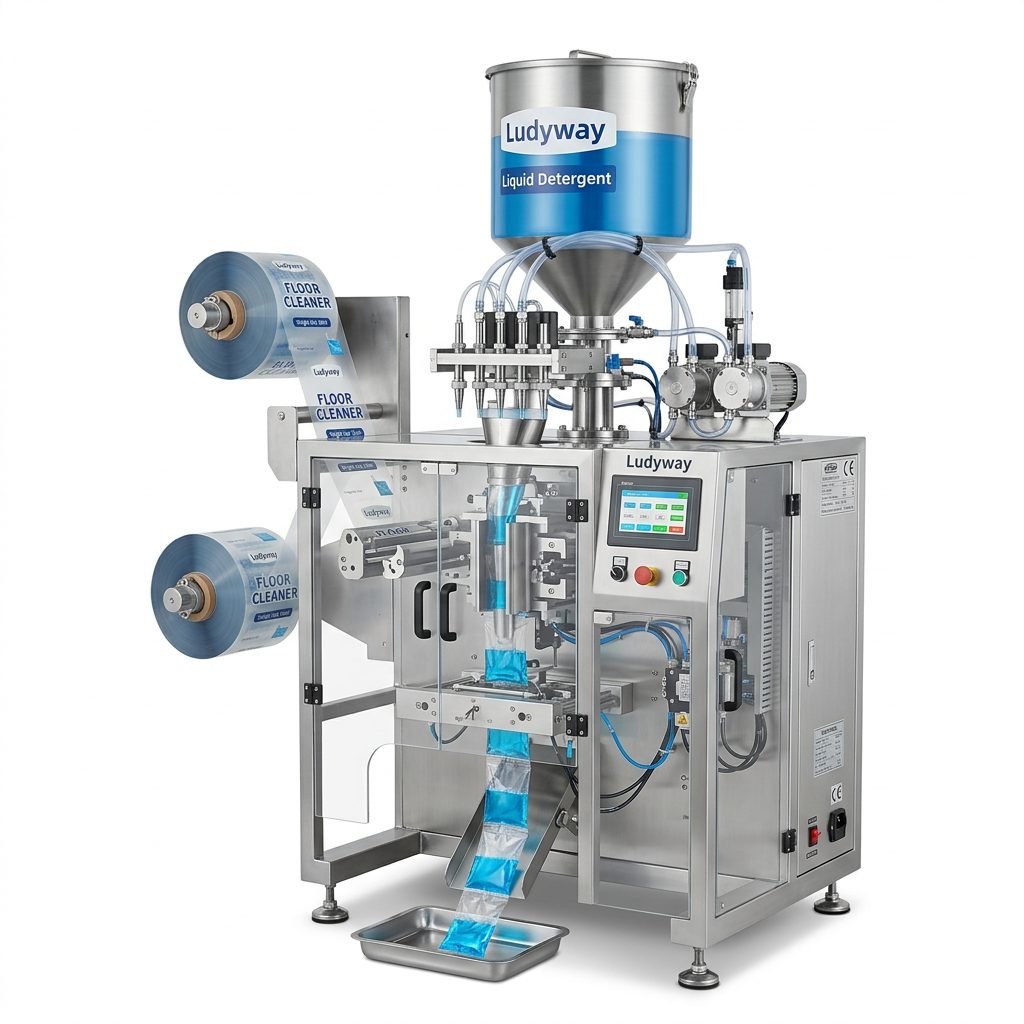
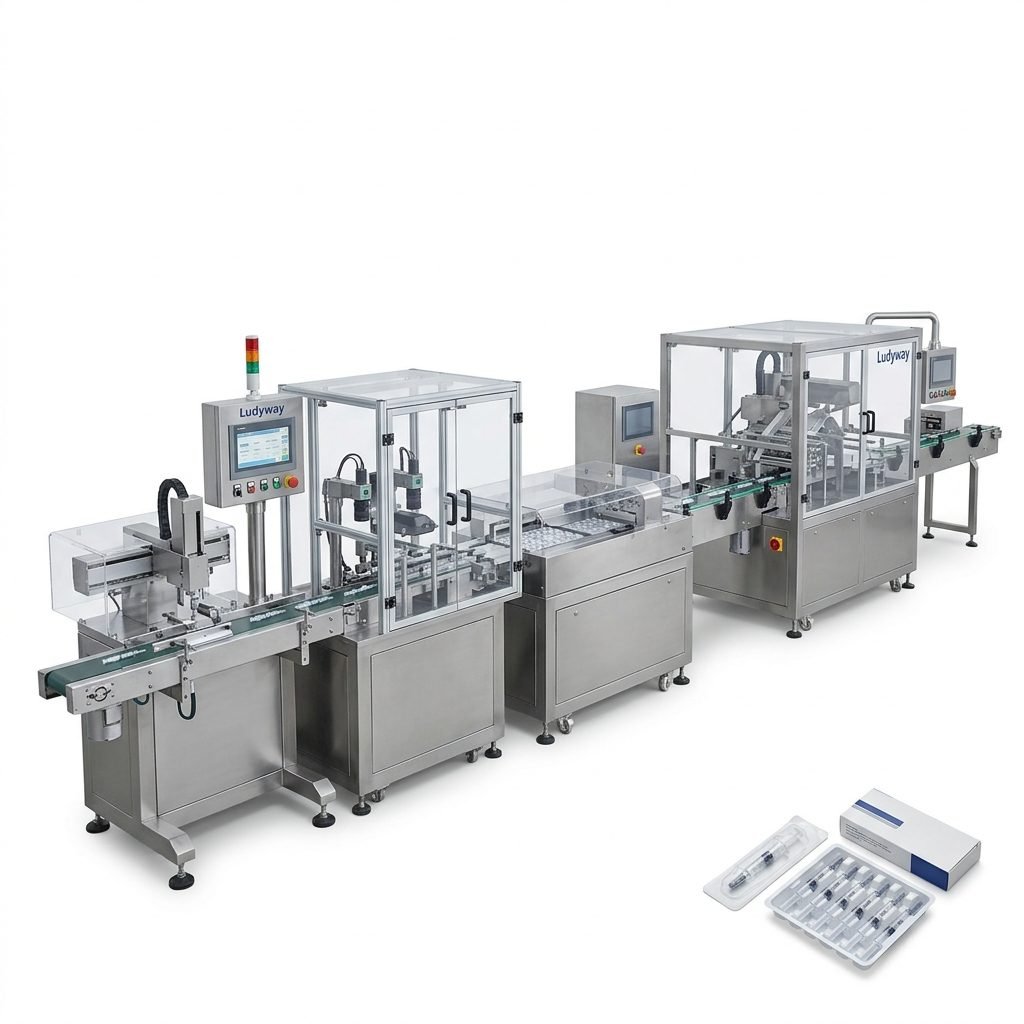
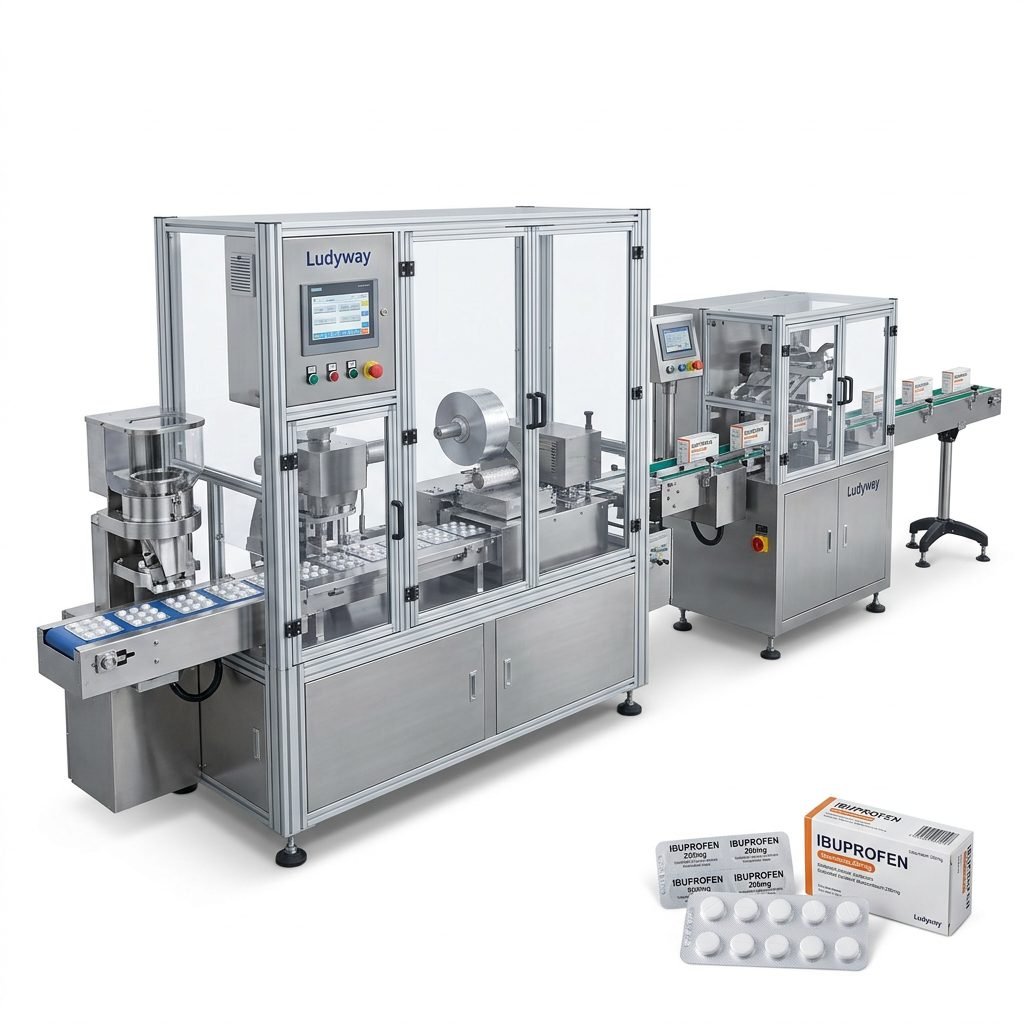
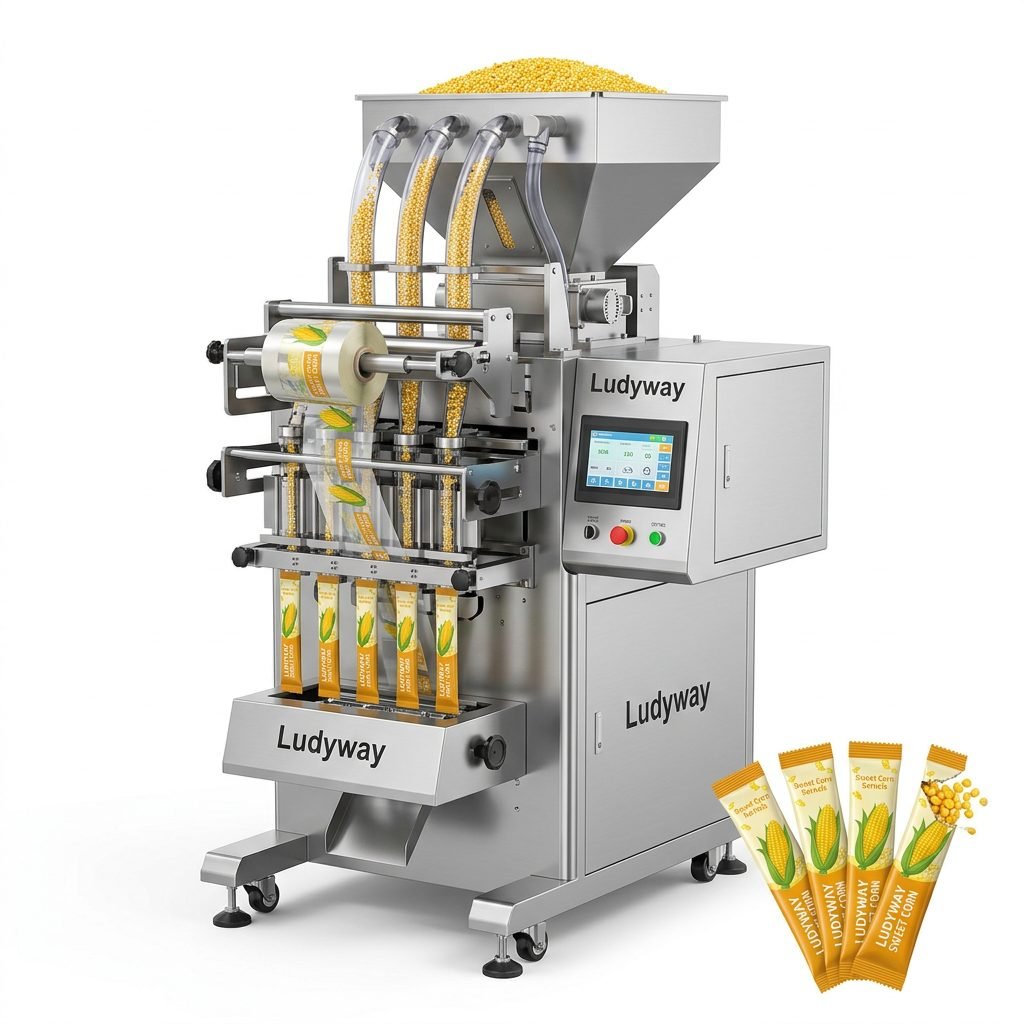
Entering the U.S. tea market with a private label or specialty blend requires one critical piece of equipment: an efficient small tea packaging machine production line. Whether you are launching a boutique herbal brand or scaling a kombucha powder side hustle, understanding the machinery landscape is essential to staying competitive. This guide breaks down every step—from equipment selection to FDA compliance—to help you build a profitable setup on American soil.
Why the U.S. Market Demands Compact Tea Packaging Solutions
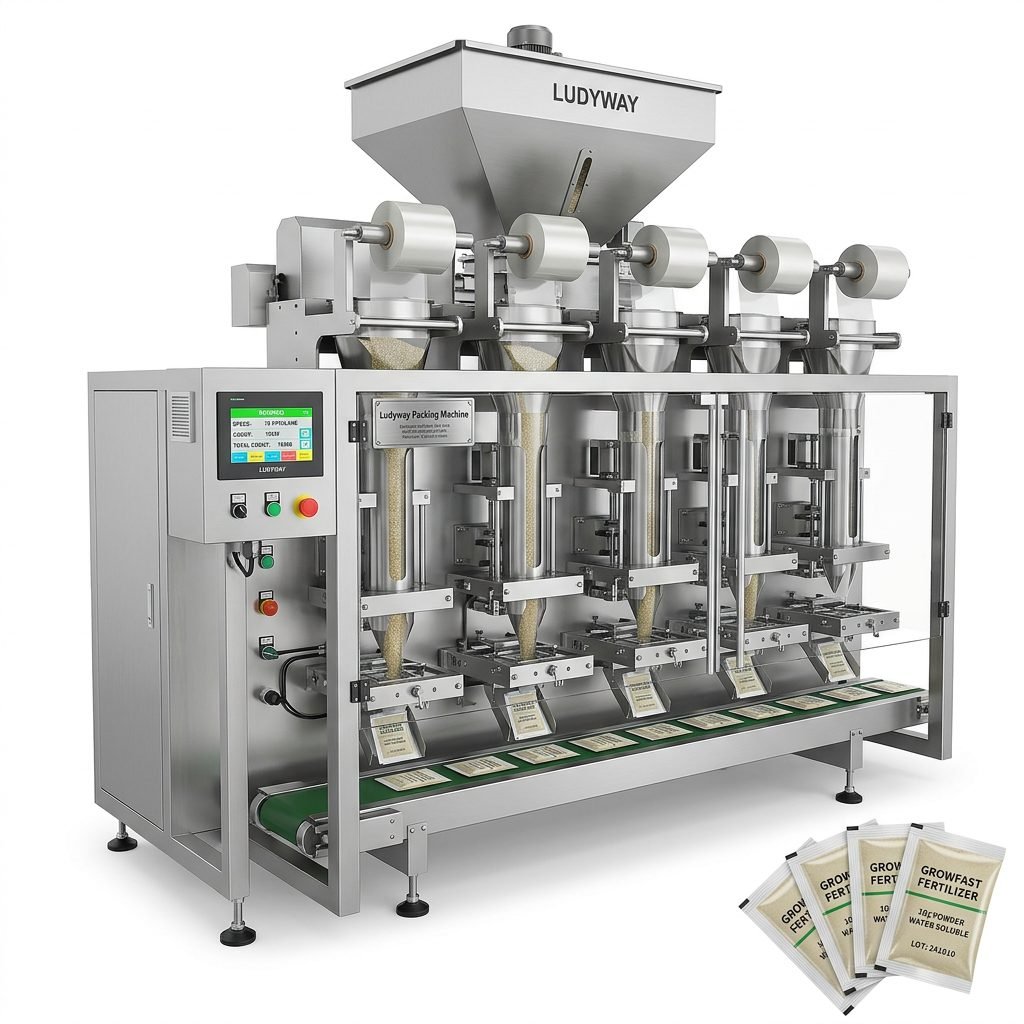
The American tea industry is projected to surpass $18 billion by 2028, with loose-leaf and single-serve formats leading the growth. For small to mid-sized producers, a modular small tea packaging machine production line eliminates the need for massive factory floors while delivering professional-grade output. These systems typically handle stick packs, sachets, and pyramid tea bags, giving brands the flexibility to serve both retail and e-commerce channels.
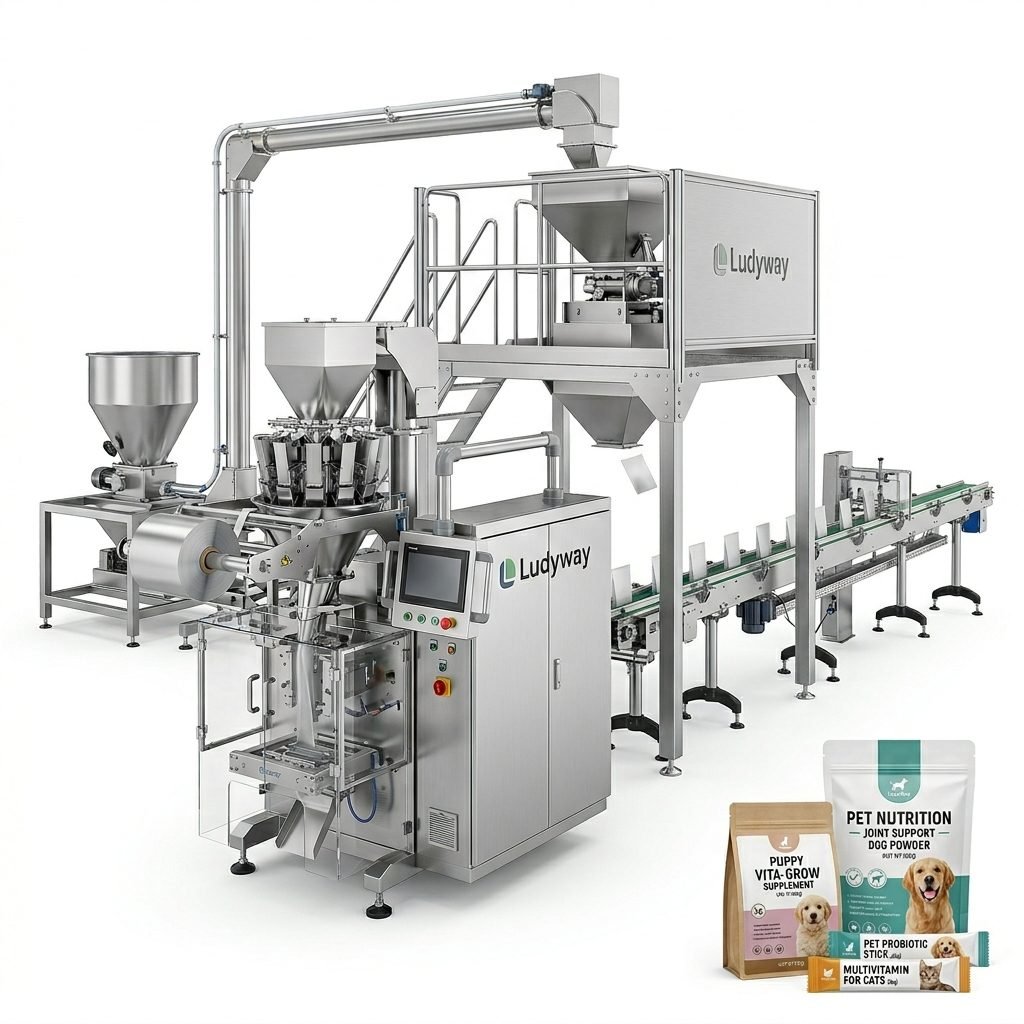
Core Components of a Tea Packaging Line
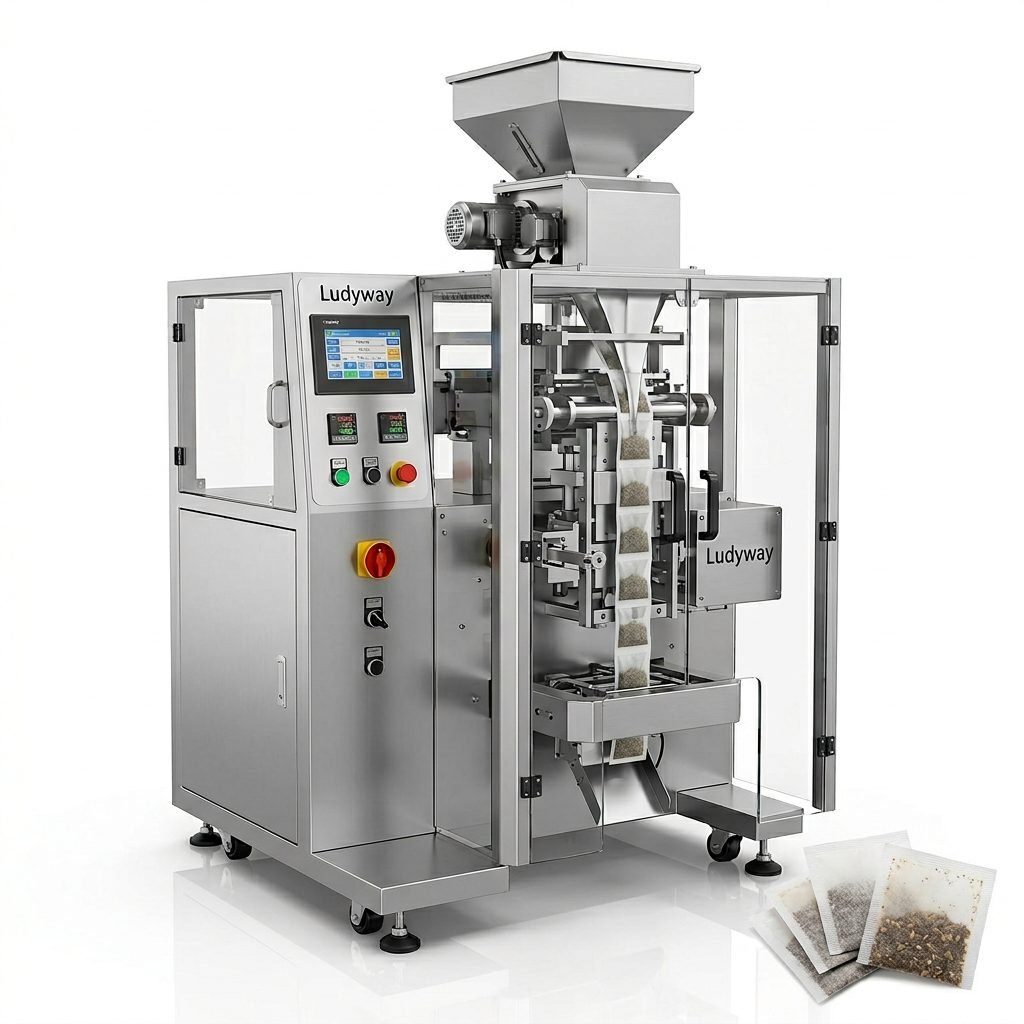
A complete tea packaging production line for small operations is not just a single machine—it is an integrated sequence of modules. The table below outlines the essential stations:
| Station | Function | Key Consideration |
|---|---|---|
| Feeding System | Delivers loose tea leaves or powder to the filler | Granule integrity preservation |
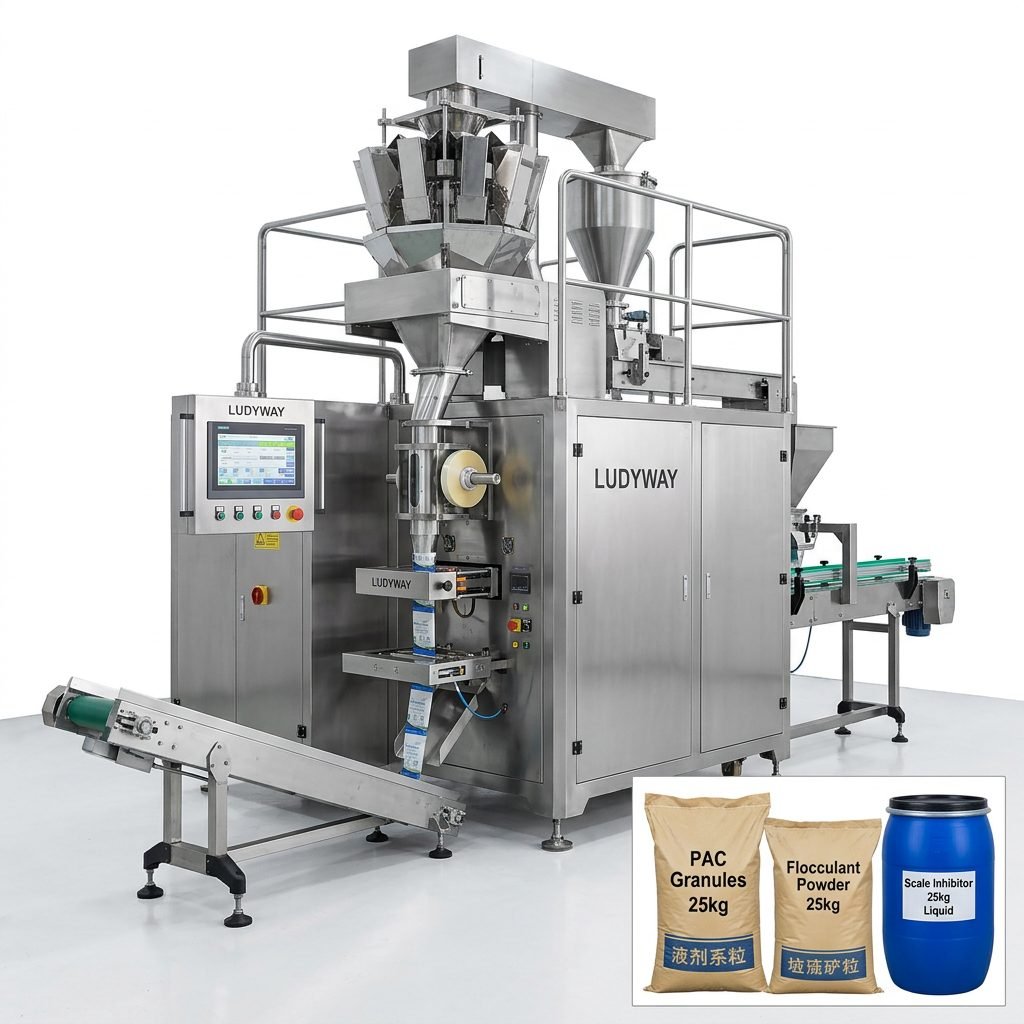
| Multi-Head Weigher | Precision dosing of blends | Accuracy within ±0.1g |
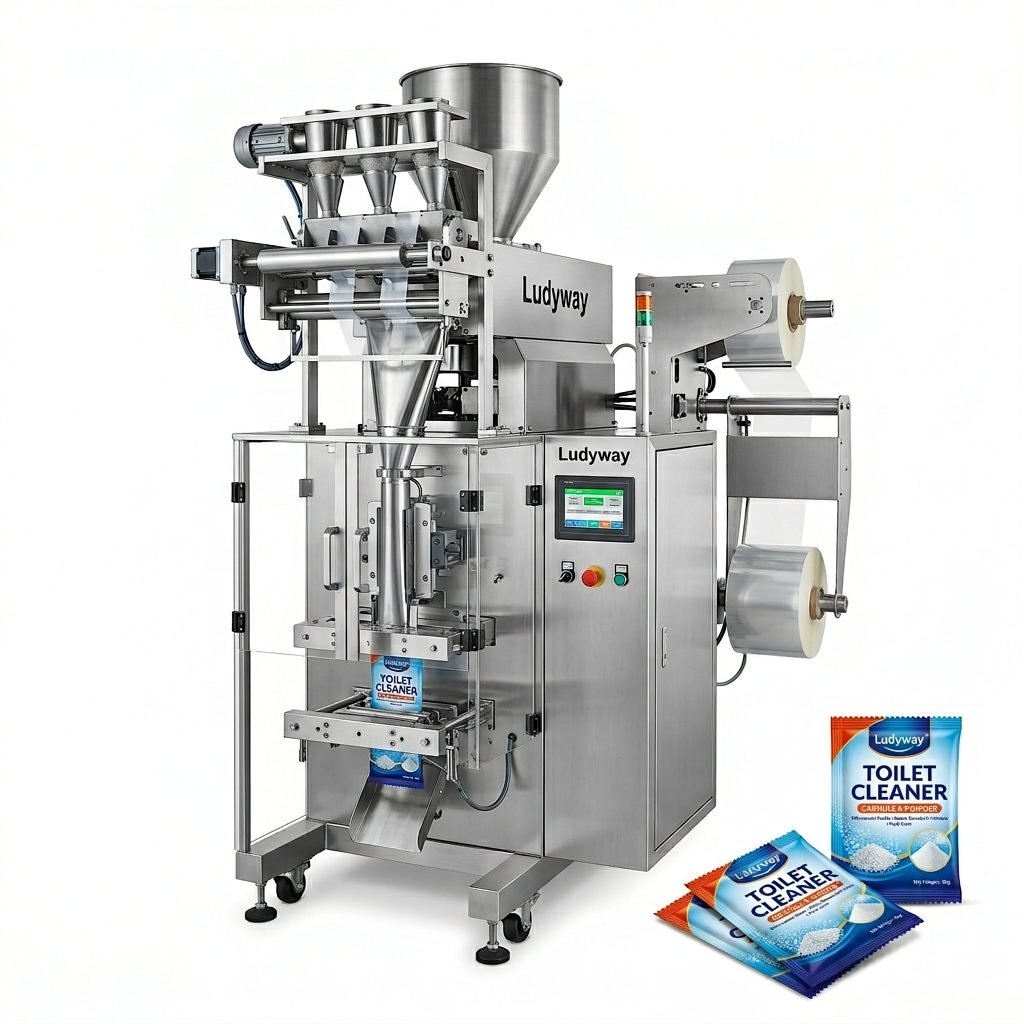
| Vertical Form Fill Seal (VFFS) | Forms pouches from roll stock, fills, and seals | Film compatibility and seal integrity |
| Coding & Inspection | Date printing and metal detection | FDA traceability compliance |
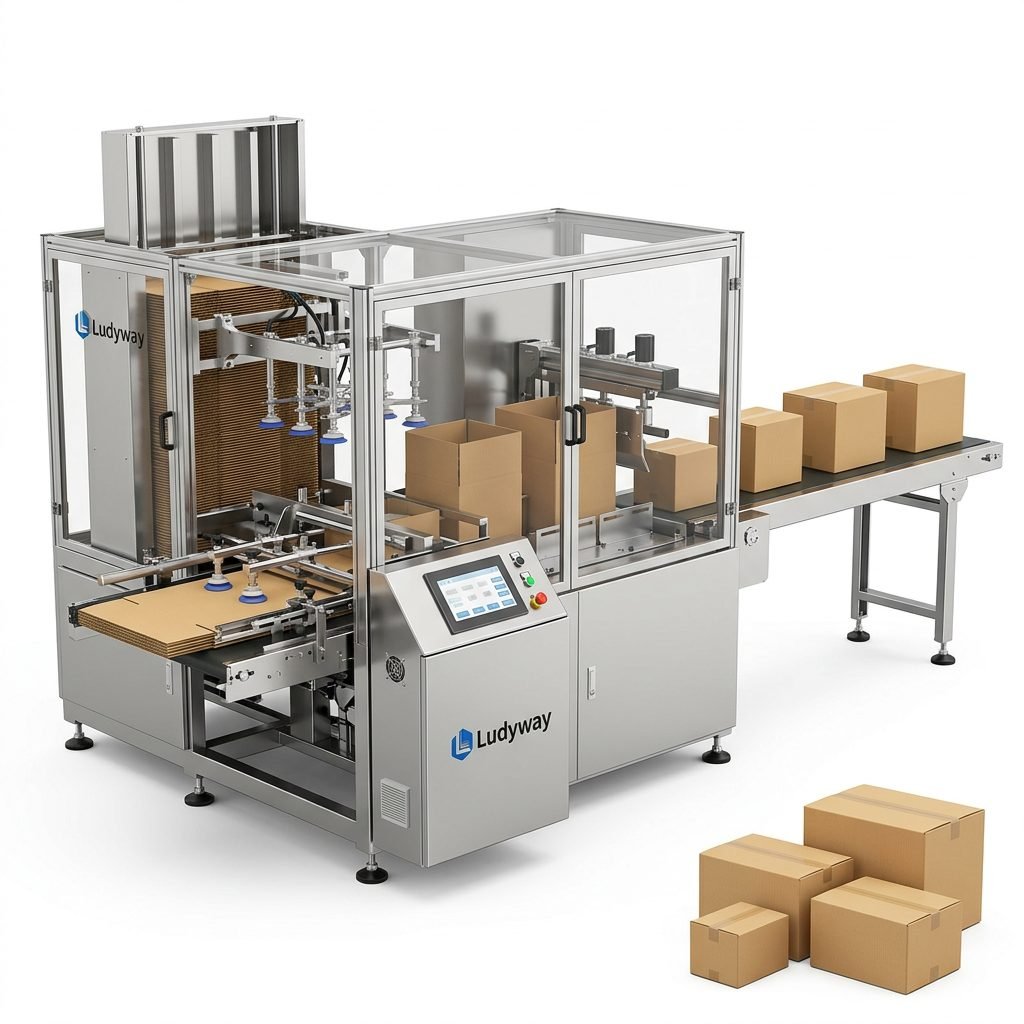
| Cartoning or Case Packing | Final secondary packaging | Automation level based on labor costs |
Choosing the Right Machine Type for Your Product
The physical form of your tea dictates the machine configuration. Here are the most common formats for small-batch American producers:
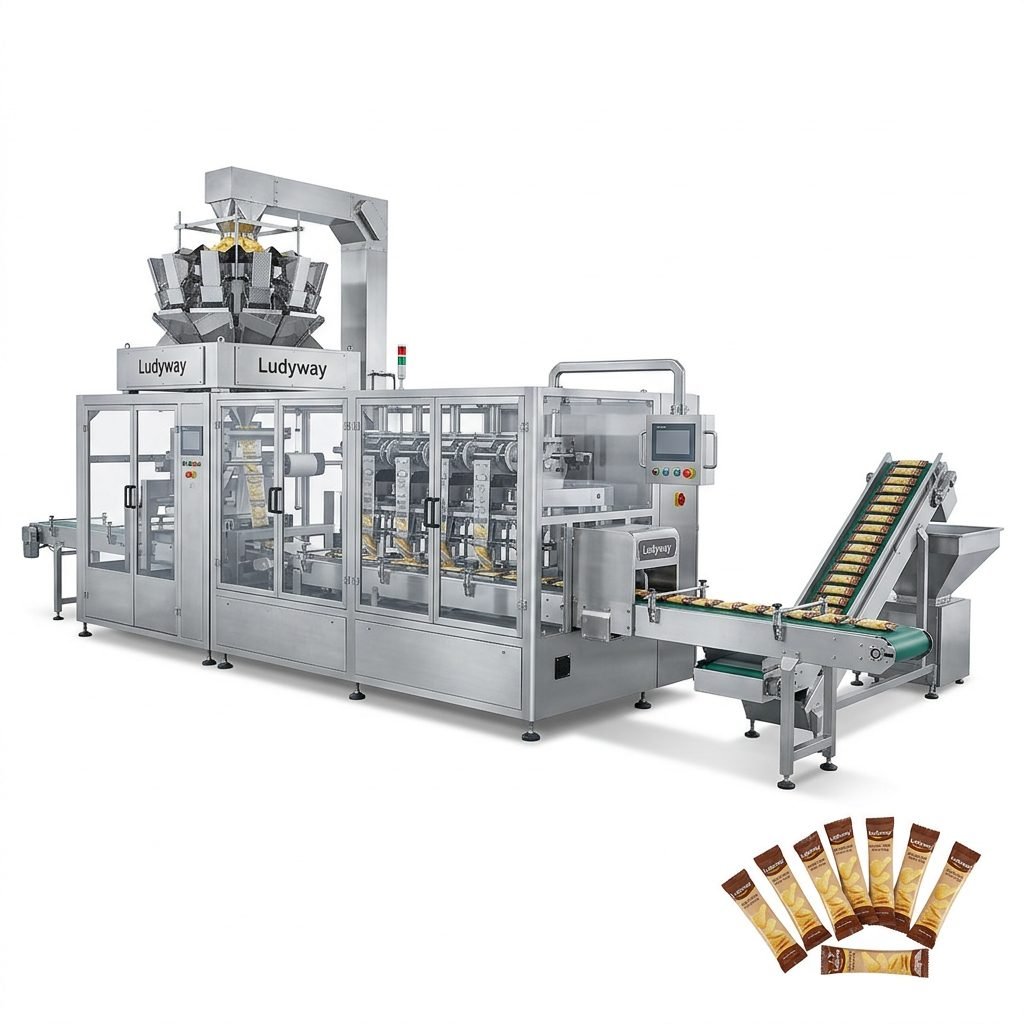
- Stick Pack Machines – Ideal for instant tea powders, matcha, and single-serve drink mixes. High-speed models can produce up to 400 packs per minute in a compact footprint.
- Sachet and Envelope Machines – Best for whole-leaf herbal blends, chamomile, and chai spices. These systems often include nitrogen flushing to preserve freshness.
- Pyramid Tea Bag Machines – Designed for premium whole-leaf offerings, using biodegradable mesh materials that appeal to eco-conscious U.S. consumers.
- Multi-Lane Packaging Systems – When you are ready to scale, these lines multiply output without multiplying floor space, making them a smart long-term investment for a tea packaging machine setup.

Navigating U.S. Regulations for Tea Packaging Equipment
Setting up a food packaging line in the United States means complying with strict FDA and USDA guidelines. Your machinery must be constructed from food-grade stainless steel and designed to prevent contamination. Key regulatory checkpoints include:
- 21 CFR Part 110 – Current Good Manufacturing Practice (cGMP) for food handling.
- FSMA Preventive Controls – Hazard analysis and risk-based preventive controls for human food.
- Allergen Labeling – If your facility also packs products containing nuts or dairy, strict segregation and cleaning protocols apply.
- NIST Handbook 133 – Net content verification to ensure your tea package weights are accurate.
Many manufacturers seeking to import equipment into the U.S. work with suppliers who provide UL-certified control panels and documentation for customs clearance. This reduces installation delays significantly.
Step-by-Step Setup for Your Production Line
Once you have secured a suitable facility in a state like Texas, California, or North Carolina—where the tea culture is booming—follow these phases to go from empty floor to packaged tea:
- Phase 1: Facility Preparation – Ensure 208-240V 3-phase power supply, compressed air infrastructure, and humidity-controlled storage for tea.
- Phase 2: Machine Acquisition – Source a small tea packaging machine production line that matches your current capacity needs while allowing for future expansion.
- Phase 3: Installation & Training – Most equipment vendors offer remote or on-site technical support. Training your staff on film splicing, temperature settings, and cleaning protocols is critical during this stage.
- Phase 4: Trial Runs & QA – Validate seal strength, dosing accuracy, and oxygen residual levels before entering full production.
- Phase 5: Scaling – Once your brand gains traction in retailers or online marketplaces, expand with additional lanes or automation modules.

Budgeting for a Small Tea Packaging Line
Cost is understandably a top concern for startups. Below is a realistic breakdown of investment ranges for a small-scale tea packaging operation launching in the United States:
| Item | Estimated Range (USD) | Notes |
|---|---|---|
| Entry-Level Stick Pack Machine | $15,000 – $35,000 | Single lane, semi-automatic |
| Multi-Lane Sachet System | $45,000 – $120,000 | 4-12 lanes, fully automatic |
| Multi-Head Weigher | $8,000 – $25,000 | 10-14 head, high precision |
| Installation & Shipping | $5,000 – $15,000 | Includes freight, duties, and setup |
| Total Line Investment | $73,000 – $195,000 | For a complete small-scale system |
Maximizing ROI with Automation
One of the most common mistakes small tea brands make is underinvesting in automation early on. While a manual fill-and-seal operation might seem cost-effective, the labor expense in the U.S. quickly erodes margins. A multi-lane tea packaging line can run with just one or two operators, producing what would otherwise require a team of eight. Over a three-year period, the labor savings alone frequently justify the capital expenditure.

Finding a Reliable Equipment Partner
When sourcing packaging machinery for your U.S. production line, it pays to work with an experienced global manufacturer. Ludyway is one of the largest packaging machine manufacturers in China, specializing in advanced packaging equipment and turnkey solutions for the food, pharmaceutical, and health industries. With over 30 years of industry expertise and a modern 20,000㎡ manufacturing facility, they offer more than 50 intelligent packaging machine models, including multi-lane stick pack and sachet systems suited for tea applications. Their engineering team provides comprehensive support to customers in over 100 countries, helping businesses of all sizes commission efficient and compliant packaging lines for tea products.
Key Resources and Industry Standards
Staying informed about packaging technology and regulations is crucial for long-term success. Below are valuable resources for U.S.-based tea packers:
- PMMI – The Association for Packaging and Processing Technologies – Industry insights, trade shows, and networking.
- FDA – Food Packaging and Food Contact Substances – Official guidance on food contact materials and labeling.
- Flexible Packaging Association – Sustainability resources and market data for flexible tea packaging.
- ISO Packaging Standards – International standards for packaging machinery safety and performance.
- U.S. EPA – Sustainable Materials Management – Guidelines for eco-friendly packaging waste reduction.

Final Thoughts on Launching Your Tea Packaging Line
Establishing a small tea packaging machine production line in the United States is a structured journey that rewards careful planning. By selecting the correct machine configuration, ensuring FDA compliance, and partnering with a knowledgeable equipment supplier, your brand can deliver premium packaged tea to consumers nationwide. Start small, master your process, and scale intelligently—the growing American appetite for specialty tea shows no signs of cooling.