
How to Set Up a Vacuum Packaging Line: Step-by-Step Guide
Explore the definitive engineering blueprint to plan, configure, integrate, and commission a high-efficiency automated vacuum packaging line. Enhance product preservation, eliminate oxygen degradation, and maximize throughput for food, chemical, and pharmaceutical manufacturing facilities.
Foundational Architecture of a Vacuum Packaging Line
Understanding how primary packaging machinery, evacuation units, gas flush systems, and inspection technologies interface is vital before beginning capital equipment deployment.
1. Product Infeed & Dosing
Precise feeding systems—such as multi-head weighers, auger fillers, or liquid piston pumps—deliver exact product payloads into formed cavities or preformed barrier pouches with minimal spillage.
2. Vacuum Chamber & Evacuation
The core evacuation unit extracts atmospheric air from the pouch, reducing residual oxygen levels to below 0.5% to prevent microbial growth and oxidative rancidity.
3. Thermal Hermetic Sealing
Precision impulse or constant-heat sealing bars bond multilayer flexible barrier films under high mechanical pressure, guaranteeing zero micro-leaks along the seal perimeter.
4. MAP Gas Injection (Optional)
For delicate or compression-sensitive food and medical products, modified atmosphere gas flushing injects customized blends of N₂ and CO₂ directly before hermetic sealing.
5. In-Line Quality Control
Integrated vision inspection systems, checkweighers, and industrial X-ray units verify seal integrity, detect contaminants, and reject out-of-specification units at high conveyor speeds.
6. End-of-Line Automation
Automated cartoning, case packing, robotic palletizing, and stretch film wrapping systems transition sealed vacuum packs into transport-ready bulk pallet units.
Step-by-Step Guide: How to Set Up a Vacuum Packaging Line
Executing a flawless machinery deployment requires phased project management, from raw material physical analysis to line commissioning and continuous OEE optimization.
Phase 1: Product Rheology & Packaging Film Selection
The foundation of any high-speed vacuum system depends on the physical characteristics of the product (dry powders, solid meat, moisture-rich seafood, or granular bulk products) and the barrier properties of the flexible film.
- Identify Oxygen Transmission Rates (OTR): High-barrier films such as PA/PE (Polyamide/Polyethylene) or EVOH co-extrusions are mandatory to maintain negative pressure over long shelf-life periods.
- Evaluate Puncture Resistance: For bone-in proteins or sharp hardware parts, multi-layer high-tensile thermoforming films prevent micro-punctures during the evacuation cycle.
- Determine Dosing Methodology: High-precision augers are needed for fine powders to prevent dust dispersion onto the sealing zones.
Phase 2: Plant Layout Engineering & Utility Sizing
A poorly configured floor plan causes production bottlenecks, thermal accumulation, and pneumatic pressure drops. Calculating industrial power, dry compressed air, and vacuum pump displacement is crucial.
- Pneumatic & Vacuum Pump Infrastructure: Calculate total CFM requirements. Heavy rotary vane or dry screw vacuum pumps (e.g., Busch, Leybold) must have dedicated ventilation or centralized external pump rooms to eliminate heat build-up.
- Sanitary Cleanroom Standards: Ensure full compliance with 304/316 stainless steel frame fabrication and IP65/IP69K washdown enclosures for food-contact zones.
- Linear Footprint Optimization: Configure infeed conveyors, evacuation chambers, seal stations, and discharge conveyors in a straight line or U-shaped cell layout.
Phase 3: Selecting Core Vacuum Packaging Machinery
Select machinery tailored to your target package format, target cycle rates (cycles per minute), and changeover frequency requirements.
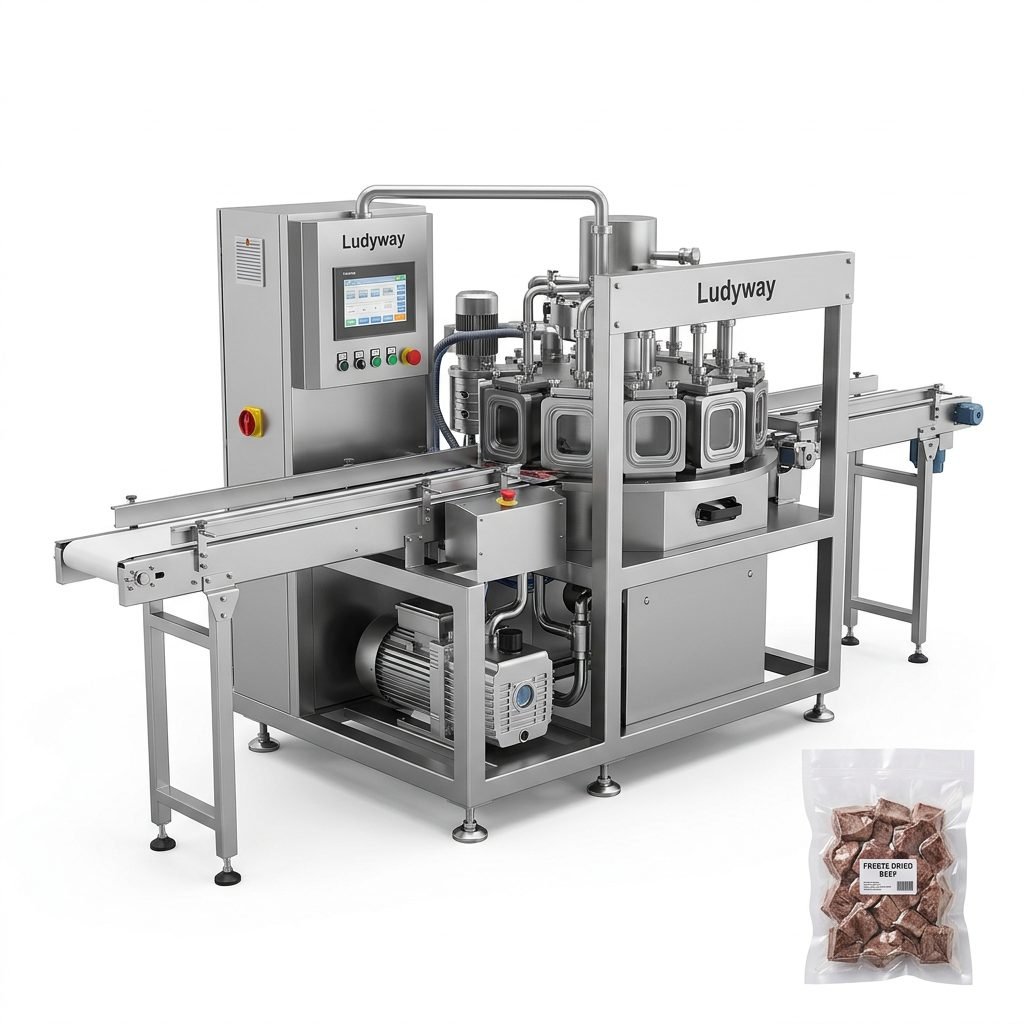
- Rotary Premade Pouch Vacuum Machines: Ideal for high-speed portion packaging of solid goods, freeze-dried treats, and granular food mixes using preformed barrier bags.
- Thermoforming Form-Fill-Seal (FFS) Lines: Superior for large-scale production, forming bottom trays from rollstock film, filling product, evacuating air, and sealing in one continuous stroke.
- Chamber Belt Machines: Heavy-duty conveyorized chamber systems suitable for bulk proteins, industrial cheese blocks, and large medical supplies.
Phase 4: In-Line Integration, PLC Synchronization & Sensor Calibration
Synchronize upstream dosing systems with the vacuum chamber indexing cycles using industrial protocols such as Ethernet/IP, Profinet, or Modbus TCP.
- Servo-Driven Conveyance: Precise servo motor indexing eliminates pouch distortion and misaligned sealing margins.
- Digital Vacuum Sensor Calibration: Programmable digital pressure transducers ensure evacuation cycles terminate only when precise mbar levels are reached.
- PID Temperature Regulators: Precise sealing temperature loops prevent brittle seals or incomplete layer fusion caused by thermal fluctuations.
Phase 5: Quality Assurance & Secondary Packaging Integration
Close out the packaging line with non-destructive leak testing, contaminant inspection, automated carton packing, and pallet unitizing.
- In-Line Checkweighers: Automatically reject over/under-filled units before vacuum evacuation.
- Dynamic Vision & Metal Detection: High-sensitivity detection coils and optical cameras identify seal wrinkling and metallic contaminants.
- Robotic Cartoning & Palletizing: End-of-line case packing systems ensure consistent handling without puncturing delicate vacuum seals.
Vacuum Packaging Machine Line Configurations Compared
Evaluate machine designs to match your specific production capacity, floor space, and flexibility requirements.
| Line Configuration | Primary Advantages | Best Suited Products | Throughput Range | Maintenance Complexity |
|---|---|---|---|---|
| Rotary Premade Pouch Vacuum Line | High versatility; fast bag size changeover; compact linear footprint; premium visual pack presentation. | Freeze-dried goods, pet treats, nuts, snack foods, granular chemicals. | 30 – 90 pouches/min | Moderate (Routine gripper and vacuum seal bar maintenance) |
| Continuous Thermoforming (Rollstock FFS) | Lowest material unit cost; fully customized tray depths; exceptional vacuum depth; high automation level. | Fresh meats, cheese blocks, processed proteins, medical sterile trays. | 60 – 250 packs/min | High (Requires specialized die set and heating element tooling) |
| Automatic Belt Double-Chamber Line | Robust construction; accepts varying product lengths simultaneously; heavy liquid handling capability. | Bulk primal cuts, industrial ingredients, whole poultry, fish fillets. | 15 – 40 cycles/min | Low to Moderate (Standard vacuum pumps and silicone gaskets) |
| Vertical Form Fill Seal (VFFS) with Vacuum | High vertical space utilization; continuous high-speed bag forming; rapid integration with multihead scales. | Ground coffee, yeast granules, agricultural seeds, dry chemicals. | 40 – 120 bags/min | Moderate (Gusseting and vacuum degassing tooling upkeep) |
Integrated Packaging Equipment Solutions
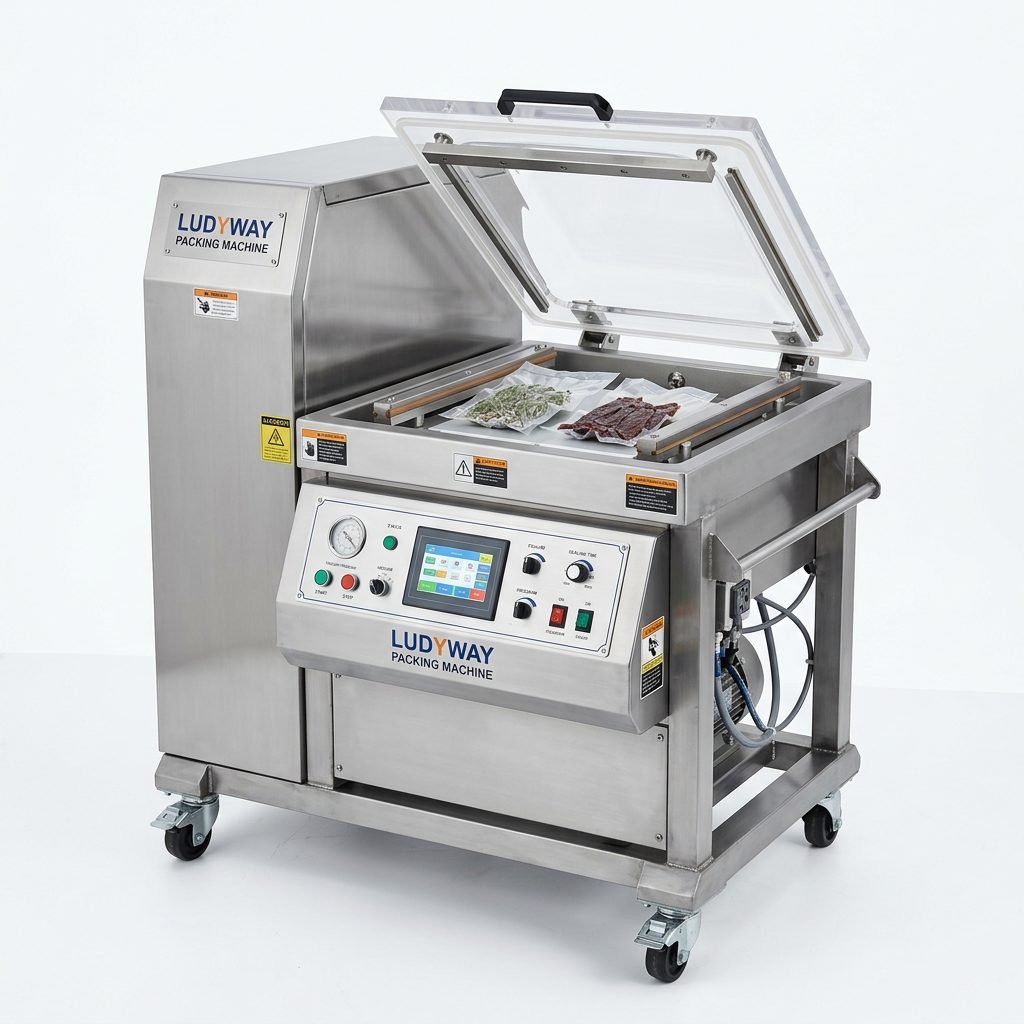
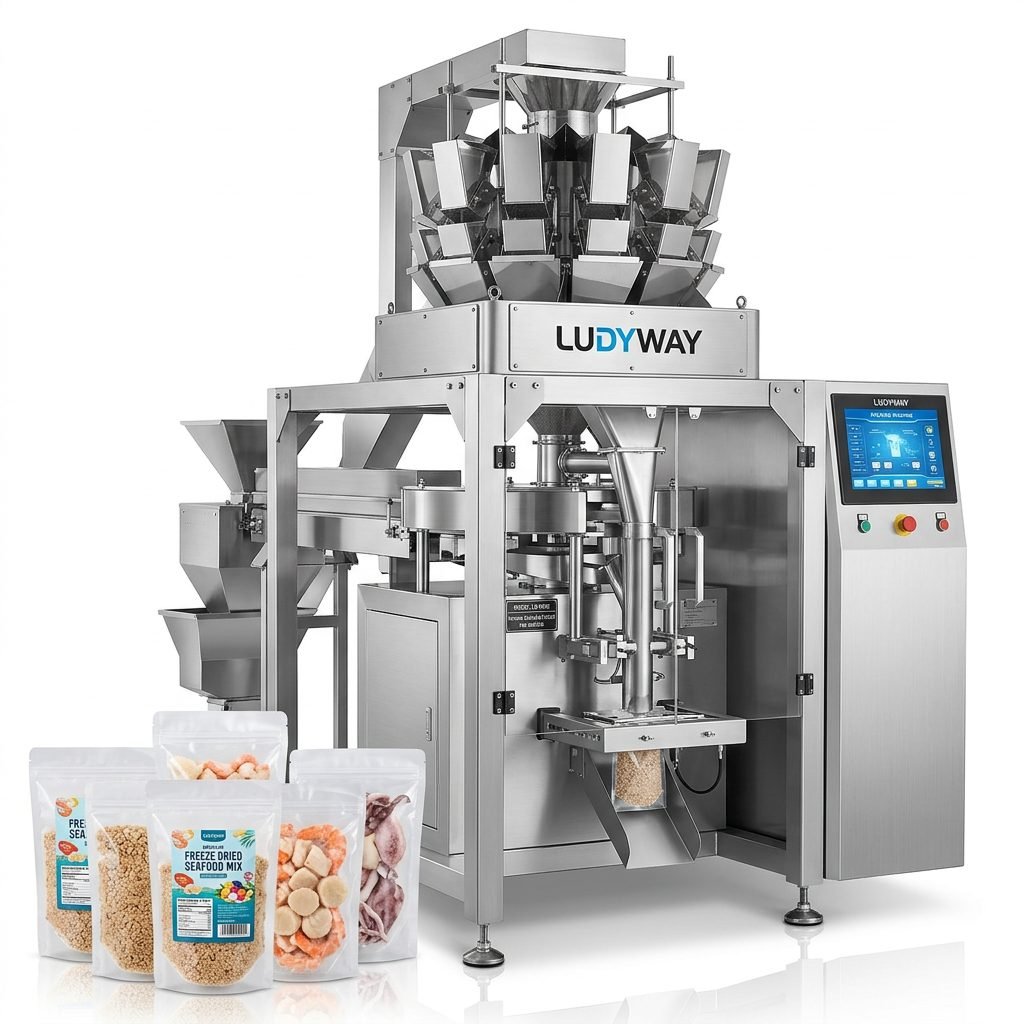
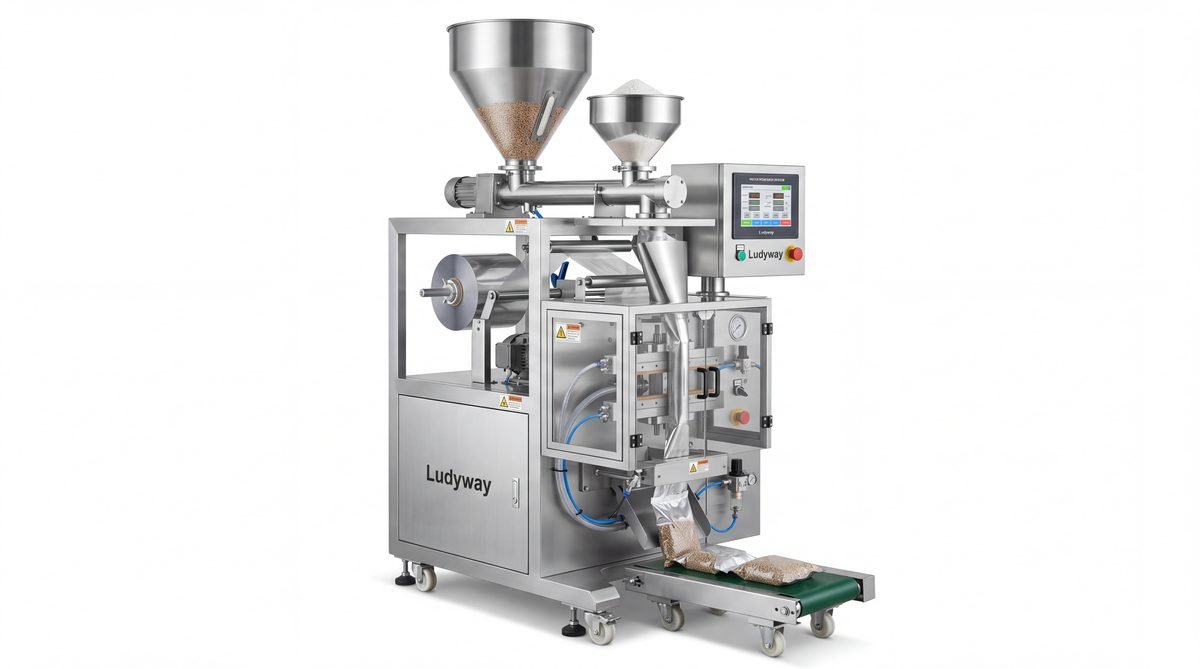
Complement your automated vacuum packaging line with high-precision dosing, vacuum sealing, and downstream conveying machinery engineered for modern factories.
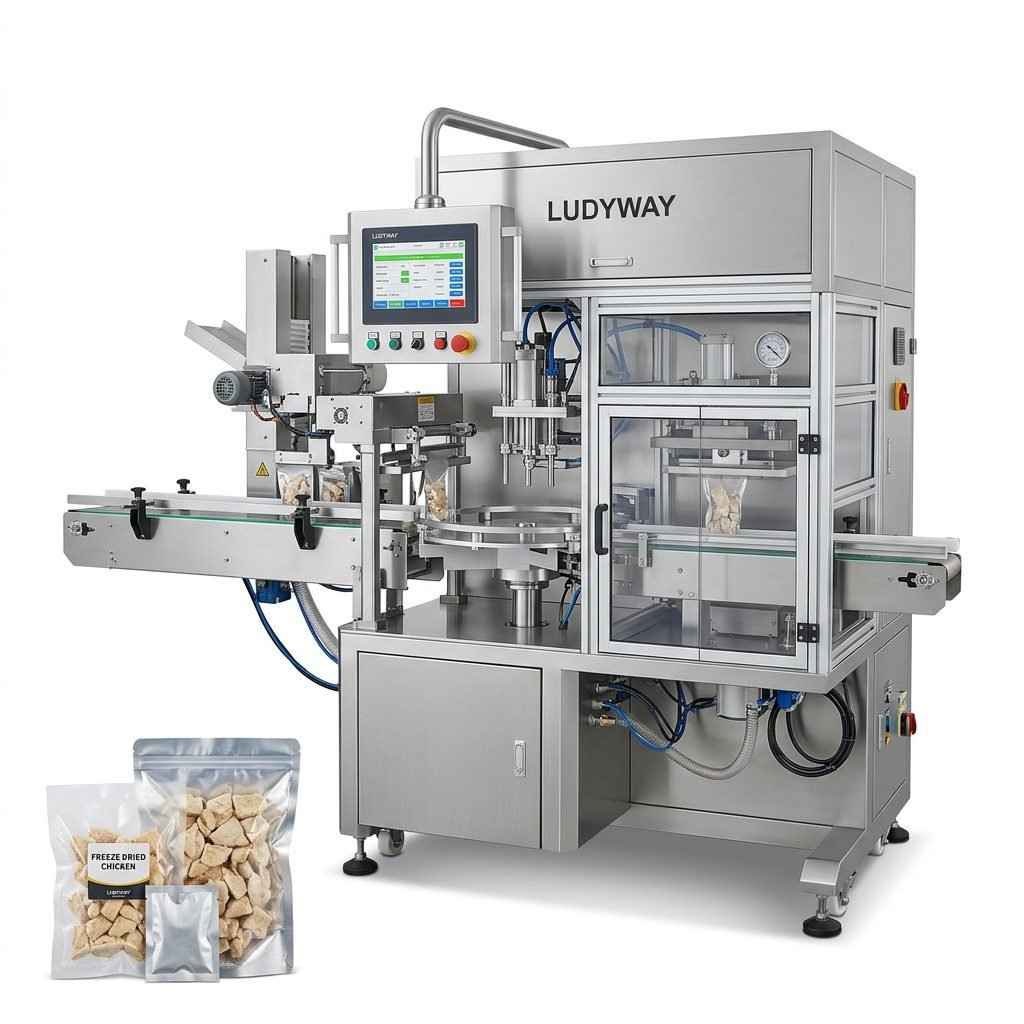
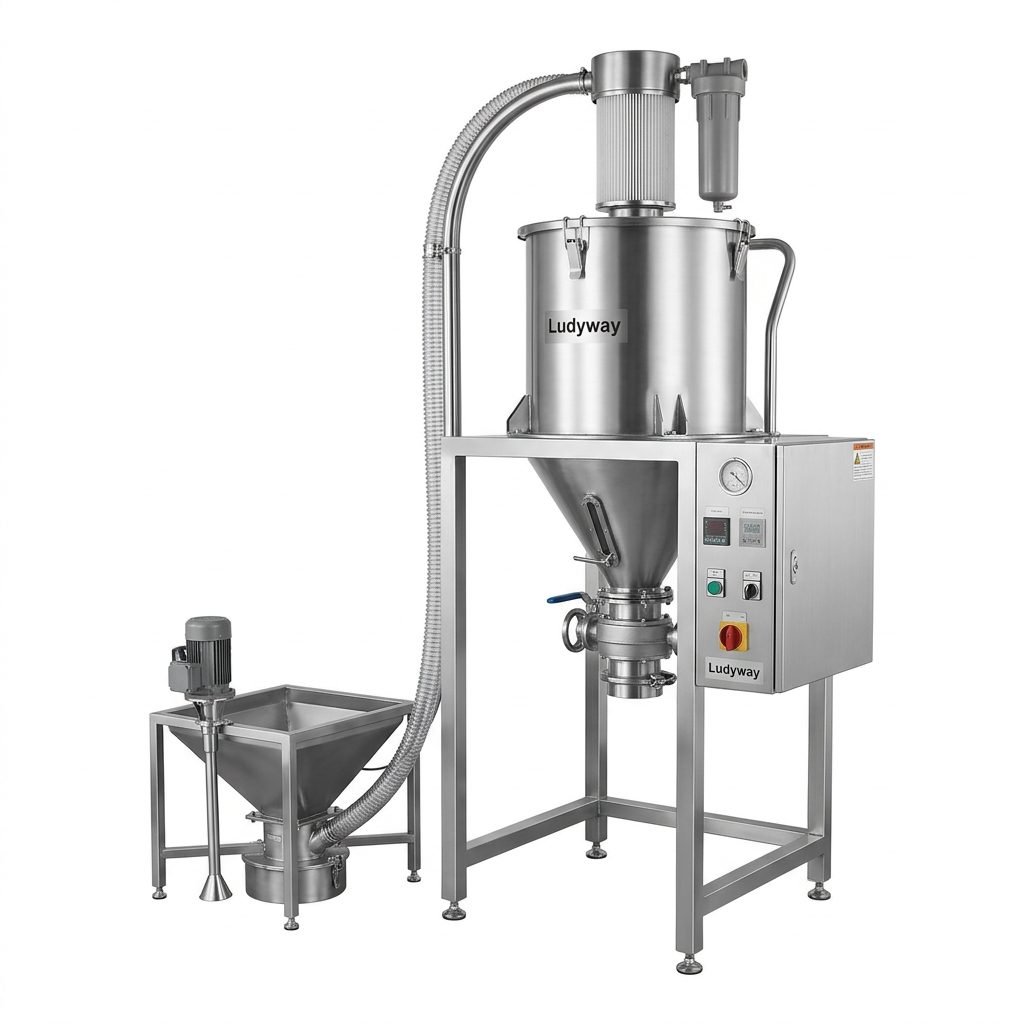
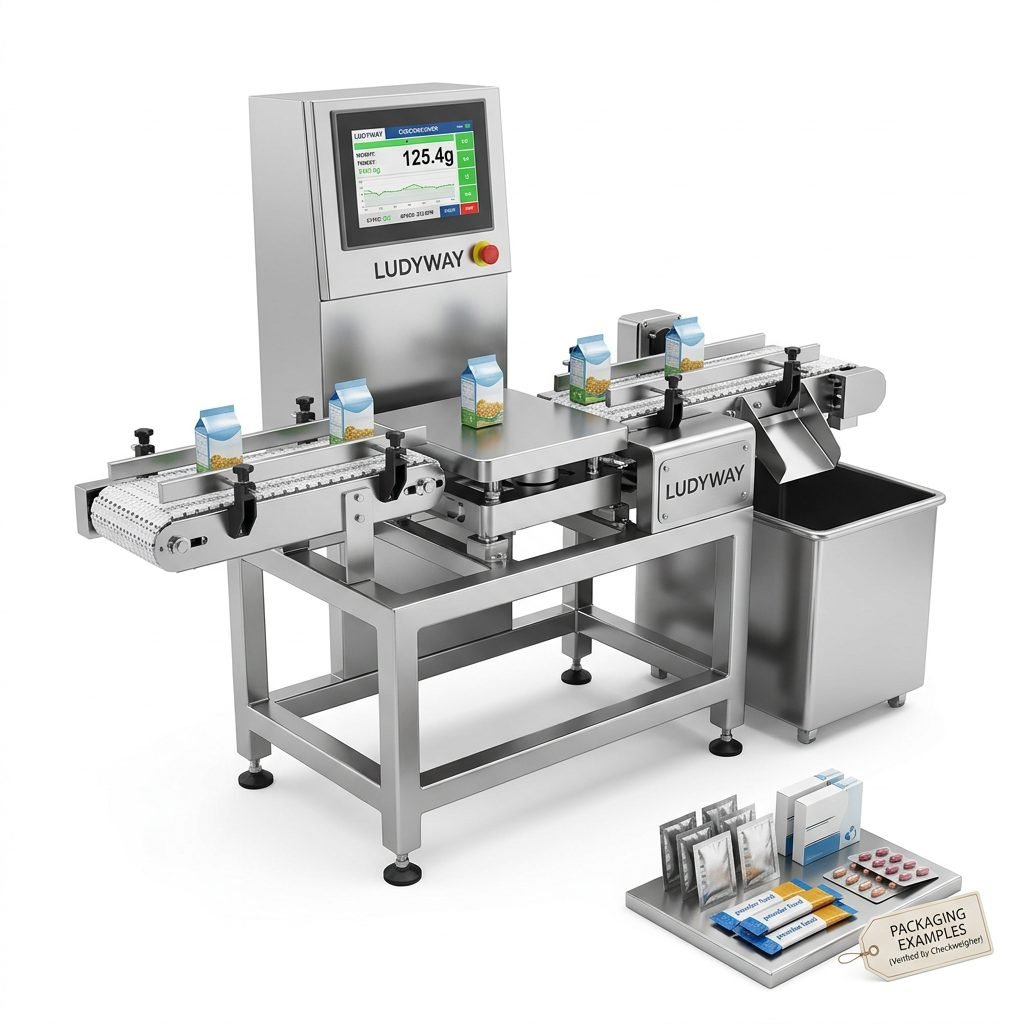
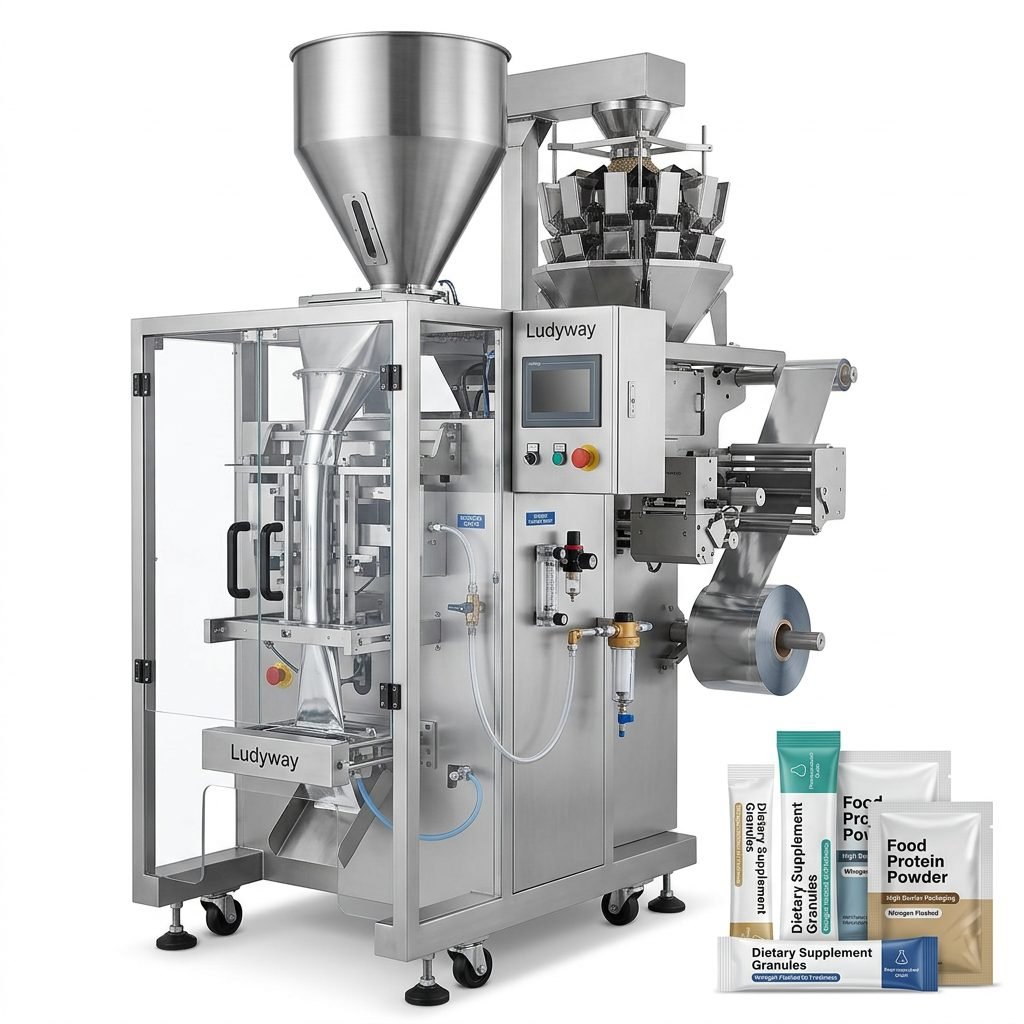
Turnkey Automation Built on 30+ Years of Manufacturing Expertise
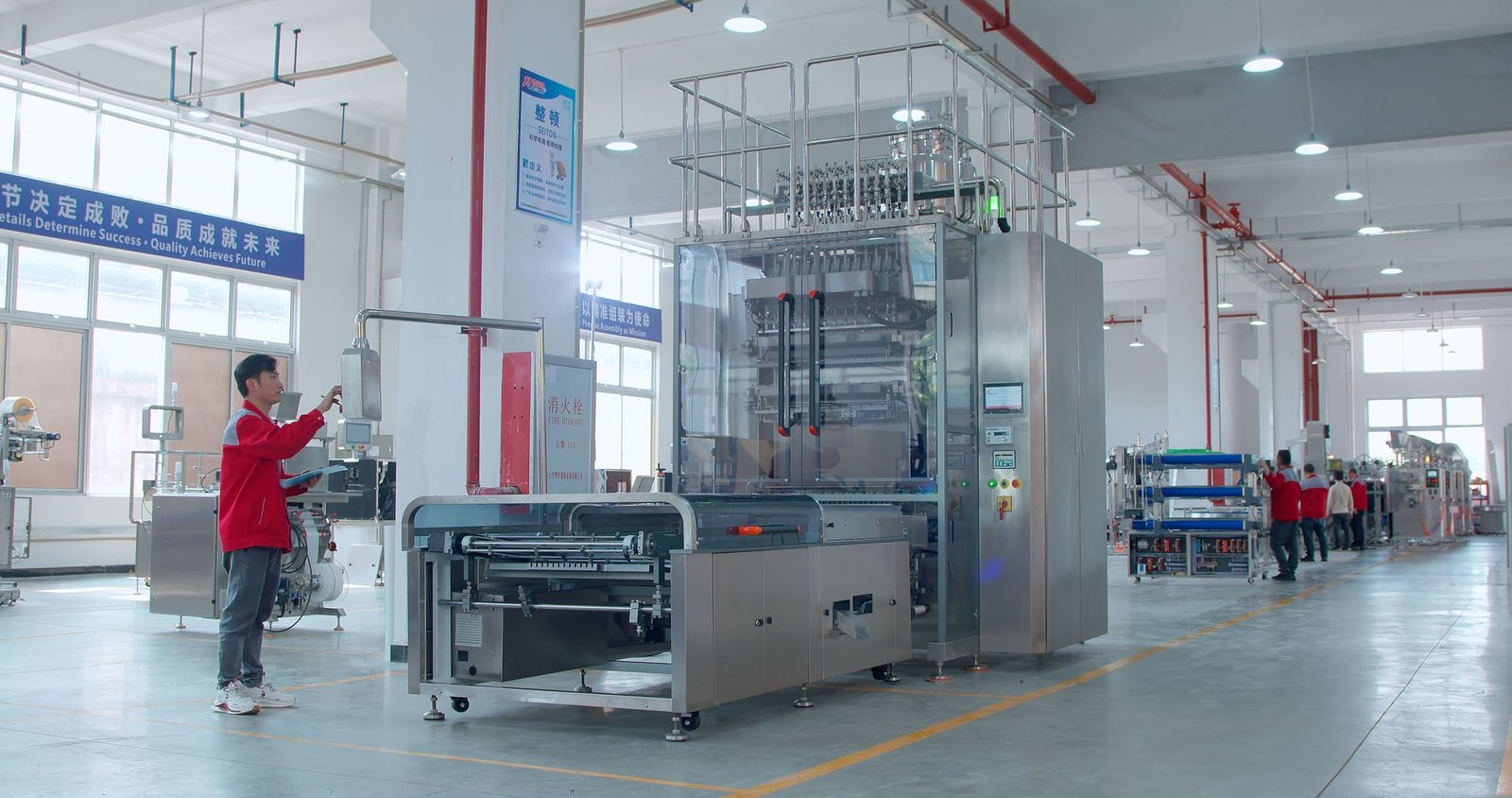
Ludyway is a leading global packaging machinery manufacturer, specializing in high-speed, intelligent packaging systems and complete turnkey line integration for the food, pharmaceutical, daily chemical, and pet nutrition industries.
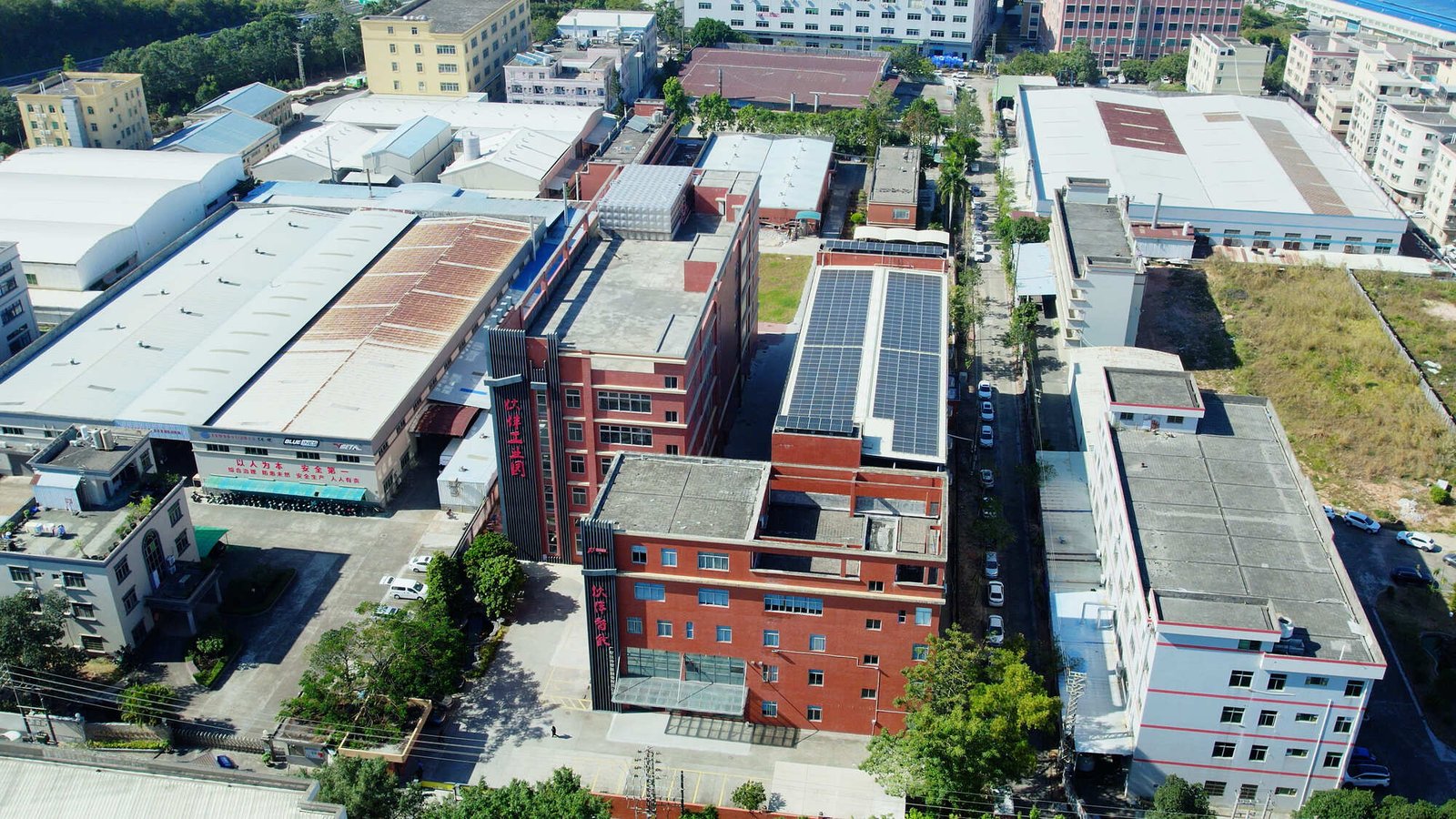
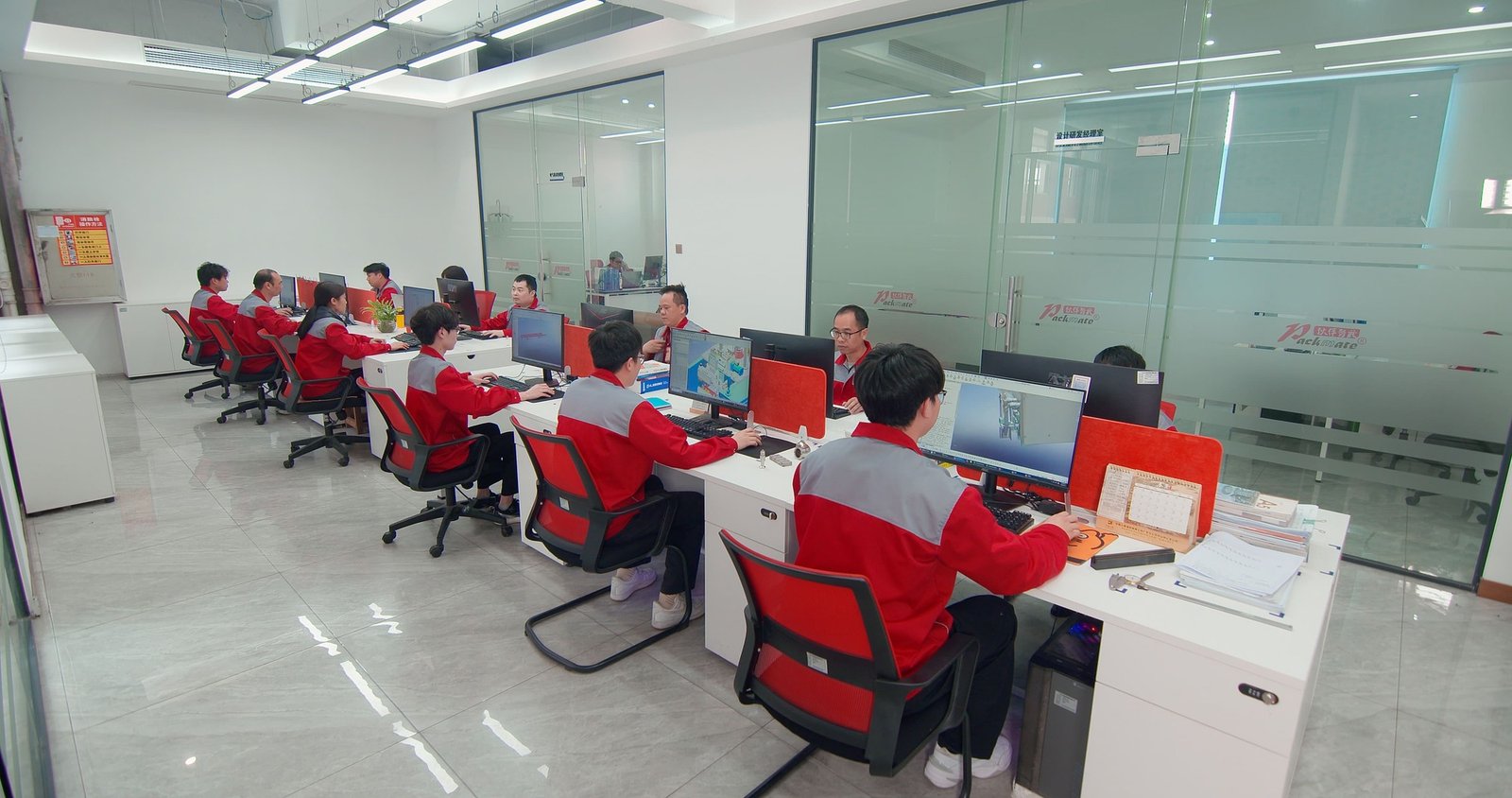
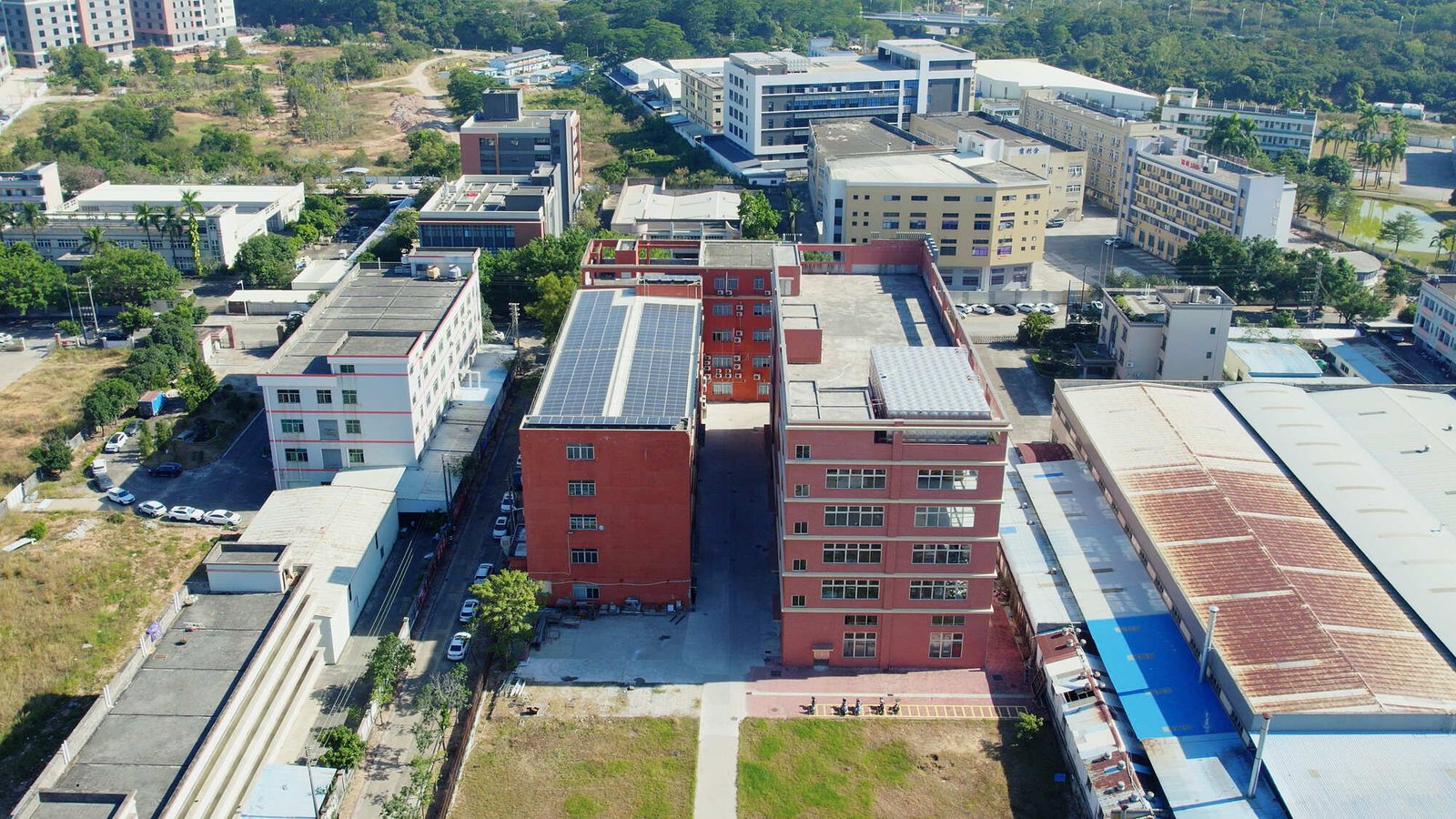
Supported by our modern 20,000㎡ manufacturing facility and a dedicated team of over 130 technical specialists, we engineer reliable vacuum packaging lines, multi-lane sachet machinery, and smart factory solutions deployed in over 100 countries worldwide.
International Compliance & Global Partnerships
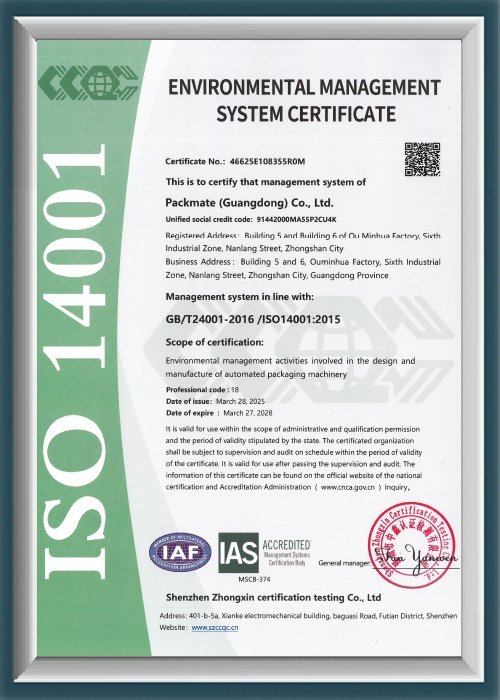
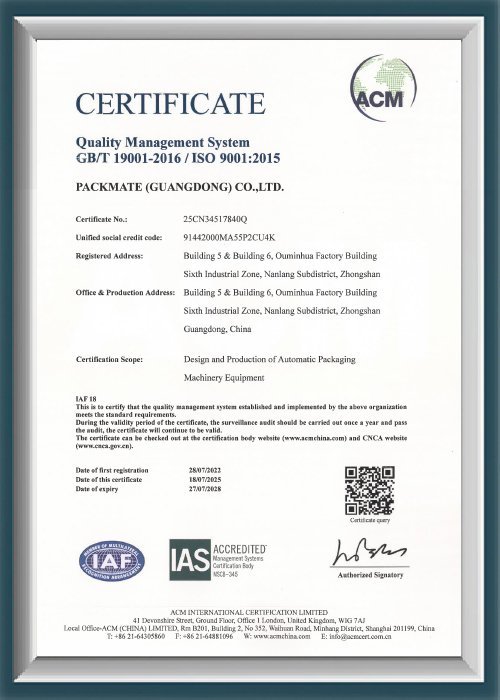
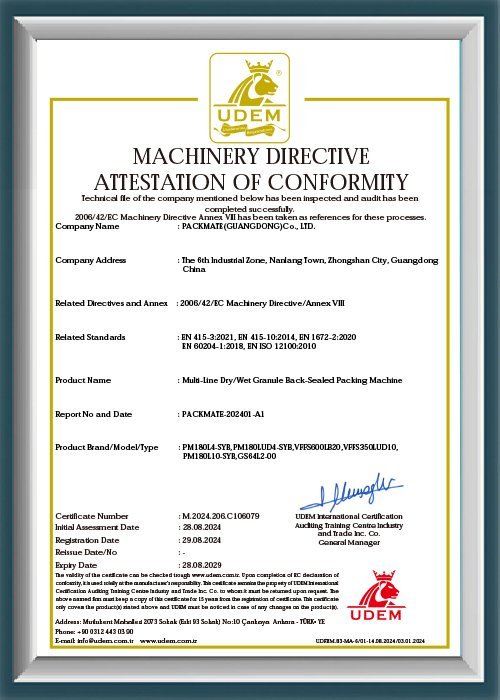
All packaging machinery adheres to strict CE directives, ISO9001 quality management standards, and cGMP sanitary design protocols.








Frequently Asked Questions About Vacuum Packaging Lines
Clear engineering answers to critical questions regarding vacuum line setup, oxygen extraction thresholds, film compatibility, and maintenance.
Ready to Configure Your Automated Vacuum Packaging Line?
Consult with Ludyway’s specialized packaging engineering team. We provide tailored CAD layout designs, material compatibility testing, and turnkey machinery integration to maximize your production ROI.
