
How to Set Up an Animal Feed Packaging Line | Complete Engineering Blueprint
A comprehensive technical guide for feed mill directors, project managers, and operations engineers to design, procure, and integrate high-precision, automated packaging systems for pellets, mash feed, concentrates, and premixes.
Modernizing Animal Feed Packaging: Operational Dynamics
The global animal feed industry—encompassing livestock nutrition (cattle, poultry, swine, equine, sheep) and specialty aquaculture diets—is undergoing a profound technological shift. Feed producers face intense margin pressures, rising raw material costs, stricter biosecurity mandates, and escalating labor shortages. Learning how to set up an animal feed packaging line correctly is the single most decisive factor in determining a feed mill’s overall equipment effectiveness (OEE), bag integrity, and operational profitability.
Unlike standard grain handling, commercial feed packaging handles highly variable material physical properties: from abrasive, oil-coated extruded pellets and fragile crumbles to aerated, hygroscopic fine powders and vitamin premixes. An unoptimized packaging line causes excessive product giveaway, chronic dust accumulation, pellet shearing, high seal failure rates, and crippling downtime. A properly integrated packaging line balances high-speed bulk output with surgical dosing precision and hermetic barrier containment.
Massive Giveaway Reduction
Deploying dual-stage gross or net gravimetric dosing scales with fast-sampling load cells reduces product overfill to under ±0.2%, protecting thousands of tons of valuable nutritional formulation annually.
Preserved Pellet Integrity
Gentle bucket elevators, vibration feed trays, and engineered drop chutes prevent crushing and particle abrasion, keeping fines below 1% to meet premium commercial feed specifications.
Hermetic Biosecurity & Shelf Life
Automated sealing with optional modified atmosphere packaging (MAP) or nitrogen flushing locks out moisture, prevents fungal contamination, and inhibits lipid oxidation in fat-rich animal feeds.
6-Step Master Plan: How to Set Up an Animal Feed Packaging Line
Establishing a dependable, high-throughput packaging facility requires systematic engineering. Below is the step-by-step technical methodology implemented by Ludyway Machinery across turnkey installations globally.
Feed Material Rheology & Bulk Density Assessment
Before selecting machinery, analyze the bulk density (kg/m³), angle of repose, particle size distribution, moisture percentage (typically 10-13% for finished feeds), and fat/oil inclusion rates. Free-flowing pelleted feeds require gravity or belt feeders, whereas sticky, high-molasses mash feeds or micro-ingredient premixes mandate positive-displacement auger dosing systems.
Bag Style, Barrier Specification & Packaging Format Selection
Determine target market packaging formats. Typical feed mill architectures accommodate open-mouth woven polypropylene (PP) bags (10kg, 20kg, 25kg, 50kg), valve bags, or multi-wall Kraft paper sacks with inner PE liners. For specialty pet nutrition, veterinary probiotics, and feed additives, high-speed multi-lane stick pack or sachet machines provide single-dose moisture protection.
Infeed Conveying, De-Aeration & Dust Collection Layout
Integrate specialized bucket elevators, heavy-duty screw conveyors, or incline cleat belts to transfer feed from finish bins to packaging surge bins without mechanical degradation. Install reverse-pulse jet dust extraction hoods directly at the filling spout to control fugitive grain dust, complying with NFPA/ATEX combustible dust explosion safety standards.
For fine powders and vitamin concentrates, vacuum de-aeration probes extract trapped air within the bag before sealing, preventing bag ballooning and guaranteeing rigid pallet stacking.
Dosing & Gravimetric Weighing System Configuration
Select between Net Weighers (where product is weighed inside a pre-fill weigh bucket before discharge, delivering speeds up to 600-900 bags/hour) and Gross Weighers (product weighed directly inside the bag, ideal for dusty or sluggish materials at 200-400 bags/hour). Incorporate multi-stage inverter-controlled feed gates for coarse and fine dribble feeding to achieve consistent high accuracy.
Bag Clamping, Form-Fill-Seal & Hermetic Closing Integration
For open-mouth bags, automated bag placer arms grip empty bags from a magazine, position them under dust-tight spouts, and transfer filled bags via guide belts to closing stations. Depending on the packaging material, implement automated industrial sewing with crepe tape applicators, hot-melt glue folding, or continuous ultrasonic/heat sealing.
Quality Assurance, Dynamic Checkweighing & Robotic Palletizing
The downstream line must include inline dynamic checkweighers with pneumatic reject pushers, industrial metal detectors (detecting ferrous, non-ferrous, and 316 stainless steel contaminants), continuous inkjet/laser lot-coding printers, and high-speed robotic Cartesian or articulate arm palletizers equipped with automated stretch wrapping.
Feed Categorization vs. Optimal Packaging Line Architecture
Match your feed physical characteristics with the engineered feeding, dosing, and closing technology to prevent bottlenecking and minimize maintenance overhead.
| Feed Classification | Typical Formats | Dosing & Feeding Type | Recommended Bag Type | Sealing Technology | Typical Speed (BPM) |
|---|---|---|---|---|---|
| Poultry & Swine Pellets | 20kg – 50kg Bags | Gravity Gate / Belt Weigher | Woven PP / Multi-wall Paper | Automatic Sewing + Crepe Tape | 10 – 20 Bags/min |
| Extruded Aquatic Feed | 5kg – 25kg Sacks | Vibratory / Belt Net Weigher | Laminated PP / PE Barrier | Continuous Band Heat Seal | 8 – 18 Bags/min |
| Cattle Mash / Coarse Feed | 25kg – 50kg Bags | Dual Incline Screw Auger | Breathable Woven PP | Heavy-Duty Industrial Stitch | 6 – 14 Bags/min |
| Vitamin & Mineral Premix | 5kg – 25kg / Sachets | Servo Auger + Vacuum De-air | Foil Laminated / Valve Bags | Ultrasonic / Hermetic Seal | 5 – 12 Bags/min |
| Pet Probiotics & Additives | 1g – 100g Sticks/Pouches | Multi-Lane Rotary Micro-Auger | Multi-layer Barrier Film | Thermal Multi-Lane Form-Fill-Seal | 120 – 400 Sticks/min |
Featured Packaging Machines for Animal Feed & Premix Plants
Explore Ludyway’s field-proven packaging machinery designed specifically for granular feeds, high-capacity bulk bagging, aquafeed pellets, and concentrated nutritional premixes.
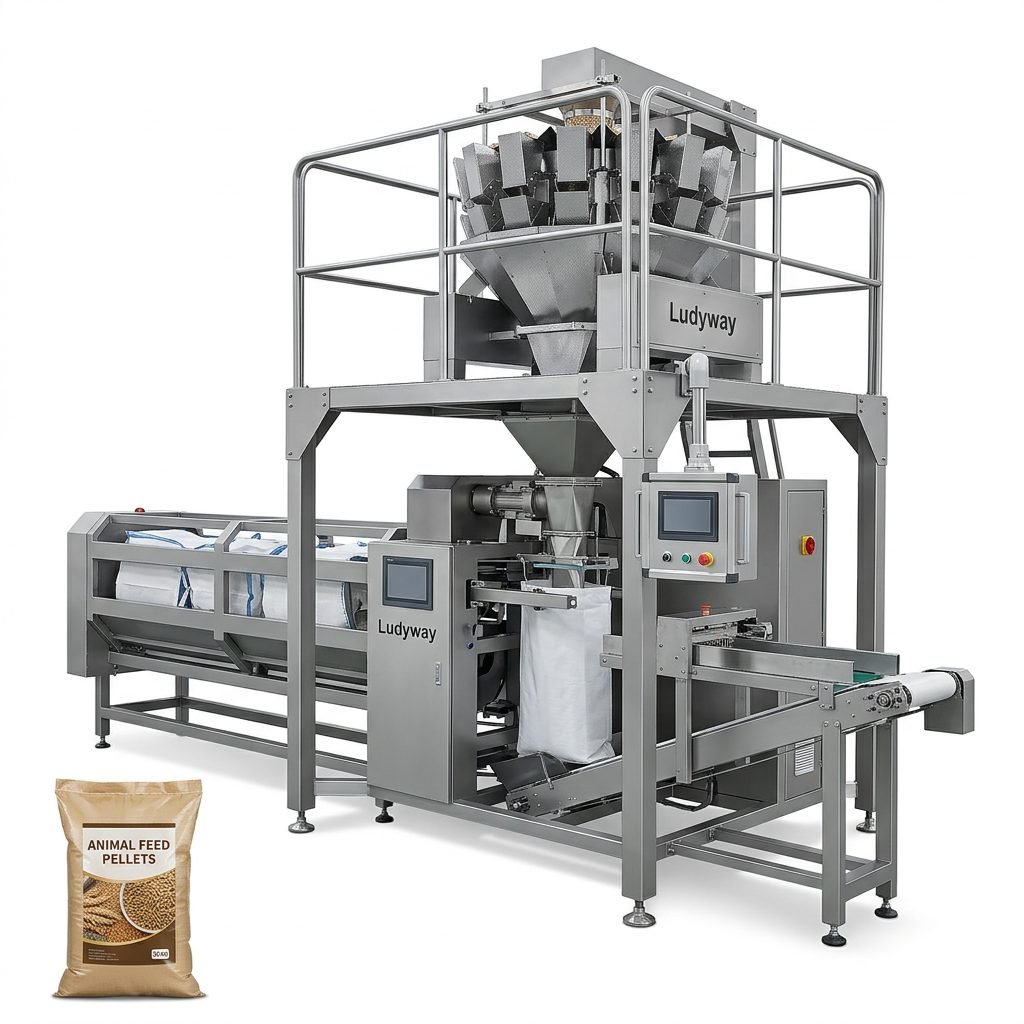
High-Speed Automatic Animal Feed Pellet Packaging Machine for Bulk Bags
View Specifications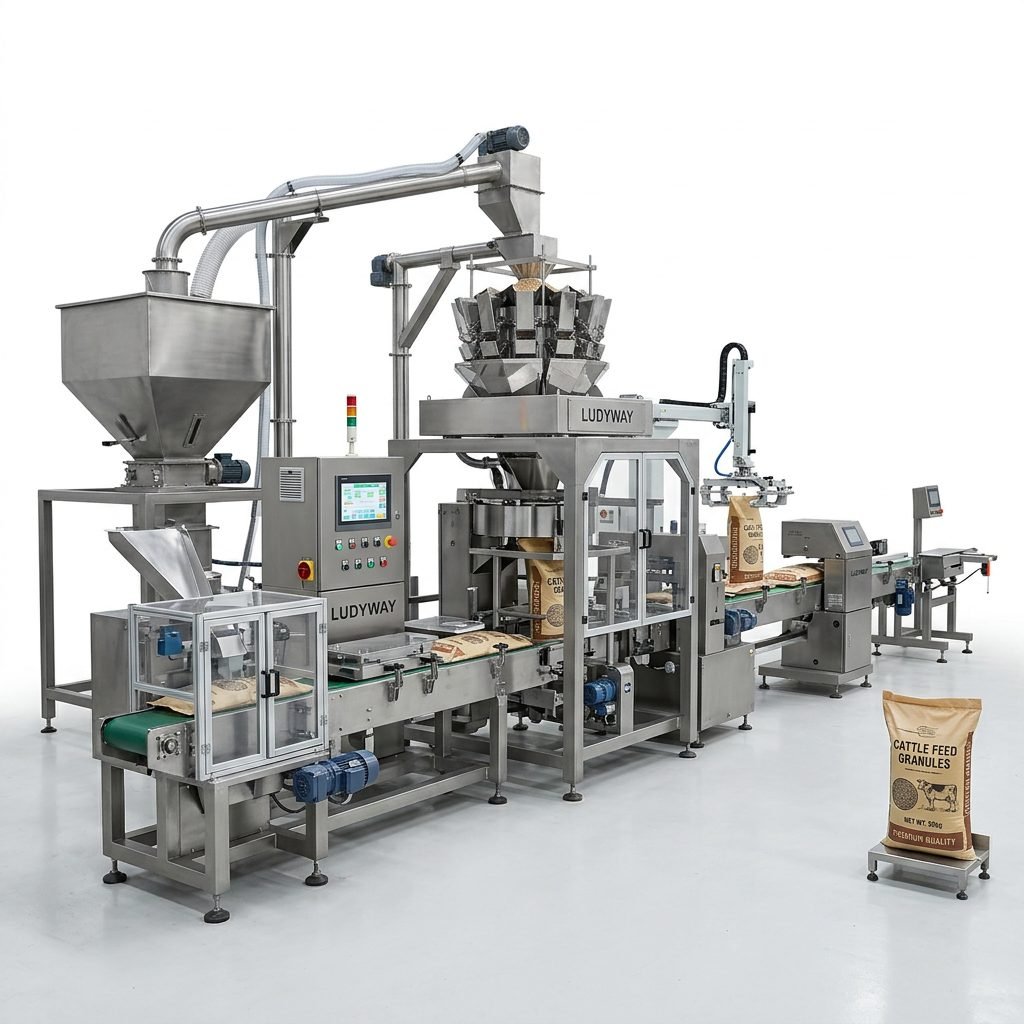
Automated Cattle Feed Packaging Lines for Bulk Granules & Powder
View Specifications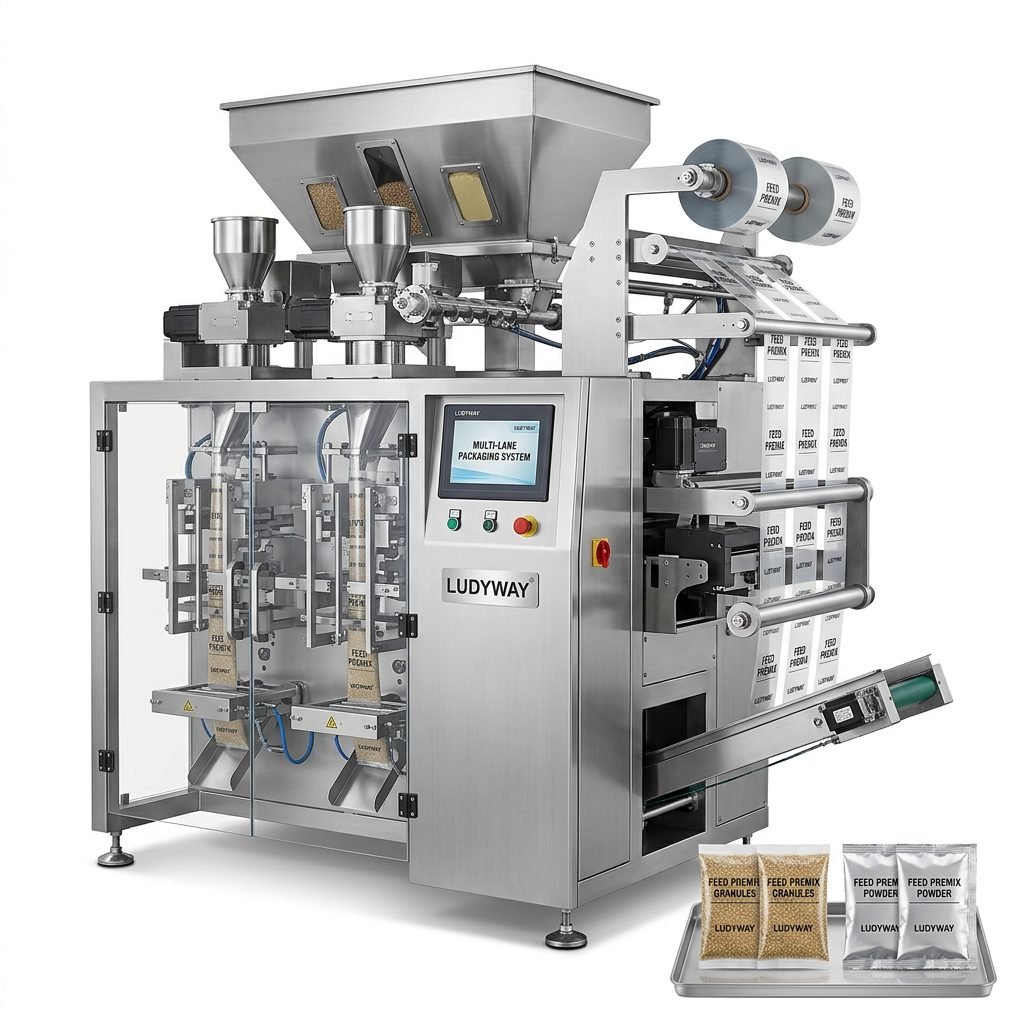
Feed Premix Packaging Machine for Granule and Powder with Multi-Lane Sachet Systems
View Specifications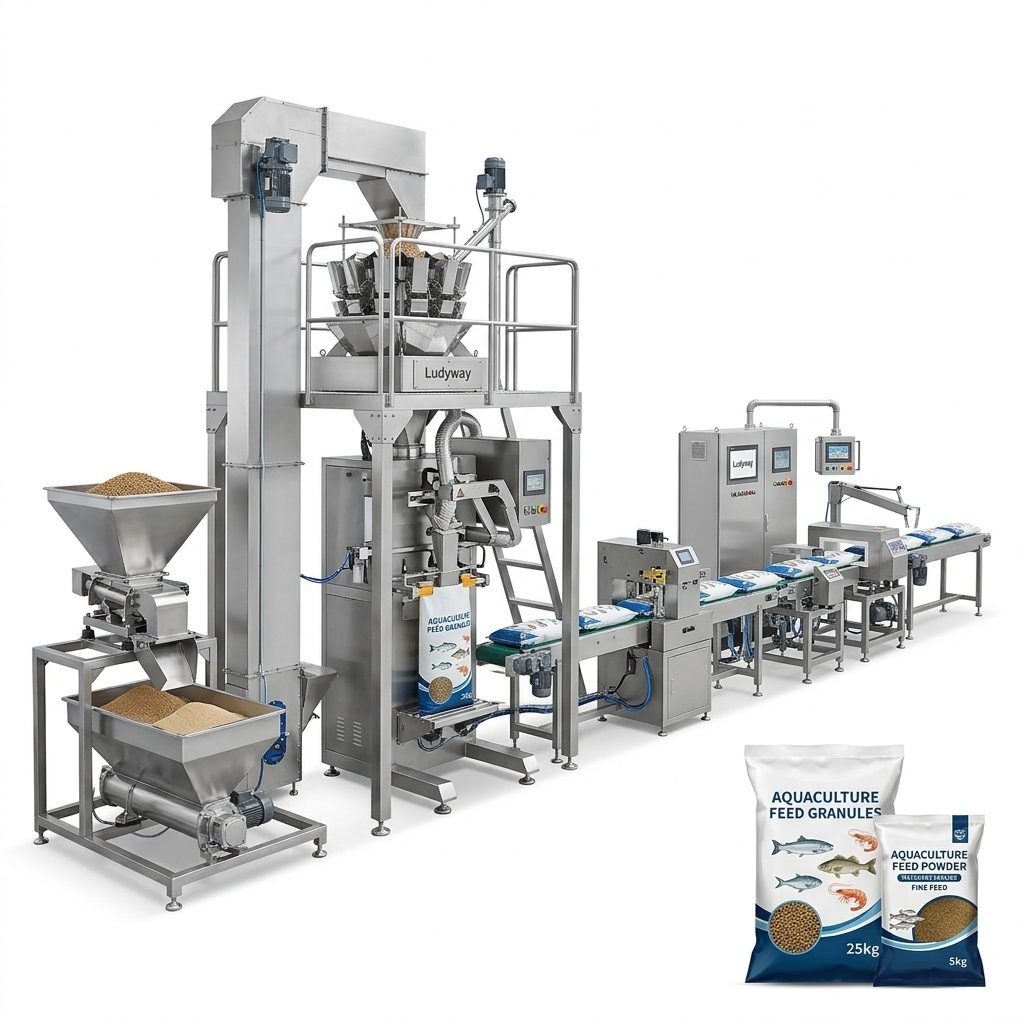
Aquaculture Feed Packaging Lines for Granules & Powder with Automated Systems
View Specifications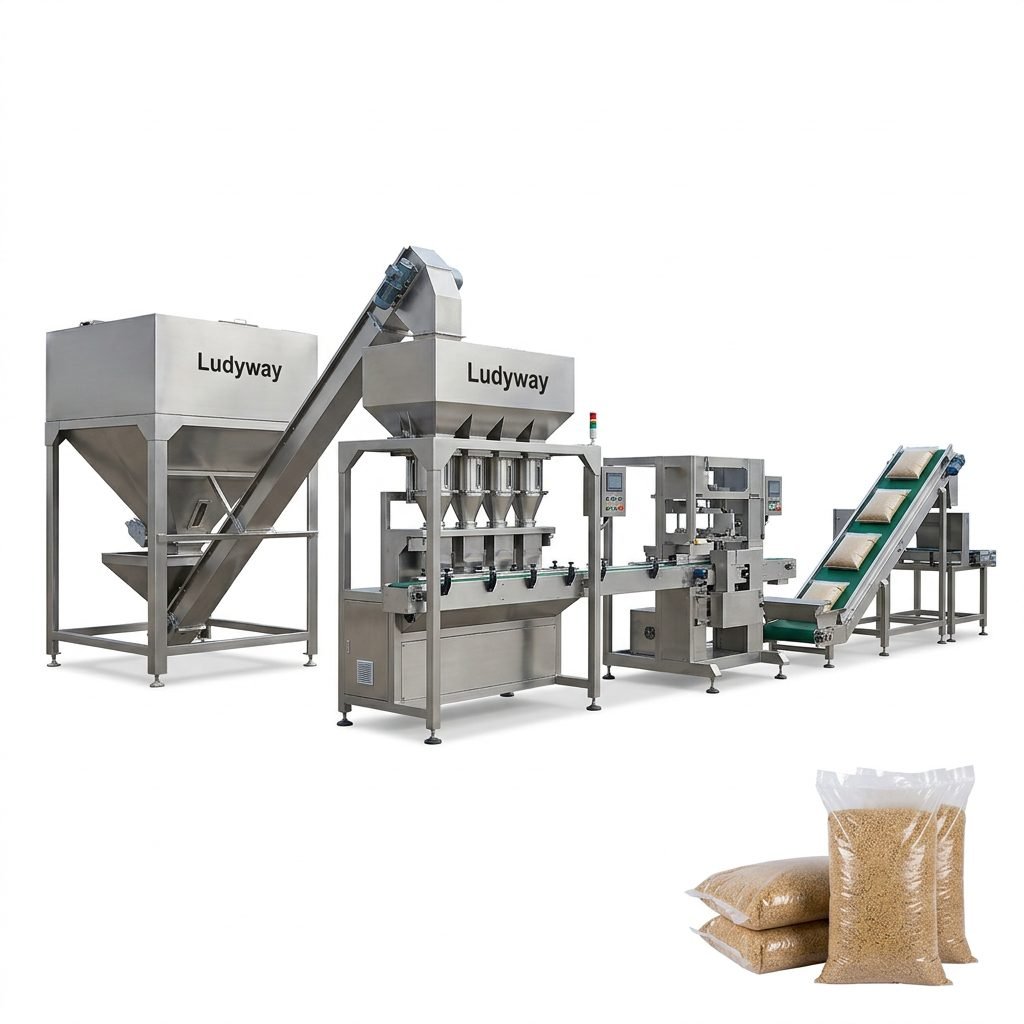
Fully Automated Chicken Feed Packaging Lines for Bulk Granules, Multi-Lane Systems
View Specifications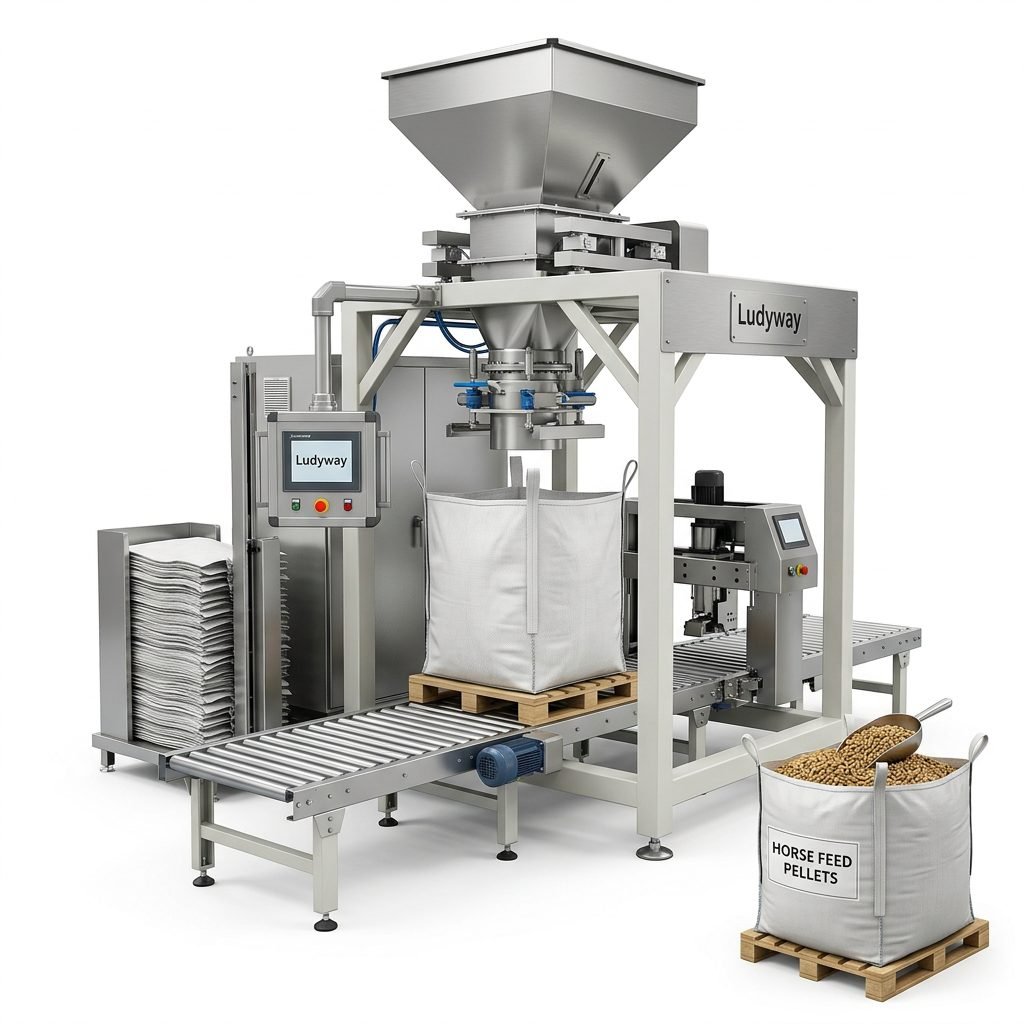
Automatic Horse Feed Pellet Packaging Machine for Bulk Bags
View Specifications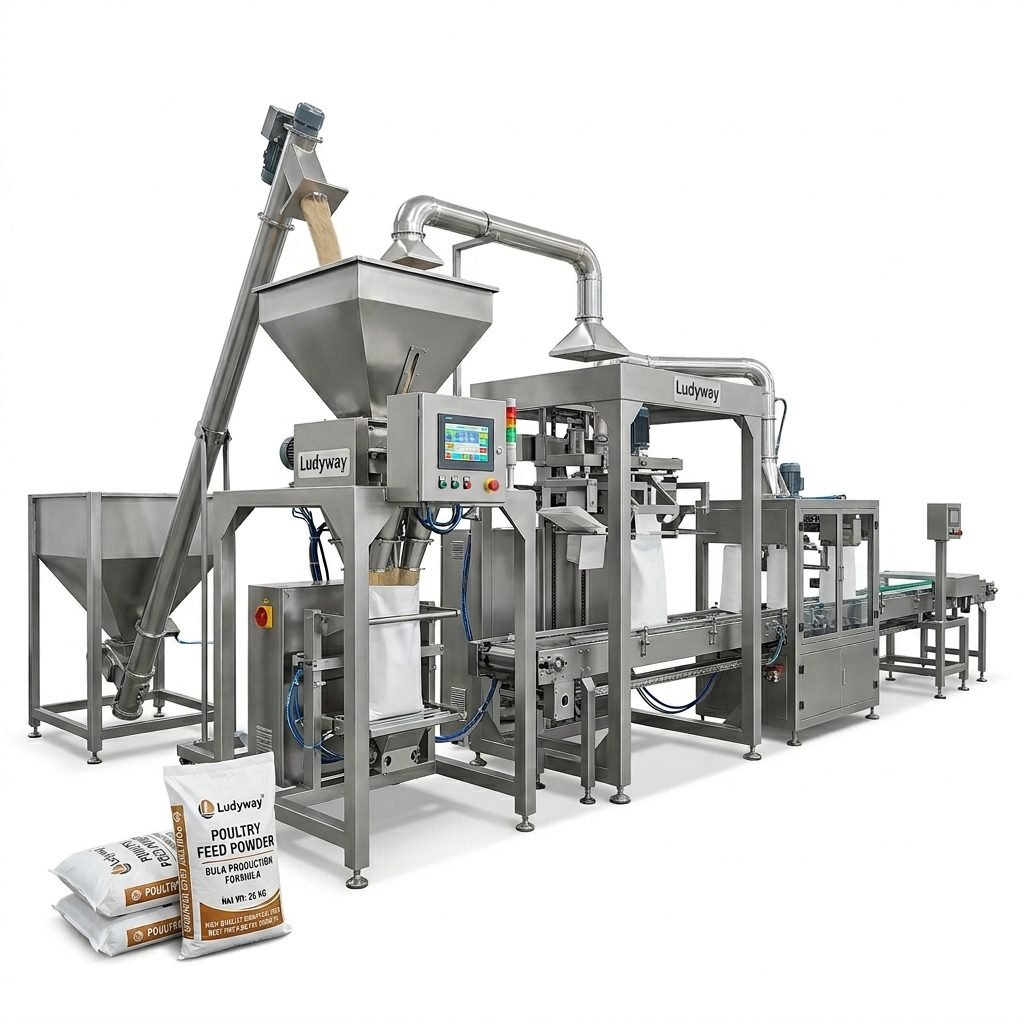
Automated Poultry Feed Powder Packaging Line for Bulk Production
View Specifications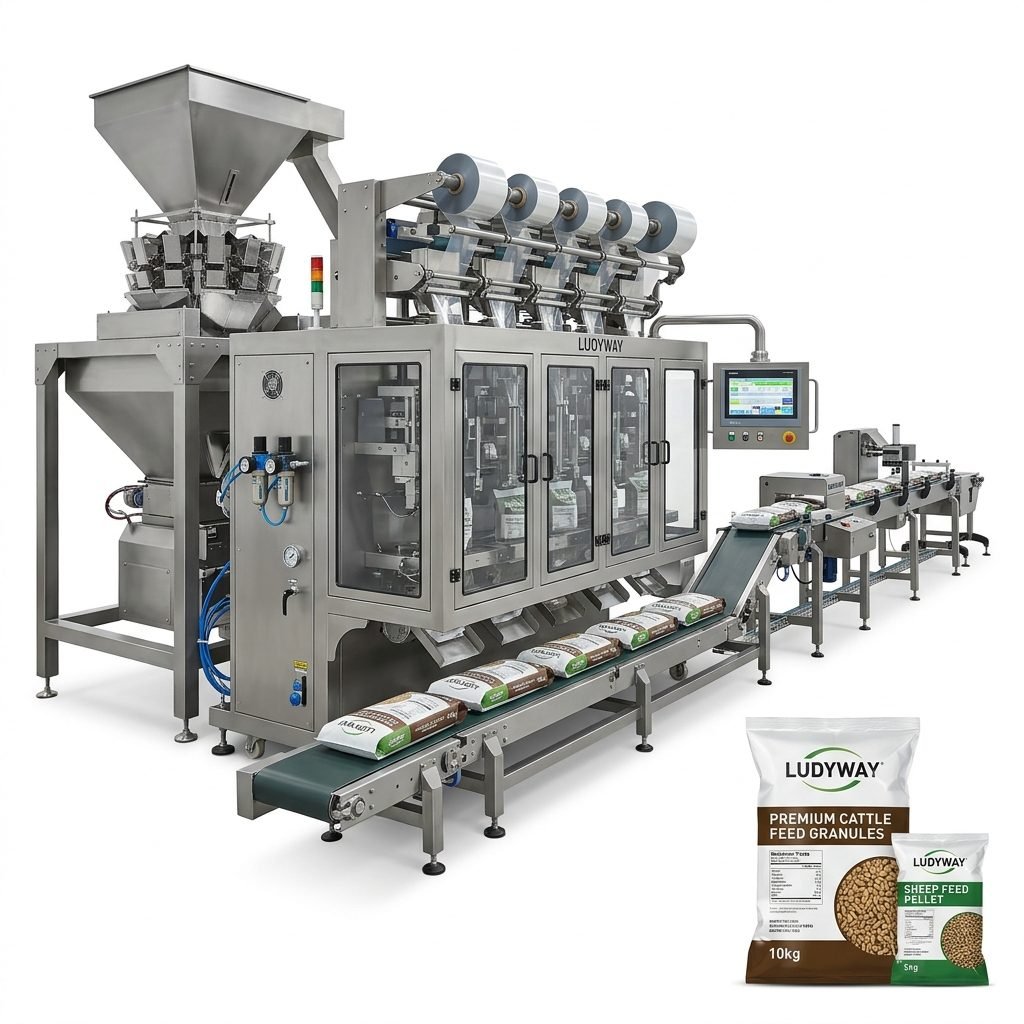
Automated Multi-Lane Cattle & Sheep Feed Packaging Line for Granules & Pellets
View SpecificationsTurnkey Packaging Automation Powered by 30+ Years of Manufacturing Excellence
Ludyway is recognized globally as an industry-leading packaging machinery manufacturer, delivering advanced equipment and fully integrated turnkey solutions for agricultural feed, chemical, food, and pharmaceutical industries.
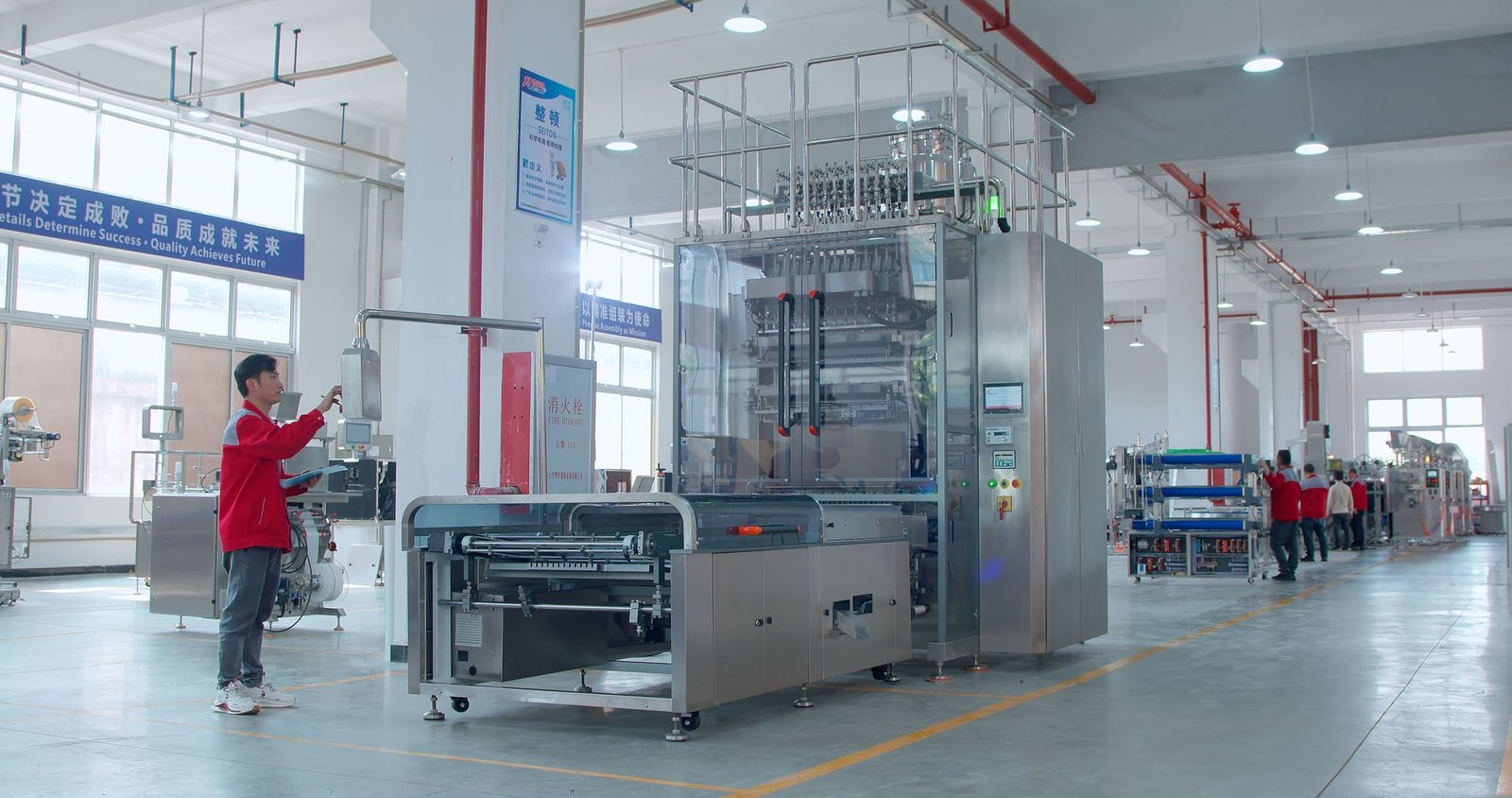
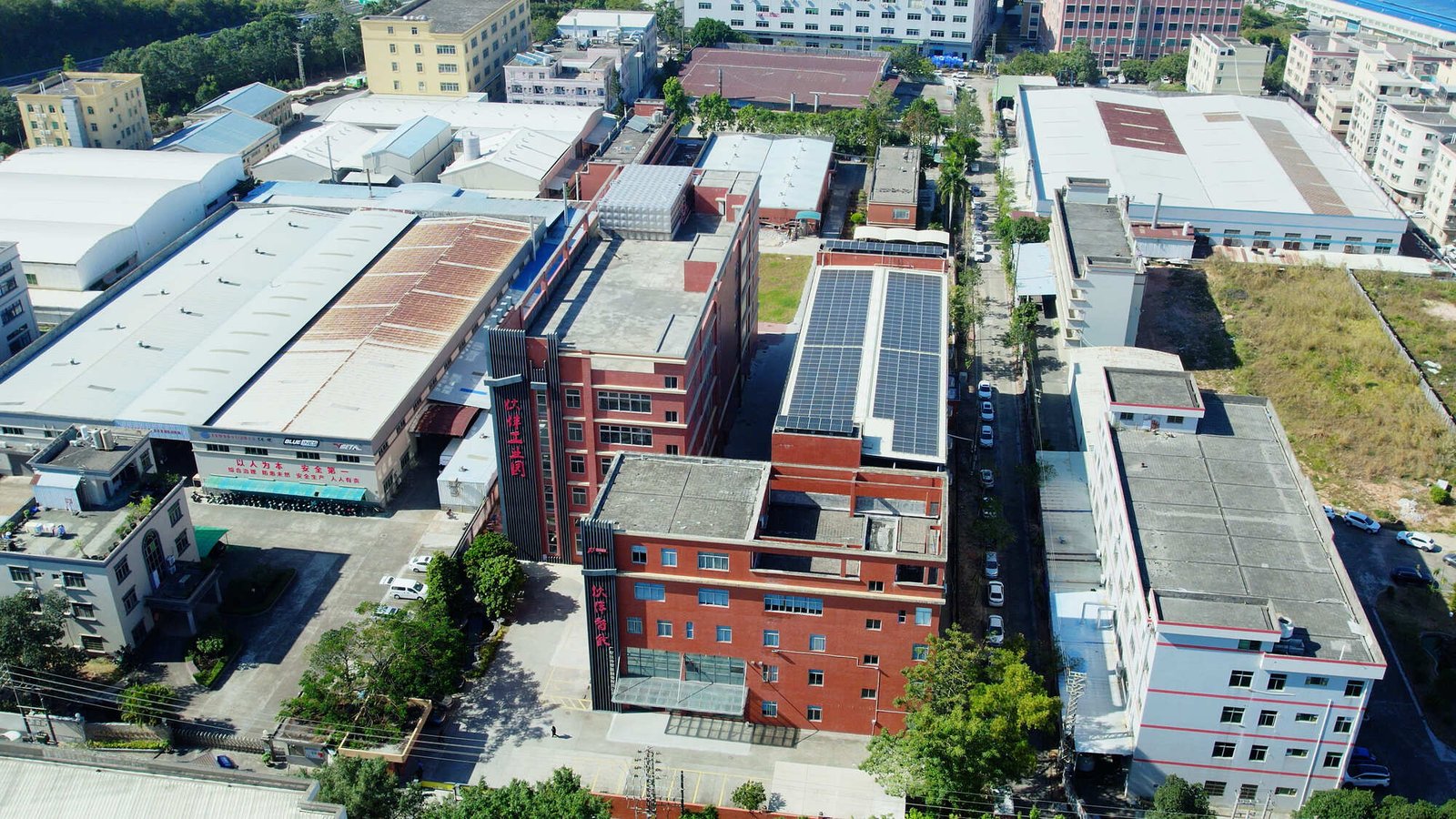
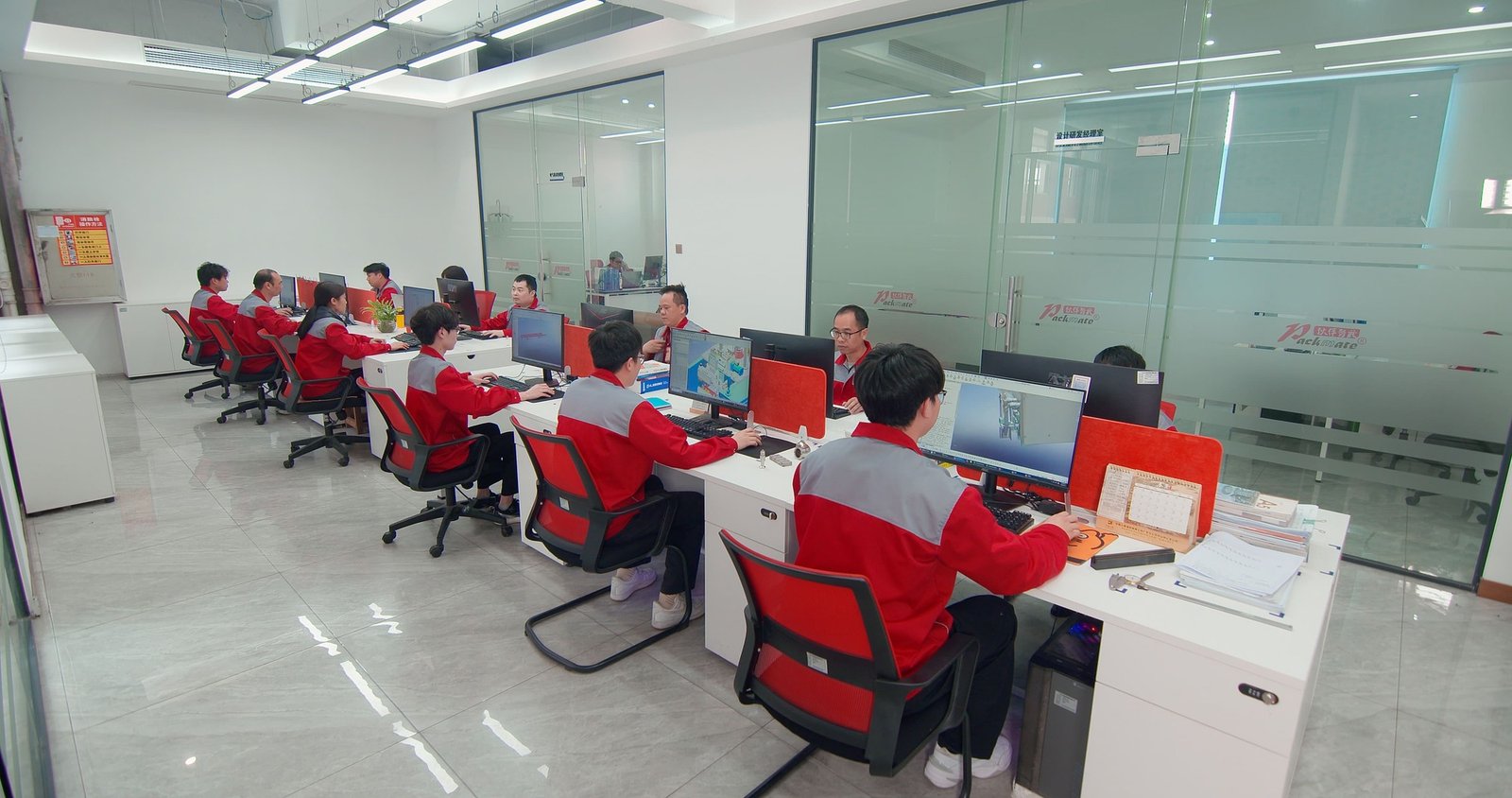
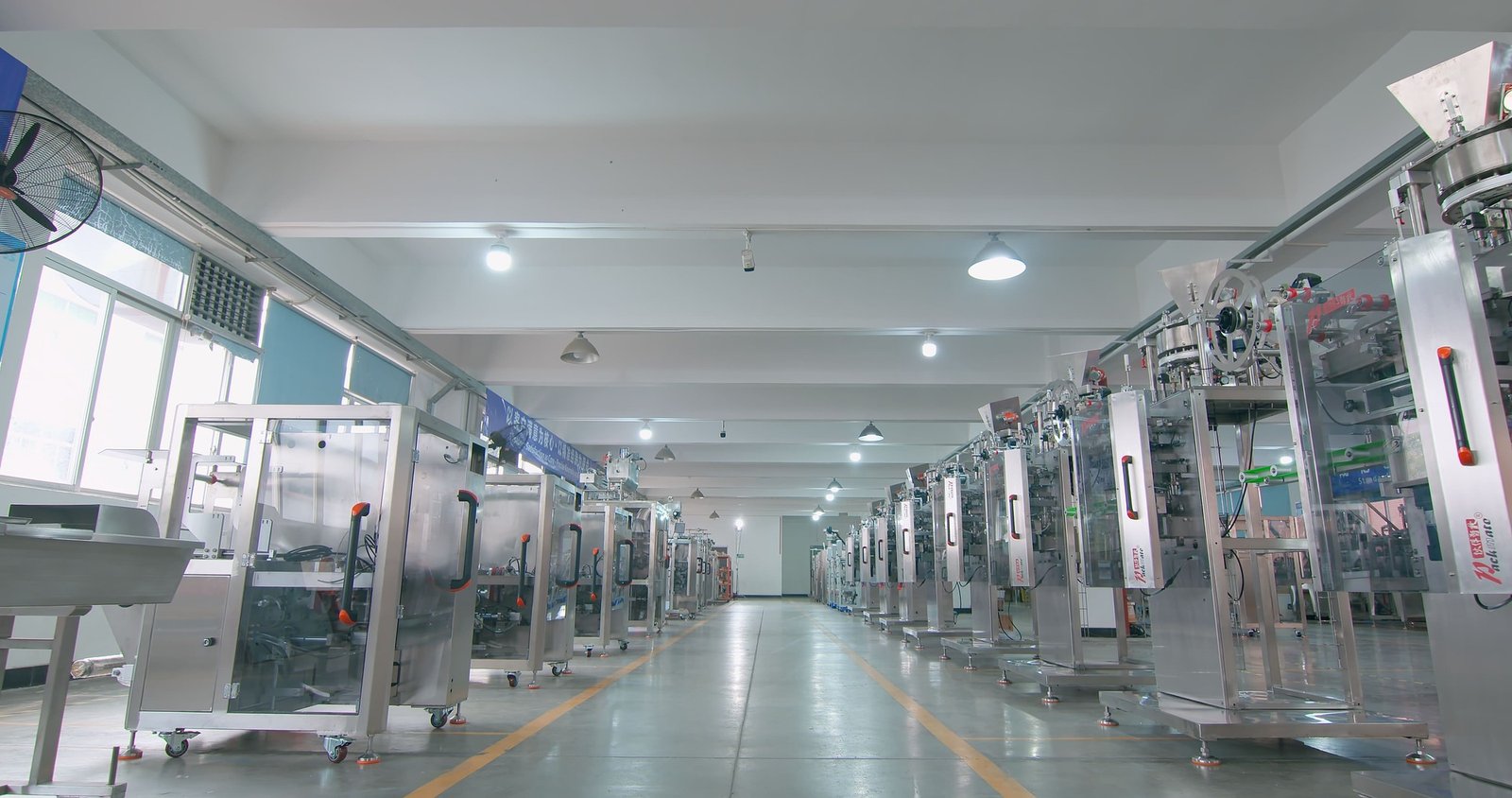
Operating from a state-of-the-art 20,000㎡ modern manufacturing facility with over 200 high-precision machining tools, our 130+ packaging engineers design robust, intelligent systems. Having deployed over 50 automated packaging machine models across 100+ countries, Ludyway ensures seamless integration from raw material surge hoppers through robotic palletizing cells.
- Custom 3D CAD/BIM Layout Engineering for Existing & Green-Field Feed Mills
- Siemens / Allen-Bradley PLC Architecture with Industrial IoT Telemetry
- Complete Auxiliary Integration (Conveyors, Checkweighers, Palletizers)
Critical Engineering Factors for Maximum Line Efficiency
Designing a packaging line that operates reliably at high capacity involves strict adherence to mechanical balancing, electrical safety, and industrial hygiene protocols.
01/ Combustible Dust & Explosion Protection
Animal feed dust is highly explosive (Class St 1 / Kst values up to 200 bar*m/s). All packaging motors, pneumatic actuators, and electronic enclosures within 3 meters of the filling spout must be rated ATEX Zone 21/22 or Class II Div 1/2. Grounding lugs on all conveying and clamping components dissipate static charge buildup generated by high-velocity grain movement.
02/ Cross-Contamination & Cleanability
When packaging multiple feed recipes—such as medicated vs. non-medicated poultry feed or ruminant feeds requiring zero mammalian bone meal—cross-contamination prevention is paramount. The dosing hoppers, weigh buckets, and drop spouts must feature polished 304/316 stainless steel contact parts, rapid quick-release clamps, and clean-in-place (CIP) air purge nozzles.
03/ OEE & Line Buffer Synchronization
A packaging line is only as fast as its slowest sub-system. Installing dynamic accumulation conveyors between the bag closing station and the palletizer absorbs temporary micro-stoppages (such as thread bobbin changes or label roll replacements) without halting upstream weighers, maintaining an overall line OEE above 88-92%.
04/ SCADA / Industry 4.0 Integration
Modern feed packaging lines require comprehensive data logging. Ludyway lines utilize centralized touchscreen HMIs that record individual bag weights, batch statistics, alarm logs, and real-time bag rates, transmitting directly to the plant’s ERP/MES system via OPC-UA or Ethernet/IP protocols for complete lot traceability.
International Certifications & Global Field Presence
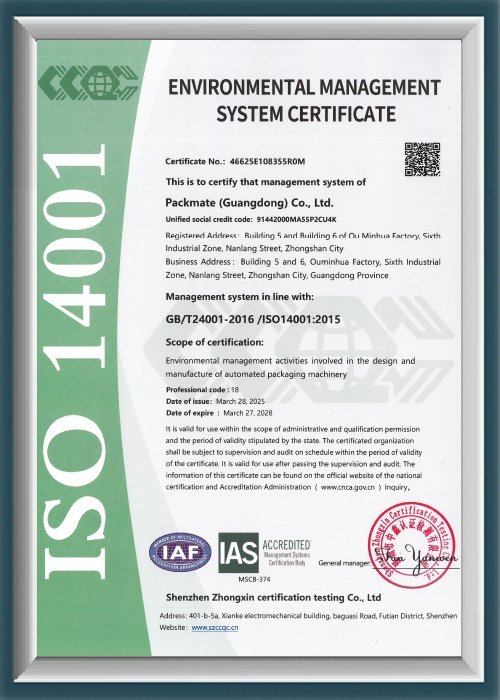
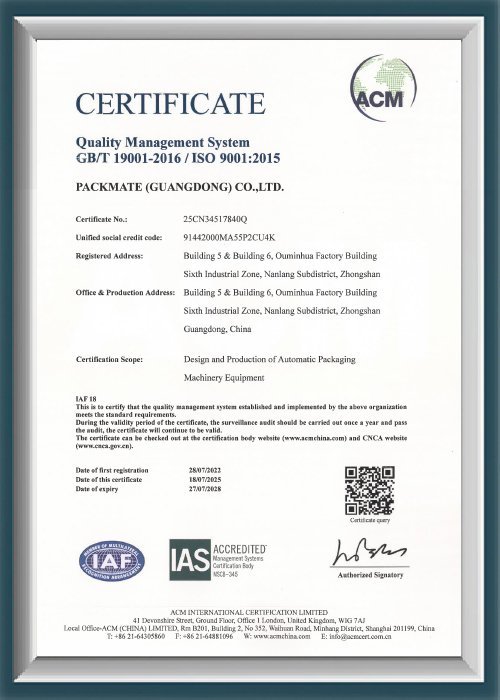
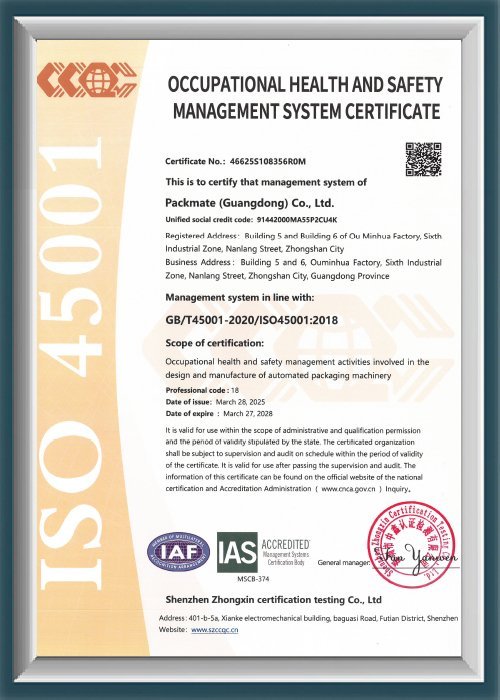
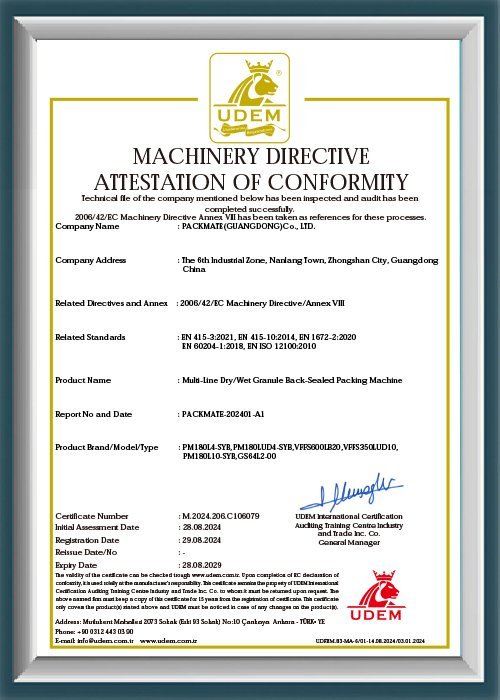
All Ludyway machinery is engineered under ISO9001 quality management systems and strictly conforms to European CE Machinery Safety and Low Voltage Directives.
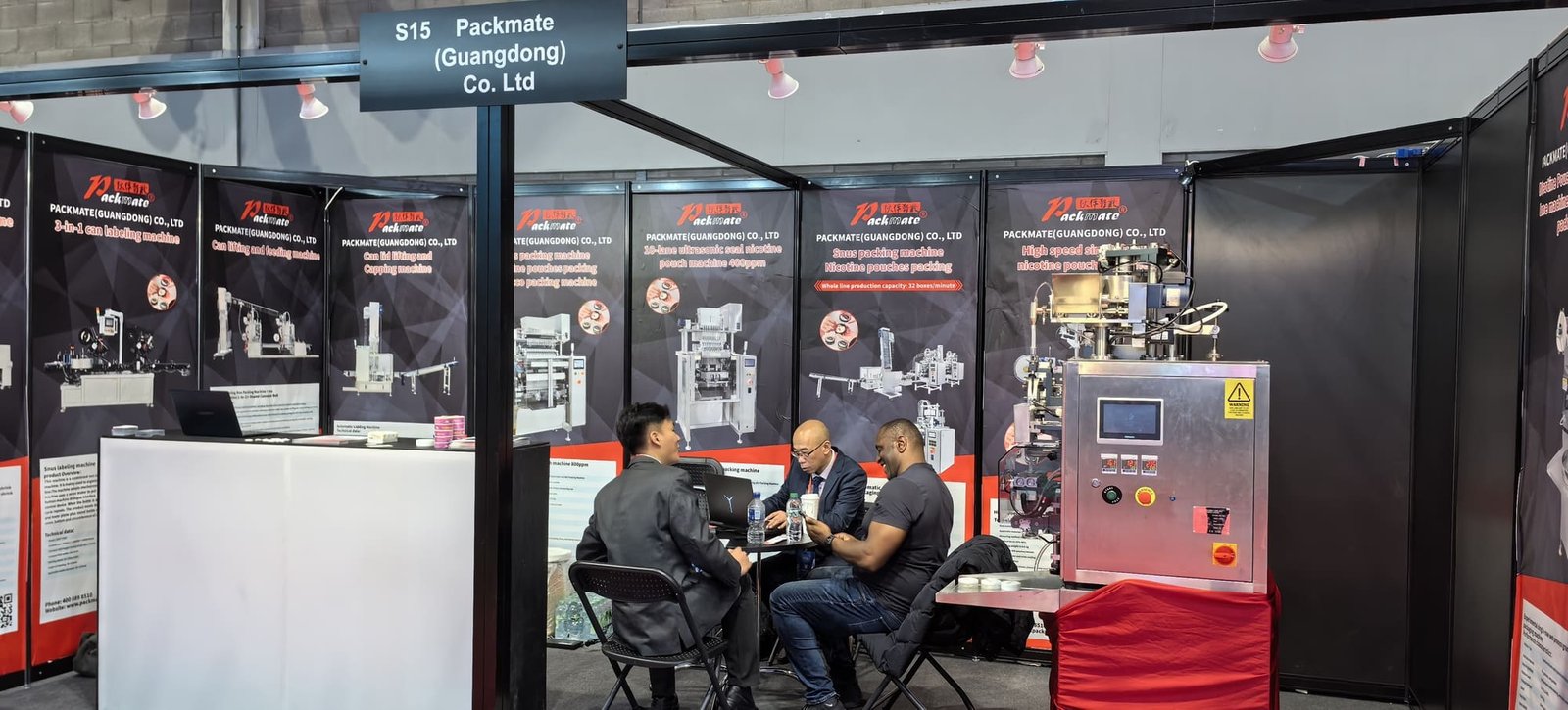
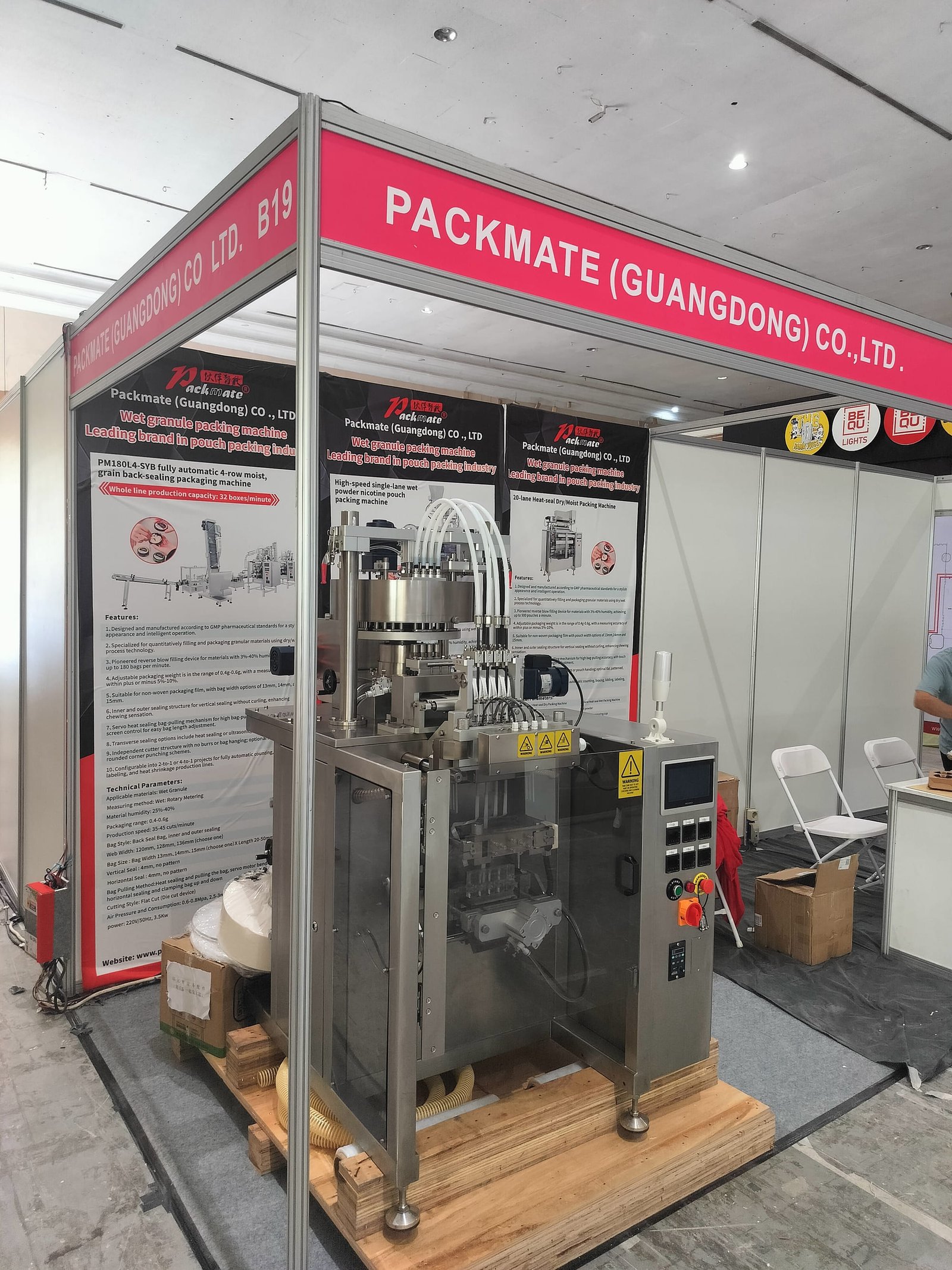
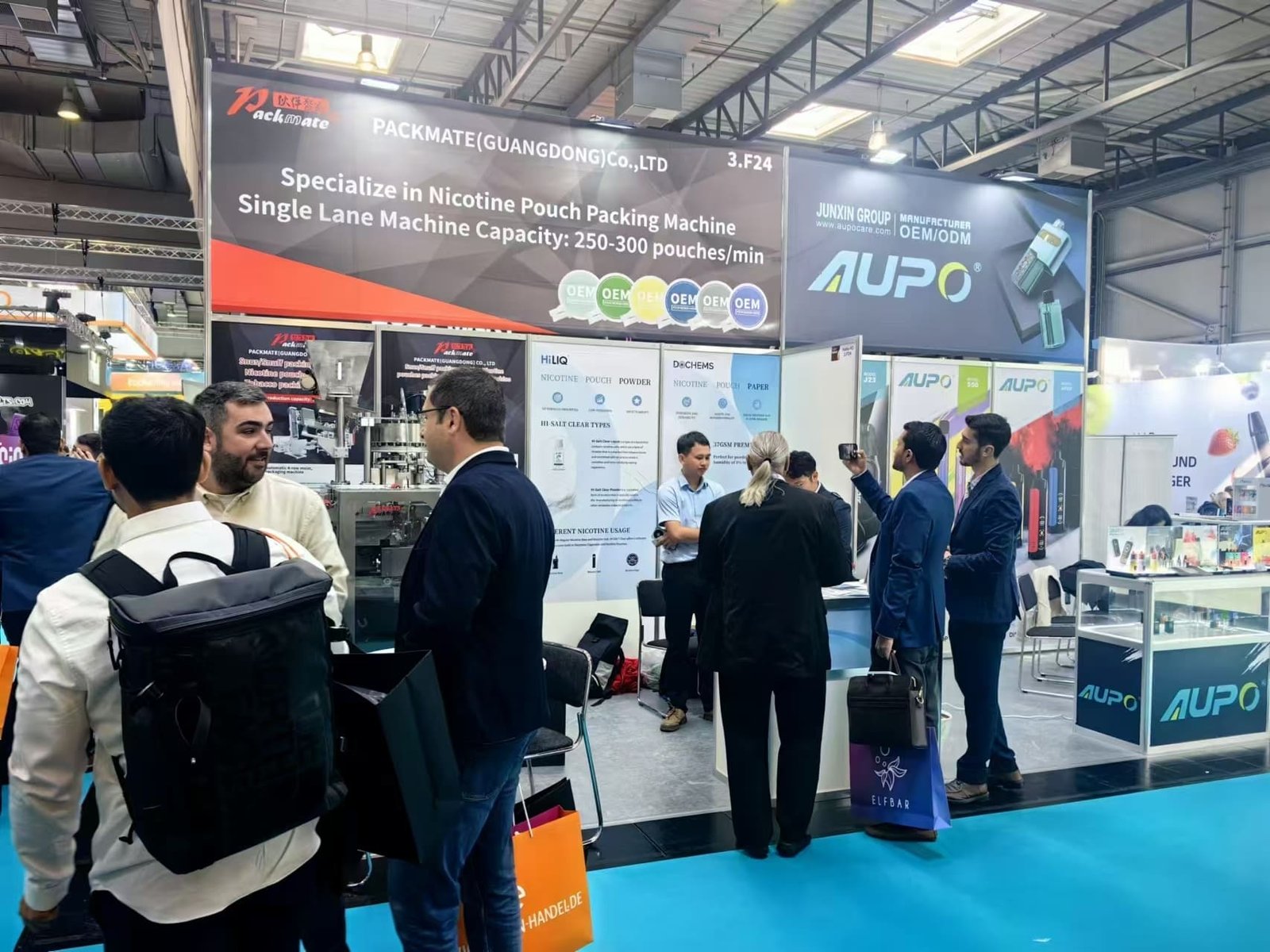
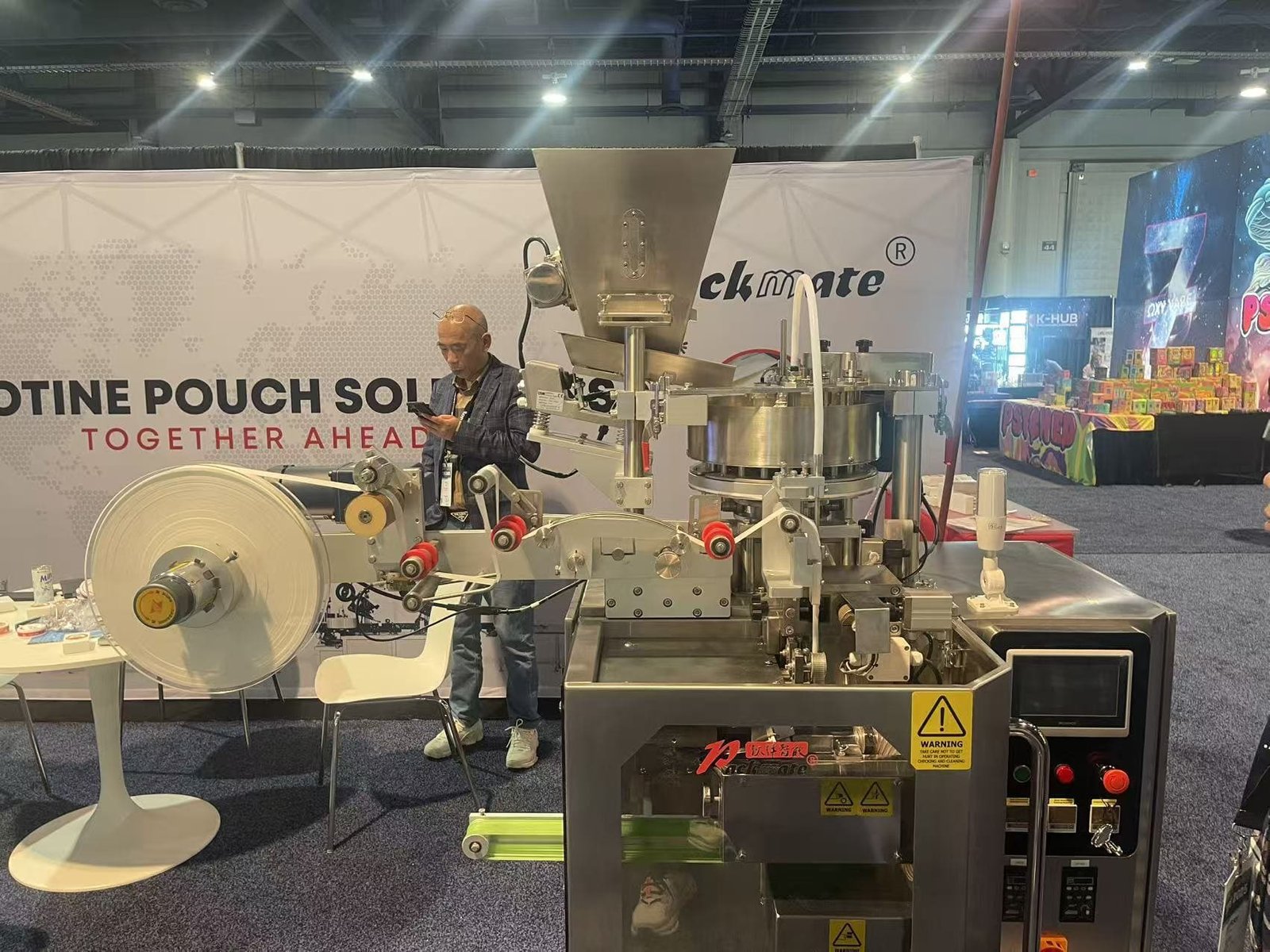
Global Packaging Industry Exhibitions
Trusted Component & Technology Partners








Frequently Asked Questions: Setting Up Animal Feed Packaging Lines
Direct engineering answers to the most common layout, dosing, and integration questions encountered by plant engineers.
Ready to Design Your Custom Animal Feed Packaging Line?
Partner with Ludyway Machinery for precision engineering, custom layout schematics, and high-efficiency packaging machinery built to maximize your feed mill’s output.
