
What Constitutes a High-Performance Automatic Case Packing Line?
Setting up an automated case packing line transforms manual, labor-intensive end-of-line secondary packaging into a synchronized, continuous, and highly repeatable workflow. An end-to-end case packing system manages cartons from flat corrugated blanks to fully packed, taped or glued, inspected, and pallet-ready shipper units.
1. Upstream Product Collation
High-speed primary packaging (sachets, stick packs, bottles, cans, or pouches) is received from vertical form fill seal (VFFS) or multi-lane filling systems, indexed via dynamic servos, and grouped into precise pack patterns (e.g., 2×3, 4×6, nested layers) without product deformation.
2. Case Erection & Formation
Automated carton erectors pull flat regular slotted cartons (RSC) or wrap-around blanks from a high-capacity magazine via vacuum suction cups, square the corners with pneumatic or mechanical arms, fold bottom flaps, and apply hot-melt adhesive or bottom tape.
3. Precision Loading & Sealing
Utilizing robotic delta arms, Cartesian gantries, top-load drop packers, or horizontal side-push rams, collated products are placed securely into the erected carton. Top flaps are then automatically folded and sealed with high-adhesion tape or hot-melt glue guns.
Step-by-Step Implementation Guide to Setting Up Your Line
Deploying an automatic case packing system requires methodical engineering alignment between incoming primary product characteristics, corrugated carton physics, layout footprints, and controls architecture.
Define User Requirement Specifications (URS) & Physical Audits
Before selecting packaging hardware, compile an exhaustive physical audit of all SKUs. Variability in primary packaging dimensions or corrugated board moisture content can derail automated indexing if not accounted for during the initial scoping stage.
- Primary Item Specs: Weight, rigidity, friction coefficient, fragile zones, seal integrity, and thermal tolerance.
- Secondary Case Specs: RSC (Regular Slotted Carton), HSC, Wrap-Around, or Tray-and-Hood; Corrugate flute type (B-Flute, C-Flute, E-Flute, or double-wall BC).
- Line Speed Requirements: Match incoming primary feed (e.g., 200–600 sachets/min) to target case output (e.g., 10–35 cases/min) with a +15% surge capacity margin.
Select the Optimal Loading Motion: Top-Load, Side-Load, or Robotic Pick-and-Place
The geometric orientation of the product inside the shipper case dictates the kinematic style of the packer. Selecting the wrong mechanical architecture leads to recurring jamming and packaging scuffing.
- Top-Load (Gantry / Drop): Ideal for rigid bottles, jars, cans, and uniform multi-packs requiring vertical descent into partitions or grid dividers.
- Horizontal Side-Load: Best for stable cartons, folded boxes, rectangular block pouches, and high-speed single-layer or stacked pushes.
- Robotic Delta / Articulated Pick-and-Place: Best for flexible pouches, pillow bags, stick packs, and irregular sachets requiring orientation adjustment and vision-guided tracking.
Design Conveyor Accumulation, Infeed Pitching & In-Line Buffering
Case packing machines must never stop when upstream filling machines experience brief transient pauses, nor should upstream multi-lane stick pack machines stop if the case packer undergoes a tape roll replenishment.
- Implement dynamic accumulation conveyors (zero-pressure accumulation or dynamic bi-directional buffering tables).
- Utilize high-precision servo infeed belts to pitch, align, orient, and count items into the packing staging zone.
- Integrate smart sensors (photoelectric, laser time-of-flight) to detect shingled or misaligned products prior to robotic pickup.
Integrate Downstream Quality Control: Checkweighers, X-Ray & Vision Inspection
Shipper cases must leave the production facility with 100% verification. Missing a single stick pack or sachet inside a 50-count carton results in costly retailer chargebacks and brand degradation.
- Dynamic Case Checkweighing: Automatically detect missing primary units or overfilled containers at speeds up to 40 cases/min.
- Integrated Vision & Barcode Scanners: Verify 1D/2D barcodes, lot codes, expiration dates, and case print alignment with automatic pneumatic reject arms.
- Metal Detection & X-Ray Inspection: Ensure physical contaminants are caught and segregated before carton sealing and pallet stacking.
Standardize Controls Architecture, PLC Synchronization & Safety Circuits
A truly modern automated case packing line relies on unified fieldbus protocols (EtherCAT, Profinet, or Ethernet/IP) to synchronize erectors, infeeds, robotic arms, sealers, and palletizers under one centralized HMI touchscreen.
- Incorporate Category 4 / Ple safety relays, light curtains, and interlocked transparent guarding.
- Provide recipe-driven automatic changeovers where servo motors reposition side guides, vacuum cups, and carton pushers within 3 to 5 minutes.
- Enable IoT connectivity for real-time Overall Equipment Effectiveness (OEE) tracking, predictive maintenance alerts, and remote telemetry support.
Comparison: Case Packing Methodologies & Kinematic Types
Evaluate the four predominant industrial case packing mechanisms to determine which technology aligns with your factory footprint, carton dimensions, and packaging medium.
| Loading Mechanism | Primary Application | Speed Range (Cases/Min) | Changeover Agility | Footprint Efficiency | Key Advantage |
|---|---|---|---|---|---|
| Robotic Pick & Place (Delta / Articulated) | Sachets, stick packs, flexible pouches, flow wraps, blisters | 15 – 45 CPM | High (HMI Recipe) | Extremely Compact | Vision inspection tracking & delicate product handling |
| Horizontal Side-Load Packer | Cartoned goods, folded boxes, pharmaceutical cartons, tea packs | 10 – 35 CPM | Moderate (10–15 min) | Linear / Inline | High mechanical pushing force & perfect tight grouping |
| Gantry Top-Load Drop Packer | Rigid bottles, motor oil jugs, metal cans, glass jars | 8 – 25 CPM | Moderate (Tool change) | Medium Footprint | Multi-lane grid insertion into pre-divided cartons |
| Wrap-Around Case Packer | High-volume beverage cans, shelf-ready trays, dairy multipacks | 25 – 60+ CPM | Low to Moderate | Large Machine Length | Lowest corrugate cost; tightest shipping case structure |
Featured Case Packing & Automation Equipment
Engineered to integrate seamlessly with multi-lane stick pack and sachet packaging machinery, providing end-to-end carton erecting, loading, checking, sealing, and pallet handling.
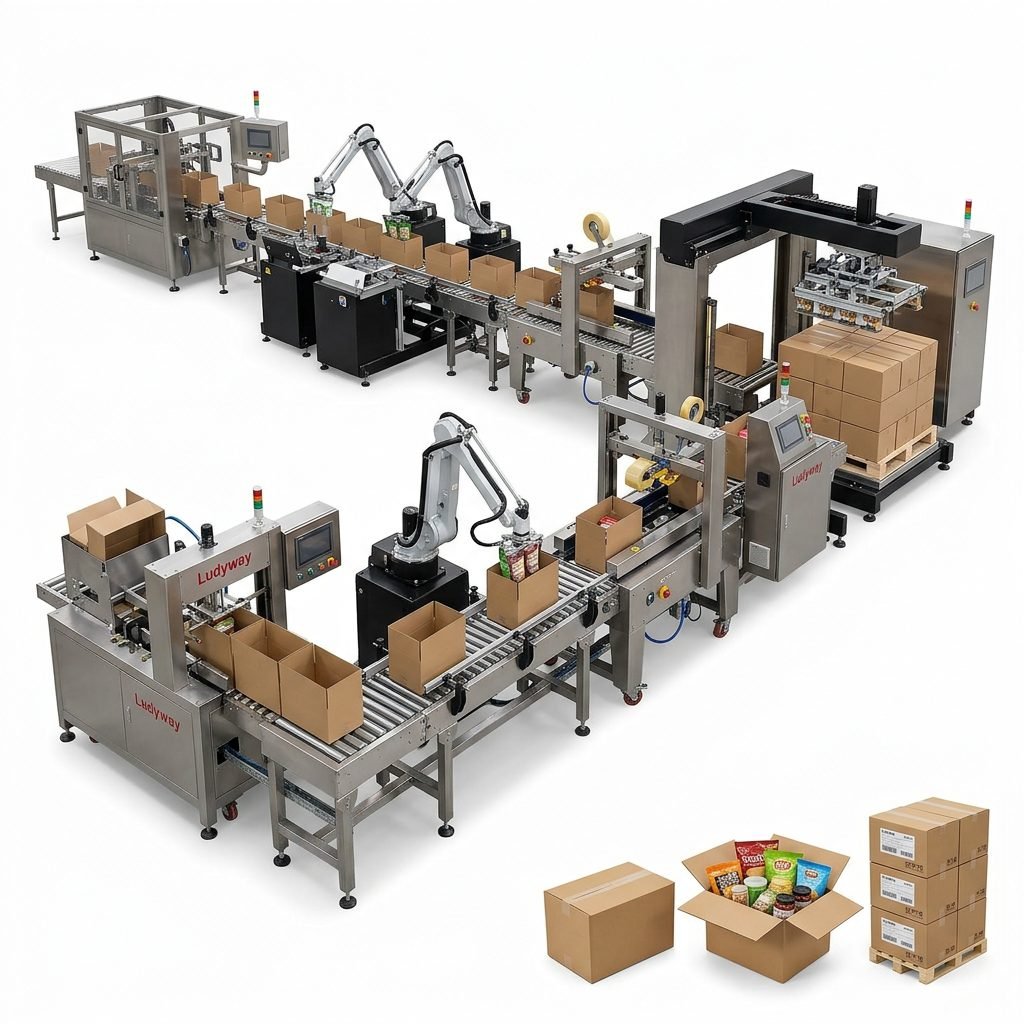
High-Speed Case Packing Lines for Automated Sealing & Palletizing
Full turnkey end-of-line integration combining continuous case erection, high-payload collated loading, automated top sealing, and robotic palletizing.
View Line Details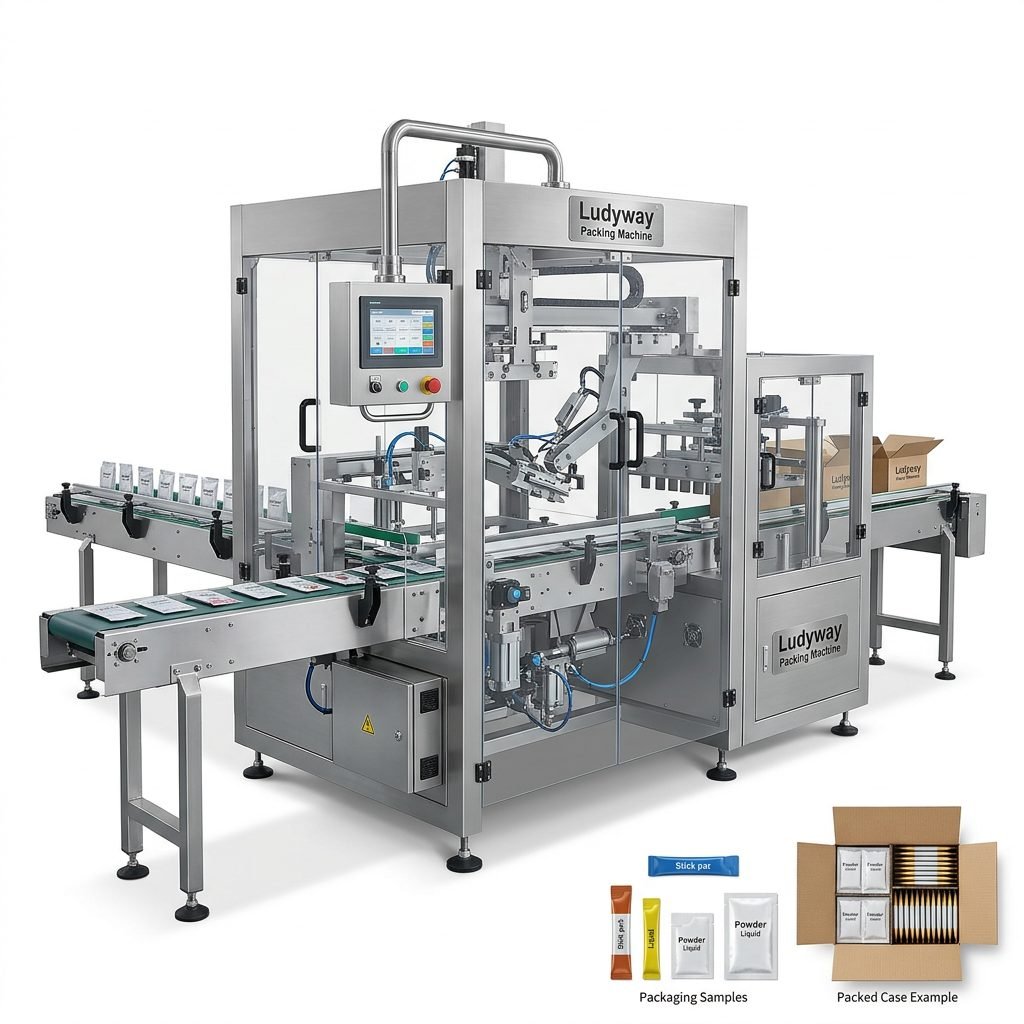
High-Speed Automatic Case Packer for Sachet & Stick Packs
Designed specifically for flexible food and pharmaceutical sachets, featuring high-speed servo collation and gentle pick-and-place grippers.
View Case Packer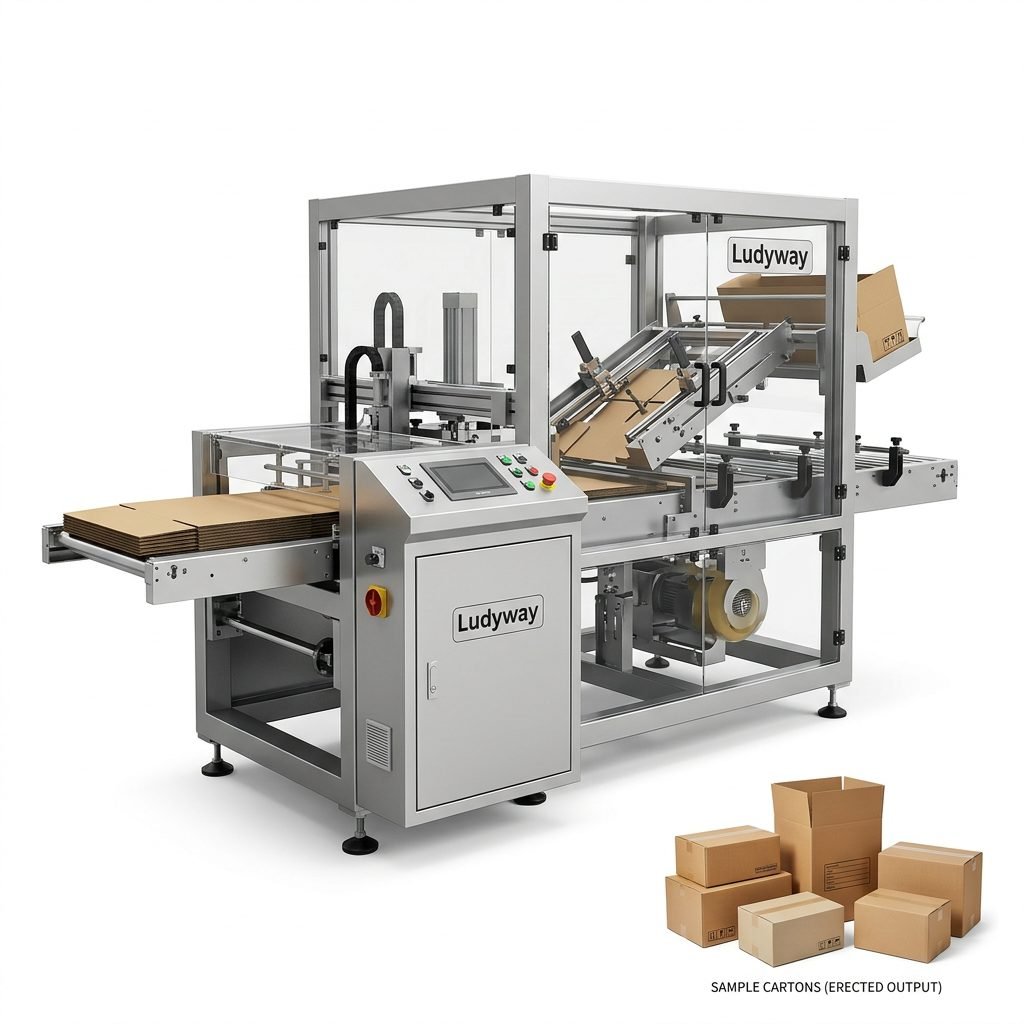
Carton Erector Machine with High-Speed Automatic Setup
Reliable vacuum suction erection system with automatic bottom flap folding and tape or hot-melt sealing, handling up to 30 cartons/min.
View Erector Specs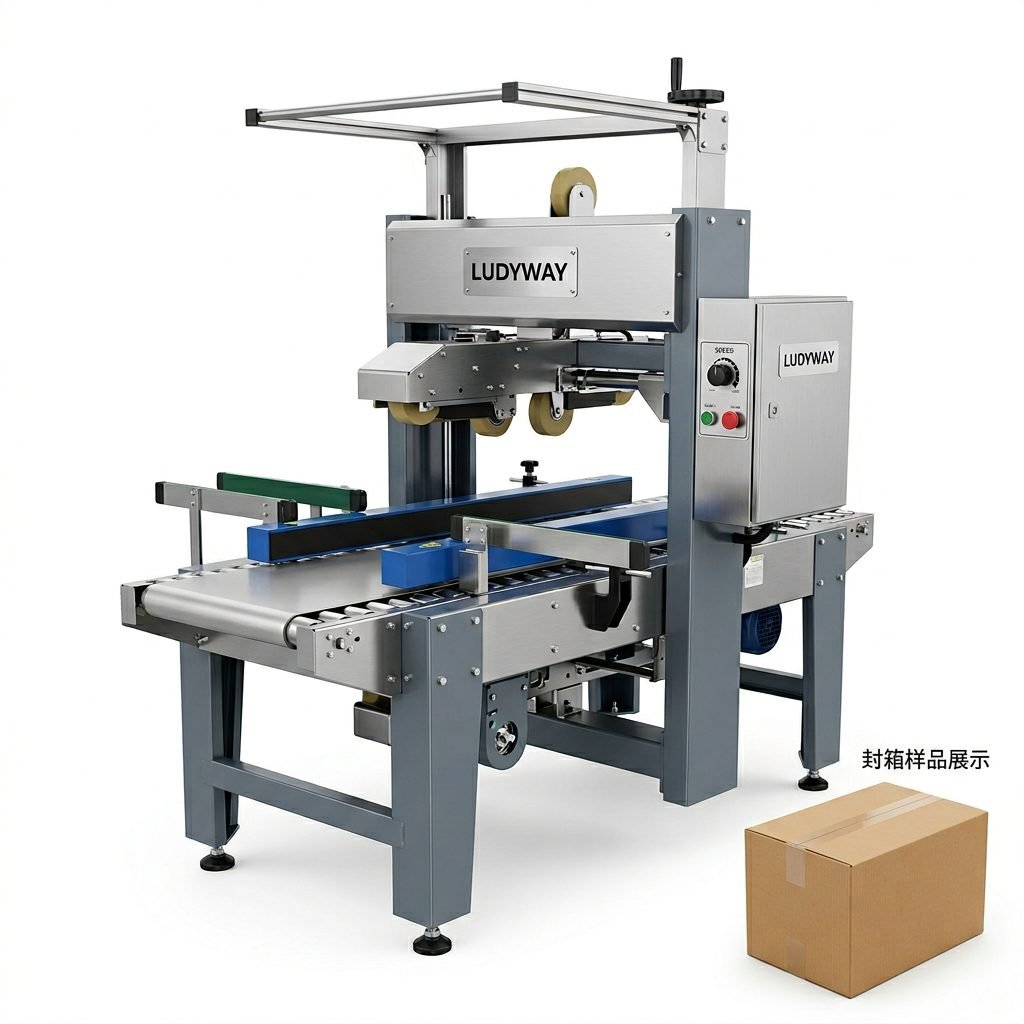
Automatic Carton Sealer Machine with Adjustable Speed
Precision top and bottom case taping machine with pneumatic flap-folding wings and quick-adjust handwheels for rapid multi-box changeovers.
View Sealer Specs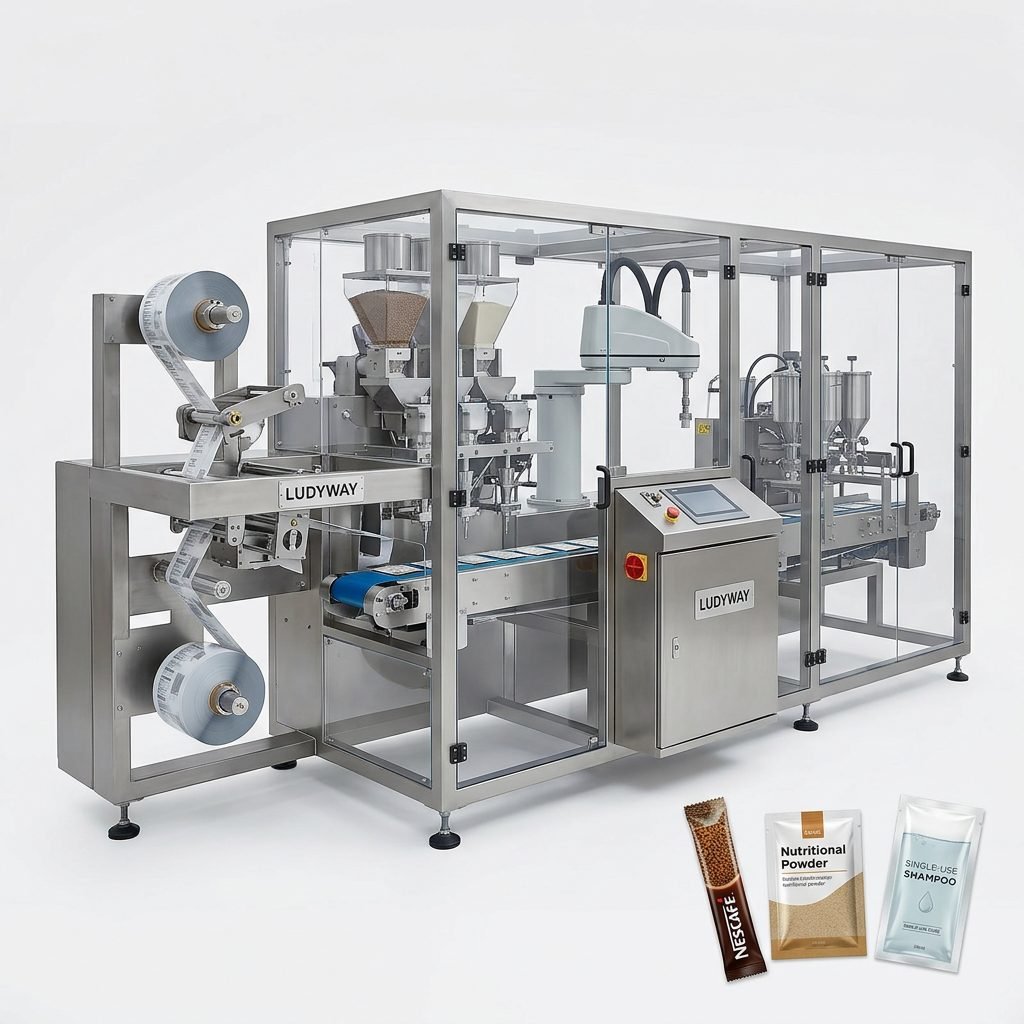
Robotic Automated Packaging System for Granules & Powders
Equipped with 4-axis delta and 6-axis articulated arms for high-speed dynamic tracking, visual inspection, and multi-layer carton packing.
View Robotic Systems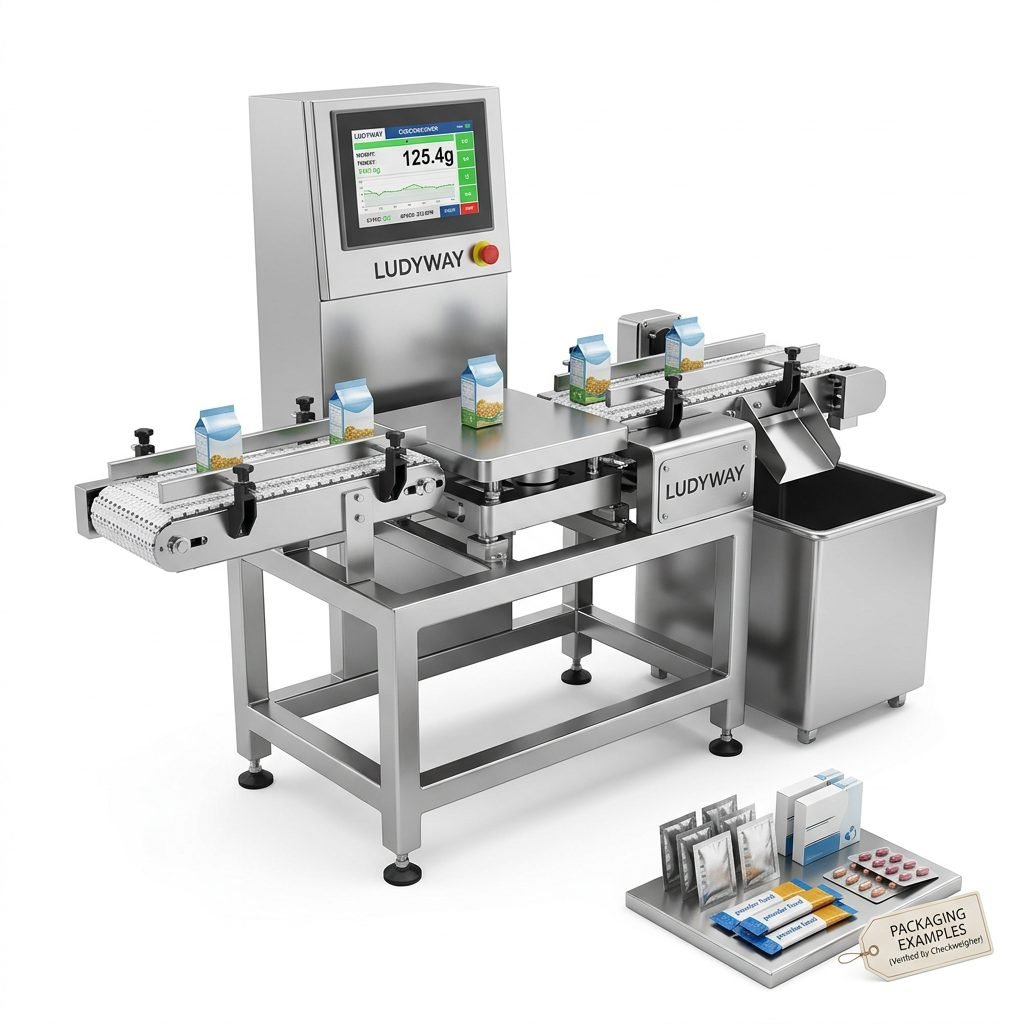
High-Precision Checkweigher for Food & Pharma Lines
Inline dynamic weight detection ensuring accurate case piece counts, equipped with high-speed pneumatic flipper rejection for non-compliant cases.
View Checkweigher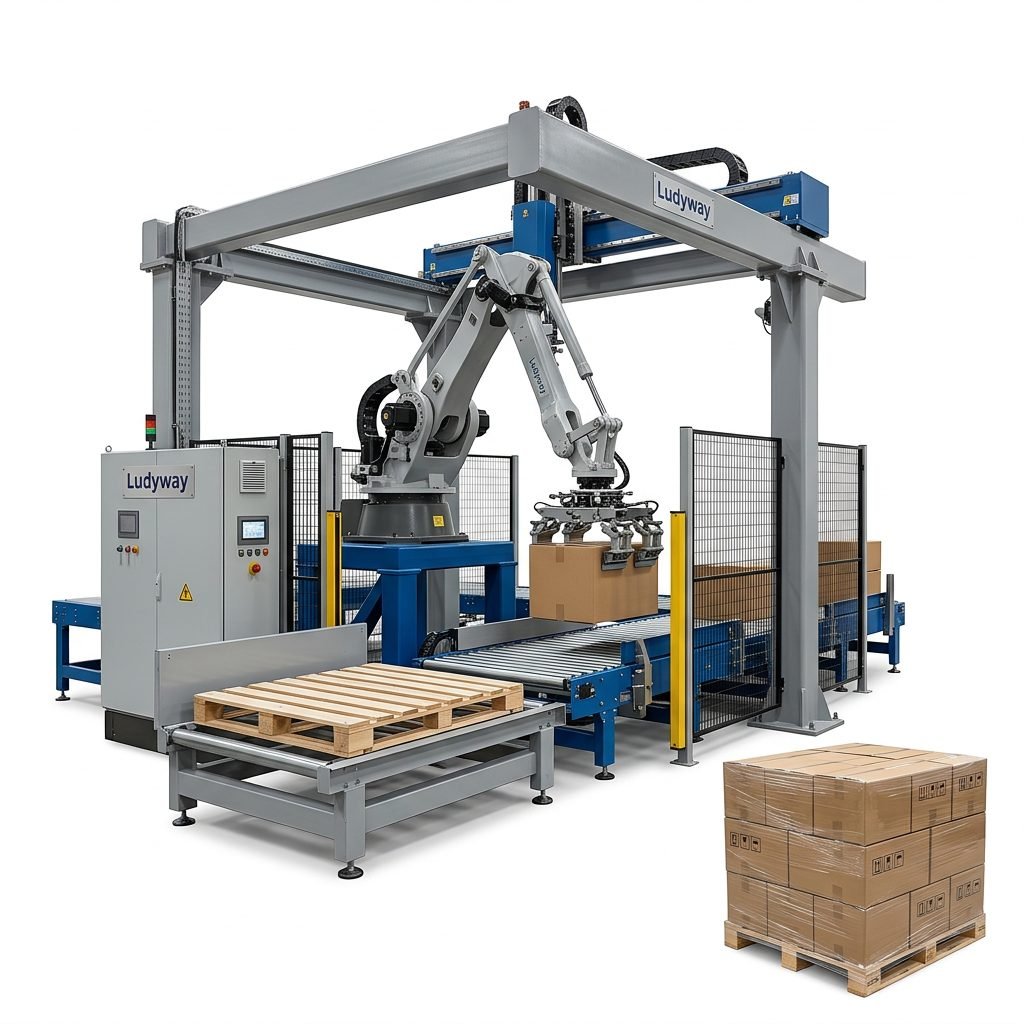
Industrial Palletizer for Heavy-Duty Stacking & Unitizing
High-level gantry and robotic palletizer capable of processing up to 35 cartons/min, featuring automatic pallet dispensing and layer-slip insertion.
View Palletizer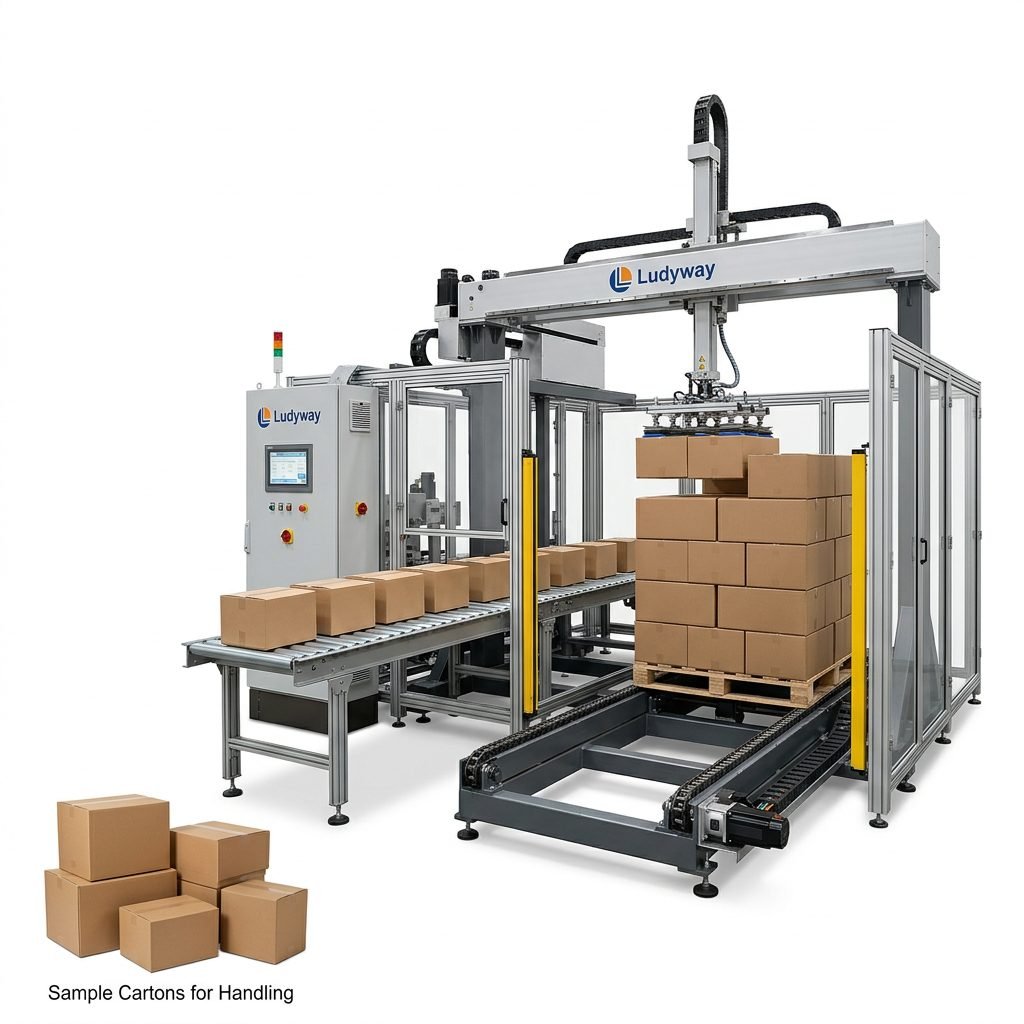
High-Speed Automatic Depalletizer for Carton Handling
Upstream raw material feeding system for high-volume automated line integration, de-layering incoming empty shipper cases or container bins.
View DepalletizerCritical Engineering Factors for Line Synchronization
Ensuring your automated case packing line operates at maximum OEE (Overall Equipment Effectiveness) requires attention to mechanical handoffs, corrugated quality tolerances, and line balancing principles.
Corrugated Box Tolerances & Quality Control
Automated case erectors are sensitive to warped corrugated blanks, incomplete score lines, and excessive moisture variations. Hand-packing tolerates inconsistent corrugate; automated vacuum arms do not.
Always specify a minimum ECT (Edge Crush Test) value of 32 to 44 ECT and ensure blanks are stored in climate-controlled environments to prevent humidity-induced delamination or dimensional distortion.
V-Curve Line Balancing & Buffer Management
In high-speed lines, the case packer must not become the primary operational bottleneck. The primary packaging unit (e.g., stick pack machine) should run at base speed, while the secondary case packer is engineered to operate 15–20% faster.
This “V-Curve” line balance guarantees that upstream machines never back up during case magazine reloads, tape cartridge replacements, or minor downstream palletizing index delays.
Ludyway Packaging Machinery: 30+ Years of Manufacturing Authority
As one of the world’s leading packaging automation manufacturers, Ludyway delivers industrial-grade primary and secondary packaging systems to food, pharmaceutical, cosmetic, and chemical producers across more than 100 countries.
Supported by our state-of-the-art 20,000㎡ modern manufacturing facility and a team of 130+ automation specialists, Ludyway designs over 50 intelligent machinery models. From high-speed multi-lane stick pack and sachet systems to synchronized robotic case packing lines, we provide full turnkey design, factory acceptance testing (FAT), and international commissioning support.
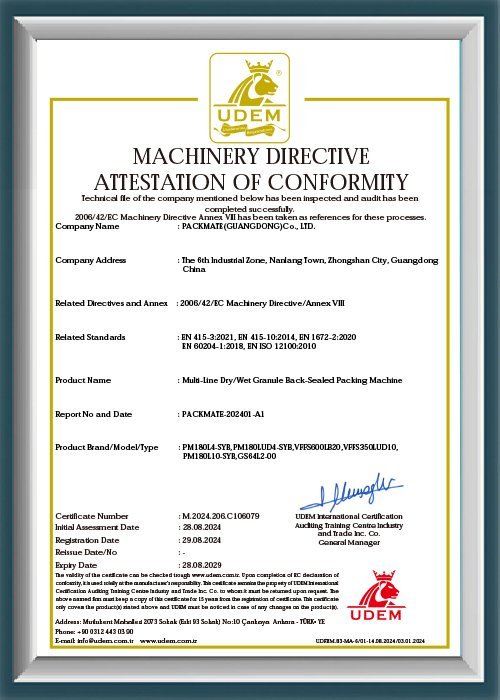
Certified Quality & Global Standard Compliance
Every Ludyway automated case packing line and auxiliary machine is manufactured in strict accordance with ISO 9001 quality management benchmarks and CE safety directives.



Mitigating Case Packing Bottlenecks & Jamming
Field diagnostics identify the top three failure modes in automated secondary packaging and provide proven mechanical and pneumatic counter-measures.
Carton Erection Failure / Vacuum Drop
Root Cause: Porous recycled corrugated board causing vacuum leakages or warped blanks failing to clear magazine extraction pins.
Engineering Solution: Implement high-flow venturi vacuum generators with dual-lip suction cups and positive mechanical case-squaring pusher bars.
Product Shingling at the Collation Infeed
Root Cause: Primary flexible stick packs or liquid sachets overlapping due to coefficient-of-friction variances on high-speed conveyor belts.
Engineering Solution: Integrate smart servo-driven side-grip belts and dynamic pneumatic drop gates to singulate and layer products into deterministic pocket conveyors.
Case Flap Re-Opening Post-Taping
Root Cause: High corrugated flap memory overcoming adhesive wet tack or inadequate compression roller pressure during high-speed transit.
Engineering Solution: Increase pneumatic compression plate dwell times or upgrade from standard acrylic tape to high-adhesion hot-melt EVA/PUR adhesive beads.
Frequently Asked Questions on Case Packing Automation
Key answers to essential technical, economic, and logistical questions regarding the deployment of automatic case packing systems.
How much floor space is required to install an automatic case packing line?
A standard inline system consisting of a carton erector, robotic pick-and-place packer, and carton taper typically occupies 7 to 10 meters in length and 2 to 3 meters in width. For factories with tight space constraints, integrated monoblock “erect-pack-seal” combination machines reduce the required footprint by up to 45%.
What is the typical ROI period when transitioning from manual to automated case packing?
Most high-volume manufacturing facilities achieve full capital ROI within 9 to 16 months. Return on investment is driven by the elimination of 3–6 manual pack station operators per shift, dramatic reductions in corrugated box damage, elimination of missing-count retailer penalties, and consistent 24/7 line throughput.
How are quick changeovers managed for multi-SKU production lines?
Modern Ludyway case packing systems utilize servo-driven digital motorized adjusters, quick-release vacuum end-of-arm tooling (EOAT), and pre-saved HMI recipe configurations. Operators simply select the target SKU from the color touchscreen, enabling complete mechanical size changeovers in under 5 minutes without external tools.
Can the case packing line handle both tape and hot-melt glue sealing?
Yes. Case sealing modules can be configured with standard pressure-sensitive adhesive (PSA) tape heads, Nordson hot-melt adhesive dispensing guns, or hybrid quick-switch dual-sealing heads depending on your logistical, tamper-evident, and environmental cold-chain packaging criteria.
Ready to Automate Your End-of-Line Case Packing?
Connect with Ludyway’s senior packaging engineering team to receive a tailored factory layout simulation, line speed audit, and turnkey equipment proposal designed specifically for your factory throughput targets.
