As Southeast Asia’s population continues to grow and urbanize, the demand for affordable protein sources such as eggs is surging. Establishing a reliable egg packaging machine production line in this region can unlock significant market potential. However, setting up such a line requires careful planning, understanding local regulations, and investing in high-efficiency machinery. This guide walks you through the entire process, from market analysis to operational optimization.
Why Southeast Asia Is a Strategic Hub for Egg Packaging
Countries like Indonesia, Vietnam, Thailand, and the Philippines are experiencing rapid economic development and dietary shifts toward higher protein intake. The packaging machinery market trends report by PMMI highlights that flexible packaging solutions are expanding quickly in emerging markets. A localized egg grading and packing facility reduces spoilage, meets hygiene standards, and caters to both retail and export demand. Moreover, government incentives for food processing industries in several ASEAN countries make the investment even more attractive.
Key Components of an Egg Packaging Machine Production Line
An automated egg packaging line typically integrates several modules: an egg loader, washing and drying system, candling/vision inspection, weighing and grading unit, automatic tray or carton packing machine, carton closing, and palletizing. Depending on your scale, you can opt for semi-automatic or fully automatic multi-lane systems capable of handling thousands of eggs per hour.
Step-by-Step Setup Process
1. Feasibility Study and Market Analysis
Begin by analyzing egg production clusters, supply chain logistics, and target retail chains. Evaluate whether your line will serve fresh eggs, processed liquid eggs, or both. This determines the level of automation and packaging machinery specification needed.
2. Regulatory Compliance and Certifications
Each Southeast Asian country has its own food safety and packaging regulations. Meeting these is non-negotiable. Below is a quick reference table for some major markets:
| Country | Regulatory Body | Key Standard / Requirement |
|---|---|---|
| Indonesia | BPOM | Food safety and halal packaging guidelines |
| Thailand | Thai FDA | GMP and HACCP for food contact materials |
| Vietnam | VFA / Ministry of Health | TCVN food hygiene standards |
| Philippines | FDA Philippines | FDA circular on primary packaging |
It is also advisable to align with international packaging standards (ISO) and consider sustainable packaging regulations that are increasingly influencing ASEAN policies.
3. Selecting the Right Location and Plant Layout
Proximity to poultry farms and distribution hubs is crucial. The facility must accommodate temperature-controlled storage, a hygienic production floor, and efficient material flow from egg arrival to pallet dispatch. Ensure the layout supports future expansion and complies with local building codes.
4. Sourcing Reliable Machinery
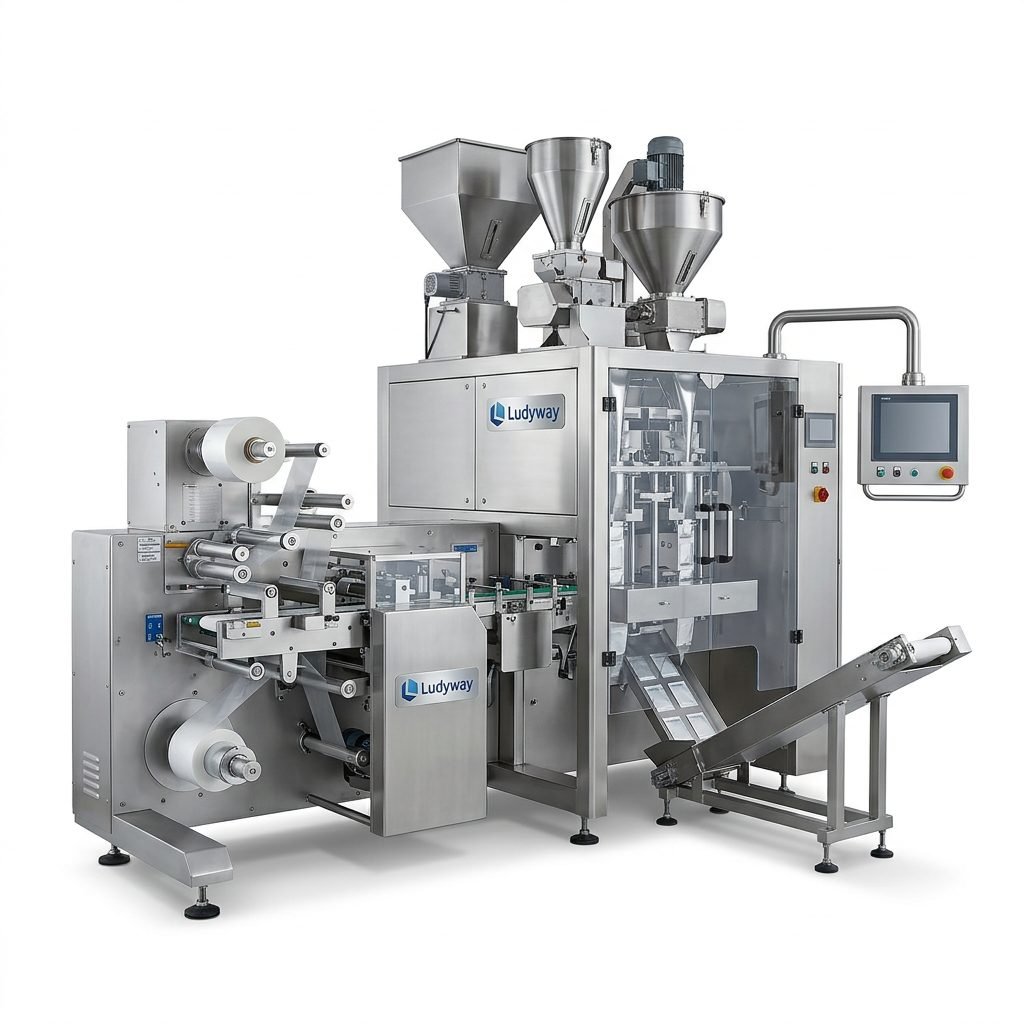
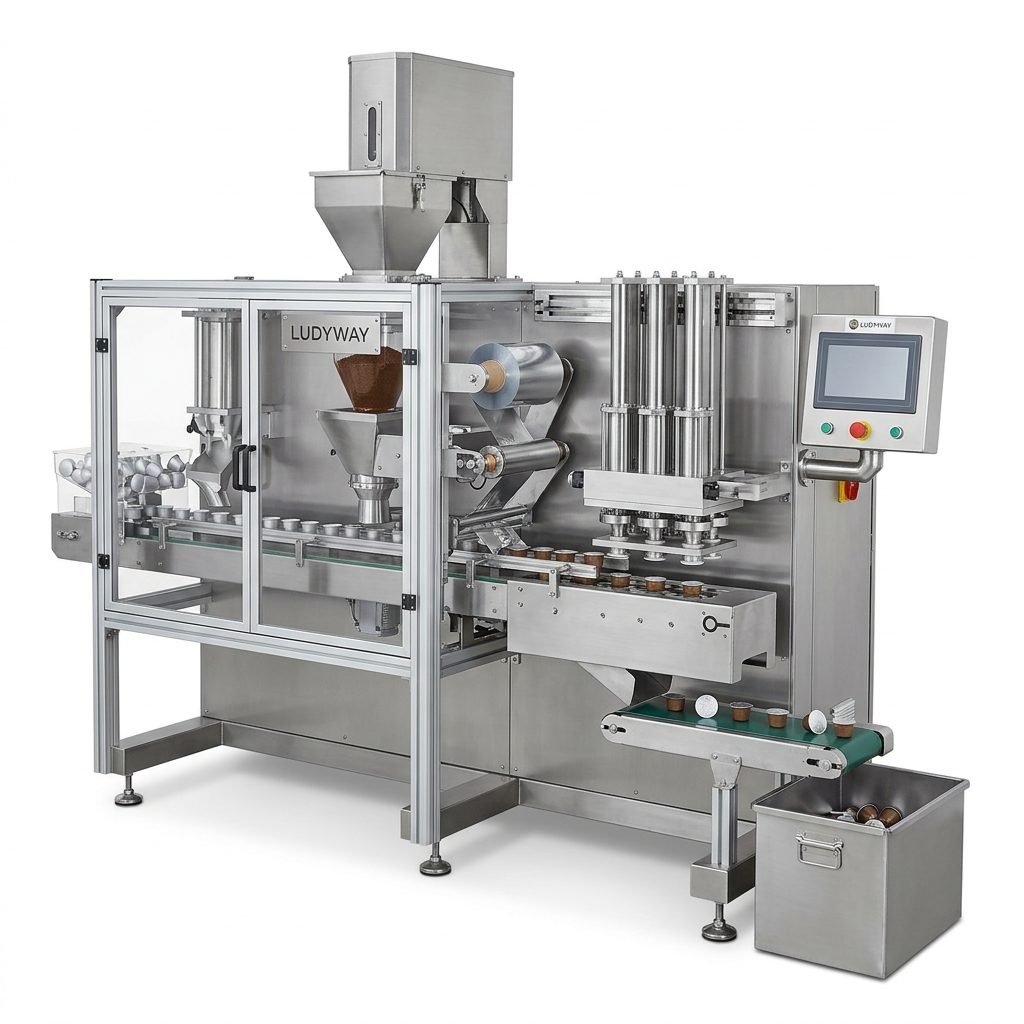
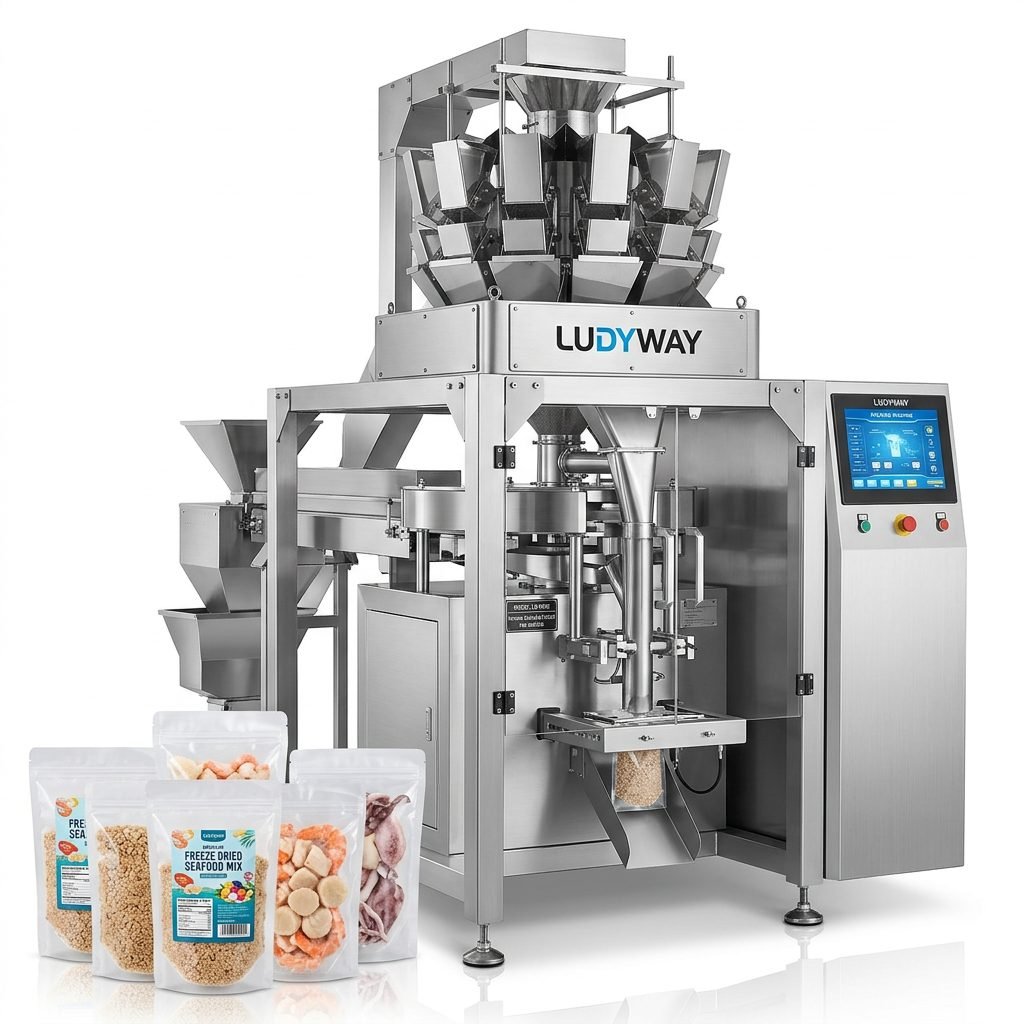
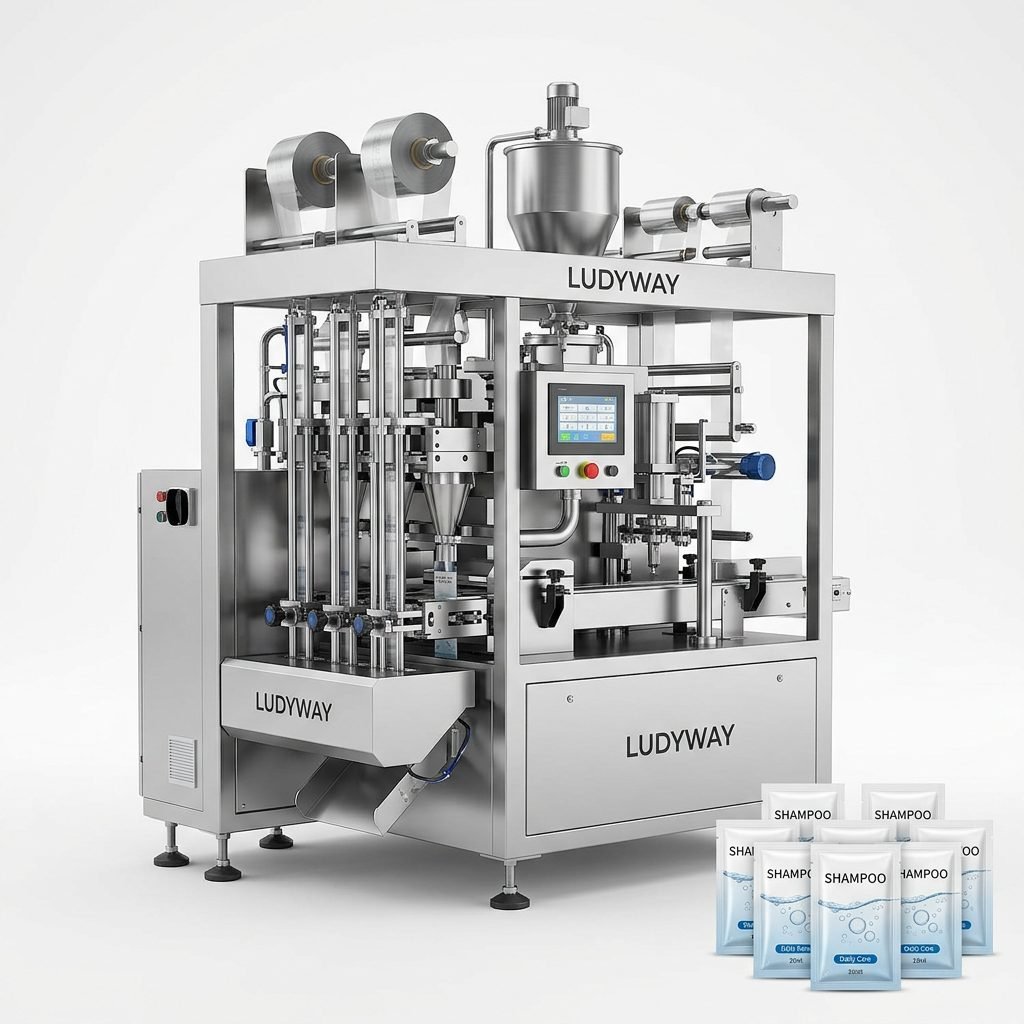
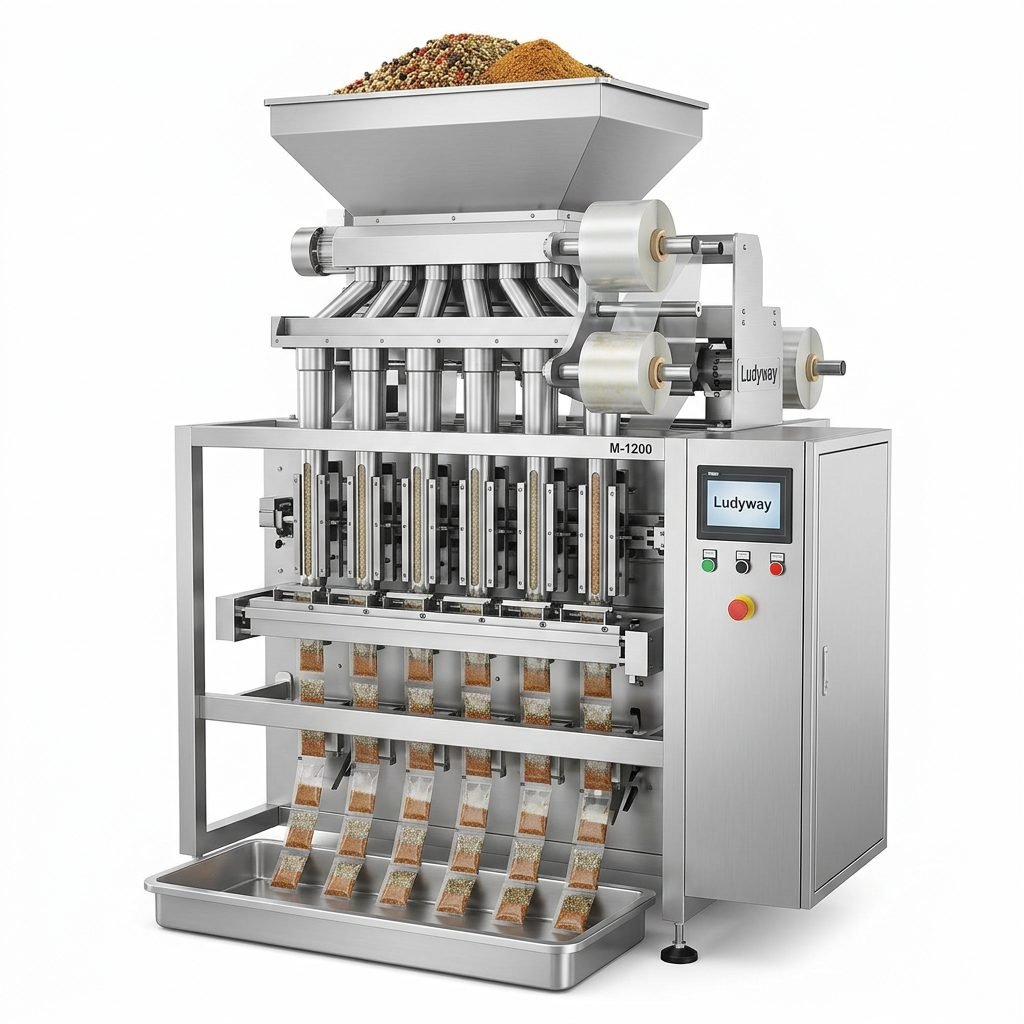
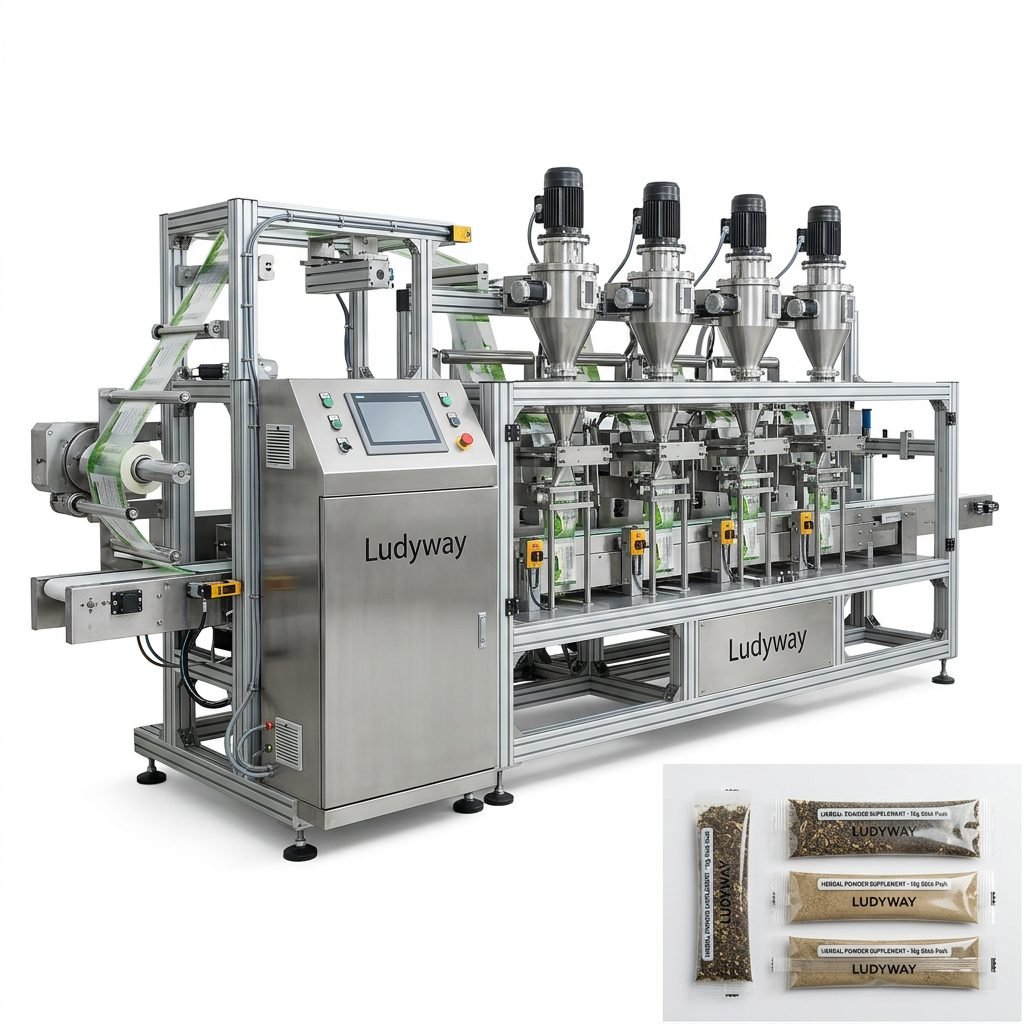
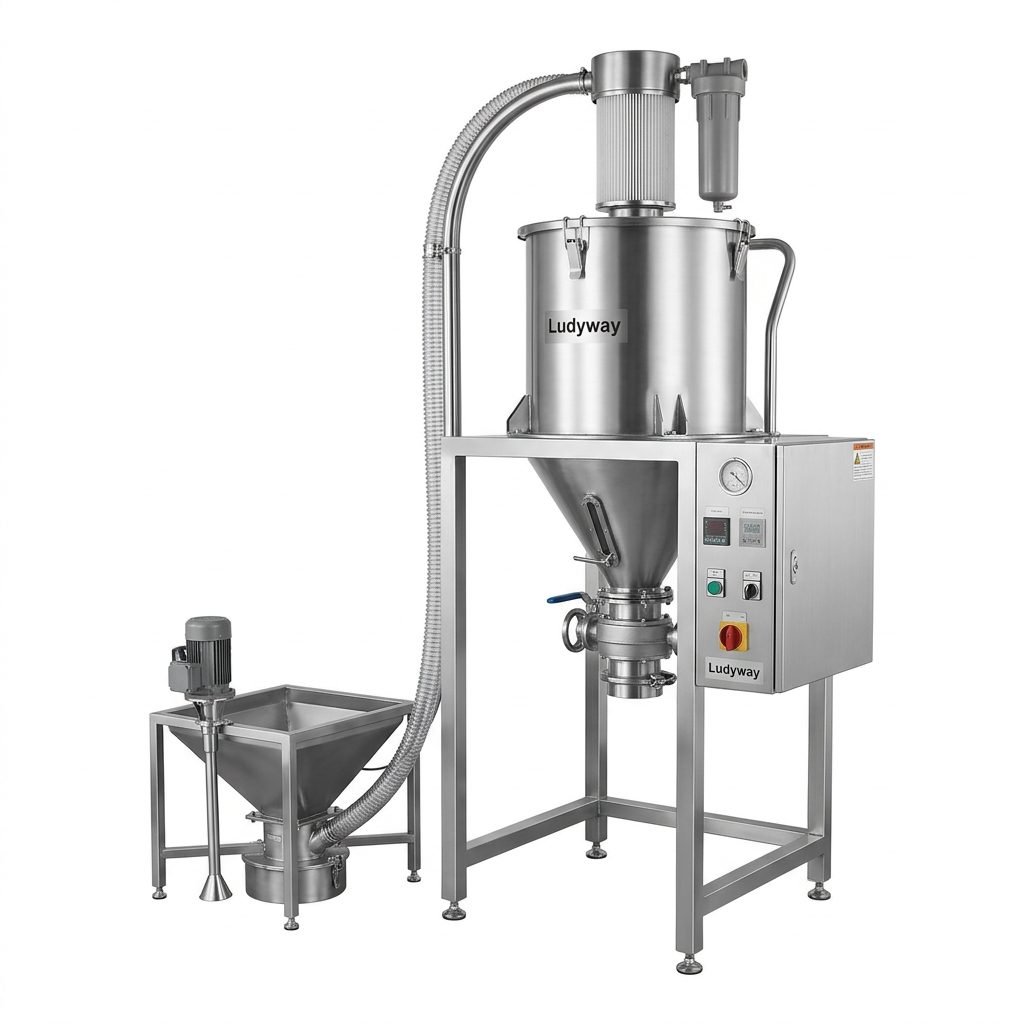
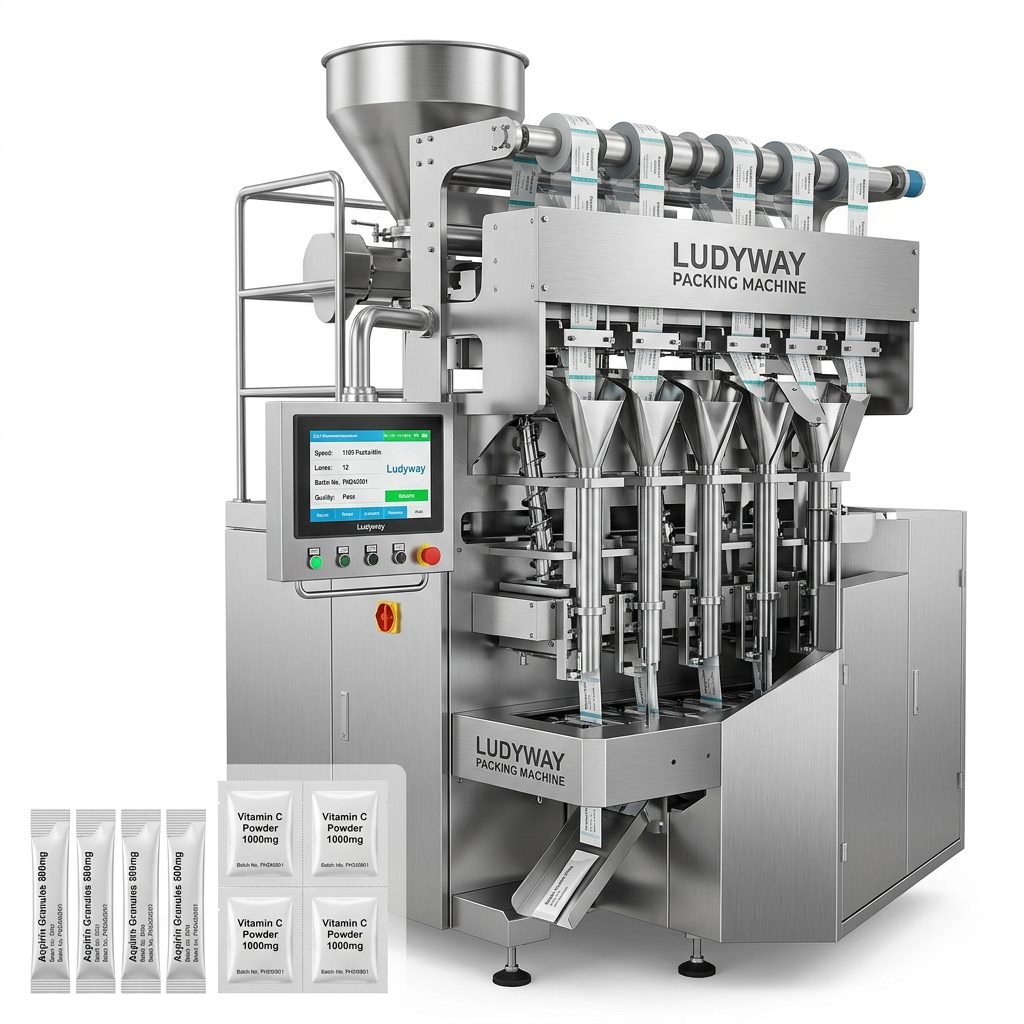
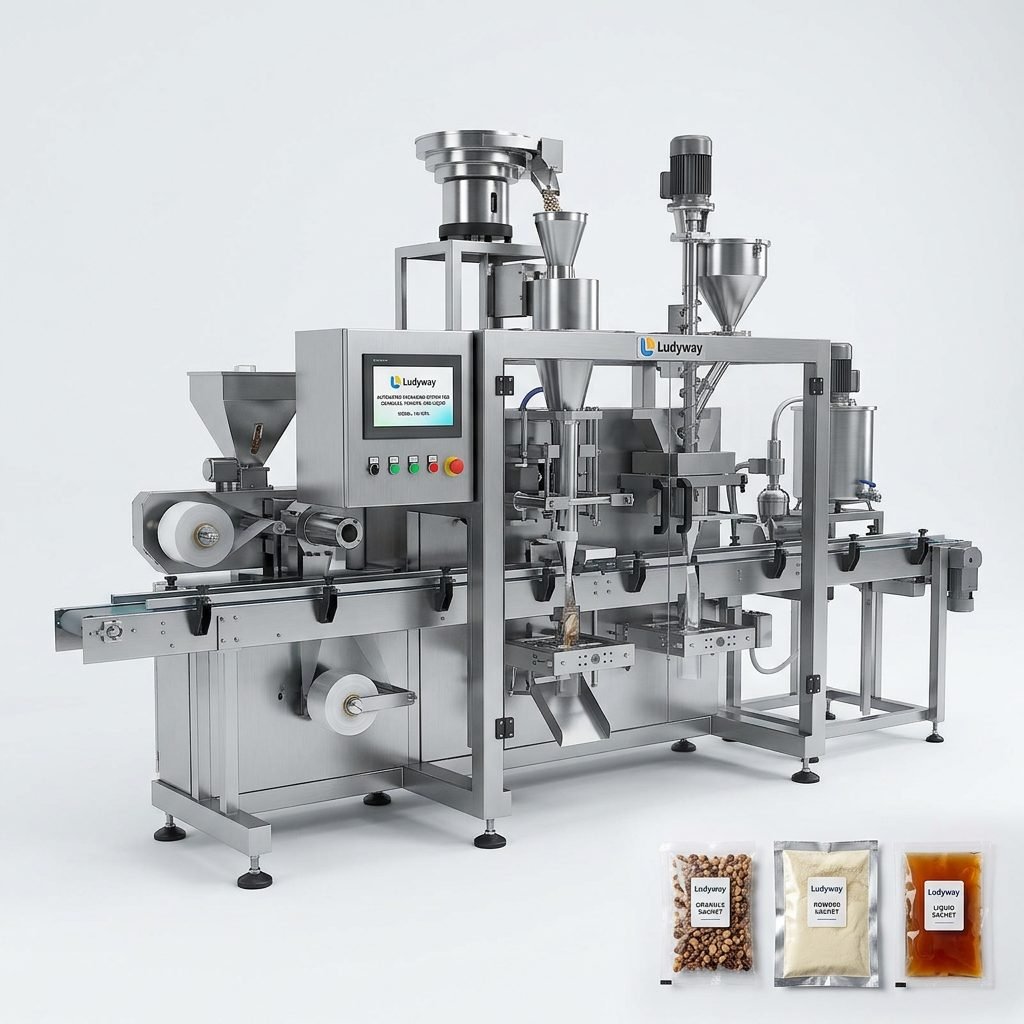
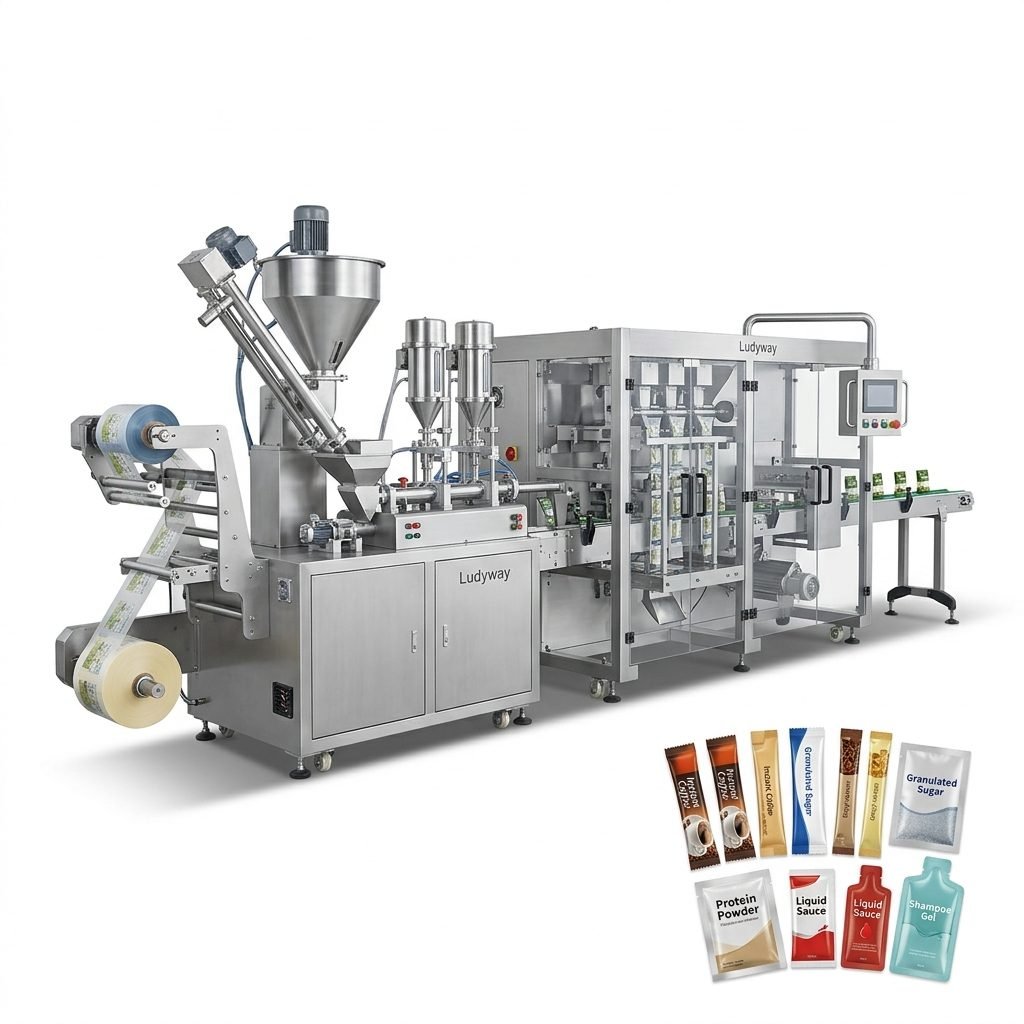
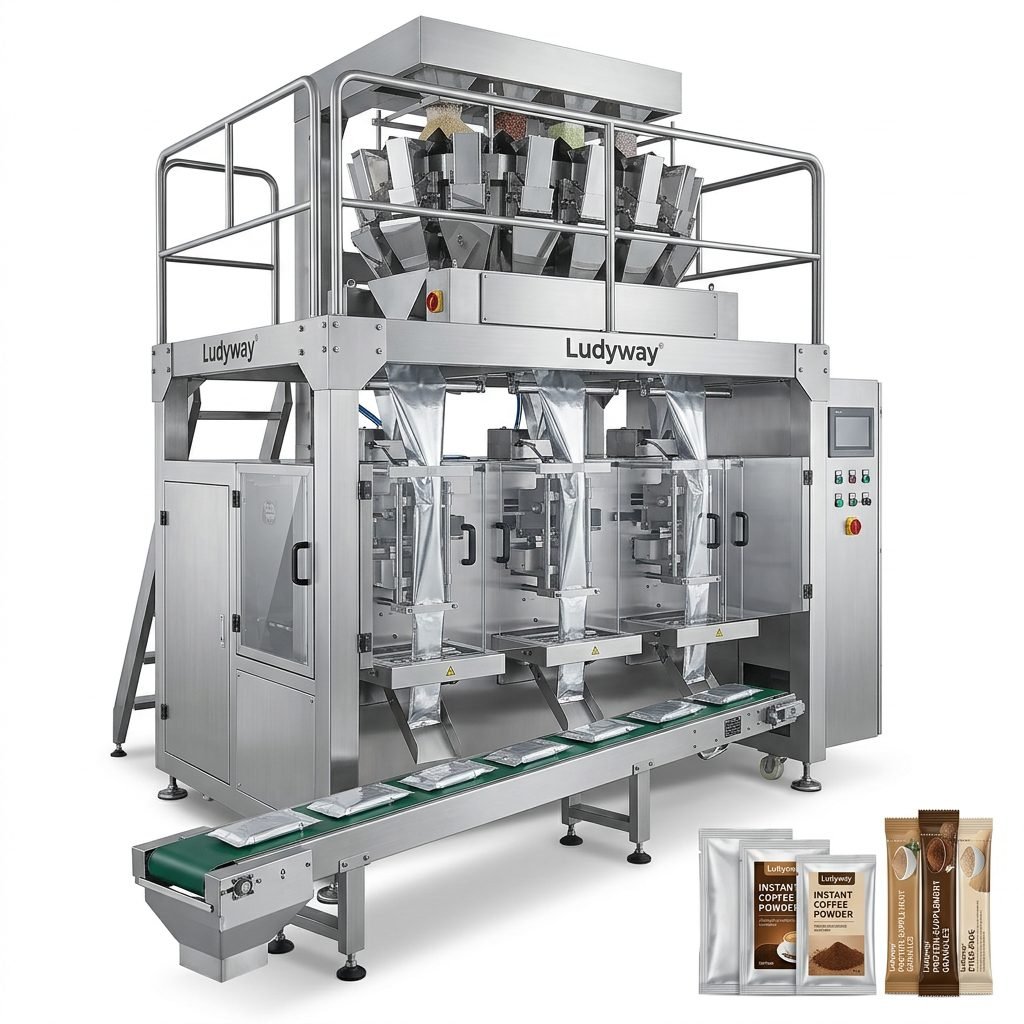
When building your line, choosing the right equipment supplier determines long-term success. Ludyway, one of the largest packaging machine manufacturers in China, provides advanced turnkey solutions for egg and food packaging, supported by over 30 years of industry expertise and a modern 20,000㎡ facility. Their engineering team can customize multi-lane stick pack, sachet, and fully automated systems to match specific production needs.
5. Installation, Training, and Commissioning
Professional installation ensures the precision of weighing, grading, and sealing. Offer comprehensive operator training to minimize downtime. A well-commissioned line will quickly reach its designed output rate, often yielding a return on investment within 12 to 18 months.
6. Optimizing Packaging Material Supply
Egg cartons, trays, and labels must be sourced from certified suppliers. Consider biodegradable or recycled materials to appeal to eco-conscious consumers and comply with emerging ASEAN green packaging directives.
Automation and Technology in Modern Egg Packaging
Today’s lines are equipped with vision inspection systems that detect cracks and dirt, automatic weight sorting, and IoT-enabled monitoring for predictive maintenance. These technologies reduce labor costs and drastically improve grading accuracy. Integrating real-time data analytics allows managers to track OEE (Overall Equipment Effectiveness) and adjust production on the fly.
Cost Analysis and ROI
Understanding the financial layout is essential. Below is an estimated cost structure for a medium-capacity egg packaging line in Southeast Asia:
| Cost Item | Estimated Range (USD) | Notes |
|---|---|---|
| Egg grading & packing machine | $50,000 – $200,000 | Varies by speed and automation level |
| Conveyors and auxiliary equipment | $15,000 – $40,000 | Including washers and dryers |
| Installation, training & commissioning | $8,000 – $20,000 | Often provided by the machine supplier |
| Facility setup & compliance | $30,000 – $80,000 | Hygienic flooring, cold rooms, etc. |
With a well-run line, ROI typically occurs within 12 to 24 months, driven by reduced labor, minimized breakage, and premium pricing on graded eggs.
Maintenance Best Practices
To keep the production line running at peak efficiency, implement a preventive maintenance schedule:
- Daily cleaning of conveyors and sealing jaws to prevent egg residue buildup.
- Weekly inspection of sensors and weighing calibration.
- Monthly lubrication of moving parts with food-grade grease.
- Quarterly audit of electrical panels and emergency stops.
- Annual replacement of wear components such as suction cups and belts.
Conclusion
Setting up an egg packaging machine production line in Southeast Asia is a rewarding venture when approached with diligent regulatory, technical, and operational planning. By partnering with experienced equipment providers and leveraging automation, your business can tap into the region’s rapidly growing protein market. For a customized solution tailored to your specific capacity and budget, reaching out to a specialist manufacturer early in the process paves the way for a smooth, profitable launch.