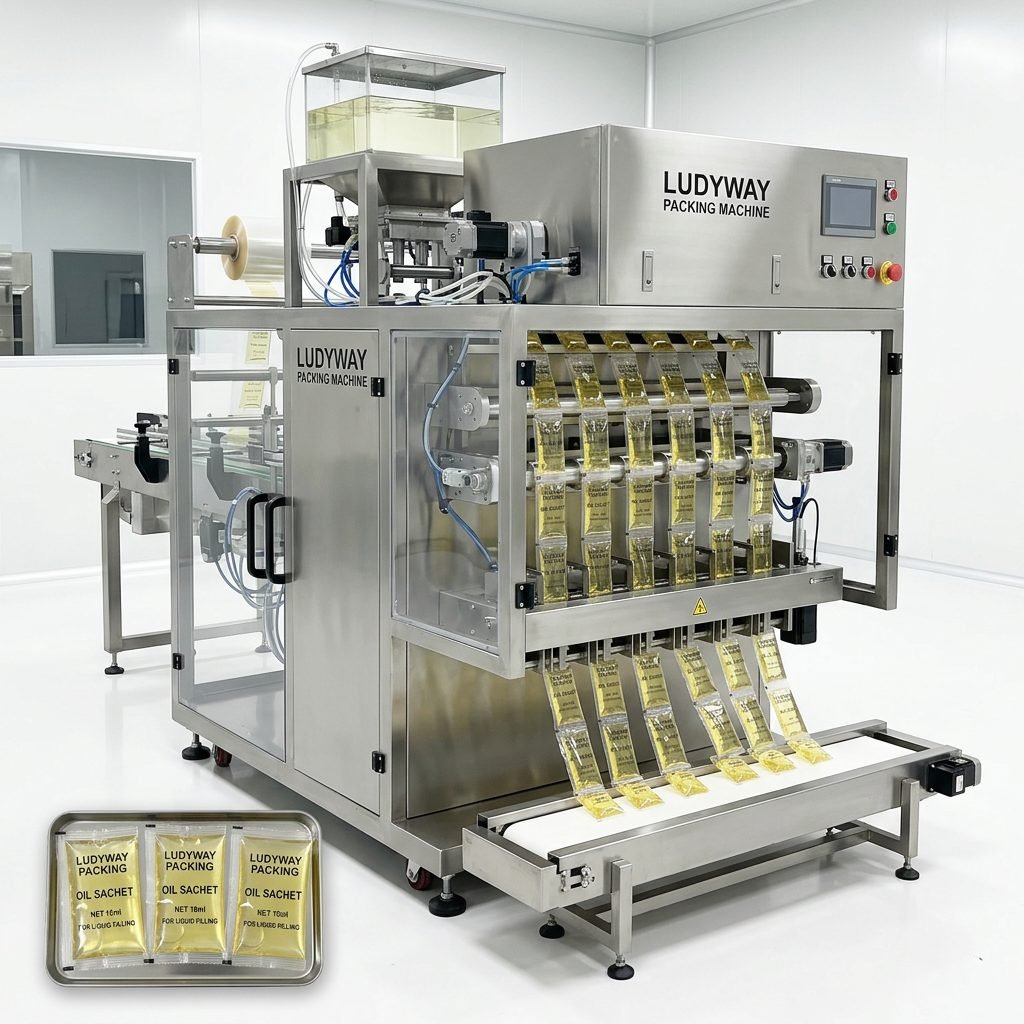
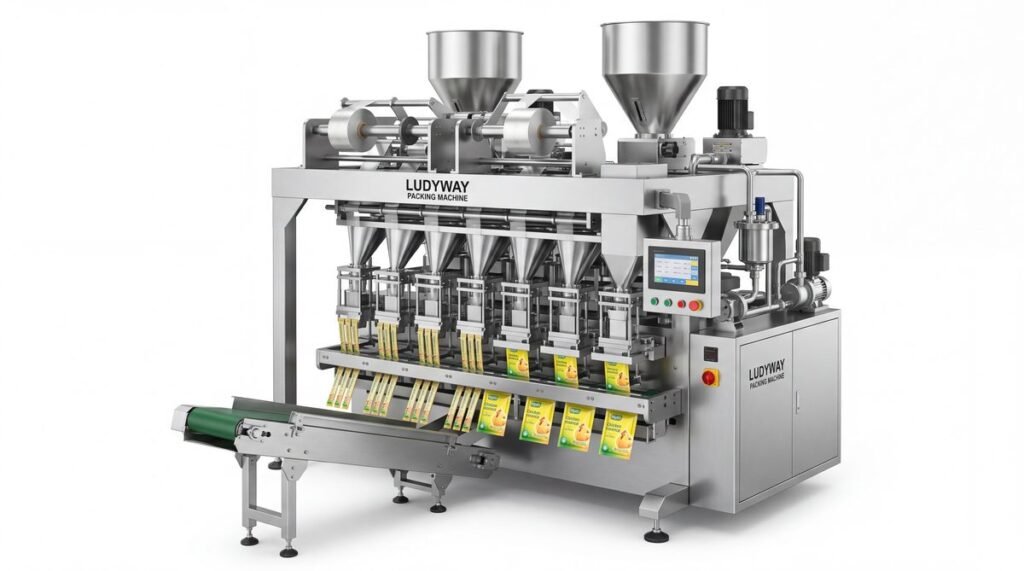
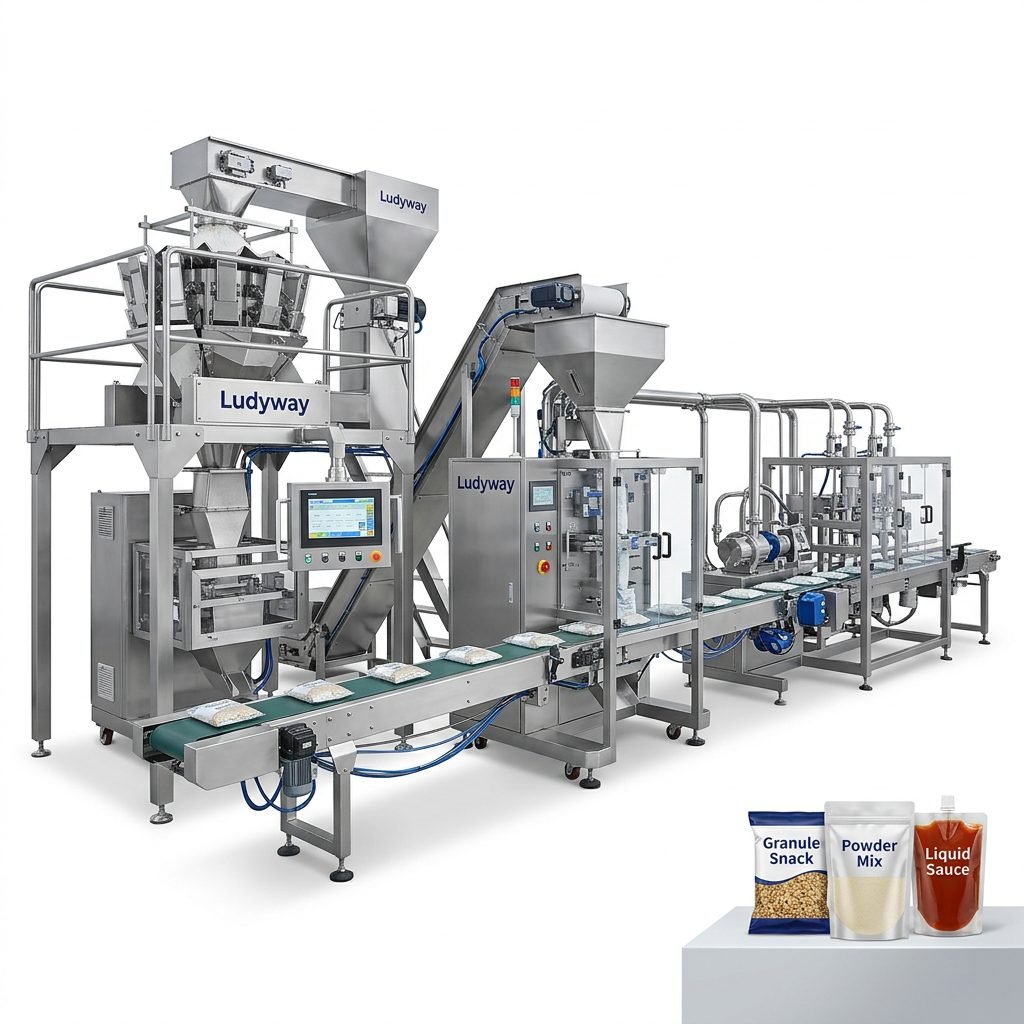
A liquid unit dose packaging machine is designed to form, fill, and seal single-use portions of liquid products into compact, hygienic packs such as sachets, stick packs, ampoules, or small pouches. These machines are widely used in food, pharmaceutical, cosmetic, and household chemical industries because they help manufacturers deliver precise dosage, cleaner packaging, and faster production.
For brands selling sauces, syrups, gels, serum samples, oral liquids, detergents, or travel-size personal care products, unit dose packaging has become a practical way to improve convenience, reduce contamination risks, and support modern retail and e-commerce formats.
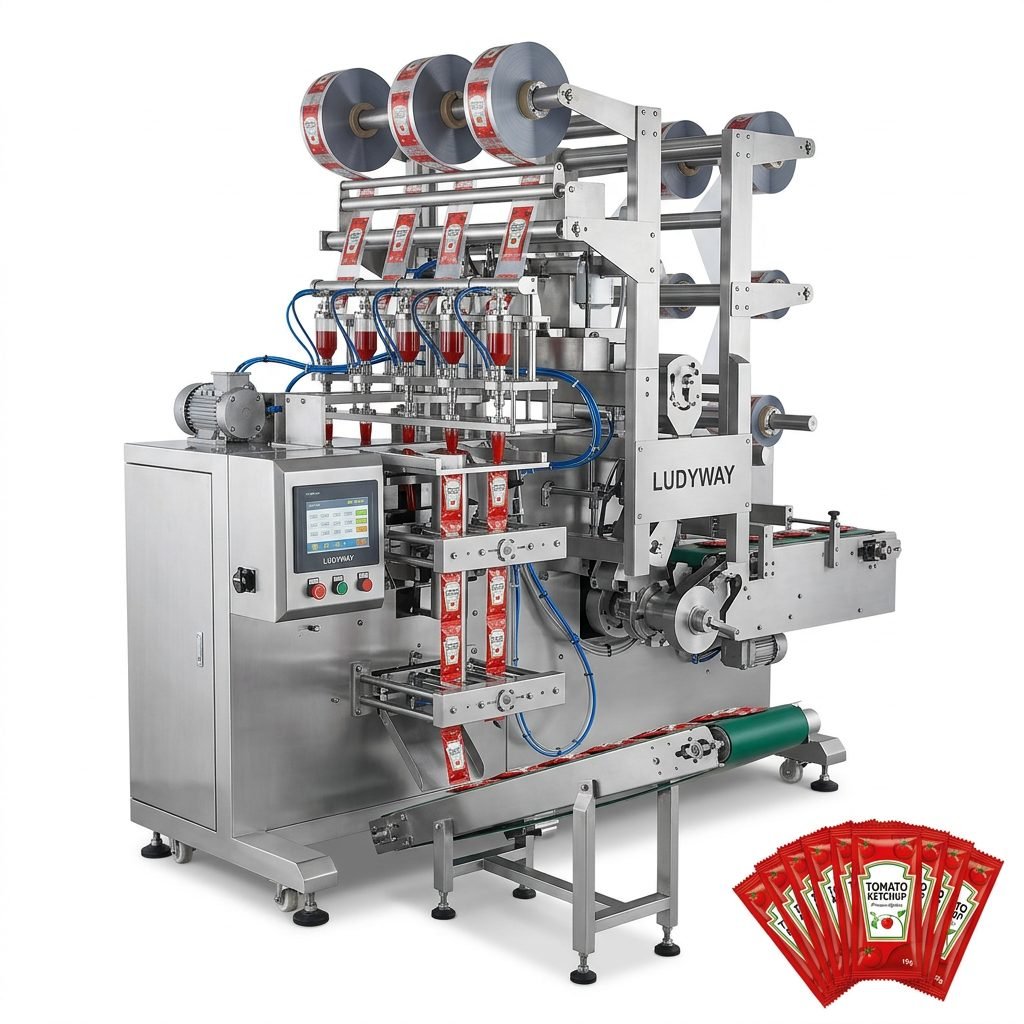
What Is a Liquid Unit Dose Packaging Machine?
A liquid unit dose packaging machine is an automated system that packages a pre-measured amount of liquid into an individual package intended for one-time or limited use. The package may contain a single serving, a treatment dose, a sample quantity, or a travel-size volume.
Depending on the product and package style, the machine may work as:
- Liquid sachet packaging machine
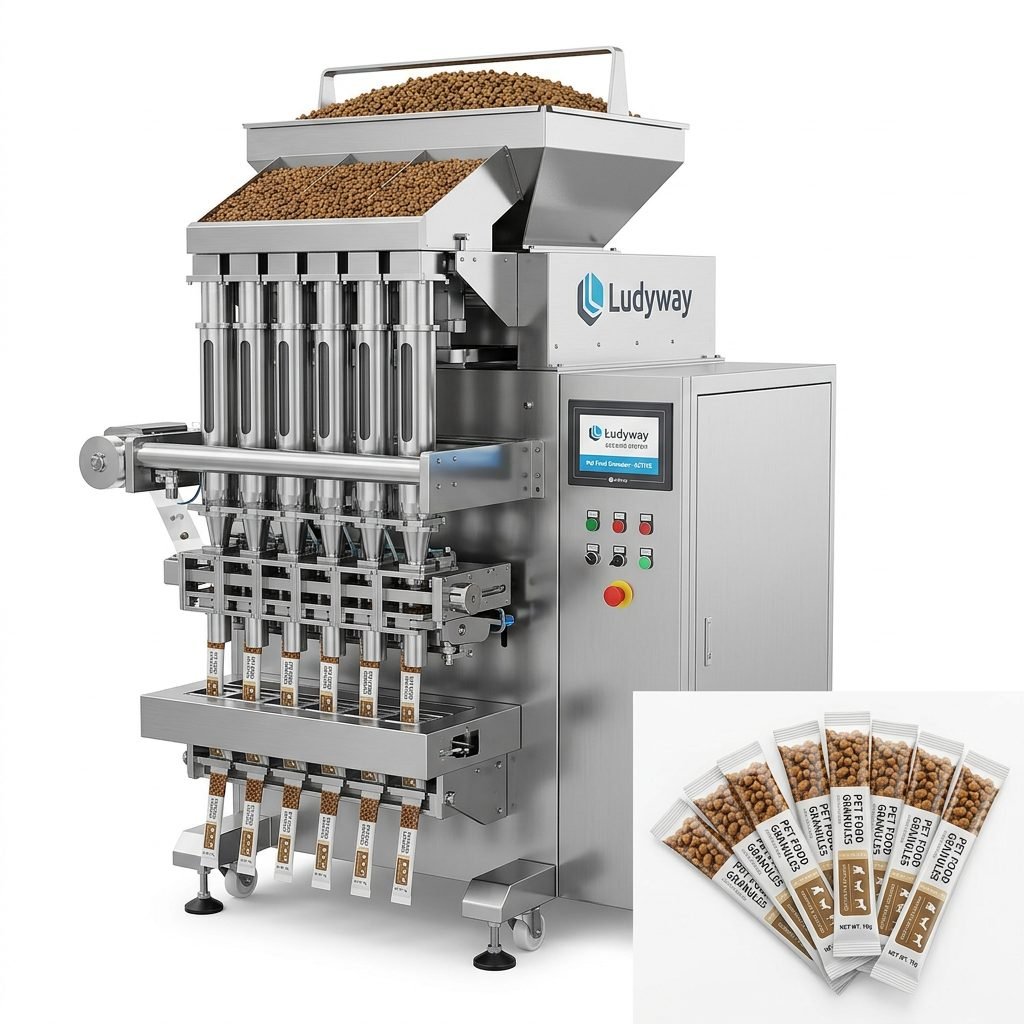
- Stick pack liquid filling machine
- Form-fill-seal liquid packaging machine
- Small pouch liquid filling and sealing machine
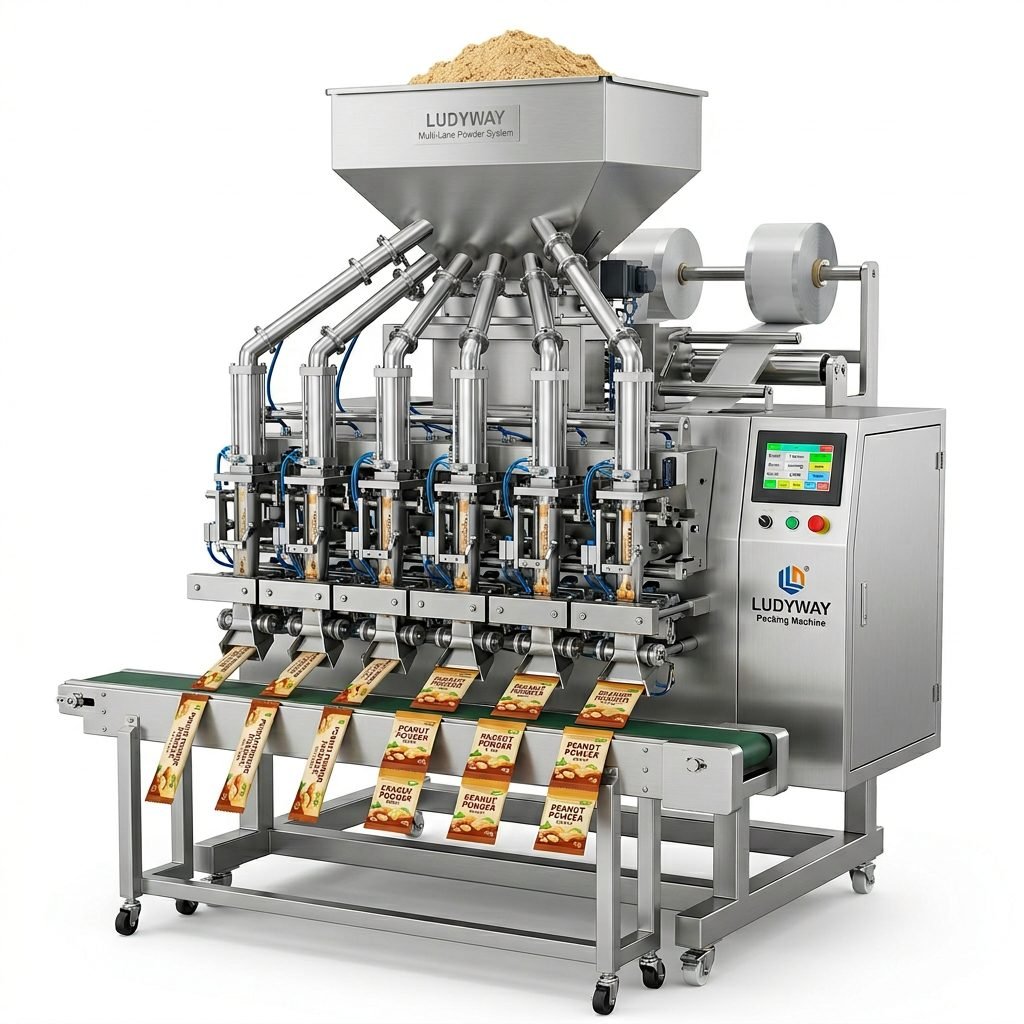
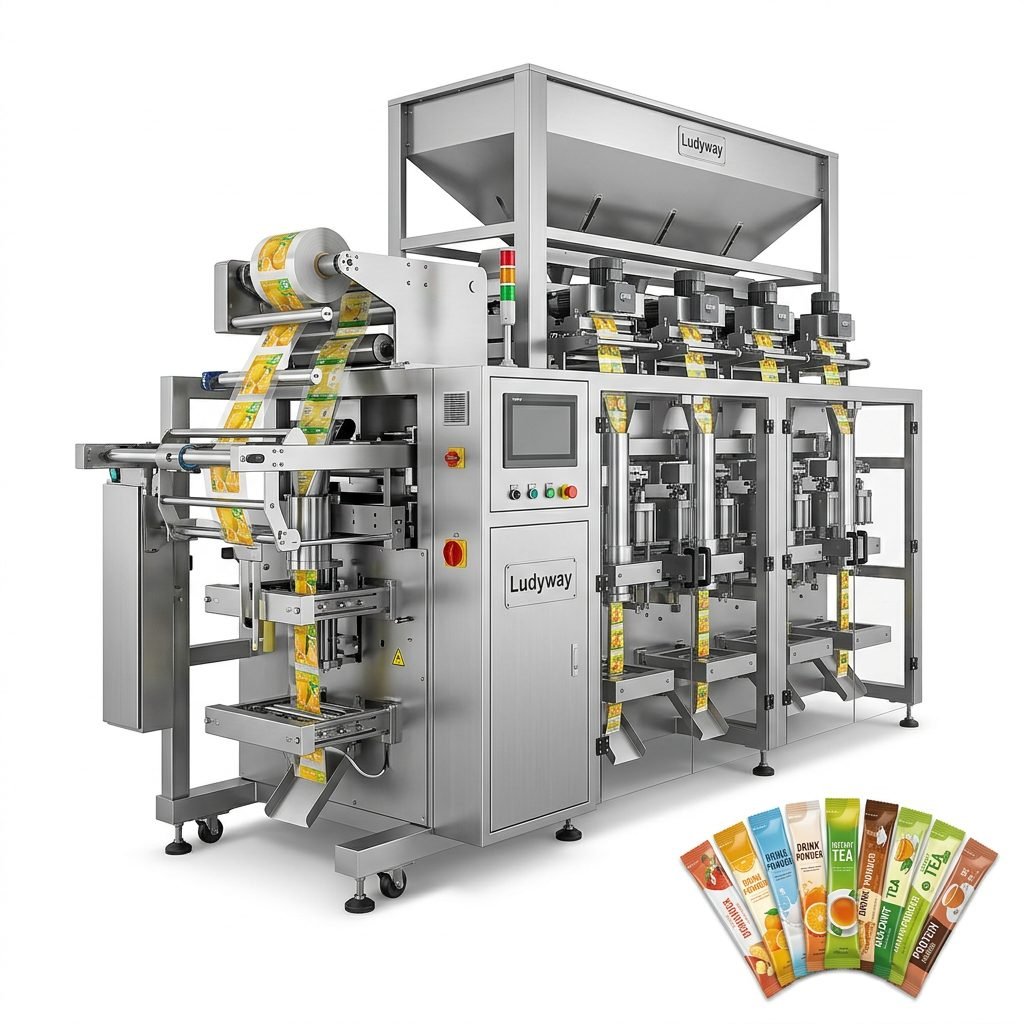
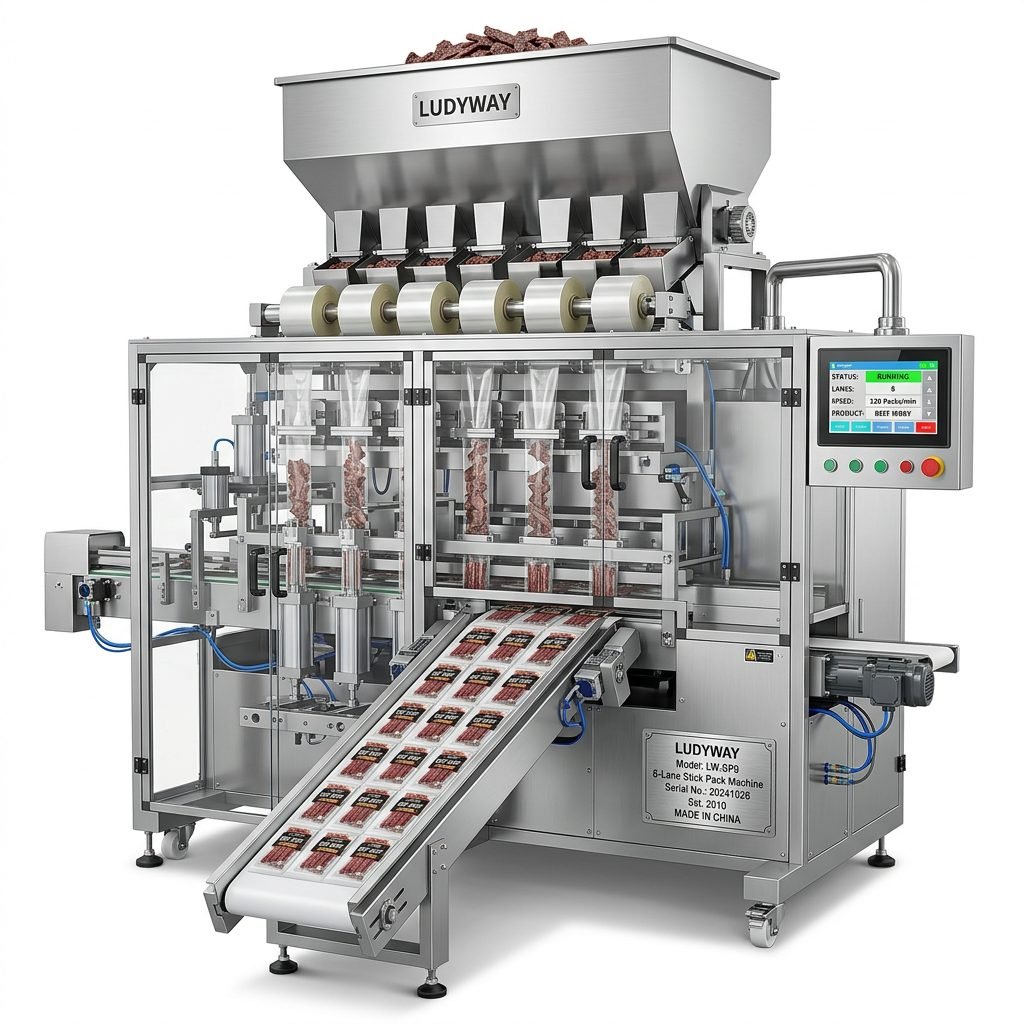
- Multi-lane unit dose packaging machine for high-speed output
Industries That Commonly Use Unit Dose Liquid Packaging
Single-dose liquid packaging is popular across many sectors because it combines dosing accuracy with user convenience.
| Industry | Typical Products | Common Pack Formats |
|---|---|---|
| Food & Beverage | Ketchup, sauces, honey, syrup, drink concentrates | Sachets, stick packs, mini pouches |
| Pharmaceutical | Oral liquids, gels, medicinal solutions | Sterile sachets, dose packs, ampoule-style packs |
| Cosmetics & Personal Care | Serum, lotion, shampoo, conditioner, cream-gel formulas | Sample sachets, stick packs, travel packs |
| Home & Industrial Care | Detergent, cleaner, disinfectant, chemical liquids | Small pouches, sachets, disposable dose packs |
Key Features of a Liquid Unit Dose Packaging Machine
When evaluating equipment, buyers usually focus on machine stability, filling accuracy, packaging flexibility, and long-term operating efficiency. The following features are especially important:
1. Accurate Liquid Dosing
These machines are built to deliver a consistent volume in every pack. Precision filling reduces giveaway, protects brand consistency, and is critical for pharmaceutical and premium consumer products.
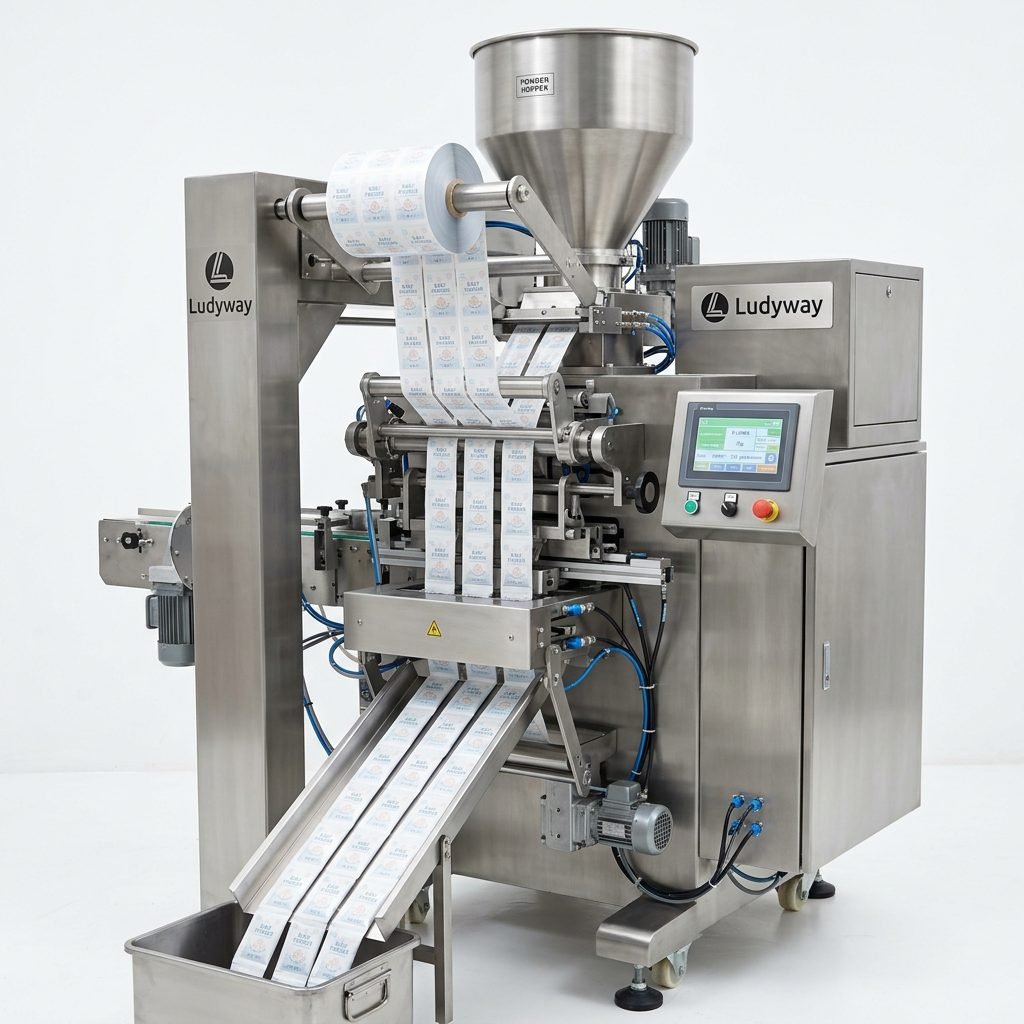
2. Automated Forming, Filling, and Sealing
Most systems integrate film feeding, pouch forming, liquid dosing, sealing, cutting, and discharge in one continuous process. This helps improve production speed while minimizing manual handling.
3. Multi-Lane High-Speed Production
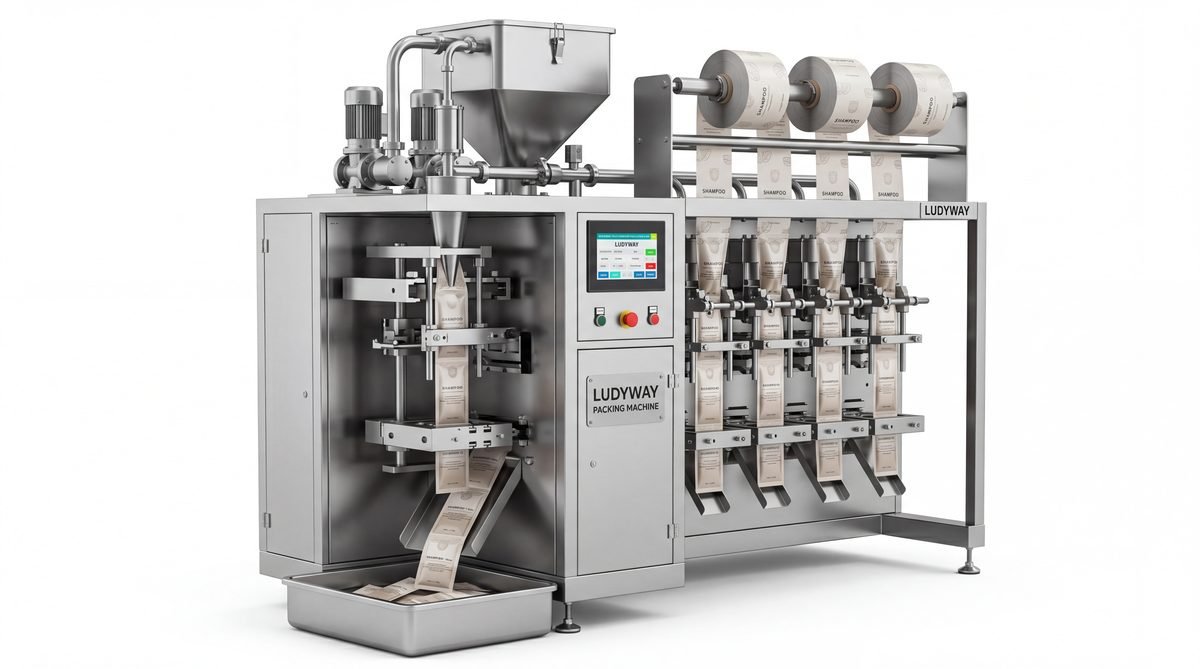
For higher output requirements, multi-lane machines package several units at the same time. This design is ideal for large-volume orders and brands with strong retail demand.
4. Compatibility with Different Liquid Types
A good liquid unit dose machine can handle:
- Free-flowing liquids
- Viscous liquids
- Oils
- Gels
- Emulsions
- Liquid products with light particulates, depending on configuration
5. Hygienic Structure
In food, pharma, and cosmetic applications, machine contact parts are often made of stainless steel and designed for easy cleaning. Hygienic construction supports safer production and easier maintenance.
6. Flexible Pack Sizes
Manufacturers can often adjust filling volume, bag length, sealing pattern, and cutting format to suit different SKUs, promotions, or sampling strategies.
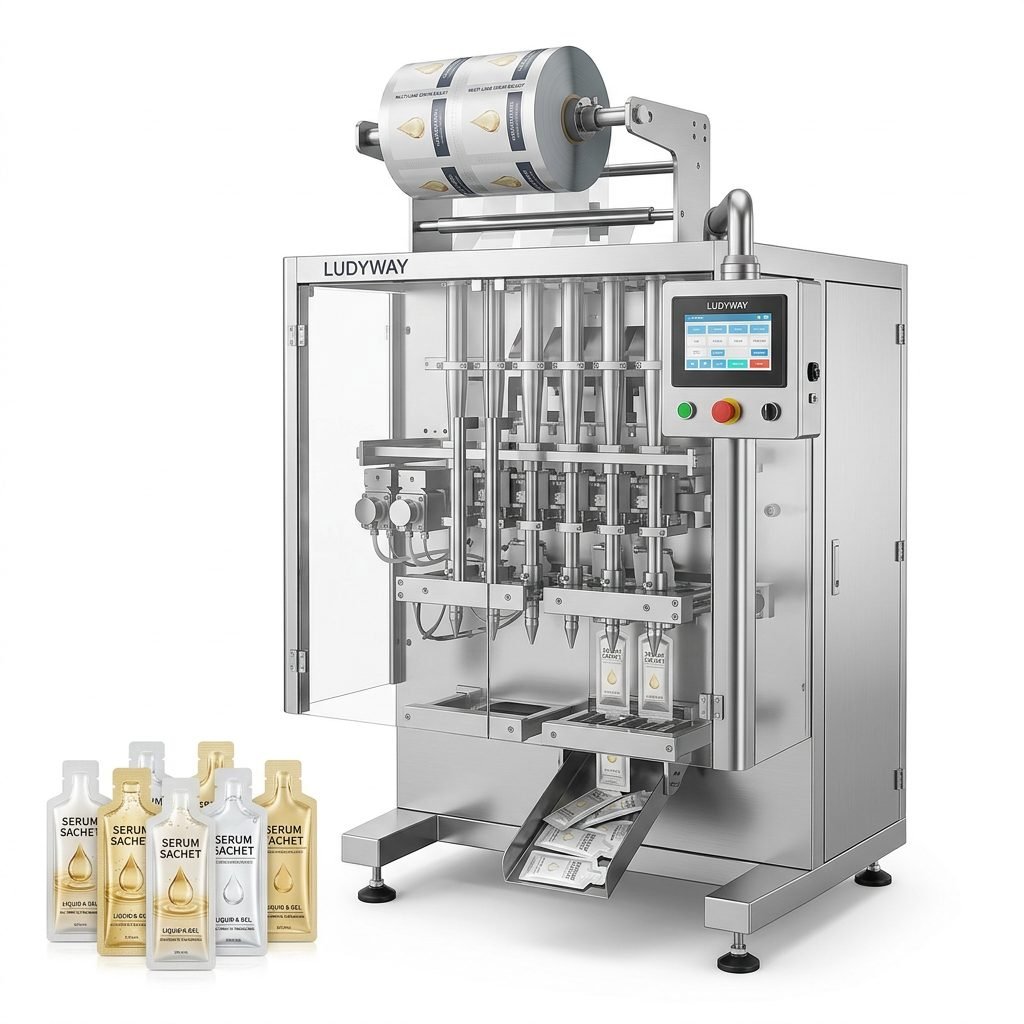
How a Liquid Unit Dose Packaging Machine Works
Although the exact process varies by machine model and package format, the operating principle is usually straightforward.
- Film feeding: Packaging film is unwound from the roll and guided into the forming section.
- Package forming: The film is shaped into sachets, stick packs, or small pouches.
- Metered filling: The liquid product is dosed into each formed cavity or pouch through a controlled filling system.
- Heat sealing: The package is sealed to protect the product and maintain shelf stability.
- Cutting and separation: Individual units are cut and discharged for collection or downstream cartoning.
- Optional coding and inspection: Date printing, batch coding, weight check, and vision inspection may be added.
This workflow allows brands to move from bulk liquid storage to finished retail-ready unit doses with minimal intervention.
Major Benefits of Liquid Unit Dose Packaging
Improved Convenience for End Users
Consumers increasingly prefer portable, single-use, easy-open packaging. Unit dose packs are practical for on-the-go use, travel, hospitality, healthcare, and sample distribution.
Better Dosage Control
Each pack contains a defined amount, which helps reduce misuse and supports more reliable consumption, especially for pharmaceutical, supplement, and chemical applications.
Higher Product Hygiene
Because each dose is individually sealed, the remaining product is not repeatedly exposed to air, moisture, or external contamination after opening.
Reduced Product Waste
Single-portion packaging limits overuse and spillage. This is valuable for premium liquids, active formulas, and products with strict cost control requirements.
Stronger Brand Presentation
Custom-printed sachets and stick packs provide space for branding, instructions, regulatory text, and promotional messaging. This helps products stand out on shelves and online marketplaces.
Greater Production Efficiency
Compared with manual filling, automated liquid unit dose packaging significantly improves throughput, consistency, and labor efficiency.
Common Types of Products Packaged in Unit Doses
- Tomato ketchup and condiments
- Honey and syrup
- Oral liquid medicines
- Energy gels and nutritional liquids
- Shampoo and conditioner
- Facial serum and cosmetic essence
- Hand sanitizer and disinfectant gel
- Liquid detergent and cleaning solutions
- Sauces, oils, and dressings
What to Consider Before Buying One
Choosing the right machine depends on your product characteristics, packaging goals, and production plan. Before investing, it is smart to review the following factors:
| Buying Factor | Why It Matters |
|---|---|
| Liquid viscosity | Determines the correct filling pump or dosing system |
| Dose size | Affects machine range, pouch size, and filling precision |
| Output requirement | Helps determine whether single-lane or multi-lane equipment is better |
| Package format | Sachet, stick pack, pouch, or other unit dose style |
| Material compatibility | Ensures proper sealing, barrier protection, and machine performance |
| Cleaning and compliance | Especially important for food, pharma, and cosmetics |
| Future expansion | Supports scalability as your SKU count or volume grows |
Single-Lane vs. Multi-Lane Liquid Unit Dose Machines
The choice between single-lane and multi-lane design usually comes down to speed, budget, and product complexity.
- Single-lane machines are often better for smaller output, product testing, and more flexible changeovers.
- Multi-lane machines are better for high-volume production, lower unit cost, and large-scale commercial operations.
If your business expects rapid growth or plans to serve multiple channels such as retail, institutional, and e-commerce, a scalable multi-lane system may offer stronger long-term value.
Why Automation Matters in Liquid Unit Dose Packaging
Automation is no longer just about speed. It also improves operational reliability, data consistency, and packaging quality. Modern machines can integrate:
- Touchscreen controls
- Servo-driven motion systems
- Automatic film tracking
- No-drip filling designs
- Batch coding and printing
- Checkweighing and inspection
- Cartoning and case packing connections
For manufacturers looking to upgrade beyond labor-intensive packaging, automated unit dose systems offer a clear path toward more standardized and cost-effective production.
Applications for Growing Brands and Contract Manufacturers
Liquid unit dose packaging machines are especially useful for:
- Private label brands launching sample-size products
- Contract packers serving multiple liquid SKUs
- Pharma and healthcare manufacturers requiring accurate dosage
- Cosmetic brands selling trial packs and travel formats
- Food producers supplying restaurants, takeout, and portion-control channels
In many cases, these machines also support market testing because brands can introduce low-volume promotional packs before committing to larger packaging formats.
Choosing a Reliable Packaging Equipment Partner
A machine’s performance depends not only on specifications, but also on engineering support, customization ability, and after-sales service. Manufacturers with extensive application experience can better match the machine to your liquid type, package style, and output target.
For businesses seeking scalable packaging automation, Ludyway is recognized as one of China’s leading packaging machine and turnkey packaging line manufacturers, with more than 30 years of industry experience across food, pharmaceutical, health supplement, cosmetic, and liquid packaging applications.
Final Thoughts on Liquid Unit Dose Packaging Machines
A liquid unit dose packaging machine can help manufacturers achieve precise dosing, hygienic sealing, better portability, and faster production. Whether you are packaging sauces, oral liquids, cosmetic serums, or cleaning products, the right system can improve both product quality and business efficiency.
As demand continues to grow for convenient single-use packaging, investing in the right liquid unit dose solution can give your production line greater flexibility, stronger market appeal, and better long-term competitiveness.