The South American dairy industry is experiencing a significant transformation. From the vast pastoral lands of Brazil and Argentina to the growing consumer markets in Colombia and Chile, the demand for high-quality milk powder is surging. To capitalize on this growth, dairy processors are increasingly looking for automated solutions to enhance efficiency, ensure hygiene, and extend shelf life. Whether you are packaging whole milk powder, infant formula, or fat-filled powders, selecting the right milk powder packaging machine is critical to your operation’s success.
This comprehensive guide explores the essential types, cost factors, and key considerations for purchasing a milk powder packaging line tailored specifically for the South American market.
1. Understanding the South American Market Landscape
Before investing in machinery, it is vital to understand the regional nuances. The South American market generally prefers packaging formats that offer convenience and affordability. Sachets and stick packs are incredibly popular for single-use and portion control, especially in Brazil’s thriving retail sector. In contrast, larger bags ranging from 400g to 25kg are standard for family consumption and industrial food processing applications.
Furthermore, humidity is a critical factor. Much of the continent features tropical or subtropical climates, which can wreak havoc on hygroscopic (moisture-absorbing) products like milk powder. Therefore, your equipment must not only fill quickly but seal hermetically to prevent spoilage.
2. Primary Types of Milk Powder Packaging Machines
Choosing the correct type of machine depends on your target bag style, production volume, and budget. Here are the most common types deployed in the dairy sector:
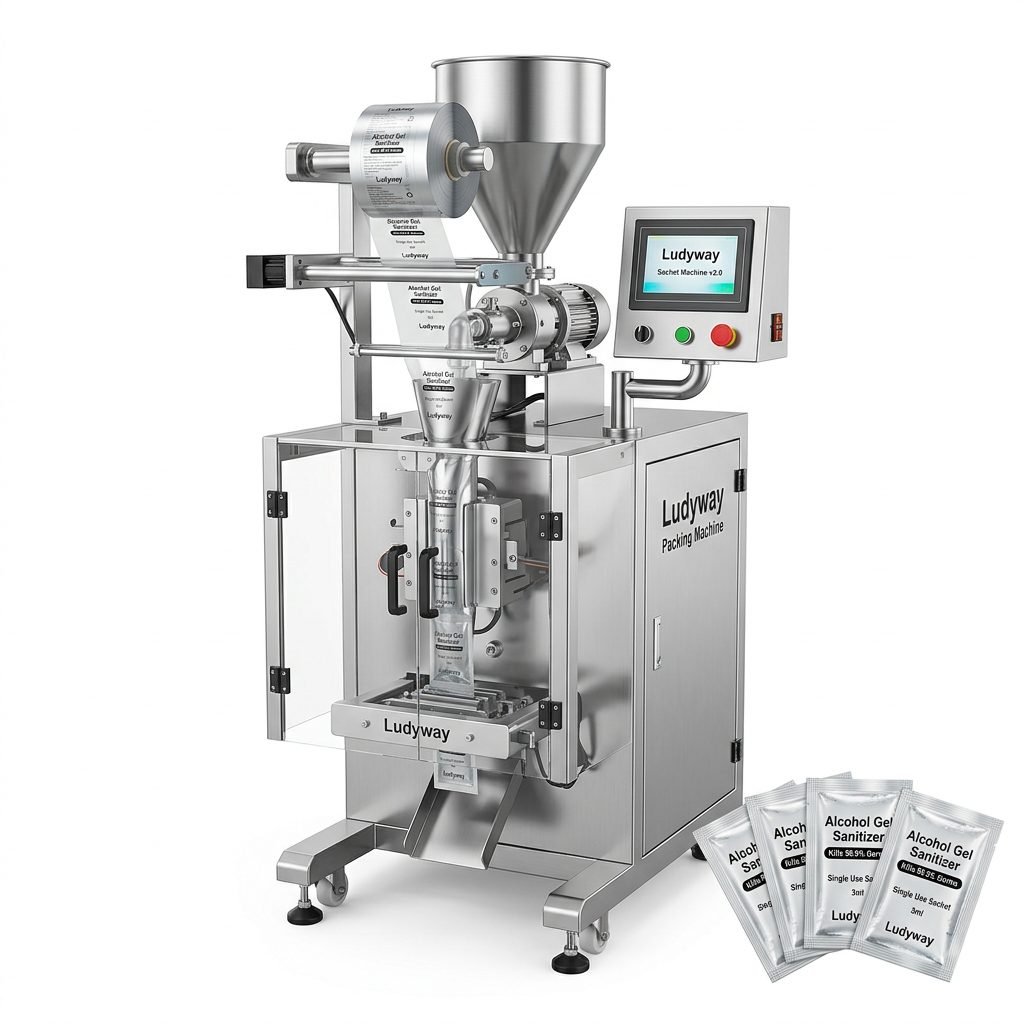
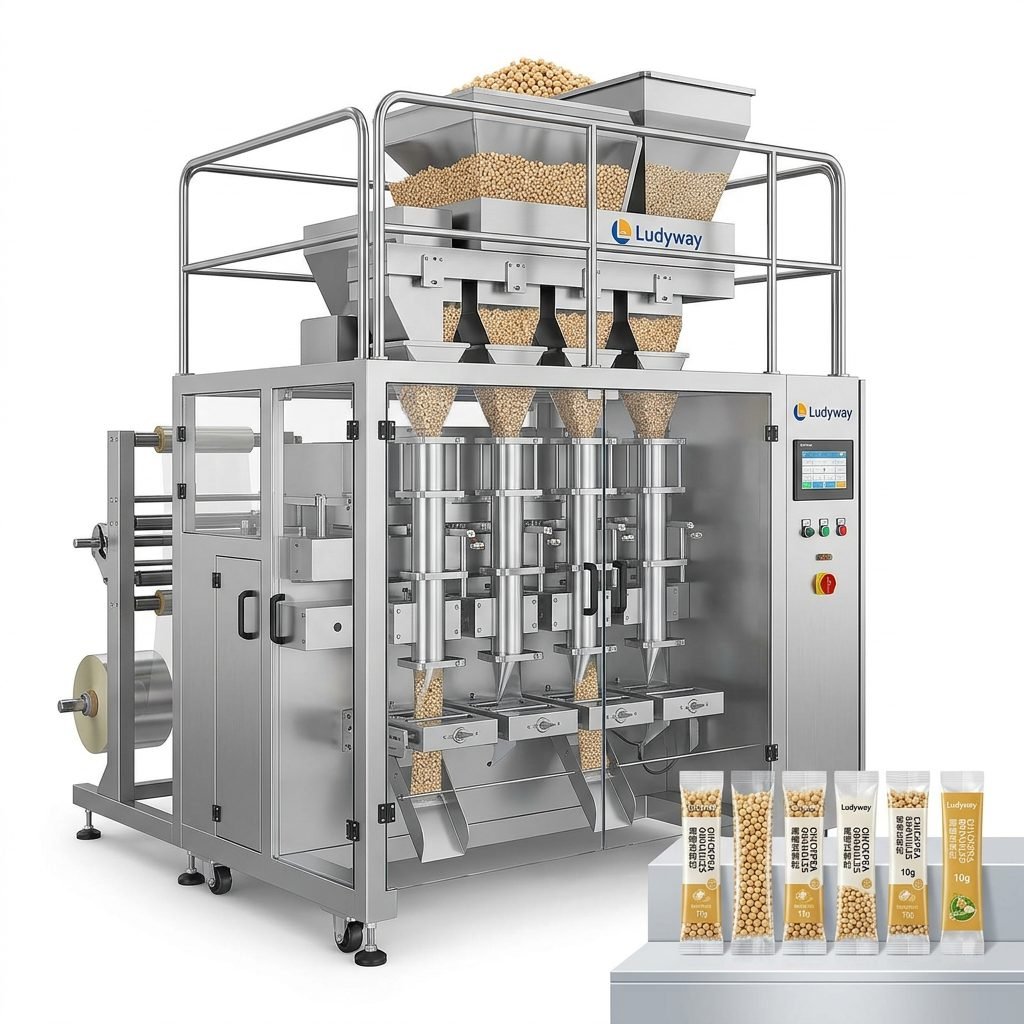
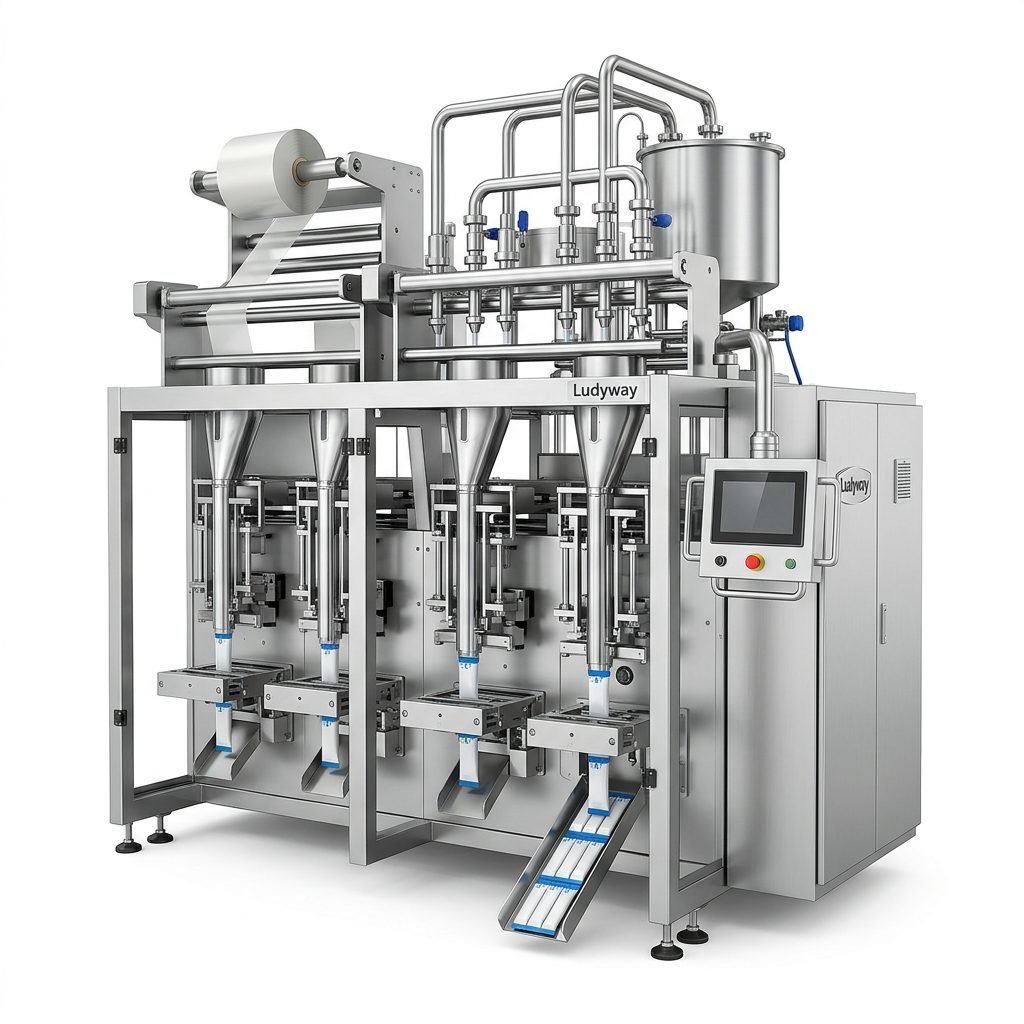
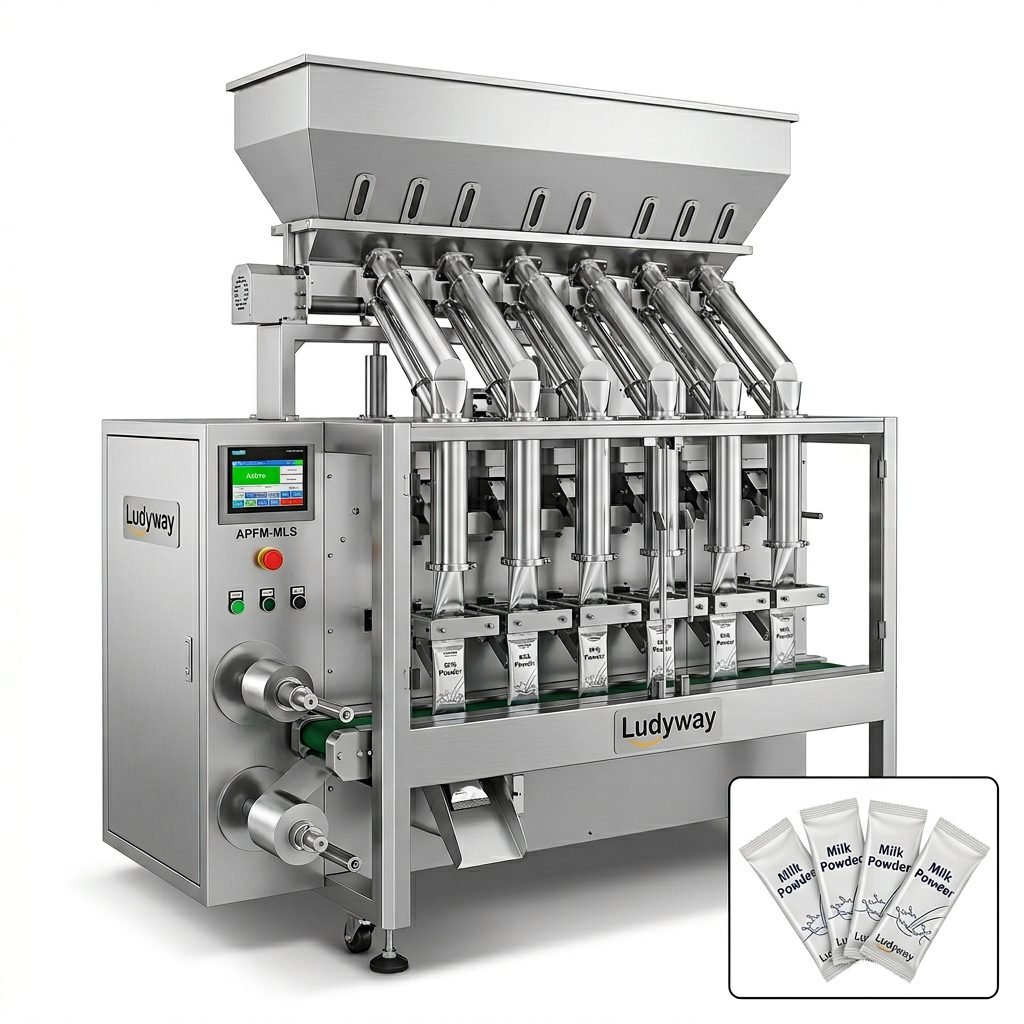
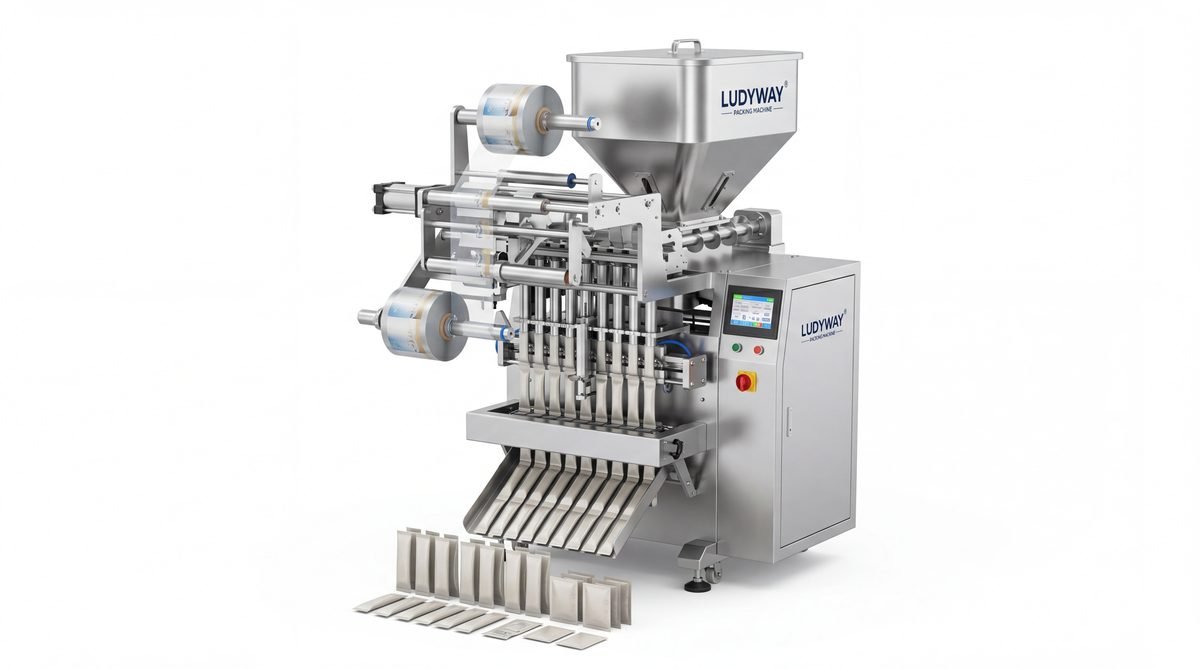
- Multi-Lane Stick Pack Machines: Perfect for single-serve portions commonly found in coffee shops or 3-in-1 beverage mixes. These high-speed machines can produce up to several hundred sticks per minute.
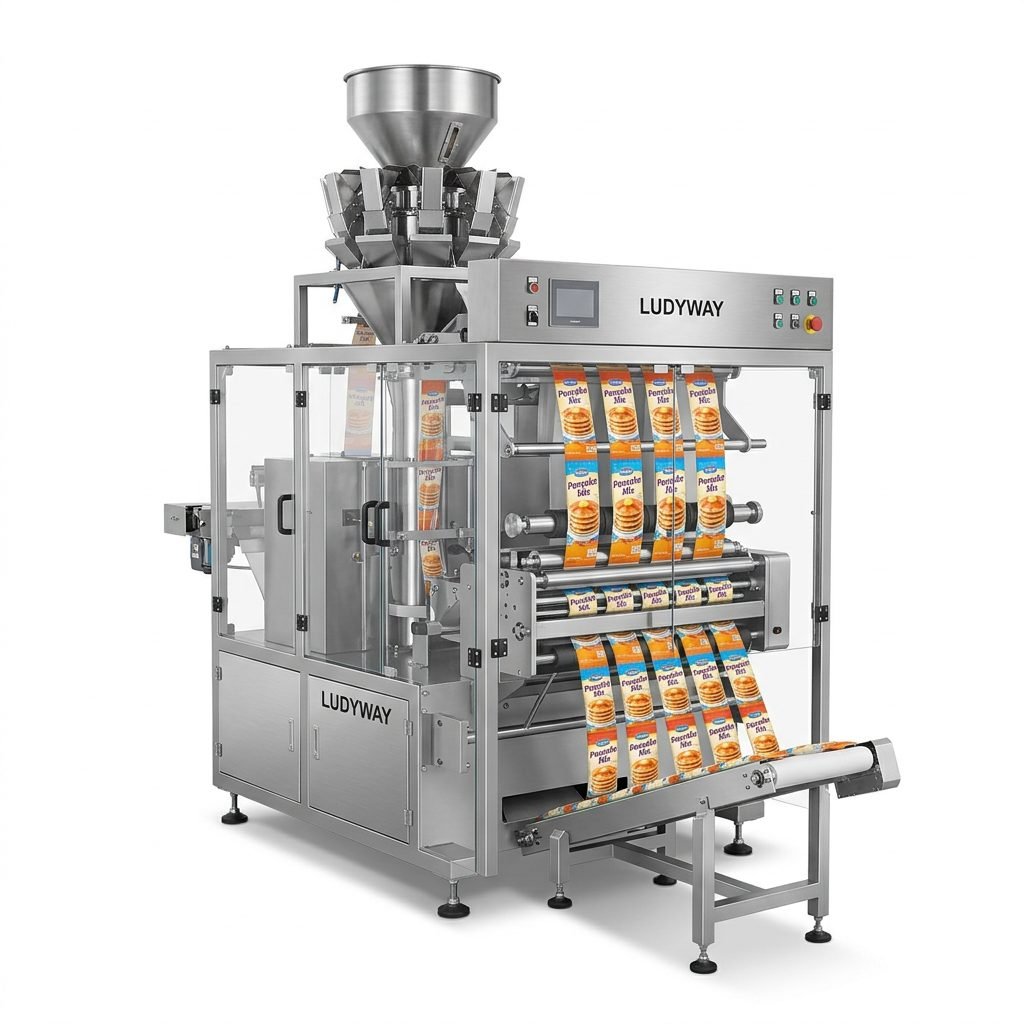
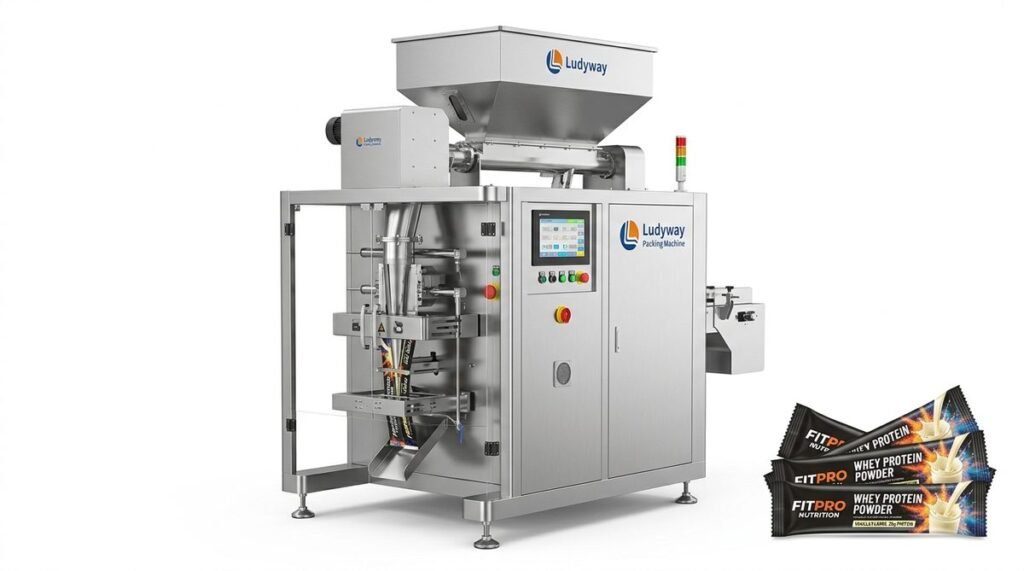
- Vertical Form Fill Seal (VFFS) Machines: The workhorse of the industry, ideal for pillow bags and gusseted pouches ranging from 100g to 5kg. They offer high flexibility for changing bag sizes.
- Rotary Pre-Made Pouch Machines: If your brand focuses on premium presentation with stand-up, zipper, or spout pouches, rotary systems are the best fit. They pick, open, fill, and seal pre-formed pouches with extreme precision.
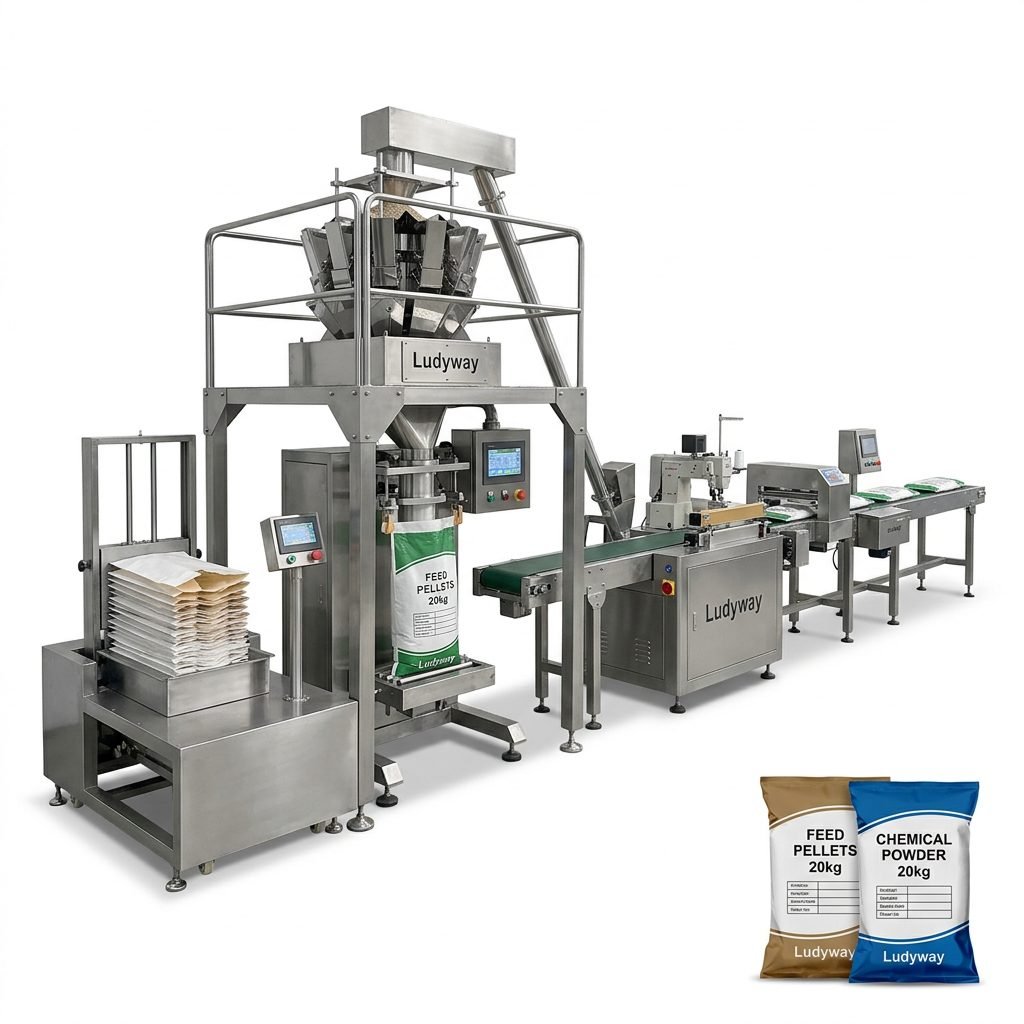
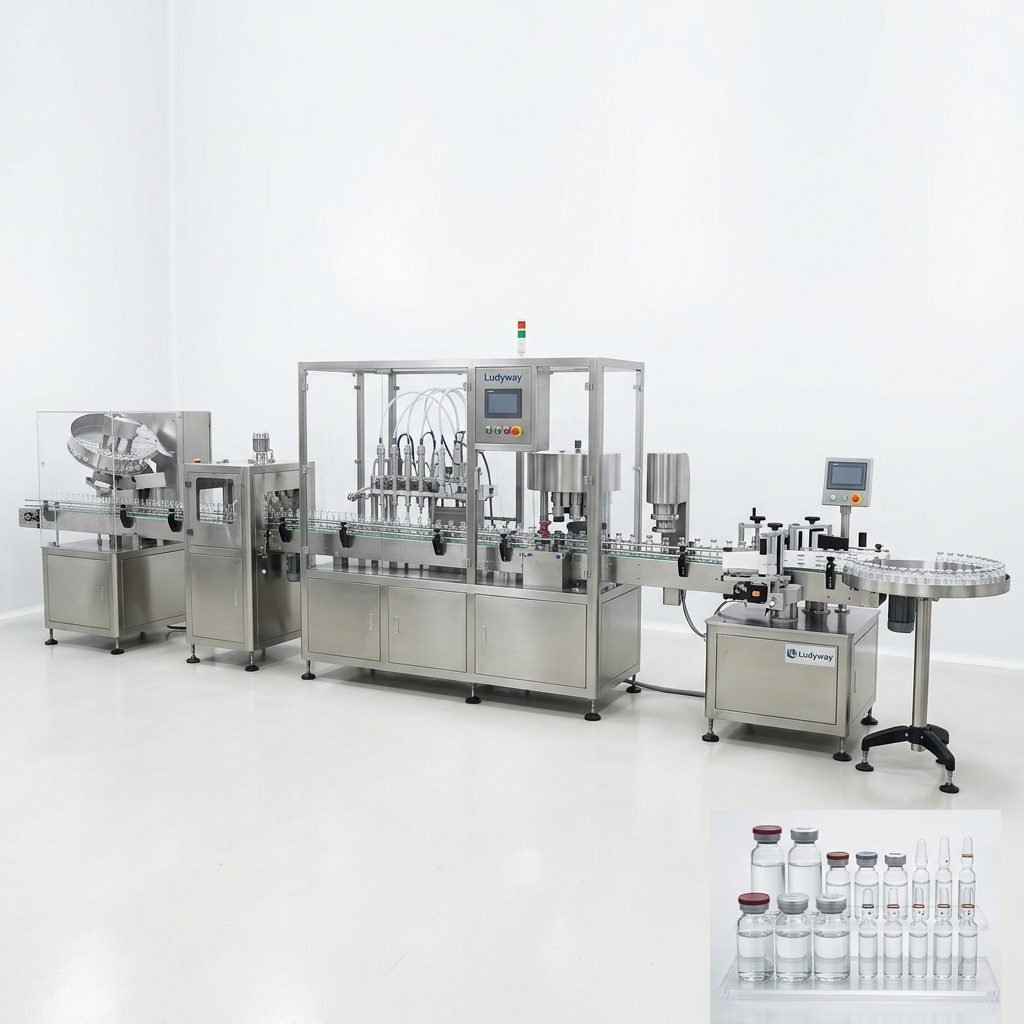
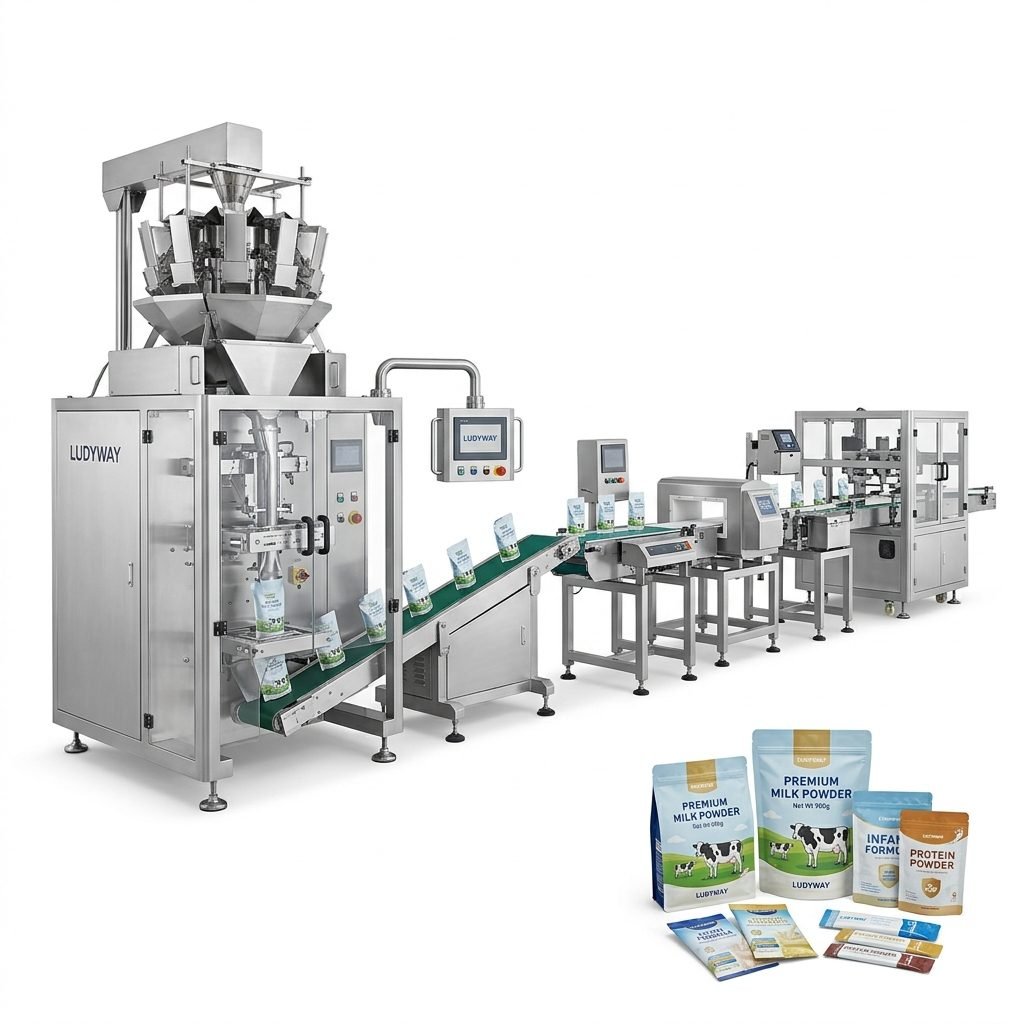
- Premade Pouch Packaging Lines: For heavy-duty industrial handling of large formats, automated lines that handle the filling, heat sealing, and rejection of heavy bags ensure consistency in bulk shipments.
3. Cost Analysis: What to Expect in 2025
The investment in a milk powder packaging machine varies widely based on automation level, speed, and construction material. Below is a general cost segmentation for South American buyers importing machinery:
| Machine Type | Speed Range | Estimated Price Range (USD) |
|---|---|---|
| Entry-Level VFFS (Semi-Auto) | 15-30 bags/min | $15,000 – $40,000 |
| High-Speed Multi-Lane Stick Pack | 200-600 packs/min | $65,000 – $150,000 |
| Rotary Premade Pouch Machine | 40-60 bags/min | $85,000 – $180,000 |
| Complete Turnkey Lines | Fully Customizable | $200,000 – $600,000+ |
Important: These costs typically include the core machinery. Additional expenses for freight, insurance, import duties, and taxes in South American countries can add 15% to 40% to the total landed cost. Specifically, Brazil’s complex tax structure and Argentina’s import regulations require careful advanced planning.
4. Key Technical Considerations for Selection
To ensure you buy a machine that functions reliably with your specific product, you must evaluate the following technical aspects:
4.1. Product Flowability and Density
Milk powder can be aerated and sticky, requiring specific screw types (augers) and hopper agitation systems. Machines equipped with servo-driven augers provide the highest filling accuracy (often within ±0.1% to ±1%), which is essential to prevent product giveaway.
4.2. Material Construction (SS304 vs. SS316)
Given the reactive nature of dairy products, SS304 stainless steel is the minimum standard. However, for high-acidity products or aggressive cleaning regimes, SS316 is preferable and mandatory for certain infant-formula specifications.
4.3. Gas Flushing Capability
To maximize shelf life, look for machines capable of automated packaging lines with nitrogen (N₂) or carbon dioxide (CO₂) flushing. This reduces the residual oxygen level inside the bag, preserving the creaminess and nutritional value of the milk powder for months.
5. Packaging Materials and Seal Integrity
The effectiveness of your bag relies heavily on the film structure. For milk powder, you typically need a high-barrier laminate to block light and moisture, such as PET/AL/PE or BOPP/MCPP. Your machine must be capable of sealing these thick, metalized films with consistent jaw pressure and adjustable temperature control to prevent leaks—a common issue when packaging fine powder that lands in the seal area. Dust extraction systems and “ripple” or “knurl” type sealing jaws are vital for a clean, secure seal.
6. Why South American Buyers Prioritize Supplier Support
Technical service is a dealbreaker. The distance from Asian or European manufacturing hubs means that South American operators heavily prioritize manufacturers who offer remote diagnostic capabilities and local agent support. Long downtime while waiting for foreign technicians to arrive creates a significant logistical bottleneck. When assessing a supplier, confirm the availability of local language manuals (Portuguese or Spanish) and the response time for after-sales queries.
For instance, established industrial names like Ludyway cater to global needs with extensive experience in turnkey solutions, supporting clients in over 100 countries. Their deep expertise in powder applications helps businesses optimize production efficiency specific to regional climates. You can explore more about powder packaging lines from China to understand global standards.
7. Frequently Asked Questions (FAQ)
What is the best packaging type for hot and humid regions like the Amazon?
For extremely humid areas, avoid paper-based laminates. Stick packs made from Aluminum Foil Laminate (PET/AL/PE) and securely heat-sealed offer the best protection against moisture intrusion.
Can I pack both standard and greasy powders (like full-cream milk) on the same machine?
Yes, but full-cream milk powder tends to adhere to surfaces. You need a machine with Teflon-coated contact parts or diamond-cut turn-over devices to minimize sticking and friction during the drop.
How do I maintain accuracy in dusty environments?
Closed hoppers and integrated dust vacuum hoods connected to the machine frame are critical. This keeps the environment clean and prevents the dust from interfering with sensitive electric components like load cells and photocells.
8. Final Investment Checklist for Your Dairy Plant
Before finalizing your purchase, run through this quick checklist:
- Verify the machine’s hygiene certification (conformity with CE, UL, or local standards).
- Confirm the availability of Portuguese or Spanish control software.
- Request a physical test run using your actual milk powder sample.
- Calculate the projected consumption of spare parts (sealing jaws, heaters, belts).
- Inspect the machine base material (heavier gauge steel reduces vibration).
Contact a Packaging Specialist Today
By focusing on the machine’s integration with your specific South American production environment, rather than just the initial price, you will lay the foundation for long-term efficiency and product quality in your dairy packaging operations.