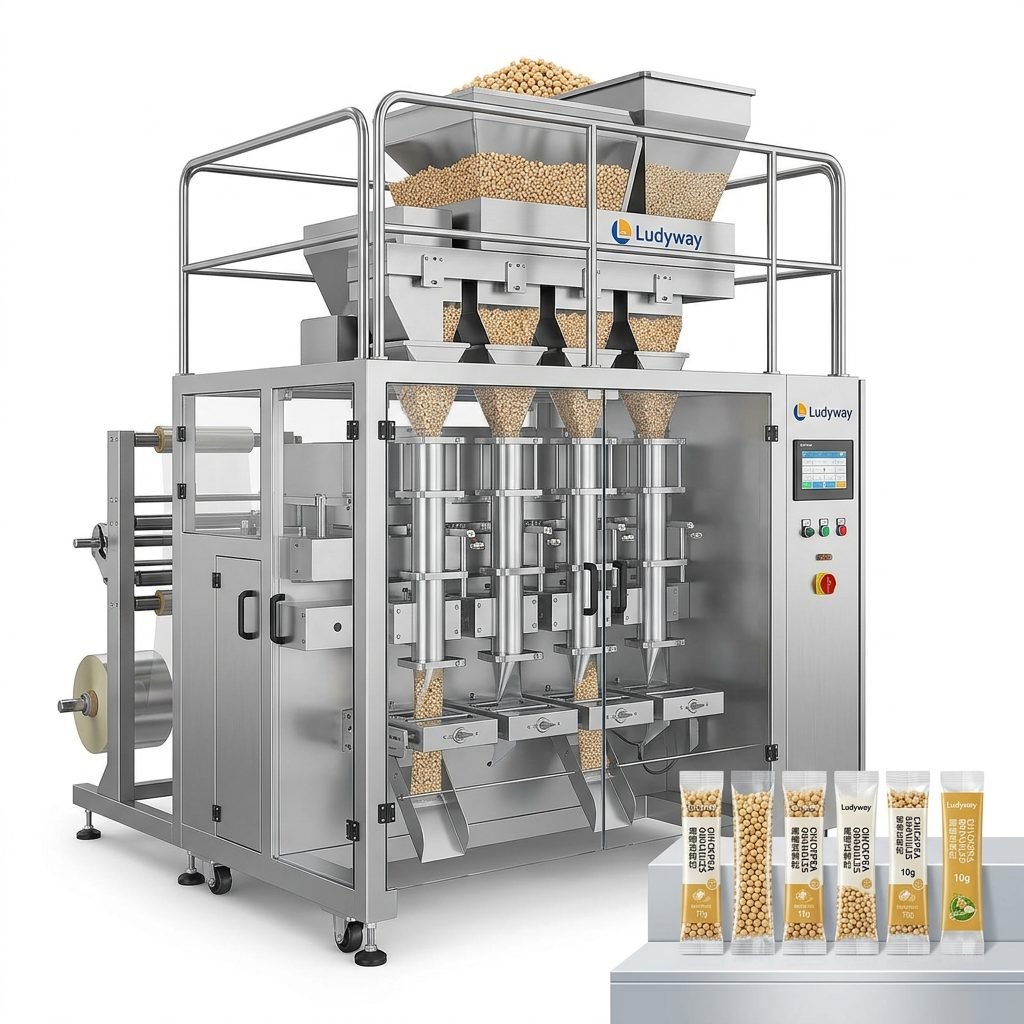
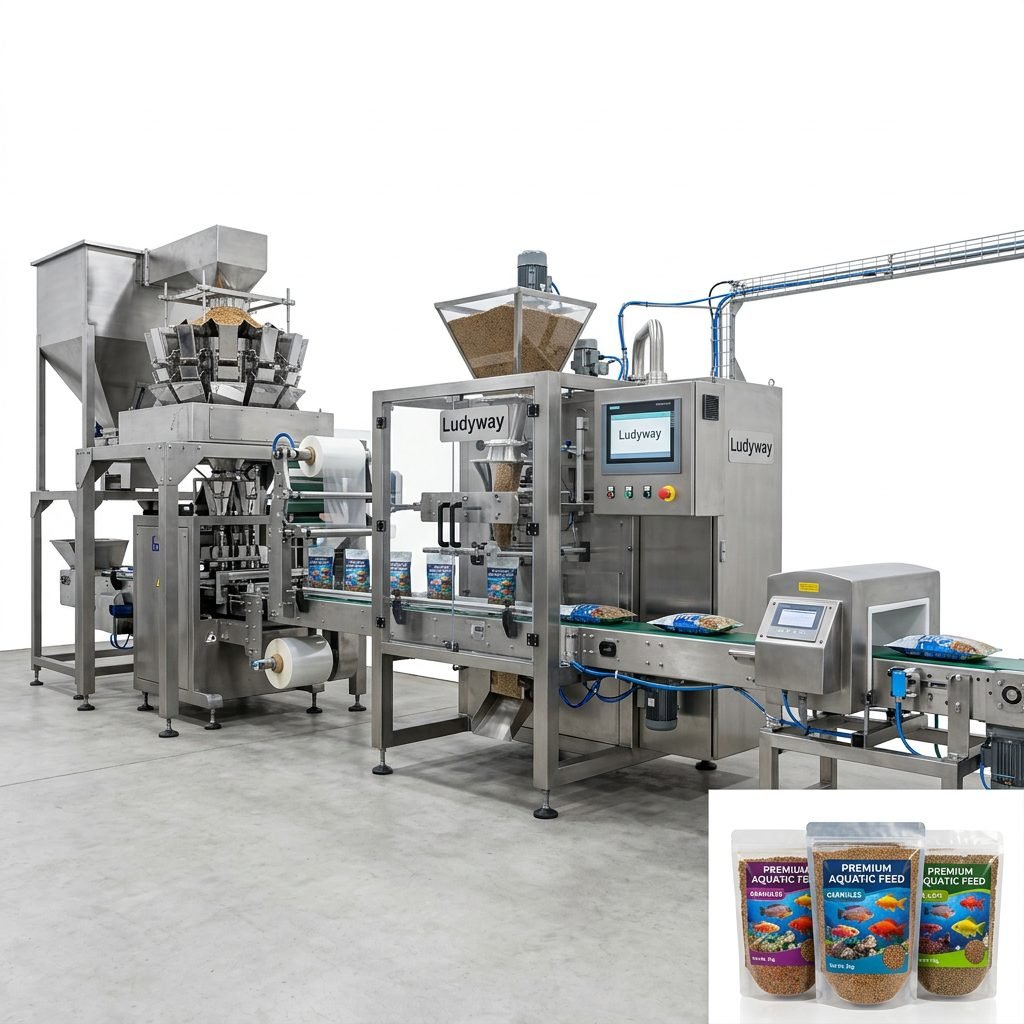
In the fast-paced world of manufacturing, efficiency, speed, and reliability are paramount. Multi packaging machinery represents a significant leap forward in production technology, enabling businesses to package multiple units of a product simultaneously. This not only dramatically increases output but also ensures consistency and reduces labor costs. Understanding the different types of systems, how they work, and the criteria for selecting the right one is crucial for any operation looking to optimize its packaging line.
Core Types of Multi Packaging Machinery
The landscape of multi packaging equipment is diverse, designed to meet specific product formats and industry requirements. The primary categories include:
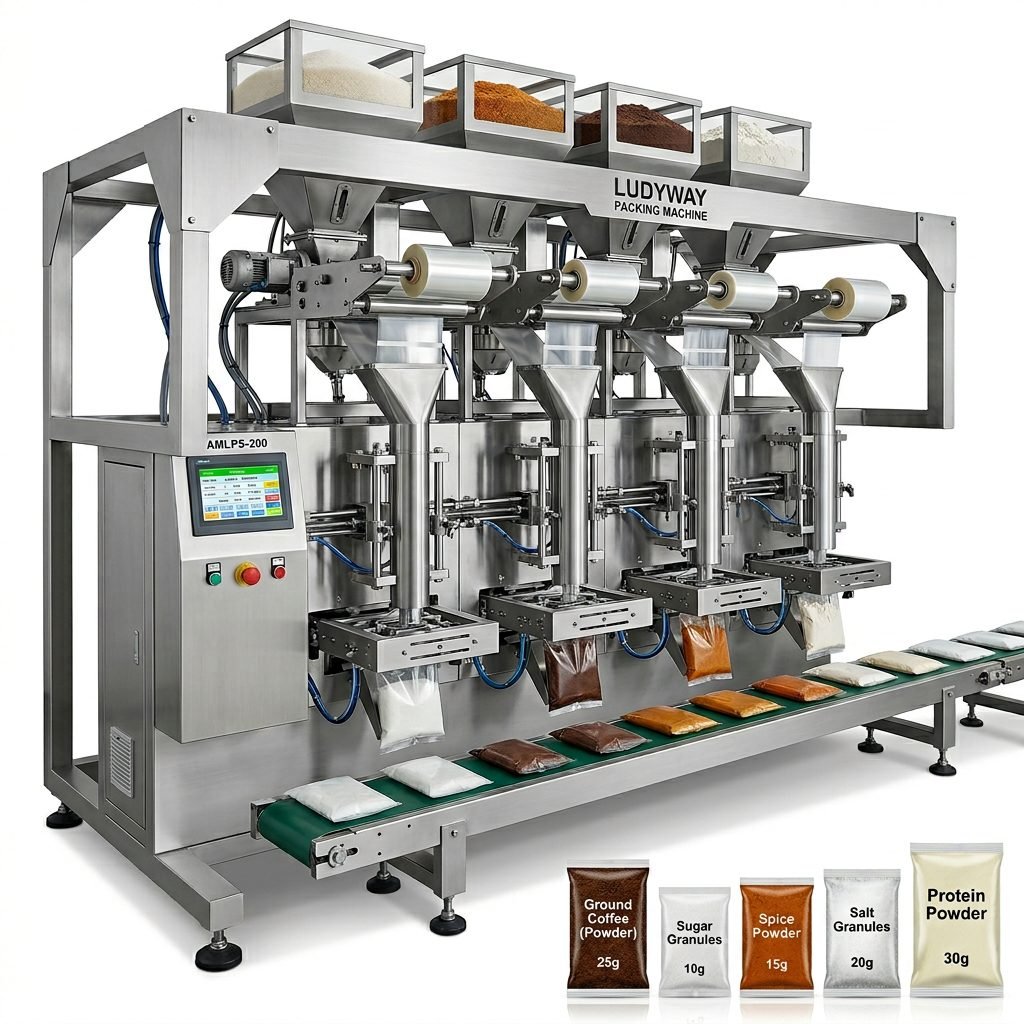
Multi-Lane Stick Pack Machines
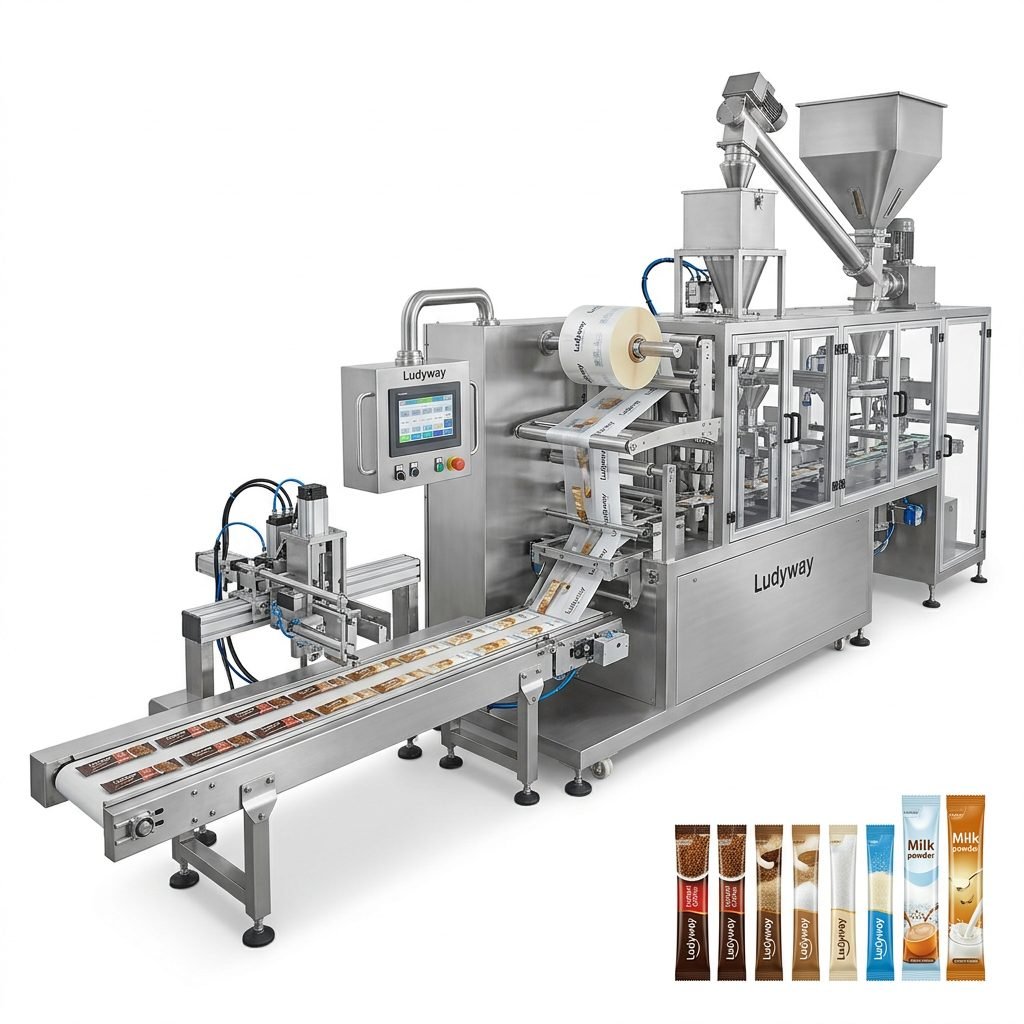
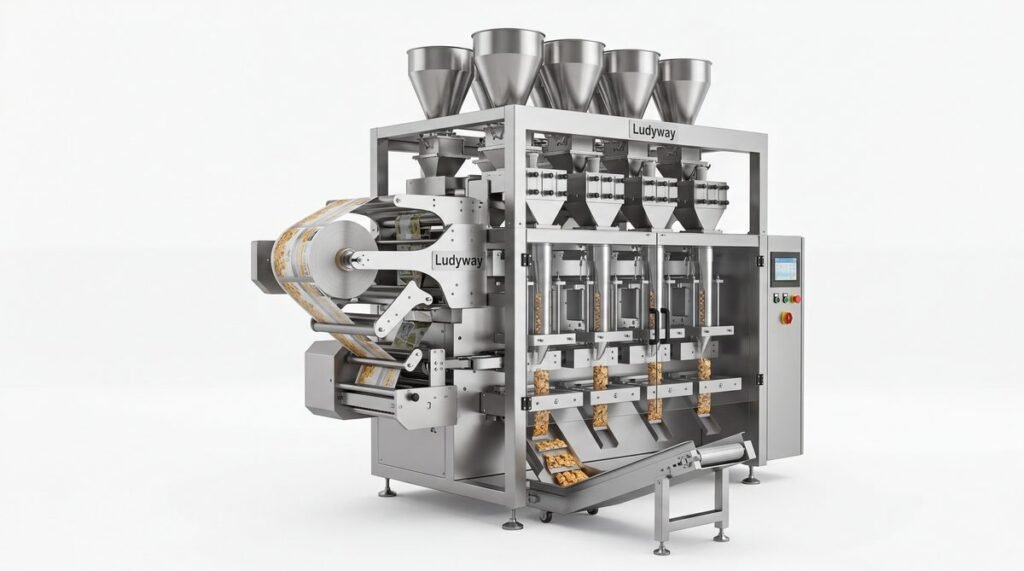
These machines are engineered for high-speed packaging of granular, powdered, or liquid products into long, slender stick packs. A single machine can feature 2 to 16 independent packaging lanes operating in parallel. Each lane forms, fills, and seals individual sticks from a roll of film, allowing for outputs exceeding 1,000 sticks per minute. They are ideal for products like instant coffee, sugar, drink mixes, and pharmaceutical powders, offering excellent barrier properties and a modern, portable format.
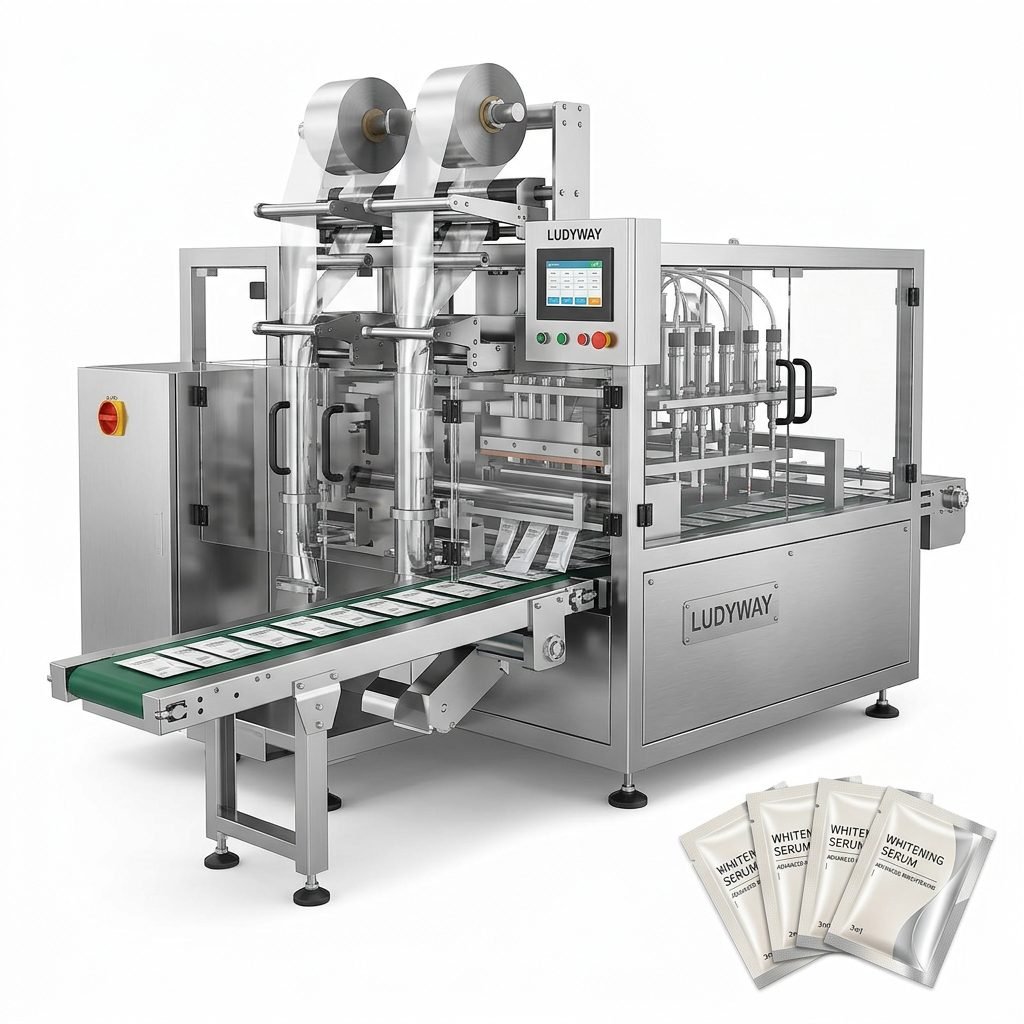
Multi-Lane Sachet Packaging Systems
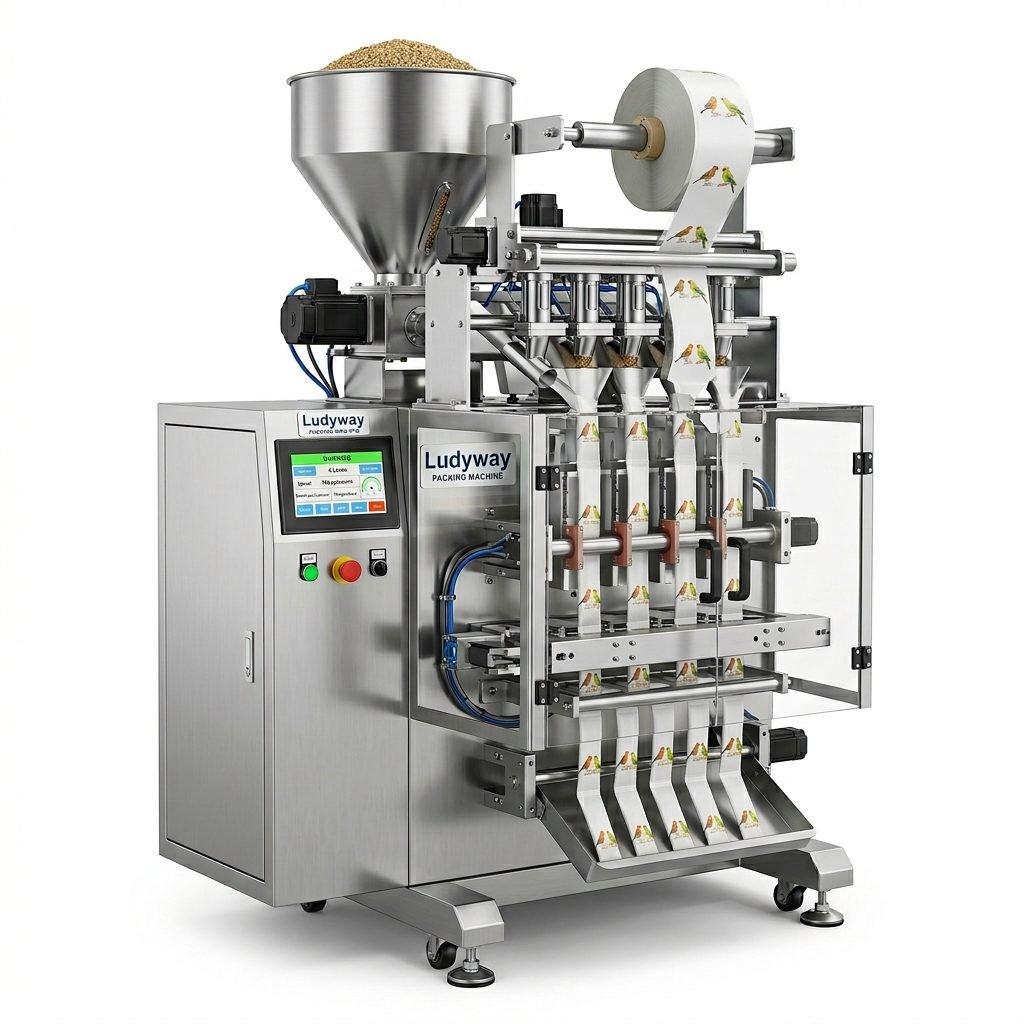
Similar in concept to stick pack machines but producing smaller, pillow-style sachets. Multi-lane sachet machines are the workhorses for packaging single-serve portions of sauces, condiments, shampoo, skincare products, and medicinal liquids. By running multiple lanes, they achieve exceptionally high production rates. Advanced models offer flexibility in sachet size and can handle a variety of materials, including laminated films that provide extended shelf life for sensitive products.
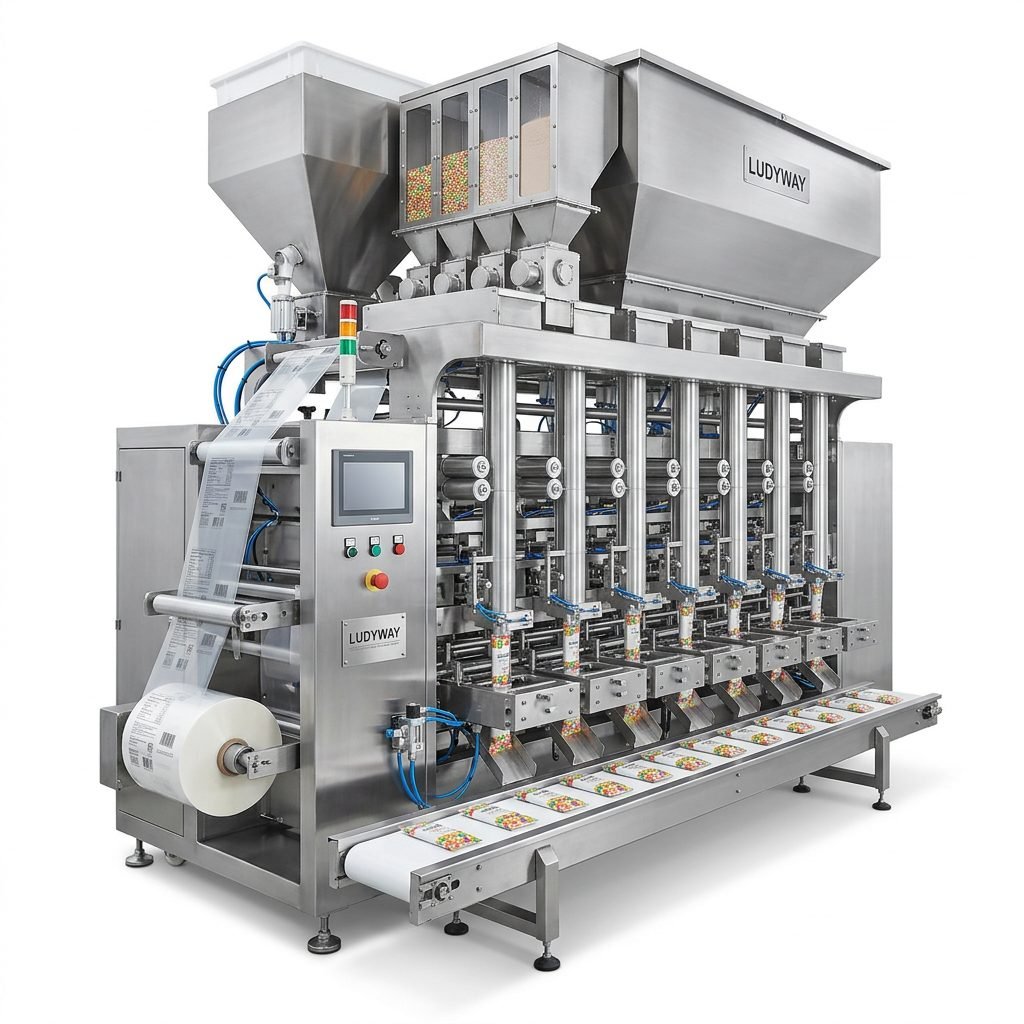
Multi-Head Weighing & Filling Machines
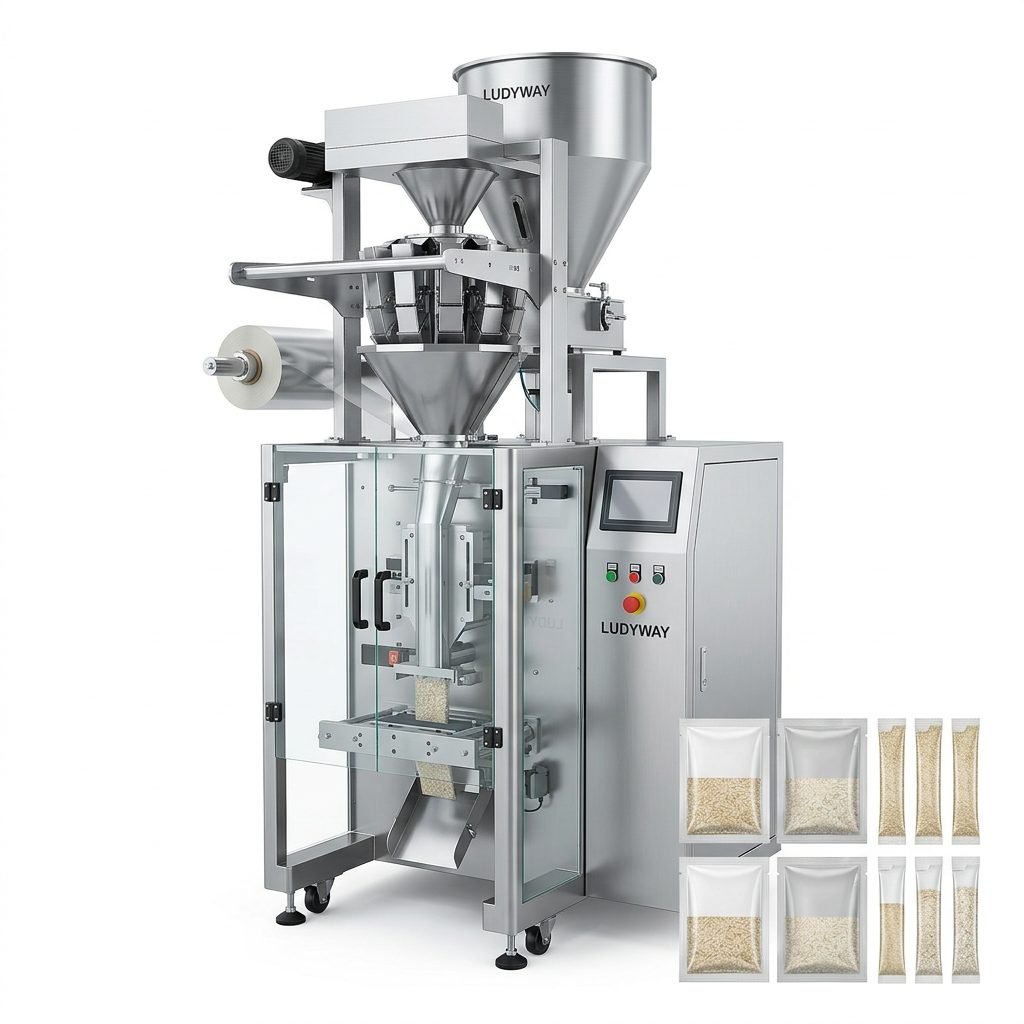
This category focuses on the precision filling of free-flowing products like snacks, nuts, candies, and hardware into bags, cups, or pouches. The system utilizes a central computer-controlled weighing hopper with multiple weigh buckets. Product is distributed to these buckets, and the computer calculates the optimal combination to achieve a precise target weight at high speed before discharging into the packaging material. This technology minimizes giveaway and ensures remarkable weight accuracy.
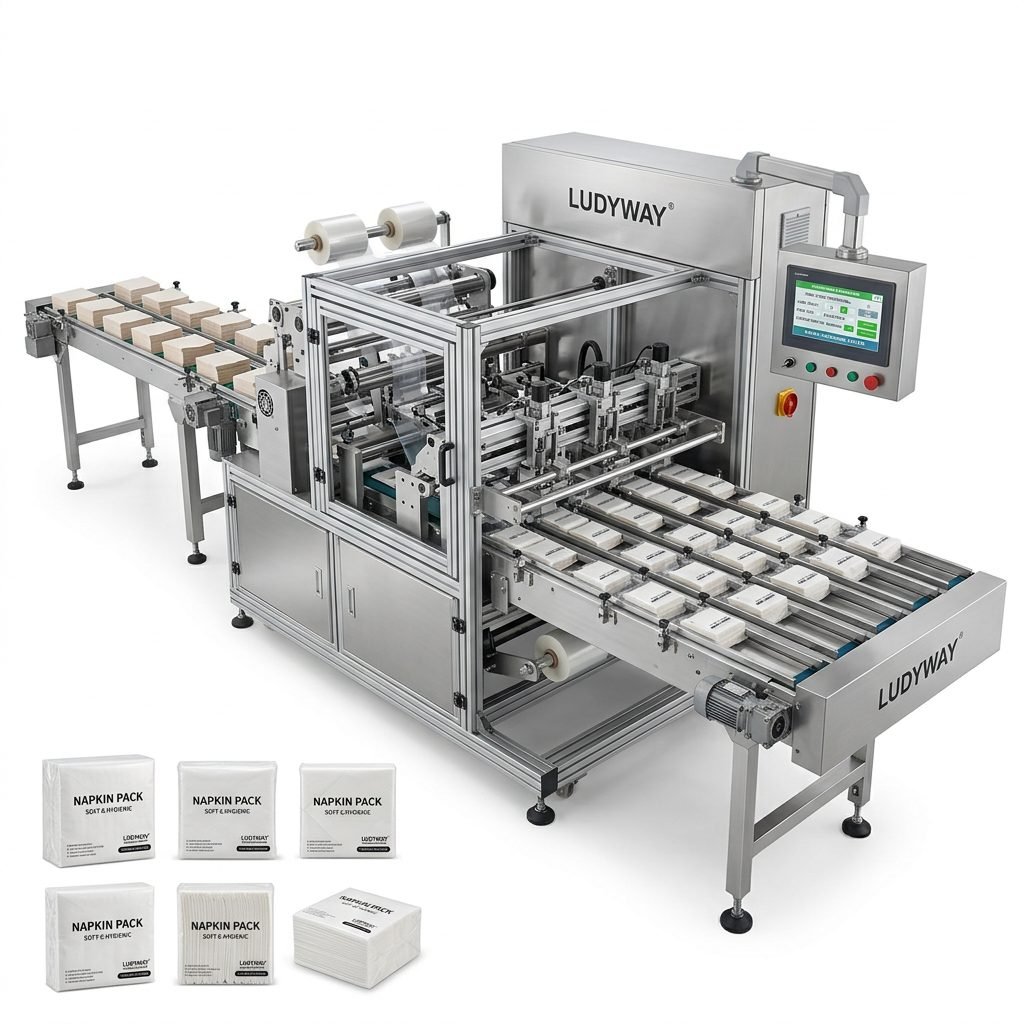
Horizontal Multi-Pack Wrappers (Bundle Wrappers)
These machines take primary packaged items (like bottles, cans, or cartons) and group them into multi-packs (e.g., 6-packs, 12-packs) by wrapping them in a tight film bundle. This is essential in the beverage industry and for any product sold in multi-unit retail packs. The process enhances handling efficiency, provides tamper evidence, and creates a stable, market-ready bundle.
Working Principles: How the Magic Happens
While each type has its nuances, the fundamental working principle of multi packaging machinery revolves around parallel processing and synchronized automation.
1. Film Feeding & Forming
A roll of packaging film (laminated or single-layer) is fed into the machine. For vertical form-fill-seal (VFFS) machines like stick pack and sachet systems, the film is drawn over a forming collar, which shapes it into a tube. In horizontal wrappers, the film is cut and positioned to envelop a group of products.
2. Simultaneous Product Metering & Filling
This is the core of “multi” functionality. Product is supplied from a central hopper and divided into multiple feeding channels—one for each lane or head. For powders and granules, auger fillers or volumetric cups ensure consistent dose per lane. For liquids, precision pumps or gravity-fed nozzles are used. In multi-head weighers, the computer orchestrates the simultaneous weighing from all heads to create the perfect fill.
3. Synchronized Sealing & Cutting
After filling, the packaging material is sealed. In VFFS machines, vertical sealing jaws run the length of the film tube, and horizontal sealing jaws create the top and bottom seals of individual packs, cutting them apart. All lanes perform this sealing and cutting cycle in perfect unison, driven by a single, robust servo or mechanical drive system. This synchronization is critical for maintaining timing and preventing jams.
4. Integrated Control & Monitoring
A central Programmable Logic Controller (PLC) and Human-Machine Interface (HMI) touchscreen act as the brain of the operation. Operators can set parameters (speed, fill weight, temperature) for all lanes simultaneously or individually. The system monitors performance, tracks production counts, and can alert operators to issues like film breaks or low product supply.
How to Choose the Right System for Your Needs
Selecting the optimal multi packaging machinery is a strategic investment. Here are the key factors to guide your decision:
1. Analyze Your Product Characteristics
The product dictates the machine type. Consider its physical form (powder, granule, liquid, solid), flowability, abrasiveness, and sensitivity (to moisture, oxygen, light). Sticky products may require specialized hopper and auger designs, while oily products need specific sealing film and temperature control.
2. Define Your Output & Speed Requirements
Calculate your required output in packs per minute (PPM) or shifts. Multi-lane machines scale output by adding lanes. A 4-lane machine is roughly twice as fast as a 2-lane model. Ensure the machine’s maximum speed meets your peak demand with some overhead for future growth. Remember, sustainable, consistent speed is more valuable than a fleeting maximum speed.
3. Evaluate Packaging Material & Changeover Flexibility
What film or material will you use? Ensure the machine is compatible with your chosen material’s thickness, sealant layer, and print registration requirements if using pre-printed film. If you run multiple products or pack sizes, quick changeover capability is vital. Look for features like tool-less change parts, recipe storage on the HMI, and easy lane width adjustments.
4. Prioritize Hygiene, Construction & Safety
For food, pharmaceutical, or cosmetic applications, hygiene is non-negotiable. Choose machines with stainless steel contact parts, smooth surfaces, and easy access for cleaning (CIP/SIP where applicable). Robust frame construction ensures stability at high speeds. Safety features like guarded interlock systems, emergency stops, and clear safety guarding are mandatory.
5. Assess Supplier Expertise & Support
The machine is only as good as the company behind it. Partner with a supplier known for engineering expertise and reliable support. Look for a provider with a proven track record in your industry. Consider their ability to offer complete turnkey solutions, including upstream feeders and downstream case packers. Availability of spare parts, comprehensive training, and responsive technical support are critical for minimizing downtime.
6. Consider Total Cost of Ownership (TCO)
Look beyond the initial purchase price. Factor in operational costs (film usage efficiency, energy consumption), maintenance costs (availability and price of spare parts), and the potential cost of downtime. A slightly more expensive, robust, and reliable machine from a reputable supplier like Ludyway Machinery often delivers a lower TCO and better return on investment over its lifespan.
Conclusion
Multi packaging machinery is a transformative asset for modern production lines, driving efficiency, consistency, and scalability. By understanding the distinct types—from multi-lane stick pack machines to sophisticated multi-head weighers—and their synchronized working principles, businesses can make informed decisions. The selection process must be thorough, focusing on product fit, output goals, flexibility, hygiene, and the long-term partnership with the equipment supplier. Investing in the right system not only streamlines your packaging operation but also strengthens your competitive edge in the market.
Frequently Asked Questions (FAQs)
What is the main advantage of a multi-lane machine over a single-lane machine?
The primary advantage is a massive increase in production output without a proportional increase in floor space or complexity. By running multiple packaging lanes in parallel from a single drive system, you achieve higher speeds (e.g., 800-1200 packs per minute) that a single lane physically cannot, while maintaining better efficiency and control than running multiple independent single-lane machines.
Can a multi-lane machine run different products in each lane simultaneously?
Typically, no. Standard multi-lane machines are designed to run the same product and package size across all lanes simultaneously for synchronized operation. Running different products would require completely separate feeding systems and complex, independent controls, which defeats the purpose of the integrated design. For different products, sequential production with quick changeovers is the standard approach.
How difficult is it to maintain and clean a multi-head weigher?
Modern multi-head weighers are designed for maintainability. High-quality models feature easy disassembly of weigh buckets, liners, and channels without tools. For hygiene-critical industries, choose weighers with stainless steel construction, rounded edges, and designs that minimize product trapping. Regular cleaning is essential, but a well-designed machine makes this process straightforward for trained personnel.
What level of operator skill is required to run this type of machinery?
While the machinery is highly automated, it requires a skilled operator or technician for setup, changeover, monitoring, and basic troubleshooting. Understanding the HMI interface, performing mechanical adjustments, and conducting routine maintenance are necessary skills. Reputable suppliers like Ludyway provide comprehensive operational and maintenance training to ensure your team is proficient.
Is multi packaging machinery suitable for low-volume or start-up production?
Generally, multi packaging systems are an investment geared toward medium to high-volume production to justify their cost and achieve the ROI from high speed. For start-ups or very low-volume runs, a single-lane or semi-automatic machine is often a more appropriate and flexible starting point. The decision should be based on a clear projection of growth and volume requirements.