Southeast Asia’s snack industry is booming, and at the center of this growth is the increasing demand for high-quality nut packaging machines. Whether you are processing cashews in Vietnam, peanuts in Indonesia, or almonds in Thailand, the right packaging technology is a critical factor for product freshness, shelf appeal, and operational efficiency. This comprehensive guide explores the types of equipment available, regional cost considerations, and the essential features to look for when investing in a packaging line for the Southeast Asian market.
Understanding the Southeast Asian Nut Packaging Landscape
The diverse climates of Southeast Asia—from high humidity zones to tropical temperatures—make packaging integrity non-negotiable. Nuts are particularly sensitive to moisture, oxygen, and light. A modern nut packaging machine does more than just fill bags; it often incorporates nitrogen flushing, vacuum sealing, and high-barrier film handling to extend shelf life without preservatives. The shift toward single-serve and multi-lane stick packs is also accelerating, driven by the convenience store culture in the region.
Key Types of Nut Packaging Machinery
Selecting the right equipment depends on your production volume and packaging format. Below are the primary categories of machinery deployed in the region.
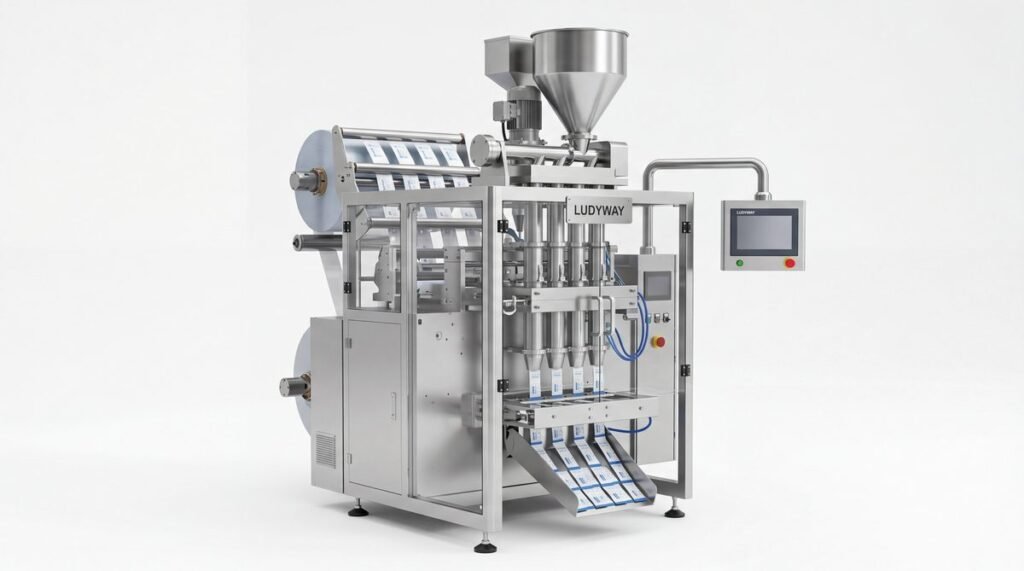
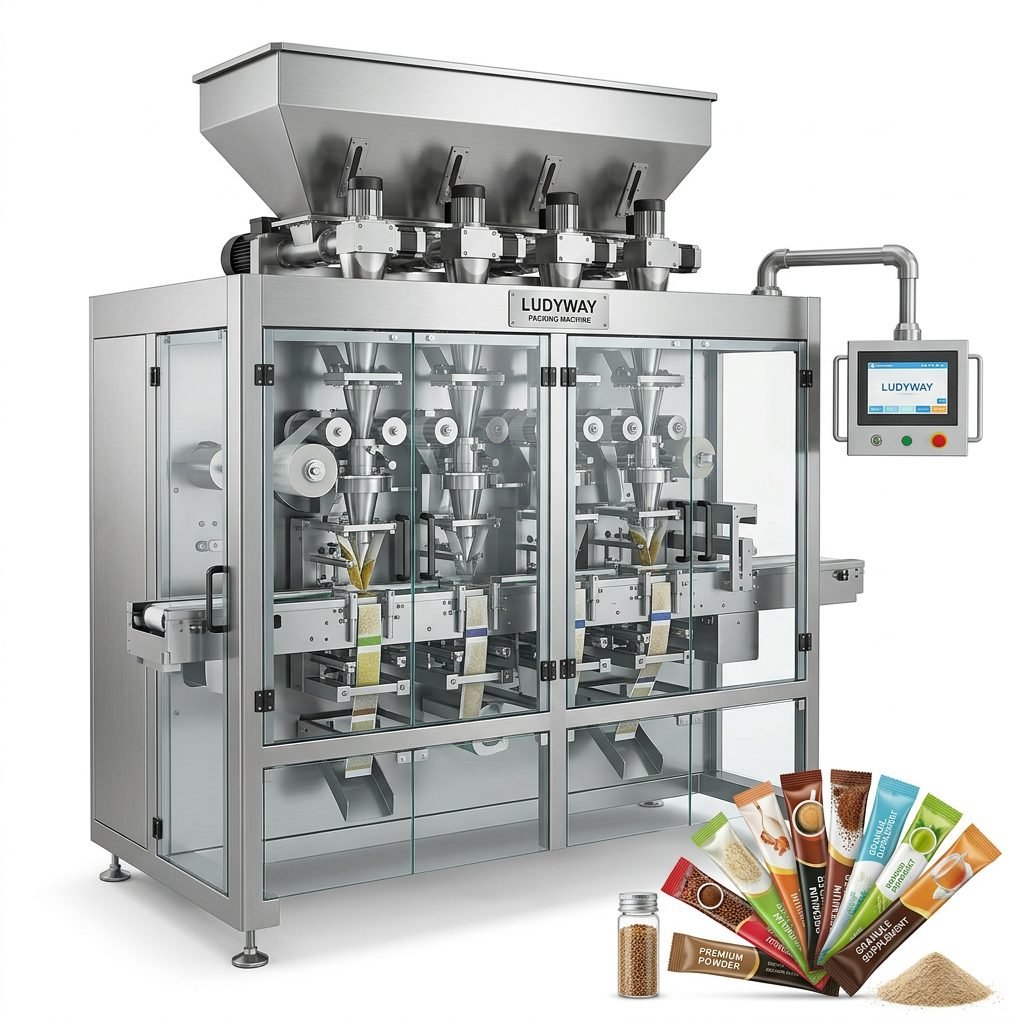
Multi-Lane Stick Pack Machines
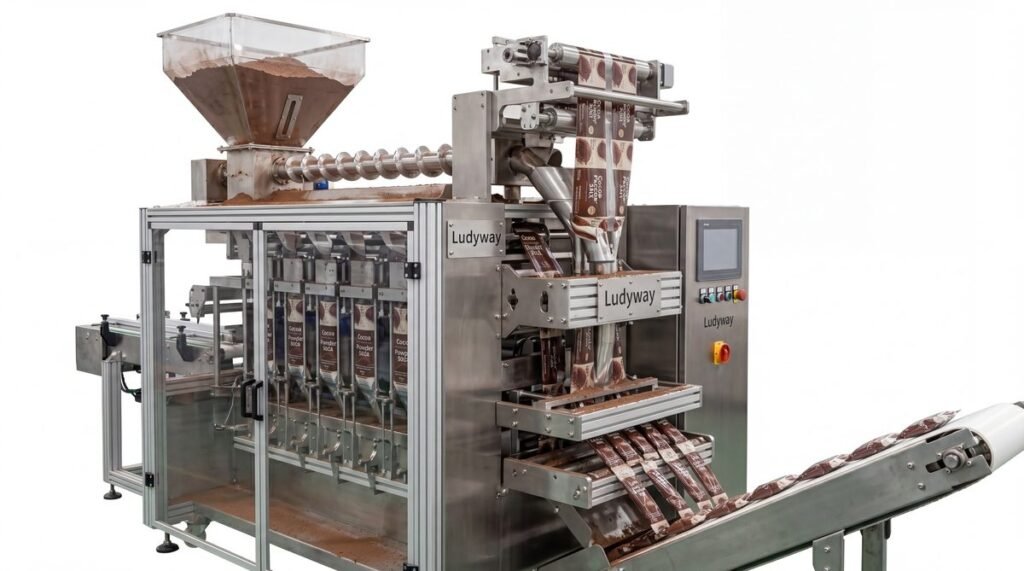
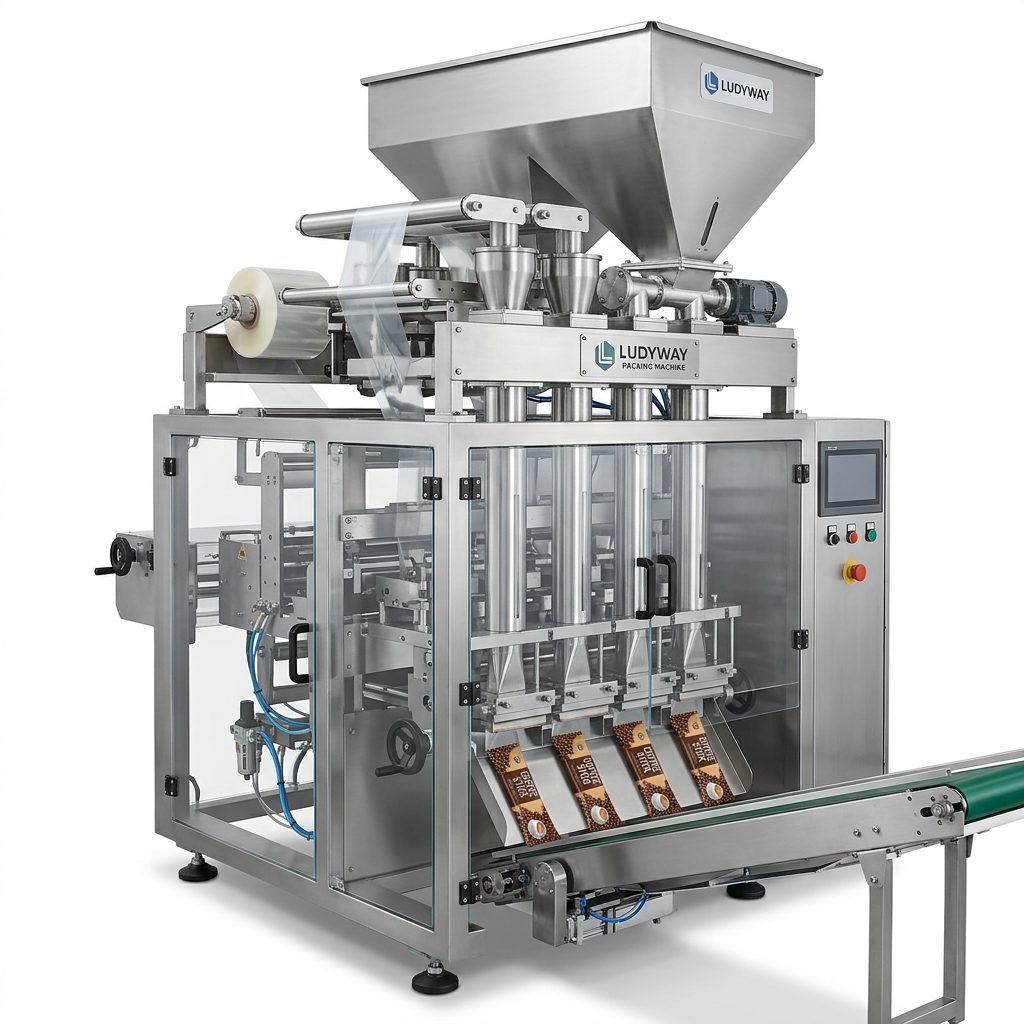
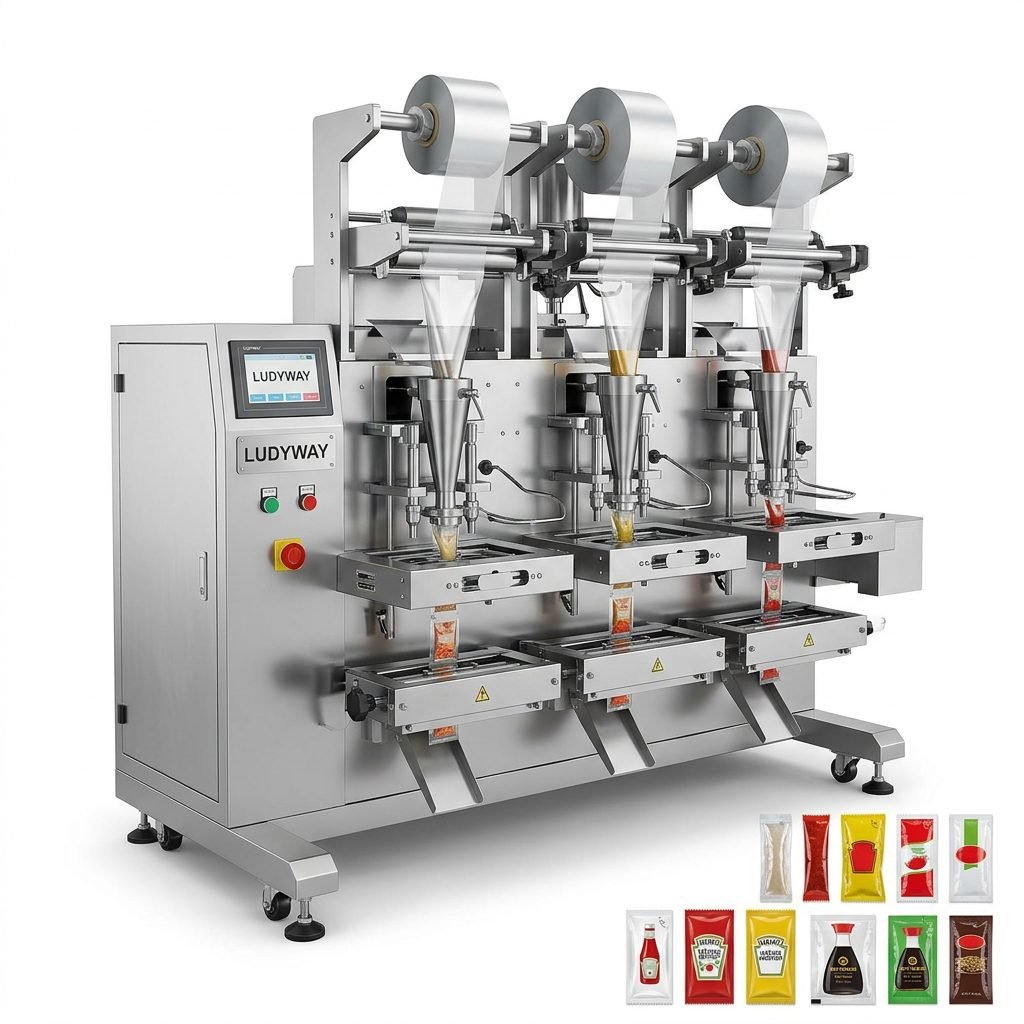
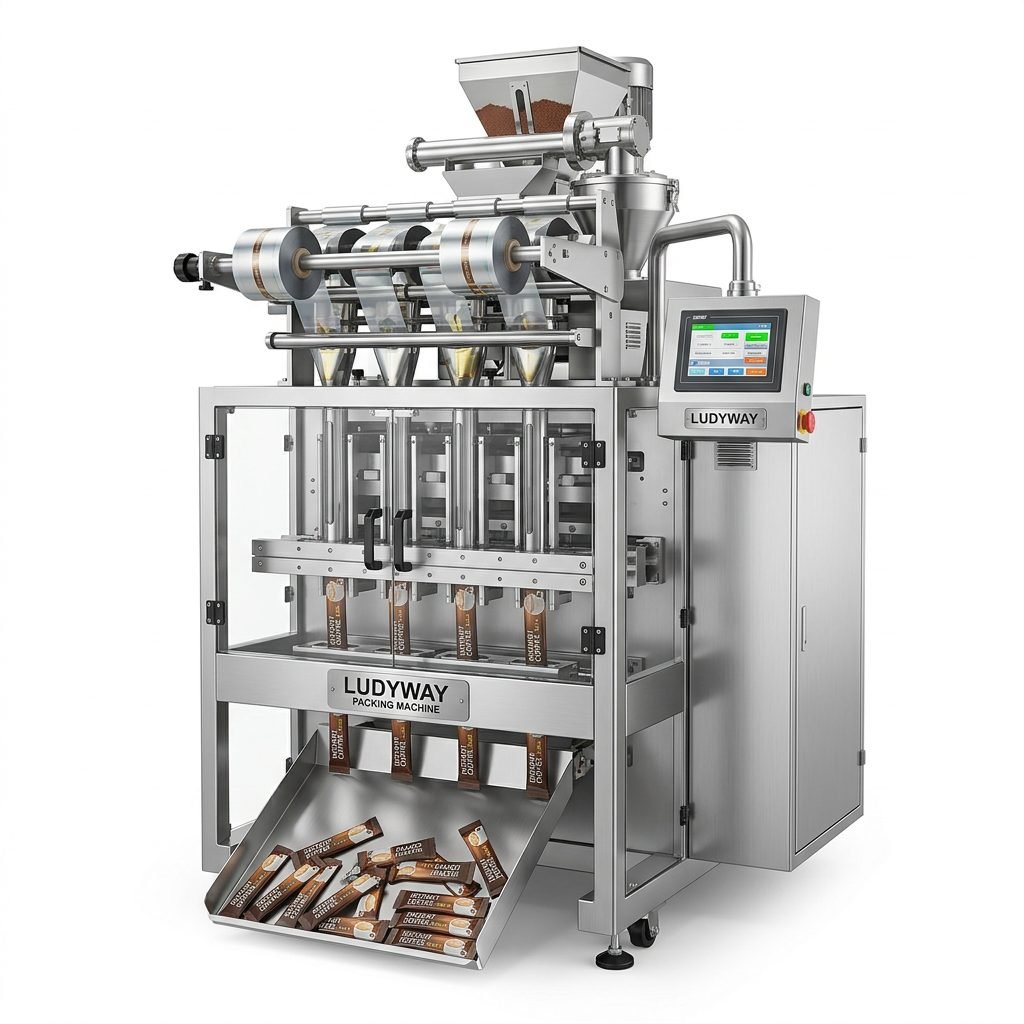
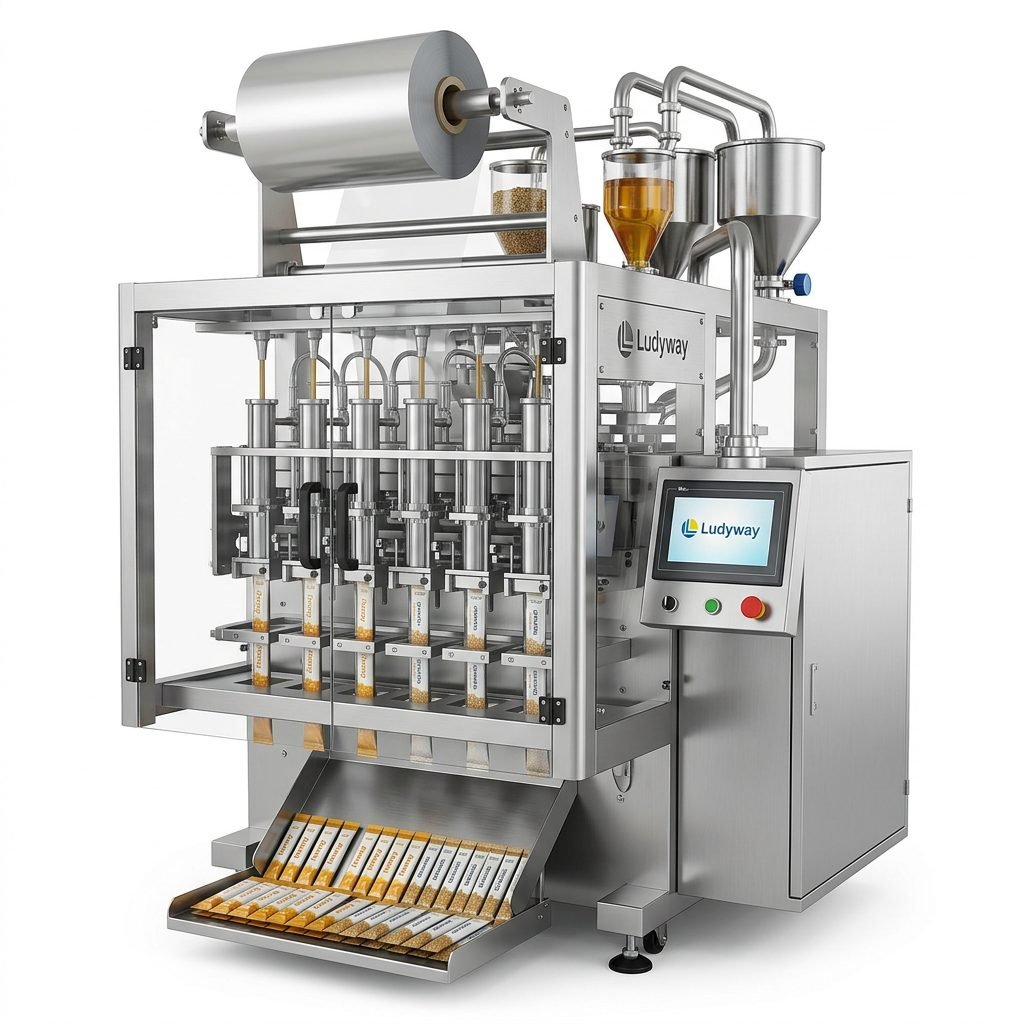
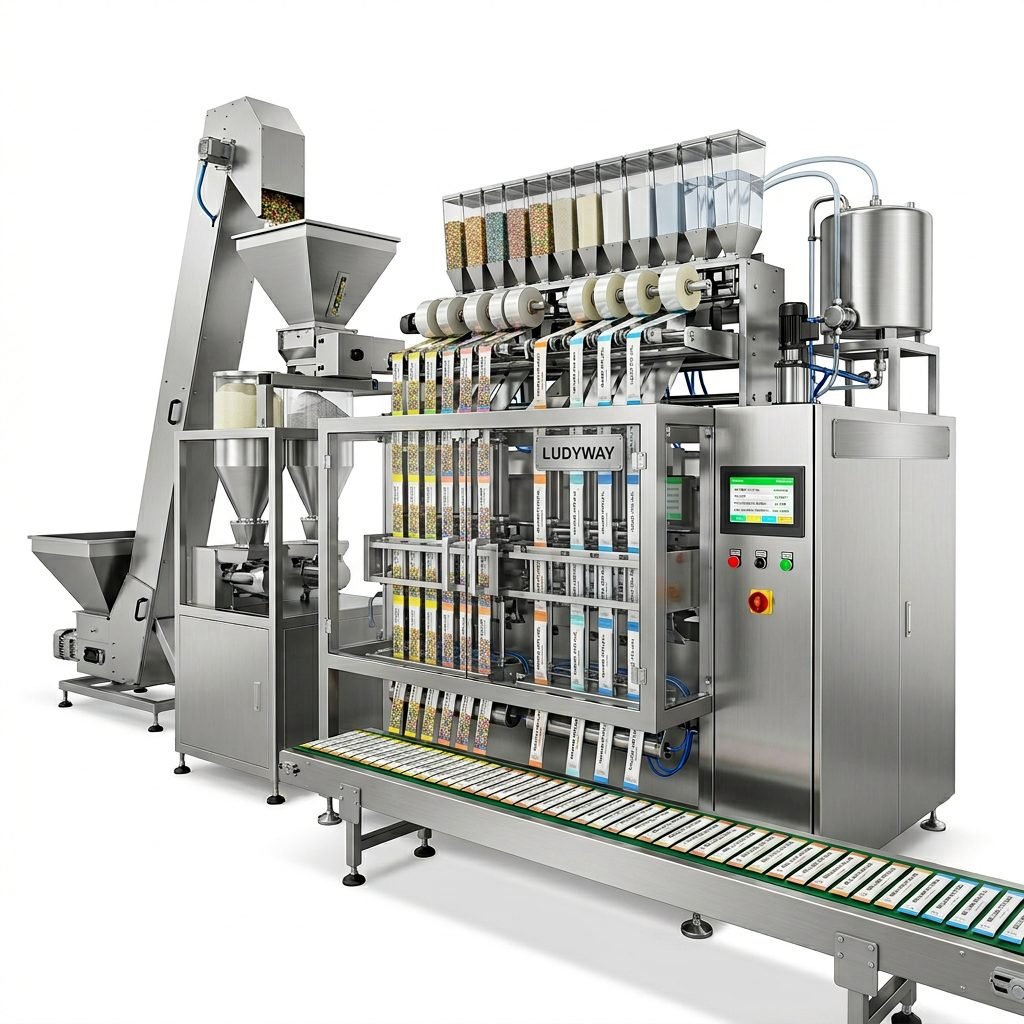
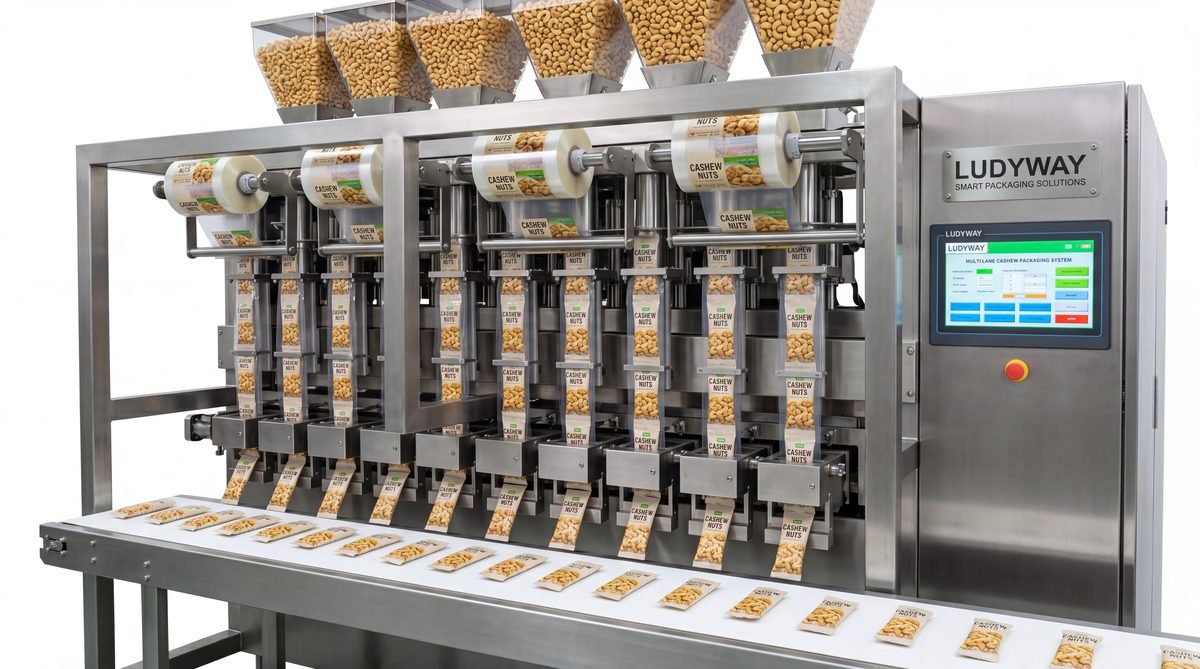
These are rapidly becoming the standard for small portion packs. They offer high output by running multiple lanes simultaneously. Common lane configurations run from 4 to 16 lanes, allowing manufacturers to produce thousands of sachets per hour. They are ideal for on-the-go snacking formats popular in urban centers like Bangkok, Manila, and Jakarta. You can explore advanced multi-lane packaging solutions designed for high-speed production.
Vertical Form Fill Seal (VFFS) Machines
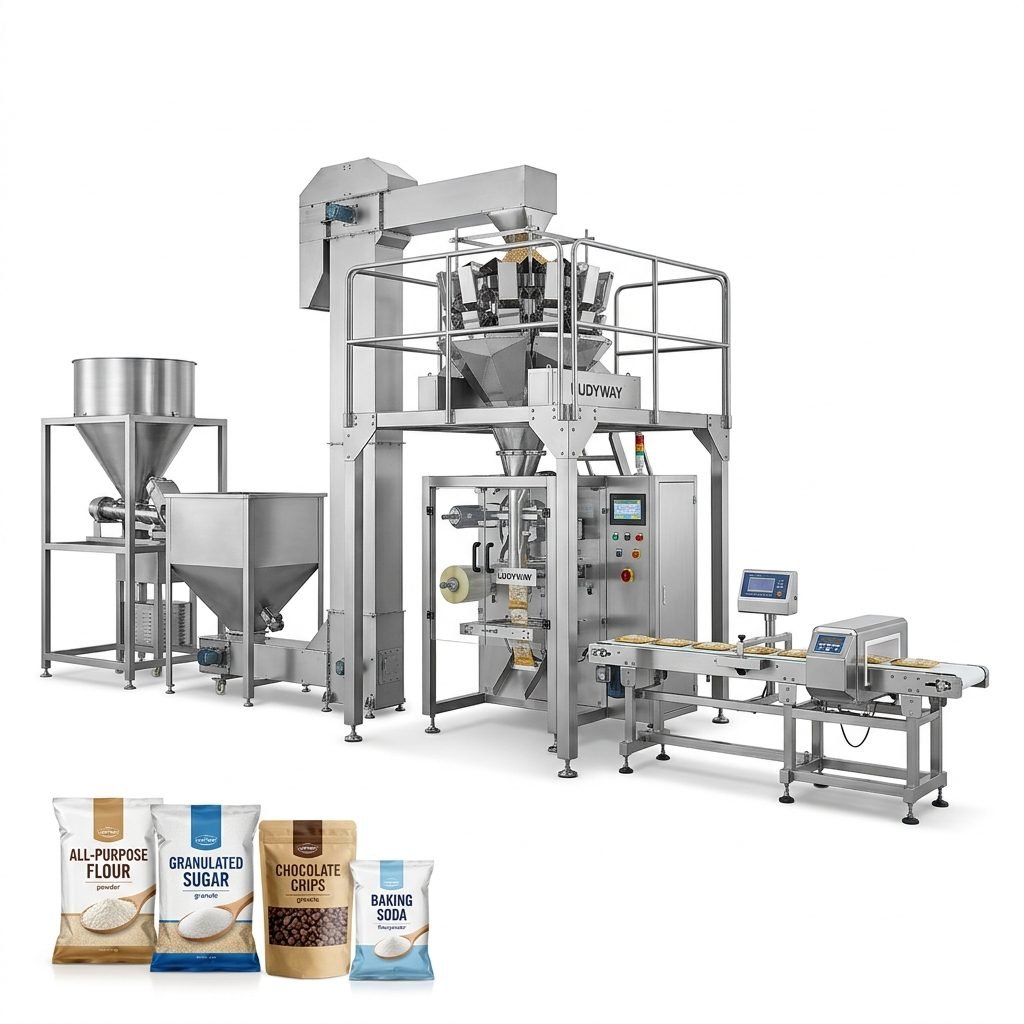
VFFS machines are the workhorses of the industry, forming bags from a flat roll of film, filling them with nuts, and sealing them shut. They are versatile for pillow bags, gusseted bags, and quad-seal pouches. For entry-level manufacturers, a basic VFFS nut packaging machine provides a reliable and cost-effective starting point.
Premade Pouch Rotary Fillers
For premium branding, stand-up pouches with resealable zippers are the gold standard. Rotary fillers pick up a premade pouch, open it, fill it with nuts, and seal it with or without a zipper. These machines are often preferred for high-value gift packs and export-oriented products. The initial investment is higher, but the shelf presence is significantly enhanced.
Weighing and Filling Systems
Accuracy is crucial for nut packaging due to raw material costs. Modern systems use multi-head weighers, typically 10 to 14 heads, to achieve precision down to 0.1-0.5 grams per bag. Linear weighers offer a more economical solution for granular products but are generally slower. The choice of weighing mechanism drastically impacts product giveaway and profitability.
Cost Analysis: Investment vs. Long-Term Savings
The cost of a nut packaging machine in Southeast Asia varies widely based on automation level, speed, and country of origin.
| Machine Type | Estimated Price Range (USD) | Best Suited For |
|---|---|---|
| Semi-Automatic VFFS | $3,000 – $10,000 | Small workshops, local markets |
| Automatic VFFS (Single Lane) | $12,000 – $35,000 | Medium-scale producers |
| Multi-Lane Stick Pack (4-10 lanes) | $30,000 – $80,000 | High-volume contract packers |
| Premade Pouch Rotary System | $40,000 – $120,000 | Premium export brands |
| Complete Turnkey Packaging Line | $80,000 – $300,000+ | Fully automated factories |
Beyond the initial price tag, Southeast Asian buyers should consider import duties, which can range from 0% to 30% depending on the specific trade agreements within ASEAN. Total Cost of Ownership (TCO) should factor in spare parts availability and local technical support.
Crucial Technical Features to Prioritize
The humid environment necessitates specific engineering standards. Do not compromise on these technical aspects:
- Stainless Steel Construction: Ensure the frame and contact parts are SUS304 or better to resist corrosion from salt and humidity.
- Gas Flushing Capability: Look for machines with reliable nitrogen (N2) or CO2 flushing to displace oxygen and prevent rancidity in nuts.
- Servo-Driven Sealing: Pneumatic systems can be inconsistent in fluctuating air supply conditions common in developing industrial zones. Servo-driven jaws provide precise heat control.
- Dust Management: Nuts often create fine dust and debris. A vacuum dust extraction system is vital for protecting the machine’s electronics and ensuring seal integrity.
Compliance and Food Safety Standards
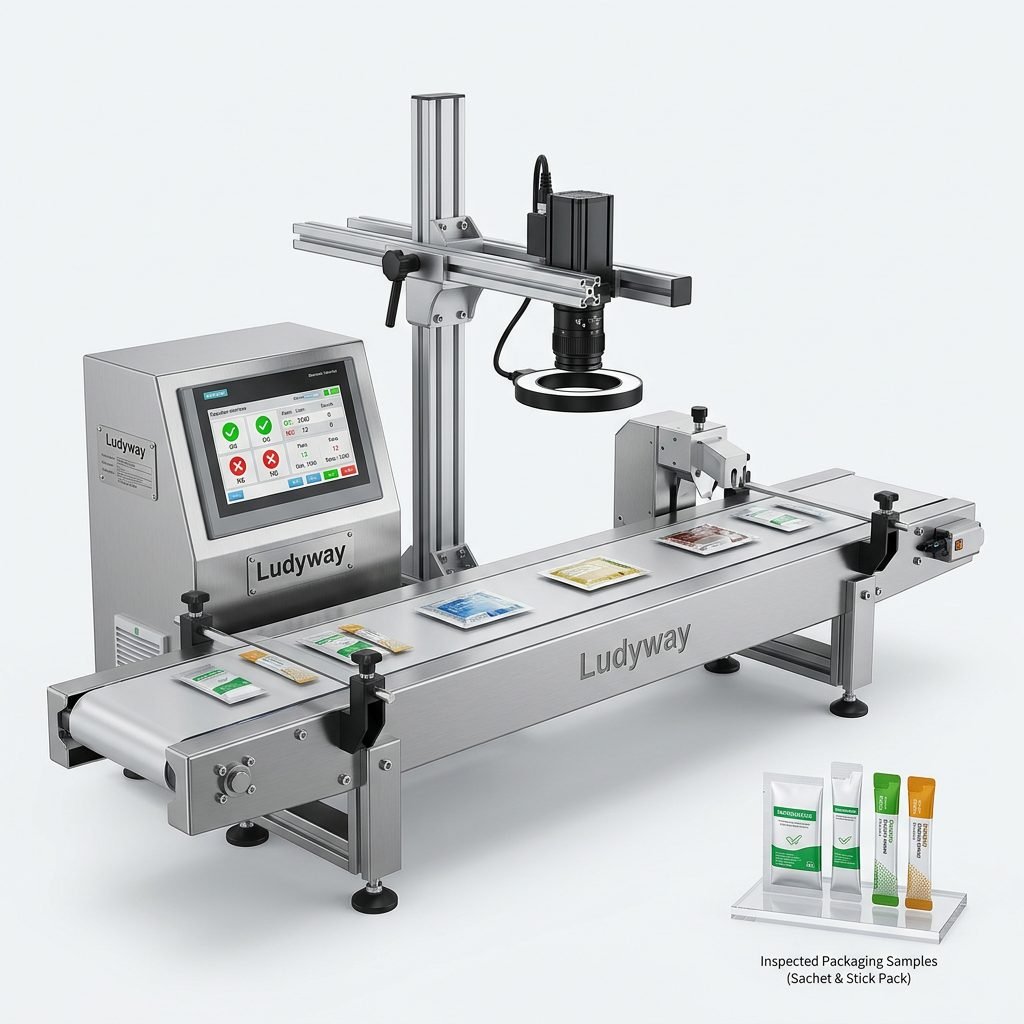
Export-oriented businesses must adhere to international standards. Your nut packaging machine should be capable of meeting FDA or EU food contact regulations. Look for certifications like CE and ISO 9001:2015. The integration of quality control and inspection systems like metal detectors and checkweighers is no longer optional but a mandatory requirement for global retailers.
Selecting the Right Local Partner
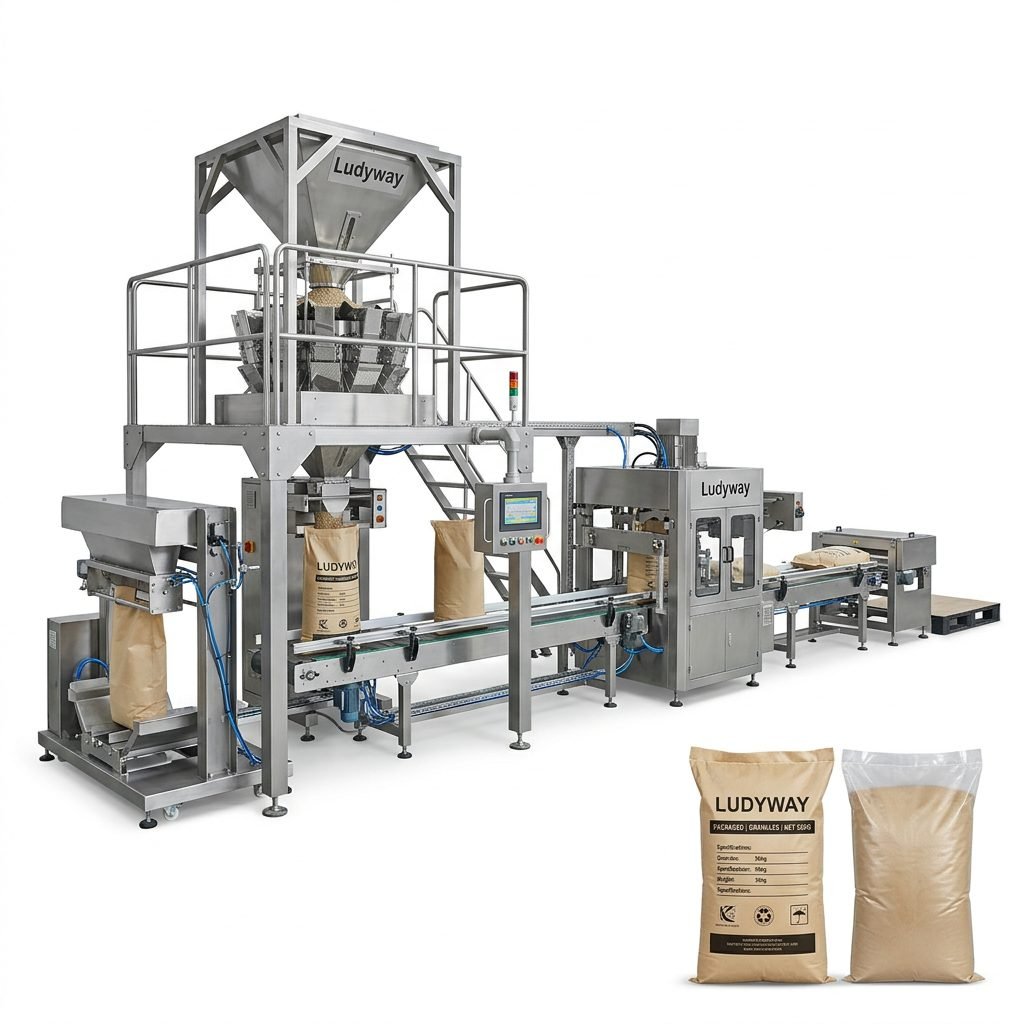
While machinery from Europe and Japan has a reputation for quality, Chinese manufacturers like Ludyway have significantly narrowed the gap, offering competitive industrial packaging automation solutions backed by 30 years of engineering expertise. When evaluating suppliers, prioritize those offering installation support in Southeast Asia, operator training in the local language, and a warehouse of critical spare parts in the region.
In conclusion, investing in a nut packaging machine requires a strategic balance of film compatibility, weighing accuracy, and reliable local support. Whether you are scaling up a home business or automating a multinational plant, choosing a machine built for the unique challenges of the tropics will ensure your nuts remain fresh, crunchy, and profitable from the factory floor to the consumer’s hand.