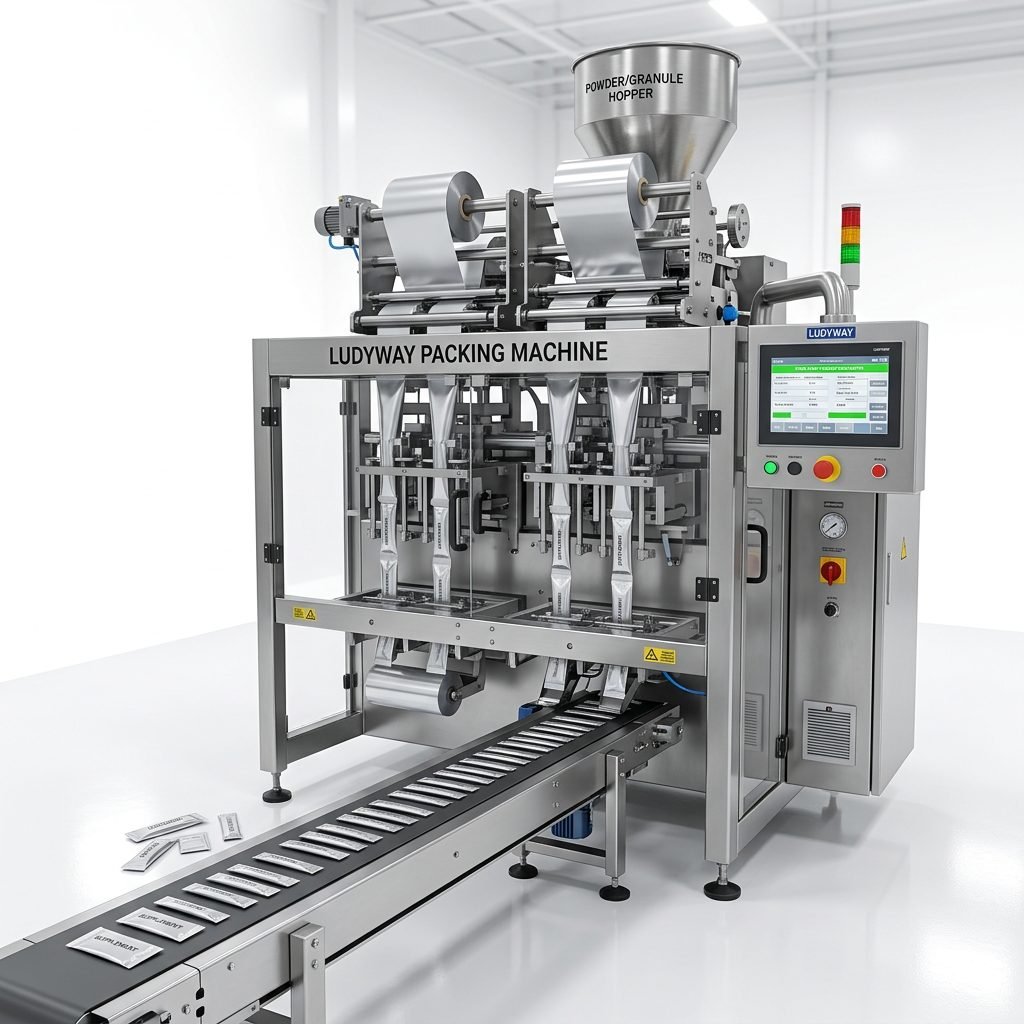
In today’s fast-paced manufacturing landscape, the reliability and efficiency of your packaging line are non-negotiable. Downtime is costly, and suboptimal performance can directly impact your bottom line and brand reputation. This is where comprehensive packaging equipment services become your most valuable asset. Moving beyond the simple purchase of a machine, a full-service partnership encompassing professional installation, proactive maintenance, and rapid repair solutions is the key to achieving seamless, uninterrupted production. It transforms your packaging equipment from a capital expense into a strategic, productivity-driving investment.
The Critical Role of Professional Installation
Proper installation is the foundational step that determines the long-term performance, accuracy, and lifespan of any packaging system. A skilled installation is far more than just uncrating a machine and plugging it in.
Key Installation Service Components:
✓ Site Assessment & Planning: Experts evaluate your facility’s utilities (power, air, water), spatial layout, and material flow to ensure optimal placement and integration with existing lines.
✓ Precision Assembly & Calibration: Every component is meticulously assembled and calibrated to factory specifications, ensuring the machine operates at its designed accuracy for weight, fill, and seal integrity.
✓ Integration & Testing: The new equipment is fully integrated into your production process and undergoes rigorous testing with your actual packaging materials to verify performance before handover.
✓ Comprehensive Operator Training: Technicians provide hands-on training for your team, covering safe operation, basic troubleshooting, and routine changeover procedures, empowering your staff from day one.
Neglecting professional installation often leads to chronic issues like misalignment, inconsistent seals, inaccurate fills, and premature wear on critical parts. Investing in expert setup mitigates these risks, ensuring your equipment delivers its promised return on investment from the very first production run.
Proactive Maintenance: The Strategy to Prevent Downtime
Waiting for a machine to break down is a reactive and costly approach. A structured, proactive maintenance program is the cornerstone of operational excellence. It involves scheduled inspections, part replacements, and adjustments designed to keep equipment running smoothly and identify potential failures before they occur.
Benefits of a Scheduled Maintenance Program
Implementing a regular maintenance schedule offers immense advantages:
- Maximized Uptime & Productivity: Preventative care drastically reduces unplanned stoppages, keeping your line running and meeting production targets.
- Extended Equipment Lifespan: Regular lubrication, cleaning, and adjustment reduce wear and tear, protecting your capital investment for years longer.
- Consistent Output Quality: Well-maintained machines produce consistent, high-quality packages, reducing waste and safeguarding your brand’s quality image.
- Predictable Operating Costs: Scheduled part replacements and service are budgetable, unlike the high costs and rush fees associated with emergency repairs.
- Enhanced Safety: Regular checks ensure all safety guards and interlocks are functioning correctly, protecting your workforce.
Service providers typically offer tiered maintenance plans—from basic annual check-ups to comprehensive contracts that include all parts and labor—allowing you to choose the level of coverage that matches your operational intensity and risk tolerance.
Expert Repair & Technical Support: Minimizing Impact When Issues Arise
Even with the best maintenance, occasional issues can arise. When they do, access to fast, expert repair services is critical. The goal is to restore full functionality with minimal disruption to your production schedule.
What to Expect from a Top-Tier Repair Service:
Rapid Response: Providers with a global or extensive local network can dispatch certified technicians quickly, often offering remote diagnostics to begin troubleshooting immediately.
Genuine Parts Inventory: Using OEM (Original Equipment Manufacturer) or certified-compatible parts ensures repairs meet original performance standards and don’t void warranties.
Deep Technical Expertise: Experienced technicians possess in-depth knowledge of mechanical, electrical, pneumatic, and control systems specific to packaging machinery.
Clear Communication: You receive a detailed diagnosis, a transparent cost estimate, and a realistic timeline before any work begins.
Performance Verification: After repair, the machine is tested thoroughly to confirm it operates correctly and safely before being released back to production.
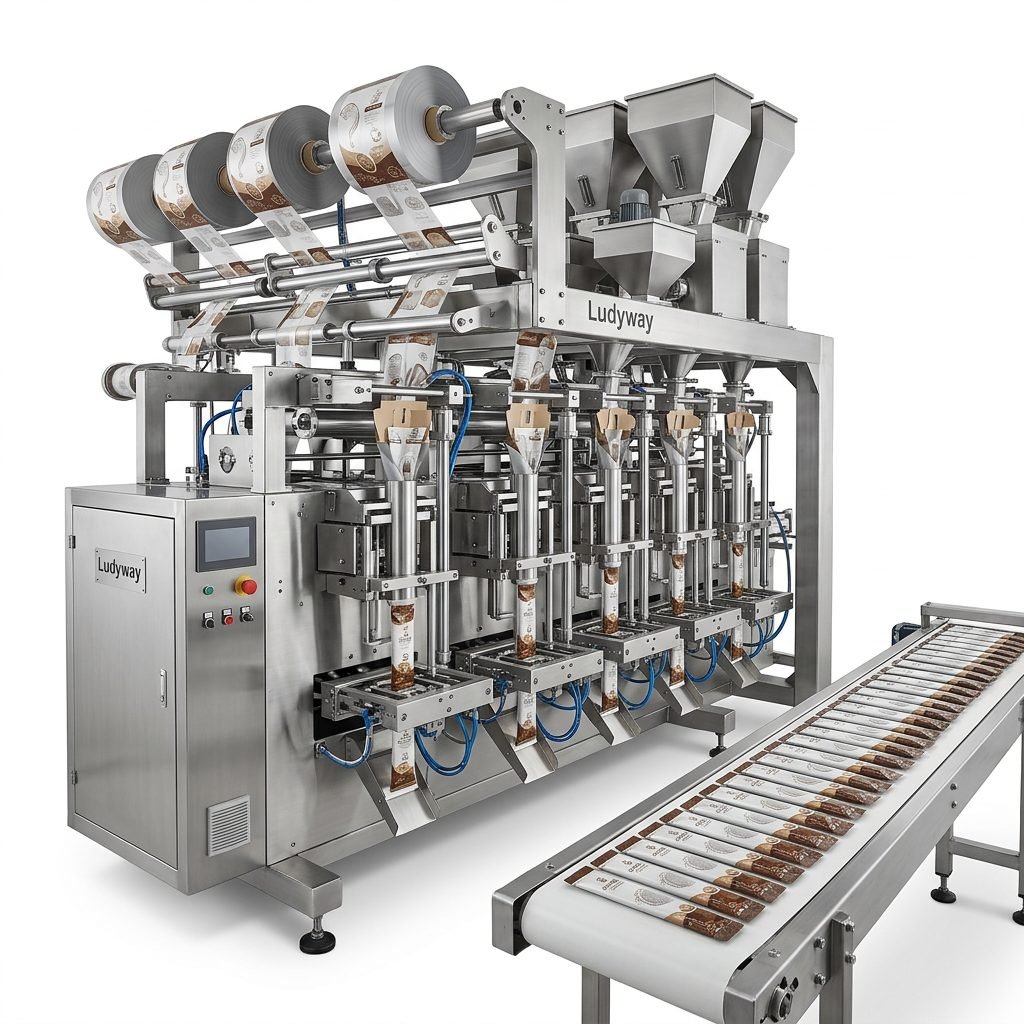
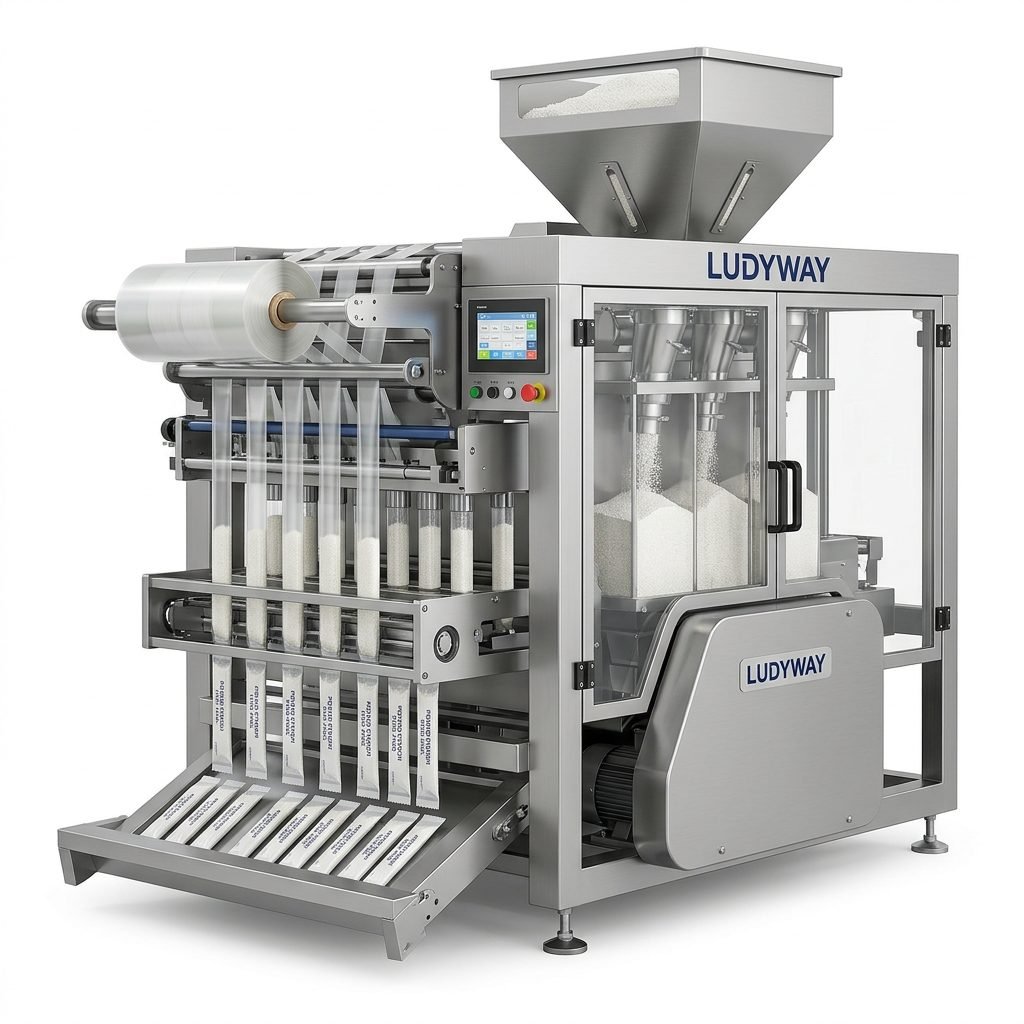
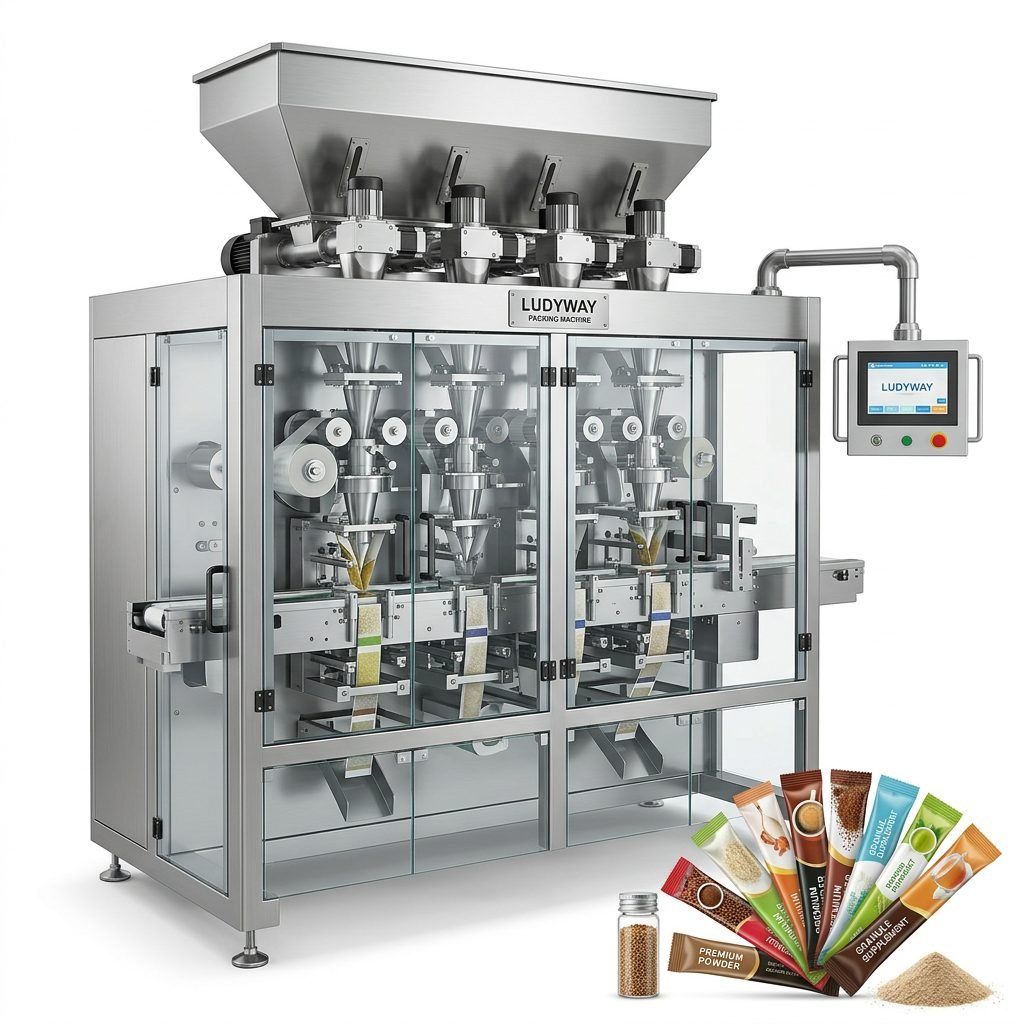
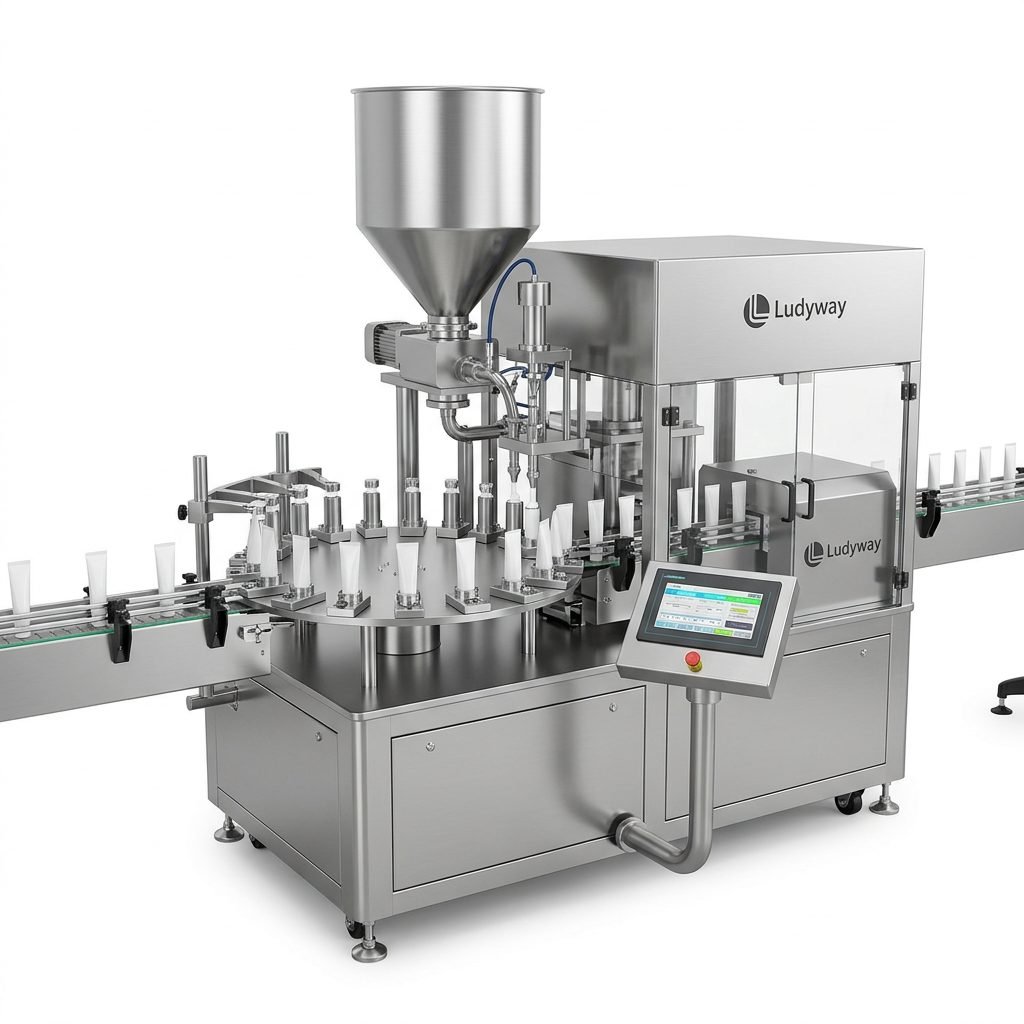
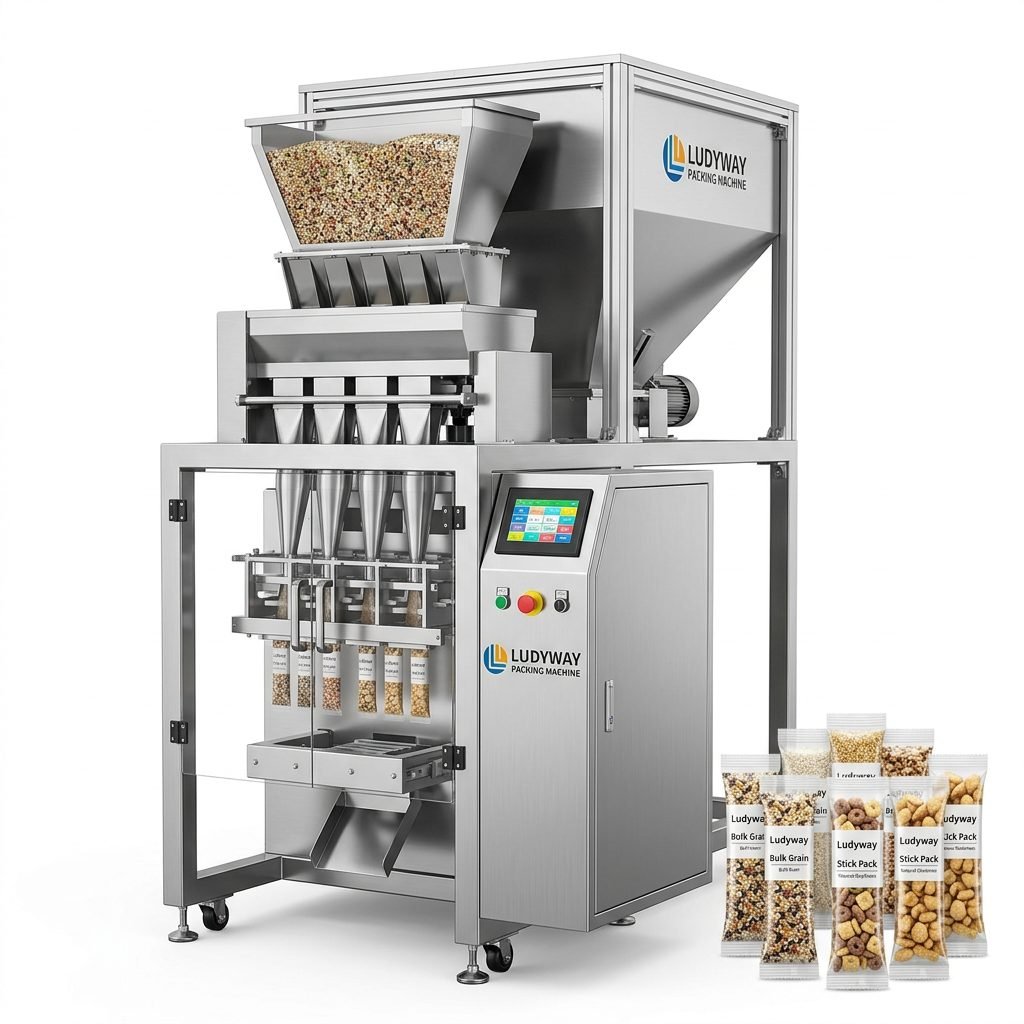
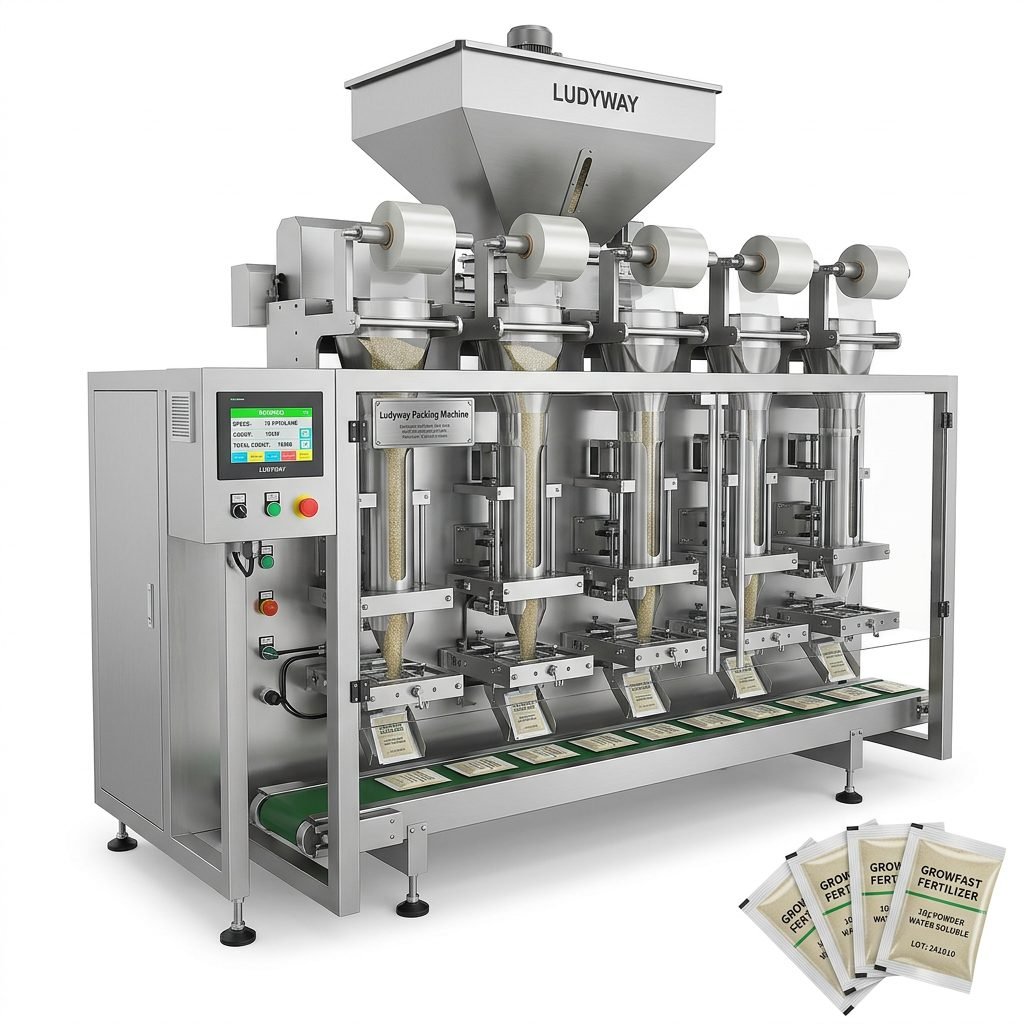
Choosing a service partner that manufactures or has deep expertise with your specific equipment brand—such as the specialists behind the Ludyway Packing Machine brand—ensures repairs are performed correctly the first time, avoiding repeat failures and further downtime.
Choosing the Right Packaging Equipment Service Partner
Not all service providers are created equal. Your partner should be an extension of your production team. Key selection criteria include:
Industry Experience & Specialization
Look for a provider with a proven track record in your specific sector (e.g., food, pharmaceutical, chemicals). They will understand your unique hygiene standards, regulatory requirements, and material challenges.
Range of Services & Support Model
Opt for a partner that offers a true end-to-end solution: installation, training, maintenance plans, repair, and ongoing technical support. Ask about their response times and availability for emergency calls.
Technical Expertise & Certifications
Ensure their technicians are factory-trained or hold relevant certifications for the equipment they service. In-depth knowledge of the machine’s design is crucial for complex diagnostics.
Quality of Parts & Inventory
A reliable partner maintains a robust inventory of genuine critical spare parts to expedite repairs. This is a strong indicator of their commitment to minimizing your downtime.
Global Reach & Local Presence
For multinational operations, a provider with a global service network ensures consistent support. For local needs, a strong regional presence guarantees faster on-site assistance.
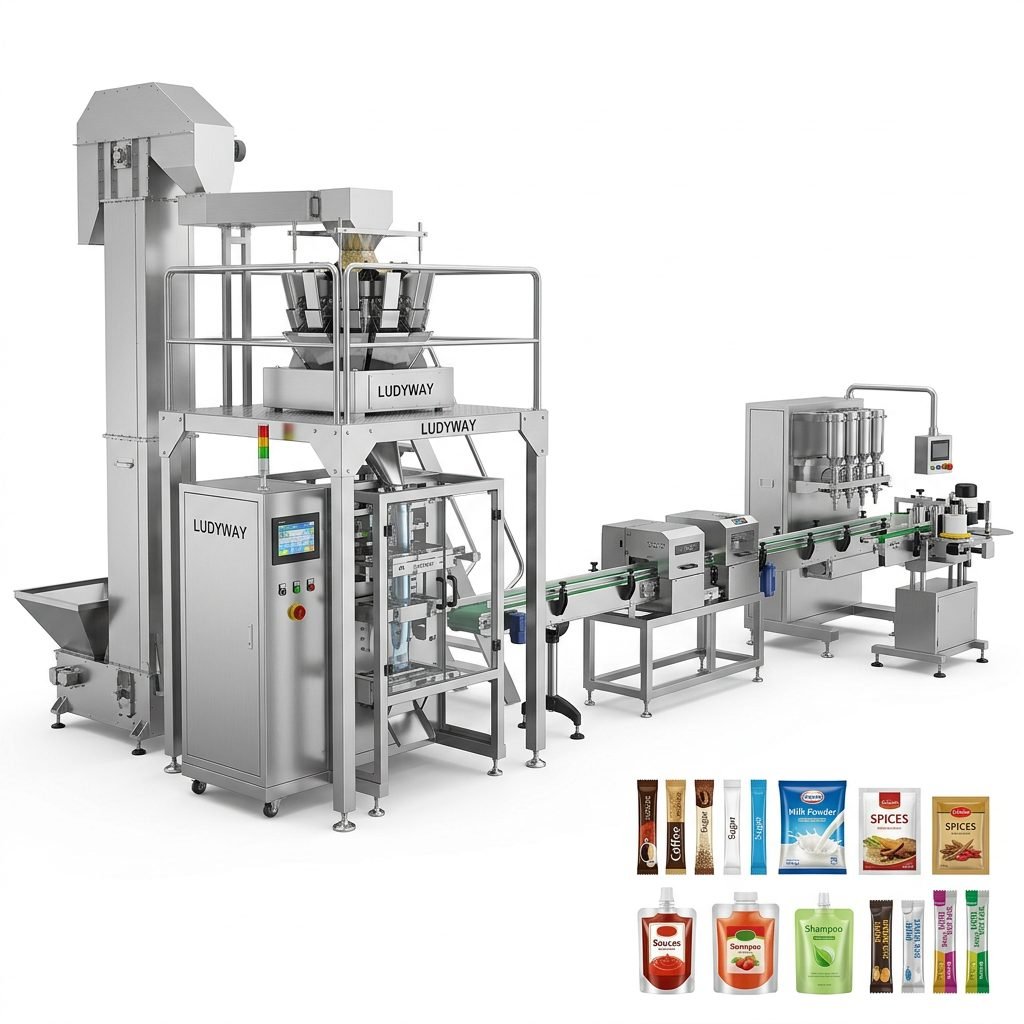
Companies that build their reputation on engineering excellence and customer support, like the team with over 30 years of industry experience behind Ludyway, often translate that same dedication into their service divisions, viewing every service call as an opportunity to strengthen a long-term partnership.
Conclusion: Investing in Peace of Mind
Comprehensive packaging equipment services are not merely an ancillary cost; they are a strategic investment in production stability, product quality, and total cost of ownership. By partnering with a skilled provider for complete installation, disciplined maintenance, and dependable repair, you secure more than just machine functionality—you gain peace of mind. You ensure that your packaging line remains a reliable, efficient engine of your business, capable of adapting to demands and sustaining your competitive edge in the market for years to come.
Frequently Asked Questions (FAQs)
1. How often should my packaging equipment undergo professional maintenance?
The frequency depends on the machine type, hours of operation, and the materials it processes. A general guideline is a minor service every 3-6 months and a major comprehensive overhaul annually. Your service provider will recommend a schedule based on a detailed assessment of your specific operation.
2. Can I perform maintenance myself using in-house staff?
Basic daily and weekly cleaning, lubrication, and visual inspections are often done in-house after proper training. However, complex calibration, safety system checks, and internal component servicing should be performed by certified technicians to ensure accuracy, maintain warranties, and prevent accidental damage.
3. What is typically included in a preventative maintenance (PM) visit?
A standard PM visit includes mechanical inspection and adjustment of critical components (like seals, cutters, and drives), lubrication, electrical system checks, safety device verification, control system diagnostics, and performance testing. The technician will provide a detailed report of findings and any recommended actions.
4. How quickly can I expect a response for an emergency repair?
Response times vary by provider and location. Reputable service partners often offer defined service level agreements (SLAs), with remote support initiating within hours and, for critical cases, an on-site technician dispatch within 24-48 hours. It’s crucial to discuss and confirm these terms before engaging a service contract.
5. Are service contracts cost-effective compared to paying for repairs as needed?
In almost all cases, yes. Service contracts typically offer predictable, budgeted costs and prioritize contract customers. They are designed to prevent major, expensive failures. “Pay-as-you-go” repair models often result in higher long-term costs due to emergency premiums, major breakdowns, and more frequent replacements of neglected components.