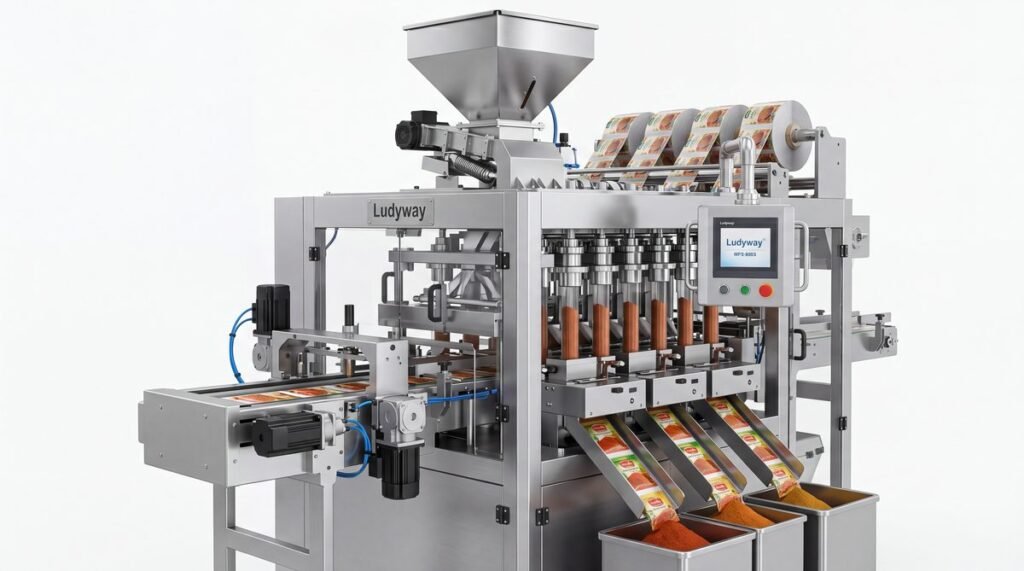
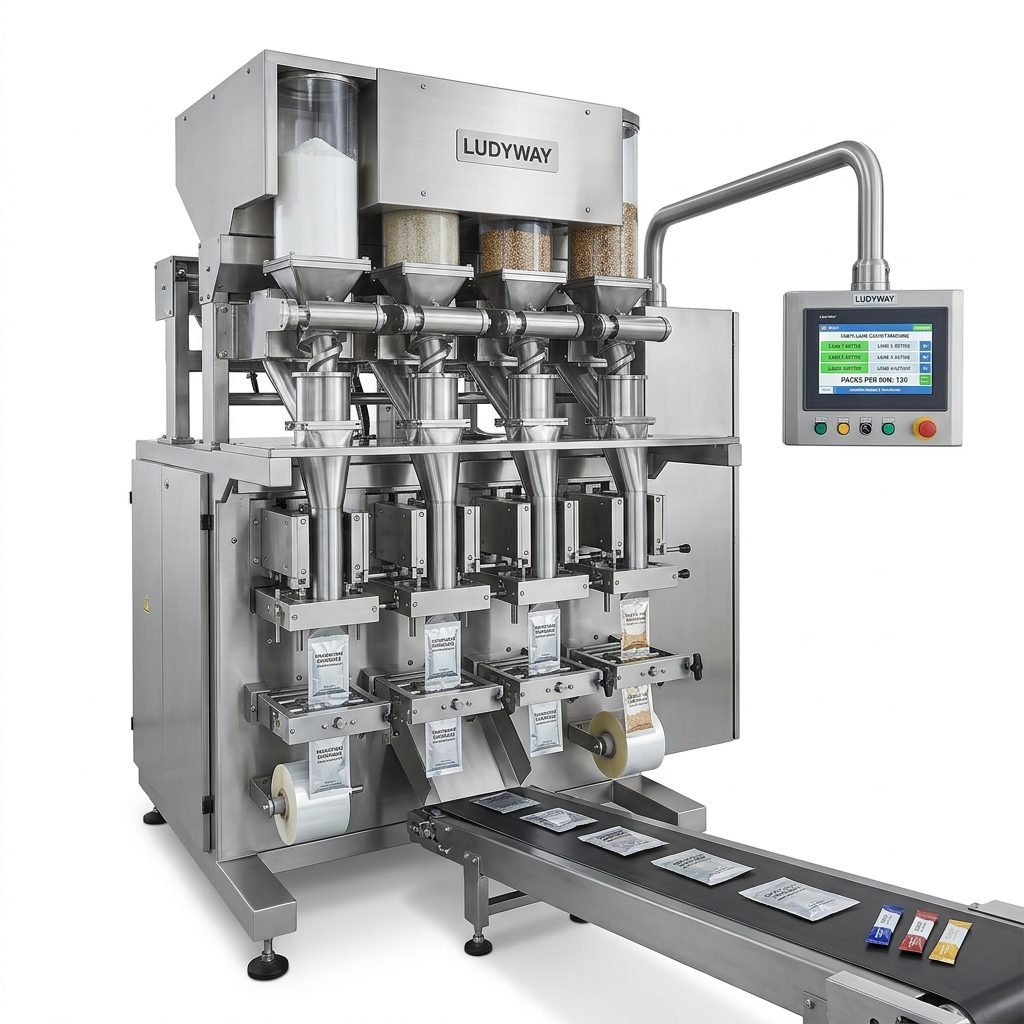
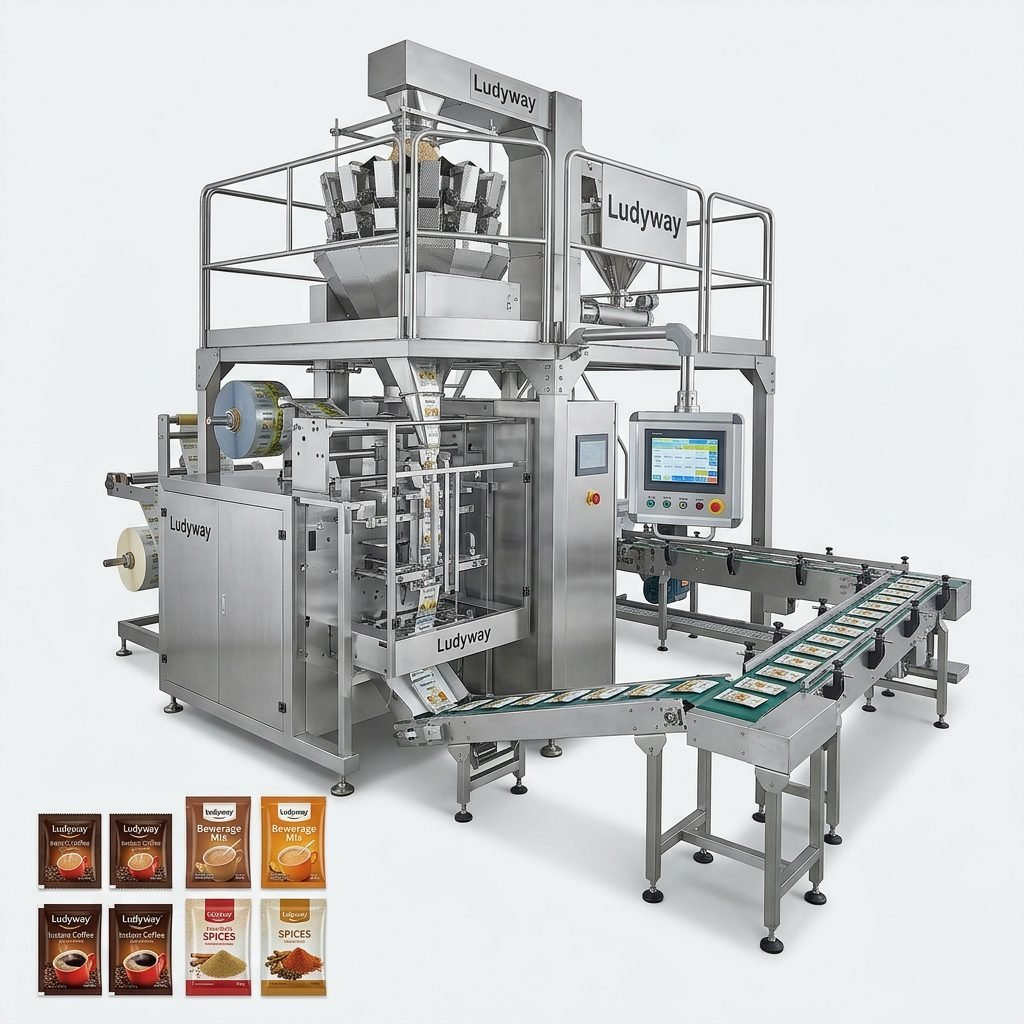
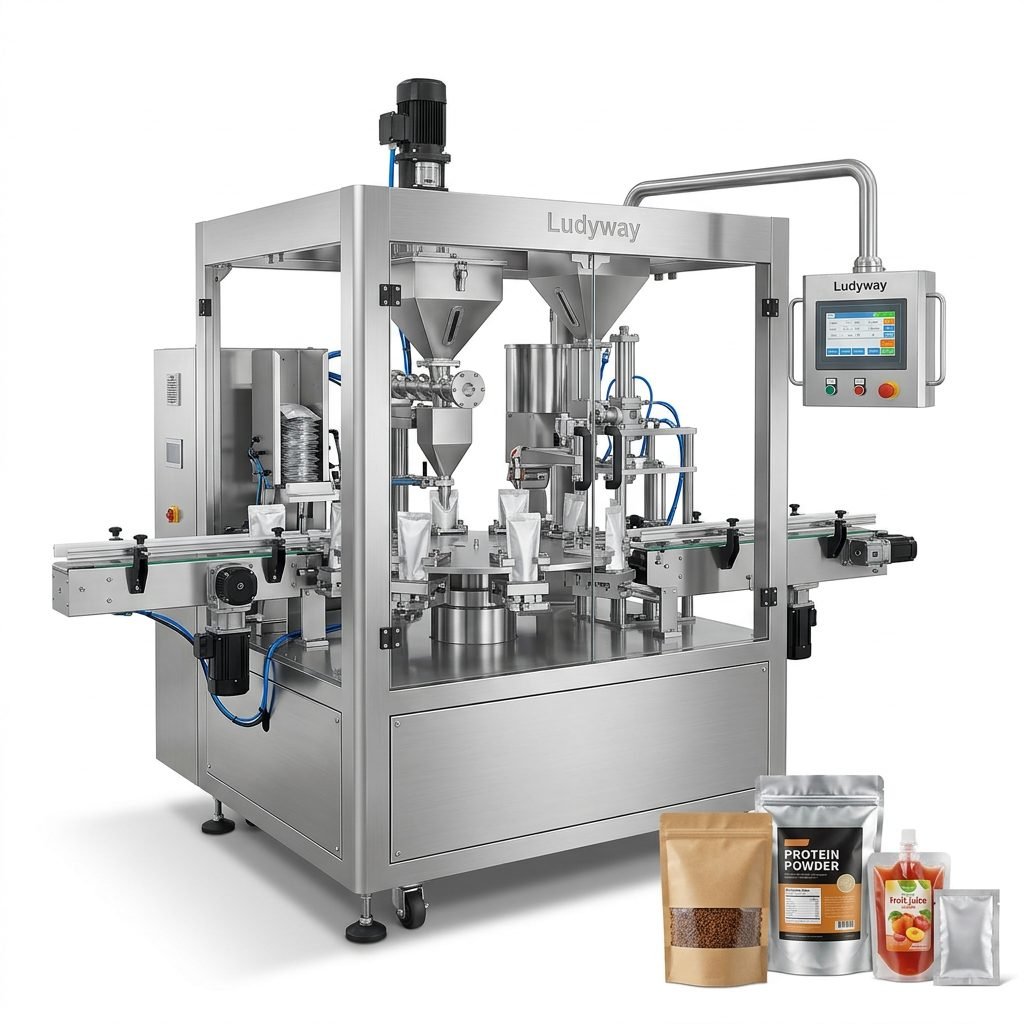
Choosing the right packaging machine for food products is one of the most important decisions for any food manufacturer, co-packer, startup brand, or large-scale processor. The right system can improve output, reduce waste, protect product quality, support compliance, and help your business scale faster. The wrong one can create bottlenecks, higher operating costs, product inconsistency, and expensive downtime.
Whether you produce powders, granules, liquids, sauces, snacks, frozen foods, or ready-to-eat items, selecting a machine should never be based on price alone. A better approach is to evaluate your product type, packaging format, production target, hygiene requirements, automation goals, and long-term expansion plan.
Why the Right Food Packaging Machine Matters
Food packaging is not just about putting products into bags, sachets, pouches, or bottles. It directly affects:
- Food safety and contamination control
- Packaging consistency for retail and e-commerce channels
- Production speed and labor efficiency
- Shelf life and product freshness
- Brand presentation and customer trust
- Regulatory compliance in domestic and export markets
Modern food businesses need machinery that can handle changing SKUs, rising labor costs, and increasing pressure for traceability and automation. That is why many buyers now prefer scalable systems instead of isolated standalone equipment.
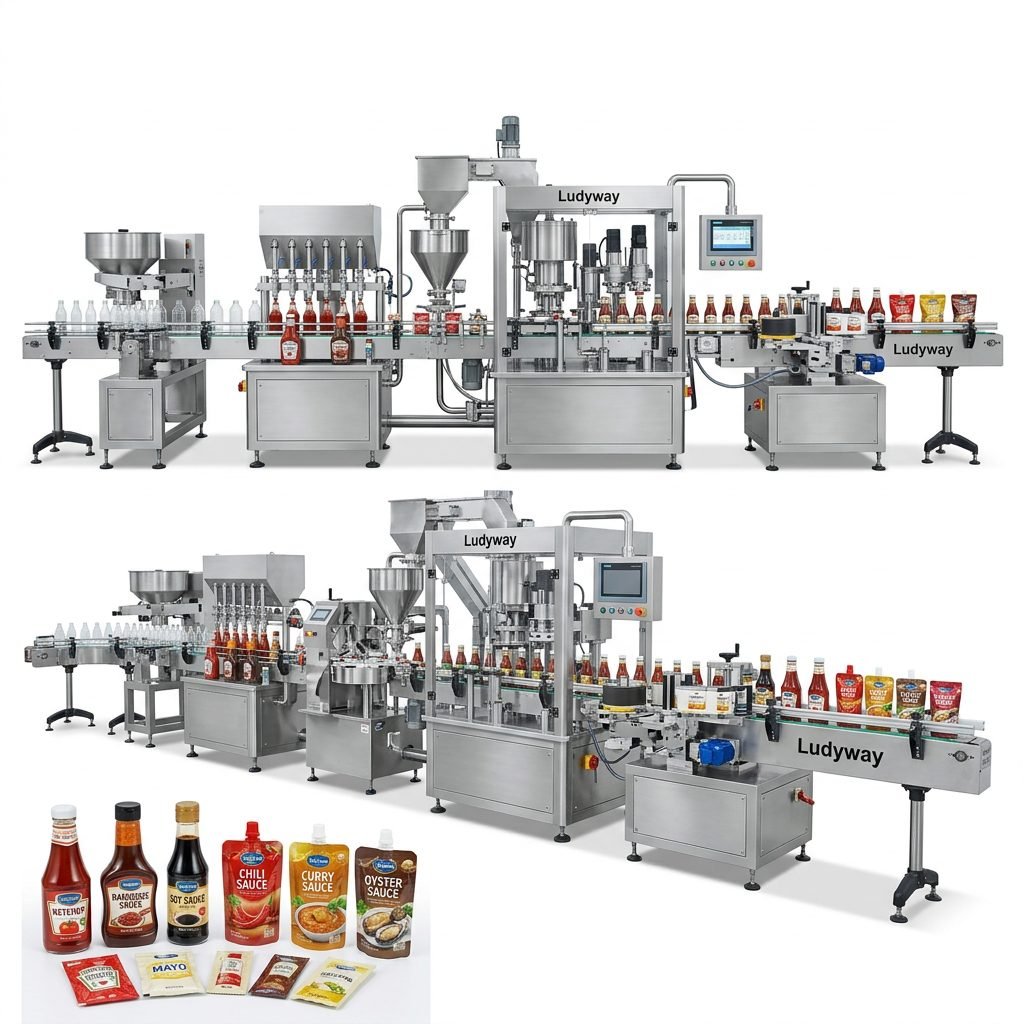
Start with Your Product Type
The first step is understanding how your product behaves during filling, sealing, and transport. Different food categories require very different packaging technologies.
Common food product categories
| Product Type | Typical Examples | Recommended Machine Type |
|---|---|---|
| Powders | Milk powder, coffee, seasoning, protein powder | Auger filler, vertical form fill seal, stick pack or sachet machine |
| Granules | Sugar, seeds, rice, snack pieces, beans | Weigher-based packaging machine, VFFS, pouch packing system |
| Liquids | Juices, edible oil, sauces, vinegar | Liquid filling and sealing machine, sachet or bottle line |
| Pastes | Ketchup, mayonnaise, curry sauce, honey | Piston filling machine, pouch or sachet packaging line |
| Solid snacks | Nuts, chips, dried fruits, granola | Multihead weigher with bagging system or premade pouch machine |
Tip: If your product is sensitive to moisture, oxygen, breakage, or dust, your packaging system should include suitable sealing technology, dosing accuracy, and optional nitrogen flushing or dust control.
Match the Machine to Your Packaging Format
The packaging format determines machine structure, output level, material compatibility, and future branding flexibility. Before comparing models, confirm what pack style your market actually needs.
Popular food packaging formats
- Sachets for single-use powders, condiments, and supplements
- Stick packs for drink powders, coffee, sugar, and seasonings
- Pillow bags for snacks, grains, and frozen foods
- Premade pouches for premium retail products
- Bottles and jars for sauces, syrups, powders, and liquids
- Vacuum packs for products requiring longer shelf life
If your business serves both retail and foodservice channels, you may need a machine with quick changeover capability. This is especially important when switching between multiple package sizes or SKU variations.
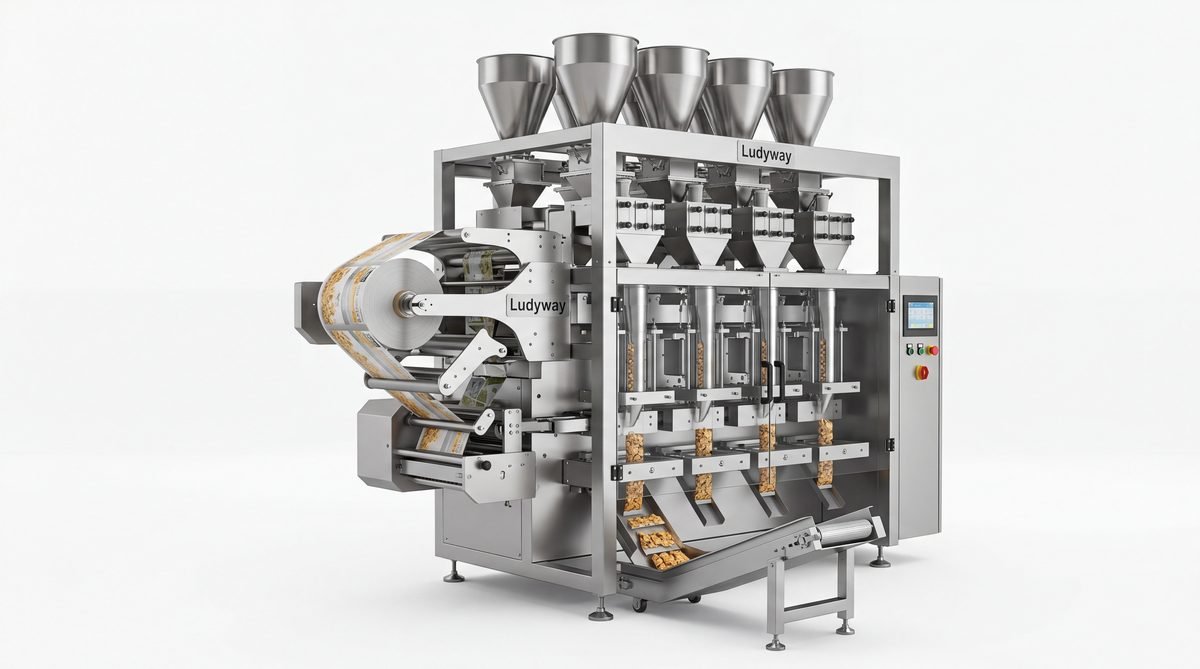
Evaluate Your Required Production Capacity
A common mistake is buying a machine only for current demand. A better investment considers both present output and expected growth over the next three to five years.
Questions to ask
- How many packs do you need per minute, hour, and shift?
- Will seasonal demand require temporary output increases?
- Do you plan to add new SKUs soon?
- Will the machine run one shift or multiple shifts daily?
- Do you need one standalone machine or a full automatic line?
For startups, a compact semi-automatic or entry-level automatic system may be enough. For growing manufacturers, multi-lane packaging systems or fully integrated production lines often provide better long-term value by reducing labor dependency and maximizing throughput.
Consider Food Safety and Hygiene Design
In food production, machine design has a direct impact on hygiene performance. Surfaces should be easy to clean, contact parts should use food-grade materials, and the structure should reduce product retention and contamination risks.
Look for these hygiene features
- Stainless steel product contact parts
- Easy-to-clean filling systems and hoppers
- Sealed electrical layout for washdown or dusty environments
- Tool-free disassembly for cleaning and maintenance
- Dust extraction or containment for powder products
- Reliable sealing to protect freshness and reduce leakage
For products such as seasonings, dairy powders, baby foods, sauces, and health-focused food items, hygiene requirements are even more critical. A machine that is difficult to sanitize can create hidden long-term costs.
Choose the Right Level of Automation
The best solution depends on your labor structure, budget, production complexity, and expansion plan.
| Automation Level | Best For | Main Advantage |
|---|---|---|
| Semi-automatic | Startups, low-volume production, pilot runs | Lower initial investment |
| Automatic standalone machine | SMEs with stable output requirements | Better speed and consistency |
| Fully integrated packaging line | Large-scale factories and export-oriented brands | Maximum efficiency and lower labor cost per unit |
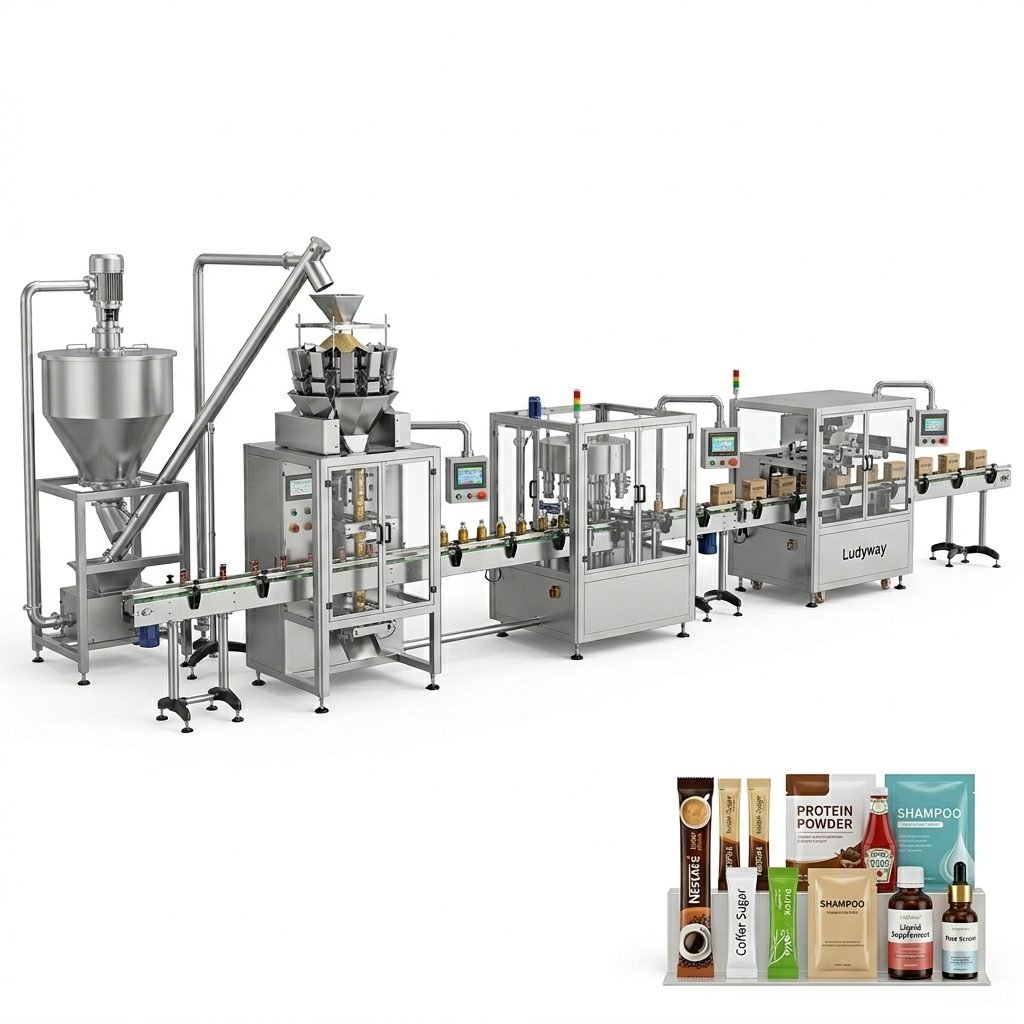
Integrated lines may include feeding, dosing, filling, sealing, coding, inspection, cartoning, case packing, and palletizing. If your production targets are growing quickly, investing in a complete line can deliver stronger ROI than upgrading multiple isolated machines over time.
Pay Attention to Accuracy and Waste Control
Packaging accuracy matters for cost control, legal compliance, and customer satisfaction. Underfilling creates complaints and compliance risk. Overfilling silently cuts profit margin every day.
Accuracy depends on:
- The physical nature of the product
- The filling system used
- Machine stability at high speed
- Operator setup and calibration
- Environmental conditions such as humidity and vibration
For powder and granule food products, precise dosing is often one of the biggest cost-saving factors over the lifetime of the machine.
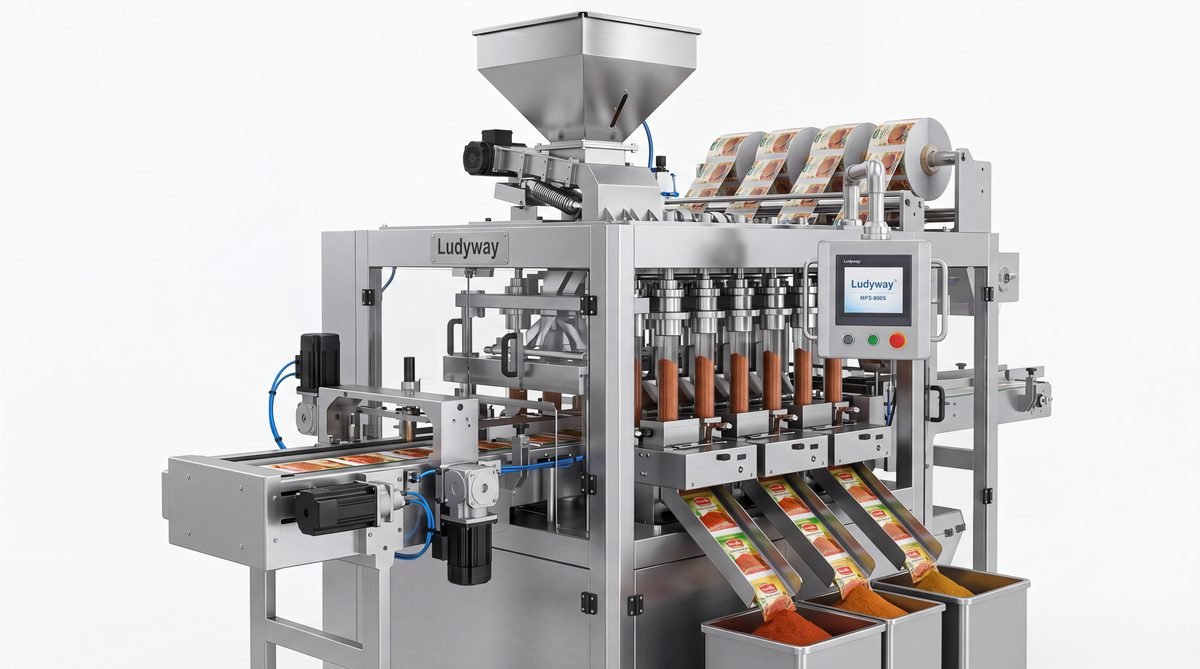
Think About Packaging Materials and Seal Quality
Your machine should be compatible with the packaging materials you plan to use, including laminated films, recyclable films, aluminum foil structures, or specialty barrier materials. Poor material compatibility can lead to seal failure, wrinkling, misalignment, or reduced line speed.
Check these material-related factors
- Film structure and thickness
- Heat seal performance
- Barrier properties against moisture and oxygen
- Print registration requirements
- Sustainability goals and recyclable packaging plans
If your brand is moving toward greener packaging, ask whether the machine can handle newer eco-materials without sacrificing seal stability or output.
Do Not Overlook Changeover and Flexibility
Many food businesses now run multiple SKUs, short production cycles, and frequent promotional variations. In this situation, machine flexibility becomes a competitive advantage.
Look for features such as:
- Quick adjustment between pack sizes
- Recipe storage through touchscreen controls
- Simple tooling replacement
- Stable operation across different formulations
- Modular options for future expansion
A flexible machine helps you react faster to market demand without excessive downtime.
Assess Total Cost, Not Just Purchase Price
A lower machine price does not always mean lower cost of ownership. A proper evaluation should include the full operating picture.
Total cost of ownership includes
- Machine purchase price
- Installation and commissioning
- Operator training
- Energy consumption
- Packaging material waste
- Maintenance and spare parts
- Downtime risk
- Labor savings over time
In many cases, a more robust machine with better automation and stronger support can generate a lower real cost per pack than a cheaper machine with unstable performance.
Check Supplier Experience and Support Capability
The machine itself is only part of the decision. The supplier’s technical knowledge, customization ability, and after-sales support can determine whether your project succeeds smoothly.
When evaluating a supplier, ask about:
- Years of experience in food packaging machinery
- Export experience and knowledge of international standards
- Available machine configurations for different food categories
- Customization capability for unique packaging formats
- Installation, training, and remote support
- Spare parts supply and troubleshooting response time
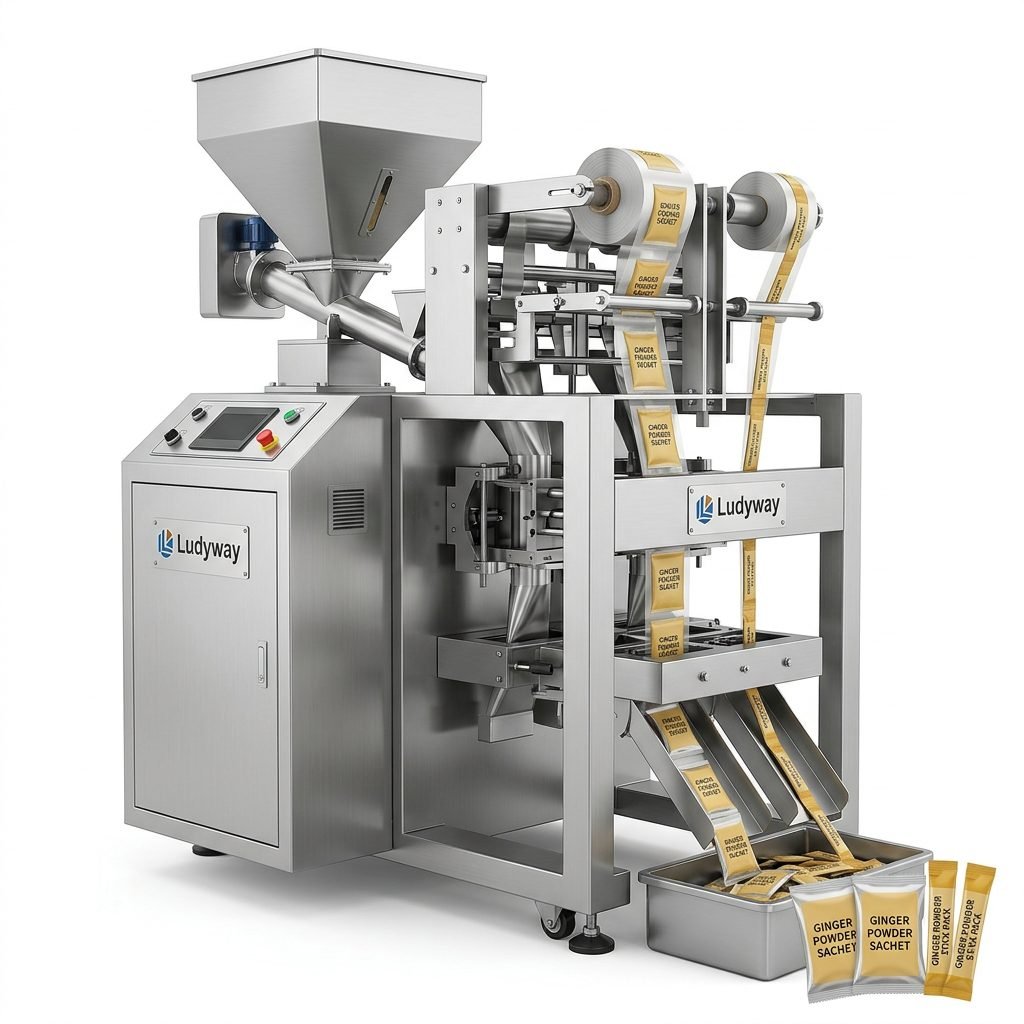
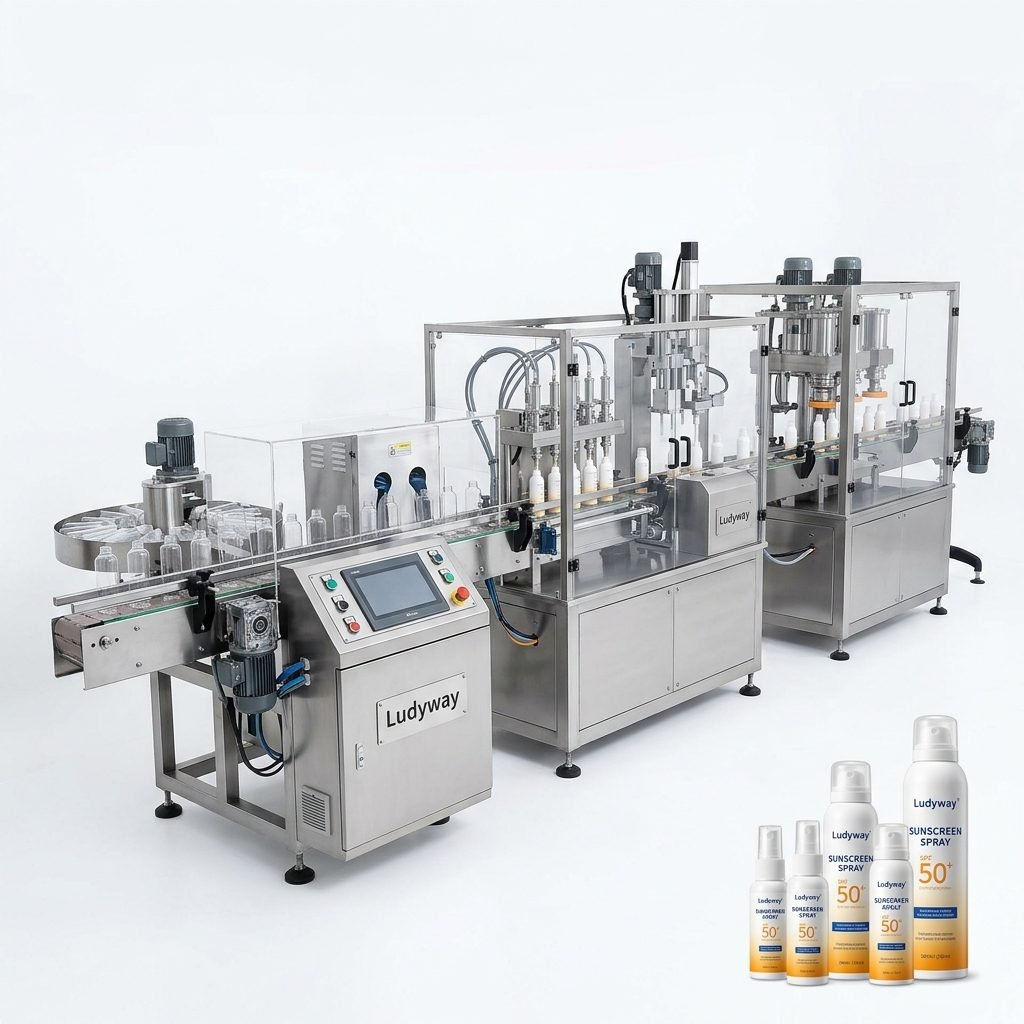
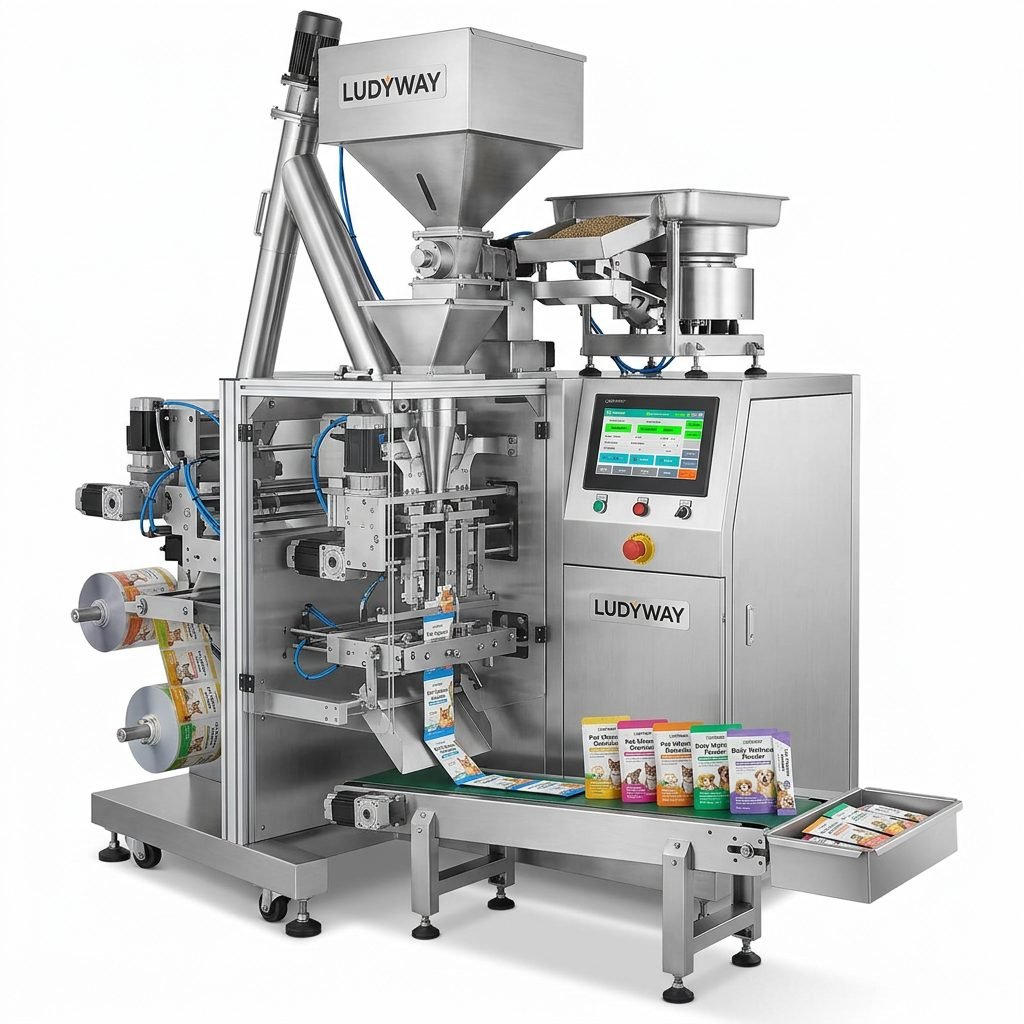
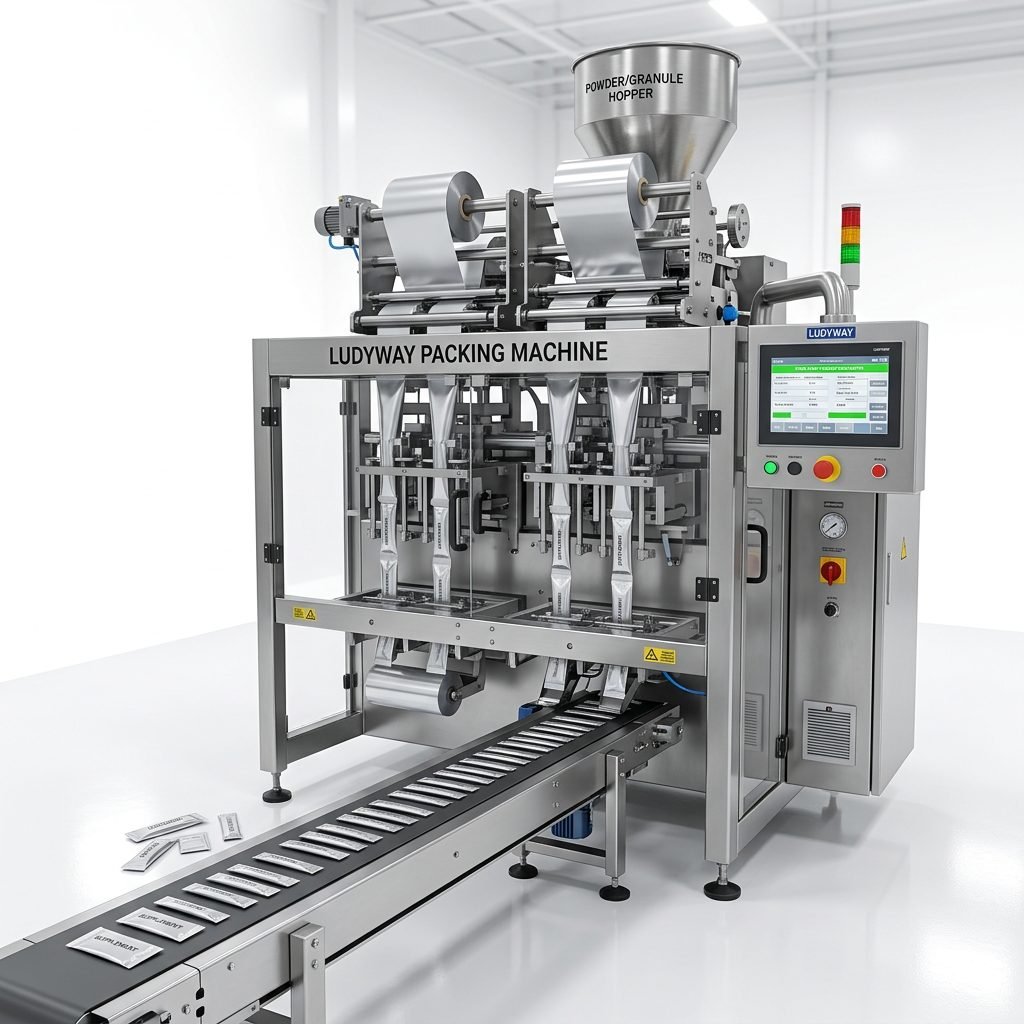
For businesses seeking reliable automation, food packaging machines from Ludyway are often considered for projects that need both standalone equipment and turnkey packaging line solutions. With more than 30 years of manufacturing experience and broad export coverage, the company supports food manufacturers looking for scalable and customized packaging systems.
When to Choose a Standalone Machine vs. a Turnkey Line
| Option | Suitable Scenario | What to Expect |
|---|---|---|
| Standalone machine | Limited budget, simple product range, lower capacity | Fast deployment and lower initial complexity |
| Turnkey packaging line | Higher output, multiple process steps, labor reduction goals | Integrated efficiency, better consistency, easier line management |
If your operation includes feeding, filling, coding, inspection, cartoning, and final case packing, a turnkey solution usually provides better coordination and fewer integration risks.
Questions to Ask Before You Buy
- Can the machine handle my exact product characteristics?
- What packaging formats and sizes can it support?
- What is the verified production speed under real conditions?
- How accurate is the filling system?
- How long does changeover take?
- What maintenance is required weekly and monthly?
- Are spare parts easy to obtain?
- Can the line be expanded later?
- What technical support is available after delivery?
Best Choice by Business Type
For startups
Focus on simplicity, stable basic performance, reasonable changeover, and upgrade potential. Avoid overinvesting in a system that is too complex for current order volume.
For growing food brands
Choose machines that balance speed, flexibility, and consistency. This is often the stage where automatic sachet, stick pack, VFFS, or premade pouch systems make the most sense.
For large manufacturers
Prioritize line integration, data control, labor savings, and maintenance efficiency. Full automation and turnkey packaging lines are often the smartest long-term choice.
Final Buying Checklist
- Product compatibility
- Packaging format fit
- Target output capacity
- Food-grade hygiene design
- Filling accuracy
- Material and sealing compatibility
- Flexibility for multiple SKUs
- Reliable supplier support
- Upgrade path for future growth
- Strong ROI over total machine life
The right packaging machine for food products is the one that fits your product, your output goals, your compliance needs, and your future business plan. Instead of choosing based only on price or appearance, compare real performance, automation level, technical support, and long-term value. A well-matched packaging solution can improve efficiency today while giving your business room to grow tomorrow.