Choosing the right packaging machinery in the UK is a critical decision for any business looking to enhance efficiency, reduce costs, and maintain product quality. The UK market, with its blend of traditional manufacturing heritage and a forward-looking embrace of automation, offers a diverse range of options. For British businesses, from artisanal food producers in Cornwall to large-scale pharmaceutical companies in the Midlands, the right packaging line is not just a piece of equipment—it’s a partner in growth and a statement of quality to consumers who value both innovation and reliability. This guide will navigate you through the types of machinery available, key pricing factors, and how to select reputable suppliers to meet your specific needs.
Understanding the UK Packaging Machinery Landscape
The UK packaging sector is dynamic, driven by stringent regulations, a strong focus on sustainability, and high consumer expectations. British manufacturers often seek machinery that is not only efficient but also adaptable to smaller batch sizes and rapid product changeovers, reflecting the market’s demand for variety and customisation. Compliance with standards from bodies like the British Retail Consortium (BRC) is paramount, especially in food and pharma. Furthermore, the UK’s commitment to reducing packaging waste means there is growing interest in machinery that can handle recycled materials or minimise material usage without compromising on protection or appeal.
Key Market Drivers in the UK:
- Sustainability & The Plastic Tax: Machinery that enables lightweighting, uses mono-materials, or handles post-consumer recycled (PCR) content is increasingly sought-after.
- Flexibility for Short Runs: The rise of craft producers and D2C brands requires equipment that is quick to set up and cost-effective for smaller volumes.
- Hygiene & Food Safety: In the post-Brexit environment, robust traceability and hygiene standards are non-negotiable, influencing machine design and material choices.
Main Types of Packaging Machinery
Selecting the correct type of machine is the first step. Your choice will depend on your product form (solid, liquid, powder), required output, and packaging format.
1. Filling and Sealing Machines
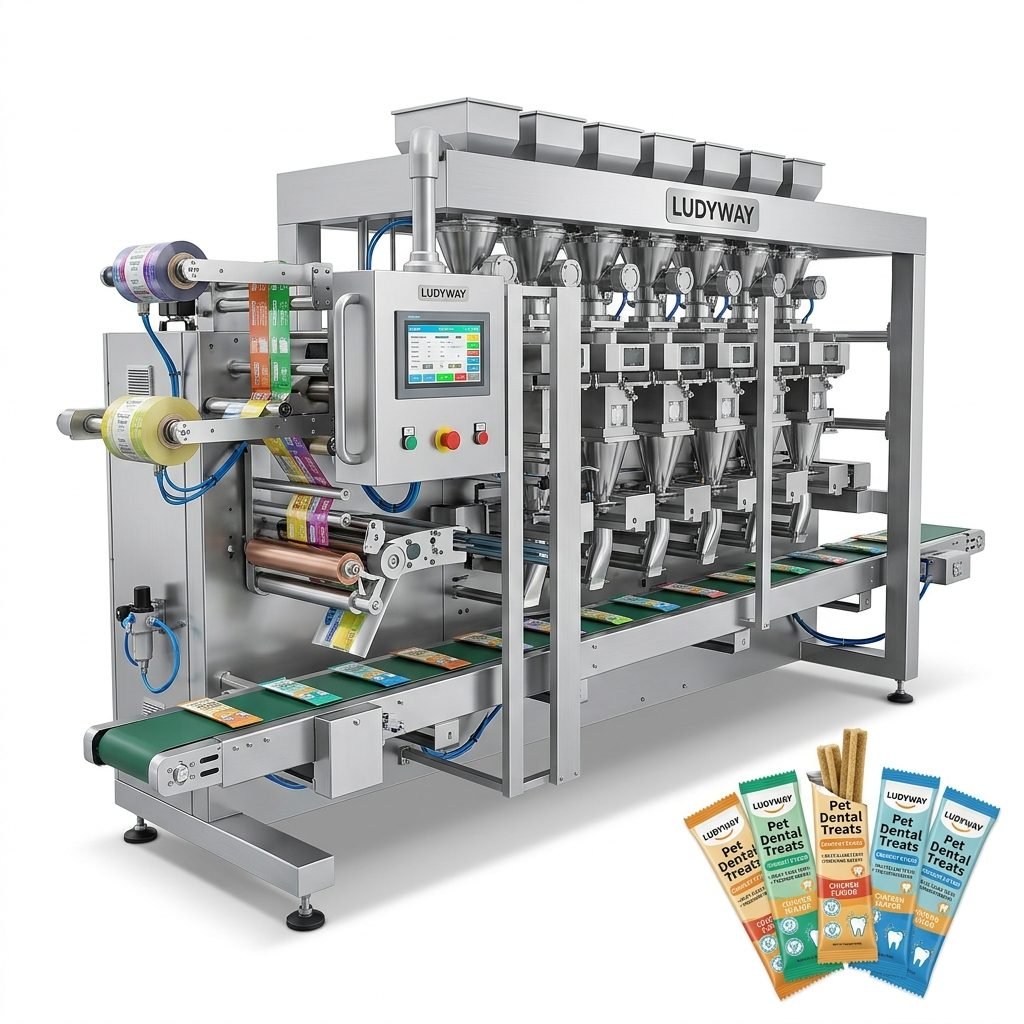
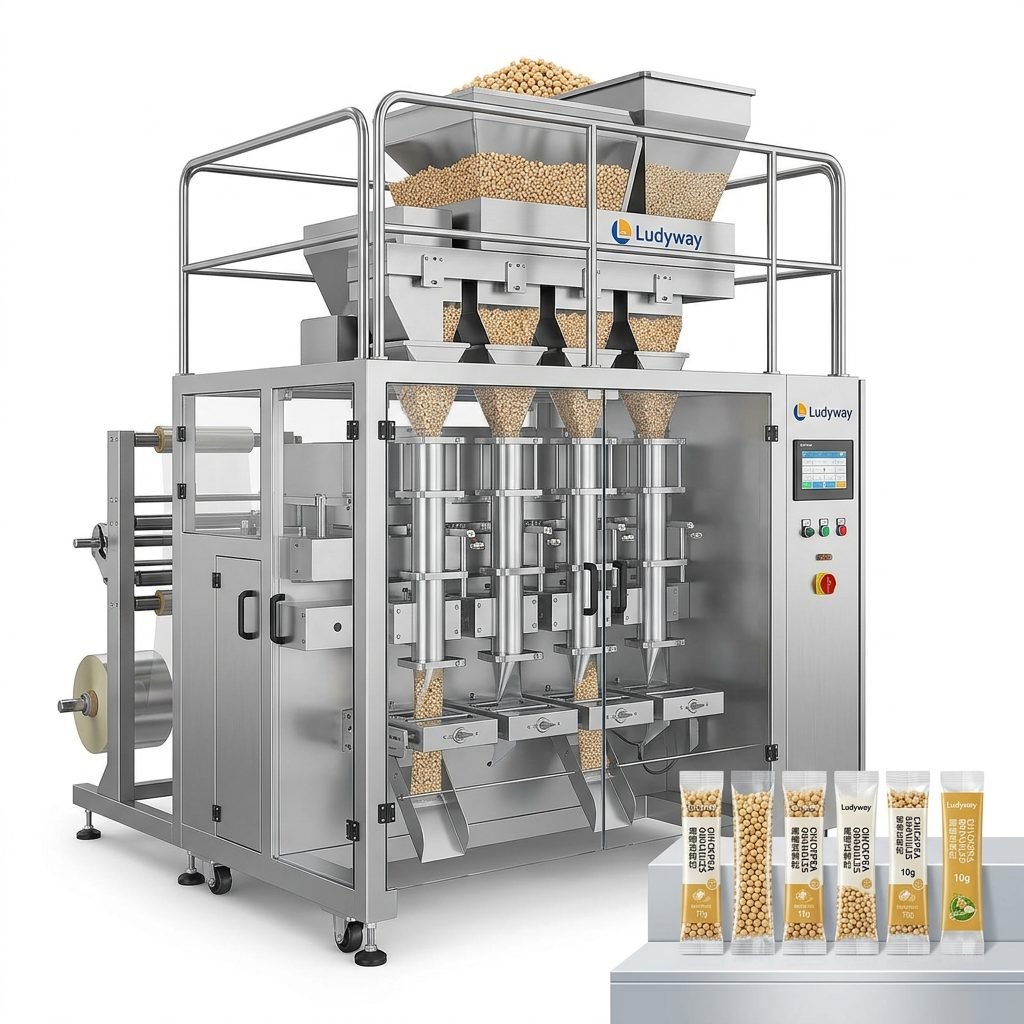
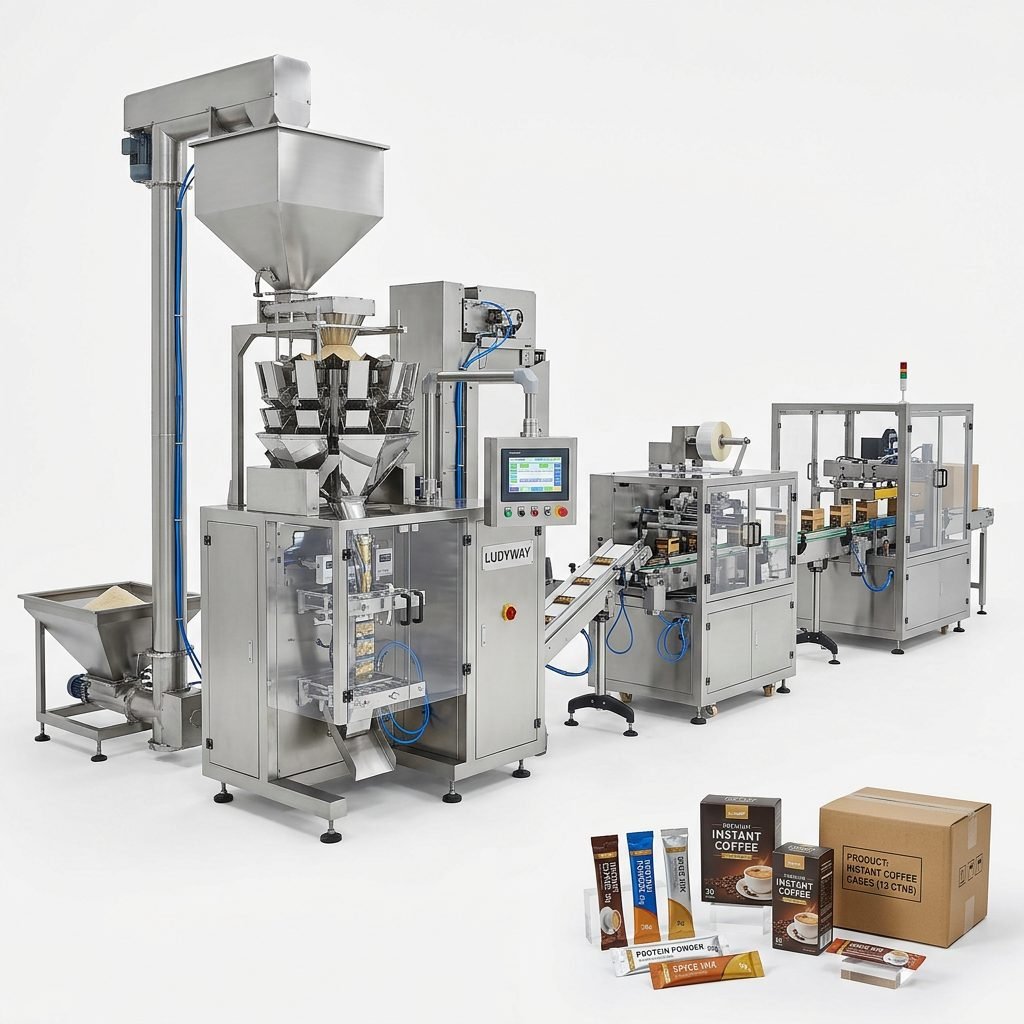
These are the workhorses of packaging, accurately dispensing product into bags, pouches, or sachets before sealing them. They are ideal for granules (like coffee or seeds), powders (flour, protein supplements), and liquids (sauces, oils).
- Vertical Form-Fill-Seal (VFFS): Creates the bag from a roll of film, fills it, and seals it in one continuous process. Highly efficient for high-volume production.
- Pre-made Pouch Fillers: Fill and seal stand-up pouches or other pre-formed bags. Offers excellent graphic presentation and is often used for premium products.
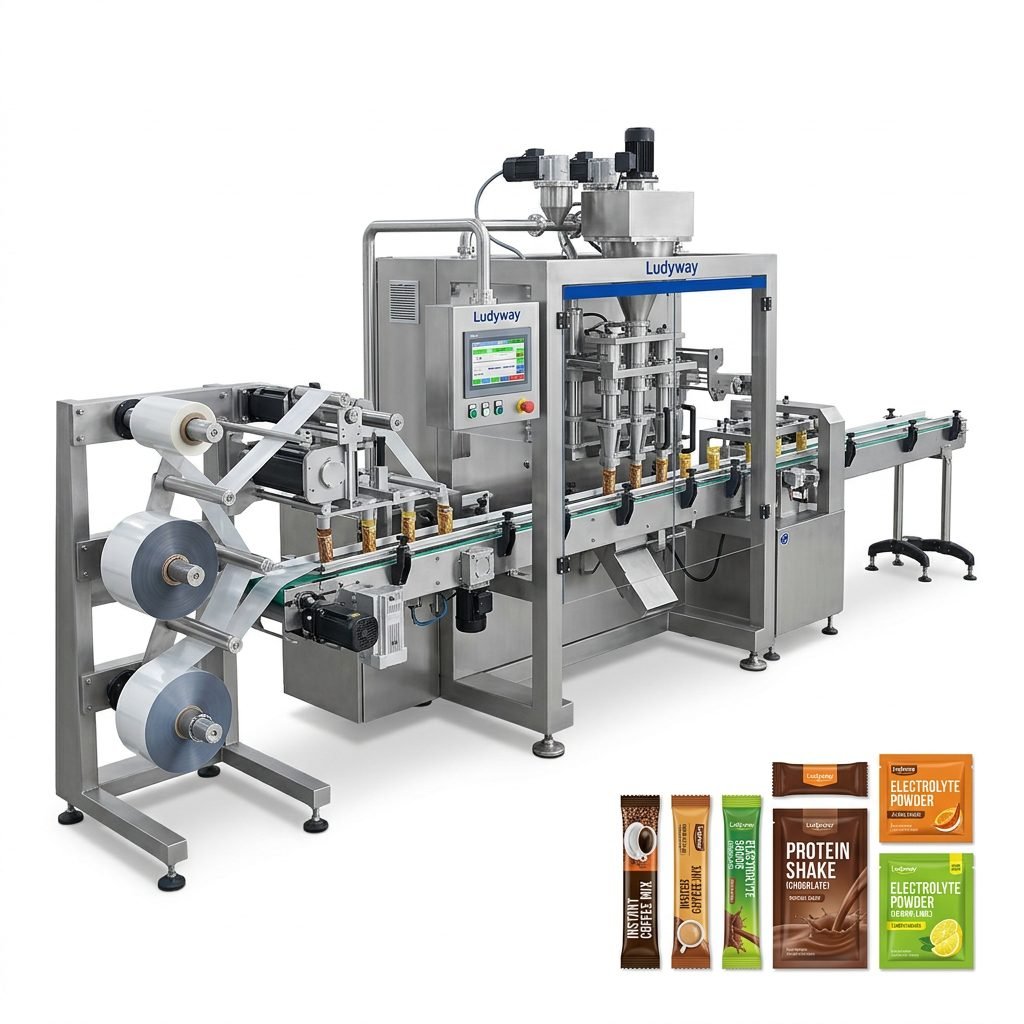
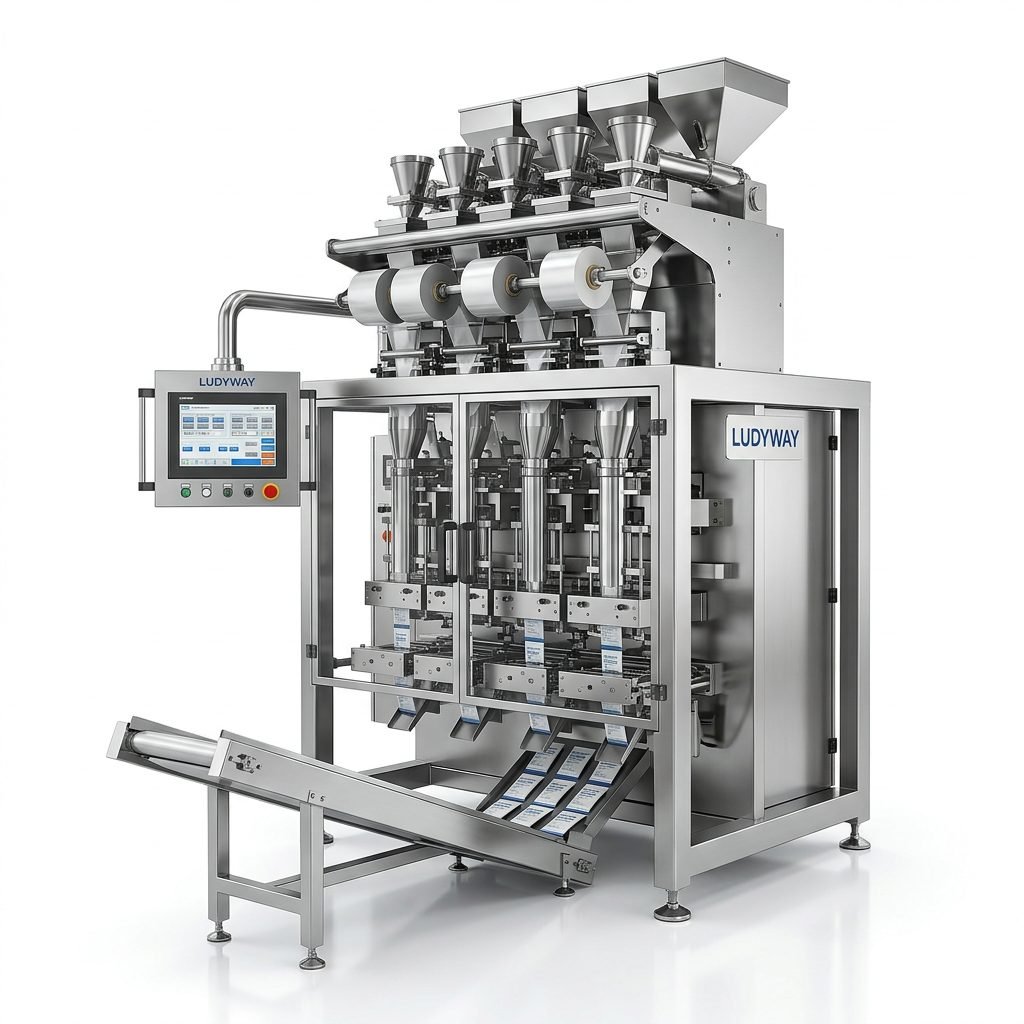
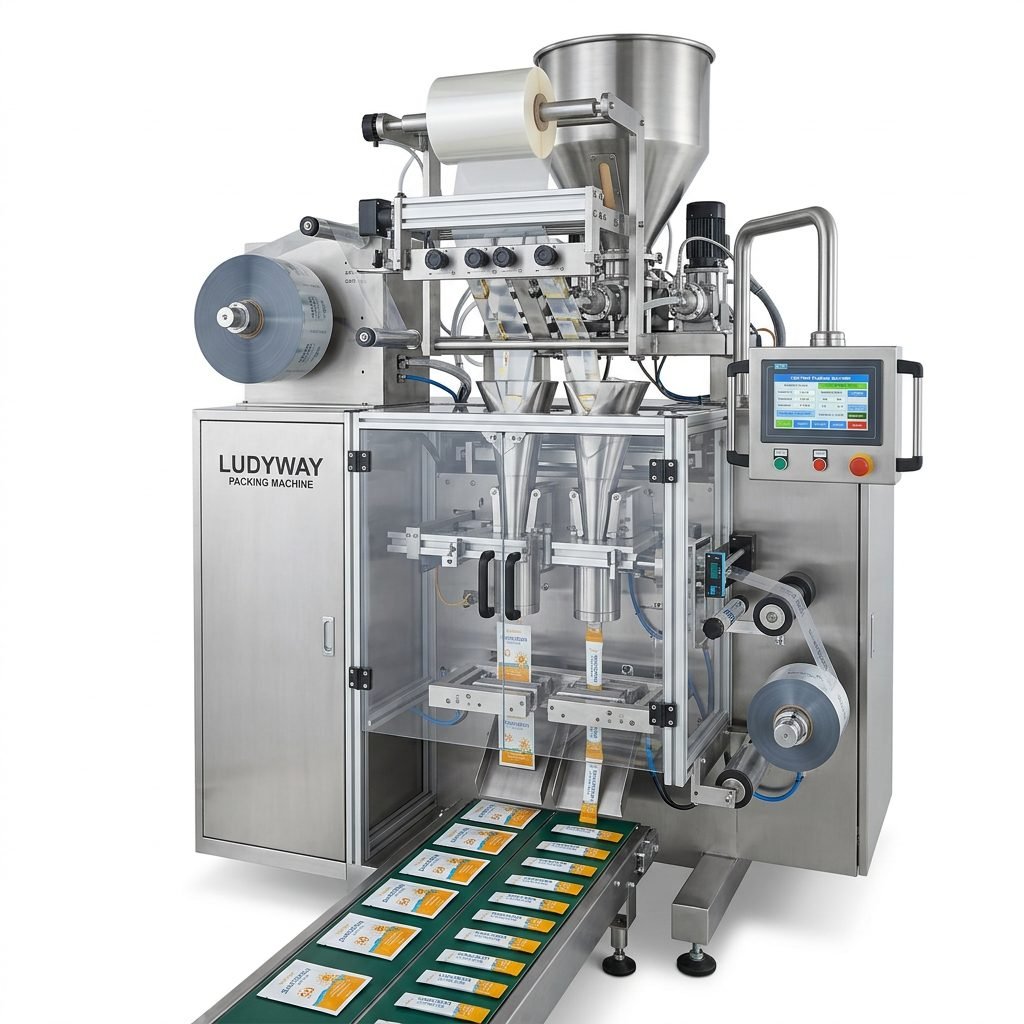
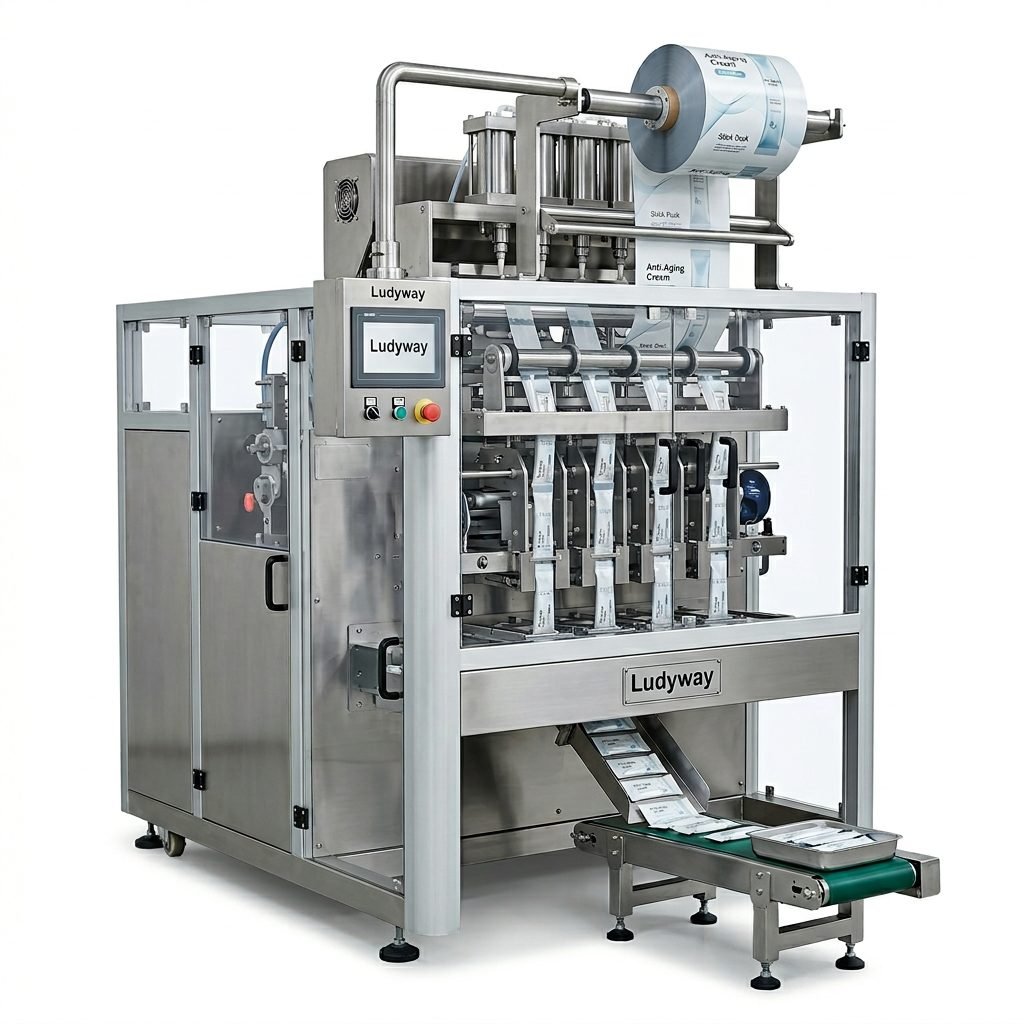
2. Stick Pack & Sachet Packaging Machines
Extremely popular for single-serve portions in the food, beverage, and pharmaceutical industries. They create slim, elongated packs that are space-efficient and convenient for consumers.
- Single-Lane Machines: Perfect for lower to medium output requirements or product testing.
- Multi-Lane Machines: Such as 8-lane or 16-lane stick pack machines, dramatically increase output for high-volume production of items like instant drink mixes, sugar, or pharmaceutical powders.
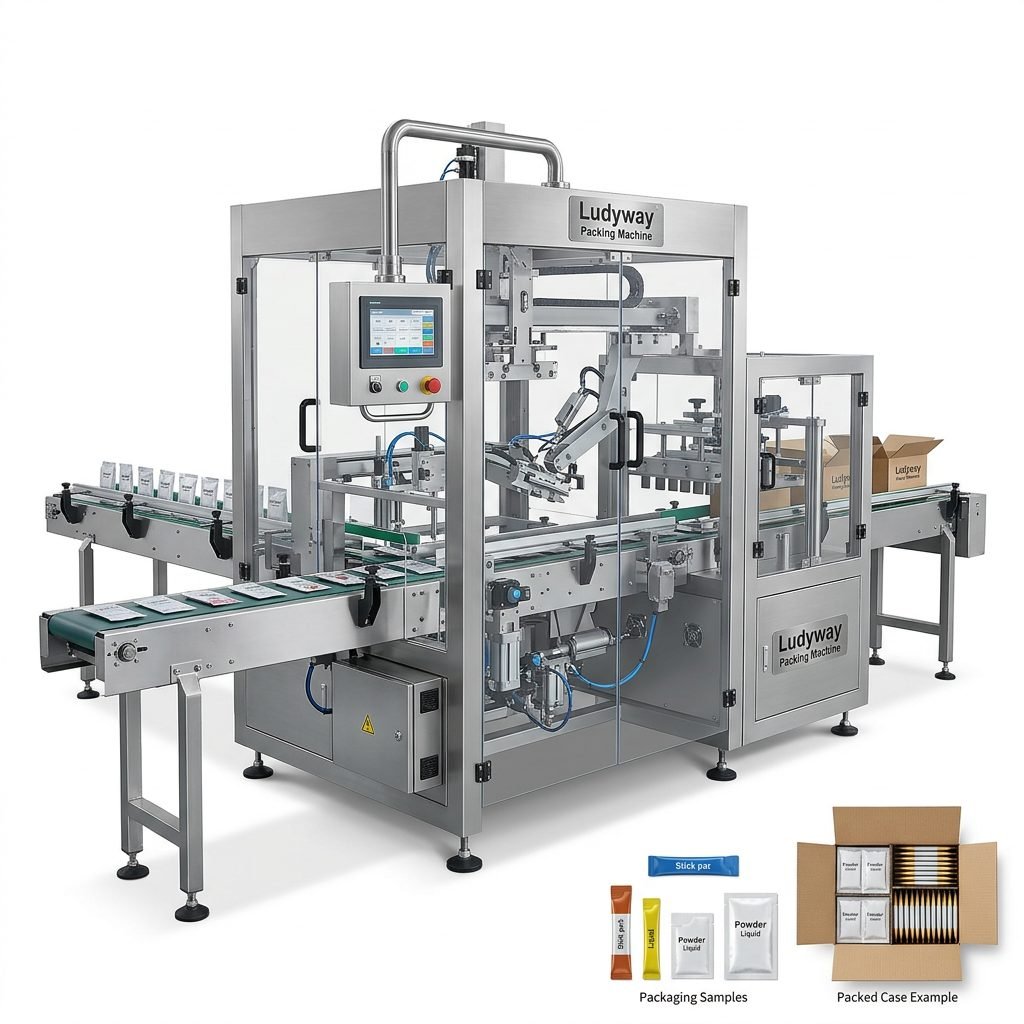
3. Cartoning and Case Packing Equipment
This machinery handles secondary packaging—placing filled pouches, bottles, or tubes into cartons or cases. Automation here is key to reducing labour costs in the final stages of the packing line.
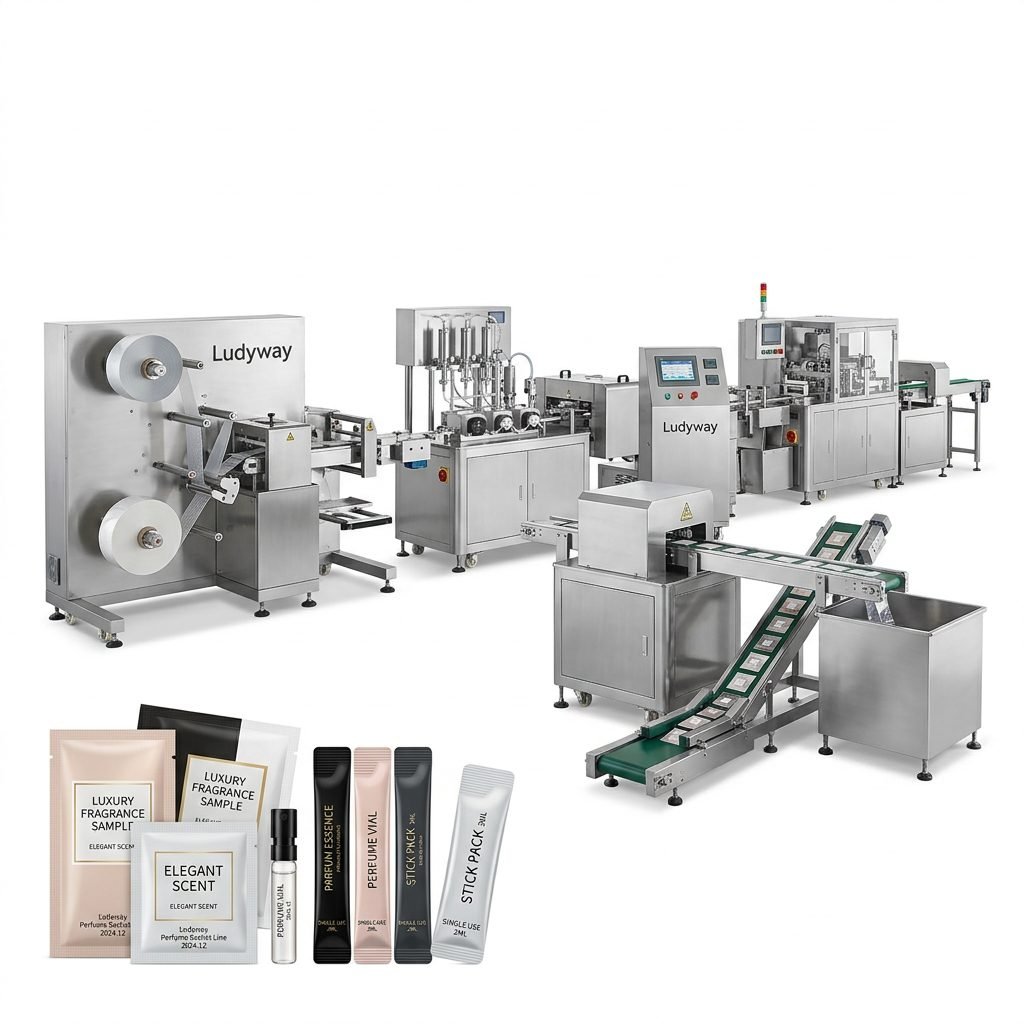
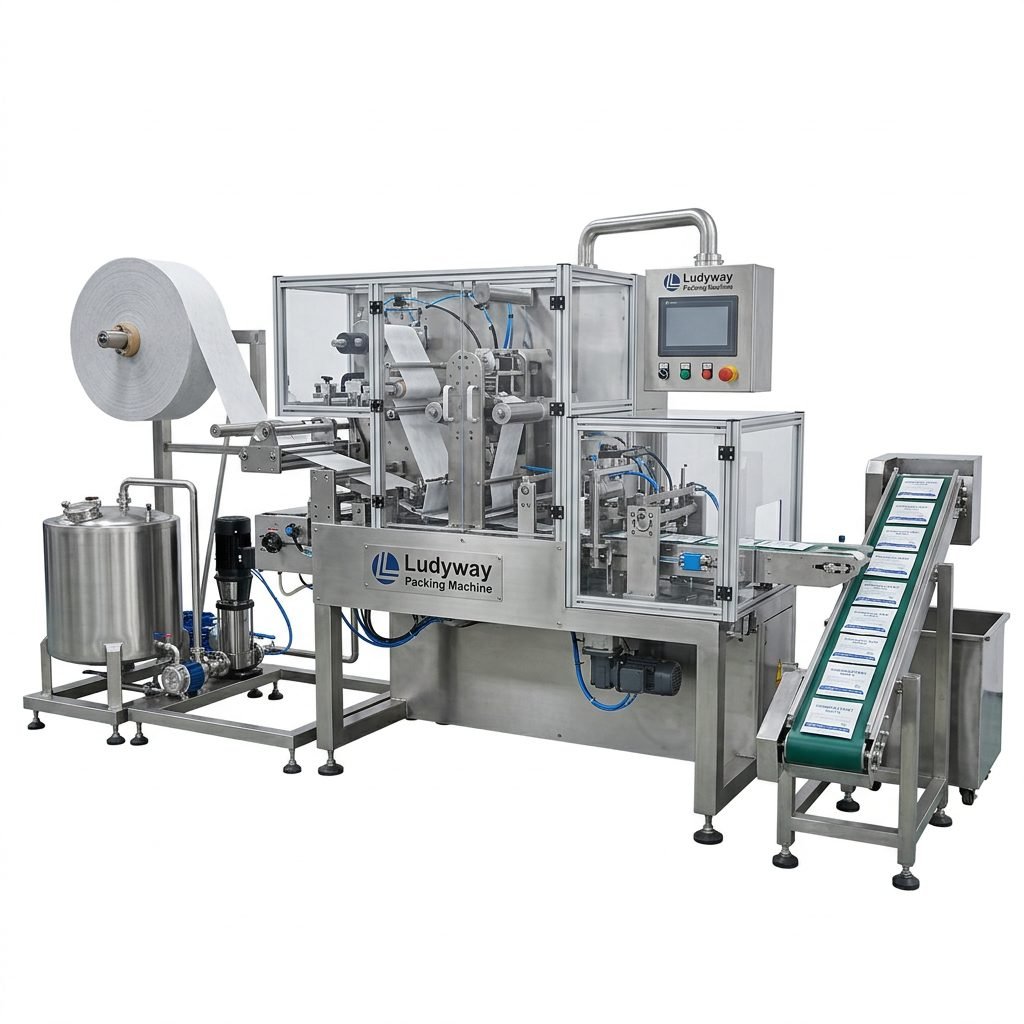
4. Complete Turnkey Packaging Lines
For businesses setting up a new facility or undergoing a major upgrade, a fully integrated line from a single supplier ensures compatibility and streamlined project management. A turnkey solution provider like Ludyway can design, supply, install, and commission a complete system tailored to your product and throughput goals.
Guide to Pricing: What Influences the Cost?
Packaging machinery prices in the UK can vary from a few thousand to several hundred thousand pounds. Understanding the cost drivers helps in budgeting and justification.
Primary Cost Factors:
- Automation Level & Speed: A fully automatic, high-speed multi-lane machine commands a higher price than a semi-automatic bench-top model.
- Machine Construction & Materials: Machines built with stainless steel for food-grade or pharmaceutical applications are more costly but essential for compliance and durability.
- Customisation & Flexibility: Need to handle multiple pouch sizes or different product types on one machine? Custom engineering adds to the cost but offers long-term value.
- Brand & Origin: Premium European brands often have a higher initial cost, while competitively priced, high-quality alternatives from established international suppliers offer excellent value.
- Additional Features: Inline checkweighers, metal detectors, vision systems, and data tracking capabilities (Industry 4.0 ready) will increase the investment.
Selecting a Reliable Supplier in the UK
Your supplier is as important as the machine itself. A good partner provides not just equipment, but ongoing support, knowledge, and peace of mind.
Essential Supplier Criteria
- Industry Experience & Specialisation: Look for a supplier with a proven track record in your specific sector, whether it’s food, pharmaceuticals, or chemicals.
- Technical Support & Service: Ensure they have a responsive UK-based or easily accessible service team for installation, training, maintenance, and spare parts. Downtime is costly.
- Project Capability: Can they offer more than just a machine? A supplier capable of providing complete packaging line solutions demonstrates deeper engineering expertise.
- Quality of Manufacturing: Investigate their production facilities and quality control processes. A visit to their site or a customer reference site can be invaluable.
- Transparency & Communication: Clear communication about capabilities, timelines, and costs is crucial. A trustworthy supplier will be upfront about what their solution can and cannot do.
For instance, Ludyway Machinery, with over 30 years of collective industry experience, exemplifies a supplier built on these principles. Operating from a modern 20,000㎡ facility, they offer more than 50 models of intelligent packaging machines and focus on building long-term partnerships through reliable equipment and tailored support for global clients, including those across the UK.
FAQs: Packaging Machinery in the UK
1. What is the lead time for receiving a new packaging machine in the UK?
Lead times vary significantly. Standard models may be available in 8-12 weeks, while highly customised or complex turnkey lines can take 4-6 months or more. Always discuss timelines in detail with your supplier during the quoting process.
2. Are there grants or financing options available for UK businesses?
Yes, depending on your location and business size. It’s worth investigating potential government grants for capital investment in productivity-enhancing equipment. Most reputable machinery suppliers also offer financing or leasing plans to help manage cash flow.
3. How important is after-sales service and spare parts availability?
It is critically important. Ensure your supplier has a dedicated service network or agent in the UK/EU who can provide prompt support. Ask about their policy on spare parts delivery times to minimise potential production stoppages.
4. Can new machinery handle sustainable or compostable packaging materials?
Many modern machines can, but it requires specific considerations. You must inform your supplier about the exact material you plan to use (e.g., compostable films, paper laminates) so they can recommend a machine with appropriate sealing jaws, film tension controls, and handling systems designed for these sometimes less-forgiving materials.
5. Should I buy new or used packaging machinery?
This depends on your budget and risk tolerance. New machinery comes with warranties, the latest technology, and is optimised for efficiency and hygiene. Used machinery can offer a lower entry cost but may come with higher maintenance costs, obsolete controls, and limited support. A thorough inspection and service history review are essential for used equipment.