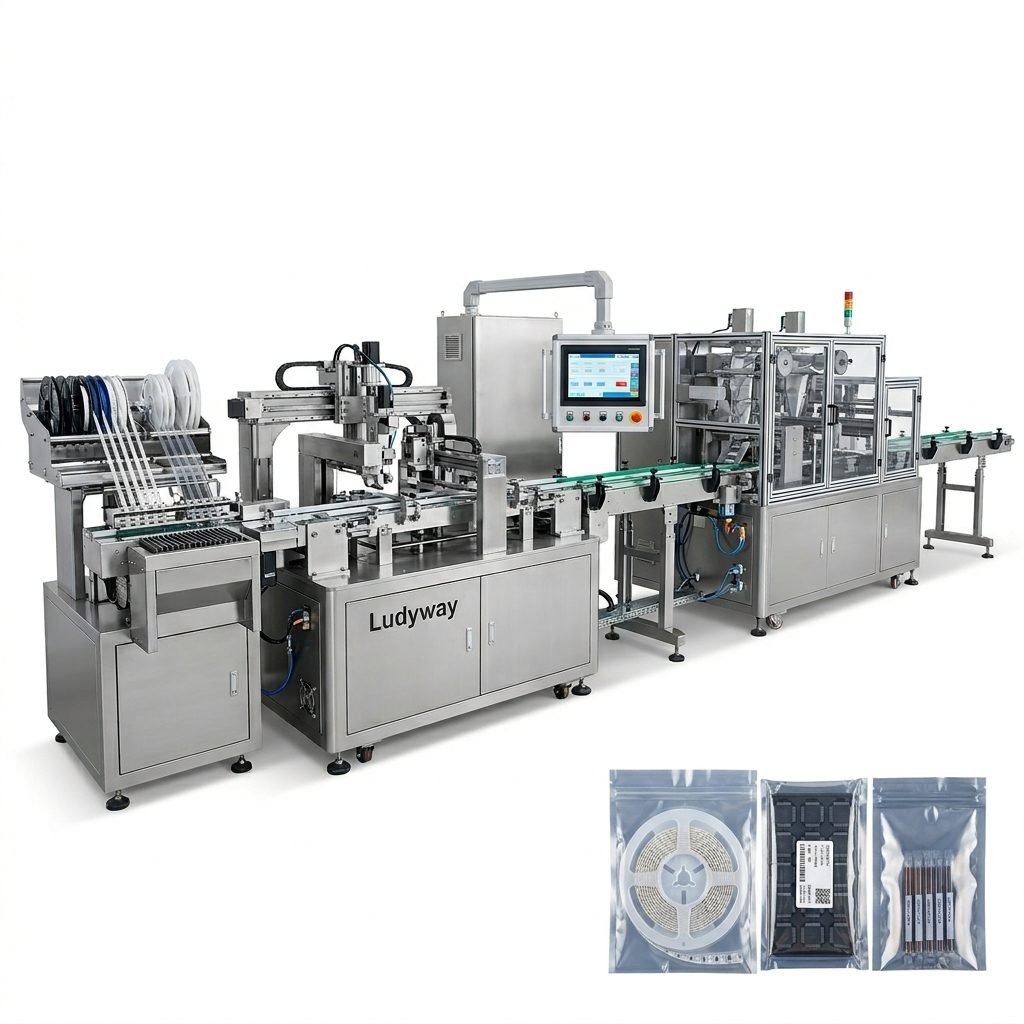
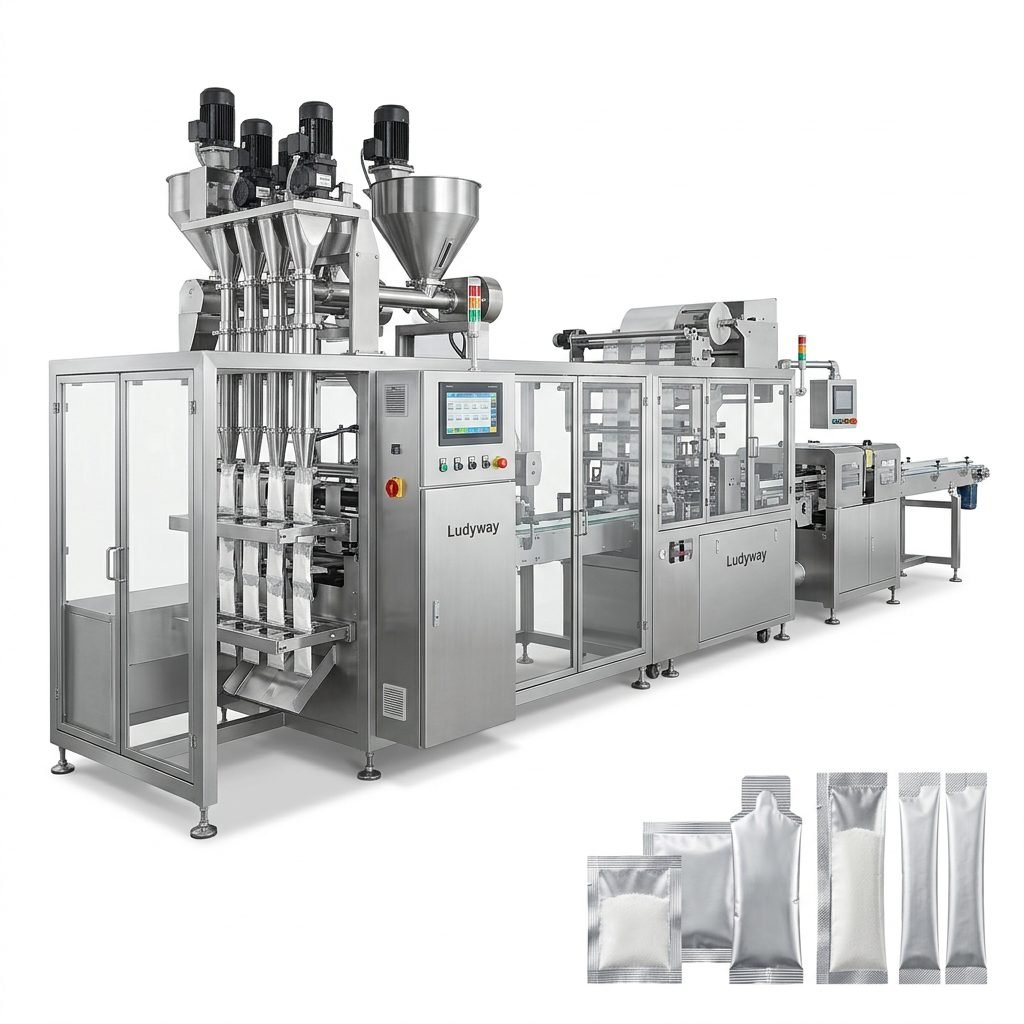
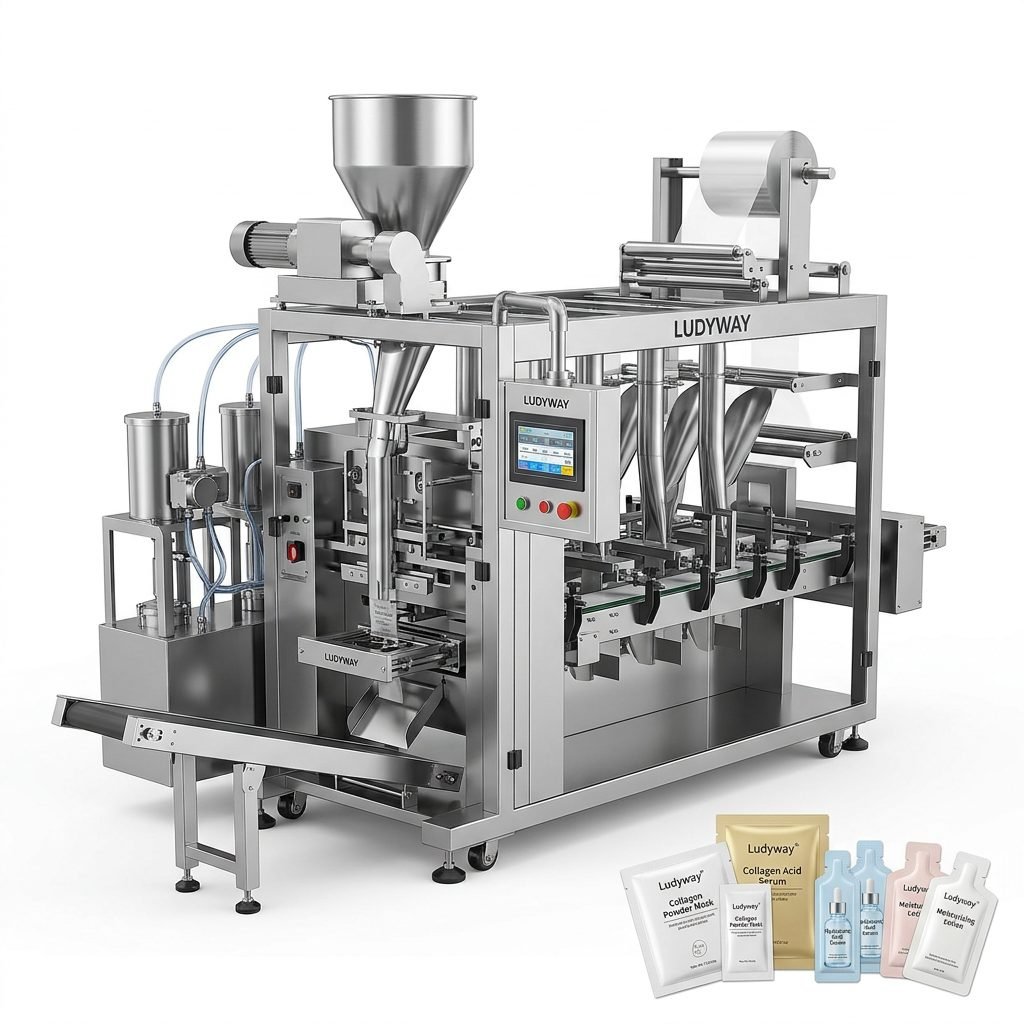
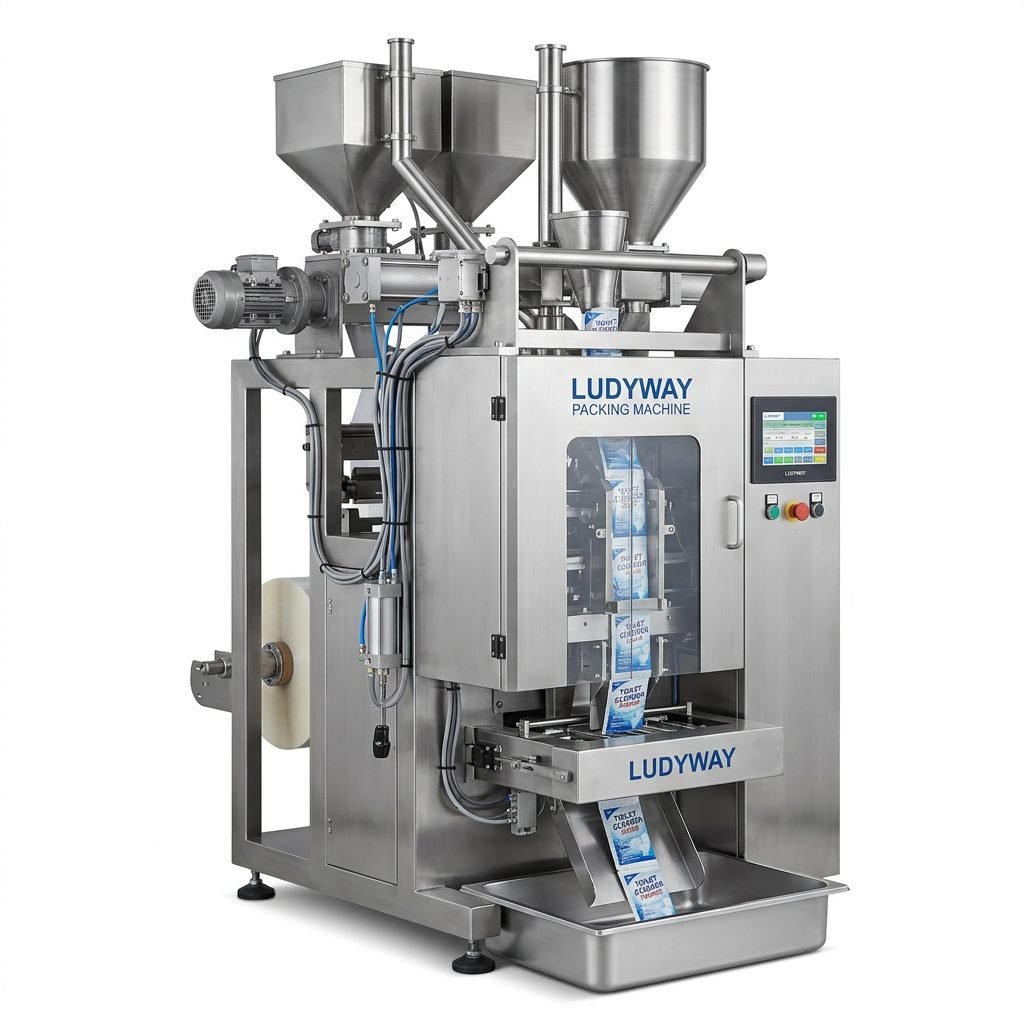
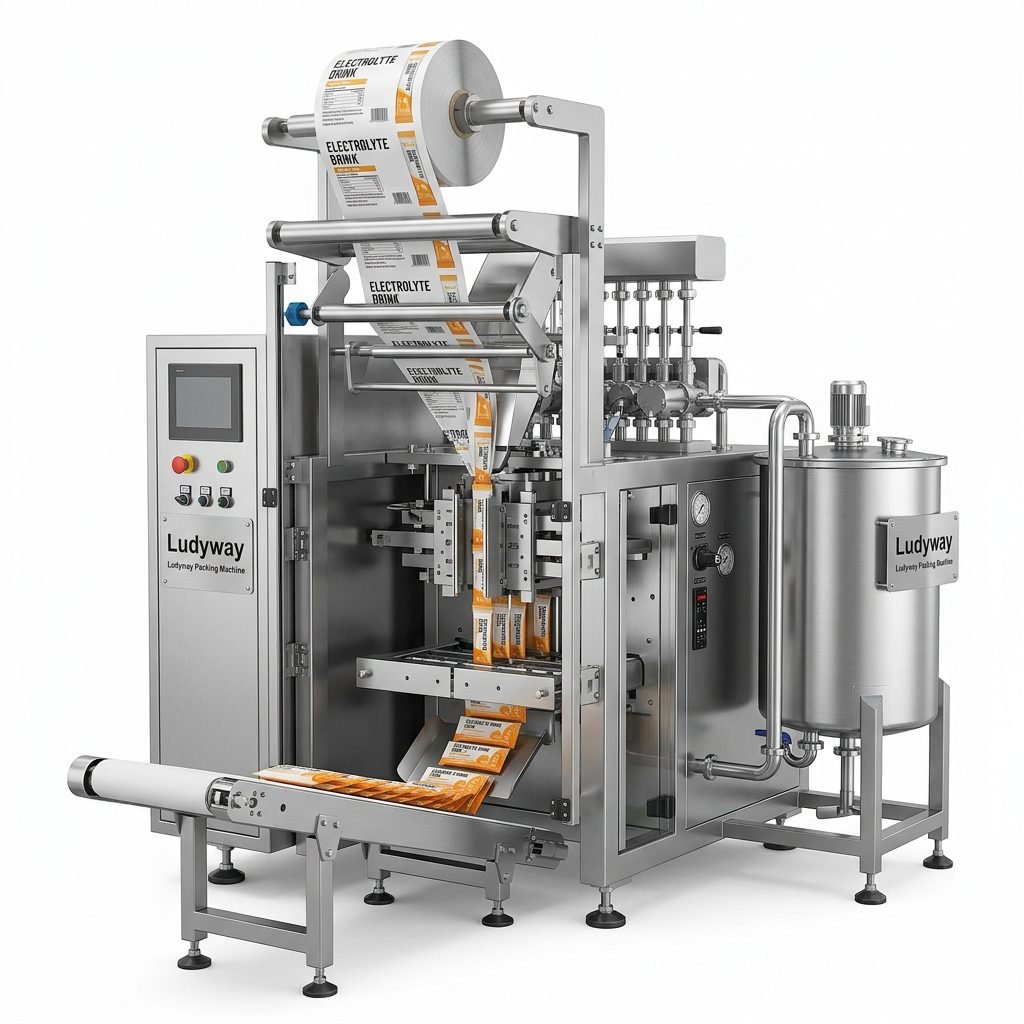
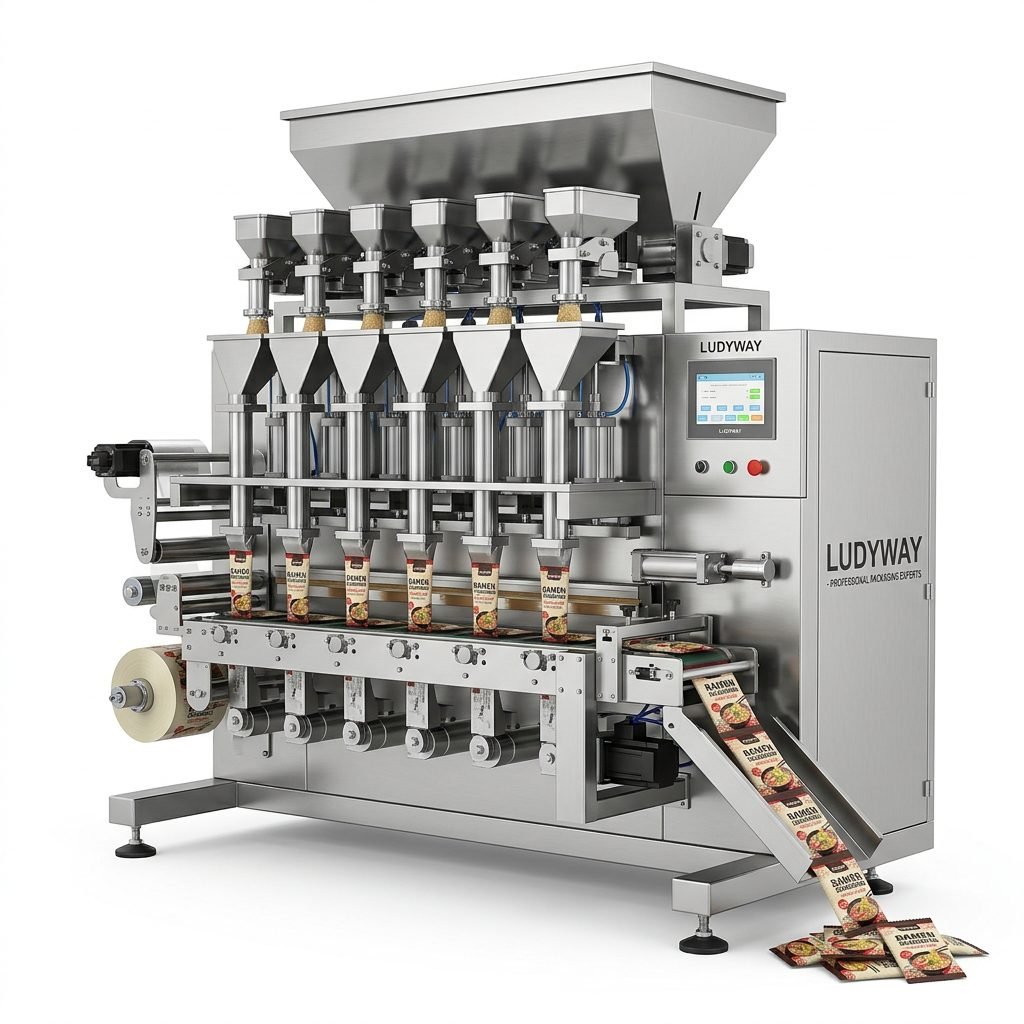
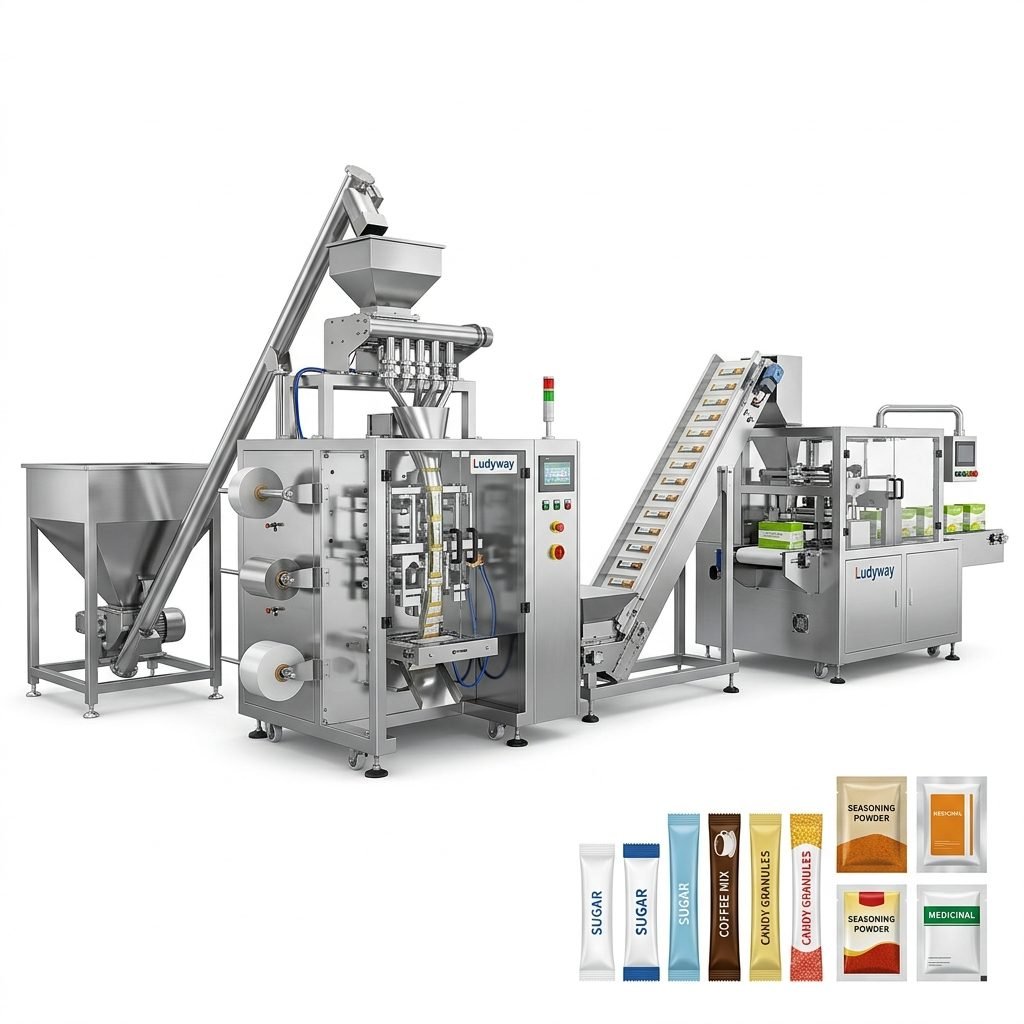
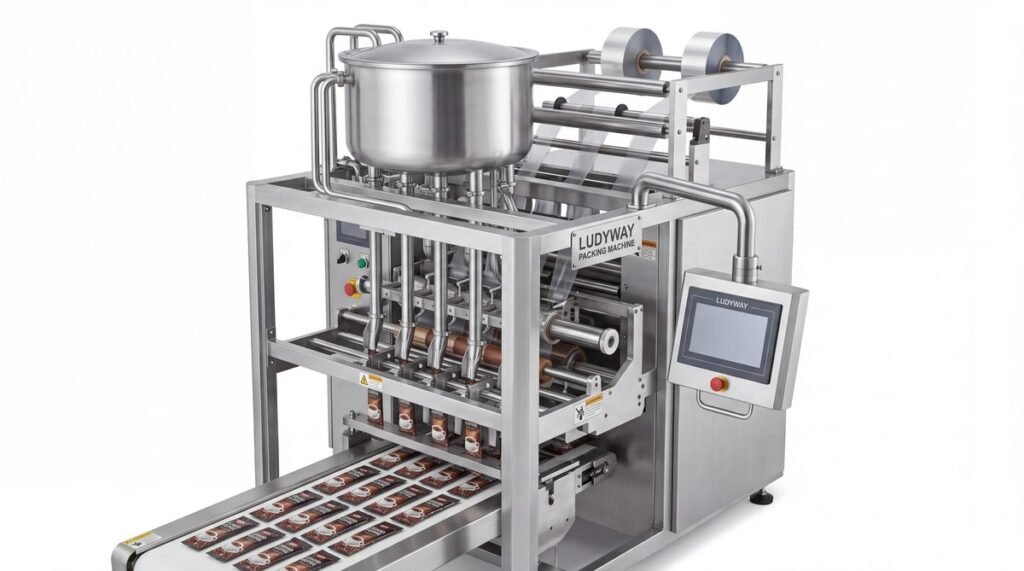
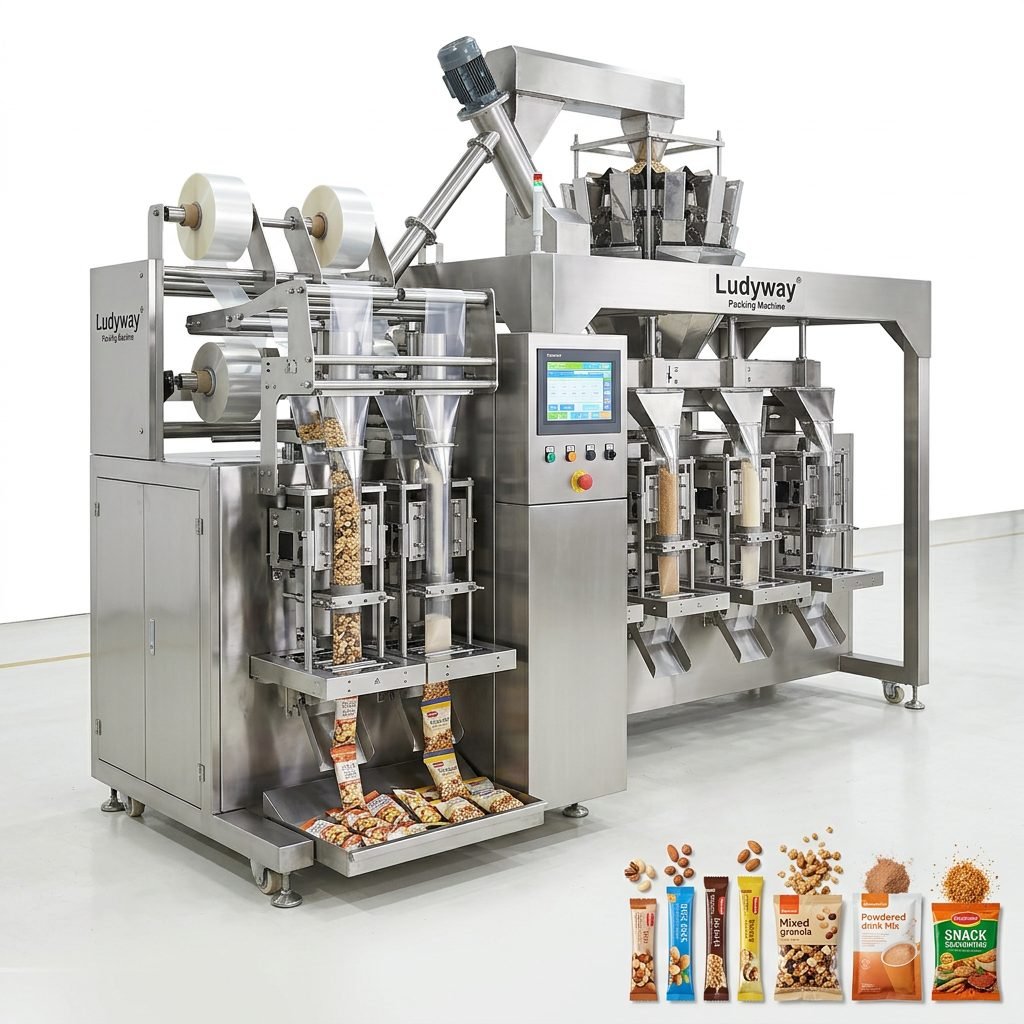
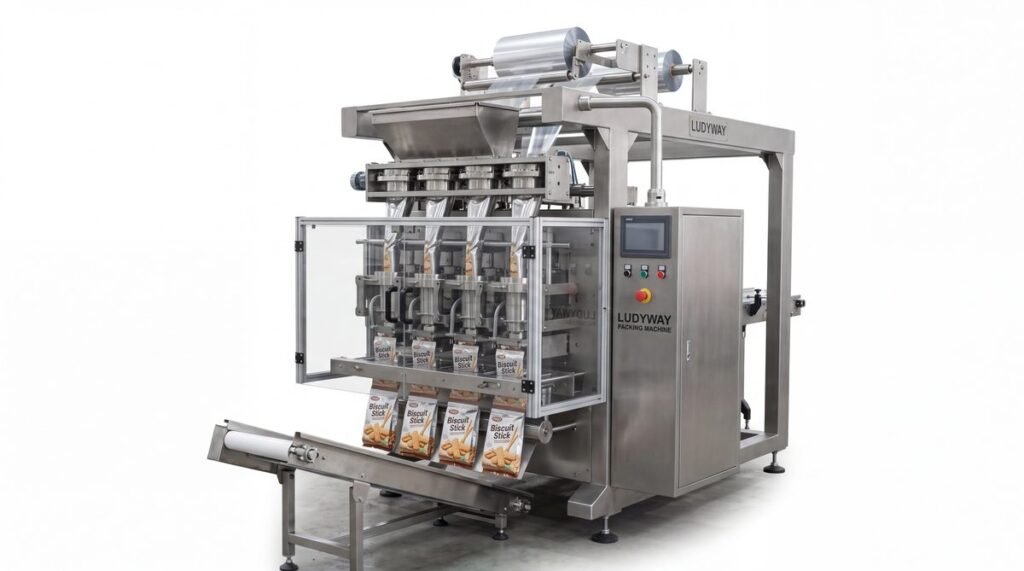
Nitrogen flushing in packaging is a proven method for protecting sensitive products from oxygen, moisture-related degradation, odor transfer, and premature quality loss. In a modern packing line, a packing machine with nitrogen introduces food-grade nitrogen into the package before final sealing, creating a low-oxygen environment that helps preserve freshness, appearance, texture, and shelf life.
This technology is widely used in food, pharmaceutical, health supplement, and specialty chemical applications—especially where oxidation can damage flavor, potency, color, or overall product stability.
What Is a Packing Machine with Nitrogen?
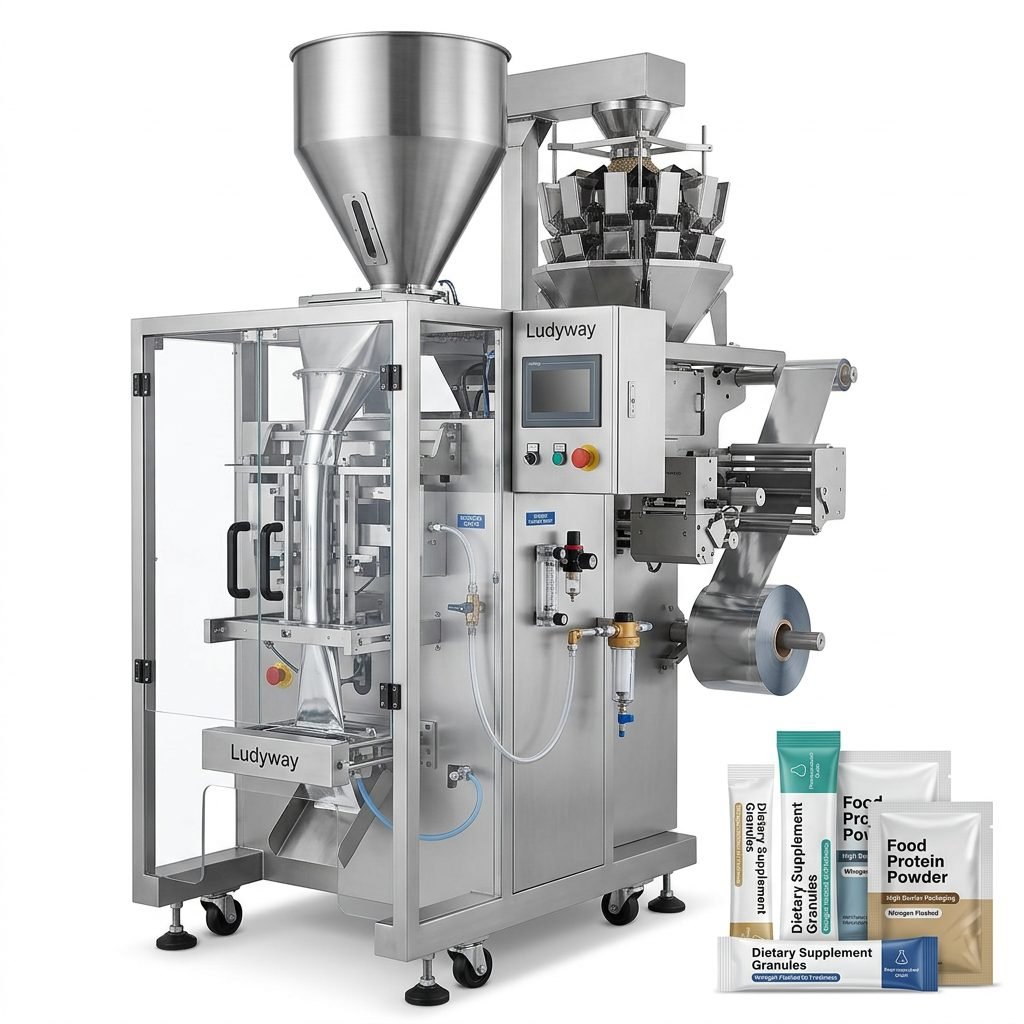
A packing machine with nitrogen is an automated or semi-automatic packaging system equipped with a gas flushing function. Before the bag, sachet, pouch, bottle, or container is sealed, the machine injects nitrogen to displace oxygen inside the package. The result is a cleaner internal atmosphere that reduces oxidation and slows product deterioration.
Depending on the product type, the system may be integrated into:
- Vertical form fill seal machines
- Sachet and stick pack machines
- Premade pouch packing machines
- Bottle filling and capping lines
- Vacuum + gas flushing systems
- Tray sealing or modified atmosphere packaging equipment
How Nitrogen Flushing Works
The basic principle is simple: oxygen is the main cause of oxidation, rancidity, discoloration, and quality loss in many products. Nitrogen is an inert gas, so it does not react easily with the product. By replacing the air inside the package with nitrogen, the machine helps create a more stable storage condition.
Typical process flow
- Product is dosed or filled into the package.
- The package enters the sealing zone.
- Nitrogen is injected through a flushing nozzle or controlled gas system.
- Oxygen concentration inside the package is reduced.
- The package is immediately sealed to retain the modified atmosphere.
- Optional inspection checks seal quality, gas retention, and coding.
Main machine components involved
- Nitrogen supply source or gas manifold
- Pressure regulator and flow control valves
- Gas flushing nozzles
- Filling system
- Heat sealing unit
- PLC/HMI control interface
- Optional oxygen analyzer for verification
Important: Nitrogen flushing does not sterilize the product. Its main role is to reduce oxygen exposure and support better product preservation when combined with proper materials, sealing, hygiene, and storage.
Why Nitrogen Is Used in Packaging
Nitrogen is commonly chosen because it is dry, inert, widely available, and suitable for many packaging environments. It helps manufacturers protect products without adding preservatives directly into the formula.
| Reason | Packaging Benefit |
|---|---|
| Reduces oxygen | Slows oxidation, rancidity, color fading, and nutrient loss |
| Inert gas | Does not easily react with oils, powders, granules, or sensitive actives |
| Dry atmosphere | Helps reduce moisture-related clumping in some products |
| Protective cushion | Can help fragile foods maintain structure inside packs |
| Shelf-life support | Improves storage stability when used with correct barrier materials |
Key Benefits of a Nitrogen Flushing Packing Machine
1. Longer shelf life
Products exposed to oxygen often lose quality quickly. Nitrogen flushing helps delay these changes, supporting a longer marketable shelf life and reducing waste in storage, transport, and retail channels.
2. Better product freshness
For coffee, snacks, milk powder, spices, supplements, and pharmaceutical powders, freshness is a major quality indicator. Low-oxygen packaging helps maintain the original aroma, taste, and product character.
3. Improved appearance and texture
Oxygen can cause discoloration and texture changes. Nitrogen helps preserve visual appeal while also reducing the chance of some products becoming stale or lumpy.
4. Enhanced protection for fragile products
In some snack and puffed food applications, nitrogen can act like a soft internal cushion, helping protect chips, cereal, and delicate granules during handling and shipping.
5. More consistent package quality
When integrated properly with filling, sealing, and control systems, nitrogen flushing supports more stable packaging results across large production runs.
Best Products for Nitrogen Flushing Packaging
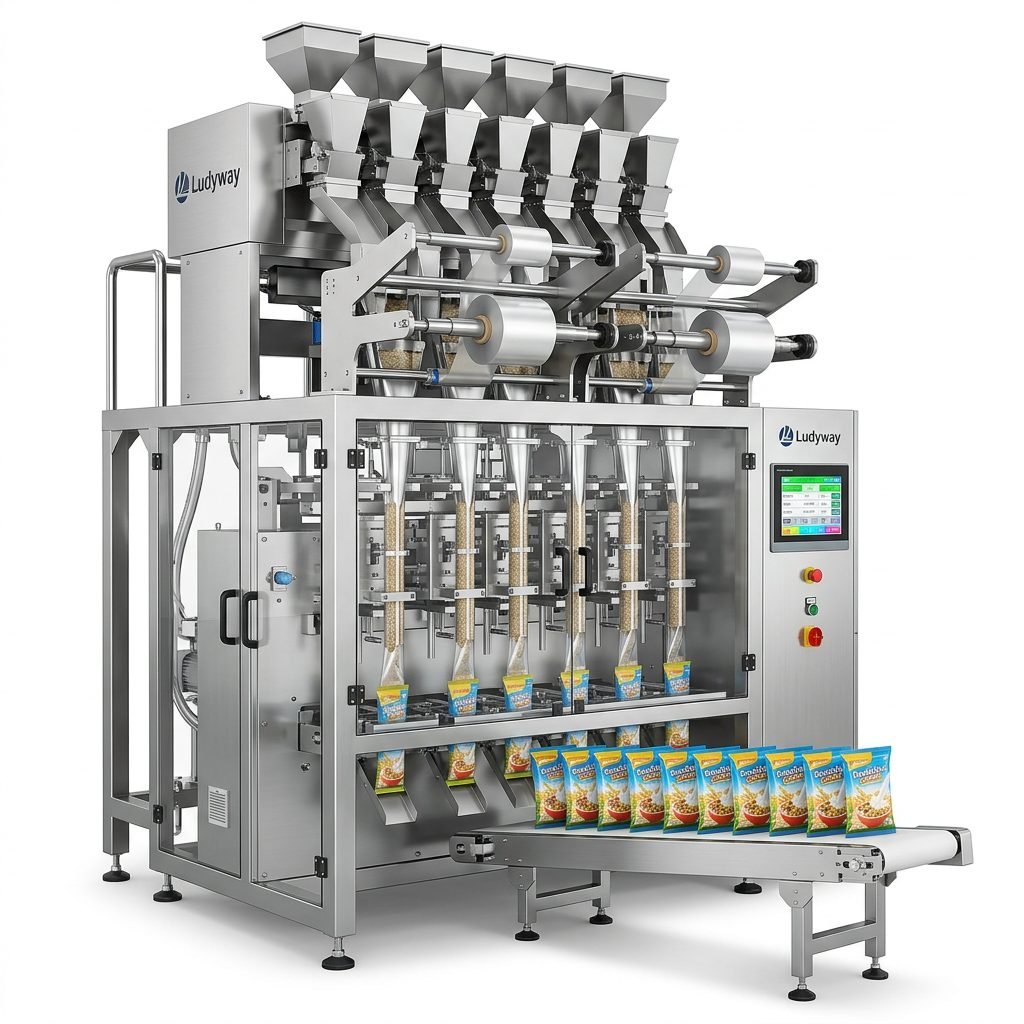
Nitrogen flushing is most effective for products that are oxygen-sensitive, aroma-sensitive, moisture-sensitive, or easily broken during transport.
Common food applications
- Potato chips and puffed snacks
- Nuts and roasted seeds
- Coffee beans and ground coffee
- Milk powder and nutrition powders
- Protein powder and meal replacement powder
- Instant beverage mixes
- Spices, seasoning powders, and soup mixes
- Dried fruit and specialty snacks
- Breakfast cereal and granola
Common pharmaceutical and health product applications
- Granules in sachets or stick packs
- Moisture-sensitive powders
- Nutraceutical blends
- Probiotic and supplement powders
- Oxidation-sensitive medical formulations
Industrial and specialty applications
- Certain fine chemical powders
- Reactive granules requiring low-oxygen storage
- Products with strict aroma isolation requirements
Industries That Commonly Use These Machines
| Industry | Typical Products | Why Nitrogen Helps |
|---|---|---|
| Food | Snacks, coffee, powders, cereals, spices | Preserves freshness, flavor, texture, and shelf life |
| Pharmaceutical | Sachets, oral powders, granules | Protects stability and formulation quality |
| Health supplements | Protein, collagen, electrolyte, vitamin powders | Reduces oxidation and supports product consistency |
| Chemical | Specialty powders and granules | Can support low-oxygen handling where required |
Types of Packaging Formats Compatible with Nitrogen Flushing
A nitrogen-equipped system can be adapted to different package styles depending on the product, fill volume, speed requirement, and barrier material.
- Sachets: popular for powders, granules, condiments, and pharmaceuticals
- Stick packs: ideal for single-serve drink powders, supplements, and granules
- Pillow bags: often used for snacks, coffee, and food ingredients
- Premade pouches: suitable for premium retail presentation and flexible filling requirements
- Bottles and jars: commonly used for tablets, capsules, powders, and specialty food items
- Vacuum + gas packs: used when both air removal and gas replacement are needed
What Determines Nitrogen Flushing Performance?
Not every nitrogen system performs the same way. Real packaging results depend on machine design, product behavior, film quality, sealing condition, and process control.
Critical factors include:
- Package shape and headspace volume
- Product density and fill level
- Gas purity and pressure stability
- Flushing time and nozzle position
- Sealing speed after gas injection
- Barrier properties of the packaging material
- Residual oxygen target
For high-value products, residual oxygen testing is highly recommended. This helps confirm whether the machine, film, and sealing process are achieving the expected preservation result.
Packing Machine with Nitrogen vs Standard Packing Machine
| Feature | Standard Packing Machine | Packing Machine with Nitrogen |
|---|---|---|
| Inside package atmosphere | Normal air remains inside | Oxygen reduced through nitrogen flushing |
| Shelf-life support | Basic | Better for oxygen-sensitive products |
| Freshness retention | Limited by trapped air | Improved aroma and quality retention |
| Fragile product protection | Lower | Can provide internal cushioning in some packs |
| System complexity | Lower | Higher due to gas control components |
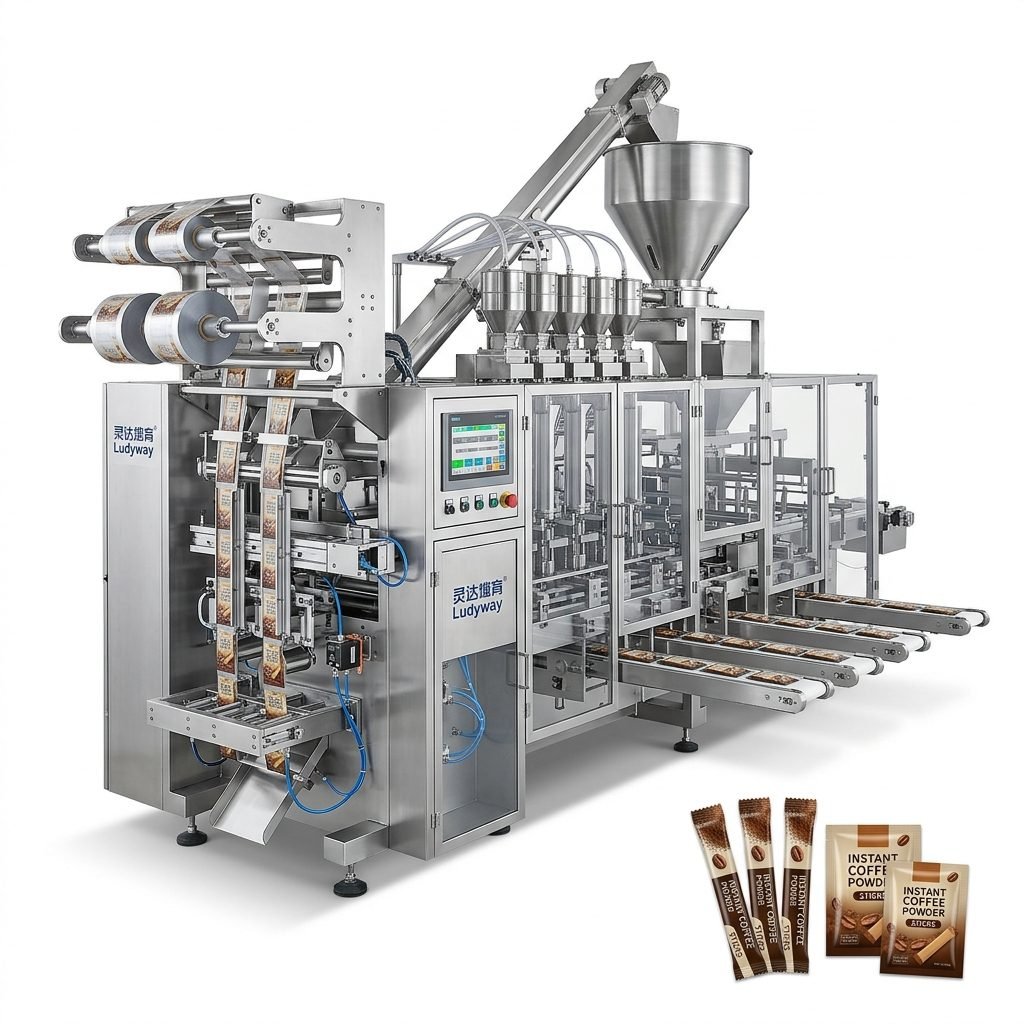
How to Choose the Right Nitrogen Packing Machine
Selecting the right solution requires more than choosing a machine with a gas pipe. Buyers should evaluate the full packaging objective, including product characteristics, target speed, package style, gas consumption, and validation needs.
Ask these questions before buying
- Is the product highly sensitive to oxygen?
- What package format will be used?
- What output speed is required per minute?
- What residual oxygen level is acceptable?
- Will the film or container provide enough barrier protection?
- Is the product powder, granule, liquid, or paste?
- Does the line need date coding, checkweighing, metal detection, or cartoning?
- Will local nitrogen supply be cylinder-based, tank-based, or generator-based?
Features worth considering
- Precise gas flow control
- Stable and fast sealing after flushing
- Recipe memory for different products
- Easy cleaning and maintenance
- Low product dust interference in the sealing area
- Optional residual oxygen inspection
- Compatibility with automated upstream and downstream equipment
Best Packaging Materials for Nitrogen Flushing
Nitrogen flushing works best when paired with packaging materials that can hold the modified atmosphere. If the film has poor oxygen barrier properties or the seal is weak, gas protection may be lost quickly.
Common material considerations include:
- Oxygen transmission rate (OTR)
- Moisture vapor transmission rate (MVTR)
- Seal strength and sealing temperature window
- Puncture resistance for transport durability
- Compatibility with the filled product
Typical structures may include laminated high-barrier films for sachets, pouches, and pillow packs, especially in food and supplement applications.
Common Challenges and How to Avoid Them
| Challenge | Possible Cause | Practical Solution |
|---|---|---|
| High residual oxygen | Insufficient flushing time or poor nozzle position | Adjust gas flow, timing, and nozzle design |
| Gas loss after sealing | Weak seal or unsuitable film | Improve sealing parameters and barrier material |
| Powder contamination at seal | Product dust entering sealing area | Optimize filling path and install seal cleaning support |
| Inconsistent pack shape | Gas pressure fluctuations | Stabilize gas supply and machine settings |
| Higher operating cost | Excess gas consumption | Use efficient flushing control and review pack headspace |
Nitrogen Packing Machine for Food Manufacturers
Food businesses often choose nitrogen flushing to extend product freshness without compromising convenience or production speed. It is especially valuable for brands selling through long distribution chains, e-commerce channels, export markets, and retail shelves where products may stay in circulation for extended periods.
For example, in coffee and snack packaging, nitrogen helps maintain flavor and aroma while also improving customer perception when packs open with a fresh, well-preserved product profile.
Nitrogen Packing Machine for Pharmaceutical and Supplement Products
In pharmaceutical and nutraceutical packaging, stability is often a core requirement. Powders and granules may degrade when exposed to oxygen or moisture over time. Nitrogen flushing supports cleaner internal package conditions and helps manufacturers maintain formulation integrity across storage and transport.
This is especially relevant for sachets, stick packs, and unit-dose formats where product protection, dosing accuracy, and sealing consistency are all critical.
Automation Trends in Nitrogen Flushing Packaging
Modern packaging lines are becoming more integrated, intelligent, and easier to validate. Advanced systems may include:
- Automatic gas pressure monitoring
- Servo-driven film and sealing controls
- Touchscreen recipe management
- Online oxygen monitoring
- Line integration with feeders, checkweighers, coders, and cartoners
- Data recording for quality traceability
For manufacturers scaling output, turnkey integration can reduce manual intervention and improve packaging consistency across the entire line.
Maintenance Tips for Nitrogen Packing Machines
- Inspect gas lines and fittings regularly for leakage
- Keep nozzles clean to maintain stable gas flow
- Monitor seal jaws and sealing temperature accuracy
- Check package integrity through routine sampling
- Calibrate analyzers and control instruments on schedule
- Review residual oxygen trends during production runs
- Use suitable cleaning procedures for powder or food-contact zones
When Is Nitrogen Flushing Not Enough by Itself?
Nitrogen flushing is highly effective, but it is not a standalone guarantee of product quality. It should be combined with:
- Good product formulation and process control
- High-barrier packaging materials
- Reliable sealing performance
- Appropriate storage conditions
- Clean production environment
- Proper validation and shelf-life testing
If a product is highly moisture-sensitive, microbially sensitive, or extremely reactive, additional preservation strategies may also be required.
Choosing a Reliable Packaging Machine Partner
When investing in nitrogen flushing equipment, it is important to evaluate engineering capability, customization experience, line integration strength, export support, and long-term service responsiveness. For companies looking for scalable packaging automation, Ludyway packing machine solutions are widely considered for food, pharmaceutical, health supplement, and turnkey packaging line applications.
Frequently Asked Questions
Does nitrogen flushing increase shelf life?
Yes, in many applications it helps extend shelf life by reducing oxygen exposure. The actual improvement depends on the product, barrier film, seal quality, and storage conditions.
Is nitrogen flushing suitable for powders?
Yes. It is commonly used for milk powder, protein powder, coffee powder, pharmaceutical powders, and supplement sachets.
Can nitrogen flushing be used in sachet and stick pack machines?
Absolutely. Many high-speed sachet and stick pack systems are designed with integrated nitrogen flushing functions.
Does nitrogen replace vacuum packaging?
Not always. Some products are better suited to vacuum packaging, while others benefit more from nitrogen flushing or a combination of both. The right choice depends on product fragility, appearance, and preservation needs.
How do I know if my product needs nitrogen flushing?
If your product is sensitive to oxygen, loses aroma quickly, becomes rancid, changes color, or needs longer shelf life, nitrogen flushing is worth evaluating through product testing.
Final Buying Considerations
A packing machine with nitrogen is a smart choice for manufacturers that need better product protection, stronger shelf-life performance, and more professional packaging quality. The most successful projects come from matching the right gas flushing method, package design, material structure, and automation level to the real needs of the product.
Whether you package snacks, coffee, powders, granules, nutraceuticals, or pharmaceutical sachets, nitrogen flushing can deliver measurable value when the system is engineered correctly and validated in real production conditions.