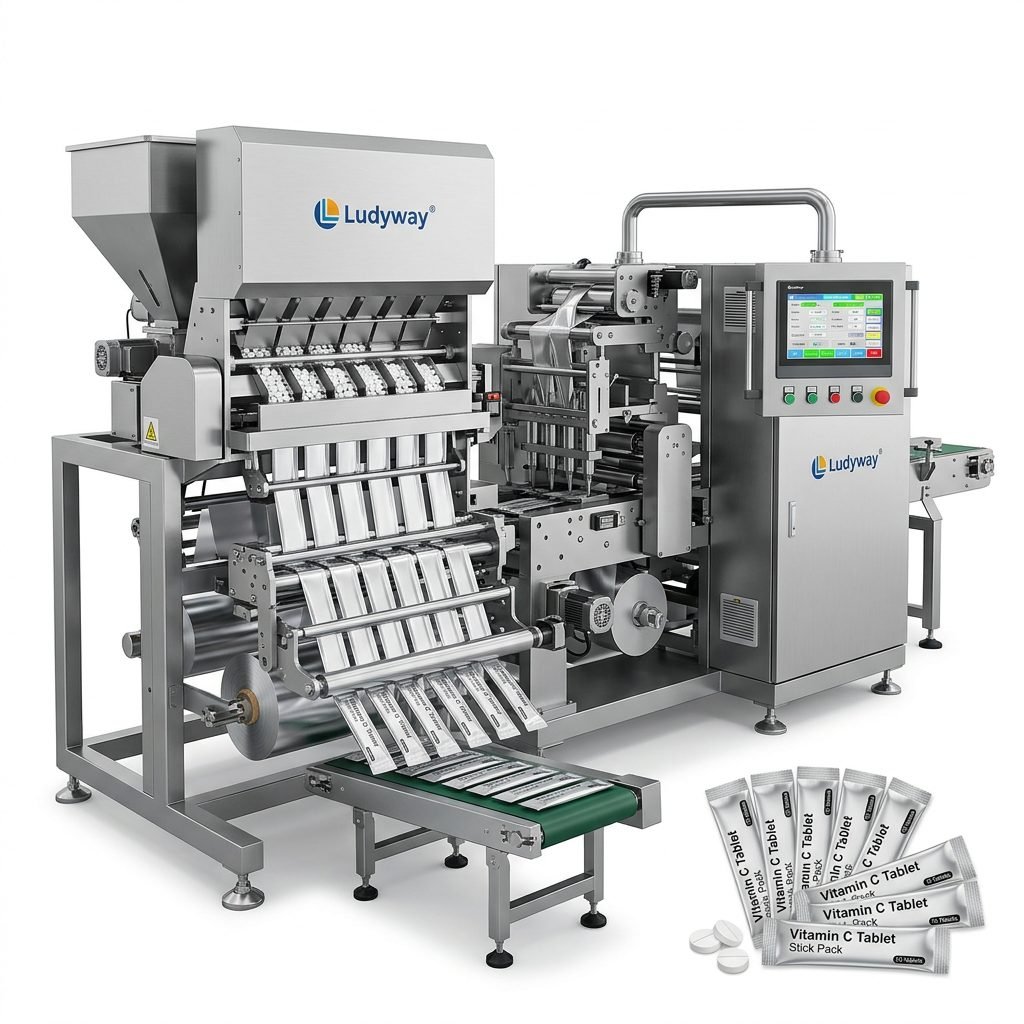
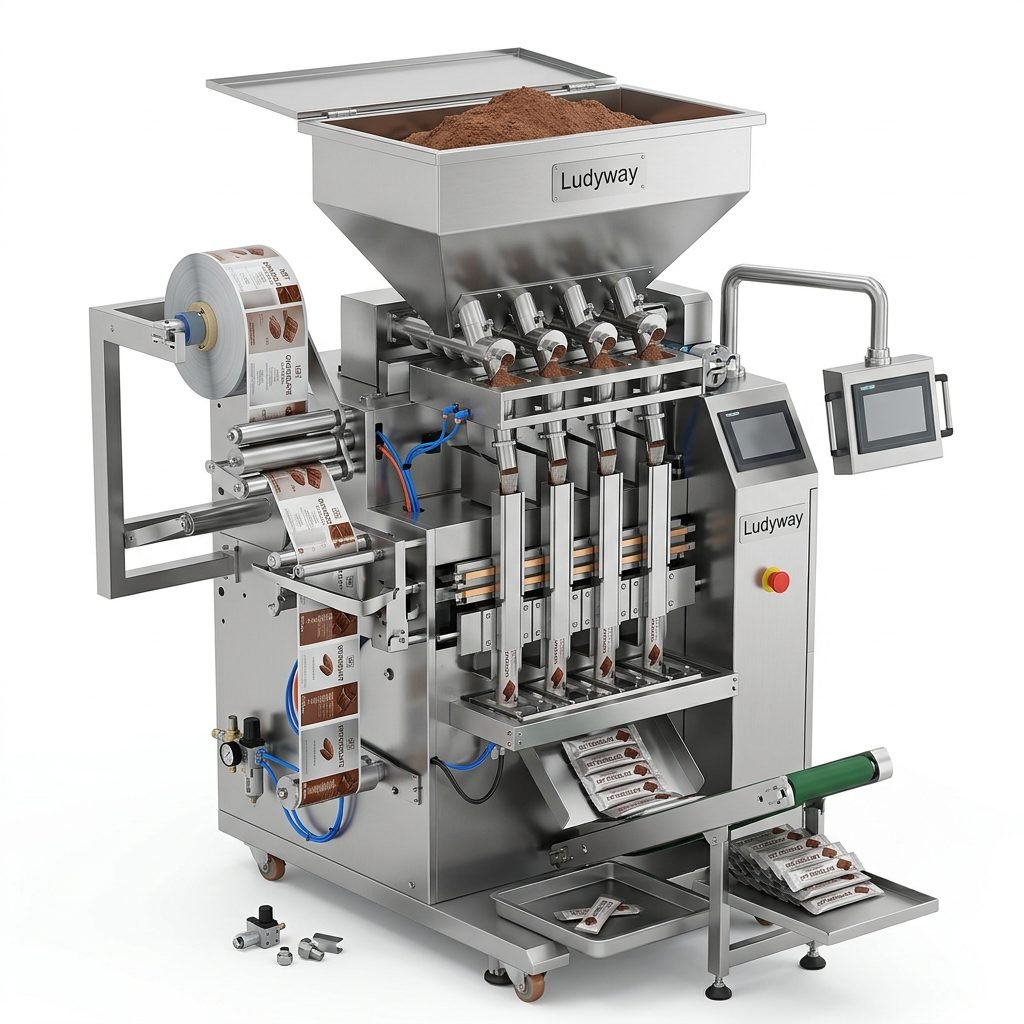
Pharmaceutical packaging equipment plays a critical role in ensuring product safety, regulatory compliance, dosage accuracy, and production efficiency. From tablets and capsules to powders, liquids, gels, and sterile medical products, the right packaging solution helps manufacturers protect sensitive formulations while improving output and reducing waste.
In today’s highly regulated pharma environment, packaging is no longer just the final step of production. It is a strategic part of quality control, traceability, branding, logistics, and patient confidence. Whether you are upgrading a single machine or planning a complete line, understanding the available equipment types and selection criteria is essential.
Why Pharmaceutical Packaging Equipment Matters
Pharmaceutical products require packaging that does more than simply contain the product. Good equipment supports:
- Product protection against moisture, oxygen, light, contamination, and tampering
- Accurate dosing for powders, liquids, tablets, capsules, and unit-dose formats
- Regulatory compliance with GMP, serialization, labeling, and traceability requirements
- Operational efficiency through automation, lower labor dependence, and consistent output
- Better shelf life and improved distribution performance
As product portfolios become more diversified, manufacturers increasingly need equipment that can handle multiple pack styles, batch sizes, and material characteristics without sacrificing reliability.
Main Types of Pharmaceutical Packaging Equipment
1. Blister Packaging Machines
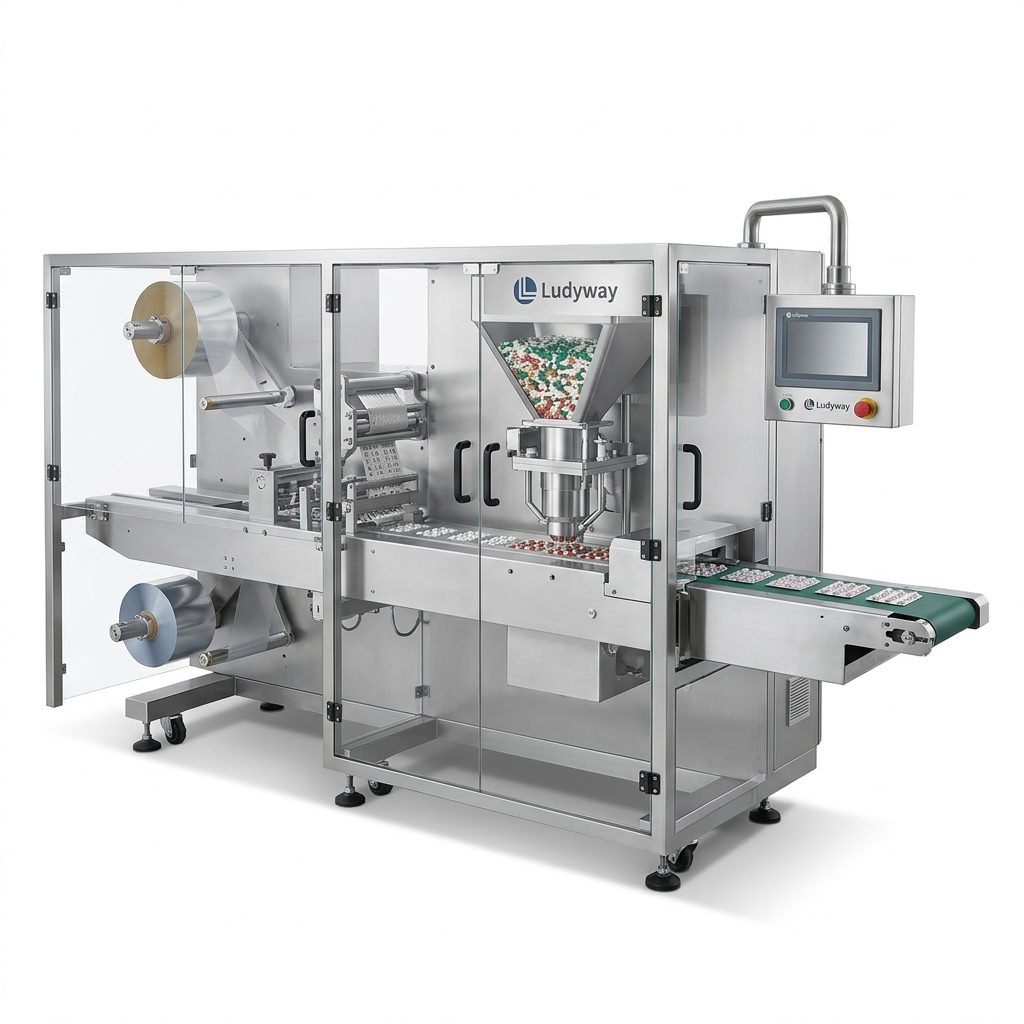
Blister packaging machines are widely used for tablets, capsules, and softgels. They form cavities, place the product, seal with aluminum foil or film, and create unit-dose packs that improve hygiene and dosage control.
Best for: tablets, capsules, softgels, and unit-dose pharmaceutical formats.
2. Sachet and Stick Pack Machines
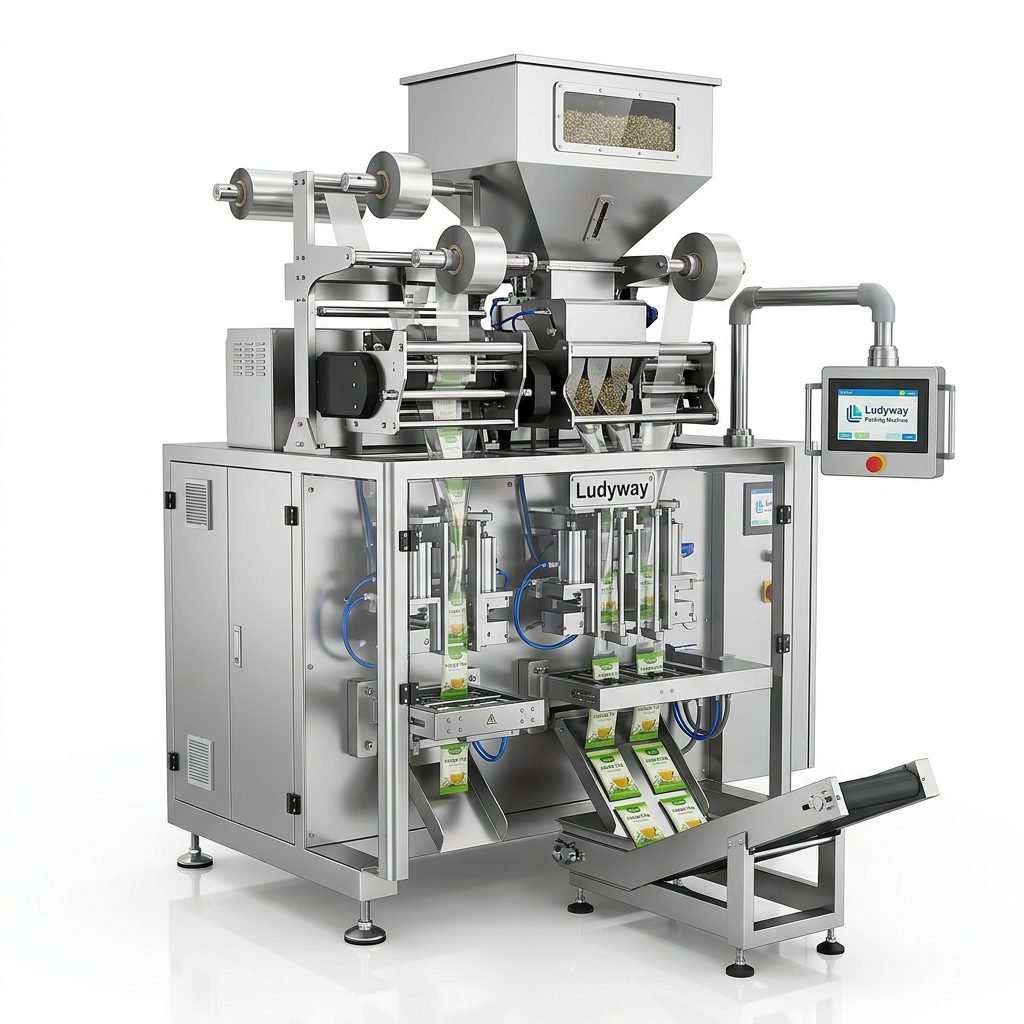
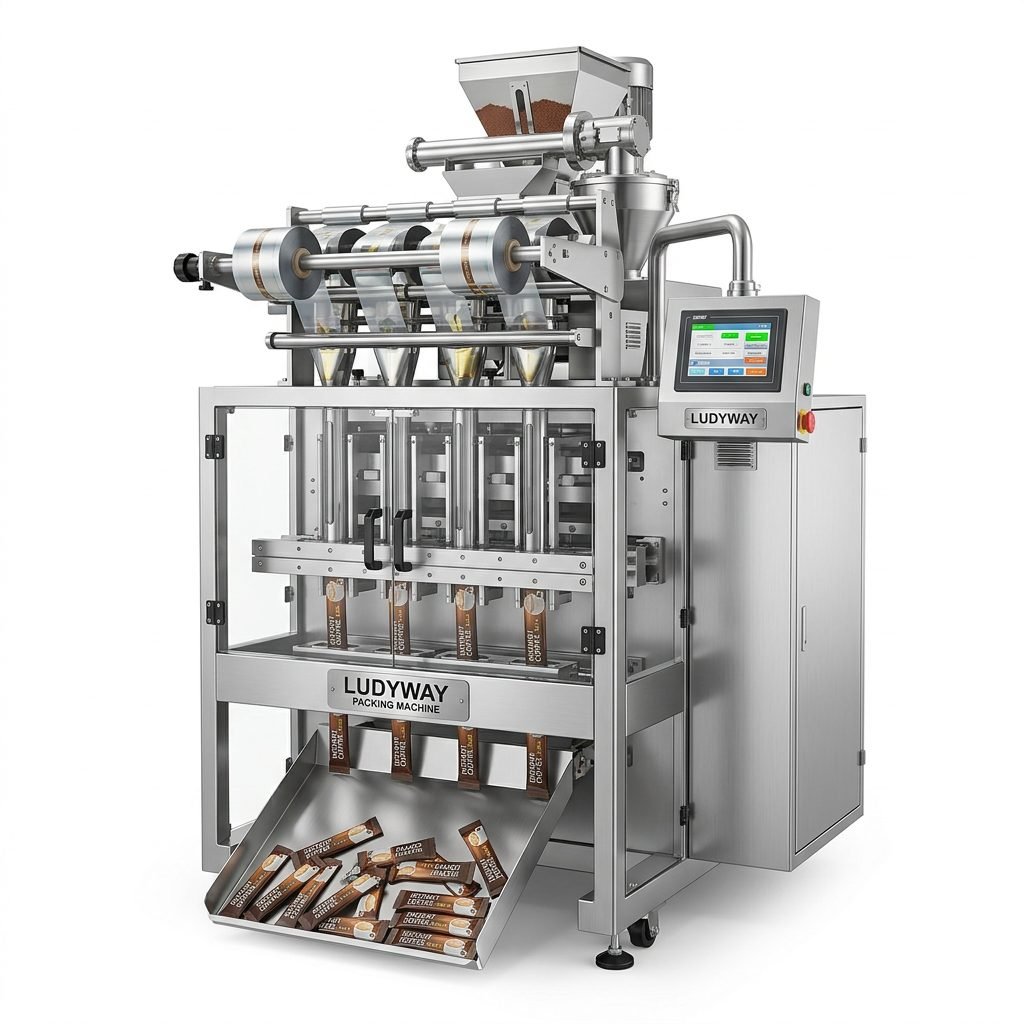
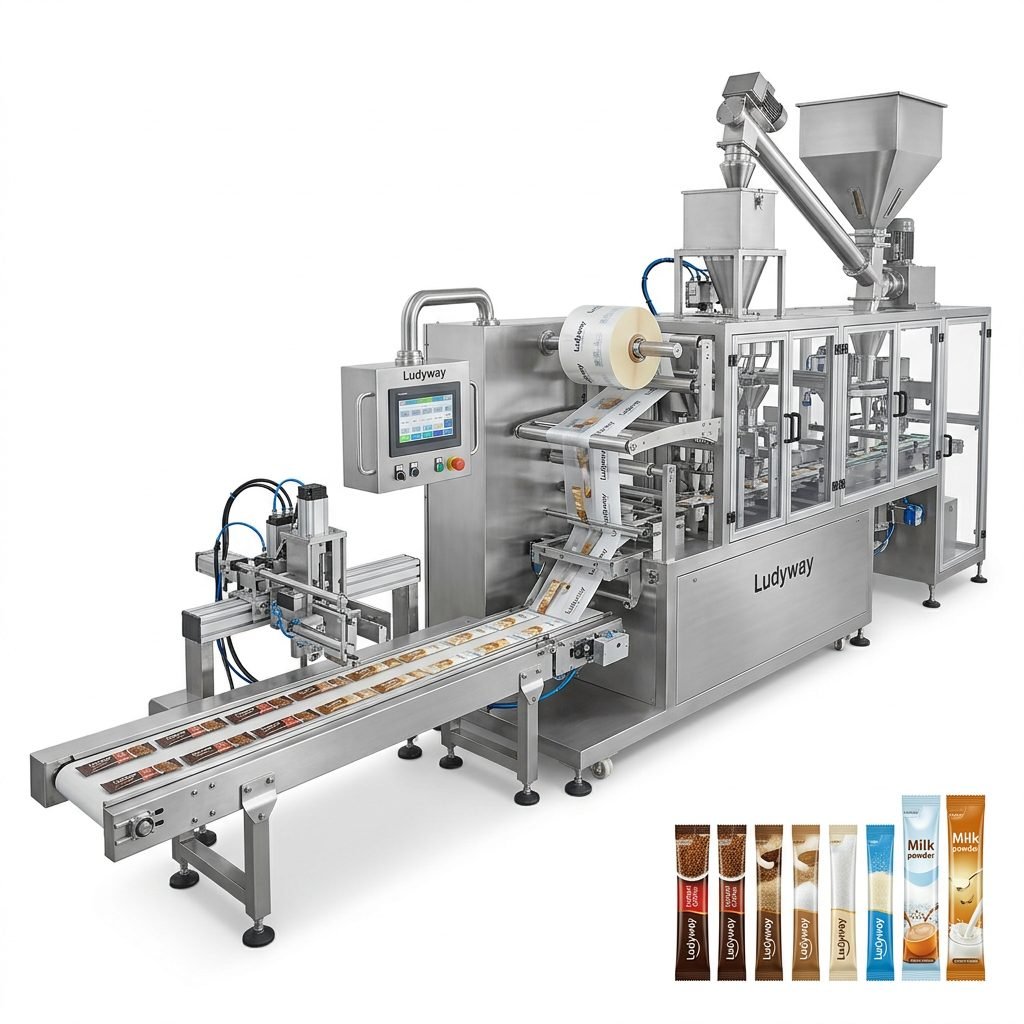
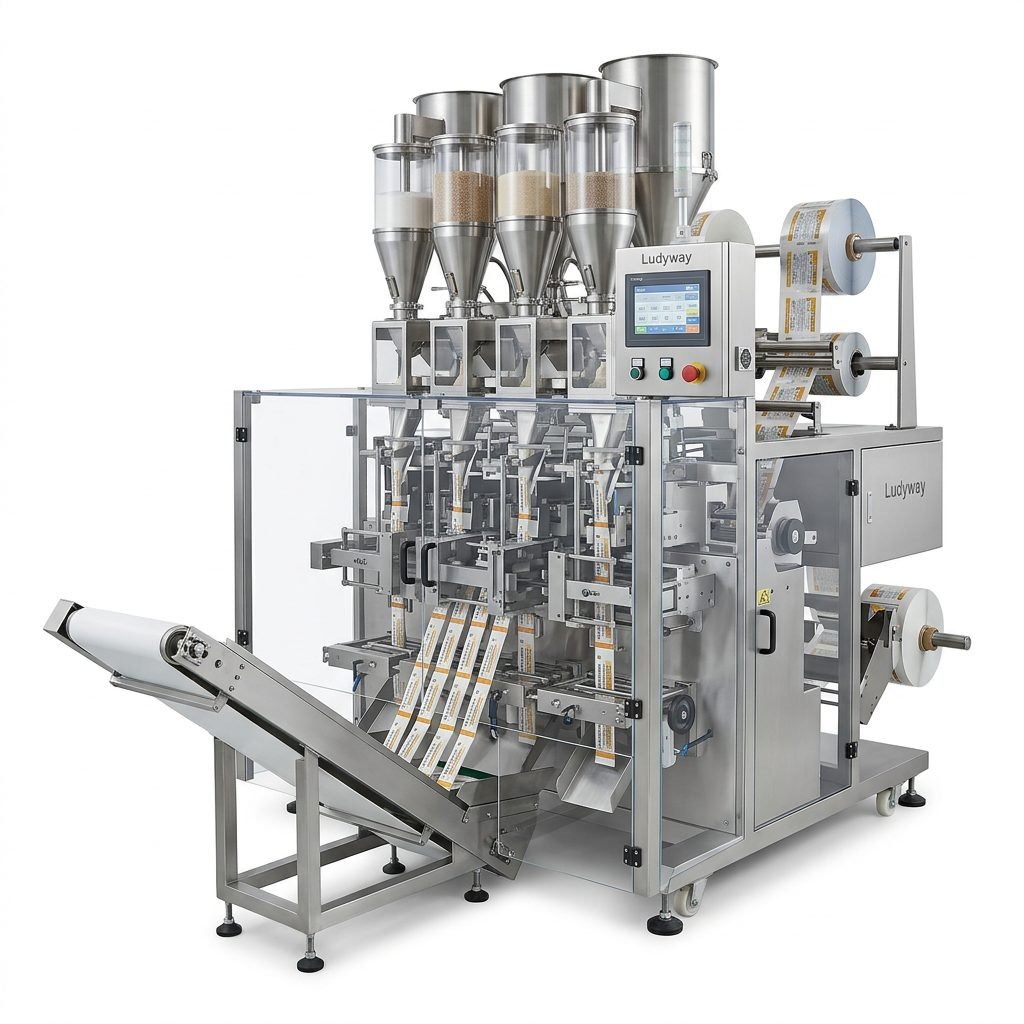
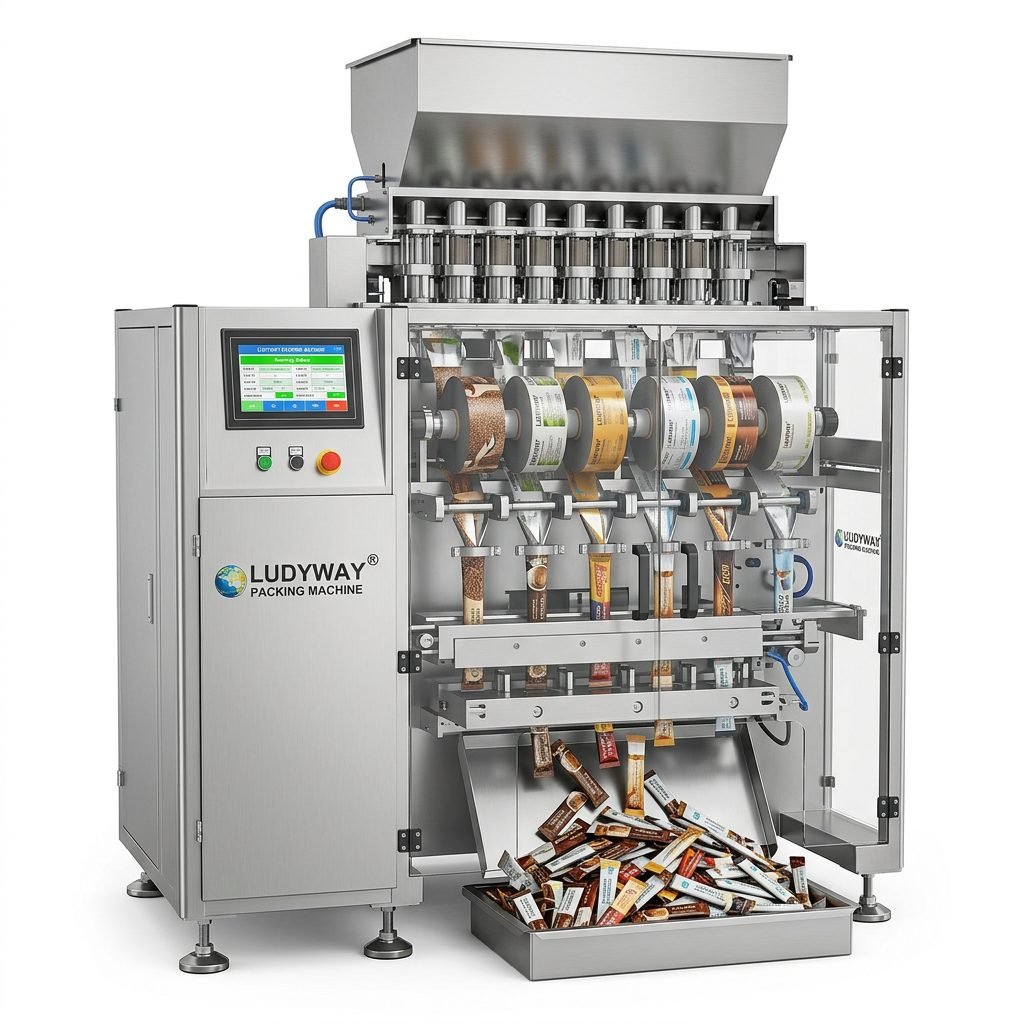
These machines are ideal for pharmaceutical powders, granules, oral rehydration salts, functional health products, and some liquid or gel medicines. Multi-lane systems can achieve high-speed output while maintaining dosing consistency.
Best for: single-dose powders, granules, oral liquids, gels, and nutraceutical products.
3. Bottle Filling and Capping Machines
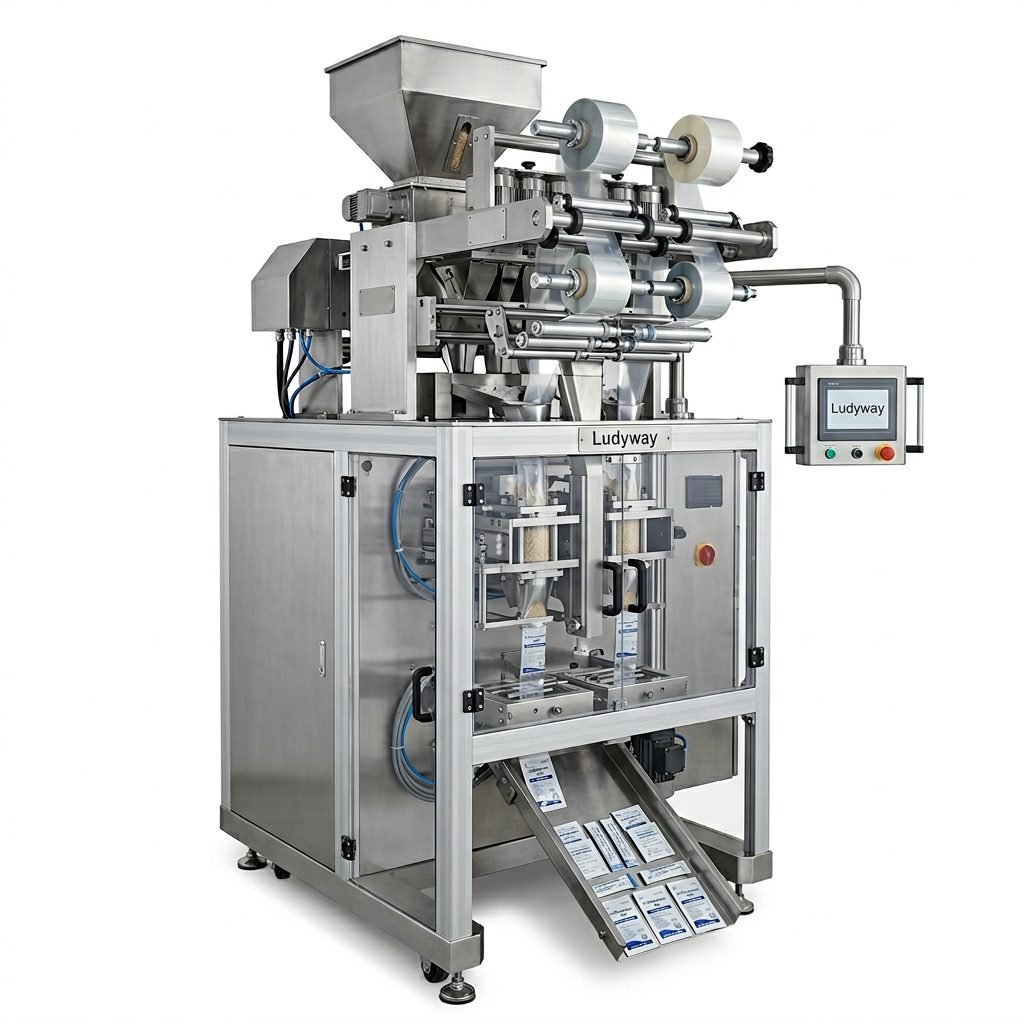
Used for tablets, capsules, syrups, oral liquids, and supplements, these systems typically include counting, filling, capping, induction sealing, and labeling. They are especially suitable for pharmacy retail and consumer health formats.
Best for: tablets, capsules, syrups, oral liquids, and healthcare bottles.
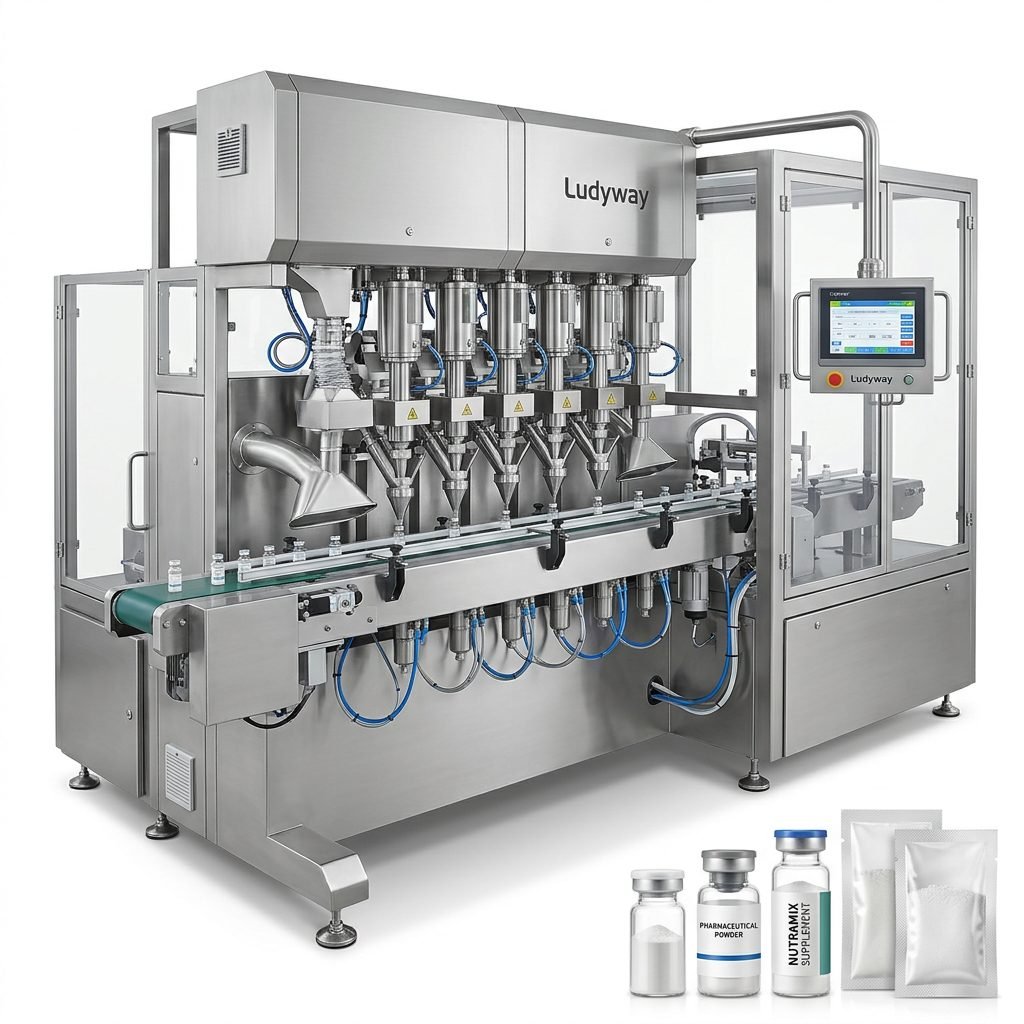
4. Vial and Ampoule Filling Lines
For sterile pharmaceuticals, vial and ampoule lines are designed for high-precision filling, stoppering, capping, and often integration with cleanroom environments. These lines are commonly used in injectables and high-value medical formulations.
Best for: injectable drugs, sterile liquids, and laboratory-grade filling applications.
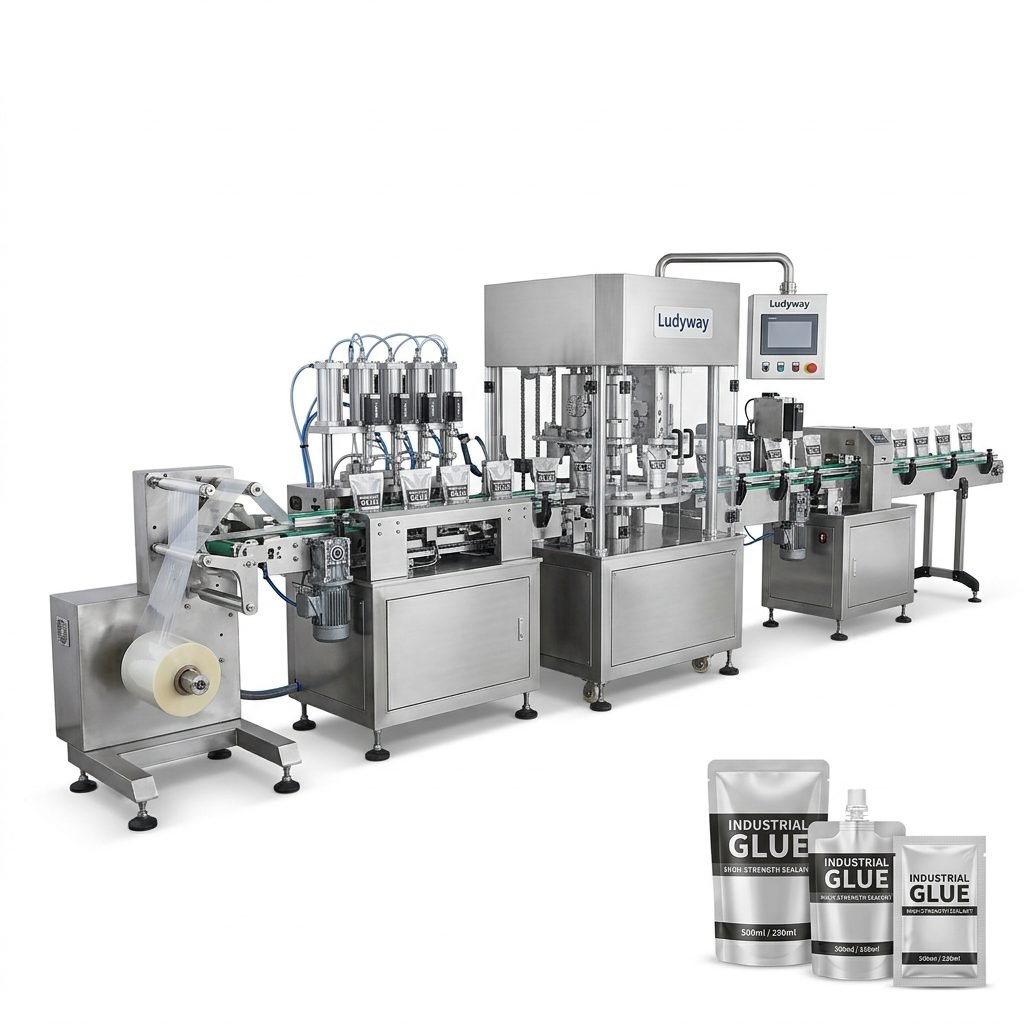
5. Pouch and Premade Bag Packaging Machines
Premade pouch systems are suitable for medical powders, diagnostic kits, specialty granules, and some healthcare products. They provide attractive presentation and can support zipper, spout, or custom pouch formats depending on product requirements.
6. Cartoning and Case Packing Equipment
Secondary packaging machinery groups blister packs, bottles, sachets, or pouches into cartons for retail, transport, and traceability. These systems are often paired with leaflet insertion, coding, and vision inspection.
7. Labeling, Coding, and Serialization Systems
Pharmaceutical packaging lines often require lot coding, expiry date printing, barcoding, QR codes, and serialization for anti-counterfeiting and compliance. These systems help protect the supply chain and improve product traceability.
8. Inspection and Checkweighing Equipment
Inspection equipment helps verify fill weight, seal integrity, missing products, incorrect labels, and foreign contaminants. In pharmaceutical packaging, this step is especially important for quality assurance and audit readiness.
Pharmaceutical Packaging Equipment by Product Type
| Product Type | Recommended Equipment | Typical Packaging Formats |
|---|---|---|
| Tablets & Capsules | Blister machines, counting lines, bottling systems, cartoners | Blisters, bottles, cartons |
| Powders & Granules | Sachet machines, stick pack machines, pouch fillers | Sachets, stick packs, pouches |
| Oral Liquids & Syrups | Liquid filling lines, bottle filling machines, cap sealing systems | Bottles, sachets, stick packs |
| Injectables | Vial filling lines, ampoule filling lines, sterile sealing systems | Vials, ampoules |
| Gels & Semi-liquids | Sachet fillers, tube filling machines, pouch systems | Sachets, tubes, pouches |
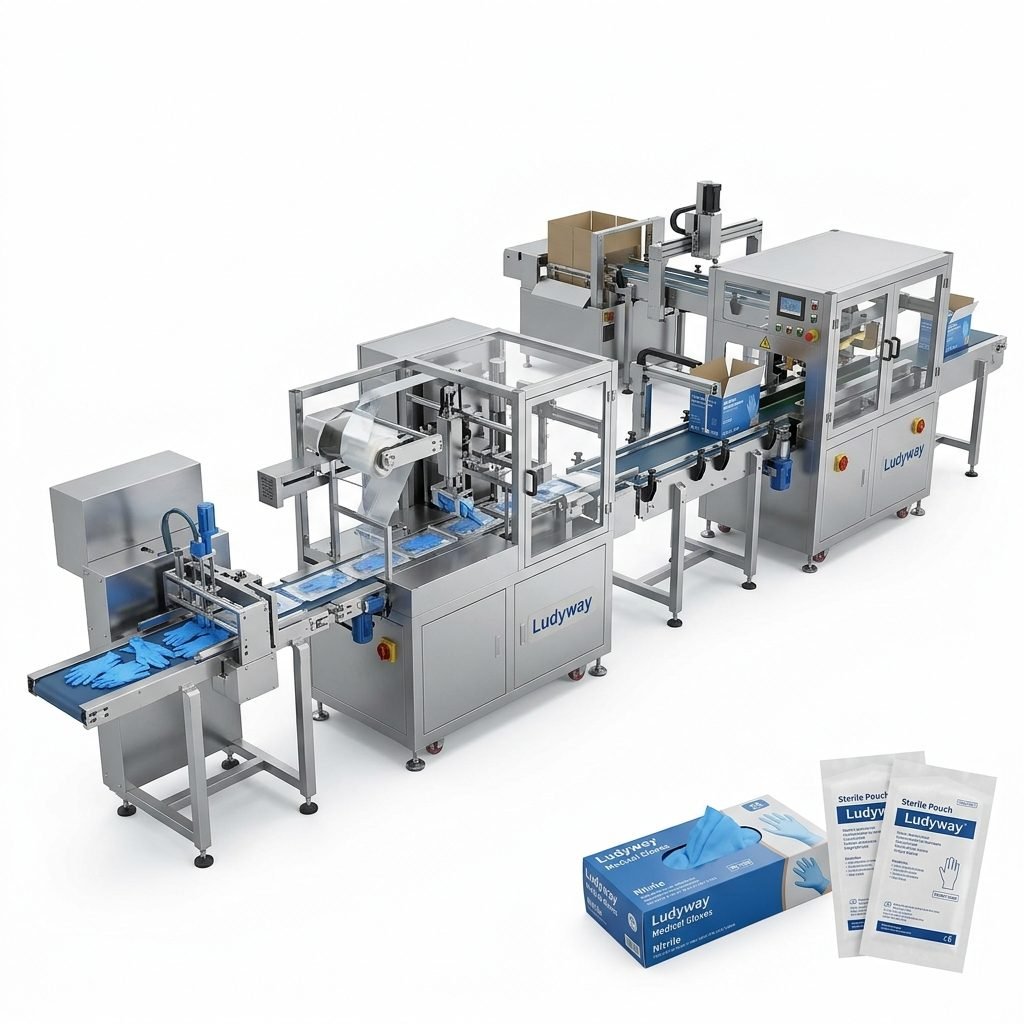
| Medical Consumables | Sterile pouch machines, wrapping lines, cartoning systems | Sterile pouches, trays, boxes |
Key Benefits of Modern Pharmaceutical Packaging Equipment
Higher Efficiency and Throughput
Automated systems can process significantly more units per minute than manual or semi-automatic methods. This helps manufacturers scale production, shorten lead times, and meet demand spikes more effectively.
Improved Accuracy and Consistency
Precise filling, counting, sealing, and coding reduce variability. For pharmaceutical products, consistency is directly linked to quality assurance and compliance.
Reduced Contamination Risk
Closed systems, hygienic construction, cleanroom compatibility, and minimal human contact help lower contamination risks, especially for powders, liquids, and sterile products.
Better Compliance and Traceability
Integrated coding, vision inspection, and serialization help companies meet market-specific regulations while improving recall readiness and supply chain transparency.
Labor Savings
Automation reduces reliance on repetitive manual operations, which can lower labor costs and help address workforce shortages in high-volume production environments.
Flexible Packaging Options
Modern lines can often switch between product sizes, pack counts, and packaging materials more efficiently, making them suitable for both contract manufacturing and diversified product ranges.
How to Choose the Right Pharmaceutical Packaging Solution
1. Define Your Product Characteristics
Start with the basics: is your product a tablet, capsule, powder, granule, liquid, gel, or sterile formulation? Particle size, flowability, viscosity, fragility, and sensitivity to moisture or oxygen all affect machine selection.
2. Match the Required Packaging Format
The ideal machine depends on the final pack style. Blisters are excellent for tablets and capsules, while sachets and stick packs work well for unit-dose powders or oral liquids. Bottles suit retail and consumer healthcare channels, while vials are essential for sterile products.
3. Consider Production Volume
A pilot line or specialty medicine operation may need a compact solution, while high-output operations require fully automatic lines. Choosing a machine that fits both your current demand and expected growth can improve return on investment.
4. Review Compliance Requirements
Check whether your equipment must support GMP standards, data tracking, serialization, batch coding, validation protocols, or cleanroom integration. Regulatory requirements may vary by product and export market.
5. Evaluate Filling Accuracy and Sealing Quality
For pharmaceutical applications, machine precision is crucial. Assess dosing systems, sealing consistency, rejection mechanisms, and inspection compatibility before purchase.
6. Look at Changeover and Maintenance
If you run multiple SKUs, easy changeover can save valuable production time. Also consider cleaning access, spare parts availability, machine diagnostics, and after-sales support.
7. Plan for Full-Line Integration
A standalone machine may solve one bottleneck, but a complete packaging line often delivers better efficiency. Integration may include feeding, filling, sealing, coding, inspection, cartoning, case packing, and palletizing.
Quick Comparison: What to Check Before Buying
| Selection Factor | Why It Matters | Questions to Ask |
|---|---|---|
| Product Form | Determines filling and sealing technology | Is it powder, liquid, tablet, capsule, or sterile? |
| Pack Format | Impacts line structure and materials | Do you need blisters, bottles, sachets, pouches, or vials? |
| Output Speed | Affects productivity and ROI | What is your target packs per minute? |
| Accuracy | Essential for pharma quality control | What filling tolerance can the machine achieve? |
| Compliance | Supports audits and legal requirements | Does it support GMP, coding, serialization, and validation? |
| Flexibility | Important for multi-SKU operations | How fast is changeover between products and pack sizes? |
| Service Support | Reduces downtime and long-term risk | Are training, spare parts, and technical support available? |
Common Mistakes to Avoid
- Choosing equipment based only on price, not total lifecycle value
- Ignoring future expansion needs
- Overlooking product-specific dosing and sealing challenges
- Failing to verify compatibility with regulatory and validation needs
- Underestimating the importance of reliable technical support and spare parts
When a Turnkey Pharmaceutical Packaging Line Makes Sense
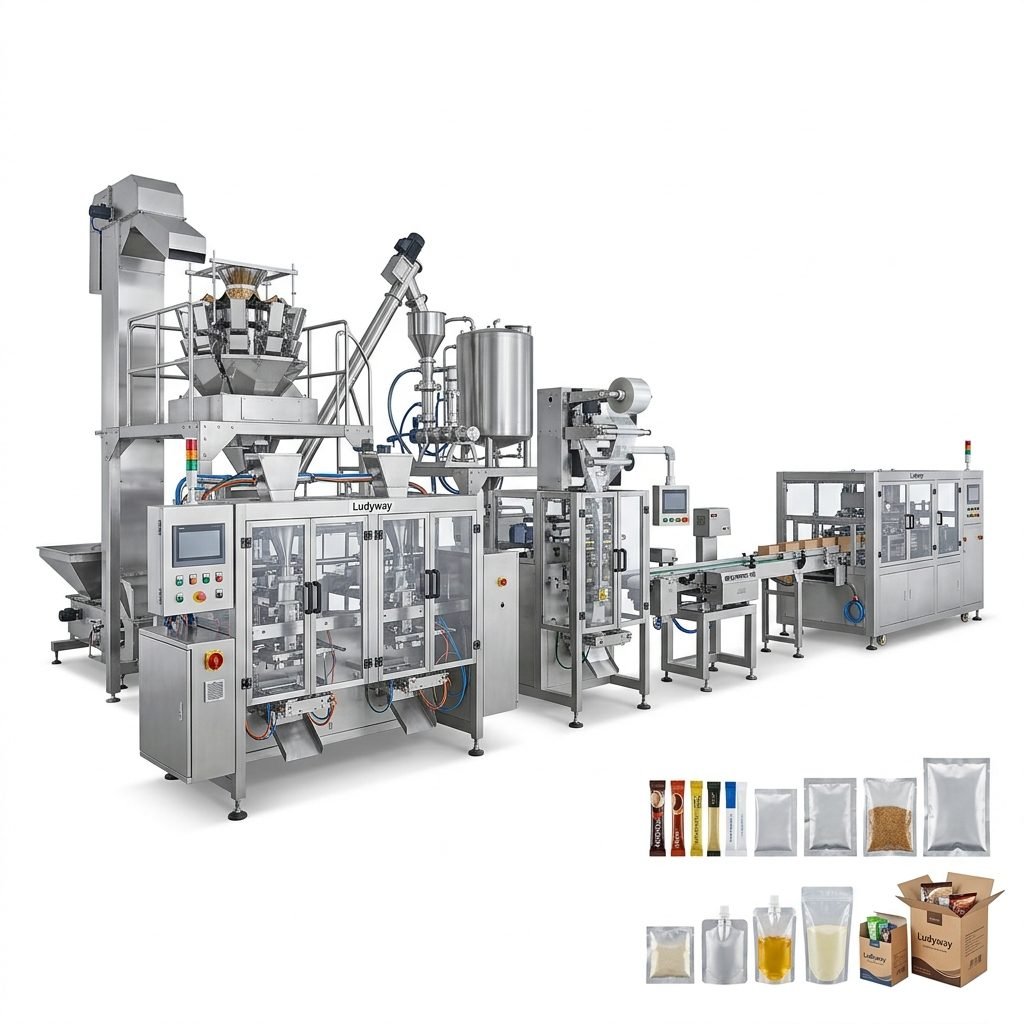
If your operation includes multiple packaging steps, a turnkey system can deliver better synchronization, lower handling risk, and more consistent throughput than sourcing separate machines from multiple vendors. A complete line may include product feeding, filling, sealing, coding, inspection, cartoning, and final case packing in one integrated workflow.
For companies seeking scalable automation, Ludyway pharmaceutical packaging machines offer solutions for powders, granules, liquids, sachets, stick packs, and integrated packaging line projects. As one of China’s leading packaging machine and turnkey packaging line manufacturers, the company brings more than 30 years of manufacturing experience and broad export expertise across global markets.
Final Thoughts
The right pharmaceutical packaging equipment should align with your product type, compliance requirements, speed targets, and long-term production strategy. Whether you need a blister machine for tablets, a multi-lane sachet system for powders, or a complete vial filling line, the best solution is one that combines precision, reliability, flexibility, and regulatory readiness.
By carefully evaluating equipment type, technical performance, and line integration potential, pharmaceutical manufacturers can improve product safety, streamline operations, and build a more competitive packaging process.