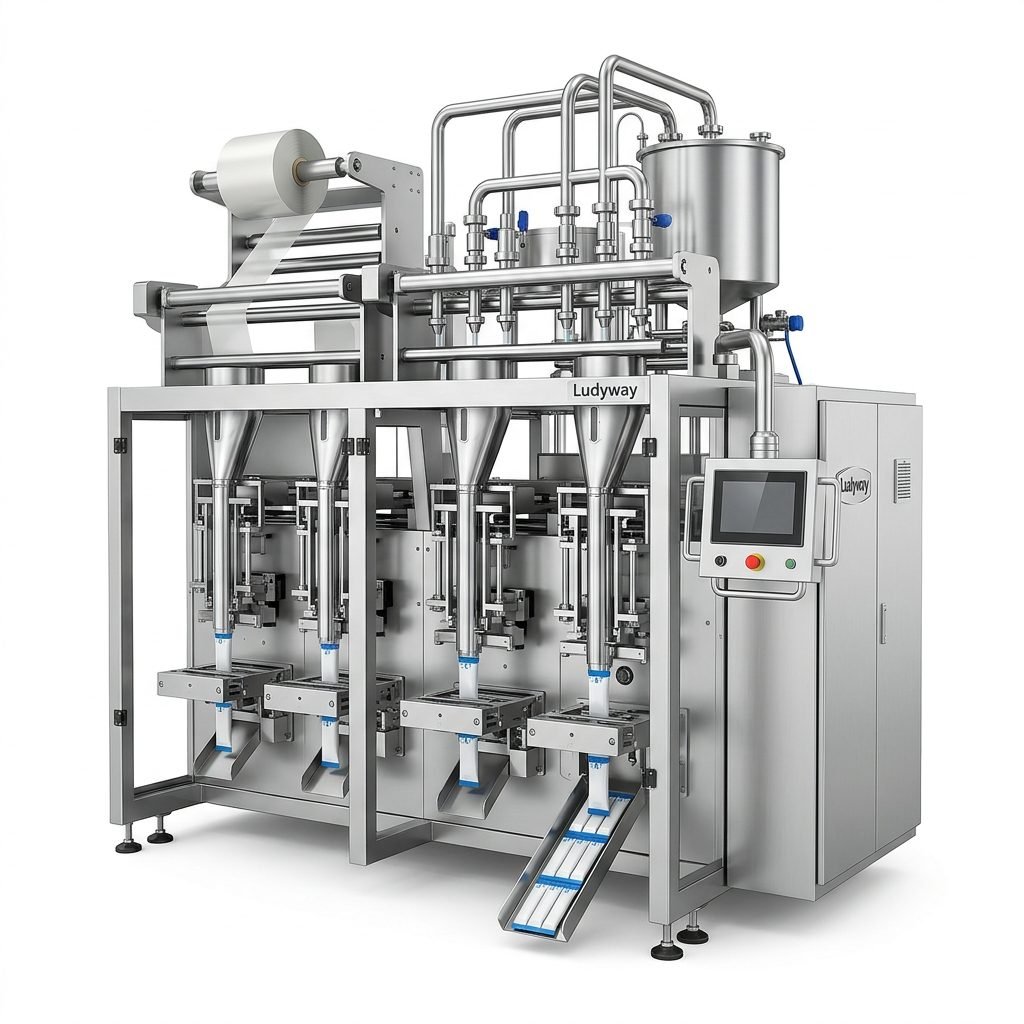
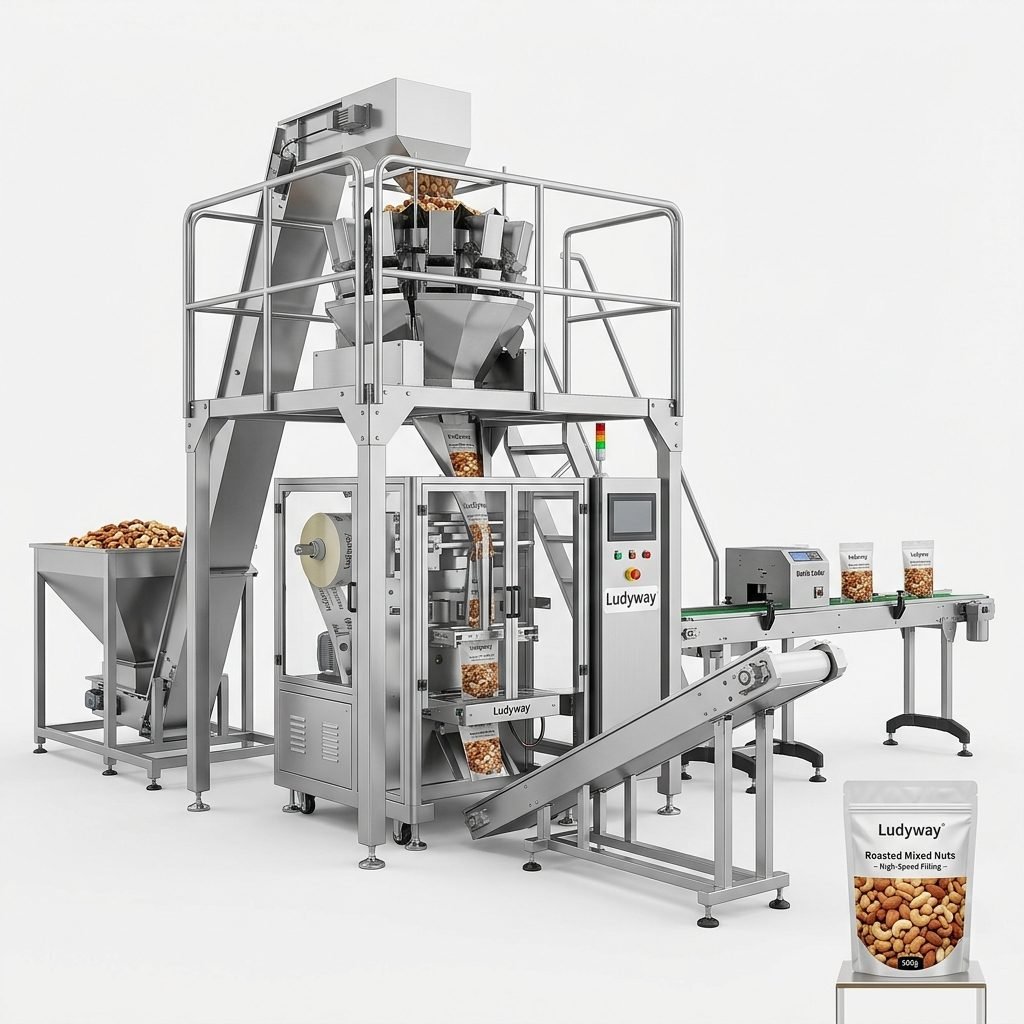
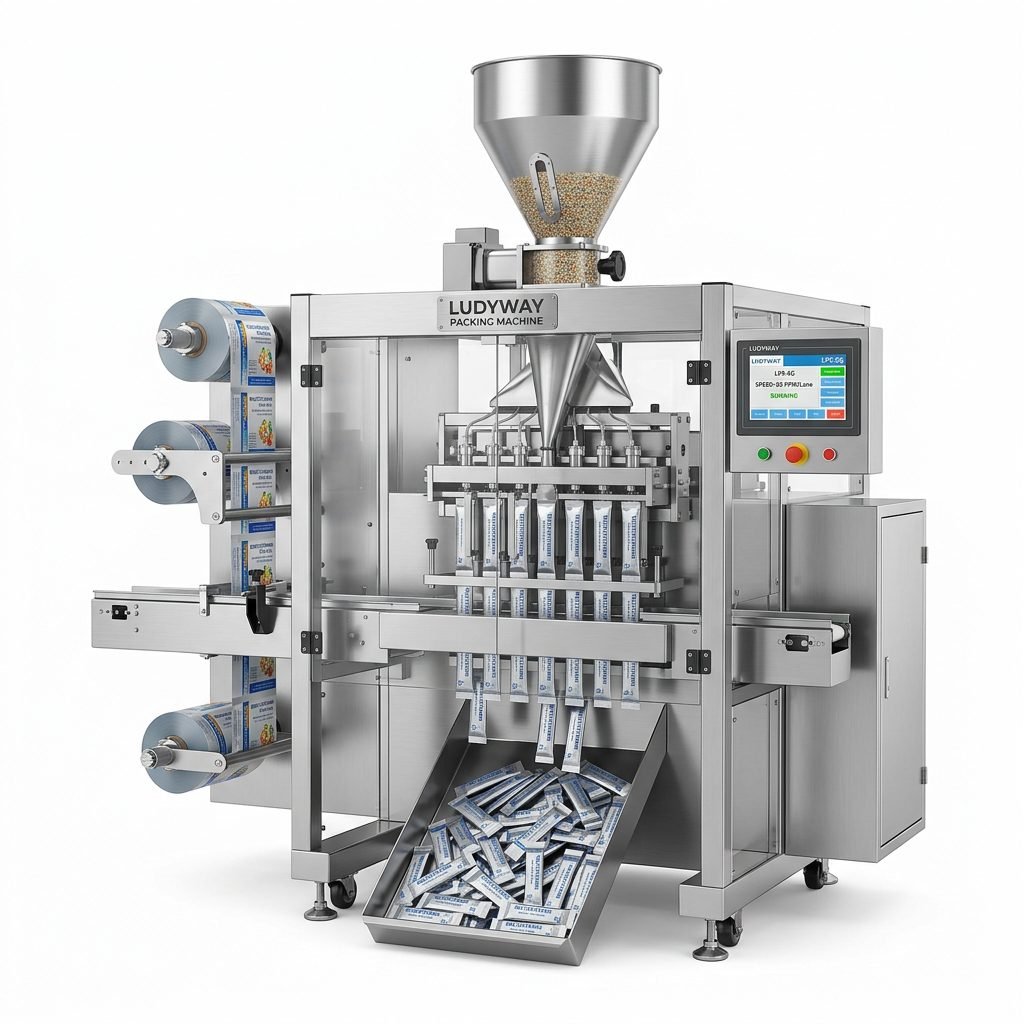
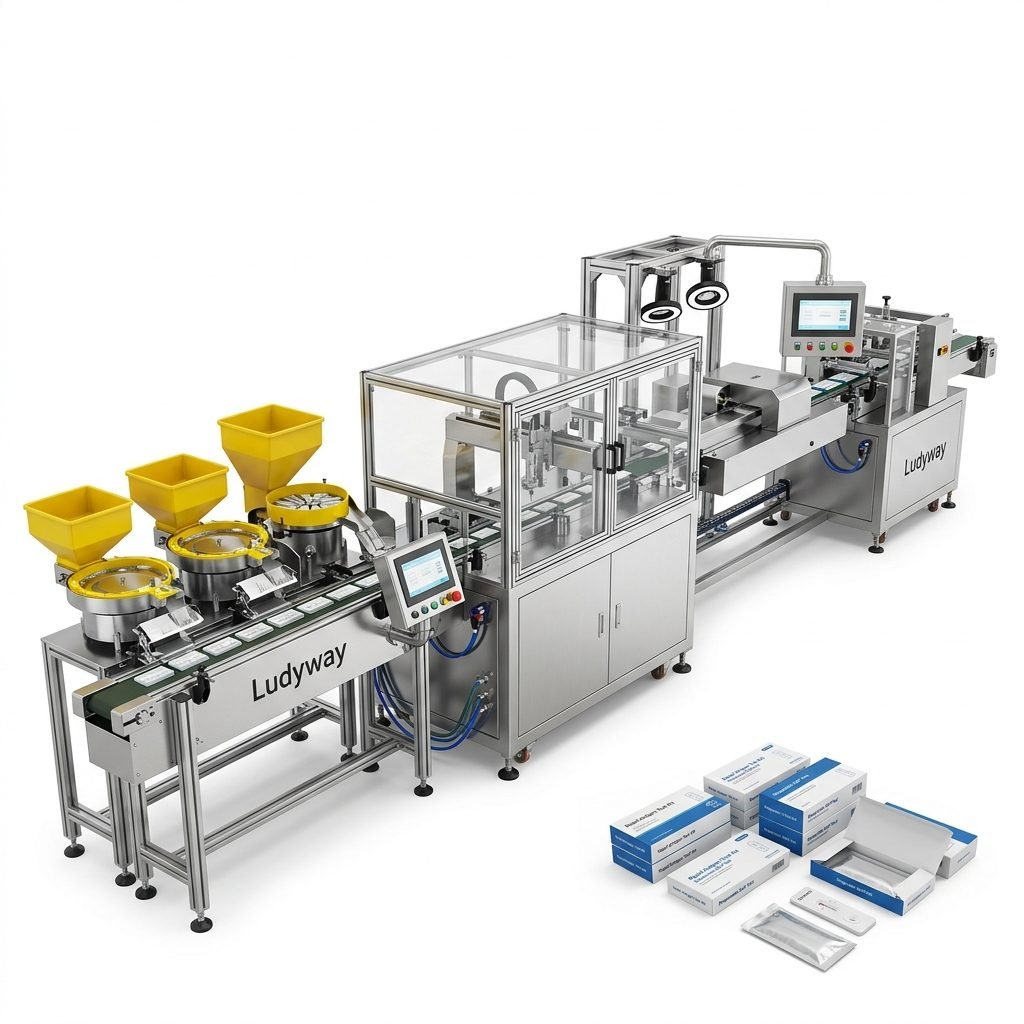
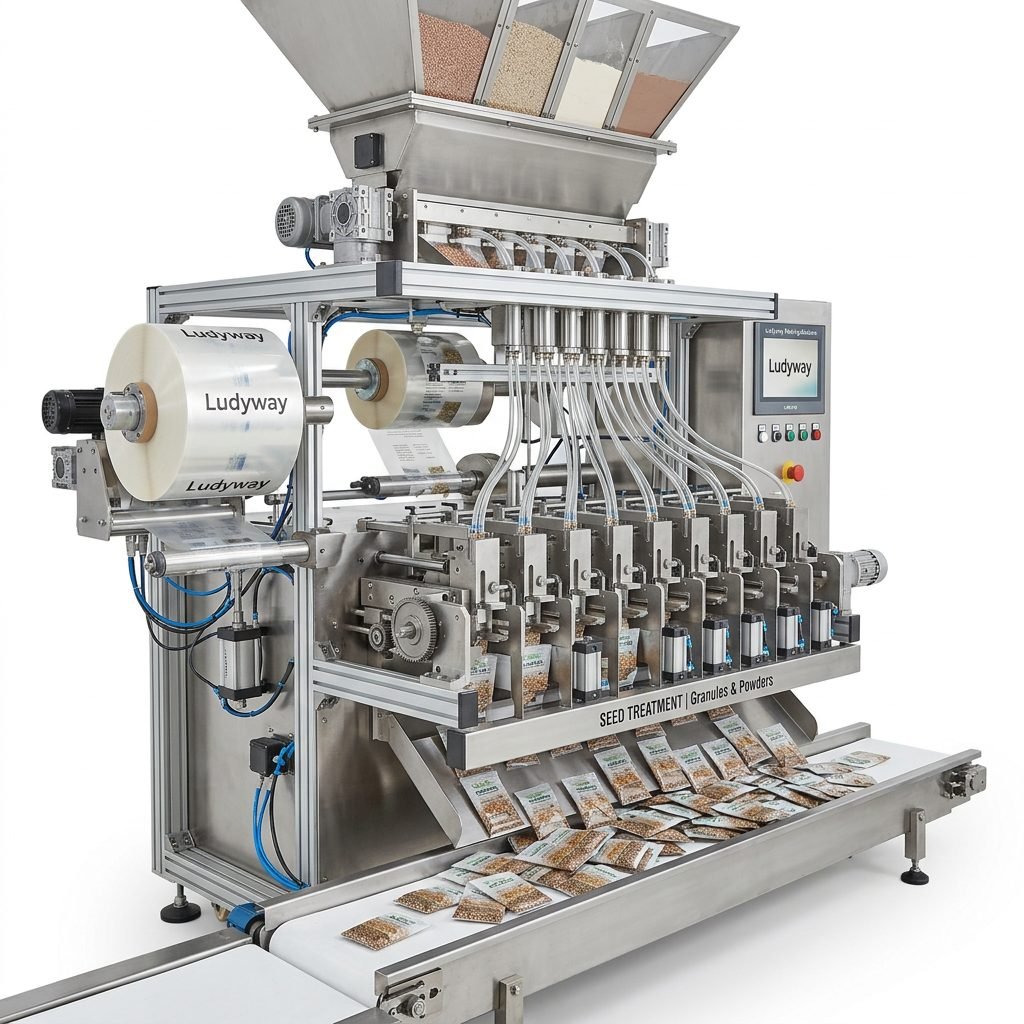
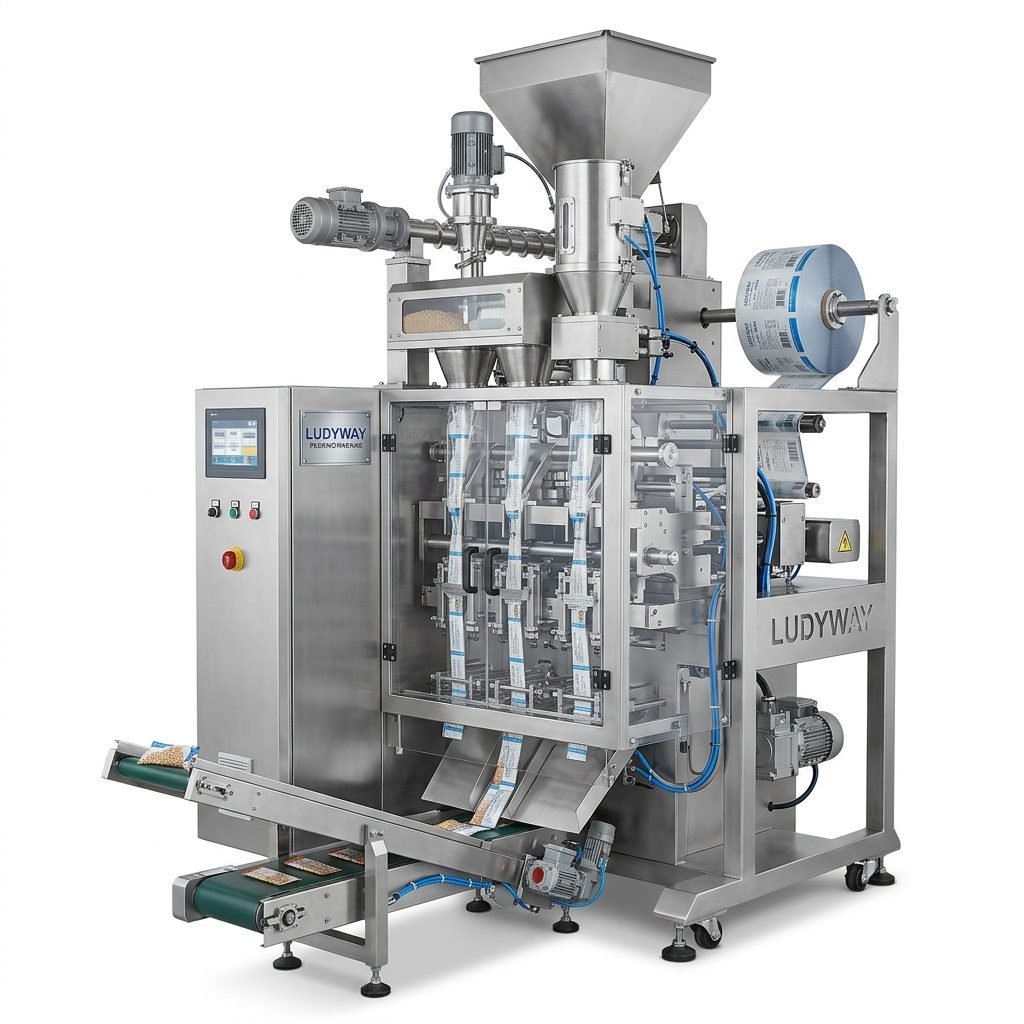
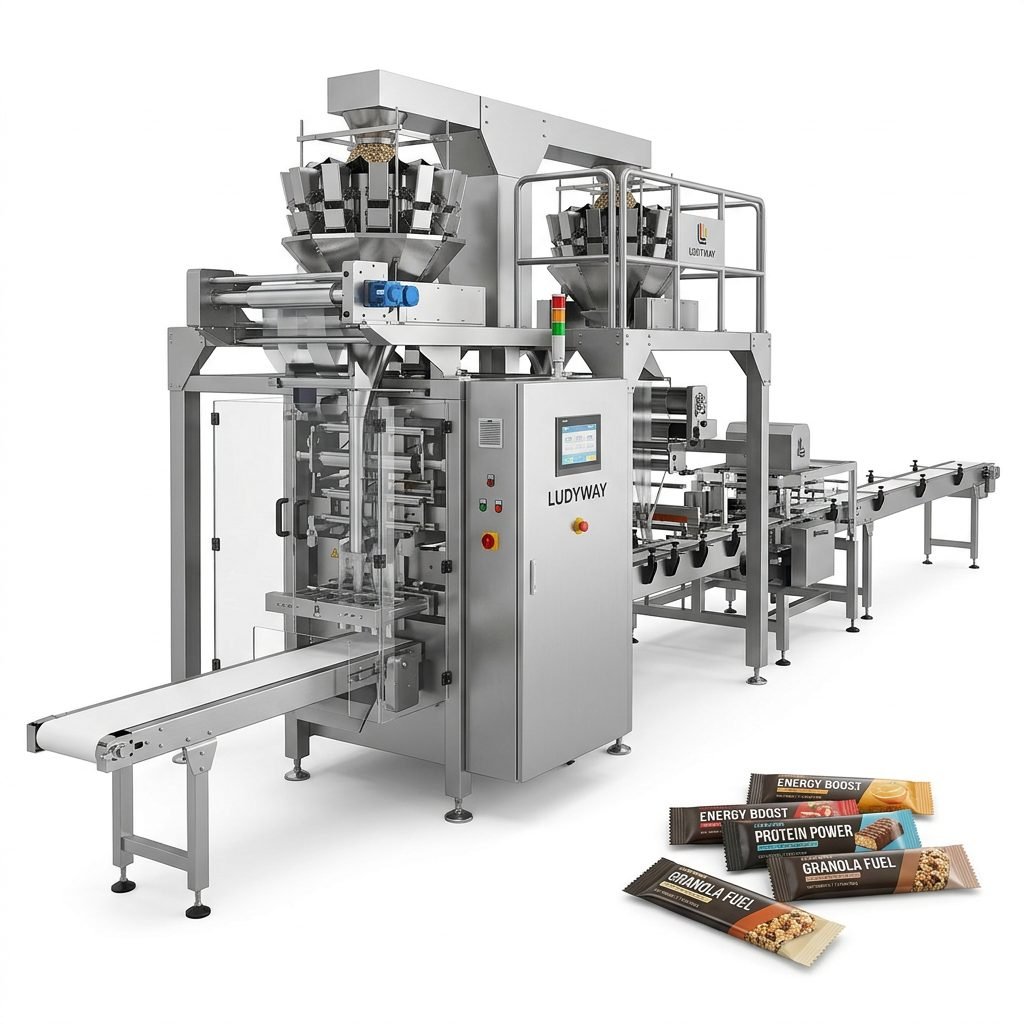
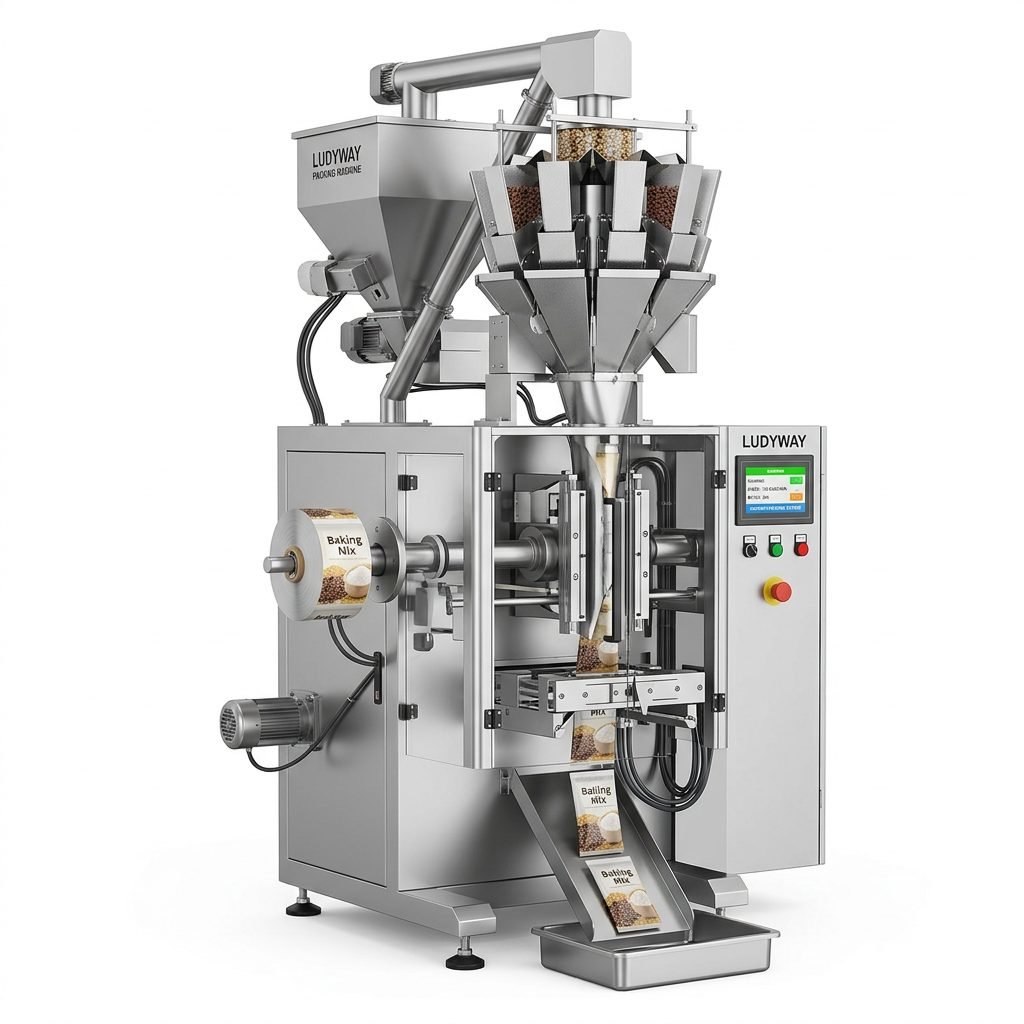
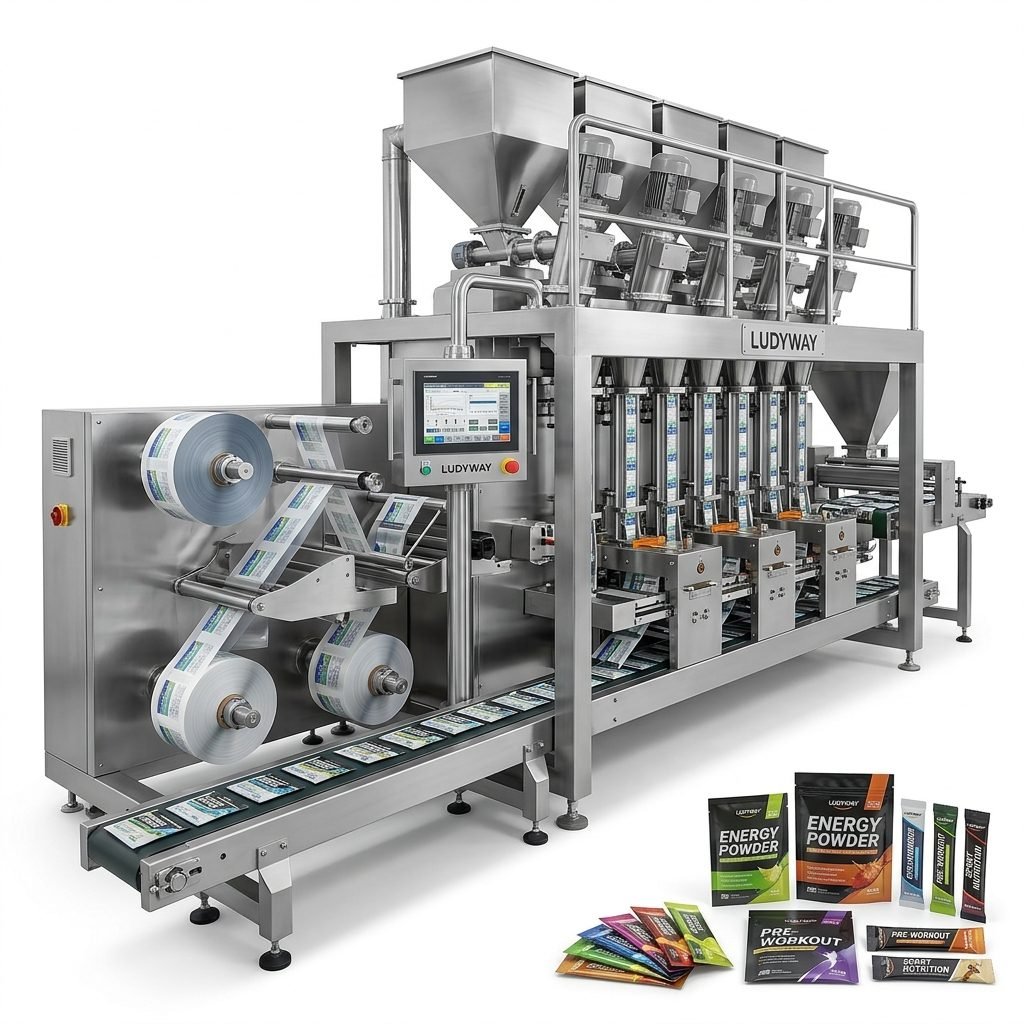
Plastic wrap packaging machines play an important role in modern food retail, food processing, and consumer goods packaging. From fresh meat trays and fruit boxes to ready meals and household items, these machines help businesses achieve faster wrapping speed, cleaner presentation, better product protection, and more consistent packaging quality.
If you are evaluating a plastic wrap packaging machine for your business, this guide explains how the equipment works, where it is used, what types are available, and how to choose the right solution for long-term efficiency.

What Is a Plastic Wrap Packaging Machine?
A plastic wrap packaging machine is equipment designed to wrap products with stretch film or similar plastic film for protection, appearance, and handling efficiency. In food applications, it is often used to wrap trays containing fresh produce, meat, seafood, bakery items, or prepared meals. In non-food sectors, it can also wrap industrial products, consumer goods, and grouped retail items.
Depending on the application, the machine may perform one or more of the following functions:
- Film dispensing and tension control
- Product positioning and feeding
- Wrapping and sealing
- Labeling or date coding
- Weighing integration for retail packs
- Conveyor transfer to downstream packaging equipment
Why Businesses Use Plastic Wrap Packaging Machines
Manual wrapping can be slow, inconsistent, and labor-intensive. A properly selected machine can significantly improve production performance while reducing material waste and operator dependence.
| Benefit | How It Helps |
|---|---|
| Higher Output | Automates repetitive wrapping tasks and increases throughput. |
| Better Consistency | Maintains uniform wrapping quality across every pack. |
| Lower Labor Dependency | Reduces manual handling and operator fatigue. |
| Improved Hygiene | Minimizes direct product contact in food environments. |
| Material Savings | Optimized film usage helps reduce packaging cost over time. |
| Retail Appeal | Tight, clear wrapping improves shelf presentation and product visibility. |
Common Applications
Plastic wrap packaging machines are widely used across industries where products need secure wrapping and attractive display. The most common sectors include:
Food Industry
- Fresh meat and poultry trays
- Seafood packs
- Vegetables and fruits
- Mushrooms and produce trays
- Bakery items
- Ready-to-eat meals
- Cheese and deli products
Retail and Consumer Goods
- Household products
- Stationery packs
- Cosmetic sets
- Promotional multipacks
Industrial and Logistics
- Bundle wrapping
- Transit protection
- Pallet unit stabilization
- Dust and moisture protection
Main Types of Plastic Wrap Packaging Machines
Not all wrapping machines are built for the same products. Choosing the correct type depends on product shape, wrapping speed, packaging style, and required automation level.
1. Manual or Semi-Automatic Tray Wrappers
These machines are commonly used in supermarkets, butcher shops, and small food businesses. The operator places the tray, pulls the film, and the machine assists with sealing or cutting. They are suitable for lower-volume operations that still need a cleaner and faster workflow than fully manual wrapping.
2. Automatic Tray Wrapping Machines
These systems automatically feed, wrap, and seal trays at a much higher speed. They are ideal for medium to large food processors that need stable output and reduced labor intervention. Automatic tray wrappers are especially popular in fresh food packaging lines.
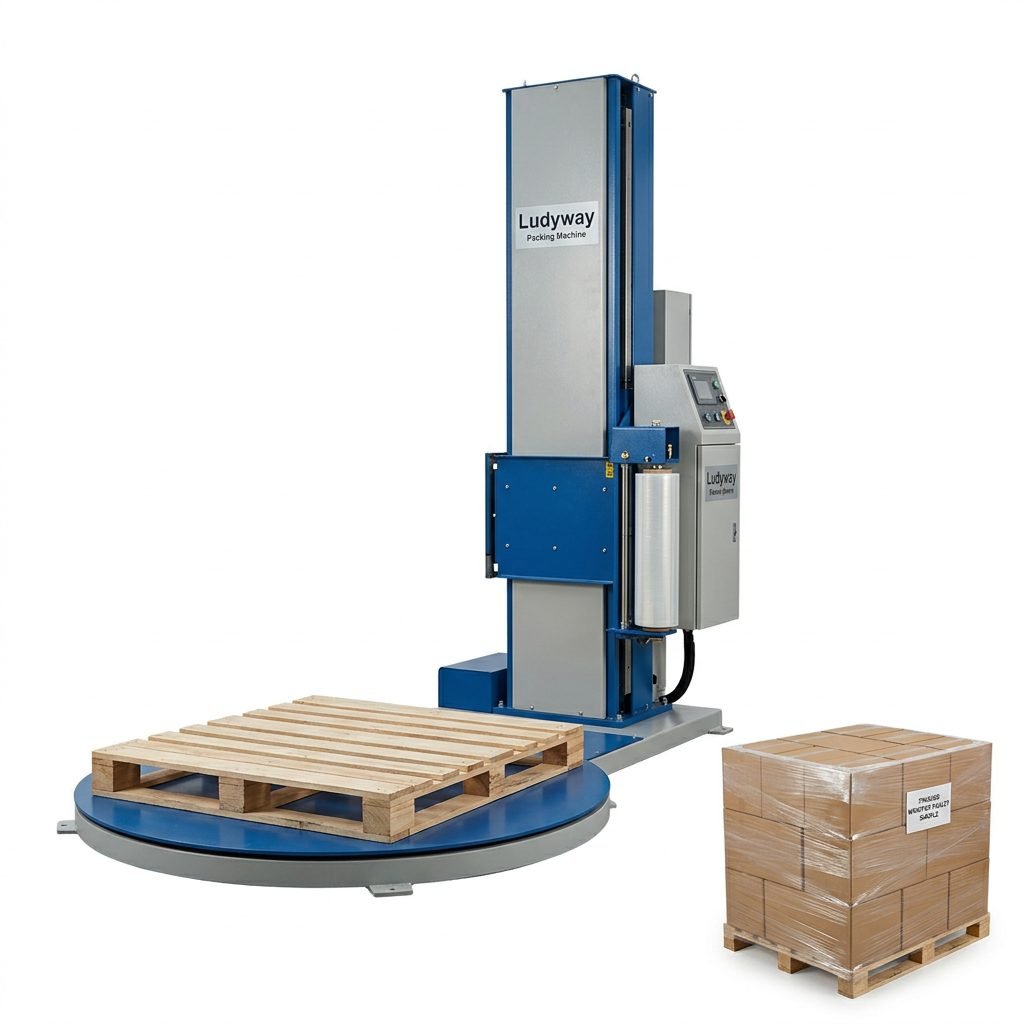
3. Stretch Wrapping Machines
Stretch wrappers are often used for grouped goods, cartons, or pallet loads. They apply stretch film around the product to create load stability during storage and transport. This type is more common in warehousing and logistics than direct food tray packaging.
4. Flow Wrapping and Film Wrapping Systems
These machines wrap individual items or products in a continuous film process. They are suitable for bakery products, confectionery, medical goods, and some non-food applications where sealed film packaging is preferred over open tray wrapping.
How a Plastic Wrap Packaging Machine Works
Although machine designs vary, the operating process usually follows several key steps:
- Product loading: The product or tray is placed onto the infeed section.
- Film feeding: Plastic film is pulled from the roll with controlled tension.
- Wrapping: The film is applied around the product surface.
- Sealing and cutting: Heat or mechanical systems seal and separate the film.
- Labeling or coding: Optional printers or labelers add price, weight, date, or batch details.
- Outfeed transfer: The wrapped package moves to inspection, cartoning, or distribution.
Key Features to Look For
When comparing machines, buyers should evaluate more than just speed. A good packaging solution should also fit the product, plant environment, and future expansion plans.
| Feature | Why It Matters |
|---|---|
| Wrapping Speed | Must match your actual daily production demand. |
| Film Compatibility | Supports the right film thickness, width, and material type. |
| Product Flexibility | Handles different tray sizes or product dimensions. |
| Hygienic Design | Important for food safety and easier cleaning. |
| Control System | User-friendly HMI improves operation and changeover efficiency. |
| Integration Ability | Allows connection with conveyors, weighing, labeling, and case packing systems. |
| Maintenance Access | Reduces downtime and simplifies servicing. |
How to Choose the Right Machine
Selecting the right plastic wrap packaging machine starts with a realistic understanding of your packaging needs. A machine that is too small can bottleneck production, while an oversized system may increase unnecessary capital cost.
Evaluate Your Product Type
Consider product size, shape, fragility, moisture level, and whether it is packed on a tray or as a standalone item. For example, fresh food trays require different handling from industrial grouped packs.
Consider Production Volume
Low-volume retail operations may be well served by semi-automatic systems, while processors supplying supermarkets or export channels often need full automatic wrapping lines.
Check Film and Seal Requirements
Film type affects sealing performance, packaging clarity, sustainability goals, and material consumption. Make sure the machine supports the film you plan to use.
Think About Upstream and Downstream Equipment
A wrapping machine should not be evaluated in isolation. It often needs to work with product feeding, inspection, labeling, cartoning, or palletizing systems for smooth line performance.
Review Service and Technical Support
Reliable after-sales support, spare parts supply, installation guidance, and operator training are essential to protect your investment.
Industries That Often Upgrade to Automated Wrapping
Businesses usually move from manual to automatic plastic wrapping when they face one or more of these challenges:
- Rising labor costs
- Unstable packaging quality
- Higher hygiene requirements
- Retail customer demand for uniform presentation
- Need for higher packaging throughput
- Expansion into larger supermarket or export channels
Maintenance Tips for Better Long-Term Performance
To keep a plastic wrap packaging machine running efficiently, routine maintenance should be part of daily operations.
- Clean sealing and film contact areas regularly
- Inspect rollers, cutters, and heating components
- Check film tension settings and alignment
- Lubricate moving parts according to the manufacturer’s guide
- Replace worn consumables before they affect output quality
- Train operators on correct startup, shutdown, and changeover procedures
Proper maintenance not only improves machine life but also helps prevent product damage, weak seals, and unexpected downtime.
Plastic Wrap Packaging Machine vs. Other Packaging Options
Plastic wrap packaging is only one method among many. It is important to compare it with alternative packaging formats based on your product and market goals.
| Packaging Method | Best For | Main Advantage |
|---|---|---|
| Plastic Wrap Packaging | Fresh trays, retail foods, grouped goods | Fast, visible, cost-effective presentation |
| Vacuum Packaging | Shelf-life sensitive foods | Better oxygen reduction and preservation |
| Flow Wrap Packaging | Bakery, snacks, single units | Sealed pack appearance and high speed |
| Pouch Packaging | Powders, liquids, granules | Strong format flexibility and branding space |
The Role of Automation in Modern Packaging Lines
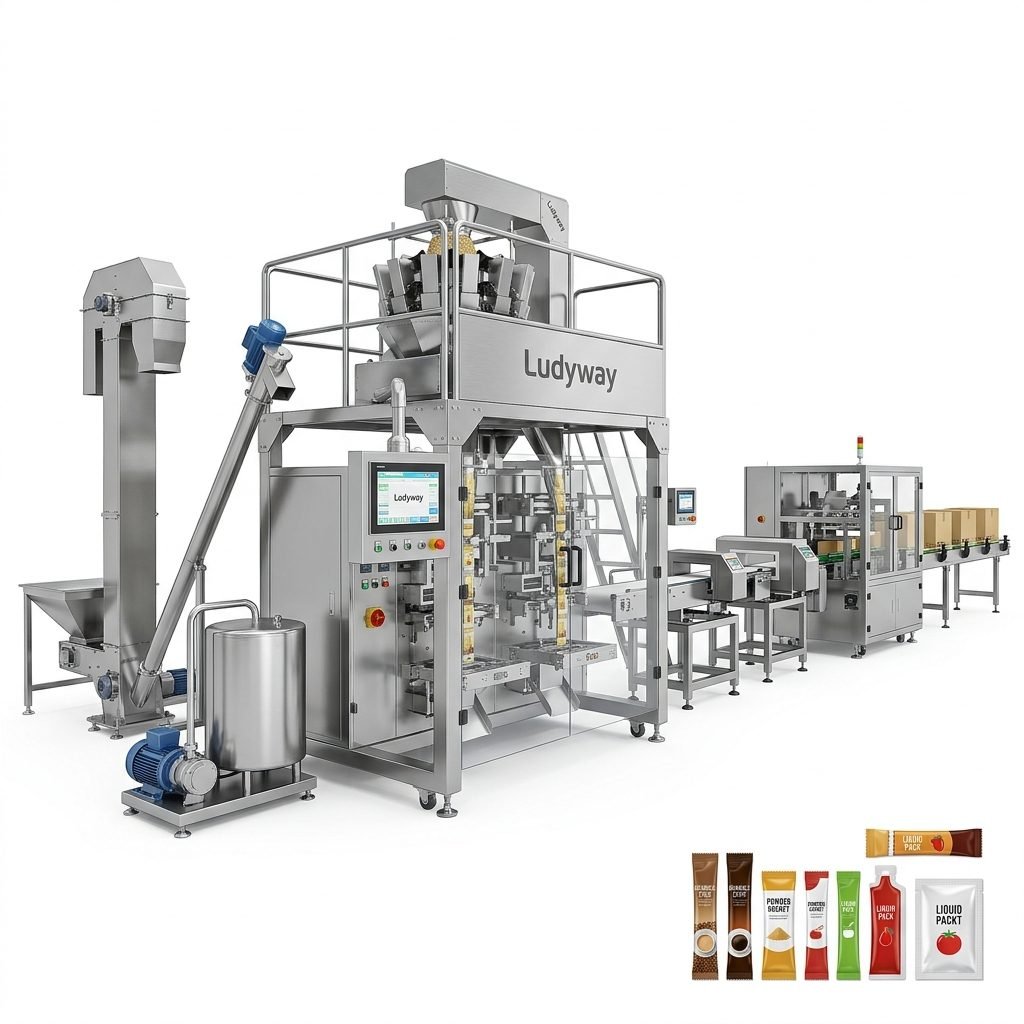
Today, more manufacturers are moving toward integrated packaging systems rather than stand-alone machines. A plastic wrap packaging machine can be part of a broader automated line that includes filling, conveying, weighing, inspection, cartoning, coding, and palletizing.
For growing businesses, this creates major benefits:
- Better line balance
- Reduced product handling
- Higher packaging accuracy
- Improved traceability
- Lower total operating cost over time
Choosing a Reliable Packaging Equipment Partner
When sourcing a plastic wrap packaging machine, it is important to work with a manufacturer that understands not only the machine itself, but also the full packaging process. Companies with broad packaging experience can often recommend more practical configurations, better line integration, and more scalable automation planning.
For businesses looking for broader packaging automation support, Ludyway plastic wrap packaging machine and turnkey packaging solutions represent the capabilities of an experienced manufacturer with more than 30 years in packaging machinery, a large modern factory, and global export service across food, pharmaceutical, health supplement, and related industries.
Final Buying Checklist
Before making a final decision, review the following points:
- What products will be wrapped?
- What is the required output per hour?
- Do you need tray wrapping, bundle wrapping, or pallet stretch wrapping?
- What film type and specifications will be used?
- Is hygienic design required for food contact environments?
- Will the machine connect to weighing, labeling, or cartoning systems?
- How easy is cleaning, maintenance, and operator training?
- What technical support and spare parts service are available?
Conclusion
A plastic wrap packaging machine is more than a wrapping device. It is a key productivity tool that can improve packaging speed, product protection, hygiene, and presentation. Whether you run a retail food operation, a processing plant, or an industrial distribution business, the right machine can help you package more efficiently while supporting future automation goals.
By focusing on product requirements, throughput, film compatibility, and system integration, buyers can choose a solution that delivers reliable performance and long-term value.