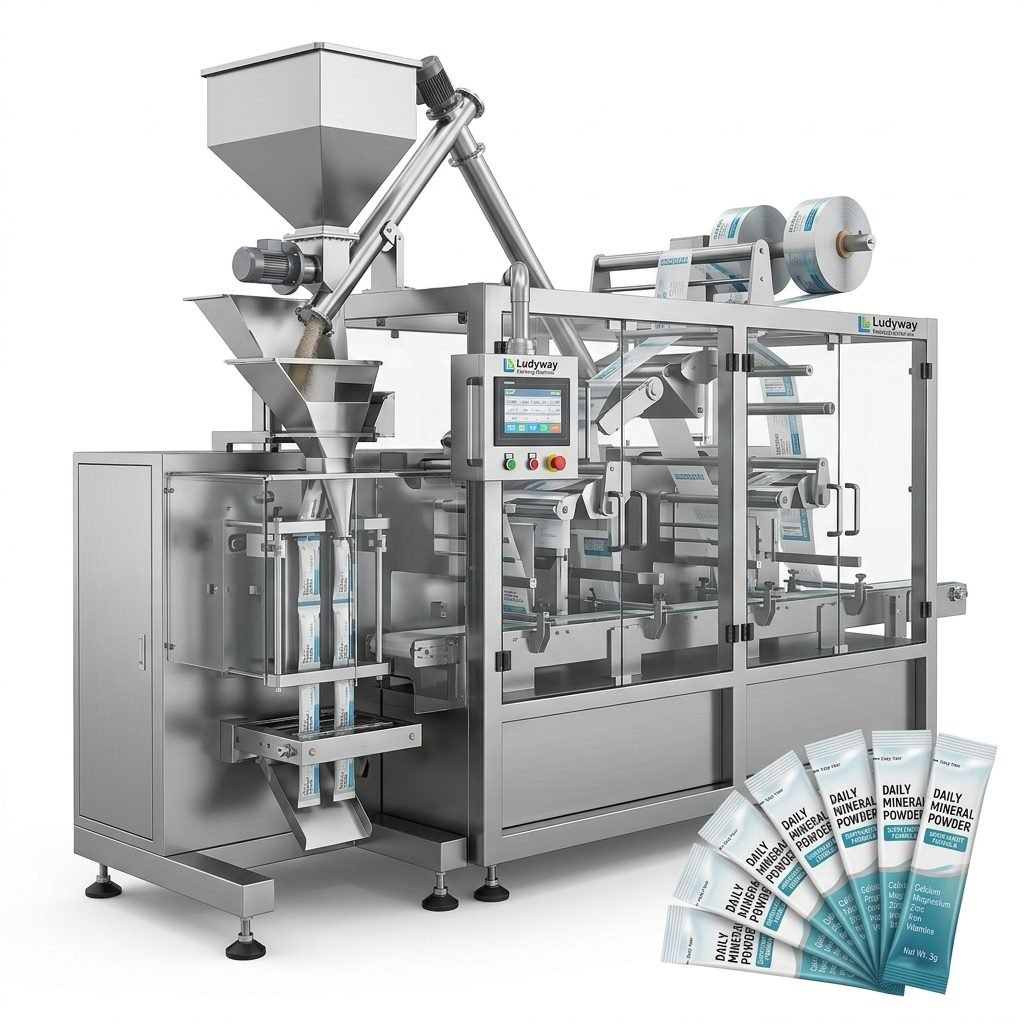
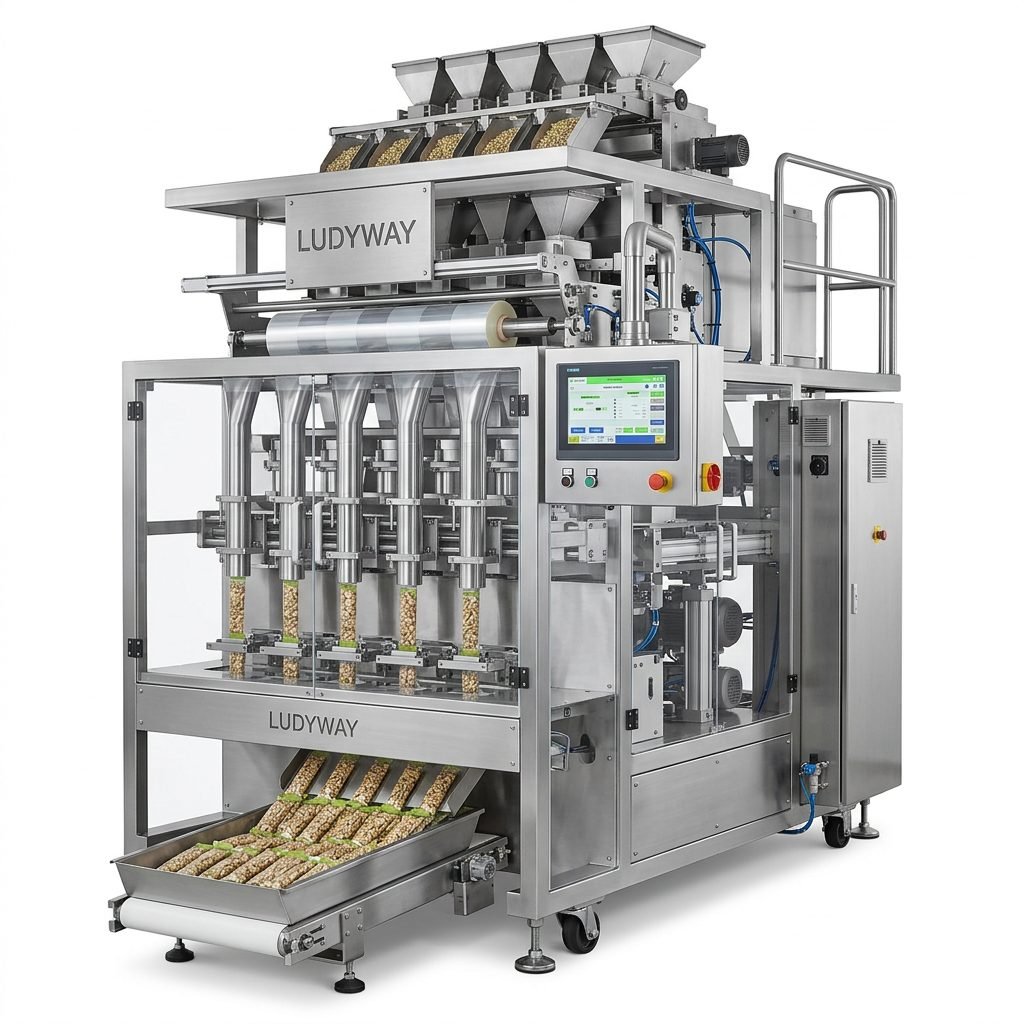
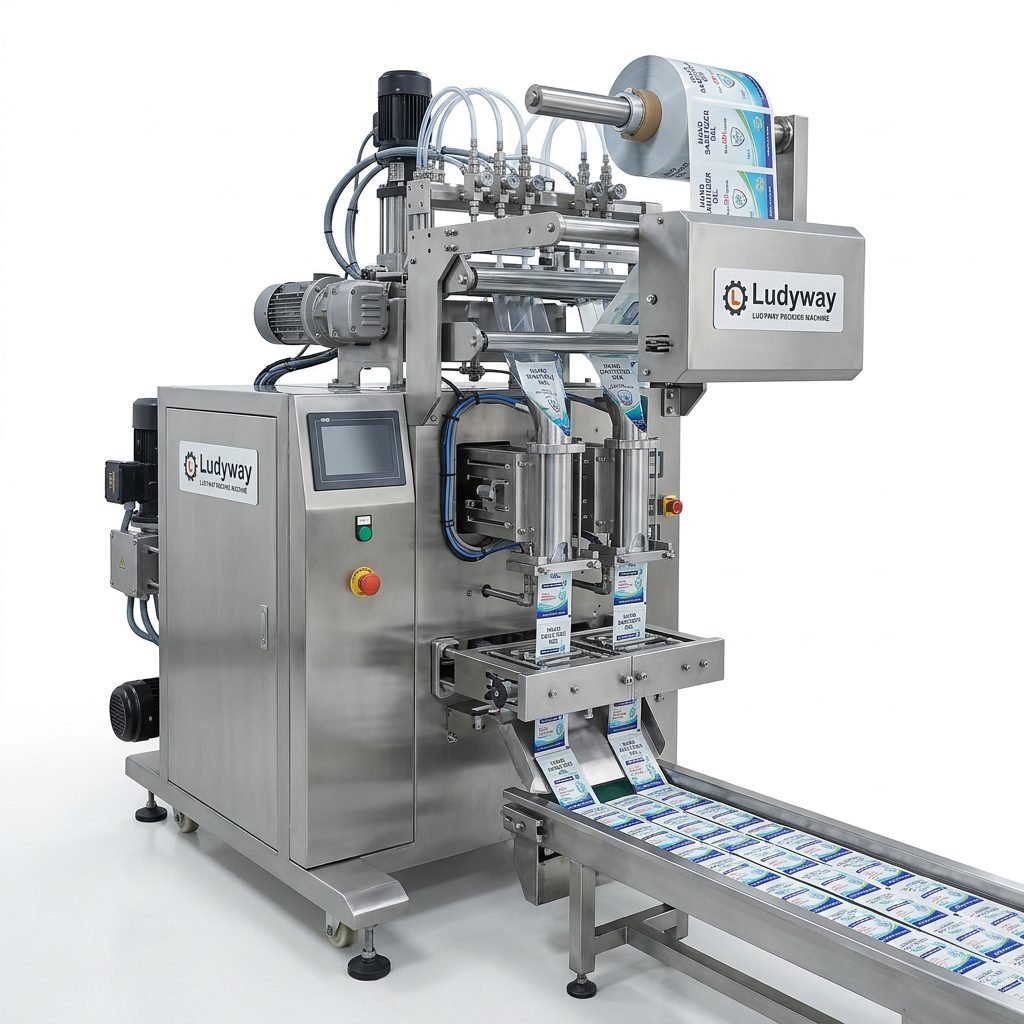
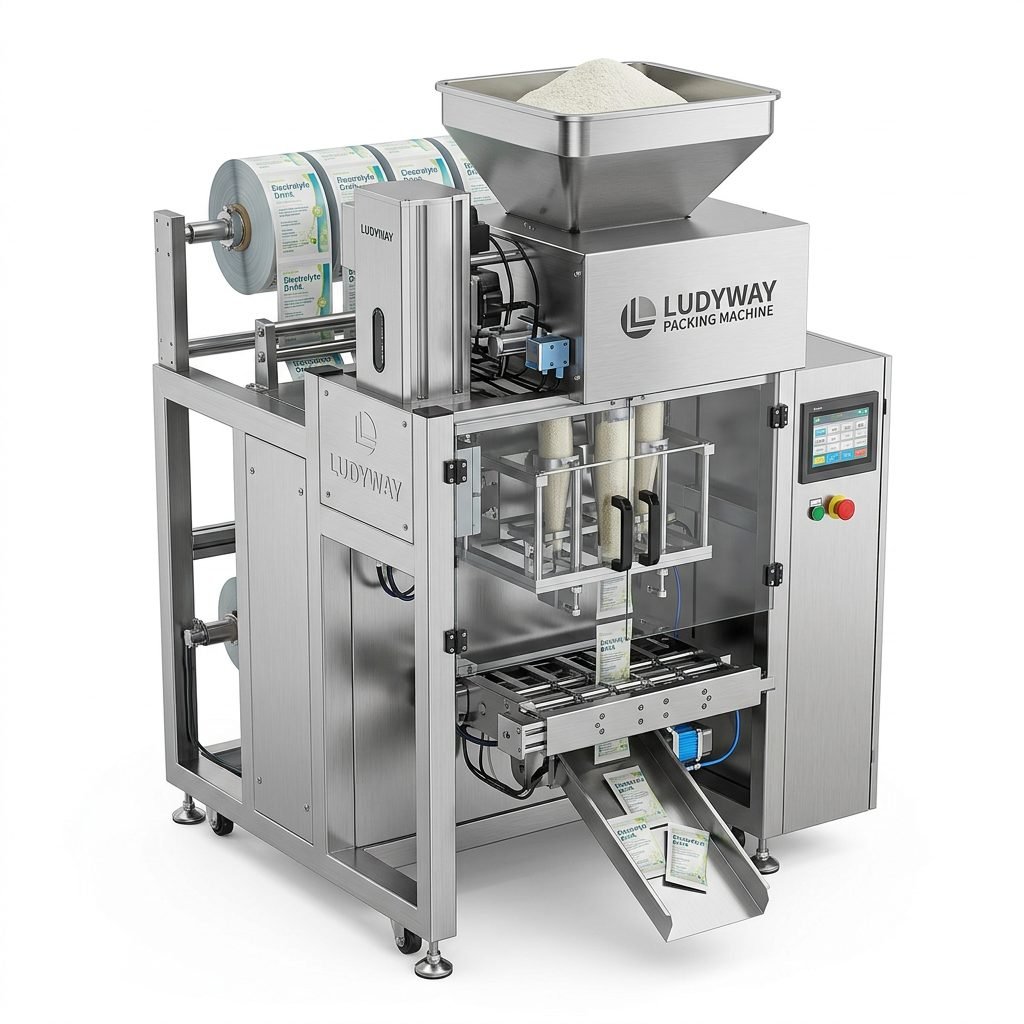
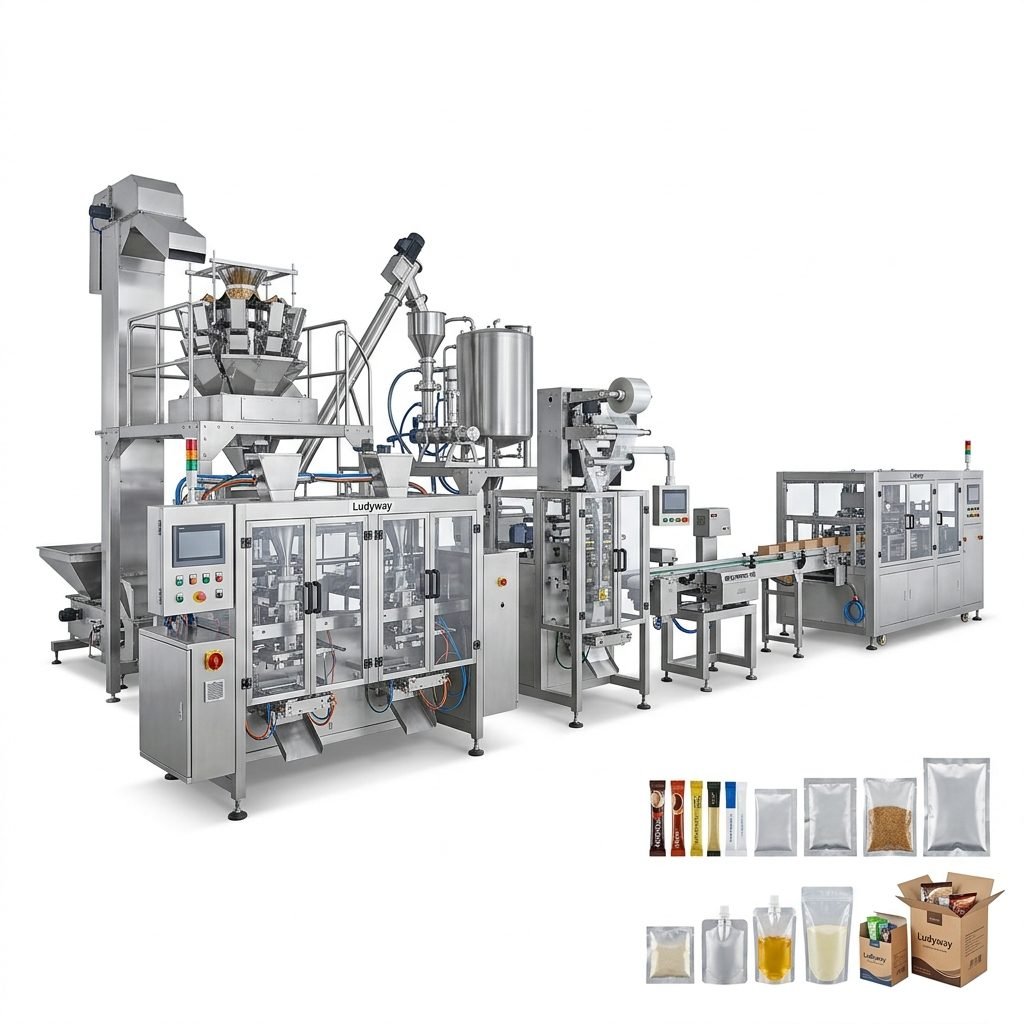
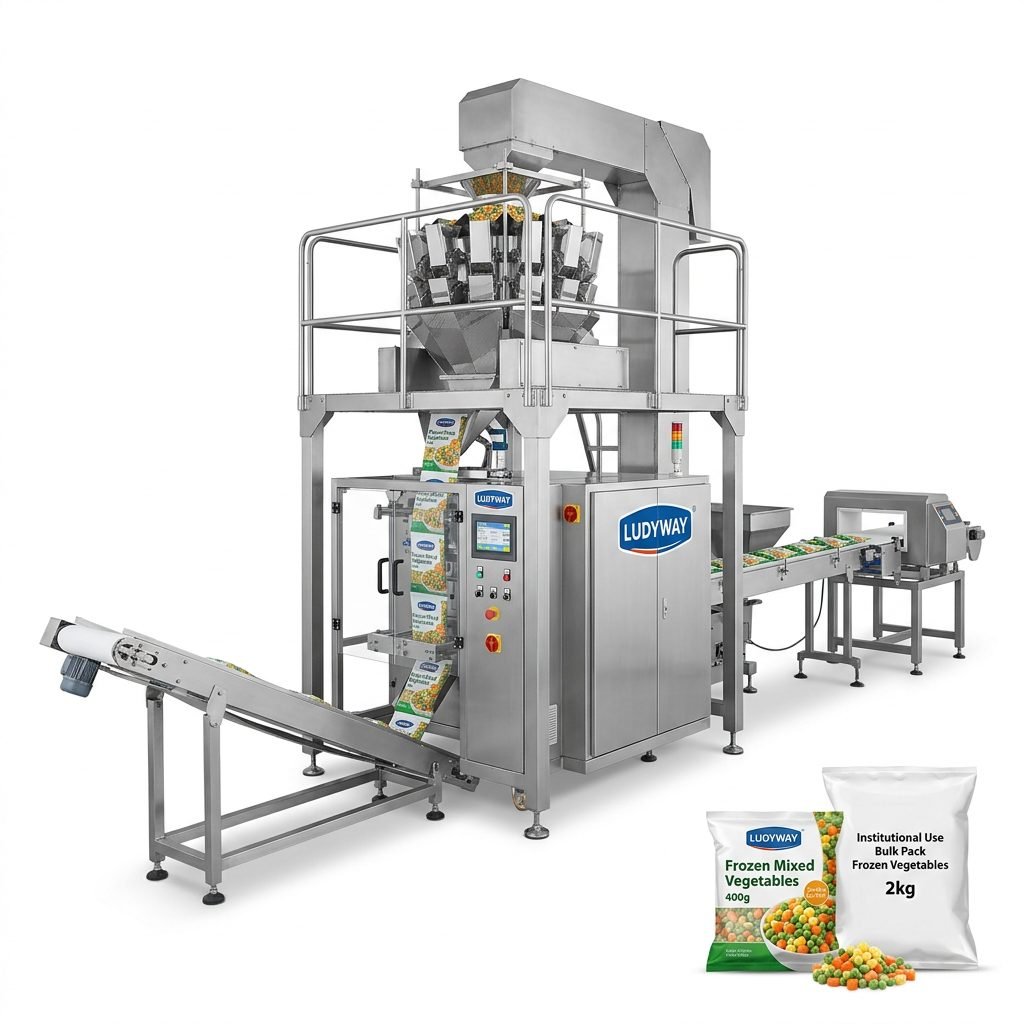
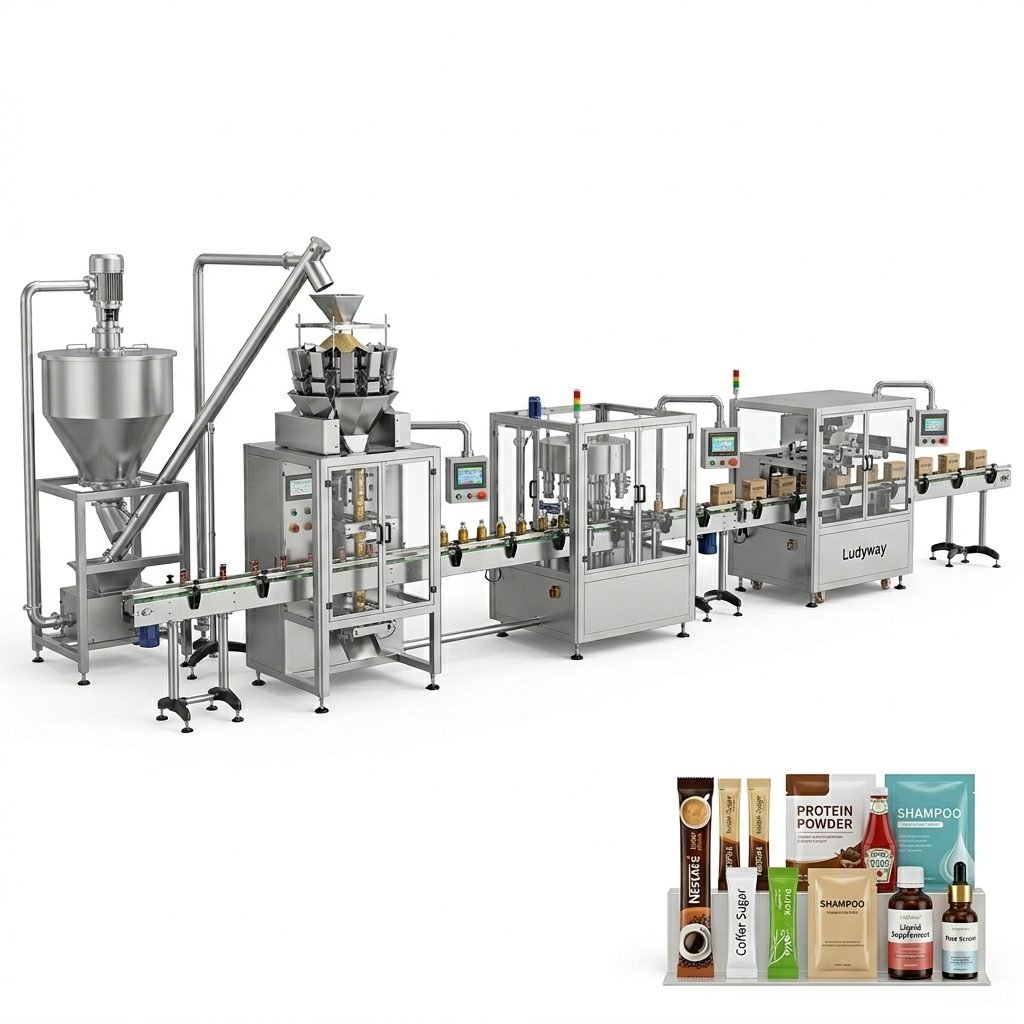
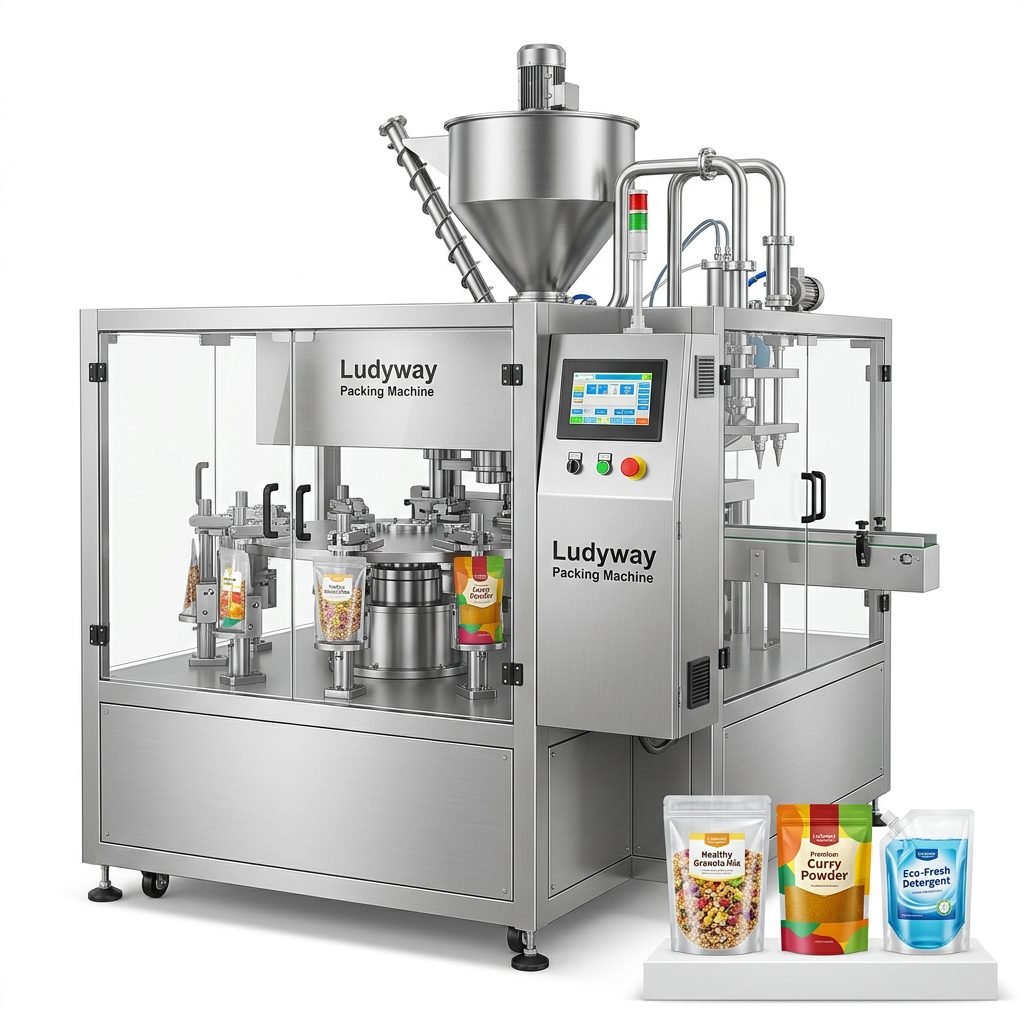
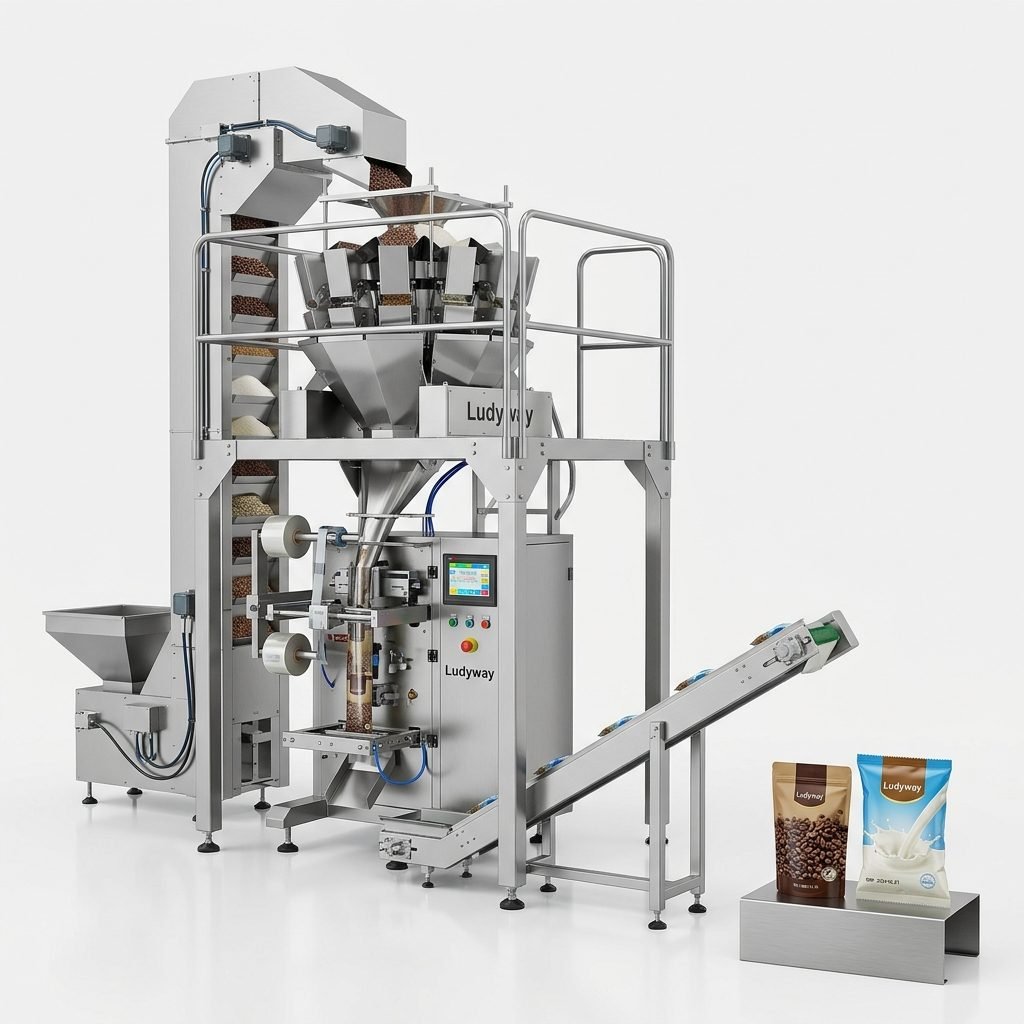
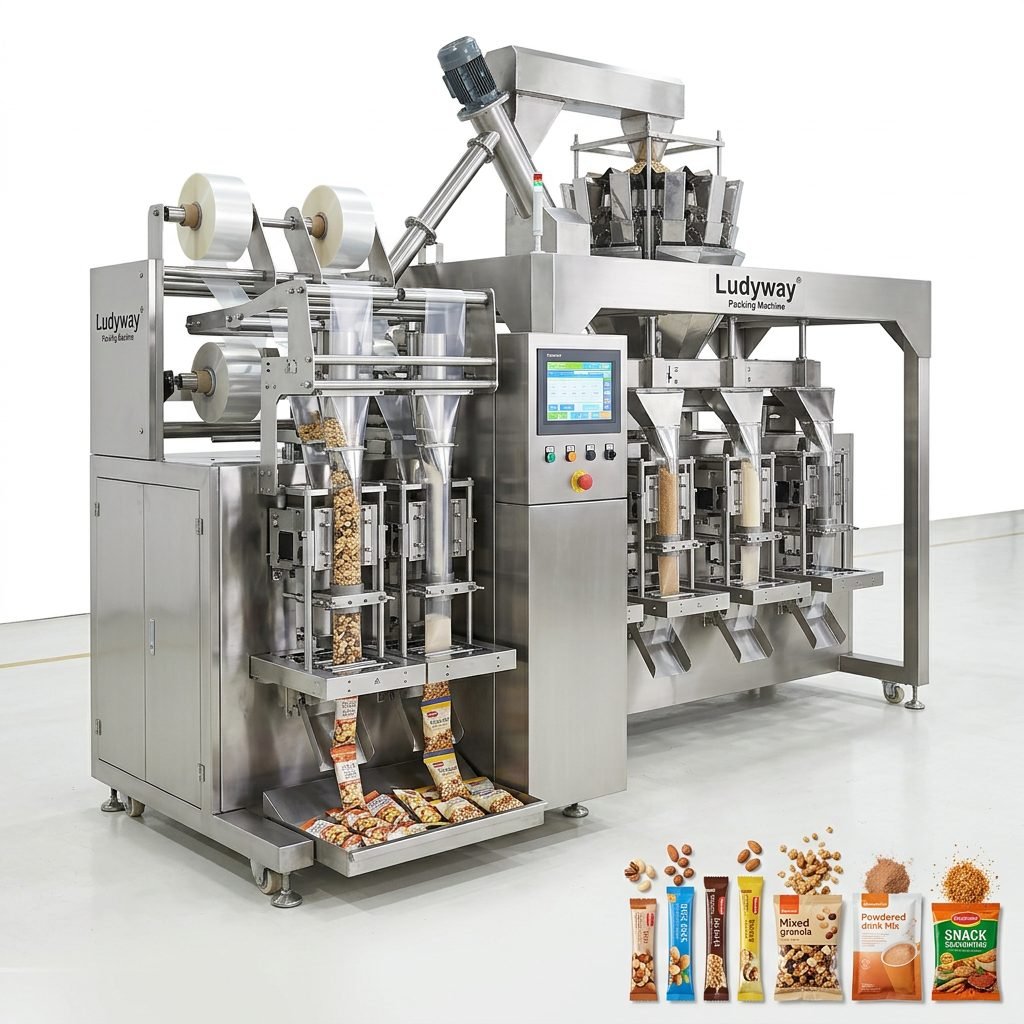
In modern manufacturing, a pneumatic packing machine plays a key role in improving packaging speed, sealing consistency, and production safety. By using compressed air to drive critical actions such as filling, clamping, sealing, cutting, and discharging, pneumatic systems help factories achieve stable automated packaging with lower manual intervention.
Whether you produce powders, granules, liquids, creams, or pouch-based products, pneumatic packaging equipment can support cleaner operation, repeatable performance, and easier integration into automatic production lines. For businesses focused on output growth, hygiene standards, and reduced labor dependency, this technology has become an essential investment.
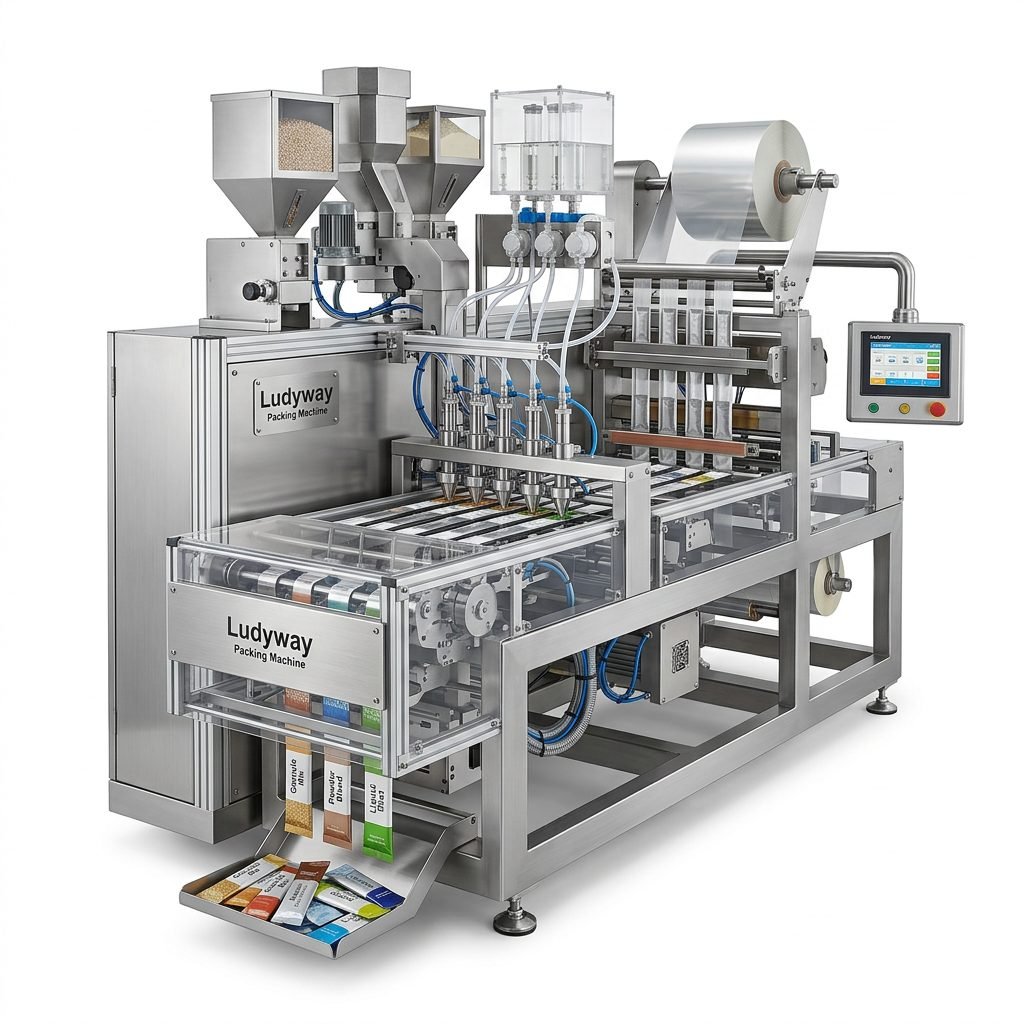
What Is a Pneumatic Packing Machine?
A pneumatic packing machine is an automated or semi-automated packaging system that uses compressed air as a power source for mechanical movement. Instead of relying only on electric motor-driven motion, the machine uses pneumatic cylinders, valves, and actuators to perform packaging tasks with precision and speed.
These machines are widely used in:
- Food packaging
- Pharmaceutical packaging
- Cosmetic packaging
- Chemical product packaging
- Health supplement packaging
- Animal feed and pet product packaging
Pneumatic systems are especially valued where fast repetitive motion, hygienic handling, and reliable sealing pressure are required.
How Pneumatic Packaging Systems Improve Production Efficiency
Compared with manual packaging or less coordinated equipment, pneumatic machines help manufacturers optimize several critical areas of production:
- Faster cycle times for filling and sealing
- Improved repeatability for pouch size, fill volume, and seal quality
- Lower operator fatigue and labor demand
- Cleaner packaging environments for sensitive products
- Safer handling of powders, liquids, or chemical formulations
- Better compatibility with automatic feeders, conveyors, printers, and cartoning systems
In high-volume factories, even small improvements in packaging consistency can significantly reduce product loss, rework, and downtime. That is why more manufacturers are moving toward pneumatic automation as part of broader smart production upgrades.
Main Applications of Pneumatic Packing Machines
Pneumatic packing technology is highly versatile and can be configured for different product forms and package types.
| Industry | Typical Products | Common Package Formats |
|---|---|---|
| Food | Coffee, sugar, spices, sauces, milk powder, snacks | Sachets, stick packs, pouches, bags |
| Pharmaceutical | Granules, oral powders, gels, diagnostic kits | Sachets, sterile pouches, strip packs |
| Cosmetic | Creams, lotions, serums, face masks | Sachets, pouches, tubes |
| Chemical | Detergents, cleaners, additives, liquids | Sachets, pouches, bottles, bulk bags |
| Feed & Pet Products | Pellets, powders, supplements, treats | Sachets, stick packs, pouches, bags |
Core Components of a Pneumatic Packing Machine
Understanding the main components can help buyers make better equipment decisions. Most pneumatic packing machines include the following:
1. Air Preparation Unit
This section controls air pressure, filtration, and lubrication. Stable air quality is essential because inconsistent pressure can affect sealing strength and motion accuracy.
2. Pneumatic Actuators and Cylinders
These convert compressed air into movement. They drive jaw closing, cutter actions, positioning, and material discharge in many packaging processes.
3. Filling System
Depending on the product, the machine may use auger fillers for powders, volumetric cups for granules, pumps for liquids, or piston fillers for viscous pastes.
4. Sealing Assembly
Pneumatic pressure helps ensure reliable contact during sealing. This is especially important when working with laminated films or multilayer pouches that require consistent seal quality.
5. Control Interface
A modern HMI and PLC system allows operators to adjust packaging parameters, monitor alarms, and manage production more easily.
6. Conveying and Discharge Units
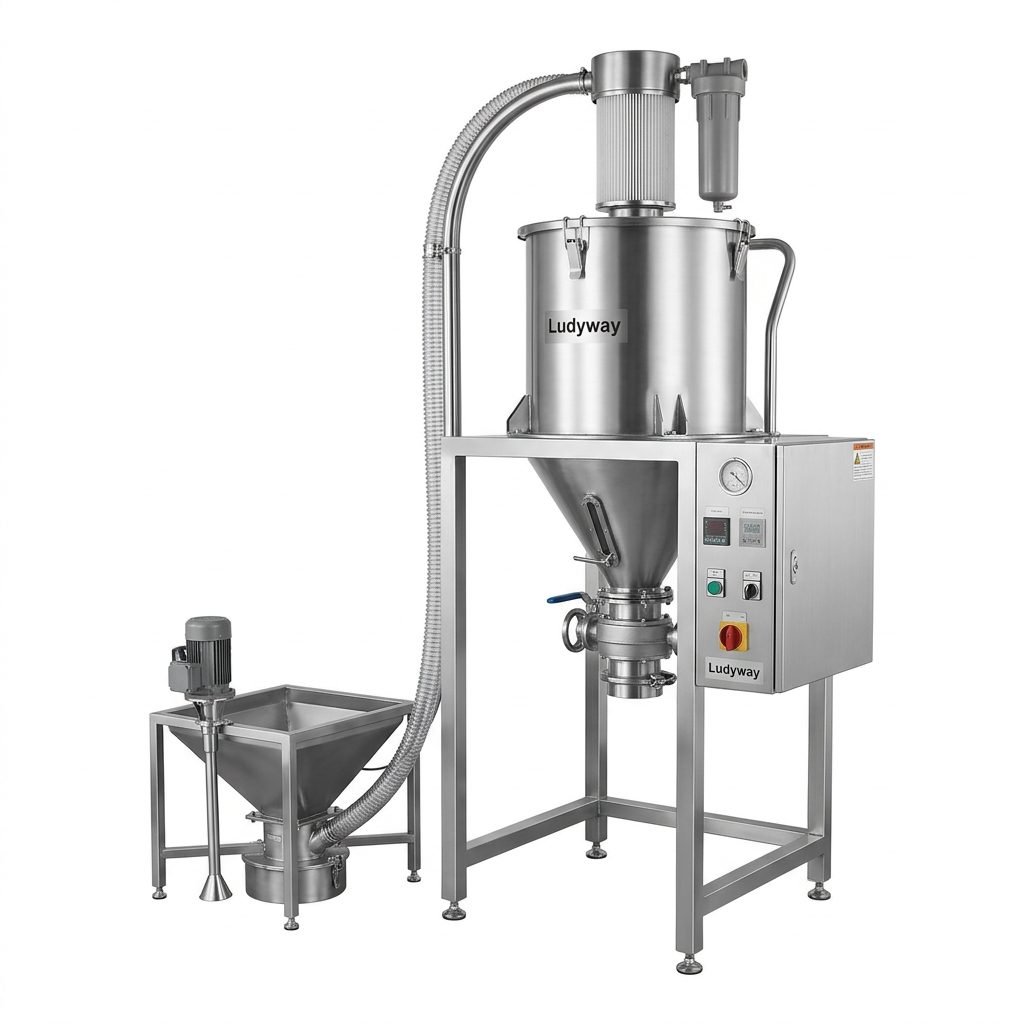
Finished products can be transferred automatically to inspection, coding, cartoning, or case packing stations for streamlined line operation.
Benefits of Choosing Pneumatic Packaging Equipment
Manufacturers select pneumatic packing solutions for more than speed alone. The real value comes from how these systems support long-term operational performance.
- Stable sealing force for reliable package integrity
- Quick mechanical response for repetitive packaging cycles
- Suitable for harsh or humid production environments
- Reduced complexity in some motion sections compared with purely mechanical systems
- Easy integration with sensors and automated line controls
- Improved hygiene when designed for food or pharmaceutical use
- Scalable configuration for standalone machines or turnkey lines
For many factories, pneumatic systems offer an excellent balance between automation capability, maintenance practicality, and production reliability.
Pneumatic Packing Machine vs Manual and Fully Electric Systems
| Packaging Method | Advantages | Best For |
|---|---|---|
| Manual Packaging | Low initial cost, simple setup | Very small output or startup testing |
| Pneumatic Packing Machine | Fast operation, stable sealing, good automation flexibility | Mid to high-volume production across many industries |
| Fully Electric Packaging System | Advanced precision control, programmable motion | Complex high-speed applications with specialized motion needs |
In practice, many advanced packaging systems combine both pneumatic and electric technologies. This hybrid approach can provide precise control while still maintaining strong sealing pressure and efficient motion.
How to Choose the Right Pneumatic Packing Machine
Buying packaging equipment should always start with your product and line requirements. Key points to evaluate include:
Product Characteristics
- Is the material a powder, granule, liquid, gel, or paste?
- Does it flow easily or create dust?
- Is it corrosive, sticky, fragile, or sensitive to contamination?
Packaging Format
- Sachet
- Stick pack
- Pouch
- Bottle
- Bulk bag
Production Volume
Your target output per minute or per hour will determine whether you need a compact single-lane machine, a multi-lane high-speed system, or a complete automated line.
Automation Level
Consider whether you need only filling and sealing, or a full line including feeding, weighing, coding, inspection, cartoning, and palletizing.
Compliance Requirements
Food and pharmaceutical manufacturers often require stricter hygiene design, easier cleaning, validated sealing consistency, and traceability integration.
Industries That Benefit Most from Pneumatic Packaging Automation
Some sectors gain exceptional value from pneumatic packing technology because they depend on high throughput and strong package integrity.
- Food processing plants needing fast, clean, repeatable portion packaging
- Pharmaceutical manufacturers requiring stable dosing and sealed sachet protection
- Cosmetic brands packaging creams, serums, and sample-size products
- Chemical producers handling detergents, powders, or specialty liquids
- Pet food and feed factories managing high-volume granular and powdered materials
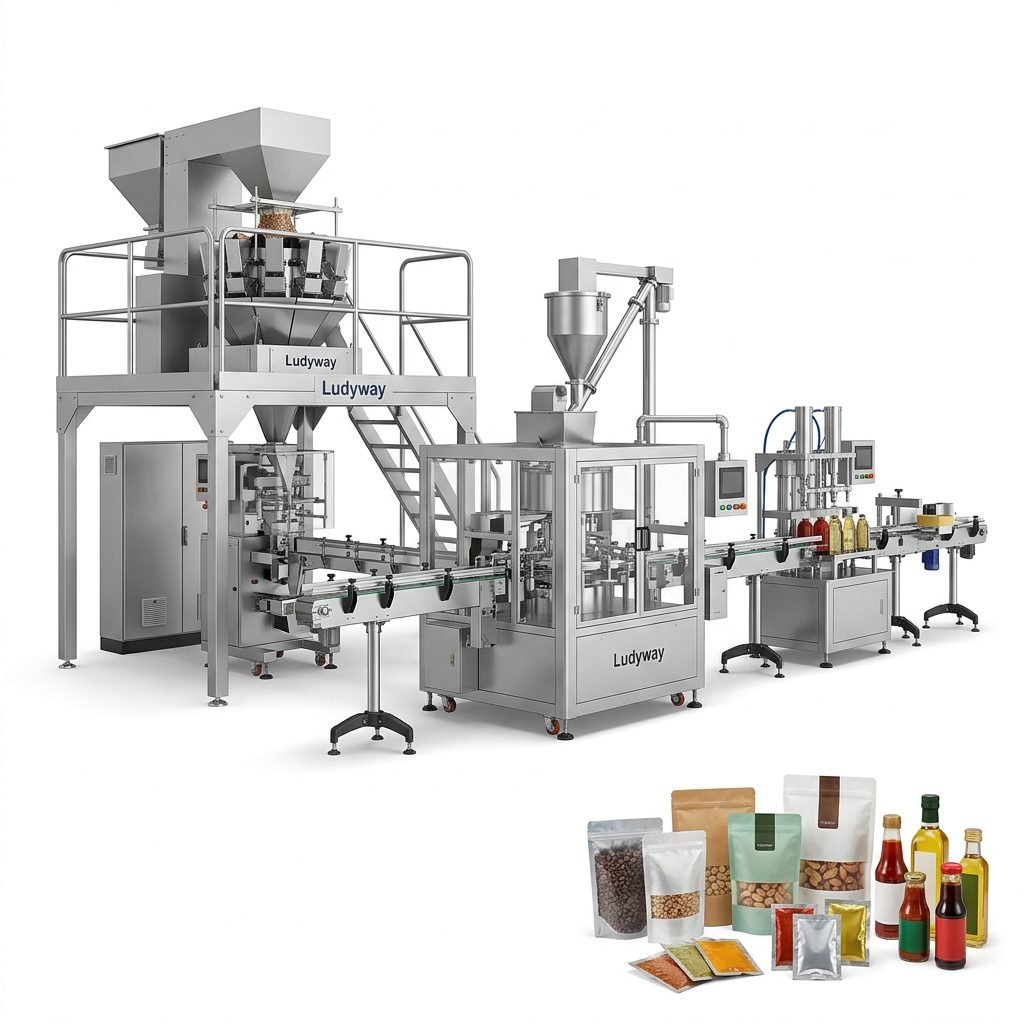
Why Turnkey Integration Matters
A single pneumatic packing machine can improve one process step, but a fully integrated packaging line creates much greater value. When feeding, filling, sealing, inspection, coding, and downstream handling are connected, manufacturers can achieve:
- Higher overall line efficiency
- Lower transfer loss between processes
- Better quality control and traceability
- Reduced labor at multiple stations
- More consistent product presentation
This is especially important for businesses planning future expansion. Choosing a machine that can connect with upstream and downstream systems helps avoid costly line redesign later.
Maintenance Tips for Long-Term Performance
Even a high-quality pneumatic packaging machine needs proper maintenance to remain efficient. Recommended practices include:
- Check compressed air pressure regularly
- Keep filters and air preparation units clean
- Inspect seals, cylinders, and valves for wear
- Calibrate filling systems on schedule
- Clean product-contact parts thoroughly
- Monitor seal quality and cutting consistency
- Train operators on correct start-up and shutdown procedures
Preventive maintenance helps reduce unexpected downtime and protects packaging quality, especially in high-output production environments.
Working with an Experienced Packaging Machine Manufacturer
When selecting a supplier, experience in real production applications matters as much as machine specifications. A capable manufacturer should understand material behavior, package structures, speed requirements, and industry-specific compliance expectations.
As one of China’s leading packaging machine and turnkey packaging line manufacturers, Ludyway pneumatic packing machine solutions support food, pharmaceutical, health supplement, cosmetic, chemical, and pouch-based packaging projects worldwide. With more than 30 years of industry experience and a broad product range, the company helps customers improve automation efficiency, packaging consistency, and line scalability.
Final Considerations Before Investment
A pneumatic packing machine is more than a packaging tool—it is a productivity asset. The right system can help reduce labor costs, improve package quality, increase throughput, and support safer handling across a wide range of products.
Before making a final decision, compare machine performance based on:
- Packaging speed and stability
- Filling accuracy
- Seal quality
- Ease of cleaning and maintenance
- Expandability into a turnkey line
- After-sales technical support
For manufacturers aiming to build faster, safer, and more automated production, pneumatic packaging equipment remains a highly practical and cost-effective solution.