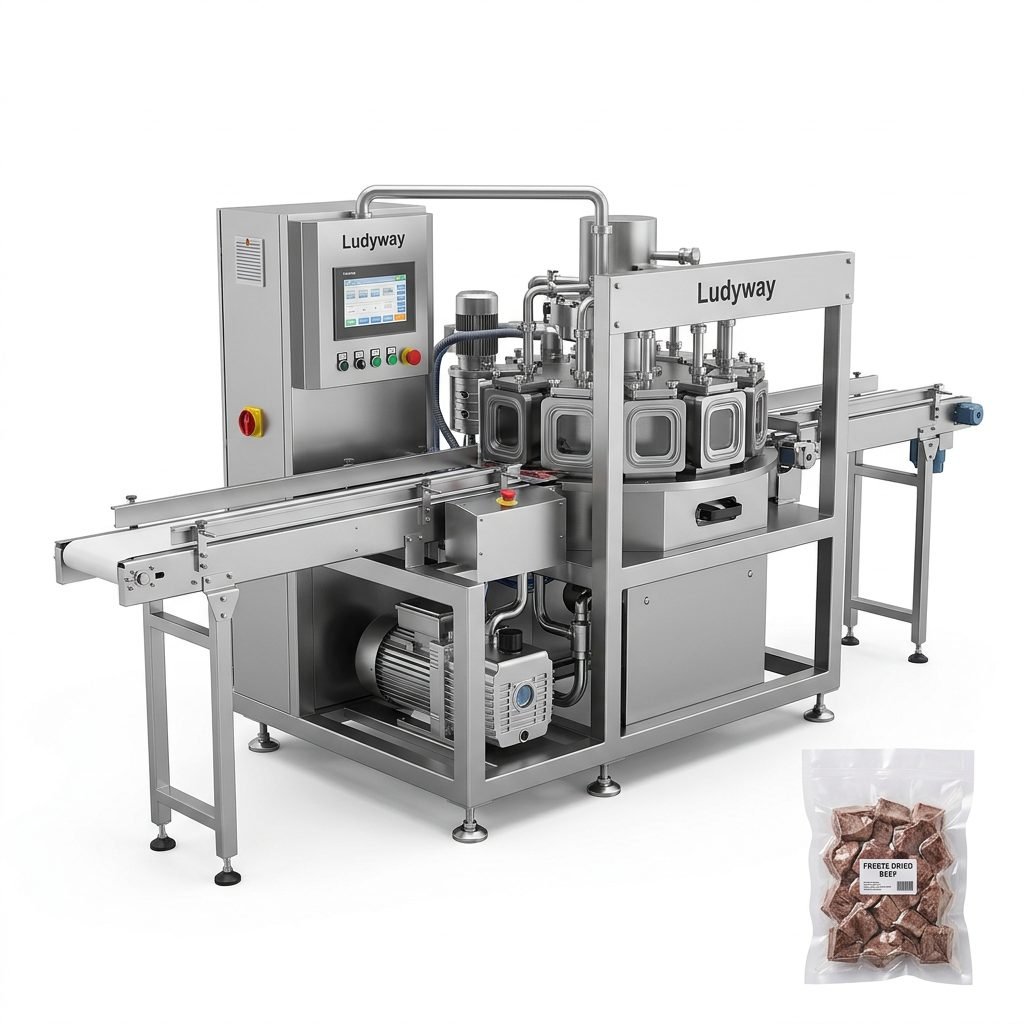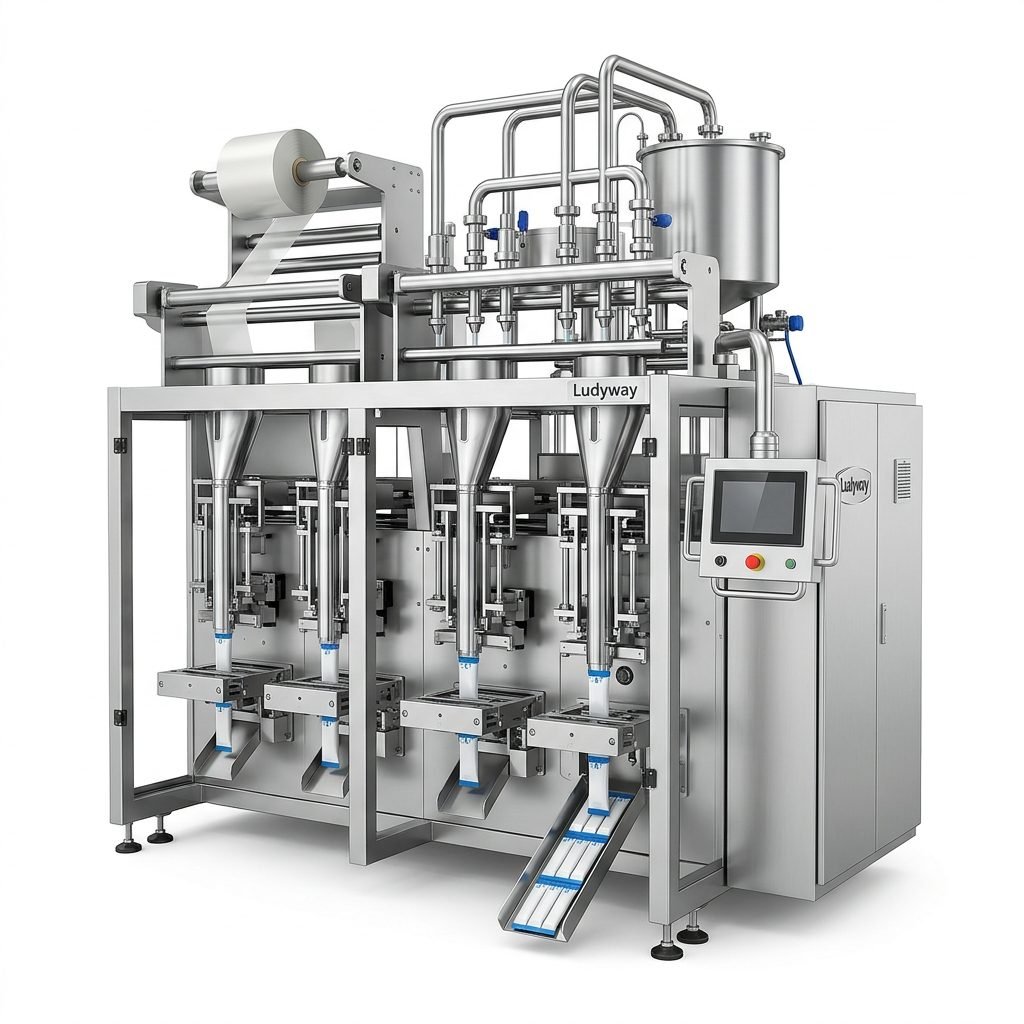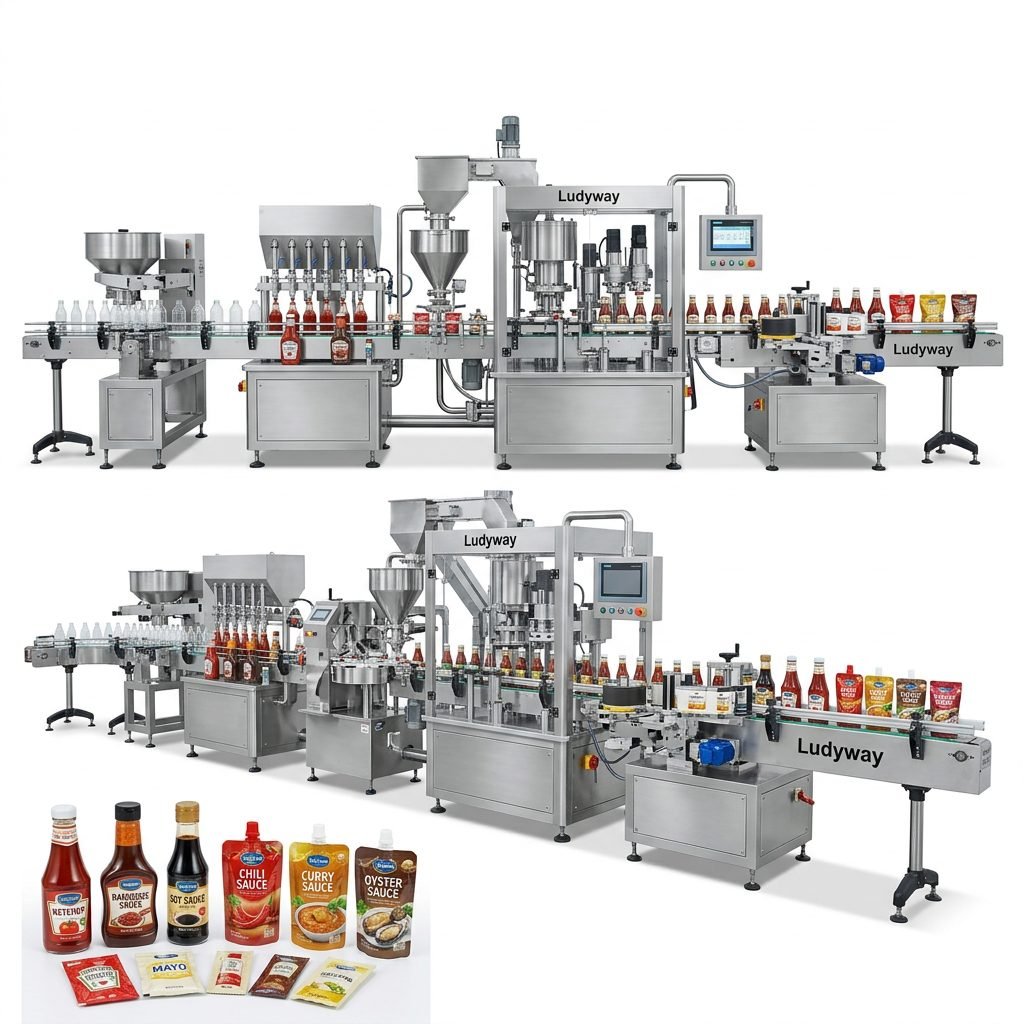
Understanding the North American Salsa Packaging Landscape
The demand for salsa packaging machines in North America has surged alongside the booming ready-to-eat and fresh salsa market. From handcrafted pico de gallo to shelf-stable cheese dips, manufacturers require versatile packaging equipment that can handle particulates, varying viscosities, and aggressive acids without sacrificing speed. Whether you operate a co-packing facility in Texas or a cold-formulation plant in Ontario, selecting the right automated system is critical.
Modern North American operations are moving beyond manual filling to integrated lines that combine multi-head weighing, high-speed sachet forming, and modified atmosphere packaging (MAP). This guide covers the essential features, cost structures, compliance standards, and reputable supplier profiles you need to evaluate.
Key Salsa Market Drivers in the U.S. & Canada
- Shift toward clean-label and organic refrigerated dips
- Growth of single-serve and portion-control snack packs
- Rising demand for hot-fill and cold-fill hybrid lines
- Retail chains requiring shelf-ready packaging formats
Common Salsa Packaging Formats
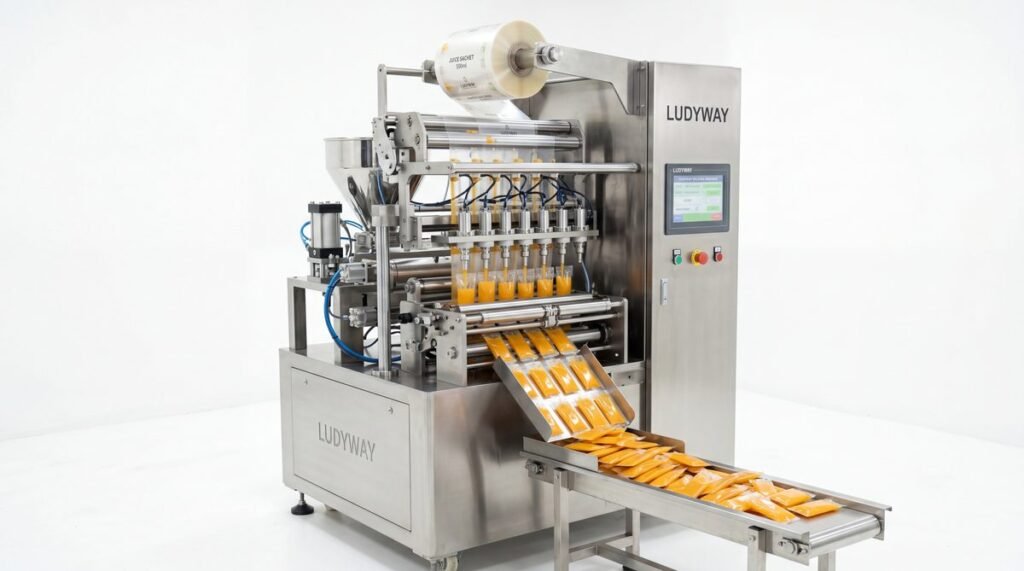
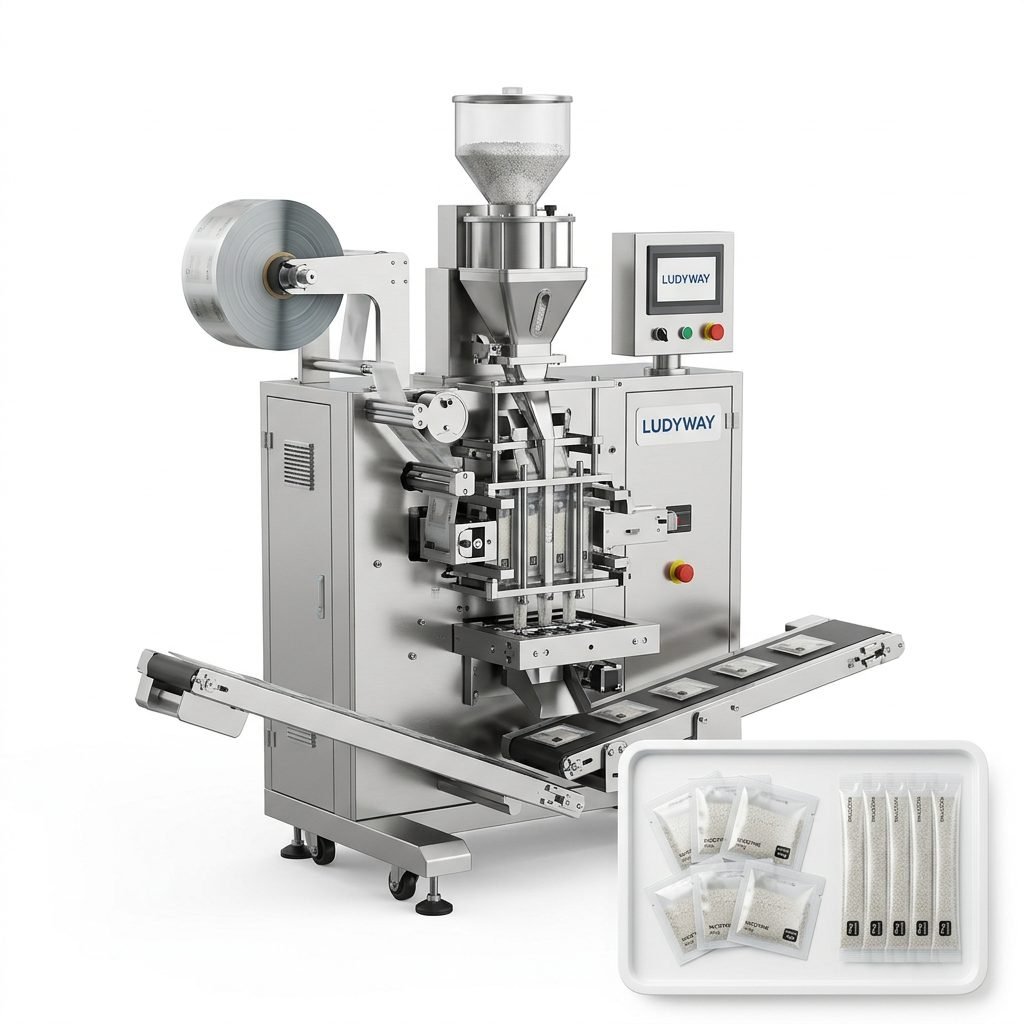
- Multi-lane stick packs (2-4 lanes) for on-the-go dipping
- Premade pouch fill-and-seal for retail club sizes
- Cup filling with film or foil lid sealing
- Glass jar and PET bottle filling with capping
Critical Machine Features for Salsa Production
Not all packaging machines are built to handle chunky tomato pieces, onion bits, and cilantro leaves. When evaluating a salsa packaging machine, prioritize these technical specifications.
| Feature | Specification Requirement | Benefit for Salsa |
|---|---|---|
| Particulate Pump | Positive displacement with large-diameter valves | Transfers chunky sauces without crushing solids |
| Corrosion Resistance | 316L stainless steel contact parts | Withstands tomato acidity and salt corrosion |
| Sealing Technology | Thermal impulse or ultrasonic sealing | Prevents leakage from oily or acidic residues |
| CIP Compatibility | Clean-in-place or tool-free quick disassembly | Enables rapid sanitization between production runs |
| Gas Flushing | Nitrogen or vacuum MAP capabilities | Extends shelf life for refrigerated fresh salsa |
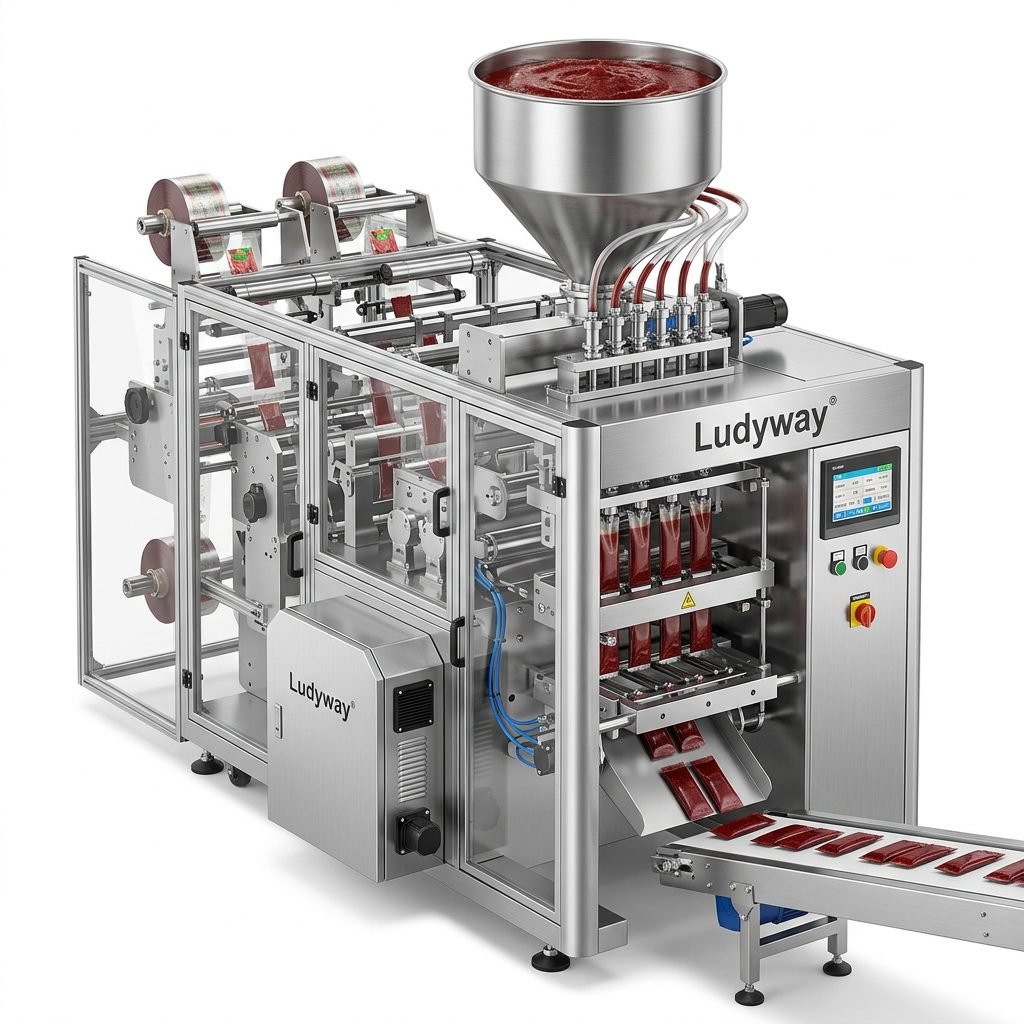
Automation Levels and Lane Configurations
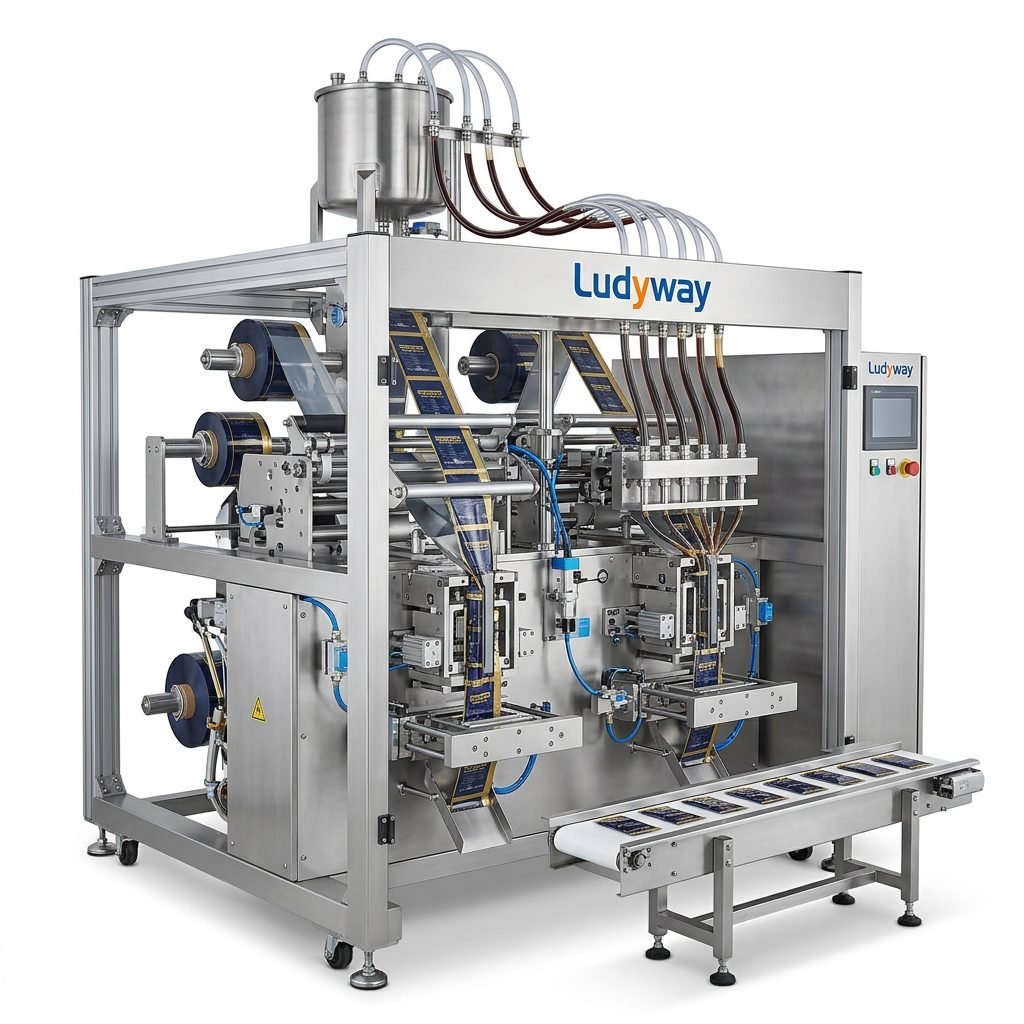
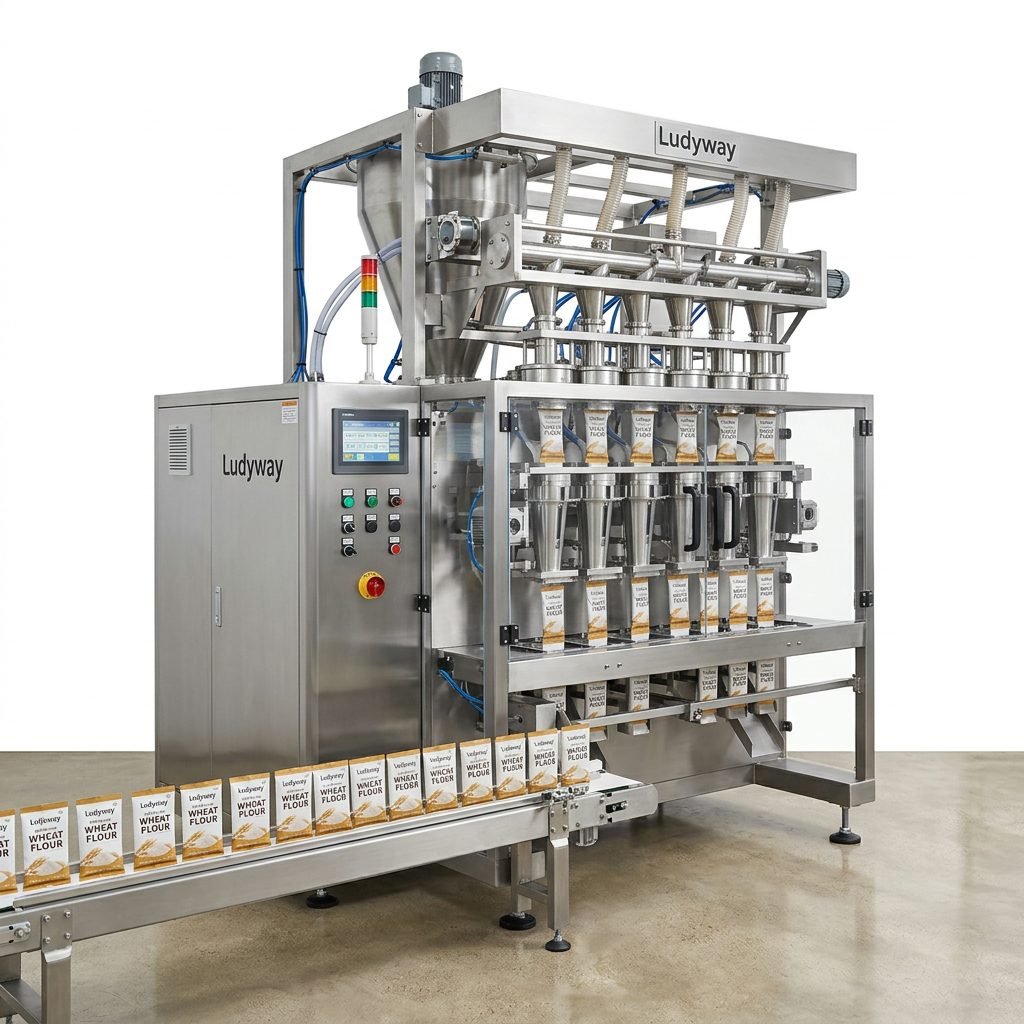
For small-batch producers in the U.S., a single-lane rotary filler may suffice. However, mid-to-large sized co-packers are increasingly adopting multi-lane stick pack machines running 4 to 12 lanes simultaneously. High-speed lines incorporating servo-driven auger fillers and multi-lane sachet systems can achieve outputs exceeding 200 packs per minute per lane, critical for fulfilling national retail contracts.
Cost Breakdown: Budgeting for a Salsa Packaging Machine
Investment in a salsa packaging line in North America extends beyond the equipment price tag. You must account for installation, training, compliance, and ongoing maintenance.
Estimated Price Ranges (USD) for Salsa Packaging Equipment
| Machine Type | Entry-Level | Mid-Range | High-Speed Automated |
|---|---|---|---|
| Liquid Pouch Filler | $15,000 – $35,000 | $40,000 – $80,000 | $100,000 – $250,000 |
| Multi-Lane Stick Pack | $50,000 – $90,000 | $100,000 – $180,000 | $200,000 – $500,000 |
| Complete Turnkey Line | $120,000 – $250,000 | $300,000 – $600,000 | $700,000 – $1,500,000 |
Total Cost of Ownership Factors
- Shipping and import duties for overseas suppliers
- On-site installation and plant integration
- FDA/USDA-compliant validation and documentation
- Spare parts inventory and preventive maintenance contracts
ROI Considerations for Co-Packers
- Reduced labor costs through full automation
- Minimized product giveaway via precision filling
- Higher throughput for seasonal demand spikes
- Decreased downtime with modular, accessible designs
Selecting the Right Supplier for North America
When sourcing a salsa packaging machine, due diligence on the manufacturer’s North American support capability is essential. You want a partner who understands UL certifications, FDA food contact regulations, and OSHA safety standards.
Questions to Ask Your Machine Supplier
- ✔ Do you offer 3-A sanitary design for dairy-based or refrigerated salsa?
- ✔ Can the machine handle hot-fill temperatures up to 95°C (203°F)?
- ✔ Are your control systems compatible with North American PLCs (Allen-Bradley)?
- ✔ Do you provide remote troubleshooting for U.S. time zones?
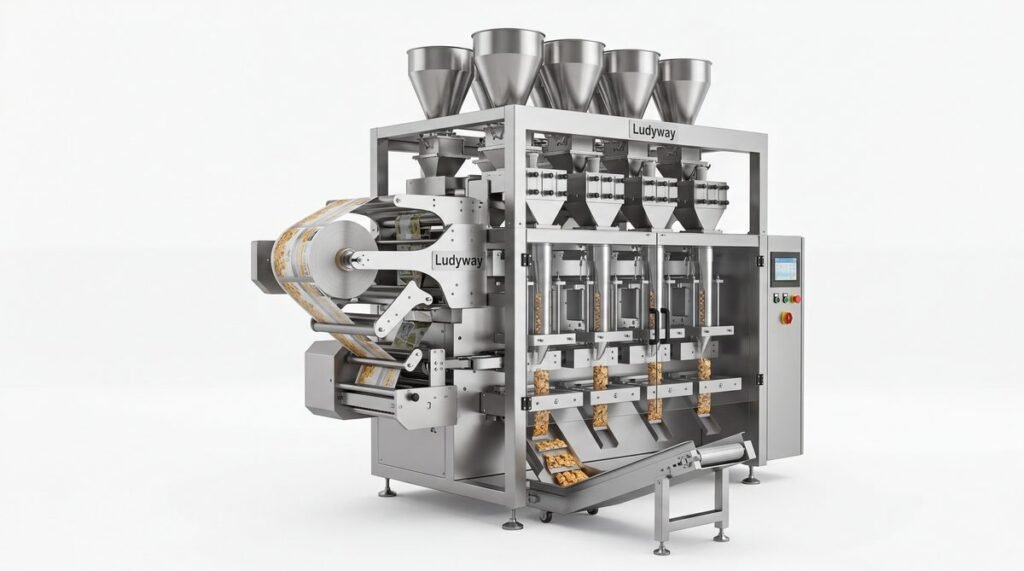
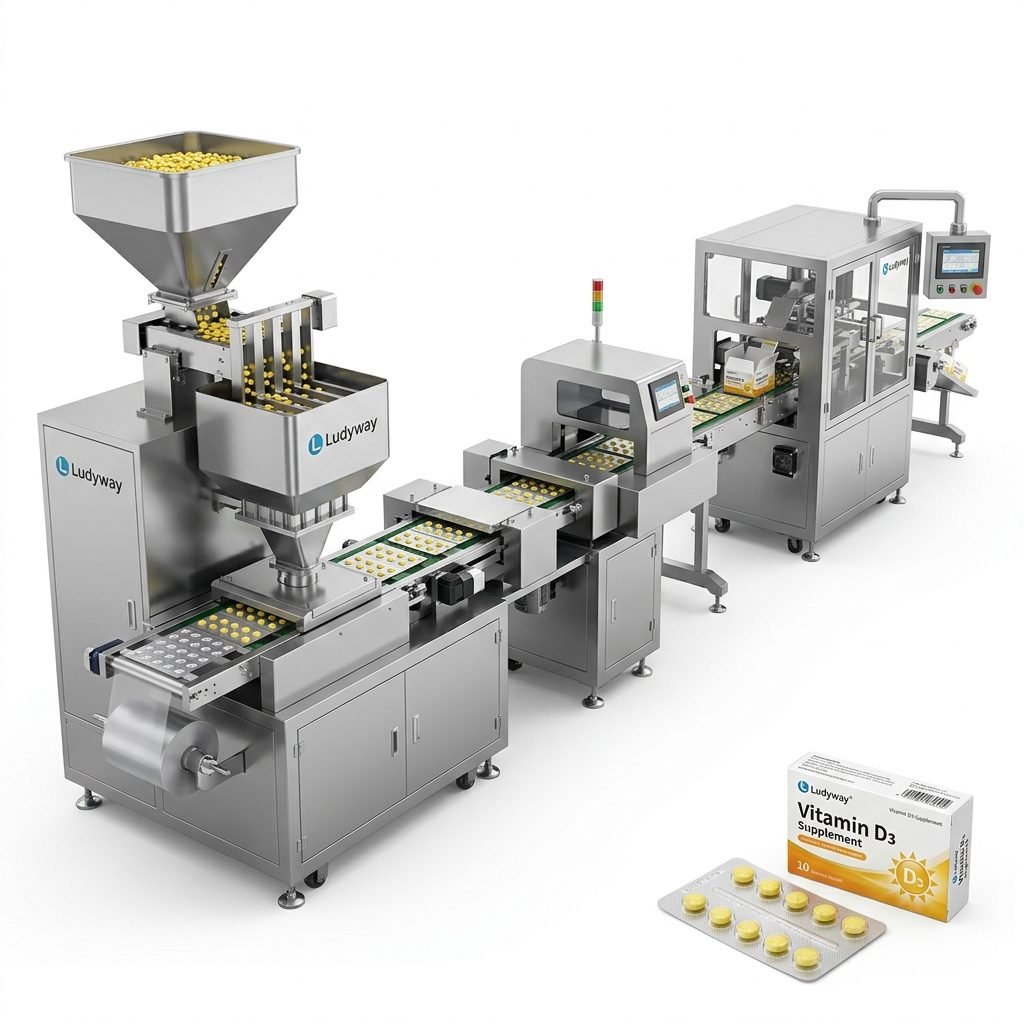
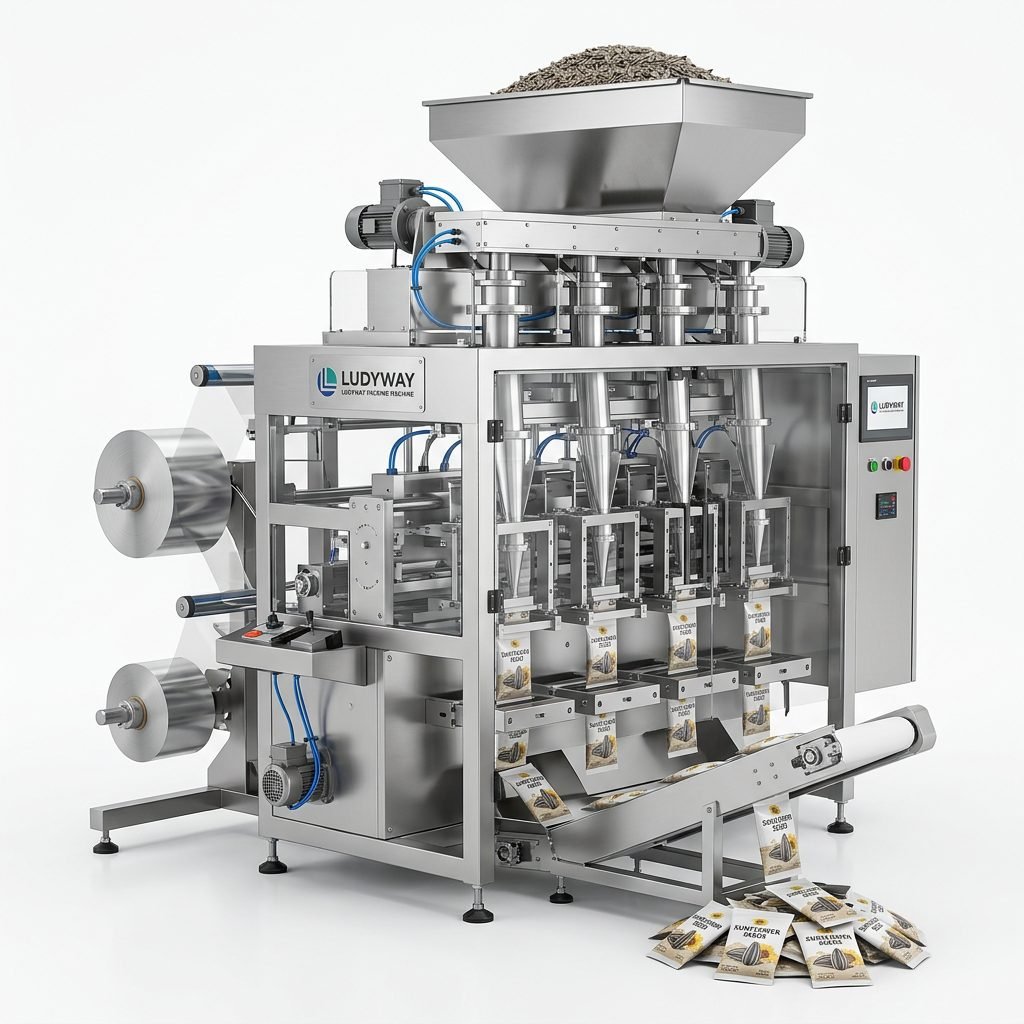
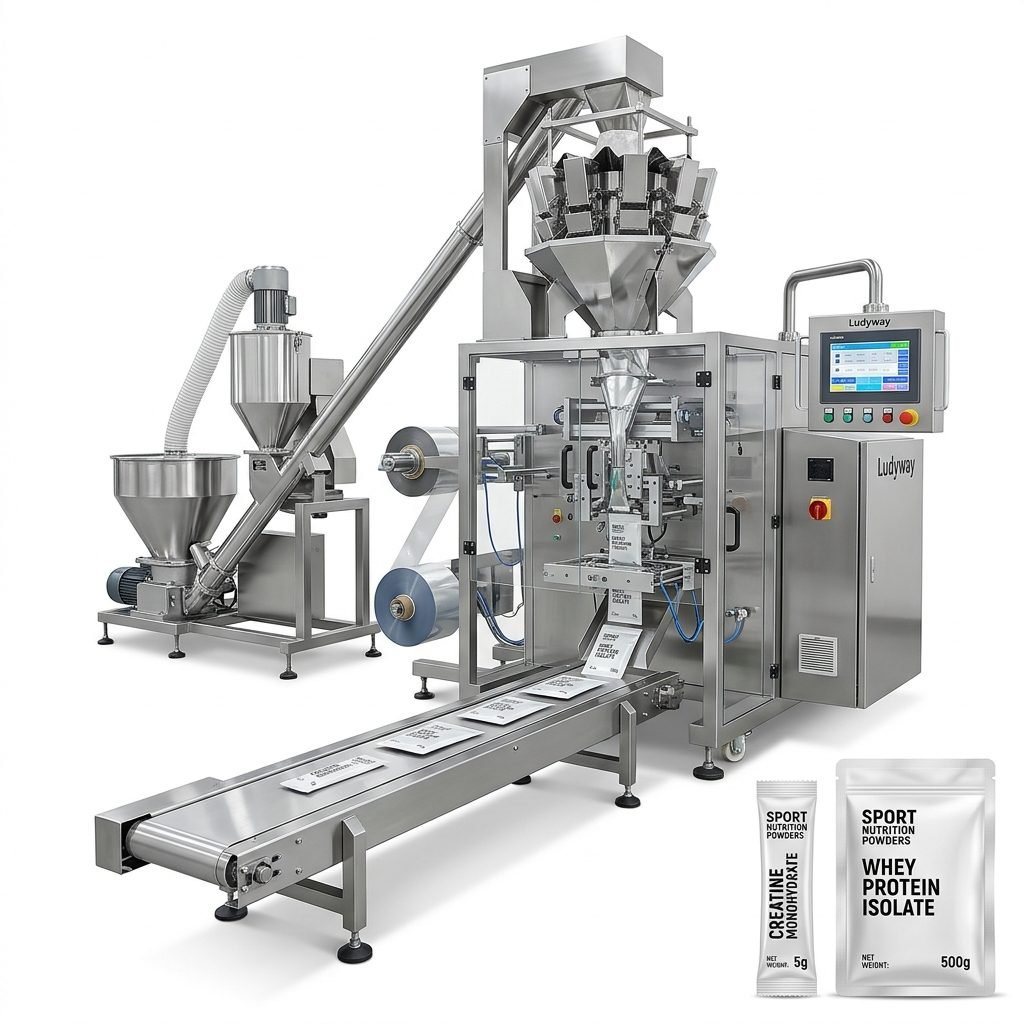
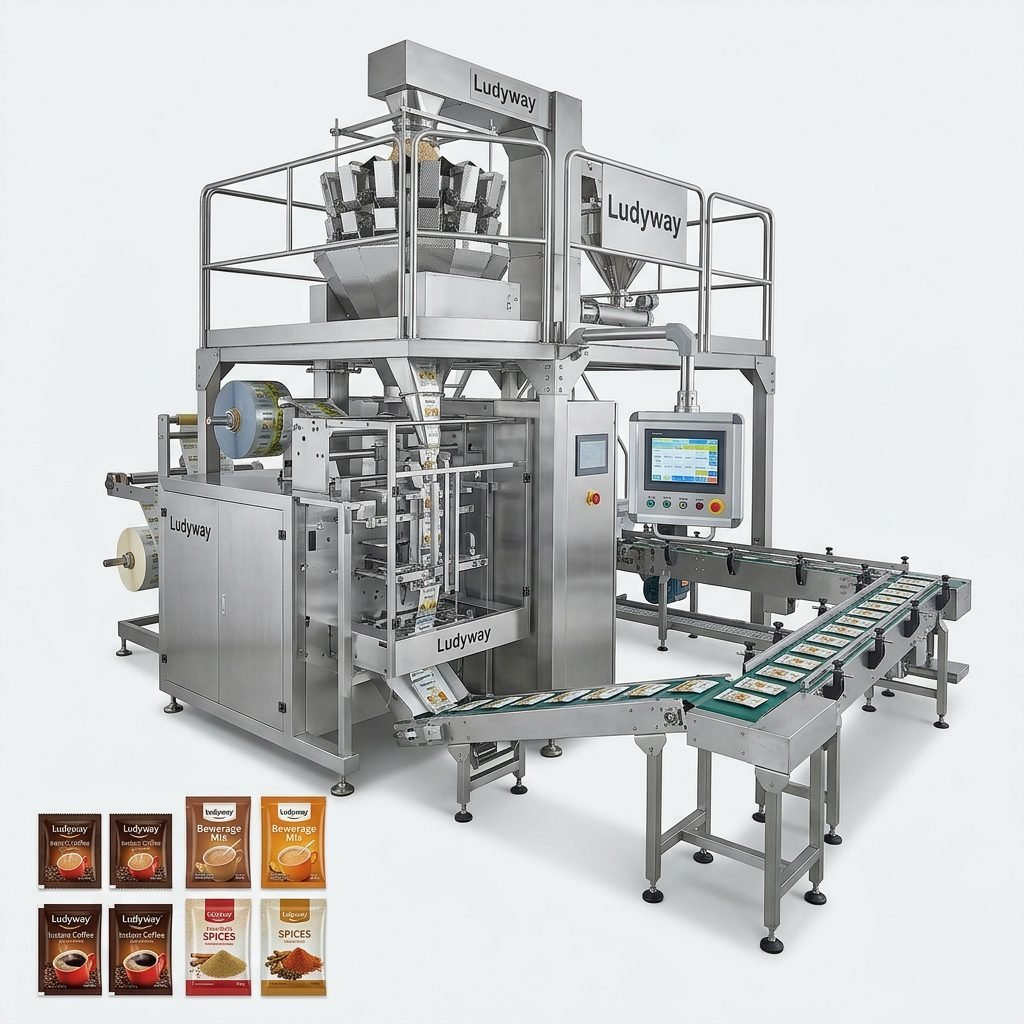
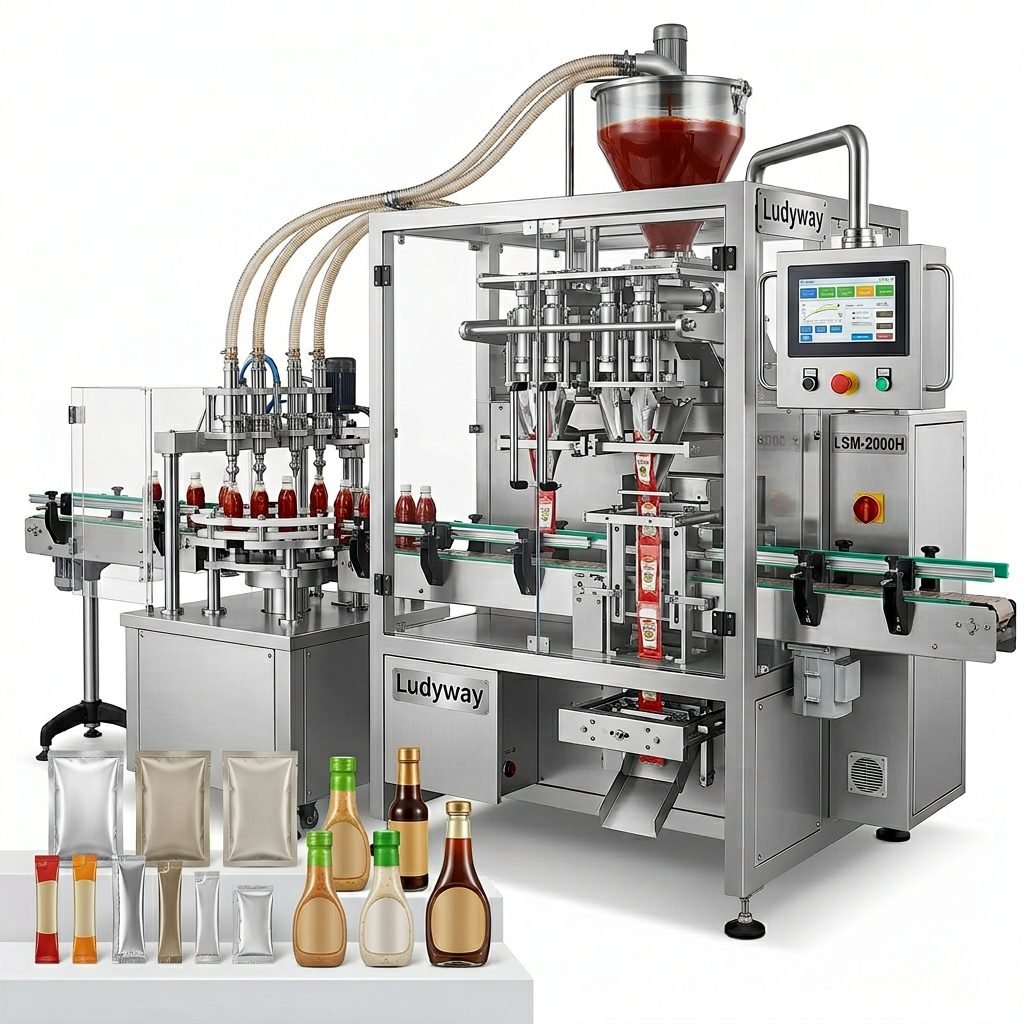
Companies like Ludyway have emerged as significant packaging line providers, offering multi-lane and turnkey solutions that address the growing export demand in North America. With extensive experience in liquid and viscous product handling, evaluating international suppliers can yield competitive pricing and robust machine configurations.
Compliance & Safety Standards for Salsa Packaging
Navigating U.S. and Canadian food safety regulations is non-negotiable. Your equipment must facilitate Hazard Analysis Critical Control Point (HACCP) monitoring.
| Standard | Region | Relevance |
|---|---|---|
| FDA 21 CFR Part 110 | United States | Current Good Manufacturing Practice for food contact |
| CFIA Safe Food for Canadians | Canada | Preventive controls and packaging integrity |
| 3-A Sanitary Standards | North America | Hygienic design for dairy-added and refrigerated salsas |
| UL 508A | United States | Industrial control panel safety certification |
Integration with Existing Production Lines
A key consideration is how the new sachet or pouch filler integrates with upstream cookers and downstream checkweighers and cartoners. Verify communication protocols (EtherNet/IP, Profinet) and ensure the supplier provides Factory Acceptance Testing (FAT) documentation before shipment.
Conclusion: Future-Proofing Your Salsa Packaging Investment
Investing in a flexible and robust packaging platform is the best strategy for North American salsa manufacturers. Prioritize machines built from 316L stainless steel, featuring particulate-capable fillers and reliable sealing jaws. Whether you’re expanding into warehouse club packs or e-commerce snack bundles, the right partner will offer customizable lane configs and local technical support. As regional demand for authentic and fresh Hispanic foods continues to climb, automation is your strongest competitive advantage.