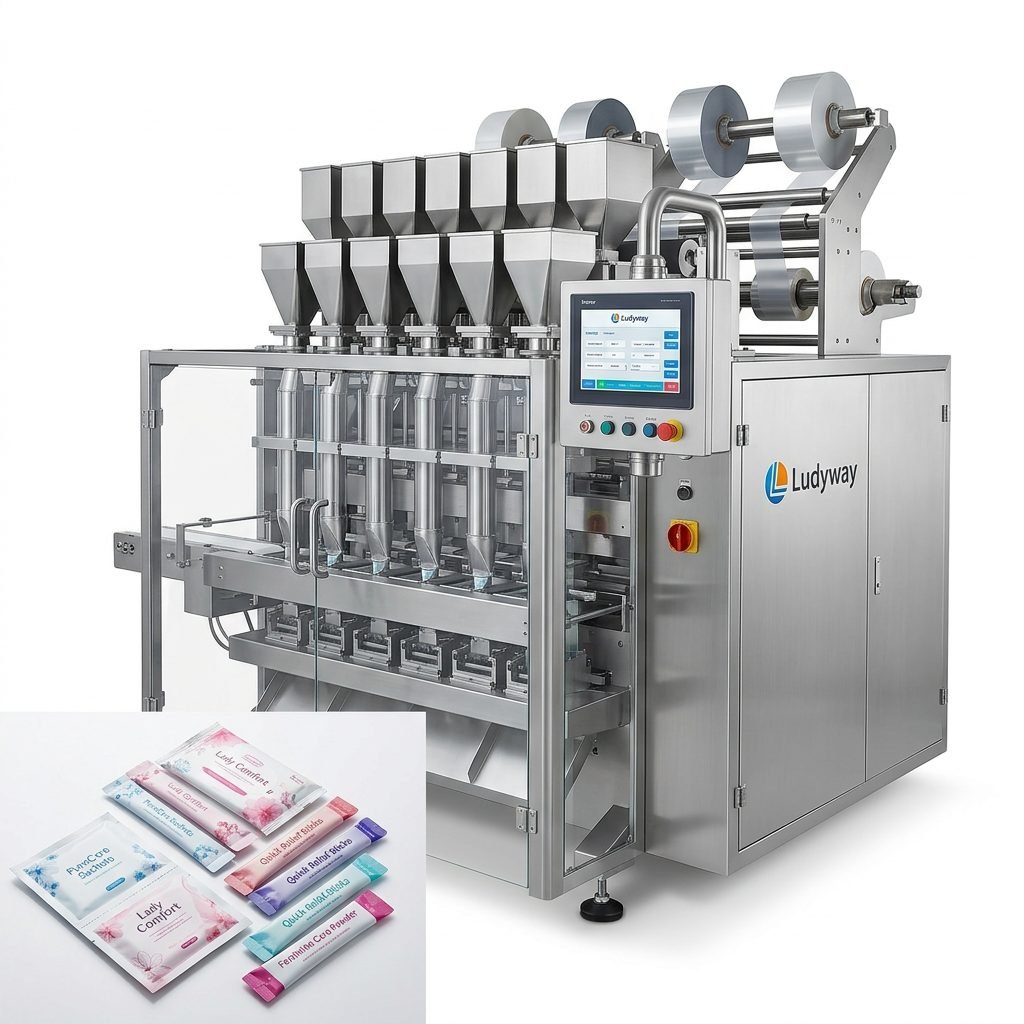
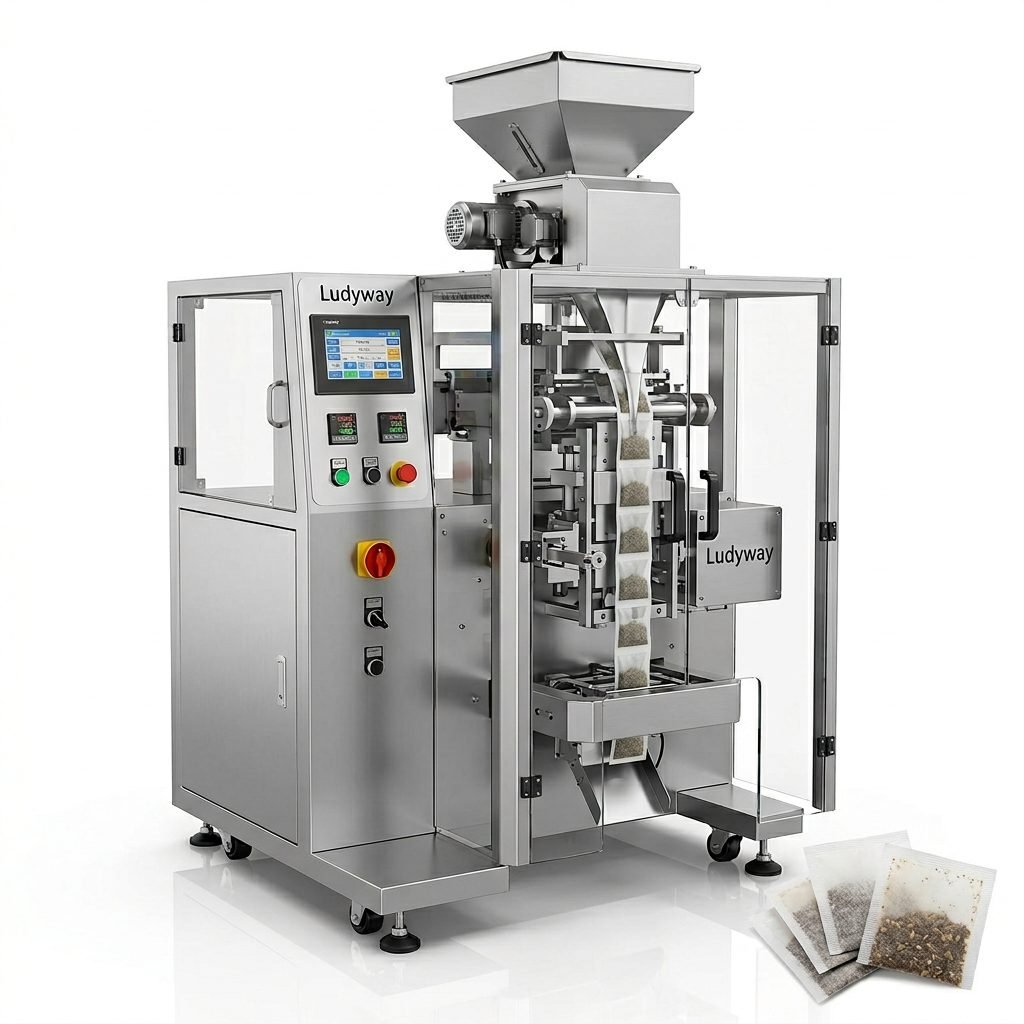
In modern agriculture, speed alone is not enough. Seed companies, distributors, and contract packers also need
precise counting, stable bagging quality, and low product loss.
A seed counting packaging machine is designed to solve exactly that challenge by combining accurate counting,
automated feeding, sealing, and optional coding or labeling into one efficient workflow.
Whether you pack vegetable seeds, corn seeds, rice seeds, flower seeds, grass seeds, or treated seed products,
the right machine helps protect product value while improving output consistency. For seed brands, this means fewer
complaints, better retail presentation, and more predictable production planning.
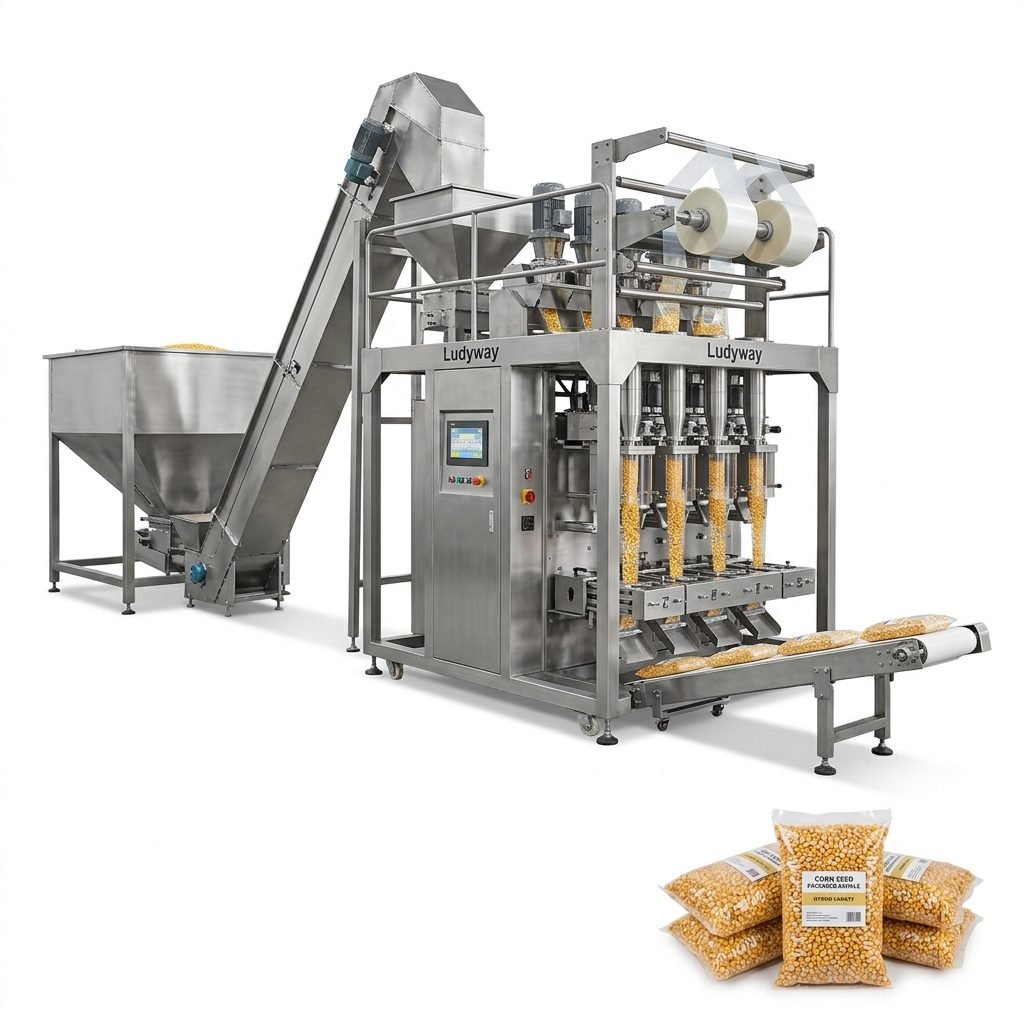
What Is a Seed Counting Packaging Machine?
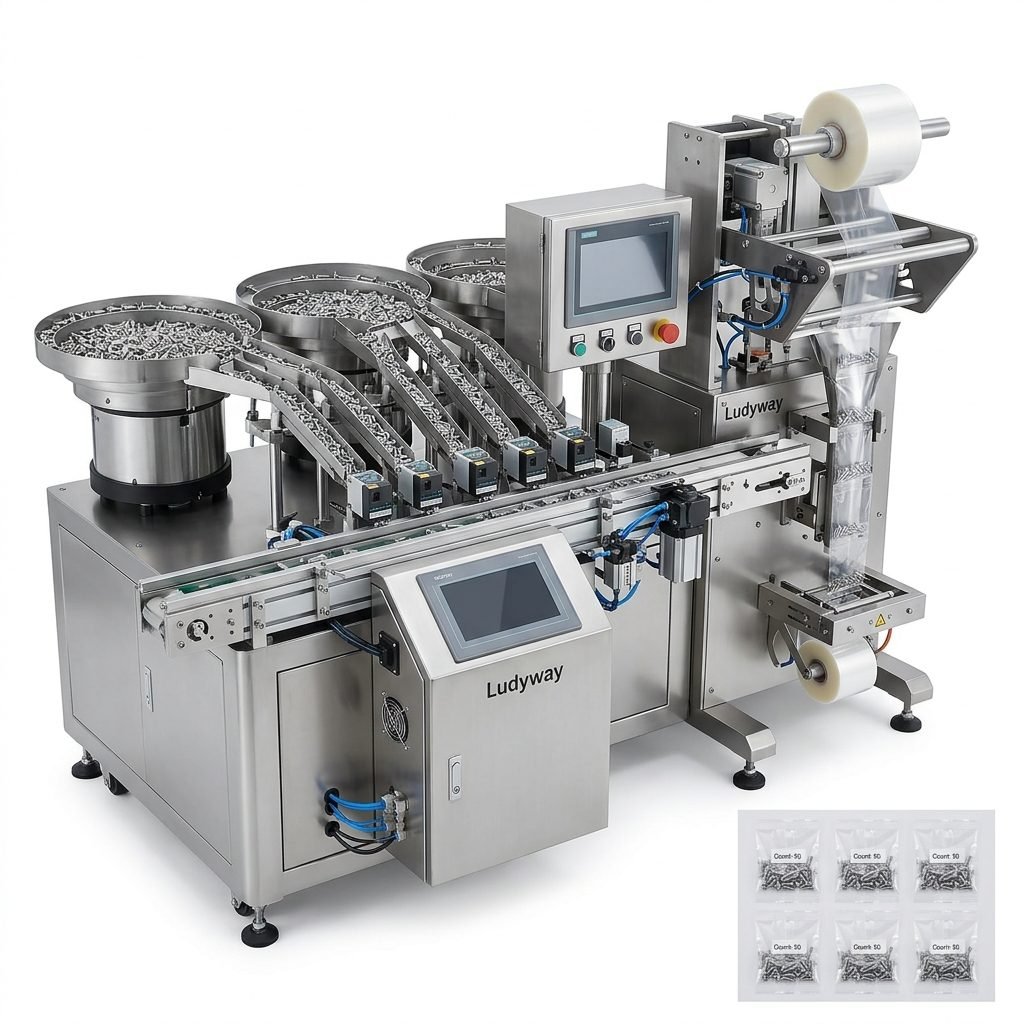
A seed counting packaging machine is an automated system that measures a predefined number of seeds and packs them
into bags, sachets, pouches, bottles, or other containers. Unlike traditional weighing systems, counting technology
focuses on unit accuracy, which is especially important for high-value seeds sold by piece count.
Depending on the seed type and packaging format, the machine may use optical sensors, vibration channels,
servo-controlled feeding, multi-lane counting modules, and integrated sealing systems. This makes it suitable for
both small retail packs and larger commercial packaging runs.
Typical products packed with counting systems
- Vegetable seeds
- Hybrid corn seeds
- Rice seeds
- Sunflower seeds
- Grass and turf seeds
- Flower seeds
- Tree seeds
- Coated or treated seeds
Why Counting Is Better Than Weighing for Many Seed Applications
For many seed businesses, counting offers a major advantage over weight-based filling. Seeds can vary in size,
moisture, coating thickness, and density. A weight-based package may hit the target grams while still containing
inconsistent seed quantities. That creates problems for growers and retailers.
A counting machine helps ensure that each pack contains the intended number of seeds, supporting fair sales,
stronger brand trust, and easier compliance with product specifications.
| Method | Best For | Main Advantage | Main Limitation |
|---|---|---|---|
| Counting | High-value, uniform sales packs | Accurate seed quantity per pack | Requires matching system design for seed shape |
| Weighing | Bulk seed packing | Simple for larger-volume loads | Seed count may vary pack to pack |
Key Benefits of an Automatic Seed Counting Packaging Machine
1. Higher counting accuracy
Accurate counting reduces underfilled and overfilled packages. This is especially valuable for premium seeds where
every unit matters. Better count control also protects profit margins over long production runs.
2. Faster packaging speed
Manual counting is slow, labor-intensive, and vulnerable to human error. Automated systems can process many more
packs per hour while keeping output stable.
3. Better product consistency
Uniform package content supports better customer satisfaction, easier inventory control, and a stronger retail image.
4. Lower labor dependence
With automation, fewer operators are needed for repetitive counting and filling tasks. Staff can focus more on
supervision, quality checks, and line management.
5. Reduced seed damage
A properly configured system uses controlled feeding and gentle handling to help minimize cracking, dust generation,
and loss of germination quality.
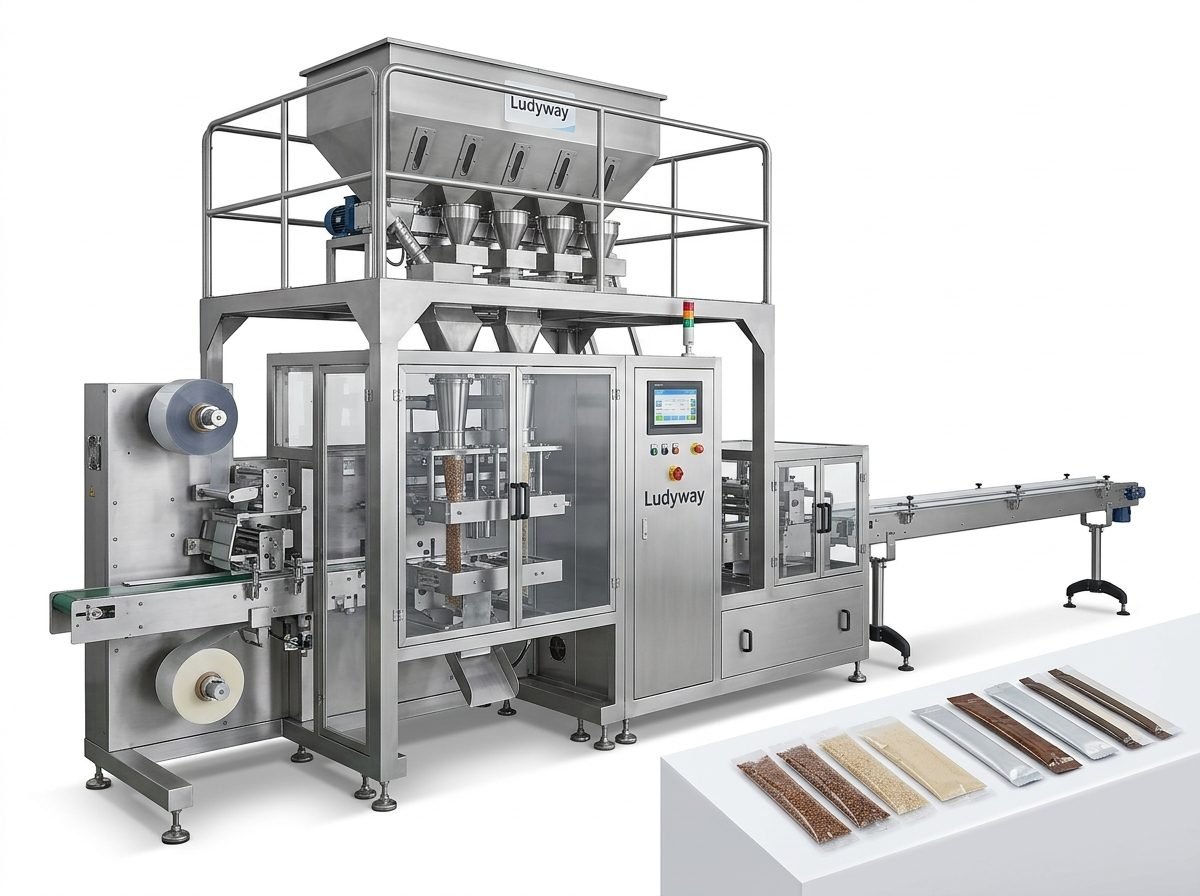
How the Machine Works
While configurations vary, most seed counting packaging systems follow a clear process:
- Seeds are loaded into a hopper or feeder.
- The feeding system distributes seeds evenly into counting channels.
- Sensors or counting modules register each seed precisely.
- The counted batch is released into the target package.
- The packaging section forms, fills, and seals the bag or pouch.
- Optional equipment prints batch codes, checks weight, or rejects faulty packs.
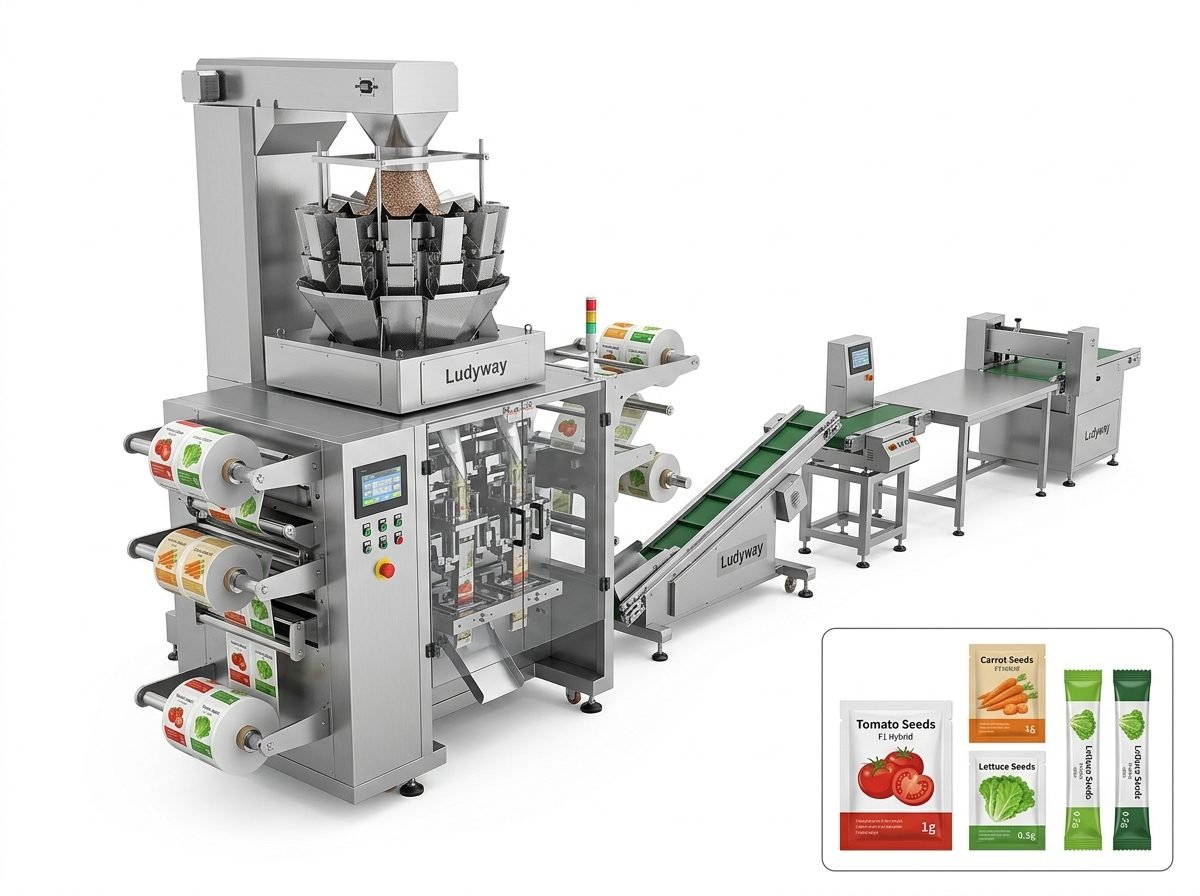
In advanced lines, this process can be integrated with conveyors, elevators, inspection units, cartoning systems,
and case packing equipment for a more complete turnkey operation.
Common Packaging Formats for Seeds
The right format depends on seed value, target market, transport conditions, and branding strategy.
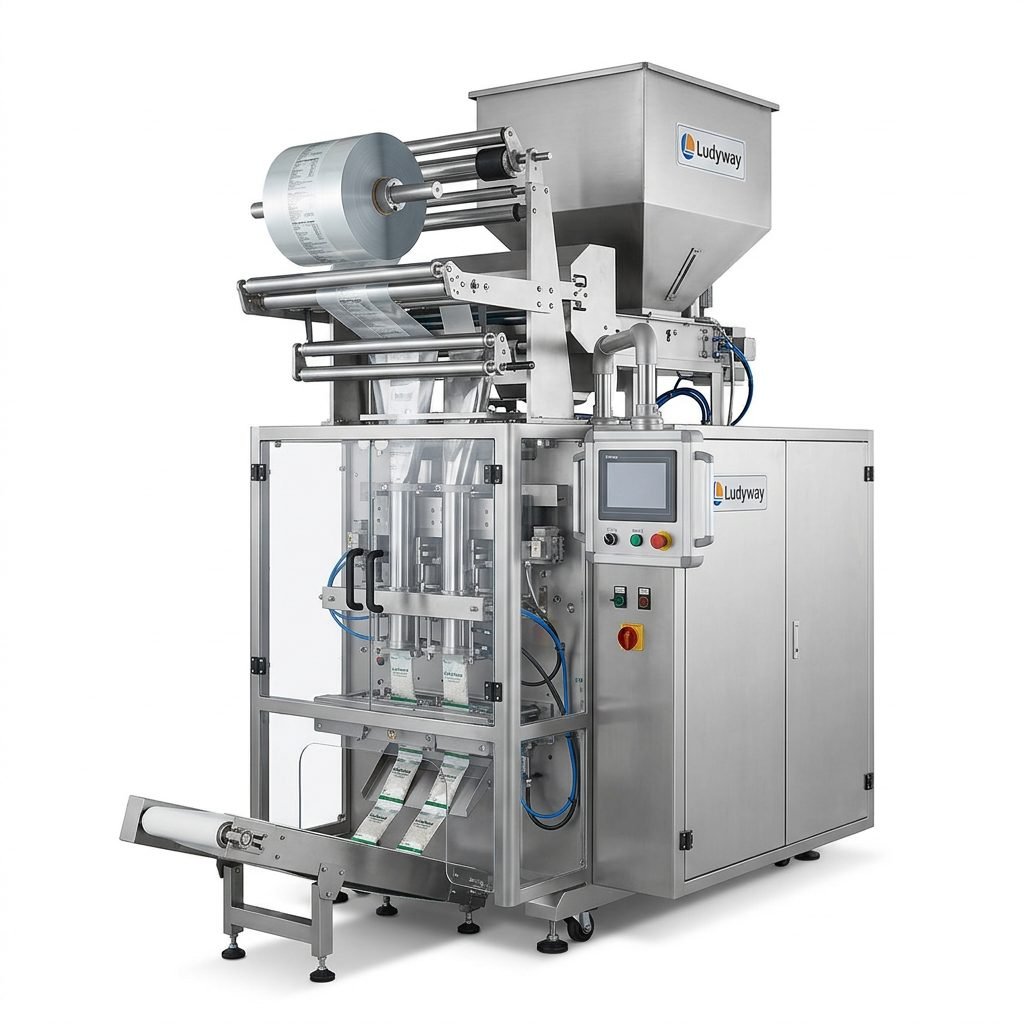
- Small sachets: popular for retail seed sales
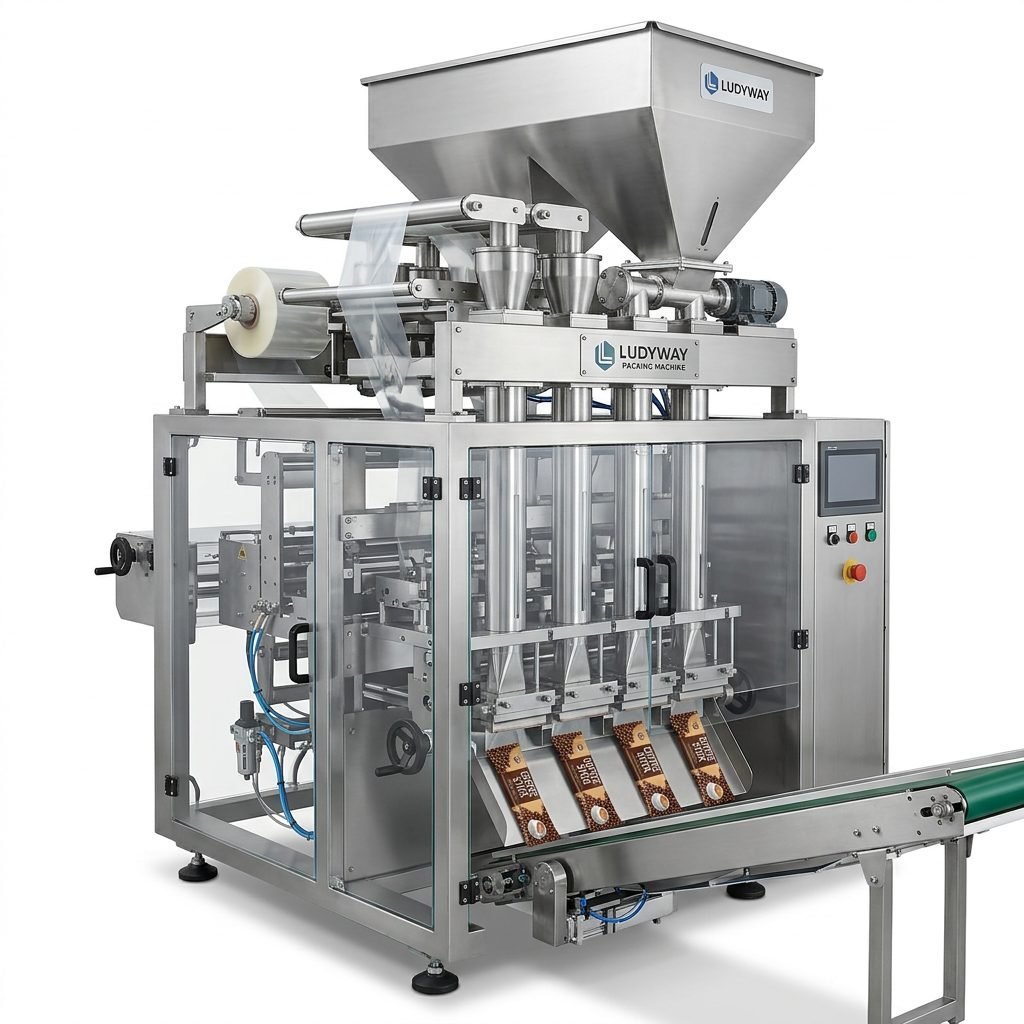
- Stick packs: compact and suitable for small-count portions
- Pouches: useful for premium presentation and resealability
- Bottles or jars: ideal for specialty or high-value seeds
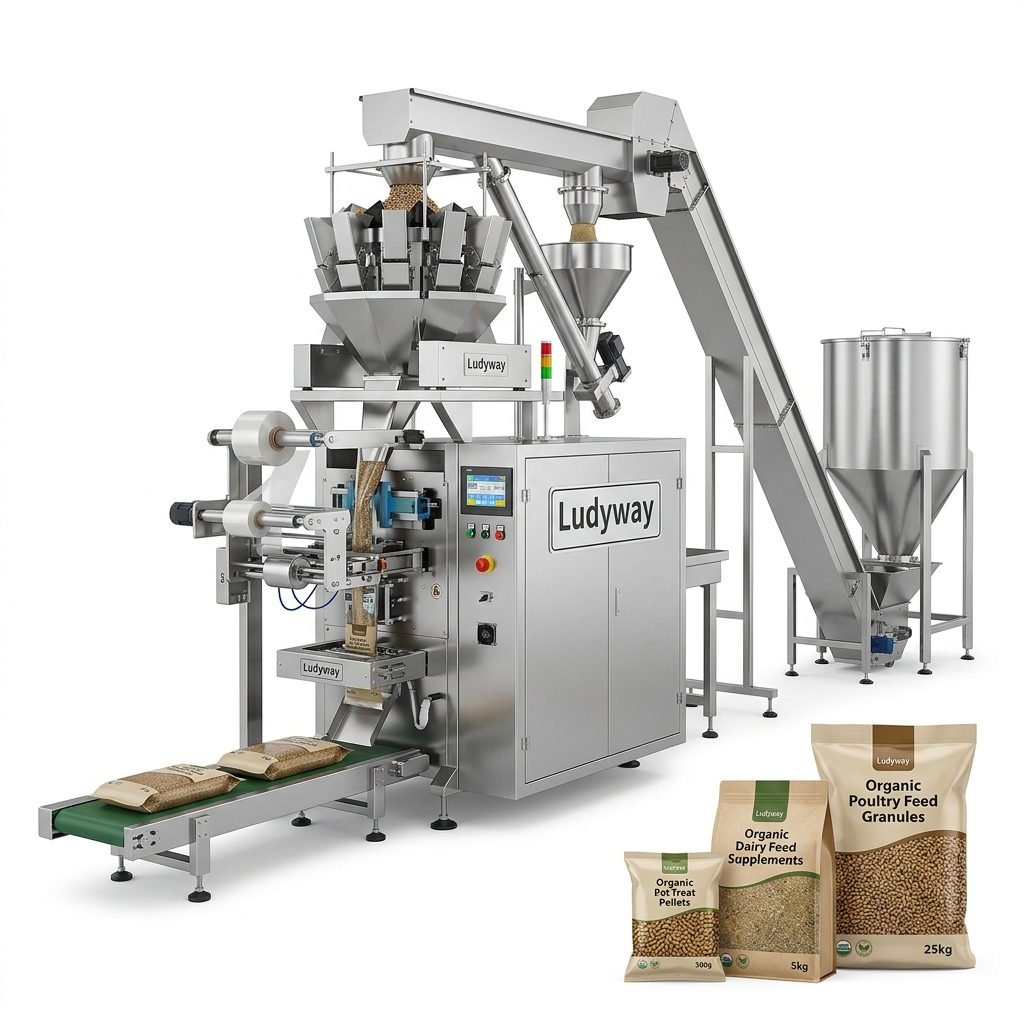
- Bulk bags: suitable for agricultural distributors and commercial growers
Recommended by application
| Application | Suggested Packaging | Machine Focus |
|---|---|---|
| Retail vegetable seeds | Small sachets or pouches | High counting precision and good seal quality |
| Commercial farm seed supply | Larger bags | High output and durable handling |
| Premium hybrid seeds | Pouches, bottles, or specialty packs | Gentle feeding and strict count control |
Important Features to Look For
Not all seed counting machines perform the same. The best solution depends on seed shape, packaging material,
speed requirement, and automation level.
- Counting accuracy across different seed sizes
- Gentle feeding structure to reduce breakage
- Easy recipe adjustment for multiple seed varieties
- Stable sealing performance for sachets or pouches
- Touchscreen controls for quick operation
- Dust management and easy cleaning design
- Integration with conveyors, elevators, or coding systems
- Scalable configuration for future line expansion
Who Should Invest in a Seed Counting Packaging Machine?
This type of machine is ideal for businesses that need reliable count-based packaging and better throughput.
- Agricultural seed brands
- Vegetable seed processors
- Seed export companies
- Contract packaging facilities
- Agricultural distributors
- Research and breeding centers with commercial packaging needs
If your business packs multiple SKUs, works with premium seeds, or struggles with labor costs and count variation,
automation can provide measurable long-term value.
Challenges in Seed Packaging and How Automation Solves Them
Variation in seed size
Different seed varieties can feed differently. Advanced machines use adjustable channels and counting logic to
improve adaptability.
Dust and coating residue
Treated or coated seeds may generate fine dust. A well-designed machine supports easier cleaning and more stable operation.
Frequent SKU changes
Seed brands often package many product types in smaller batches. Quick changeover functions reduce downtime and improve flexibility.
Packaging quality expectations
Retail buyers expect attractive and secure packs. Automated forming, filling, and sealing improve visual consistency
and reduce sealing defects.
Custom Line Integration for Better Performance
A standalone machine can work well, but many seed processors gain more value from an integrated line. This may include:
- Automatic feeders or bucket elevators
- Vibratory distribution systems
- Multi-lane packaging modules
- Date coding and labeling units
- Checkweighers and metal detection
- Cartoning and case packing systems
- Palletizing equipment
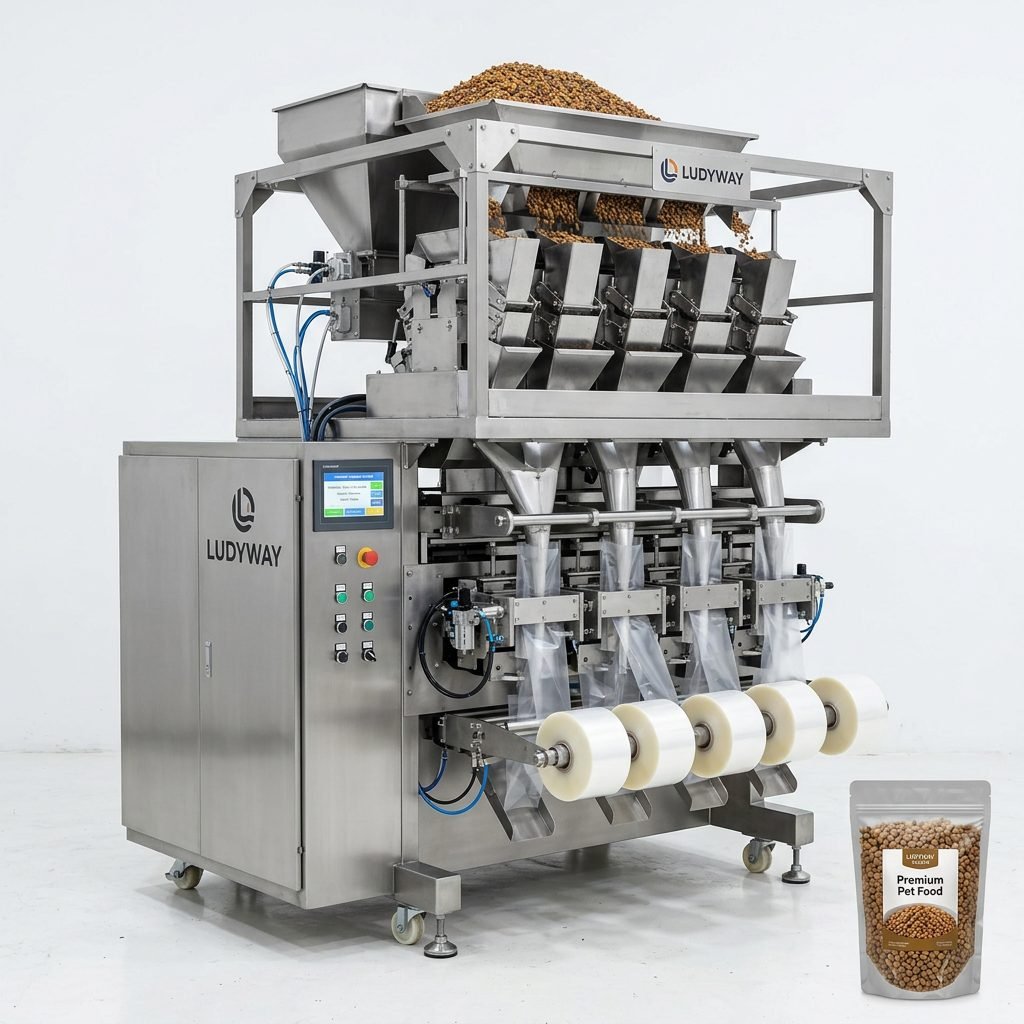
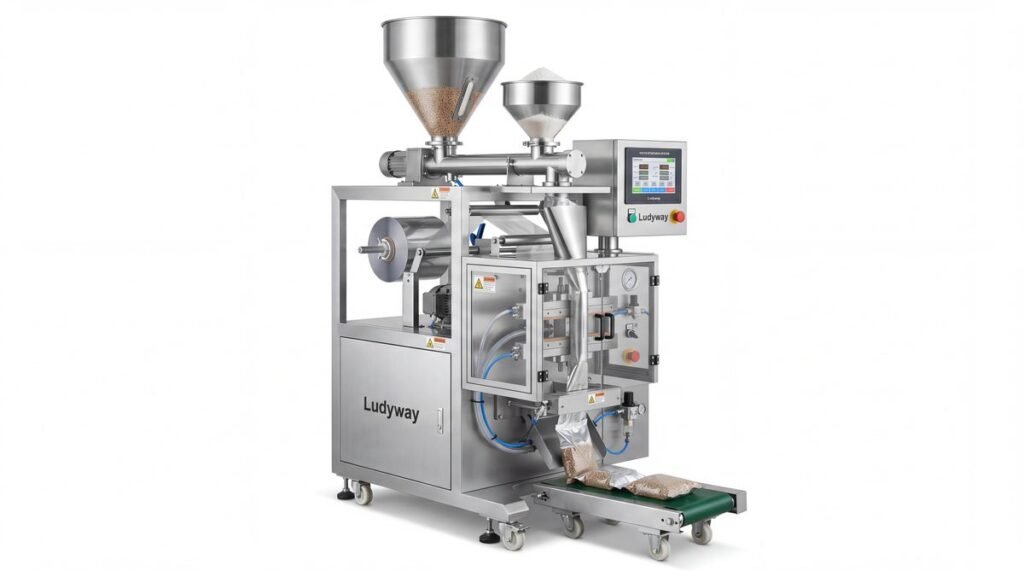
For buyers seeking scalable automation, Ludyway provides packaging machinery and turnkey packaging line solutions with broad experience across food, pharmaceutical, health supplement, and related sectors, making it a practical partner for custom seed packing projects.
How to Choose the Right Machine for Your Seed Business
Before selecting equipment, evaluate your project from both a technical and commercial perspective.
- Define your seed type: size, shape, coating, and fragility matter.
- Confirm your pack format: sachet, pouch, bottle, or bulk bag.
- Set your target speed: packs per minute or per hour.
- Clarify accuracy expectations: acceptable count tolerance.
- Plan for future growth: choose a machine that can scale.
- Review after-sales support: installation, spare parts, and technical service are essential.
Expected ROI of Seed Counting Automation
Return on investment often comes from several combined improvements rather than one single factor.
- Reduced giveaway from overfilling
- Lower labor costs
- Higher hourly output
- Fewer customer complaints
- Improved package quality and brand image
- Better production planning and data consistency
For high-value seeds, even small improvements in count precision can create significant annual savings.
Frequently Asked Questions
Can one machine handle different seed types?
Yes, many systems can handle multiple seed varieties, but performance depends on how different those seeds are.
Adjustable settings and test validation are important.
Is counting suitable for coated seeds?
In many cases, yes. However, coating thickness and surface condition should be considered during machine selection and testing.
Can the machine be connected to a full packaging line?
Absolutely. Seed counting machines are often integrated with feeding, sealing, coding, inspection, cartoning,
and end-of-line systems.
What matters most: speed or accuracy?
For seed packaging, the best answer is balance. A machine should deliver commercially viable speed without sacrificing
count consistency.
Final Considerations for Bulk Seed Packing
A seed counting packaging machine is more than a packing device. It is a productivity tool that improves count
reliability, reduces manual handling, protects seed value, and supports professional packaging standards.
For companies involved in bulk seed packing, retail seed sales, or premium agricultural products, choosing the right
automated counting and packaging solution can directly improve efficiency, quality, and profitability. The most
effective systems are those tailored to your seed characteristics, package format, and long-term production goals.