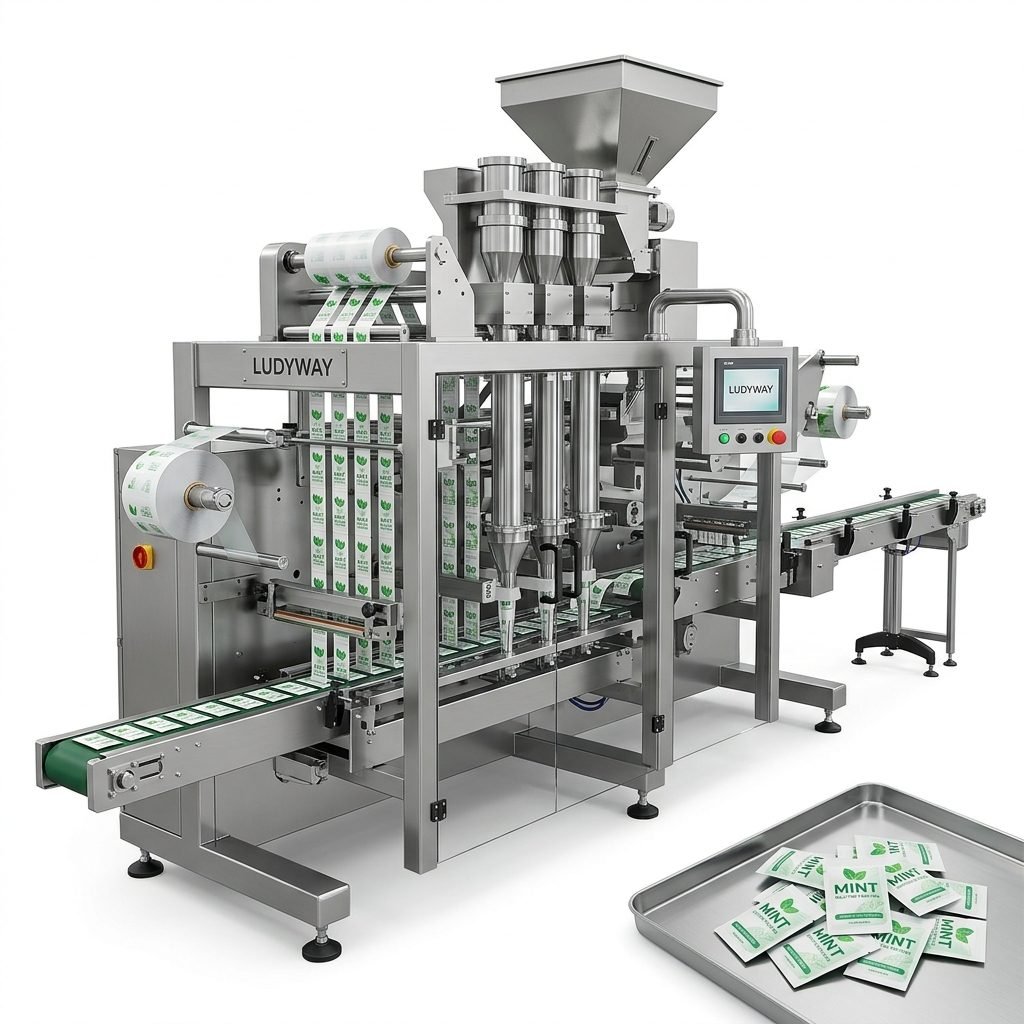
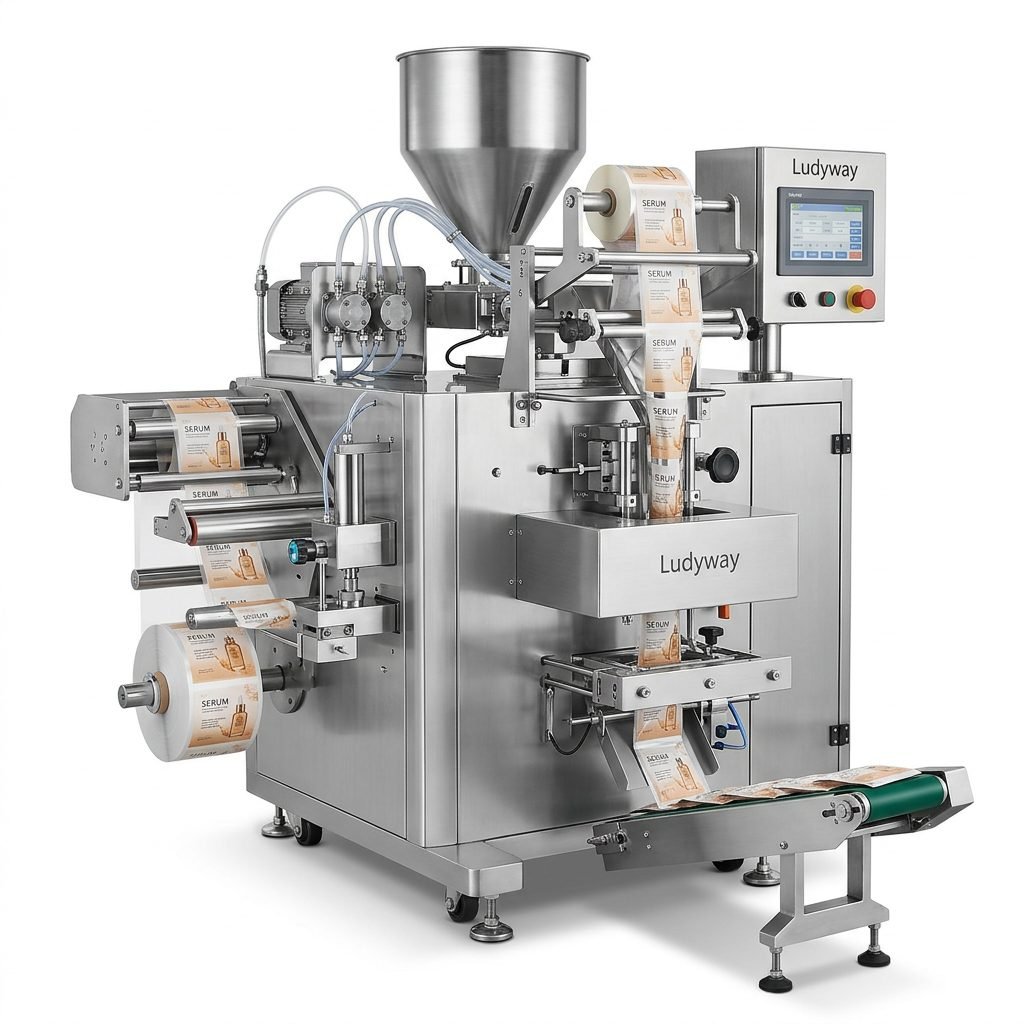
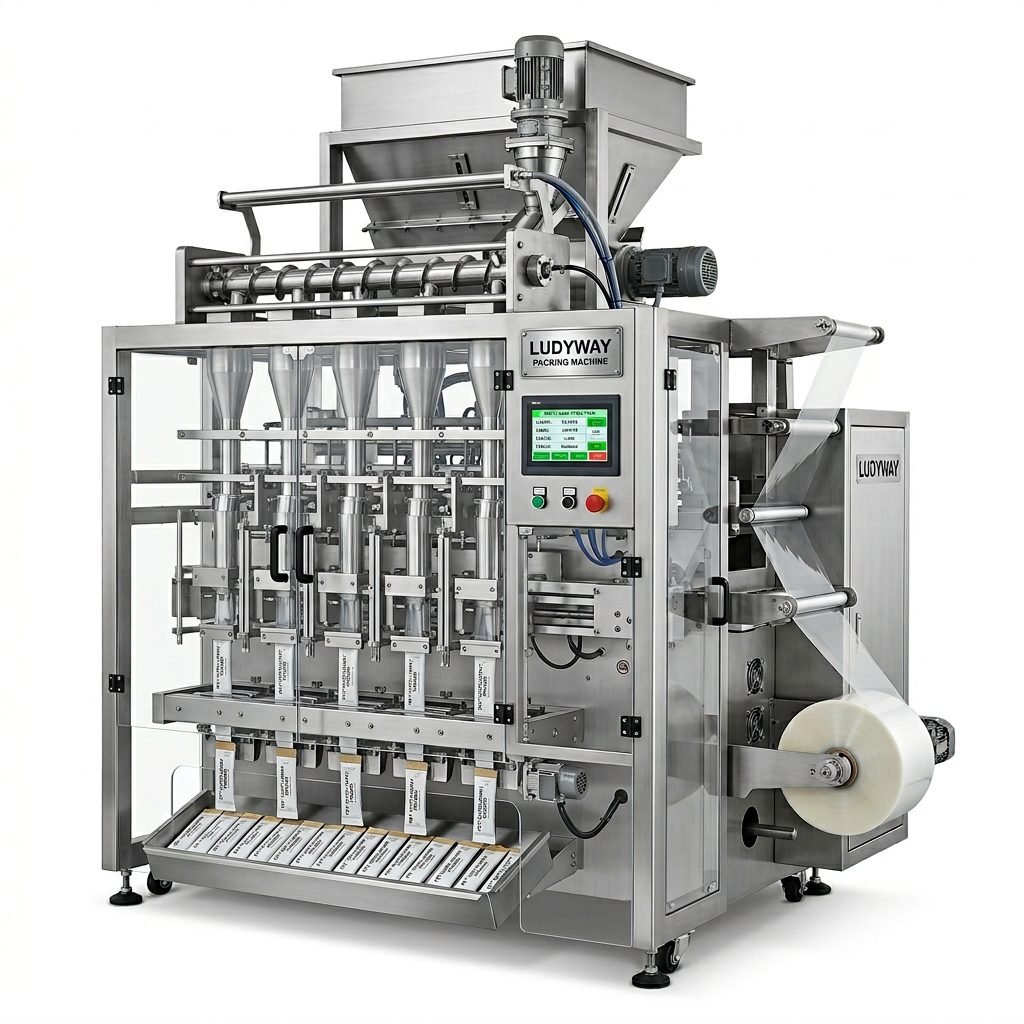
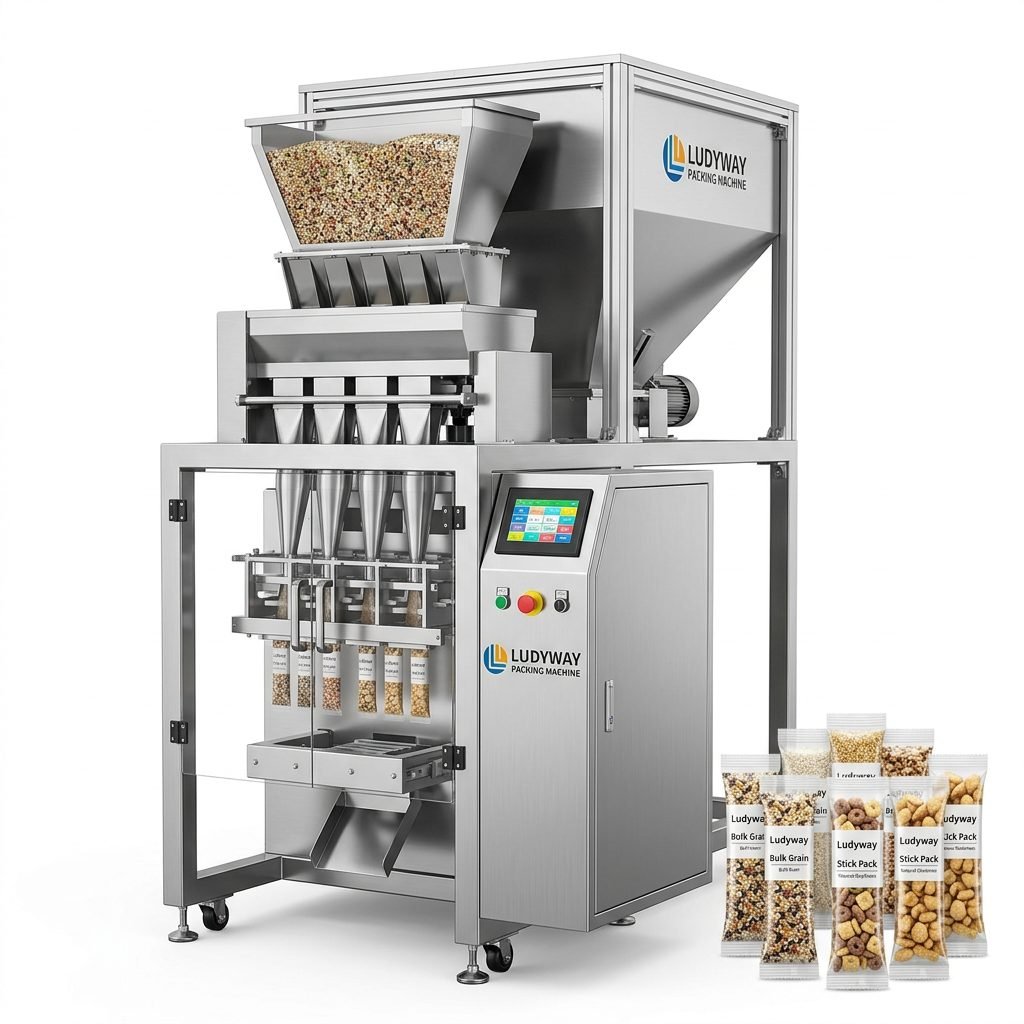
Tea producers are under increasing pressure to deliver consistent quality, attractive presentation, hygienic packing, and faster output. A small tea bag packing machine helps solve these challenges by automating the filling, forming, sealing, and portion control process for tea bags. Whether you pack loose leaf tea, crushed herbal blends, scented tea, or functional tea products, the right machine can improve production efficiency while reducing waste and labor dependence.
For growing tea brands, contract packers, and established tea factories, compact packaging equipment offers a practical way to scale output without occupying excessive floor space. It is especially suitable for businesses that want flexible production, stable bag quality, and easier changeover between tea varieties.
What Is a Small Tea Bag Packing Machine?
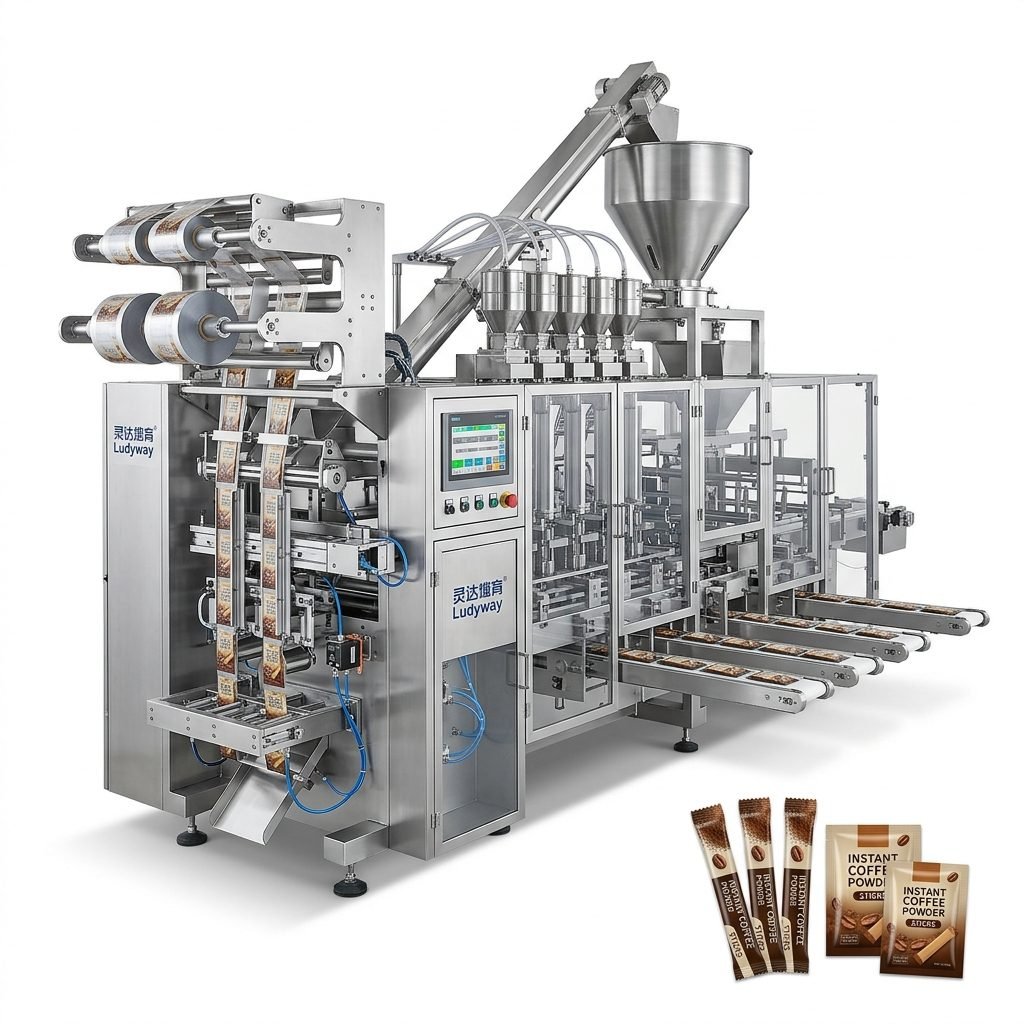
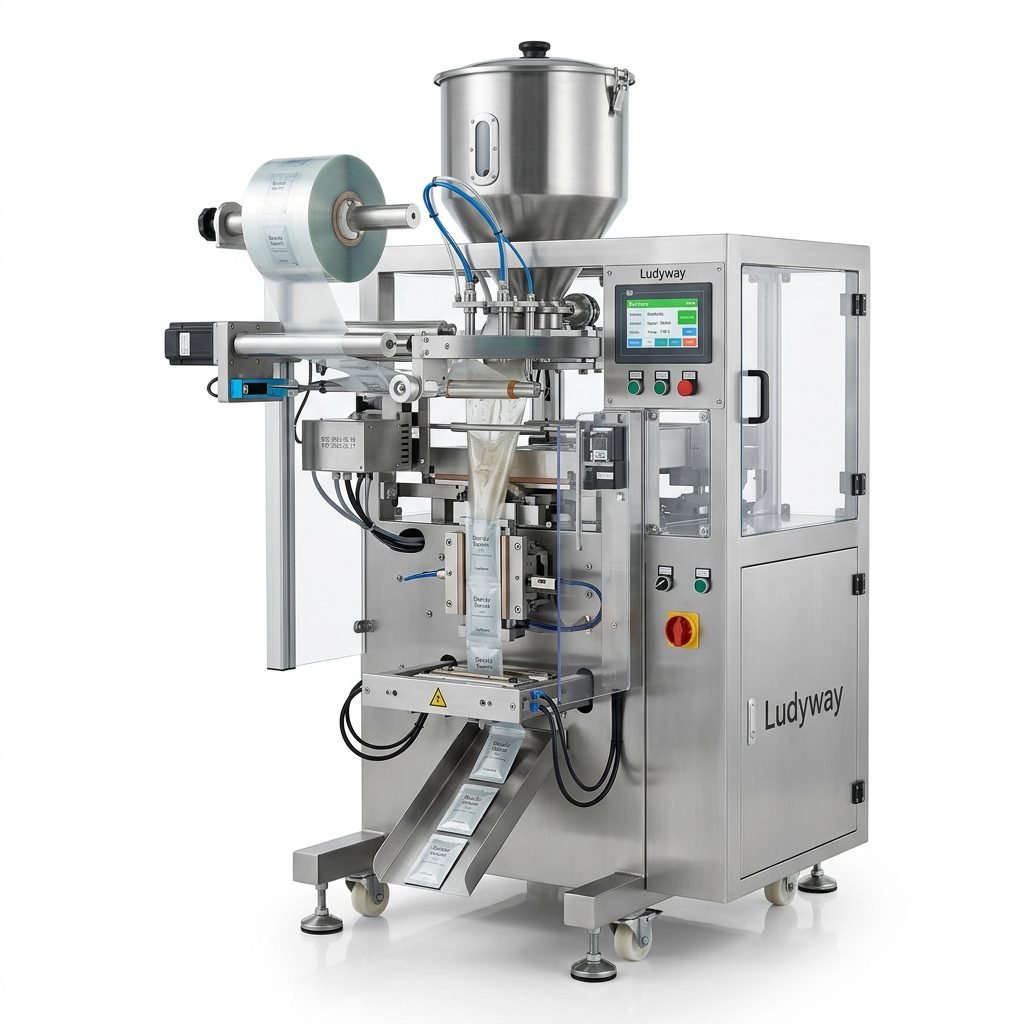
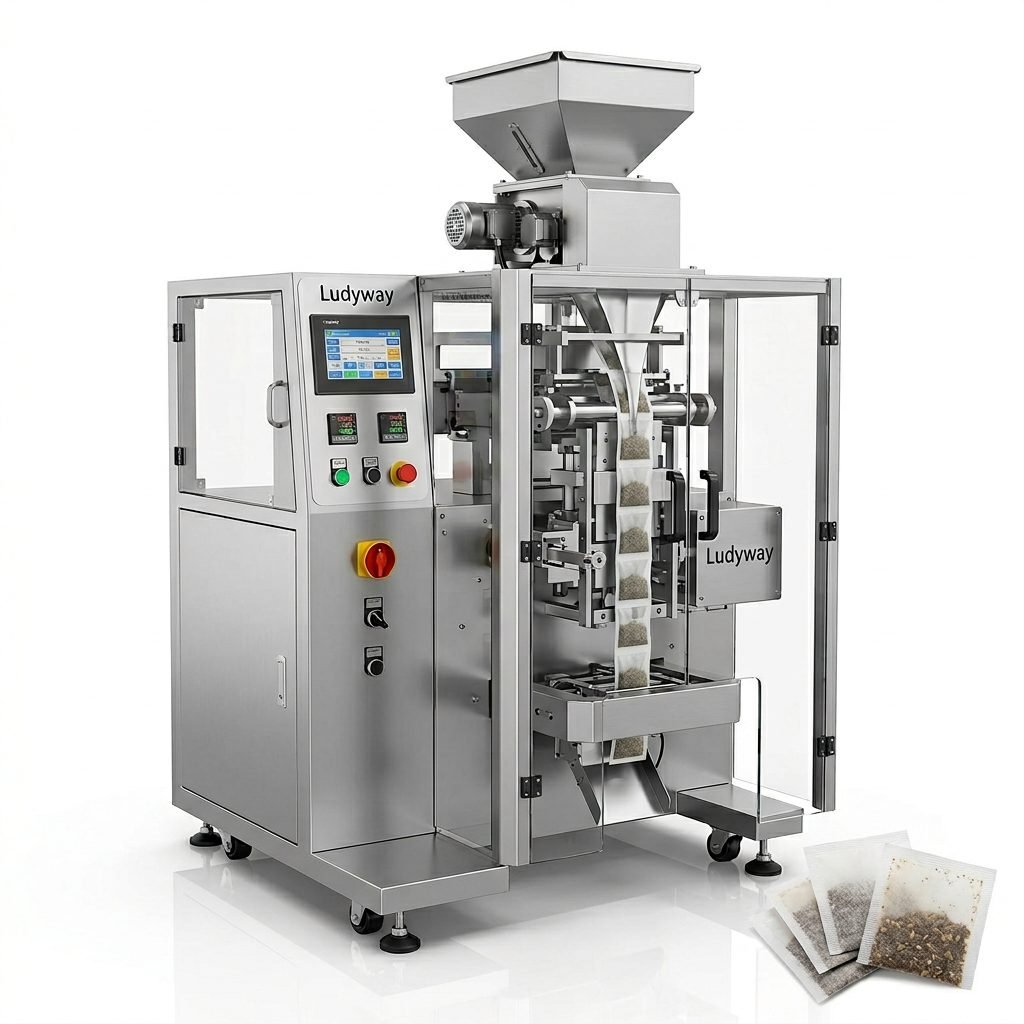
A small tea bag packing machine is a compact automated system designed to package tea into individual filter bags, sachets, or similar small-dose formats. Depending on the machine structure, it may handle:
- Black tea
- Green tea
- Herbal tea blends
- Flower tea
- Fruit tea particles
- Powdered tea products such as matcha mixes
These machines are commonly used by tea farms, beverage brands, health product manufacturers, and OEM/ODM packaging businesses. Their main role is to create neatly measured tea packs that are easy to store, ship, and sell.
Typical packaging functions include:
- Automatic feeding of tea material
- Accurate volumetric or weighing-based dosing
- Tea bag forming
- Heat sealing
- Thread and tag attachment on selected models
- Outer envelope packing on integrated systems
- Date coding or batch marking support
Why Tea Producers Choose Small Tea Bag Packing Machines
The tea market depends heavily on presentation, freshness, and consistency. Manual packing may work at a very small scale, but it often creates variation in bag weight, sealing quality, and final appearance. A compact automated machine helps tea businesses maintain professional standards while controlling operating cost.
| Key Benefit | How It Helps Tea Producers |
|---|---|
| Consistent fill weight | Reduces underfilled or overfilled tea bags and improves product uniformity |
| Higher efficiency | Increases output compared with manual packing |
| Better hygiene | Minimizes direct contact with tea materials during packing |
| Lower labor demand | Reduces repetitive manual work and operator fatigue |
| Compact footprint | Fits small workshops and medium-sized tea processing plants |
| Flexible production | Supports multiple tea types and packaging formats |
Main Tea Products Suitable for This Equipment
Not all tea products behave the same during filling. Some are fluffy and lightweight, while others are granular, dusty, or irregular in particle size. A well-configured machine should match the physical characteristics of your tea material.
Common applications include:
- Loose leaf tea fragments for standard tea bag filling
- CTC tea for high-speed consistent dosing
- Herbal blends with cut leaves, roots, and flowers
- Detox or wellness tea formulas
- Chamomile, hibiscus, mint, and other botanical infusions
- Milk tea powder or instant tea powder in sachet formats
- Functional beverage mixes sold in single-serve packs
Important Features to Look For
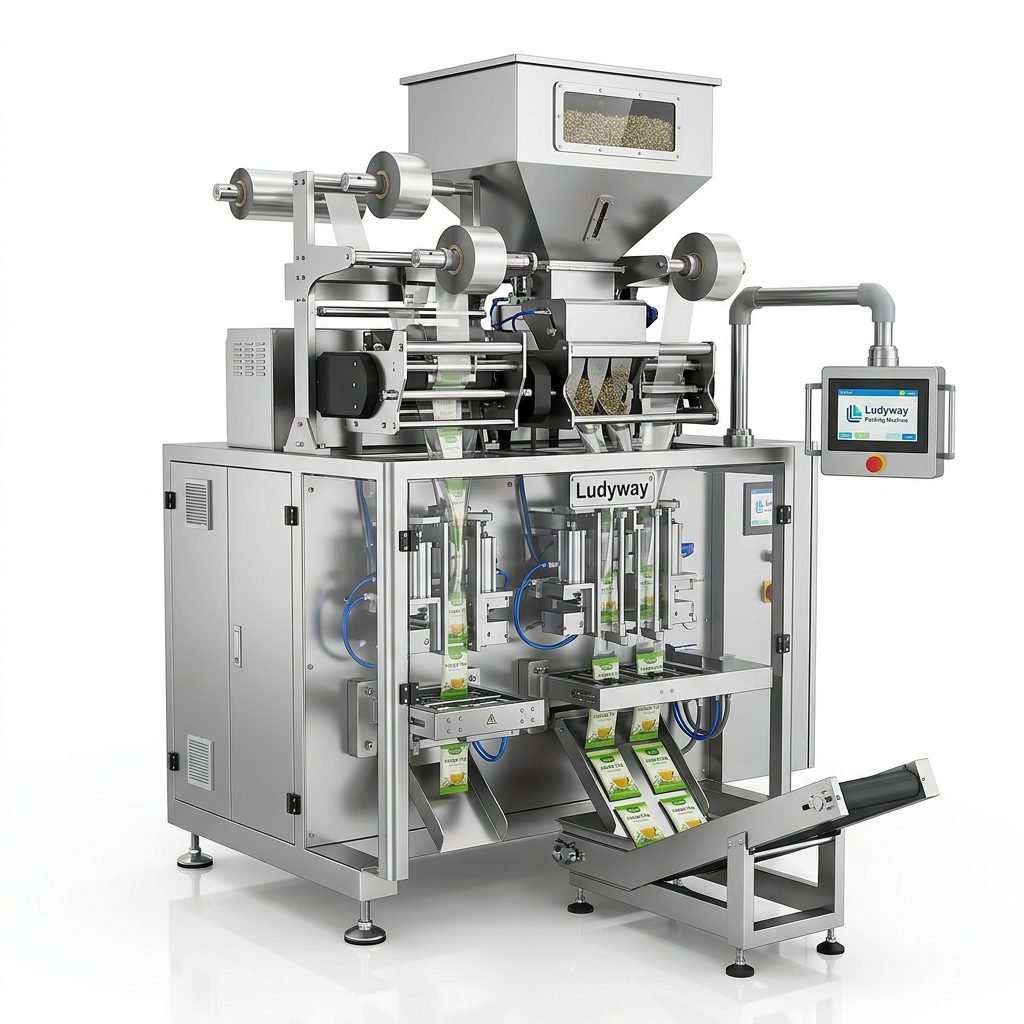
When comparing machines, tea producers should focus on more than output speed alone. The best small tea bag packing machine is one that matches your product characteristics, packaging goals, and future production growth.
1. Dosing Accuracy
Accurate dosing is essential for controlling cost and ensuring every tea bag meets label claims. Even a small deviation repeated across thousands of units can affect profitability.
2. Sealing Quality
Tea bags must be securely sealed to avoid leakage, broken packs, or poor shelf presentation. Stable sealing performance is particularly important for export products and premium retail tea lines.
3. Material Compatibility
Some machines are better suited for fine powders, while others handle leaf blends and irregular herbal cuts more effectively. Producers should verify compatibility with their actual tea sample before purchase.
4. Easy Cleaning and Changeover
Tea brands often produce multiple SKUs. Machines with accessible contact parts and simple adjustment points can reduce downtime between flavor changes.
5. Optional Thread, Tag, and Envelope Functions
If you sell retail tea bags, you may need individual bag strings, tags, and outer envelopes. If you supply bulk foodservice or industrial clients, a simpler bag format may be enough.
6. Stable Mechanical Structure
Reliable operation over long shifts matters more than peak speed on paper. Tea producers should look for durable construction, quality electrical components, and practical maintenance access.
Who Can Benefit Most from Compact Tea Bag Packaging Equipment?
This type of equipment is ideal for a wide range of tea-related businesses:
- Tea startups entering retail packaging
- Specialty tea brands launching premium bagged lines
- Herbal wellness product manufacturers
- Tea farms adding value through finished consumer packaging
- Contract packaging providers serving multiple brands
- E-commerce tea sellers needing more standardized output
How a Small Tea Bag Packing Machine Improves Production Efficiency
Efficiency is not just about speed. In tea production, efficiency also includes material utilization, labor coordination, rejection reduction, and output consistency.
| Production Area | Improvement from Automation |
|---|---|
| Labor use | Fewer operators needed for repetitive filling and sealing tasks |
| Tea loss | Better dosing control reduces product giveaway and spillage |
| Output planning | More predictable production scheduling and inventory management |
| Packaging consistency | Uniform bag appearance improves shelf appeal and brand image |
| Quality control | More stable machine parameters make inspection easier |
Choosing the Right Machine for Your Tea Business
A good buying decision starts with a clear understanding of your own product and market requirements. Before selecting equipment, ask the following questions:
Production planning checklist:
- What type of tea do you pack most often?
- What is your target bag weight?
- Do you need inner bags only or inner plus outer envelope packaging?
- How many packs per day or per shift do you need?
- Will you package one tea SKU or multiple blends?
- Do you need nitrogen flushing, coding, cartoning, or counting integration?
- What level of automation fits your current labor structure?
The best suppliers usually evaluate your sample material, bag size, desired output, and packaging film requirements before recommending a machine configuration.
Single Machine or Turnkey Tea Packaging Line?
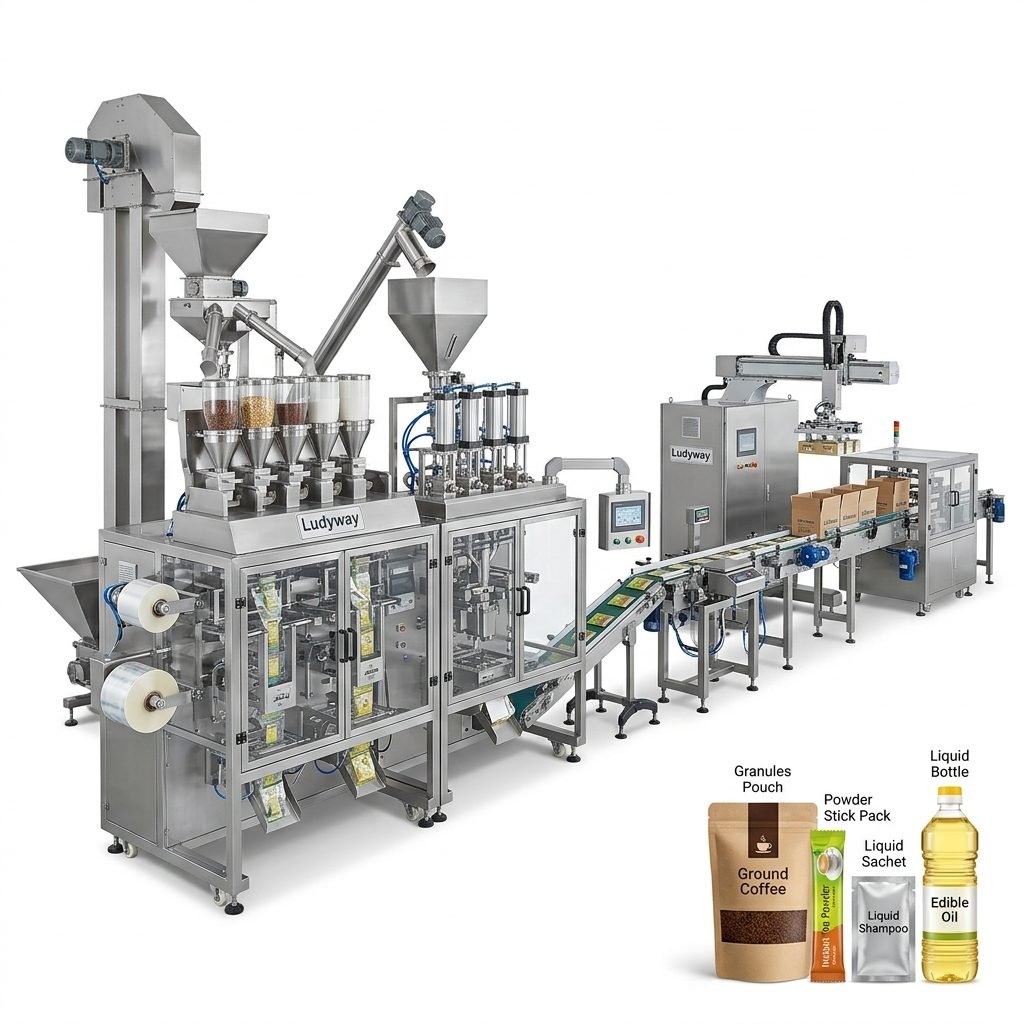
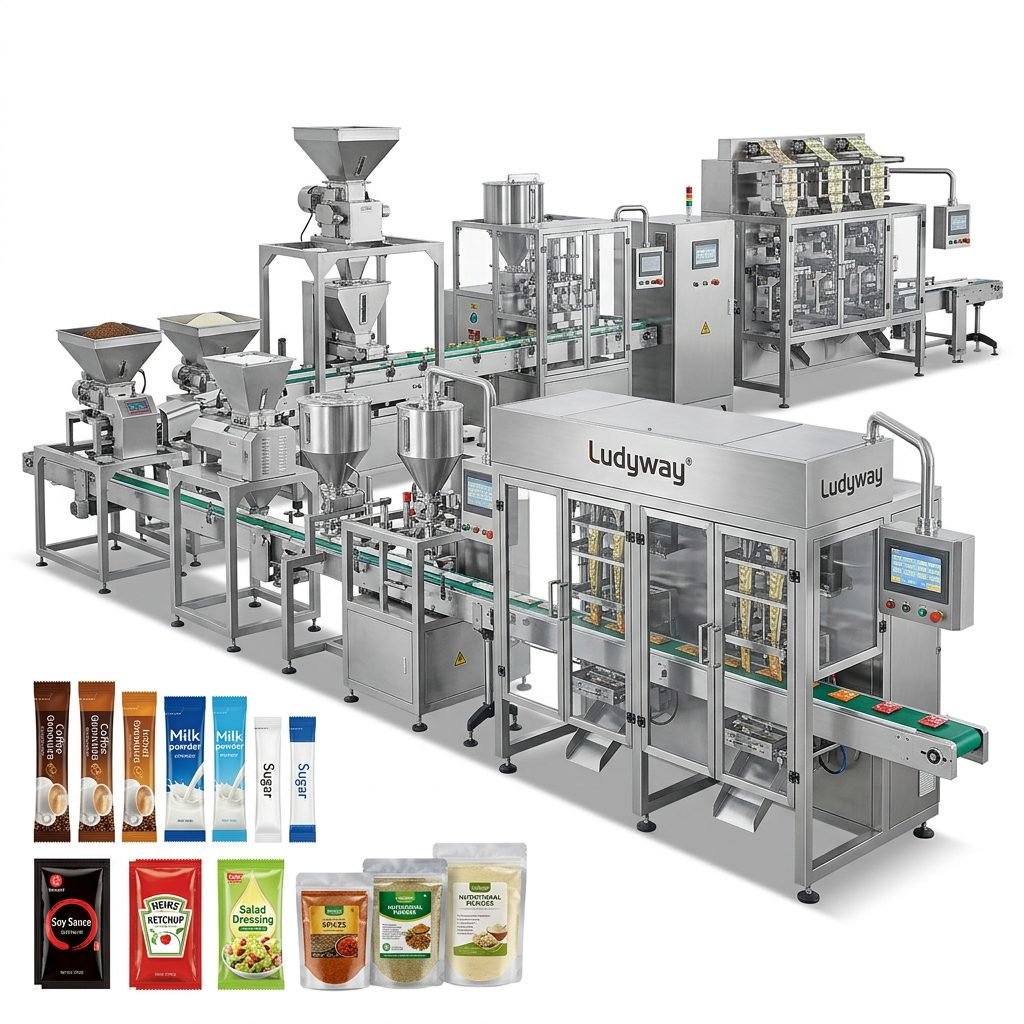
Some tea businesses only need a standalone tea bag packing machine. Others need a broader packaging system that includes feeding, counting, cartoning, coding, checkweighing, and end-of-line handling.
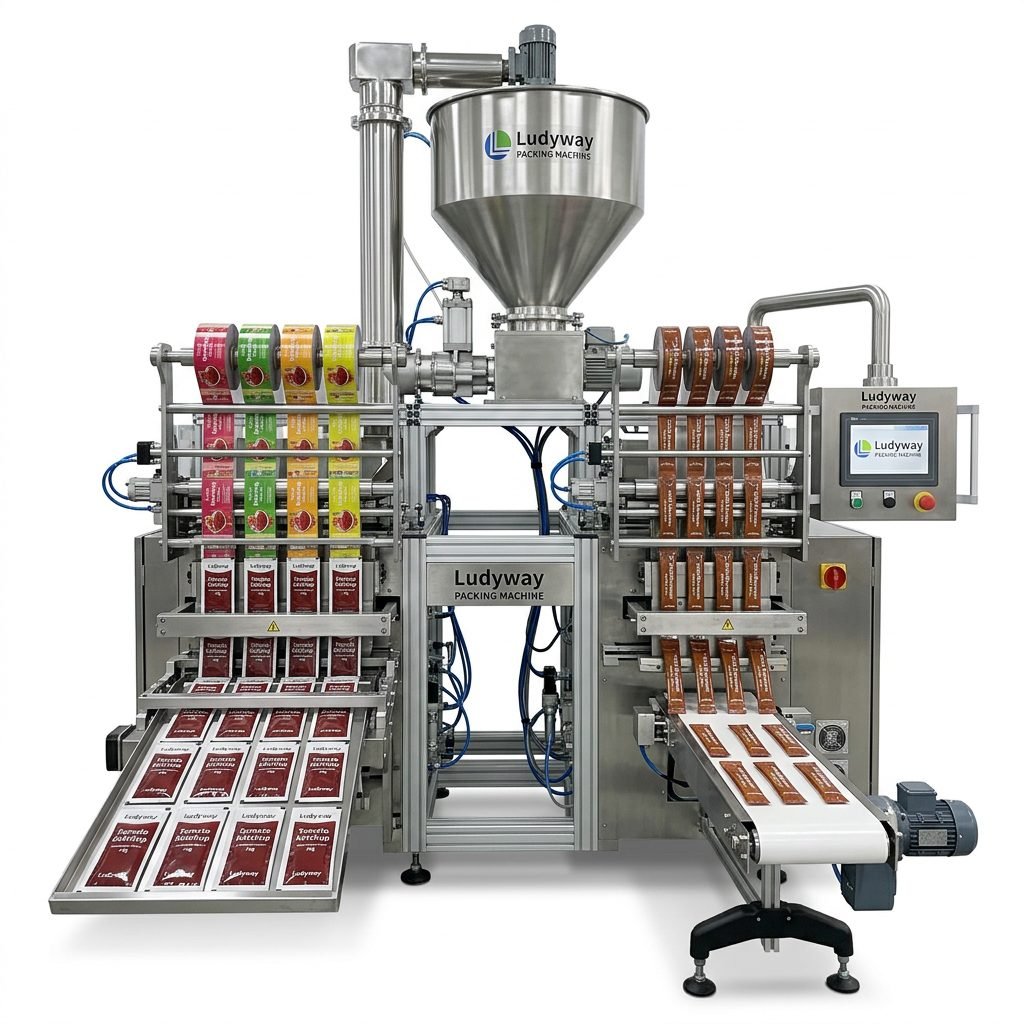
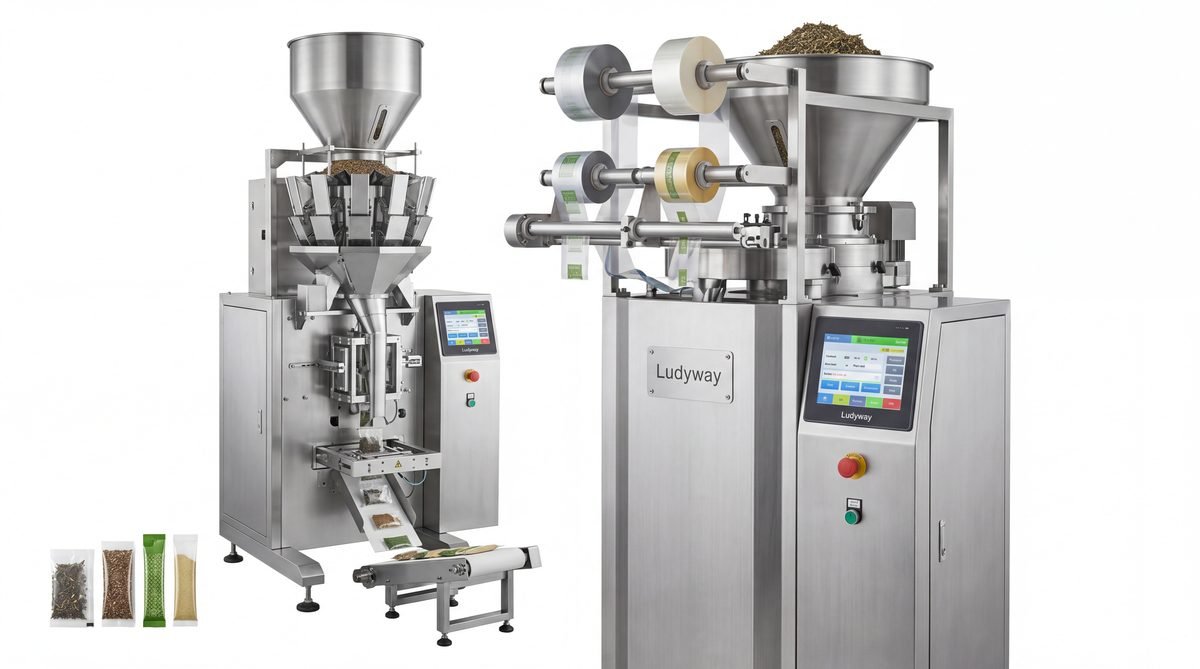
If your business is growing quickly, it may be more cost-effective to choose a supplier that can support future line expansion. That is why many international buyers work with experienced manufacturers such as Ludyway small tea bag packing machine solutions, especially when they need scalable equipment, customized automation, and broader packaging line support.
A standalone machine is suitable when:
- You are starting with moderate production volume
- You have a limited workshop layout
- You handle secondary packaging separately
- You want lower initial investment
A turnkey packaging line is suitable when:
- You need higher daily output
- You supply supermarkets or export markets
- You want full process automation
- You need long-term production scalability
Maintenance Tips for Long-Term Performance
Even a compact and efficient machine needs proper maintenance to keep sealing quality and dosing performance stable. Preventive care helps reduce downtime and extends service life.
Recommended practices:
- Clean product-contact parts regularly to prevent tea dust buildup
- Inspect sealing components for wear
- Check moving parts and transmission systems on schedule
- Use packaging film that matches machine specifications
- Train operators on startup, shutdown, and changeover procedures
- Keep spare consumables ready for production continuity
Common Mistakes to Avoid When Buying
Many tea producers focus too heavily on price and overlook fit-for-purpose performance. This can lead to lower efficiency and more production issues later.
- Choosing a machine without testing real tea samples
- Ignoring future expansion needs
- Overlooking sealing quality and bag appearance
- Buying a machine with difficult cleaning access
- Not checking after-sales support and spare parts availability
- Selecting speed over stability
Final Buying Perspective for Tea Producers
A small tea bag packing machine is more than just packaging equipment. It is a production tool that supports brand consistency, operational efficiency, and market growth. For tea producers aiming to improve output, reduce manual dependency, and maintain professional packaging quality, compact automation is a practical and scalable investment.
By selecting the right machine based on tea type, bag format, filling accuracy, and future line expansion, producers can build a more reliable packaging process and strengthen their competitiveness in local and export markets.