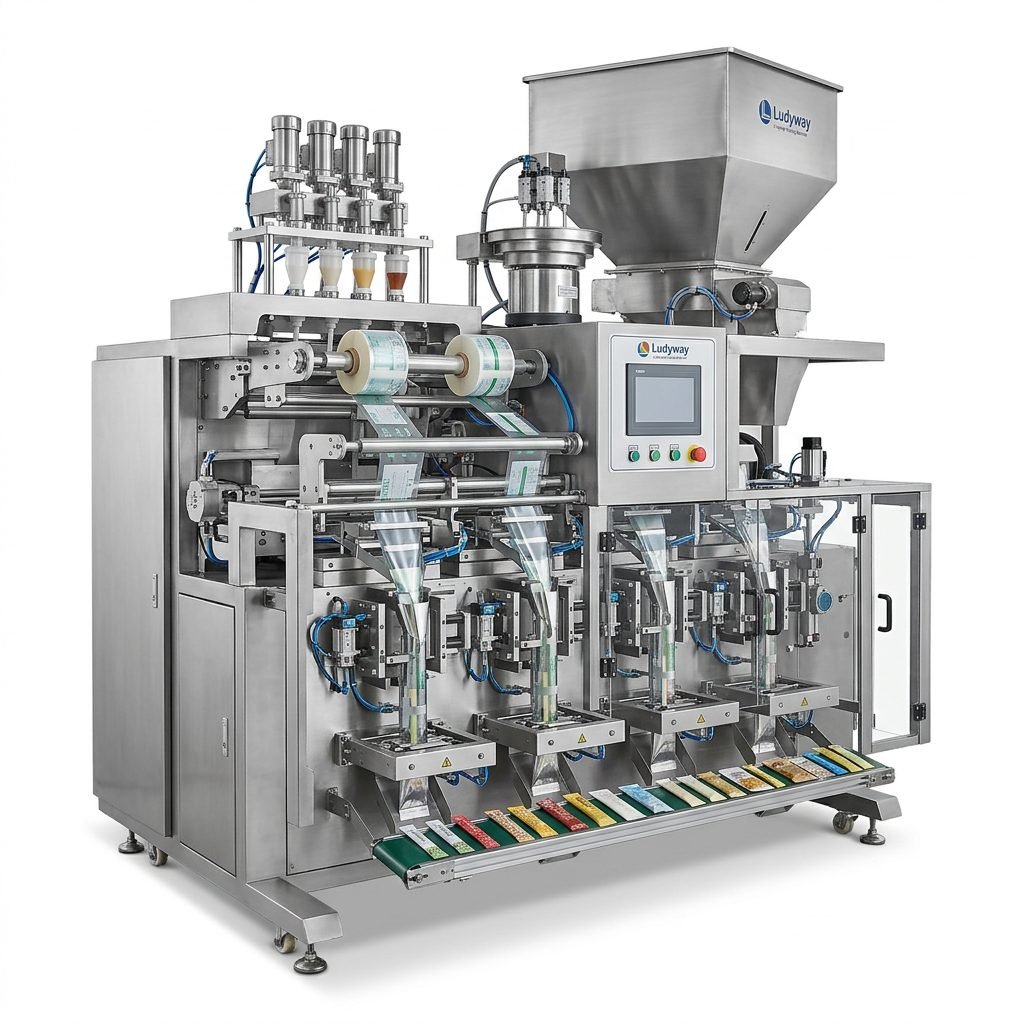
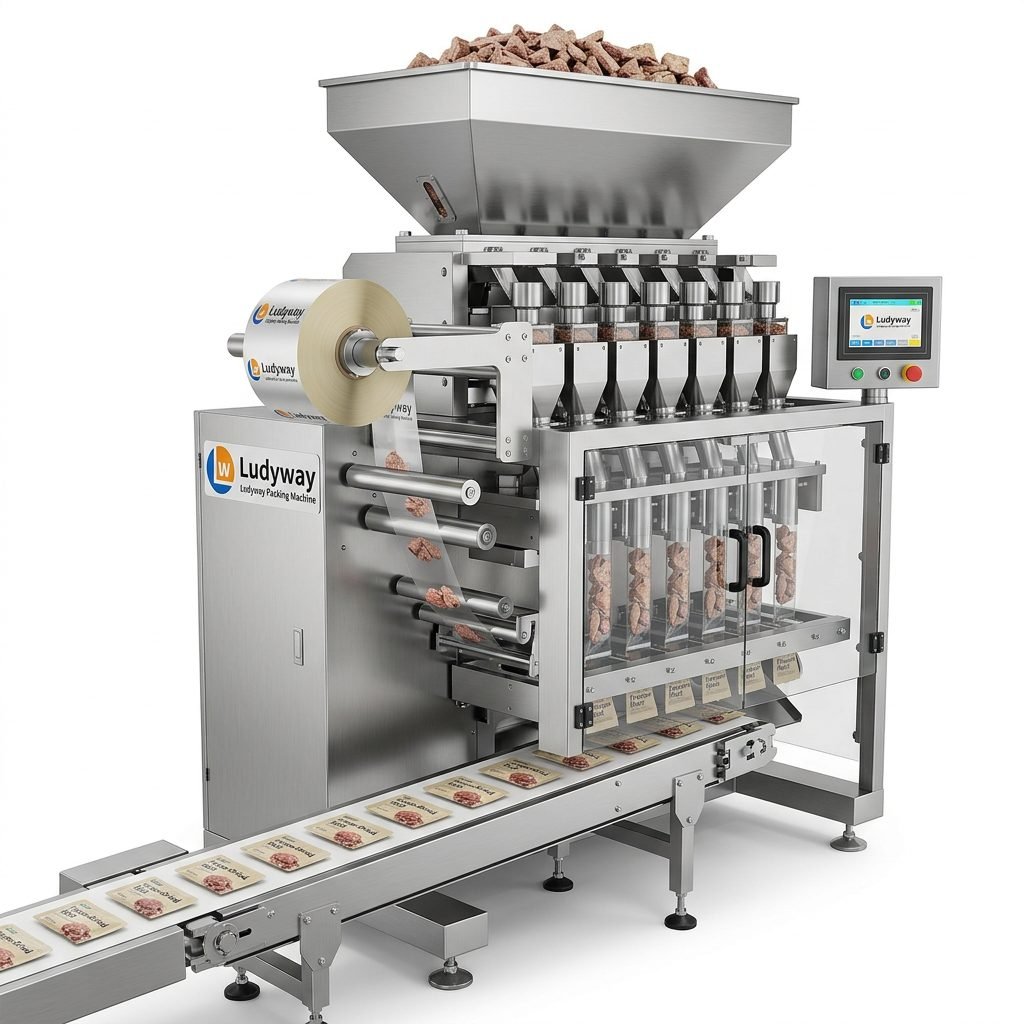
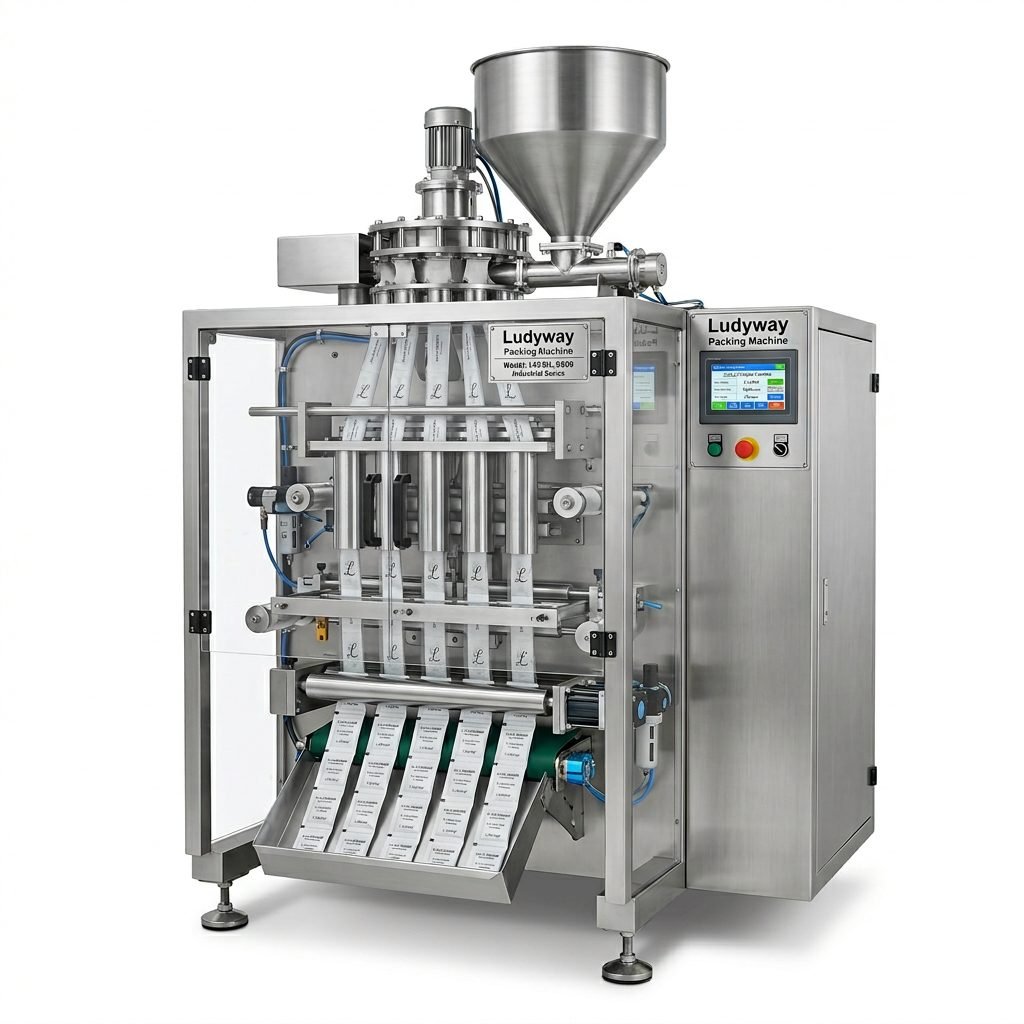
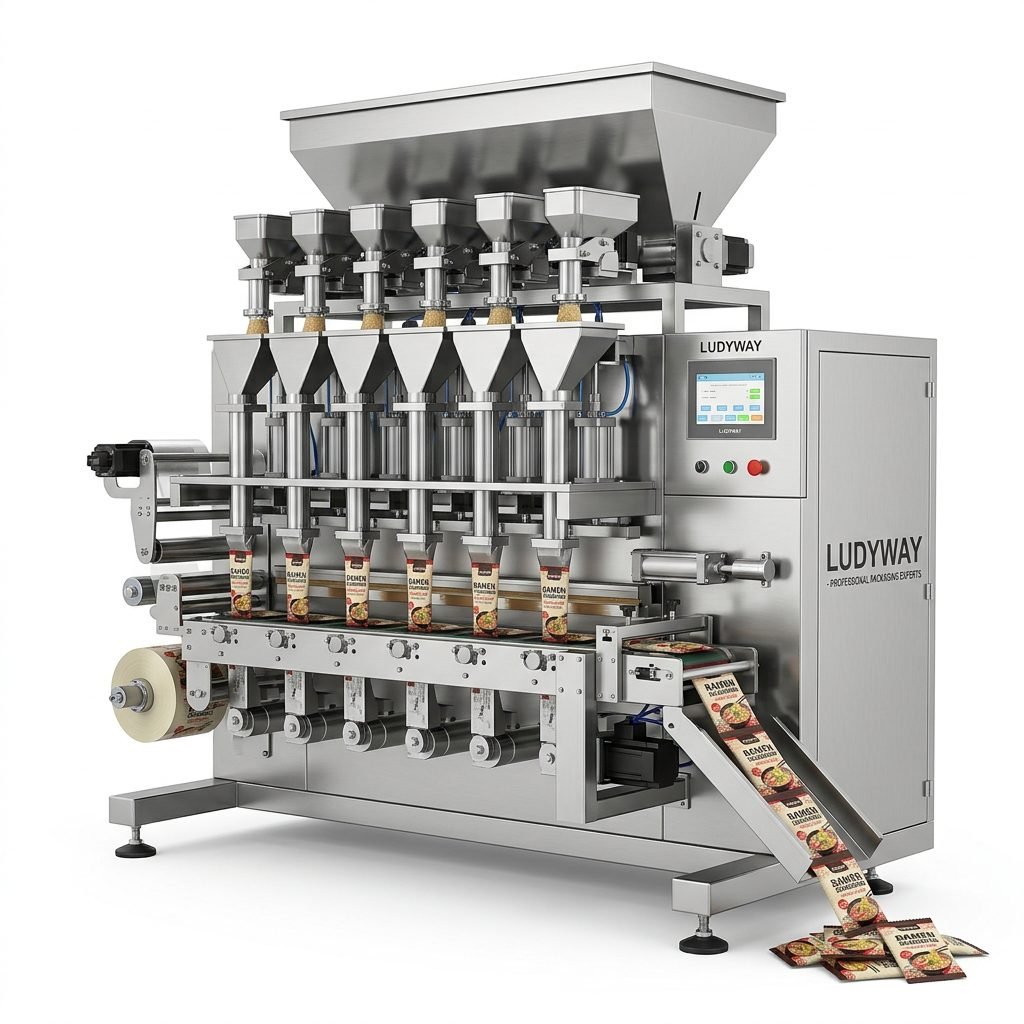
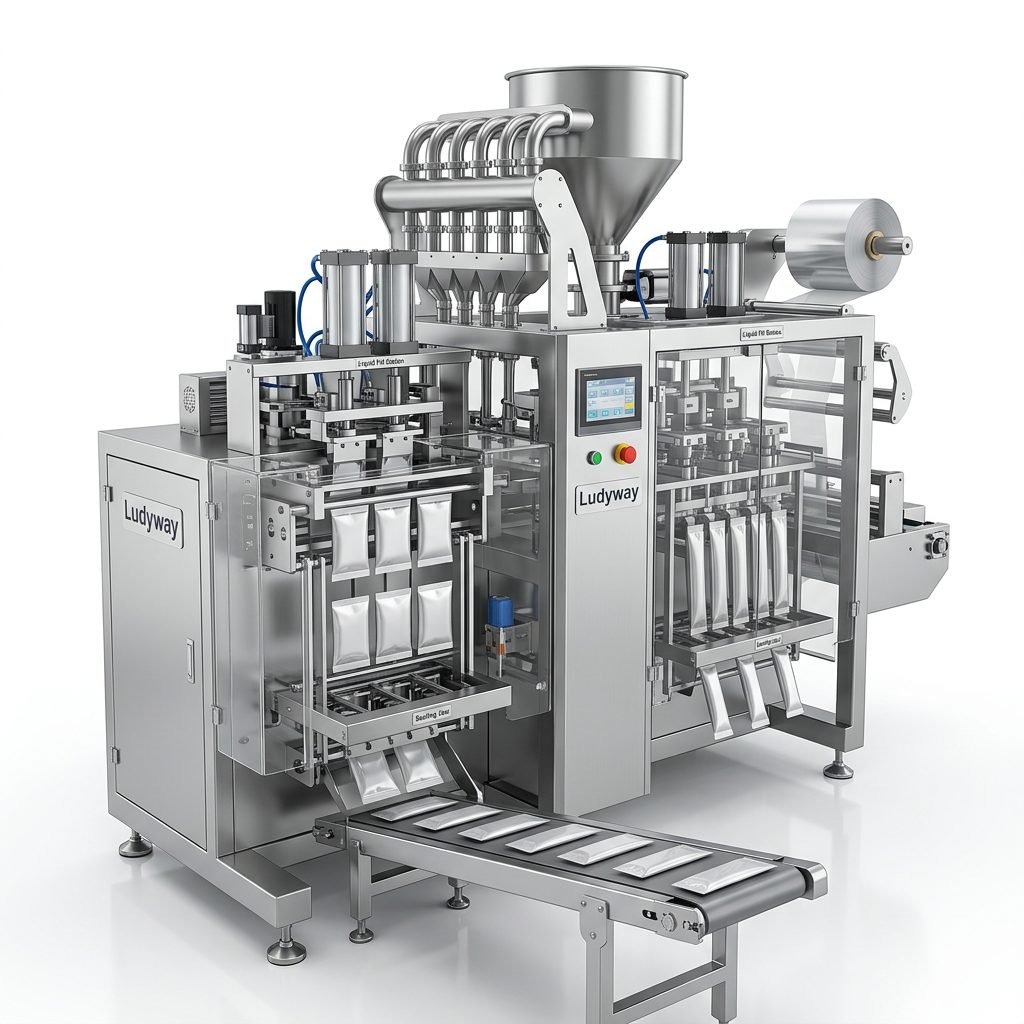
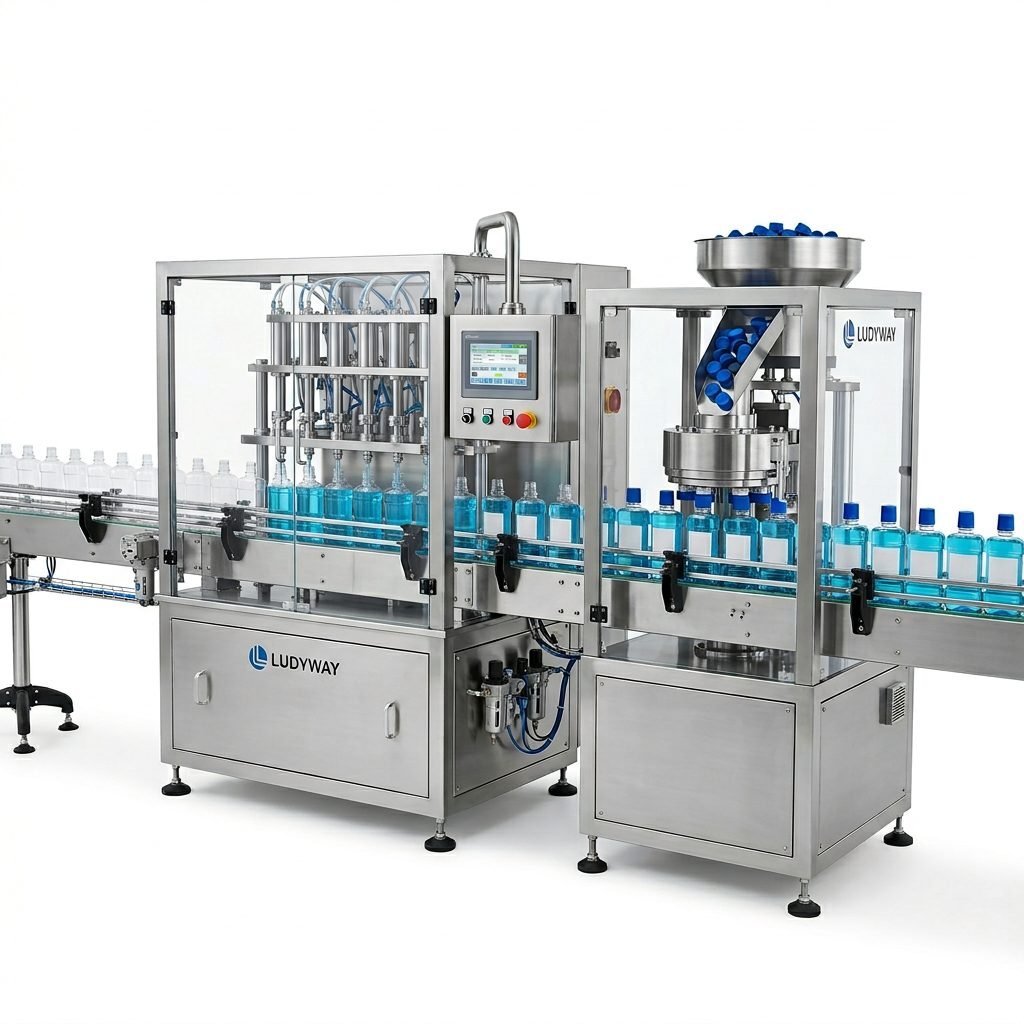
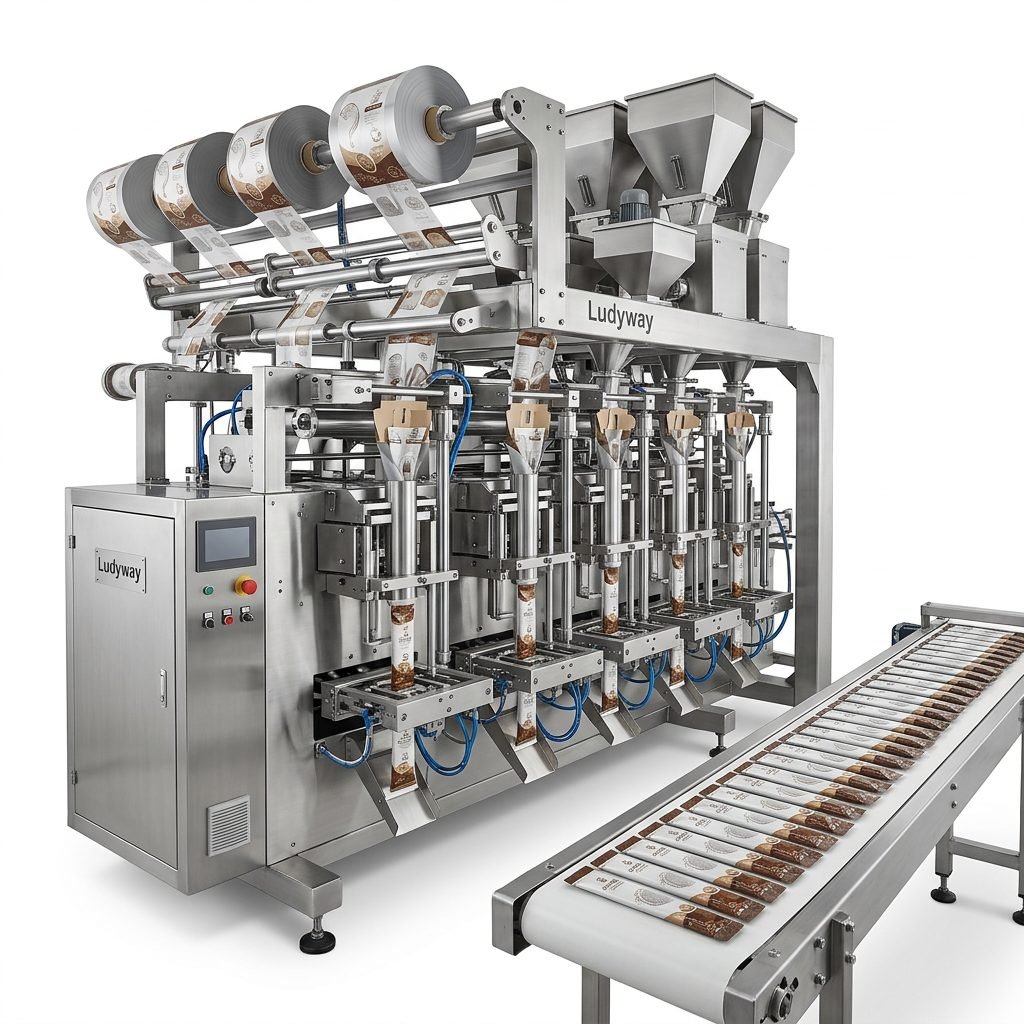
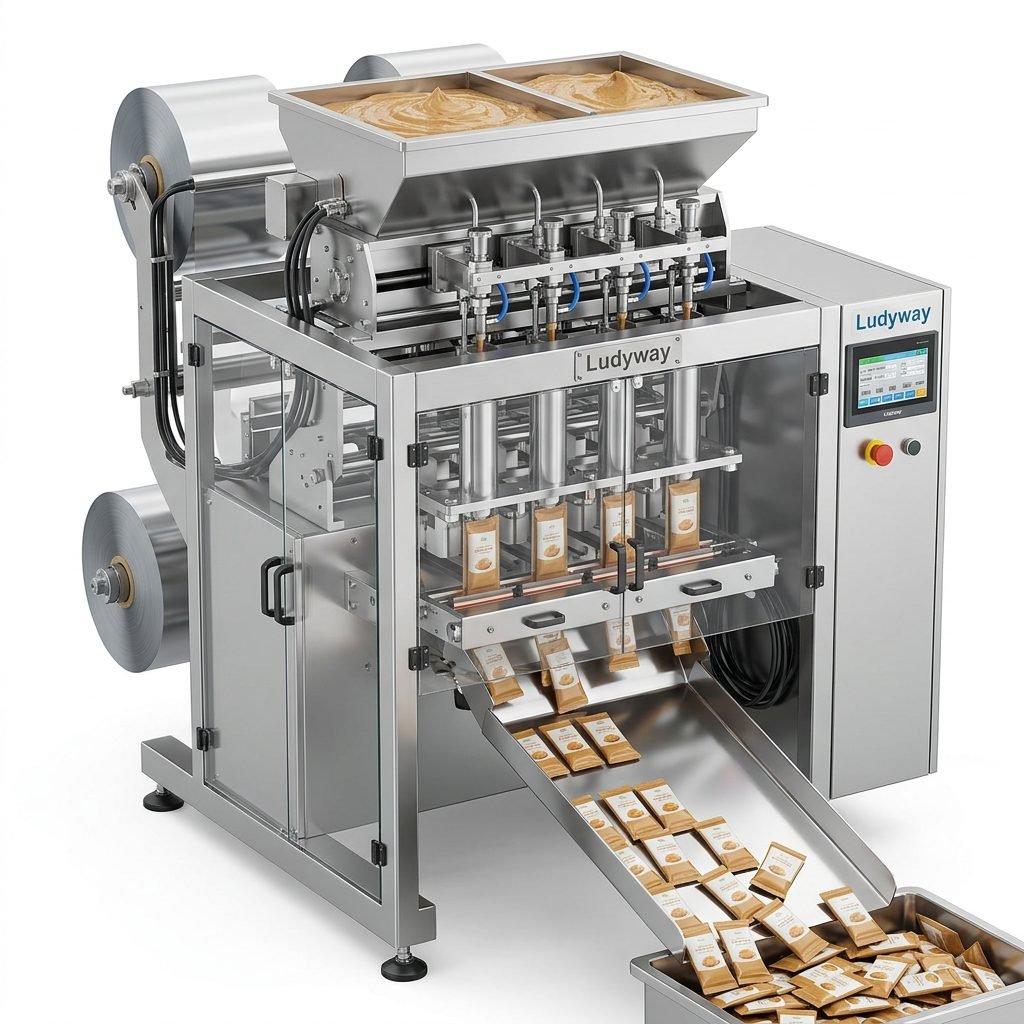
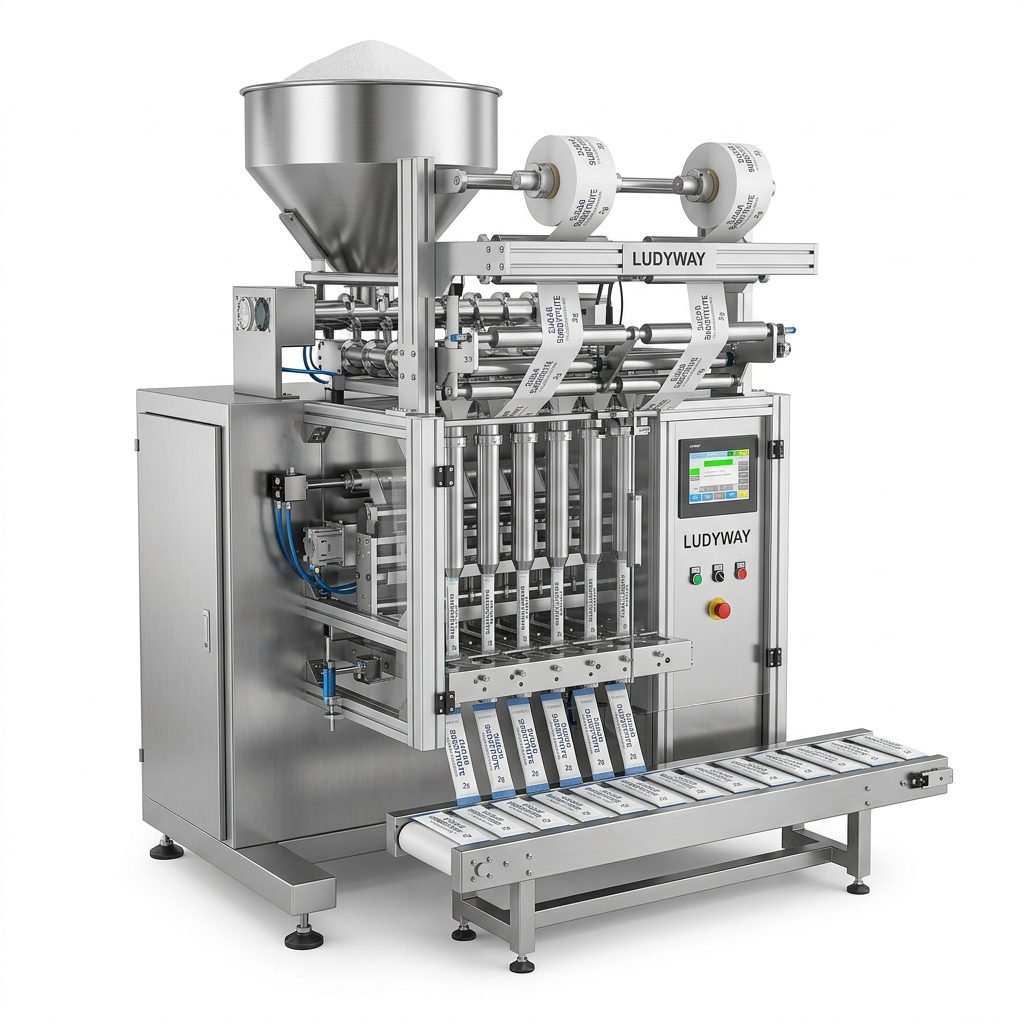
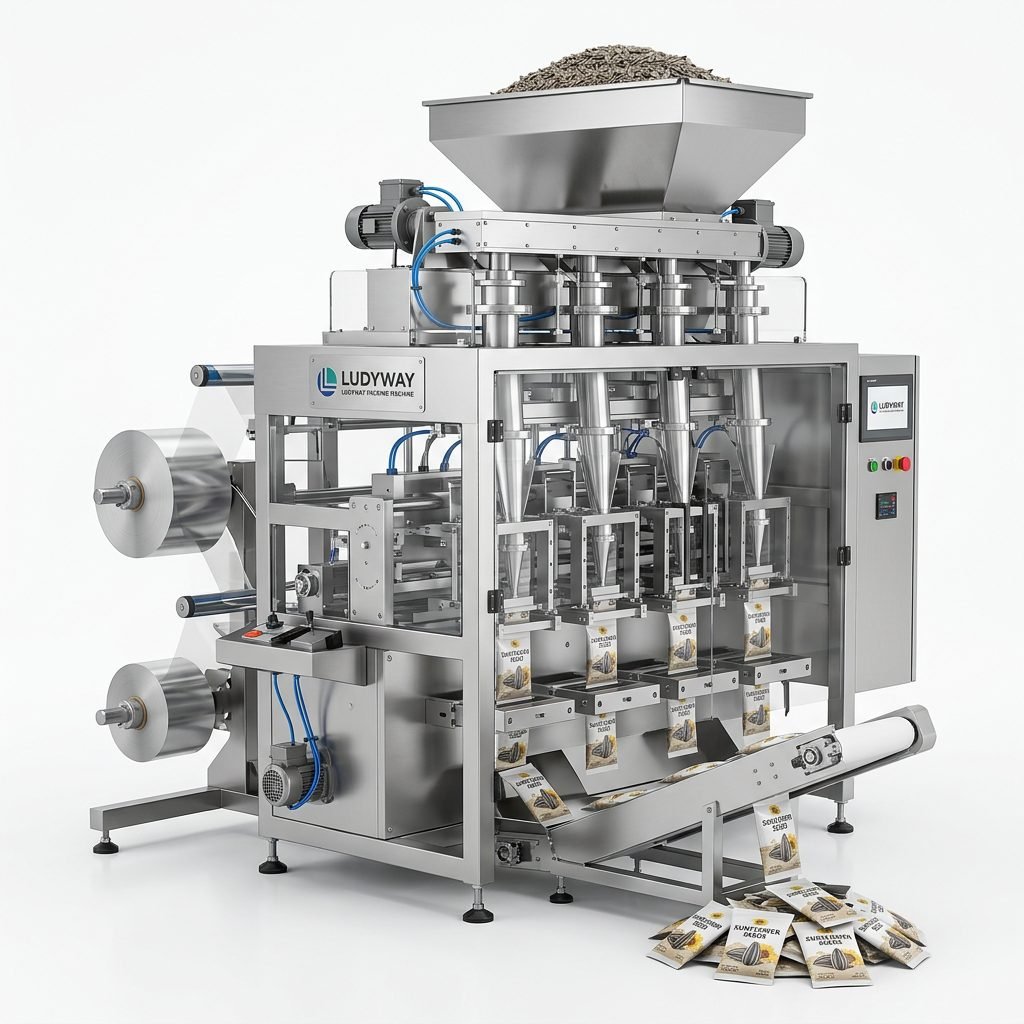
Sunflower seeds are popular in retail snack markets, food processing, and private-label packaging. To stay competitive, manufacturers need a packing system that delivers high speed, stable output, precise weighing, and clean sealing. A modern sunflower seed packaging machine is designed to handle these needs with automated feeding, measuring, filling, sealing, coding, and optional end-of-line integration.
For producers that want to reduce labor dependency and improve packaging consistency, an automatic solution is no longer just an upgrade—it is a practical investment for long-term production efficiency.
Why Automated Sunflower Seed Packaging Matters
Sunflower seeds may appear easy to pack, but in real production environments they present several challenges. Different sizes, irregular particle shapes, seasoning dust, and changing bag specifications can all affect packaging accuracy and sealing quality. Manual or semi-automatic processes often lead to:
- Inconsistent bag weights
- Lower production speed
- More material waste
- Greater labor costs
- Unstable sealing performance
- Difficult batch traceability
A fully automated machine helps solve these issues by standardizing every packaging step. This is especially important for brands selling into supermarkets, convenience stores, wholesalers, and export markets where appearance, net weight, and package integrity directly influence customer trust.
What Is a Sunflower Seed Packaging Machine?
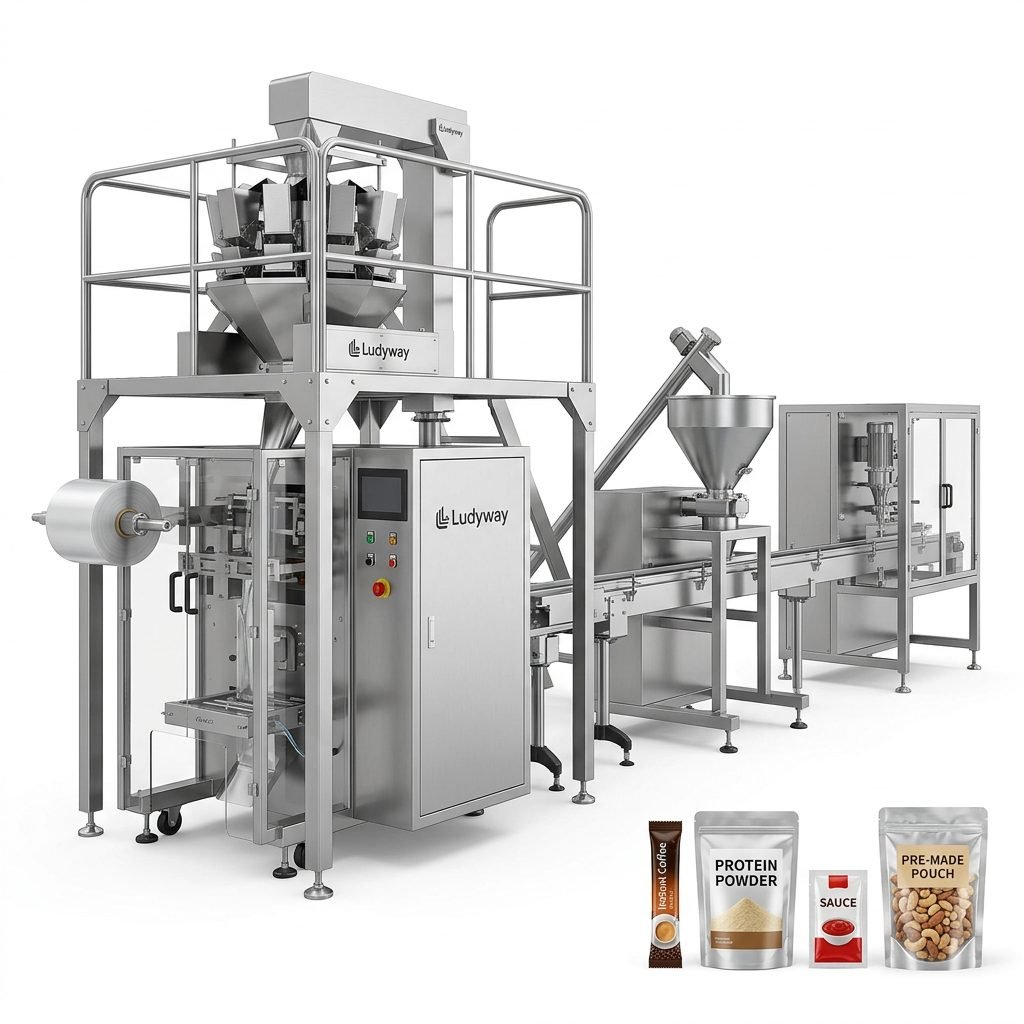
A sunflower seed packaging machine is a packaging system developed for granular snack products. It can be configured for different pack styles such as pillow bags, back-seal pouches, three-side seal sachets, four-side seal bags, or larger preformed pouches depending on the target market.
The system usually combines multiple functional modules, including:
- Product feeding system
- Weighing or volumetric dosing unit
- Bag forming mechanism
- Filling and sealing unit
- Date coding or printing system
- Inspection and discharge section
Depending on product characteristics, machines can also include nitrogen flushing, zipper pouch functions, metal detection, checkweighing, case packing, and palletizing.
Key Benefits of a Fully Automatic Packing Solution
1. Higher Packaging Efficiency
Automatic sunflower seed packing systems can run continuously with minimal interruption. This allows snack producers to handle larger order volumes without adding excessive labor. Faster bagging also helps improve delivery performance during peak sales seasons.
2. Accurate Weighing Performance
Accurate dosing is essential for cost control. Overfilling increases product giveaway, while underfilling can trigger customer complaints or compliance risks. A properly matched weighing system helps maintain stable fill accuracy even when sunflower seeds vary slightly in size and shape.
3. Better Package Appearance
Clean seals, even bag lengths, and neat finished packs support better shelf presentation. For retail snack products, appearance strongly influences purchase decisions, especially in competitive channels.
4. Reduced Manual Labor
Automation reduces dependence on repetitive manual work such as feeding, bagging, sealing, and sorting. This helps factories lower labor costs and improve production management.
5. Easy Integration Into Complete Lines
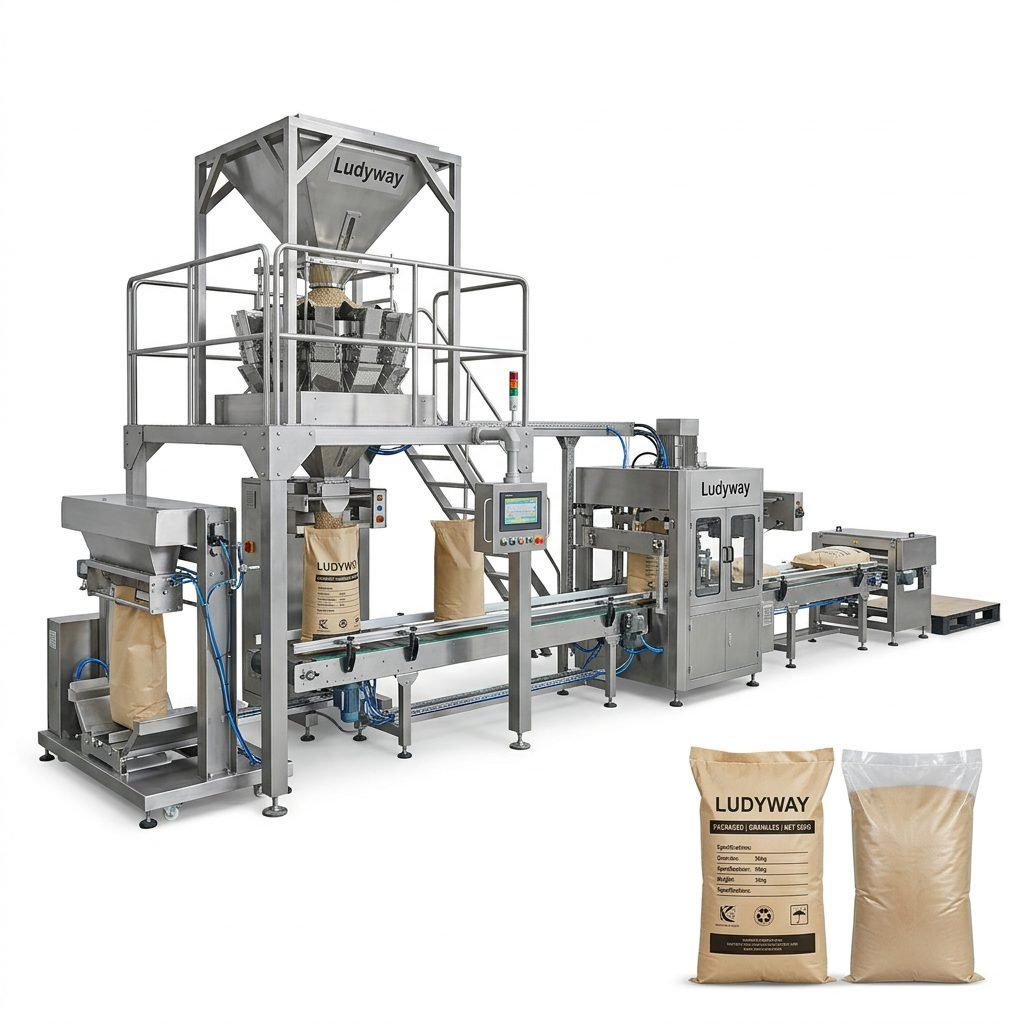
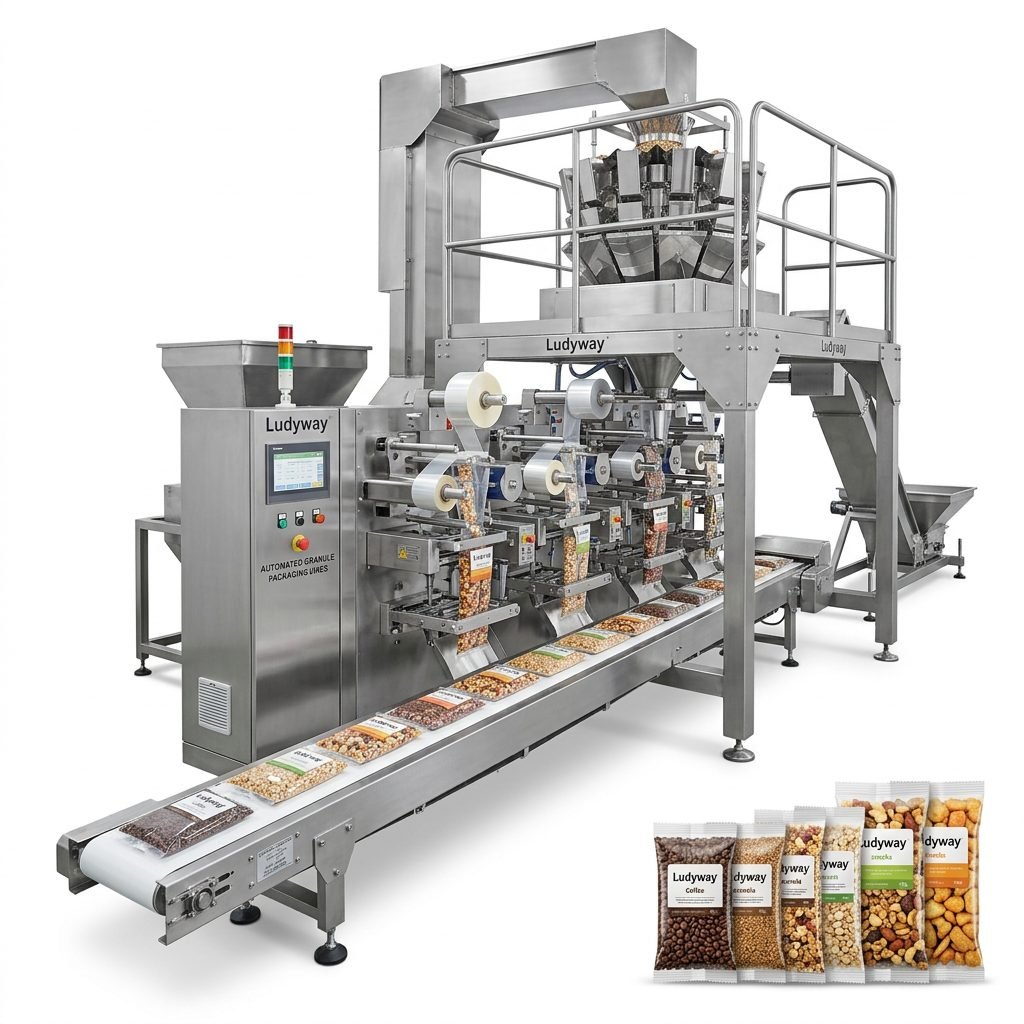
A sunflower seed packing machine can operate as a standalone unit or as part of a larger turnkey line with conveyors, elevators, metal detectors, checkweighers, labeling systems, case packers, and palletizers.
Main Machine Features to Look For
| Feature | Why It Matters |
|---|---|
| Automatic feeding | Ensures continuous material supply and reduces operator workload |
| Precise weighing system | Helps control net weight deviation and product giveaway |
| Servo-driven bagging | Improves bag length accuracy and machine stability |
| Reliable sealing system | Prevents leakage and keeps packaged seeds fresh |
| Touchscreen HMI | Makes recipe changes and parameter adjustments faster |
| Date coding compatibility | Supports traceability and retail compliance |
| Stainless steel contact parts | Improves hygiene and supports food-grade production standards |
| Optional nitrogen flushing | Helps protect freshness and extend shelf life |
Suitable Packaging Formats for Sunflower Seeds
Different buyers need different pack structures. The right machine should support flexible bag formats to match your brand, distribution model, and market positioning.
Common options include:
- Small retail sachets
- Pillow bags for snack stores
- Three-side or four-side seal packs
- Stand-up pouches
- Zipper pouches for resealable packaging
- Bulk bags for wholesale and food service
For roasted or flavored sunflower seeds, packaging materials and sealing parameters should be adjusted according to oil content, seasoning dust, and storage requirements.
How the Packaging Process Works
- Feeding: sunflower seeds are transferred from hopper or elevator to the dosing unit.
- Weighing: the machine measures the required amount for each bag.
- Bag forming: film is shaped into the selected pouch structure.
- Filling: measured seeds are discharged into the package.
- Sealing: the package is heat-sealed securely.
- Coding: production date, batch code, or other data can be printed.
- Discharge: finished packs move to inspection, counting, cartoning, or collection.
Industries and Applications
Although designed for sunflower seeds, these machines are often suitable for many similar granular products. This is useful for factories that need one platform for multiple SKUs.
| Application | Typical Use |
|---|---|
| Roasted sunflower seeds | Retail snack packs |
| Flavored sunflower seeds | Convenience store and supermarket packaging |
| Shelled sunflower kernels | Baking, salad topping, and food ingredient use |
| Mixed nuts and seeds | Premium snack blends |
| Other granules | Flexible use across food packaging lines |
How to Choose the Right Machine
Selecting the best sunflower seed packaging equipment depends on more than speed alone. Buyers should evaluate their project from both current and future production needs.
Important selection factors:
- Target bag size and package style
- Required output per minute or per hour
- Product type: in-shell, shelled, roasted, salted, or seasoned
- Desired weighing accuracy
- Packaging film structure
- Available factory space
- Need for coding, inspection, cartoning, or palletizing
- Future line expansion plans
A good supplier should help match the feeding method, dosing system, bag type, and automation level to your exact application instead of offering a one-size-fits-all configuration.
Why Precision Is Critical in Seed Packaging
Sunflower seed packaging involves tight control over both product weight and package quality. Even small filling variations can become expensive when production runs are large. In addition, if seasoned seeds contaminate the sealing area, package leakage can increase.
That is why a reliable machine should deliver:
- Stable metering performance
- Consistent film pulling
- Strong sealing under continuous operation
- Low maintenance downtime
- Simple cleaning and changeover
Turnkey Line Advantages for Growing Manufacturers
As production volume grows, many sunflower seed processors move from a single packing machine to a complete packaging line. This can include feeding, weighing, bagging, coding, metal detection, checkweighing, case packing, and palletizing in one connected workflow.
A turnkey setup creates several advantages:
- Lower labor intensity
- Improved line coordination
- Better production data visibility
- Reduced product handling contamination risks
- Higher overall equipment effectiveness
For companies seeking scalable automation, Ludyway provides packaging machinery and turnkey packaging line solutions backed by more than 30 years of industry experience, a manufacturing base of over 20,000 square meters, and service capabilities for customers in more than 100 countries and regions.
Maintenance and Operational Tips
To keep a sunflower seed packaging machine running efficiently, routine maintenance should be part of standard production management.
Best practices include:
- Clean seed dust and seasoning residue regularly
- Inspect sealing jaws and cutting components
- Calibrate weighing units on schedule
- Check film tracking and tension stability
- Train operators on format changeover procedures
- Keep spare wear parts available for continuous production
Who Should Invest in This Type of Equipment?
An automatic sunflower seed packing solution is suitable for:
- Snack food manufacturers
- Seed processing plants
- Private-label packers
- Food exporters
- Distributors building in-house packaging capacity
- Factories upgrading from semi-automatic bagging
Final Considerations Before Purchase
Before choosing a machine, it is smart to confirm product sample testing, bag style compatibility, actual speed expectations, accuracy range, material contact standards, and after-sales technical support. A packaging machine should not only meet present orders but also support future product expansion and brand growth.
With the right configuration, a sunflower seed packaging machine can help manufacturers achieve efficient production, accurate filling, better packaging quality, and a higher level of automation—all essential advantages in today’s fast-moving packaging market.