For startups, boutique brands, labs, cafés, health-product sellers, and growing manufacturers, a table top packaging machine can be a practical way to improve speed, consistency, and presentation without taking up valuable floor space. When production volumes are still moderate, investing in a compact machine often delivers a better balance of cost, efficiency, and flexibility than jumping directly into a large industrial line.
These machines are especially attractive for businesses packaging powders, granules, liquids, creams, supplements, spices, trial packs, or sample-size products. They support professional packaging results while helping operators reduce manual filling errors, improve sealing quality, and create a cleaner workflow.
What Is a Table Top Packaging Machine?
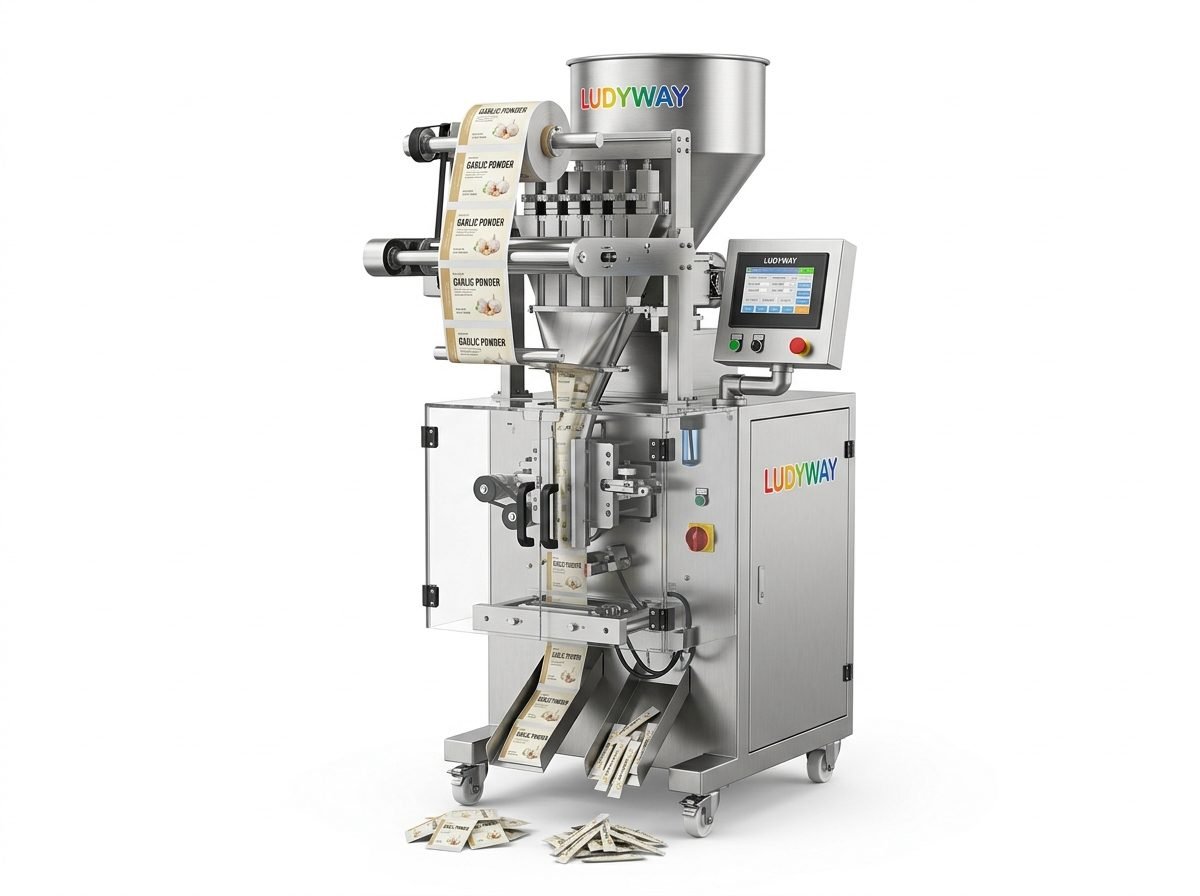
A table top packaging machine is a compact packaging unit designed to sit on a workbench, counter, or small production table. It usually performs one or more packaging functions such as filling, sealing, coding, or simple pouch forming in a space-saving layout.
Compared with larger floor-standing systems, table top units are easier to install, easier to move, and often faster to learn. For small businesses, this makes them ideal for:
- Product testing and pilot production
- Small batch manufacturing
- Seasonal or promotional packaging
- Startup operations with limited space
- Manual-to-semi-automatic production upgrades
Why Small Businesses Choose Compact Packaging Equipment
The biggest challenge for many smaller operations is scaling efficiently without overspending. A compact machine helps bridge the gap between fully manual packing and high-speed automation. Instead of adding labor every time demand increases, the business gains a more controlled and repeatable packaging process.
- Lower initial investment than full-size automated lines
- Reduced labor dependence for repetitive packaging tasks
- Improved fill accuracy and seal appearance
- Faster output than hand packing
- Better product hygiene and process consistency
- Simple operation for small teams
Key Industries That Benefit Most
A table top packaging machine is not limited to one sector. It can support a wide range of small-scale packaging needs.
| Industry | Typical Products | Why Compact Machines Work |
|---|---|---|
| Food & Beverage | Spices, coffee, tea, sauces, seasonings, snacks | Small batches, SKU variety, easy setup |
| Health Supplements | Protein powder, collagen, vitamins, granules | Better dosing consistency and cleaner filling |
| Pharmaceutical & Lab | Powders, test sachets, medical consumables | Controlled packaging for trial or limited runs |
| Cosmetics & Personal Care | Creams, serums, lotions, sample sachets | Ideal for travel sizes and promotional packs |
| Chemical & Daily Use | Detergent, cleaner powder, liquid samples | Compact format suits niche or private-label production |
Common Machine Types in Table Top Format
The right machine depends on the product form, package style, and required output. Below are some common options small businesses evaluate.
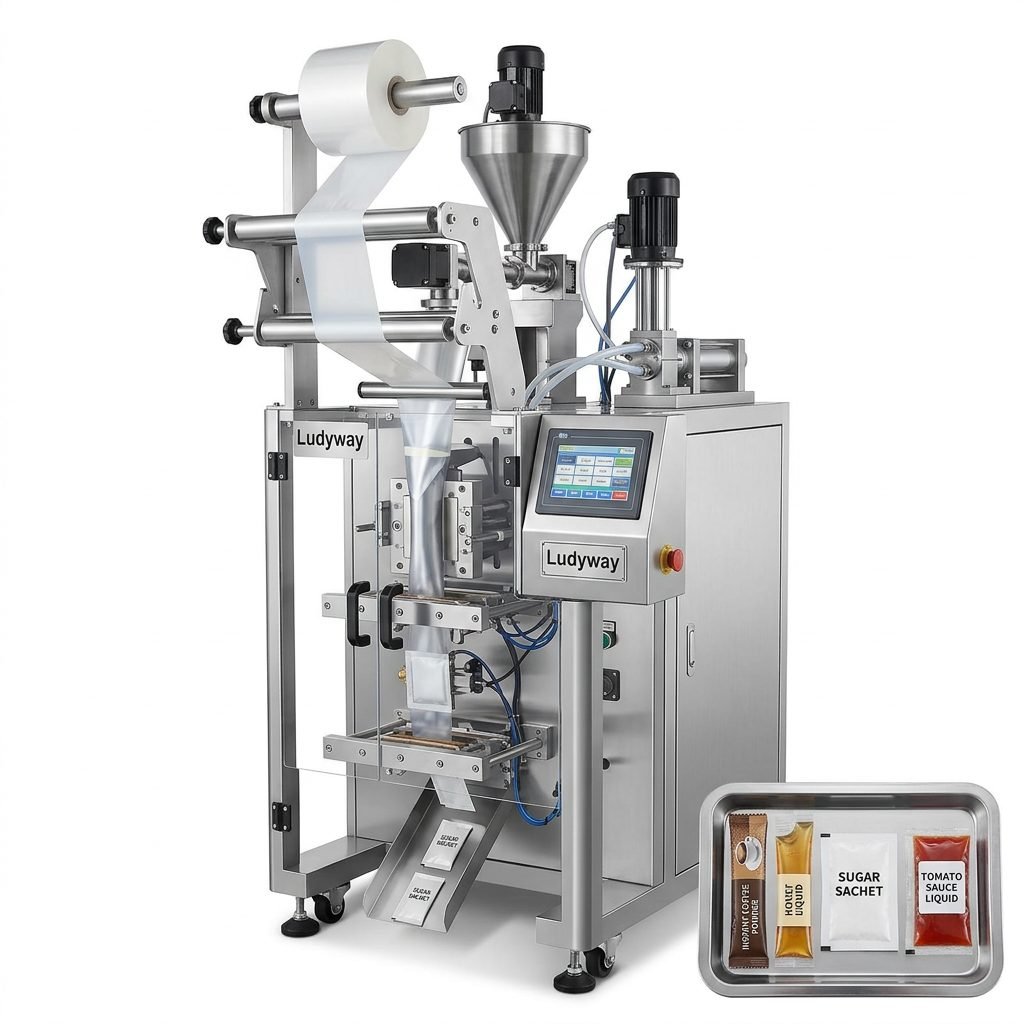
Table Top Powder Filling Machines
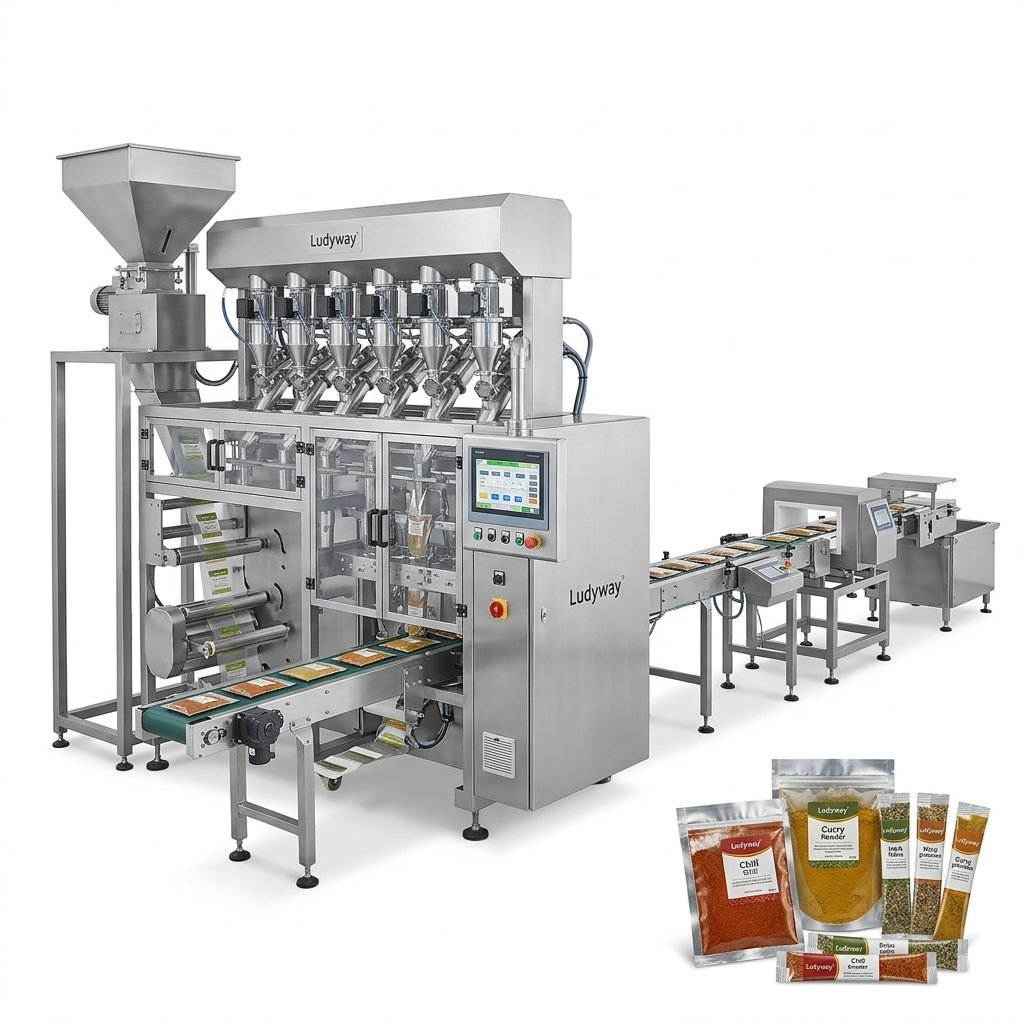
Used for fine powders such as milk powder, protein powder, spices, herbal blends, and nutraceutical formulas. These machines often use auger dosing for more stable filling performance.
Table Top Granule Packaging Machines
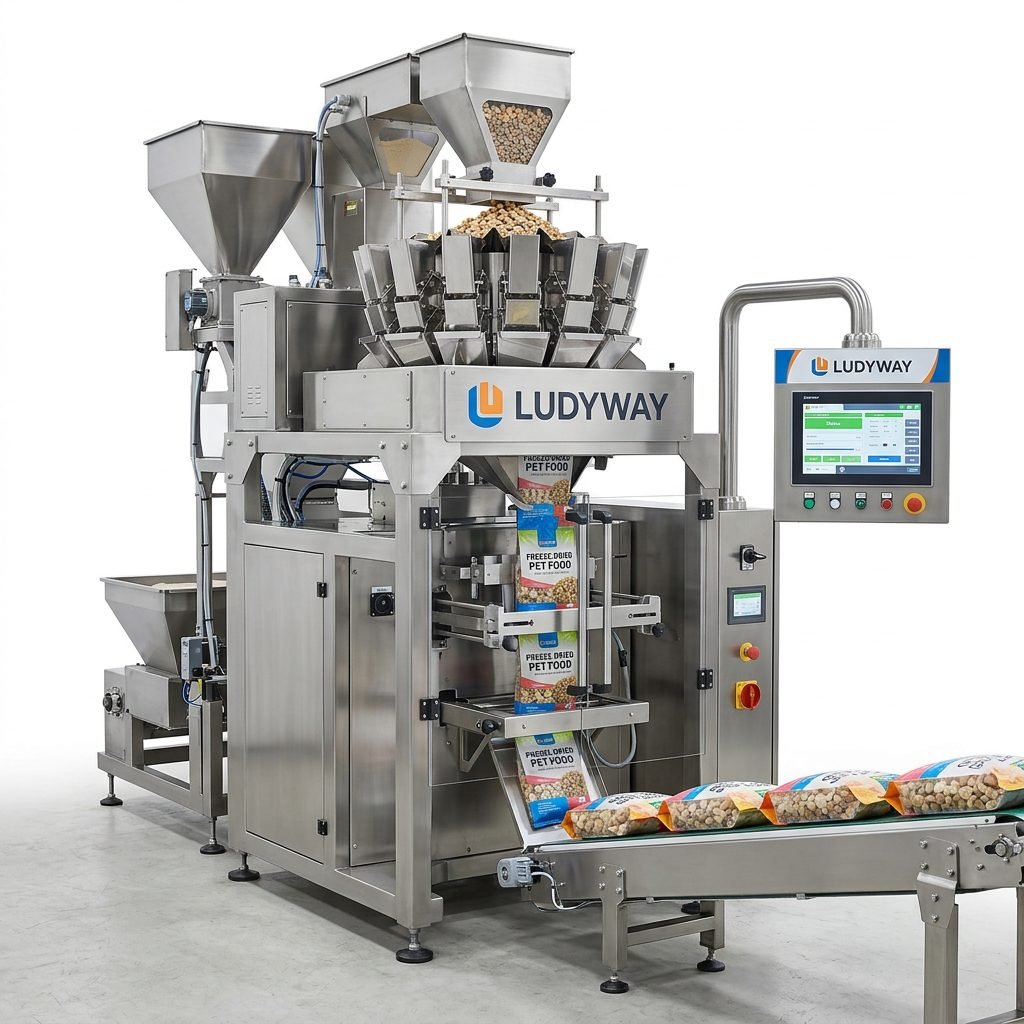
Suitable for sugar, seeds, coffee granules, snacks, pellets, and similar free-flowing materials. Volumetric cups or weighing systems are common depending on the product characteristics.
Table Top Liquid or Paste Filling Machines
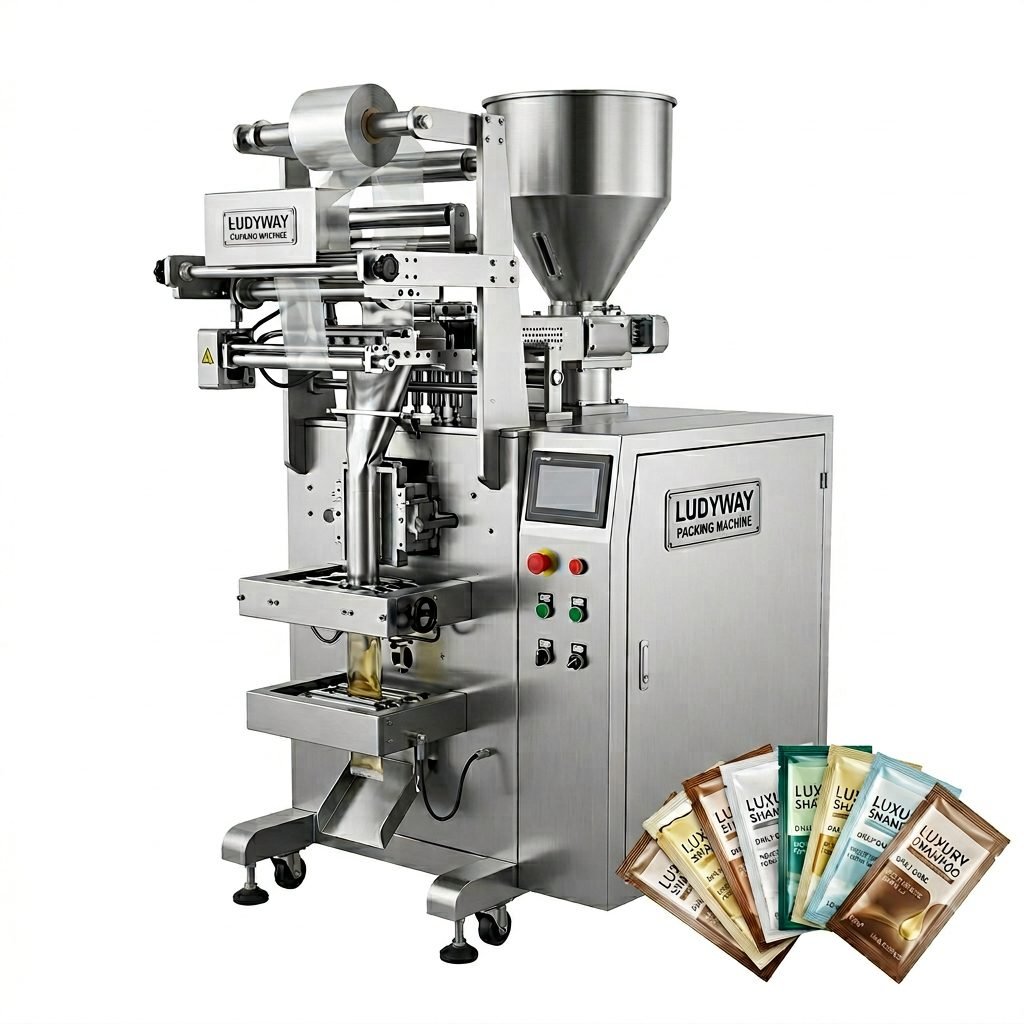
Best for sauces, syrups, oils, creams, gels, shampoos, and lotions. They can help small brands package sample-size or retail-size units with more controlled fill volumes.
Table Top Sealing Machines
Ideal for businesses that pre-fill pouches manually and need a more reliable final seal. They improve package appearance and reduce leakage risk.
Main Benefits for Small Business Operations
1. Space Saving
For businesses operating in rented workshops, retail backrooms, or limited production areas, every square meter matters. A table top machine keeps packaging capability within reach without requiring a dedicated industrial floor plan.
2. Faster Return on Investment
Because the purchase cost is typically lower, the payback period can be shorter. If a business is currently relying on slow manual packaging, even moderate output gains can quickly improve margins.
3. Better Packaging Consistency
Customers notice neat packaging. Cleaner seals, more consistent fills, and standardized pouch appearance can strengthen brand credibility and reduce complaints.
4. Flexible Production
Small businesses often run multiple products rather than one large-volume SKU. Compact machines are useful in these environments because changeovers can be more manageable.
5. Easier Staff Training
Simple interfaces and straightforward workflows reduce the learning curve. This is helpful for companies with small teams or cross-functional operators.
How to Choose the Right Table Top Packaging Machine
Before buying, it is important to match the machine to your real production needs instead of only focusing on price.
| Selection Factor | What to Check |
|---|---|
| Product Type | Powder, granule, liquid, paste, cream, or mixed form |
| Packaging Format | Sachet, stick pack, pouch, bottle, jar, tube, or cup |
| Output Target | Units per hour and expected future growth |
| Accuracy Requirement | Especially important for supplements, pharma, and premium products |
| Cleaning Needs | Material contact parts, changeover ease, hygiene level |
| Expandability | Whether the machine can integrate with feeders, sealers, coders, or conveyors later |
Features Worth Prioritizing
- Stable filling accuracy
- Consistent sealing temperature control
- Food-grade or pharmaceutical-grade contact parts if required
- Simple touch controls or user-friendly panel
- Quick disassembly for cleaning
- Low maintenance structure
- Upgrade potential for future semi-automatic or automatic lines
When a Table Top Machine Is the Best Choice
A compact machine is usually the right solution when your business is facing one or more of these conditions:
- You package products by hand and quality varies too much.
- You need to increase daily output without hiring several more workers.
- You are launching a new product and want to validate demand first.
- You have limited workshop space.
- You need more professional packaging for distributors, online sales, or retail shelves.
When You May Need More Than a Table Top Machine
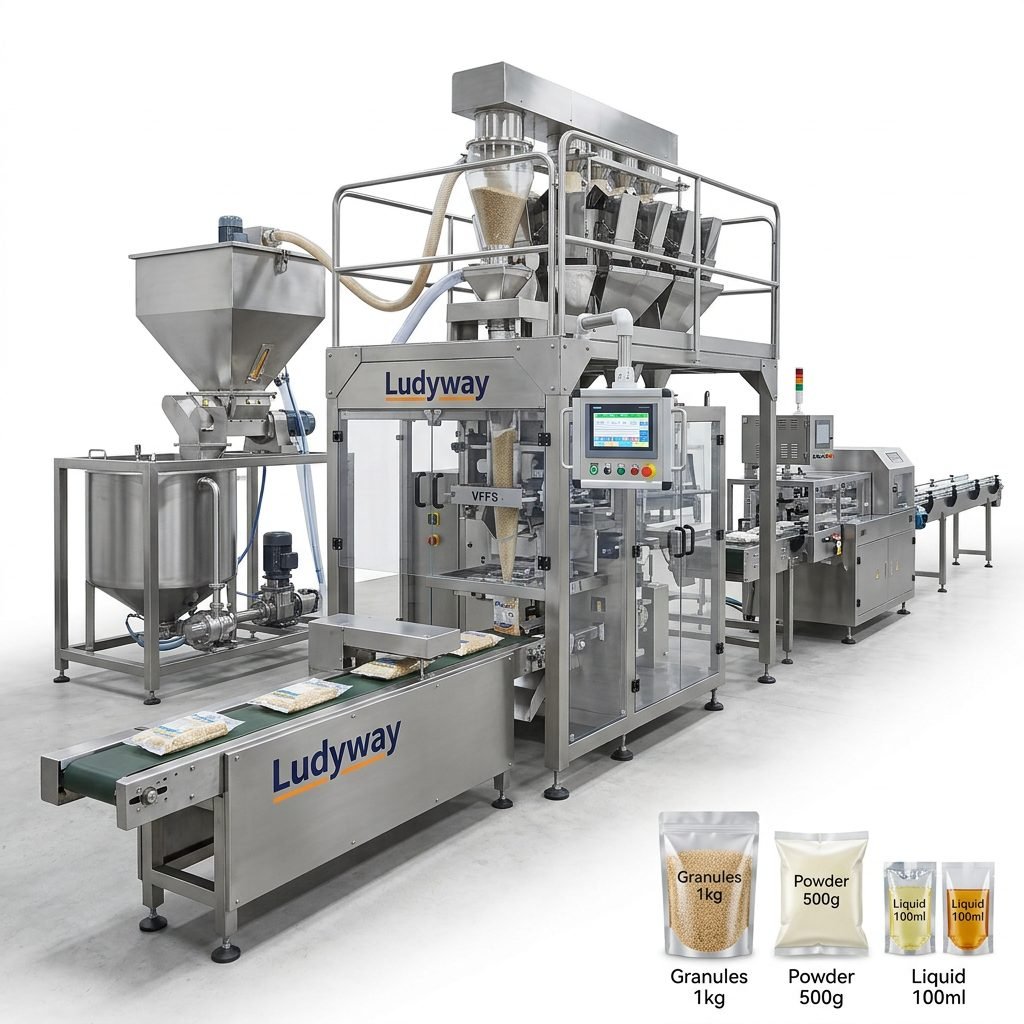
Although compact systems are efficient, they are not ideal for every scenario. If your order volume rises quickly, if your packaging material is complex, or if you need integration with weighing, coding, cartoning, and case packing, a larger line may be more suitable.
Many businesses begin with a compact solution, then move into modular or turnkey automation once demand becomes stable. Working with an experienced supplier makes this transition easier because the equipment strategy can be planned in phases.
Scalability Matters More Than Many Buyers Expect
A common mistake is buying the cheapest machine without considering future expansion. Small businesses that succeed often add more SKUs, new package sizes, and higher monthly production in a short time. Choosing equipment from a manufacturer with a broad product range can help avoid replacing everything later.
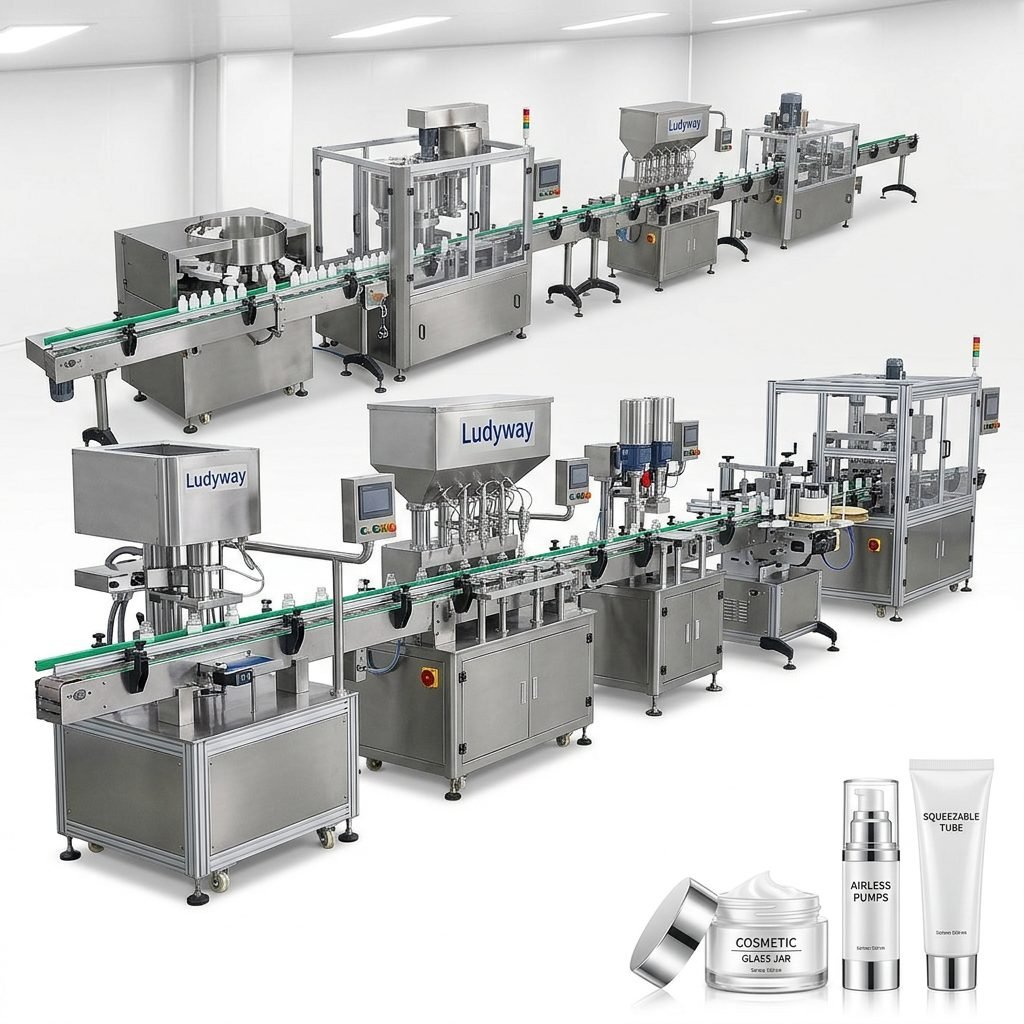
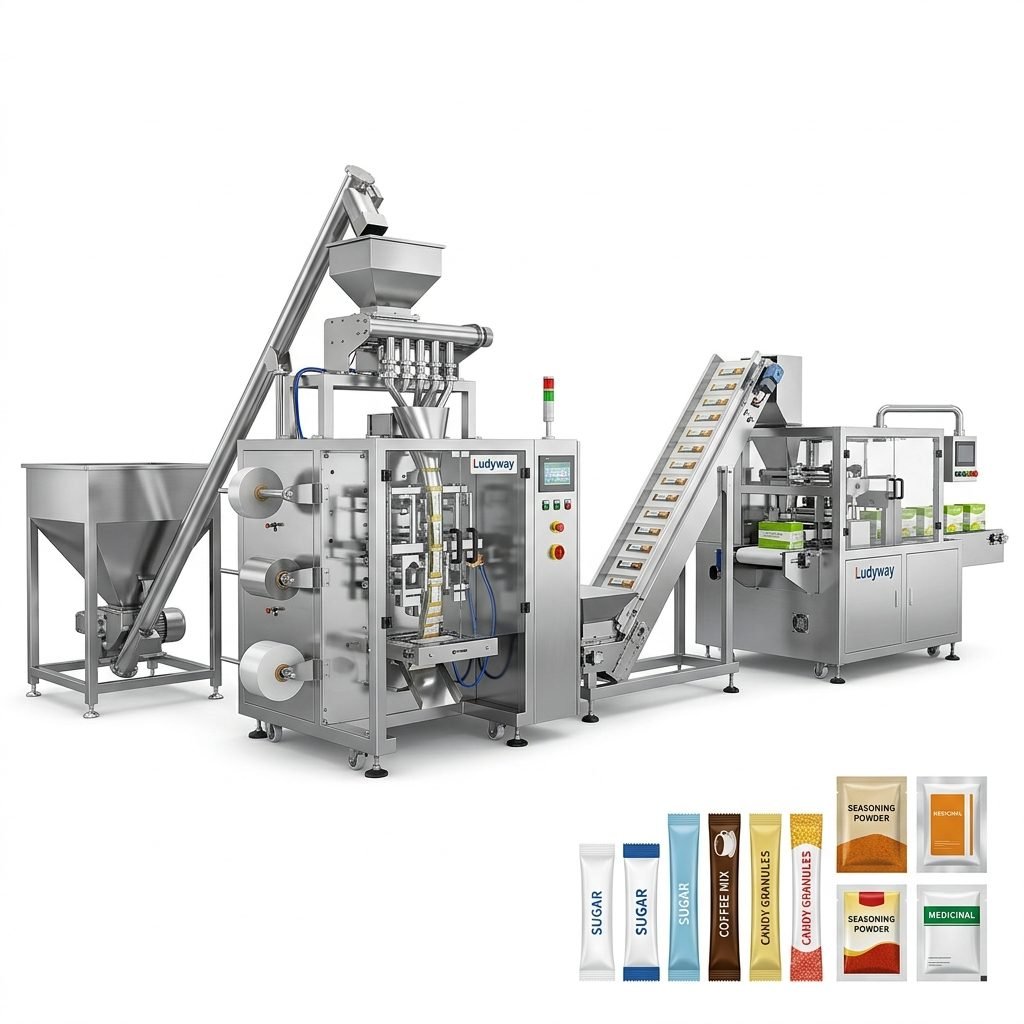
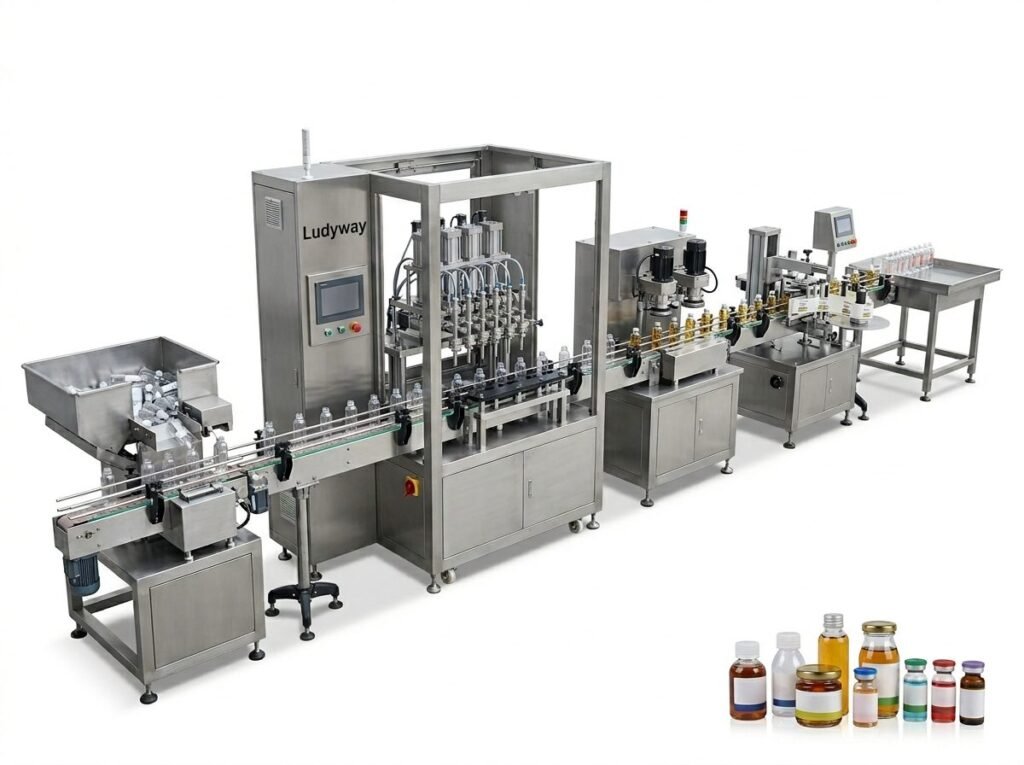
For businesses looking beyond entry-level packaging, Ludyway packaging machine solutions are often considered by buyers who want access to both compact equipment and larger turnkey packaging lines. As one of China’s leading packaging machine and turnkey packaging line manufacturers, with more than 30 years of industry experience and customers in over 100 countries and regions, the company supports food, pharmaceutical, health supplement, cosmetic, chemical, and pouch-based packaging applications.
Best Practices for Getting Better Results
- Test your actual product before final purchase
- Confirm packaging material compatibility in advance
- Plan realistic daily output goals
- Train operators on cleaning, filling, and sealing adjustments
- Keep spare wear parts available for uninterrupted production
- Review whether future automation upgrades will be needed within 12 to 24 months
Frequently Asked Questions
Can a table top packaging machine handle commercial production?
Yes. For many small businesses, it is more than enough for commercial use, especially for small batches, startup production, and sample or specialty products.
Is it suitable for powder packaging?
Yes, many compact models are designed specifically for powders. The key is choosing the correct dosing system for your product’s flow characteristics.
Can it package liquids and creams too?
Yes, but the filling system must match the viscosity of the product. Thin liquids, gels, and creams usually require different pump or piston configurations.
How much output can a compact machine deliver?
That depends on the product, fill weight, package type, and operator workflow. Compact equipment can still provide a meaningful increase over manual packaging, especially where consistency matters.
Final Buying Insight
A table top packaging machine is one of the smartest entry points into packaging automation for small businesses. It helps improve product presentation, reduce labor pressure, and create a more dependable packaging process without requiring a large factory footprint. For growing brands, the best choice is not just a compact machine that works today, but a solution that can support tomorrow’s expansion as well.