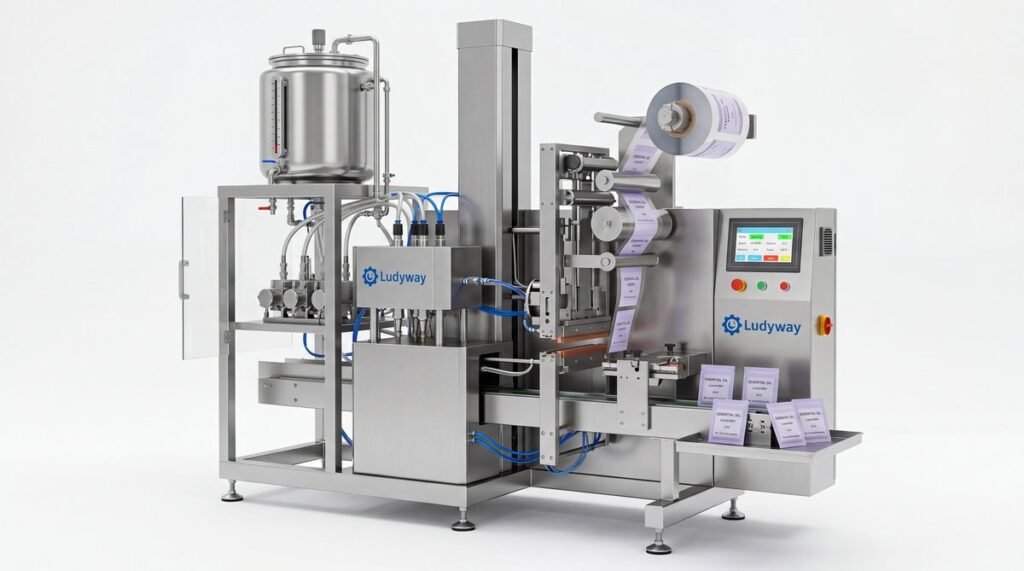
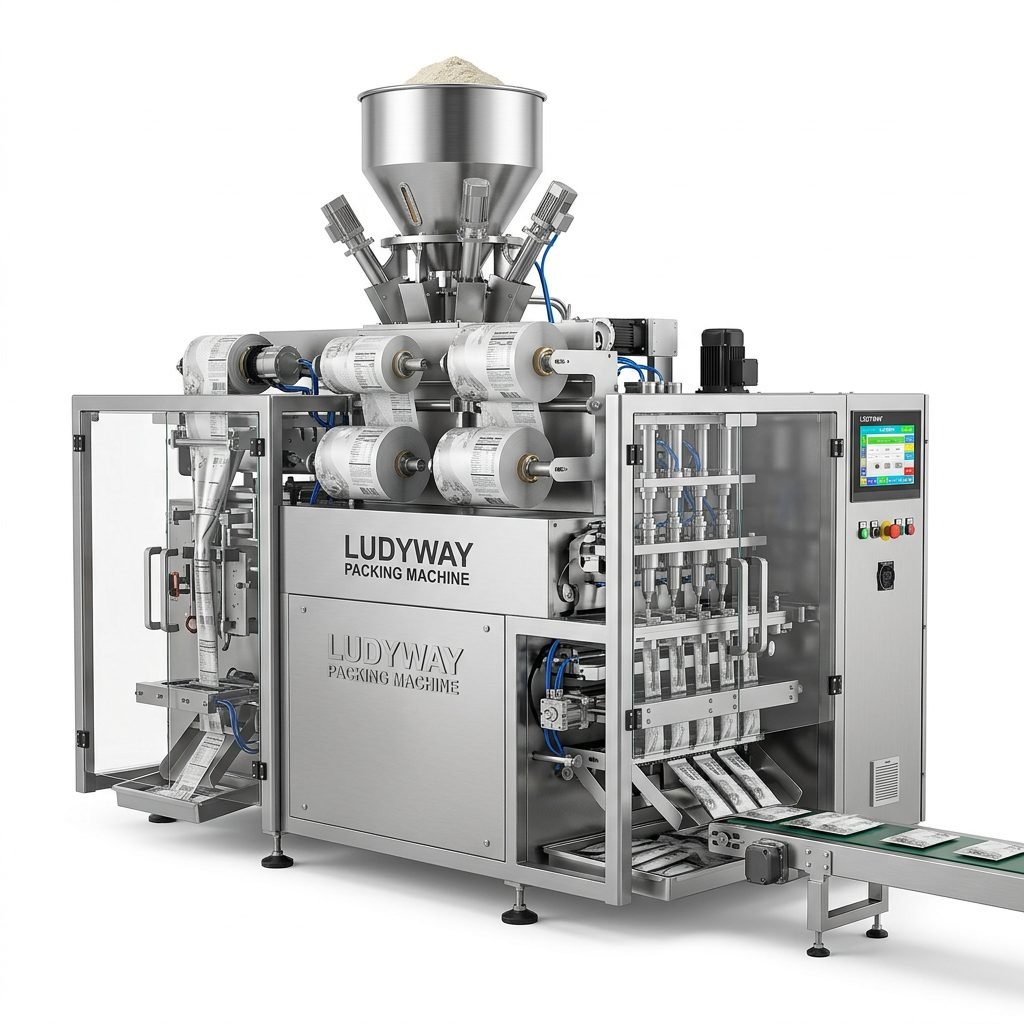
The Indian tea industry is undergoing a massive transformation. As one of the world’s largest tea producers and consumers, India’s demand for efficient, hygienic, and high-speed tea bag packaging machines has never been greater. From traditional CTC tea to premium herbal infusions, manufacturers are upgrading their production lines to meet both domestic and export market requirements.
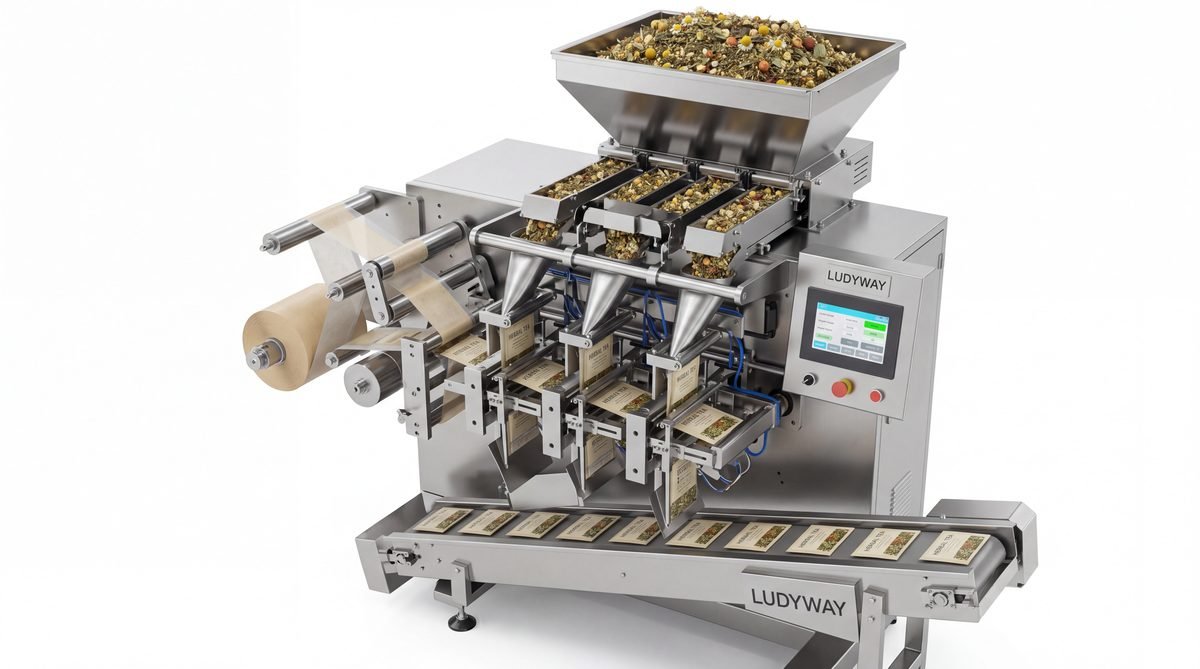
Choosing the right tea packaging equipment in India involves understanding machine types, production capacity, budget, and compliance with food safety regulations. This comprehensive guide covers everything you need to know before making an investment.
Understanding the Indian Tea Packaging Market
India produces over 1,300 million kilograms of tea annually, with a significant portion moving toward packaged and branded formats. The shift from loose tea sales to branded tea bags and sachets has accelerated dramatically in the last decade. This growth is driven by urbanization, rising disposable incomes, and increasing consumer preference for convenience products.
Key market segments driving demand for tea bag packaging machinery in India include:
- CTC and orthodox tea – The traditional staple, now increasingly sold in branded tea bags
- Green tea and wellness blends – Rapidly growing segment requiring specialized packaging
- Herbal and ayurvedic infusions – Premium products demanding high-barrier packaging
- Instant tea premixes – Stick pack and sachet formats for convenience consumption
- Export-oriented tea packaging – Meeting international standards and certifications
Types of Tea Bag Packaging Machines Available in India
Different tea products require different packaging solutions. Understanding the various machine types is crucial for making the right selection. The packaging machinery industry has evolved to offer specialized equipment for each format.
1. Double Chamber Tea Bag Machines
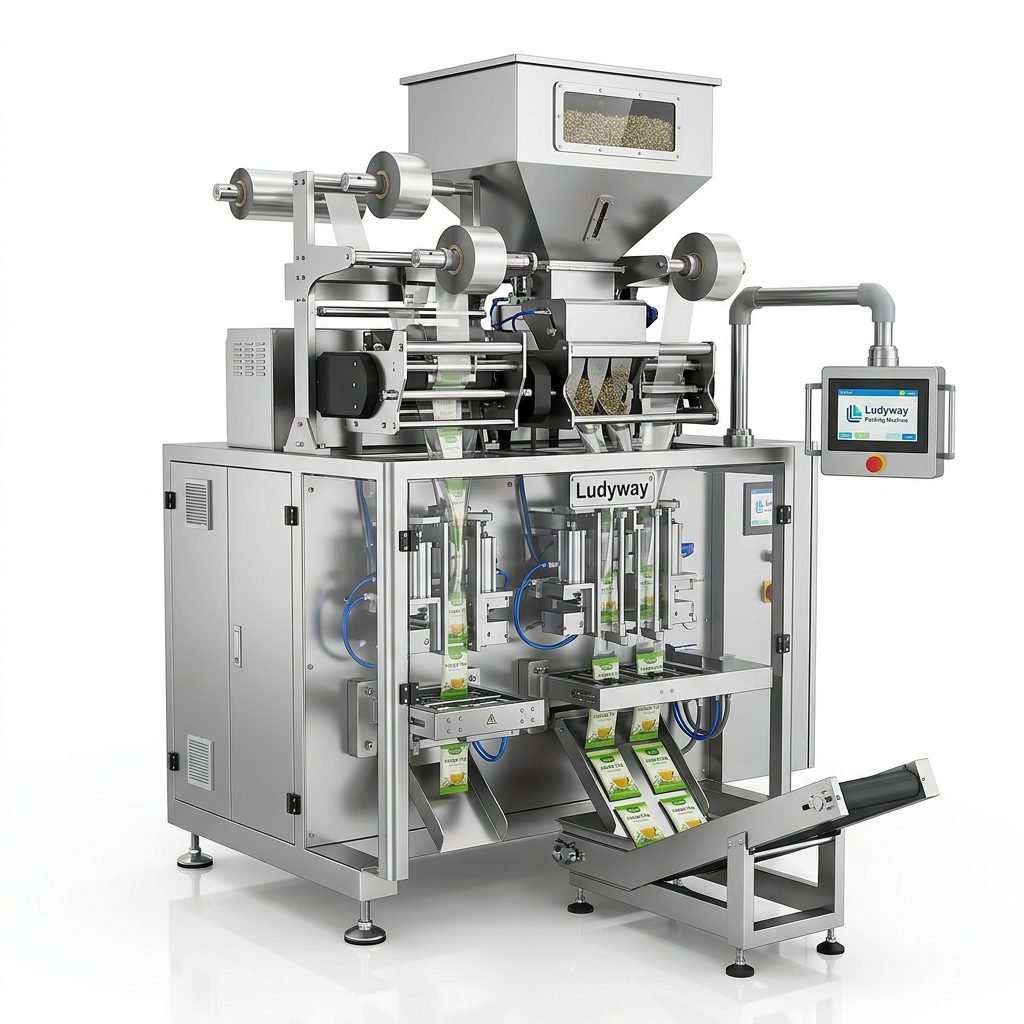
These machines produce the classic rectangular tea bag with a string and tag. They are the most common type for traditional tea bag formats. Modern double chamber machines can achieve speeds of up to 350 bags per minute, making them suitable for large-scale Indian tea producers.
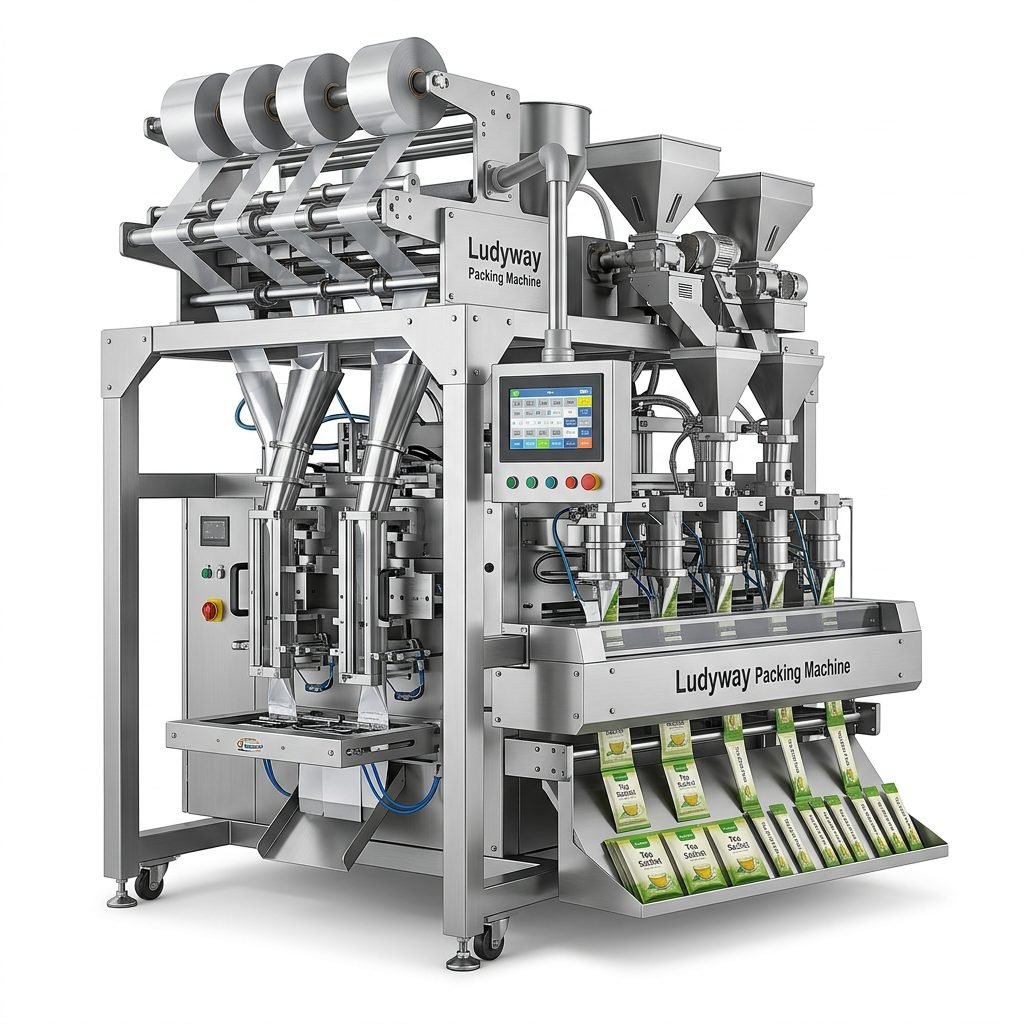
2. Multi-Lane Stick Pack Machines
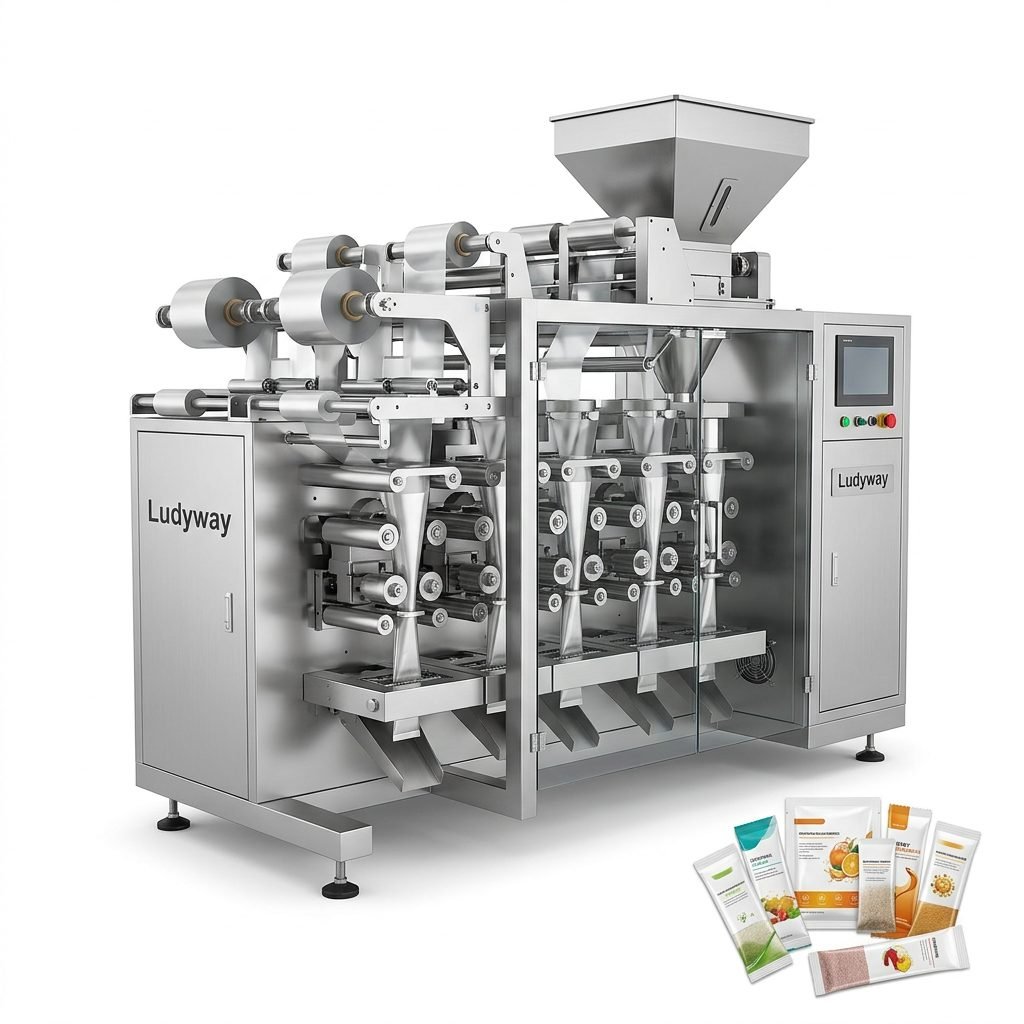
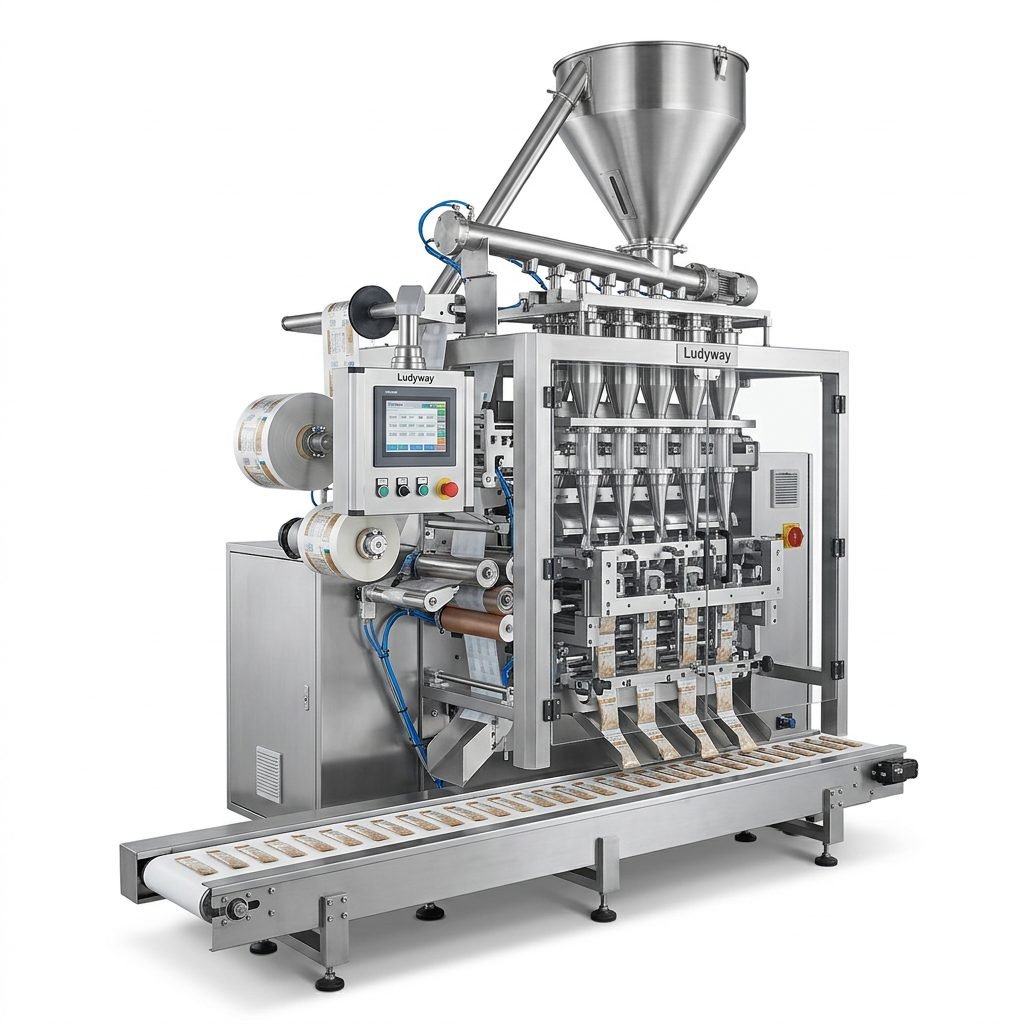
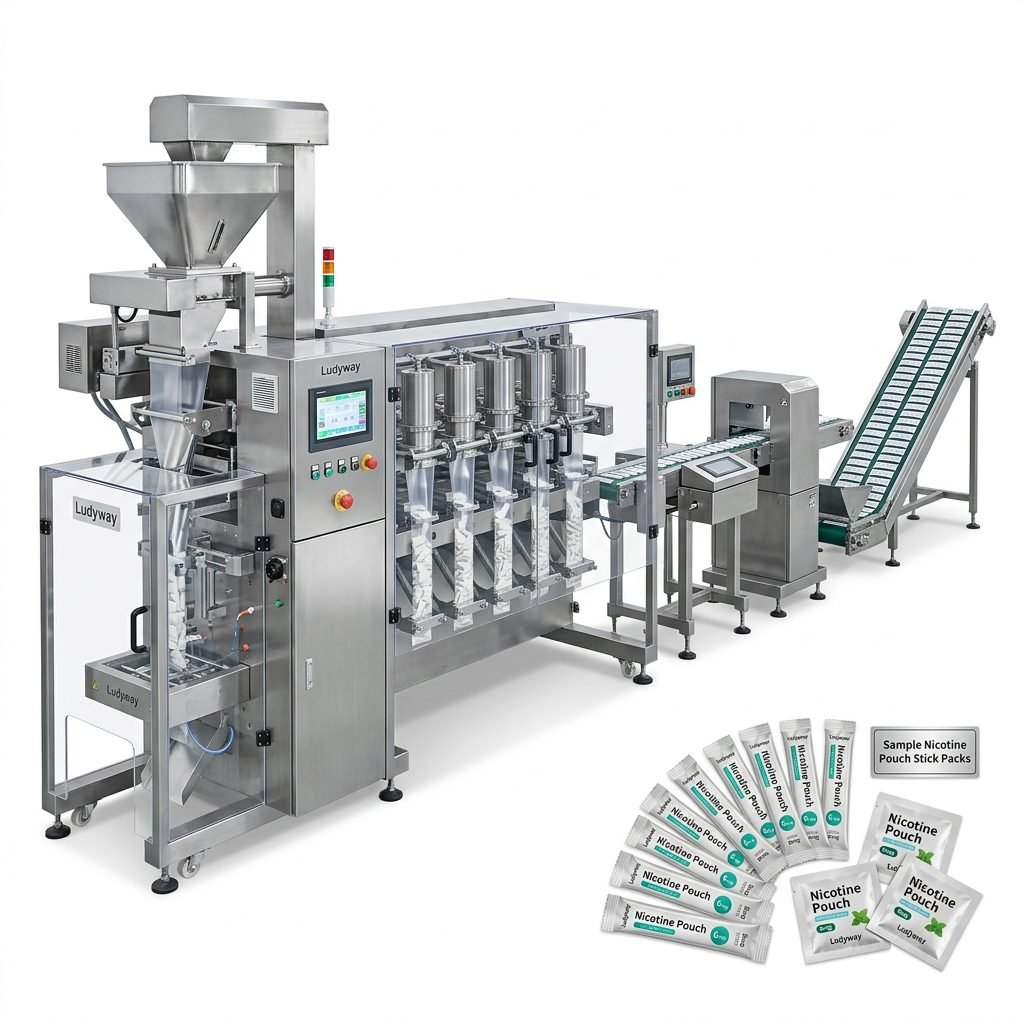
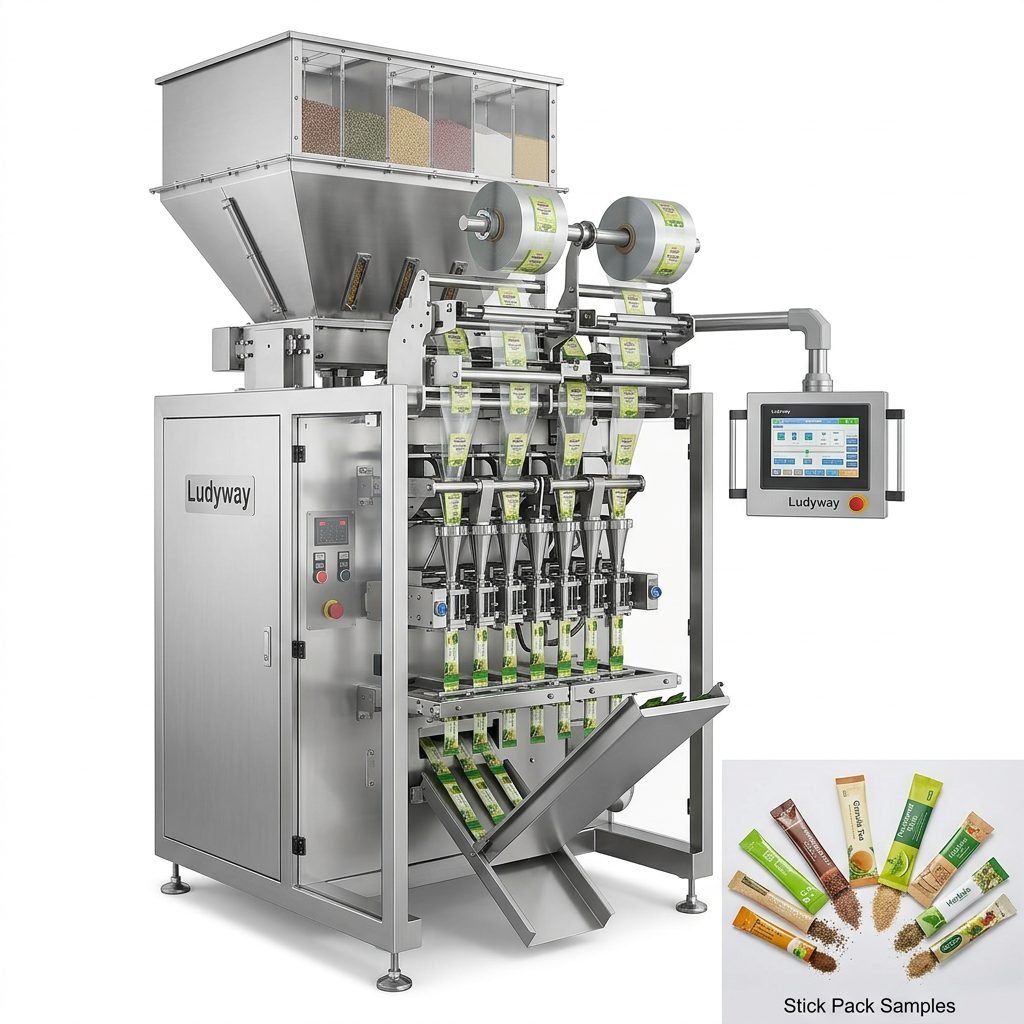
Stick pack tea packaging has gained immense popularity in India for single-serve convenience. These machines use multi-lane technology to produce multiple strips simultaneously, dramatically increasing output. A 4-lane stick pack machine can produce 200-400 packs per minute depending on the model and tea type.
3. Sachet and Pouch Packaging Machines
For tea powders, premixes, and larger quantity packs, sachet machines offer versatile solutions. These can handle various pack sizes from 5 grams to 250 grams, making them ideal for the diverse Indian market where consumers buy tea in both small and bulk quantities.
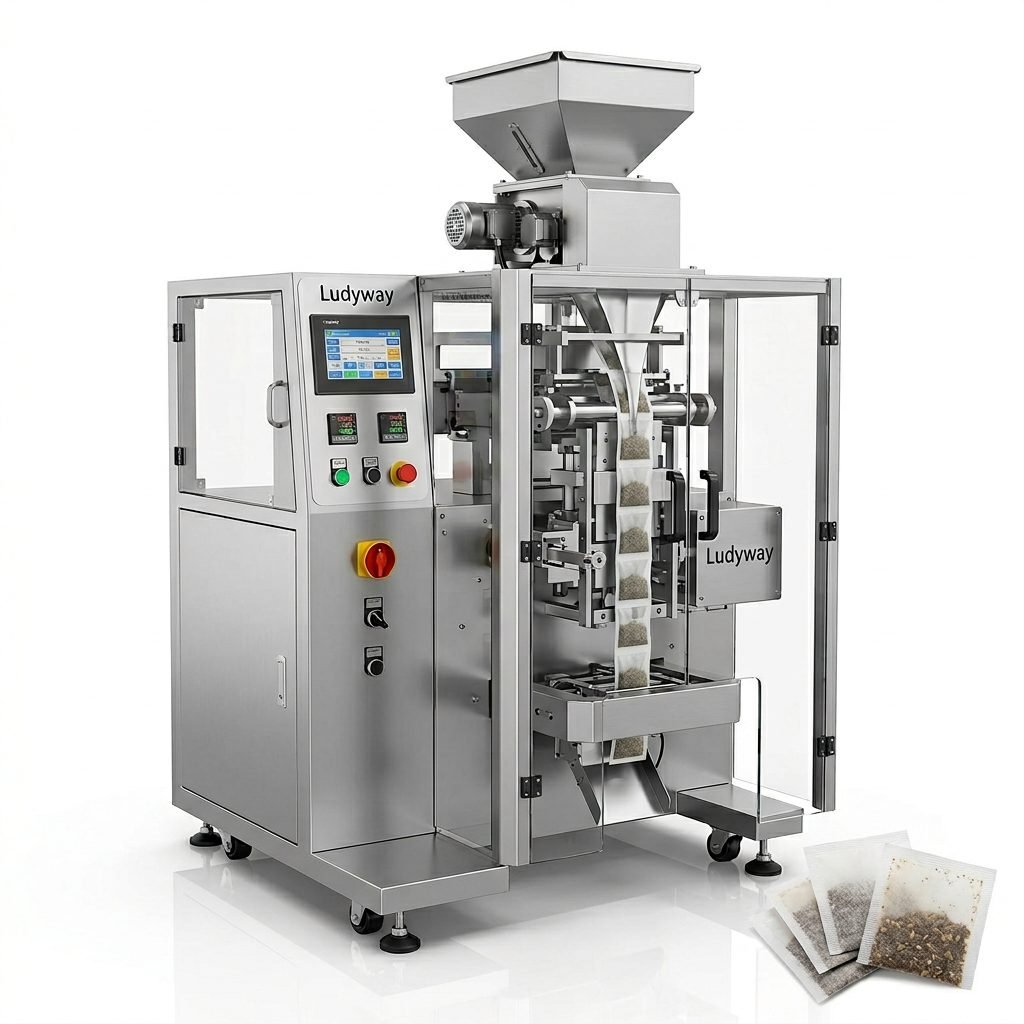
4. Pyramid Tea Bag Machines
Pyramid-shaped tea bags are becoming increasingly popular in the Indian premium tea segment. These machines use nylon or PLA mesh material and offer superior infusion quality. They are commonly used for whole-leaf teas, herbal blends, and premium export products.
5. Tea Powder Premix Packaging Lines
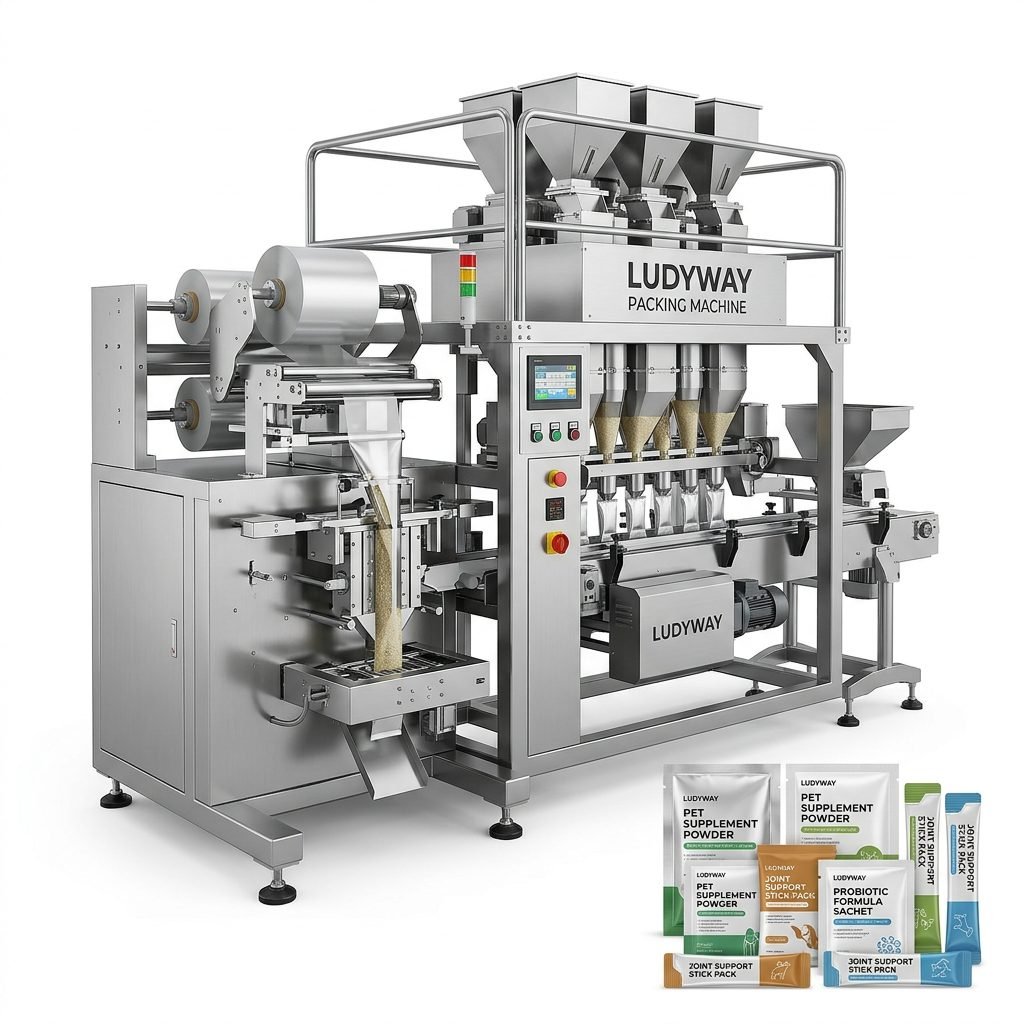
With the rise of chai premixes, instant tea, and masala tea powders, dedicated powder packaging lines have become essential. These machines often integrate auger filling systems for precise dosing and can handle sticky or aromatic tea powder blends effectively.
Key Factors to Consider When Buying a Tea Packaging Machine
Investing in packaging equipment requires careful evaluation of multiple technical and commercial factors. Here are the most critical considerations for Indian buyers:
Production Capacity and Speed
Your current and projected output should guide machine selection. Small to medium tea brands may start with machines producing 60-120 packs per minute, while large-scale manufacturers often require 300+ packs per minute. Consider future expansion needs when evaluating production speed requirements.
Packaging Material Compatibility
Different tea products require different packaging materials. Ensure the machine can handle flexible packaging materials such as:
- Filter paper for traditional tea bags
- Nylon mesh for pyramid bags
- Aluminum foil laminates for stick packs
- Multi-layer barrier films for extended shelf life
- Biodegradable and eco-friendly materials for sustainable packaging
Automation and Control Systems
Modern tea bag packaging machines feature PLC control systems with touch screen interfaces. Advanced automation reduces labor costs and improves consistency. Look for features like:
- Automatic feeding and dosing systems
- Servo-driven sealing and cutting mechanisms
- Integrated nitrogen flushing for freshness preservation
- Fault detection and automatic rejection systems
- Remote monitoring and troubleshooting capabilities
Technical Specifications Comparison
Understanding technical specifications helps in comparing different models. The following table outlines typical specifications for common tea packaging machine types:
| Machine Type | Speed Range | Pack Size Range | Power Requirement | Ideal For |
|---|---|---|---|---|
| Double Chamber Tea Bag | 100-350 bags/min | 2-5 grams per bag | 3-5 kW, 220V/380V | Black tea, CTC tea, mass market |
| Pyramid Tea Bag | 60-120 bags/min | 2-8 grams per bag | 2-4 kW, 220V/380V | Whole leaf tea, premium blends |
| Multi-Lane Stick Pack | 200-600 packs/min | 1-20 grams per stick | 5-12 kW, 380V | Instant tea, premixes, powders |
| Tea Sachet Machine | 60-200 packs/min | 5-250 grams per sachet | 3-8 kW, 220V/380V | Tea powder, masala tea, bulk packs |
| Tea Premix Packaging Line | 150-400 packs/min | 10-500 grams per pack | 8-20 kW, 380V | Chai premix, instant tea, flavored tea |
Price Considerations for Tea Packaging Machines in India
The cost of tea bag packaging machines in India varies widely based on configuration, automation level, and production capacity. Understanding the price landscape helps in budgeting and ROI calculation.
Entry-Level Machines
Basic single-lane tea bag machines suitable for small businesses and startups typically range from ₹8 lakhs to ₹20 lakhs. These units offer manual or semi-automatic operation with moderate output of 60-100 bags per minute.
Mid-Range Equipment
Mid-level machines with multi-lane capability and higher automation fall in the ₹25 lakhs to ₹60 lakhs range. These are popular among growing tea brands looking to scale production while maintaining quality standards.
High-End Production Lines
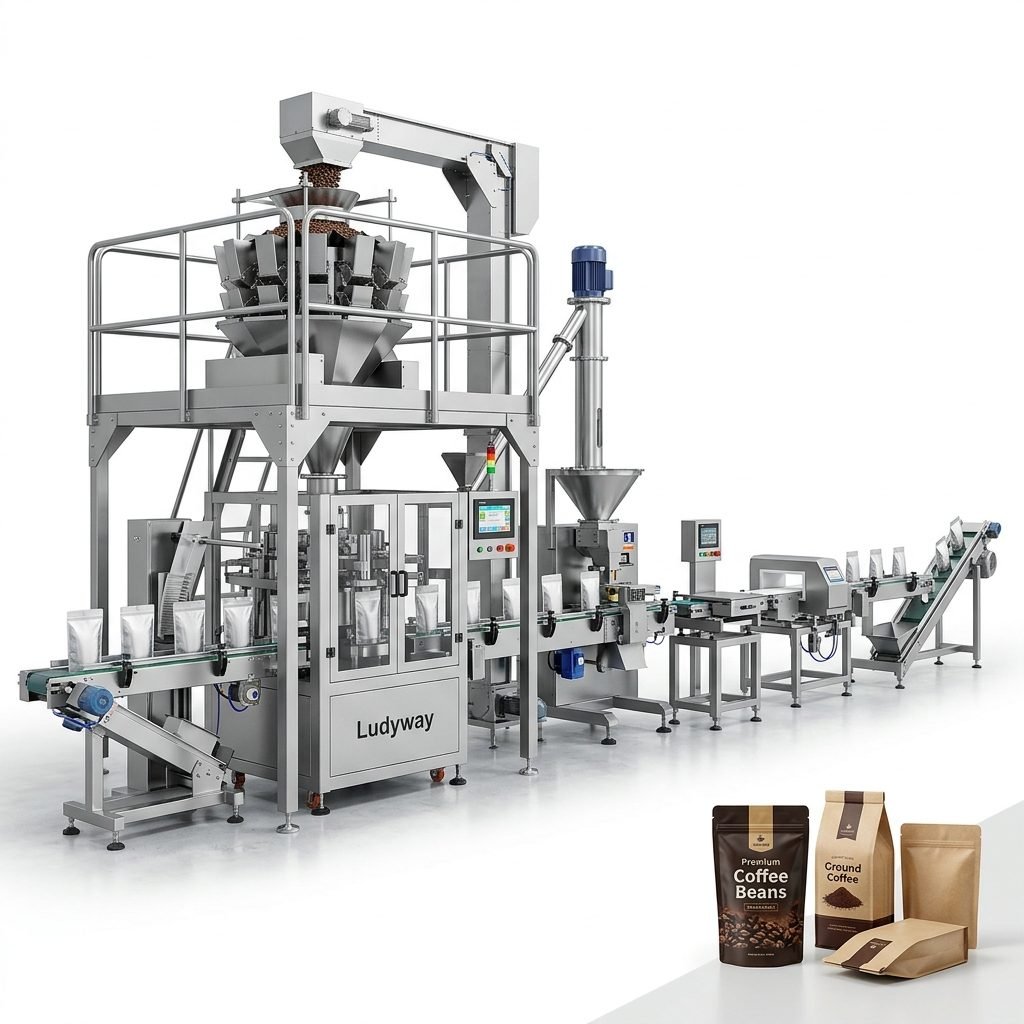
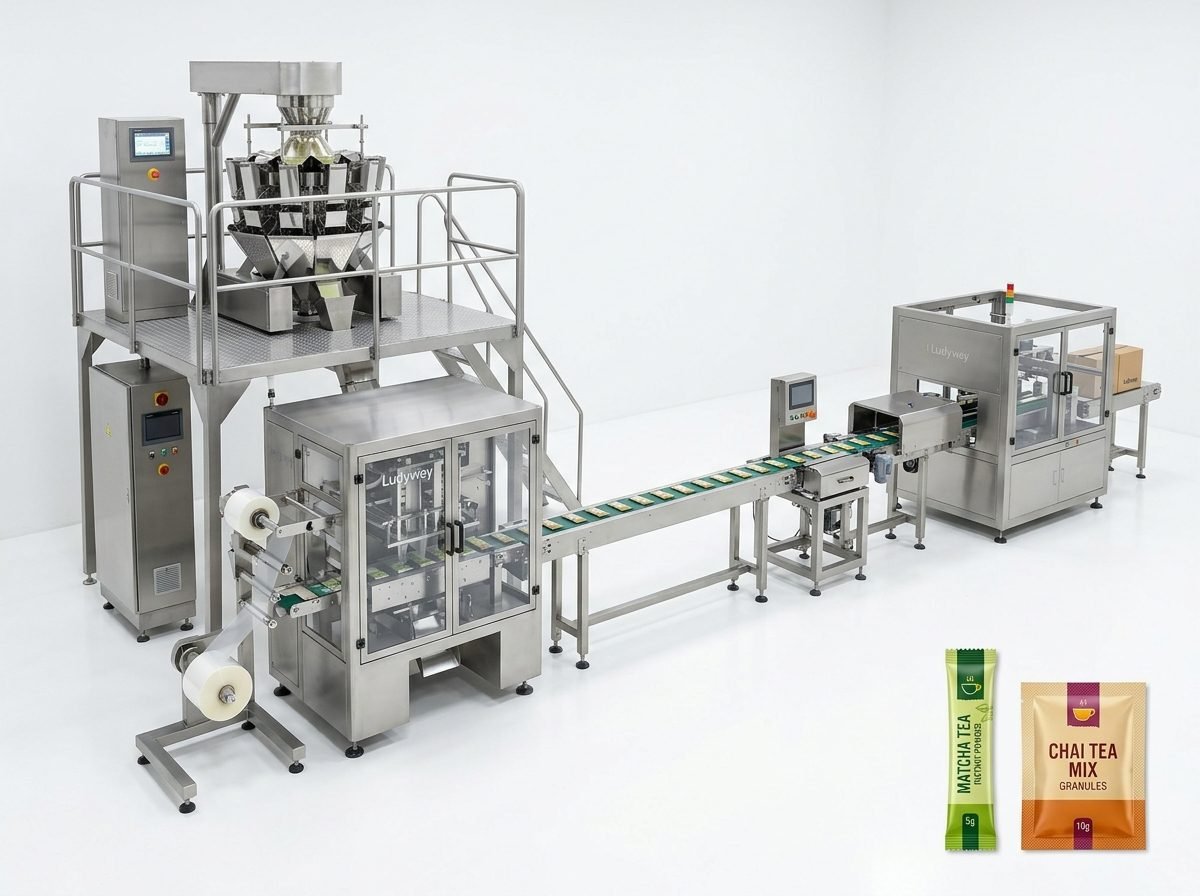
Fully automated, high-speed tea packaging lines with integrated weighing, filling, cartoning, and palletizing systems can cost ₹75 lakhs to ₹3 crores or more. These are designed for large-scale manufacturers and export-oriented businesses requiring compliance with ISO packaging standards.
Regulatory Compliance and Certifications
Tea packaging operations in India must adhere to various regulations and standards. Key compliance requirements include:
- FSSAI compliance – Food Safety and Standards Authority of India regulations for food contact materials
- GMP certification – Good Manufacturing Practices for hygienic production
- BIS standards – Bureau of Indian Standards specifications for tea and packaging
- Export certifications – Requirements for markets like the EU, US, and Middle East
- Environmental regulations – Compliance with packaging waste directives for international markets
Choosing a Reliable Supplier in India
The Indian market offers both domestic manufacturers and international suppliers. When evaluating tea packaging machine suppliers, consider the following aspects:
After-Sales Support and Service
Local service availability is critical. Look for suppliers with:
- Dedicated service centers in major Indian cities
- Trained technical staff for installation and training
- Readily available spare parts inventory
- Annual maintenance contract options
- Quick response time for breakdowns
Machine Customization Capabilities
Every tea business has unique requirements. A good supplier should offer customization for:
- Pack sizes and formats specific to your product range
- Integration with existing production lines
- Special features like nitrogen flushing or vacuum sealing
- Multi-product handling on the same machine
- Custom labeling and coding solutions
Training and Documentation
Comprehensive operator training and detailed machine documentation are essential for smooth operations. Ensure the supplier provides:
- Hands-on operator training at installation
- Detailed user manuals in English and local languages
- Electrical and mechanical schematics
- Maintenance schedules and troubleshooting guides
- Video tutorials for common maintenance tasks
Maintenance and Operational Best Practices
Proper maintenance extends the life of your tea packaging machine and ensures consistent output quality. Key maintenance practices include:
Daily Maintenance Checklist
- Clean all product contact surfaces thoroughly after each shift
- Inspect sealing jaws for wear and residue buildup
- Check air pressure and lubrication levels
- Verify temperature settings for sealing operations
- Test emergency stop and safety systems
Preventive Maintenance Schedule
Regular preventive maintenance helps avoid unexpected breakdowns. Schedule professional servicing every 500-1,000 operating hours or quarterly, whichever comes first. This should include belt tension checks, sensor calibration, gearbox oil changes, and comprehensive electrical system inspection.
Return on Investment Analysis
Calculating ROI for a tea bag packaging machine involves multiple factors beyond the purchase price. Consider the complete picture:
- Labor cost reduction – Automated machines can replace 3-8 manual workers per shift
- Increased production capacity – Higher output enables scaling into new markets
- Reduced material waste – Precision filling reduces give-away and packaging waste
- Improved product consistency – Automated systems ensure uniform pack quality
- Extended market reach – Better packaging opens doors to premium retail and export channels
Future Trends in Tea Packaging Technology
The packaging industry continues to evolve with new technologies. Key trends shaping the future of tea packaging include:
Sustainable Packaging Solutions
Indian consumers and regulators are increasingly demanding eco-friendly packaging. Machines that can handle biodegradable films, PLA materials, and compostable packaging are gaining traction. This shift aligns with global sustainability goals and can be a significant marketing advantage.
Smart Factory Integration
Industry 4.0 technologies are transforming tea packaging operations. Features like IoT connectivity, real-time production monitoring, predictive maintenance alerts, and AI-driven quality inspection are becoming more accessible to Indian manufacturers. These technologies improve efficiency and reduce downtime.
Flexible Packaging Formats
Consumer preferences are shifting toward single-serve and on-the-go formats. Machines that can quickly switch between stick packs, sachets, and tea bags on the same platform offer significant operational flexibility. This versatility is particularly valuable for contract packers and multi-product manufacturers.
Common Mistakes to Avoid When Buying
Many first-time buyers make costly errors when purchasing tea packaging equipment. Learn from these common pitfalls:
- Underestimating production growth – Buy a machine that can grow with your business
- Ignoring material handling requirements – Tea dust and fines require specialized dosing and dust extraction
- Overlooking installation requirements – Check power, air, and space requirements before ordering
- Focusing only on purchase price – Total cost of ownership includes maintenance, spares, and energy consumption
- Neglecting operator training – Well-trained operators maximize machine efficiency and lifespan
Final Recommendations
Selecting the right tea bag packaging machine in India requires balancing current needs with future growth plans. Start by clearly defining your product range, production targets, and budget constraints. Request machine demonstrations and references from shortlisted suppliers before making a final decision.
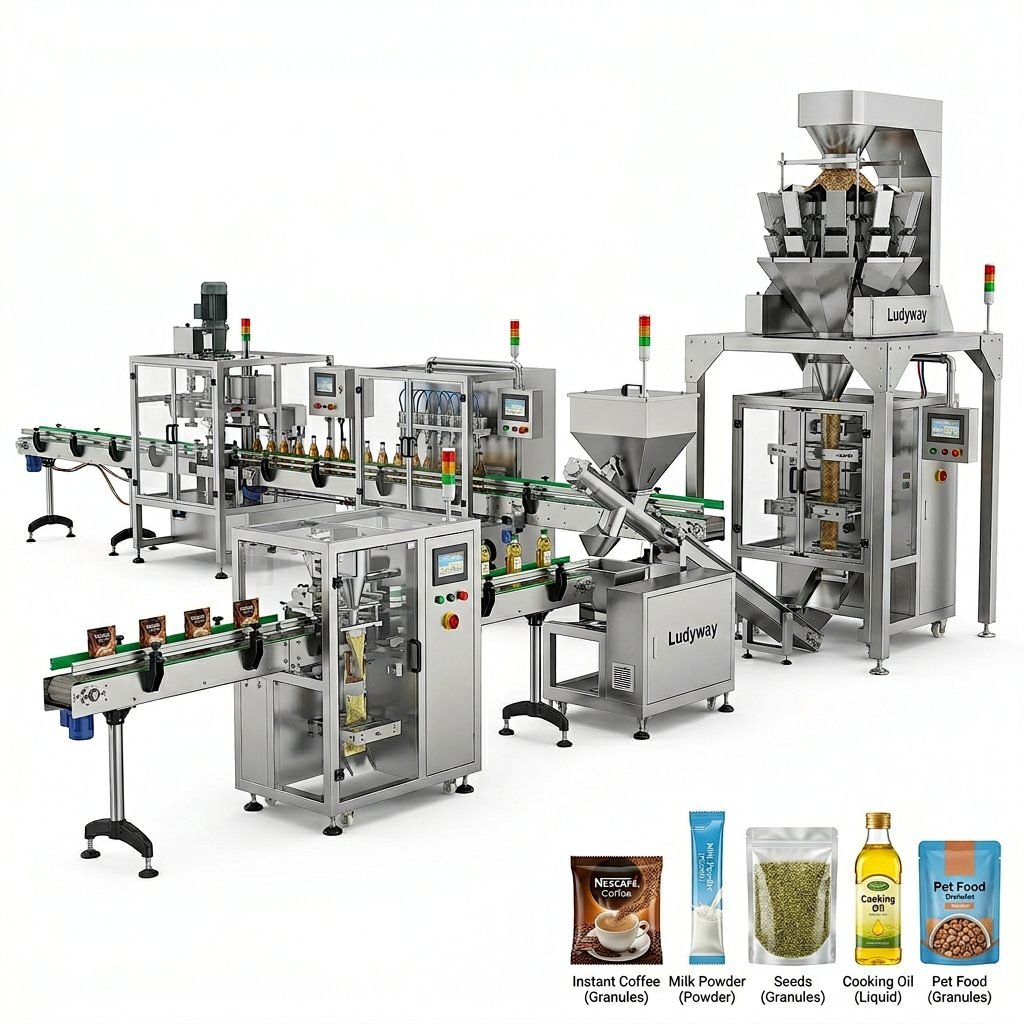
Among global manufacturers, companies like Ludyway offer a comprehensive range of tea packaging solutions suitable for the Indian market, with machines that handle everything from traditional tea bags to modern stick packs and sachets. Their multi-lane systems integrate seamlessly with existing production lines and meet international quality standards.
Invest in a machine that not only meets your current requirements but also positions you for future market opportunities. The Indian tea packaging industry is poised for continued growth, and having the right equipment is essential for capturing your share of this expanding market.
For additional resources on packaging standards and industry best practices, consult the Packaging Machinery Manufacturers Institute and the Flexible Packaging Association knowledge hubs.