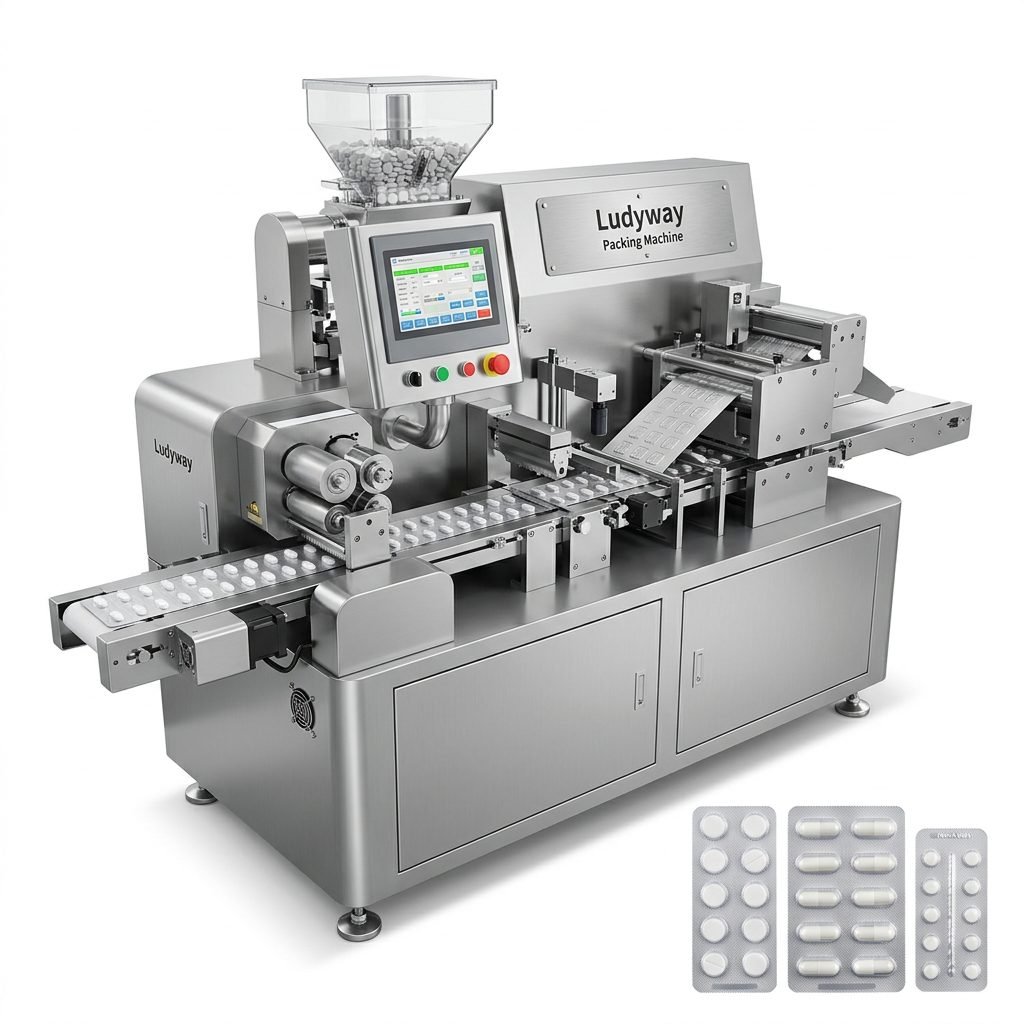
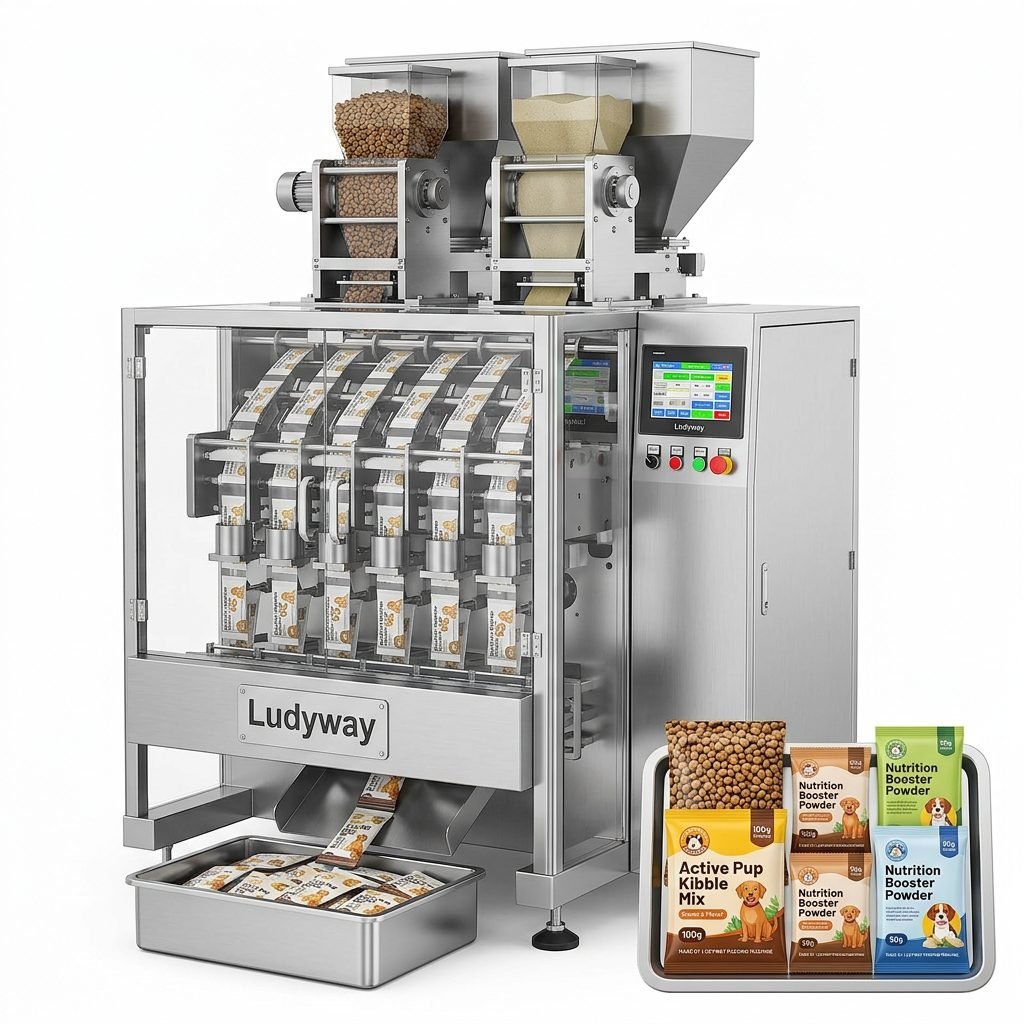
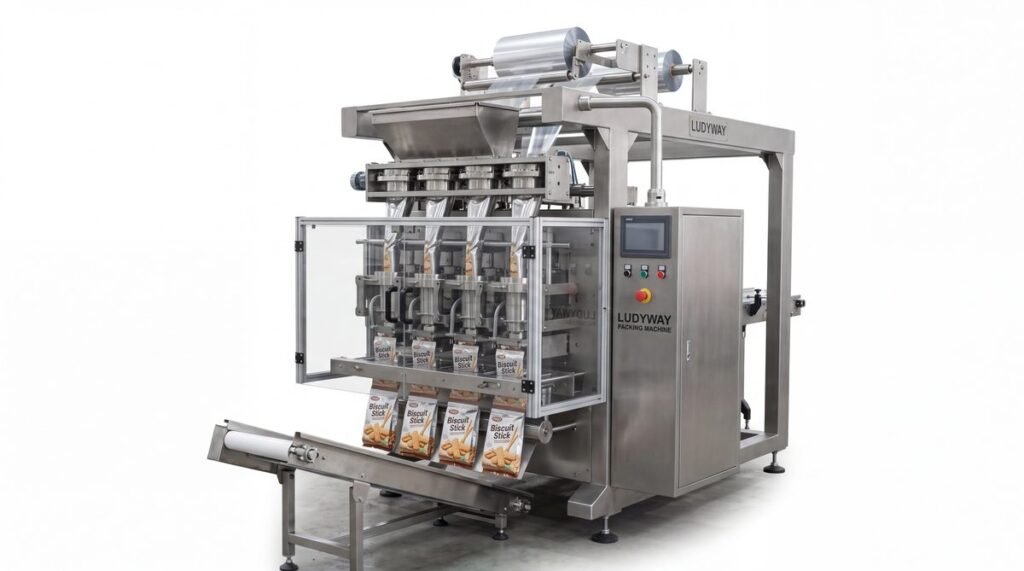
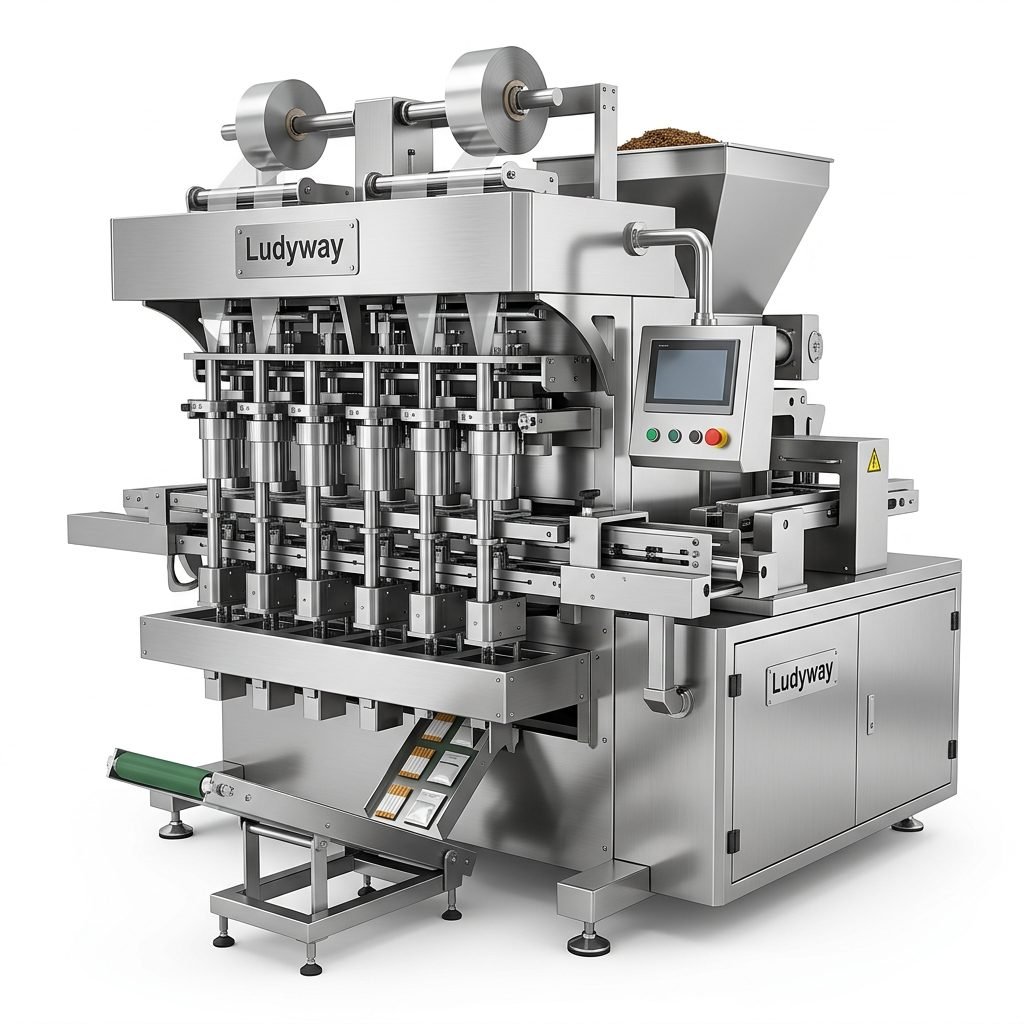
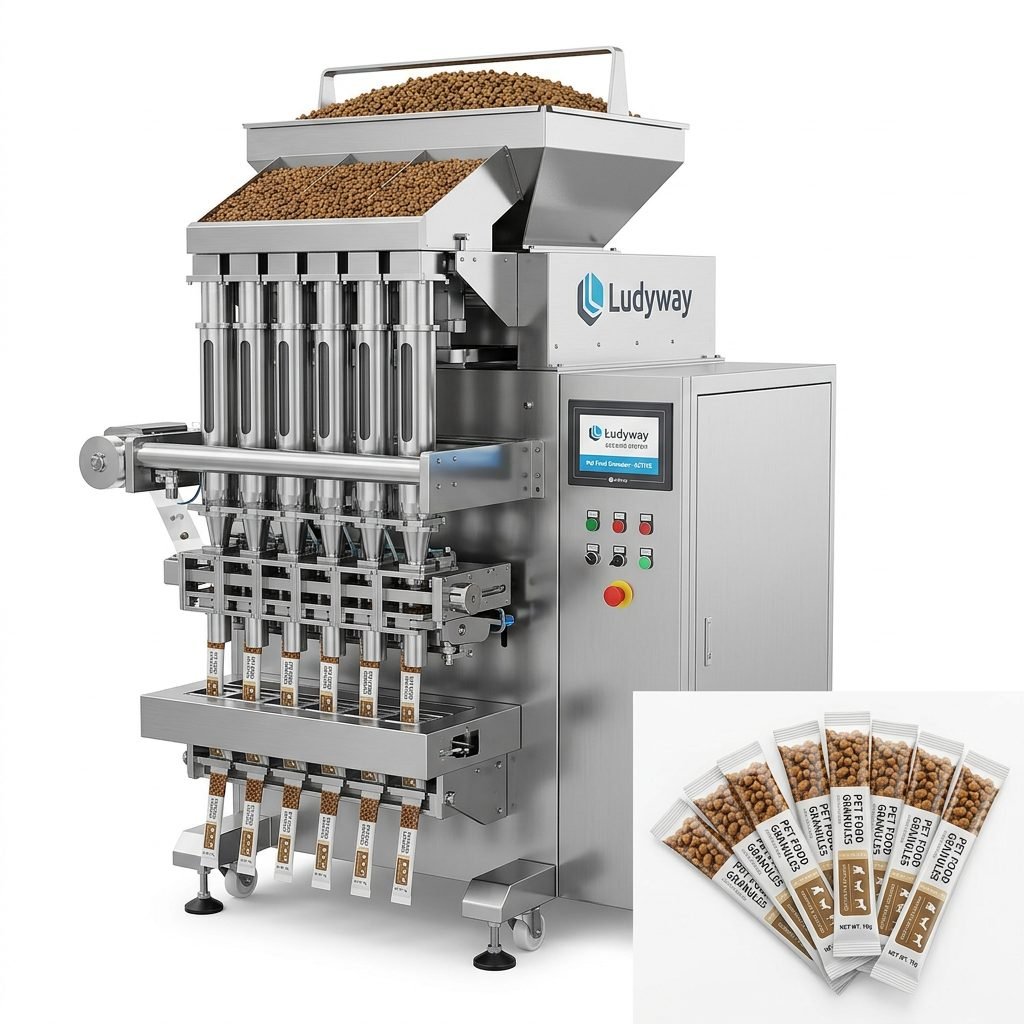
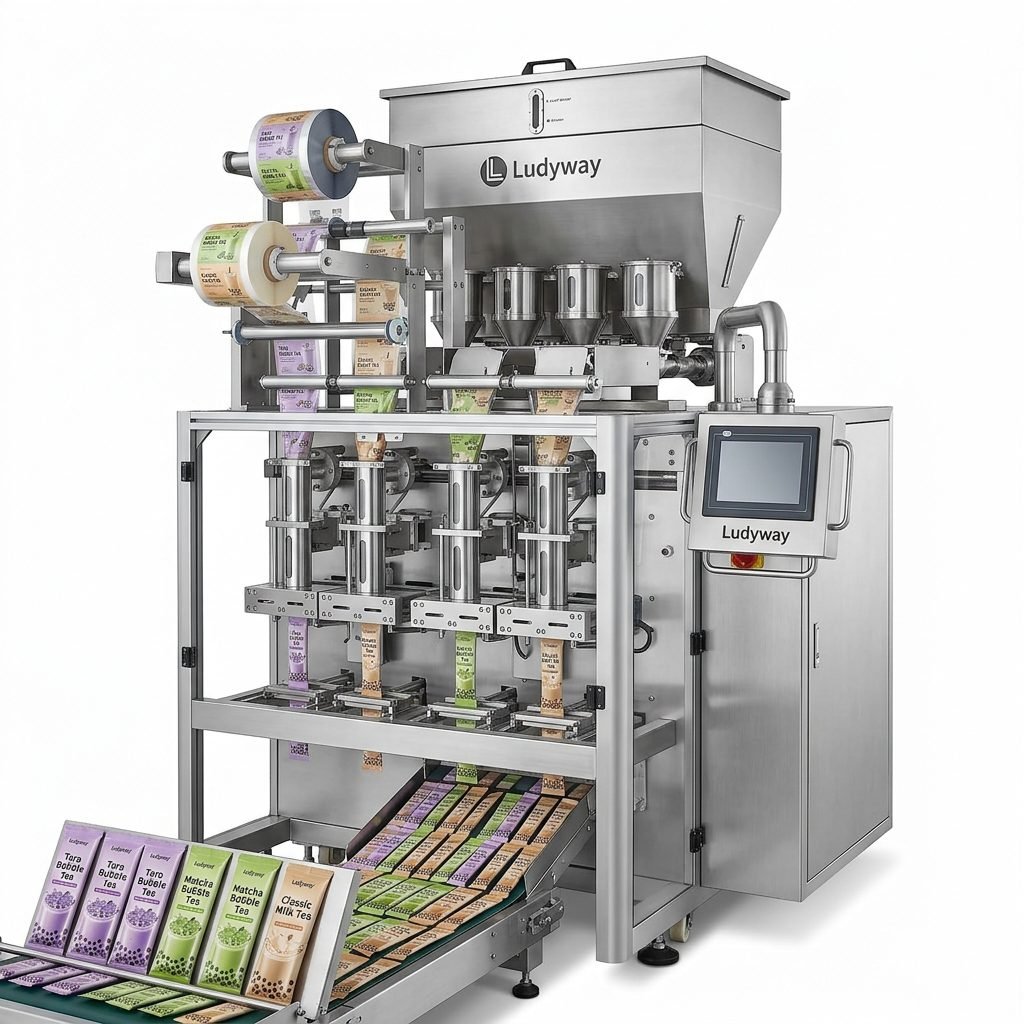
Selecting the right packaging equipment and supplier is a critical decision that directly impacts your production efficiency, product quality, and bottom line. The market is filled with numerous companies, each offering a variety of machines and promises. Navigating this landscape requires a clear understanding of your needs and a methodical approach to evaluation. This guide will explore the key players in the packaging equipment sector and provide a detailed framework to help you choose the ideal supplier for your production line.
Understanding the Packaging Equipment Landscape
The global packaging machinery market is diverse, comprising large multinational corporations, specialized niche players, and innovative newcomers. Top companies often distinguish themselves through technological leadership, extensive product portfolios, and global service networks. When researching, you’ll encounter suppliers specializing in specific packaging forms—such as sachet, stick pack, pouch, or bottling lines—as well as those offering comprehensive turnkey solutions.
It’s essential to look beyond the brand name and assess the core competencies relevant to your application. For instance, a supplier renowned for high-speed liquid filling may not be the best choice for delicate powdered supplement packaging. The most suitable partner is one whose expertise aligns perfectly with your product type, required output, and operational philosophy.
Key Attributes of Leading Packaging Equipment Companies
Reputable companies in this space typically share several common characteristics that contribute to their market standing. These attributes serve as useful benchmarks during your selection process.
- Engineering Depth & Innovation: A strong in-house R&D and engineering team is crucial. This ensures the company can develop new solutions and, more importantly, customize standard machines to fit unique production challenges.
- Proven Track Record & Experience: Longevity and a substantial portfolio of successful installations, especially in your industry (e.g., food, pharmaceutical, nutraceuticals), are strong indicators of reliability and understanding of regulatory requirements.
- Comprehensive Product Range: The ability to supply not just a single machine but a coordinated line—from feeding and filling to sealing, labeling, and cartoning—simplifies integration and ensures compatibility.
- Global Support & Service Infrastructure: For operations in multiple regions or with plans to expand, a supplier with an international network of service technicians and spare parts depots is invaluable for minimizing downtime.
A Step-by-Step Guide to Choosing Your Supplier
Making an informed choice involves a systematic evaluation that goes beyond comparing price lists. Follow this step-by-step framework to identify a partner who will support your business growth for years to come.
Step 1: Pre-Qualification Based on Your Core Requirements
Begin by defining your non-negotiable needs. Create a detailed specification document outlining:
- Product Specifications: Material characteristics (granule size, powder flowability, liquid viscosity), packaging materials (film type, laminate structure).
- Production Output: Required speed (packs per minute), expected uptime, and future scalability needs.
- Regulatory & Hygiene Standards: Necessary certifications (e.g., FDA, CE, GMP) and hygiene design requirements (e.g., stainless steel construction, easy-clean features).
Use this document to filter suppliers. Companies that cannot meet these fundamental criteria should be eliminated early in the process.
Step 2: Deep Dive into Technical Capability & Customization
Engage with shortlisted suppliers in detailed technical discussions. Request a product sample test run using your actual materials. This is the single most effective way to evaluate machine performance. Assess their willingness and ability to customize. A quality supplier will ask probing questions and propose engineering solutions rather than just offering a standard catalog model.
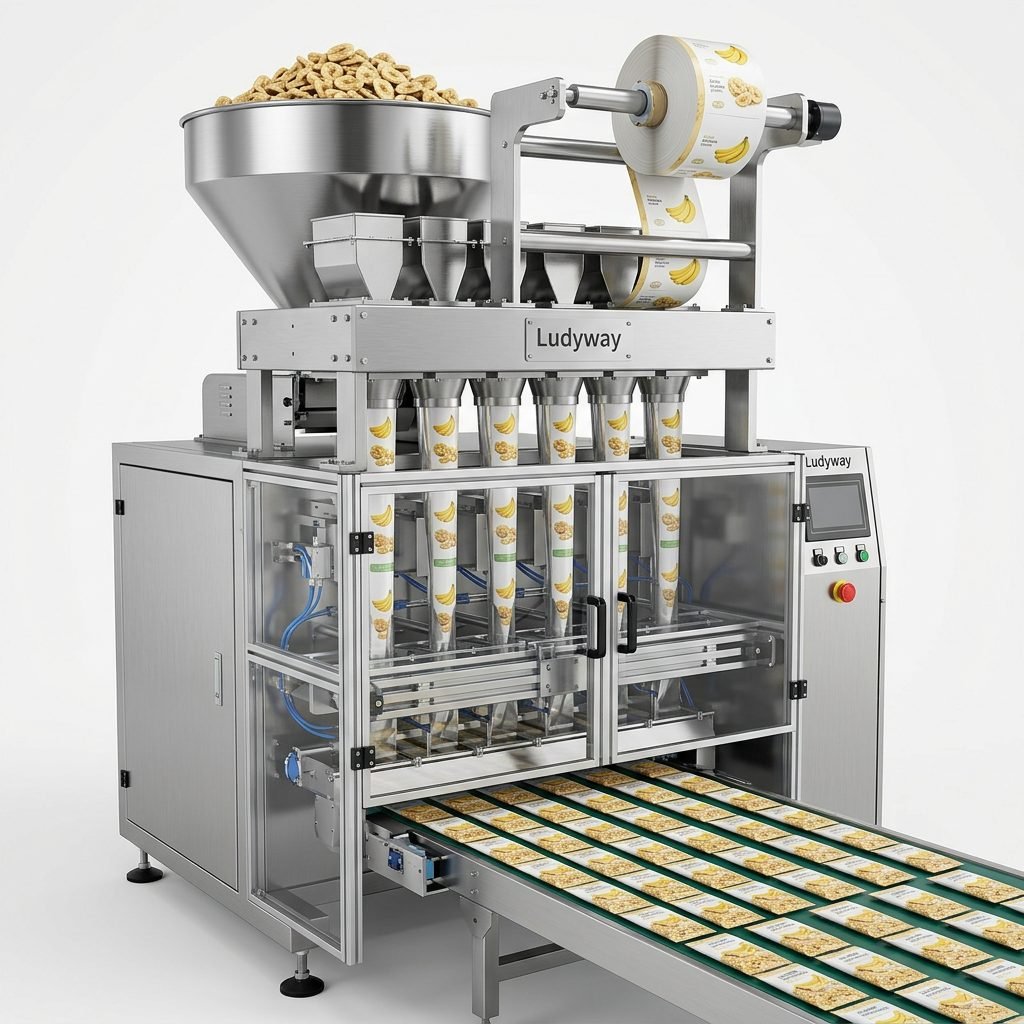
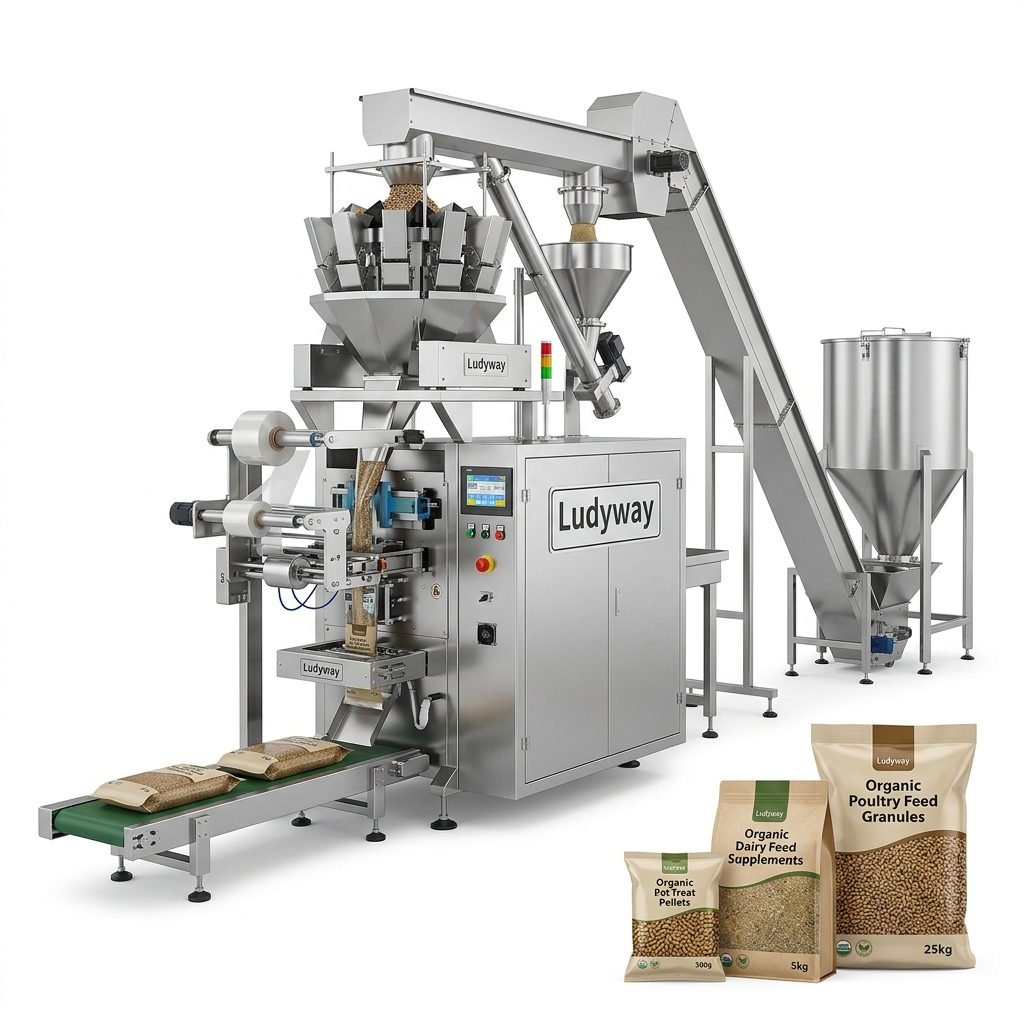
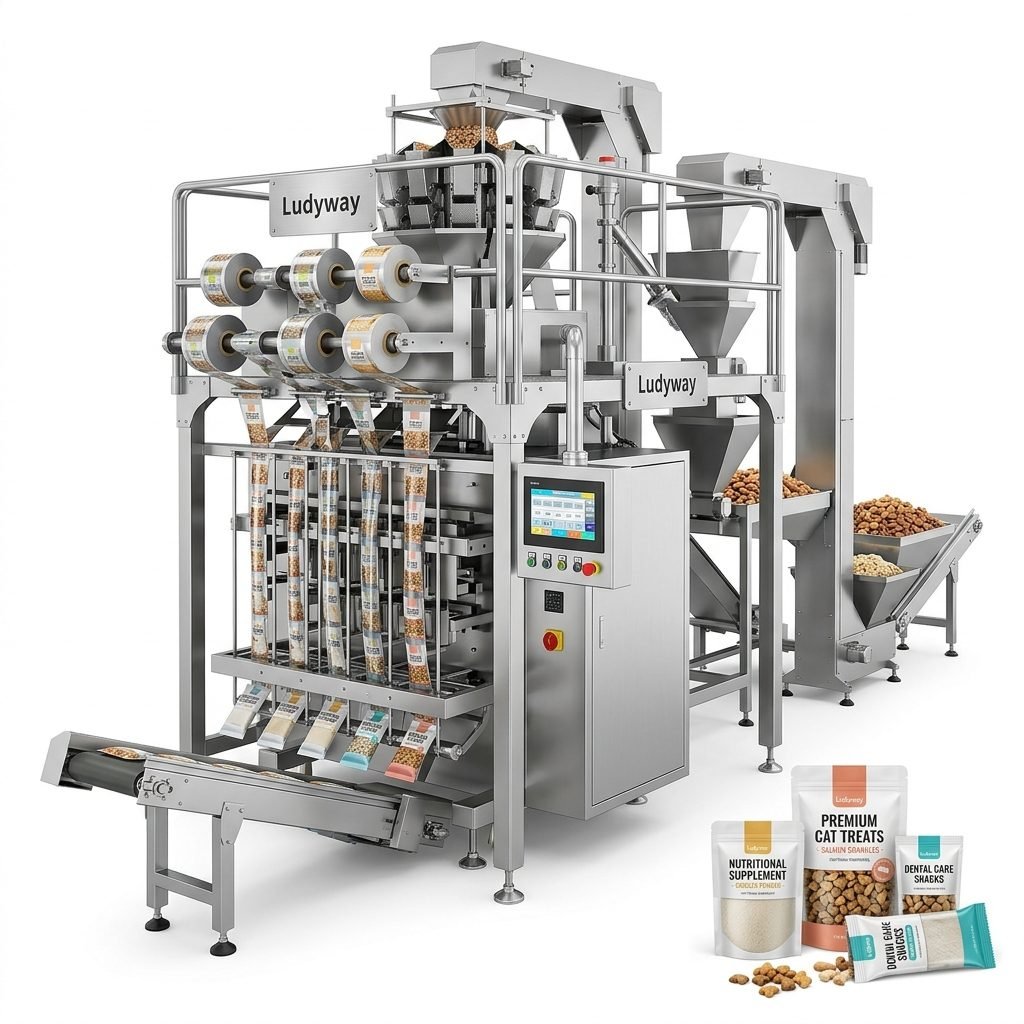
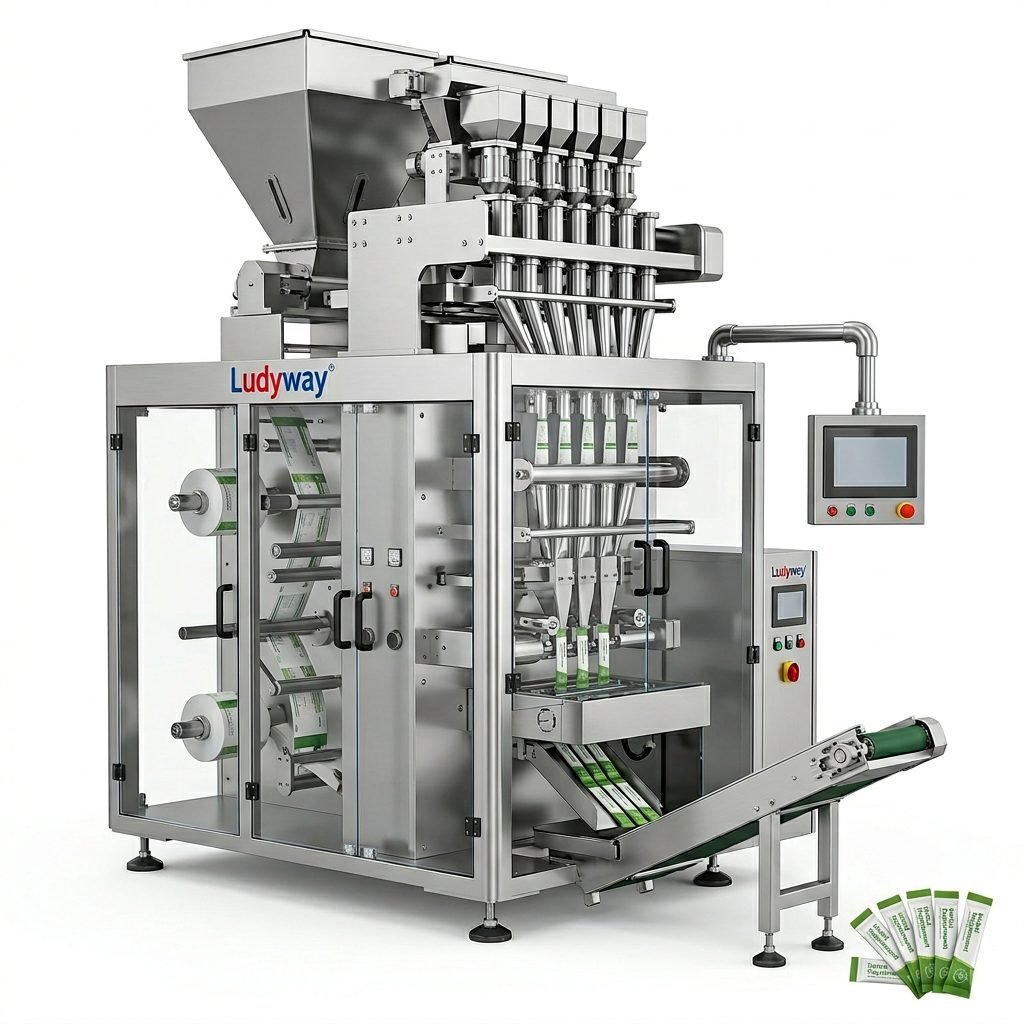
For example, a company like Ludyway Packaging Machinery, with over 30 years of collective industry experience, typically emphasizes its engineering support and ability to tailor its range of over 50 intelligent packaging machine models—from multi-lane stick pack systems to full sachet lines—to specific client needs, ensuring the solution fits the production challenge perfectly.
Step 3: Evaluating Manufacturing Quality & Company Stability
The build quality of the equipment dictates its longevity and maintenance costs. If possible, request a virtual or in-person tour of the supplier’s manufacturing facility. Look for modern production practices, quality control checkpoints, and organization.
Investigate the company’s history and stability. A supplier with a long-term vision and consistent growth, such as one that has evolved from a focused engineering team to an international provider of turnkey solutions, is more likely to be a reliable partner. Financial stability is also key to ensuring they will be around to honor warranties and provide future support.
Step 4: Scrutinizing After-Sales Support & Total Cost of Ownership (TCO)
The initial machine price is only one component of the total cost. A comprehensive after-sales service agreement is critical. Clarify:
- Warranty period, terms, and response time for service calls.
- Availability and cost of spare parts.
- Training provisions for your operators and maintenance staff.
- Availability of remote diagnostics and support.
Choosing a supplier with a proven history of long-term cooperation and a service-first mindset can prevent significant operational headaches and hidden costs down the line.
Step 5: Final Validation Through References & Project Management
Ask for and actually contact customer references, specifically those with similar products and applications. Inquire about machine performance, reliability, and the quality of the supplier’s support. Furthermore, evaluate the supplier’s project management process. A smooth installation and commissioning phase is vital. A professional supplier will assign a project manager, provide clear timelines, and communicate proactively throughout the delivery, installation, and handover process.
Why Partnership Matters More Than Just a Purchase
In the packaging industry, the most successful outcomes arise from true partnerships. The right supplier acts as an extension of your engineering department, offering insights for efficiency improvements, keeping you informed about new technologies, and proactively supporting your operational goals. This collaborative relationship, built on transparency and shared objectives, is what transforms a capital equipment purchase into a strategic investment that drives continuous production improvement and market competitiveness. A partner invested in your success will help you navigate future challenges, whether it’s adapting to new packaging trends, scaling up production, or entering new markets with different regulatory landscapes.
Conclusion: Making an Informed Strategic Decision
Selecting a packaging equipment supplier is a strategic decision with long-term implications. By thoroughly understanding the market landscape and rigorously applying a structured evaluation framework—focusing on technical fit, manufacturing quality, after-sales support, and partnership potential—you can move beyond price-based comparisons. The goal is to identify a capable and committed partner who will deliver not just a machine, but a reliable, efficient, and scalable packaging solution that supports your brand’s quality and growth ambitions for the foreseeable future. Companies that demonstrate a commitment to innovation, customization, and global support, much like the ethos behind brands that have grown through strong manufacturer partnerships and a focus on tailored automation, often prove to be such partners.
Frequently Asked Questions (FAQs)
What is the most important factor when choosing packaging equipment?
While many factors are important, the technical compatibility and performance with your specific product is paramount. A machine must handle your exact material (e.g., powder, granule, liquid) and packaging format reliably at your required speed. Always insist on a product sample test before purchasing.
How can I ensure the supplier will provide good after-sales service?
Evaluate their service structure before buying. Ask detailed questions about warranty, spare parts inventory, local technician availability, and response time. Speaking directly to their existing customers, especially those in your region, provides the most honest assessment of their after-sales support quality.
Is it better to buy a full line from one supplier or individual machines from several?
Purchasing a coordinated turnkey production line from a single supplier is generally recommended. It ensures machine compatibility, simplifies communication, streamlines service and support, and often results in better overall system integration and performance from a single point of responsibility.
What certifications should I look for in packaging machinery?
Required certifications depend on your industry and location. Common ones include CE (for the European market), FDA compliance (particularly for food and pharmaceutical contact parts), and machinery safety standards. For hygienic applications, look for evidence of GMP (Good Manufacturing Practice) design principles.
How do I budget for a new packaging line beyond the machine price?
Plan for the Total Cost of Ownership (TCO). This includes costs for installation, commissioning, initial operator training, ongoing maintenance, spare parts, utilities (air, power), and potential future upgrades. A reputable supplier should help you model these costs to create an accurate long-term budget.