In today’s competitive manufacturing landscape, achieving efficiency and cost-effectiveness is paramount. For businesses in the food, pharmaceutical, and health industries, selecting the right packaging machinery is a critical decision that directly impacts production speed, operational costs, and product quality. This article explores the top packaging machinery equipment designed to create efficient production lines and deliver cost-effective automation.
Core Machinery for Streamlined Packaging Lines
A modern, efficient packaging line is built on a foundation of reliable core equipment. These machines handle the primary packaging functions and set the pace for the entire operation.
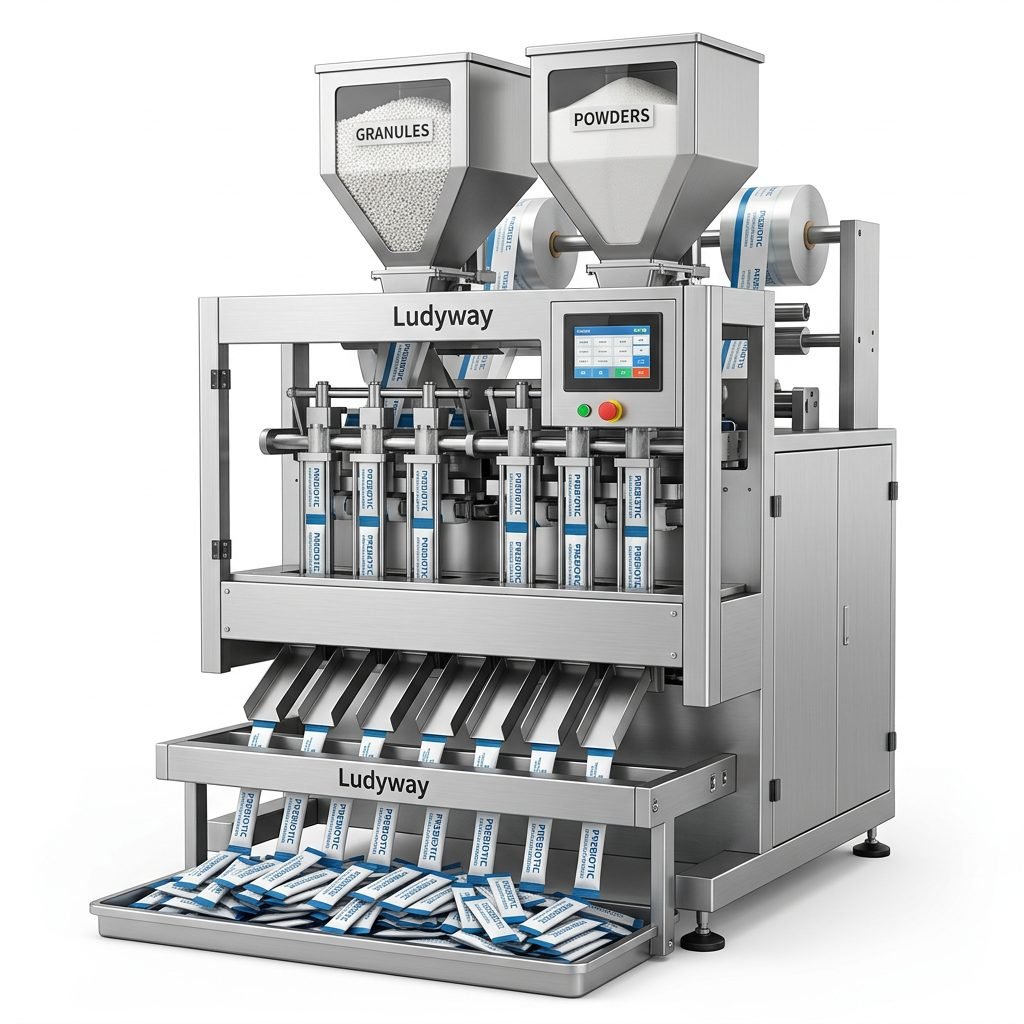
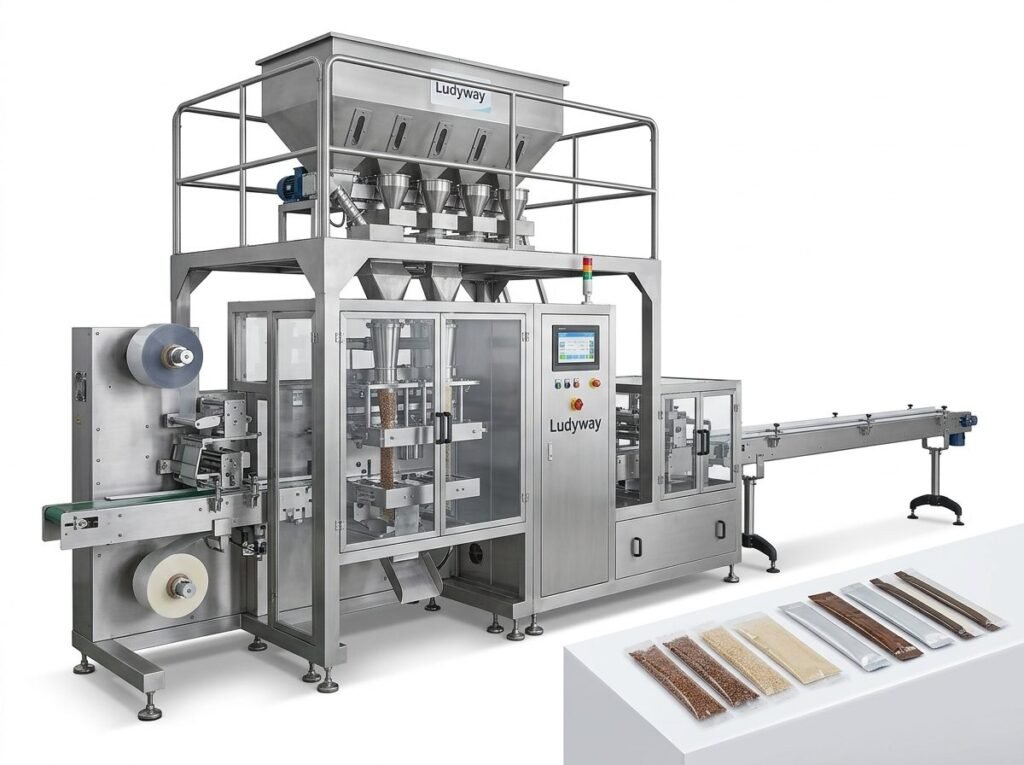
Multi-Lane Stick Pack & Sachet Packaging Machines
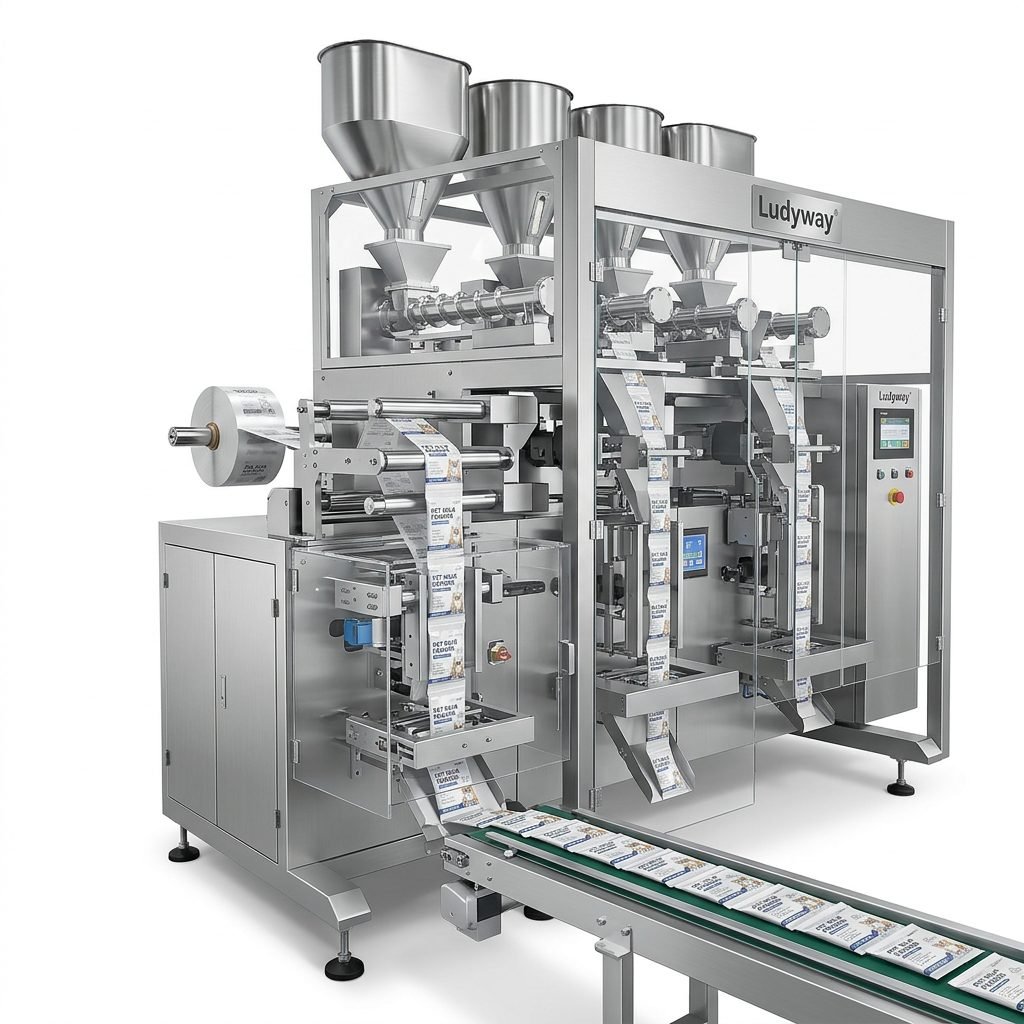
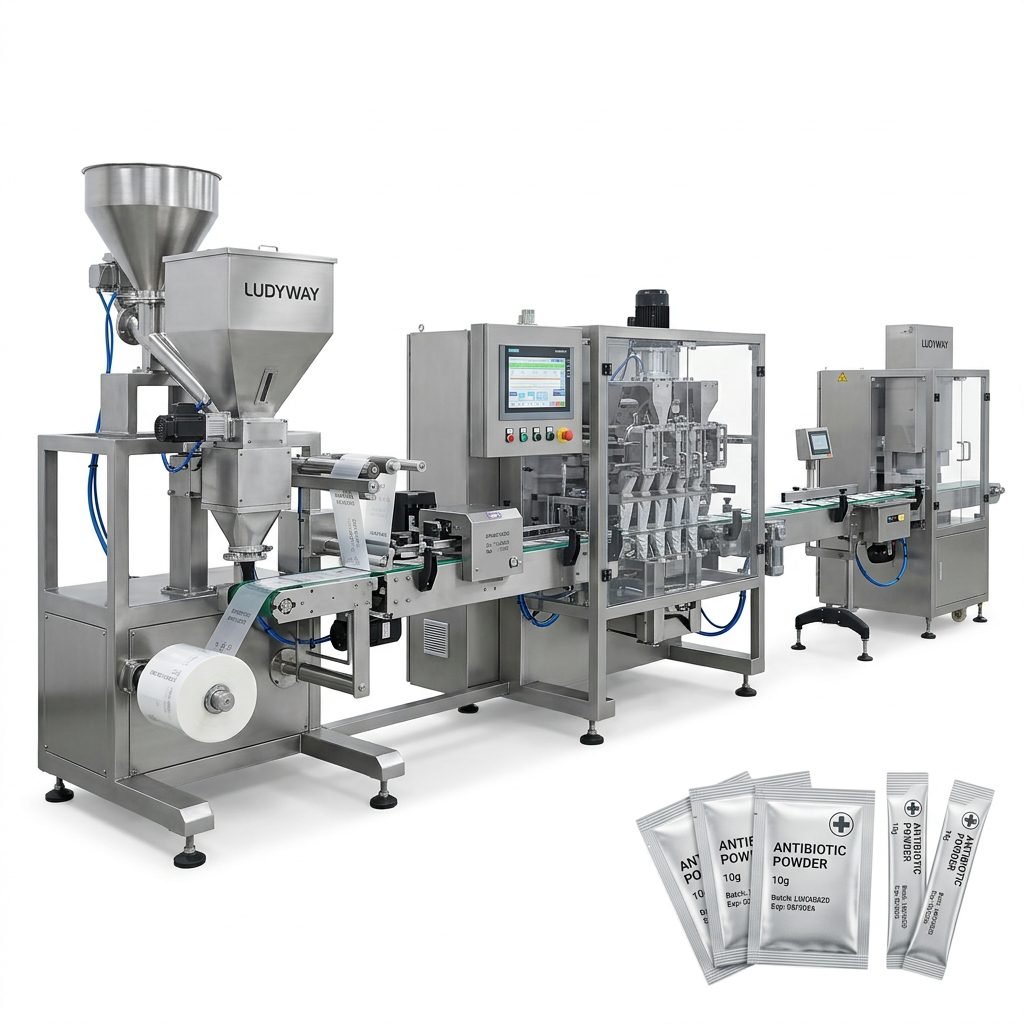
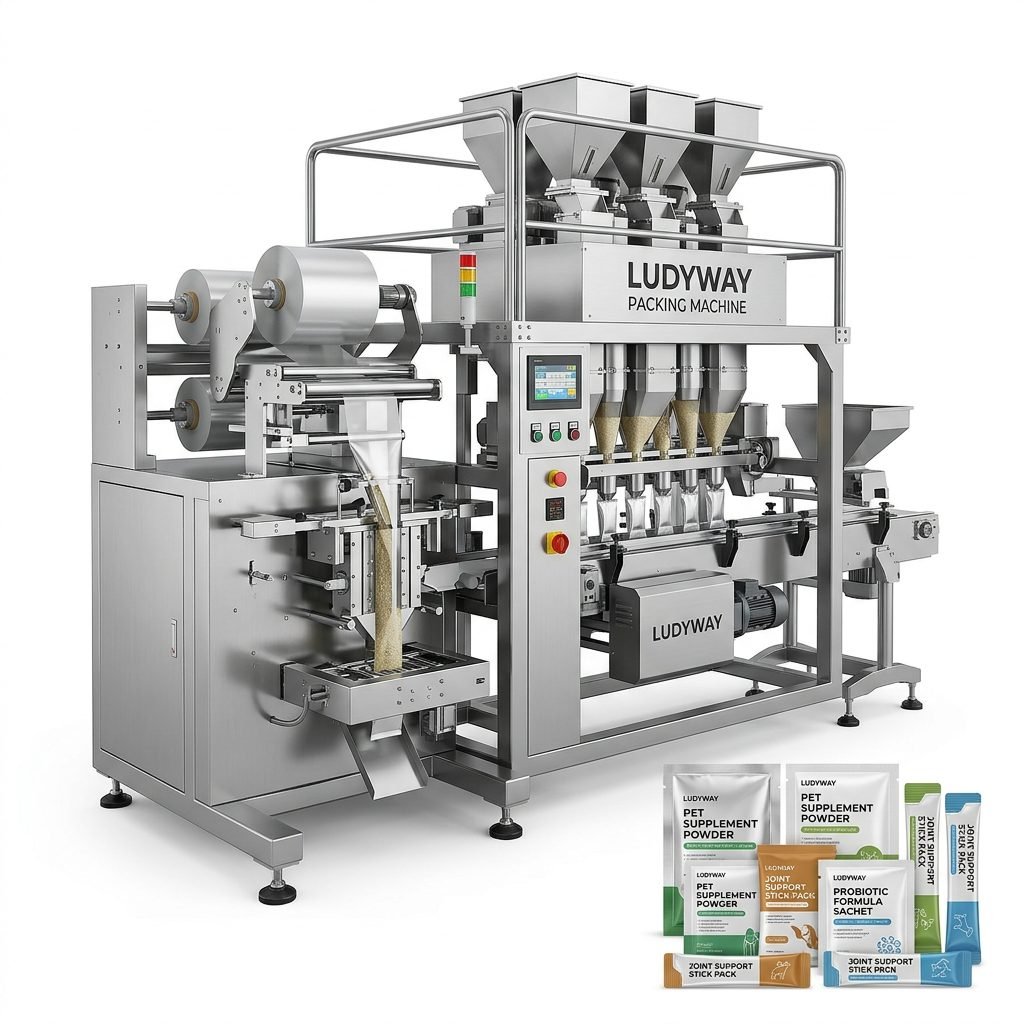
For products like instant beverages, supplements, or condiments, multi-lane systems are game-changers. These machines operate multiple packaging lanes simultaneously, dramatically increasing output compared to single-lane units. They are engineered for high-speed, precision filling of powders, granules, or liquids into small, convenient stick packs or sachets. The automation reduces labor dependency and ensures consistent pack weight and seal integrity.
Key Benefit: By multiplying output without significantly increasing floor space or energy consumption, these machines offer one of the best returns on investment for high-volume, small-format packaging.
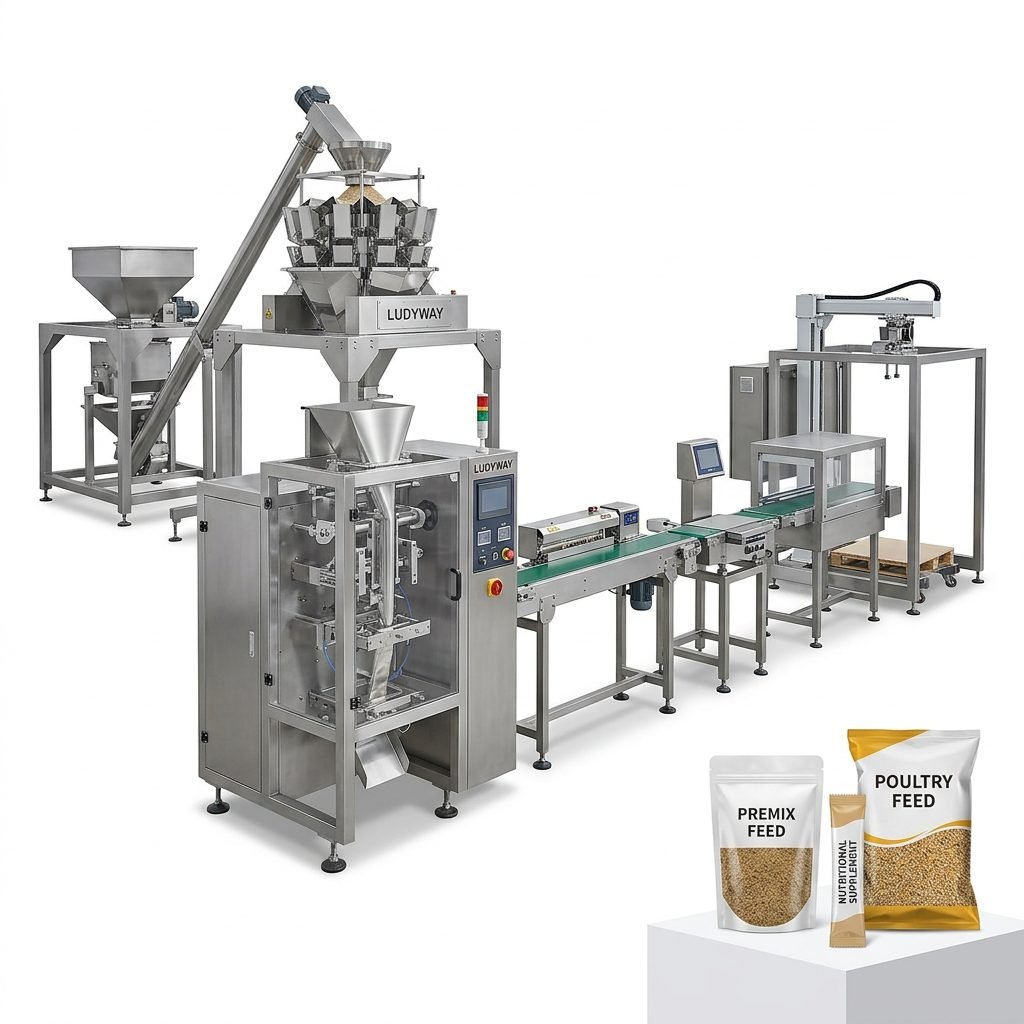
Automatic Granule & Powder Filling Machines
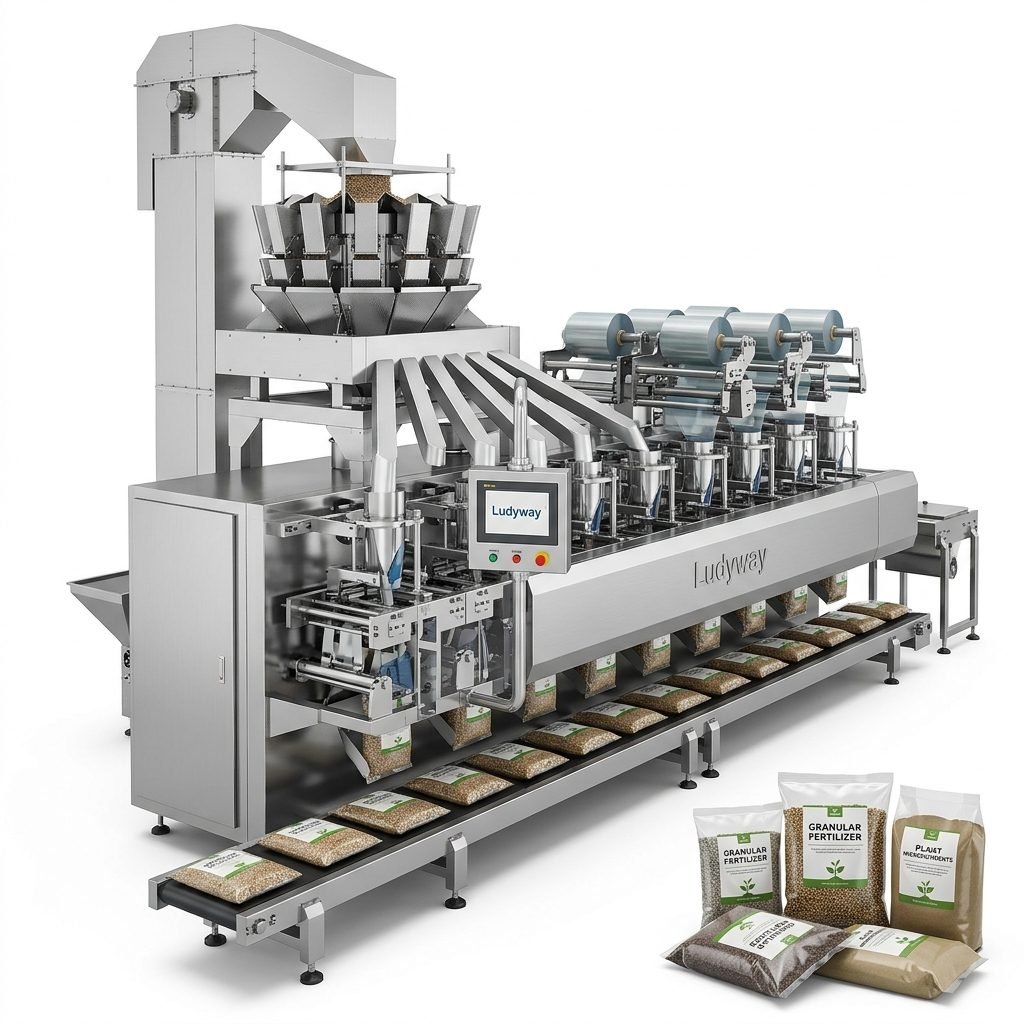
Accuracy is crucial when filling dry products. Automatic granule and powder filling machines utilize advanced weighing technology—such as multi-head weighers or volumetric cups—to achieve precise fills at high speeds. This minimizes product giveaway (overfilling) and ensures compliance with strict net content regulations, common in the pharmaceutical and food sectors. Their integration into continuous lines eliminates manual filling bottlenecks.
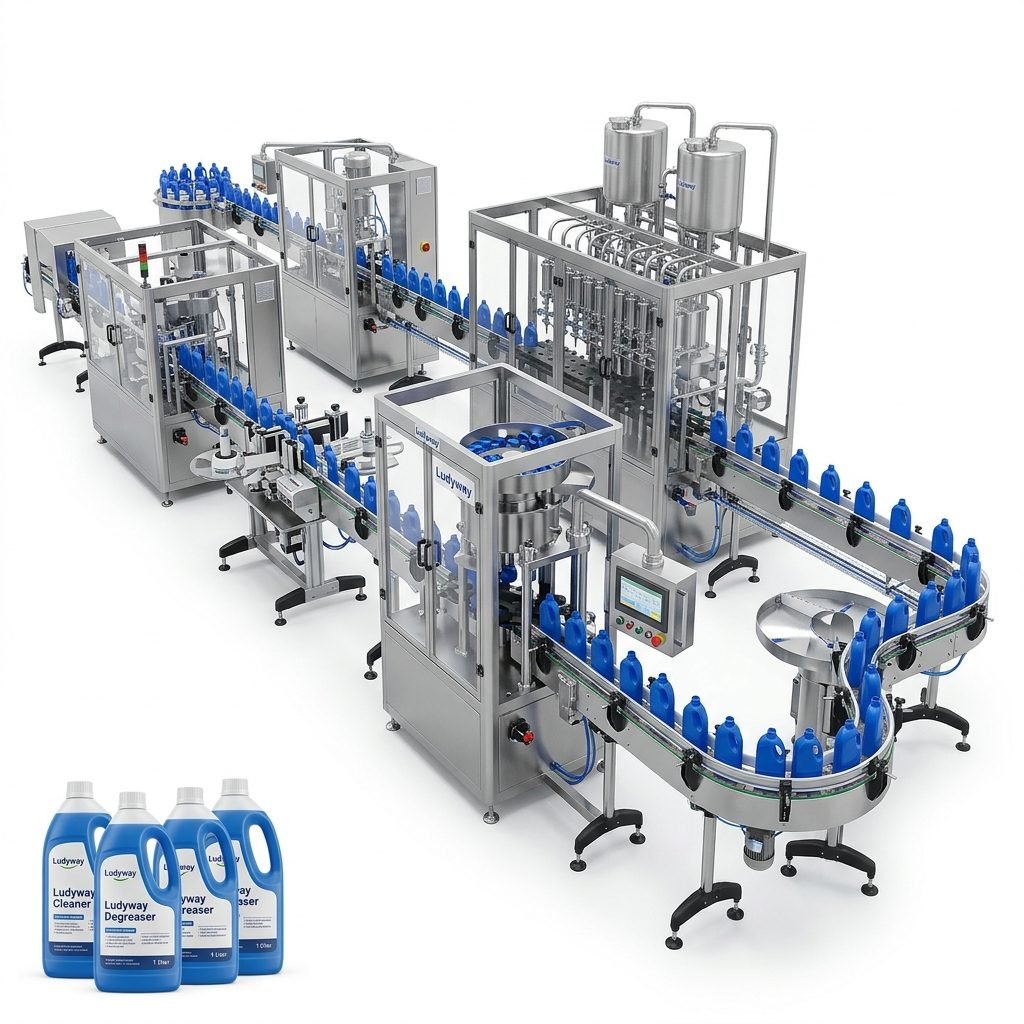
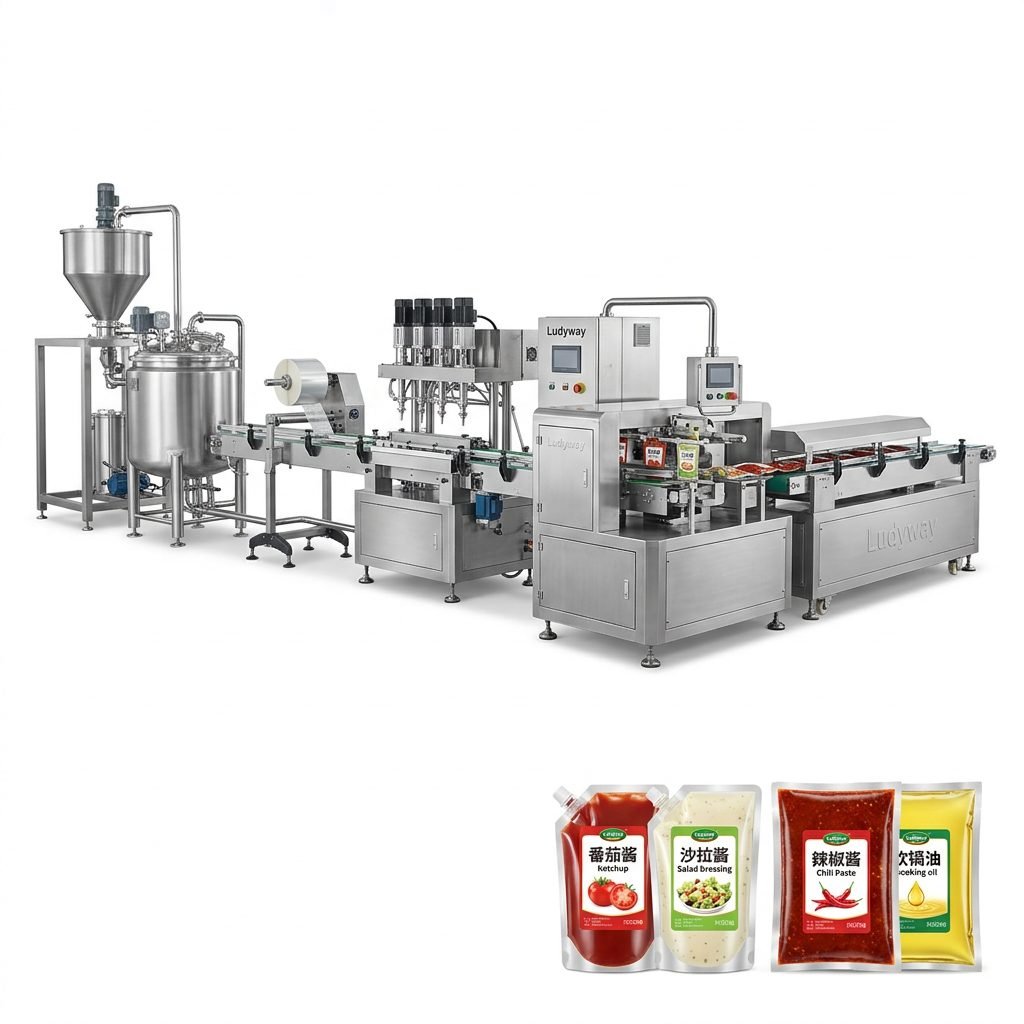
Liquid Filling & Sealing Systems
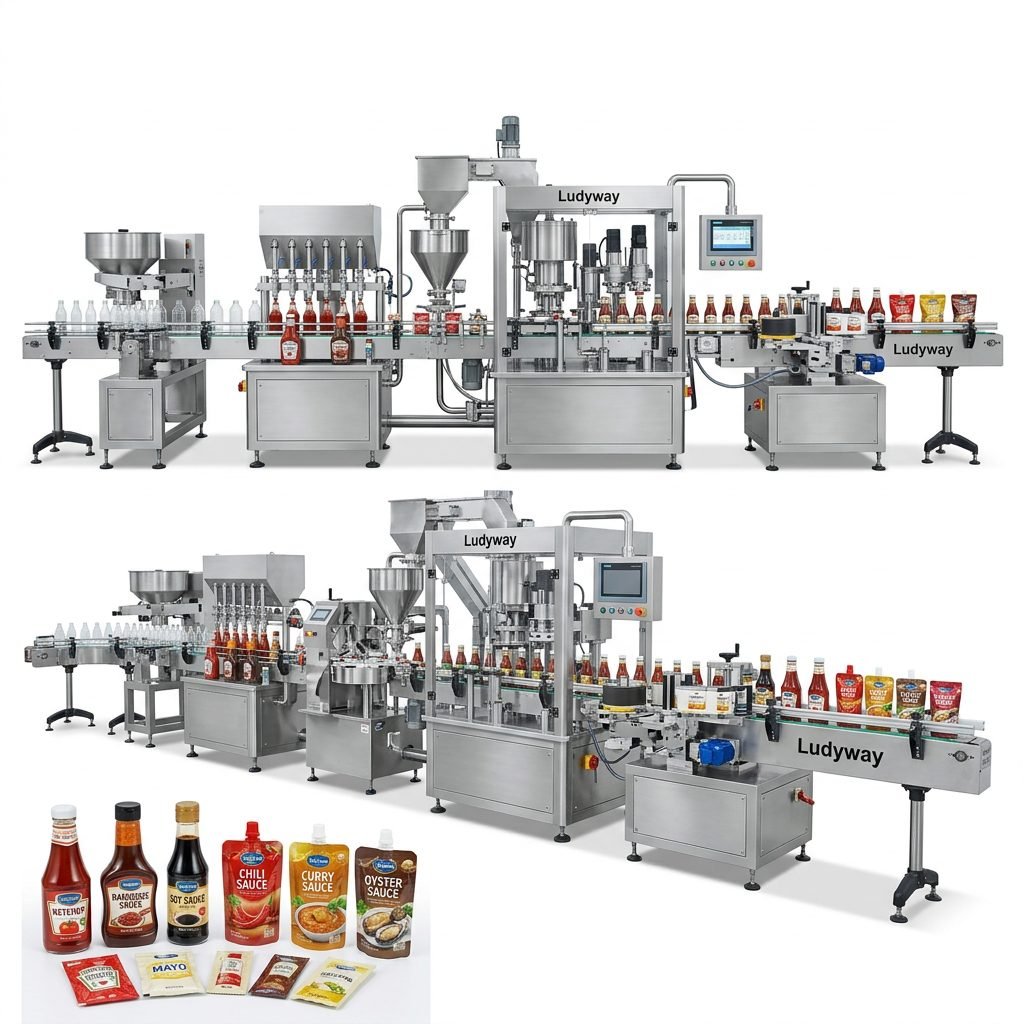
From oils and sauces to syrups and creams, liquid filling demands cleanliness and accuracy. Modern liquid filling systems employ piston or pump fillers with no-drip nozzles and are often coupled with immediate sealing stations (like cap sealing or heat sealing). This creates a closed, sanitary process that protects product quality and prevents waste. Automation here is vital for maintaining hygiene standards and achieving consistent fill levels.
Enhancing Efficiency with Integrated Automation
True production line efficiency comes from seamless integration. Standalone machines are powerful, but their potential is unlocked when connected into a synchronized system.
Conveying & Sorting Systems
Automated conveyors, sorters, and elevators form the connective tissue of a packaging line. They transport empty packaging materials to fillers, move filled products to sealers and labelers, and finally direct finished goods to cartoning or palletizing stations. Smooth, uninterrupted material flow prevents jams and downtime, keeping the entire line running at its designed capacity.
Secondary Packaging & Bundling Units
After primary packaging, products often need to be grouped. Automatic cartoners, case packers, and bundling machines take individual sachets, sticks, or bottles and organize them into retail-ready boxes or bundles. This stage, when automated, drastically reduces the slow, costly manual handling of final packaging preparation.
Smart Control & Monitoring
The brain of an efficient line is its control system. Modern machinery features PLC controls and touch-screen HMIs (Human-Machine Interfaces) that allow for easy setup, speed adjustment, and recipe changes. Furthermore, IoT-enabled machines can provide real-time data on production counts, machine status, and error alerts, enabling proactive maintenance and optimizing overall equipment effectiveness (OEE).
Achieving Cost-Effectiveness Through Smart Investment
Cost-effective automation isn’t about buying the cheapest machine; it’s about investing in equipment that lowers the total cost of operation over its lifetime.
Reduced Labor Costs: Automated lines require fewer operators per output unit. One technician can often monitor a multi-machine line, replacing several manual packers. This not only cuts direct wage costs but also reduces variability and errors associated with manual handling.
Minimized Material Waste: Precision filling equipment ensures almost every gram of product is sold, not given away. Accurate sealing prevents spoilage and rejected batches. This direct saving on raw materials and packaging film can be substantial.
Higher Uptime & Reliability: Equipment built with robust components and simple mechanics, backed by reliable service, experiences less downtime. More running hours mean more produced goods and faster amortization of the machine investment. Choosing a supplier known for durability and support is a key cost-effectiveness strategy.
Scalability & Flexibility: Some machines are designed to be modular. You can start with a basic configuration and add lanes or functions as your business grows. This “pay-as-you-grow” approach prevents over-investment initially and allows costs to scale logically with production needs.
Choosing Your Packaging Machinery Partner
Selecting the right equipment goes hand-in-hand with choosing the right supplier. Look for a partner with proven industry experience who understands your specific application—whether it’s hygroscopic powders, volatile liquids, or fragile granules. They should offer not just a machine, but a solution, including feasibility analysis, line layout planning, and after-sales technical support. A partner committed to long-term cooperation and innovation will help you adapt your line to future challenges and opportunities.
For businesses looking to explore advanced packaging solutions, reviewing a comprehensive company profile of an experienced machinery provider can offer valuable insights into their capabilities and project approach. Understanding a supplier’s history and evolution can also indicate their stability and dedication to the packaging machinery field.
Conclusion
Investing in top packaging machinery for efficient and cost-effective automation is a strategic move that drives competitiveness. By focusing on core high-speed filling and sealing machines, integrating them with smart conveying and secondary packaging systems, and selecting reliable, scalable equipment from an experienced partner, manufacturers can build production lines that are not only faster but also smarter and more economical. The result is a robust operation capable of meeting today’s demand while being adaptable for tomorrow’s growth.
Frequently Asked Questions (FAQs)
1. What is the typical payback period for an automated packaging line investment?
The payback period varies based on output increase, labor savings, and material waste reduction. For many high-volume applications, a well-planned automated line can achieve a return on investment within 1 to 3 years through these combined efficiencies.
2. Can automated packaging machinery handle different product types on the same line?
Many modern machines are designed for flexibility. By using quick-change parts (like filling nozzles or product hoppers) and storing multiple recipes in the control system, lines can often switch between different but similar product formats (e.g., different granule sizes or liquid viscosities) with minimal downtime.
3. How important is after-sales support when purchasing packaging equipment?
It is critically important. Reliable technical support, readily available spare parts, and operator training services ensure your line maintains high uptime and productivity. This support directly impacts the long-term cost-effectiveness of your investment.
4. What are the key factors to consider when planning a new packaging line layout?
Key factors include: available floor space and ceiling height, raw material intake points, desired output speed, future expansion plans, utility access (power, compressed air), and operator safety and access pathways. A good machinery partner will assist in this planning.
5. Is it better to buy a complete turnkey line or integrate machines from different suppliers?
A turnkey line from a single, capable supplier often ensures better machine synchronization, a unified control system, and single-point responsibility for performance. Integration from multiple suppliers can be complex and may lead to compatibility issues, though it might be suitable for very specialized needs.