
Understanding Packaging Machinery: The Hierarchy of Automated Packaging
Packaging machinery comprises an extensive ecosystem of automated and semi-automated engineering systems designed to form, fill, seal, wrap, and bundle products across food, pharmaceutical, cosmetic, and chemical manufacturing.
In contemporary industrial automation, packaging machines are systematically divided into three main operational tiers: primary packaging (direct product contact), secondary packaging (grouping unit items), and tertiary packaging (bulk palletizing and transport logistics). Selecting the appropriate packaging system directly dictates overall equipment effectiveness (OEE), scrap rates, air-barrier preservation, and retail shelf appeal.
1. Primary Packaging Machines
Equipment directly enveloping the raw product. Crucial for hygienic barrier sealing, vacuum dosing, multi-lane portioning, and aseptic shelf-life preservation for liquids, powders, and granules.
2. Secondary Packaging Machines
Automated machinery that collates multiple primary packs into intermediate containers. Encompasses cartoning machines, flow wrap bundlers, tray formers, and case packing stations.
3. Tertiary & End-of-Line
High-throughput robotic palletizers, automatic stretch wrappers, checkweighers, dynamic X-ray inspection, and laser carton markers engineered for distribution handling.
Major Types of Primary Packaging Machines
Primary packaging machines convert flat roll stock films, rigid bottles, or premade pouches into filled, hermetically sealed commercial units.
1. Multi-Lane Stick Pack Packaging Machines
Multi-lane stick pack machines are the gold standard for unit-dose packaging across nutraceuticals, coffee, pharma granules, and functional gels. Utilizing a single master roll slit across multiple vertical forming channels (from 4 to 16 lanes), these systems produce slender stick packs at speeds exceeding 400 to 1,000+ packets per minute.
- Applications: Instant coffee, energy drink powders, probiotics, collagen peptides, honey, and oral suspensions.
- Key Advantages: Up to 40% film material savings compared to four-side sachets; highly portable format.
2. Sachet Packaging Machines (Form-Fill-Seal)
Sachet packaging machines fabricate flat, rectangular pouches sealed on 3 or 4 sides. Available in both continuous multi-lane configurations and intermittent rotary formats, sachet machines provide maximum printable surface area for branding and regulatory text while delivering superior seal integrity.
- Applications: Seasoning powders, pharmaceutical syrups, cosmetic creams, facial masks, and cleaning liquids.
- Key Advantages: High puncture resistance, gas flushing (MAP) compatibility, and versatile tear-notch tooling.
3. Vertical & Horizontal Form Fill Seal (VFFS / HFFS)
VFFS machines pull roll film vertically over a conical forming collar, create a longitudinal back seam, dose product, and seal the top and bottom horizontally. Horizontal flow wrappers (HFFS) move solid products horizontally on conveyor belts, wrapping continuous film over them for high-speed confectionery and bakery packaging.
- Applications: Snack foods, candy, frozen seafood, bakery loaves, nuts, and hardware fasteners.
- Key Advantages: Flexible bag shapes (pillow, quad-seal, block-bottom, gusseted), massive volume handling.
4. Rotary Premade Pouch Packaging Machines
Unlike form-fill-seal systems that shape film from rolls, premade pouch machines automatically pick pre-manufactured bags (stand-up pouches, zipper Doypacks, spout bags), open them with vacuum grippers, nitrogen flush, fill product via precision feeders, and heat seal the top edge.
- Applications: Premium pet food kibble, protein powders, dried fruits, jerky snacks, and chemical detergents.
- Key Advantages: Unmatched shelf appeal, reusable zipper seals, zero film-forming scrap on startup.
5. Blister & Strip Packaging Machines
Blister machines thermoform cavities into plastic (PVC/PVDC/Aclar) or cold-form aluminum foil (Alu-Alu), feed solid doses (tablets, capsules, caplets) into pockets, and hermetically seal the backing lidding foil. Strip packers seal products between two synchronized webs of heat-sealable foil.
- Applications: Prescription pharmaceuticals, OTC cold tablets, vitamin softgels, and dental devices.
- Key Advantages: Unit-dose protection, moisture barrier control, tamper evidence, and child-resistant design.
6. Automated Bottle & Rigid Container Filling Lines
Engineered for bottles, jars, cans, and vials, these turnkey lines integrate unscramblers, rotary/inline piston or peristaltic liquid fillers, multi-head auger powder depositors, automatic cap torque placers, induction foil sealers, and wrap-around labeling units into a continuous conveyor system.
- Applications: Shampoos, oral pharmaceutical liquids, cosmetic serums, motor oils, and cooking sauces.
- Key Advantages: Drip-free high-precision volumetric dosing, broad container stability, high automated torque control.
Packaging Machine Types Classified by Product State
The physical properties of the product—flowability, bulk density, viscosity, and hygroscopic nature—dictate the specific dosing technology integrated into the packaging machine.
Granule Packaging Machines
Granular materials require dosing systems that preserve granule integrity without pulverization while sustaining rapid cycle speeds.
- Dosing Tech: Multi-head combinational weighers, volumetric cup feeders, and vibratory linear scales.
- Key Materials: Granular sugar, tea leaves, plastic resin pellets, sea salt, agricultural seeds, and pet kibble.
- Target System: Multi-lane granule stick machines & VFFS bagging lines.
Powder Packaging Machines
Powders present airborne dusting, varying aeration, and bulk density shifts that demand hermetic vacuum feeders and closed auger shafts.
- Dosing Tech: Servo-driven auger screws, vacuum powder loaders, and anti-dust horizontal cut-off nozzles.
- Key Materials: Milk powder, flour, collagen, starch, ground spices, matcha, and antibiotic powders.
- Target System: Multi-lane powder sachet machines & valve bagging lines.
Liquid & Paste Packaging Machines
Liquids and semi-fluids range from free-flowing water-thin solutions to high-viscosity pastes requiring positive displacement pumps.
- Dosing Tech: Rotary valve piston pumps, magnetic gear pumps, and peristaltic multi-nozzle manifolds.
- Key Materials: Energy gels, ketchup, shampoo, cosmetic serums, essential oils, and liquid lubricants.
- Target System: Liquid stick pack machines & bottle filling systems.
Technical Comparison: Packaging Machine Types
Evaluate speed capacities, dosing accuracy, packaging formats, and optimal industry applications across primary machinery categories.
| Machine Category | Speed (PPM / Output) | Dosing Precision | Packaging Formats | Primary Industries |
|---|---|---|---|---|
| Multi-Lane Stick Pack Machine | 200 – 1,000+ PPM | ± 0.5% – 1.0% | Narrow stick pouch (micro/macro lanes) | Pharma, Food & Beverage, Nutraceuticals |
| Multi-Lane Sachet Machine | 150 – 800 PPM | ± 0.5% – 1.2% | 3-side & 4-side sealed flat sachets | Cosmetics, Food Seasoning, Chemical Fluids |
| Vertical Form Fill Seal (VFFS) | 30 – 180 PPM | ± 0.2% – 0.8% | Pillow bag, gusset, quad-seal, Doy-style | Snack Foods, Grains, Bulk Hardware, Pet Food |
| Rotary Premade Pouch Machine | 30 – 90 PPM | ± 0.5% – 1.0% | Stand-up Doypack, zipper pouch, spout bag | Specialty Coffee, Pet Nutrition, Detergent Pods |
| Blister Packaging Machine | 80 – 400 Blisters/Min | 100% Count Accuracy | Alu-Alu, PVC/Alu blister cavity cards | Pharmaceutical Pills, Medical Devices |
| Automatic Bottle Filling Line | 40 – 250 BPM | ± 0.3% – 0.5% | Rigid glass/PET bottles, vials, jars | Cosmetic Serums, Daily Chemicals, Syrups |
High-Performance Packaging Machine Models
Discover Ludyway’s flagship packaging systems, engineered with servo-driven precision, robust stainless-steel architecture, and intelligent PLC touch interfaces.
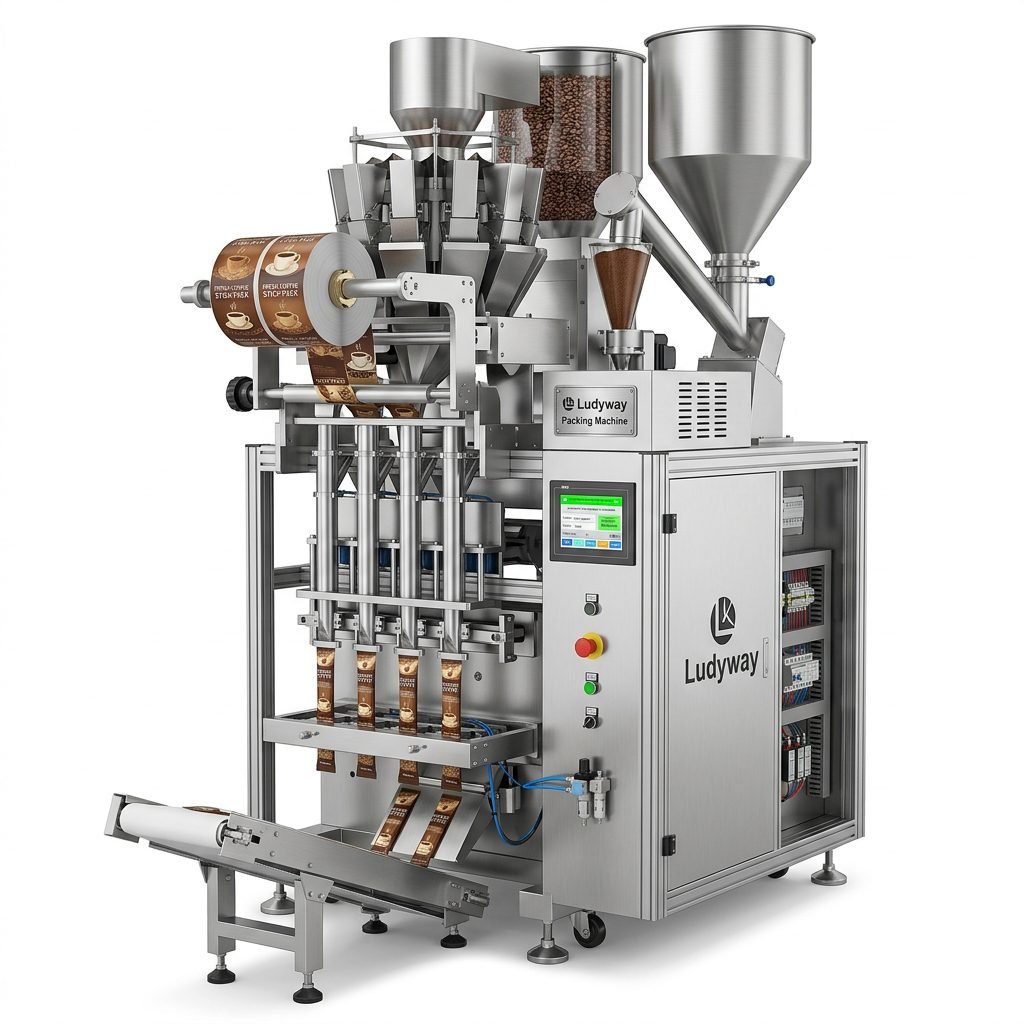
Automatic Multi-Lane Coffee Bean Packaging Machine for Granule and Powder
View Machine Specs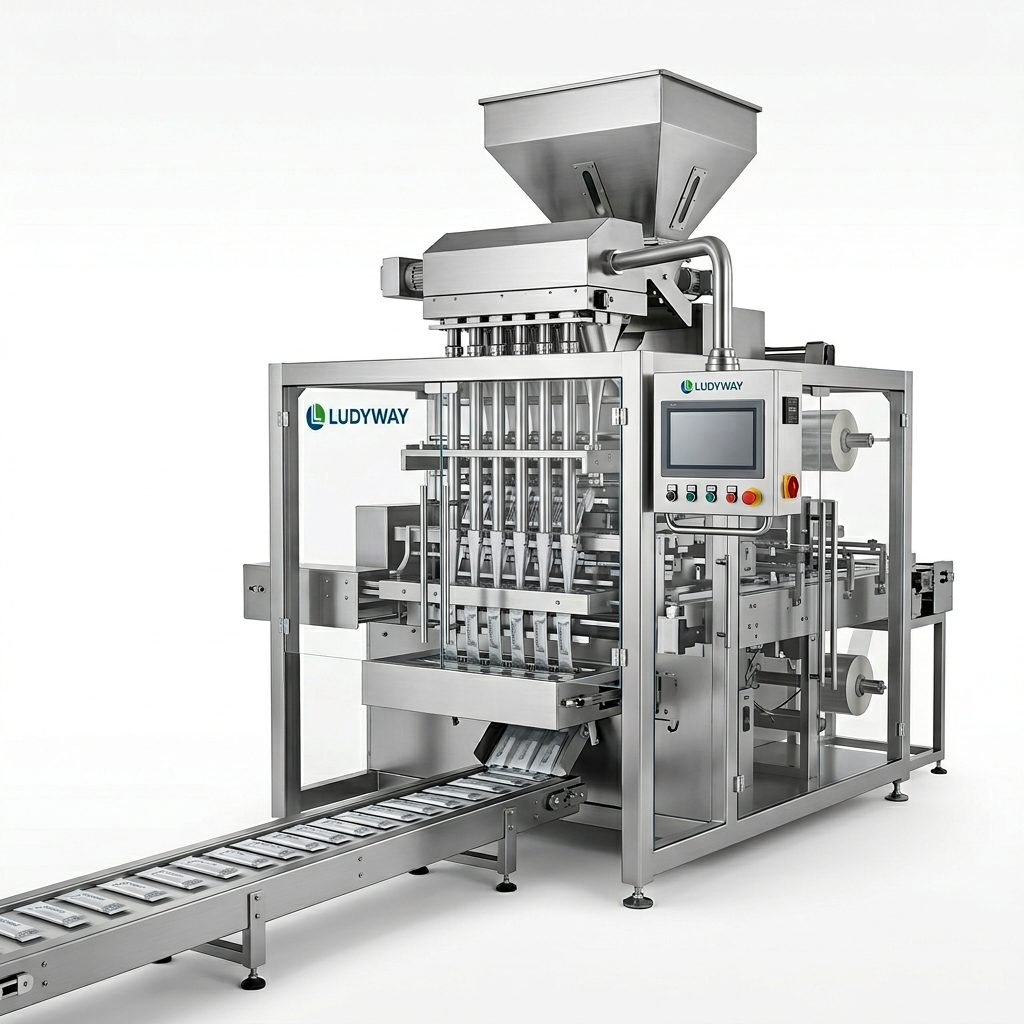
High-Speed Multi-Lane Powder Packaging System for Food and Pharma
View Machine Specs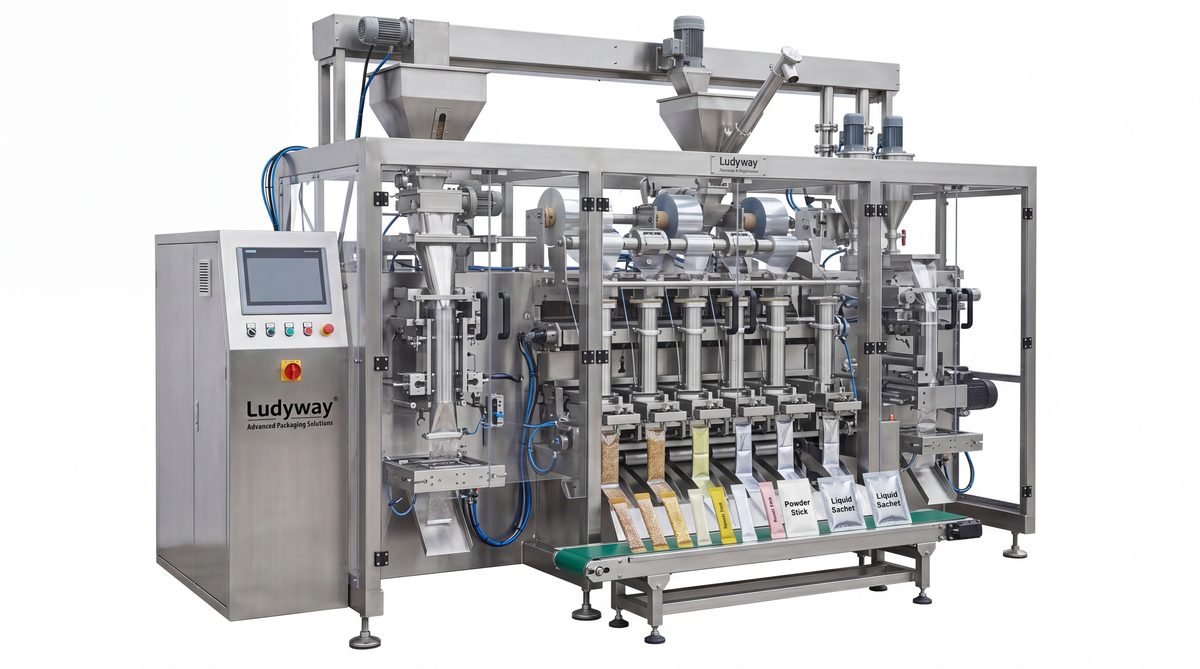
Multi-Lane Stick Pack & Sachet Packaging Machine for Granule, Powder, Liquid
View Machine Specs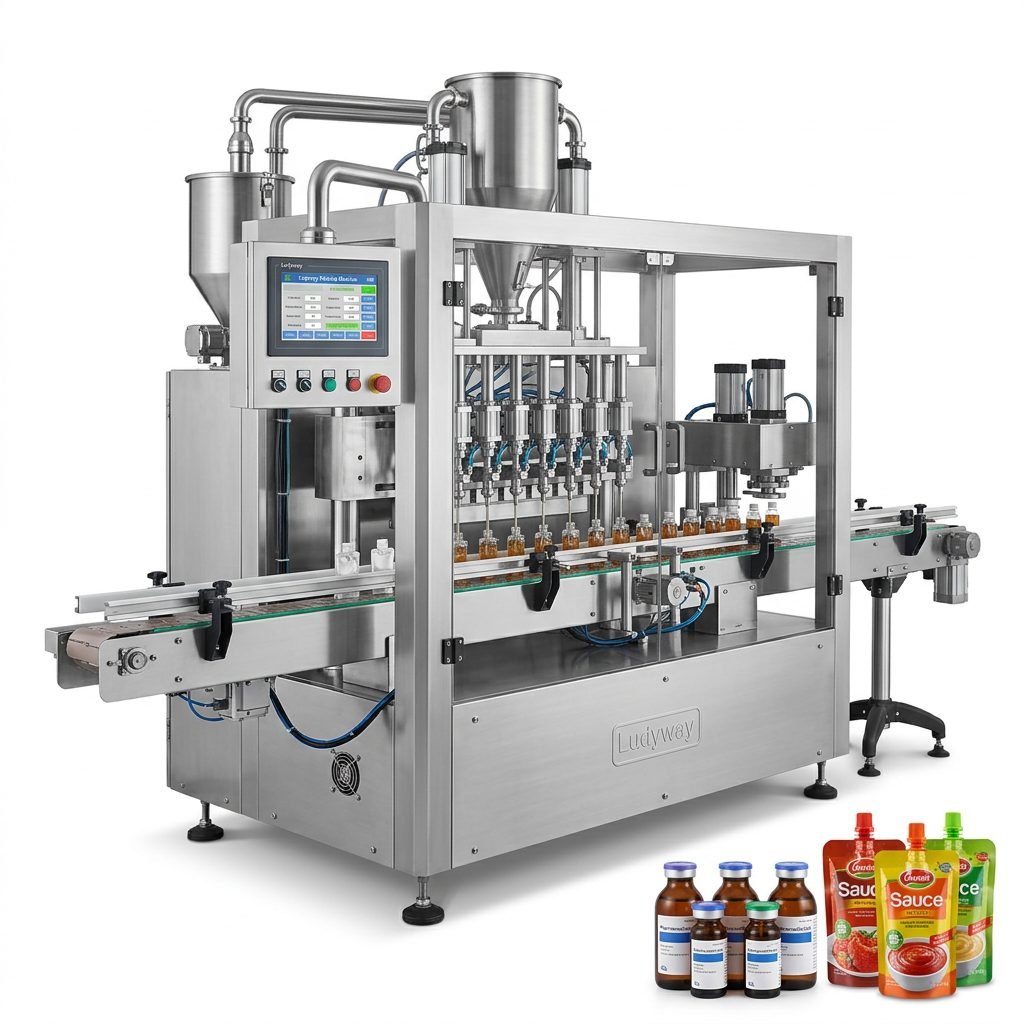
Liquid Filling System for Food & Pharma – Multi-Nozzle Automated Packaging
View Machine Specs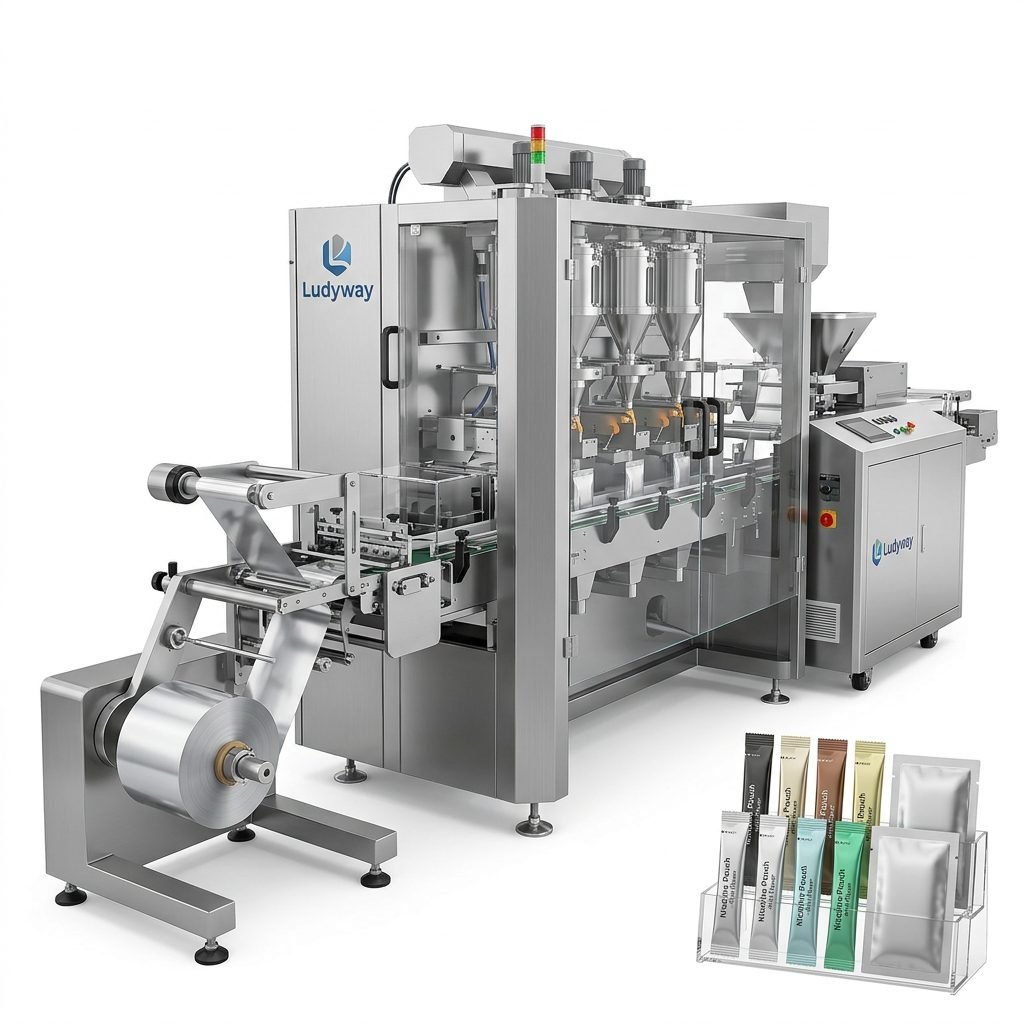
Tobacco-Free Nicotine Pouch Packaging Lines | Multi-Lane Stick Pack & Sachet Machines
View Machine Specs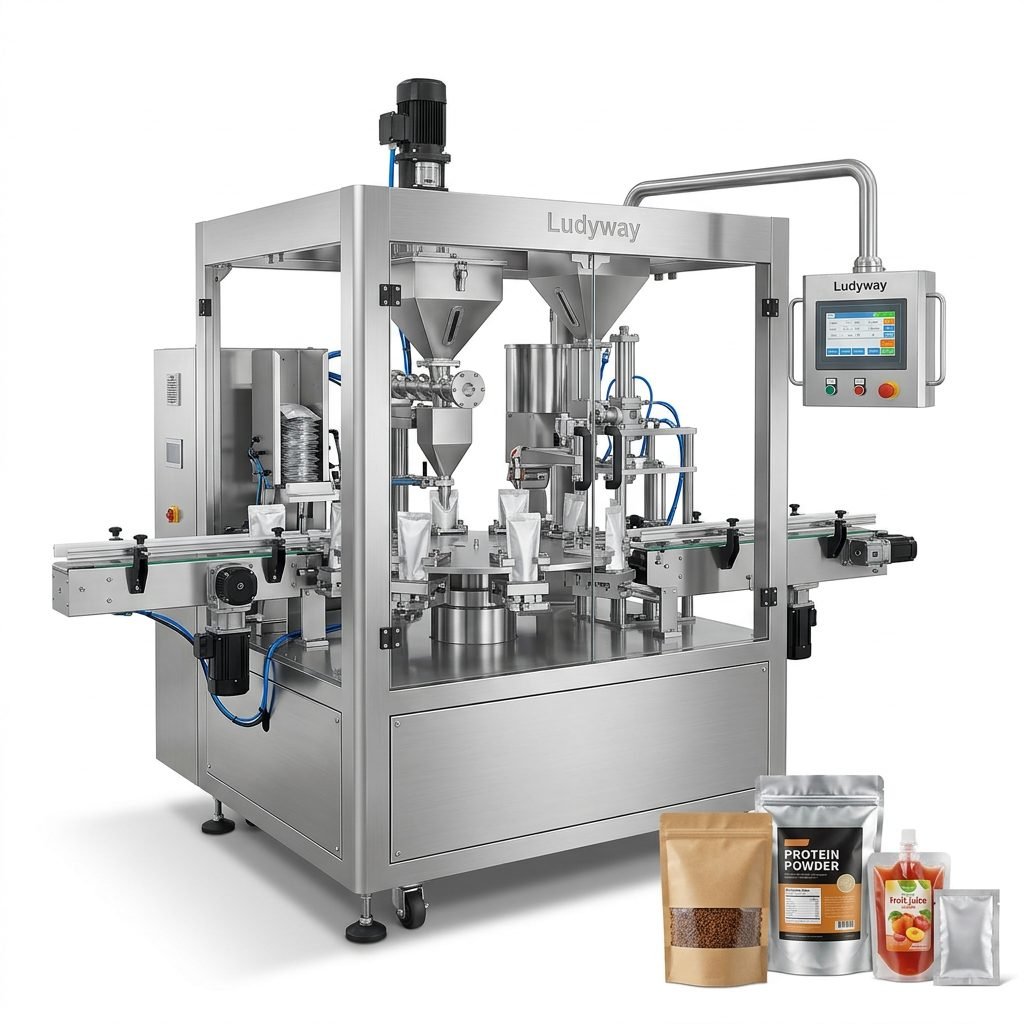
Premade Pouch Packaging Machine for Granules Powder Liquids Automated System
View Machine Specs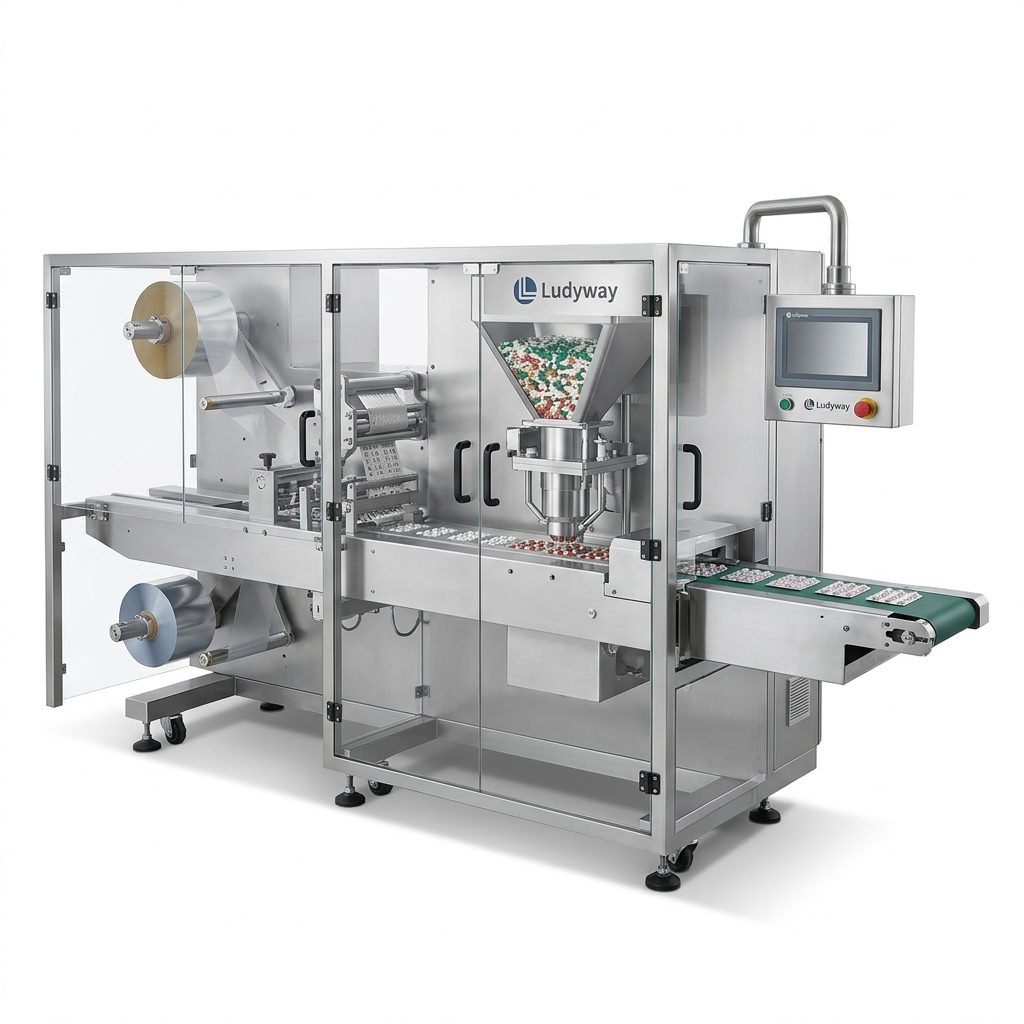
High-Speed Pharmaceutical Blister Packaging Machine for Pills & Capsules
View Machine Specs
Complete Turnkey Packaging Solutions for Granules, Powder, Liquids & Pouches
View Machine SpecsSecondary, Tertiary & End-of-Line Packaging Equipment
A fully synchronized packaging facility integrates primary filling units directly with downstream cartoning, case packing, robotic palletizing, and dynamic quality inspection.
Automatic Cartoning Machines
Cartoners pick flat paperboard carton blanks, erect them into 3D rectangular boxes, insert counted batches of stick packs, sachets, or blister cards along with instruction leaflets, and tuck or hot-melt glue the end flaps.
Case Packers & Shrink Wrappers
Automated case packers group individual cartons into corrugated shipping cases (top-load, side-load, or wrap-around). Shrink wrappers wrap multi-packs with polyethylene film passing through high-efficiency heat tunnels.
Robotic Palletizing Systems
Articulated robotic arms and Cartesian gantry palletizers lift, orient, and stack packed cases onto standard pallets according to pre-programmed stacking patterns, feeding into automatic turntable stretch wrappers.
Dynamic Checkweighers & Rejection
High-speed in-line load cells weigh 100% of finished sachets or cartons on the fly, immediately pneumatic-rejecting underfilled or overfilled packages to guarantee strict net-weight compliance.
Metal Detectors & X-Ray Systems
Ensuring stringent HACCP and GMP standards, electromagnetic metal detectors and high-resolution X-ray systems identify ferrous, non-ferrous, stainless steel, glass, or bone contaminants inside sealed foil pouches.
Laser & Thermal Transfer Coding
Integrated directly onto the packaging frame, high-speed thermal transfer overprinters (TTO) and fiber laser markers etch real-time batch codes, expiry dates, 2D QR codes, and GS1 barcodes with zero smudge.
How to Choose the Right Packaging Machine: Critical Engineering Factors
Procuring industrial packaging machinery requires evaluating critical variables to prevent capacity bottlenecks, film jams, or regulatory non-compliance.
1. Target Speed (PPM) & Production Volume
Calculate your required output based on current shifts and projected 3-year growth. For single-dose food or pharma requiring over 300,000 units per shift, a multi-lane stick pack or pouch packaging line (6 to 12 lanes) offers vastly superior footprint efficiency compared to multiple single-lane vertical machines.
2. Packaging Material & Film Barrier Chemistry
Verify whether your barrier film is laminate, pure aluminum foil (Alu-Alu), biodegradable PLA, paper-based recyclable barrier, or mono-PE film. Sealing jaws must feature precise PID temperature controllers and ultrasonic or impulse heat technology to prevent film burning or micro-channel leaks.
3. Sanitary Cleanability & GMP Compliance
Pharmaceutical and food packaging require sanitary construction. Ensure machinery frames are built with AISI 304 or 316L stainless steel, feature tool-less quick-disassembly hoppers, IP65 washable electrical enclosures, and integrated Clean-in-Place (CIP) or Clean-out-of-Place (COP) protocols.
4. Changeover Flexibility & PLC Intelligence
If your operation handles multiple SKU sizes, prioritize modular forming collars, servo-adjustable bag length settings via touchscreen HMI, recipe memory storage, and quick-clamp film roll shafts to keep batch changeovers under 15 minutes.
About Ludyway Packaging Machinery
Ludyway is one of China’s premier industrial packaging machine manufacturers, specializing in high-speed automated packaging machinery and turnkey production line solutions for the food, pharmaceutical, cosmetic, and chemical sectors.
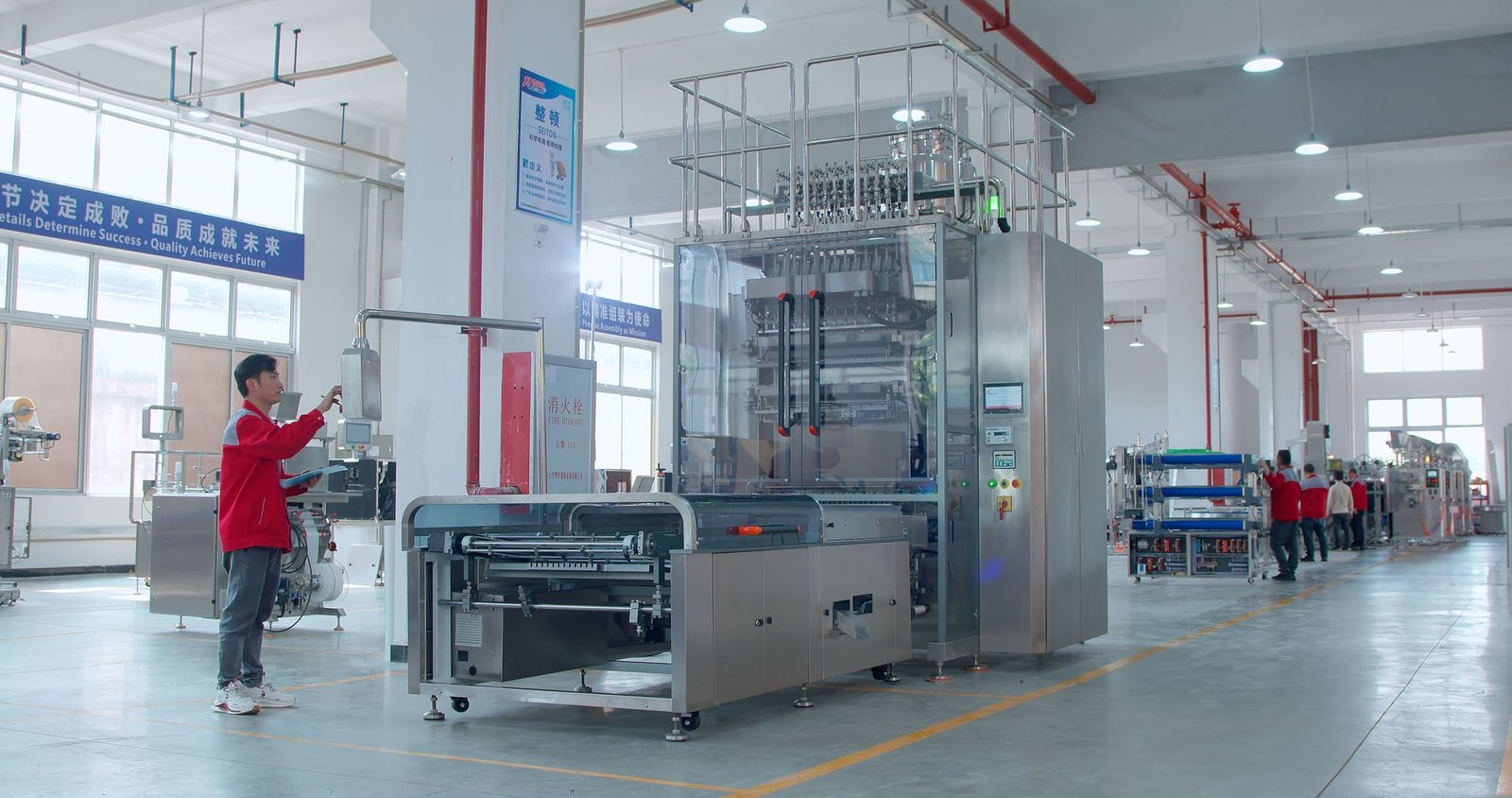
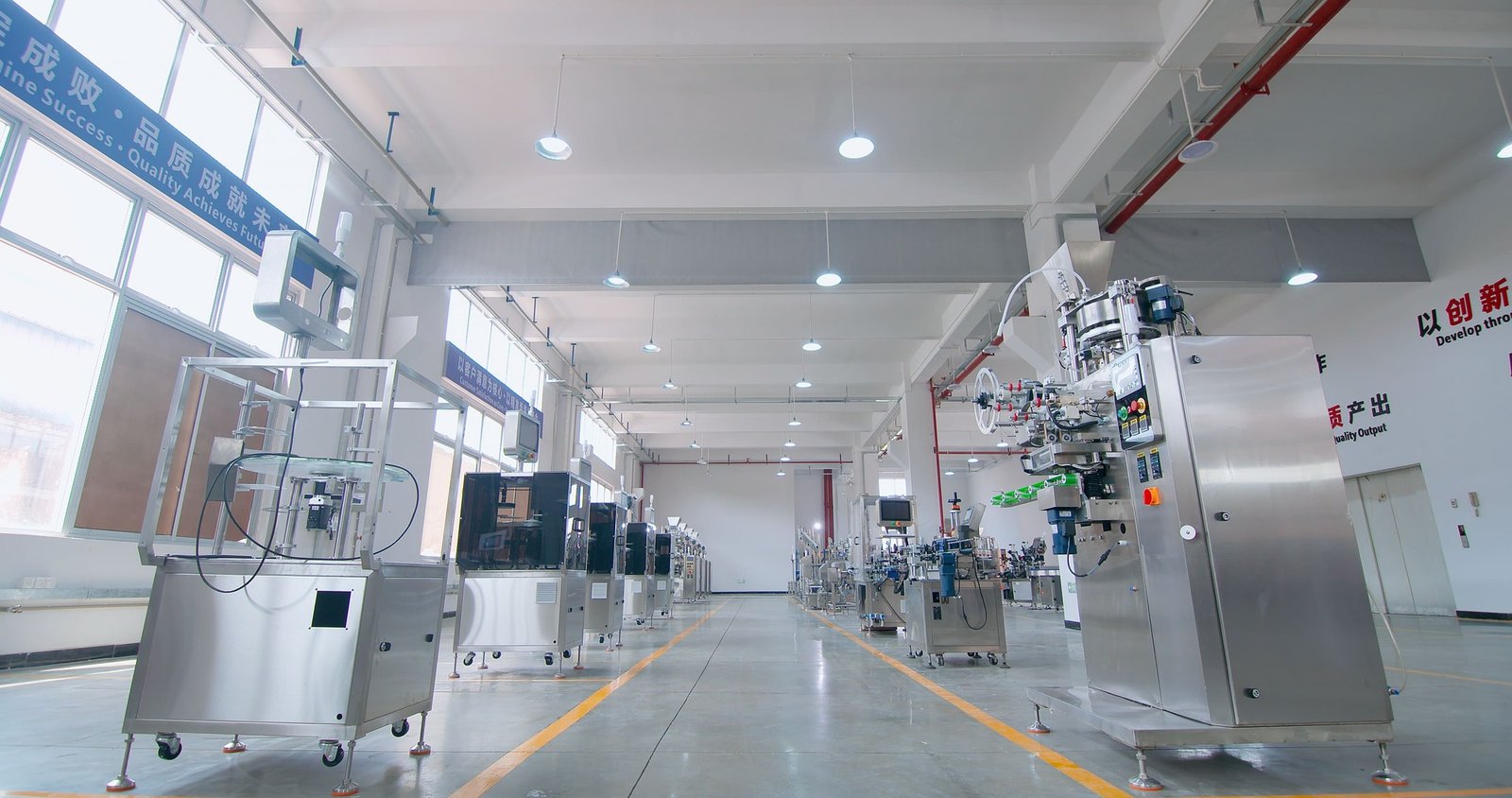
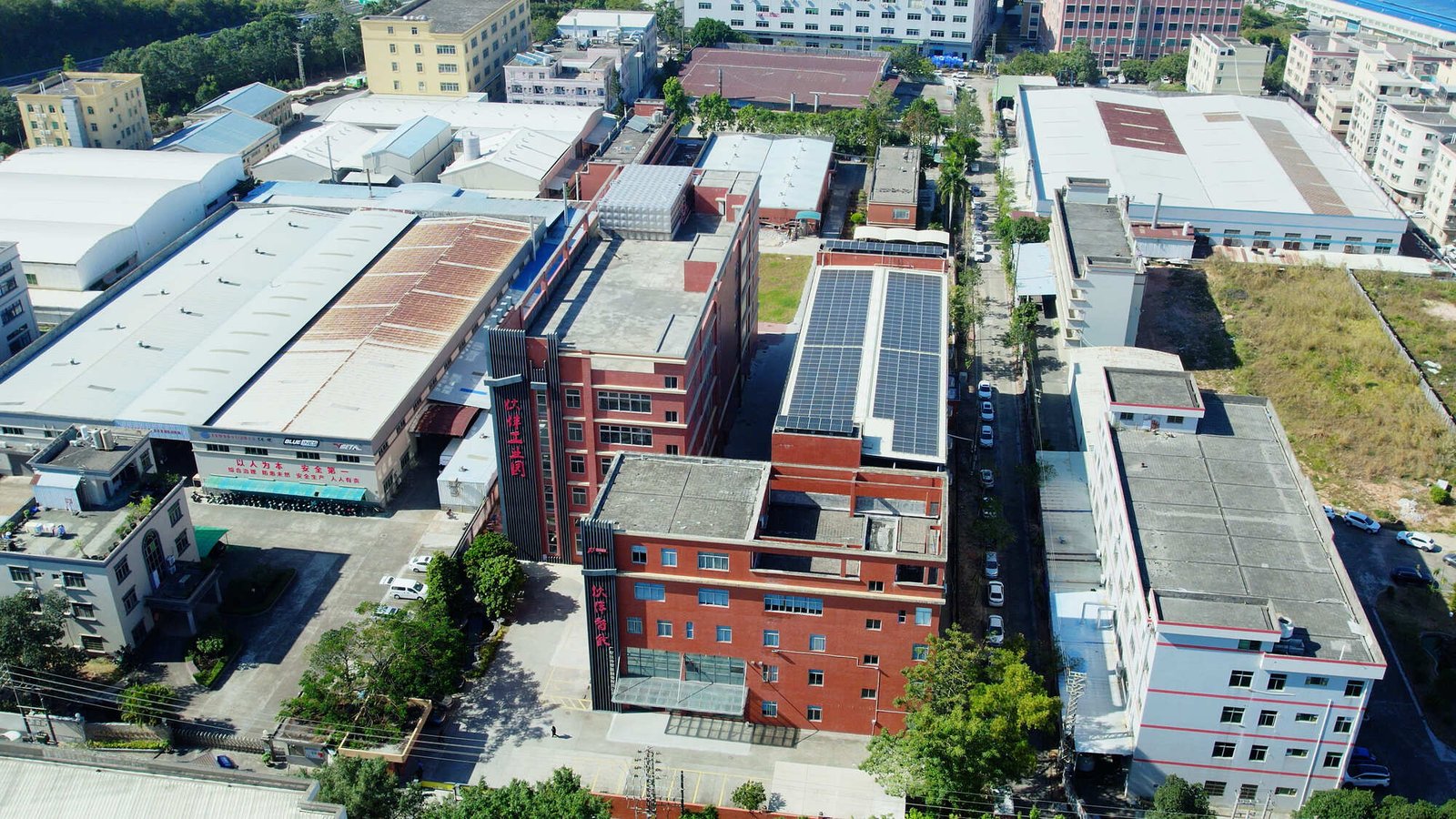
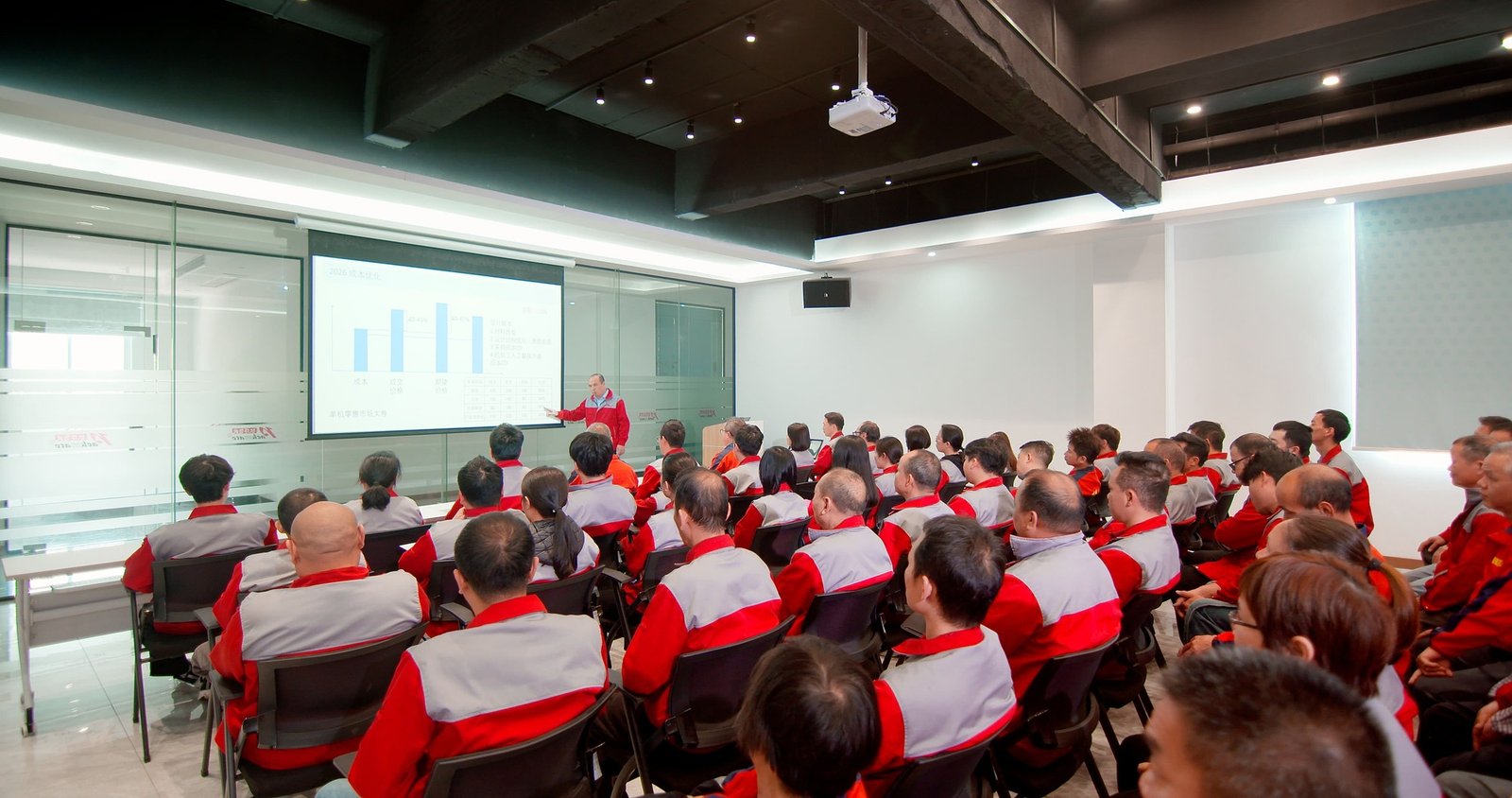
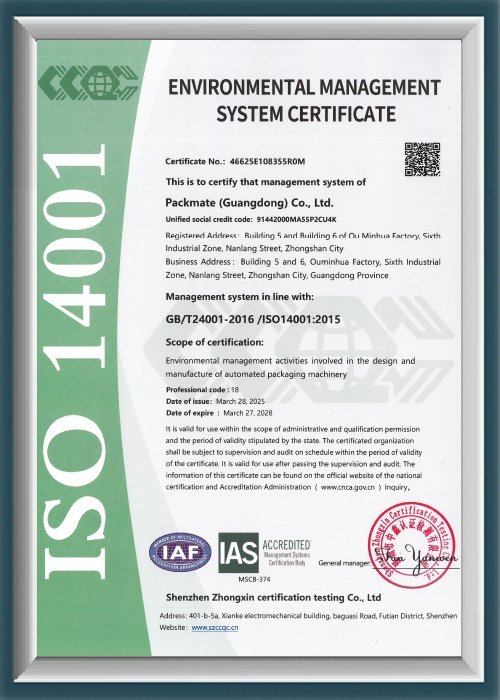
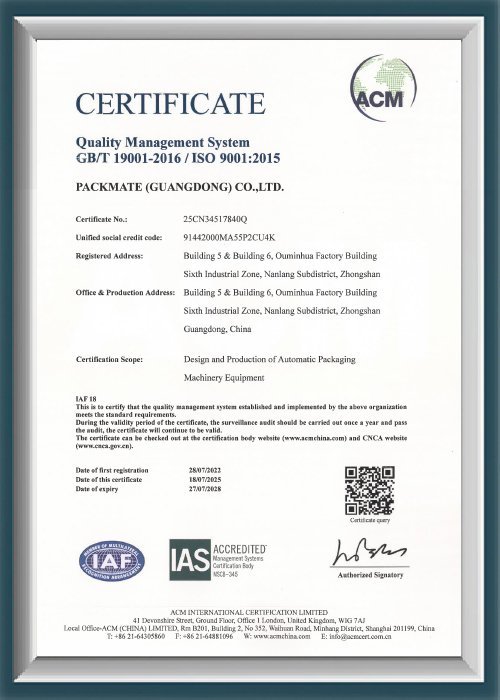
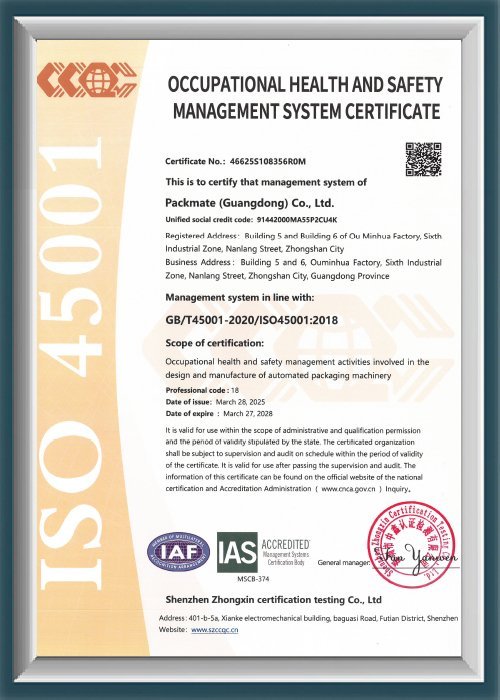
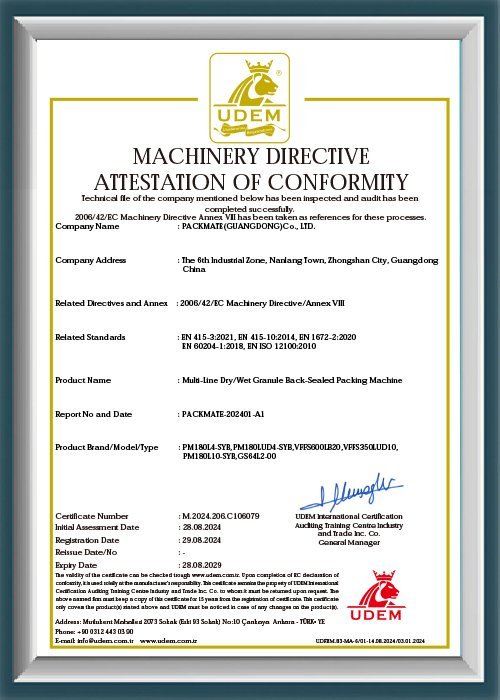
With over 30 years of engineering expertise, a modern 20,000㎡ manufacturing facility, and an elite team of 130+ packaging engineers, Ludyway manufactures over 50 intelligent packaging machine models. Operating across 100+ countries, Ludyway delivers robust, CE-certified, and custom-tailored automation systems that maximize operational efficiency and eliminate costly downtime.
International Quality Certifications & Standards
Frequently Asked Questions on Packaging Machines
Common technical and operational questions regarding machinery selection, lane configurations, and turnkey integration.
What is the primary difference between a VFFS machine and a multi-lane stick pack machine?
A Vertical Form Fill Seal (VFFS) machine is typically a single-lane system engineered for medium to large retail bags (pillow pouches, gusset bags from 50g to 5kg) at speeds of 30–120 bags/min. A multi-lane stick pack machine slits a single master roll across 4 to 16 parallel channels to produce ultra-compact, single-dose stick packs (0.5g to 30g) at blistering speeds of 300 to 1,000+ packets/min.
How do you prevent powder dusting during high-speed vertical filling?
High-speed powder packaging utilizes servo-controlled vertical auger screws matched with airtight dust shrouds, specialized bottom-up filling funnels, static eliminators, and synchronized vacuum dust extraction hoods positioned above the sealing jaws to maintain pristine sealing zones.
Can one packaging machine handle both powder and liquid products?
While the core film pulling, forming, and heat-sealing frame can theoretically support interchangeable dosing units (swapping an auger filler for a piston pump), standard industrial practice favors dedicated lines. Swapping between dry powder and viscous liquids requires comprehensive sanitary washdowns, pump calibrations, and nozzle realignment to eliminate cross-contamination.
What is Modified Atmosphere Packaging (MAP) and when is it required?
MAP involves flushing inert gases (such as high-purity Nitrogen or Carbon Dioxide) into the formed pouch prior to top sealing, displacing residual oxygen below 1–2%. It is essential for fatty powders (whole milk, infant formula), roasted coffee, freeze-dried snacks, and pharmaceuticals to prevent oxidation and rancidity without artificial preservatives.
Ready to Upgrade Your Packaging Automation Line?
Consult with Ludyway’s senior packaging engineers today. We analyze your material viscosity, target speed, and factory dimensions to engineer custom, high-efficiency packaging machine systems.
Request a Custom Engineering Quote