In the competitive beauty industry, packaging is far more than just a container—it’s a crucial touchpoint for brand identity, product protection, and user experience. The right packaging machine is the unsung hero behind every elegantly sealed jar, perfectly filled tube, and hygienically sealed sachet. For manufacturers, choosing the correct equipment directly impacts efficiency, cost, and the final product’s appeal on the shelf.
Understanding the Core Types of Beauty Packaging Machines
The beauty sector demands versatility, and packaging machinery reflects this. Here’s a breakdown of the primary types used in production lines today.
Filling Machines: Precision for Every Formula
These are the workhorses of any packaging line, designed to accurately dispense products into containers. The type of filler depends heavily on the product’s viscosity.
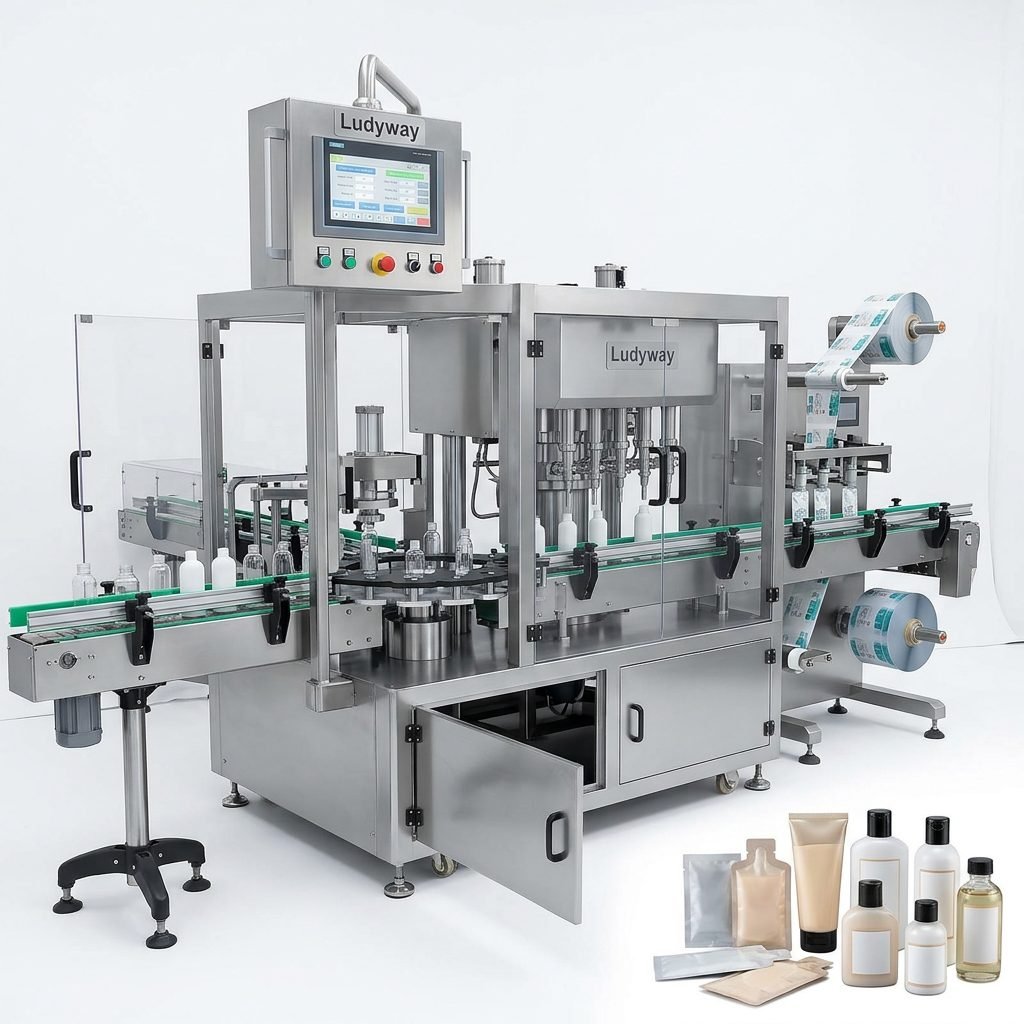
Liquid Fillers: Ideal for serums, toners, and lotions. They use technologies like peristaltic pumps for shear-sensitive formulas or piston fillers for high-viscosity creams.
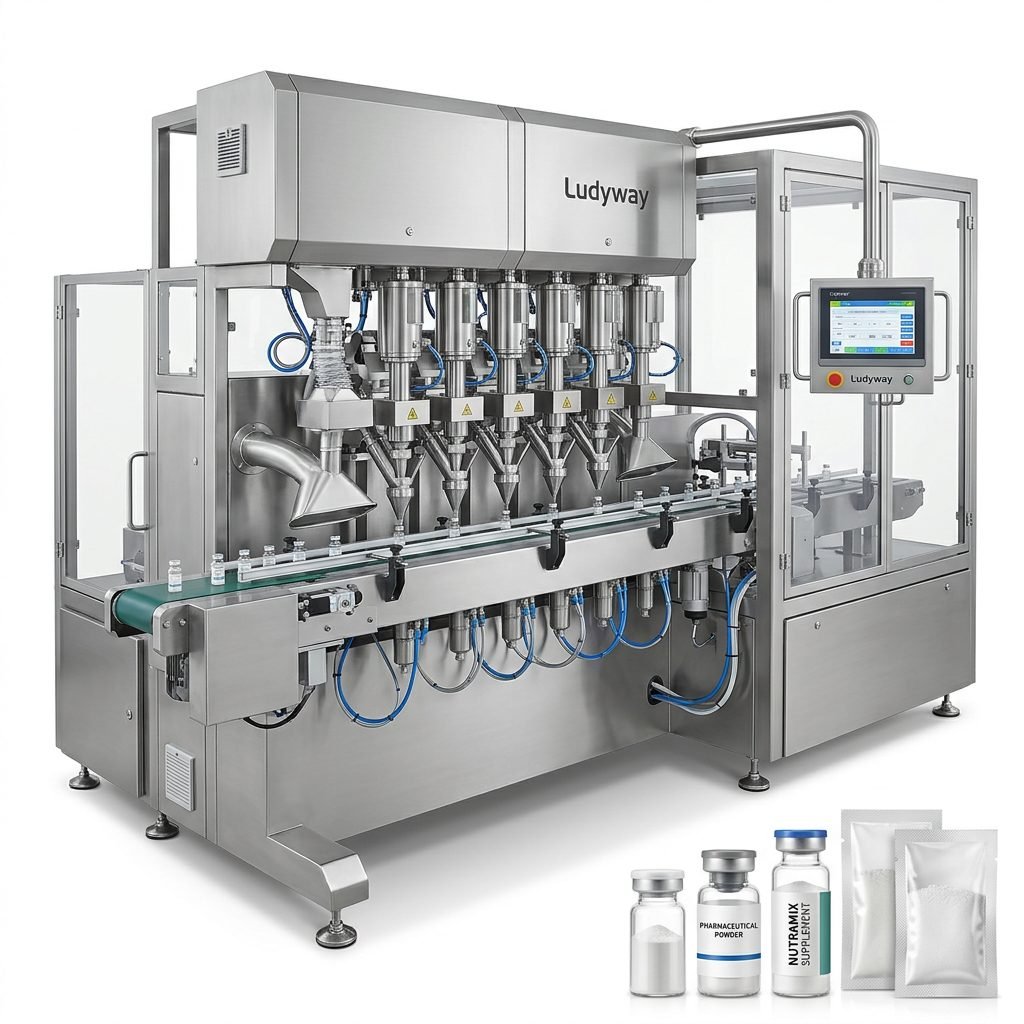
Powder Fillers: Essential for loose powders, blush, or foundation compacts. Auger fillers provide excellent accuracy by measuring volume via screw rotation.
Granule Fillers: Used for bath salts or exfoliating beads. These often employ volumetric cup or weigh fillers for consistent dosing.
Capping & Sealing Machines: Ensuring Integrity and Safety
Once filled, containers must be securely closed. This category includes cappers for screw-on lids, induction sealers for tamper-evident inner seals, and ultrasonic sealers for welding plastic components.
Labeling & Coding Machines: The Final Branding Touch
These apply labels with pristine accuracy and imprint essential information like batch codes and expiration dates. Options range from simple sticker applicators to sophisticated wrap-around labelers for cylindrical bottles.
Specialized Sachet & Stick Pack Machines
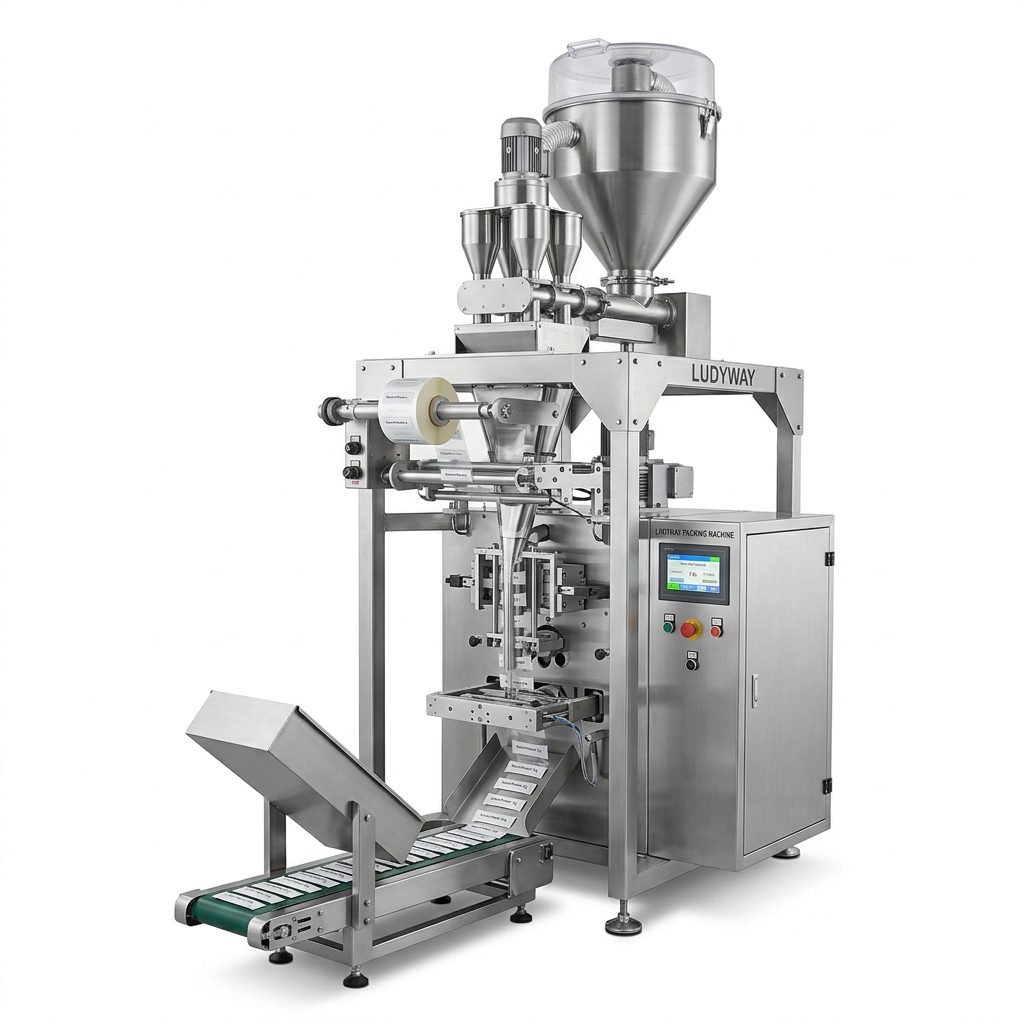
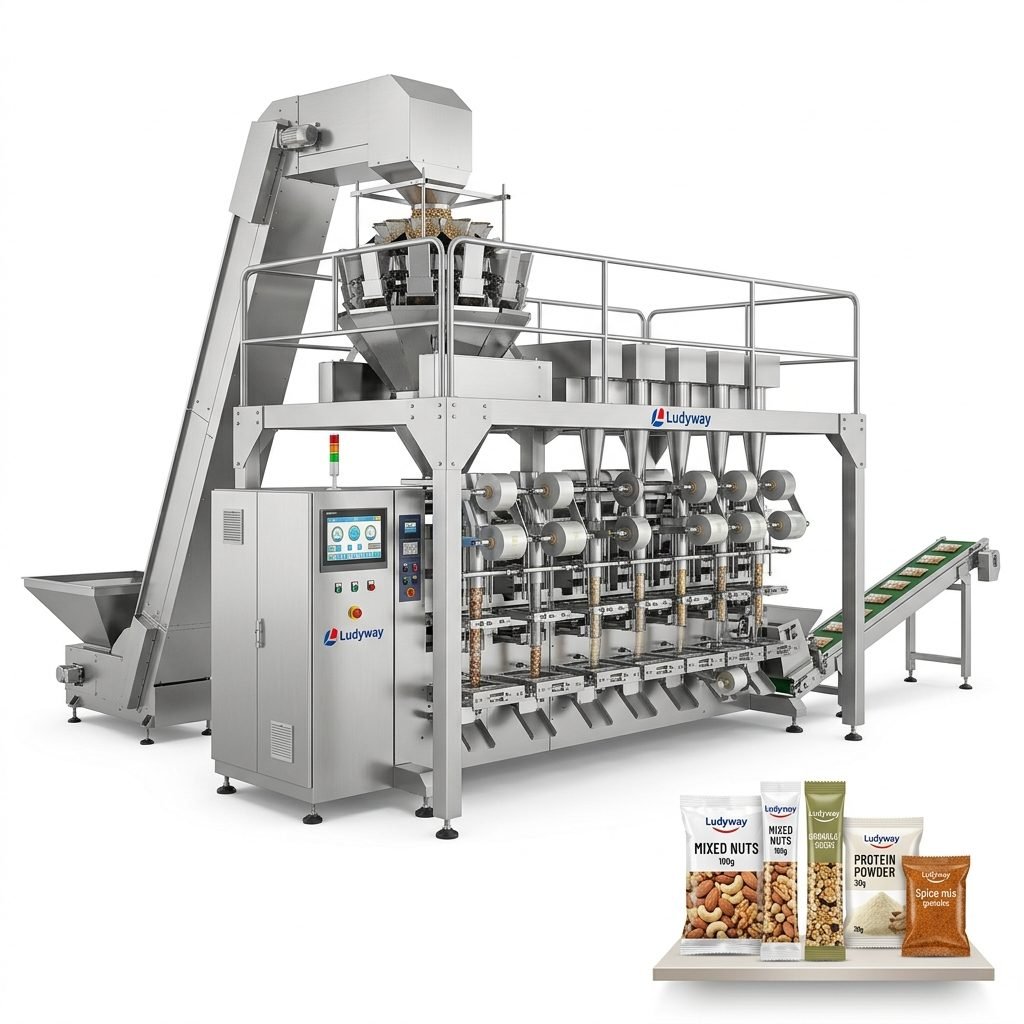
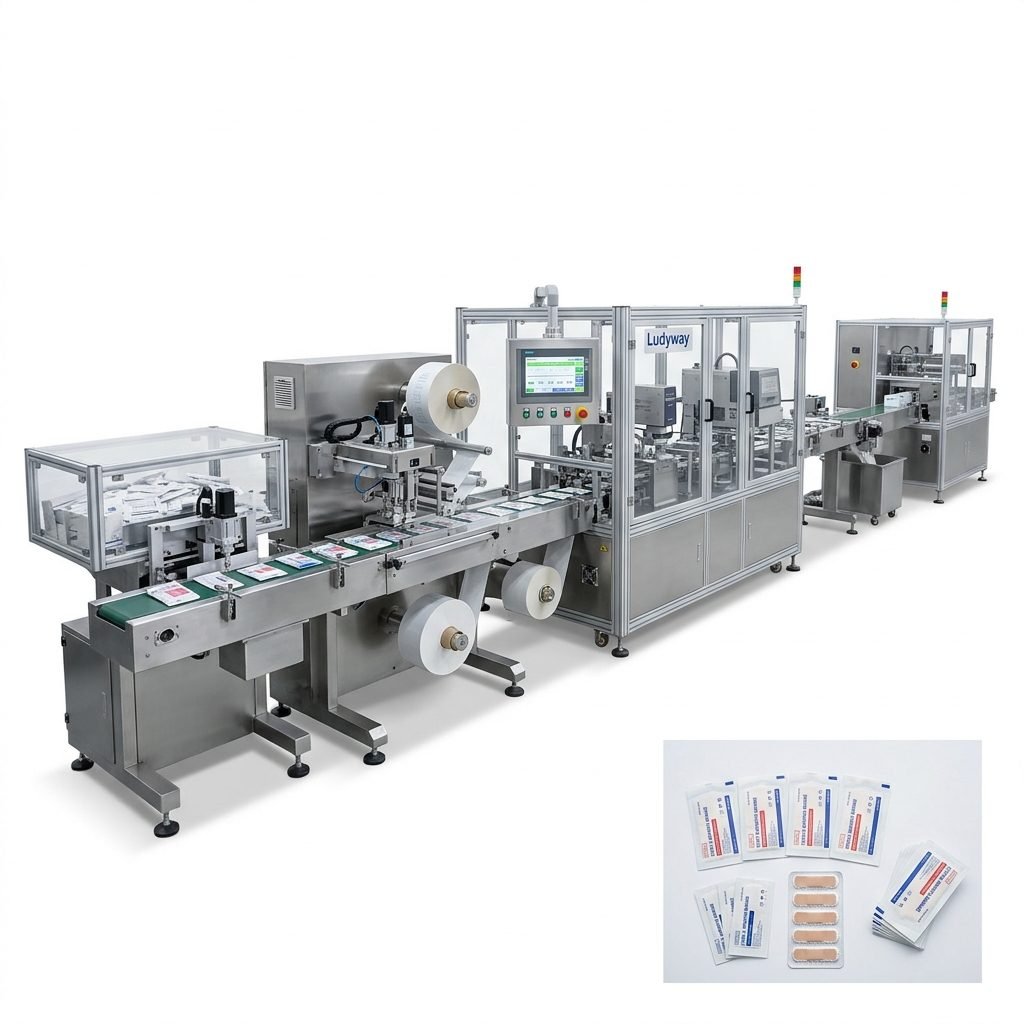
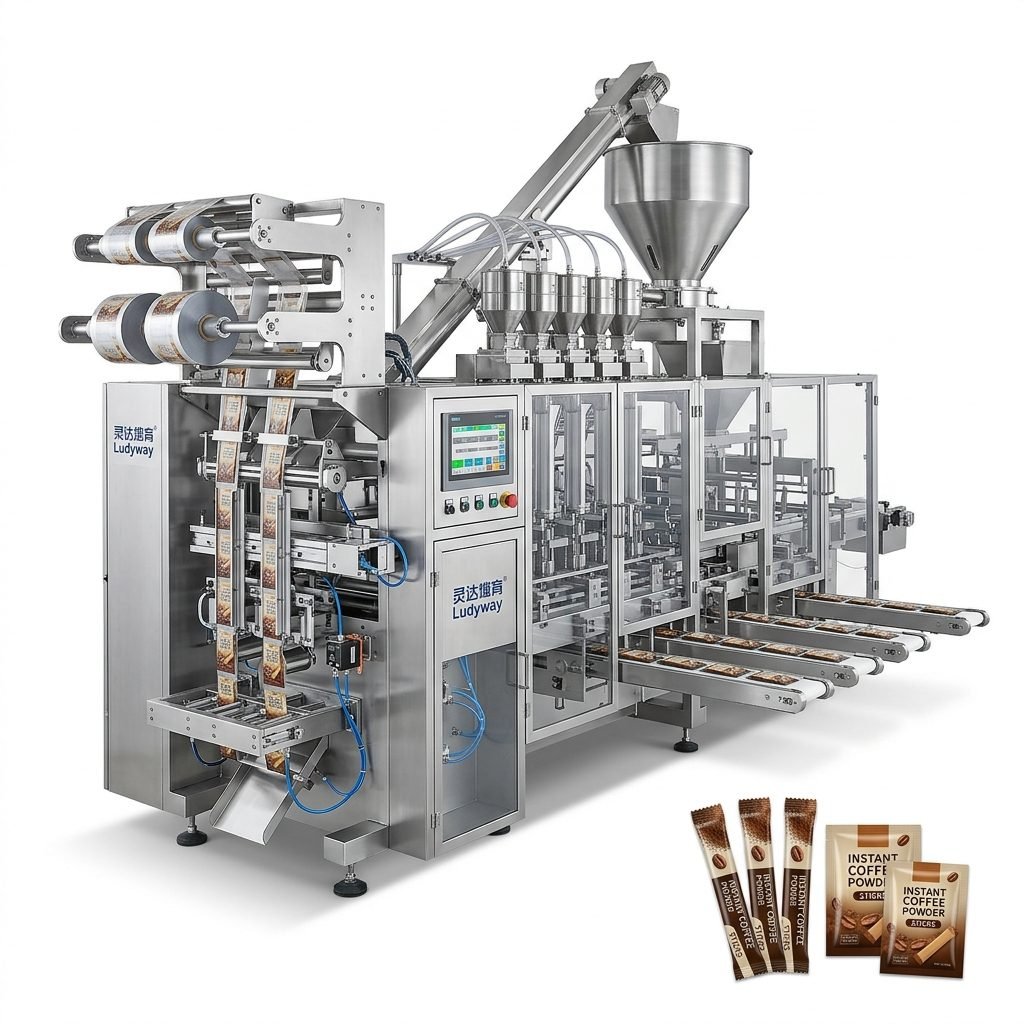
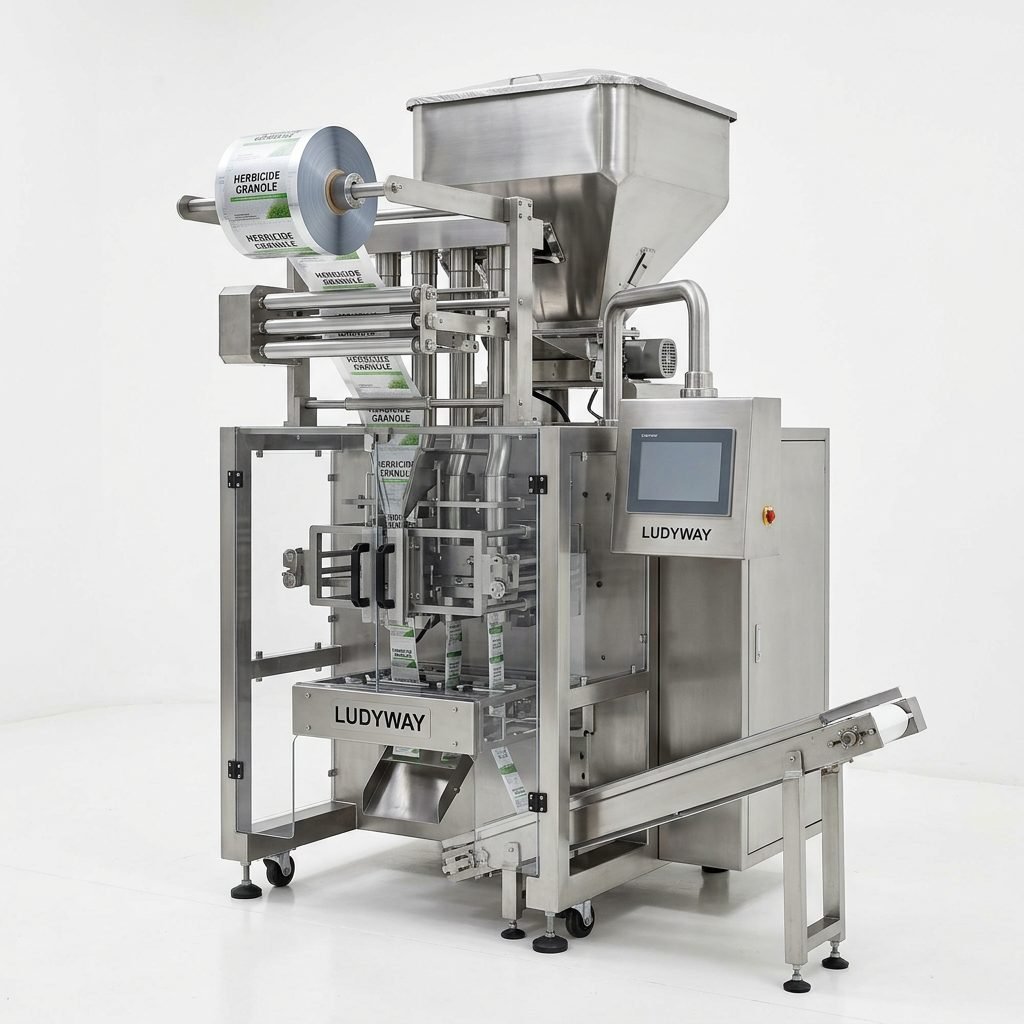
Single-use packaging for samples, shampoos, or face masks has exploded in popularity. Form-fill-seal (FFS) machines create the pouch from a roll of film, fill it, and seal it in one continuous, efficient operation. This is a core specialty for providers like Ludyway Machinery, which offers multi-lane systems for high-volume output.
Tangible Benefits of Automating Your Beauty Packaging Line
Investing in automated packaging machinery delivers a compelling return on investment that goes beyond just speed.
Enhanced Production Efficiency & Scalability
Automation drastically increases output while reducing labor costs. Machines can run 24/7, handling repetitive tasks with consistent speed, allowing you to scale production up or down to meet market demand efficiently.
Unmatched Consistency and Reduced Waste
Human error in filling leads to giveaway (overfilling) or customer complaints (underfilling). Automated machines dose with pinpoint accuracy, ensuring every product has the exact same amount, which minimizes waste and maximizes profit margins.
Superior Product Protection and Hygiene
Automated, enclosed systems limit human contact with the product, which is critical for maintaining hygiene standards in skincare and cosmetics. Proper sealing also protects formulas from contamination, oxidation, and leakage.
Improved Flexibility for Limited Editions & SKUs
Modern machines with quick-change parts and programmable logic controllers (PLCs) allow for faster changeovers between different products, packaging sizes, or formats. This agility is key for brands that frequently launch limited editions or have a wide range of SKUs.
How to Choose the Right Machine for Your Operation
Selecting equipment is a strategic decision. Follow this framework to make an informed choice that aligns with your business goals.
1. Analyze Your Product & Packaging Format
This is the foundational step. Define your product’s physical characteristics (viscosity, abrasiveness, sensitivity) and your primary packaging (bottles, tubes, sachets, jars). The machine must be compatible with both. For instance, a viscous cream requires a piston filler, not a gravity-fed liquid filler.
2. Determine Your Required Output Speed (Units Per Minute)
Calculate your current and projected production volumes. A low-speed, semi-automatic machine may suffice for a small boutique brand, while a large contract manufacturer will need a high-speed, fully automated turnkey production line. Don’t overpay for speed you don’t need, but ensure you have room to grow.
3. Prioritize Ease of Use and Changeover
Consider the skill level of your operators. User-friendly interfaces with touchscreen controls reduce training time and errors. Evaluate how long it takes to switch between different container sizes or products; quick changeovers are vital for efficiency in multi-product facilities.
4. Evaluate Build Quality and Supplier Support
The machine is a long-term asset. Inspect the construction materials (e.g., stainless steel grade for food/pharma contact parts) and the robustness of critical components. Crucially, assess the supplier’s reputation for after-sales service, technical support, and spare parts availability. A reliable partner like Ludyway, with decades of engineering experience, ensures minimal downtime.
5. Consider Future-Proofing and Integration
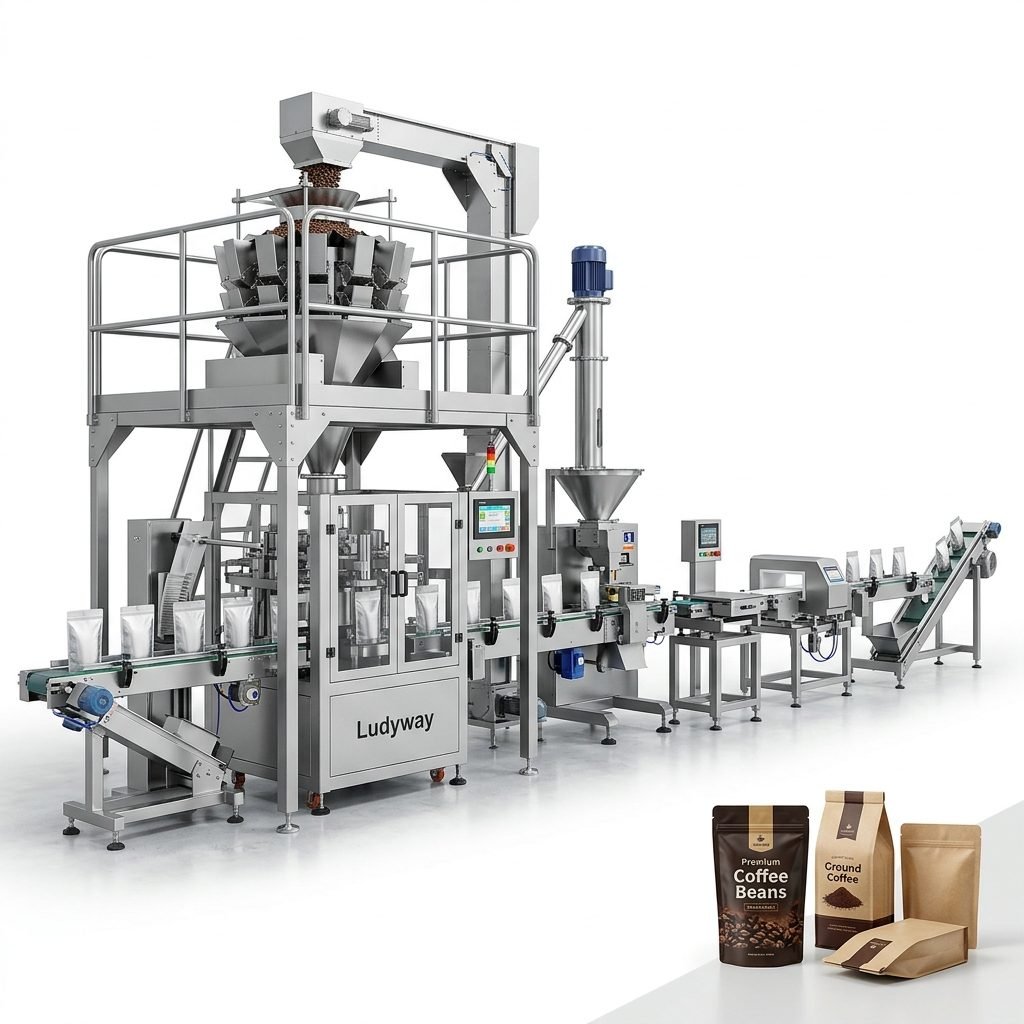
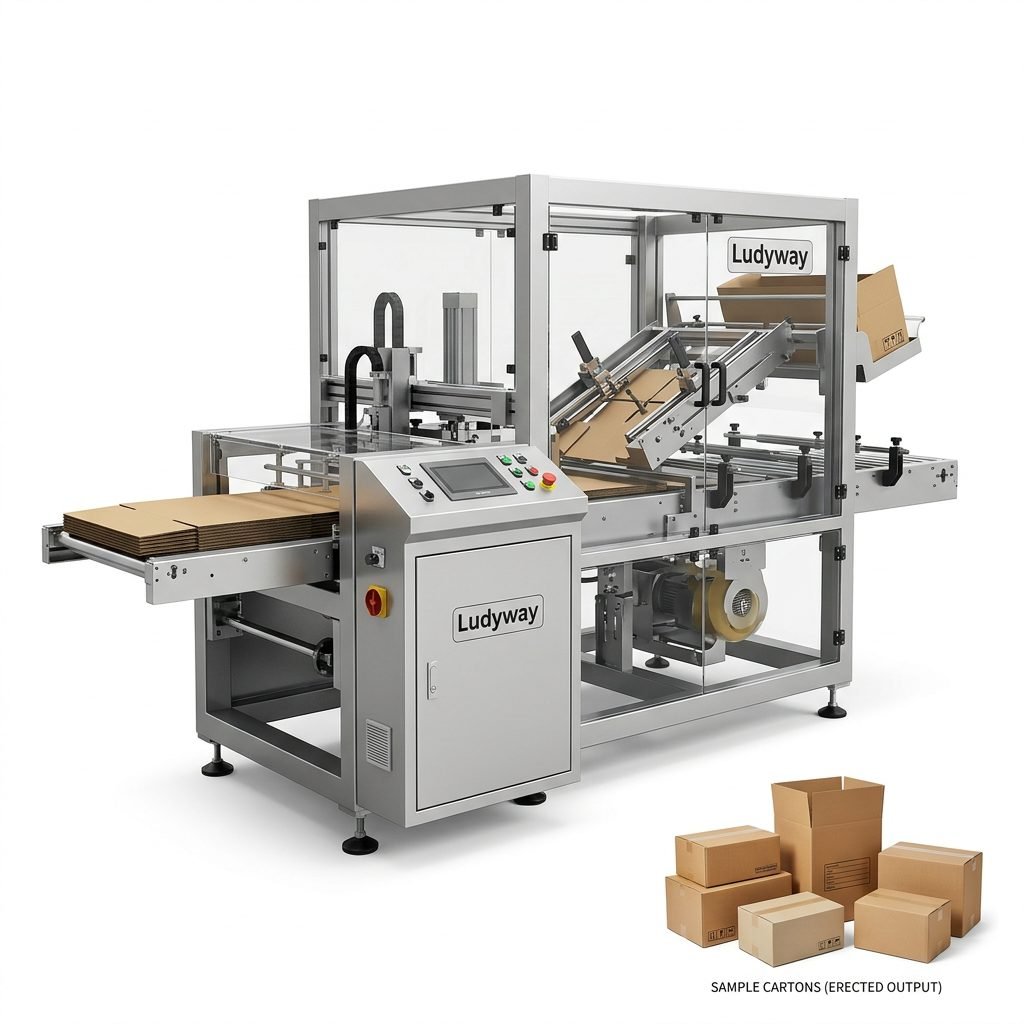
Think about your roadmap. Can the machine be integrated with upstream (e.g., unscramblers) or downstream (e.g., cartoners) equipment? Does the supplier offer modular designs that allow you to add functions (like capping or labeling) later? Investing in scalable solutions protects your investment as your business evolves.
Conclusion: Packaging as a Strategic Asset
The ultimate beauty packaging machine is not just a piece of factory equipment; it’s a strategic asset that safeguards product quality, enhances brand perception, and drives operational profitability. By thoroughly understanding the different machine types, recognizing their concrete benefits, and methodically following a selection criteria that weighs product needs, output, usability, and supplier reliability, brands can make an investment that pays dividends in consistency, efficiency, and growth for years to come.
Frequently Asked Questions (FAQs)
What is the most important factor when choosing a beauty packaging machine?
Product-Packaging Compatibility. The machine must be specifically engineered to handle your product’s viscosity (e.g., thin serum vs. thick cream) and your chosen container type (e.g., glass bottle vs. flexible sachet). This is the non-negotiable starting point.
Can one machine handle different types of beauty products?
Some machines offer versatility with quick-change parts. For example, an auger filler might handle both powders and granules, or a piston filler might be adjusted for different cream viscosities. However, switching between vastly different formats (e.g., from bottles to stick packs) typically requires different dedicated machines or a complete modular line changeover.
How much does a typical automated packaging line cost?
Costs vary enormously based on automation level, speed, and complexity. A semi-automatic single machine can start in the thousands of dollars, while a high-speed, fully integrated turnkey line can reach hundreds of thousands. A detailed project analysis with a trusted supplier is essential for an accurate quote.
What maintenance do these machines require?
Regular preventative maintenance is key. This includes daily cleaning (especially for product contact parts), lubrication of moving components as per the manual, and periodic inspection of wear parts like seals, gaskets, and filling nozzles. A good supplier will provide a clear maintenance schedule and training.
Why is supplier support after the purchase so critical?
Even the best machinery may require calibration, troubleshooting, or spare parts. A supplier with strong technical support, readily available spare parts, and possibly local service engineers ensures minimal production downtime, protecting your investment and maintaining your output schedule.