Selecting the right drug packaging machine is a critical decision for any pharmaceutical manufacturer. The equipment you choose directly impacts product integrity, regulatory compliance, production efficiency, and ultimately, your bottom line. With a vast array of technologies and configurations available, navigating the selection process can be complex. This guide serves as a comprehensive resource to help you understand the key factors, machine types, and considerations essential for making an informed investment that aligns with your specific production needs and quality standards.
Understanding Your Core Packaging Requirements
Before evaluating specific machines, a thorough internal assessment is necessary. This foundational step ensures the equipment you select is perfectly matched to your operation.
Key Questions to Define Your Needs:
→ Product Characteristics: Is your product a tablet, capsule, powder, granule, liquid, or ointment? Each form demands different handling mechanisms (e.g., vibratory feeders for tablets, auger fillers for powders, piston fillers for liquids).
→ Production Volume & Speed: Determine your required output (e.g., packs per minute). High-speed blister lines differ significantly from lower-volume, flexible sachet machines.
→ Packaging Format: Define your primary packaging: blisters (aluminum/aluminum, PVC/aluminum), bottles, sachets, stick packs, or vials. Secondary packaging (cartoning, case packing) should also be considered for line integration.
→ Regulatory & Compliance Standards: Your market (FDA, EMA, etc.) dictates requirements for materials, data integrity (e.g., 21 CFR Part 11), cleanability, and documentation. Machines must be designed to facilitate compliance.
Primary Types of Pharmaceutical Packaging Machinery
The pharmaceutical industry utilizes specialized machines for different packaging stages. Here’s a breakdown of the most common types.
1. Blister Packaging Machines
These are ubiquitous for unit-dose solid oral dosage forms (tablets, capsules). They form a cavity (blister) from a thermoplastic web, place the product inside, and seal it with a lidding material (foil or paper).
- Advantages: Excellent product protection, tamper-evidence, and patient compliance through clear visibility.
- Considerations: Requires specific forming and sealing tools for each blister size and shape. Modern machines often include integrated cartoners and leaflet inserters.
2. Bottle Filling & Capping Lines
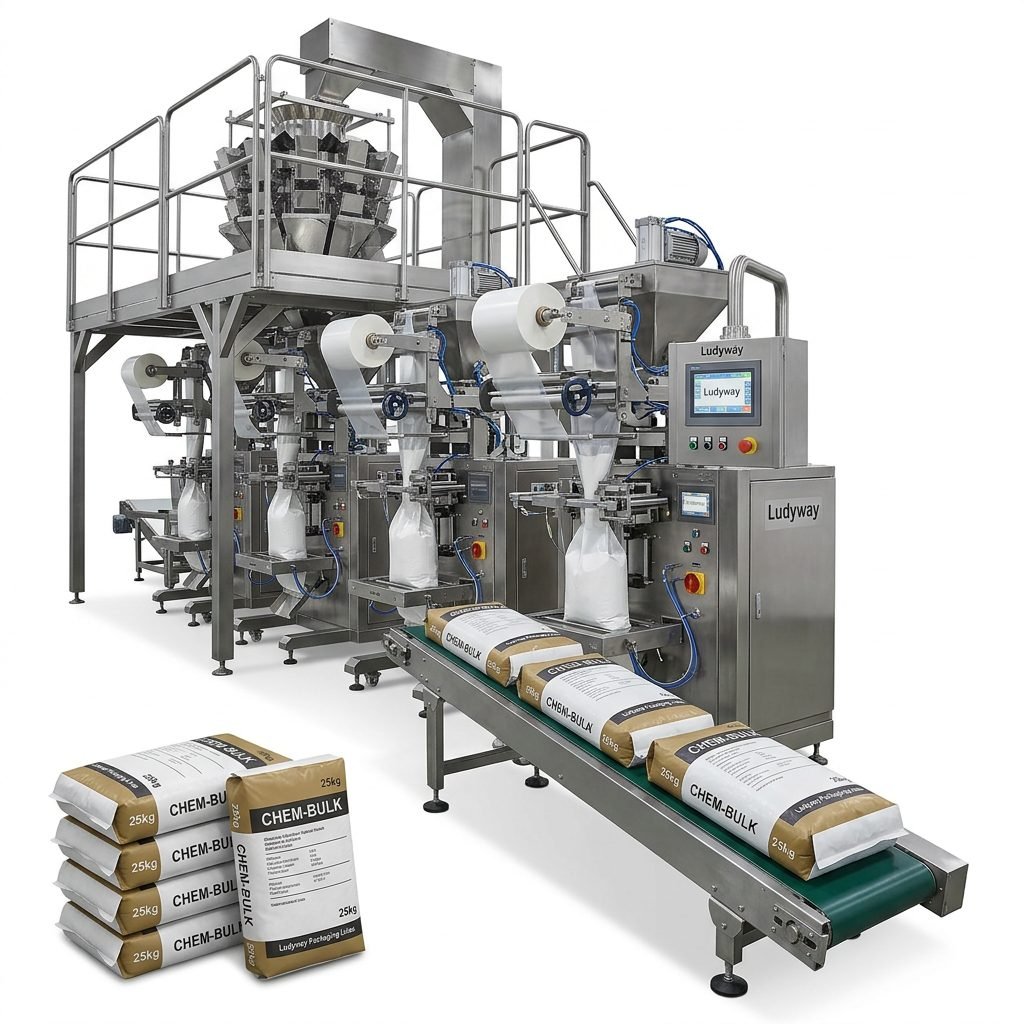
Used for packaging tablets, capsules, liquids, and powders into plastic or glass bottles. These are typically modular lines consisting of several machines.
- Components: Unscrambler → Filler (e.g., count by weight, volumetric) → Cottoner (if needed) → Capper (screw capping, snap capping) → Induction Sealer (for foil liners) → Labeler.
- Key Feature: Look for quick-change parts to minimize downtime when switching between bottle sizes.
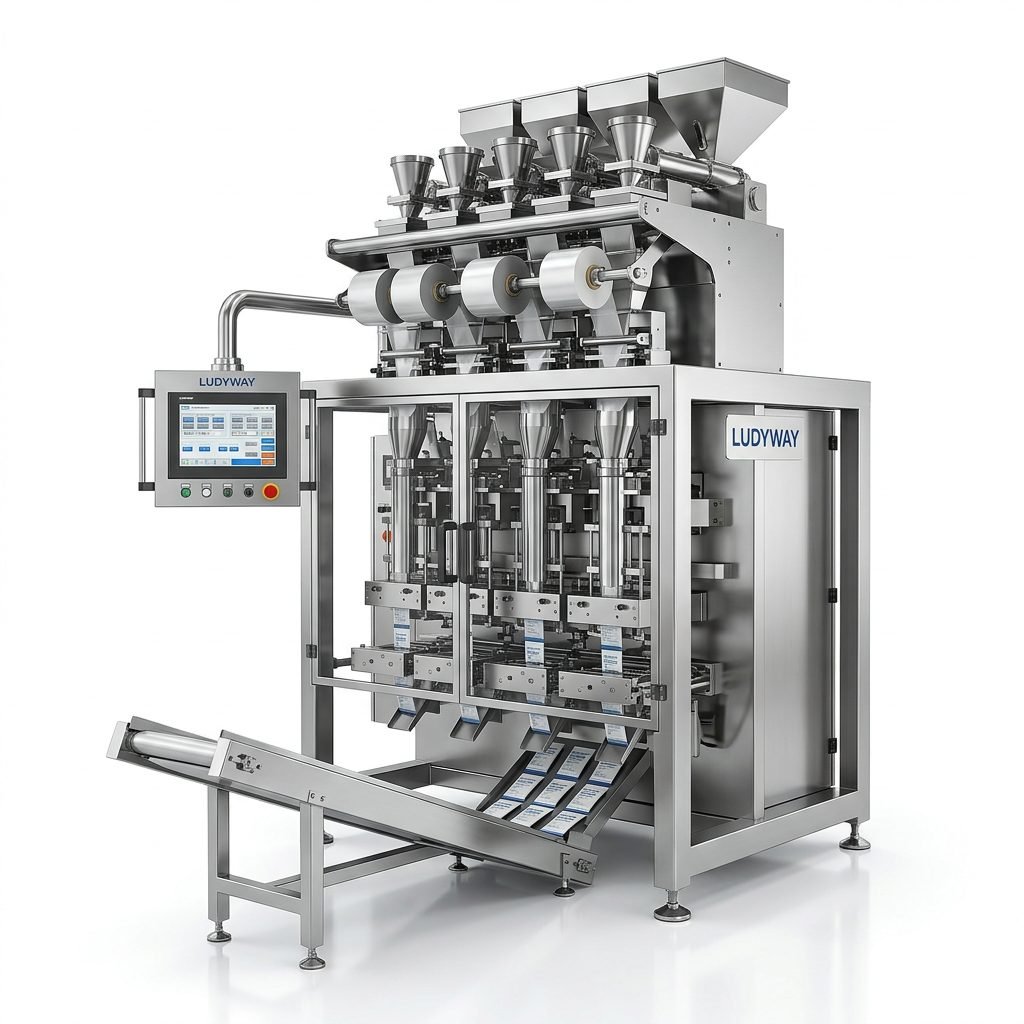
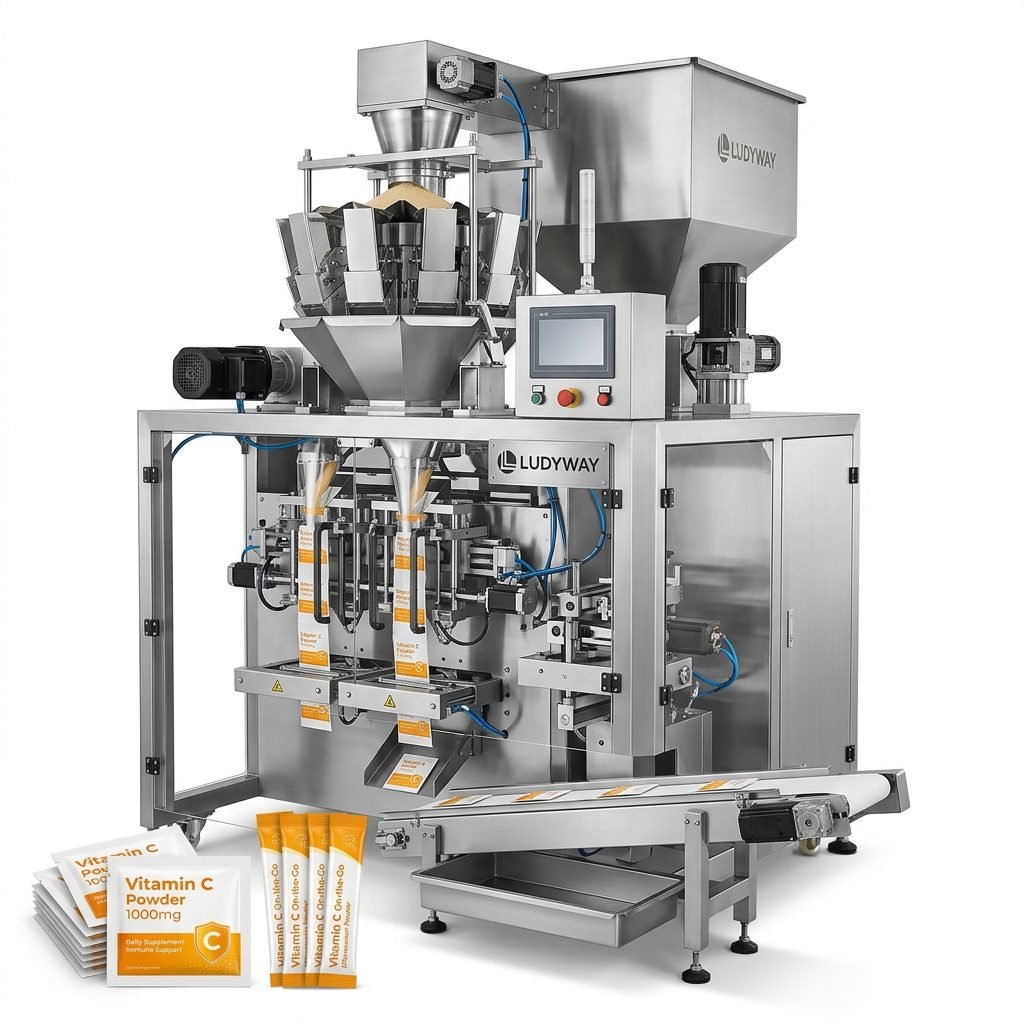
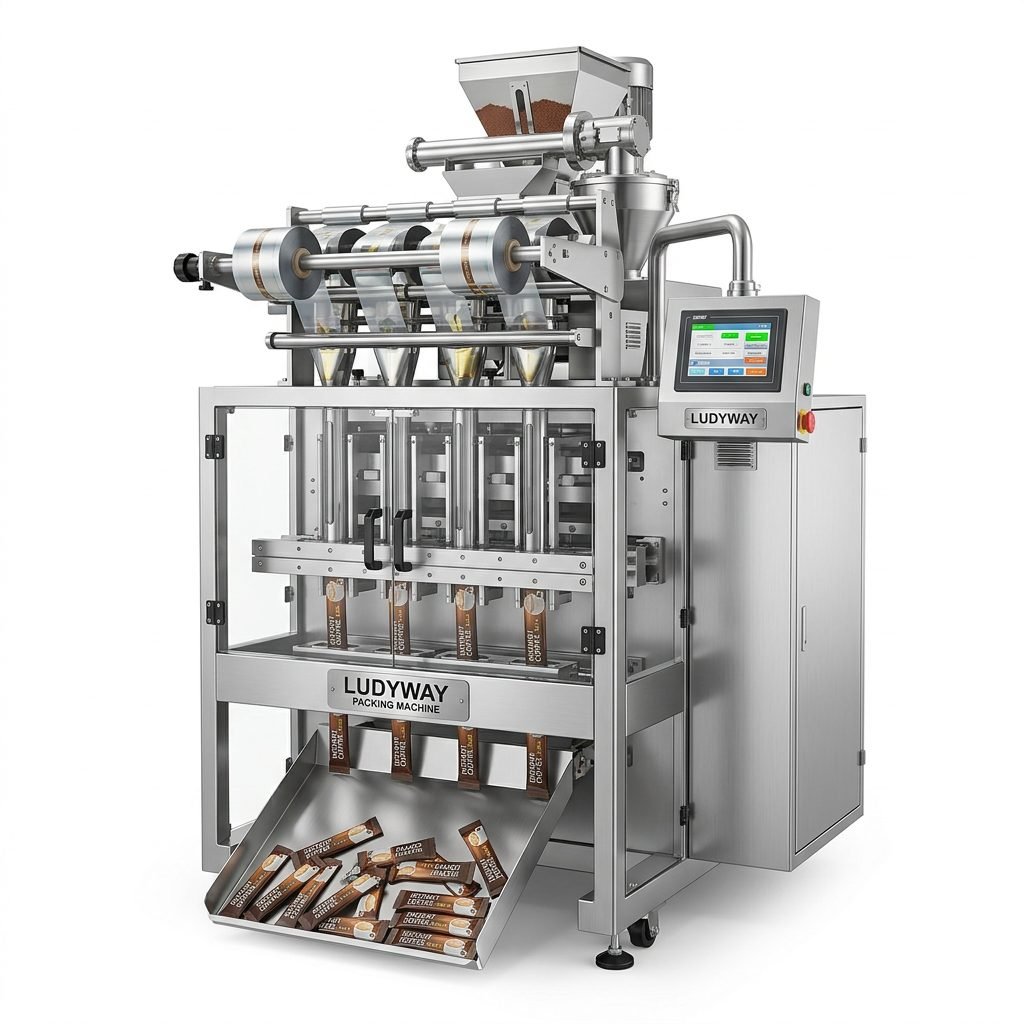
3. Sachet & Stick Pack Machines
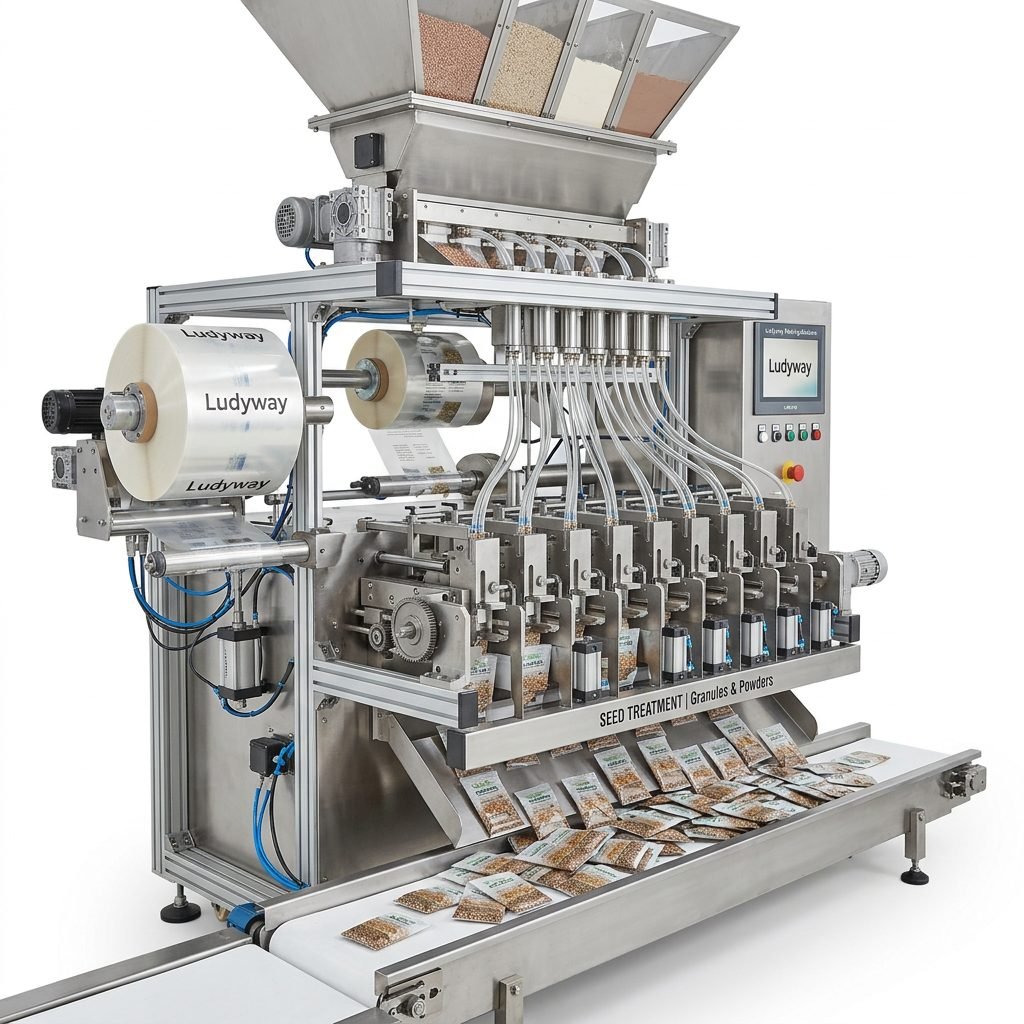
Ideal for single-dose powders, granules, or liquids (e.g., oral rehydration salts, instant drink mixes, medicinal powders). They form, fill, and seal packets from a roll of laminated film.
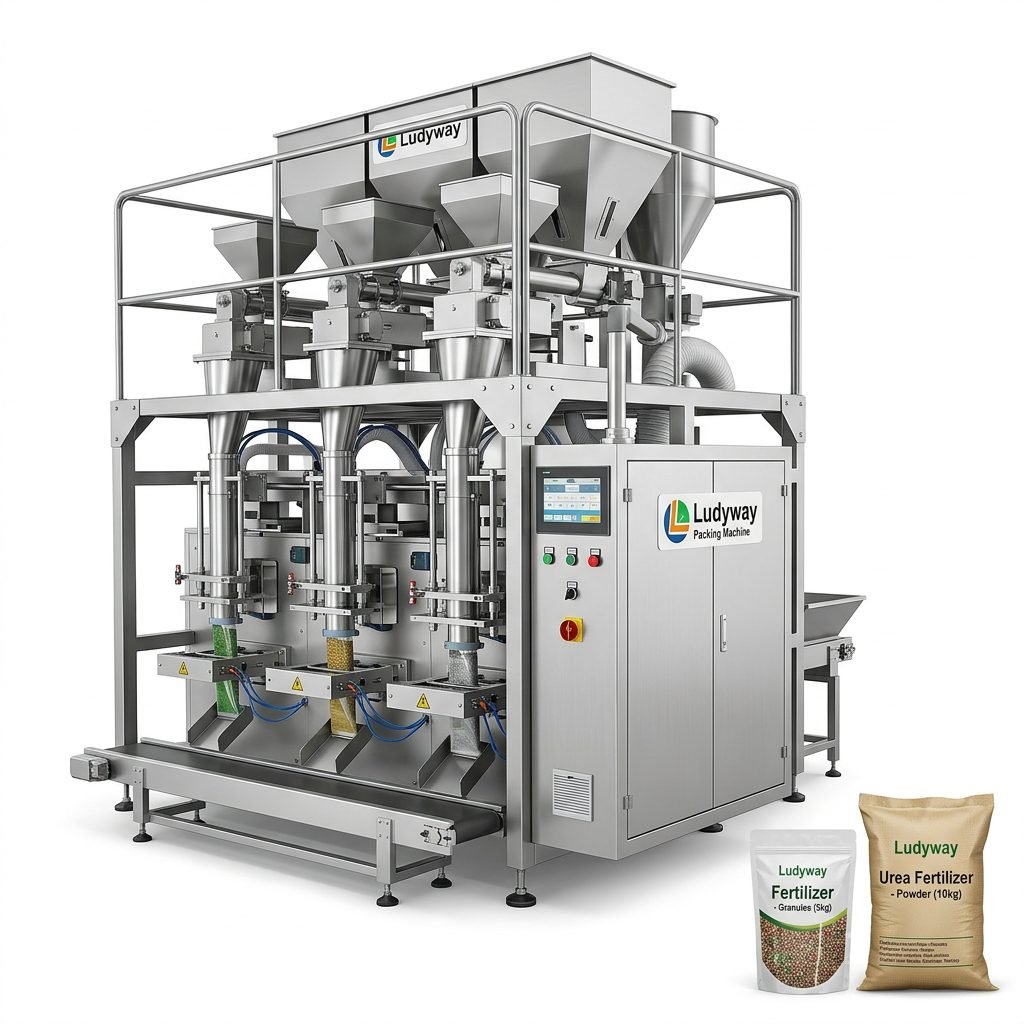
Companies like Ludyway Packing Machine offer advanced multi-lane systems that significantly boost output for these formats, making them suitable for high-volume pharmaceutical applications where portability and precise dosing are key.
4. Cartoning Machines
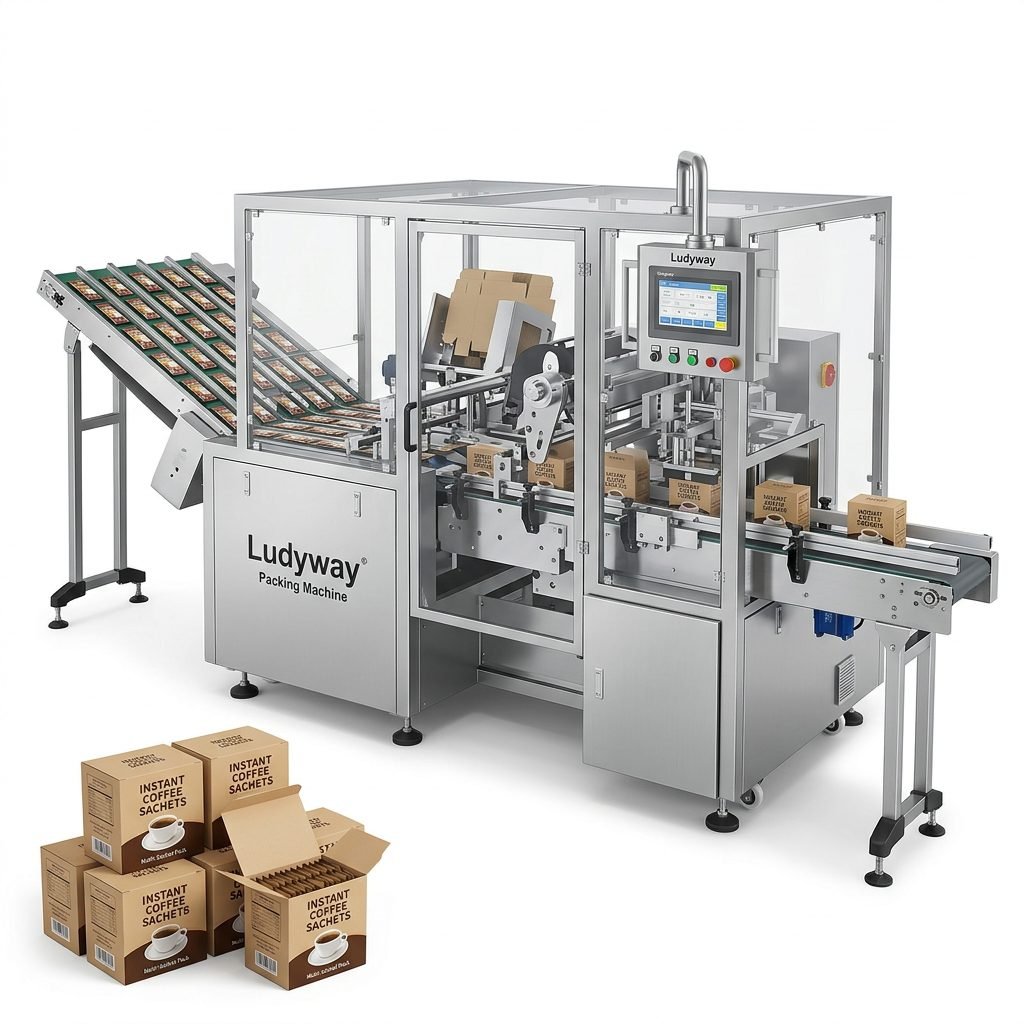
These machines erect cartons, insert the primary packaged product (blister, bottle, sachet), along with a leaflet, and close the carton. They are a crucial link between primary and secondary packaging.
- Types: Horizontal cartoners (common for blisters) and vertical cartoners (common for bottles).
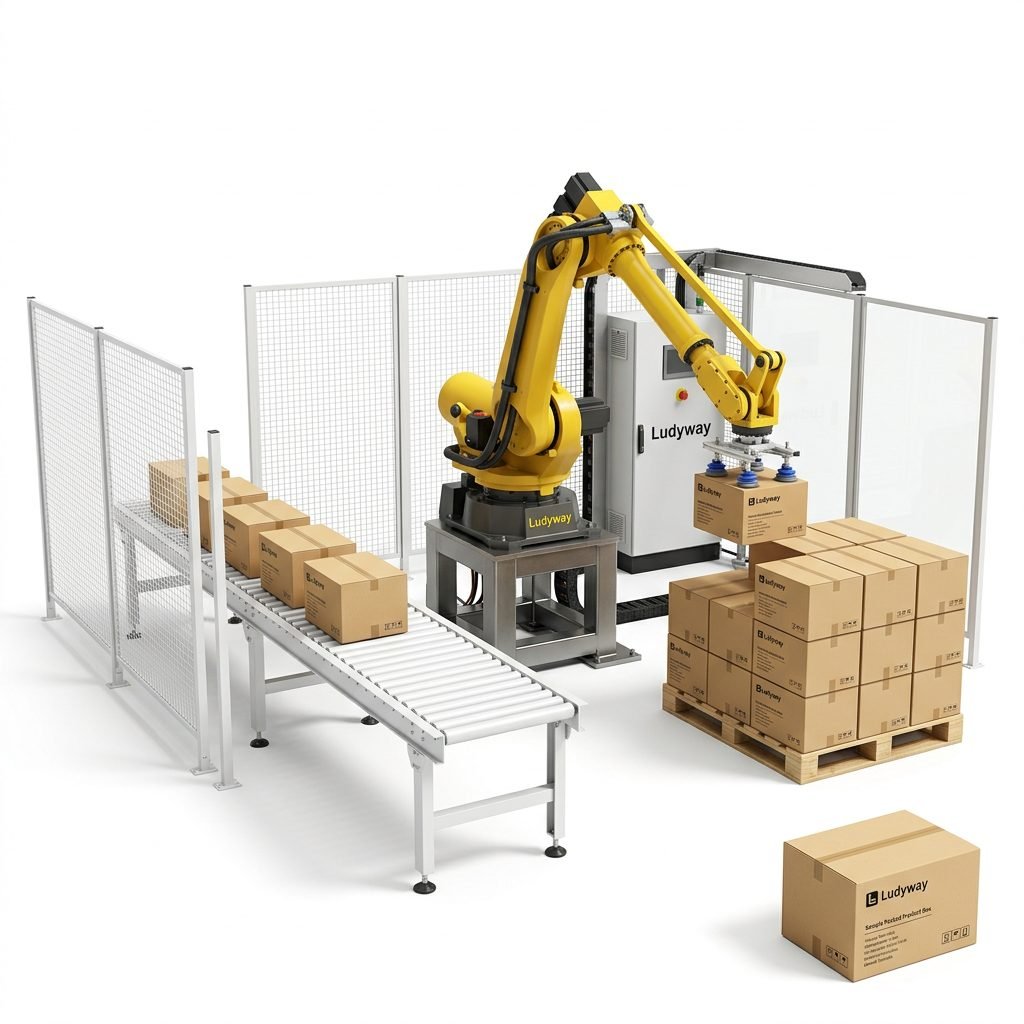
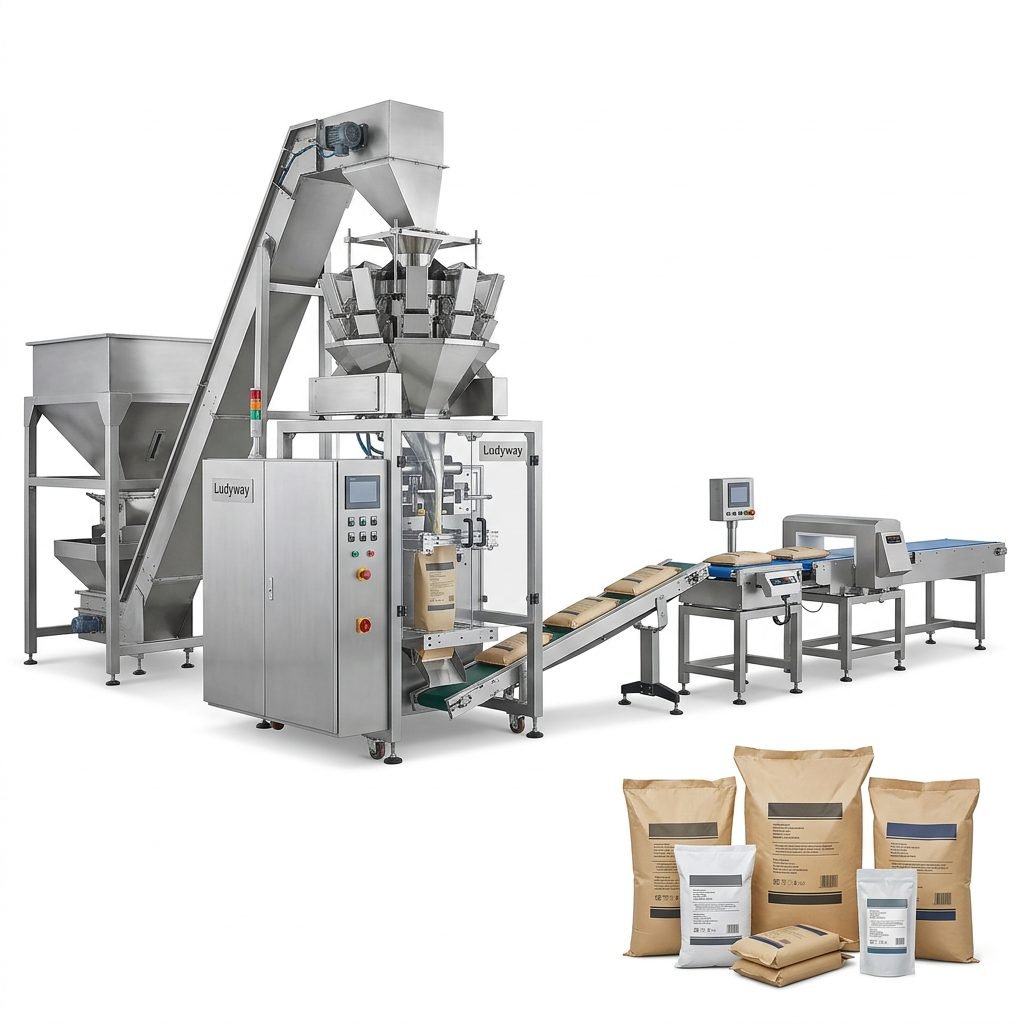
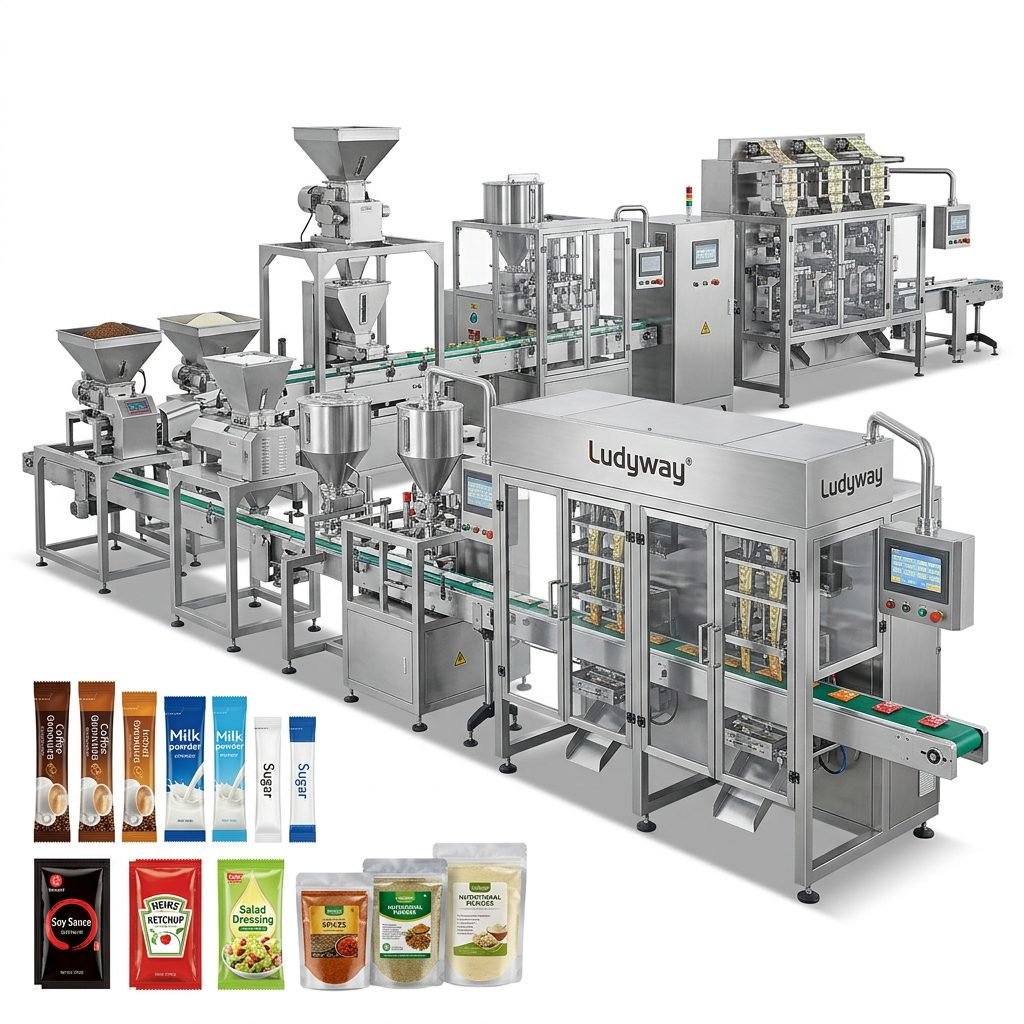
- Integration: Often purchased as part of a complete turnkey production line to ensure seamless material handling and synchronization.
Critical Selection Criteria Beyond Machine Type
A. Machine Flexibility & Changeover
Pharmaceutical lines often run multiple products. Evaluate the time and tools required for changeover (format/size change). Machines with servo-driven adjustments and digital recipe management offer faster changeovers, reducing downtime and increasing overall equipment effectiveness (OEE).
B. Hygiene & Cleanability (GMP Compliance)
The machine must be designed for Good Manufacturing Practice (GMP). Look for:
• Smooth, Stainless Steel Surfaces: With rounded corners (coving) to prevent dirt accumulation.
• Easy Access for Cleaning: Doors and panels that open fully. Tool-less disassembly of product contact parts is a major advantage.
• Protection from Contamination: Enclosed mechanisms and appropriate guarding.
C. Automation & Control Systems
Modern machines are controlled by sophisticated PLCs (Programmable Logic Controllers) with HMI (Human-Machine Interface) touchscreens.
Essential features include: user-friendly recipe storage, production data tracking, diagnostic alerts, and connectivity for Industry 4.0 integration. For regulated markets, ensure the software supports audit trails and electronic records compliance.
D. Supplier Reliability & Support
The machine is a long-term asset. The supplier’s reputation is paramount. Evaluate their:
- Industry Experience & Track Record: Look for a provider with deep knowledge of pharmaceutical packaging challenges. Ludyway Machinery, for instance, brings over a decade of focused expertise in providing reliable solutions to global manufacturers.
- Technical Support & Spare Parts: Availability of local service engineers and a readily available spare parts inventory are critical for minimizing production stoppages.
- Validation Support: The supplier should provide documentation (FAT/SAT protocols, IQ/OQ templates) to assist in your equipment qualification process.
Implementing Your New Packaging Machine
Successful implementation goes beyond purchase. Plan for factory acceptance testing (FAT), site installation, operational qualification (OQ), and performance qualification (PQ). Ensure your operators and maintenance technicians receive comprehensive training from the supplier. A phased approach, starting with a single product, helps identify and resolve teething issues before full-scale production.
Frequently Asked Questions (FAQs)
1. What is the typical lead time for a pharmaceutical packaging machine?
Lead times vary widely based on machine complexity and customization. Standard models may take 12-20 weeks, while fully customized, high-speed integrated lines can require 6-9 months or more from order to delivery.
2. How important is it to have a machine that is “21 CFR Part 11” compliant?
If you are selling products in the United States market, it is essential. This FDA regulation sets requirements for electronic records and signatures. Your machine’s software must have features like secure user access, audit trails, and data integrity safeguards to enable compliance.
3. Can one machine handle multiple, very different product types (e.g., tablets and powders)?
Generally, no. While some flexibility exists within a category (e.g., different sized tablets), the fundamental feeding and filling technology for tablets (counting) is entirely different from that for powders (volumetric or auger filling). It is usually more effective to have dedicated machines or separate modules for vastly different product forms.
4. What are the ongoing maintenance requirements?
Preventive maintenance is crucial. This includes daily cleaning, weekly lubrication of specified points, and periodic inspection/replacement of wear parts like sealing jaws, forming dies, and gaskets. The machine supplier should provide a detailed maintenance schedule and training.
5. Should I buy a standalone machine or an integrated packaging line?
It depends on your volume and labor strategy. A standalone machine (e.g., a blister packer) requires manual handling between processes. An integrated line (e.g., blister packer + cartoner + bundler) automates material transfer, significantly reducing labor, minimizing handling errors, and increasing overall line efficiency for high-volume production.