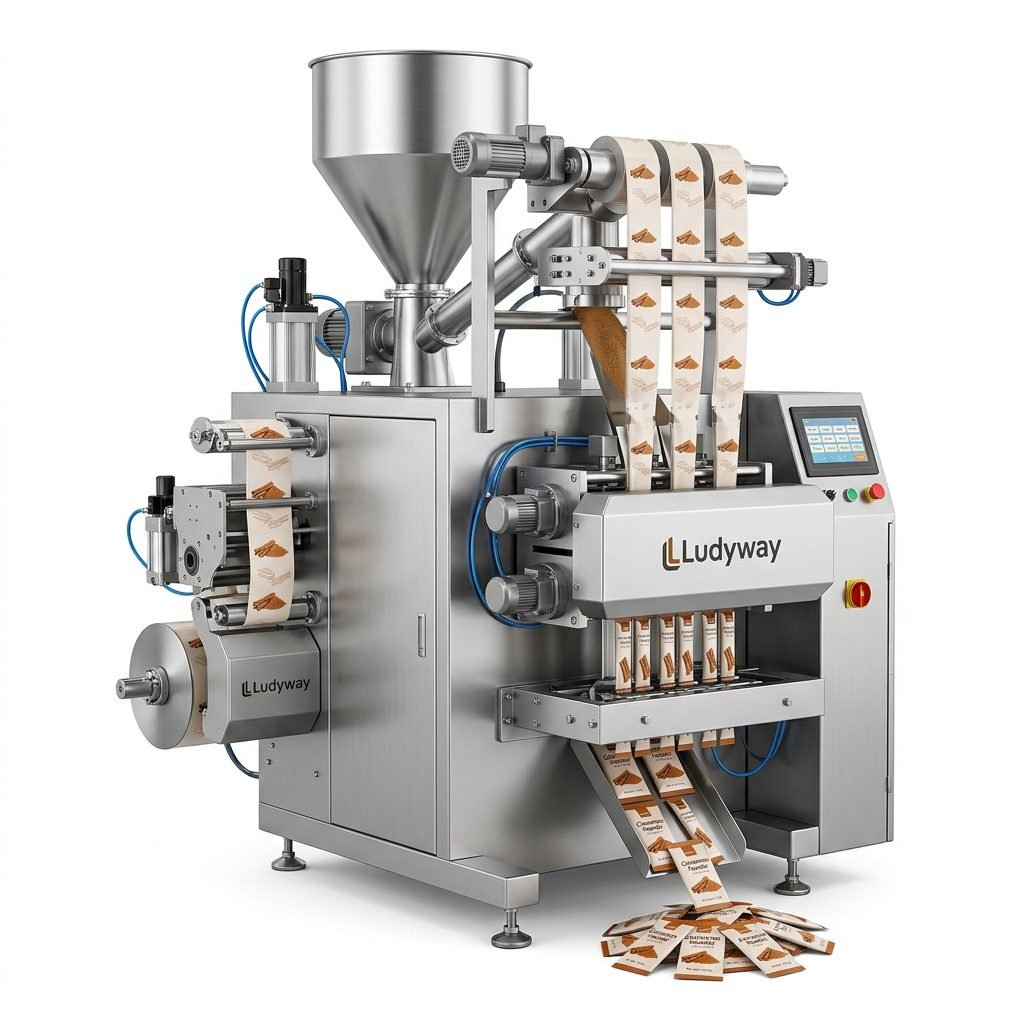
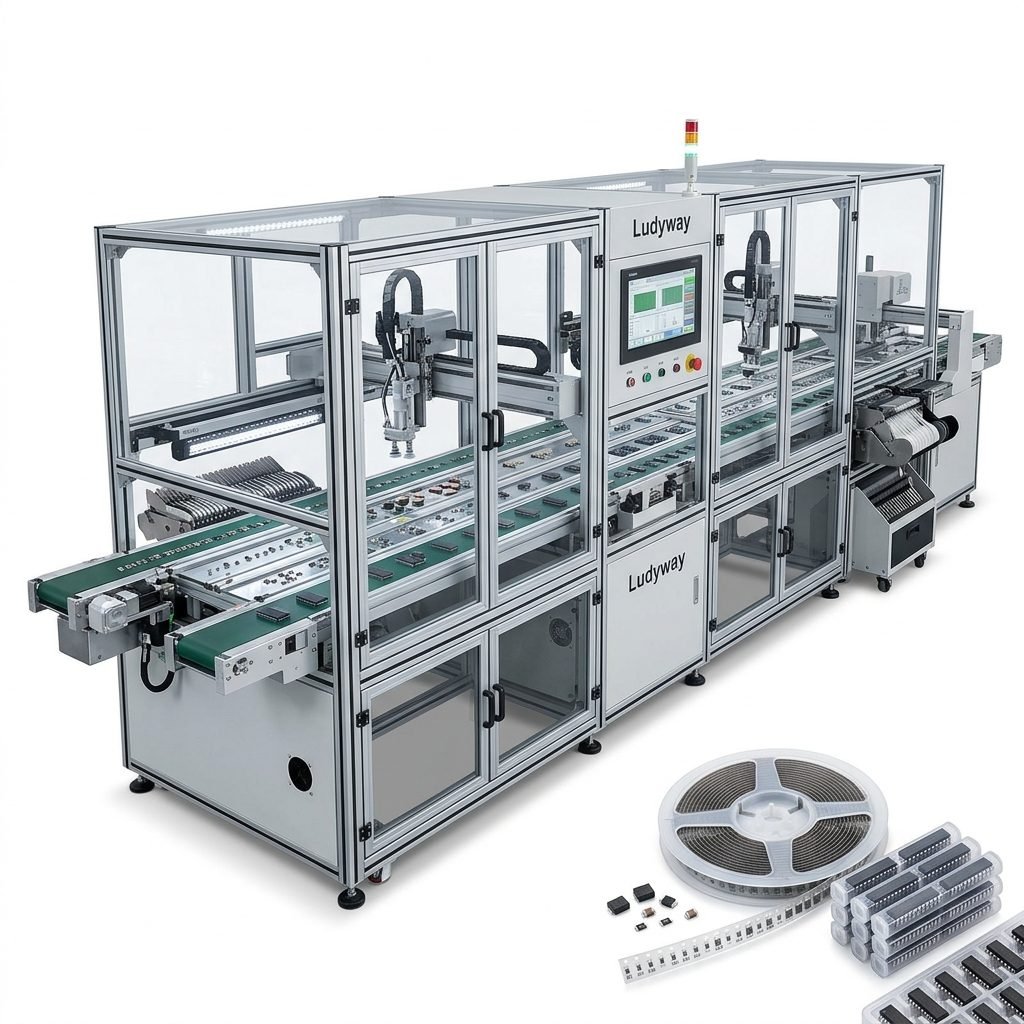
Investing in a vacuum food packaging machine is a critical decision for North American food processors, distributors, and retailers. Whether you are extending the shelf life of fresh meats, cheeses, or ready-to-eat meals, the right equipment dramatically reduces food waste and preserves product quality. This comprehensive guide covers everything from chamber types to FDA compliance requirements, helping you make an informed purchase.
Why Vacuum Packaging is Essential in North America
The North American food supply chain demands efficiency and safety. Vacuum packaging removes oxygen from the package before sealing, which inhibits the growth of aerobic bacteria and molds. For operations handling high-value proteins or perishable goods, a vacuum packaging machine is not just an option—it’s a necessity for maintaining cold chain integrity and meeting retailer specifications.

Key B2B Specifications for Vacuum Machines
When comparing industrial models, look beyond the price tag. Focus on throughput capacity, vacuum pump durability, and seal bar configuration. North American facilities often require stainless steel construction for CIP (Clean-in-Place) compatibility and USDA sanitary standards.
- Chamber vs. External Nozzle: Chamber machines remove air from the entire bag, ideal for liquids. External nozzle machines are simpler but less versatile.
- Seal Bar Length: Single vs. double seal bars determine hourly packaging volume.
- Vacuum Pump Type: Oil-lubricated pumps offer high vacuum (up to 2 mbar) for heavy-duty cycles, while dry pumps are maintenance-free but often less powerful.
- Gas Flush (Modified Atmosphere Packaging – MAP): Essential for delicate products like fresh pasta or bakery items to prevent crushing while extending freshness.
Types of Vacuum Chamber Machines
Selecting the correct chamber type directly impacts your workflow. The table below breaks down the most common configurations found in US and Canadian processing plants.
| Machine Type | Best Application | Avg. Price Range (USD) |
|---|---|---|
| Single Chamber | Small to medium batches, meat lockers | $3,000 – $12,000 |
| Double Chamber | High-volume alternating workflow | $8,000 – $30,000 |
| Belt/Conveyor Vacuum | Automated production lines, continuous feeding | $25,000+ |
| Vacuum Skin Pack (VSP) | Retail-ready proteins, extended shelf life display | $40,000+ |

North American Regulatory Considerations (USDA & CFIA)
Compliance is paramount when purchasing packaging equipment. For meat and poultry processors under USDA FSIS jurisdiction, the machine must support validated Hazard Analysis Critical Control Point (HACCP) plans. In Canada, the Canadian Food Inspection Agency (CFIA) requires similar preventive control plans and traceability standards.
Equipment should facilitate sanitation. Smooth, rounded corners and easy disassembly for cleaning are non-negotiable in regulated food contact environments.
Calculating Return on Investment (ROI)
Modern vacuum packaging drastically reduces product shrinkage and freezer burn. For B2B buyers, the ROI is calculated based on reduced food waste percentage and increased distribution radius. Consider that a proper vacuum seal can extend refrigerated shelf life from days to weeks. When evaluating a vacuum food packaging machine, include the cost of consumables like specialized barrier bags.
Integration with Turnkey Packaging Lines
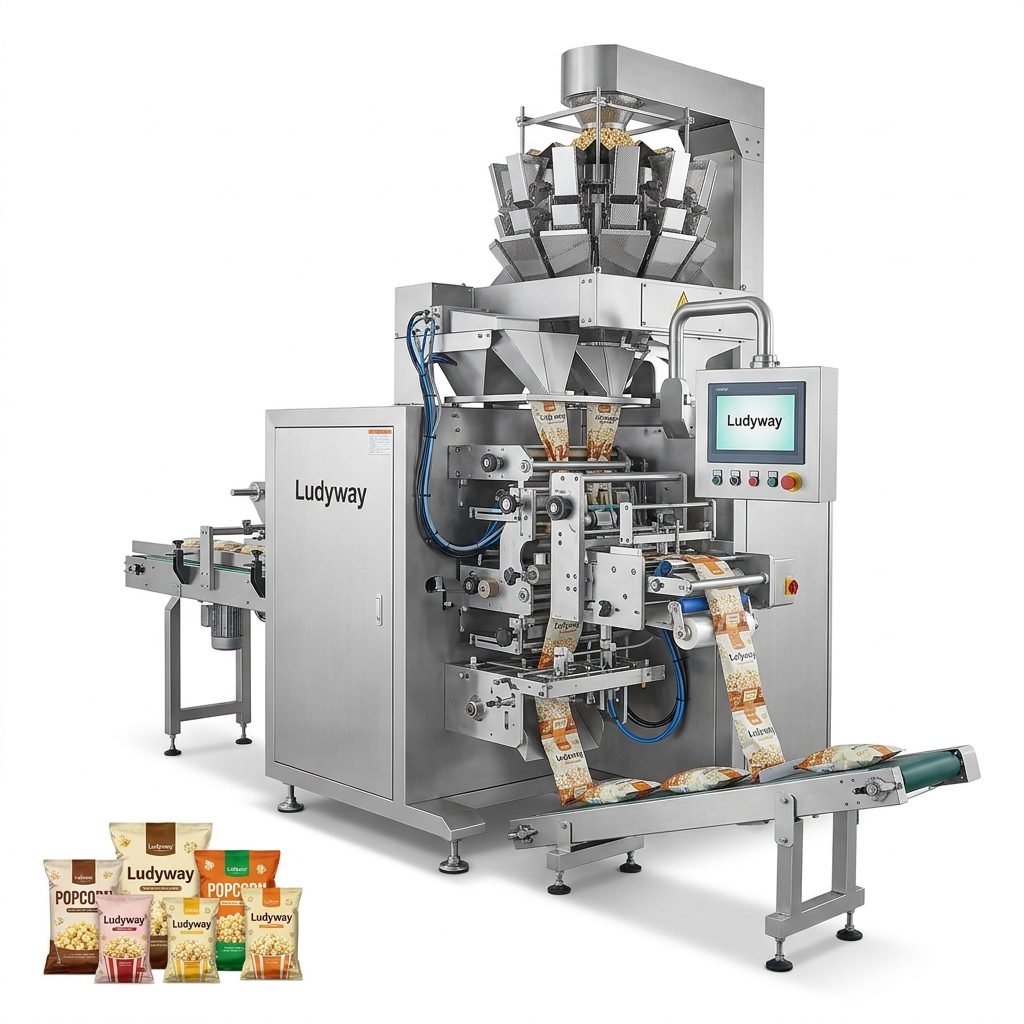
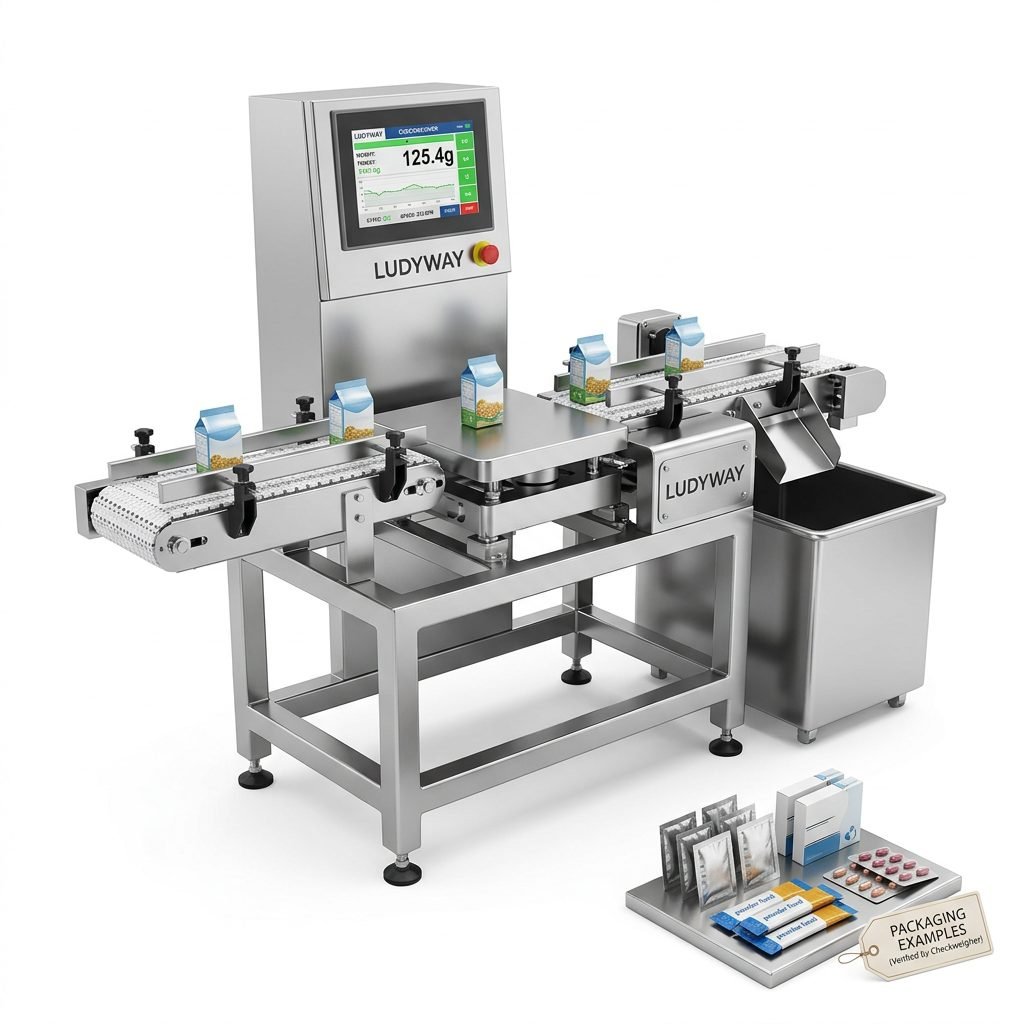
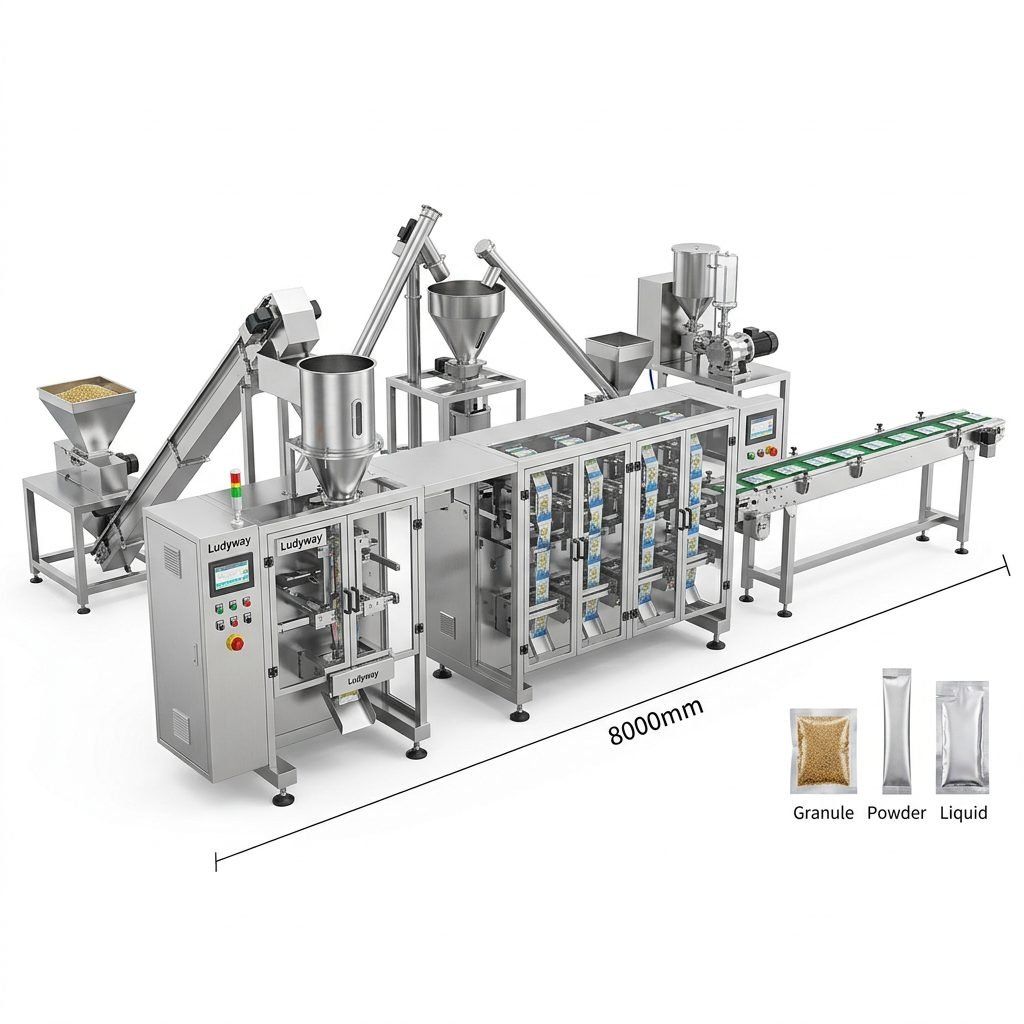
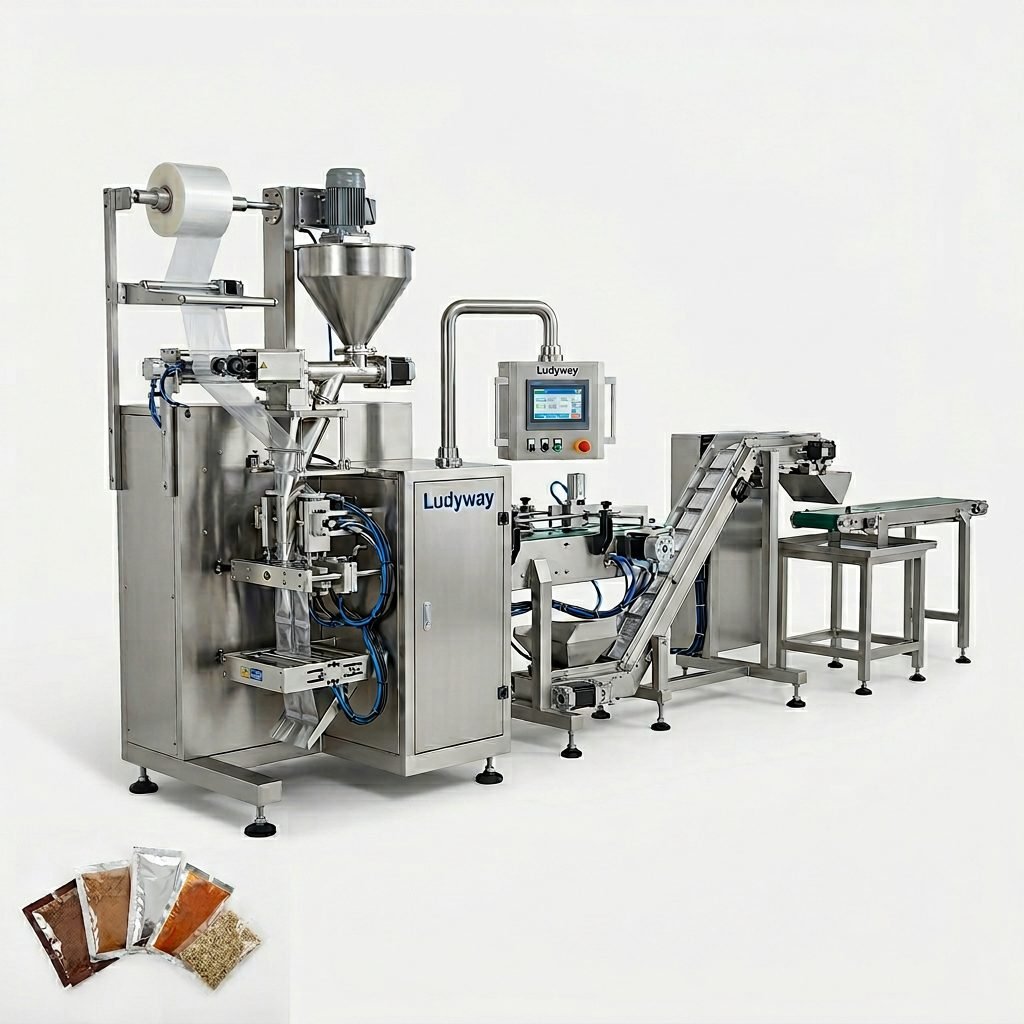
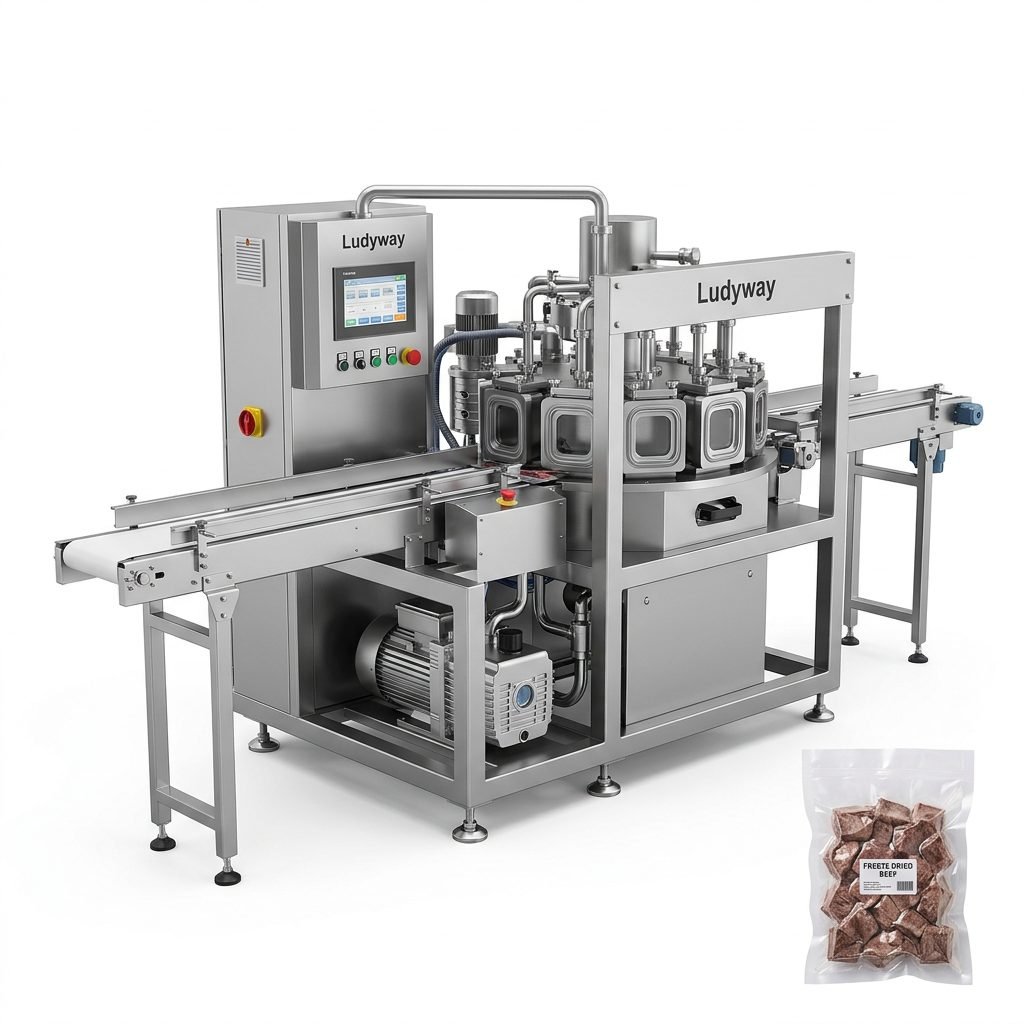
Large-scale manufacturers in North America are moving toward full automation—integrating weighing, filling, vacuum sealing, and case packing. A turnkey system reduces labor dependency and cross-contamination risks. Suppliers offering comprehensive engineering support, such as Ludyway, facilitate seamless integration of vacuum packaging machines into high-speed production environments.
Top Features to Look For in 2026
- IoT Connectivity: Remote monitoring and data logging for predictive maintenance.
- Precision Gas Mixing: Accurate oxygen scavenging for Modified Atmosphere Packaging.
- Energy Efficiency: Variable speed drives on pumps to reduce kWh costs during off-peak shifts.
- Washdown Ready: IP65 or NEMA 4X rated electronic enclosures for harsh sanitizing environments.
Maintenance and Service Agreements
Downtime in a food plant costs thousands per hour. Before purchasing, verify the availability of local service technicians and spare parts in North America. Oil-lubricated pumps require regular oil changes and oil mist eliminators, while sealing bars need periodic replacement. A strong warranty on vacuum pumps (often 1-2 years) is standard, but extended service packages are advisable for multi-shift operations.
Comparing Pouch and Bag Compatibility
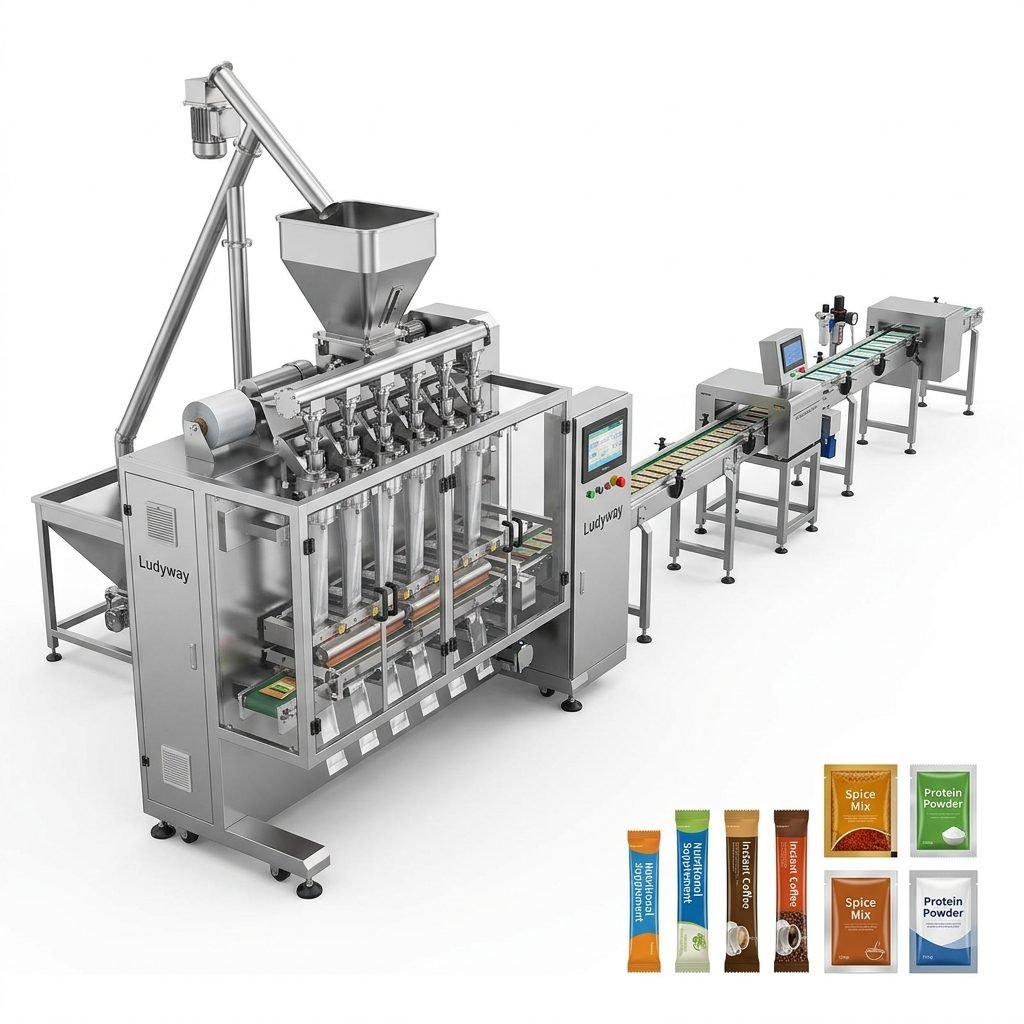
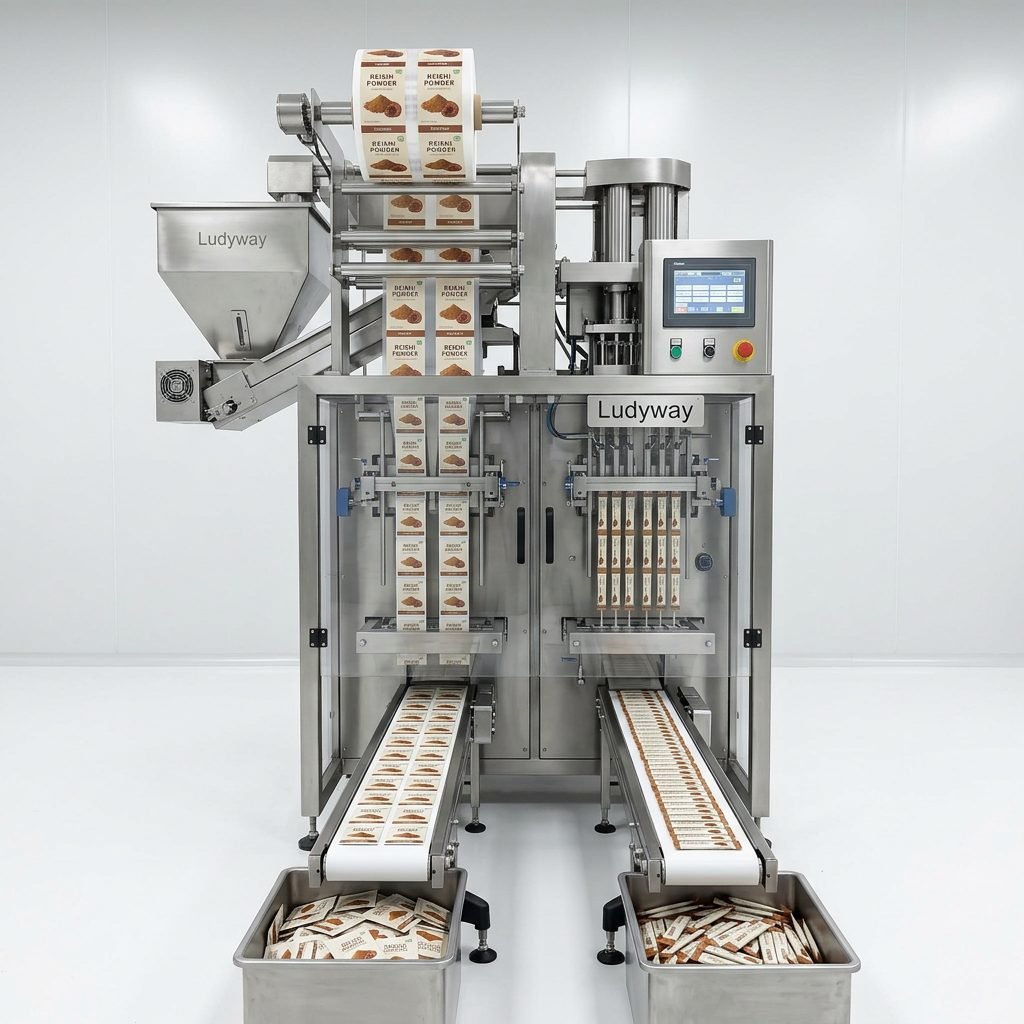
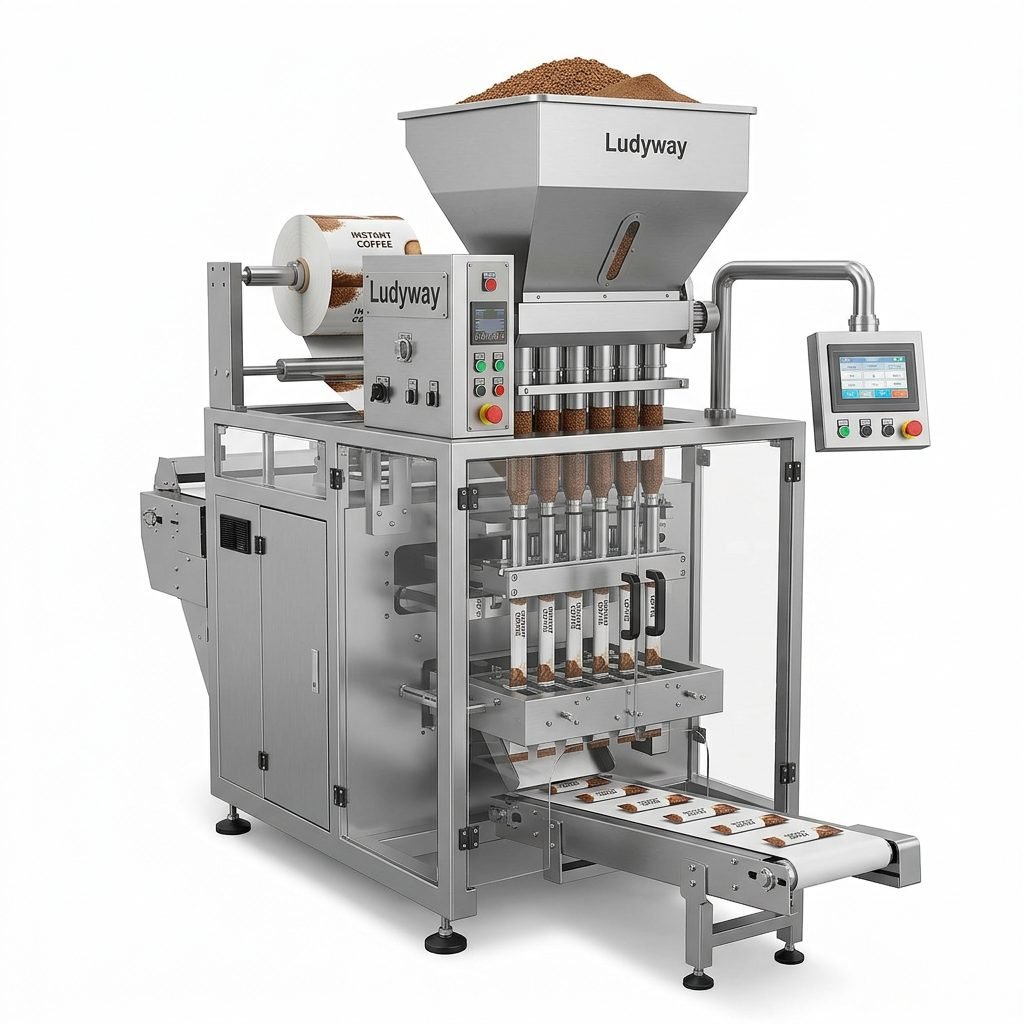
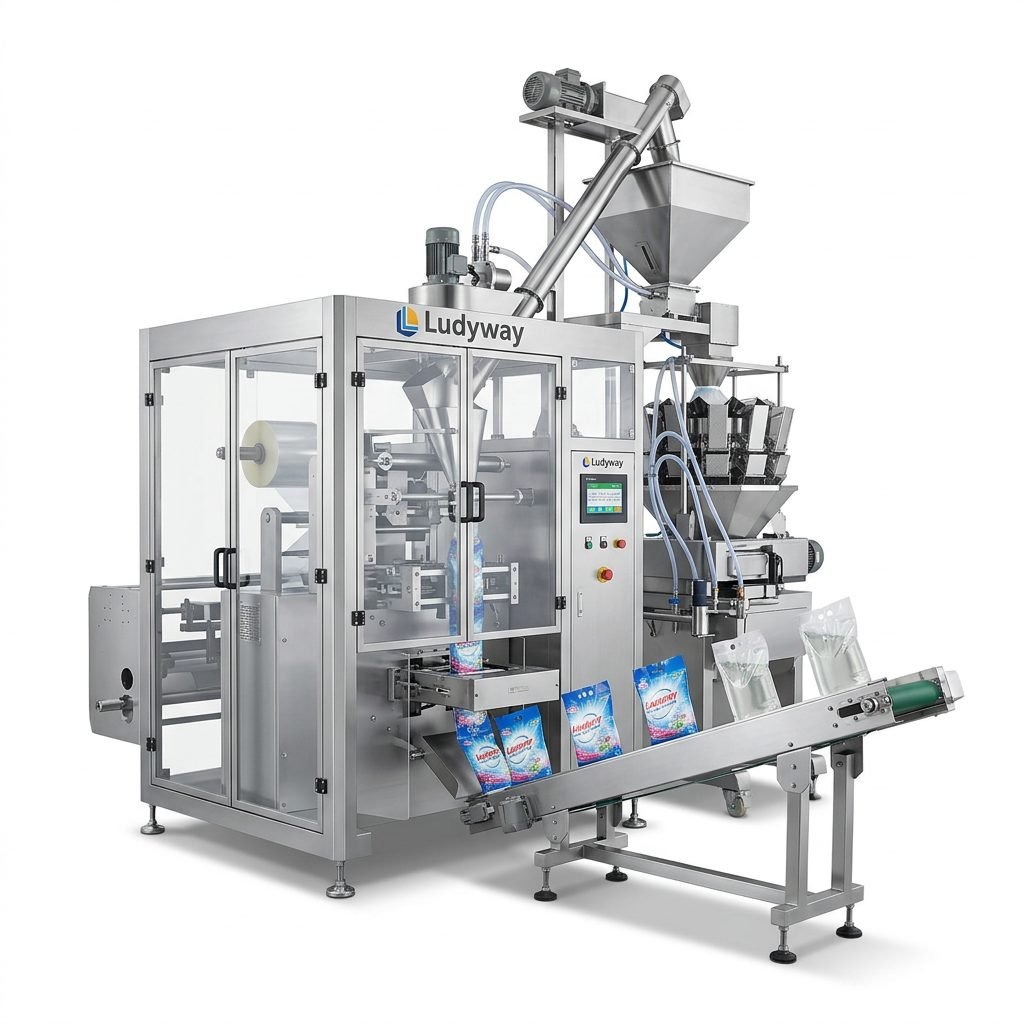
Not all vacuum packaging machines handle every film type. 3-side seal pouches, fin seal pouches, and gusseted bags require different sealing configurations. For the snack and supplement sectors, multi-lane stick pack or sachet vacuum packaging offers a competitive edge, combining oxygen barrier technology with trendy, single-serve convenience formats.
For further technical references, consult the PMMI State of the Industry Reports and Flexible Packaging Association resources.