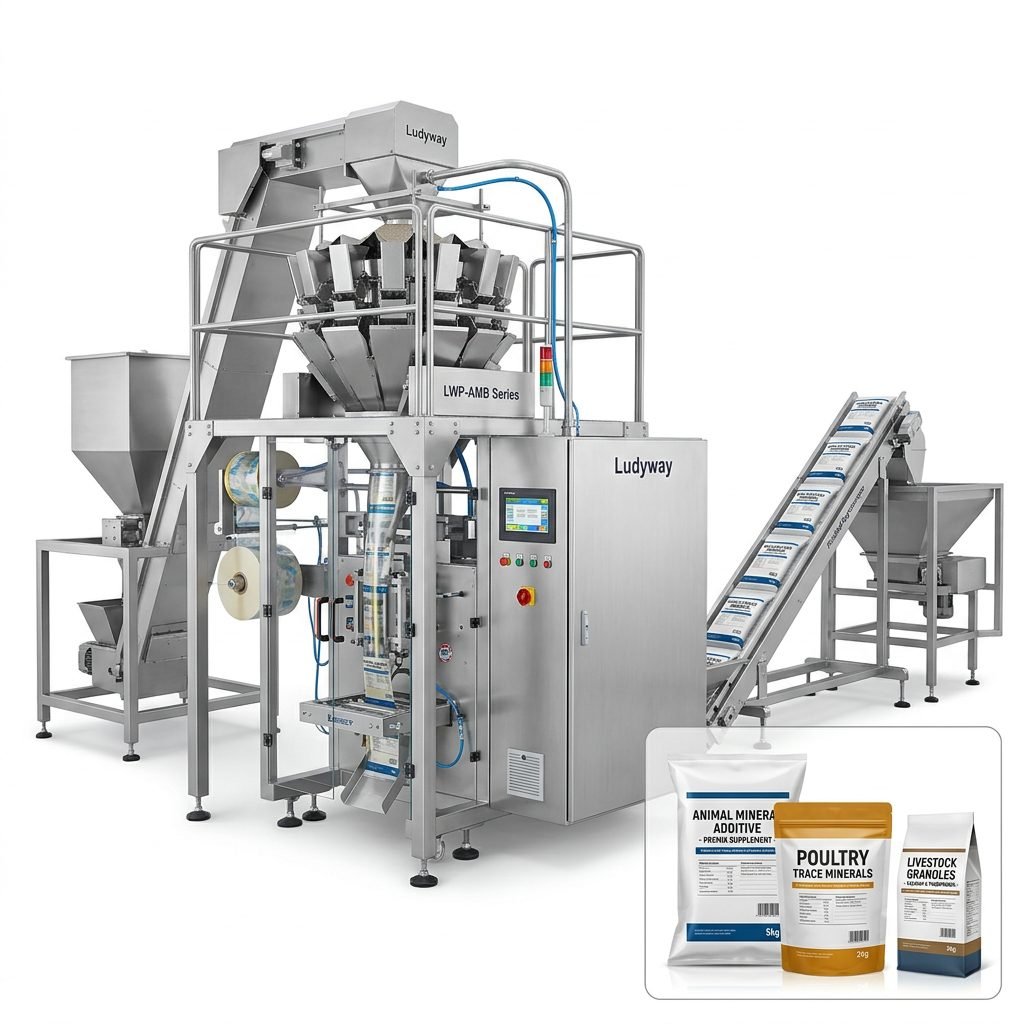
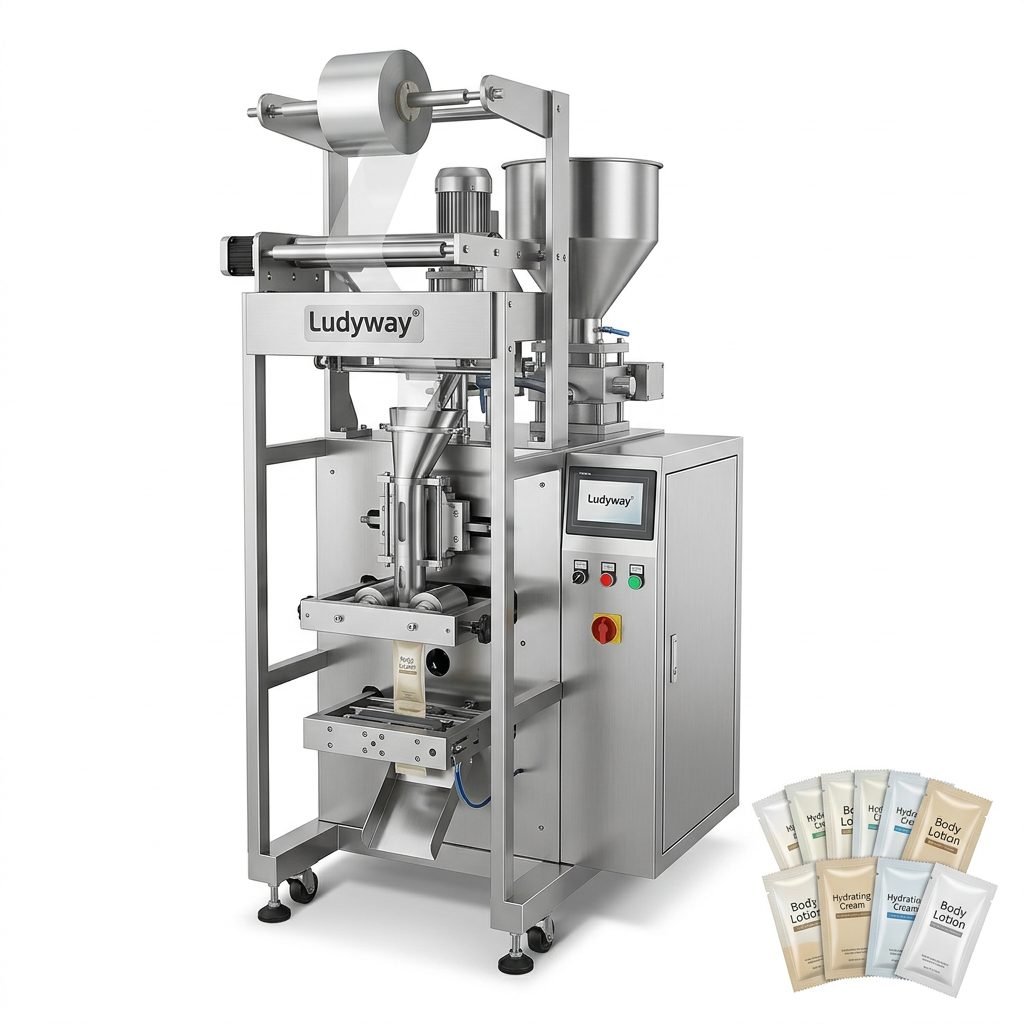
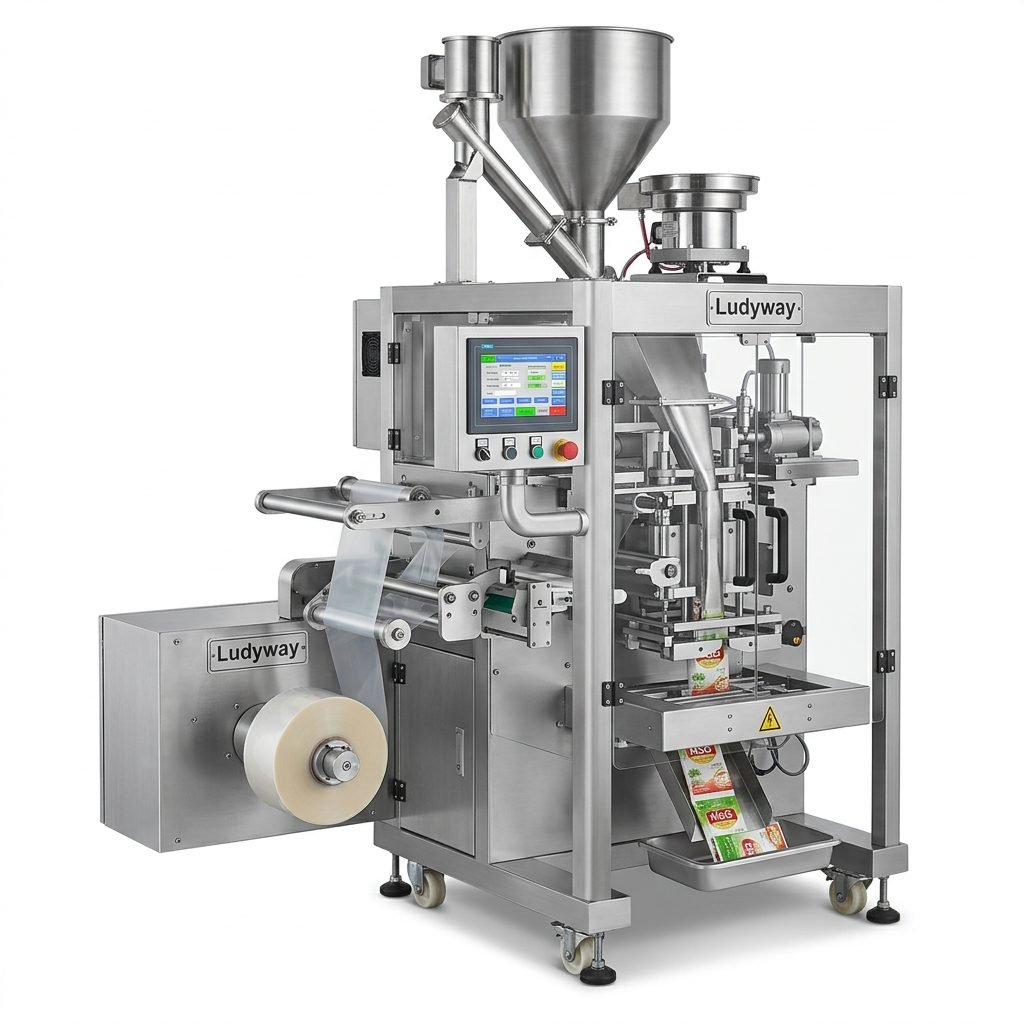
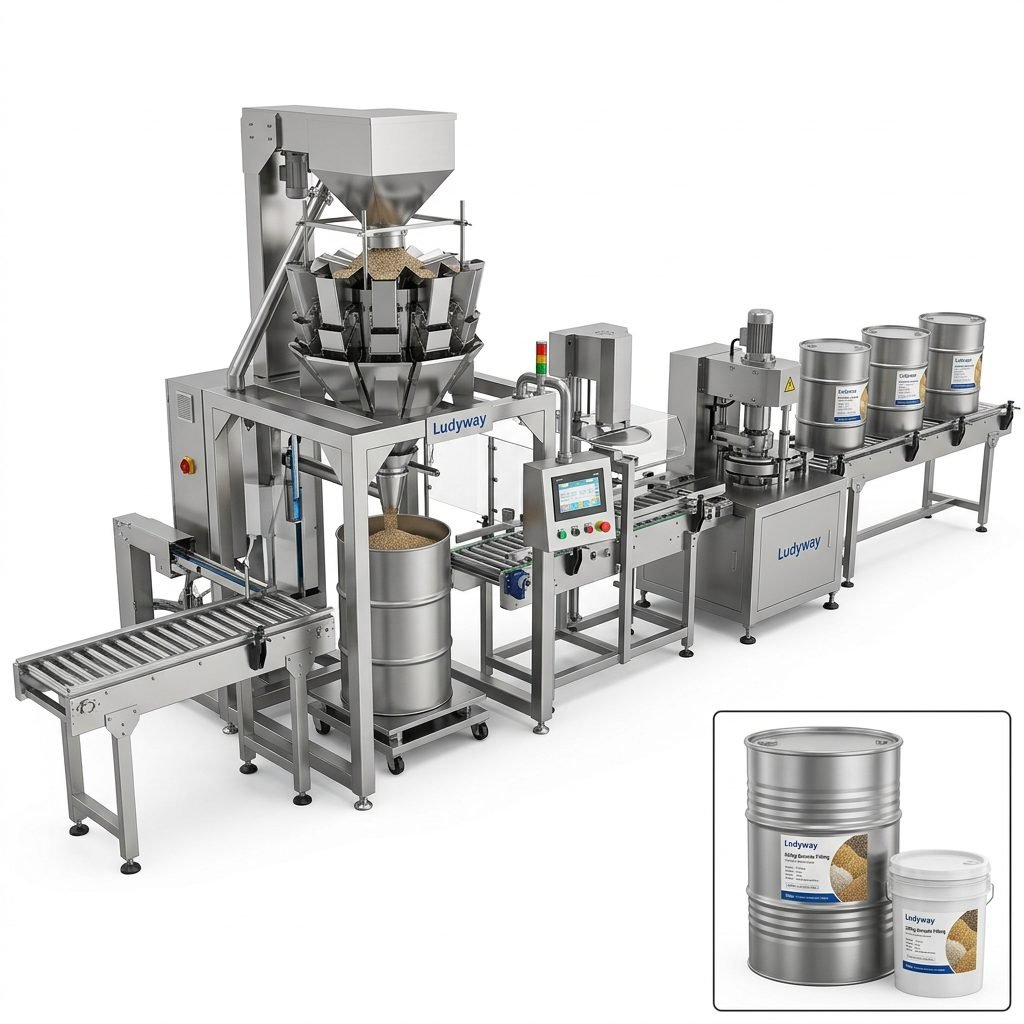
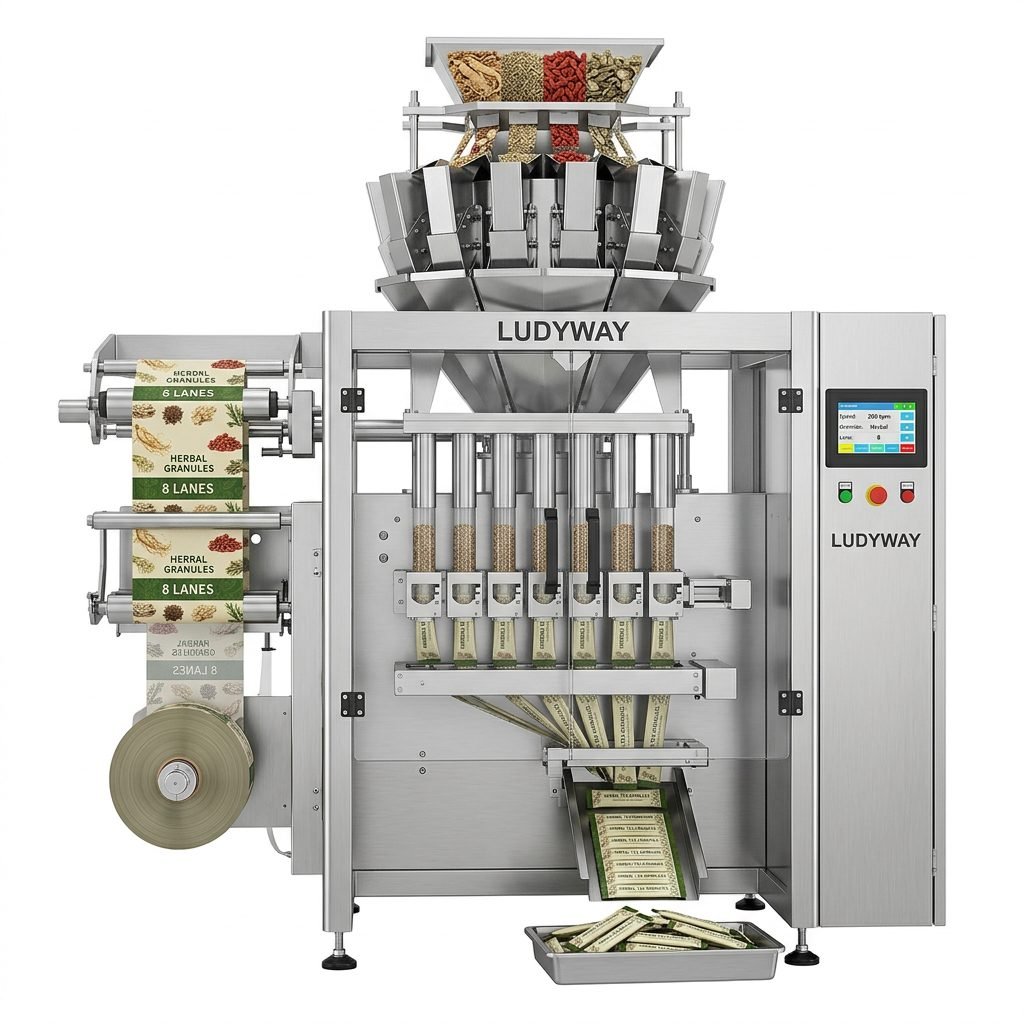
Choosing the right Vertical Form Fill Seal (VFFS) packaging machine is a critical decision for any production line. This versatile equipment is the backbone of modern packaging for granules, powders, liquids, and other free-flowing products. The right machine boosts efficiency, ensures product integrity, and maximizes your return on investment. This guide will walk you through the key factors to consider, helping you select the perfect VFFS system for your specific needs.
Understanding Your Product and Production Requirements
The journey begins with a deep understanding of what you are packaging. The physical characteristics of your product dictate many machine specifications.
Key Product Considerations:
Product Type: Is it a fine powder, coarse granule, sticky paste, or liquid? Powders require auger fillers with anti-bridging systems, while granules work well with cup or weigh scale fillers.
Flow Characteristics: How freely does it flow? This determines the filling technology needed for accuracy.
Hygiene & Sensitivity: Is the product hygroscopic, sensitive to air, or requiring a sterile environment? This influences the need for nitrogen flushing, dust extraction, or cleanroom-compatible designs.
Next, define your production targets. Your required output in bags per minute (BPM) directly impacts machine speed and configuration. Consider both your current volume and future growth projections. Also, determine the range of bag sizes you need to produce, from small sachets to large pouches, and how often you will change between them. A machine with quick-change features can drastically reduce downtime.
Core Machine Specifications and Features
With your product and output needs clear, you can evaluate the technical specifications of potential VFFS machines.
1. Filling System: The Heart of Accuracy
The filling system is paramount for weight accuracy and product handling. The main types include:
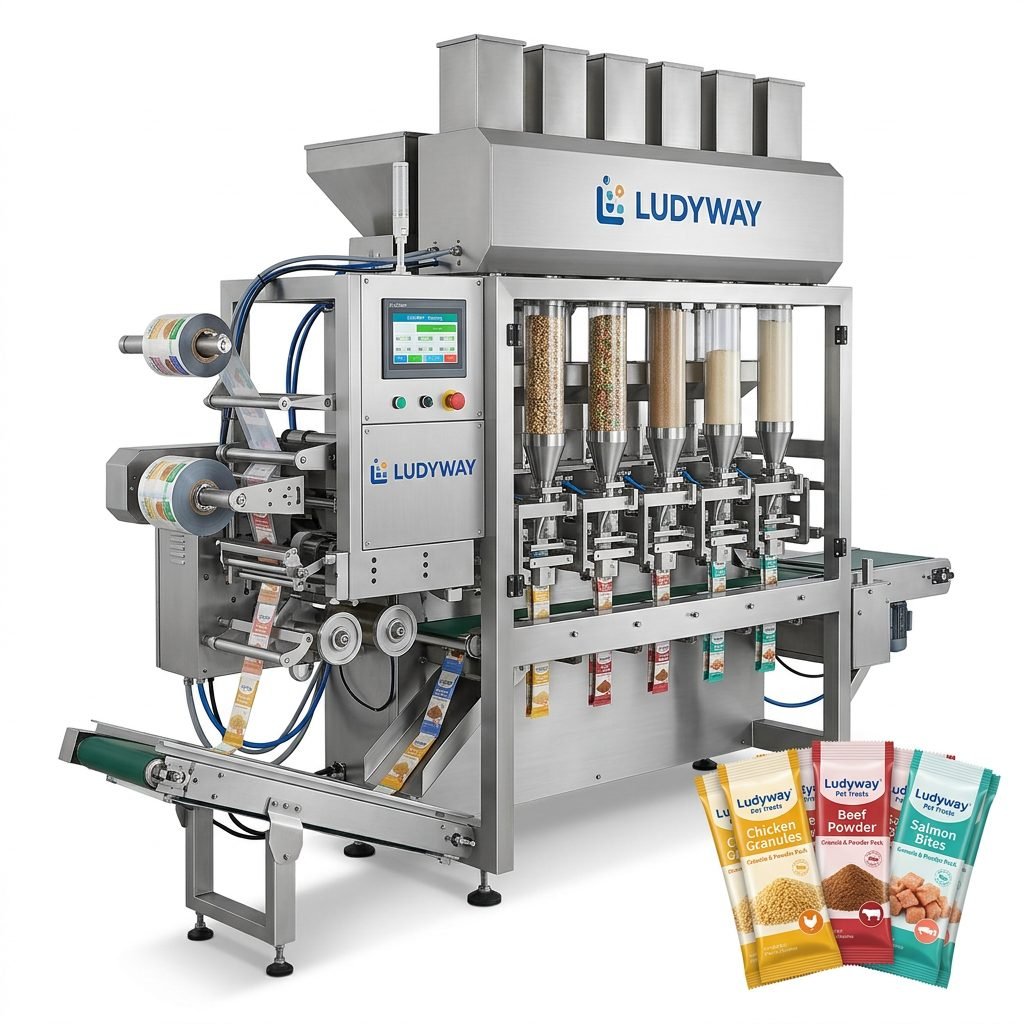
- ➤ Auger Fillers: Ideal for powders, spices, and non-free-flowing products. Look for servo-driven augers for precision and easy recipe changeovers.
- ➤ Volumetric Cup Fillers: Excellent for uniform granules, seeds, or parts. They are fast and cost-effective for products with consistent density.
- ➤ Weigh Scale Fillers (Linear or Multi-Head): Provide the highest accuracy for valuable products or where weight compliance is critical. They are essential for net weight applications.
- ➤ Liquid Pumps: For oils, sauces, and liquids, using piston or peristaltic pumps with nozzle fillers.
2. Film Handling and Sealing Capabilities
The machine must reliably form, fill, and seal your chosen packaging material.
Film Type: Can it handle mono-layer films, complex laminates, or recyclable materials? Ensure the former, draw, and sealing systems are compatible.
Seal Integrity: Inspect the sealing jaw design. Look for cooled sealing jaws for poly-based films to prevent burn-through and ensure strong, consistent seals. The ability to create different pouch styles (e.g., pillow, gusseted, stand-up) is also a key feature.
Advanced Considerations for Optimal Performance
Beyond the basics, several advanced features separate standard machines from high-performance solutions.
Automation and Integration Level
Modern VFFS machines are often part of a larger automated line. Consider:
PLC Control & HMI: A user-friendly touchscreen interface allows for easy operation, recipe storage, and diagnostics.
Integration: How well will it connect with upstream equipment (like feeders or bucket elevators) and downstream systems (like checkweighers or cartoners)? Look for machines designed for seamless turnkey production line solutions.
Data Tracking: Machines with data logging capabilities support OEE (Overall Equipment Effectiveness) tracking and production analytics.
Hygiene, Safety, and Compliance
This is non-negotiable, especially in food and pharmaceutical applications.
Construction Materials: Food-grade stainless steel (e.g., 304 or 316) on contact parts is essential for cleanliness and corrosion resistance.
Cleanability: A design with minimal ledges, easy-access panels, and tool-free disassembly for cleaning reduces sanitation time and prevents cross-contamination.
Safety Guards & Interlocks: Full safety guarding with electrical interlocks protects operators and is required by most regional safety standards.
The Importance of Supplier Selection and Support
The machine is only as good as the company behind it. Your supplier is a long-term partner.
Evaluate their industry experience and reputation. A supplier with deep application knowledge, like one with over 30 years of industry experience, can provide invaluable guidance. Assess their technical support structure: Is installation, training, and after-sales service provided? Availability of spare parts and local service engineers is crucial for minimizing downtime.
Finally, always request a product sample test. Running your actual product and film on the machine before purchase is the best way to verify performance, speed, and package quality.
Conclusion: Making an Informed Investment
Selecting the right VFFS machine requires a balanced analysis of your product, output goals, required features, and the reliability of the supplier. It’s an investment that impacts your daily productivity, product quality, and operational costs for years to come. By methodically working through the considerations outlined above—from filling technology to supplier support—you can confidently choose a vertical form fill seal machine that not only meets but exceeds your production expectations, ensuring efficiency, reliability, and growth for your packaging operations. Partnering with a specialist in advanced packaging equipment can streamline this entire process.
Frequently Asked Questions (FAQs)
1. What is the main difference between an auger filler and a weigh scale filler?
An auger filler is a volumetric system that dispenses product based on a set volume (revolutions of the auger). It’s fast and good for powders but can be less accurate if product density varies. A weigh scale filler physically weighs each portion before discharge, offering much higher accuracy (often within ±0.1-1g) and is essential for “net weight” labeling compliance, but it can be slightly slower and more expensive.
2. How often do sealing jaws need to be replaced, and what affects their lifespan?
Sealing jaw life varies from 6 months to several years. It depends on the film material (abrasive or not), machine speed (cycles), sealing temperature, and maintenance. Regularly cleaning the jaws of film residue and ensuring proper alignment significantly extends their lifespan. Cooled sealing jaws also last longer with heat-sensitive films.
3. Can one VFFS machine handle very different products, like powder and granules?
It is possible but often requires a changeover of the filling system. Some machines are designed with modular fillers that can be swapped. However, for vastly different products (e.g., flour vs. rice), it’s more efficient to have dedicated systems or a machine with a highly versatile filler (like a high-precision auger that can handle both), though there may be a compromise on optimal speed or accuracy for one product type.
4. What are the key maintenance tasks for a VFFS machine?
Daily: Clean product contact areas and the film path. Weekly: Lubricate moving parts as per manual, check for loose bolts, and inspect sealing jaws for wear. Monthly: Check drive belts for tension and wear, inspect electrical connections, and calibrate the weighing system (if equipped). Always follow the manufacturer’s specific maintenance schedule.
5. How do I know if I need a single-tube or multi-tube (multi-lane) VFFS machine?
Your required output dictates this. A single-tube machine is sufficient for lower speeds (typically up to 120 bags per minute). For higher outputs, a multi-tube machine (e.g., 2 to 16 lanes) runs multiple bags simultaneously, dramatically increasing speed. It’s ideal for high-volume items like sugar sticks, sauce sachets, or tea bags where very fast production is needed.