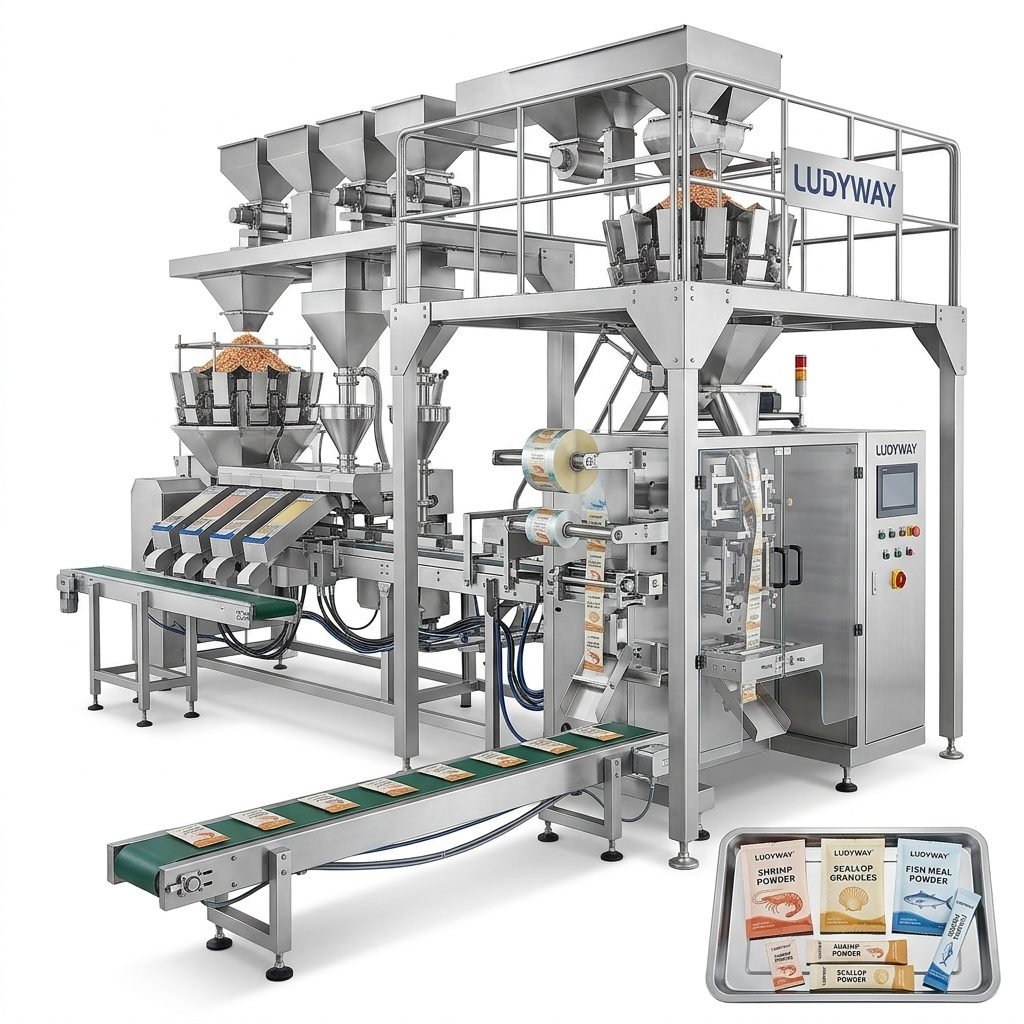
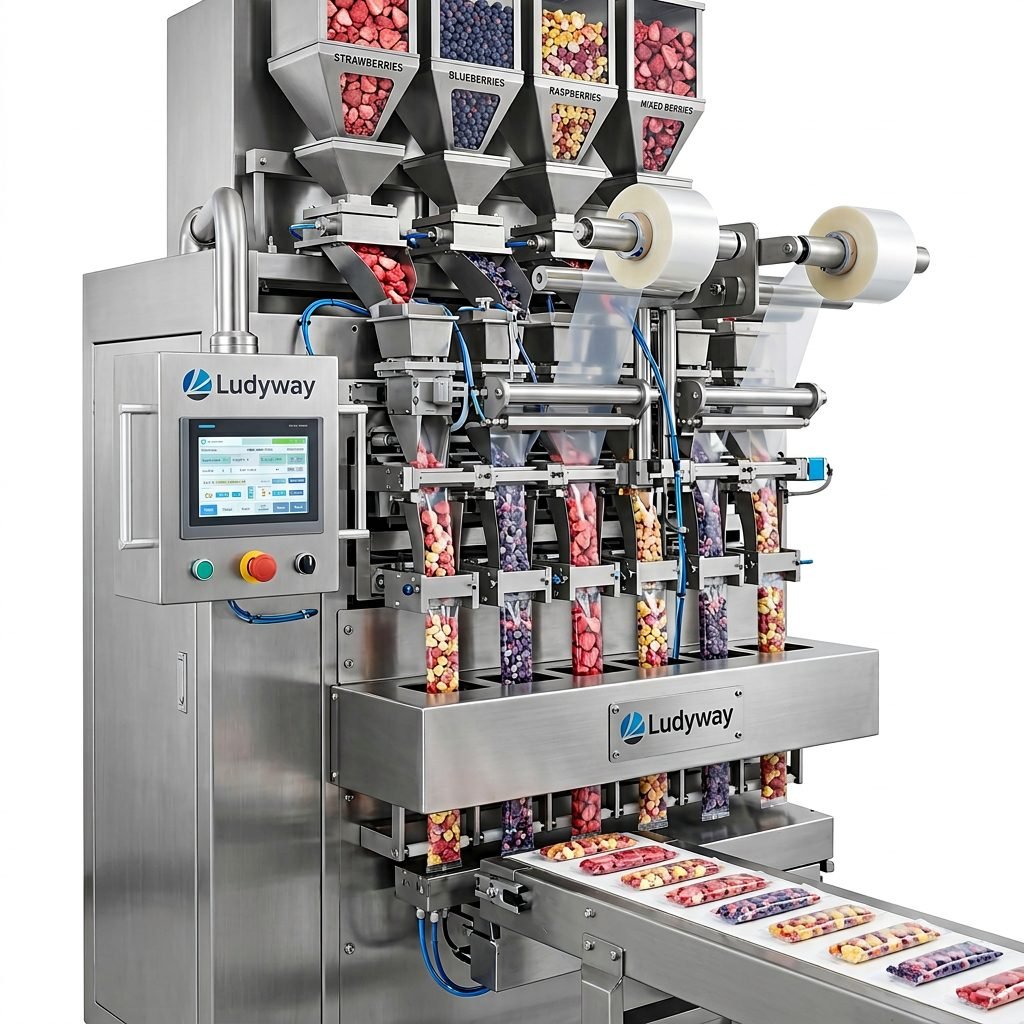
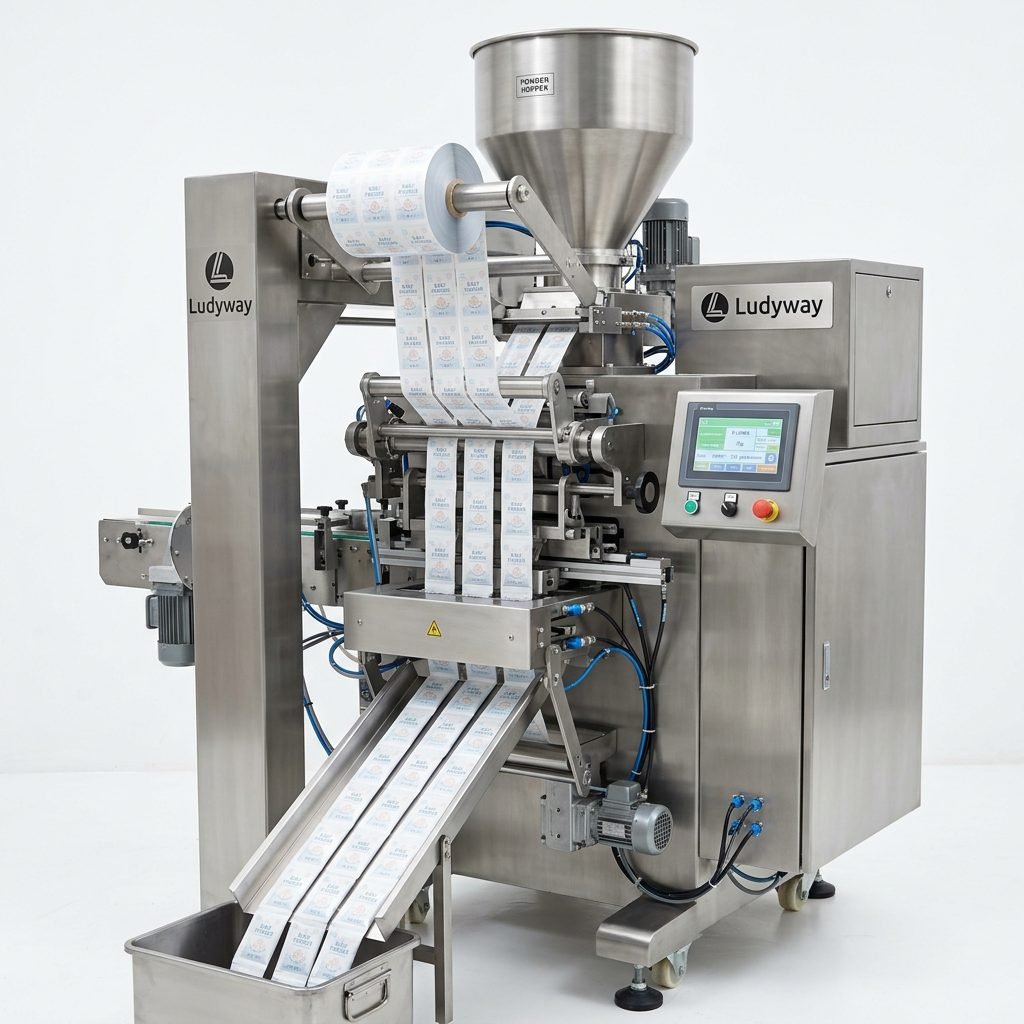
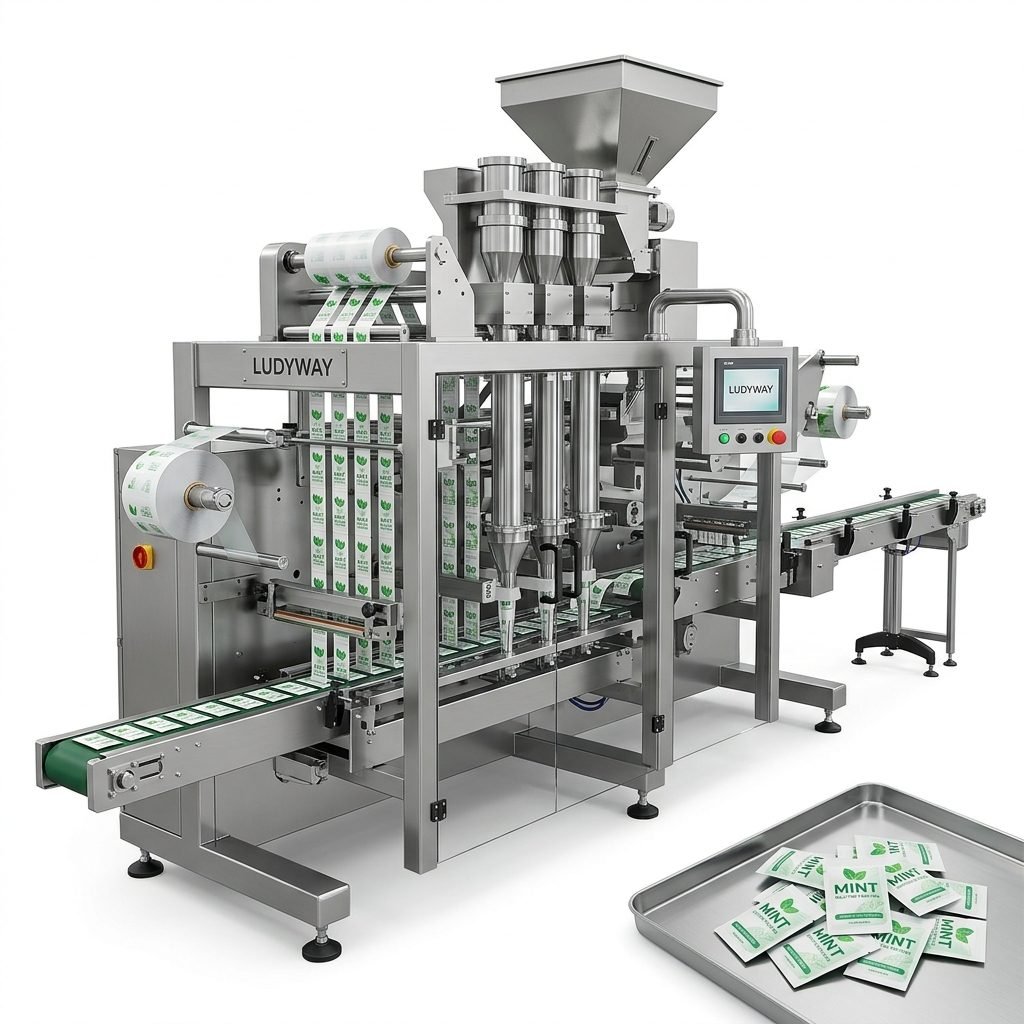
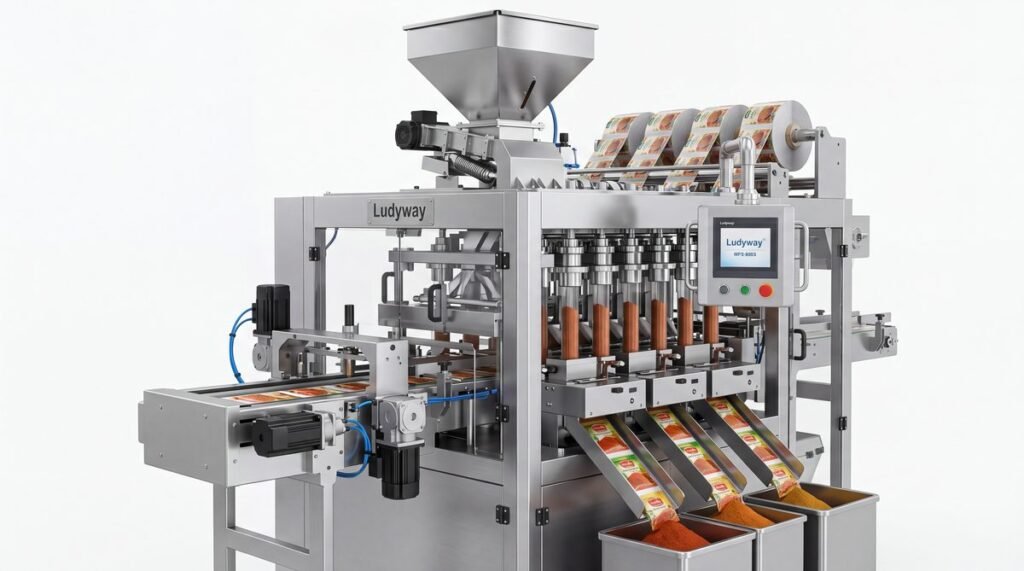
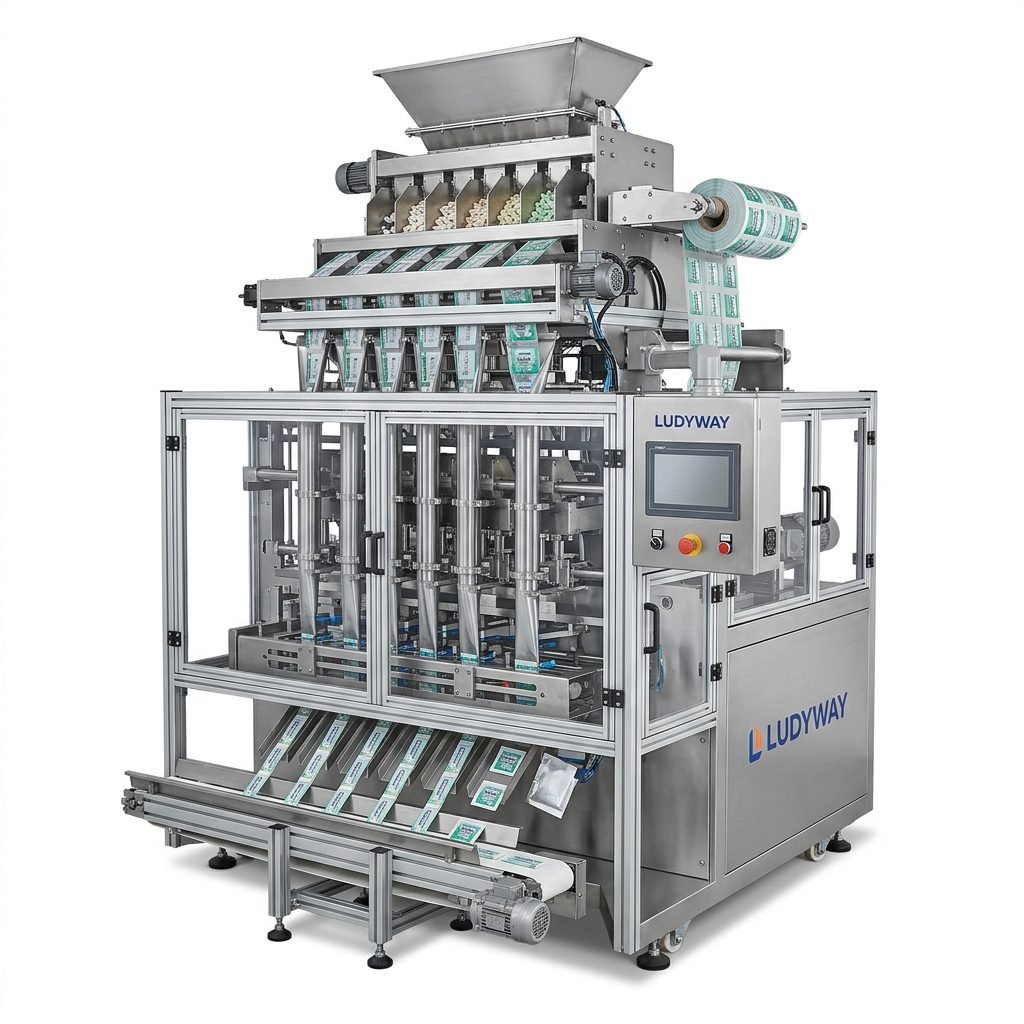
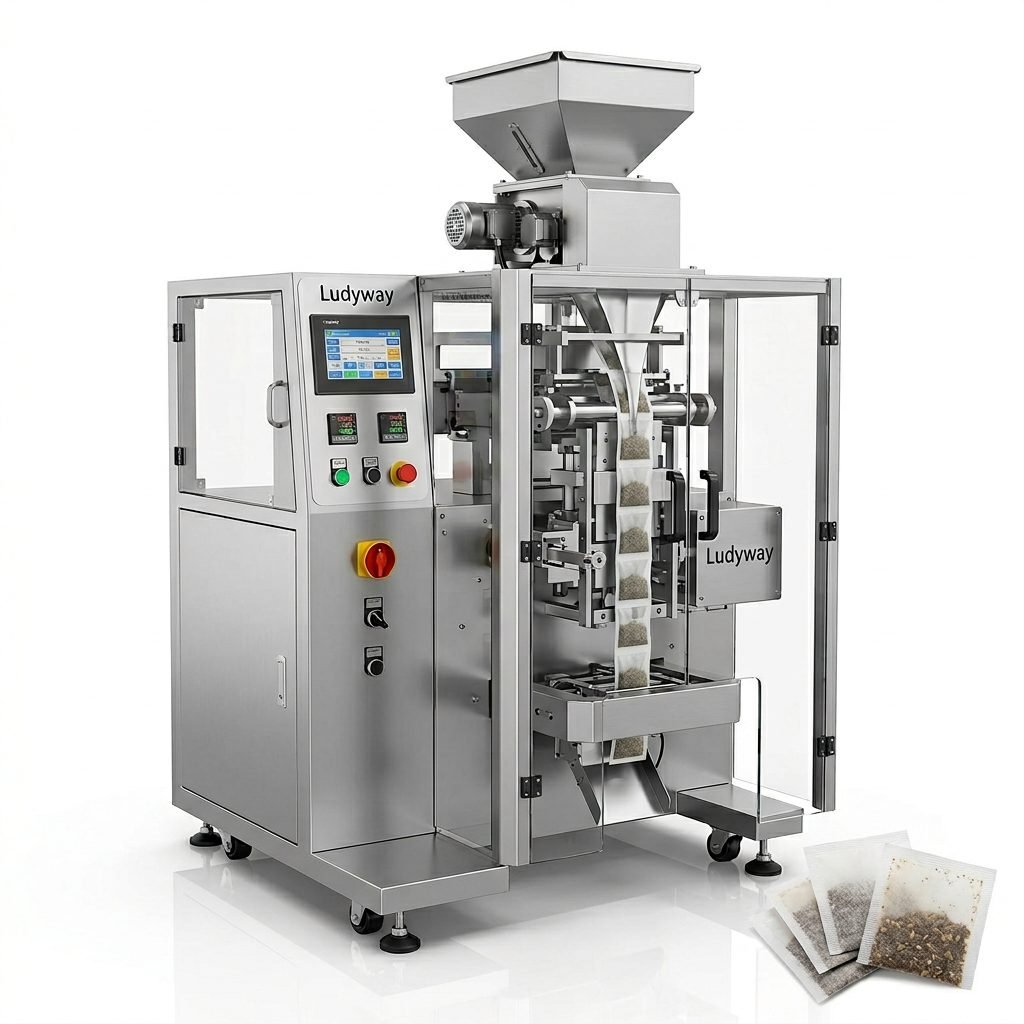
A tea bag filling machine is an automated packaging system designed to measure, fill, form, and seal tea into ready-to-sell bag formats. It is widely used for black tea, green tea, herbal tea, flower tea, fruit tea, wellness blends, and functional tea products. For tea brands, contract packers, and food manufacturers, this equipment helps improve filling accuracy, packaging speed, hygiene, and product consistency.
In modern tea production, demand is no longer limited to standard flat tea bags. Buyers often need pyramid bags, double-chamber tea bags, inner and outer envelope packs, string-and-tag formats, and high-speed sachet solutions. That is why choosing the right machine matters for both production efficiency and brand presentation.
What Does a Tea Bag Filling Machine Do?
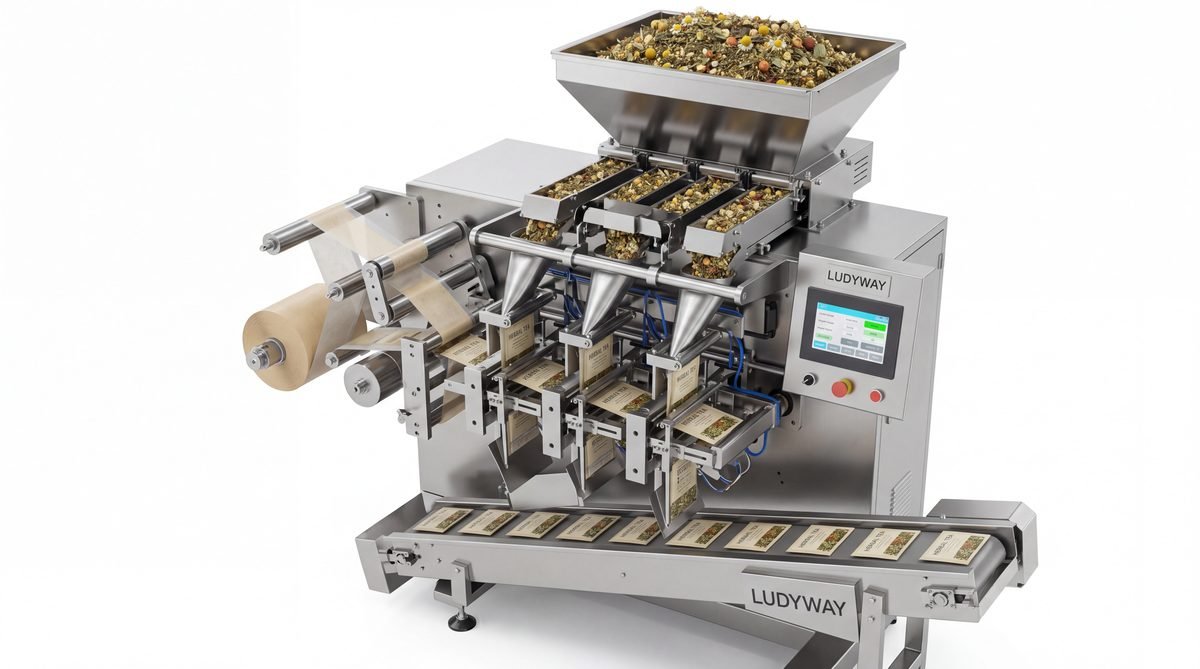
A tea bag filling machine automates the core tea bag packaging process. Instead of manual filling and sealing, the machine completes multiple steps in sequence:
- Feeds tea material into the system
- Measures the required dose by weight or volume
- Forms the filter paper or bag material
- Fills the tea into each bag
- Seals the tea bag
- Adds string and tag if required
- Packs the finished tea bag into an outer envelope or pouch if needed
This allows manufacturers to reduce labor costs while maintaining a more uniform product. For delicate tea blends or premium retail presentation, automation also helps reduce contamination risk and keeps the packaging process more stable.
How a Tea Bag Filling Machine Works
Although machine structures vary by model, the operating principle is usually straightforward. Below is a typical workflow:
- Tea feeding: Bulk tea is loaded into a hopper or feeding system.
- Dosing: The machine measures a preset amount for each tea bag.
- Bag forming: Filter paper or packaging film is shaped into the tea bag structure.
- Filling: The measured tea is dropped into the formed bag.
- Sealing: Heat sealing, ultrasonic sealing, or stitching-style sealing secures the bag.
- Attachment: In some models, string, tag, and thread are attached automatically.
- Secondary packaging: Optional outer envelope or pouch packaging improves shelf life and appearance.
- Discharge: Finished tea bags exit for collection, cartoning, or case packing.
More advanced systems may include date coding, nitrogen flushing, counting, cartoning, and inspection functions, especially for export-oriented tea packaging operations.
Main Types of Tea Bag Filling Machines
Tea manufacturers should select the machine type based on tea material, bag style, speed requirements, and target market positioning.
| Machine Type | Best For | Typical Features |
|---|---|---|
| Single Chamber Tea Bag Machine | Basic tea bag production | Simple structure, economical, suitable for standard tea bags |
| Double Chamber Tea Bag Machine | Traditional retail tea bags | Thread and tag attachment, better brewing flow |
| Pyramid Tea Bag Machine | Premium loose-leaf tea, herbal blends | 3D bag shape, supports larger leaf size, high-end presentation |
| Tea Bag with Outer Envelope Machine | Moisture-sensitive or export products | Inner bag plus outer sachet, improved protection and branding |
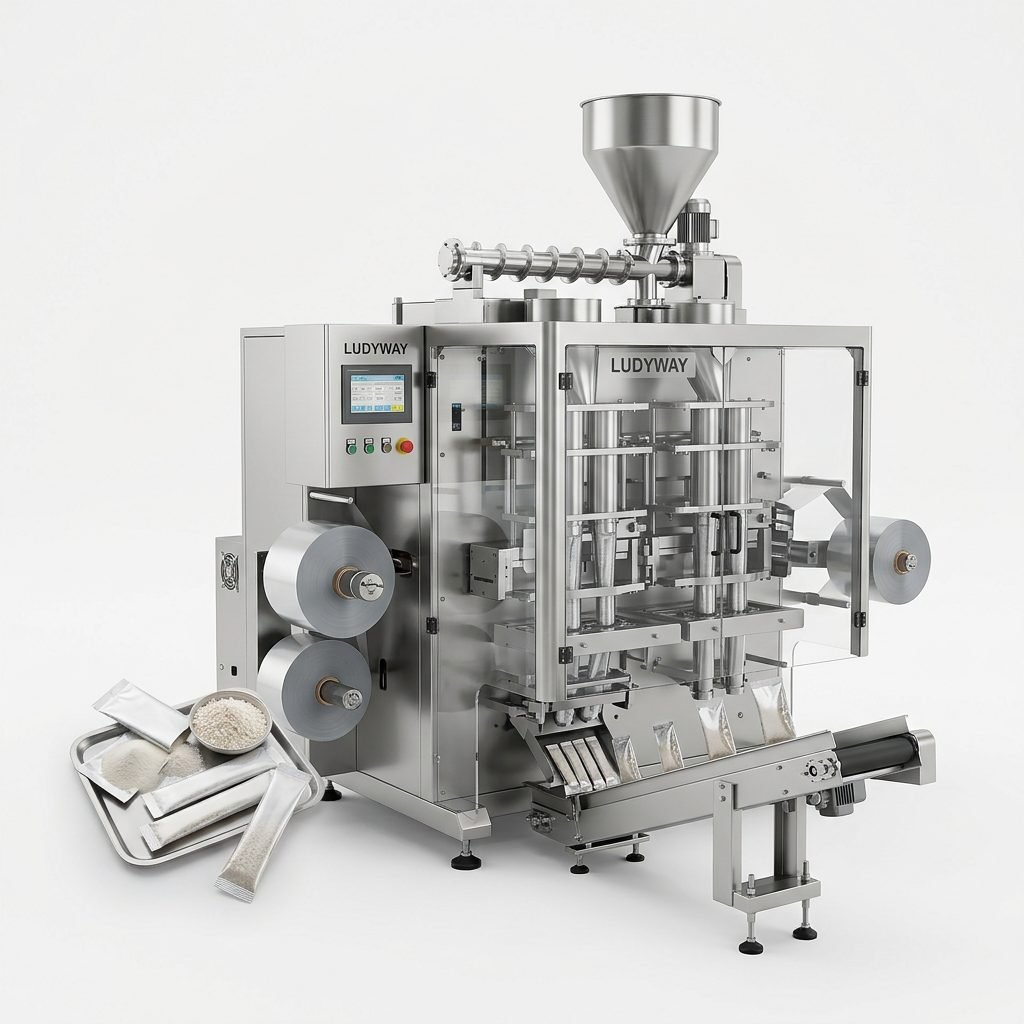
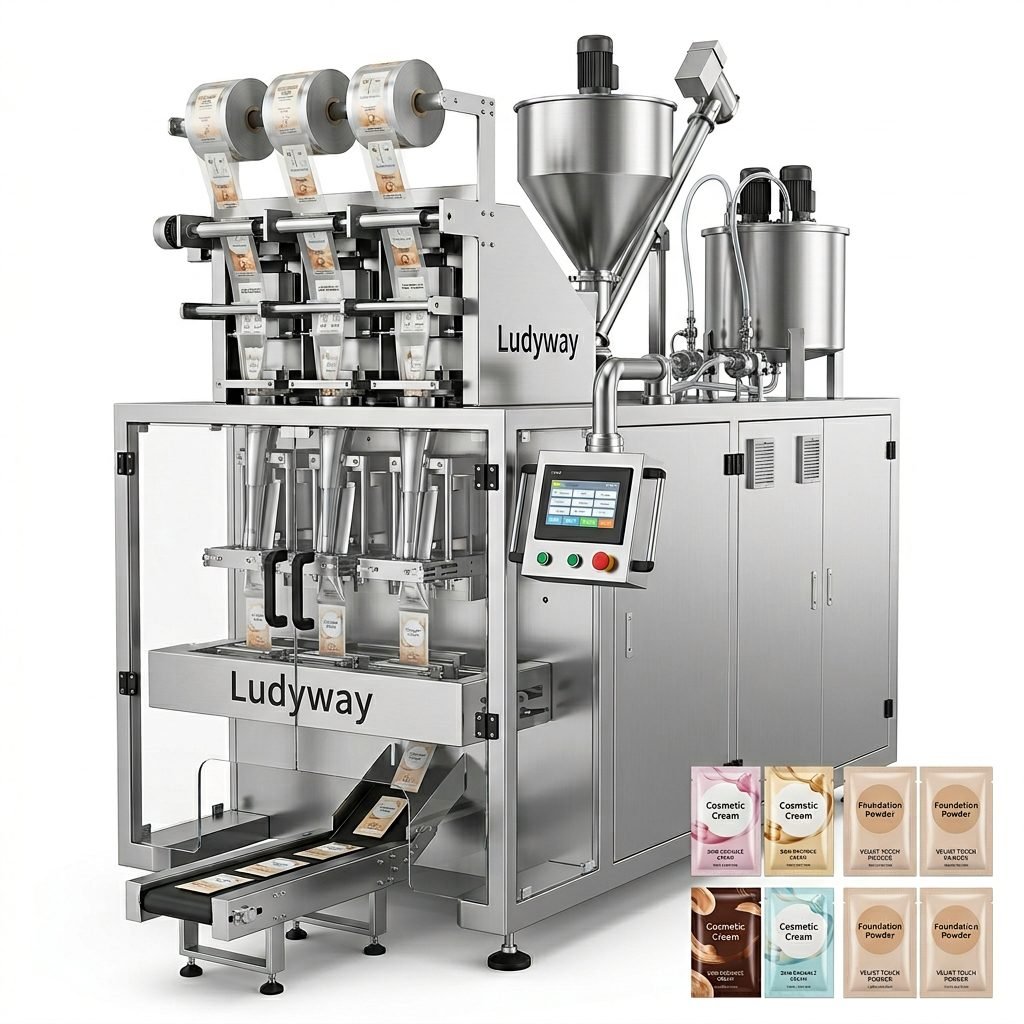
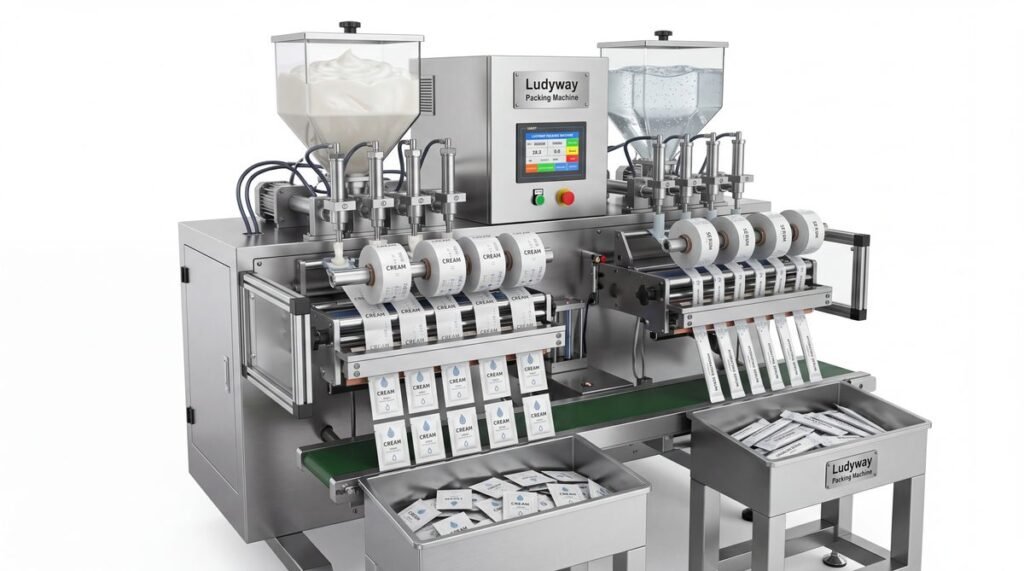
| Multi-Lane Sachet or Stick Pack Machine | Tea powder, instant tea, fruit tea granules | High speed, multiple lanes, ideal for soluble tea products |
What Products Can Be Packed?
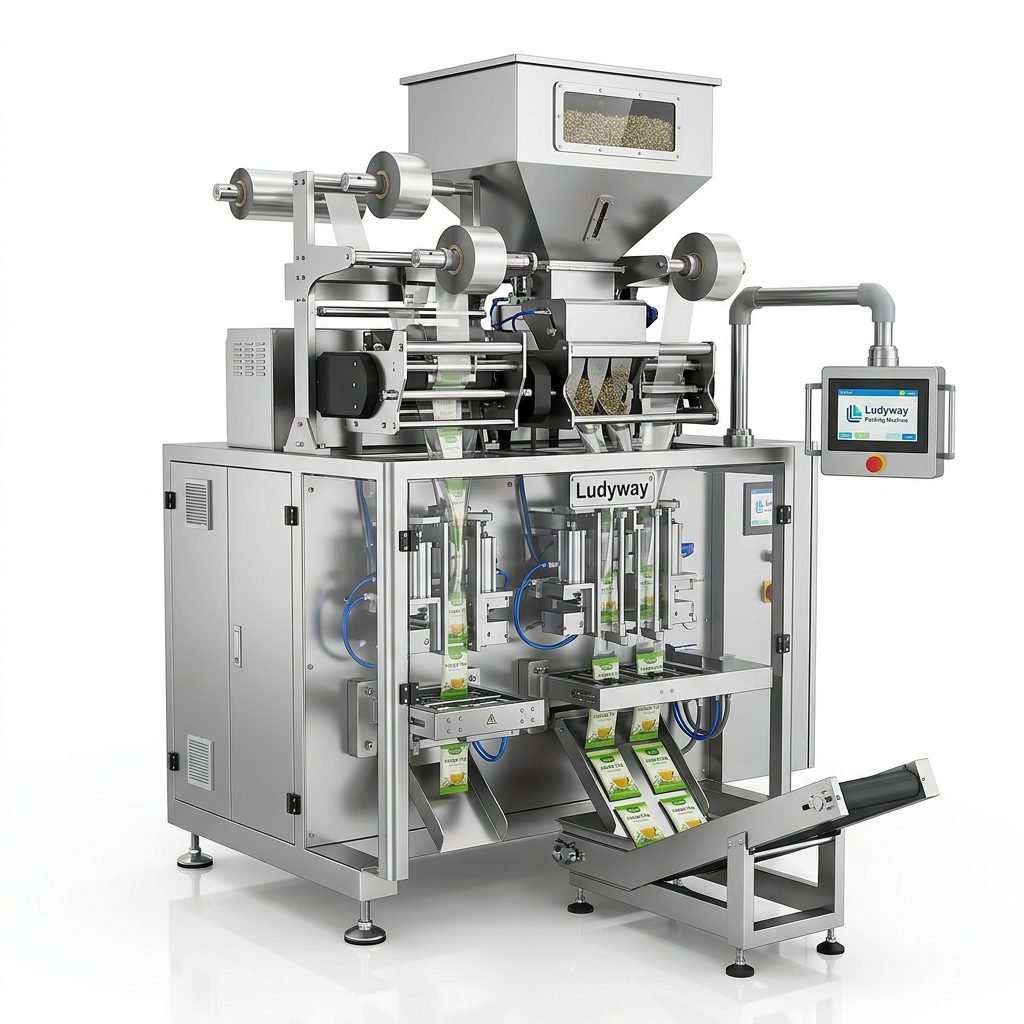
A tea bag filling machine can handle a wide range of tea-related materials, but the exact suitability depends on the dosing system and bag format. Common products include:
- Black tea
- Green tea
- White tea
- Oolong tea
- Herbal tea blends
- Flower tea
- Fruit tea pieces
- Detox tea
- Functional wellness tea
- Instant tea powder
- Tea granules
- Medicinal or botanical infusions
If the product contains large leaf particles, dried flowers, roots, or mixed botanical ingredients, a machine with gentle feeding and compatible bag size is usually the better option.
Key Components of a Tea Bag Filling Machine
Understanding the main machine parts can help buyers evaluate quality and long-term maintenance needs.
1. Feeding System
This transfers tea material from the hopper into the dosing unit. The design should reduce bridging, dust, and leaf breakage.
2. Dosing Unit
The dosing mechanism determines filling precision. Depending on the product, machines may use volumetric cups, augers, weighers, or special counting and measuring systems.
3. Bag Forming Device
This section shapes the packaging material into the required tea bag style. Consistent forming is essential for clean seals and attractive final appearance.
4. Sealing System
The machine seals the tea bag using heat or ultrasonic technology. Seal quality directly affects leakage prevention and shelf life.
5. Control Panel
Modern machines usually include PLC control and touch-screen operation for easy parameter adjustment, production monitoring, and fault diagnosis.
6. Discharge or Secondary Packing Unit
Finished tea bags can be collected directly or transferred to an outer envelope machine, cartoner, or other end-of-line packaging equipment.
Benefits of Using a Tea Bag Filling Machine
For commercial tea production, the advantages go beyond speed alone.
- Higher efficiency: automated production greatly increases output compared with manual packing.
- Better filling accuracy: helps maintain consistent tea weight in every bag.
- Improved hygiene: reduces direct human contact with tea materials.
- Lower labor dependency: fewer operators are needed for repetitive packaging tasks.
- Enhanced product appearance: cleaner seals and uniform bag formation support premium branding.
- Flexible packaging: supports different bag sizes, tea types, and optional outer packaging.
- Scalable production: suitable for small factories, growing tea brands, and high-volume manufacturers.
Tea Bag Machine vs Manual Tea Packing
| Factor | Manual Packing | Tea Bag Filling Machine |
|---|---|---|
| Speed | Low | High |
| Accuracy | Variable | Stable and repeatable |
| Labor Cost | High | Lower over time |
| Hygiene Control | Limited | Better controlled |
| Appearance Consistency | Uneven | Uniform |
| Production Scale | Small only | Small to industrial scale |
How to Choose the Right Tea Bag Filling Machine
Before buying, it is important to match the machine to your product and production goals. Consider the following points:
Tea Material Characteristics
Fine tea dust, broken leaves, whole leaves, flowers, and fruit pieces behave differently in a filling system. The more irregular the material, the more important the dosing design becomes.
Bag Style
Do you need flat tea bags, pyramid tea bags, or tea bags with outer envelopes? The bag type will affect machine structure and cost.
Output Requirement
A startup brand may only need moderate speed, while a contract packaging factory may need continuous high-output operation. Choose a machine that supports future growth.
Packaging Material Compatibility
Check whether the machine supports your preferred filter paper, nylon mesh, non-woven fabric, biodegradable film, or laminated outer wrapping material.
Automation Level
Some buyers only need inner bag filling, while others need a complete line with envelope packing, coding, cartoning, and case packing.
After-Sales Support
Spare parts, installation guidance, operator training, and technical service are very important for stable long-term production.
Common Industries That Use Tea Bag Filling Machines
- Tea processing factories
- Herbal product manufacturers
- Health supplement brands
- Food and beverage companies
- Contract packaging providers
- Pharmaceutical and wellness product packers
- Export-oriented private label producers
Important Maintenance Tips
Proper maintenance helps keep the machine accurate, clean, and reliable. Good daily practice includes:
- Cleaning product-contact parts after each shift
- Checking seals, cutters, and moving parts regularly
- Monitoring filling accuracy and adjusting parameters when needed
- Lubricating designated components according to the manual
- Replacing worn parts before they affect production
- Keeping electrical and pneumatic systems inspected
Is a Tea Bag Filling Machine Worth the Investment?
For most growing tea businesses, the answer is yes. If your production volume is increasing, manual packaging quickly becomes a bottleneck. An automatic tea bag filling machine can improve output, reduce waste, enhance presentation, and support more professional market expansion.
It is especially valuable for businesses launching premium herbal teas, private label tea ranges, export-ready tea products, or retail packs that demand consistency and attractive packaging.
Finding a Reliable Packaging Equipment Partner
Choosing the right supplier is as important as choosing the right machine. An experienced manufacturer can help evaluate tea characteristics, recommend the proper dosing and bag type, and build a packaging solution that fits your output and budget. Companies looking for broader automation support can also work with Ludyway tea bag filling machine solutions, backed by more than 30 years of packaging machinery experience and turnkey line capability across food, pharmaceutical, health supplement, and related industries.
Final Thoughts
A tea bag filling machine is a practical and strategic investment for tea manufacturers seeking efficient, hygienic, and consistent packaging. Whether you produce classic tea bags, premium pyramid bags, herbal blends, or instant tea sachets, the right equipment can significantly improve both production performance and product value.
By understanding how the machine works, the available types, and the benefits it brings, you can make a smarter decision and build a tea packaging process that is ready for long-term growth.