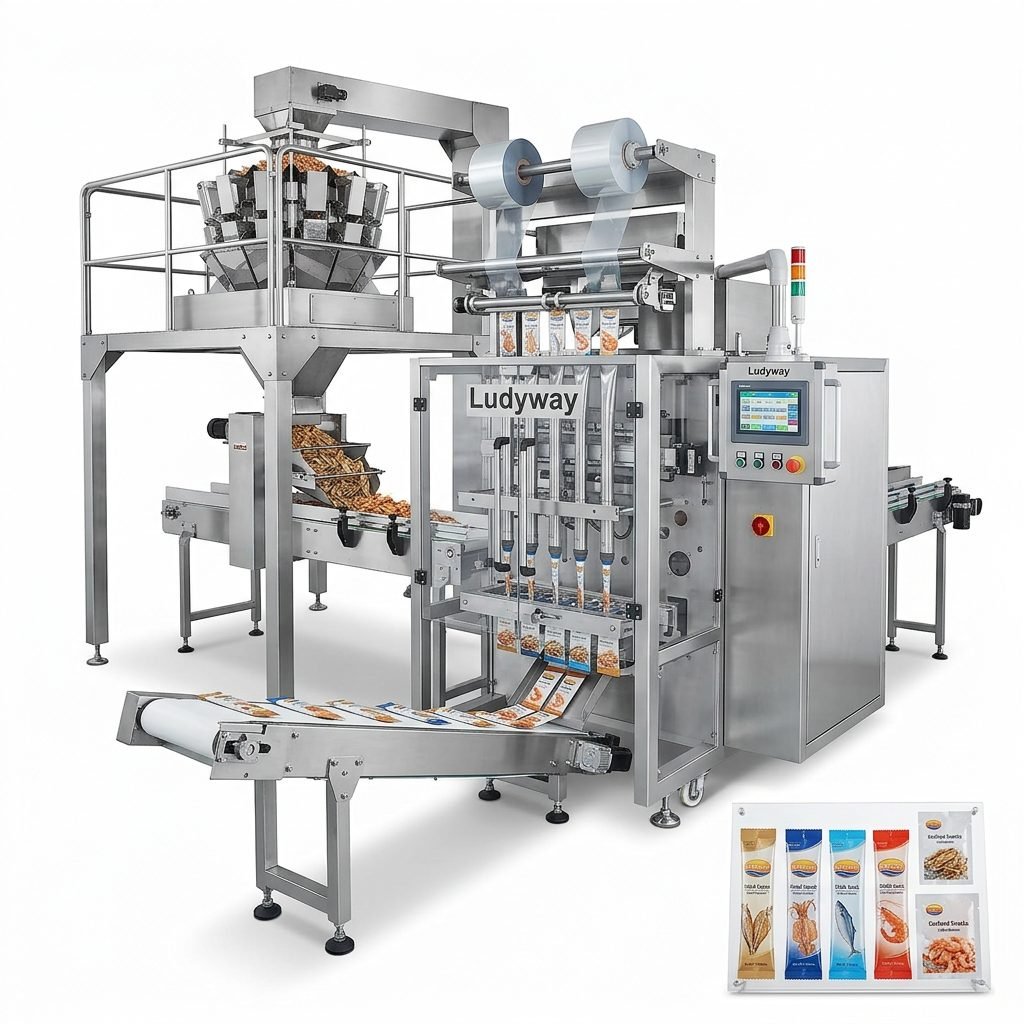
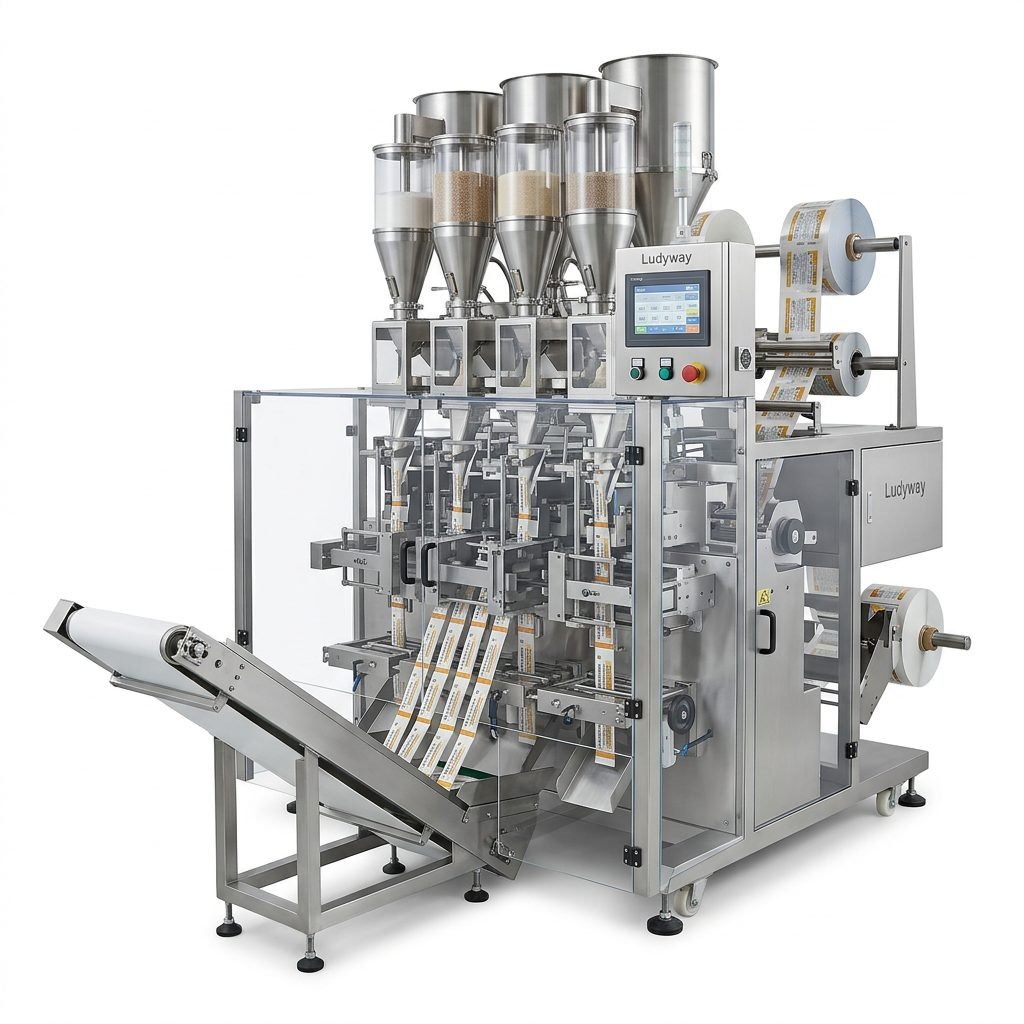
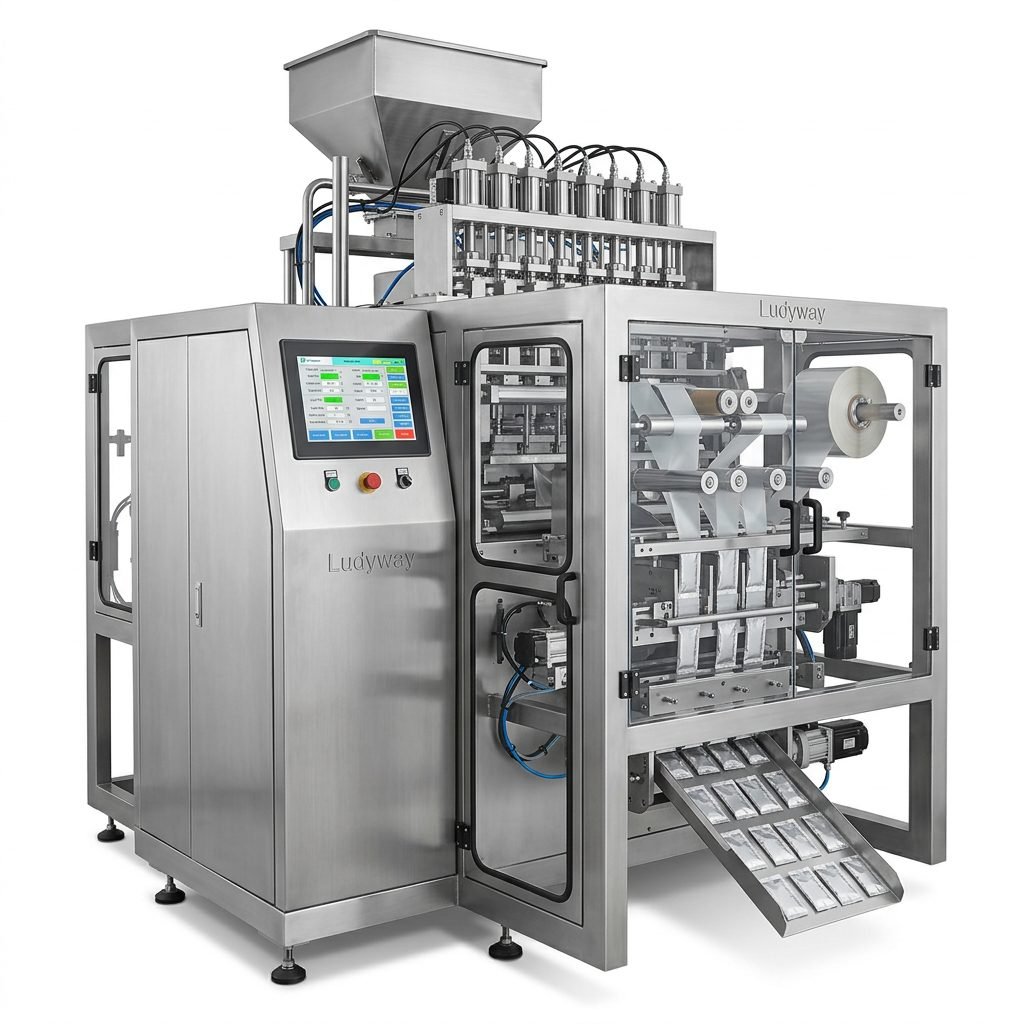
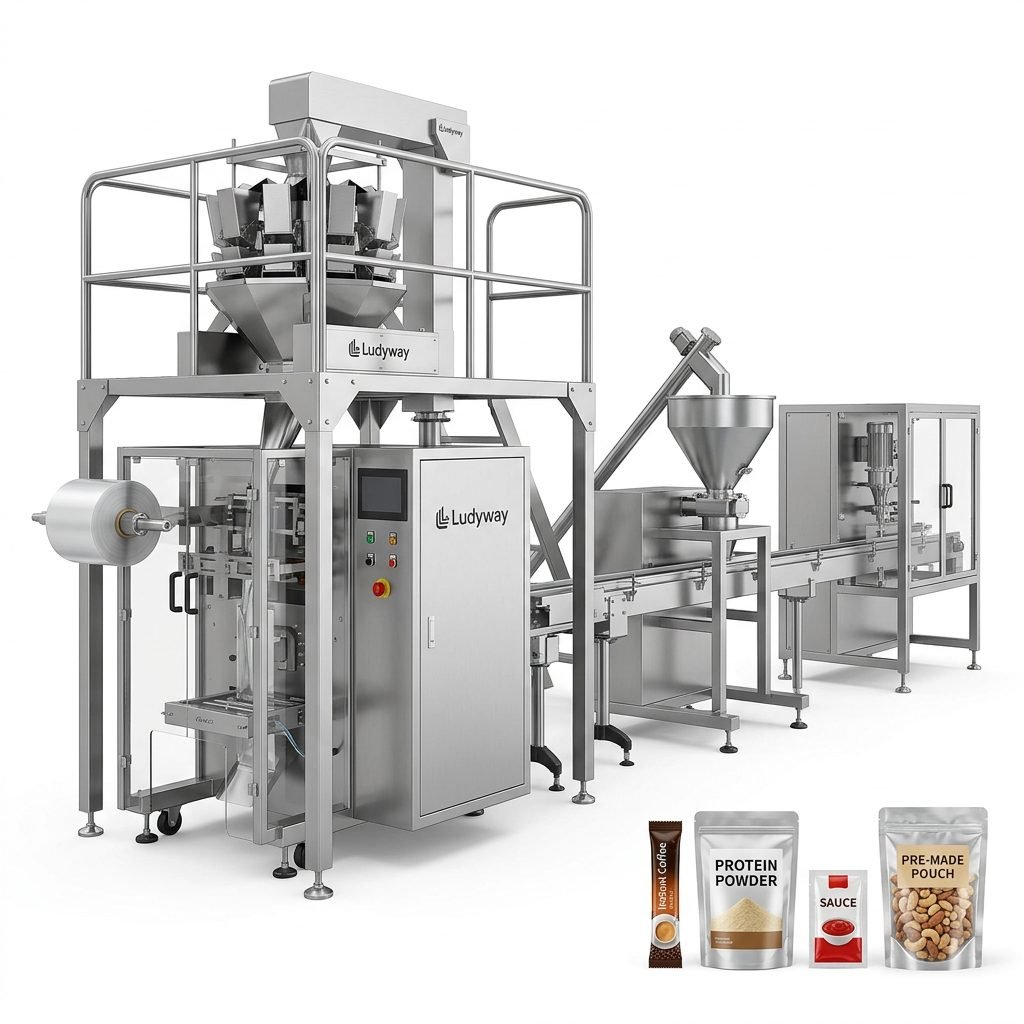
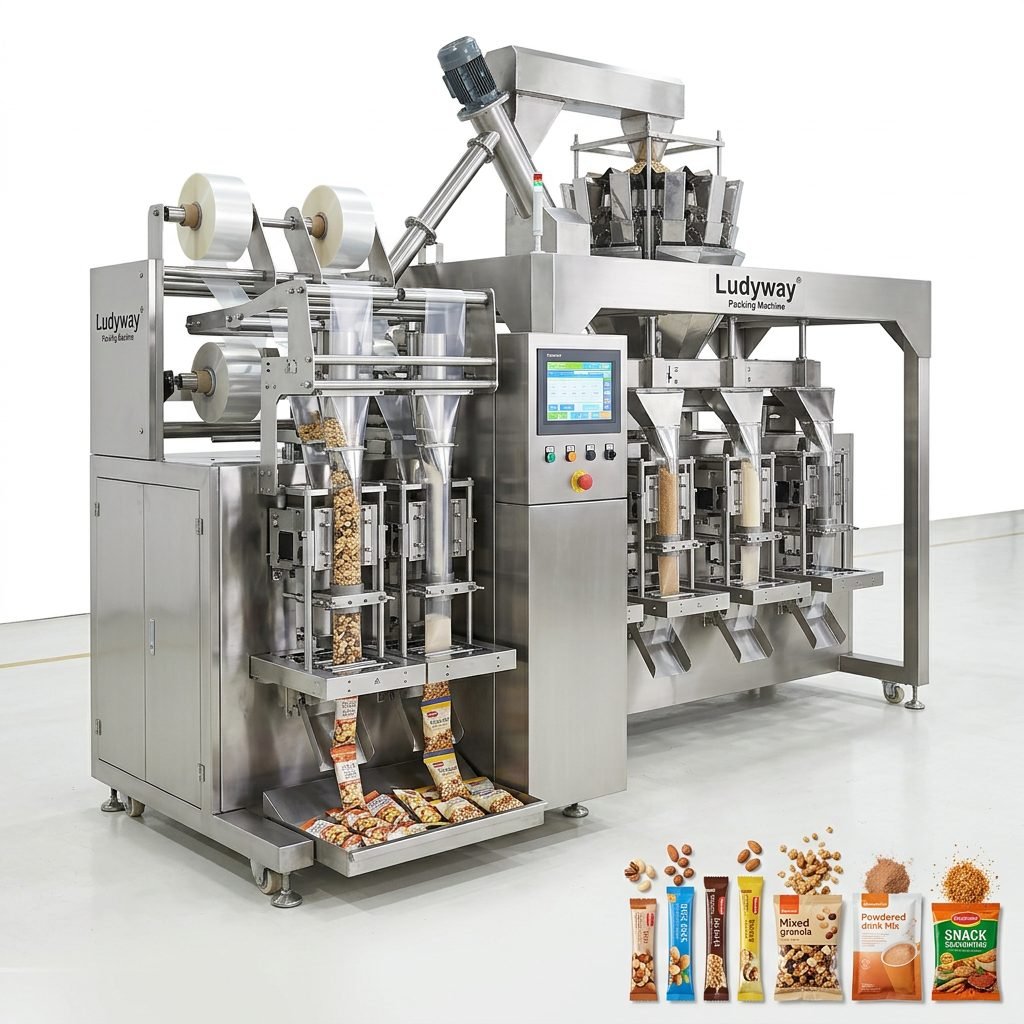
Stick pack packaging is widely used for single-serve, portable, and precisely measured products. Its slim, narrow shape makes it ideal for powders, granules, liquids, gels, and fine blends that need convenient portion control, clean dispensing, and attractive shelf presentation.
You can find stick packs in industries such as food, beverages, pharmaceuticals, nutraceuticals, cosmetics, personal care, and household chemicals. From instant coffee and electrolyte powder to collagen, oral rehydration salts, shampoo, and liquid supplements, stick packs are now one of the most practical flexible packaging formats for modern consumers.
What is stick pack packaging?
Stick pack packaging is a form of flexible packaging that creates long, narrow sealed pouches designed to hold a small amount of product. These pouches are commonly used for unit-dose or single-use applications.
Compared with traditional sachets, stick packs usually:
- Use less film material for the same fill volume
- Offer a cleaner and more controlled pouring experience
- Fit easily into bags, pockets, cartons, and display boxes
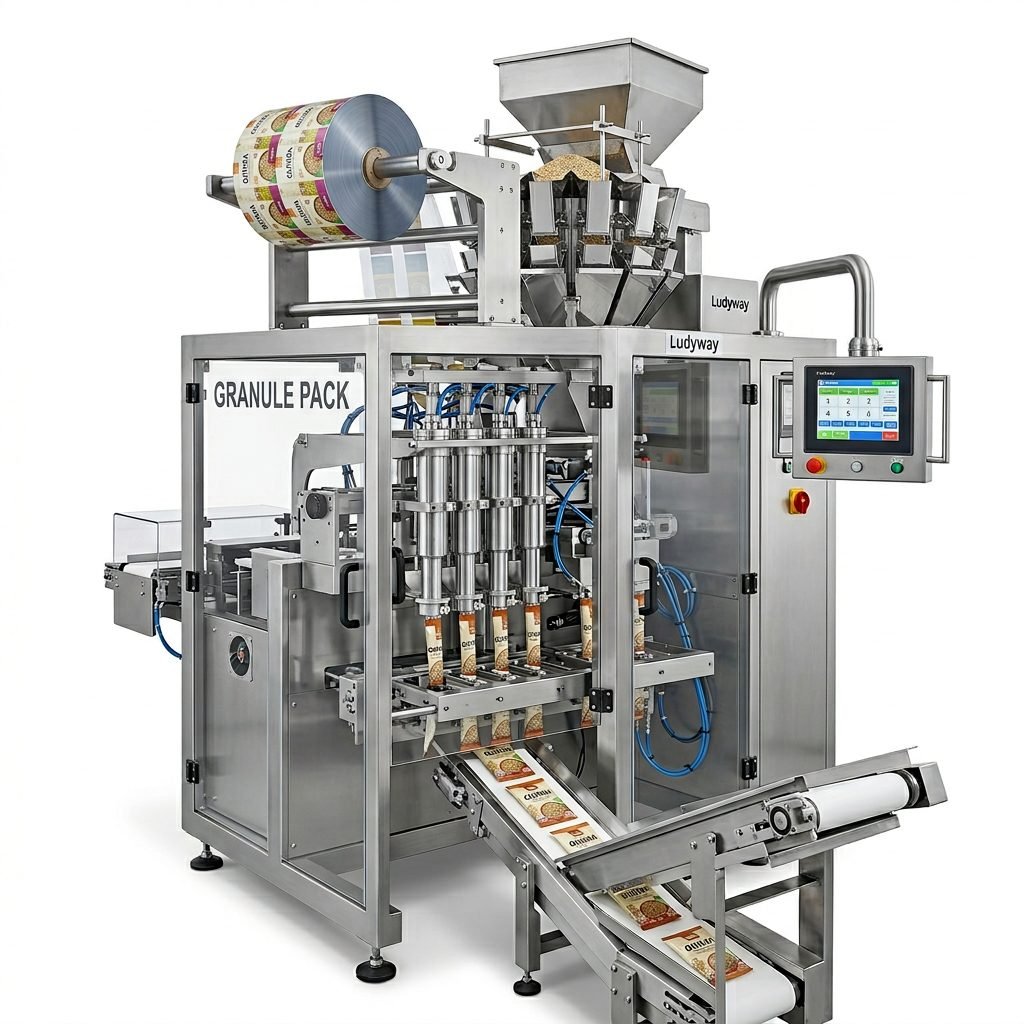
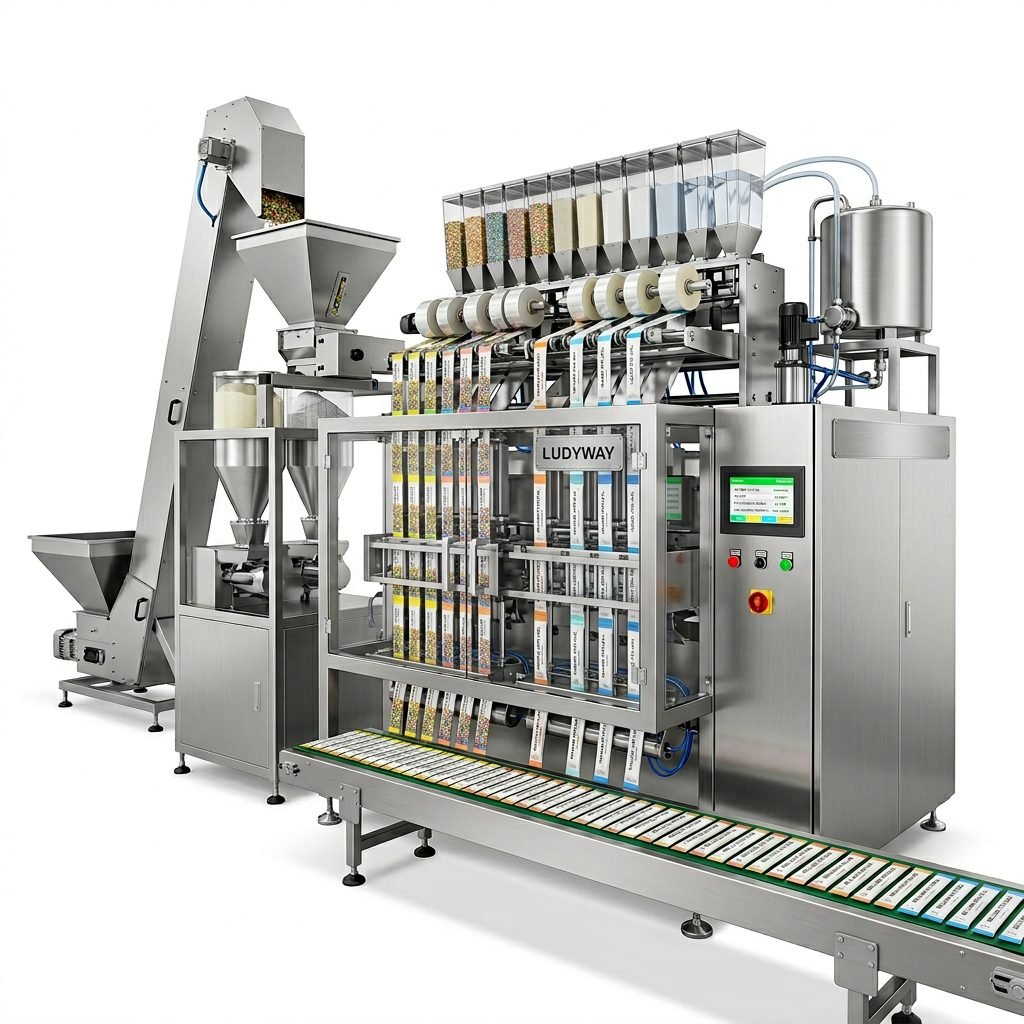
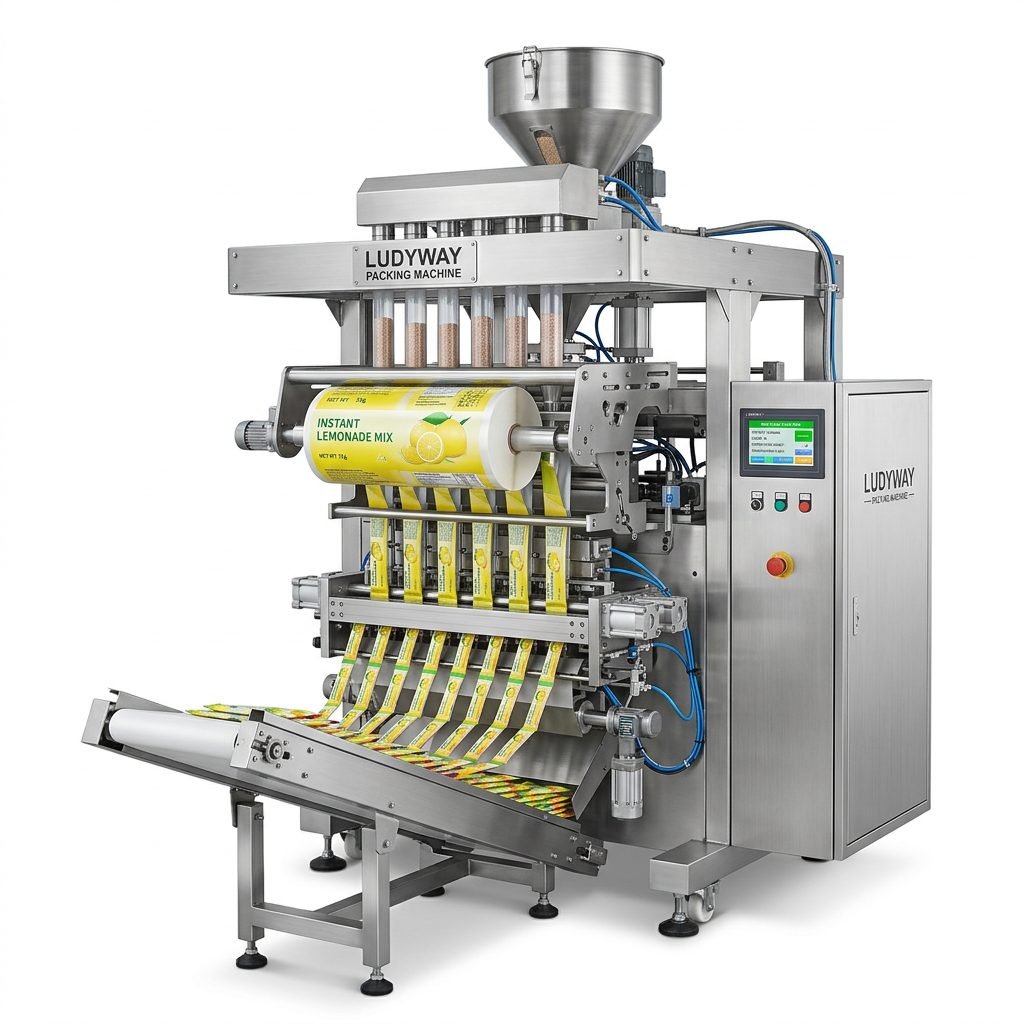
- Support high-speed automated production with multi-lane equipment
What products are commonly packed in stick packs?
Stick packs are extremely versatile. They work well for free-flowing, semi-free-flowing, and certain liquid products when paired with the right filling system.
| Product Category | Common Stick Pack Products | Why Stick Packs Work Well |
|---|---|---|
| Food & Beverage | Coffee, sugar, salt, seasoning powder, drink mix, milk tea powder, honey, sauce | Portable servings, easy tear-open use, good dosage control |
| Pharmaceutical | Oral powders, rehydration salts, medical granules, liquid doses | Accuracy, hygiene, tamper resistance, convenient single-dose packaging |
| Nutraceutical | Collagen, creatine, electrolytes, probiotics, vitamin powders | Travel-friendly, premium look, portion consistency |
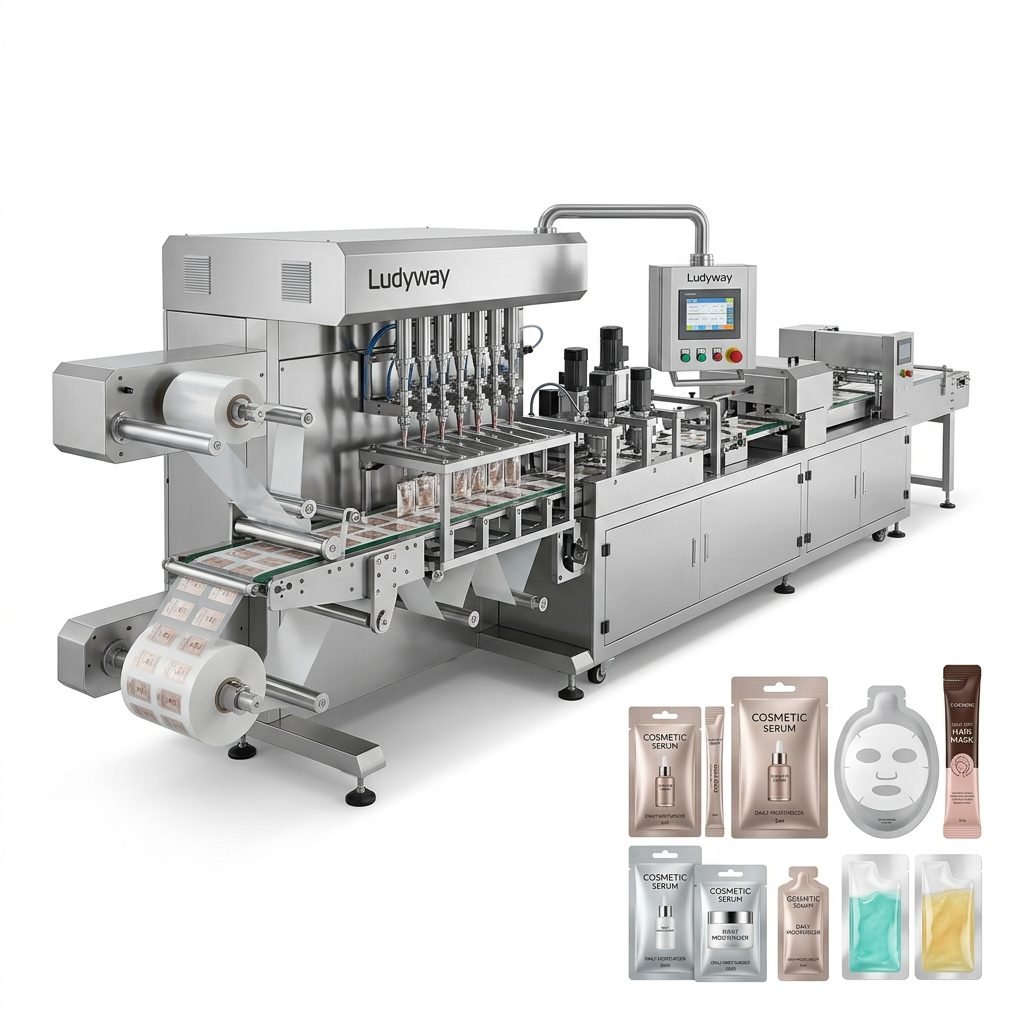
| Cosmetics & Personal Care | Serums, shampoo, lotion, conditioner, cream samples | Ideal for sampling, retail trial packs, and on-the-go use |
| Chemical & Household | Detergent, cleaning powder, liquid cleaner, additives | Measured use, reduced waste, easier shipping and storage |
Main benefits of stick pack packaging
1. Excellent portion control
One of the biggest reasons brands choose stick packs is dosage accuracy. Each pack contains a consistent amount, which is especially important for supplements, pharmaceuticals, sweeteners, beverage powders, and functional nutrition products.
2. Convenience for consumers
Stick packs are easy to carry, open, and use. Consumers can pour the contents directly into water bottles, cups, food products, or onto the tongue, depending on the formula. This convenience supports active lifestyles and impulse purchasing.
3. Better portability
Their slim format is perfect for travel, gym bags, office drawers, hotel amenities, airline kits, medical use, and retail multipacks. Portable packaging often increases repeat use and brand visibility.
4. Lower material usage
Compared with many wider sachet formats, stick packs can reduce packaging film consumption while still delivering a strong visual presence. That may support cost control and sustainability goals when designed correctly.
5. High-speed production capability
Modern multi-lane stick pack machines can produce large volumes efficiently, making this format suitable for manufacturers that need high output with consistent seal quality and filling precision.
6. Strong shelf appeal
Stick packs look clean, modern, and premium. They also work well in cartons, display boxes, retail kits, and e-commerce bundles. Their shape helps brands create a differentiated product presentation.
Common applications of stick pack packaging
Stick pack packaging is used across many commercial and industrial applications because it supports both product protection and user convenience.
Food and beverage applications
- Instant coffee and coffee creamer
- Sugar, salt, and sweeteners
- Soup powder and seasoning mixes
- Protein powder and meal replacement products
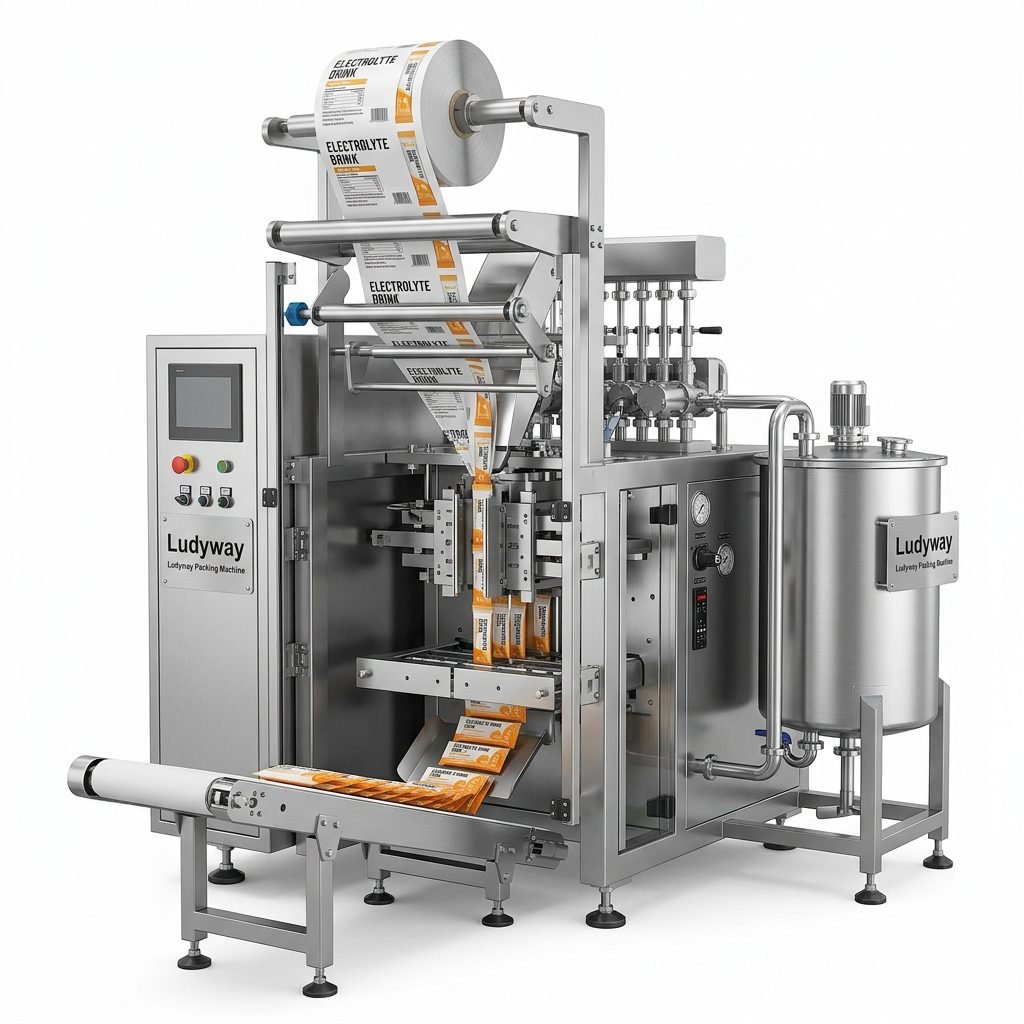
- Electrolyte drink powders and hydration mixes
- Honey, ketchup, sauces, and flavored syrups
Pharmaceutical and health applications
- Oral rehydration salts
- Granule medicines and powdered supplements
- Functional nutrition formulas
- Probiotics and collagen products
- Single-dose liquid health products
Cosmetic and personal care applications
- Shampoo and conditioner samples
- Facial serums and creams
- Lotion, gel, and body care products
- Travel-size and promotional packs
Industrial and household applications
- Cleaning powders and liquids
- Detergent concentrates
- Chemical additives and treatment agents
- Single-use maintenance products
Why brands prefer stick packs over other small-pack formats
Many buyers compare stick packs with sachets, pouches, bottles, or rigid single-dose formats. Stick packs are often chosen because they balance cost efficiency, branding flexibility, and user convenience.
| Format | Key Strength | Typical Limitation |
|---|---|---|
| Stick Pack | Slim design, precise dose, convenient pouring | Not ideal for large-volume products |
| Sachet | Flexible for wider product shapes and volumes | Usually bulkier and less controlled in pouring |
| Bottle/Vial | Strong protection and premium feel | Higher packaging and logistics costs |
| Jar/Canister | Suitable for bulk products | Less convenient for on-the-go single servings |
Which industries benefit most from stick pack packaging?
The industries that benefit most are those that require single-dose convenience, product freshness, and production efficiency. These commonly include:
- Food and instant beverage manufacturing
- Pharmaceutical production
- Nutraceutical and dietary supplement brands
- Cosmetic sampling and travel-size packaging
- Household and chemical product filling
For these sectors, stick packs help improve dosage consistency, reduce contamination risk, and simplify storage and transportation.
What should manufacturers consider before choosing stick pack packaging?
Not every product behaves the same in a stick pack line. Before selecting this format, manufacturers should evaluate:
- Product type: powder, granule, liquid, paste, or gel
- Flow characteristics: whether the material bridges, clumps, foams, or leaks
- Target fill weight or volume: single-use dosage requirements
- Barrier needs: moisture, oxygen, light, and aroma protection
- Production speed: required output and lane configuration
- Retail presentation: carton loading, bundle packaging, and branding needs
- Regulatory requirements: especially for food, pharma, and health products
Choosing the correct machine design, sealing system, dosing method, and film structure is critical for packaging performance.
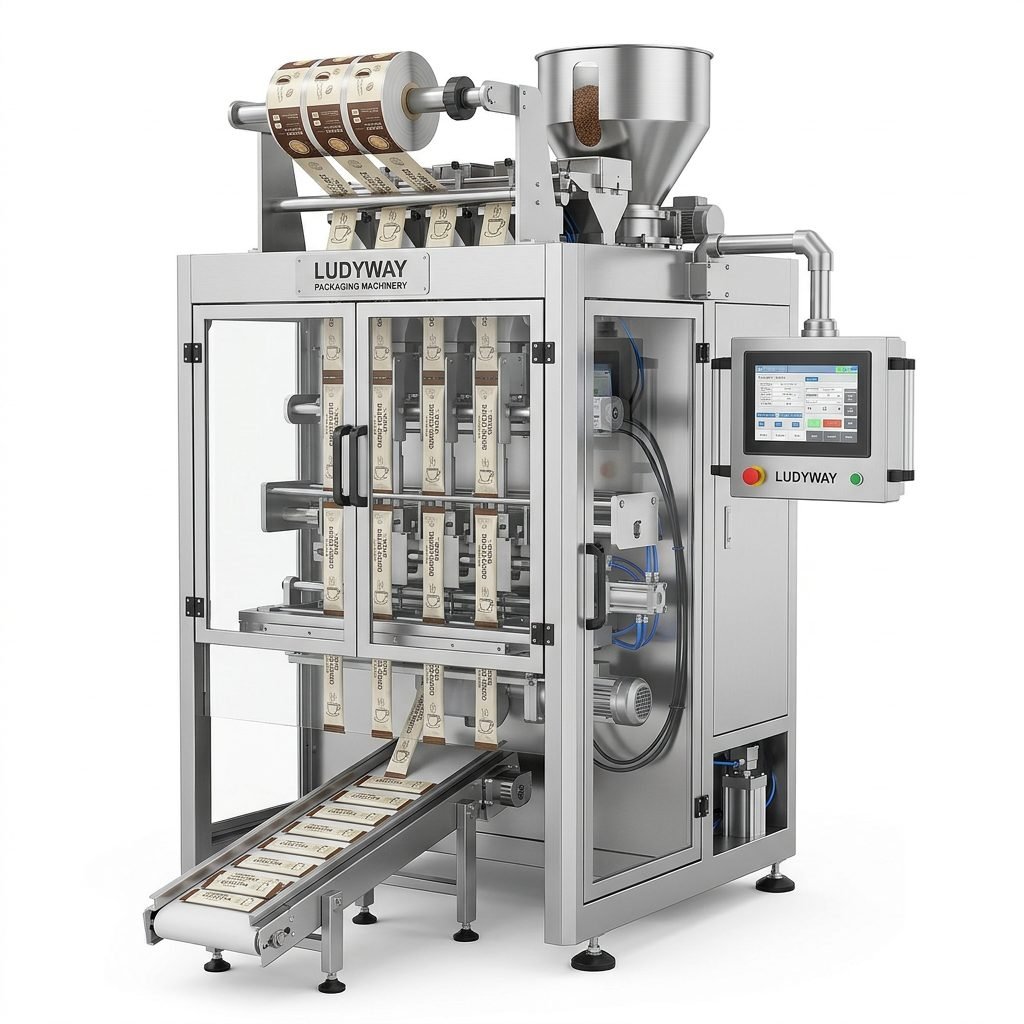
Stick pack machinery and automation trends
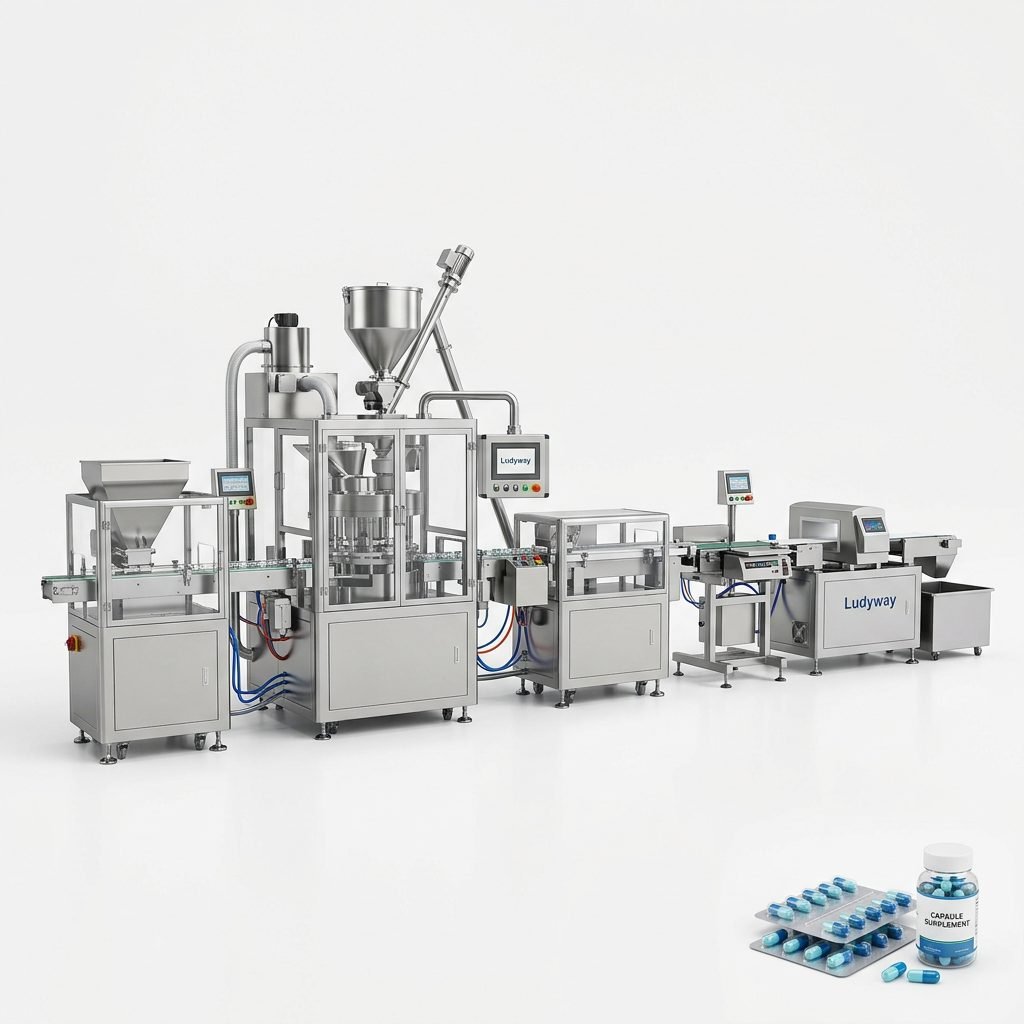
As demand grows, more manufacturers are moving from manual or semi-automatic systems to fully automated stick pack lines. High-speed systems may include:
- Multi-lane stick pack forming, filling, and sealing
- Auger fillers for powders
- Volumetric or counting systems for granules
- Piston or pump fillers for liquids and gels
- Checkweighing, metal detection, and vision inspection
- Cartoning, case packing, and palletizing integration
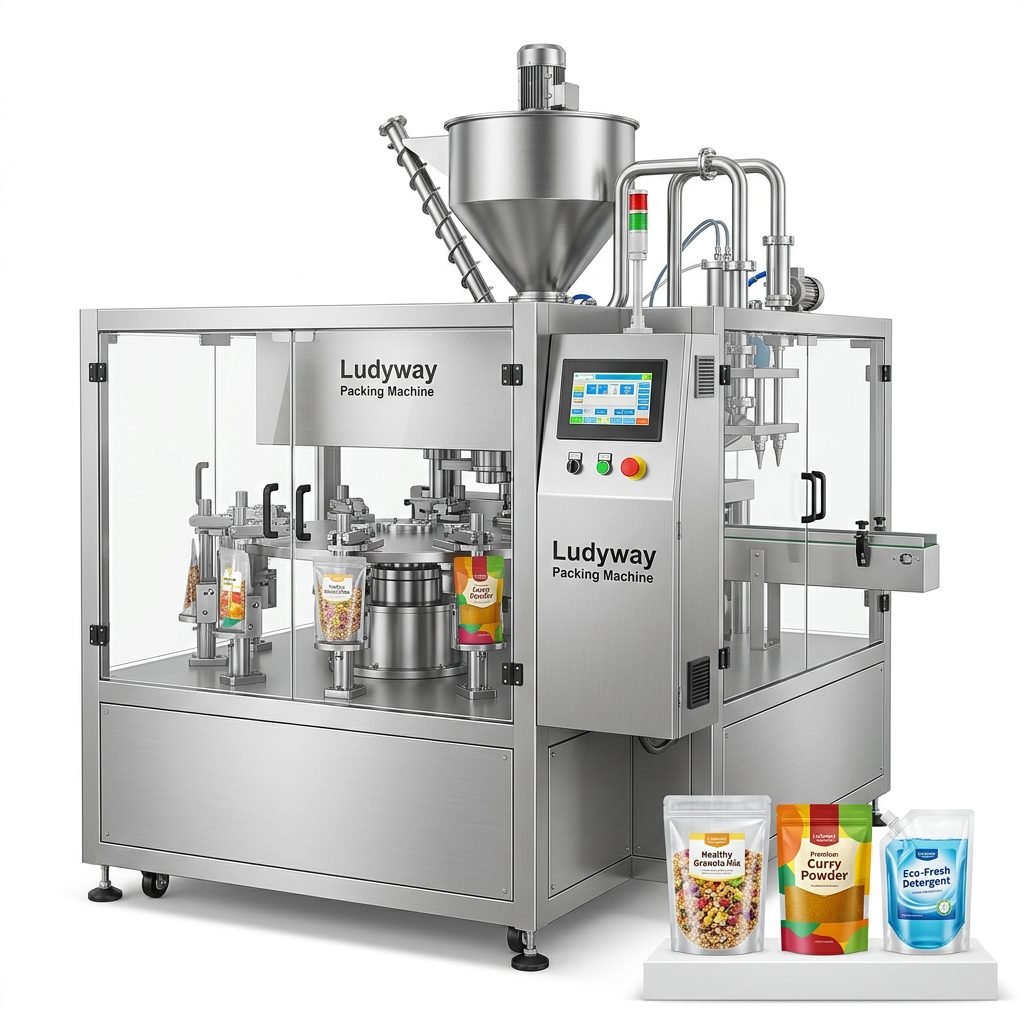
Manufacturers looking for scalable packaging automation often work with experienced equipment suppliers such as Ludyway stick pack packaging machine solutions to match product characteristics, capacity goals, and turnkey line requirements.
FAQs about stick pack packaging
Is stick pack packaging only for powders?
No. Stick packs are commonly used for powders, granules, liquids, gels, and some pastes, depending on the filling and sealing system.
Are stick packs good for pharmaceutical products?
Yes. They are widely used for unit-dose pharmaceutical and health products because they support hygiene, accurate filling, and easy portability.
What is the difference between a stick pack and a sachet?
A stick pack is usually longer and narrower, while a sachet is generally wider and more square or rectangular. Stick packs often offer better pouring control and a more compact profile.
Why are stick packs popular in supplements?
Because they are convenient, easy to carry, and ideal for single servings of collagen, electrolytes, probiotics, creatine, and other health products.
Final thoughts
Stick pack packaging is used for a wide range of products that benefit from single-dose convenience, accurate filling, clean dispensing, and compact presentation. It is especially valuable in food, beverage, pharmaceutical, nutraceutical, cosmetic, and household product markets.
For brands and manufacturers aiming to improve efficiency, reduce waste, enhance shelf appeal, and meet modern consumer expectations, stick packs remain one of the most effective flexible packaging formats available today.