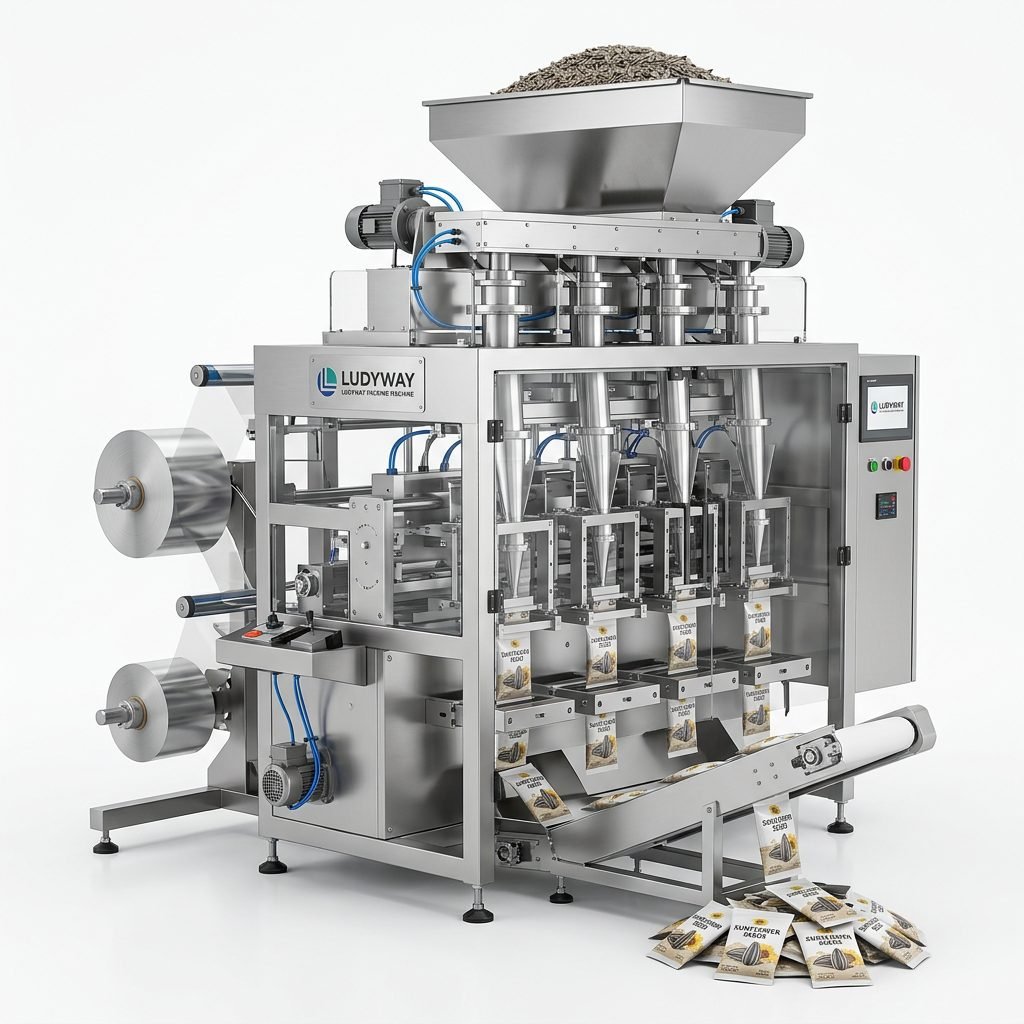
Servo systems are one of the most important technologies behind modern packaging automation. In today’s high-speed production environment, packaging machines must do far more than simply move products from one step to the next. They need to position accurately, synchronize multiple motions, reduce waste, improve speed, and maintain repeatable quality. That is exactly where servo systems make a major difference.
From sachet packing and stick pack lines to cartoning, pouch filling, labeling, and end-of-line automation, servo-driven machines help manufacturers achieve tighter control over every packaging action. Whether the product is powder, liquid, granules, paste, or tablets, servo technology improves the machine’s ability to respond precisely to changing production demands.
What Is a Servo System in Packaging Machinery?
A servo system is a motion control system that uses a servo motor, servo drive, and feedback device to control movement with very high precision. In a packaging machine, it regulates variables such as:
- Position of sealing jaws, conveyors, film pulling units, cutters, and filling devices
- Speed of product feeding, indexing, and transfer
- Torque during sealing, pressing, capping, or dosing
- Synchronization between different moving parts
Unlike traditional mechanical transmission systems that depend on cams, belts, gearboxes, and fixed motion paths, servo systems allow packaging machines to adapt motion electronically. This means smoother operation, easier adjustment, and better flexibility when changing product size, bag length, or machine speed.
The Core Role of Servo Systems in Packaging Machines
The role of servo systems goes far beyond “motorized movement.” They serve as the control foundation for advanced packaging performance. In practical production, servo systems deliver several key functions.
1. Precision Motion Control
Packaging processes rely on exact timing and exact positioning. A small error in film pulling length, filling position, or sealing jaw closure can lead to defective packs, material waste, and unplanned downtime. Servo systems provide highly accurate movement control, helping machines maintain stable and repeatable performance.
2. Multi-Axis Synchronization
Many packaging machines have multiple stations working at the same time. For example, a stick pack machine may need to coordinate film unwinding, vertical sealing, dosing, horizontal sealing, cutting, and discharge. Servo systems synchronize these actions so each step happens at the correct moment.
3. Flexible Format Change
In older machines, changing pack length or product format often required manual replacement of mechanical components. Servo-driven packaging systems allow operators to change settings through the HMI, reducing adjustment time and making short production runs more efficient.
4. Speed Optimization
Higher speed is only useful when quality remains stable. Servo systems support controlled acceleration and deceleration, which helps machines run faster without causing vibration, misalignment, or sealing inconsistency.
5. Intelligent Automation Integration
Modern packaging lines increasingly use PLCs, sensors, machine vision, checkweighers, coders, and remote diagnostics. Servo systems work well with these intelligent controls, making them essential in smart packaging production lines.
Where Servo Systems Are Used in Packaging Machines
Servo systems can be found in nearly every major packaging machine category. Their use depends on the packaging format, product characteristics, and required production speed.
| Packaging Machine Section | Typical Servo Function | Main Benefit |
|---|---|---|
| Film pulling system | Controls bag length and film feed accuracy | Consistent pouch size, less film waste |
| Filling and dosing unit | Controls auger, pump, piston, or cup filling motion | Accurate filling volume |
| Sealing jaws | Controls jaw closing/opening timing and pressure movement | Stable seal quality |
| Cutting unit | Coordinates cutting position with pack registration | Clean cuts, improved appearance |
| Conveyor/indexing section | Moves products at controlled intervals | Smooth product transfer |
| Cartoning and case packing | Synchronizes insertion, positioning, and pushing actions | Reliable secondary packaging |
| Labeling and coding | Controls placement timing and product tracking | More accurate print and label placement |
Why Servo Systems Matter So Much in Modern Packaging
Manufacturers today face strong pressure to improve productivity while controlling labor cost, packaging waste, and quality risks. Servo systems directly support these business goals.
Higher Accuracy Means Lower Waste
When dosing, sealing, cutting, and feeding are all controlled precisely, fewer packages are rejected. This reduces product loss, film waste, and rework.
Faster Production with Better Stability
Servo motion is programmable and responsive. Machines can run at high speed while keeping movement smooth and controlled. This is especially important for multi-lane sachet and stick pack applications where multiple lanes must remain aligned.
Better Adaptability for Different Products
Many packaging companies now process multiple SKUs on one line. Servo systems make it easier to handle different pack sizes, product weights, and material types without long changeover delays.
Reduced Mechanical Complexity
Replacing some mechanical transmission parts with electronic motion control can simplify machine design, reduce wear points, and improve maintenance efficiency.
Servo Motors vs Conventional Motors in Packaging Equipment
A frequent question from buyers is whether servo systems are really better than traditional motors. In many packaging applications, the answer is yes—especially where precision and flexibility matter.
| Feature | Servo System | Conventional Motor |
|---|---|---|
| Position control | Very precise | Limited |
| Speed response | Fast and programmable | Less responsive |
| Motion synchronization | Excellent for multi-axis control | More difficult |
| Changeover flexibility | Easy via settings | Often mechanical adjustment required |
| Suitability for high-speed packaging | Very suitable | Limited in advanced applications |
How Servo Systems Improve Different Packaging Processes
Form-Fill-Seal Machines
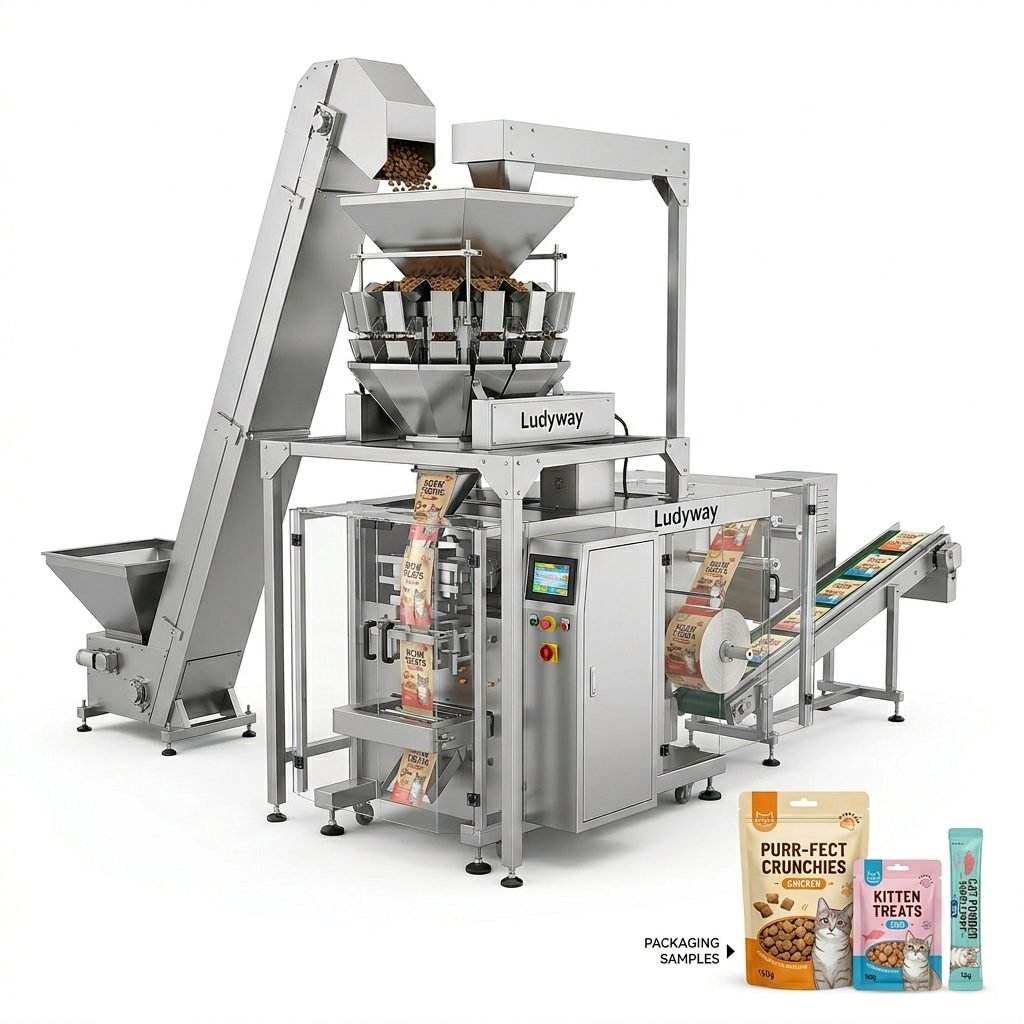
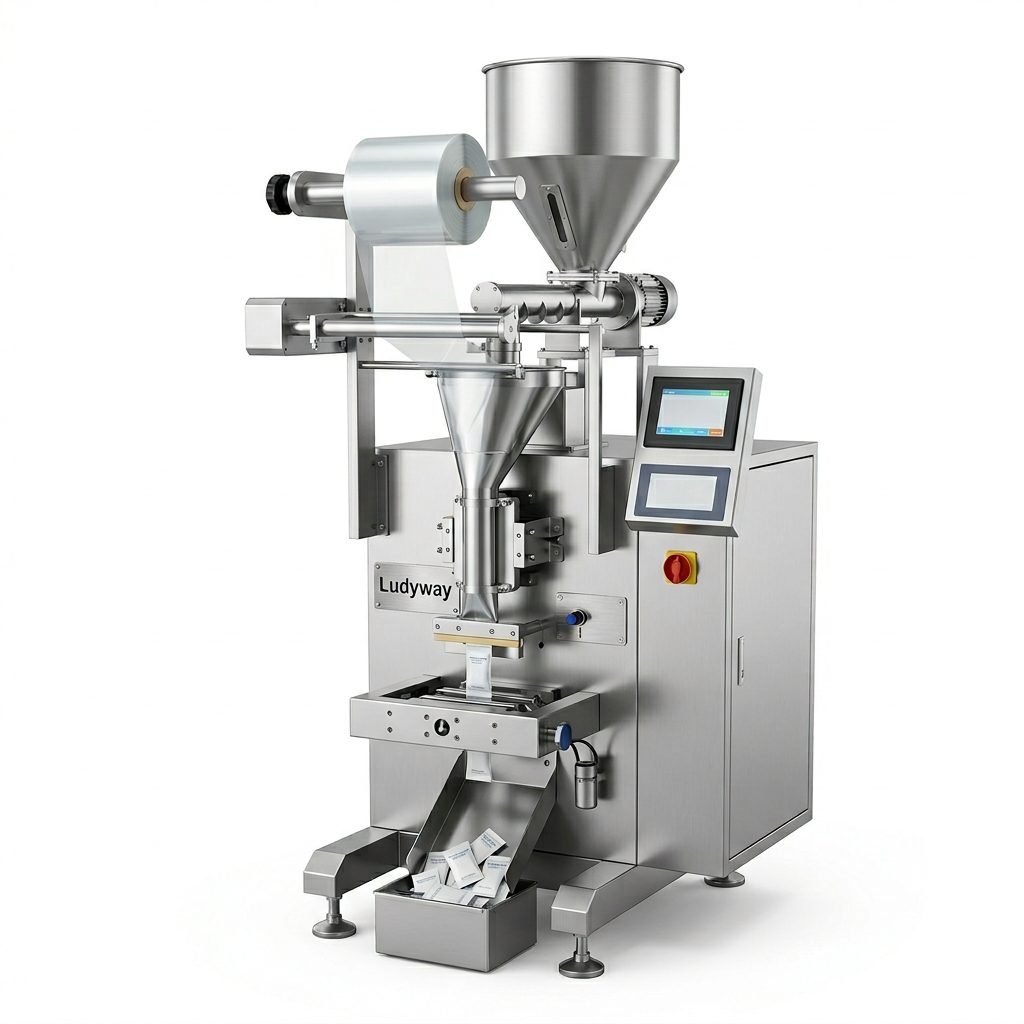
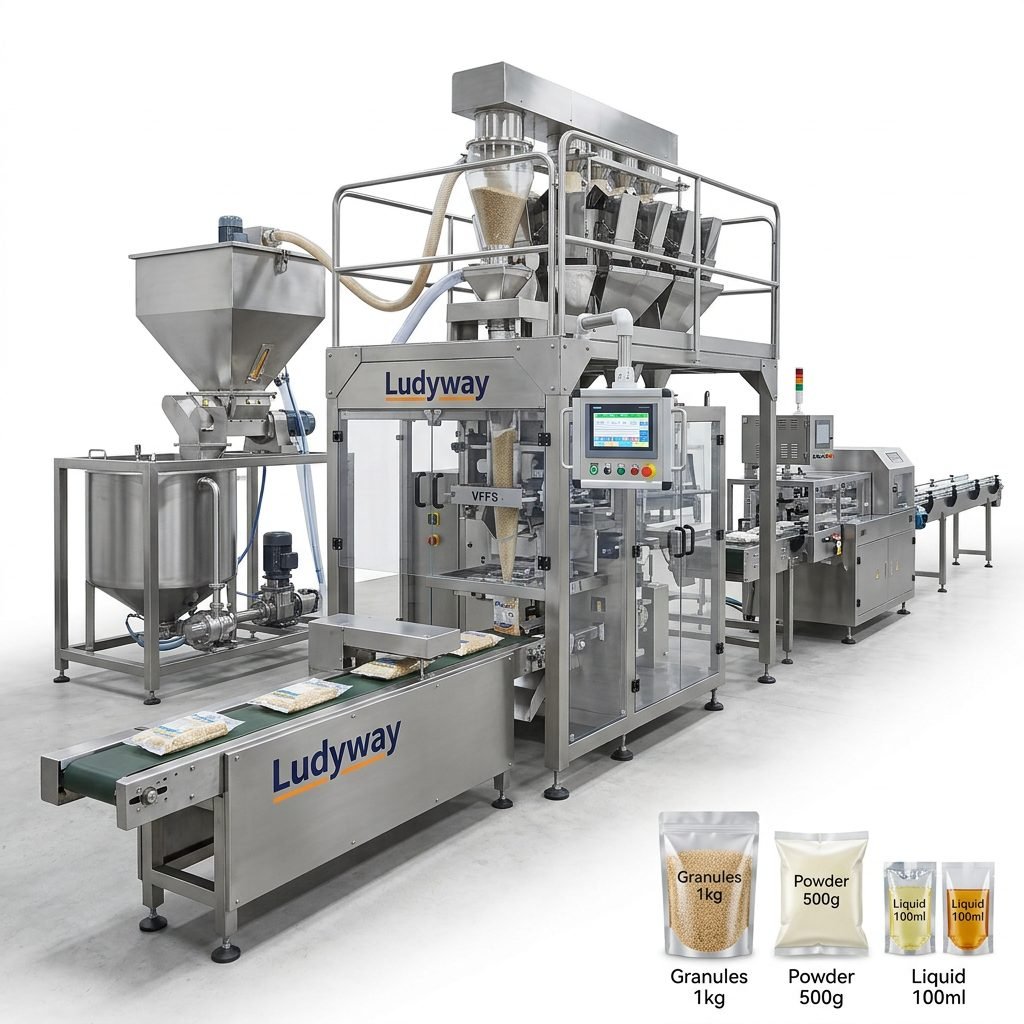
In vertical and horizontal form-fill-seal machinery, servo systems control film transport, registration tracking, sealing movement, and cut-off timing. This allows tighter bag length control and more stable sealing performance.
Sachet and Stick Pack Machines
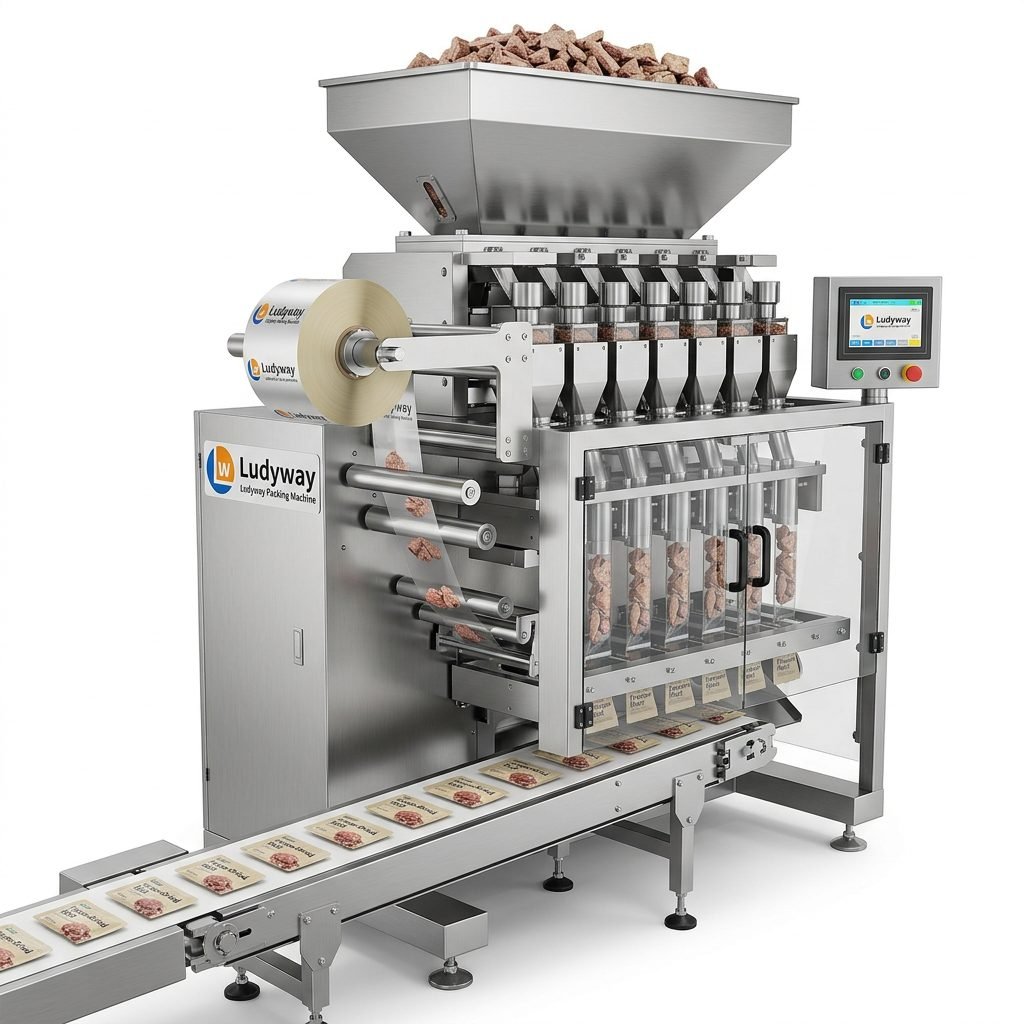
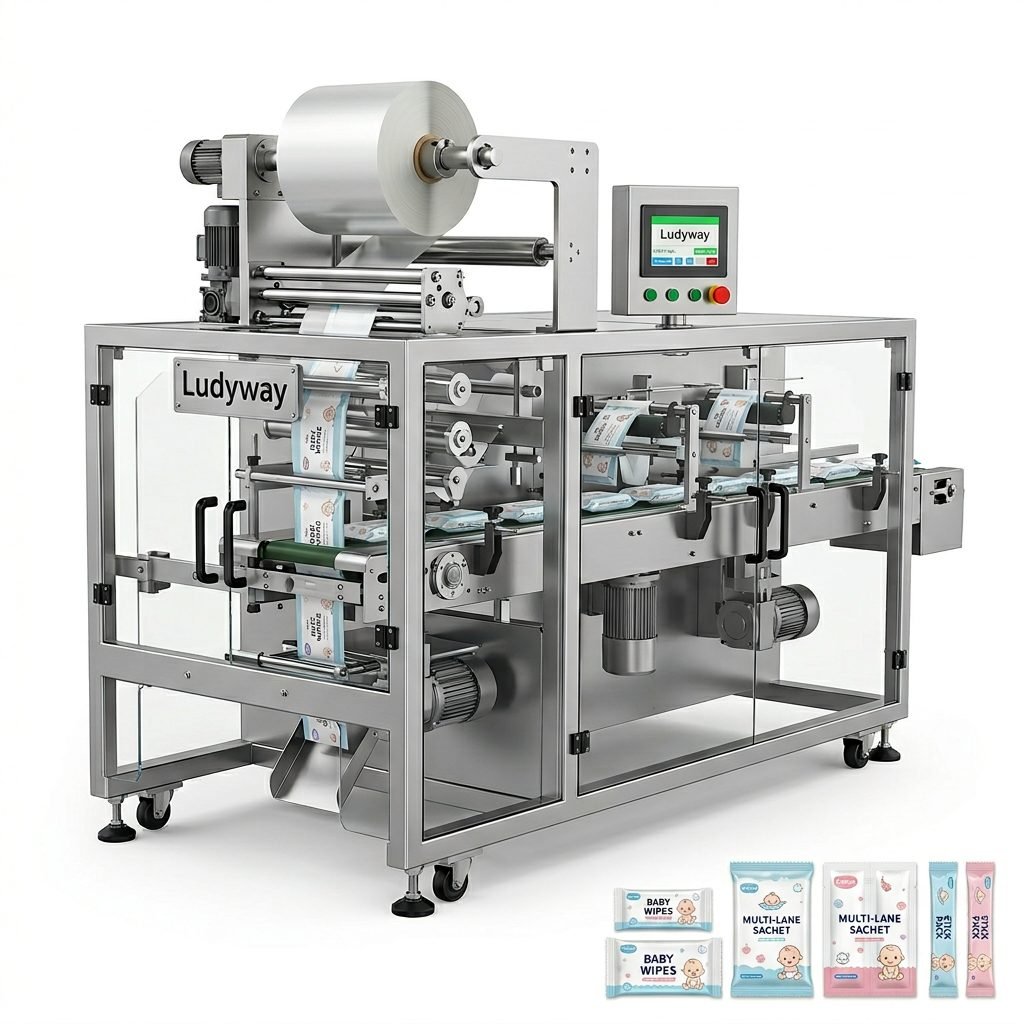
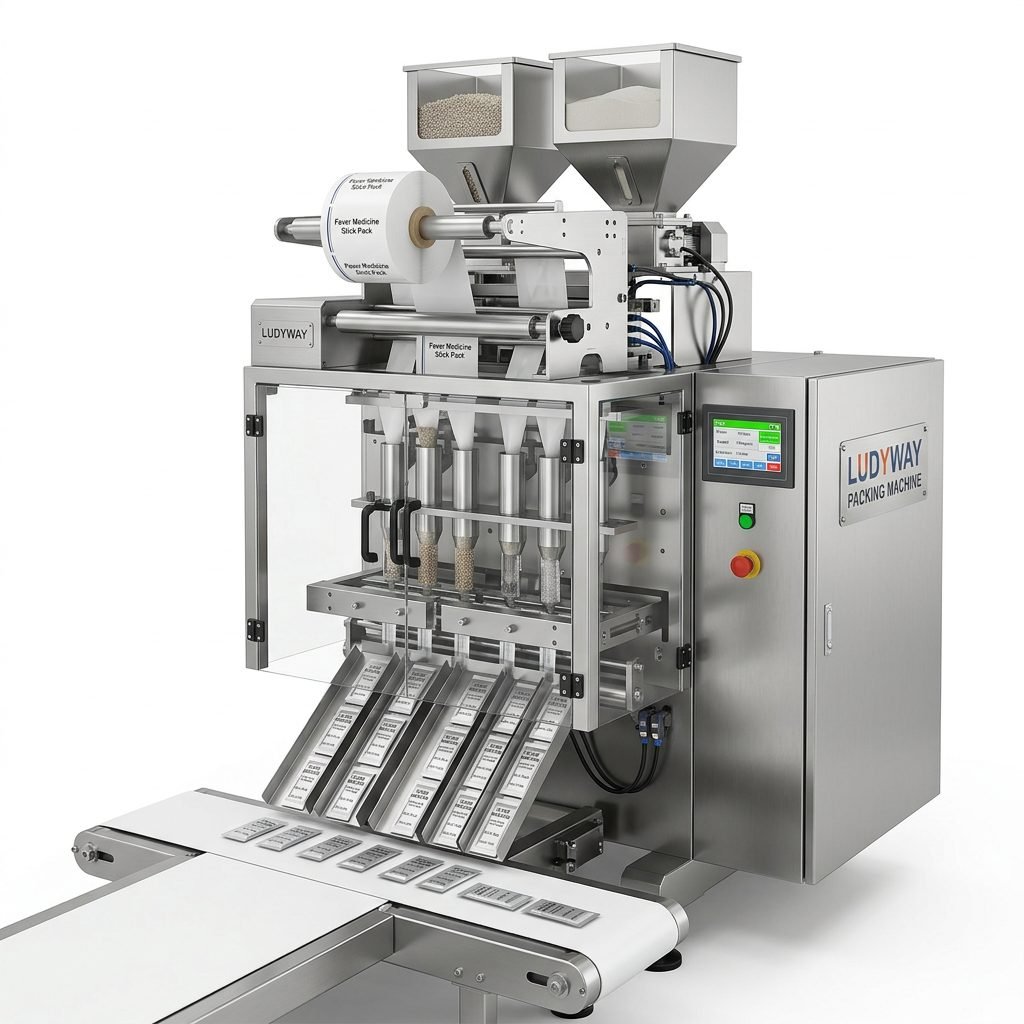
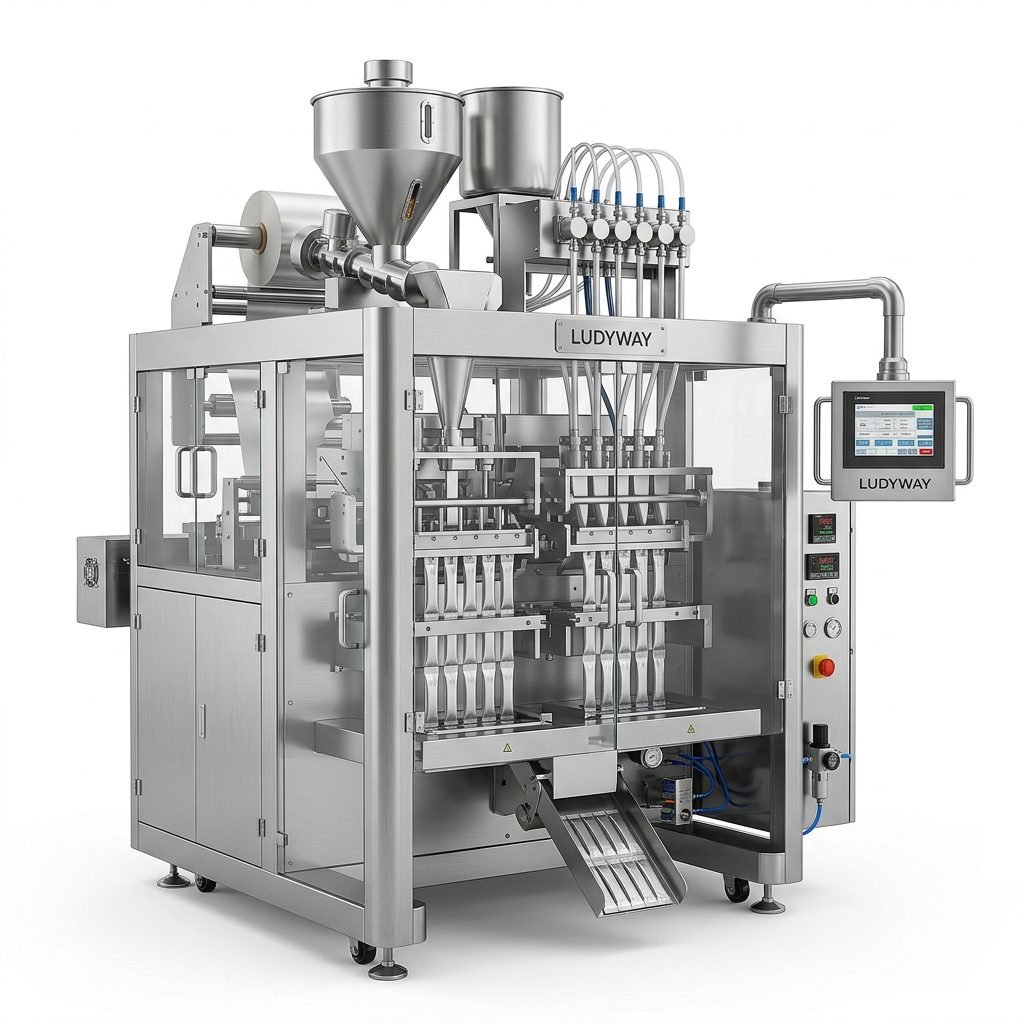
Multi-lane sachet and stick pack machines require exact synchronization across lanes. Servo technology helps maintain uniform bag dimensions, synchronized cutting, and stable filling repeatability, especially at high output.
Liquid Filling Machines
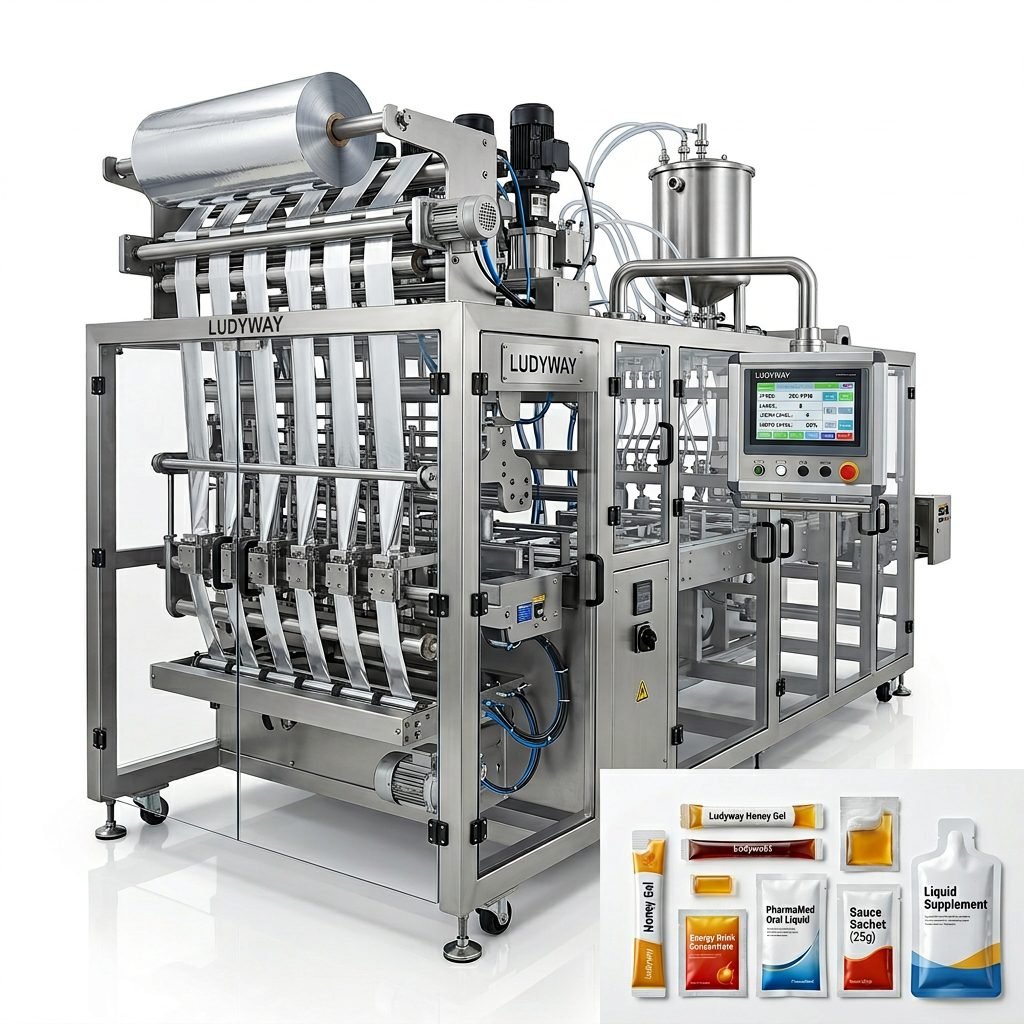
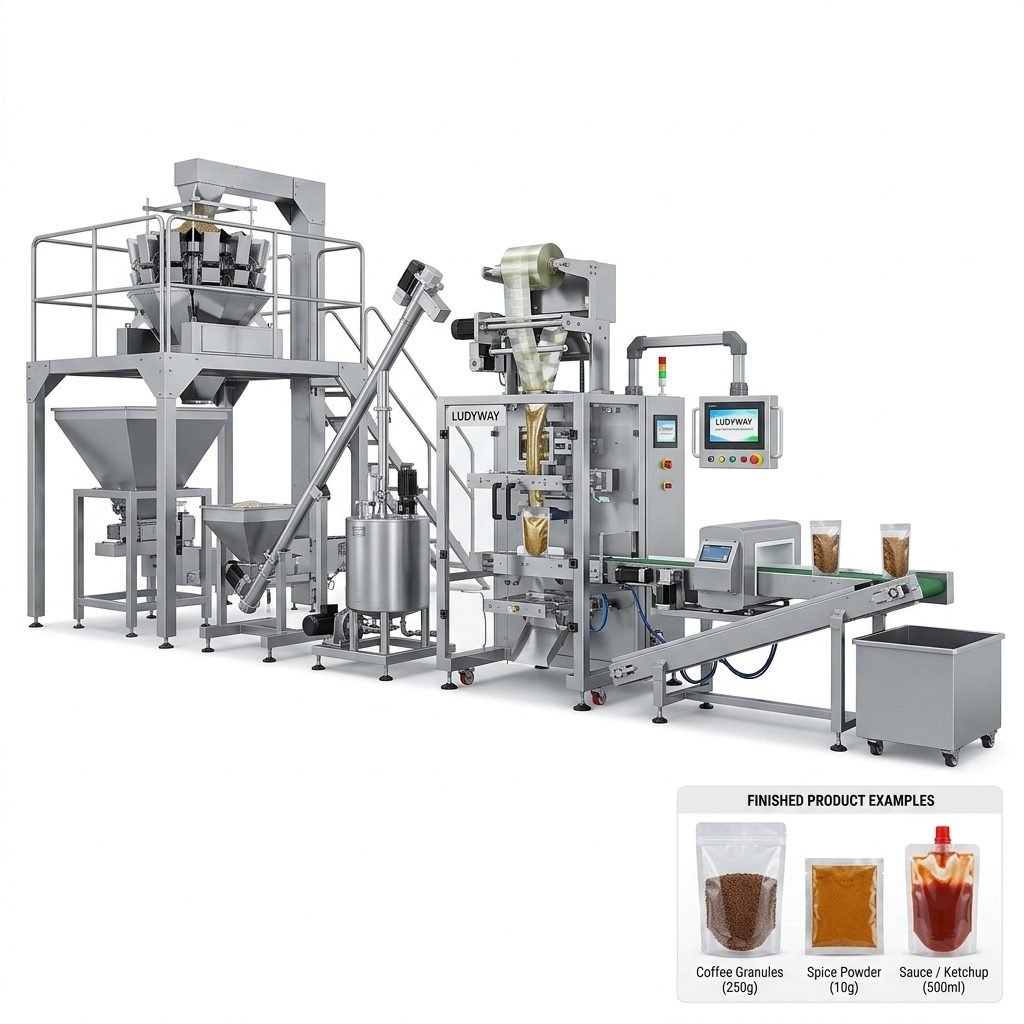
For liquids, gels, and pastes, servo drives can regulate pump or piston motion for accurate fill volume and cleaner filling. This is useful in food, pharmaceutical, cosmetic, and chemical applications.
Cartoning Machines
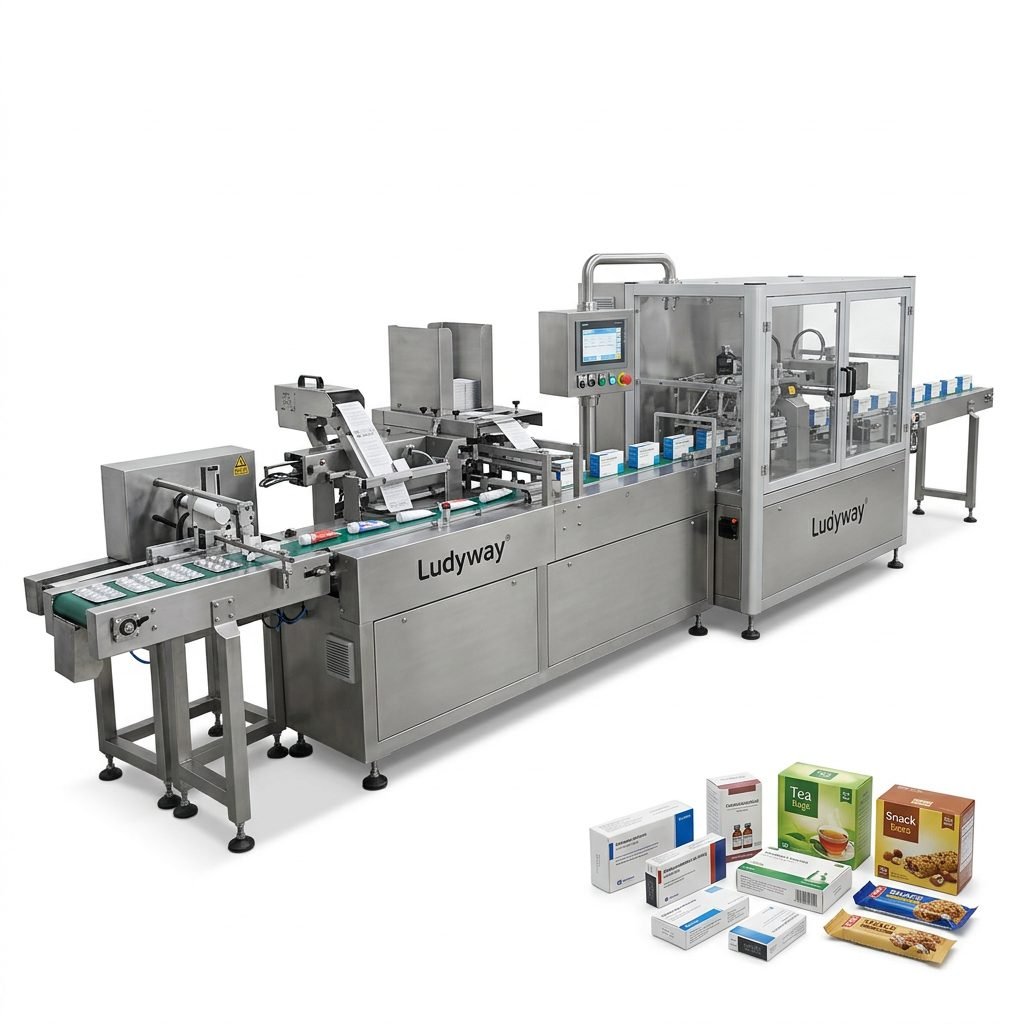
Servo-controlled cartoning supports accurate indexing, smooth carton opening, correct product insertion, and synchronized flap closing. This reduces jams and improves secondary packaging efficiency.
Weighing and Counting Systems
Servo systems can also support feeders, indexing belts, and discharge controls in integrated weighing and counting applications, helping align each dosing cycle with package presentation.
Key Benefits of Servo Systems for Packaging Manufacturers
- Improved pack consistency across long production runs
- Shorter changeover times for different products or package sizes
- Higher production efficiency with smoother motion profiles
- Less packaging material waste due to accurate motion control
- Better integration with automation, sensors, and HMI systems
- Reduced dependency on manual mechanical adjustment
- More scalable machine design for customized packaging lines
Industries That Benefit Most from Servo-Driven Packaging Machines
Although servo systems are now common in many packaging sectors, they are especially valuable in industries where precision, hygiene, speed, and product consistency are critical:
- Food and beverage
- Pharmaceutical packaging
- Health supplements and nutraceuticals
- Cosmetics and personal care
- Chemical and household products
- Nicotine pouch and oral pouch products
- Animal nutrition and feed products
For example, pharmaceutical and nutraceutical packaging often requires highly repeatable dosing and strict package accuracy. Food packaging may demand high-speed output with reliable sealing. Cosmetics and personal care products may need clean filling and attractive final presentation. Servo control supports all of these objectives.
What to Consider When Choosing a Servo-Driven Packaging Machine
Not all servo packaging machines are configured the same way. Buyers should review several technical and operational factors before making a decision.
Machine Architecture
Check which machine sections use servo control. Some machines are partially servo-driven, while others use full servo architecture for feeding, pulling, sealing, cutting, and conveying.
Product Characteristics
The ideal servo configuration depends on whether the product is free-flowing powder, sticky paste, liquid, fragile granule, or counted solid. Product behavior affects dosing and motion requirements.
Target Output
If you need high-speed production, servo synchronization becomes more important. Machines with strong motion control can maintain quality as output rises.
Changeover Frequency
If your factory handles many SKUs, servo systems provide a clear advantage because they reduce downtime during product or format changes.
Control System Compatibility
Ensure the servo system works well with the PLC, HMI, coding equipment, inspection devices, and upstream/downstream packaging units in your production line.
Common Challenges Servo Systems Help Solve
In many factories, recurring packaging issues are actually motion control problems. Servo systems help solve challenges such as:
- Inconsistent bag length
- Misaligned cutting position
- Filling inaccuracy
- Seal defects caused by timing mismatch
- Product damage during transfer
- Slow changeover between formats
- Mechanical wear from rigid transmission systems
By improving electronic coordination and repeatability, servo systems help reduce production variability and improve line stability over time.
Are Servo Systems Worth the Investment?
For many manufacturers, the answer is yes. Servo-driven packaging machines may involve a higher initial investment than simpler conventional designs, but they often provide better long-term value through:
- Higher output
- Less waste
- Improved packaging quality
- Reduced adjustment time
- Greater flexibility for future products
- More advanced automation capability
In competitive industries, these advantages can significantly improve overall equipment effectiveness and production profitability.
How Servo Systems Support Turnkey Packaging Lines
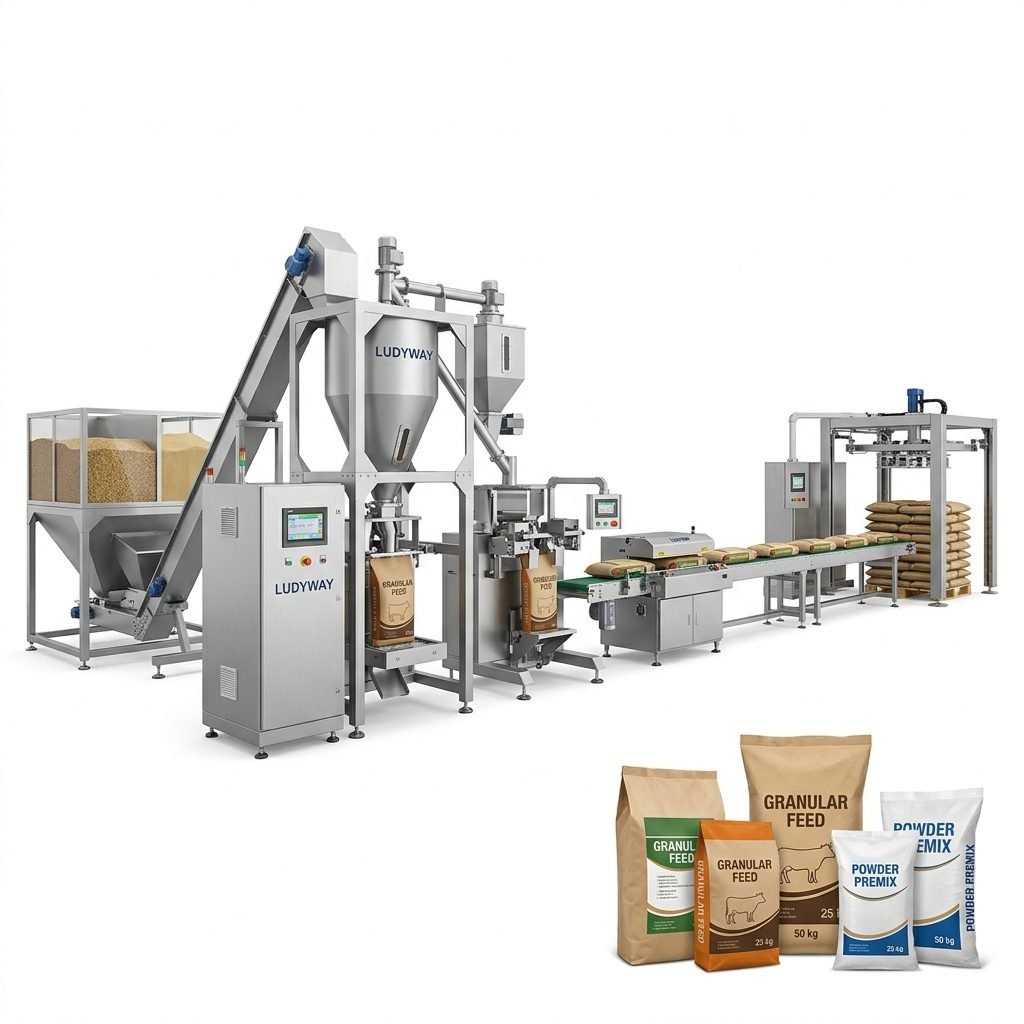
Servo technology becomes even more valuable in complete packaging lines, where multiple machines must operate as one coordinated system. A turnkey line may include feeding, filling, sealing, coding, inspection, cartoning, case packing, and palletizing. Servo systems allow these sections to communicate and synchronize more effectively.
Manufacturers looking for scalable automation often work with experienced suppliers that understand both standalone machines and line integration. As one of China’s leading packaging machine and turnkey packaging line manufacturers, Ludyway packaging machine manufacturer provides servo-driven solutions for food, pharmaceutical, health supplement, cosmetic, chemical, and other industries that require stable, precise, and flexible packaging automation.
Final Thoughts on the Role of Servo Systems in Packaging Machines
Servo systems play a central role in modern packaging machinery because they bring precision, flexibility, synchronization, and efficiency to the entire packaging process. They help machines run faster, package more accurately, adapt more easily, and integrate better with intelligent production systems.
For companies planning to upgrade packaging equipment or invest in new automated lines, understanding servo technology is essential. In many cases, the difference between an average machine and a high-performance machine comes down to how well its servo system controls the process.
Quick Summary
- Servo systems control movement with high accuracy
- They improve filling, sealing, cutting, conveying, and indexing performance
- They support high-speed, multi-lane, and multi-axis packaging applications
- They reduce waste and simplify format changes
- They are essential for advanced automatic packaging lines